
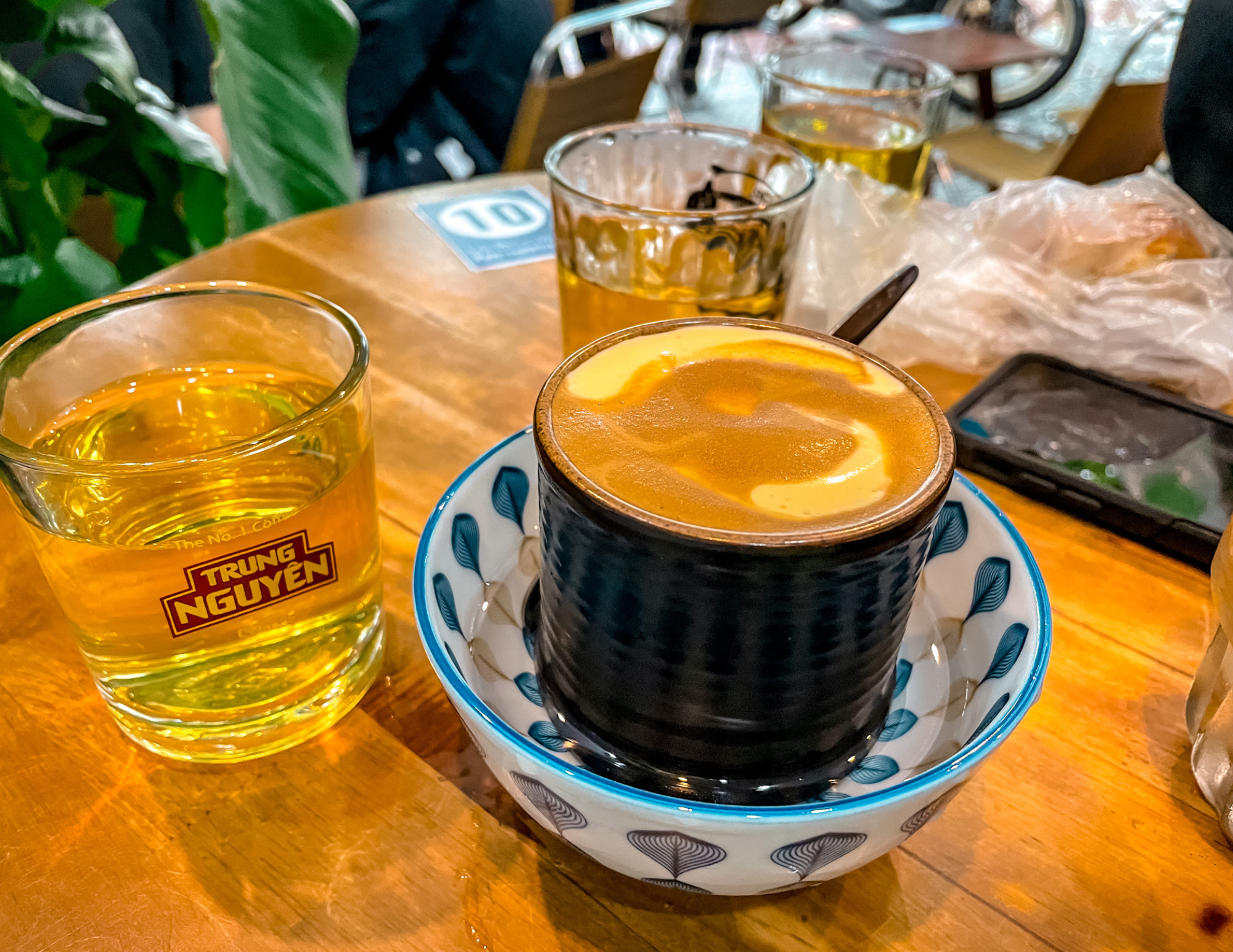
Coffee in Vietnam is not rushed. It is not grabbed and carried out the door. It is not a quick stop between errands.
It is part of daily rhythm.
From small plastic stools on sidewalks to quiet second floor balconies, coffee is how people meet, pause, work, and watch life move around them. Vietnam is one of the largest coffee producers in the world, but what makes it special is not just the beans. It is the culture built around them.
If you want to understand modern Vietnam, you sit down for coffee.
How Coffee Came to Vietnam
Coffee was introduced during French colonial rule in the 19th century. Wheat bread and coffee both arrived through French influence, but over time Vietnam reshaped both into something uniquely its own.
Because fresh milk was limited historically, condensed milk became the standard addition to coffee. That substitution eventually defined the taste profile that many travelers now associate with Vietnamese coffee.
Instead of copying French cafe culture, Vietnam created a stronger, sweeter, and slower version of its own.
Why Vietnam Is a Coffee Powerhouse
Vietnam is the second largest coffee producer in the world and the largest producer of robusta beans.
Robusta beans are stronger, more bitter, and contain more caffeine than arabica beans. That is why Vietnamese coffee often tastes bold and intense compared to lighter Western roasts.
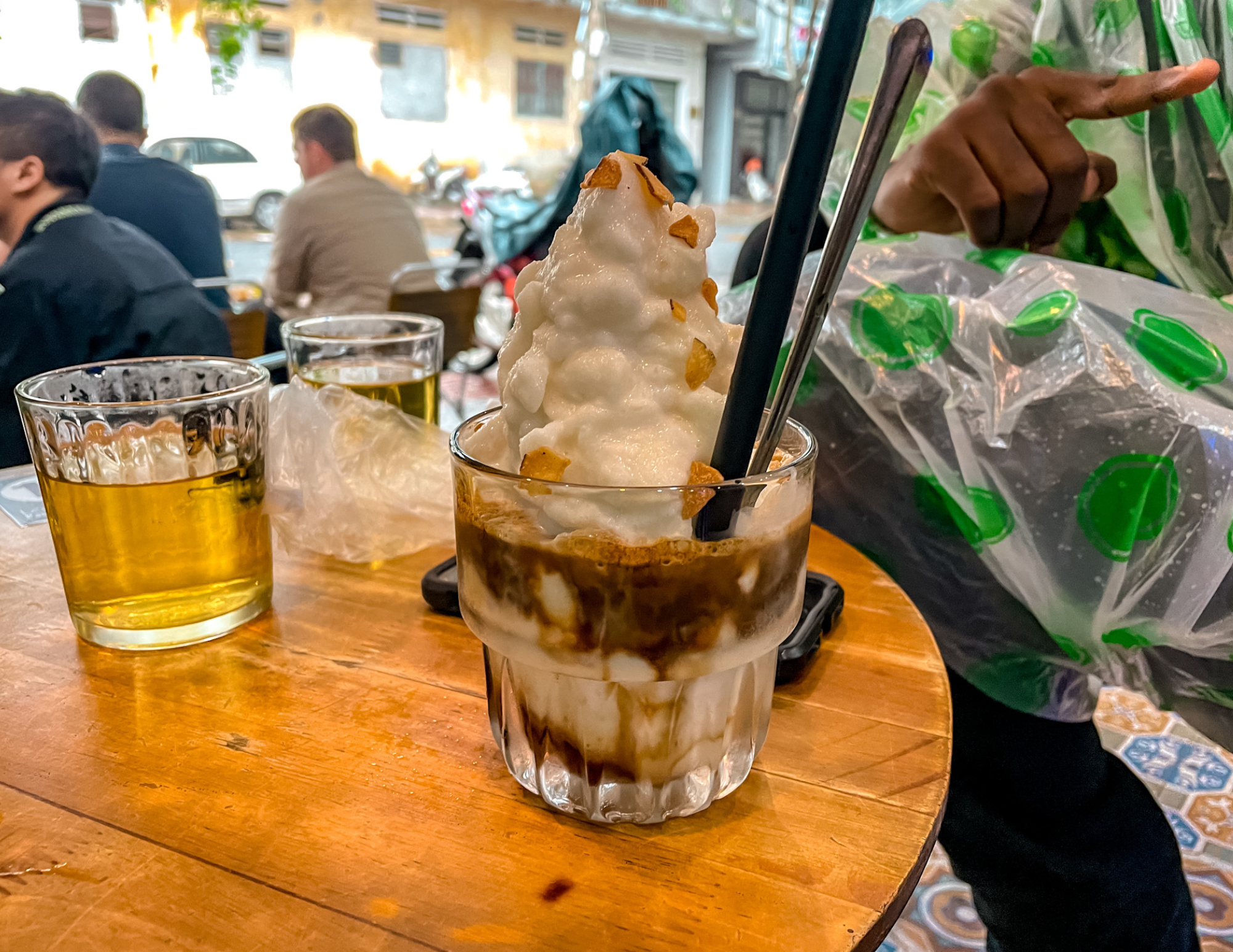
The strength pairs naturally with condensed milk, ice, coconut cream, and egg foam, which balance the bitterness.
Coffee is not niche here. It is agricultural, economic, and cultural.
How Vietnamese Coffee Is Brewed
Traditional Vietnamese coffee uses a small metal drip filter called a phin. Ground coffee is placed inside, hot water is added, and the coffee slowly drips into the cup below.
The process takes time. That waiting is intentional. It encourages sitting rather than rushing.
The result is concentrated and strong. When poured over ice or mixed with condensed milk, it becomes balanced and rich rather than sharp.
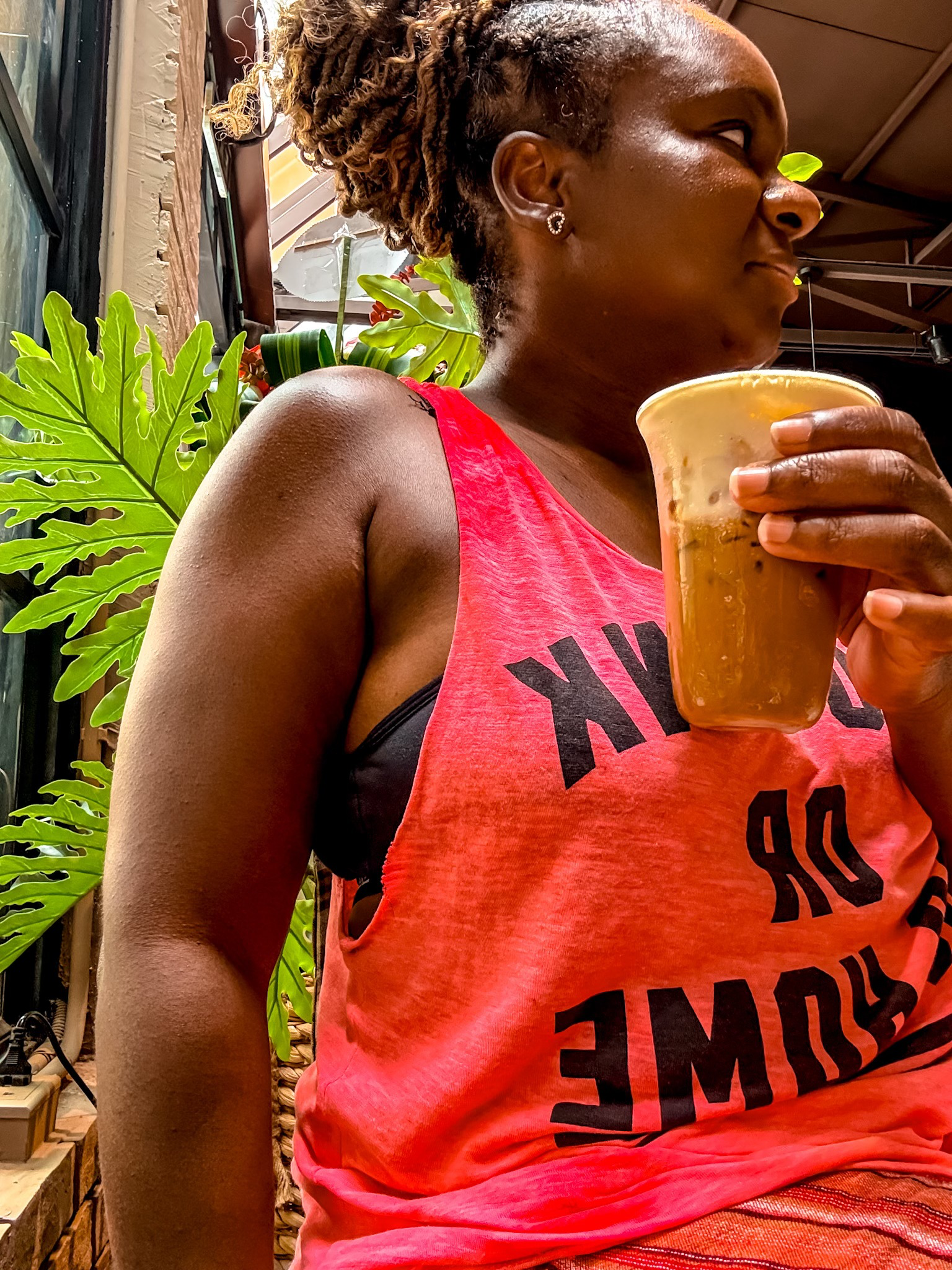
Must Try Vietnamese Coffee Drinks
Vietnamese Iced Coffee
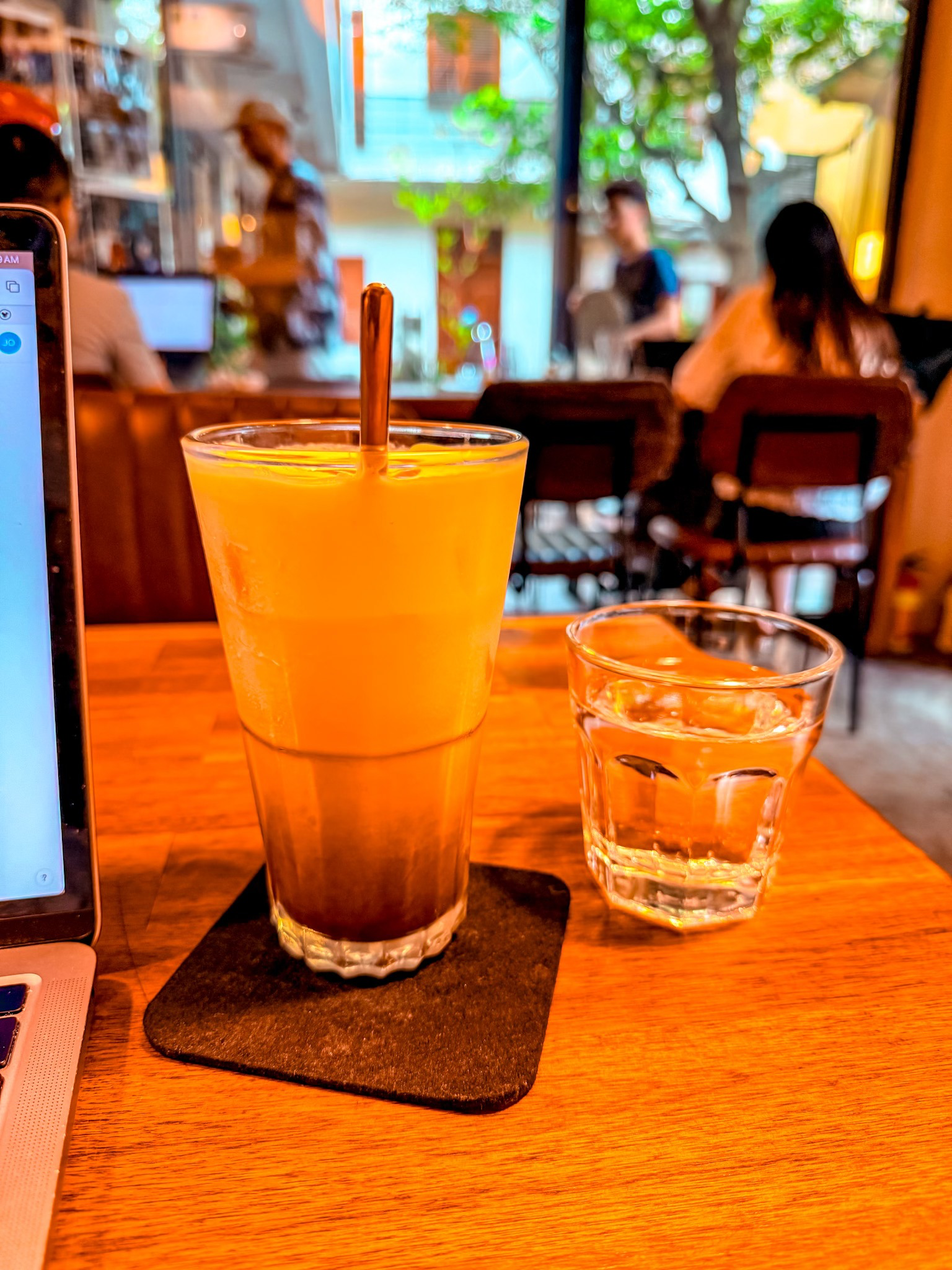
Strong coffee poured over ice and mixed with sweetened condensed milk. This is the most common everyday order and perfect for hot weather.
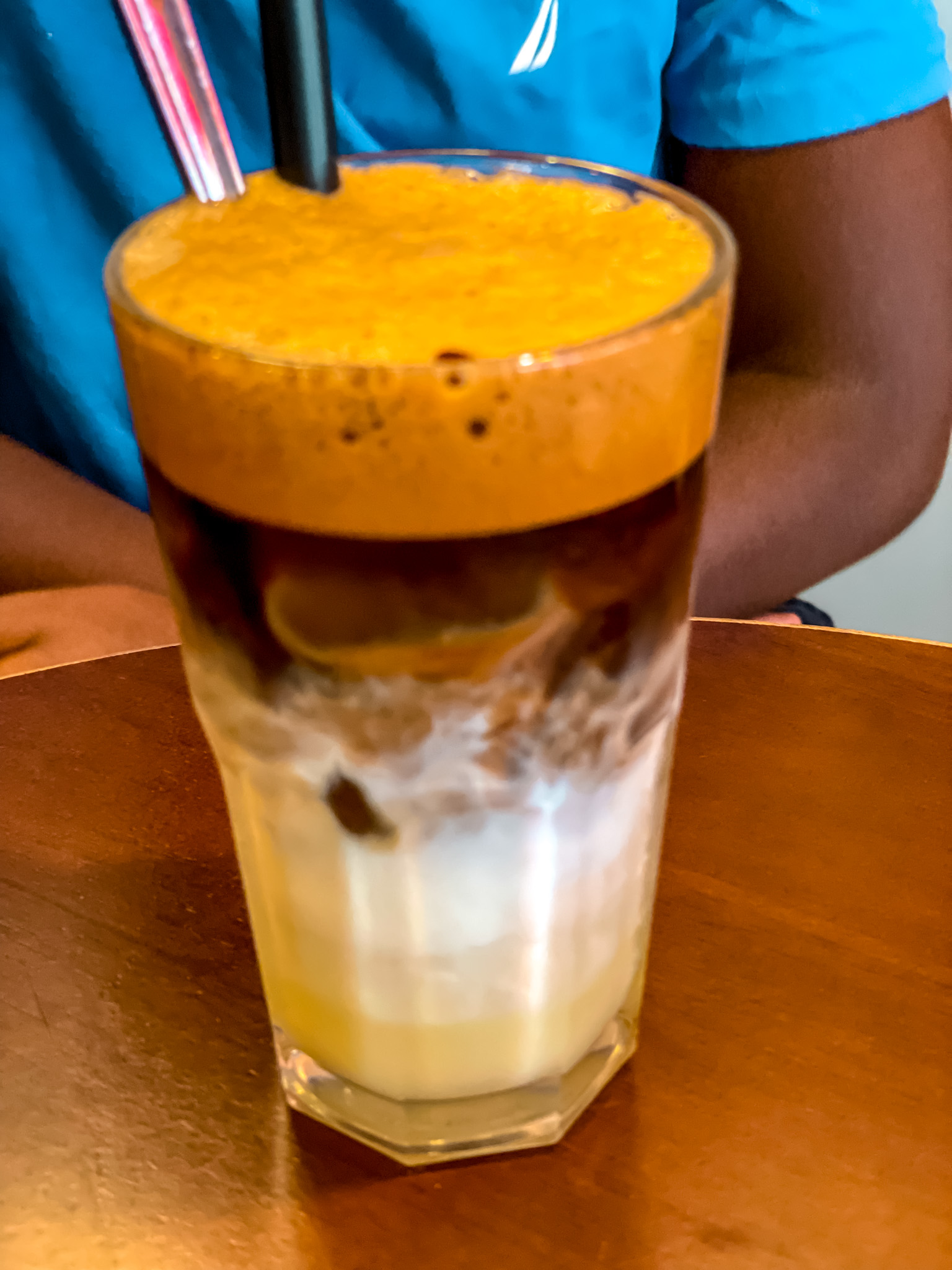
Egg Coffee
Invented in Hanoi, egg yolk is whipped with sugar and condensed milk into a creamy foam layered over hot coffee. It tastes more like a dessert custard than a traditional drink.
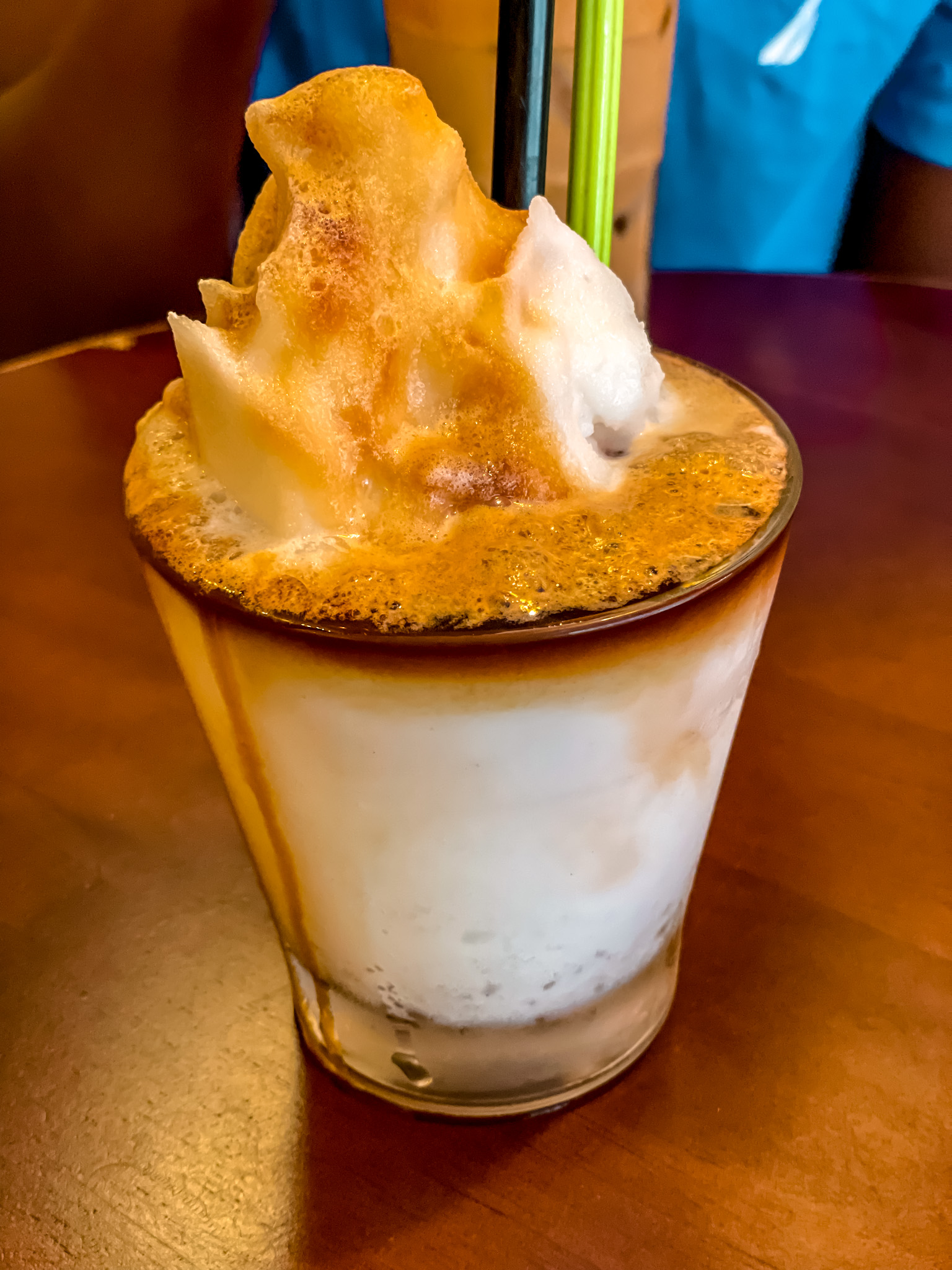
Coconut Coffee
Coffee blended with coconut cream, often served icy and thick. Popular in warmer southern regions.
Black Coffee
Served without milk and meant to be sipped slowly. Strong and intense.
Yogurt Coffee
A surprising combination where coffee is poured over chilled yogurt. Tangy and sweet at the same time.
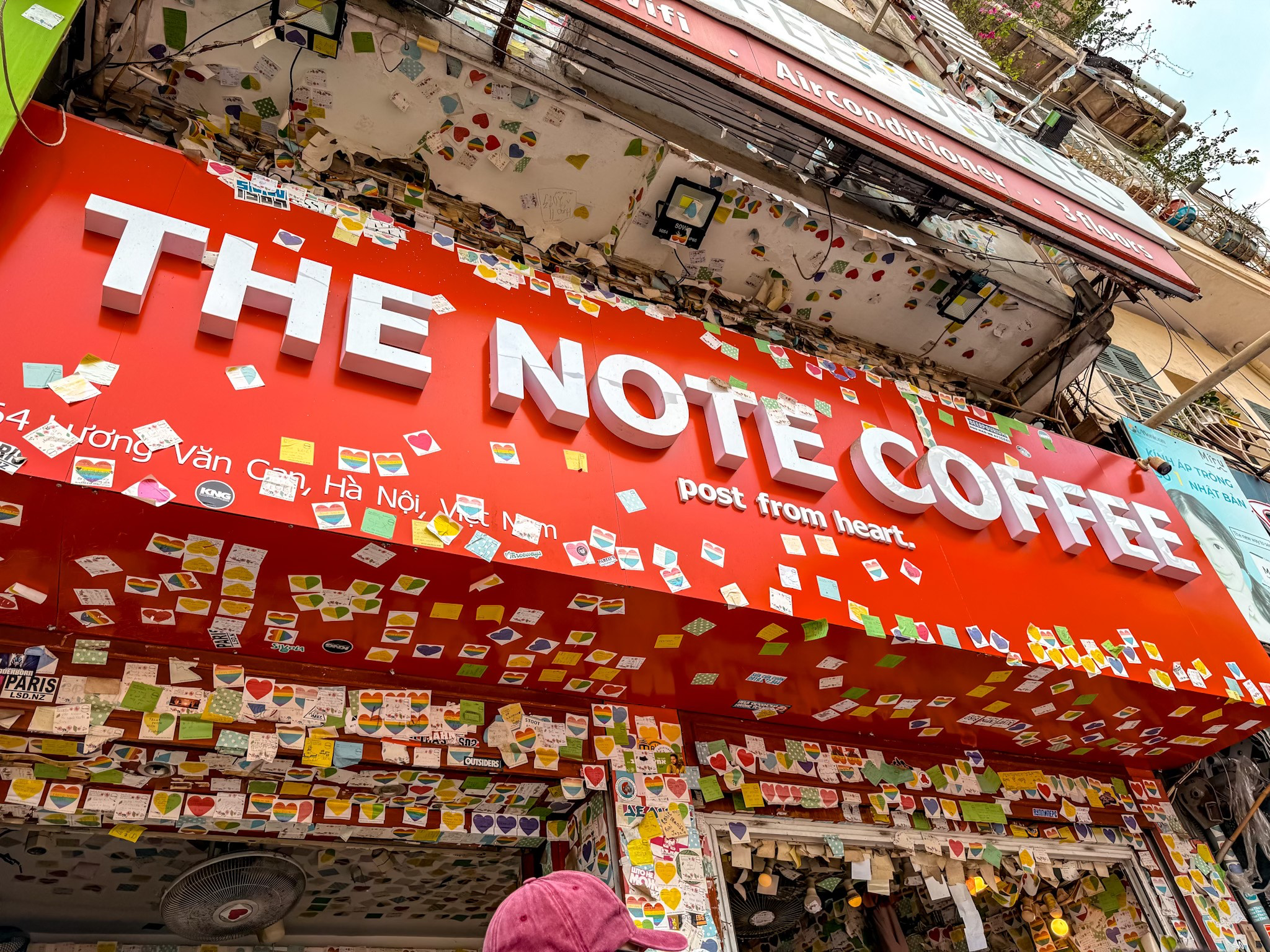
Street Coffee vs Modern Cafes
Vietnam coffee culture exists in layers.
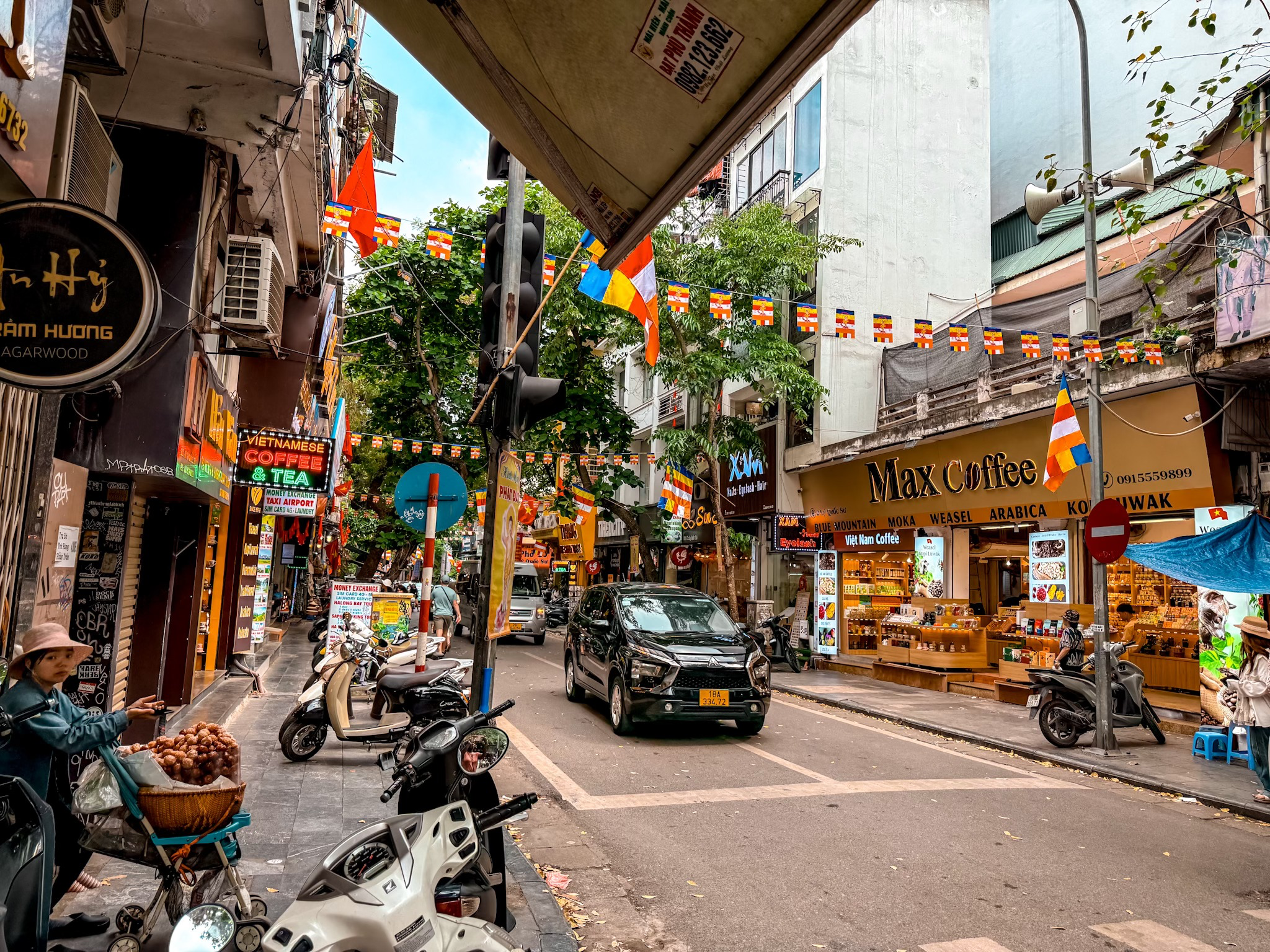
Street coffee stalls use small stools placed directly on sidewalks. Conversations mix with traffic noise and daily life happens inches away. These spots feel social and immediate.
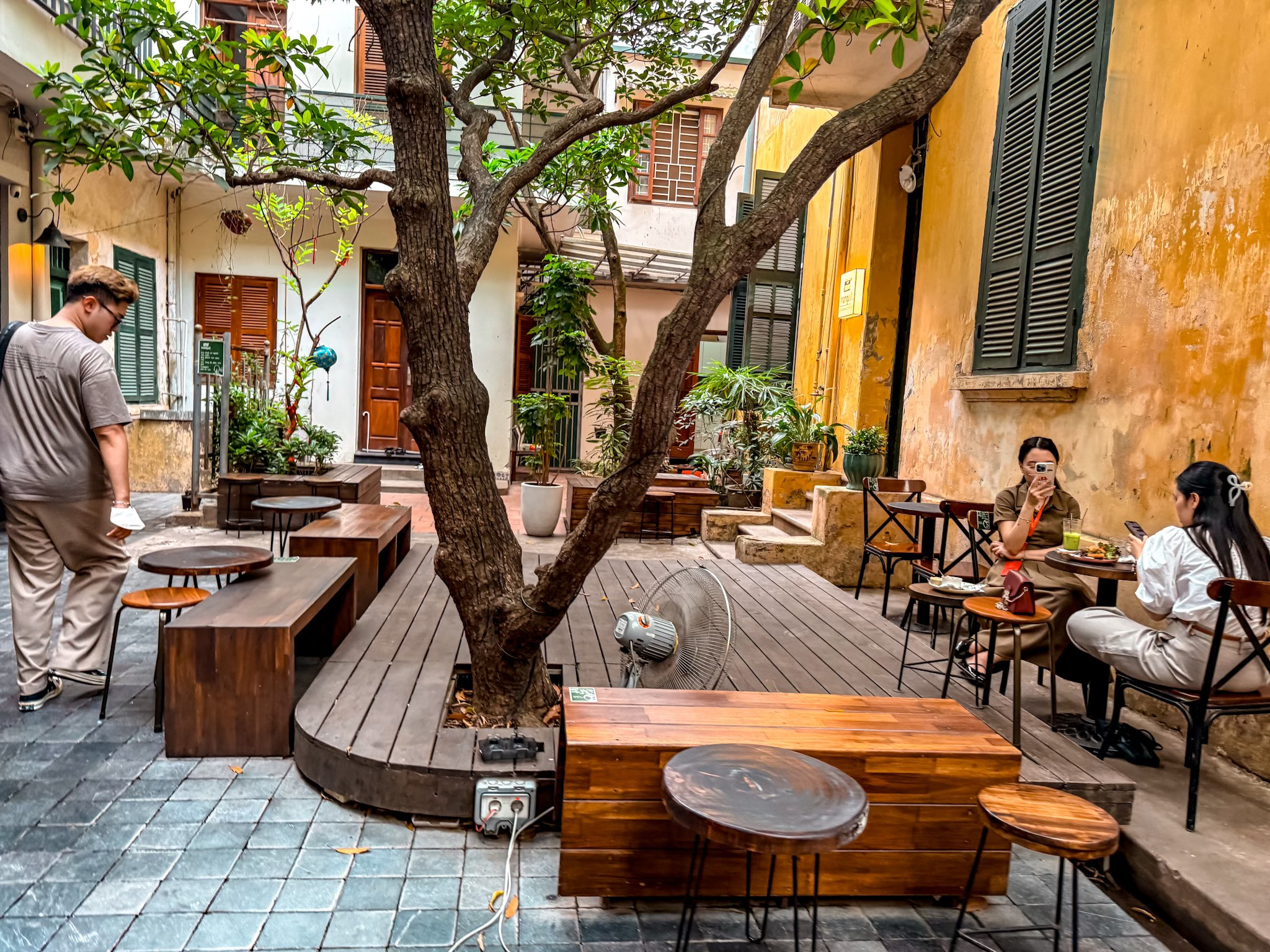
Modern cafes offer air conditioning, upstairs seating, and often design focused interiors. Young professionals, students, and remote workers spend hours inside.
Both are authentic expressions of Vietnamese coffee culture. One is raw and social. The other is reflective and relaxed.
Regional Differences
Northern Vietnam
Coffee culture feels traditional and slow. Egg coffee originated in Hanoi and many cafes maintain old world charm.
Central Vietnam
Often spicier in food culture and slightly bolder in coffee presentation, with growing specialty cafe scenes.
Southern Vietnam
Ho Chi Minh City has a strong modern cafe movement with creative drinks and contemporary design.
Each region expresses coffee differently while maintaining the same core idea of sitting and staying.
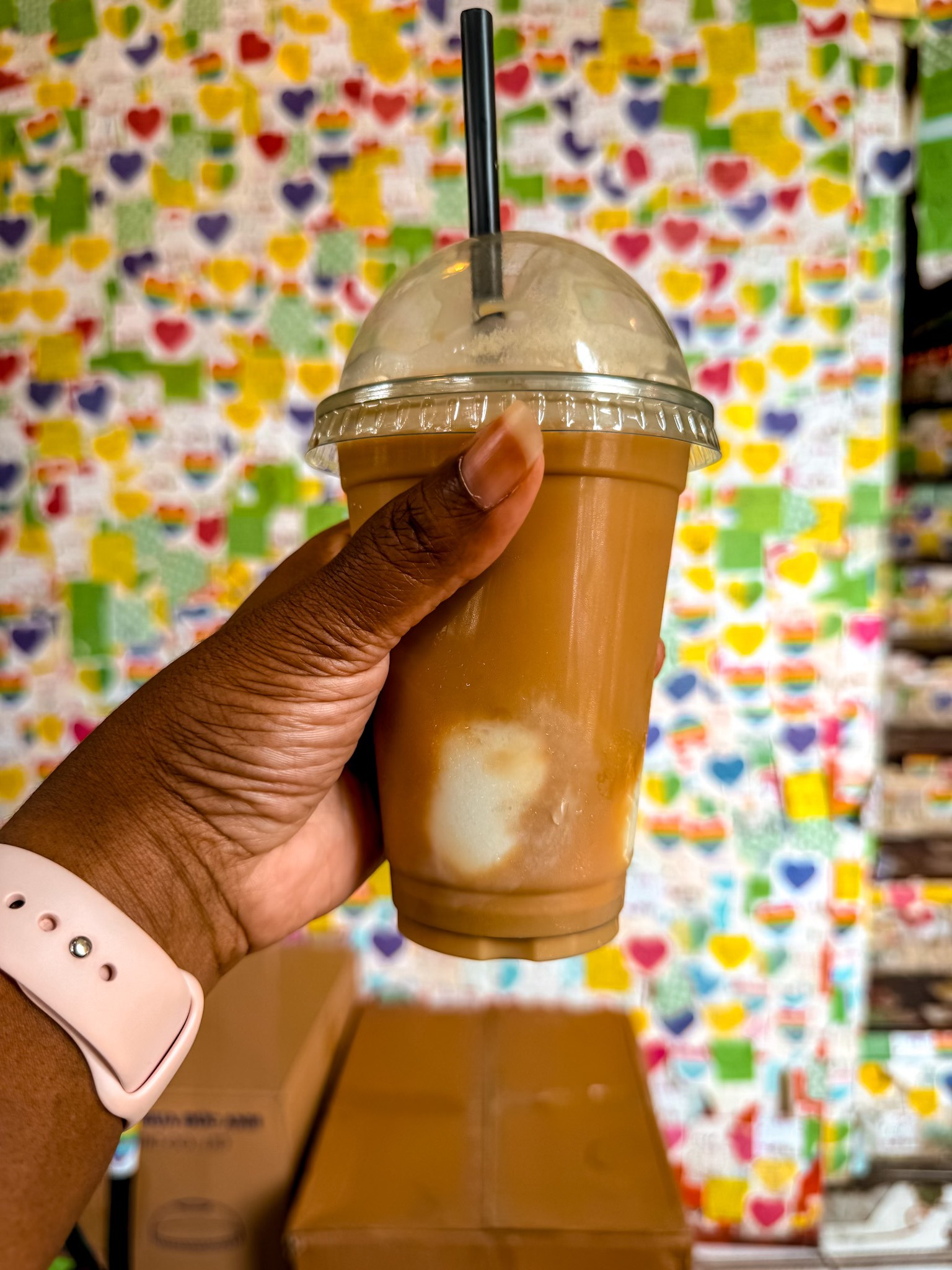
Coffee as Social Infrastructure
In Vietnam, business meetings happen over coffee. Students study for hours in cafes. Friends gather nightly to talk.
You will notice that cafes rarely rush customers. Ordering one drink and staying is normal. That alone feels different from many Western cities where turnover matters more than lingering.
Coffee shops function as community space.
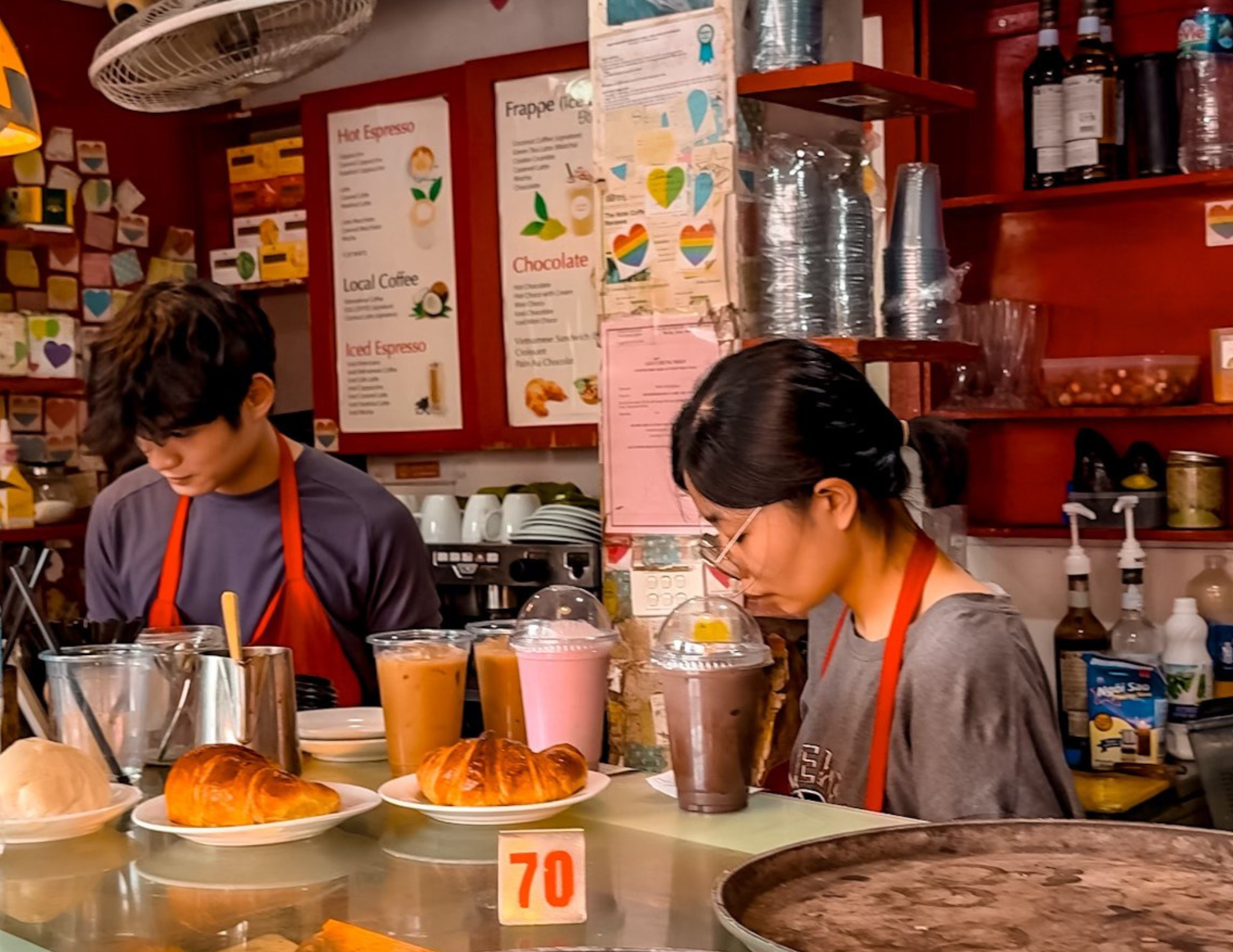
Why Travelers Remember It
Visitors often expect temples and street food to define Vietnam. Coffee becomes the unexpected highlight because it offers a window into daily life.
Sitting in a cafe overlooking a busy street teaches you more about how the city moves than walking past it.
Coffee is how Vietnam pauses without stopping.
Vietnam feels safe, but traffic, food adventures, and travel delays are part of real life here. We use SafetyWing for travel medical coverage that works across 175 plus countries and can be started even after you are already abroad. Check out their coverage HERE
Etiquette and Expectations
If you sit, order something. That is the unspoken rule.
There is no pressure to hurry. Conversation volume is typically calm rather than loud. Many cafes value atmosphere as much as flavor.
Tipping is not expected but rounding up or leaving small change is appreciated.
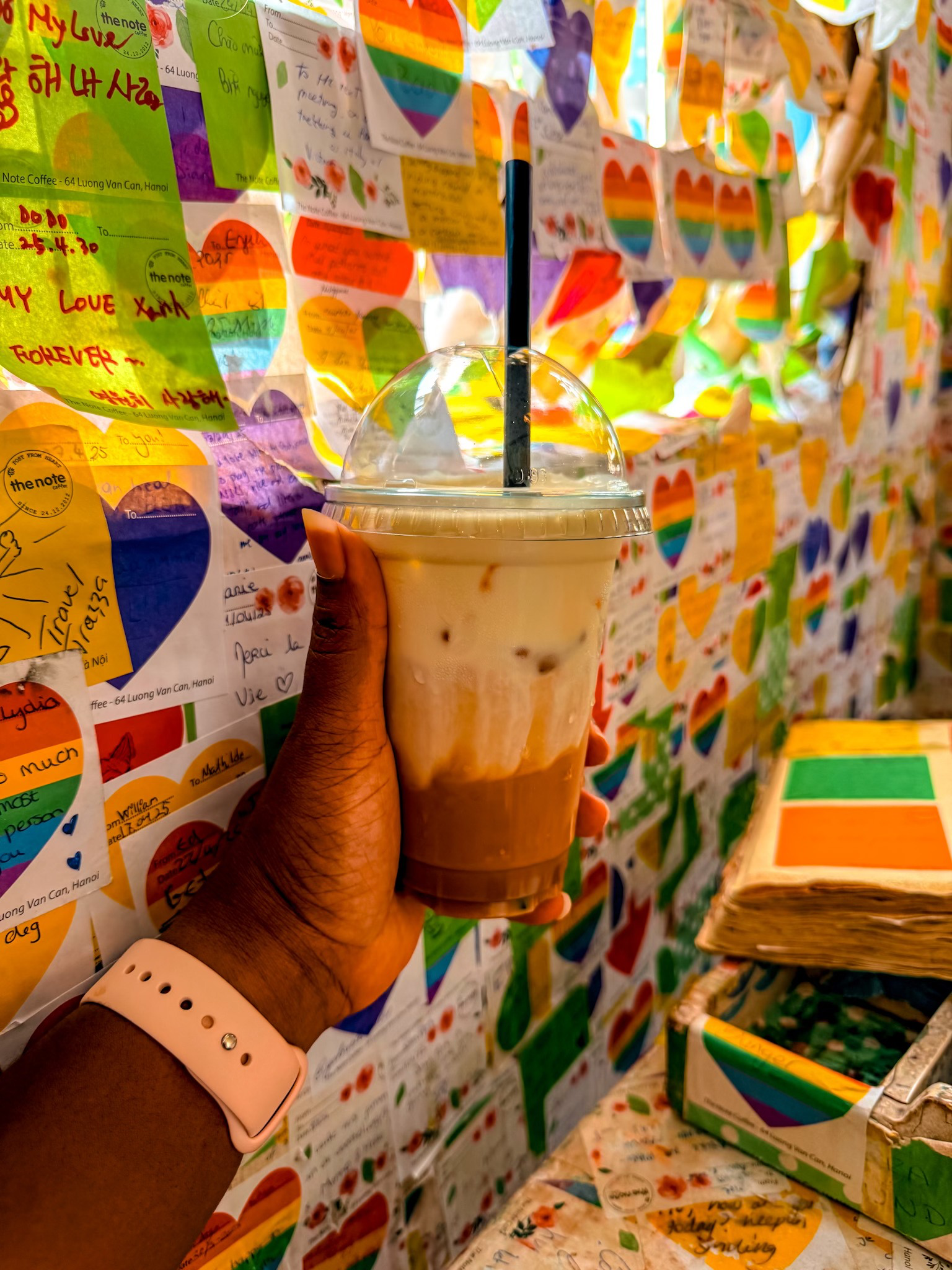
Why Vietnam Coffee Culture Is Unique
It blends colonial history, agricultural strength, and modern urban lifestyle into one experience. The drinks are bold. The atmosphere is relaxed. The culture encourages observation instead of urgency.
Few countries have made coffee so fully their own.
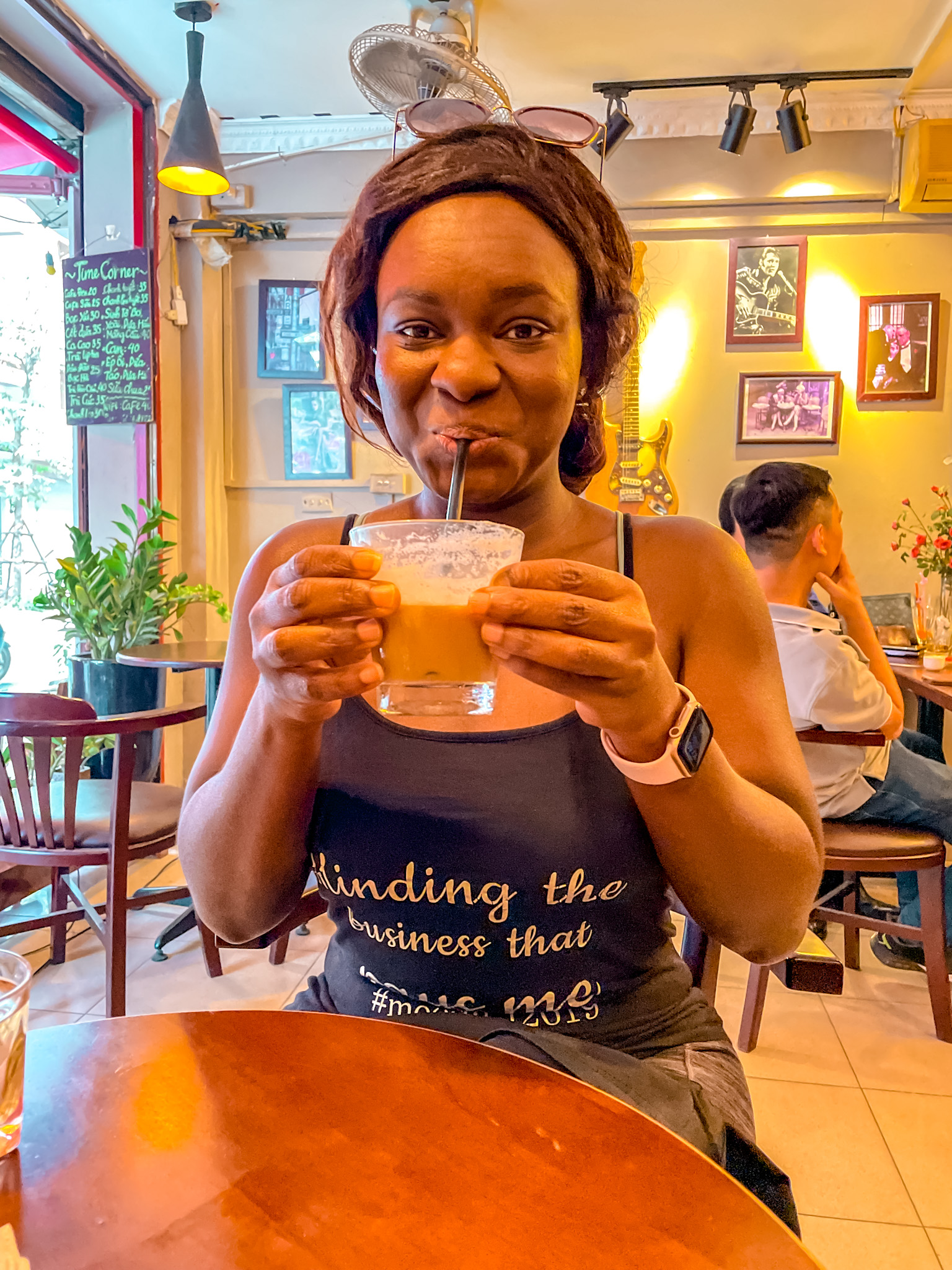
Vietnam coffee culture is not about finding the perfect cup. It is about understanding how coffee fits into daily life.
If you travel through Vietnam and never sit for an hour doing nothing but drinking coffee and watching the street, you have missed one of the most authentic experiences the country offers.
