

Moving to Thailand? Budget for deposits, first month rent, setup fees, internet, utilities, visa costs, furnishing and daily life expenses. A complete checklist.
Cost To Move To Thailand in 2026
Hidden Fees, Setup Costs and What Most People Forget
Moving to Thailand can be affordable compared to many Western countries, but the upfront costs can surprise people. The biggest mistake I see is budgeting for flights and rent, then getting hit with move-in costs, deposits, and setup fees that add up fast.
This guide breaks down the real costs associated with moving to Thailand, especially if you are landing in Bangkok or Chiang Mai. It includes the expenses people forget and the ones that show up in the first 30 days.
The quick truth
Your first month is rarely just “first month rent.” For most people, it is rent plus deposits, setup, transportation, furnishing, and paperwork.
1. The biggest upfront cost: housing move in money
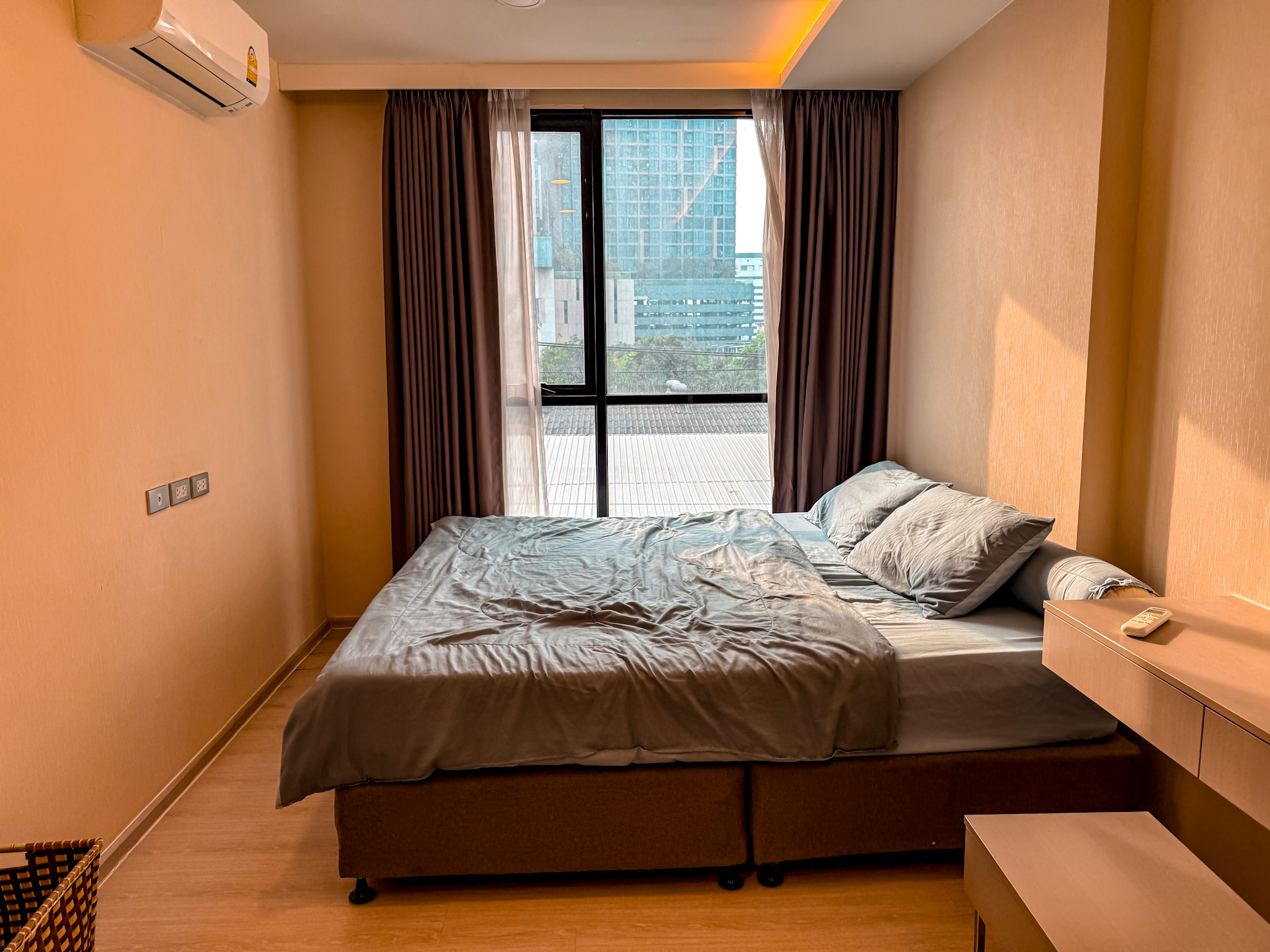
Security deposit plus first month rent
In Bangkok, it is common to pay two months of security deposit plus the first month’s rent upfront before moving in.
That means if your rent is 20,000 THB, your move-in payment can be around 60,000 THB.
Common add ons at move in
Even if the unit is “fully furnished,” you may still need:
- bedding and towels
- hangers and storage
- basic kitchen items
- cleaning supplies
- water filter or shower filter
Move in day costs people forget
- keycards and building access fees in some condos
- moving reservation fee if the building requires it
- delivery fees for furniture purchases
2. Internet and WiFi connection fees
If your condo does not already have internet installed, you may have to pay an activation or installation fee depending on provider and package.
AIS Fibre references an admission or activation fee for first-time service in their installation process documentation.
Some AIS package terms also reference installation fees that can appear in the first bill depending on package structure and contract length.
What to budget
- installation or activation fee
- first month service
- router or equipment fee if not included
- possible contract penalty if you leave early on a discounted install plan

3. Utilities and building fees
Utilities in Thailand are usually straightforward but the first month can include surprises.
Electricity and water
Some condos bill utilities through the building, some through the government provider. Ask:
- is electricity billed at government rate or building rate
- is water included or billed separately
- are there common area fees you need to pay
Deposits
Some rentals require a utility deposit or require you to reimburse a balance left by the previous tenant.
4. Visa related costs and immigration expenses
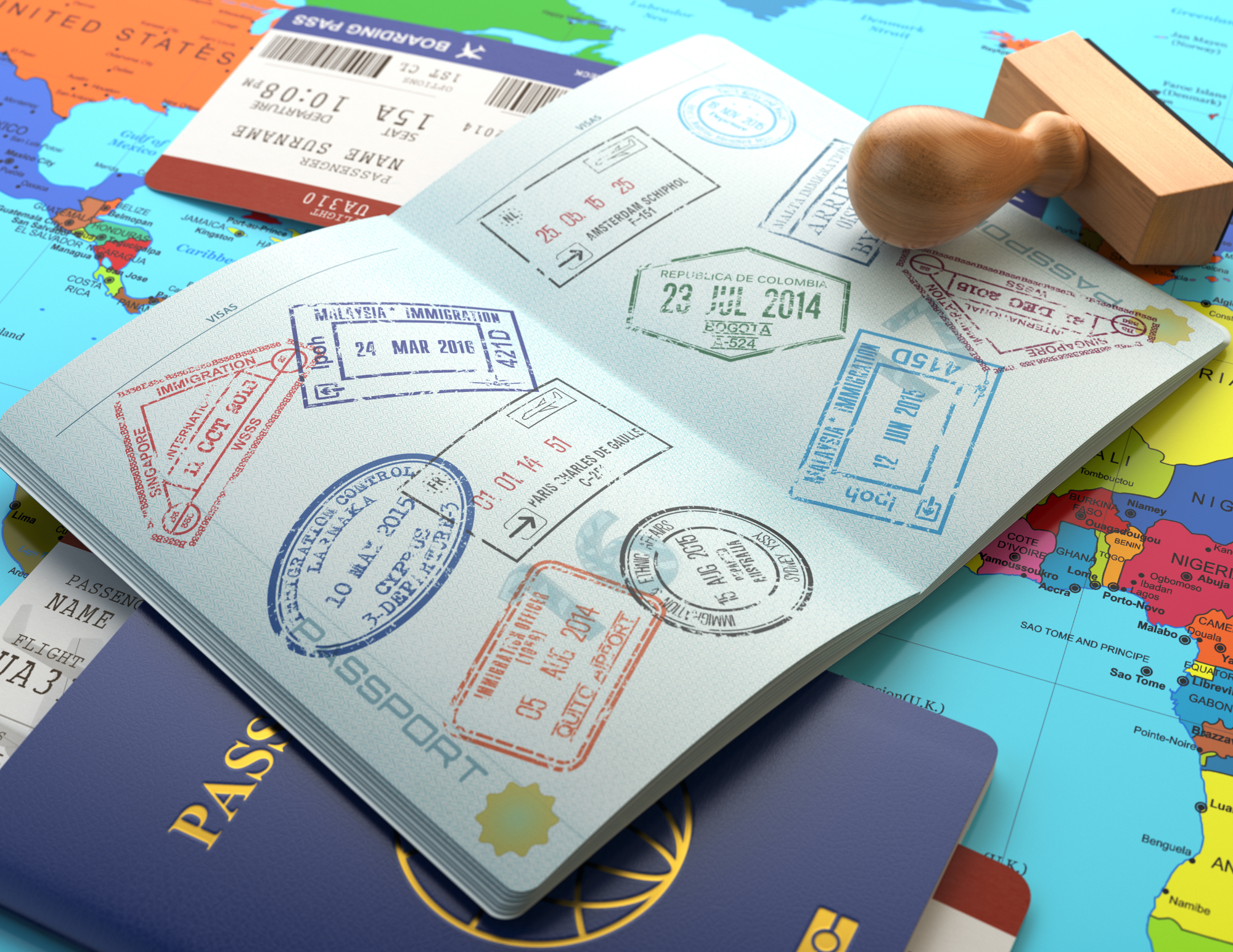
Visa costs vary widely depending on your plan, but people often forget to budget for:
- visa application fees
- extensions
- border trips if required for your pathway
- document translations and copies
For example, DTV visa will cost 10,000 THB visa fee and an extension fee of 1,900 THB per extension where applicable.
Always verify current fees through the Thai embassy or official e-visa channel before paying anything.
Other costs people forget
- passport photos
- printing and copying paperwork
- courier fees if documents must be mailed

5. Health and insurance setup
Even if you plan to pay out of pocket, it is smart to budget for:
- a first clinic visit or checkup
- prescriptions and refills
- travel insurance for the first 30 to 90 days
- a basic dental cleaning or any needed work
Moving often triggers catch-up healthcare spending.
6. Transportation setup costs
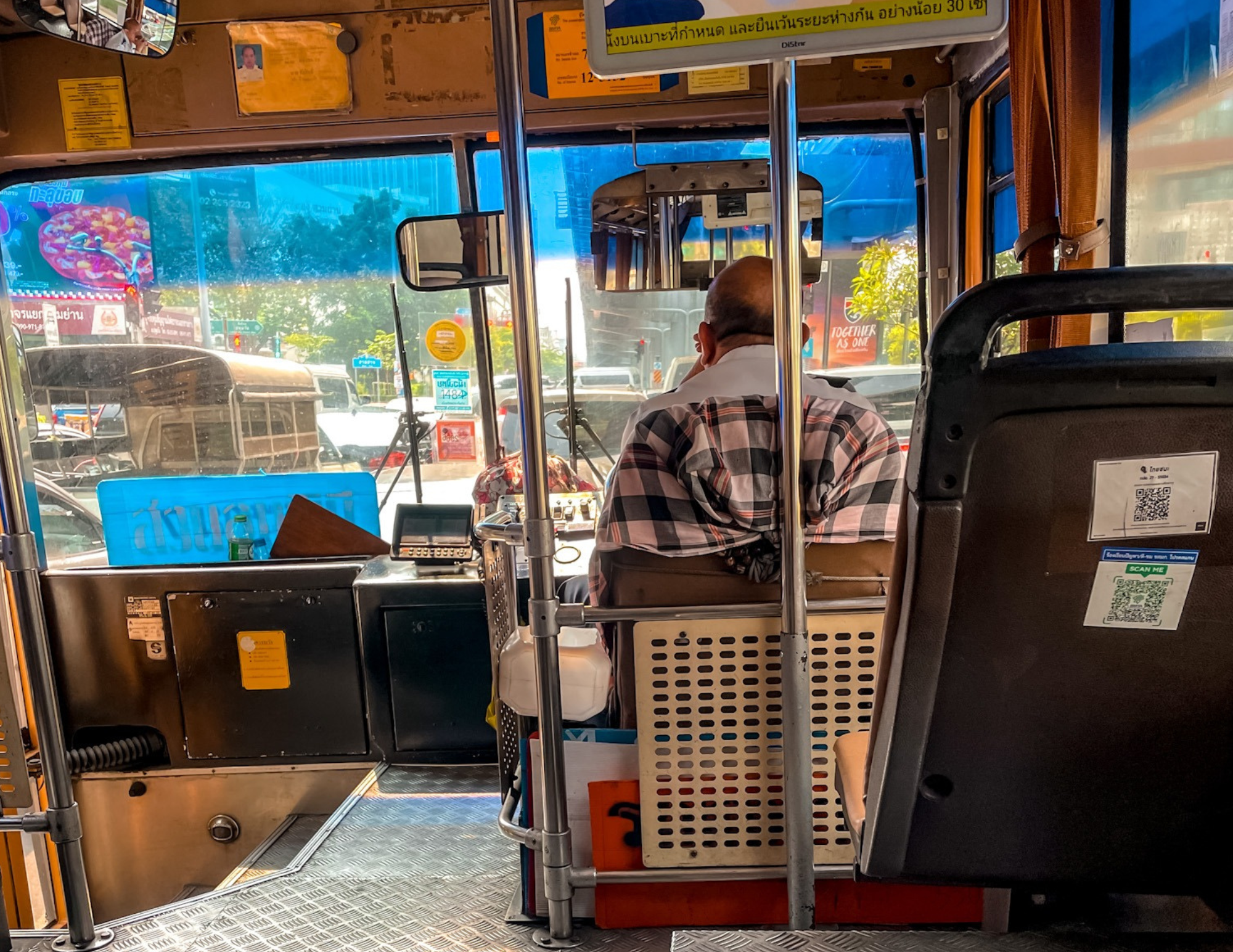
Your first month includes more transportation spending than normal because you are:
- viewing condos
- buying supplies
- figuring out neighborhoods
- handling paperwork
Budget for:
- BTS and MRT rides
- Grab and taxi rides
- airport transfer
- occasional long rides if you end up apartment hunting outside your first area

7. Furnishing and household setup
Even furnished condos can be missing essentials.
Budget categories:
- bedding and pillows
- cookware basics
- extension cords and adapters
- desk chair or work setup if you work online
- fans, dehumidifier, or air purifier depending on season
Air purifiers are a big one people forget if moving during pollution season.

8. Cash flow cushion for your first 30 days
This is not your exit fund. This is your “Thailand landing buffer.”
Plan for:
- deposits and move-in costs
- setup and supplies
- extra food spending while you learn what is affordable
- transportation while you explore neighborhoods
- unexpected fees
A good rule is to assume your first month will cost more than your normal monthly living cost.

Thailand moving cost checklist
If you want a fast budgeting list, here is what most people should plan for:
- flight
- first month rent
- two months security deposit
- internet setup fee
- utilities and possible deposits
- visa fees and extensions
- basic furnishing and household goods
- transportation for condo hunting
- health insurance or initial healthcare buffer
