

Moving abroad costs more than flights and rent. Budget for documents, apostilles, insurance, taxes, storage, banking fees, phone setup and unexpected relocation costs.
Hidden Costs of Moving Abroad in 2026
What People Forget To Budget For
Most people budget for the obvious costs of moving abroad.
Flights.
Housing.
A visa fee.
Then they arrive and wonder why the move feels expensive.
It is because international relocation has hidden costs that show up in paperwork, logistics, banking, and daily life setup.
This is the checklist I wish more people used before moving.

1. Document costs that add up fast
Apostilles and authentication
Many countries require legalized documents for visas, residency, marriage registration, or schooling.
For US documents, the US Department of State lists $20 per document for apostille or authentication services.
State apostille fees can also apply depending on what documents you need and where they were issued.
Other document expenses
- certified copies
- notarization
- translations
- shipping documents internationally
- expedited processing fees
This is one of the most commonly underestimated categories.

2. Visa and residency costs beyond the application fee
People budget for the visa fee but forget:
- medical checks required for residency
- proof of funds requirements that change how much cash you must keep liquid
- renewals and extensions
- legal help if your case is complex
- travel to apply from a specific country or consulate
Even when a visa fee is “cheap,” the process may require financial proof, paperwork, and travel that makes it expensive.

3. Temporary housing and overlap costs
This is a big one.
You might pay:
- a hotel or Airbnb for 1 to 4 weeks
- application deposits before you secure a lease
- overlapping rent between old country and new country
- storage back home while you decide what to keep
Moving abroad is rarely a clean switch.

4. Shipping, luggage, and replacement costs
Even if you do not ship a container, you will spend on:
- checked baggage fees
- overweight luggage fees
- extra suitcases
- replacing items you cannot travel with
Many people do not realize how quickly “restarting” adds up:
- kitchen basics
- bedding
- adapters
- work setup
- weather appropriate clothing

5. Banking, cards, and money transfer friction
Budget for:
- international transaction fees if you use the wrong card
- ATM fees
- card replacement if your bank flags foreign transactions
- money transfer costs
- minimum balance requirements for some accounts
If you are moving abroad long term, setting up the right financial tools can save money, but the transition often costs money.

6. Healthcare and insurance gaps
Budget for the messy middle period:
- travel insurance before residency begins
- private insurance requirements for visas
- unexpected clinic visits while adjusting to climate, food, stress
- dental work you delay until you settle
A move often triggers healthcare spending even if you are generally healthy.

7. Phone and tech setup
Easy to forget, but it matters.
- unlocking your phone before leaving
- buying a local SIM or eSIM
- new charger plugs and adapters
- upgrading your laptop or work gear if you plan to work online
- VPN subscriptions depending on where you live and what you do
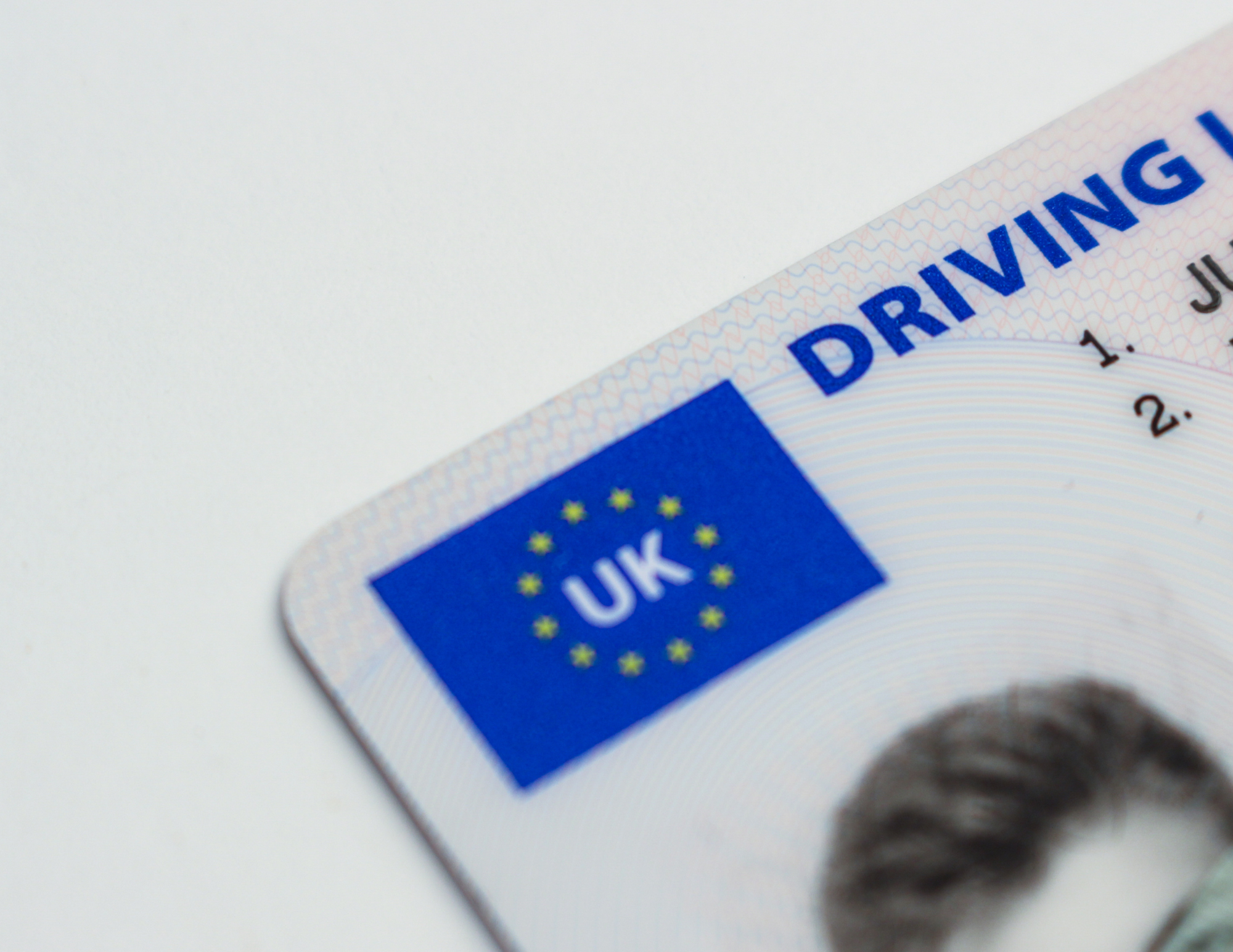
8. Driver’s licenses, transport, and local compliance
Depending on the country:
- international driving permit
- translation of license
- local license testing or conversion
- vehicle registration fees
- insurance deposits
Even if you do not drive, moving to a new country often involves local compliance costs.

9. Taxes and professional help
Many people do not budget for professional guidance until they are already stressed.
You may need:
- tax consultation
- residency and tax filing assistance
- business registration help
- compliance fees
Even one consultation can be worth it, but it should be budgeted.

10. The emergency cushion nobody wants to think about
Moving abroad is exciting, but you should plan for:
- an emergency flight home
- unexpected visa delays
- needing to move apartments quickly
- health emergencies
- currency exchange swings
A cushion turns stress into flexibility.

The simplest way to budget for moving abroad
I like to separate costs into three buckets:
Bucket 1: One time move costs
Flights, documents, shipping, visa fees, temporary housing.
Bucket 2: Landing costs
Deposits, setup, furniture, transportation, phone and internet.
Bucket 3: Safety net
Emergency fund and unexpected delays.
If you plan all three, moving abroad becomes a process, not a gamble.
