
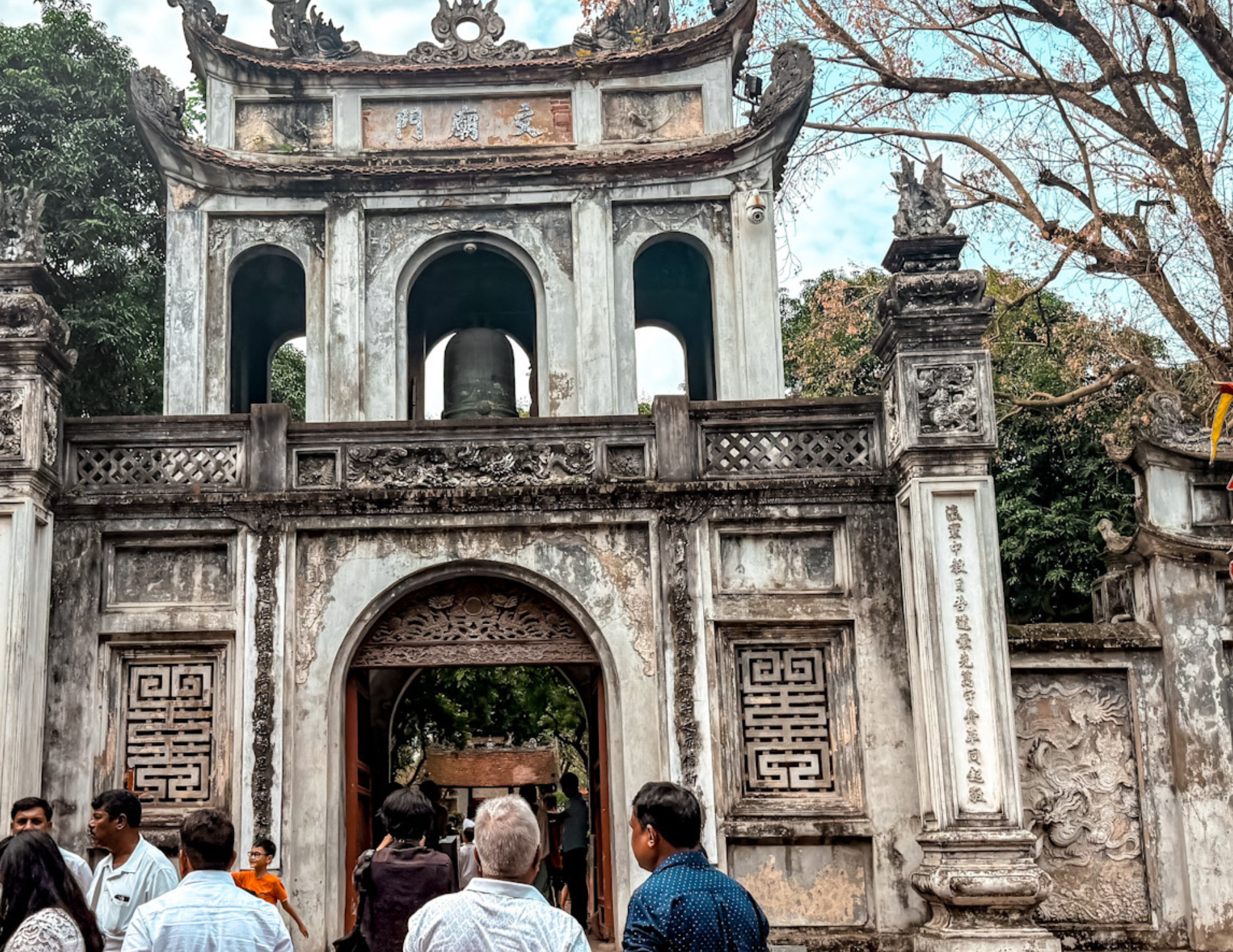
The Temple of Literature feels different from most attractions in Hanoi. While many places in the city are lively and busy, this complex is quiet, symmetrical, and reflective. Walking through its gates feels less like entering a monument and more like stepping into a space built for focus.
It was not originally built for tourism or even religion. It was built for learning. The Temple of Literature was founded in 1070 and later became Vietnam’s first national university, dedicated to education, scholarship, and Confucian philosophy.
Even today students visit before exams to pray for good results, which tells you the site still holds meaning beyond history.
The History of the Temple of Literature
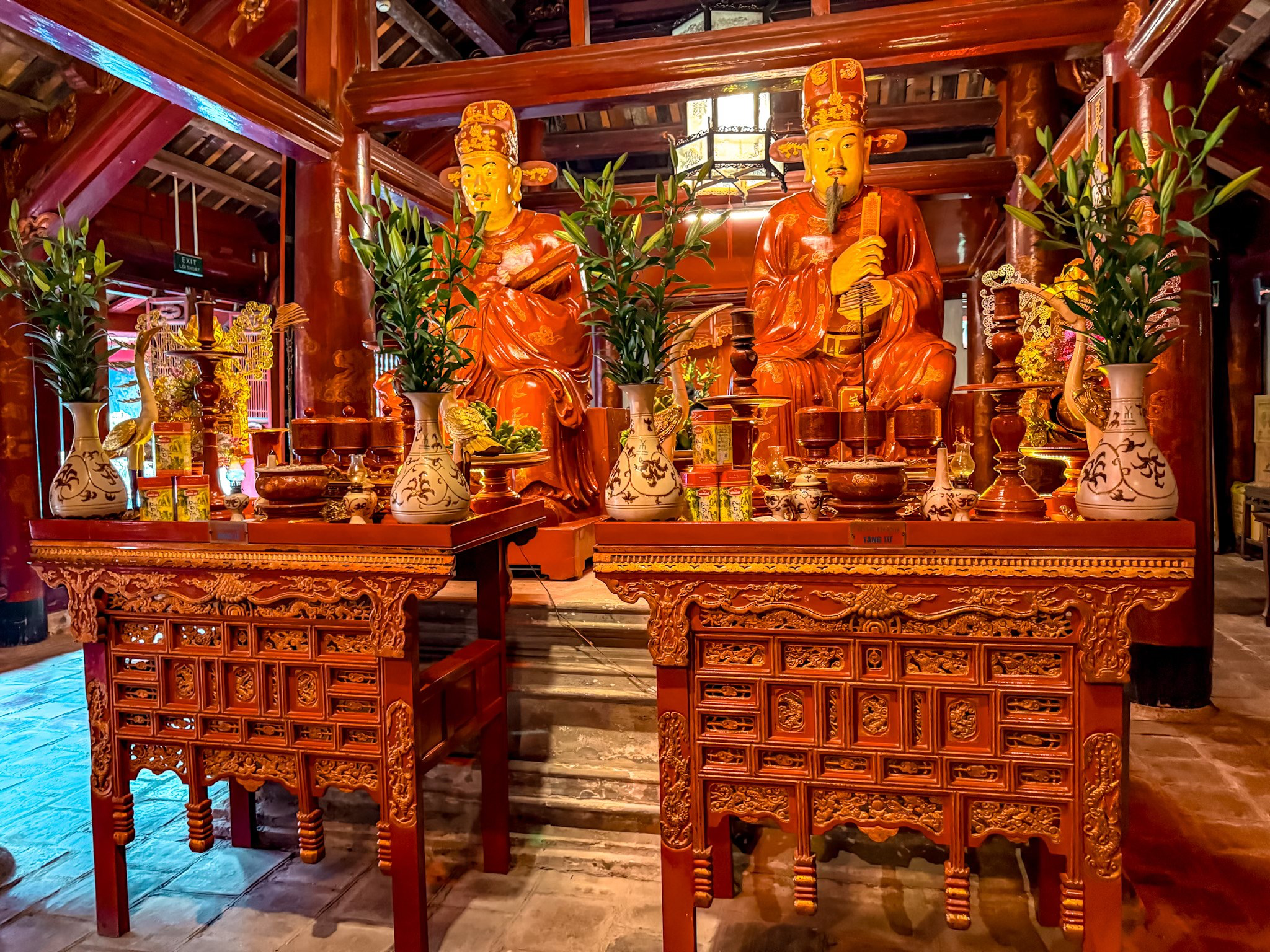
The complex was established during the Ly Dynasty to honor Confucius and scholars. Shortly after, it became the Imperial Academy where Vietnam’s elite students studied literature, philosophy, and governance.
For centuries this was where mandarins, the country’s administrative scholars, were educated and selected through rigorous examinations.
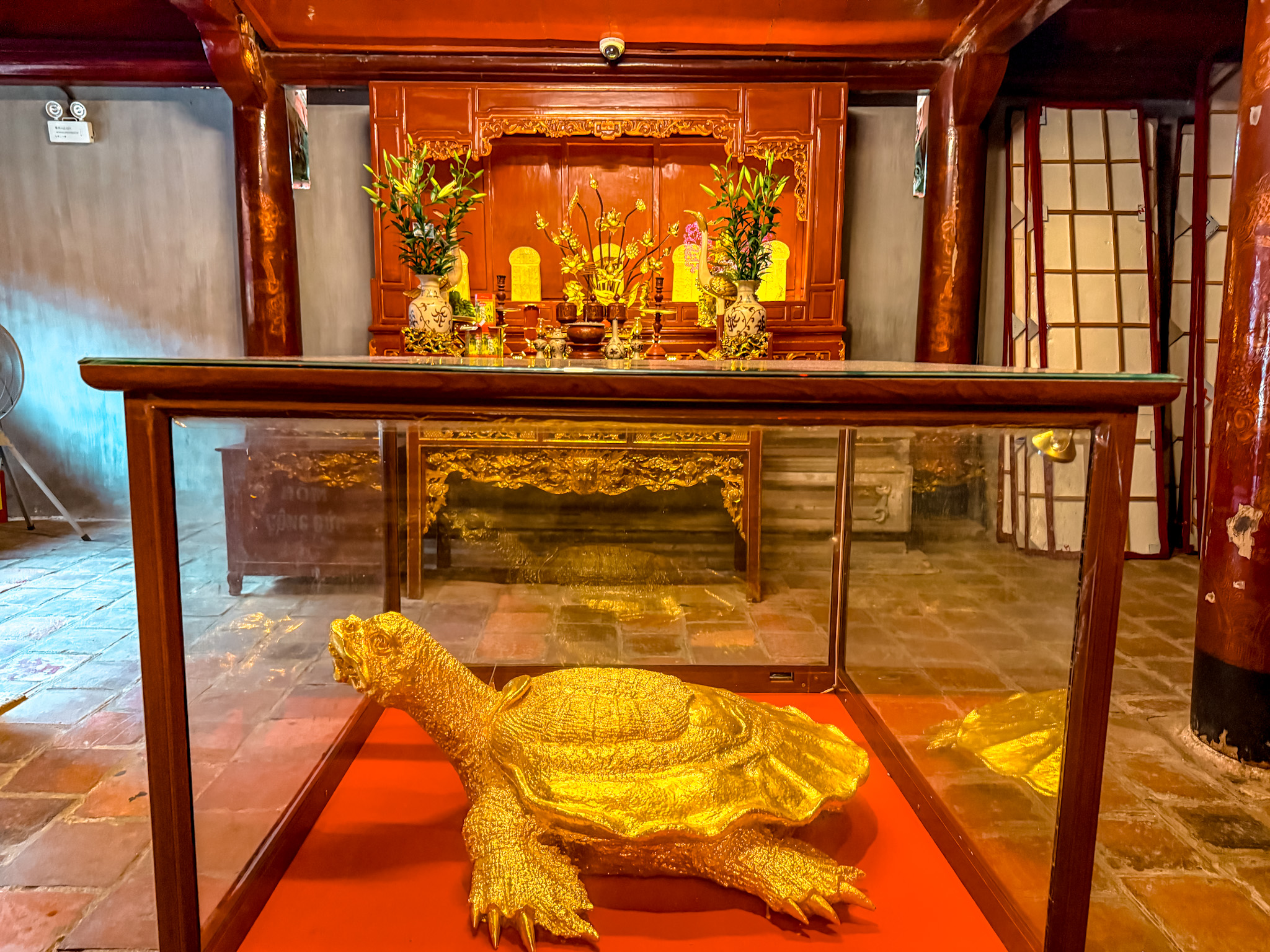
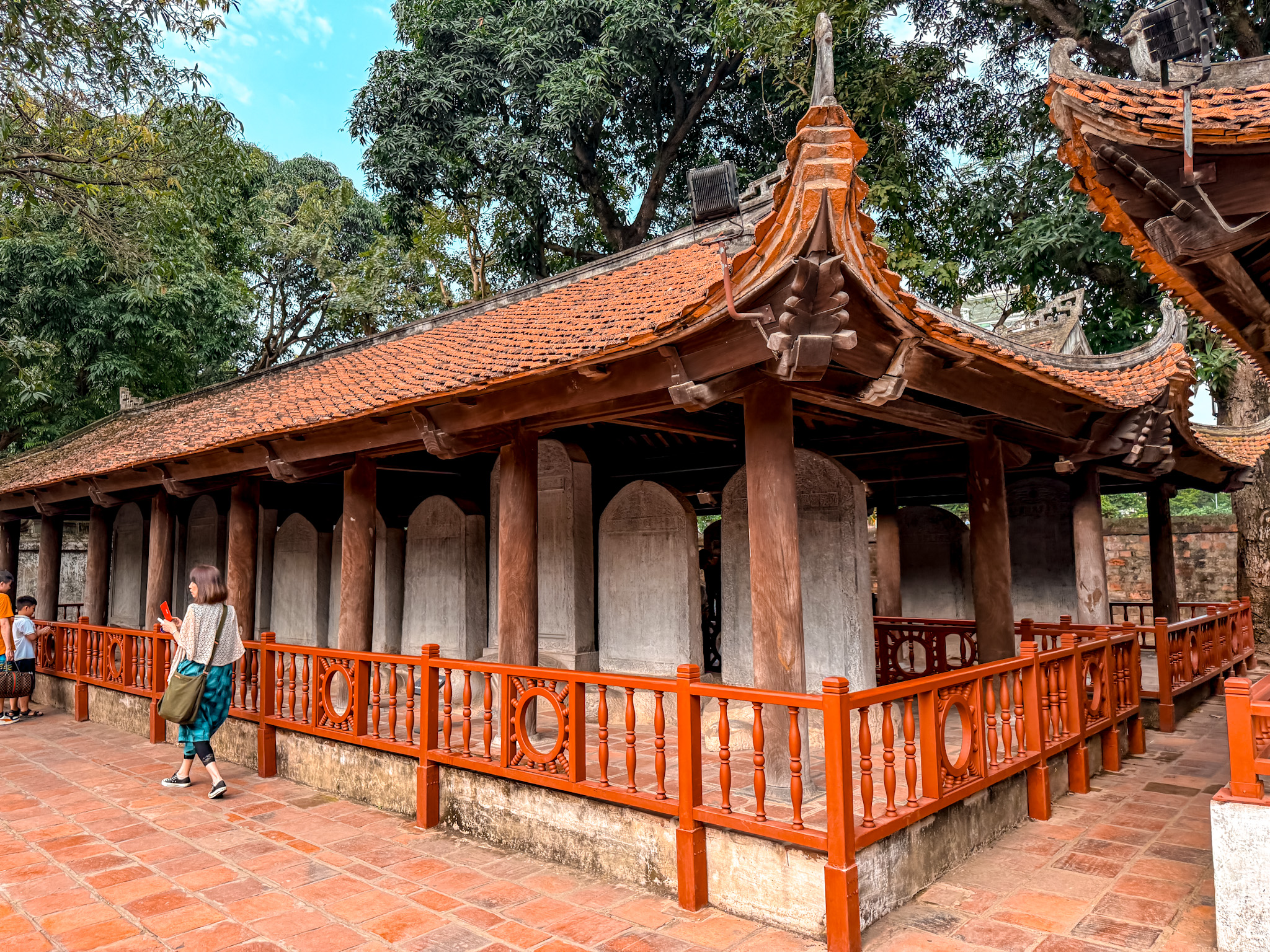
Graduates’ names were carved onto stone steles mounted on turtle statues, many of which still remain today. These are among the most important artifacts in the complex because they represent real individuals who shaped Vietnamese society.
The site survived wars, colonial periods, and modernization, which is why it remains one of the most culturally significant places in Hanoi.
Understanding the Layout: The Five Courtyards
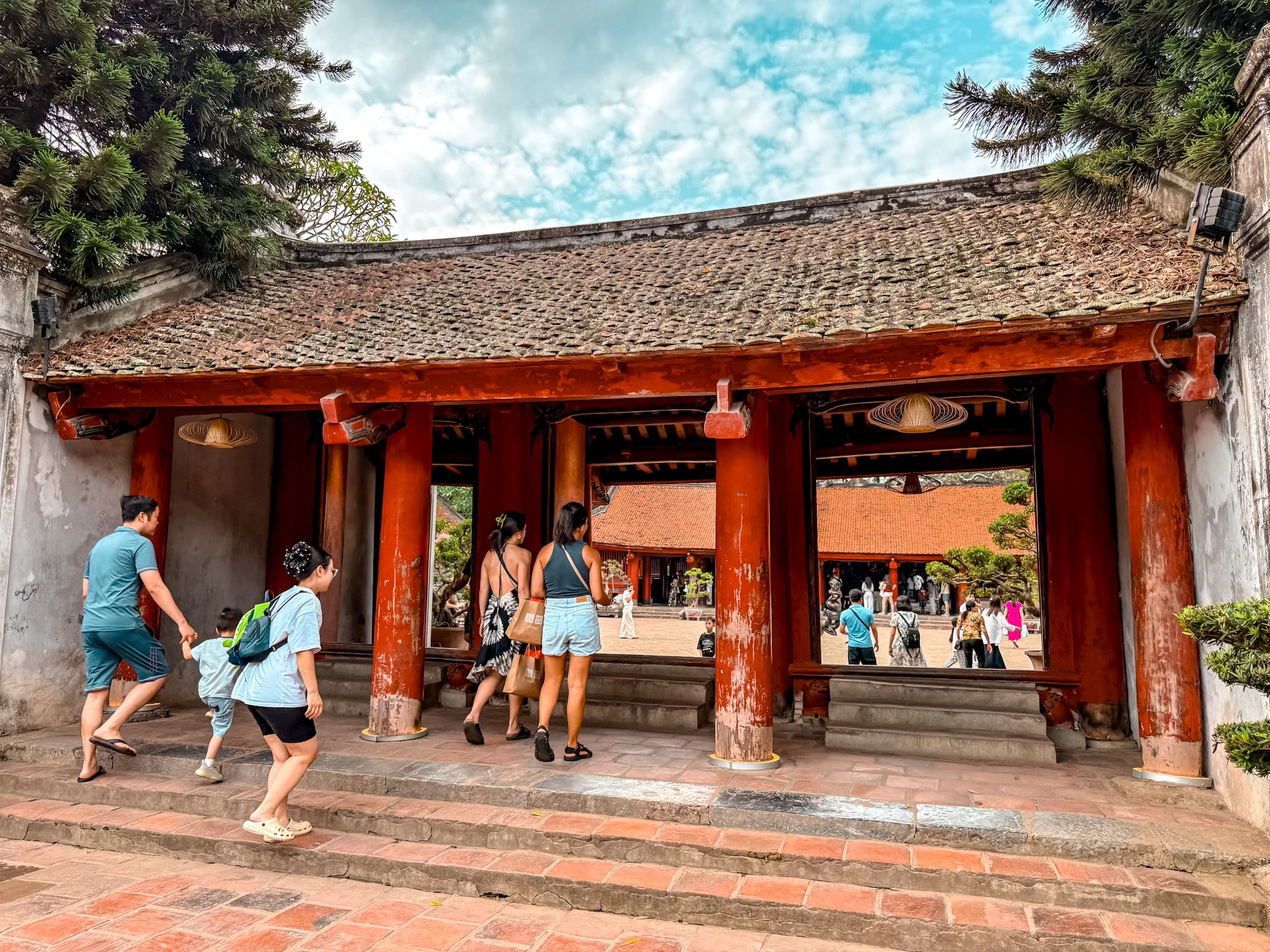
The Temple of Literature is designed as a progression of spaces. Each courtyard represents a step forward in knowledge and discipline.
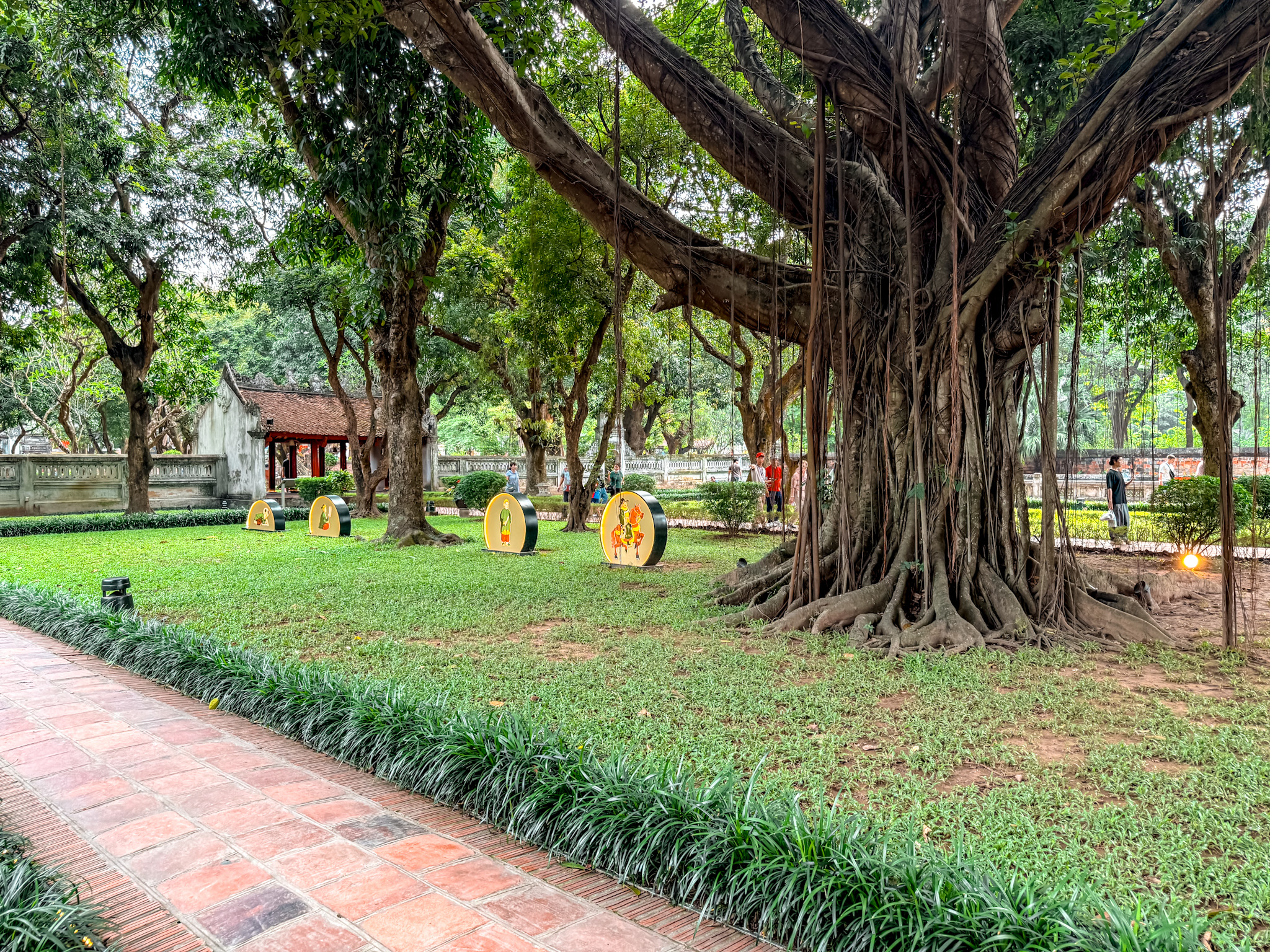
First Courtyard
You enter through a traditional gate into a wide peaceful garden. This area acts as a transition from the city into a quieter environment.
Second Courtyard
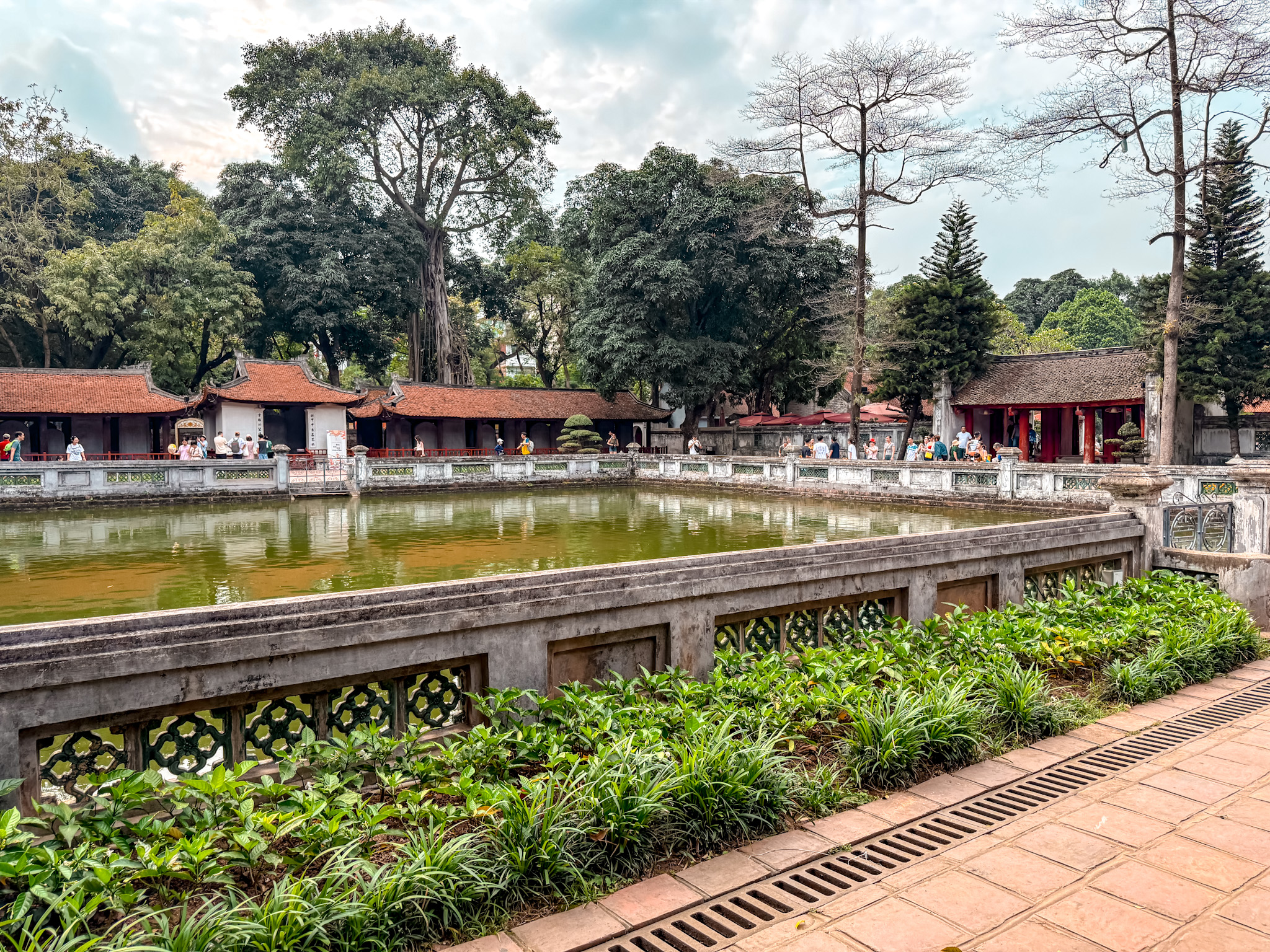
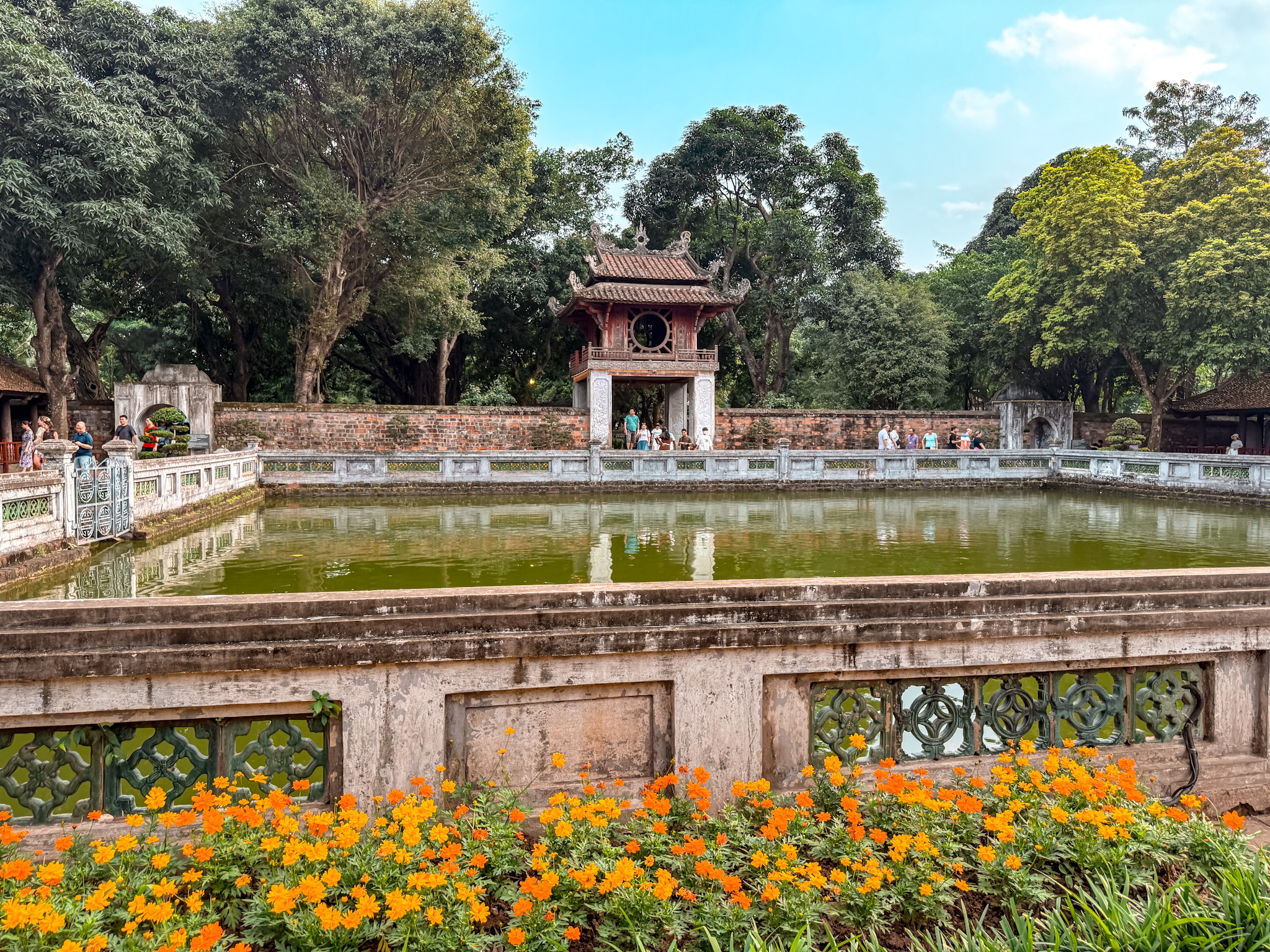
The path leads toward the Khue Van Pavilion, a red wooden structure that has become a symbol of Hanoi itself. The symmetry here becomes more noticeable, reinforcing the philosophical idea of balance.
Third Courtyard
Here you find the famous stone turtle steles. Each turtle supports a stone slab engraved with the names of successful scholars. This is often the most meaningful area because it directly connects the place to real history.
Fourth Courtyard
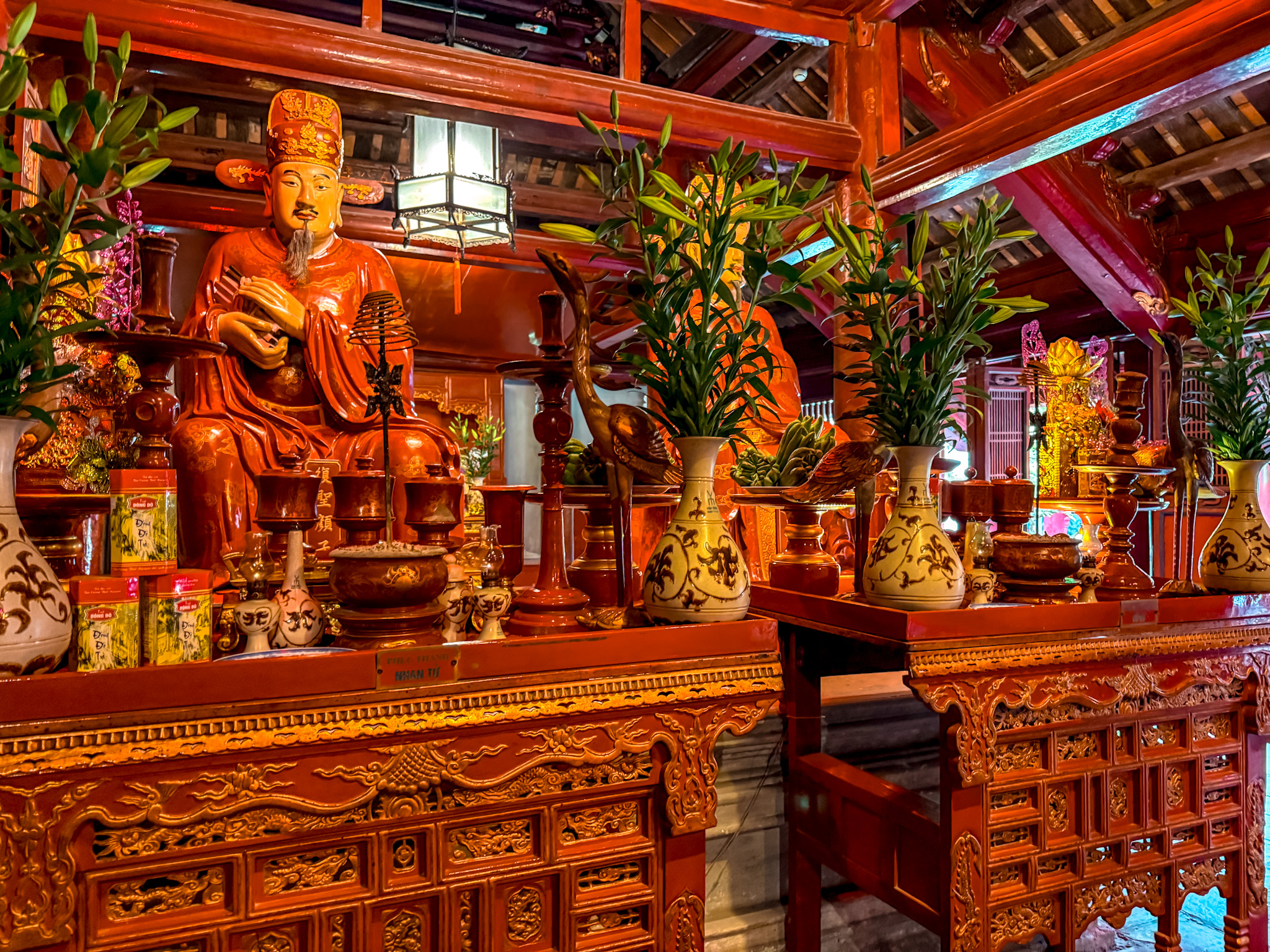
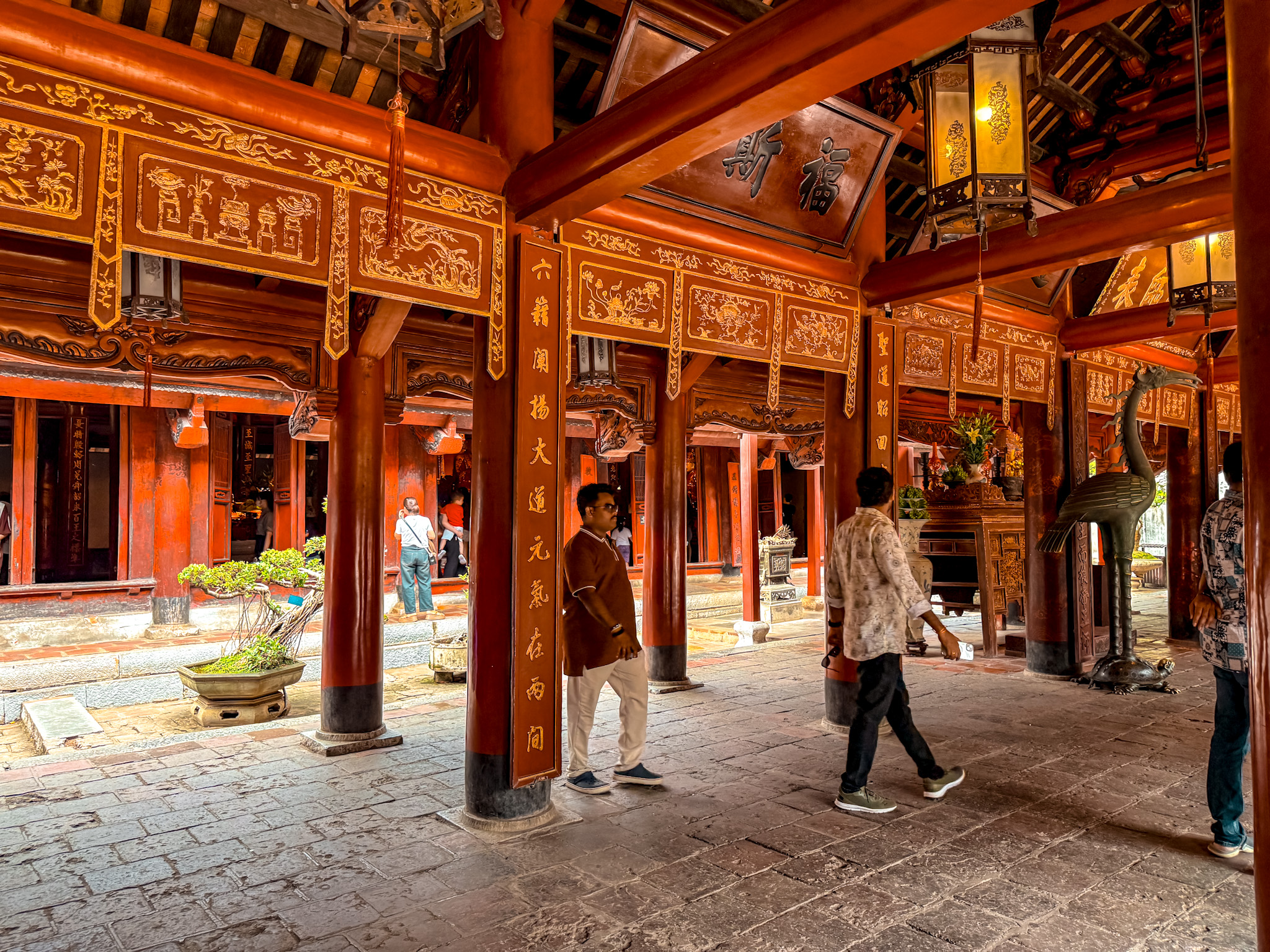
This courtyard contains the main sanctuary dedicated to Confucius. Incense burns continuously and visitors tend to slow their pace naturally here.
Fifth Courtyard
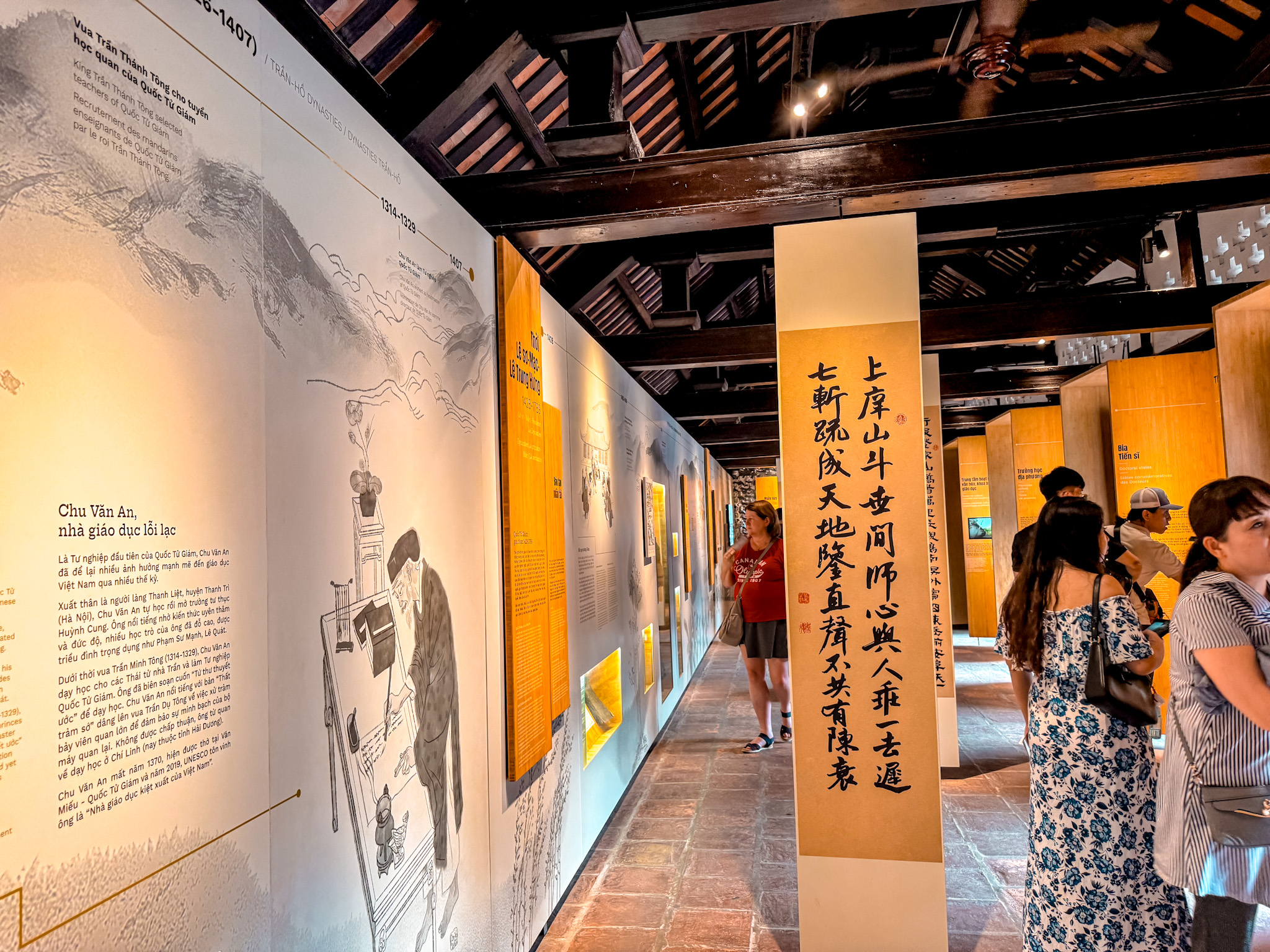
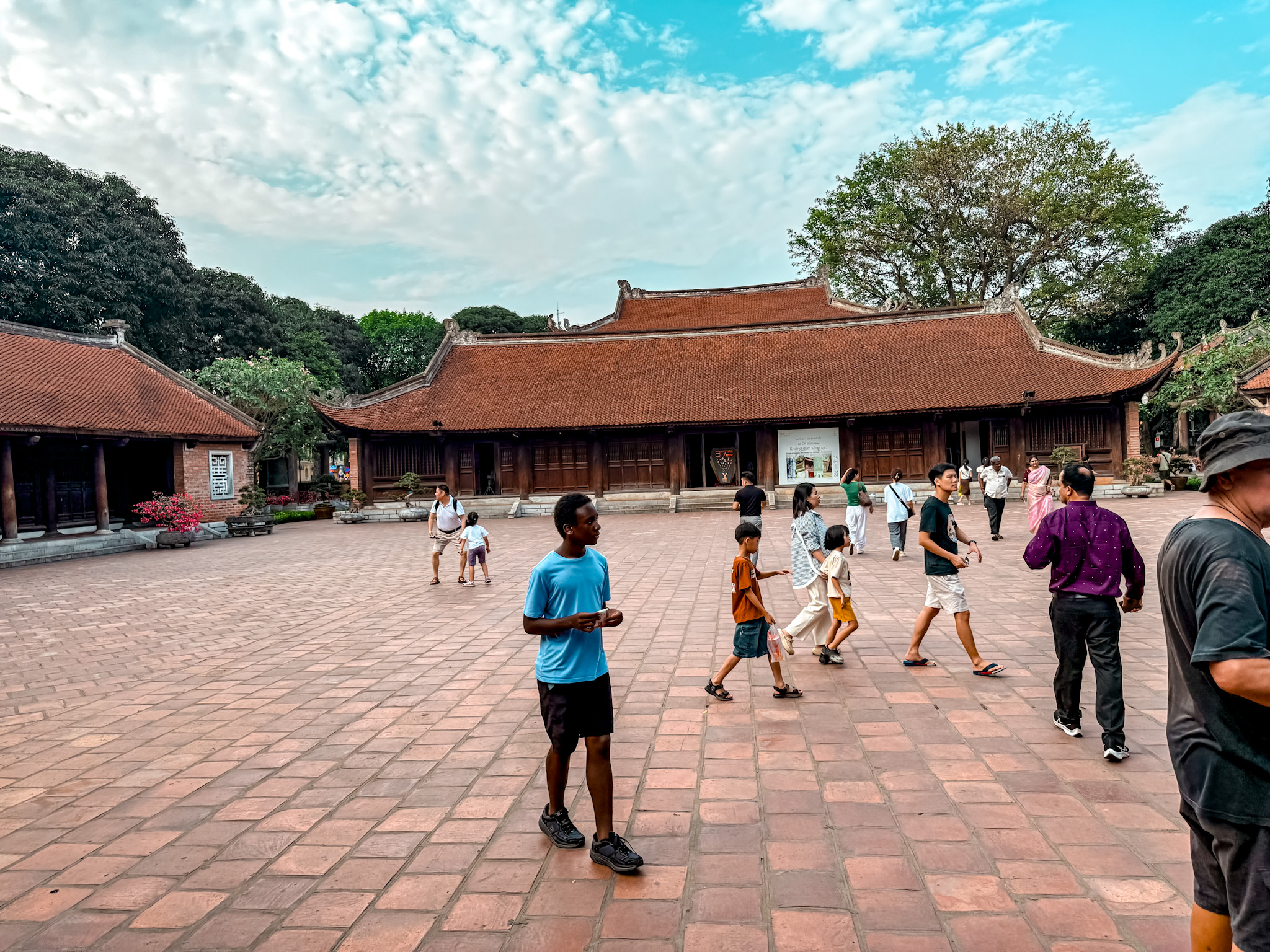
This was the Imperial Academy itself where students studied. It has been restored and displays educational artifacts that help visualize how learning worked centuries ago.
Walking through these courtyards in order is intentional. The deeper you go, the quieter and more focused the environment becomes.
Ticket Price and Opening Hours
The Temple of Literature requires an entrance ticket.
Typical ticket price
Approximately 30,000 VND per person
Typical opening hours
Morning to late afternoon daily
Hours can vary slightly by season, so checking the day before visiting is helpful.
Best Time to Visit
Morning is the best time to visit. Temperatures are cooler and the complex feels more contemplative before larger tour groups arrive.
Late afternoon can also be pleasant, especially for softer light and fewer school group visits.
Midday is the busiest and hottest period, and because much of the complex is open air, shade becomes important.
What You Will Notice While Walking
Visitors often expect just another temple but leave with a stronger impression. The space is designed for reflection. Trees line the paths, courtyards are balanced, and the sounds of the city fade quickly.
You will notice students posing for graduation photos, locals offering incense, and travelers moving more slowly than they usually do in Hanoi.
Unlike some attractions, the Temple of Literature encourages observation rather than activity.
How Long to Spend Here
Plan for about one to two hours.
You can walk through faster, but the meaning of the place comes from slowing down and reading the inscriptions, watching people, and understanding the progression of the courtyards.
Tips Before Visiting
Wear comfortable shoes because the complex is larger than it first appears
Bring water in warmer months
Dress modestly out of respect for the cultural significance
Visit earlier in the day for the most peaceful experience
Why It Is Worth Visiting
The Temple of Literature explains Vietnamese values more clearly than many museums. Education, discipline, and respect for knowledge have been central to the culture for centuries, and this site was built around those ideas.
It is not dramatic or loud. Its importance comes from what it represents.
Final Thoughts
In a city known for movement and energy, the Temple of Literature provides contrast. It is structured, calm, and intentional. By the time you exit the final courtyard, Hanoi feels different because you understand a part of its foundation.
It is one of the few places where history and daily life still meet in the same space.
