

Planning to visit Wat Chedi Luang in Chiang Mai? Learn its history, spiritual meaning, what to see, best time to visit, dress code and tips before you go.
Wat Chedi Luang Chiang Mai Guide 2026
History, Meaning, What To See and Everything You Need To Know Before Visiting
We visited Wat Chedi Luang back in 2022, and it quickly became one of those places that stays with you long after you leave. There is something powerful about standing in front of a structure that has endured centuries of change, damage, restoration, and devotion. It is quiet, grounding, and incredibly beautiful without feeling overly polished.
If you are visiting Chiang Mai, Wat Chedi Luang is not just another temple to check off your list. It is a place that carries deep historical and spiritual significance and offers a very different atmosphere from many of the more ornate temples in Thailand.
This guide breaks down everything you need to know before visiting.
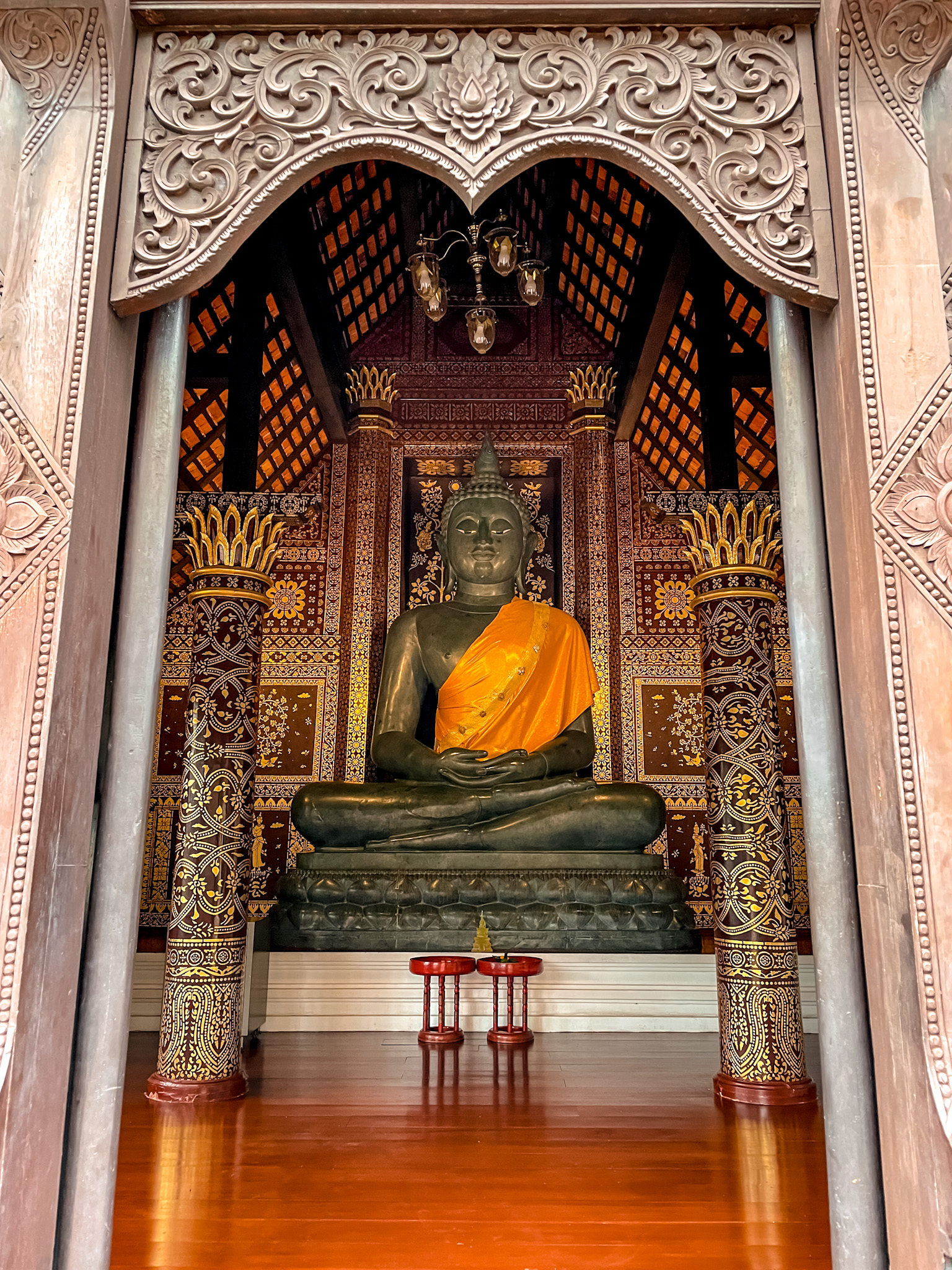
What Is Wat Chedi Luang
Wat Chedi Luang is one of the most important temples in Chiang Mai and a major landmark within the Old City. The name translates roughly to “Temple of the Great Stupa,” which makes sense once you see it in person.
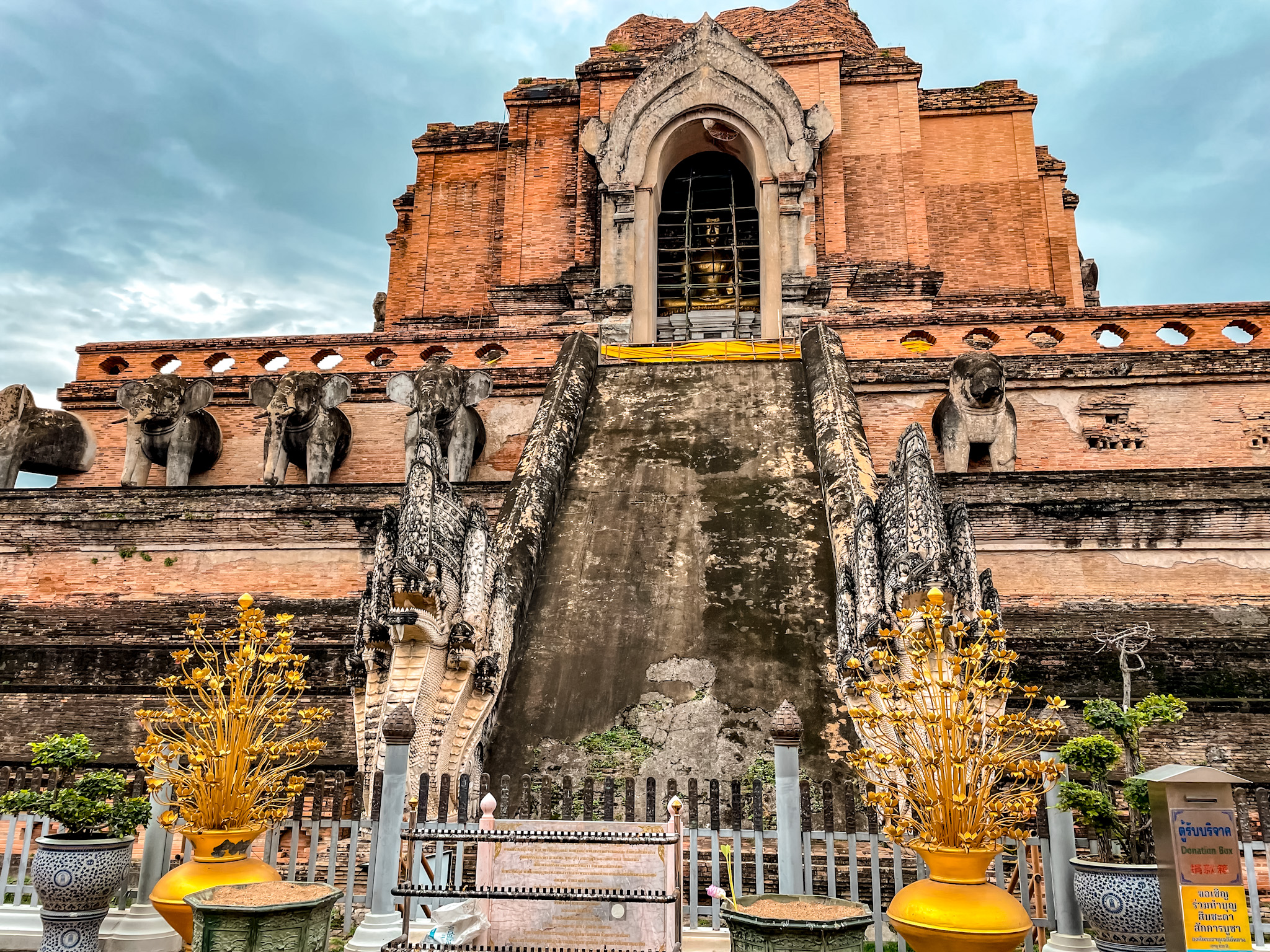
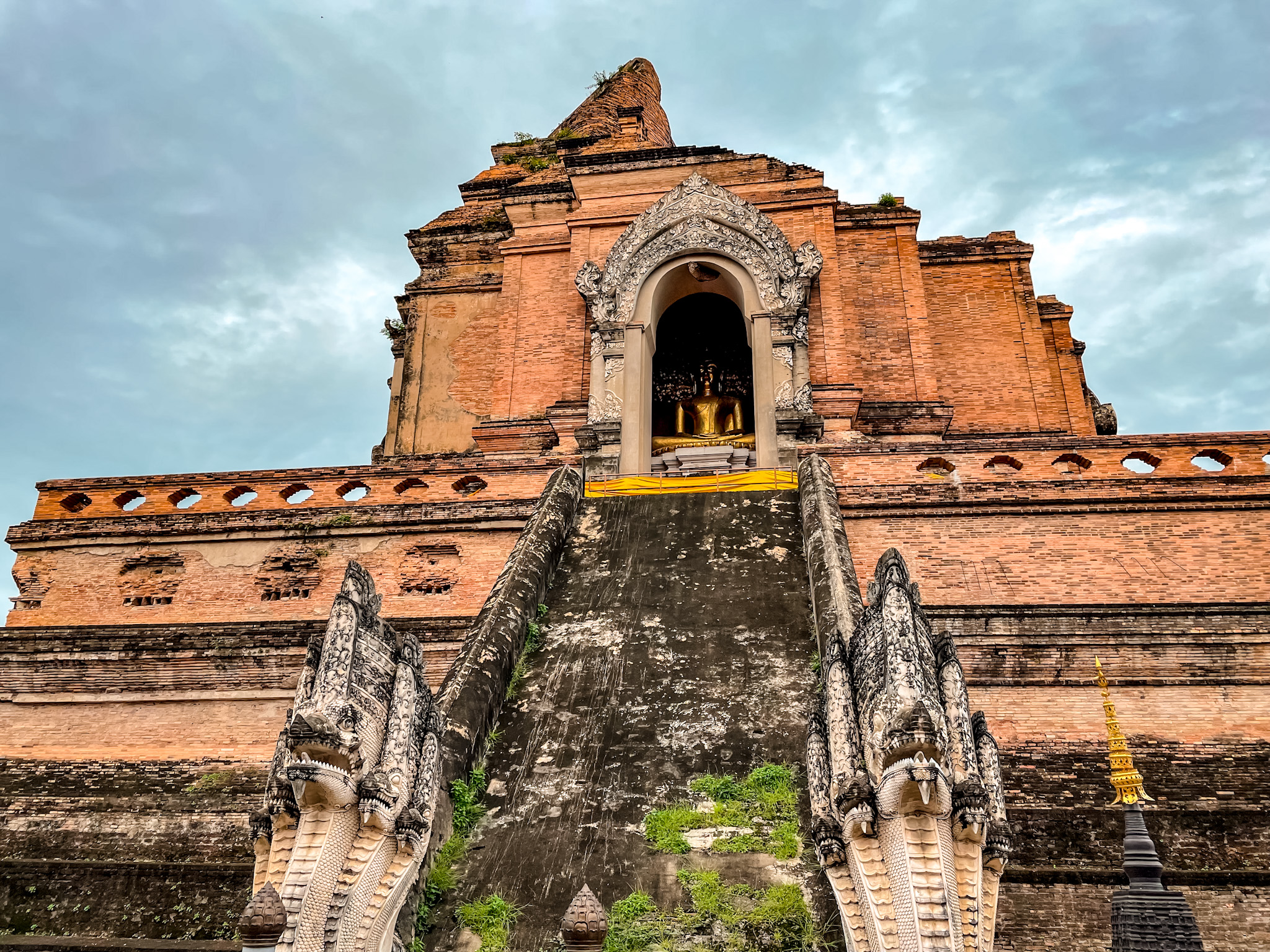
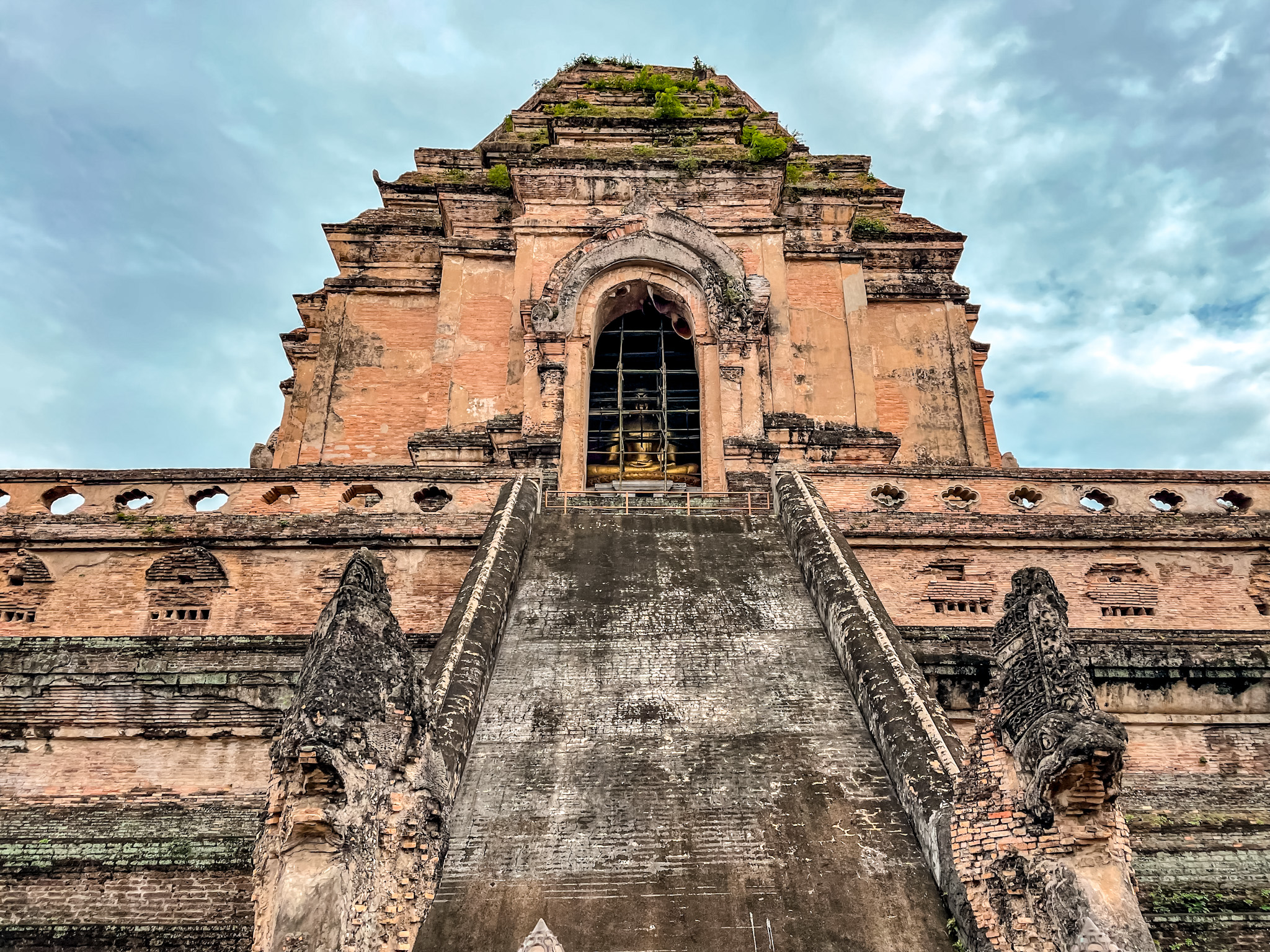
The temple complex is best known for its massive ancient chedi, or stupa, which once stood as the tallest structure in ancient Chiang Mai.
Unlike many temples that shine with gold and bright mosaics, Wat Chedi Luang feels raw, historic, and deeply rooted in the past.
History of Wat Chedi Luang
Wat Chedi Luang dates back to the 14th and 15th centuries during the Lanna Kingdom period. Construction began under King Saen Muang Ma and continued under his successor.
Originally, the chedi is believed to have stood over 80 meters tall, making it one of the tallest religious structures in northern Thailand at the time.
In 1545, a major earthquake caused significant damage to the chedi, collapsing much of its upper portion. Rather than fully rebuilding it, the structure was left in its partially ruined state, which gives the temple its distinctive and powerful appearance today.
For a time, Wat Chedi Luang also housed the Emerald Buddha, one of Thailand’s most sacred religious objects, before it was moved to Luang Prabang and eventually to Bangkok.
The Meaning and Spiritual Importance
Wat Chedi Luang is deeply tied to the spiritual history of northern Thailand.
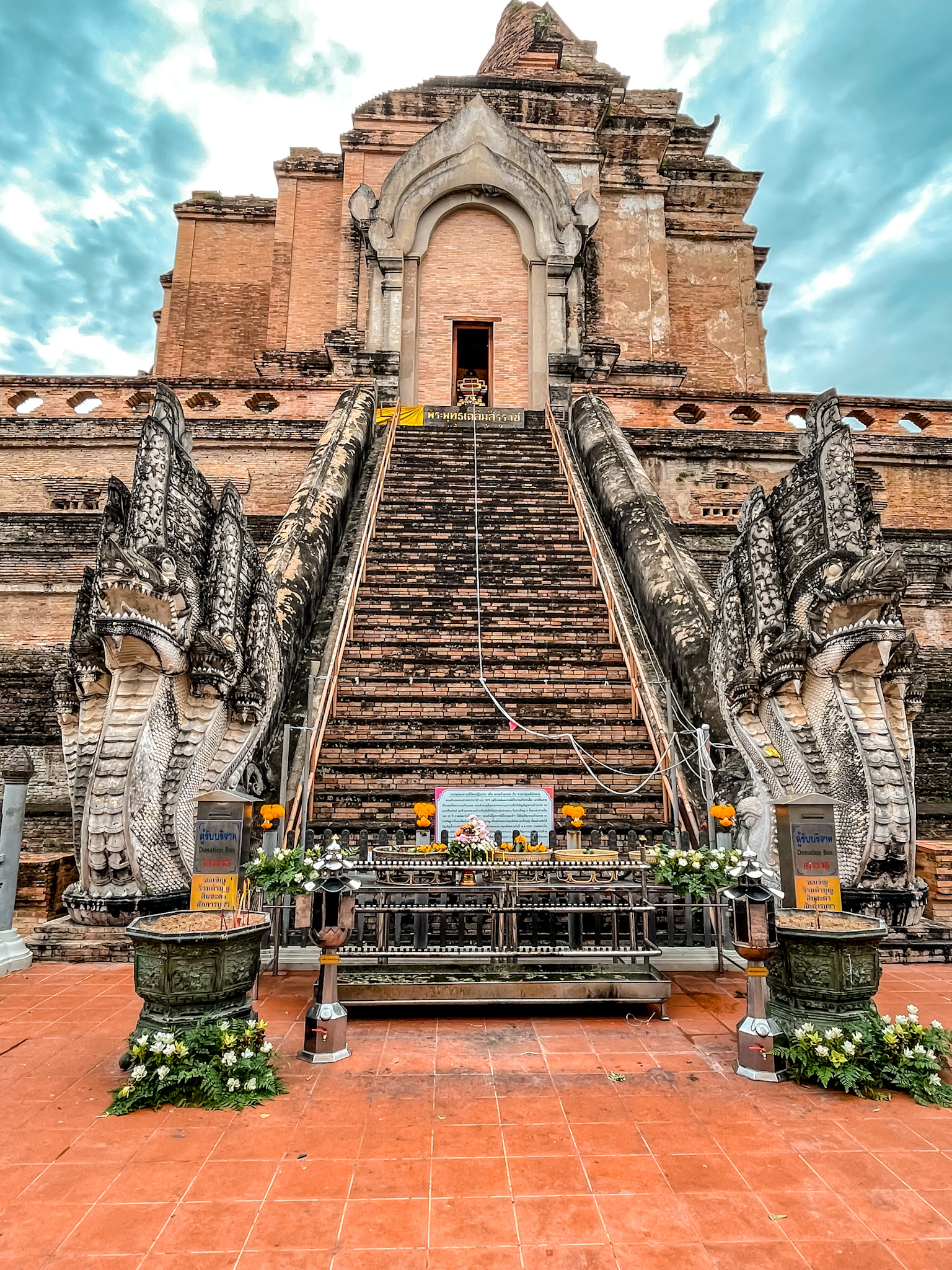
The chedi itself represents stability, impermanence, and resilience. Its damaged yet standing form is often seen as a reminder of time, change, and the endurance of faith.
The temple remains an active place of worship, not just a historical site. Locals come here to pray, make offerings, and participate in religious ceremonies.
This living spiritual presence is part of what makes the visit feel meaningful rather than purely touristic.
What You Will See at Wat Chedi Luang
The Great Chedi
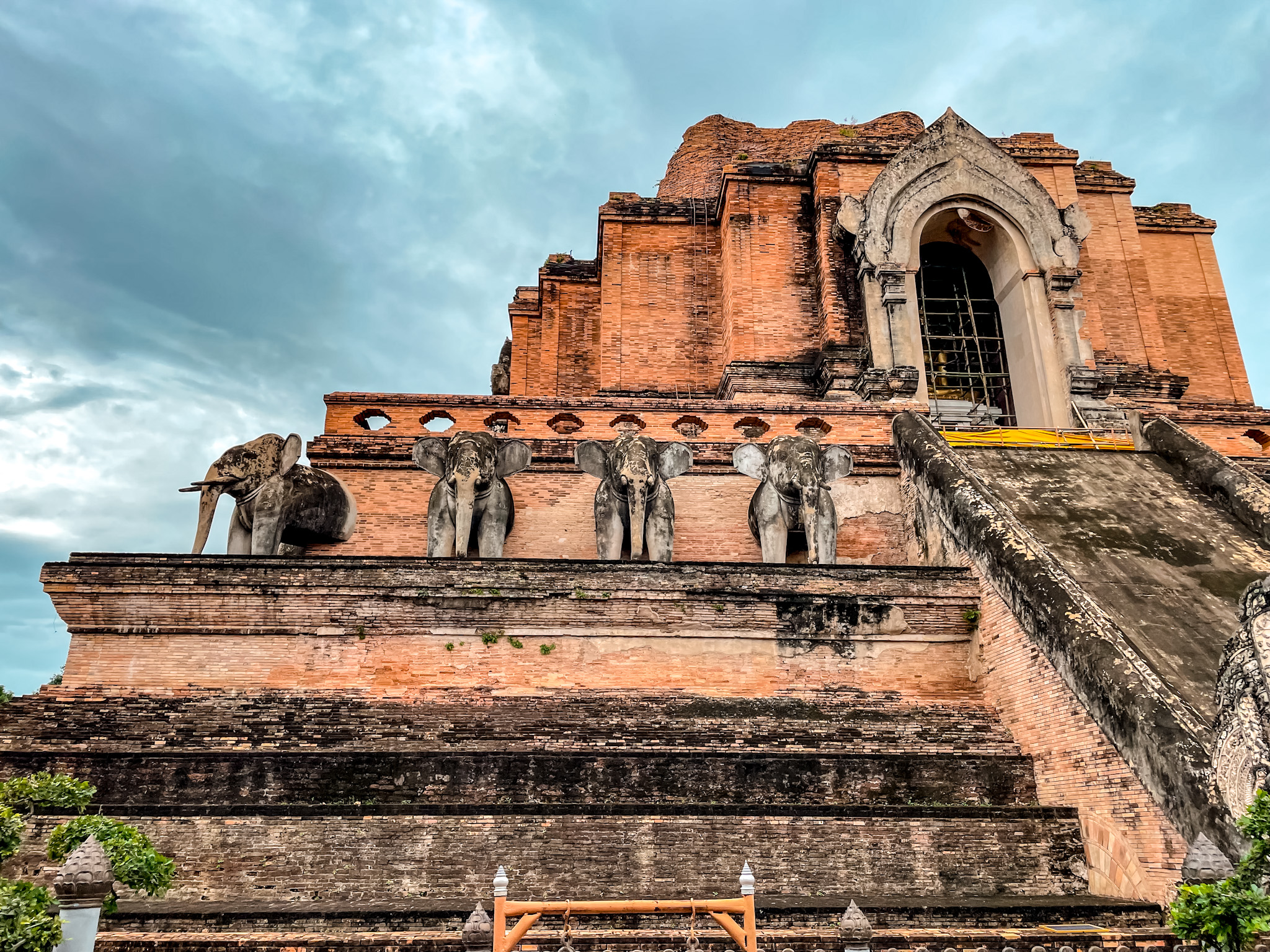
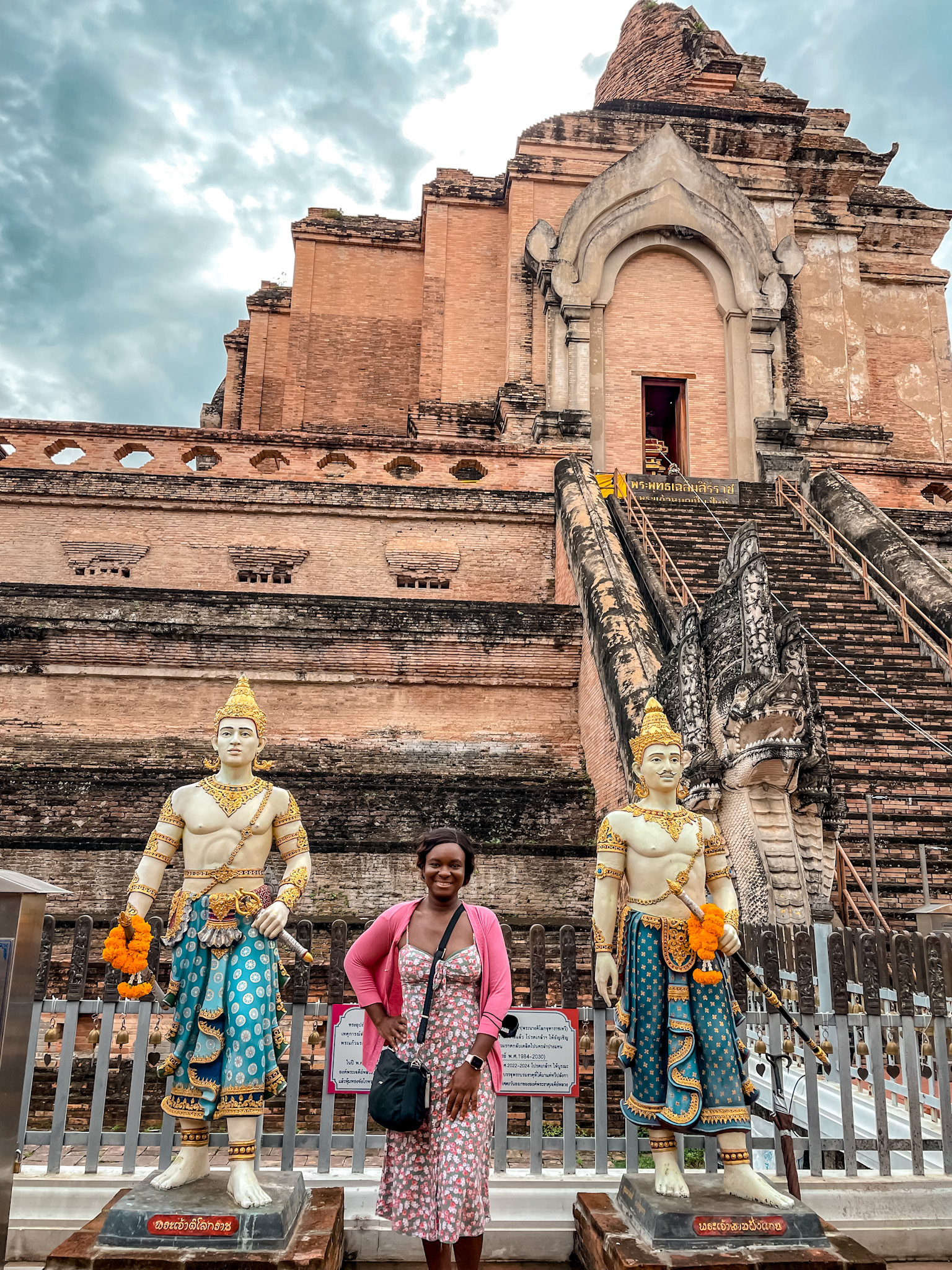
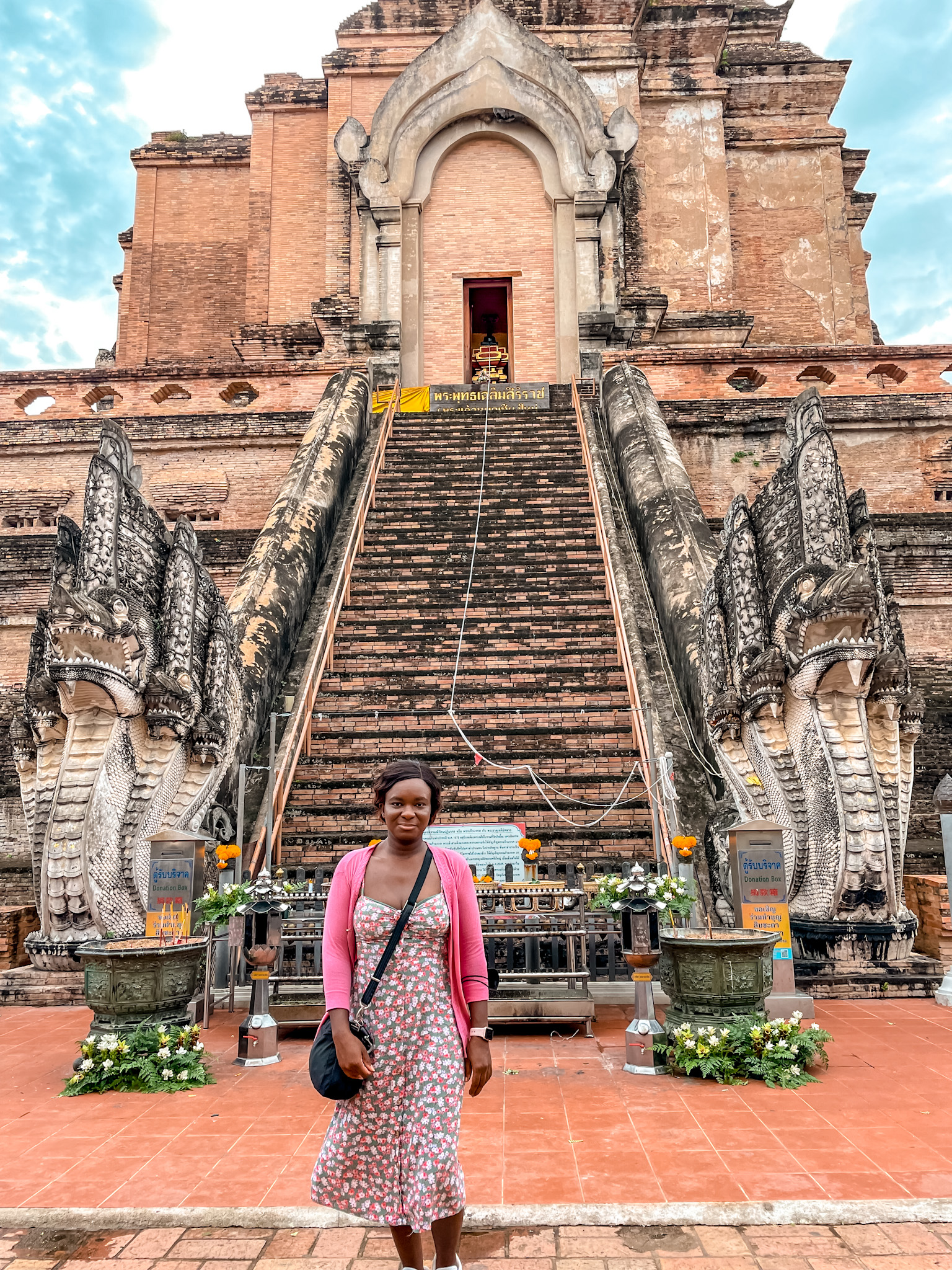
The massive brick chedi dominates the complex. You can walk around it and see intricate carvings, elephant statues at its base, and weathered stone details that hint at its former grandeur.
Standing close to it gives you a real sense of scale and history.
Elephant Sculptures
Elephant statues line parts of the chedi’s base. In Lanna culture, elephants symbolize strength, protection, and wisdom.
Smaller Temples and Shrines
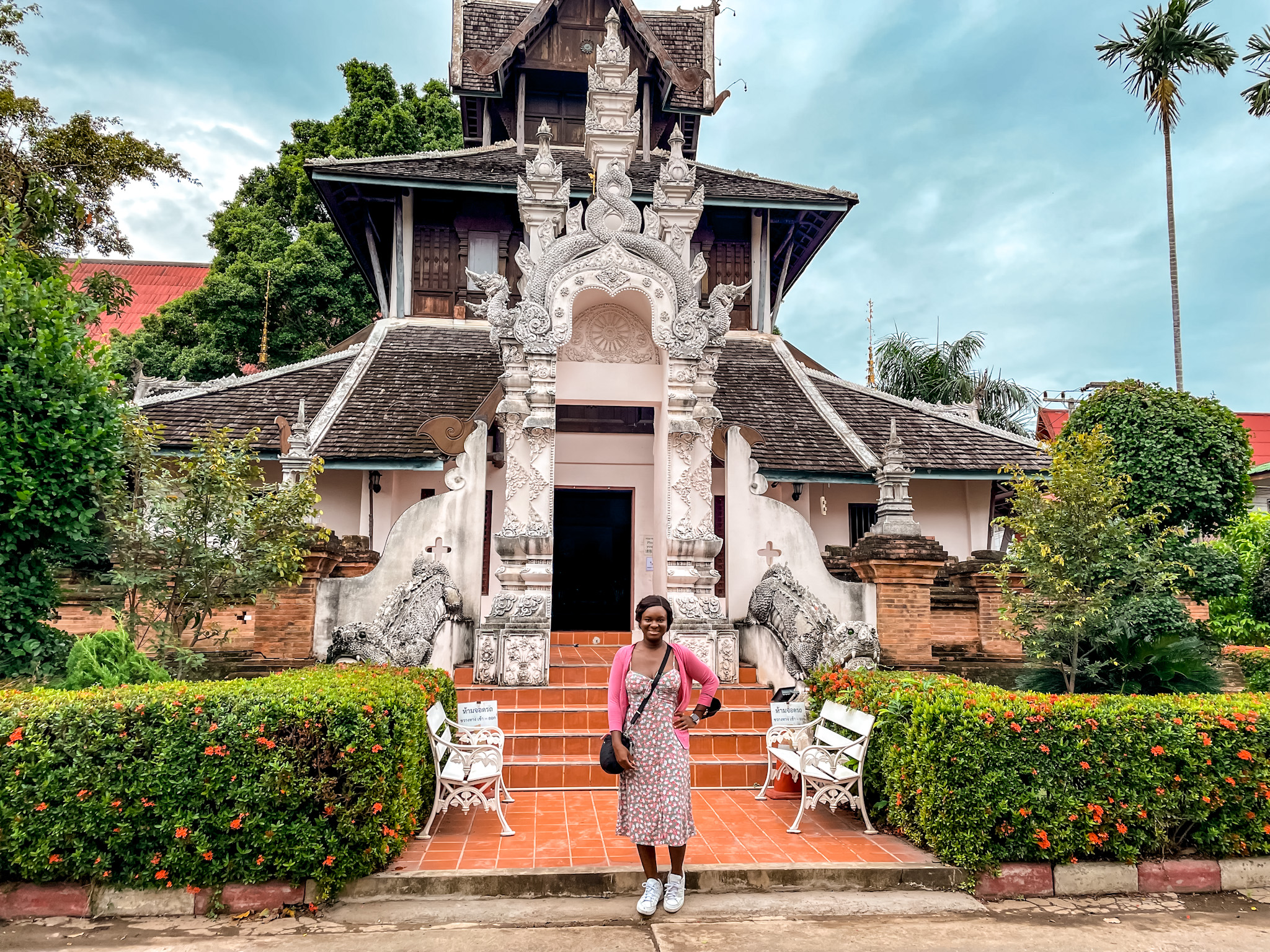
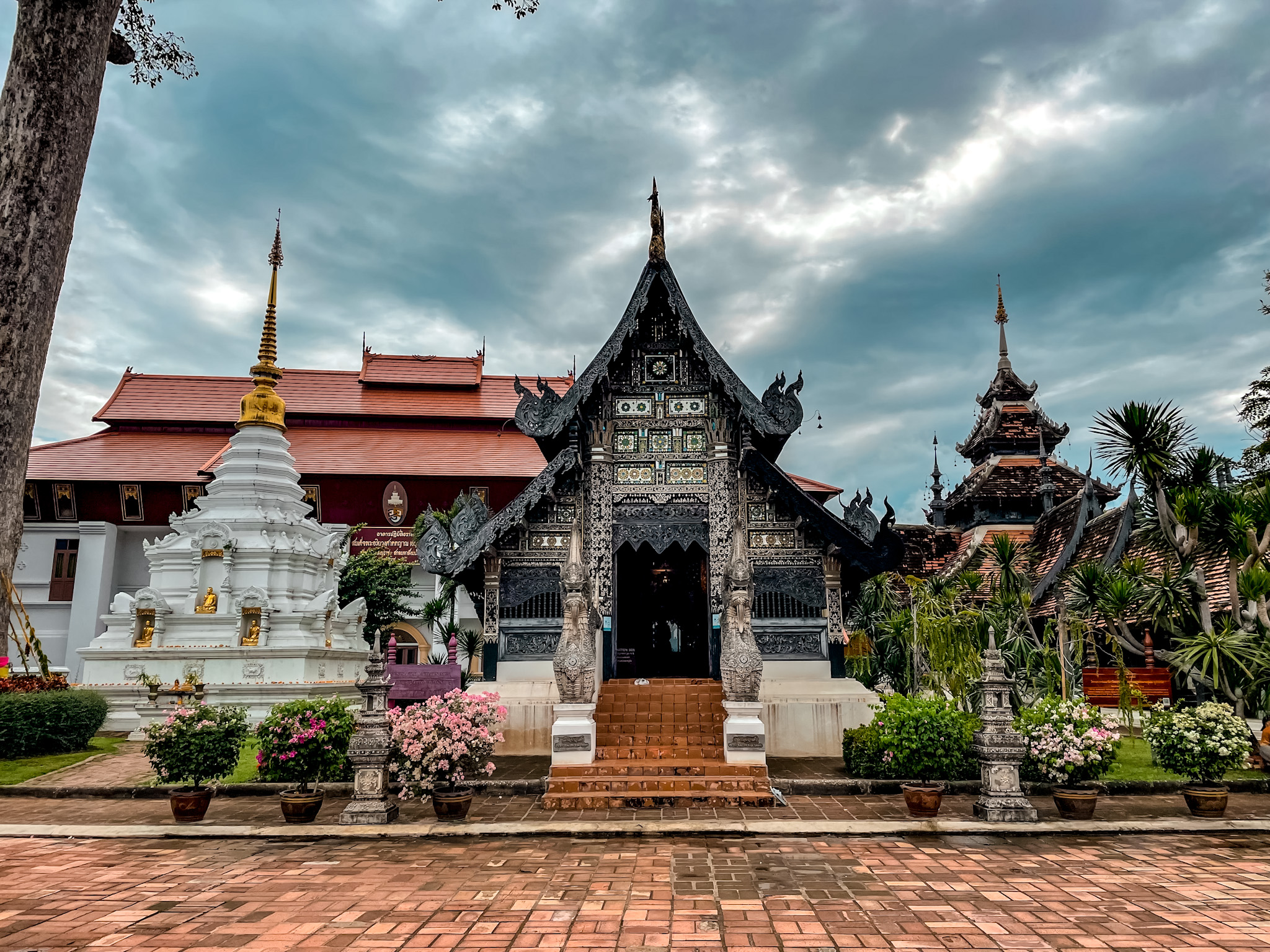
The complex includes several smaller buildings, prayer halls, and shrines that are still used today.
Monk Chat Program
Wat Chedi Luang is known for its Monk Chat program, where visitors can sit and speak with monks. This is an opportunity to learn about Buddhism, daily monastic life, and Thai culture in a respectful setting.
Why You Should Visit Wat Chedi Luang
A Different Kind of Beauty
This temple is not about glitter and gold. It is about age, presence, and atmosphere.
Central Old City Location
Wat Chedi Luang is located right in the heart of Chiang Mai’s Old City, making it easy to combine with other temples, cafes, and walking routes.
Cultural and Historical Depth
Visiting here helps you understand the Lanna Kingdom and the spiritual foundations of northern Thailand.
Calmer Experience
While popular, Wat Chedi Luang often feels less crowded and calmer than some of the more famous temples in other cities.
Best Time to Visit
Early morning or late afternoon is ideal.
• Cooler temperatures
• Softer light for photos
• Fewer tour groups
Midday can be hot, especially around the open chedi.
Dress Code for Wat Chedi Luang
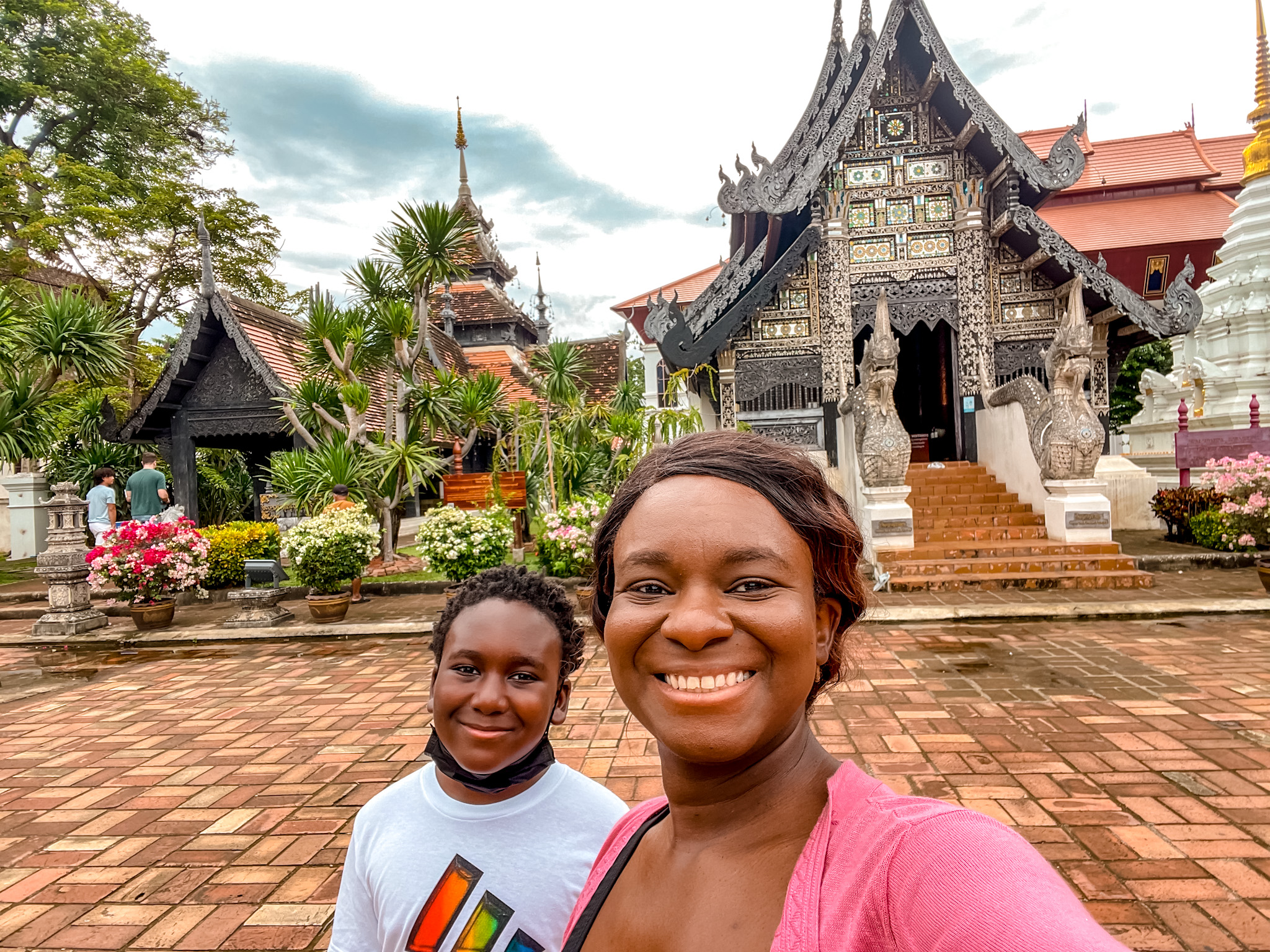
As with all Thai temples, respectful clothing is required.
• Shoulders covered
• Knees covered
• No see through clothing
• No crop tops or very short shorts
Comfortable shoes are recommended, as you will be walking around the complex.
How Long to Spend Here
Plan for about 45 minutes to 1.5 hours depending on how slowly you explore and whether you join a Monk Chat session.
Many visitors pair Wat Chedi Luang with other nearby temples like Wat Phan Tao or Wat Phra Singh.
Entrance Fees and Hours
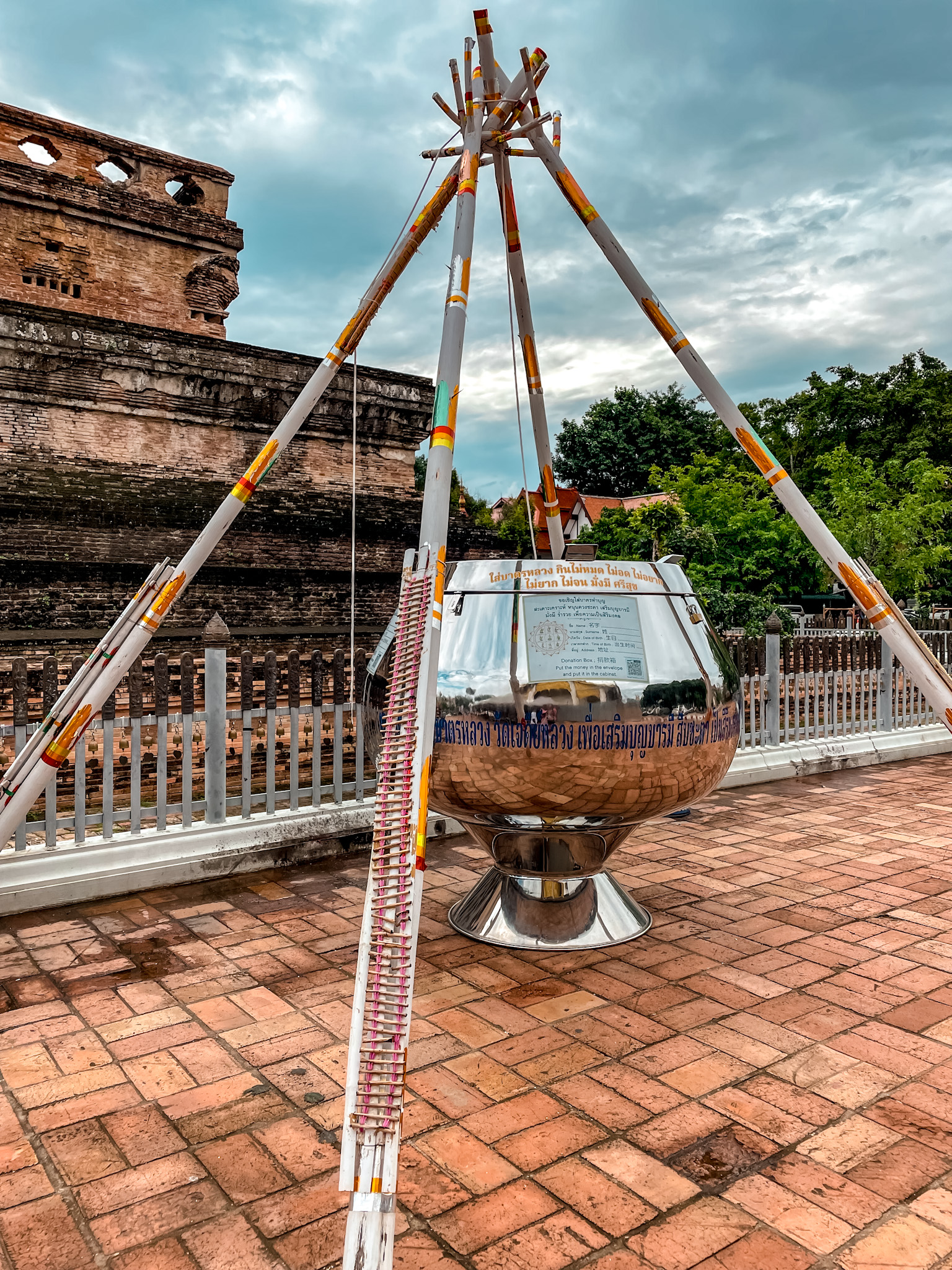
Wat Chedi Luang typically charges a small entrance fee for foreign visitors.
• Open daily
• Morning to early evening hours
Hours and fees can change, so it is always best to check locally on the day of your visit.
Photography Tips
Photography is allowed throughout most of the complex.
Be respectful and avoid photographing people praying unless you have permission.
Early morning and late afternoon provide the best lighting, especially around the chedi.
Things to Know Before You Go
• This is an active temple, not just a tourist site
• Be respectful of monks and worshippers
• Walk slowly and take your time
• Bring water if visiting during the day
• Silence your phone
Who Will Enjoy Wat Chedi Luang
• History lovers
• Culture focused travelers
• Photographers
• People who enjoy quieter, reflective spaces
• Visitors wanting a deeper Chiang Mai experience
Even if you are not typically drawn to temples, this one often resonates differently.
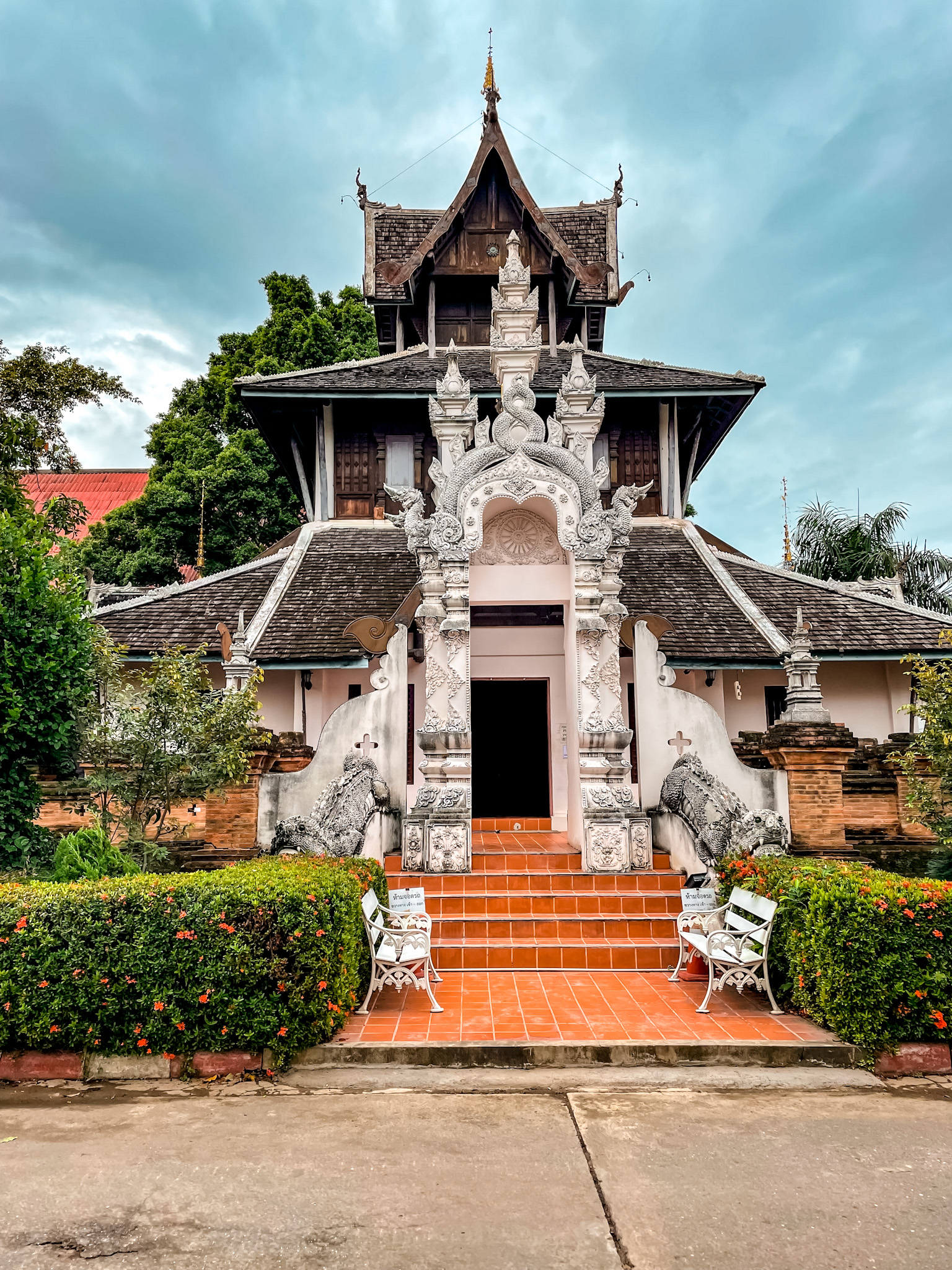
Is Wat Chedi Luang Worth Visiting
Absolutely.
Wat Chedi Luang is one of those places that feels grounded and timeless. It does not try to impress. It simply exists, carrying centuries of history and meaning.
It is one of the most memorable temples in Chiang Mai and a place we always recommend visiting with intention rather than rushing through.
