
Discover Bangkok’s newest cultural landmark and its hidden history
Bangkok is known for grand temples, street food, markets, and skyscrapers, but one of the more unexpected cultural stops in the city right now is The Wireless House at One Bangkok. This is the kind of place that works especially well if you already know Bangkok has more to offer than the usual first-timer list and you want to understand another layer of how the city became what it is.
What makes The Wireless House interesting is that it does not just tell the story of one building. It tells the story of early wireless communication in Thailand, the origins of Wireless Road, and the transformation of this area from older Bangkok into one of the city’s newest major developments. If you like museums, history, design, urban change, or simply places that give more context to modern Bangkok, this is a stop worth knowing about.
If you are still shaping the bigger picture of your trip, my Bangkok for First-Timers guide helps connect places like this to the rest of the city.
What Is The Wireless House One Bangkok
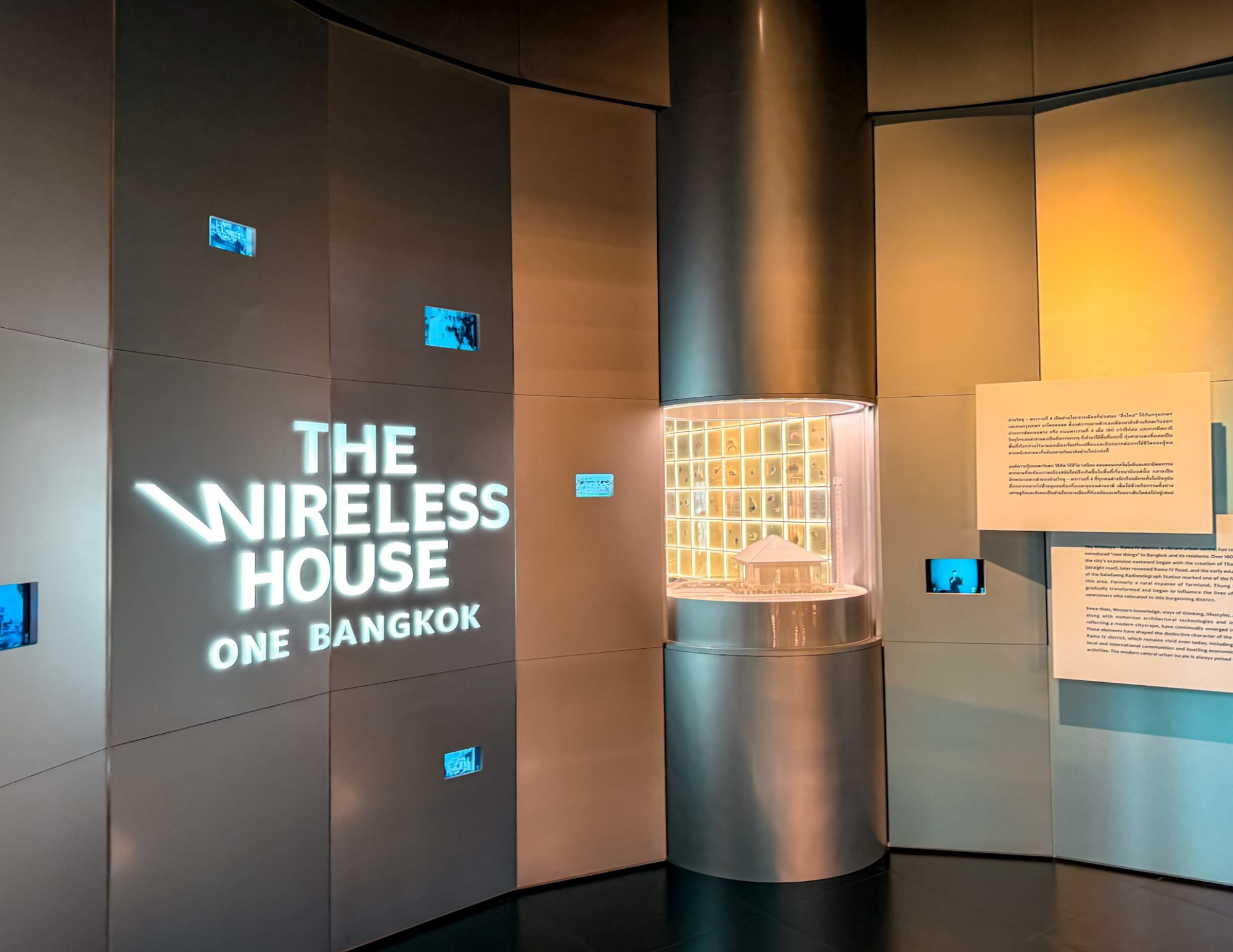
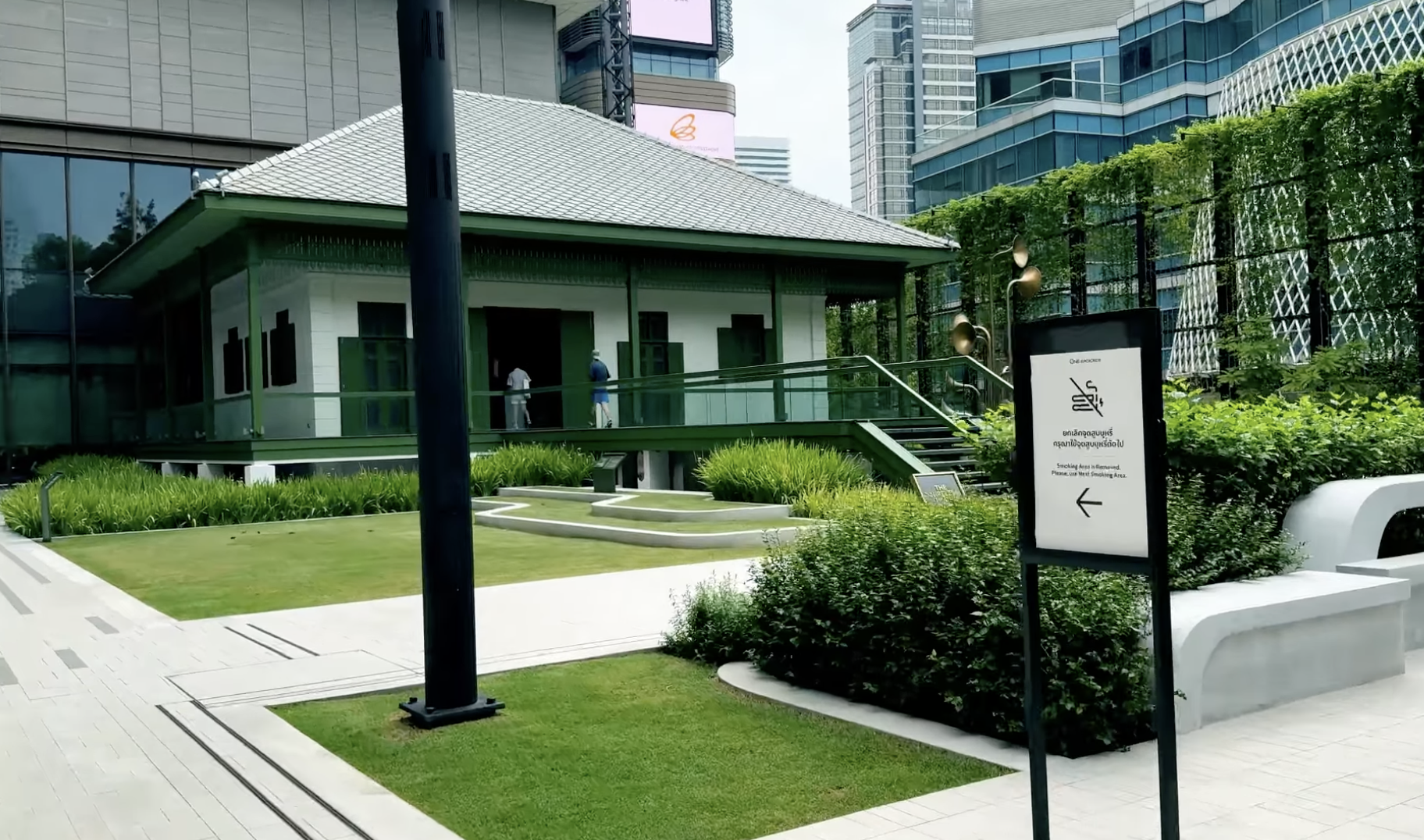
The Wireless House at One Bangkok is a free permanent exhibition located in the heart of the new One Bangkok development. The exhibition honors the original Saladaeng Radiotelegraph Station, Thailand’s first wireless telegraph station, and explains how early wireless technology shaped the area now called Wireless Road.
One Bangkok is a sprawling mixed use district that blends offices, retail, residences and cultural spaces in central Bangkok. The Wireless House is part of the One Bangkok Art and Culture program, a growing cultural hub that integrates public art, exhibitions and history into everyday life.
If you want a more traditional history stop too, my National Museum Bangkok Guide pairs well with this because the two places show very different sides of the city’s story.
Why The Wireless House Is a Must Visit in Bangkok
Most travelers think of Bangkok first through temples, markets, and food, which makes sense. But The Wireless House is useful because it gives you a different kind of context. Instead of showing you Bangkok only through religion or street life, it helps explain how technology, communication, and urban development helped shape the city too. That makes it feel different from a lot of the more obvious museum stops.
It also works well because the subject is specific. This is not one of those museums that throws too many things at you at once. The Wireless House stays focused on the site, the old radiotelegraph station, the history of Wireless Road, and the wider transformation of the area. That narrower focus actually makes the visit easier to appreciate.
History of Wireless Road and the Saladaeng Radiotelegraph Station
The Wireless House is built around the story of the Saladaeng Radiotelegraph Station, which opened more than a century ago and became Thailand’s first wireless telegraph station. That history matters because it ties the area directly to one of the country’s early modern communication systems. The name Wireless Road did not come out of nowhere. It came from this earlier technological identity, and that is exactly the kind of detail many travelers pass through Bangkok without ever realizing.
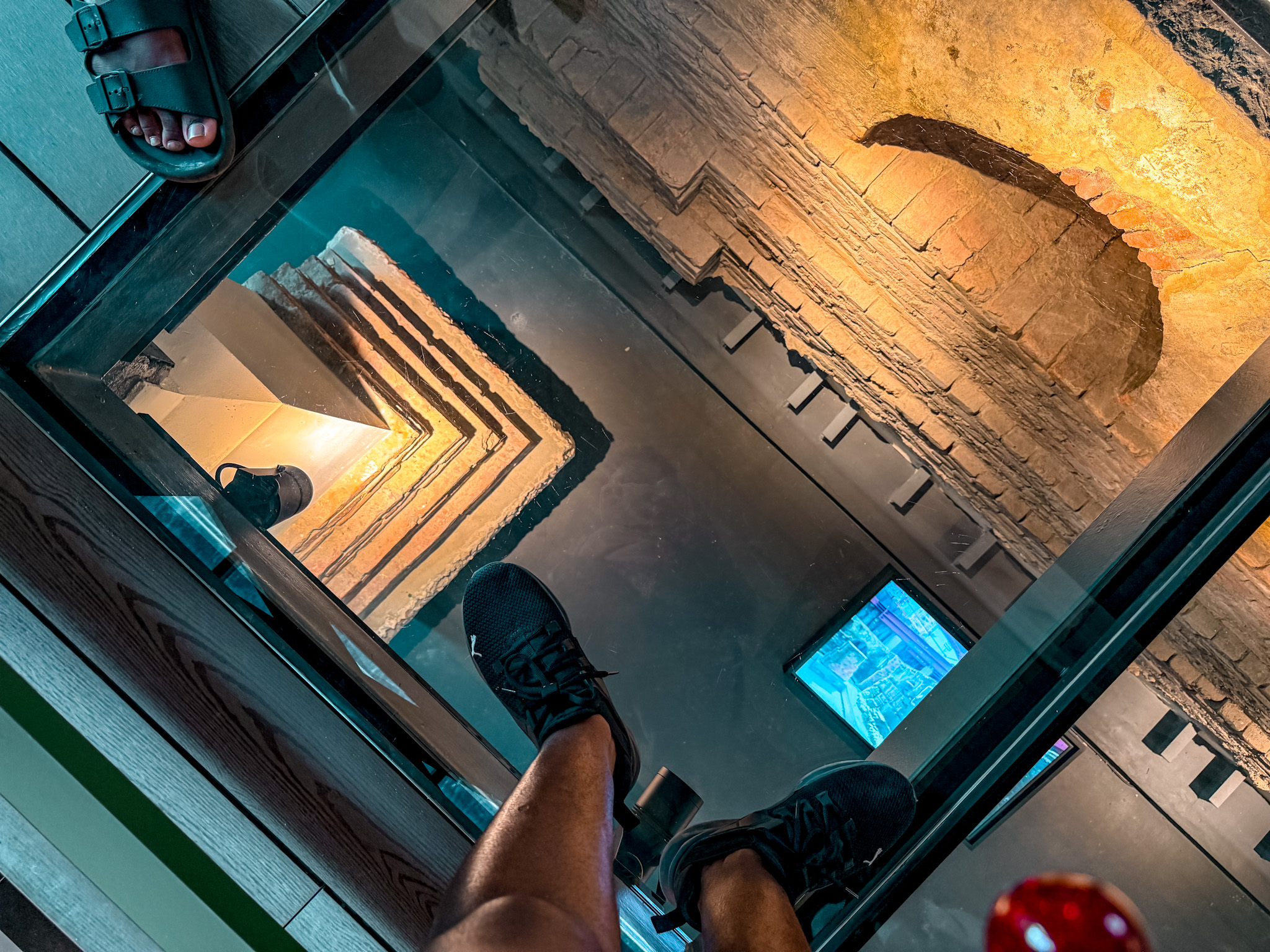
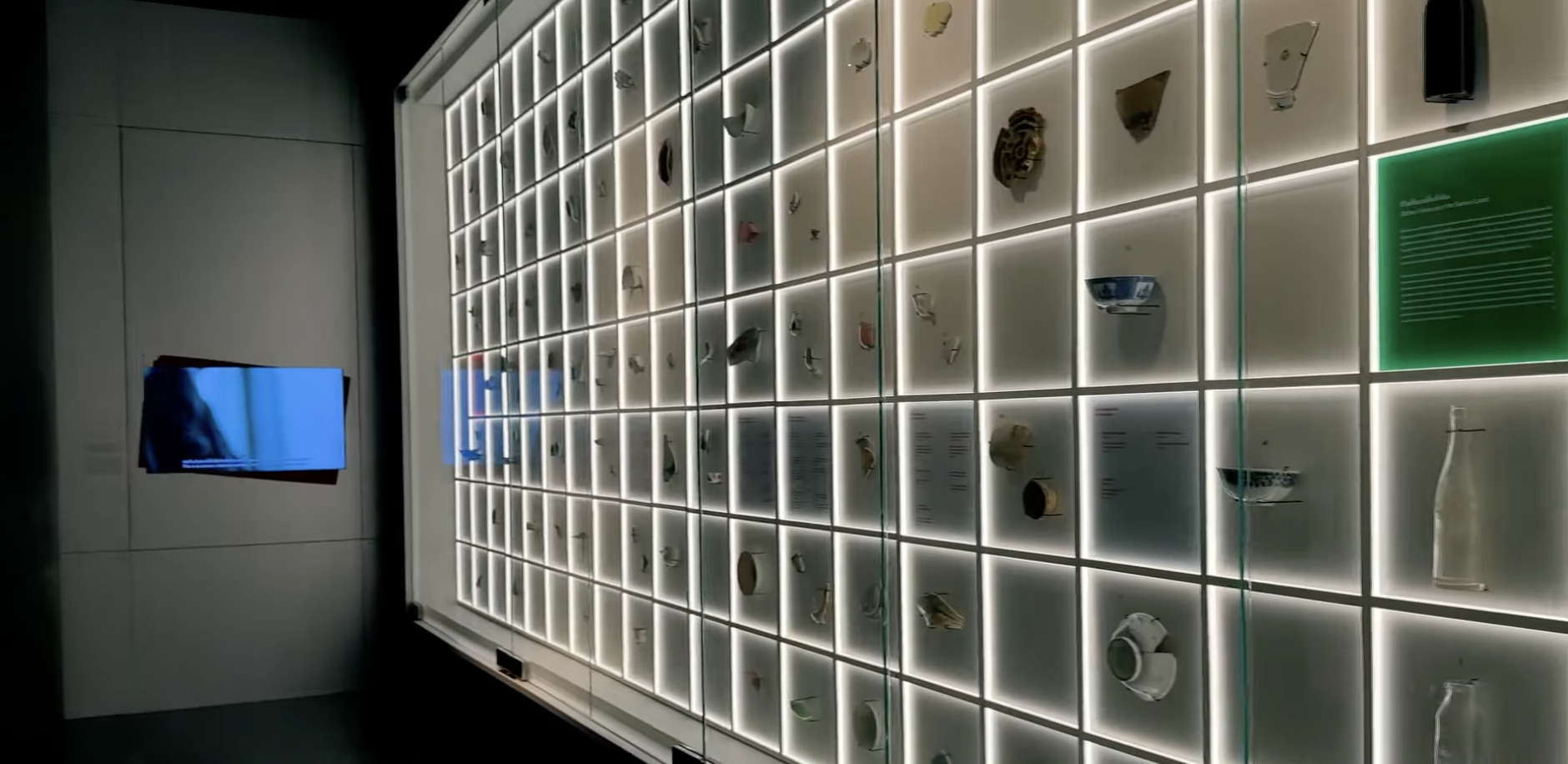
That is part of what makes the exhibition interesting. It takes a road name and a modern district that could easily feel like just another polished urban development and gives them historical depth. It also brings in archaeological material uncovered before One Bangkok was built, which helps show that this area has had multiple lives long before the new towers and mixed-use development arrived.
What to Expect Inside The Wireless House
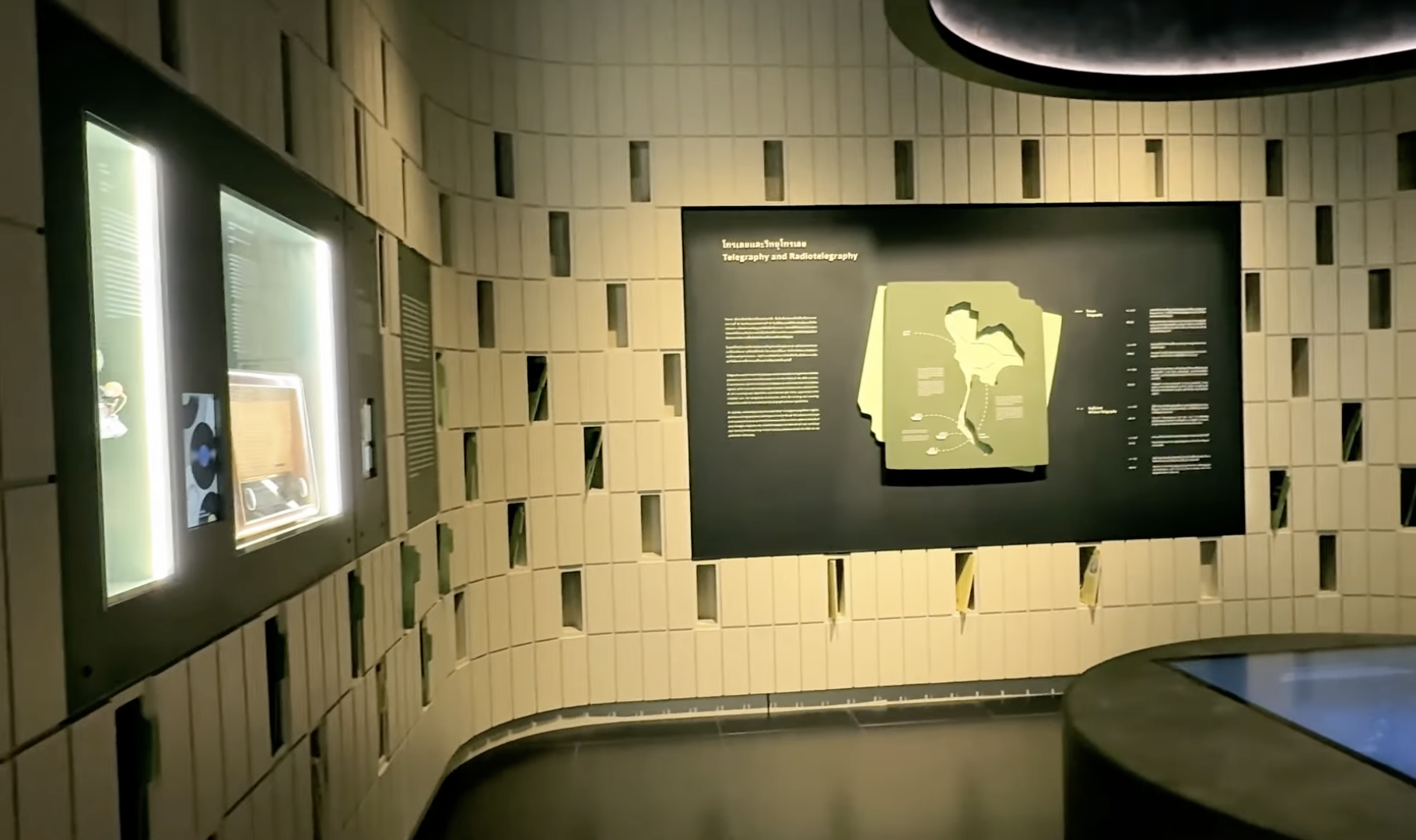
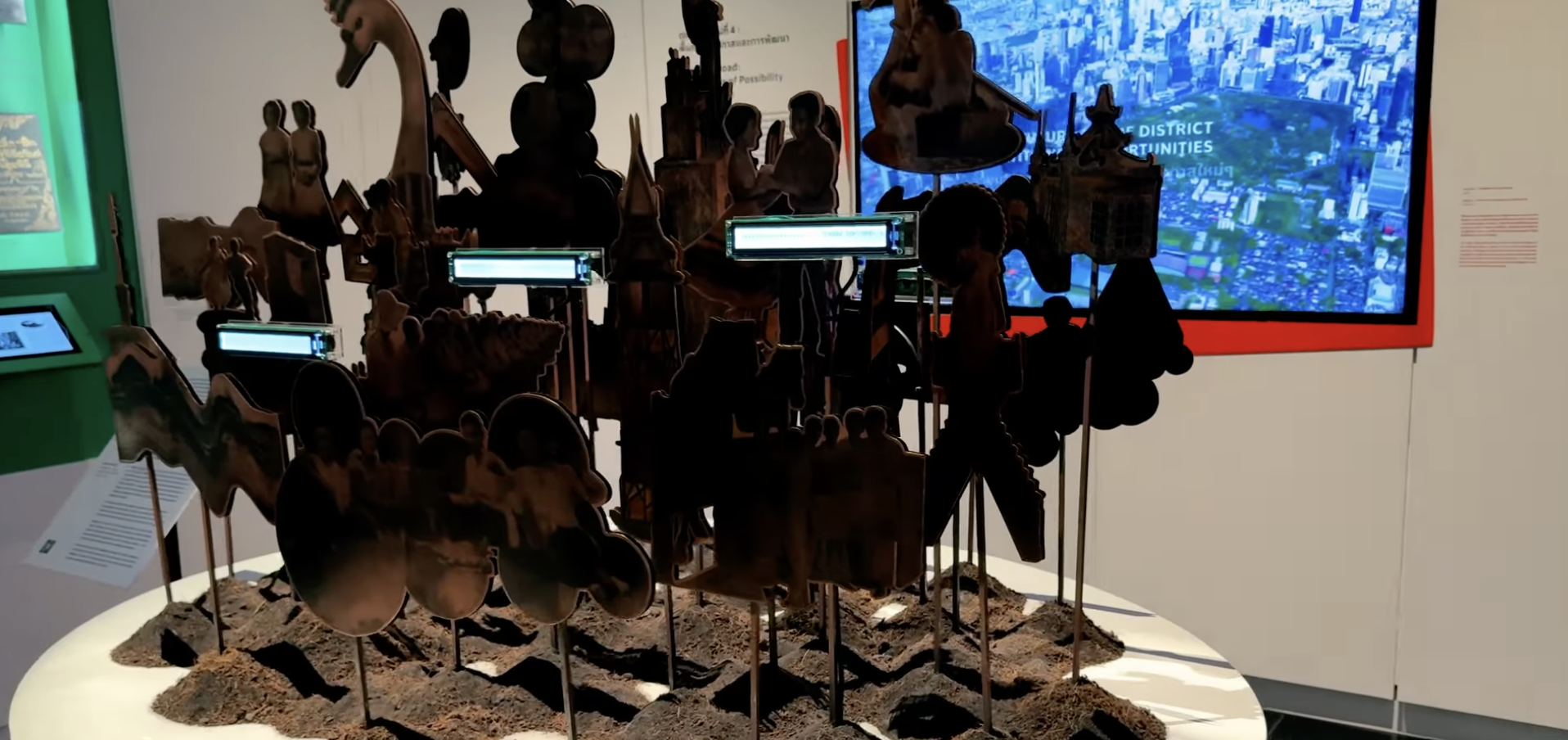
Inside, the exhibition is broken into sections that explain both the communication history of the site and the deeper layers of the area itself. Some parts focus on the radiotelegraph station and early wireless technology, while others lean more into archaeological finds, historic photographs, and the evolution of the neighborhood over time.
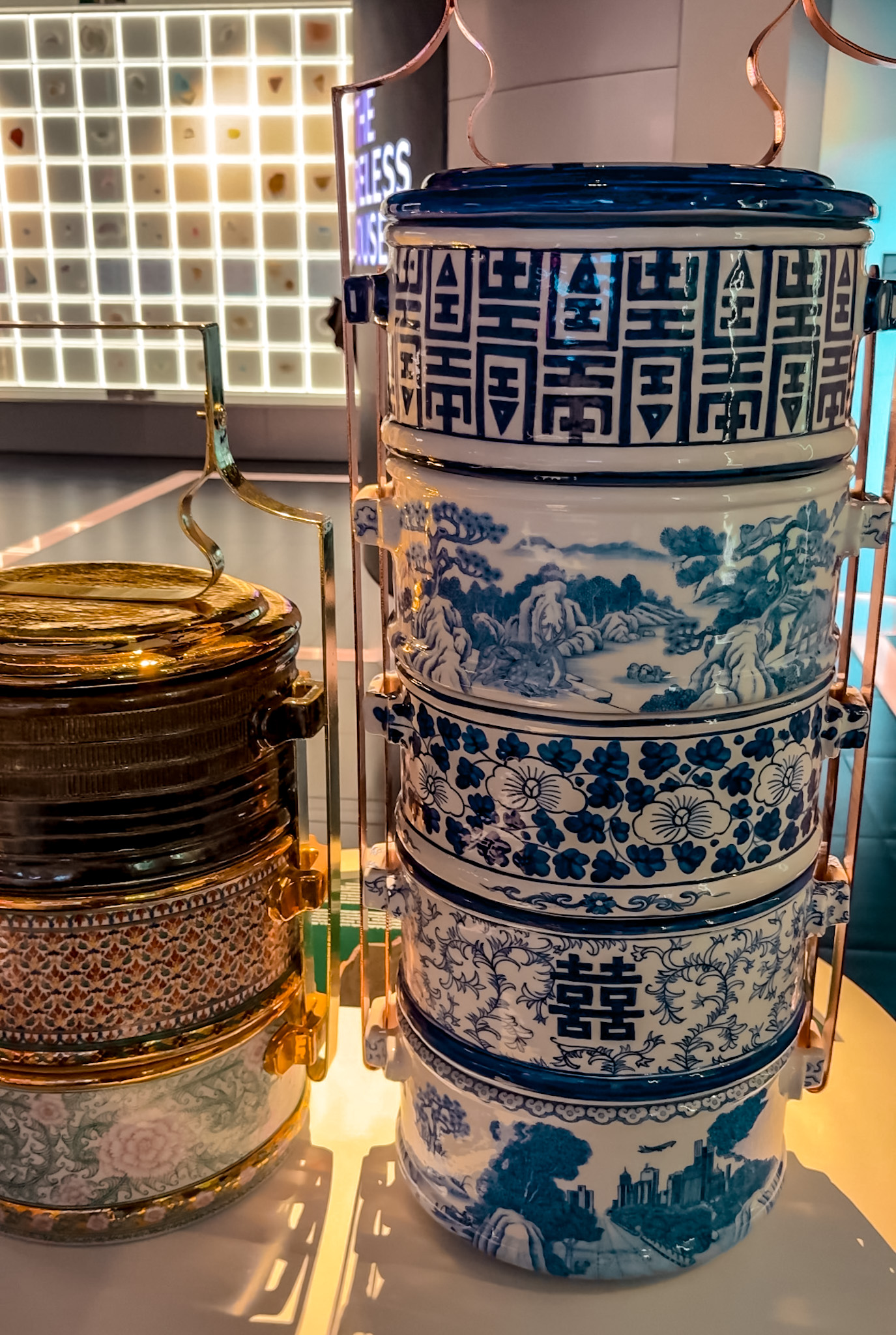
The historical exhibits help ground the story in real people, buildings, and systems rather than making it feel abstract. The archaeological displays are useful because they connect the site to everyday life from earlier decades, not just to big technology milestones. And the interactive areas help make the communication side of the story easier to understand, especially if wireless telegraphy is not something you already know much about.
Overall, the design does a good job balancing heritage with modern presentation. It is clear, well lit, and easy to move through, which makes it feel more approachable than some museums that expect too much patience from casual visitors.
Visitor Tips
The Wireless House is easy to visit because it is free, centrally located, and not especially demanding in terms of time or energy. It is open daily from 10:00 a.m. to 8:00 p.m., which makes it much more flexible than some museum stops in Bangkok. If you want a quieter visit, mornings or later in the afternoon are probably the best times to go.
What I think is most useful for planning is understanding that this is not an all-day museum. It works best as part of a wider central Bangkok day, especially if you are already interested in One Bangkok, art spaces, cafés, or modern Bangkok more broadly. You can spend around 45 minutes to 90 minutes here depending on how carefully you read and how interested you are in the details. That makes it a really easy stop to combine with something else instead of treating it like the only destination of the day.
This also fits well into my 3 to 5 Days in Bangkok itinerary if you want to mix Bangkok’s older landmarks with some of its newer cultural spaces.
Combine the Wireless House With Other Bangkok Attractions
The Wireless House works best when you think of it as part of a wider modern-meets-cultural Bangkok day. Because it sits inside One Bangkok, it pairs naturally with the district’s public art, cafés, and surrounding development. That alone already makes it feel different from a temple-heavy or old-city sightseeing day.
If you want to build it into a fuller itinerary, it also works nicely as a contrast to Bangkok’s more historic museum and palace sites. Doing something like the Grand Palace or National Museum on one day and The Wireless House on another gives you a much broader picture of the city. One shows royal and religious history. The other shows urban and technological history. Together, they make Bangkok feel much more layered.
Why This Place Belongs On Your Bangkok List
Bangkok has plenty of world famous landmarks. The Wireless House stands apart because it adds depth and meaning to the city’s narrative. It connects the dots between early communication technology, Thai history, community identity and modern urban planning. This makes it a valuable stop for travelers who want more than the usual temples and markets.
It is also cost friendly since admission is free. Planning a visit to this museum helps you see Bangkok from a different angle and appreciate how the past shapes the present in this dynamic city.
Final Thoughts
The Wireless House is one of those Bangkok places that probably will not make every first-timer list, and that is exactly part of why it is worth knowing about. It gives you a different version of the city. Not temple Bangkok, not market Bangkok, not rooftop Bangkok, but a quieter, more historical look at how communication, place, and urban change shaped one of the most important roads in the city.
I think it is especially worth visiting if you enjoy museums, design, history, or simply want something a little more under the radar in central Bangkok. It is free, well presented, easy to fit into the day, and different enough from the usual sightseeing that it feels refreshing. If you are building a more layered Bangkok trip, this is the kind of stop that helps the city feel bigger than the obvious highlights.

Cavetta is the creator of LifeWithVetta.com and has been traveling the world full time since 2020. She has visited more than 60 countries while worldschooling her son and documenting what it really takes to live abroad. Her guides focus on travel, moving abroad, digital nomad life, and designing a life beyond the traditional path.
