
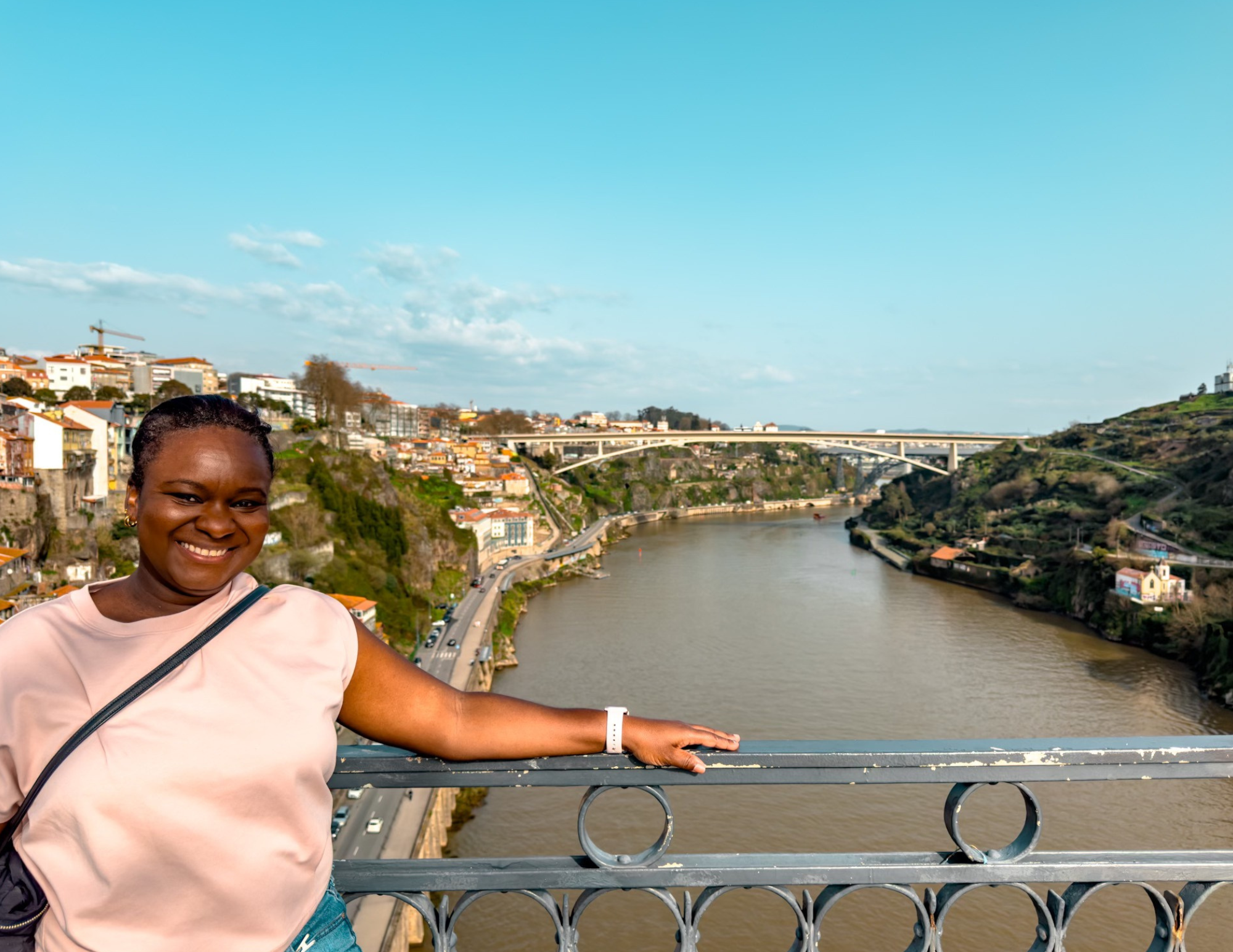
Four days in Porto gives the city a very different kind of trip. Three days is enough to see the highlights and come away feeling like you had a strong first visit. But four days gives you something calmer. It lets you enjoy Porto without always feeling like you are moving to the next thing.
That matters because Porto is not just a city of landmarks. It is a city of hills, views, slower meals, river walks, and neighborhoods that make more sense once you have had time to move between them. And with a fourth day, you can add the Douro Valley without making the city itself feel rushed.
If you want the shorter version, read my 3 Days in Porto Itinerary. And for the bigger picture, my Porto Travel Guide and Best Things to Do in Porto help connect everything.
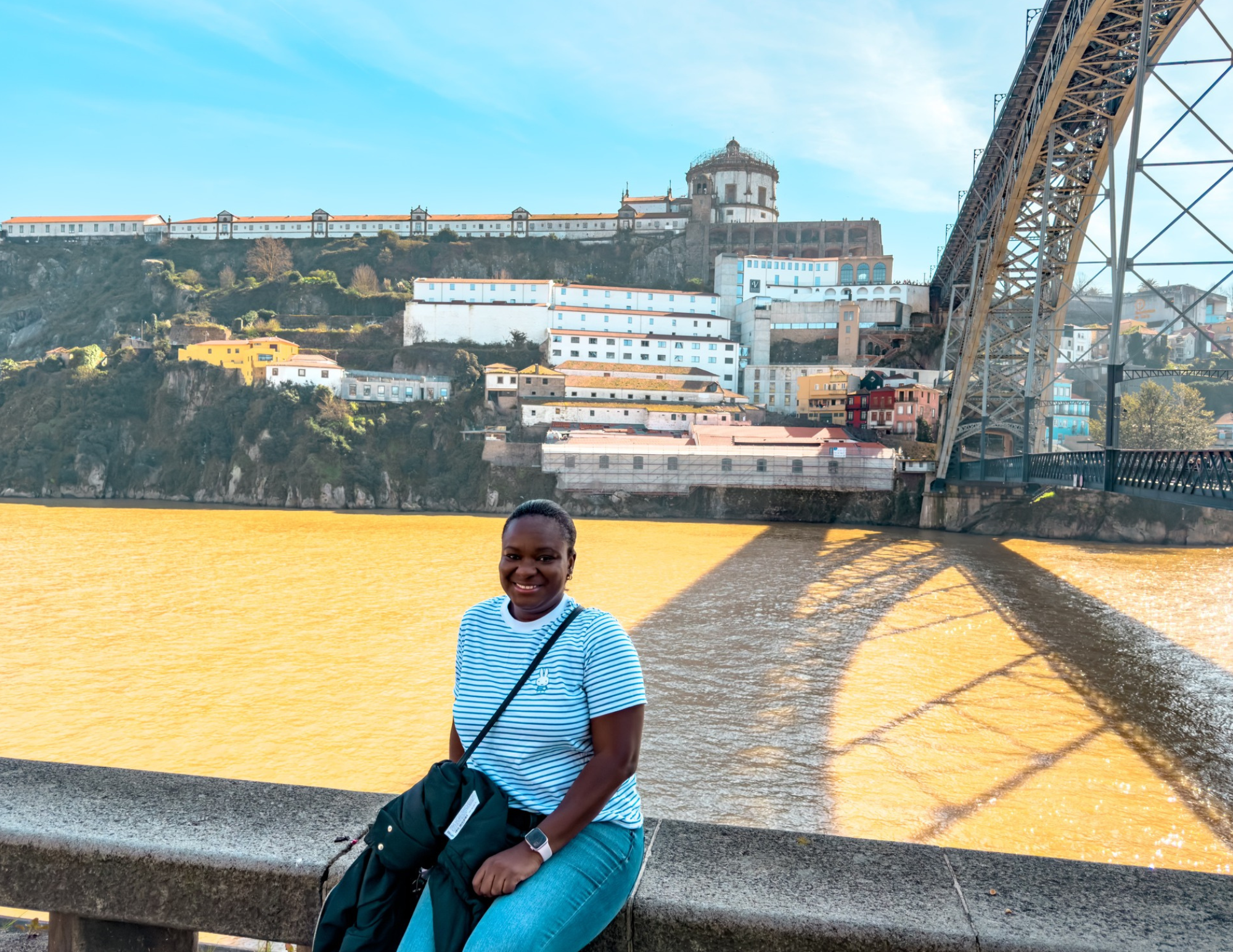
Is 4 Days in Porto Too Much?
No, not at all.
If anything, four days is one of the best ways to do Porto if you do not want the trip to feel too compressed. Porto is not enormous, but that does not mean it is a city that feels best when rushed. The hills, the walking, the viewpoints, the food stops, and the natural pull to slow down all make it a place that benefits from a little extra time.
That extra day also lets you do something bigger with the trip. Instead of only seeing Porto itself, you can use day four for the Douro Valley, which adds a completely different side of northern Portugal and makes the whole trip feel more layered.
Day 1: Start in the Upper City, Then Walk Down Into Ribeira
Your first day in Porto is the day to let the city introduce itself properly.
I like starting in the upper part of the city because it helps Porto make sense visually before you get pulled into the riverfront. Once you begin up high, you can see how the city slopes, where the river sits, and how the old streets gradually pull you downhill. That makes everything you do later feel more connected.
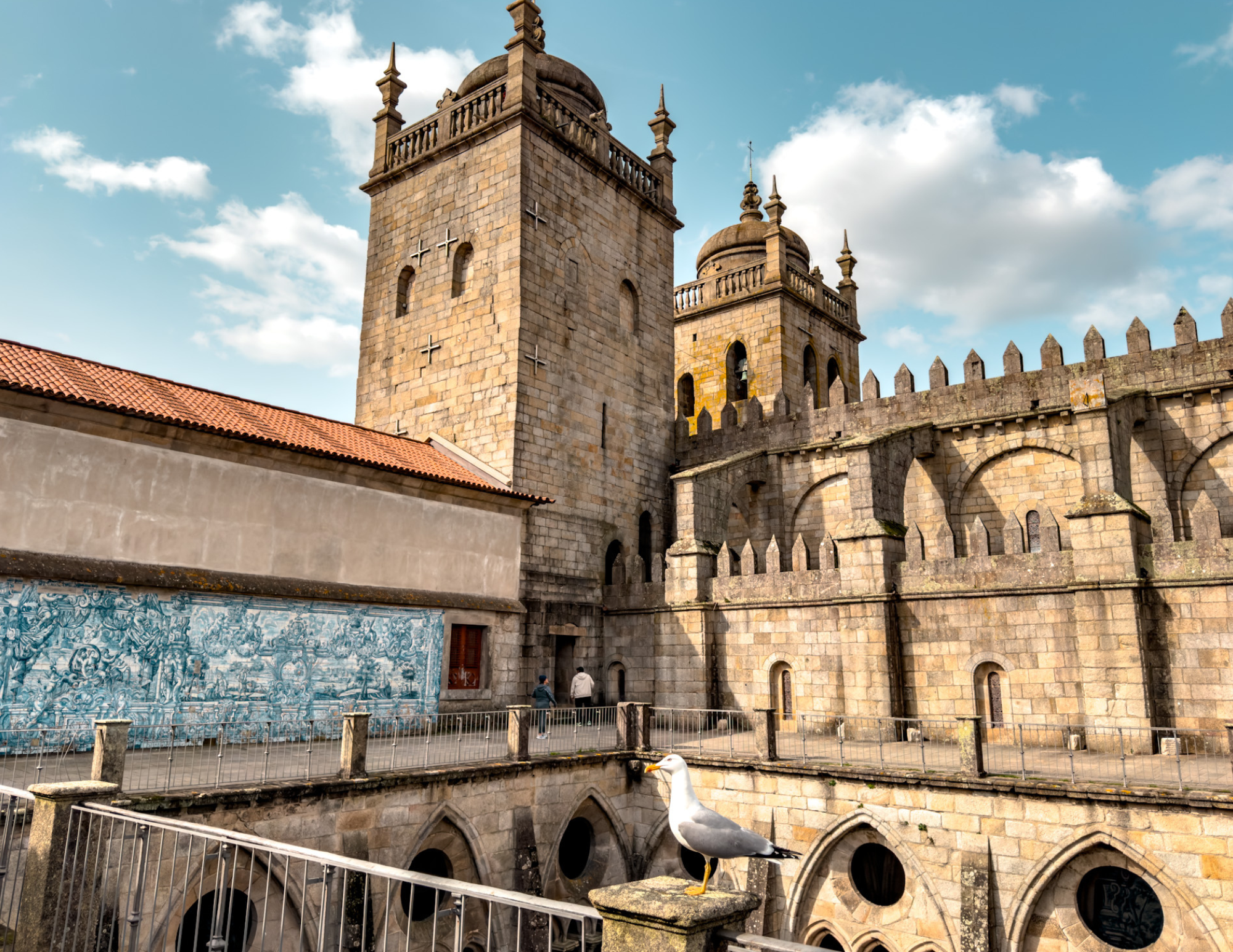
A good first stop is the area around Porto Cathedral. This is one of the strongest places to begin because it is not just historically important. It also gives you one of those views that helps orient your whole trip.
Before heading fully into the cathedral area, take your time walking through Rua das Flores on the way. This is one of the streets that helps Porto feel layered instead of rushed. It is a natural connecting stretch between central Porto and the older historic core, and it works especially well on a first day because it lets the city unfold gradually instead of jumping straight from one landmark to the next.
This is exactly the kind of street Porto does well. You are not there because it is one giant headline attraction. You are there because it adds texture to the route. It gives you that in-between part of the city that makes the bigger landmarks feel more connected once you reach them.
Spend some time in this part of the city instead of rushing through it. Let yourself take in the setting, the stone streets, the rooftops, and the feeling of standing above the Douro before you make your way down. My Porto Cathedral Guide goes deeper into why this part of the city matters so much.
Then keep going until you reach Ribeira.
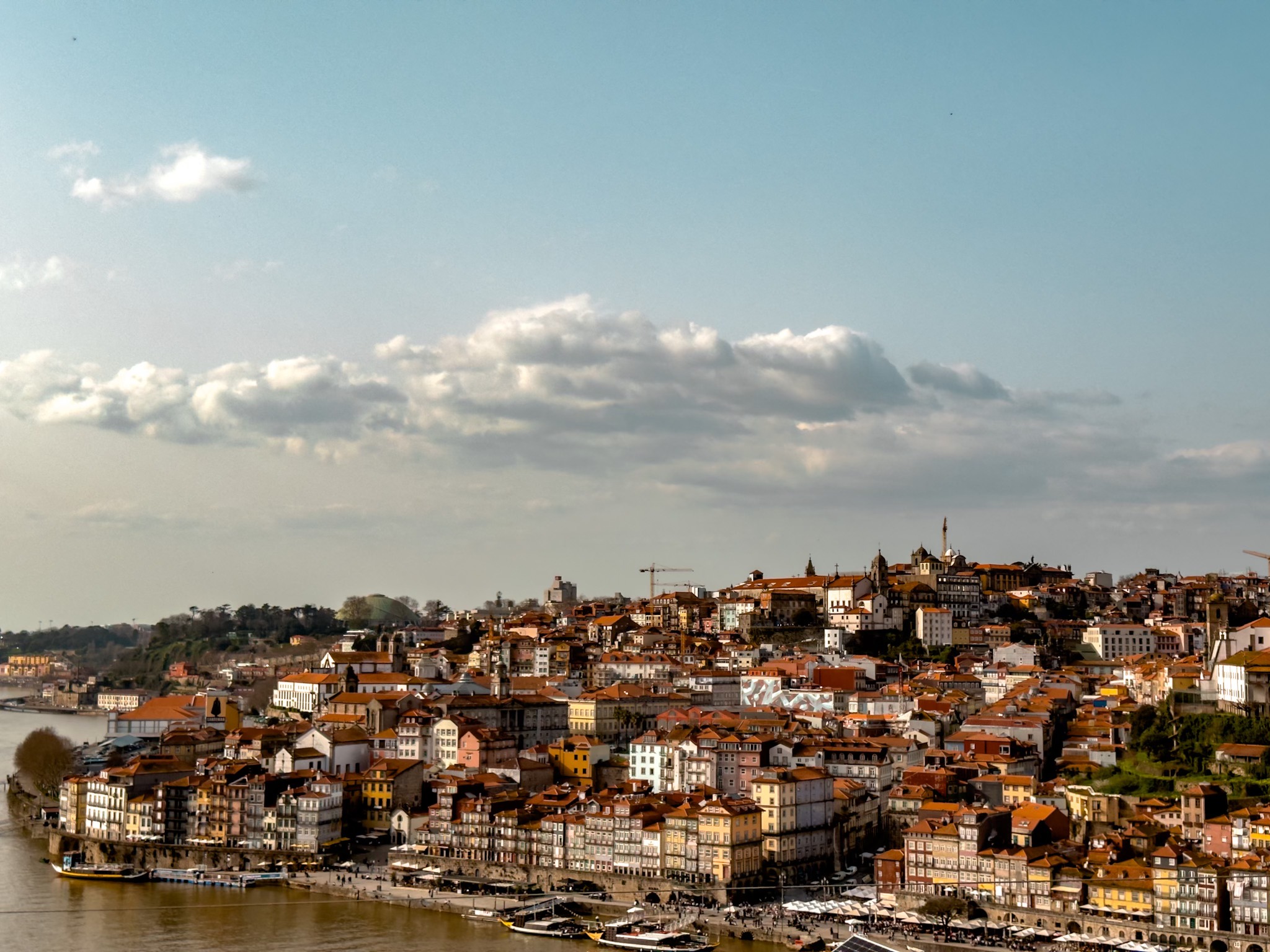
This is one of the moments when Porto really lands. Ribeira is touristy, yes, but it is also genuinely atmospheric. The facades, the river, the energy, the restaurants, the layered buildings rising behind the waterfront, and the bridge all come together in a way that actually lives up to the photos.
Do not treat Ribeira like a place to snap a few photos and leave. Walk it. Pause there. Sit for a while. This is where Porto stops feeling like a set of landmarks and starts feeling like a place. My Ribeira District Guide goes into that area in more detail.
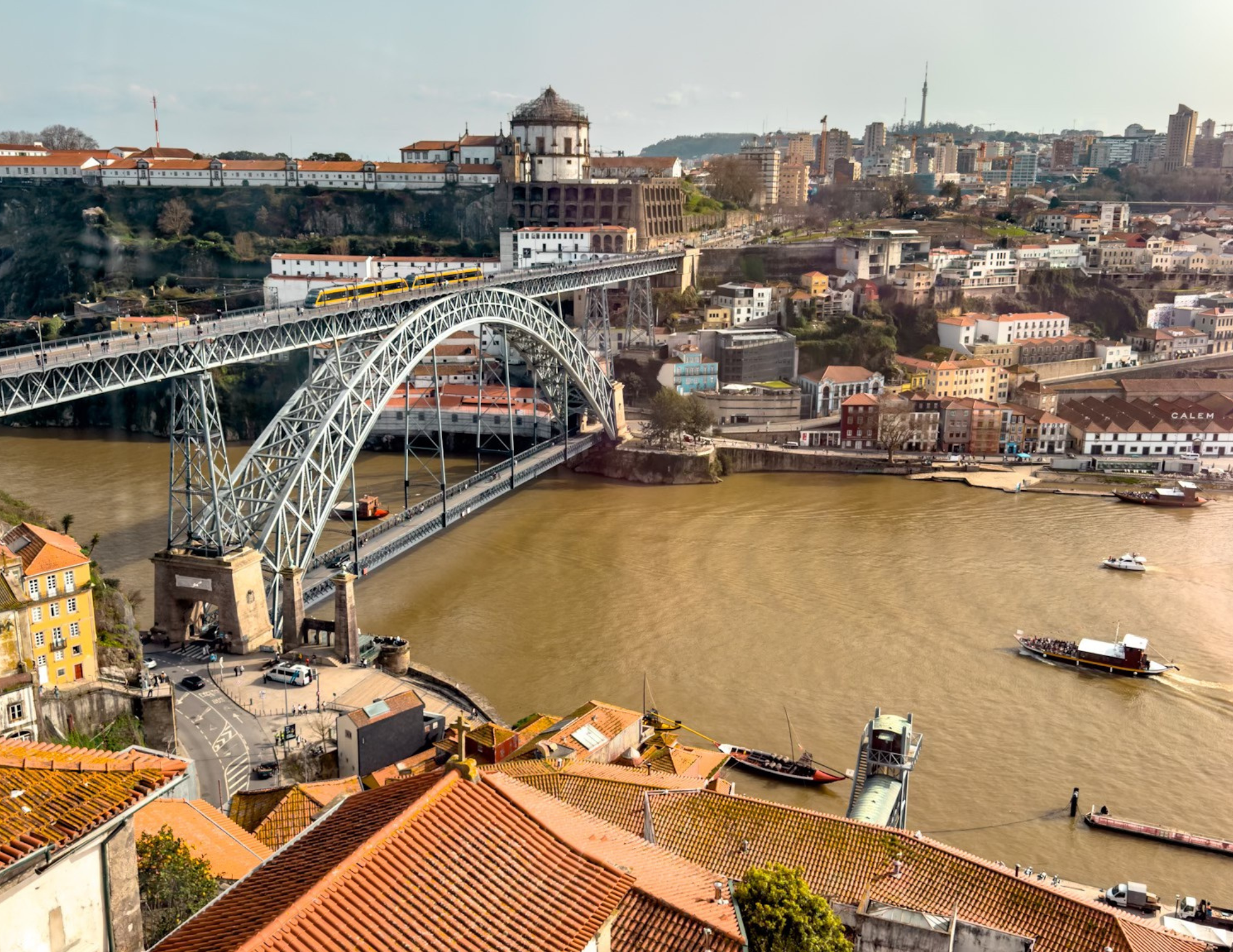
Later in the day, cross the Dom Luís I Bridge.
That crossing is one of the Porto experiences that really does deserve the attention it gets. It is not only iconic visually. It also changes how you understand the city. Looking back toward Porto from the bridge or from Gaia gives you one of the best perspectives of the old city and riverfront.
If you want the slower version of this experience, my Dom Luís I Bridge Walk Guide goes deeper into the best way to enjoy it.
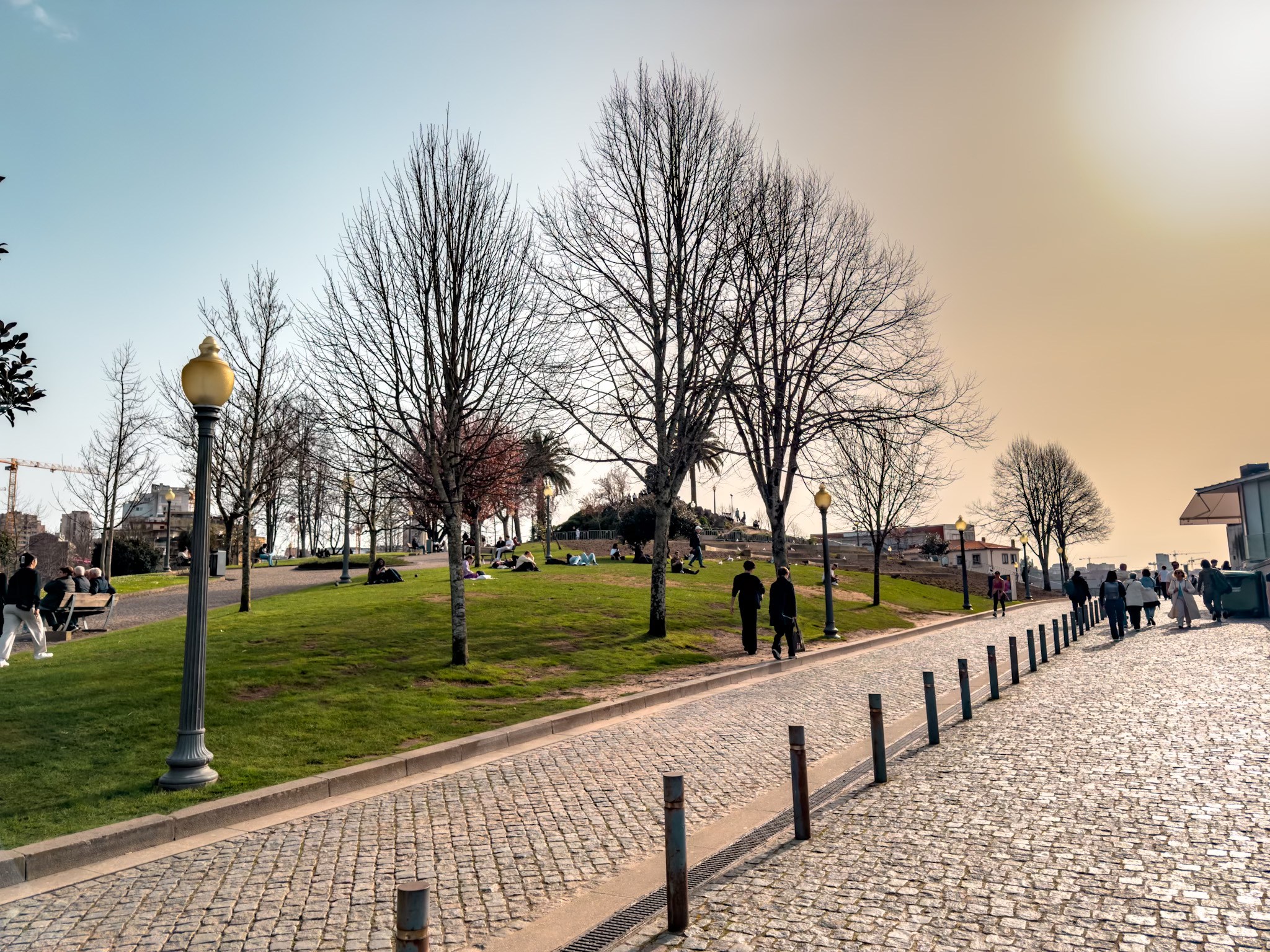
If you still have energy, end the day with sunset at Jardim do Morro. After walking through the upper city, down into Ribeira, and across the bridge, it is one of the best places to pause and take Porto in properly before calling it a night.
Day 2: Explore Central Porto, Bolhão, and the Details That Give the City Texture
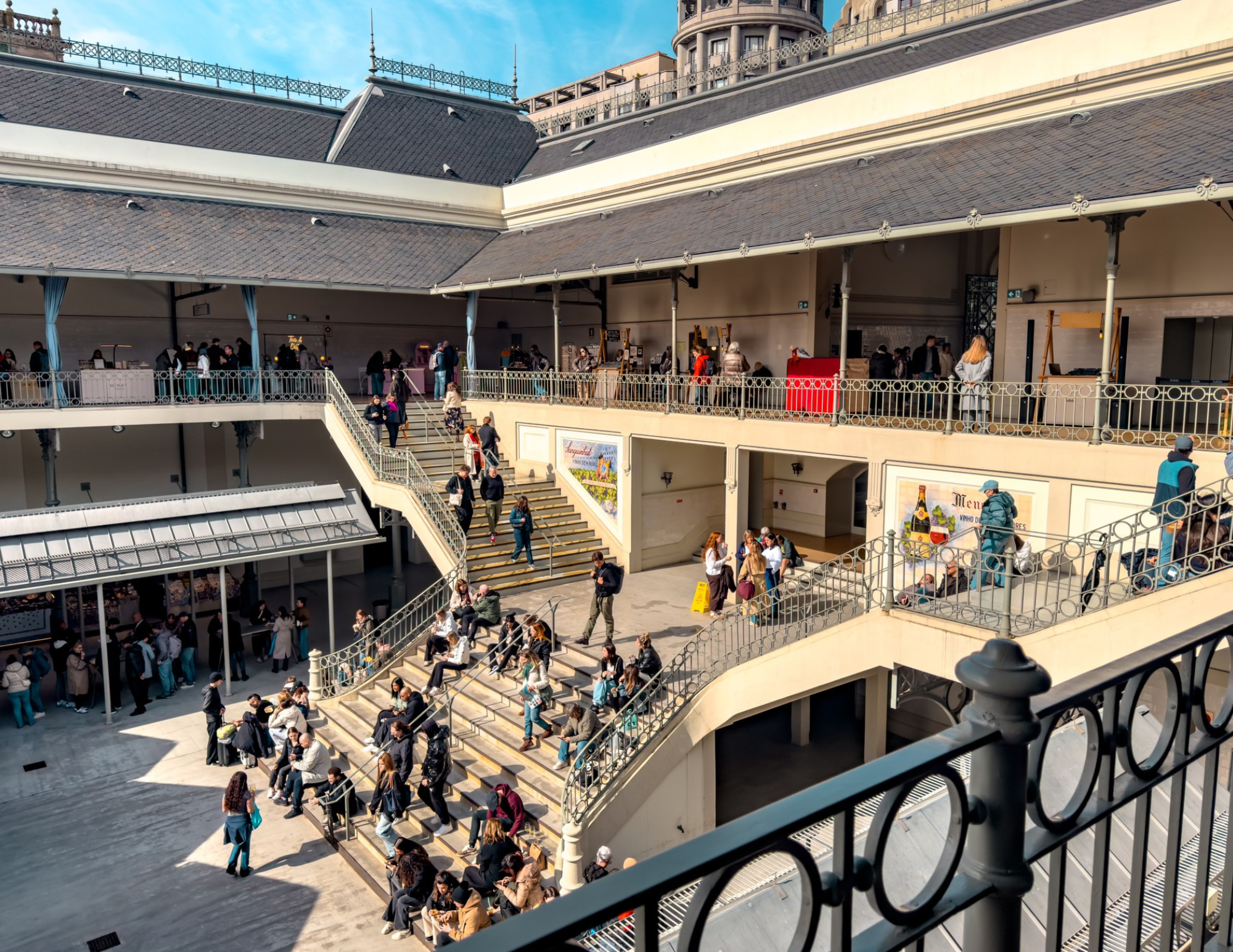
Start around Mercado do Bolhão. This is one of the places that shifts Porto away from just views and riverfront atmosphere and into everyday city life. It is where the trip starts feeling less like a backdrop and more like a place where people actually live, shop, and eat.
My Bolhão Market Guide goes deeper into what makes it worth visiting and how it fits into the city beyond just being the market.
After spending some time in Mercado do Bolhão, keep the day moving on foot through one of the easiest and most natural walking routes in central Porto.
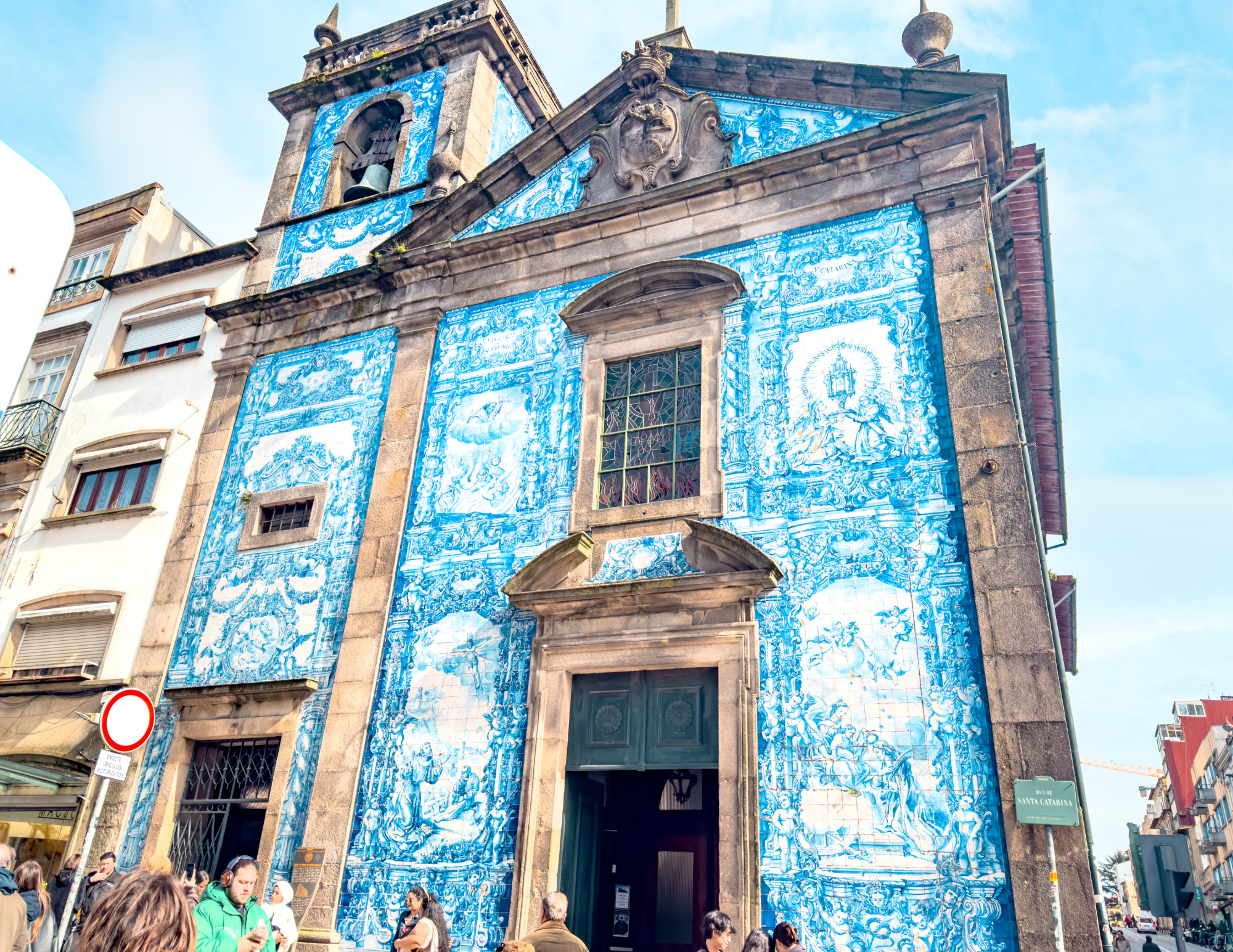
Just beyond the market, stop at the Chapel of Souls, one of the most recognizable small landmarks in this part of the city. This is one of those stops that does not need much time, but adds so much visual character to the day.
The chapel sits right on Rua de Santa Catarina, and its blue-and-white tiled façade is one of those Porto details that instantly catches your attention even if you were not planning to spend long there. It works so well in this itinerary because it does not feel like a major detour. It feels like part of the natural rhythm of the neighborhood. My Chapel of Souls Porto Guide covers that stop in more depth.
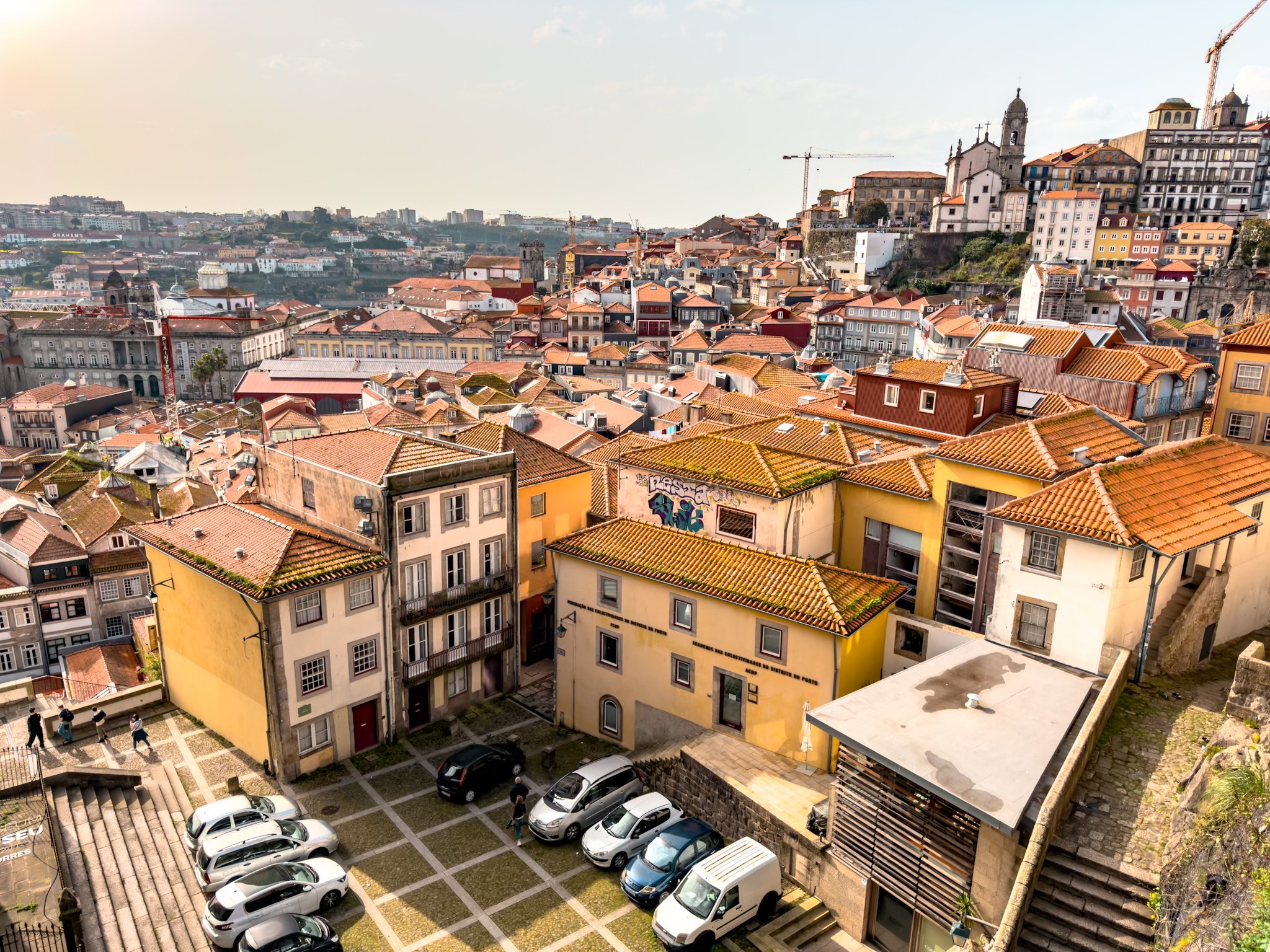
From there, keep walking along Santa Catarina Street instead of rushing straight to the next landmark. This stretch gives the day a different side of Porto than Ribeira does. It feels busier, more local, more everyday, and it is one of the easiest places to work in lunch without breaking the flow of the route.
As you continue through the center, this is also the easiest place to work in the so-called prettiest McDonald’s in Porto as a quick curiosity stop rather than treating it like some major destination. It fits naturally into the day once you are already wandering this part of the city.
After that, continue on to São Bento Station. This gives the second day a strong visual finish and keeps everything within one connected area rather than zigzagging back and forth.
If you want another food stop in this part of the city, this is also an easy place to work in Time Out Market Porto without needing to go out of your way.
This second day is also where your food planning matters. Porto is not a city where meals should be treated like filler between attractions. They help shape the experience. My Where to Eat in Porto post pulls together the places and food experiences that make this easier to plan without overthinking it.
Day 3: Palácio da Bolsa, Livraria Lello, Port Wine Tasting, and a Slower Porto Day
By the third day, Porto starts to feel familiar, and that is exactly why this is the best day to widen the experience a little.
This is the day to bring together some of the places that add another side to Porto beyond just viewpoints and wandering. Start with Palácio da Bolsa if you want one of the city’s grander historic interiors. It fits well here because by the third day, you have already gotten the feel of Porto’s streets and riverfront, so stepping into somewhere more formal adds contrast without throwing off the flow of the trip.
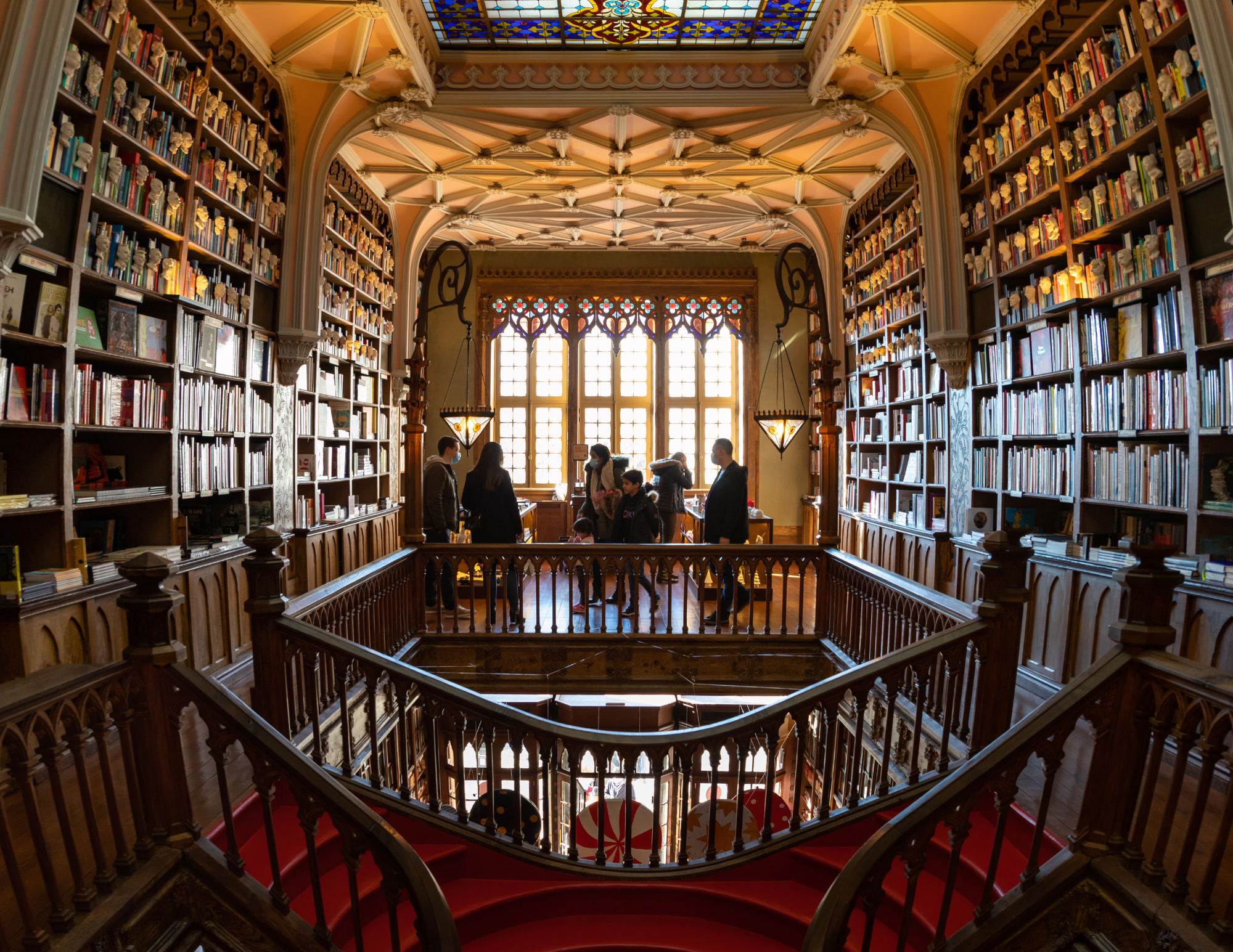
From there, work in Livraria Lello as part of the day rather than building the whole day around it. It is one of those places people are naturally curious about, and whether you go for the architecture, the atmosphere, or because you have heard it tied into Harry Potter conversations over the years, it fits best as one stop within a fuller Porto day rather than the entire focus.
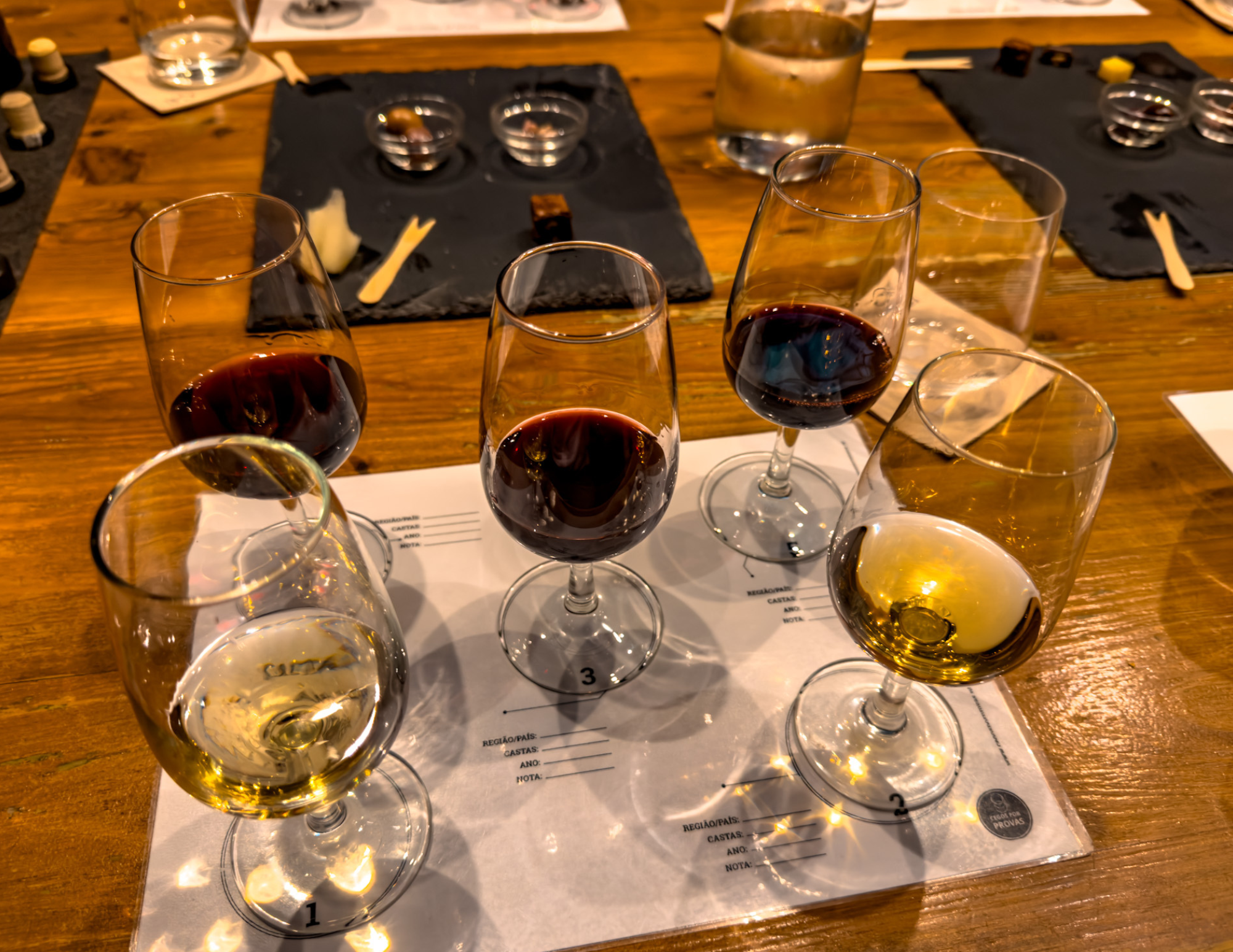
This is also a good day to work in a port wine tasting on the Porto side, especially if you want to break up the walking with something a little more relaxed. Porto is one of those cities where wine feels woven into the identity of the place, so adding a tasting here fits naturally without needing to structure the whole day around it. I booked mine online, met at the meeting point storefront, and it ended up being an easy way to build that experience into the trip without overcomplicating the day. My Port Wine Tasting in Porto guide goes deeper into that experience.
Later on, you can still cross into Gaia more for the views and the perspective back over Porto than as the center of the whole day. After spending time in the city itself, getting that angle back across the river helps pull everything together. It is one of the best ways to see how layered Porto really is.
This is also a good day to move a little more slowly. Four days in Porto works best when at least one day feels like you are letting the city breathe rather than trying to wring every last stop out of it.
.png)
Day 4: Take a Day Trip to the Douro Valley
If you have a fourth day in Porto, this is where I would use it.
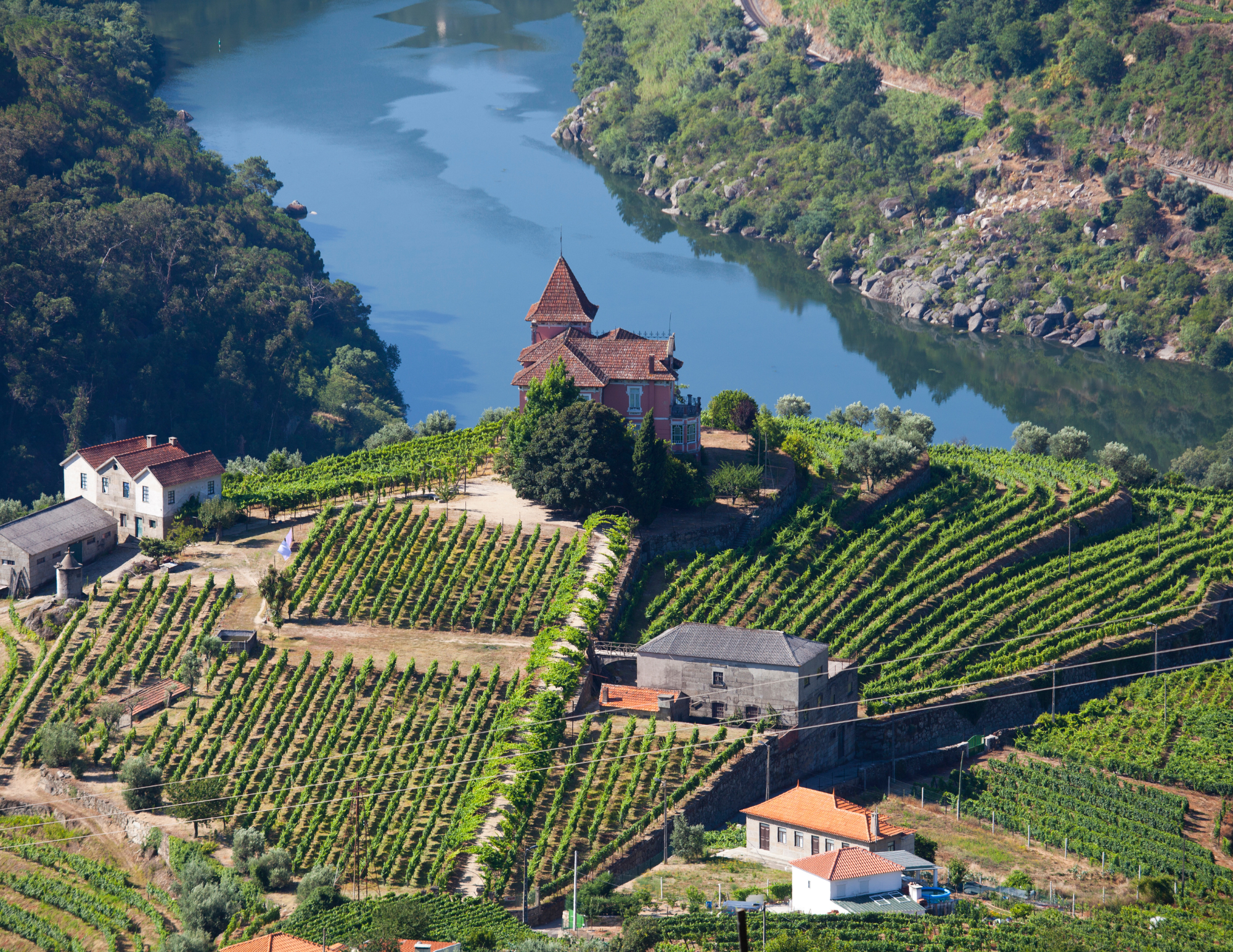
The Douro Valley changes the trip in the best way. After spending three days with Porto’s hills, facades, bridges, markets, and riverfront, getting out into the valley adds another side of northern Portugal completely. The pace shifts. The scenery shifts. Even the relationship to wine shifts because you are no longer only thinking about port as something you try in the city. You are seeing the wider landscape connected to it.
That is what makes the fourth day so worth having. It turns Porto from a city break into something broader.
You can use this day for a guided day trip, a train ride through the valley, or a more structured wine-focused outing depending on what kind of pace you want. Some people want the scenic route and the views. Some want the vineyard experience. Some want a little of both. Any of those work.
What matters most is that the Douro Valley feels different enough from Porto to justify the day. It is not just another neighborhood or another city stop. It is a shift in atmosphere. Vineyard landscapes, river curves, wine country, and a slower, more open feeling all make it stand out from the more compact, layered energy of Porto itself.
That contrast is exactly why I would add it on a four-day trip instead of trying to squeeze even more city stops into the itinerary. Porto benefits from breathing room, and the Douro is one of the best ways to give the trip that.
Is the Douro Valley Worth It From Porto?
Yes, especially if you have the extra day.
I would not try to force it into a shorter Porto trip if it means rushing the city itself. But once you have four days, the Douro becomes a really strong addition because it gives you something Porto cannot. The city gives you the history, streets, and atmosphere. The Douro gives you space, scenery, and the wider wine-country context.
That makes the whole trip feel more complete.

Where to Eat During 4 Days in Porto
One of the best things about having four days is that food does not have to feel squeezed in.
You can build meals into the shape of each day more naturally. That might mean lunch around Santa Catarina Street, a slower stop near Bolhão, something more atmospheric around Ribeira, a tasting day with wine and pairings, and then whatever makes sense around your Douro Valley day.
That is one of the reasons I like Porto so much with a little more time. The city feels better when you let the food side breathe too. My Where to Eat in Porto guide goes deeper into that.
Is 4 Days in Porto Better Than 3?
If you have the time, yes.
Three days is strong. Four days is better if you want a slower pace, a fuller experience, and enough time to include the Douro Valley without shortchanging Porto itself.
That extra day changes the whole tone of the trip. It gives you space to enjoy the city rather than just cover it, and it lets one day become something more scenic and regional instead of staying only inside the city center.
The Best 4 Day Porto Itinerary at a Glance
If you want the simplest version of this route, it looks like this:
Day 1: Porto Cathedral, Rua das Flores, Ribeira, the Dom Luís I Bridge, and sunset at Jardim do Morro
Day 2: Mercado do Bolhão, Chapel of Souls, Santa Catarina Street, lunch, the prettiest McDonald’s in Porto, São Bento Station, and Time Out Market Porto if you want another food stop
Day 3: Palácio da Bolsa, Livraria Lello, a port wine tasting on the Porto side, and a slower city day with time to take Porto in
Day 4: Douro Valley day trip
That structure works because it lets Porto unfold naturally. First you understand the city from above. Then you get into its daily rhythm. Then you widen the experience inside the city. Then you step outside it and see the larger region.
Final Thoughts on Spending 4 Days in Porto
Four days in Porto is not too much. It is one of the best ways to do the city if you want the trip to feel full without feeling rushed.
That is really what the extra day changes. It gives Porto room to be Porto. It gives you time for the cathedral, Ribeira, the bridge, central Porto, the market, the food, the wine, and a slower day that does not feel like you are always hurrying to the next thing. And then it gives you the Douro Valley on top of that, which adds a whole other layer to the trip.
If you can give Porto four days, I think it is worth it.
If you are planning the rest of your route, read my Porto Travel Guide, 3 Days in Porto Itinerary, Best Things to Do in Porto, Where to Stay in Porto, and Port Wine Tasting in Porto next.

Cavetta is the creator of LifeWithVetta.com and has been traveling the world full time since 2020. She has visited more than 60 countries while worldschooling her son and documenting what it really takes to live abroad. Her guides focus on travel, moving abroad, digital nomad life, and designing a life beyond the traditional path.
