
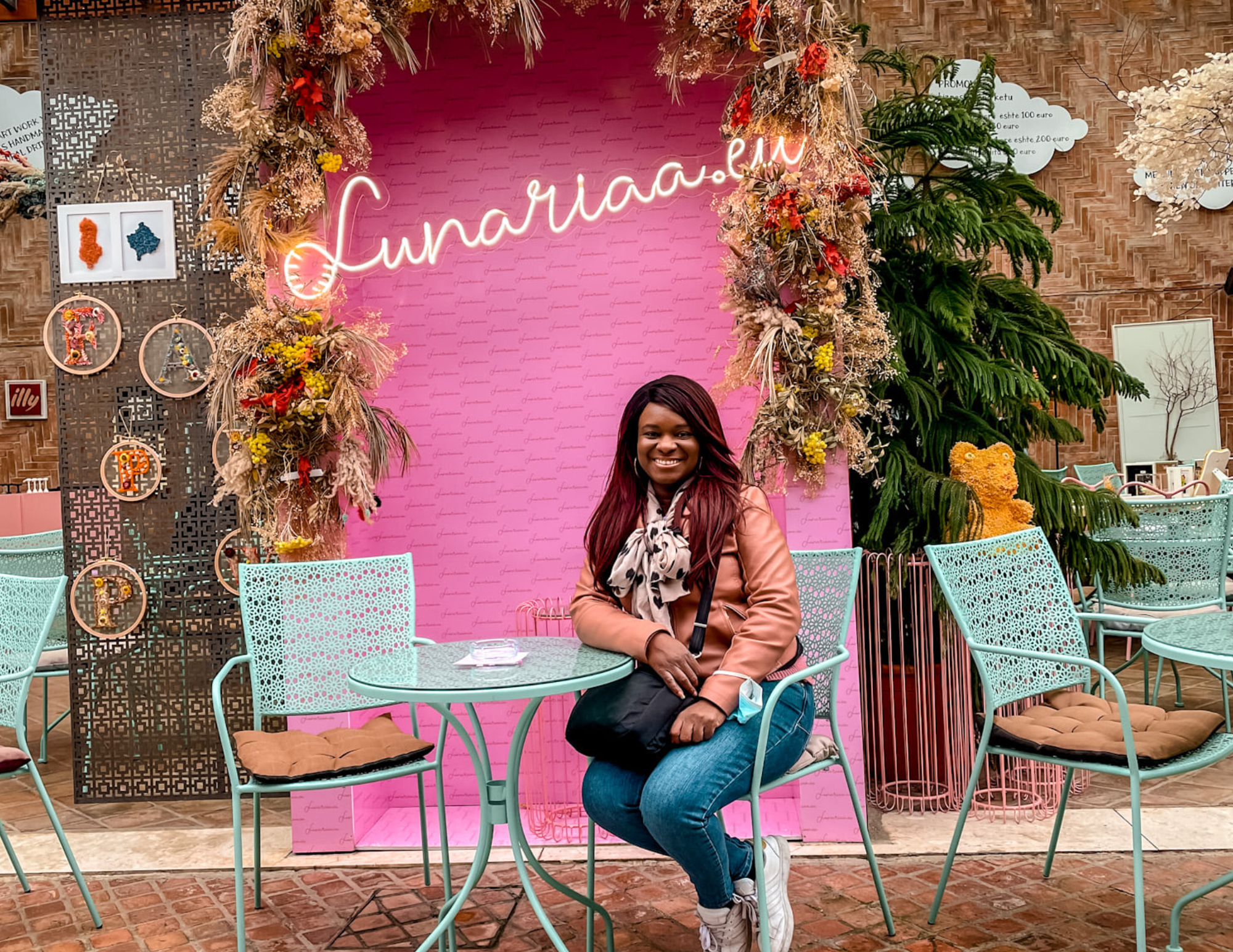
Europe is often romanticized as the ultimate digital nomad playground. Cafes in Lisbon. Trains through Switzerland. Evenings in Rome. Remote work with a Paris skyline in the background.
But Europe is not a single destination. It is dozens of economies, cultures, visa systems, and cost structures layered side by side. The difference between thriving here and burning through savings comes down to strategy.
I have spent time in London, moved through different parts of Europe, and balanced it with longer stays in places like Turkey and the Balkans where costs and pace shift dramatically. I am currently Schengen shuffling intentionally, testing cities, adjusting timing, and sequencing locations in a way that protects both lifestyle and budget.
Europe can absolutely work for digital nomads.
But only if you approach it like a long term lifestyle design, not a highlight reel.
Here is what actually makes it sustainable.
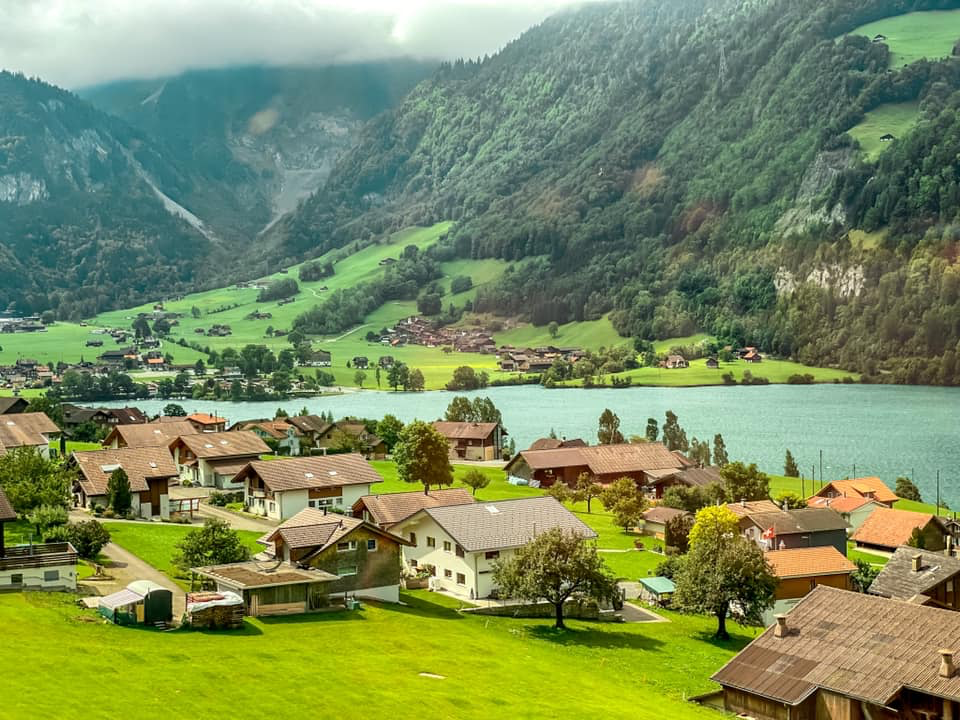
1. Secure Remote Income Before You Land
Before you think about housing or flights, think about income.
Europe is not the place to “figure it out later.” Western Europe especially can expose financial gaps quickly.
Are you ready to fund your exit, choose your country, and build a softer life—without guesswork?
This step-by-step playbook shows you how to create real, portable income so you can leave the U.S. on your timeline. Clear checklists, copy-paste scripts, and tools that actually work.
Remote income can look like:
Freelancing on Fiverr or Upwork
Remote employment
Digital products
Consulting
Affiliate marketing
Content creation
Service based online business
Even five hundred to one thousand dollars a month can dramatically change your comfort level in parts of Europe.
Build the income first. Movement comes second. Grab the ebook here to get started

2. Understand the Schengen Zone Before You Book Flights
If you are planning to move around Europe, you must understand the Schengen Area.
Most European countries belong to the Schengen Zone, which allows you to move between participating countries without border checks. However, most non EU passport holders are limited to 90 days within a 180 day period inside the Schengen Area.
This is where many new digital nomads make mistakes.
If you spend 30 days in Spain, 30 in France, and 30 in Italy, that is your full 90 days. You cannot simply reset by crossing a land border into another Schengen country.
This is why you see people “Schengen shuffling.” That means spending time in Schengen countries, then rotating to non Schengen countries like Turkey, Albania, Serbia, or the United Kingdom to reset the 180 day clock.
Understanding this rule early protects you from overstays, fines, or entry bans.
Europe is incredible. But it runs on structure.
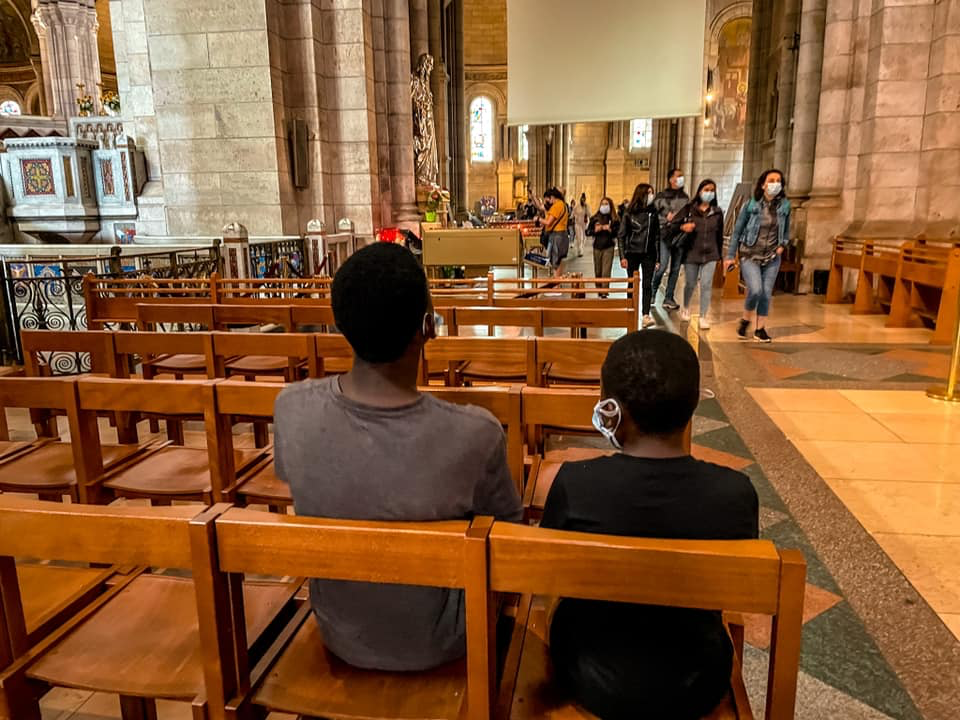
3. Travel Slowly
Fast travel is exciting but expensive and exhausting.
I have done both. Six months in Mexico. A month and a half in London. Three months in Japan. Three months in Turkey, with two months in Istanbul and one in Antalya. A year in Thailand.
The year in Thailand changed everything. Staying longer lowers rent. Reduces transportation costs. Builds community. Creates routine. My time in Turkey reinforced that. Two months in Istanbul allowed me to move beyond tourist mode and actually live. By the time I spent a month in Antalya, I was not rushing through landmarks. I was grocery shopping, finding my favorite cafes, and settling into rhythm.
Right now we are Schengen shuffling through Europe. We move, but intentionally. Weeks in some places. Longer in others. It is not about ticking countries off a list. It is about building a livable rhythm.
The slower you go, the cheaper and calmer it becomes.
4. Join Online Groups Before You Arrive
Before I ever land in a country, I am already in multiple Facebook groups for that place.
Country groups. City groups. Expat groups. Digital nomad groups. Cultural groups. If it exists, I join.
These groups give real time information on:
Rental prices
Visa updates
Scams
Healthcare recommendations
Neighborhood advice
Meetups and coworking spaces
This reduces your learning curve dramatically.
Community is not optional when living abroad long term.
5. Determine Your Budget Before Europe Determines It For You
Europe can be affordable. Europe can also drain your bank account quickly. The difference is strategy.
When people say Europe is expensive, they usually mean Western Europe in peak season. Paris in July. London in August. Lisbon during digital nomad hype cycles. Barcelona in full summer tourism mode.
Yes, those cities are incredible. They are also pricing in global demand.
But Europe is not one economy. It is dozens of different financial realities sitting next to each other.
When I spent a month and a half in London, housing was the largest expense by far. Rent, transportation, everyday food costs, everything reflected a global capital city. That experience reinforced how quickly costs rise when you choose high demand locations during high demand months.
Now compare that to Turkey. Three months there, two in Istanbul and one in Antalya, completely shifted the math. Istanbul gave me major city energy, history, food, walkability, culture. Antalya gave me coastline, slower pace, and lower daily spending. Rent was significantly more manageable. Eating out daily was realistic. Transportation costs were lower. The lifestyle quality remained high.
Then look at places like Albania, Serbia, or Bulgaria. In parts of the Balkans, monthly rent can be half or even less than what you would pay in Paris or Amsterdam. Groceries cost less. Dining out costs less.
The key is staying at least one month per location. Monthly rentals are almost always cheaper than nightly rates.
Your budget must include:
Housing
Food
Transportation
Healthcare
Insurance
Visa costs
Flights between countries
Emergency savings
Europe rewards flexibility.
6. Avoid Peak Season in High Demand Cities
There is a difference between a beautiful city and a high demand city.
Paris, London, Lisbon, Barcelona, Rome. These cities are incredible. They are also flooded during peak summer months. Prices rise across the board. Rentals increase. Restaurants book out.
If you are flexible, visit these cities during shoulder seasons instead.
Then balance your calendar with lower cost destinations during peak months. The Balkans. Eastern Europe. Turkey. Smaller cities instead of capitals.
Antalya in summer feels very different financially than Paris in July. Albania compared to Barcelona is a completely different budget reality.
Digital nomad life gives you time flexibility. Use it.
7. Purchase Travel Insurance
You cannot build a borderless life without healthcare coverage.
Even routine visits add up. Private hospitals in Europe require upfront payment if uninsured.
We use SafetyWing because it works globally and is designed for long term travelers. Coverage can start before departure or while already abroad.
Insurance is not dramatic. It is practical.
8. Pack Light, But Pack Smart
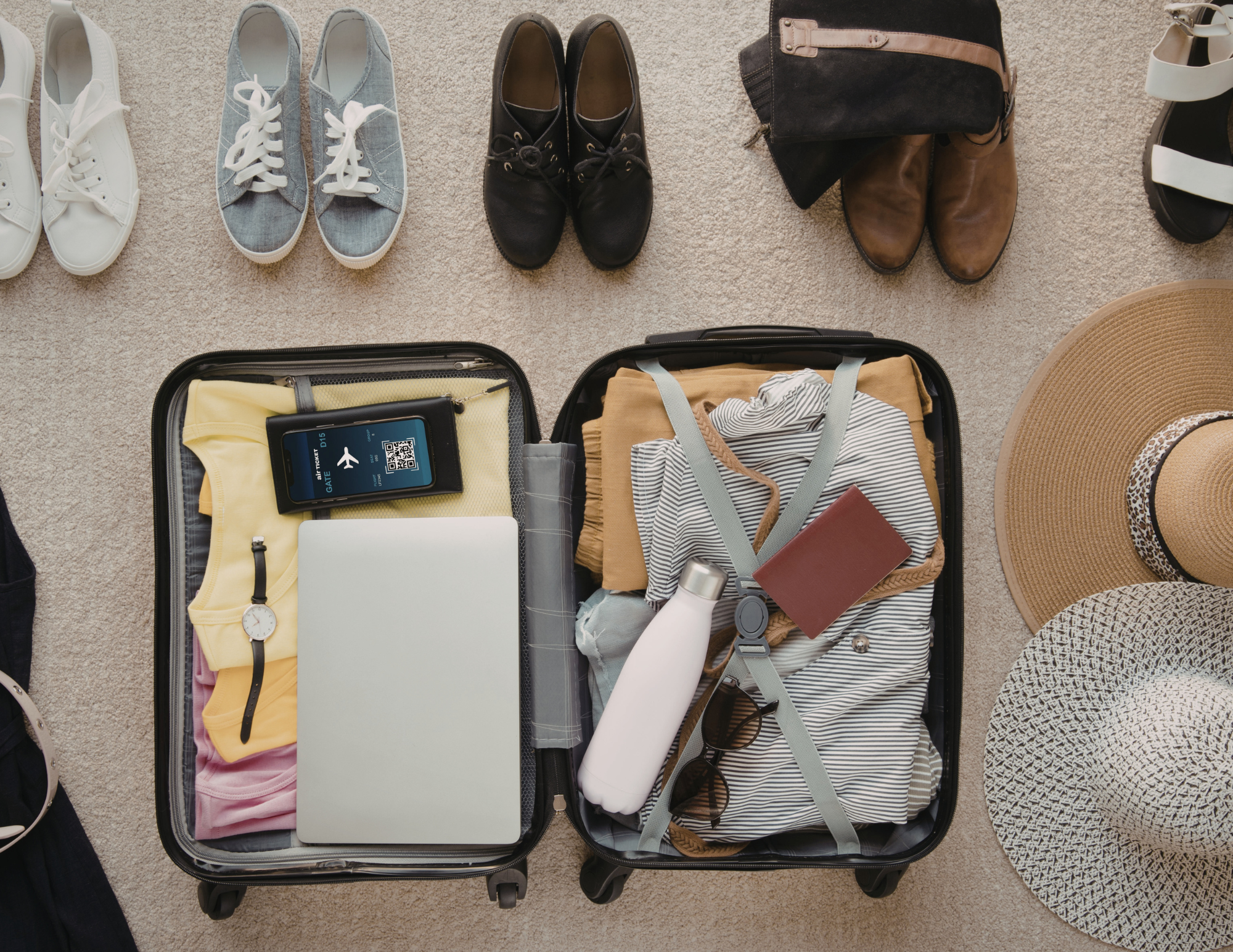
Packing lightly does not mean sacrificing essentials.
As a Black woman, I cannot assume I will find my hair products in every European city. I do not return to the U.S. frequently to restock.
I travel with one medium checked suitcase. Controlled. Manageable. But realistic for long term needs.
Minimalism should serve you, not restrict you.

9. Protect Your Work Life Balance
Working remotely blurs boundaries.
You can open your laptop anywhere, anytime. That can quietly turn into nonstop work.
Set working hours. Close the laptop. Experience the city you moved to live in.
Freedom without discipline leads to burnout.
10. Learn the Basics of the Local Language
No one expects fluency across multiple countries.
But learn:
Hello
Thank you
Excuse me
How much
Where is
Effort changes interactions. Respect goes a long way.
Final Thoughts
Being a digital nomad in Europe is not about chasing aesthetic moments. It is about sequencing countries intelligently, understanding Schengen rules, balancing high demand cities with lower cost regions, and moving slowly enough to stabilize your life.
Europe can work beautifully.
But only if you treat it like a strategy, not a fantasy.
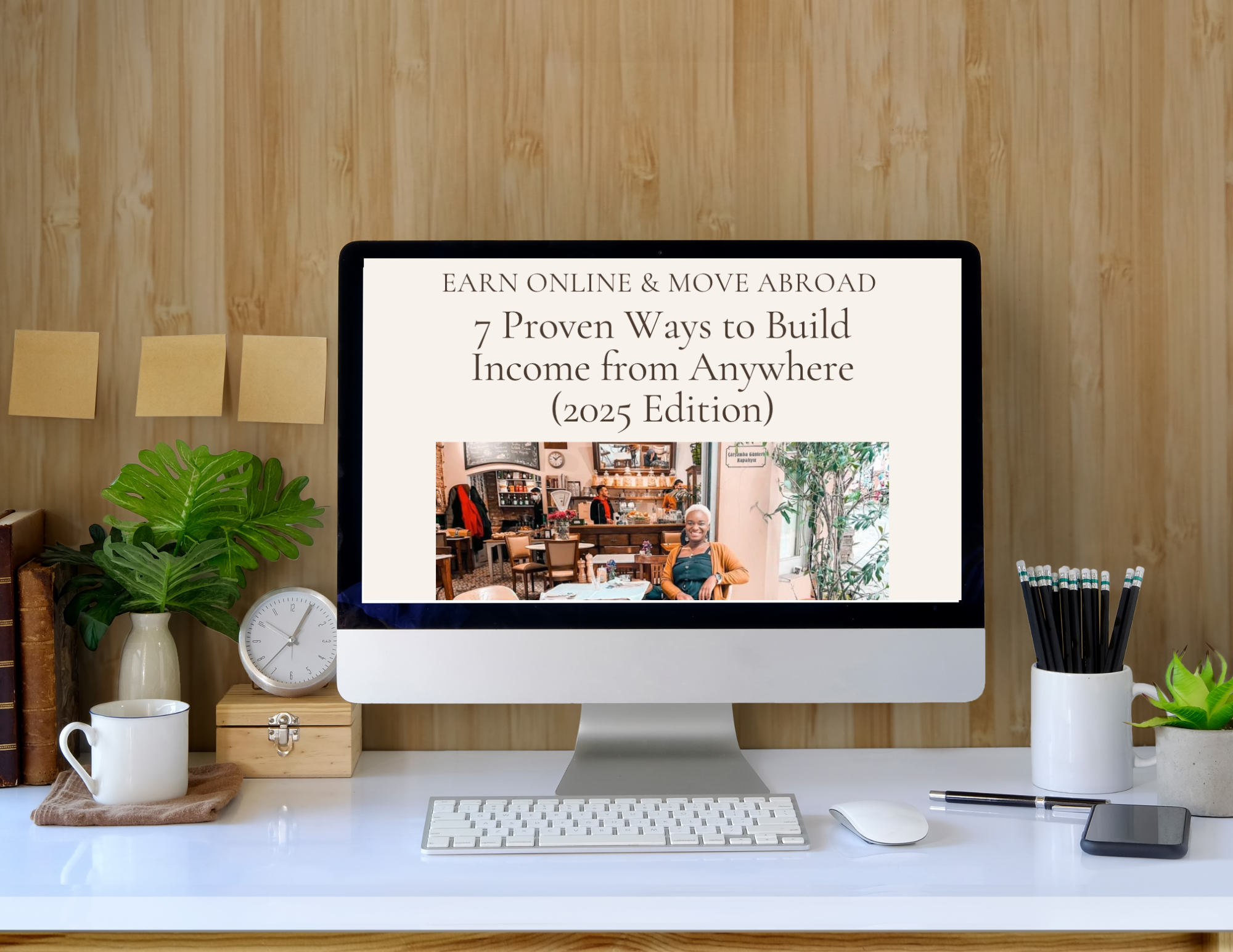
Grab my eBook to plan your move
So You Want to Travel the World (2025 Edition) — my straight-talk guide to designing your exit plan, budgeting for Asia, and setting up income streams you can take anywhere (single-mom tested, kid-approved).
👉 Get the eBook: coming soon
👉 Free Skills-to-Income Worksheet → lifewithvetta.com/worksheet
👉 Move Abroad Checklist (docs, banking, eSIM, housing) → lifewithvetta.com/checklist
👉 Earn Online & Move Abroad (30-day plan + fillable remote resume + job-board workflow + path checklists) → lifewithvetta.com/earnandmove

Cavetta is the creator of LifeWithVetta.com and has been traveling the world full time since 2020. She has visited more than 60 countries while worldschooling her son and documenting what it really takes to live abroad. Her guides focus on travel, moving abroad, digital nomad life, and designing a life beyond the traditional path.
