
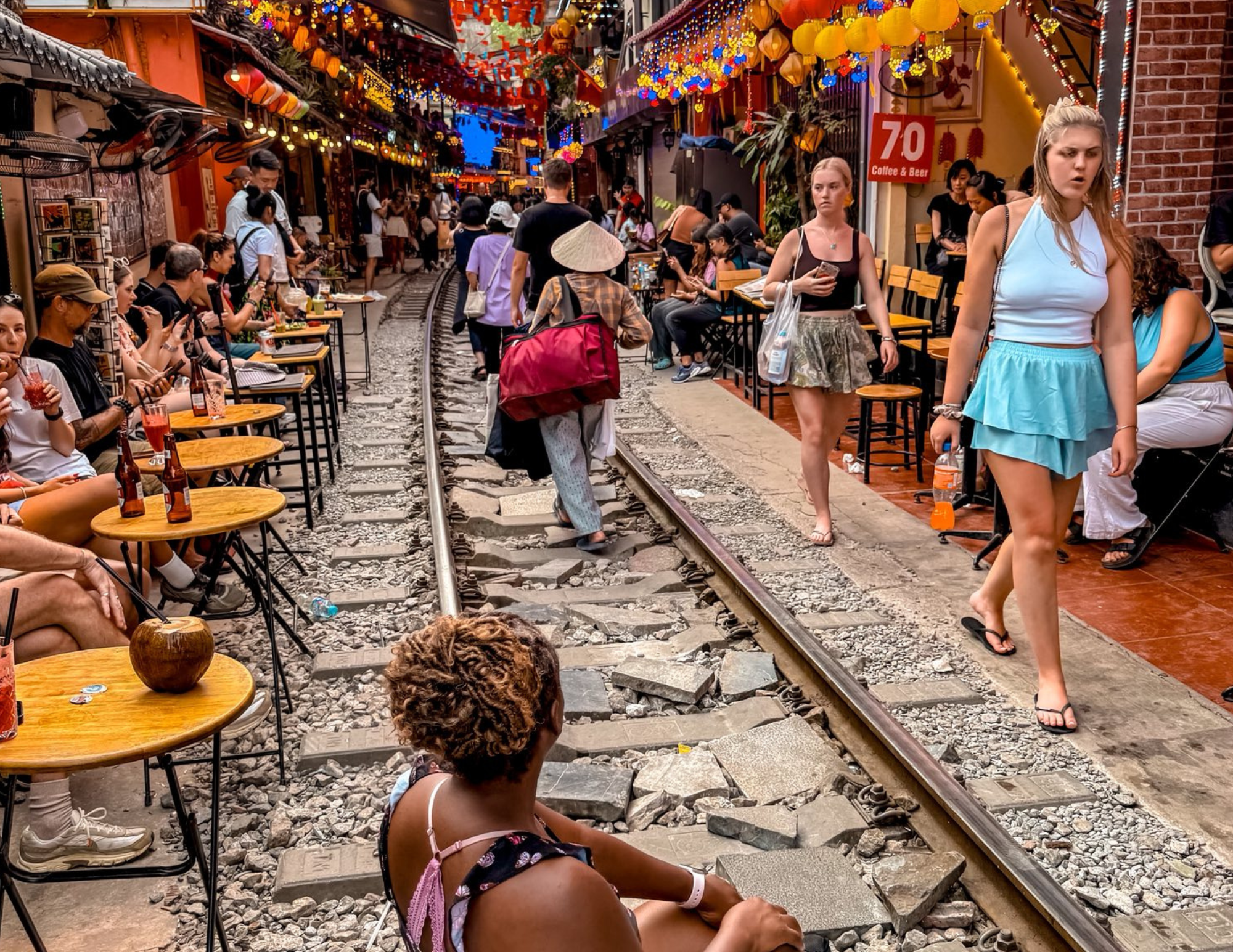
How to Visit One of Vietnam’s Most Unique Experiences
Hanoi Train Street
There are a lot of famous streets in the world, but very few where daily life pauses because a full sized train is about to pass inches away from where you are sitting.
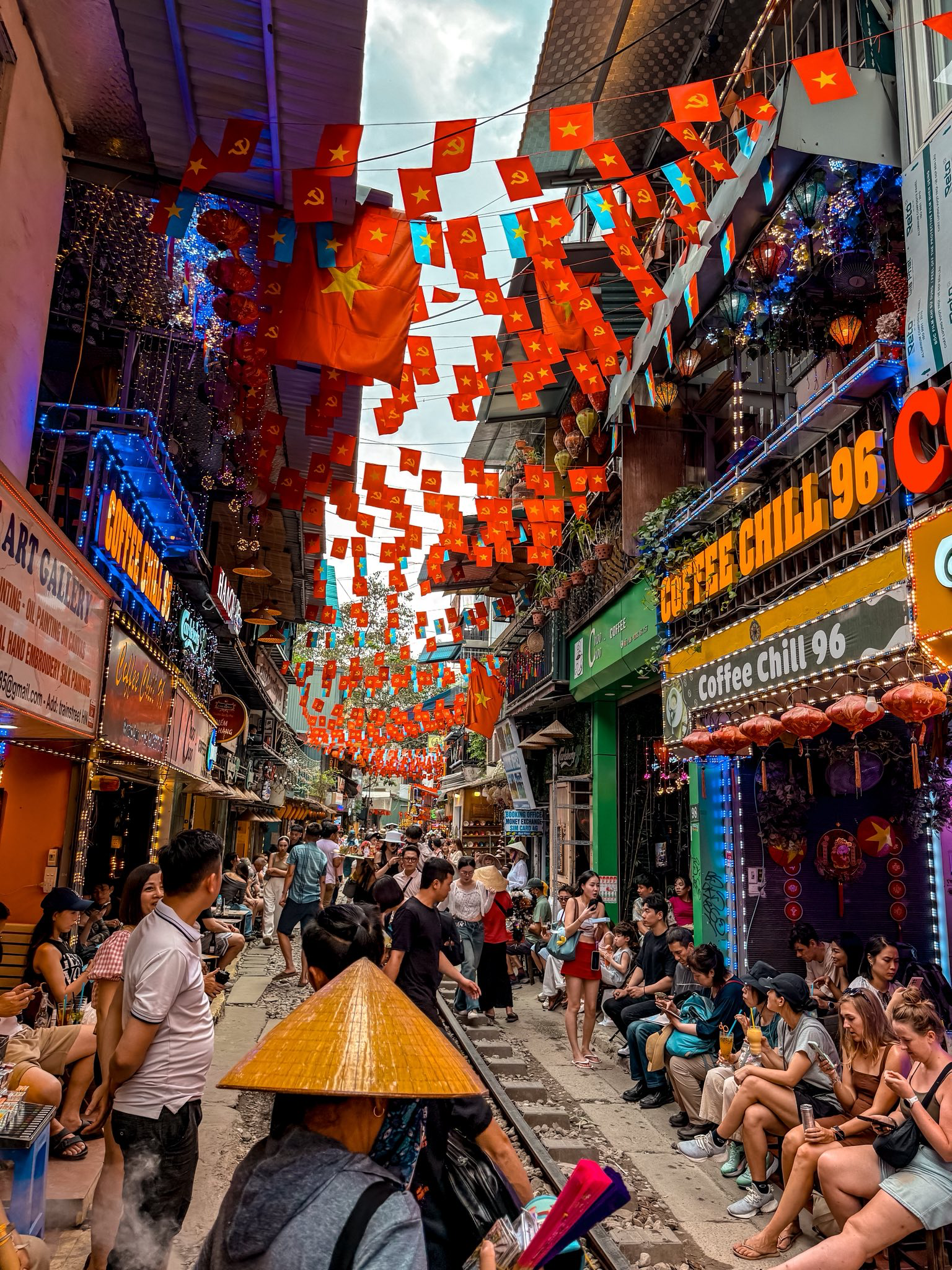
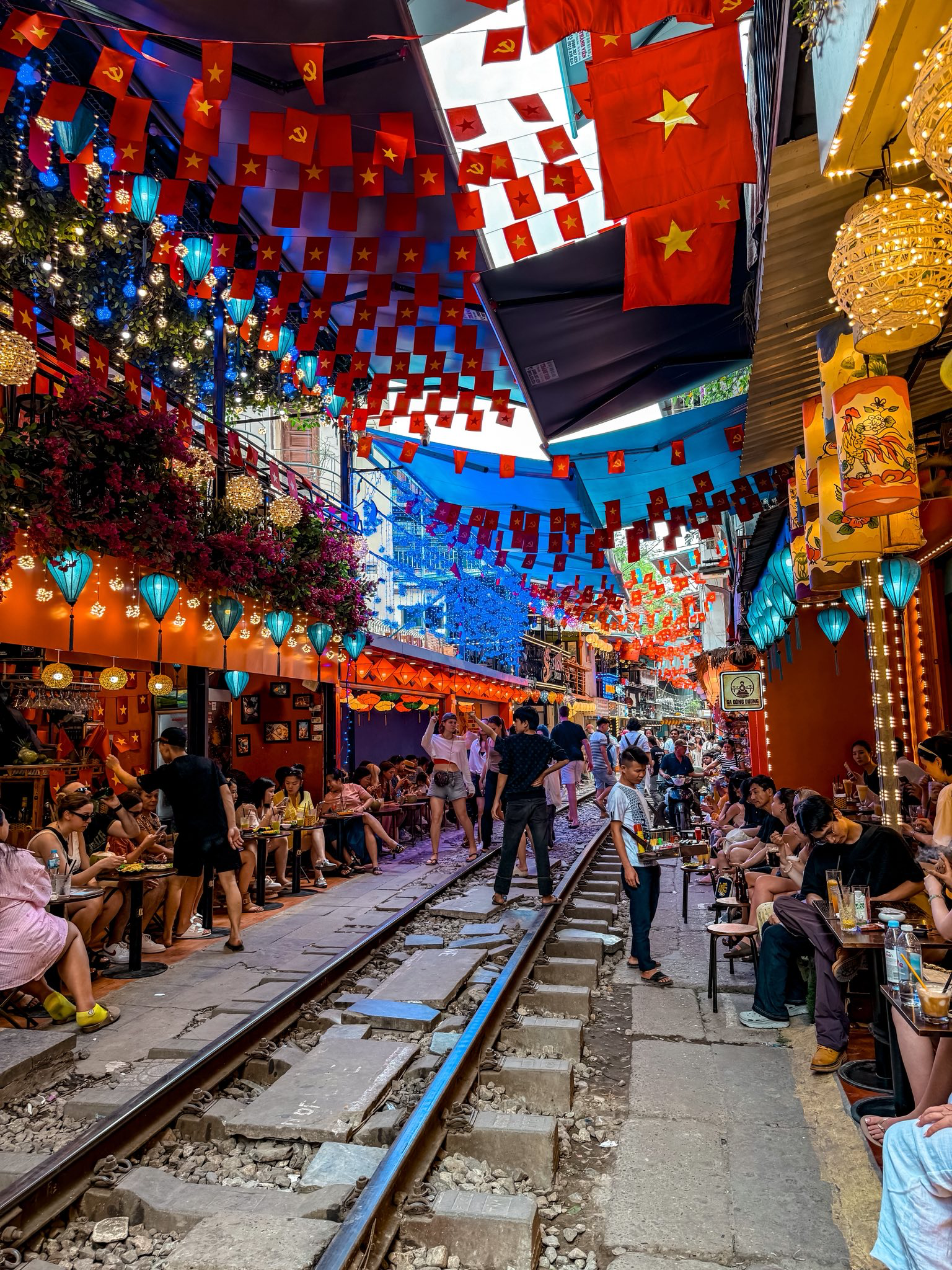
Hanoi Train Street is exactly that. A narrow residential street in the Old Quarter area where homes, shops, and cafes line an active railway track. Several times a day a real train moves directly through the neighborhood, forcing everyone to pull chairs back, stand against the wall, and wait as it roars past.
It feels unreal the first time you see it. Not staged. Not recreated. Just a functioning railway woven into daily life.
This guide explains what the place actually is, how visiting works now, when trains pass, and what visitors should understand before going.
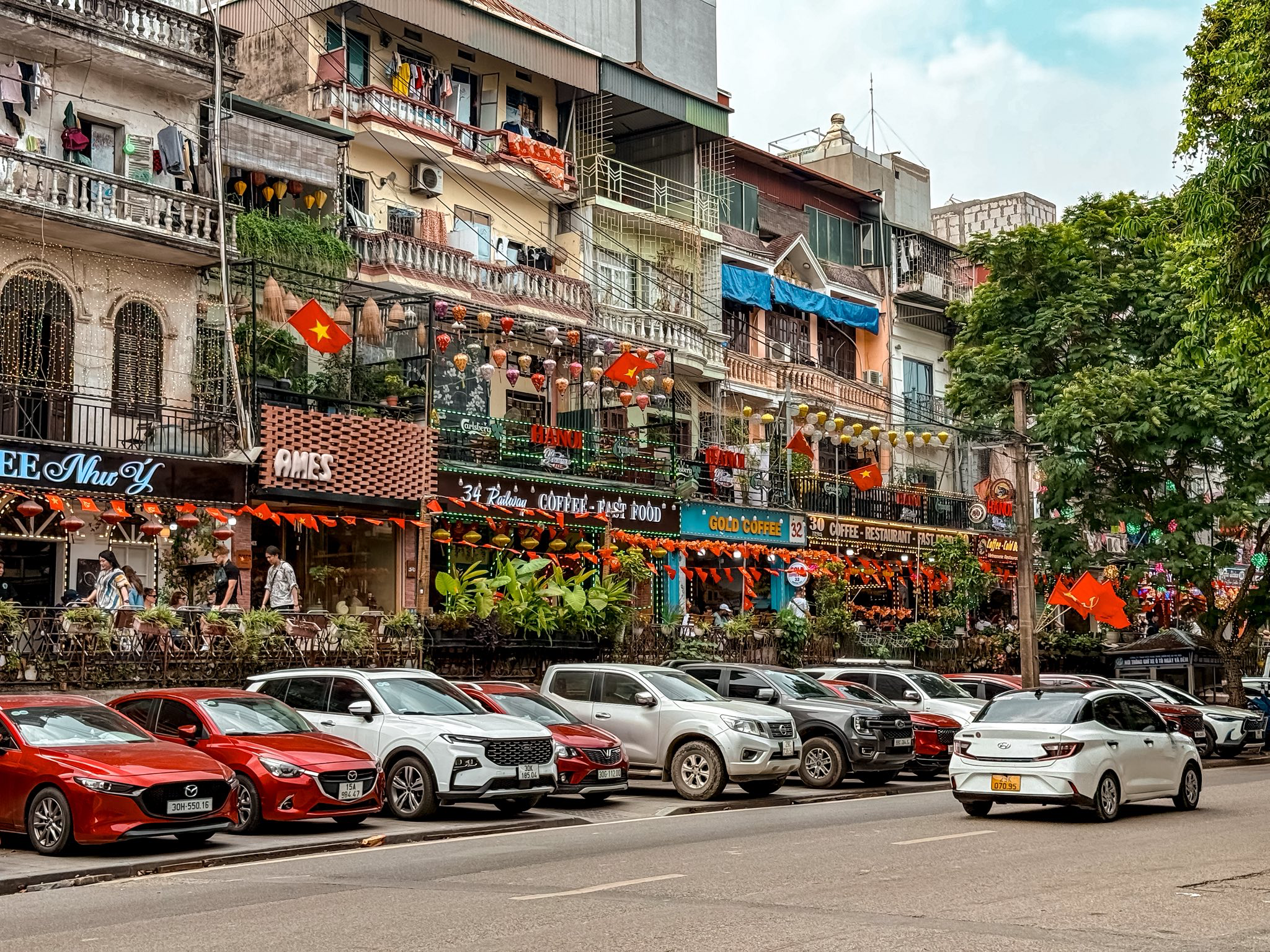
What Hanoi Train Street Actually Is
The tracks run through a residential community near the Old Quarter, specifically around the intersection of Nam De and Tran Phu streets.
Before social media made it famous, this was simply a neighborhood where residents lived beside a working railway. Over time cafes opened, travelers started visiting, and it became one of Hanoi’s most photographed places.
What makes it special is not just that a train passes through a city. It is how close everything is. The train moves through a space barely wider than itself while people stand just feet away.
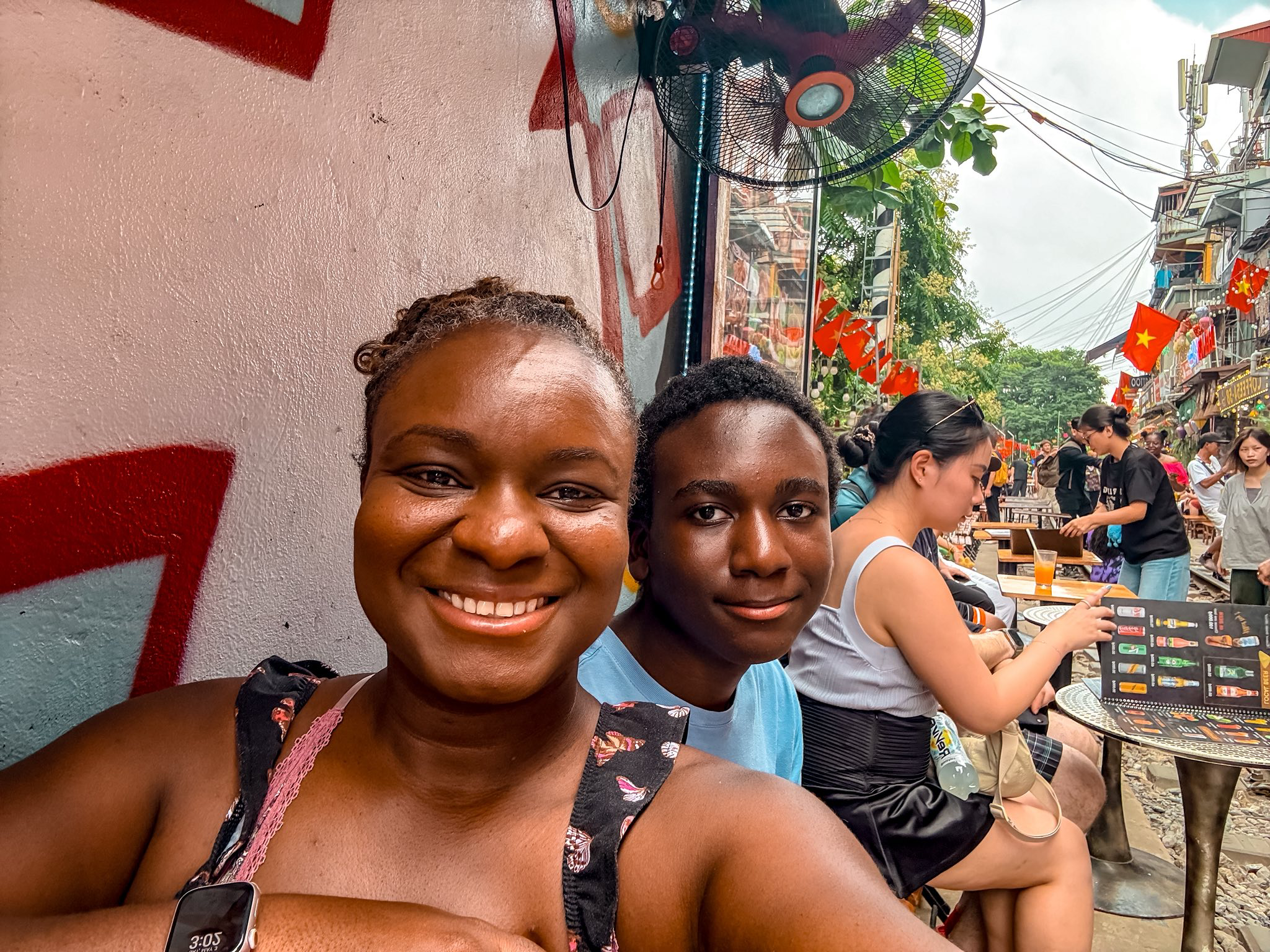
How Visiting Works Now
There is no official entrance ticket. However you generally cannot freely walk down the tracks anymore.
Instead the experience works like this:
You arrive near the tracks.
A local will guide you to a specific cafe.
You sit and order a drink.
You wait for the train.
Buying a drink is essentially the cost of entry. Cafes help regulate where people stand so no one blocks the train.
If you try to walk in and wander without sitting, you will likely be stopped and redirected.
Knowing this ahead of time avoids confusion and frustration.
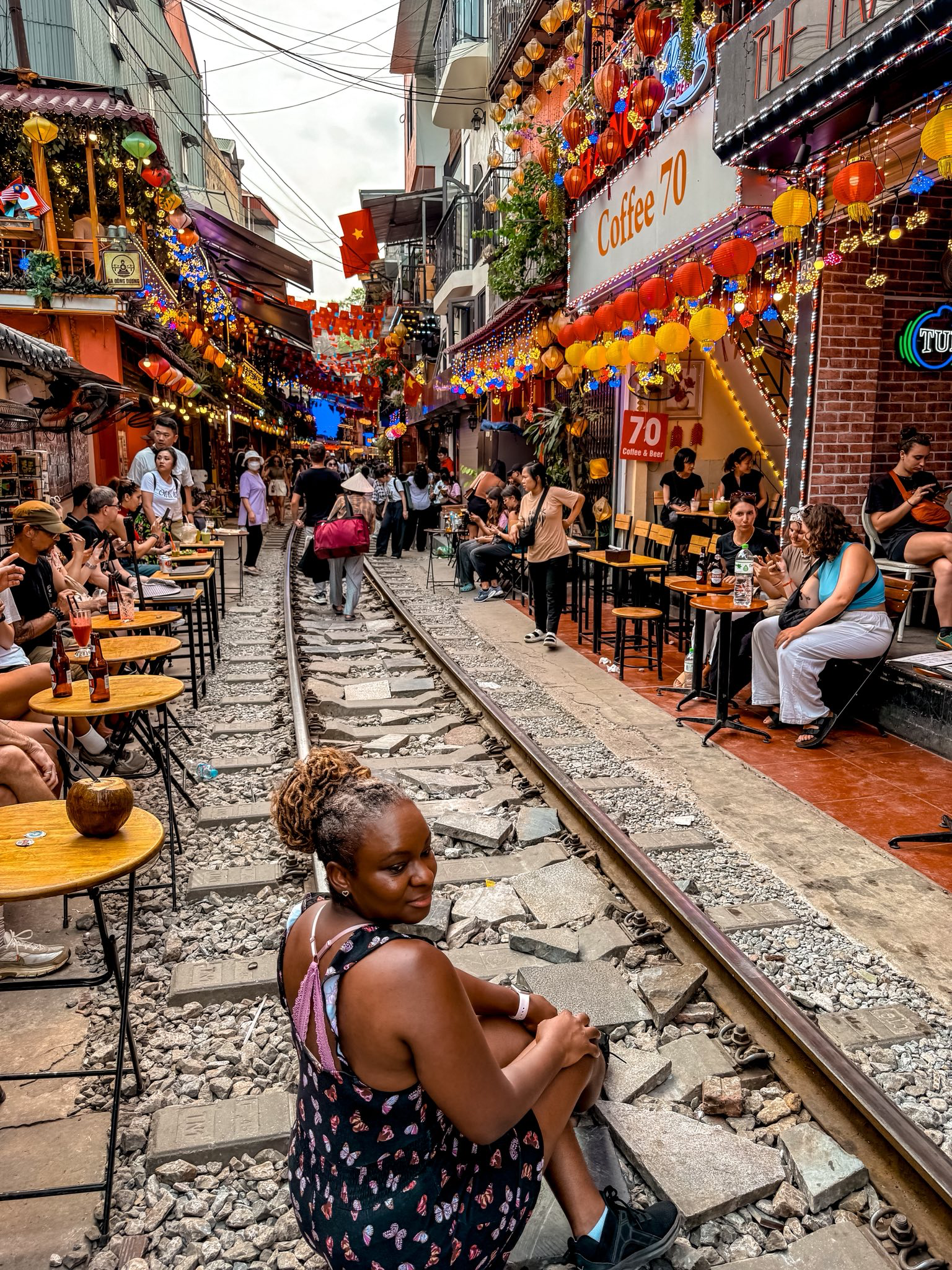
Can You Just Walk Up and Watch Without Buying Anything?
You may see people online saying you can simply walk up and stand near the tracks without sitting at a café. In practice, this is unreliable and often not allowed.
Train Street now operates under safety enforcement. Entry points are monitored, and visitors are typically directed into specific cafés. Walking freely along the tracks or waiting there without being seated is often stopped by security or police. In some cases, fines have even been issued for standing on the railway safety zone.
Occasionally you might see someone watching from a distance or a side street, but that depends on the moment and enforcement that day. You should not plan your visit around that assumption.
If you want the close up experience, expect to sit at a café and order a drink. That is effectively how access works today and also helps the local residents who manage visitor safety.
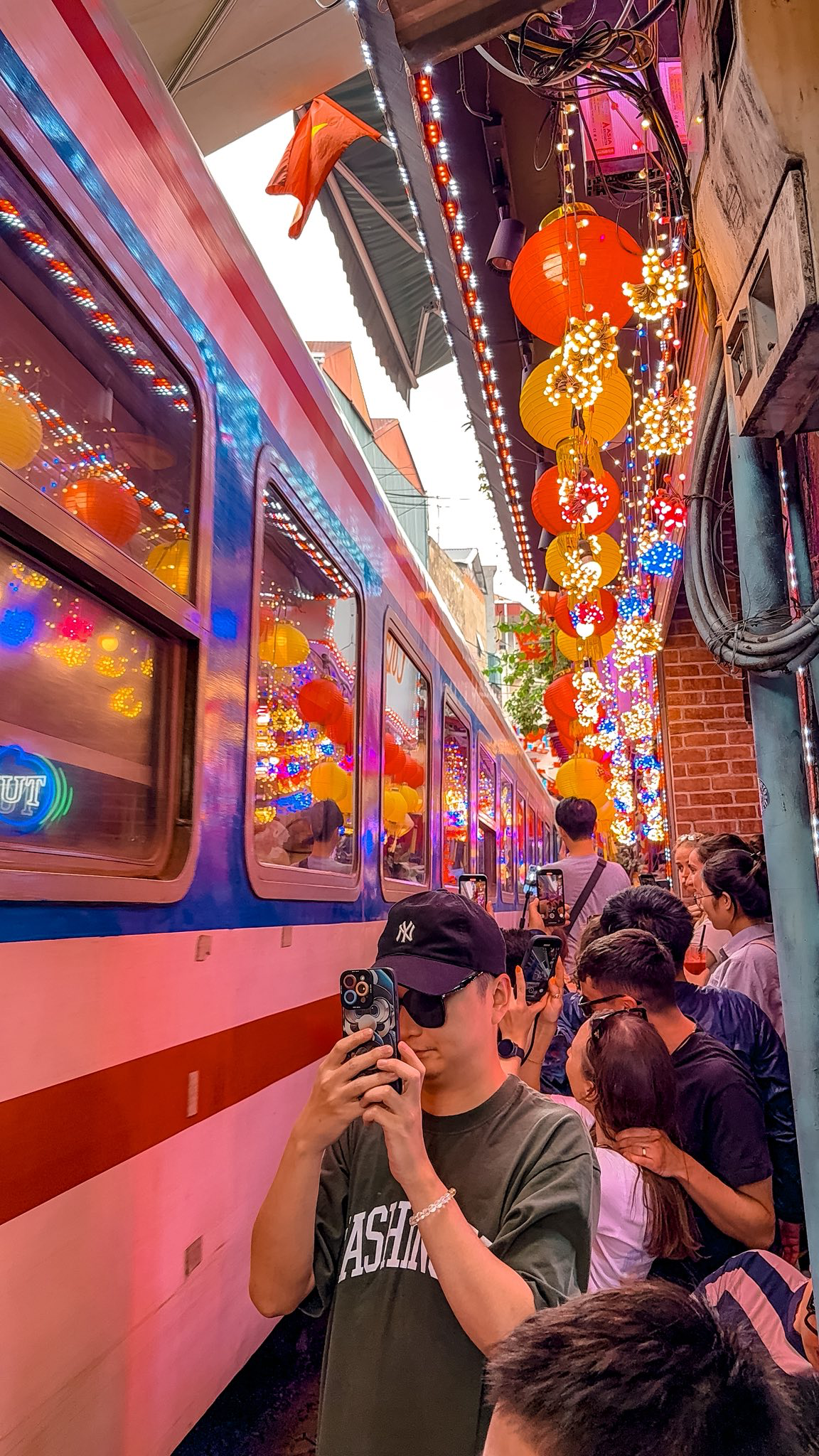
Hanoi Train Street Schedule
The train does not run constantly. It passes at specific times during the day and evening, and schedules vary slightly.
Typical passing windows:
Morning around 9:15 to 11:45
Afternoon around 3:20 to 6:00
Evening around 7:00 to 11:00
Important: trains are not perfectly punctual. Locals and cafe owners usually know the most accurate time for that day, so always ask when you arrive.
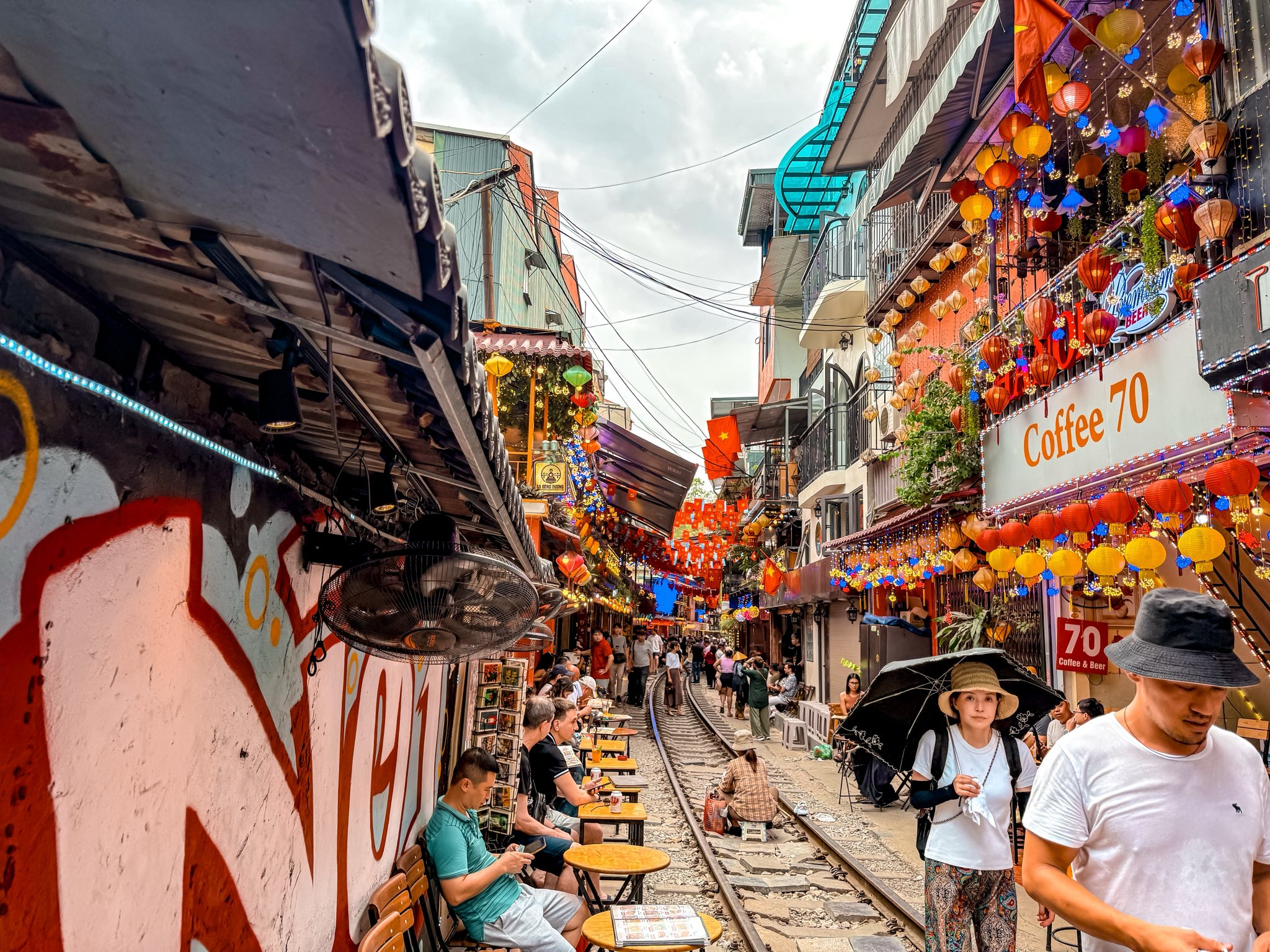
What Happens When the Train Comes
The atmosphere changes instantly.
Staff begin moving chairs.
People stand against the walls.
Phones come out.
The entire street goes quiet.
Then the train appears, close enough that you feel the vibration and air pressure as it passes. It lasts less than a minute but feels intense because of how tight the space is.
Once it clears, the street returns to normal within seconds. Drinks continue and conversations resume.
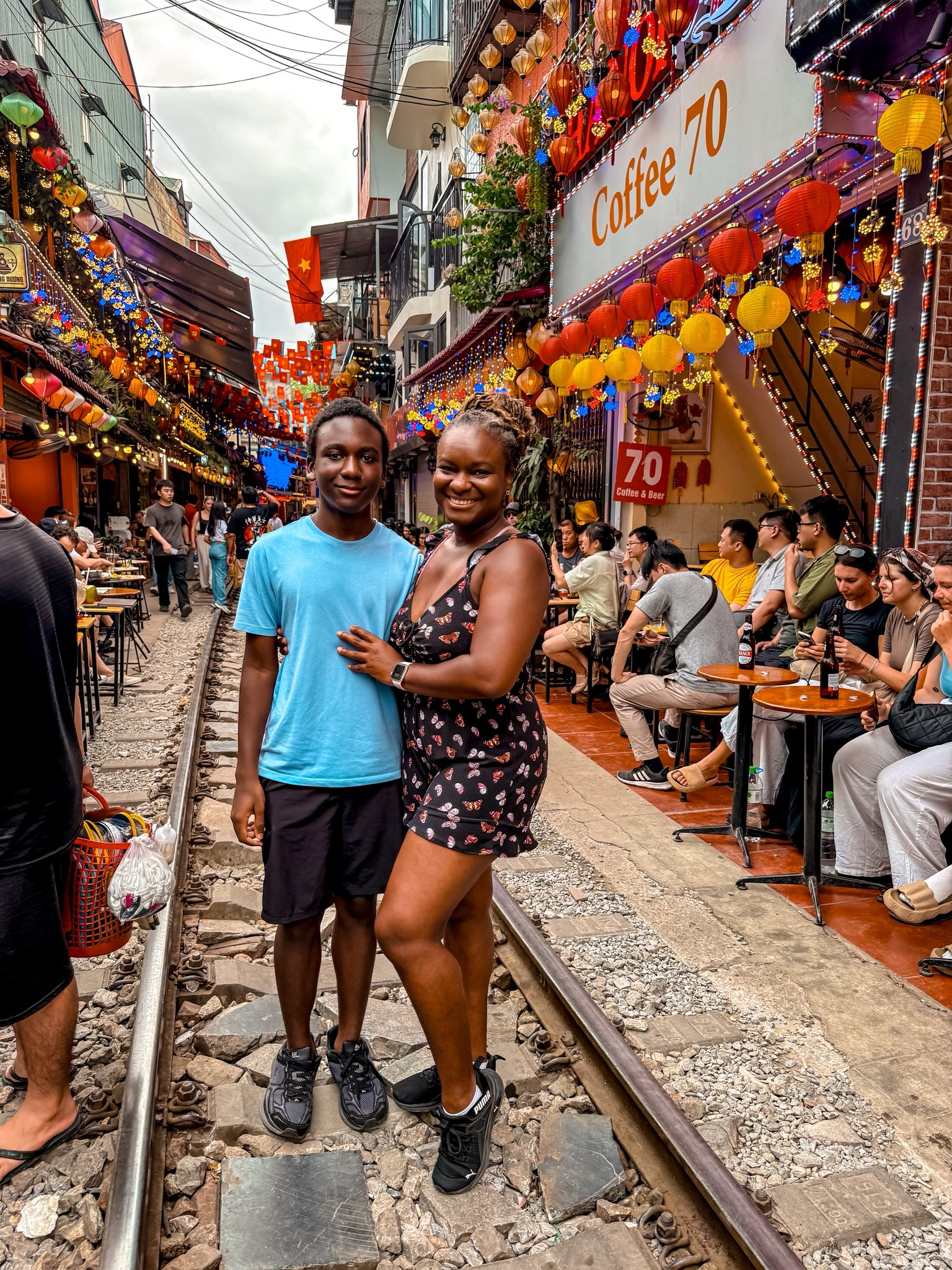
Best Time to Visit
Daytime
Calmer, easier to walk around, and better for seeing the neighborhood itself. Shops are open and the experience feels less crowded.
Night
More atmospheric and photogenic but significantly busier with visitors waiting for trains.
Both feel different. Day shows daily life. Night feels more dramatic.
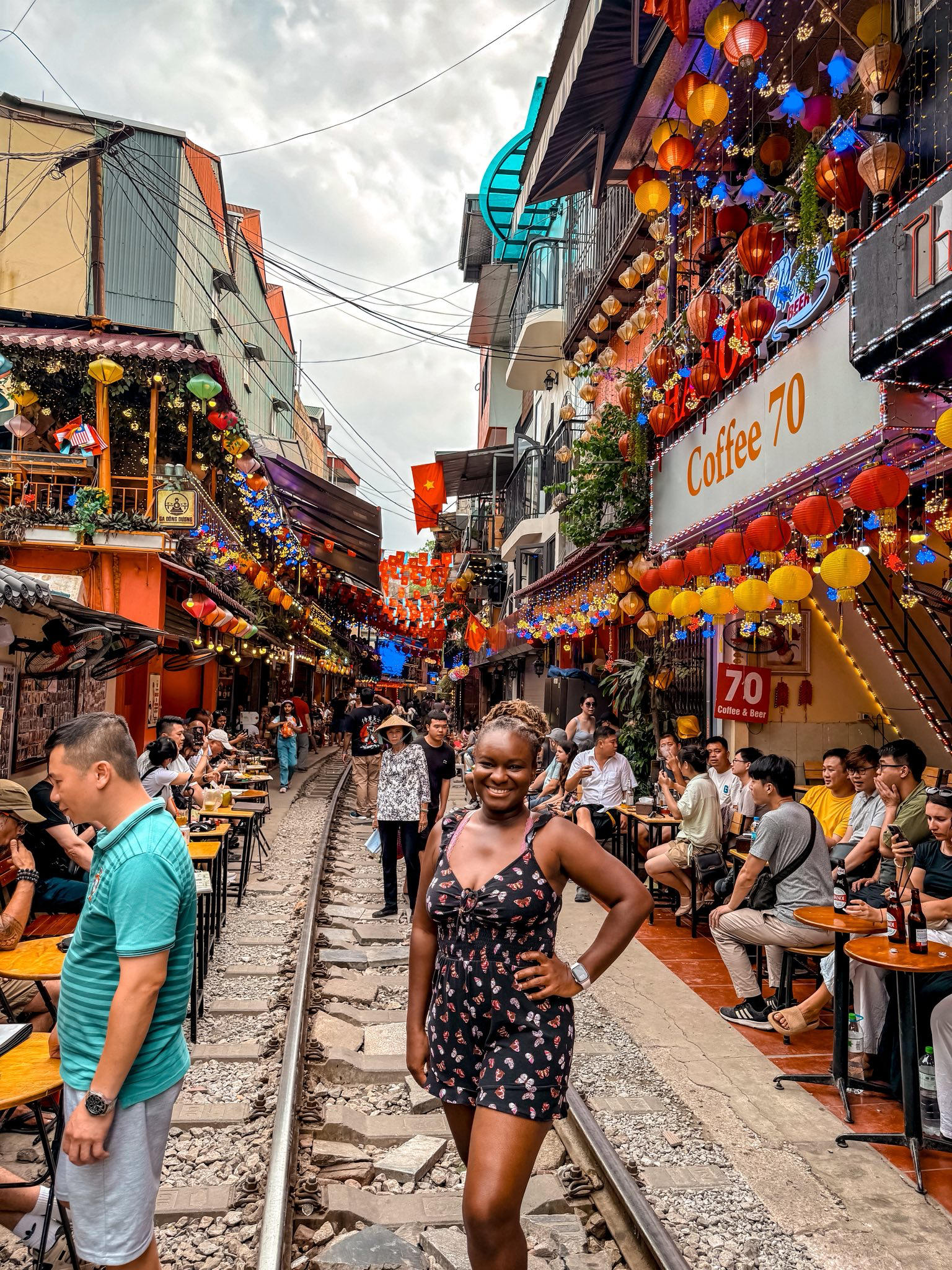
Safety and Responsibility
Train Street is not a staged attraction. It is an active railway running through a residential neighborhood, and there have been incidents in the past which led authorities to restrict and monitor access.
Follow instructions from café staff immediately. When they tell you to move, move. Do not step onto the tracks for photos and do not lean out as the train approaches. The train passes closer than most people expect and the force of air alone is strong.
This is also a good reminder that when traveling in places like this, having travel insurance matters more than people think. Accidents, missed transport, or unexpected medical situations abroad can get complicated quickly. I personally recommend using travel coverage when traveling internationally, and I use SafetyWing when I travel because it works well for long trips and flexible plans.
Being prepared means you can actually relax and enjoy experiences like this instead of worrying about what happens if something goes wrong.
The experience is memorable because it is real infrastructure, not a recreated attraction. Respecting the space keeps it open and safe for everyone.
What You Can Expect to Spend
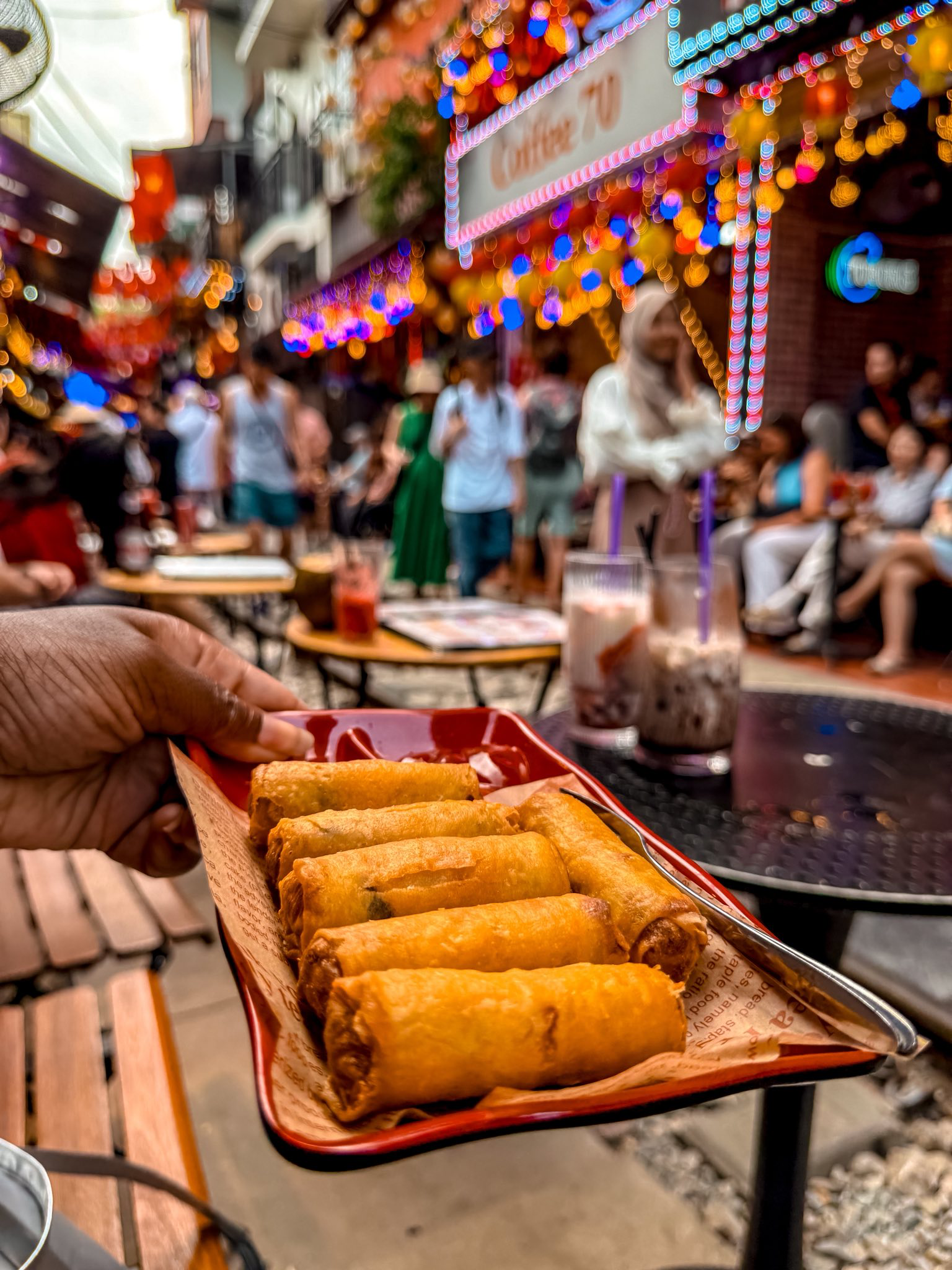
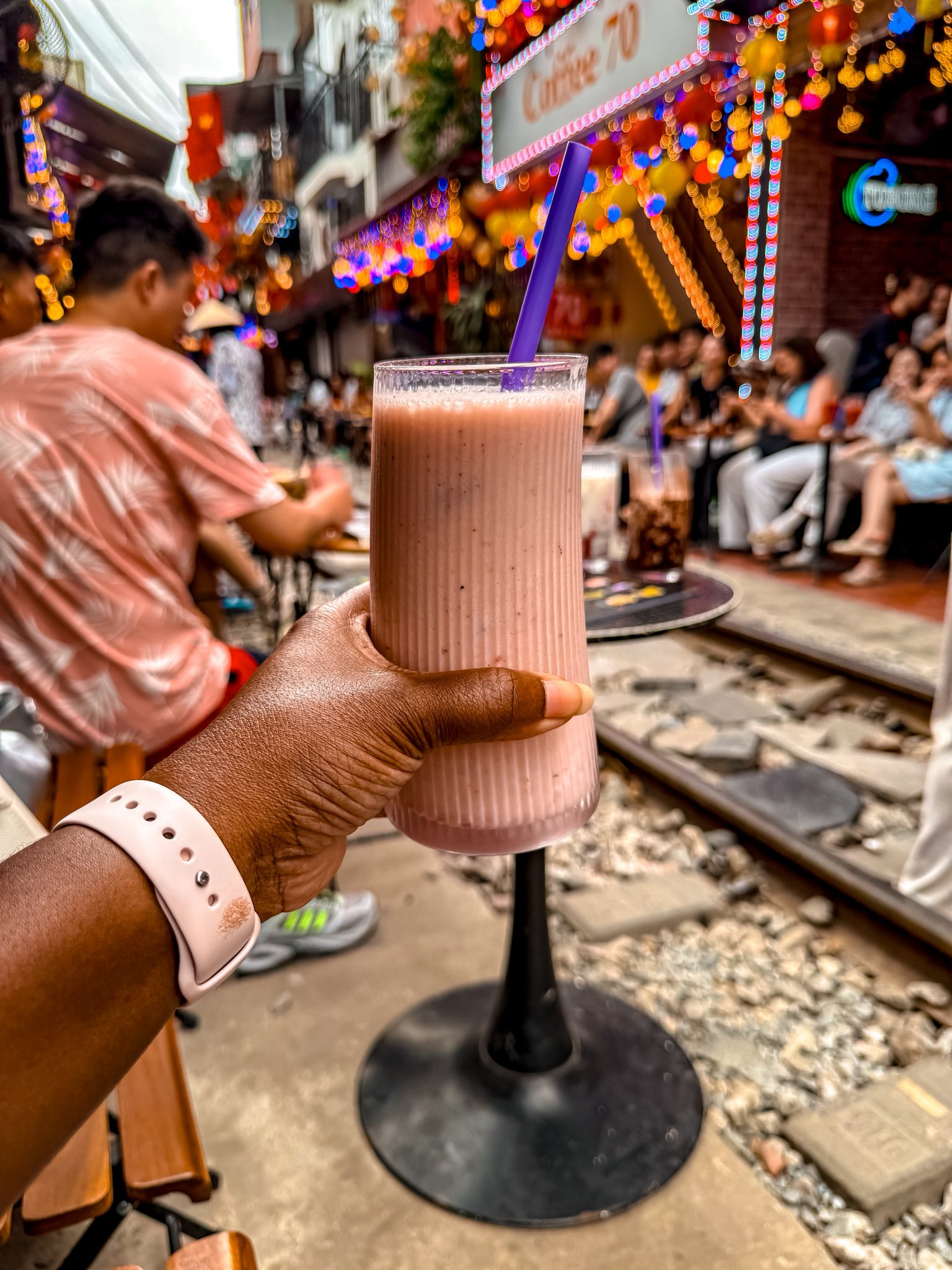
There is no fixed entrance fee. You pay for whatever you order at the cafe.
Most people buy:
coffee
tea
beer
Prices are typical Hanoi cafe prices and are not unusually expensive for a tourist area.
Is It Worth Visiting
Hanoi Train Street is unusual even by Southeast Asia standards. It combines daily life, tourism, and infrastructure in a way that feels uniquely Hanoi.
It is exciting for a moment, chaotic for a moment, and then normal again. That contrast is why people remember it.
You do not go for hours of activity. You go for the experience itself.
Practical Tips Before You Go
Go earlier than the train time
Expect to sit at a cafe
Bring cash
Ask locals for the day’s schedule
Do not rely on internet times alone
Final Thoughts
Hanoi has many cultural attractions, museums, temples, and food experiences. Train Street is different. It is not educational or historical in the traditional sense. It is a snapshot of how the city adapts and lives with its environment.
You watch a train pass through someone’s front yard, and for a moment the scale of Hanoi makes sense.
That is why visitors keep going.
