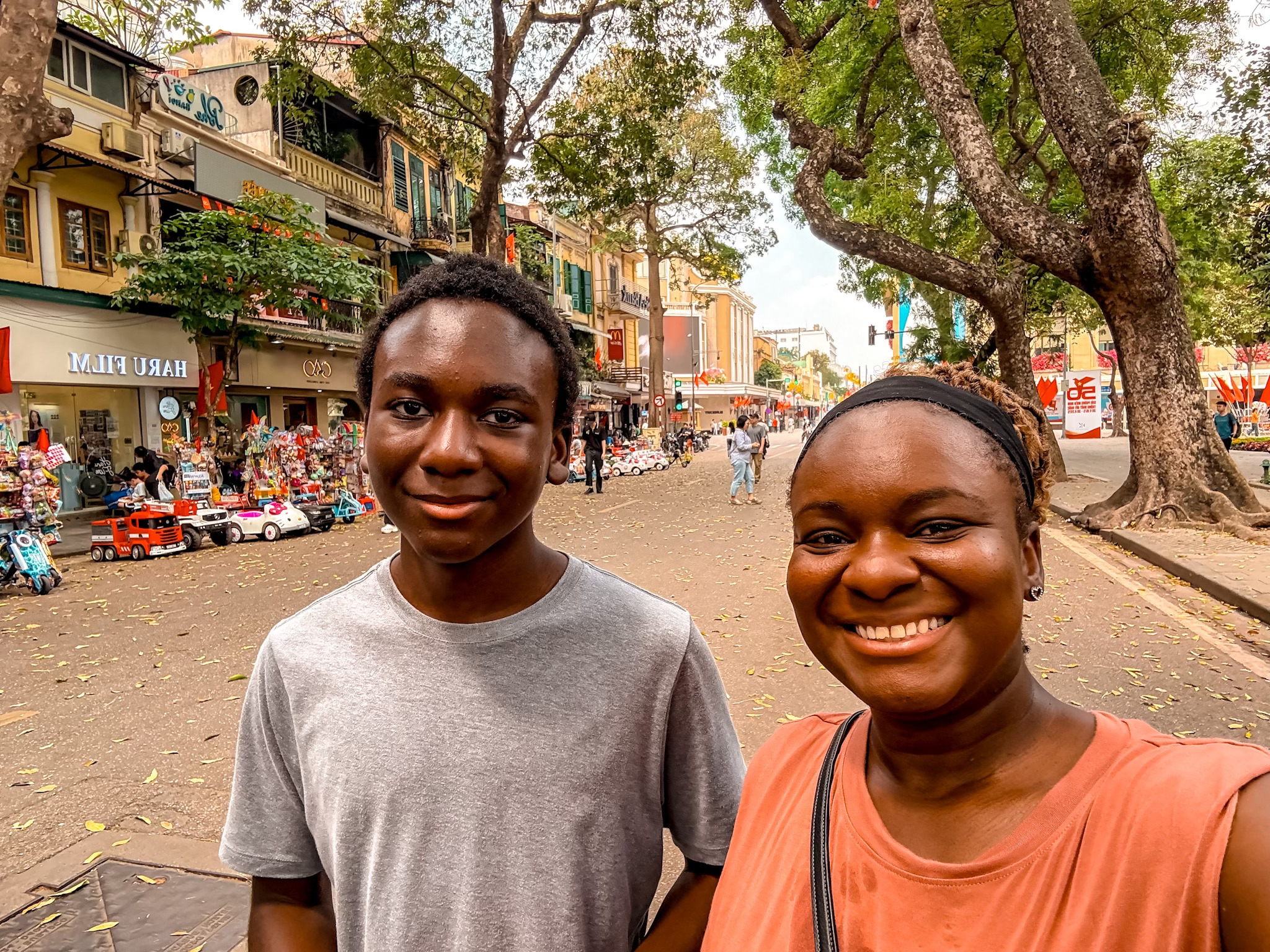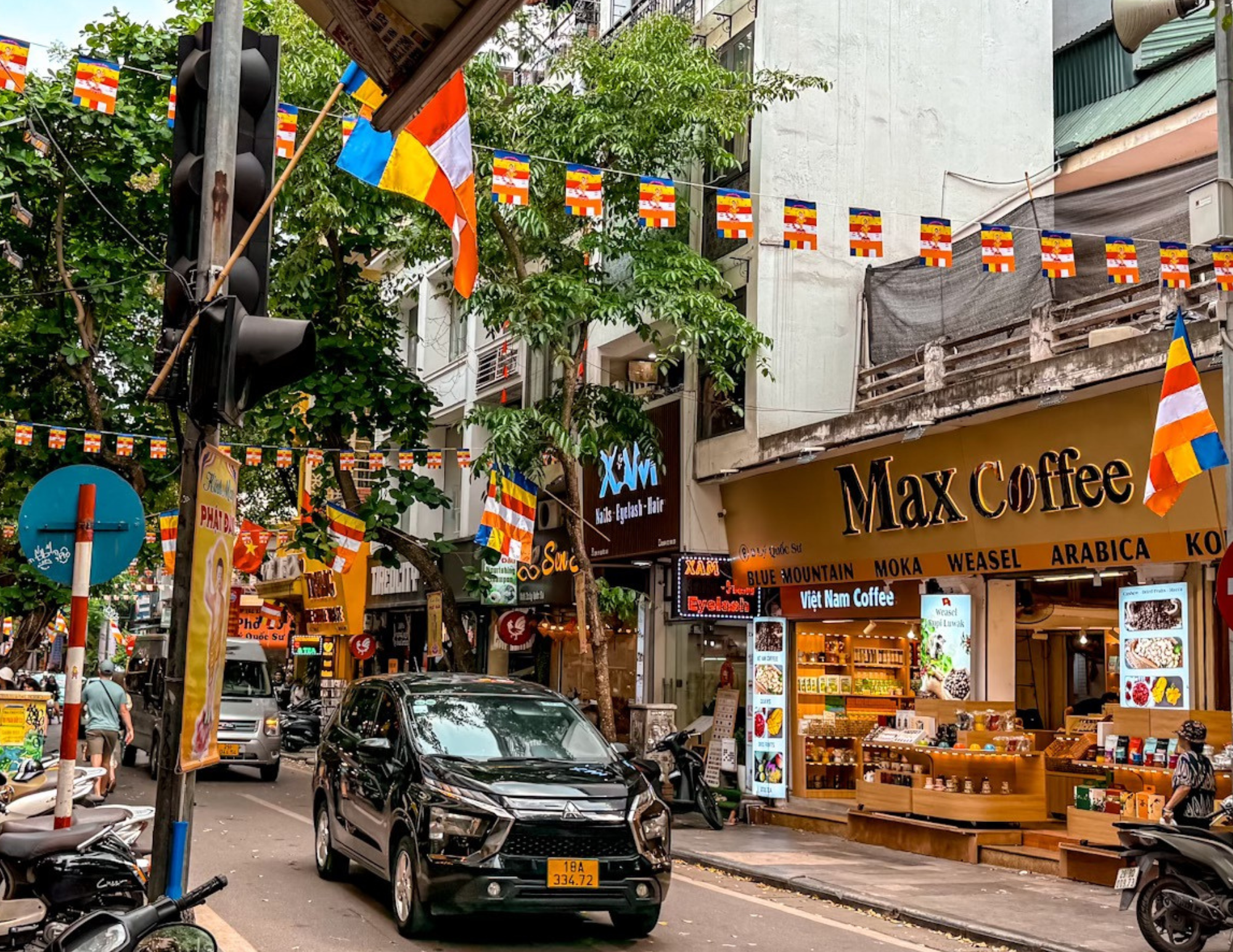
Hanoi is a city that makes a strong first impression. The traffic feels constant, sidewalks appear occupied by businesses instead of pedestrians, and the sounds never fully stop. Many travelers land expecting a difficult adjustment, yet within a couple of days the city begins to feel predictable and surprisingly comfortable.
The key is understanding that Hanoi works differently rather than inefficiently. Once you learn how movement, food culture, and social behavior operate here, exploring becomes easy and enjoyable. This guide gathers the practical things travelers usually learn after arrival so you can understand the city before you step into it.
What Hanoi Is Like
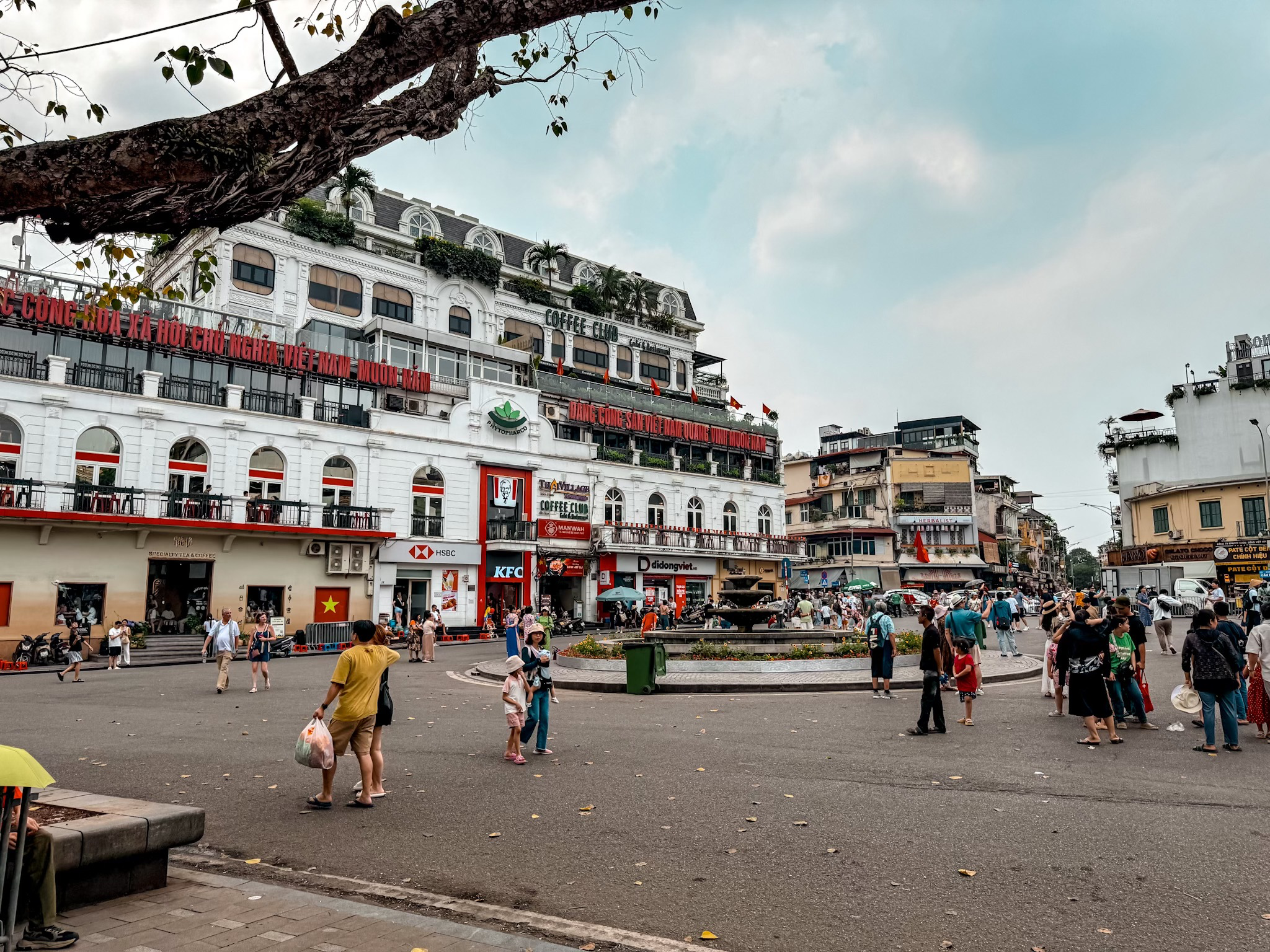
Hanoi is one of the oldest capitals in Southeast Asia and daily life still follows traditions shaped long before tourism existed. The Old Quarter functions as a living neighborhood where people live above their businesses and streets still reflect the trades that formed them centuries ago.
At first glance the city appears chaotic, but the movement follows patterns. Traffic flows continuously instead of stopping. People eat throughout the day instead of at fixed meal times. Cafes are social spaces rather than quick stops. After a short time the noise turns into background rhythm and navigating becomes intuitive.
Many travelers experience culture shock during the first day and comfort by the third.
Best Time to Visit Hanoi
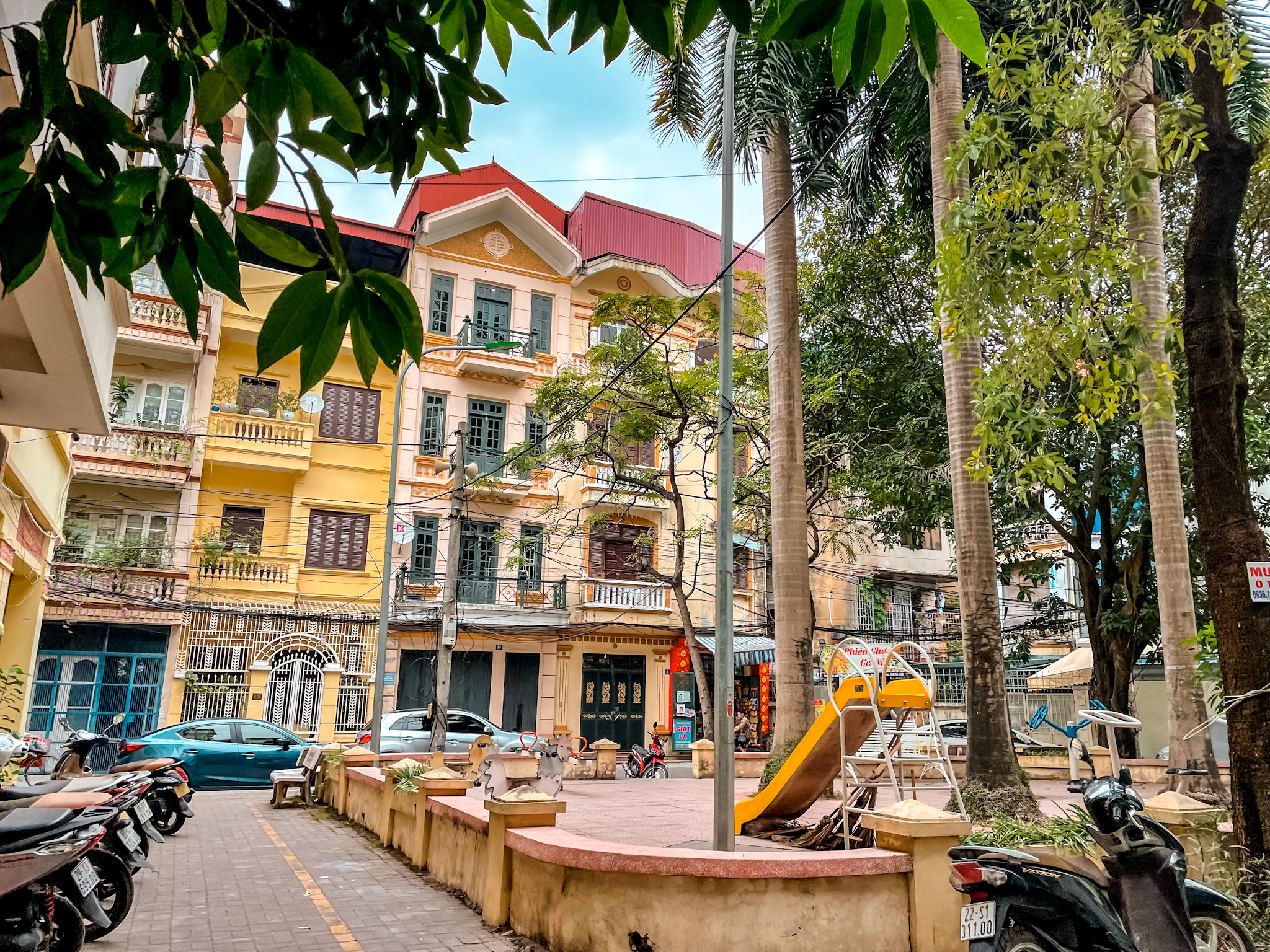
Unlike much of Southeast Asia, Hanoi has four seasons. This surprises many visitors who expect constant tropical heat.
Spring and autumn provide the most comfortable temperatures and are generally considered the best sightseeing months. Summer becomes hot and humid with frequent heavy rain, while winter can feel cold indoors because heating is uncommon in many buildings.
Packing light layers instead of only summer clothing makes a noticeable difference.

Where to Stay
For a first visit, staying in or around the Old Quarter or Hoan Kiem district makes everything easier. Most attractions sit within walking distance and you naturally learn the city layout by moving through it daily.
Staying far outside the center may offer quieter nights, but often results in spending significant time navigating traffic instead of exploring.
Getting Around Hanoi
Walking is the best way to explore central Hanoi. Distances are small and the streets reveal details you miss in vehicles.
For longer distances, ride-hailing apps are the simplest option because prices are fixed before the trip begins. This avoids negotiation and confusion that sometimes occurs with street taxis.
Public buses cover much of the city and are inexpensive, though visitors rarely need them unless traveling outside the center.
The airport sits roughly forty five kilometers from the Old Quarter, so allow adequate time for transfers when departing.
How to Cross the Street
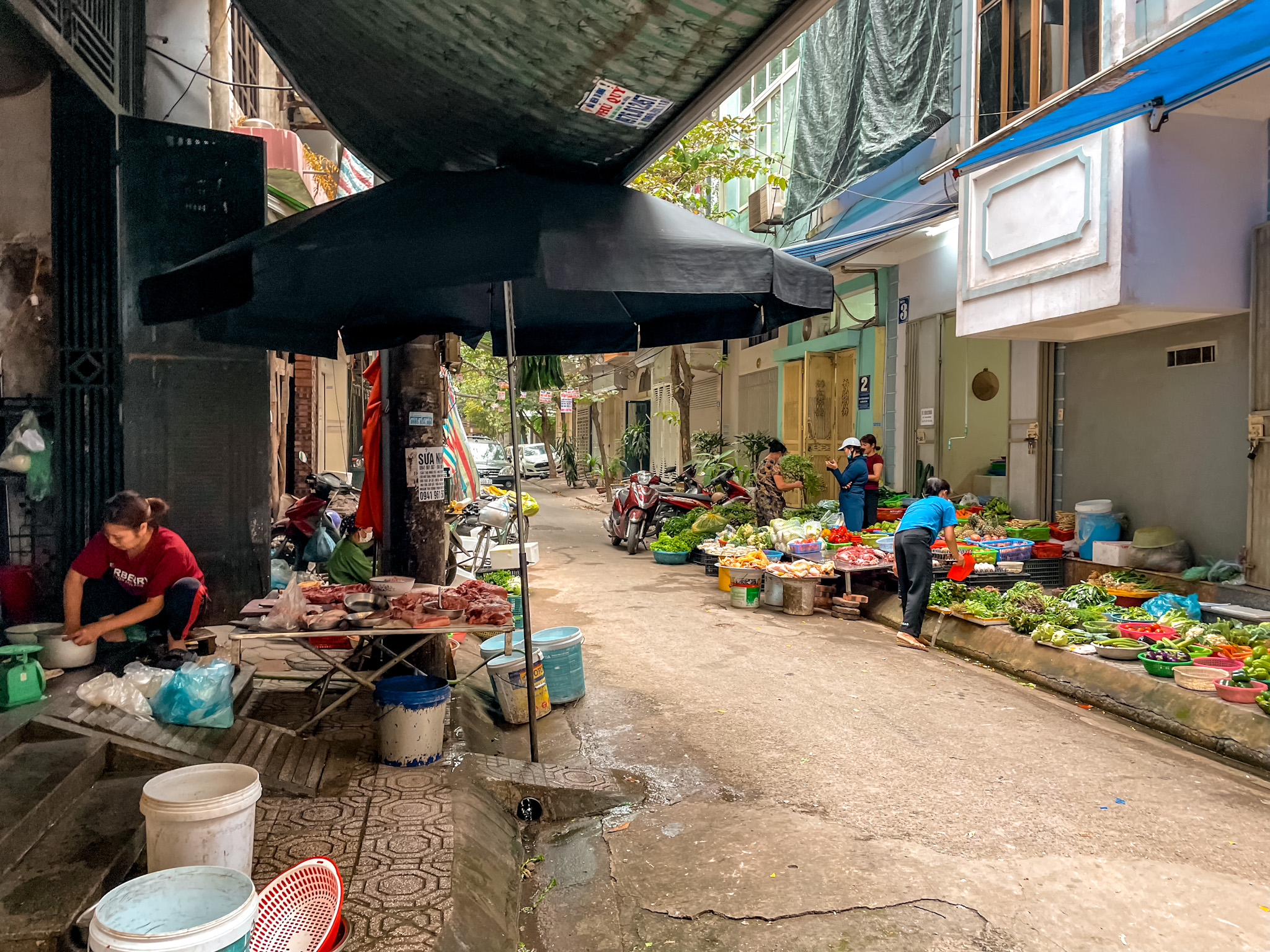
Crossing the street is usually the moment visitors feel unsure. Traffic rarely stops completely, so waiting for an empty road does not work.
Instead, step forward slowly and maintain a steady pace. Motorbikes adjust around predictable movement. Running or stopping halfway creates confusion, while calm movement allows traffic to flow safely around you.
After a few crossings the process feels natural.
Money and Payments
Vietnam uses Vietnamese Dong and cash remains widely used in smaller businesses and street stalls. ATMs are easy to find throughout the city, especially near banks and shopping areas.
Carrying small bills is helpful because many vendors cannot break large denominations. Using bank located ATMs reduces the chance of card issues.
Food and Street Food Safety
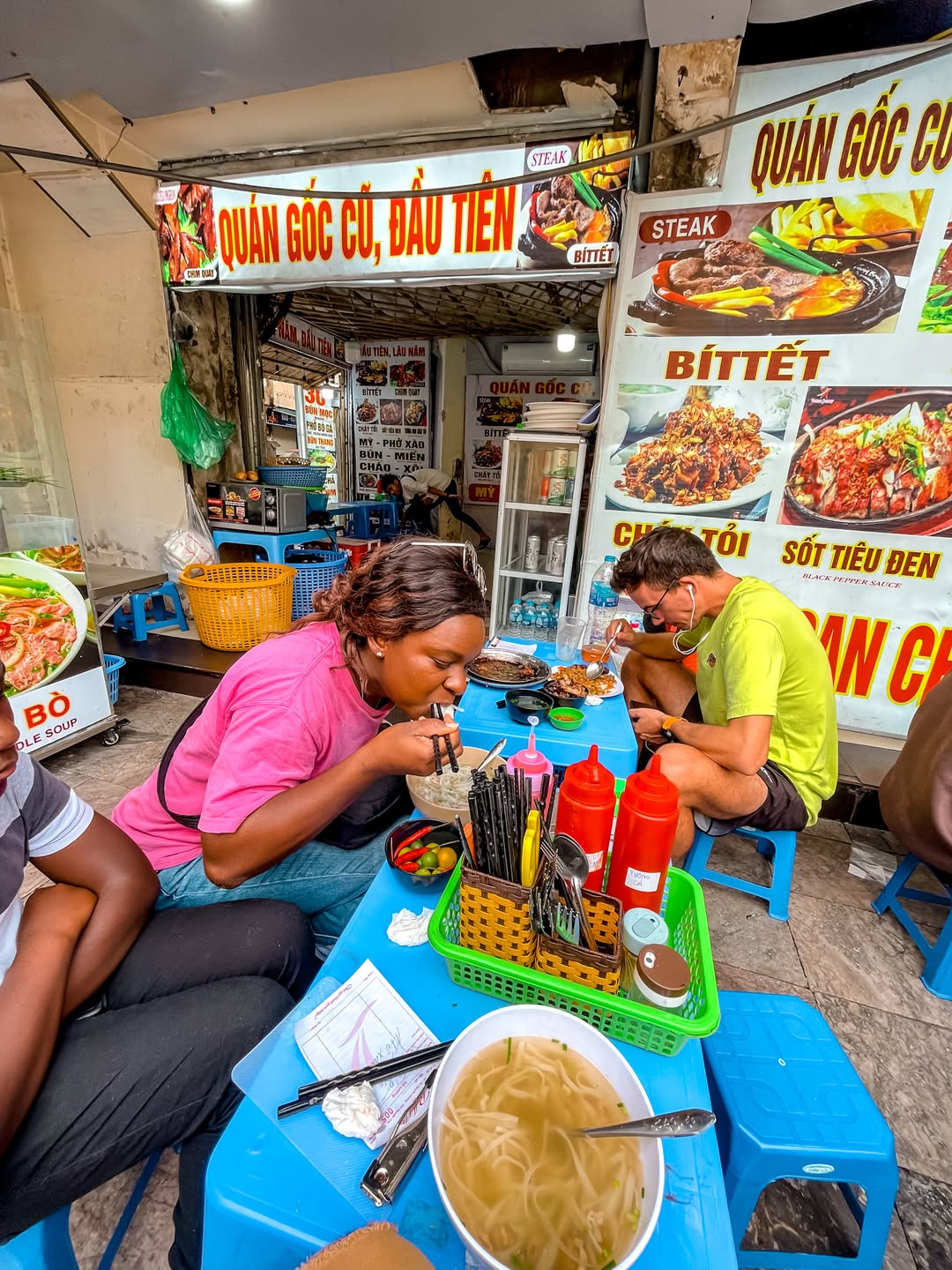
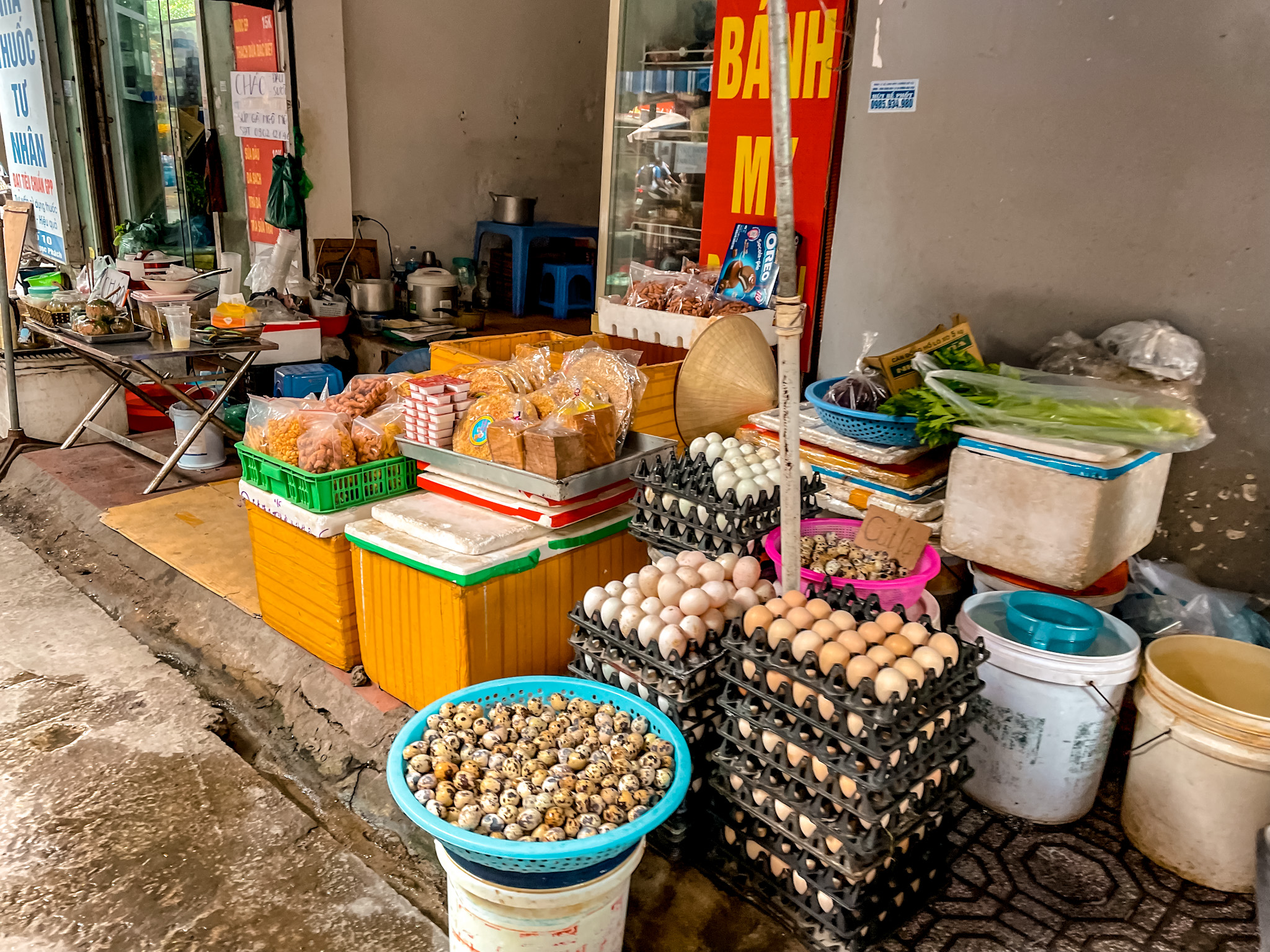
Street food is central to Hanoi life and generally safe when you choose places with steady local customers. High turnover means ingredients stay fresh and meals are prepared continuously.
Eating food that is cooked in front of you and drinking bottled water are simple habits that prevent most problems. If locals are eating there regularly, it is usually a reliable sign.
Local Etiquette
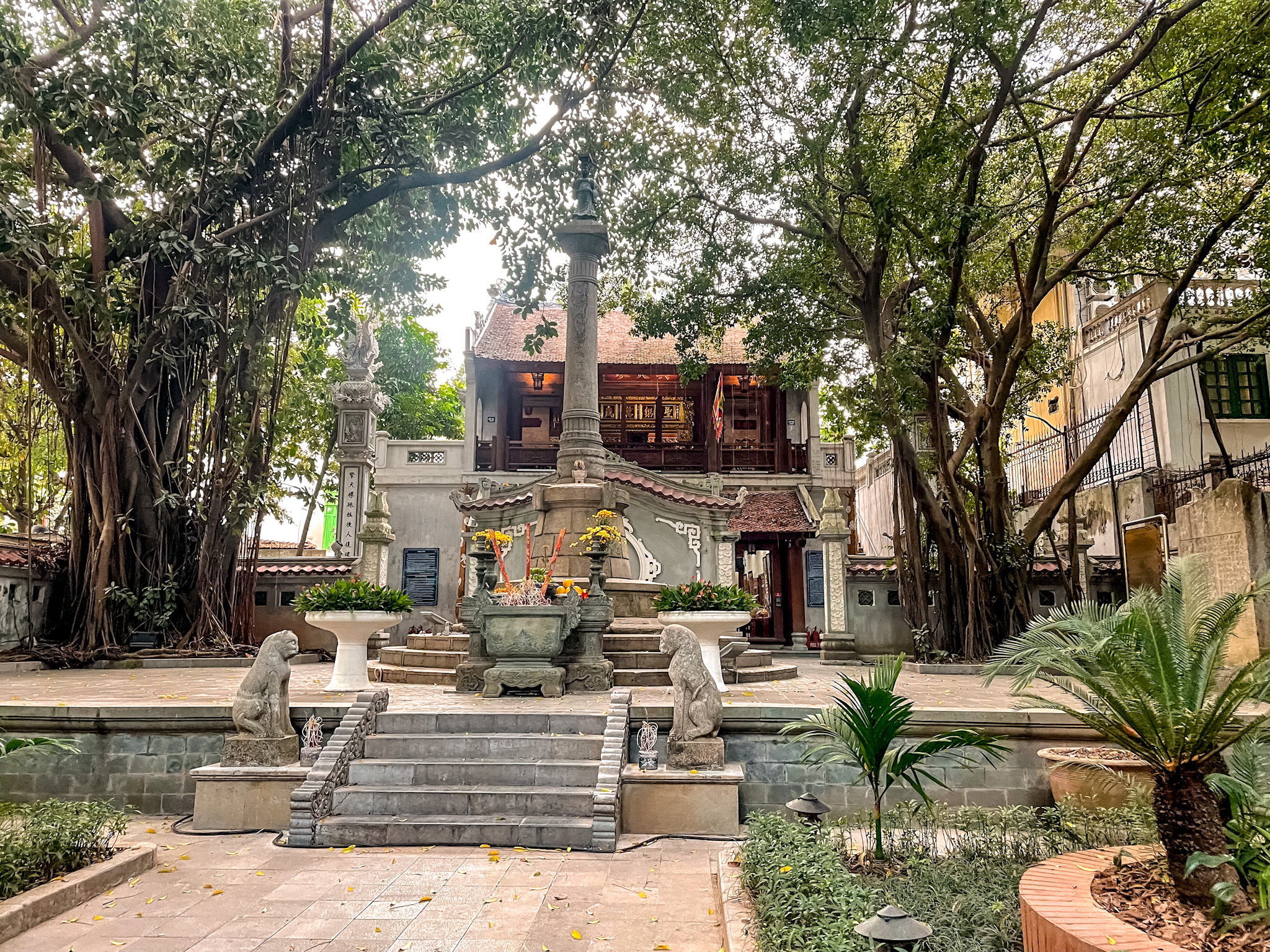
Vietnamese culture values calmness and respect in public behavior. Speaking politely, smiling, and showing patience are appreciated.
Visitors should dress modestly in religious areas and ask before photographing people directly. Bargaining is normal in markets but not appropriate in fixed-price stores or restaurants.
Common Scams and Awareness
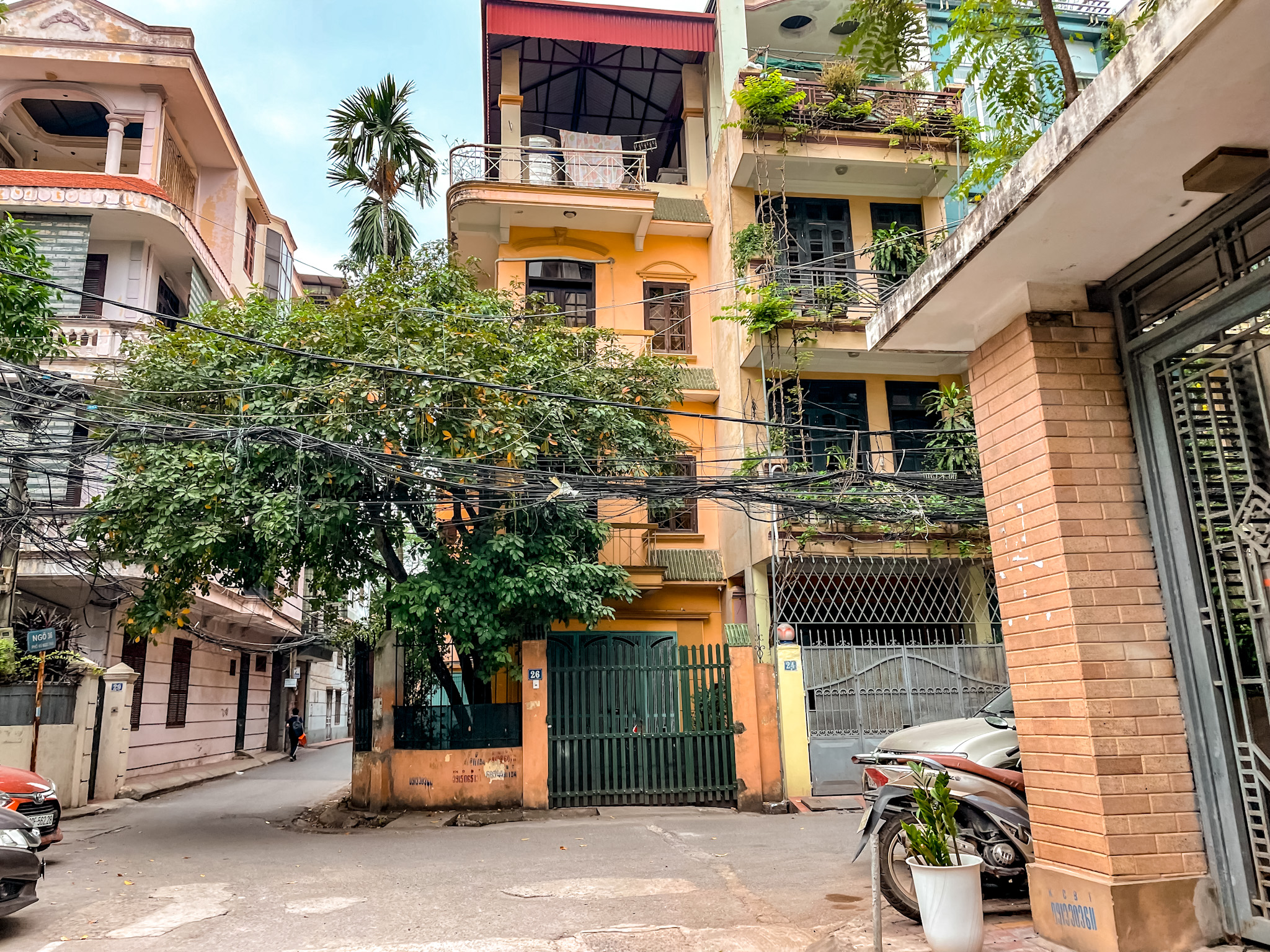
Hanoi is considered safe with low violent crime, but small scams and petty theft can occur in crowded areas.
Confirming prices before services, using reputable transport options, and keeping phones secure near roads prevents most issues. Awareness matters more than concern.
Health and Comfort Tips
Staying hydrated and taking breaks from heat keeps the trip enjoyable. Mosquito repellent is useful in warmer months and comfortable shoes matter because walking becomes the main form of exploration.
Packing lightly also helps because navigating narrow sidewalks and staircases is common.
You Cannot Travel to Vietnam Without Insurance
Vietnam feels safe, welcoming, and affordable. That combination sometimes makes travelers underestimate risk.
Medical care in major cities like Hanoi and Ho Chi Minh City is solid, but private hospitals require payment upfront if you do not have insurance. Even something as simple as dehydration treatment, a minor accident in traffic, or a stomach illness requiring observation can turn expensive quickly.
Vietnam is also a country where:
• Motorbike traffic is intense
• Street crossings require awareness
• Adventure tours and trekking are popular
• Food exploration is constant
Most trips go smoothly. But travel insurance is not for the smooth days. It is for the one unexpected day.
When we travel in Vietnam, we use SafetyWing because it is designed specifically for nomads and long term travelers. Their Nomad Insurance Essential plan covers unexpected illness and injury in 175 plus countries, along with travel related issues like trip interruption and lost luggage. You can purchase it before departure or while already traveling, and plans can auto extend every four weeks.
For people living abroad more permanently, Nomad Insurance Complete offers full health coverage including routine checkups, support for mental health diagnoses, wellness therapies, and major treatment such as cancer care. It can function as primary health insurance while living internationally.
If you are building a borderless life, their Nomad Citizen membership includes premium health insurance, income protection that can pay up to $4,000 per month if you lose employment or freelance income, travel coverage, and simplified visa support.
We move between countries regularly. Having flexible global coverage makes that possible without constantly reapplying for new plans.
If Vietnam is on your itinerary, do not land without coverage in place.
You can explore plan options here: SafetyWing
Mistakes First Time Visitors Often Make
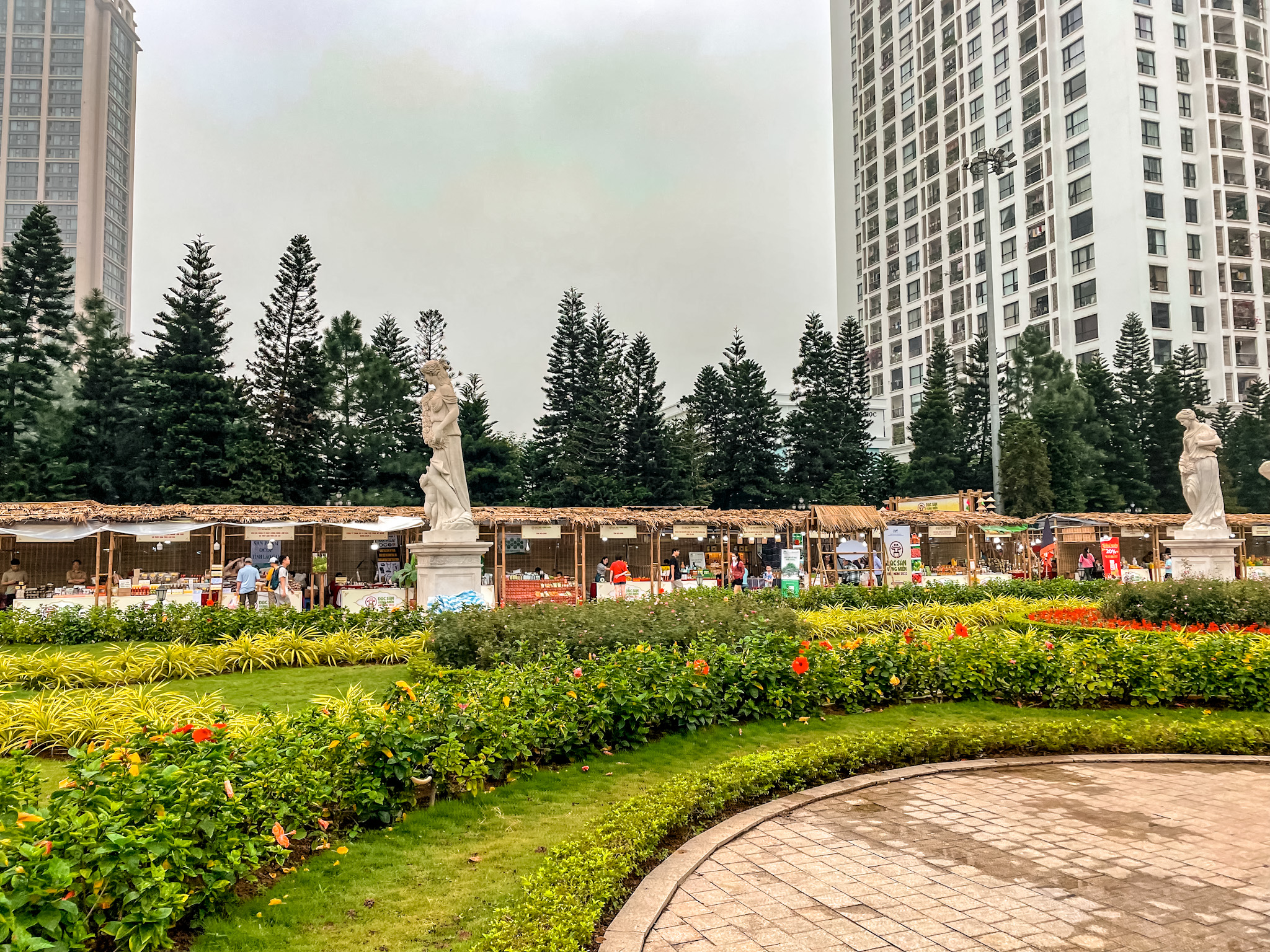
Many visitors try to schedule too many activities in a single day and end up exhausted. Hanoi is better experienced slowly.
Another common mistake is relying only on tourist restaurants instead of trying local food stalls. Carrying only cards can also cause inconvenience since smaller vendors often accept cash only.
The biggest adjustment is learning to move with the city rather than forcing familiar routines.
What to Eat First
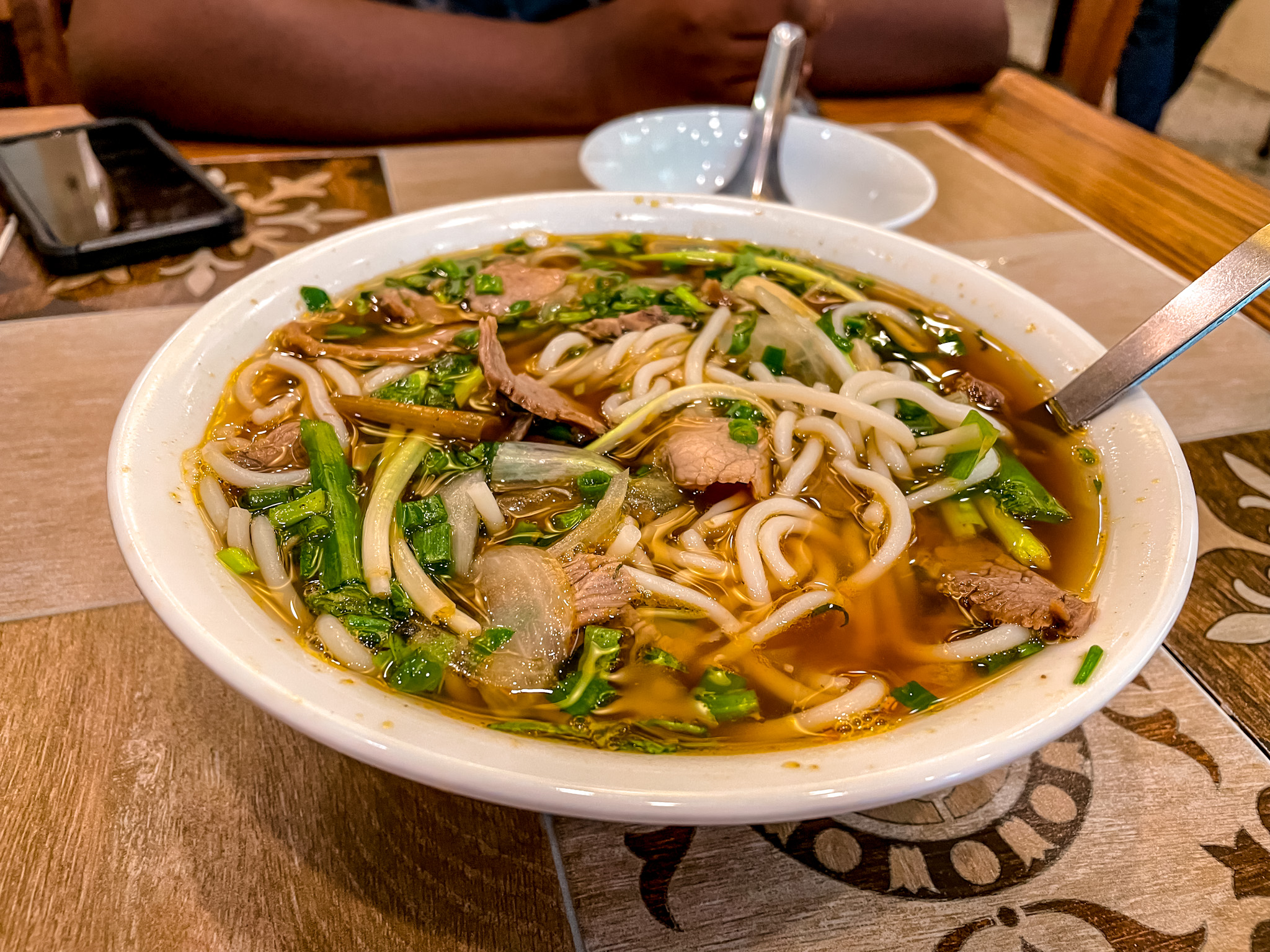
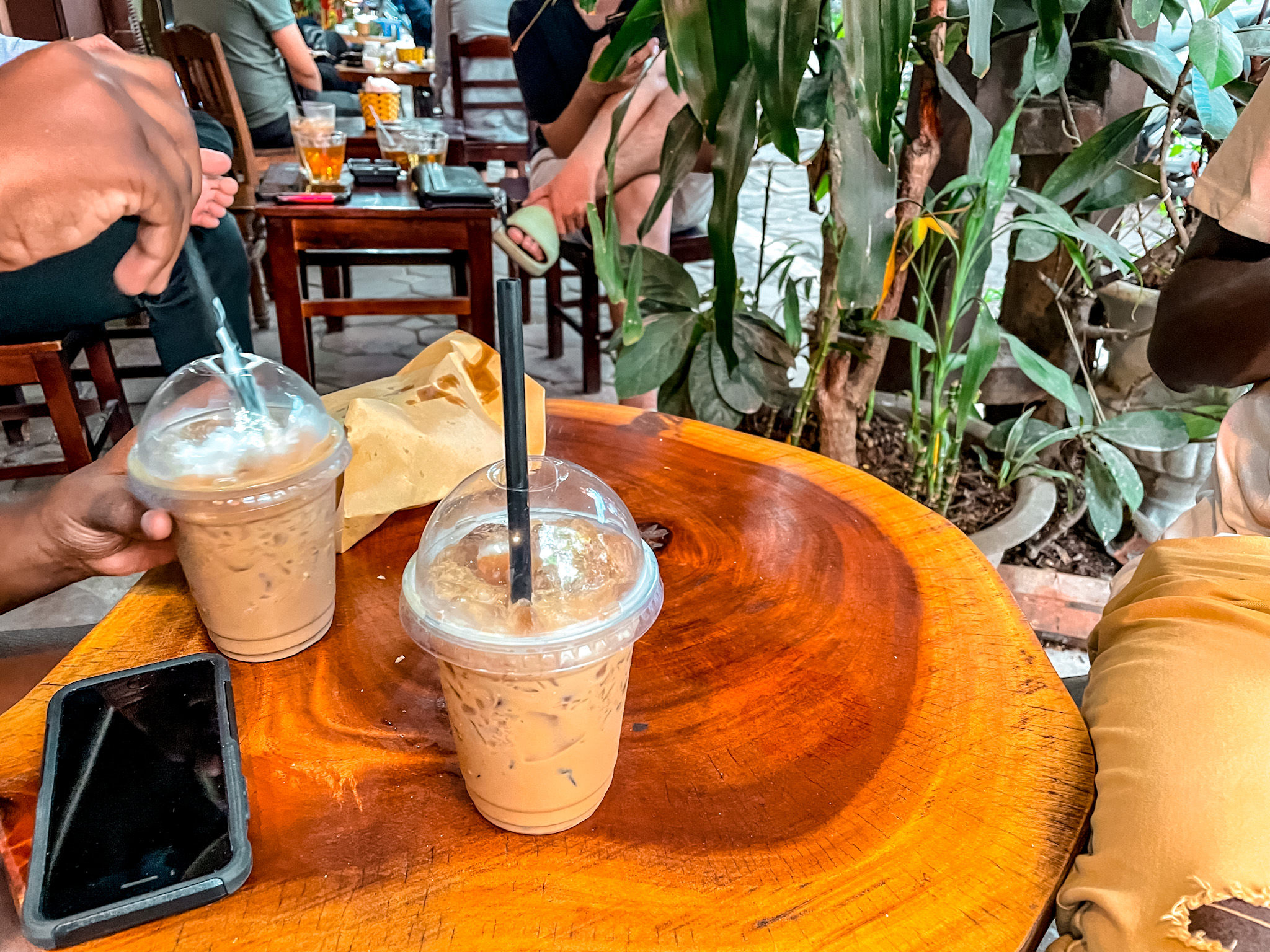
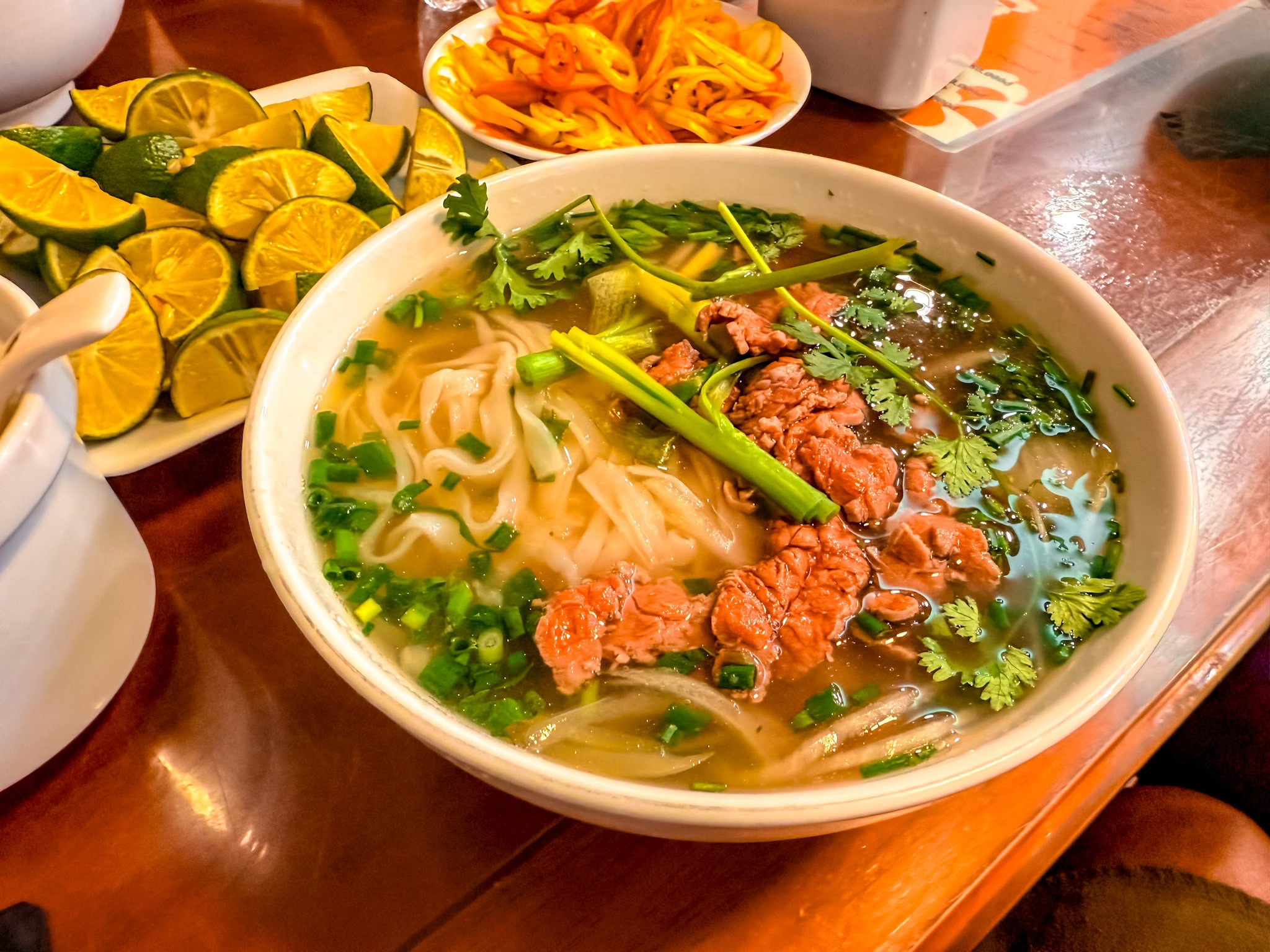
Starting with familiar but authentic dishes makes the transition easier. Pho works well as a breakfast, banh mi makes an easy daytime meal, egg coffee offers a uniquely local drink experience, and grilled street food becomes part of evening exploration.
Food quickly becomes the highlight of the visit.
Safety Perspective
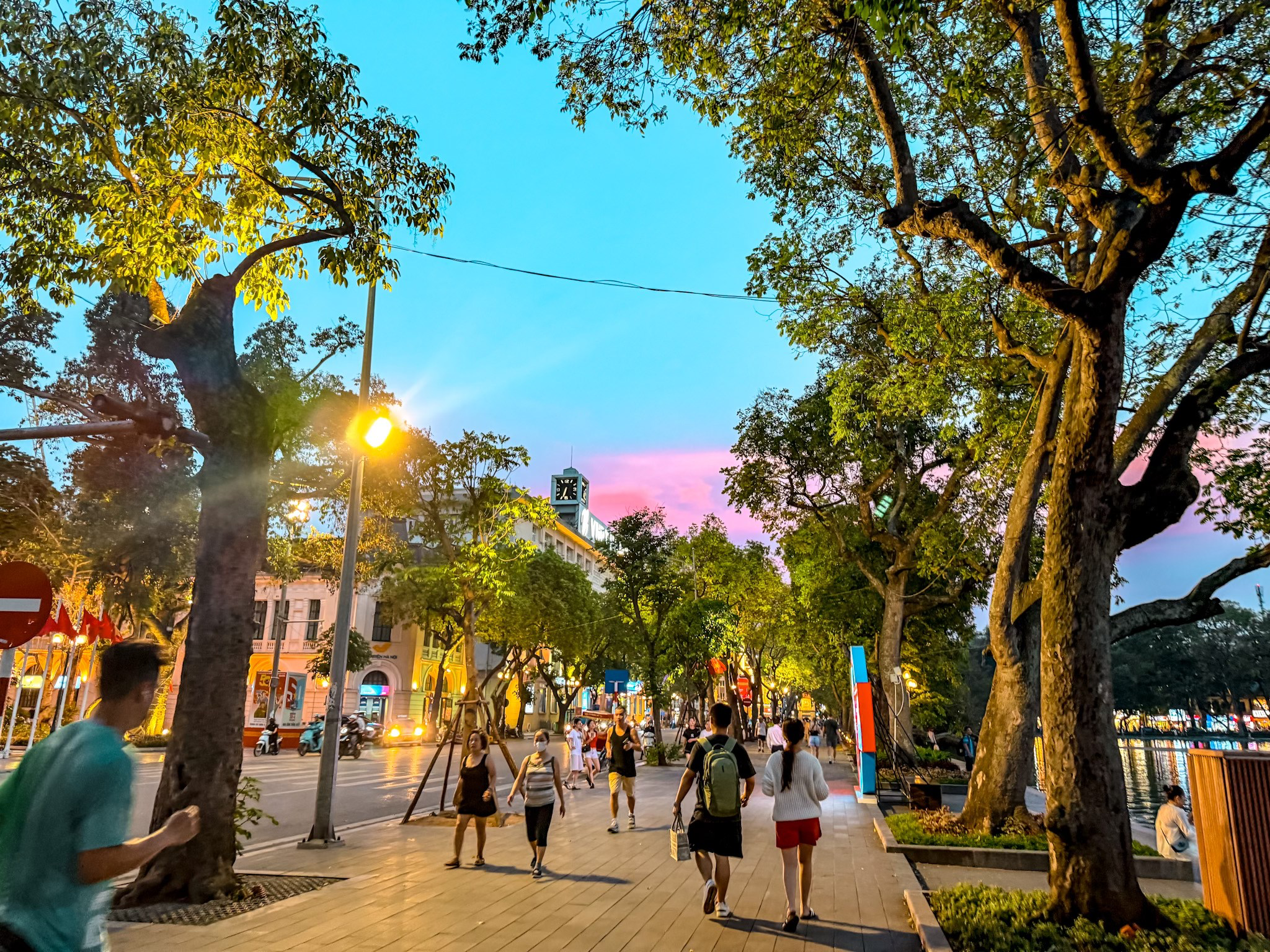
For most travelers the main risk in Hanoi is traffic rather than crime. Paying attention while crossing streets and keeping belongings secure near roads is usually sufficient.
Once you adjust to the movement patterns, the city feels safer than its first impression suggests.
Final Thoughts
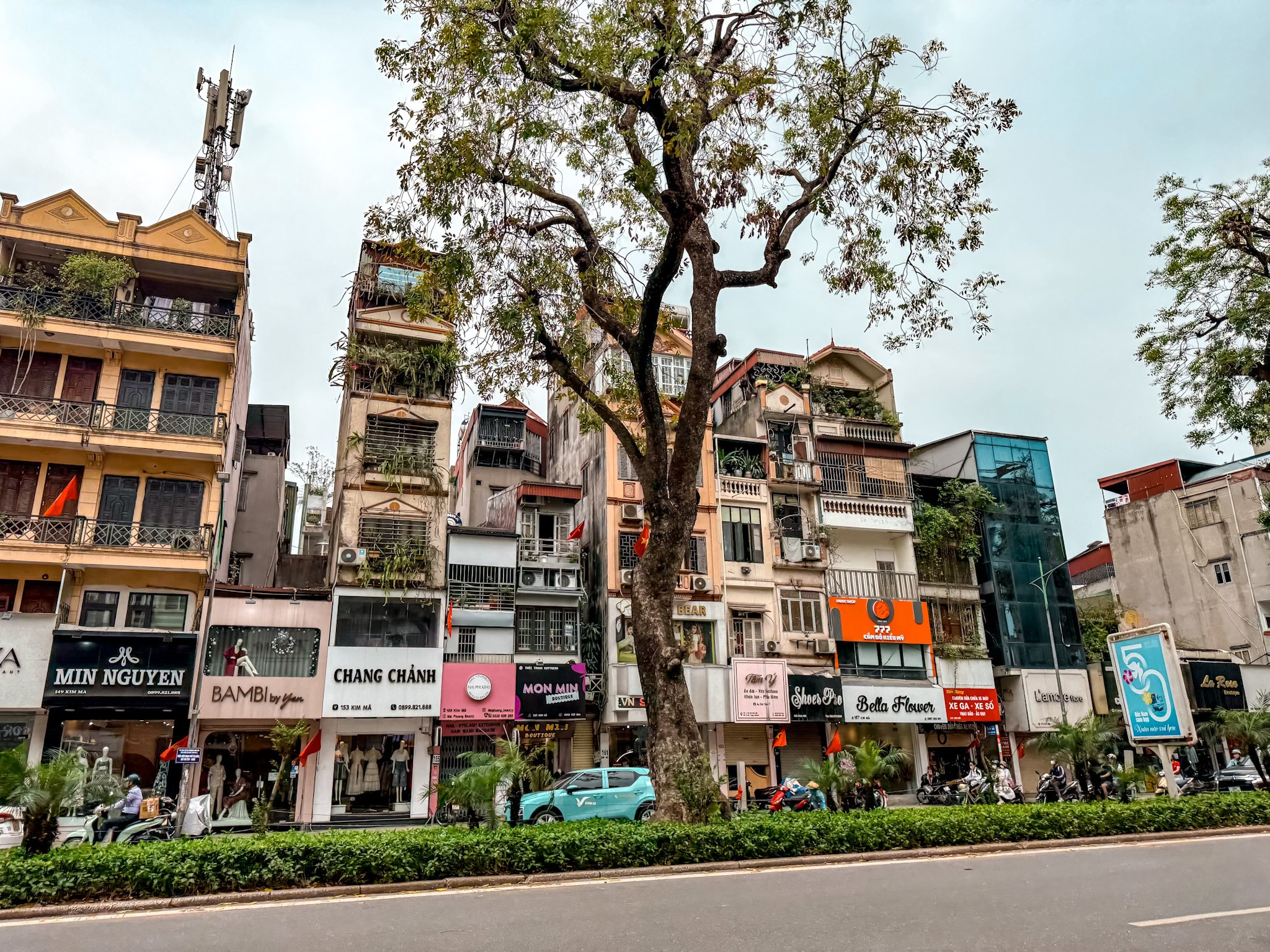
Hanoi often surprises people. The first hours feel intense, but understanding follows quickly. The streets develop rhythm, food routines become familiar, and daily life reveals itself.
By the time you leave, what once felt overwhelming often feels comfortable. Knowing what to expect before arriving shortens that adjustment and lets curiosity replace uncertainty from the beginning.