

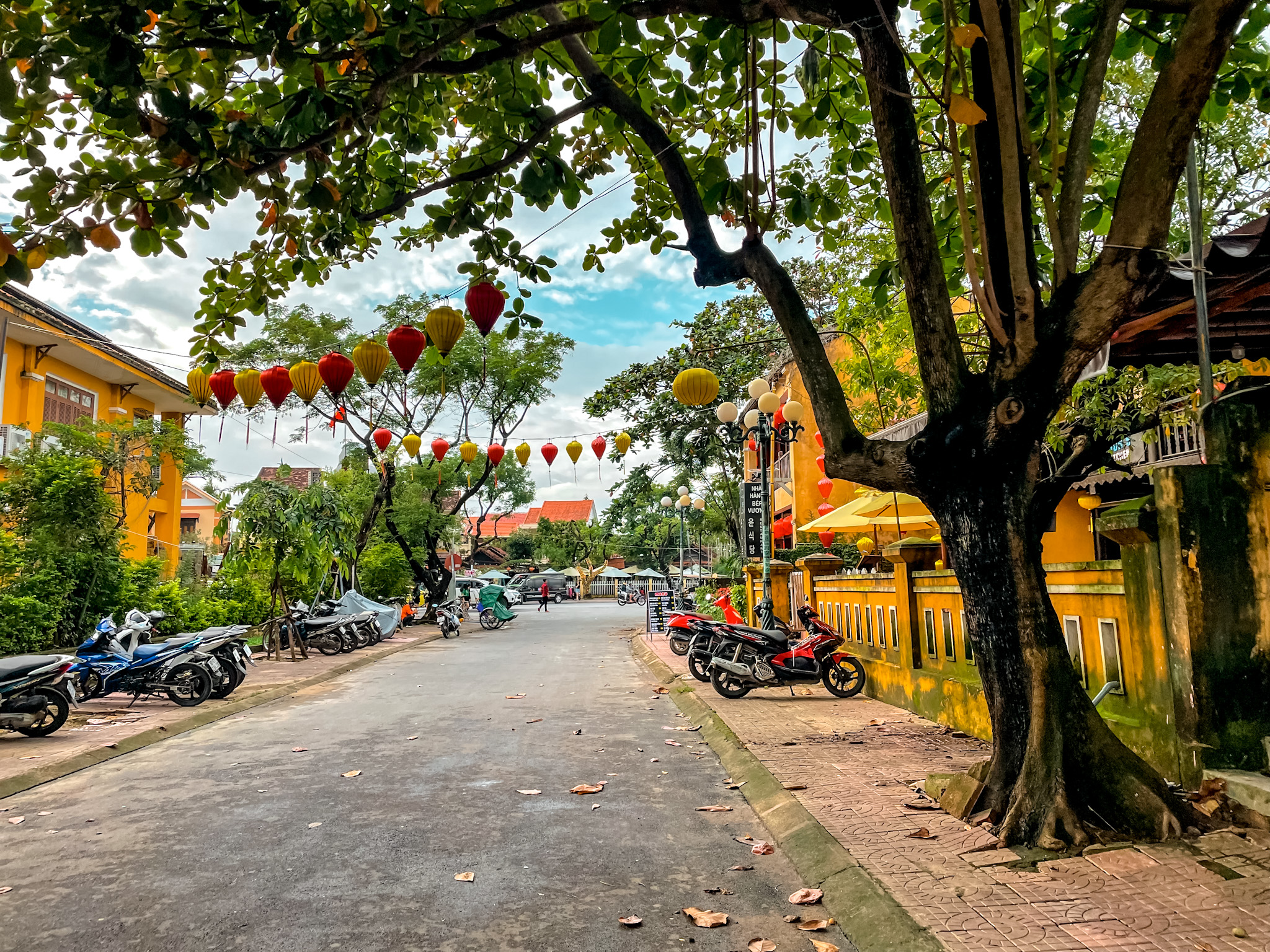
Hoi An Ancient Town is the heart of Hoi An. It is what most people picture when they think of glowing lanterns, mustard yellow buildings, narrow streets and wooden shop houses. It is also a UNESCO World Heritage Site and one of the best preserved trading ports in Southeast Asia.
But visiting Hoi An Ancient Town is not just about wandering. There is a ticket system, pedestrian hours, specific buildings included in entry, and better times of day depending on what kind of experience you want.
This guide covers everything so you arrive informed and intentional.
What Is Hoi An Ancient Town?
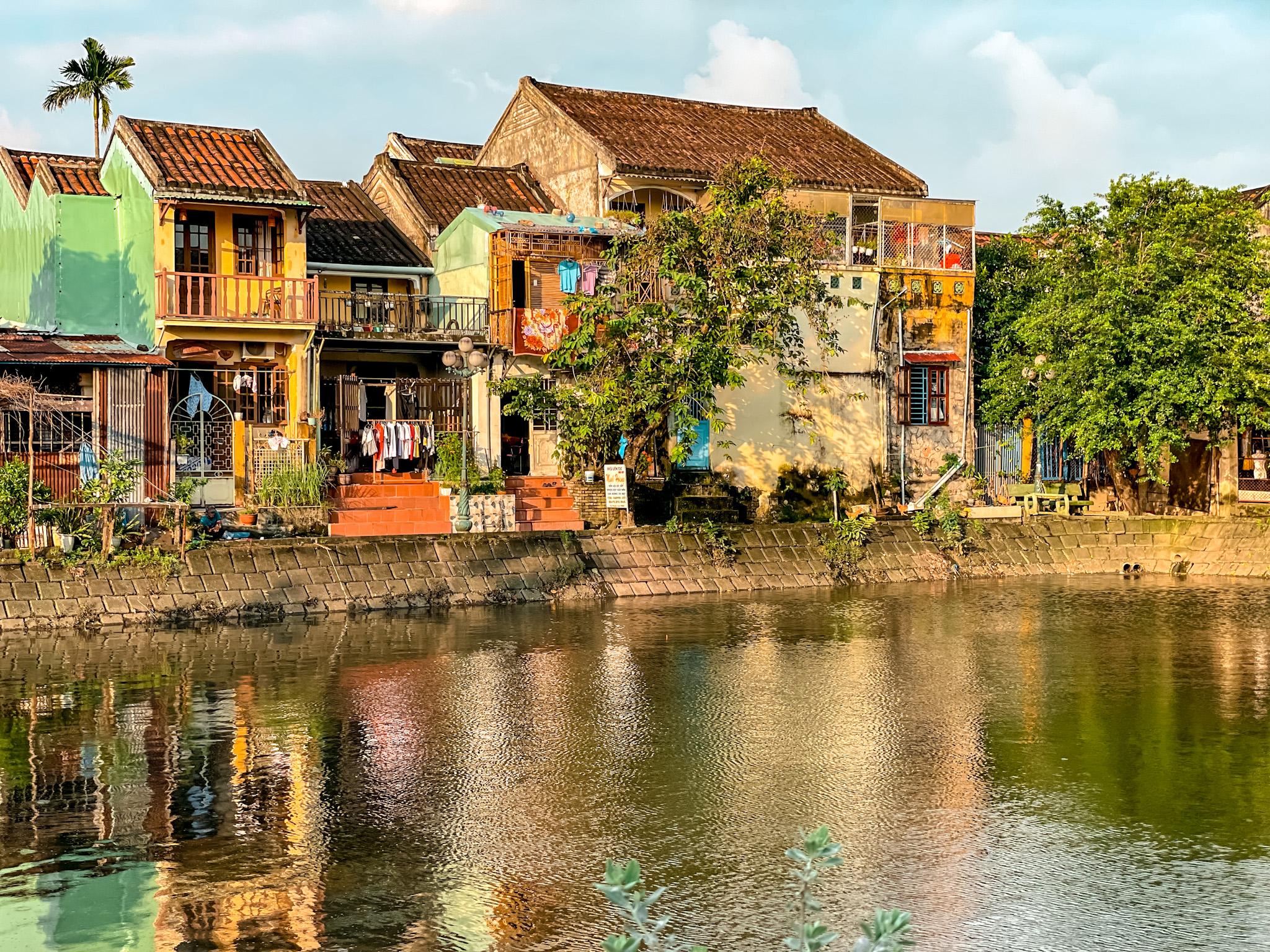
Hoi An Ancient Town is the preserved historic core of Hoi An. Between the 15th and 19th centuries, this was a thriving international trading port connecting Vietnam with China, Japan and Europe.
Merchants settled here, built homes, assembly halls and warehouses, and shaped the architecture you see today. The town reflects a blend of Vietnamese, Chinese and Japanese influence, which is why you see curved tiled roofs, wooden beams, lantern lined balconies and narrow merchant houses.
In 1999, UNESCO recognized Hoi An Ancient Town as a World Heritage Site for its exceptionally preserved example of a Southeast Asian trading port.
It is not a museum replica. People still live and work here.
Do You Need a Ticket to Enter?
This is one of the most common questions.
You do not need a ticket to physically walk into the Ancient Town streets. However, if you want to enter the historic houses, temples, assembly halls and certain heritage buildings, you must purchase a Hoi An Ancient Town ticket.
The ticket system works like this:
You purchase one ticket that includes a set number of entry coupons. Those coupons can be used to enter designated historic sites within the Ancient Town.
Ticket prices can change, but generally they are affordable and valid for a set period of time. The ticket also supports preservation efforts.
It is worth purchasing if you plan to enter multiple historic buildings rather than only walk around.
What Is Included With the Ticket?
The Ancient Town ticket typically allows entry into a selection of:
Ancient merchant houses
Assembly halls
Traditional temples
Museums
The Japanese Covered Bridge
You can choose which sites to use your coupons on, so it helps to know which ones interest you most before entering.
Some of the most visited sites include:
Japanese Covered Bridge
Tan Ky Ancient House
Phuc Kien Assembly Hall
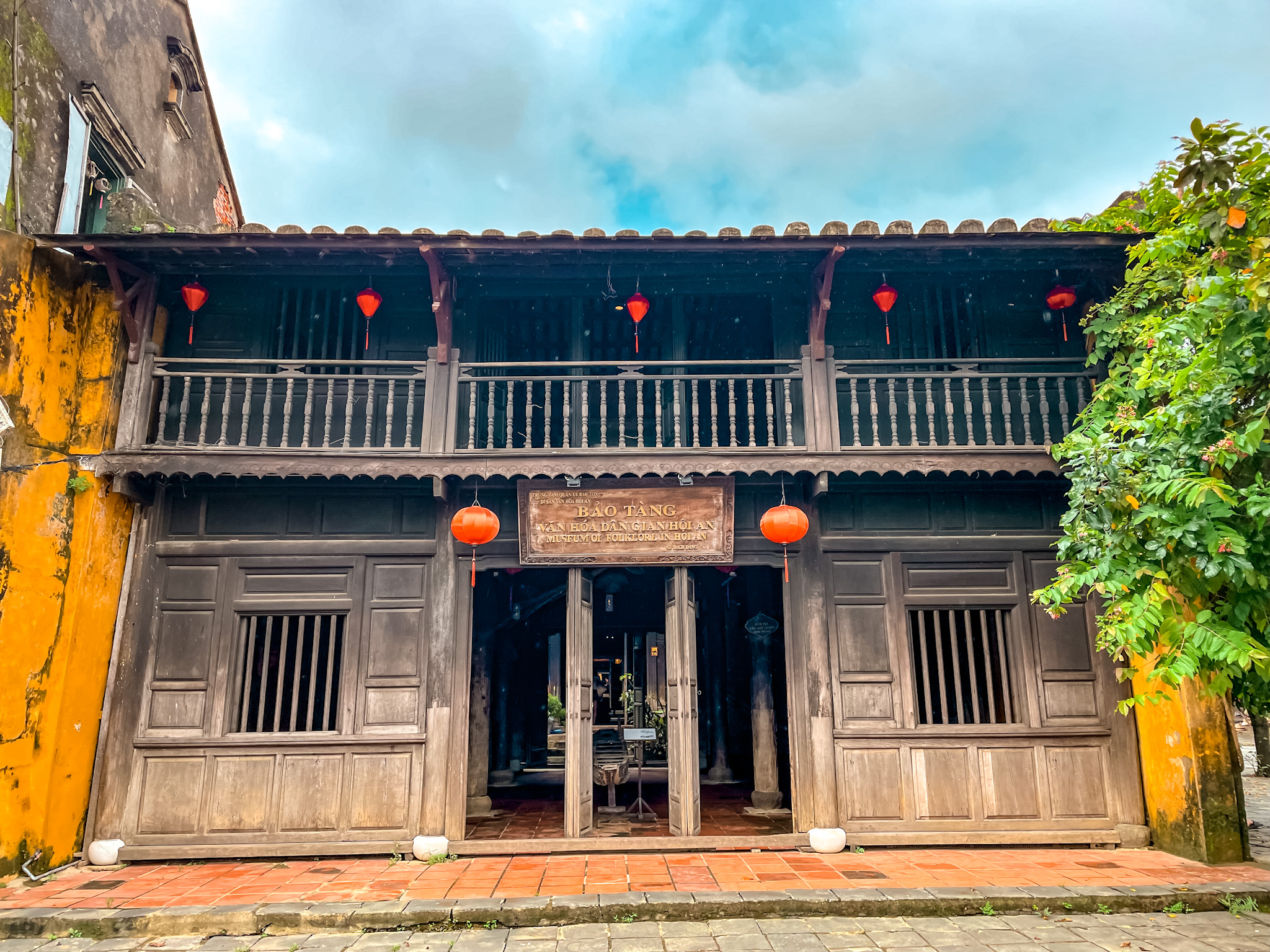
Museum of Folk Culture
Each building offers a slightly different perspective on Hoi An’s history.
Pedestrian Hours and Traffic Rules
Hoi An Ancient Town has designated pedestrian hours when motorbikes and cars are restricted. These hours create a calmer, more atmospheric environment.
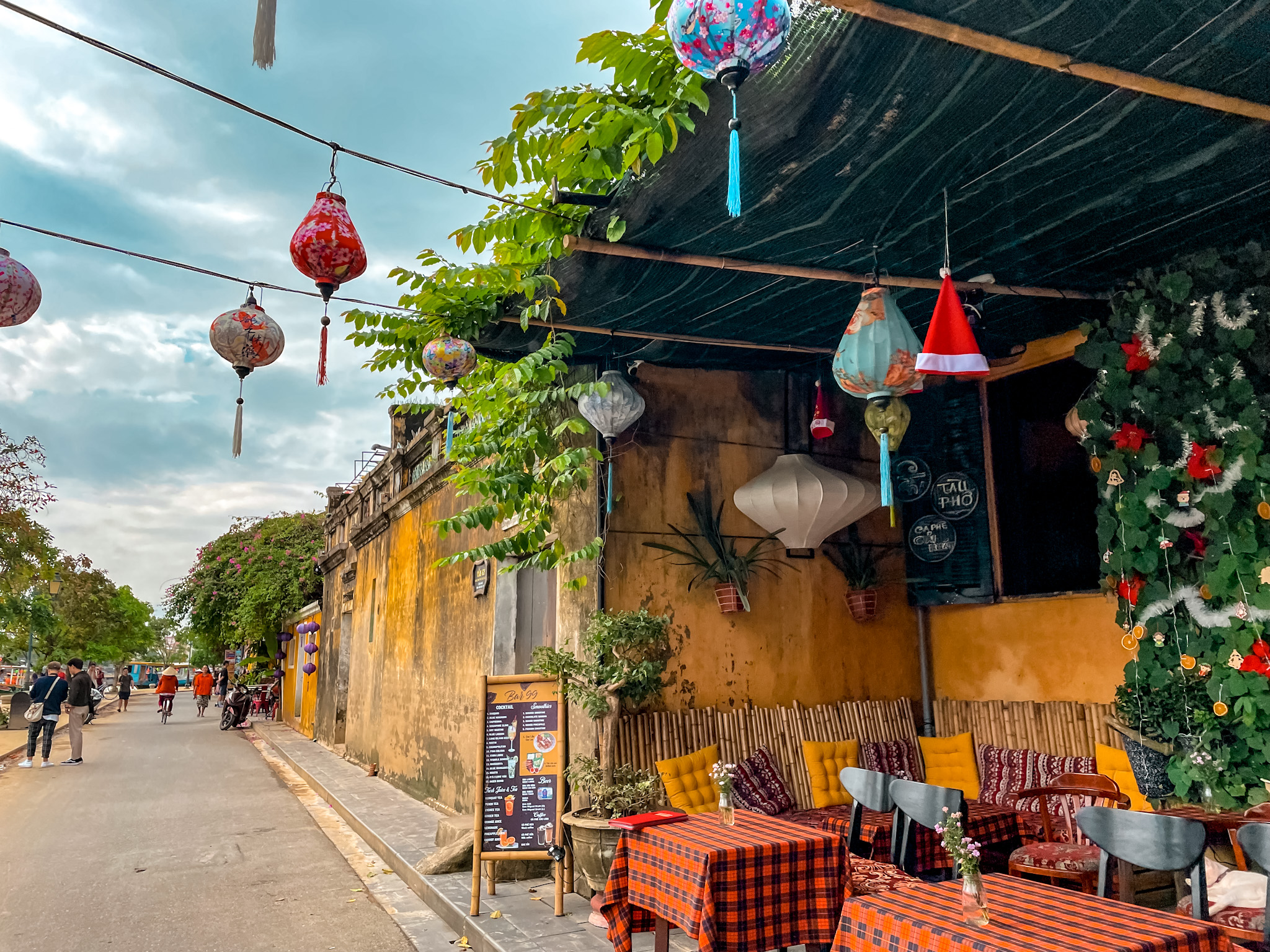
During peak times in the late afternoon and evening, the area becomes pedestrian only in most sections. This is when lanterns glow and the town feels most magical.
Outside of those hours, limited traffic may still pass through certain areas.
If you want a peaceful experience without engines or honking, aim for pedestrian hours.
Best Time of Day to Visit
Morning
Early morning offers softer light, fewer crowds and cooler temperatures. This is the best time for photography without heavy foot traffic.
Afternoon
The streets become busier, especially with tour groups. It is still beautiful but less serene.
Evening
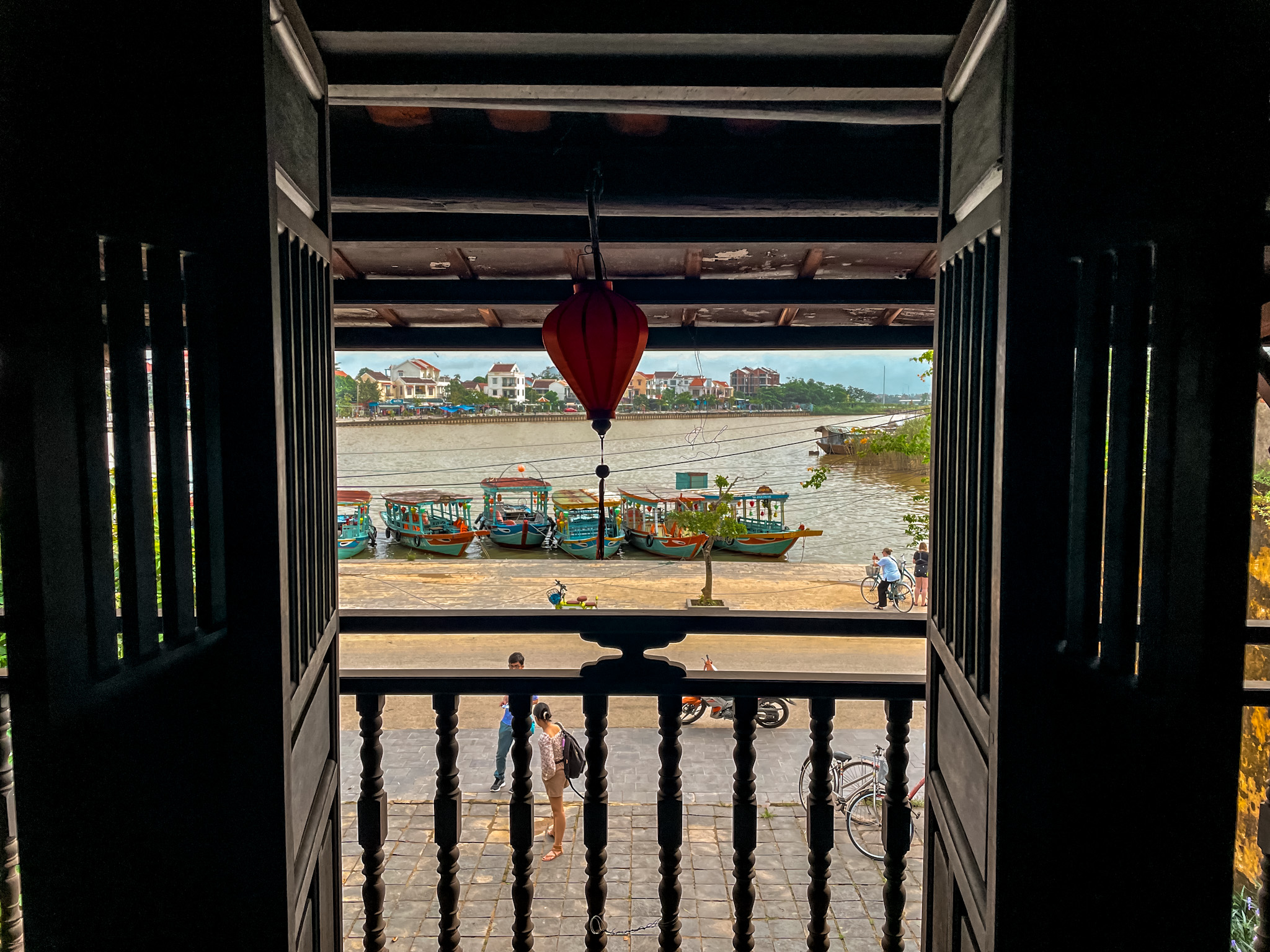
After sunset, lanterns illuminate the streets and reflect on the Thu Bon River. This is the most atmospheric time but also the most crowded.
If possible, experience both morning calm and evening glow during your stay.
The Lantern Festival
On the 14th day of each lunar month, Hoi An hosts the Lantern Festival. Electric lights are minimized and traditional lanterns illuminate the town.
Vendors sell paper lanterns that visitors can release onto the river. The entire Ancient Town feels transformed into a candlelit scene.
It is beautiful, but it is also crowded. Arrive early if you plan to visit during the festival.
What to See Inside Ancient Town
Japanese Covered Bridge
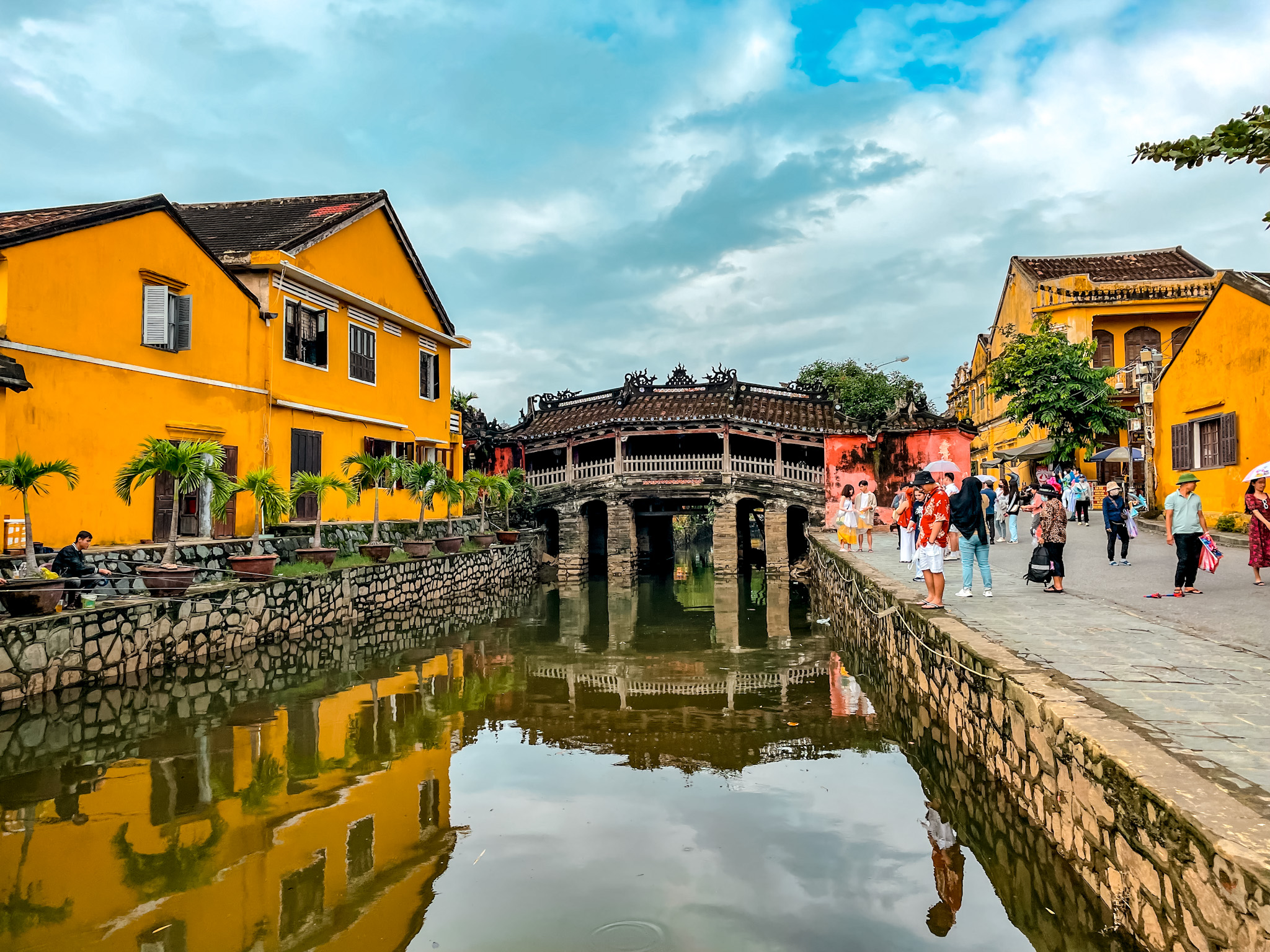
Dating back to the early 17th century, this bridge was built by the Japanese community to connect neighborhoods across a small canal. It is one of Hoi An’s most photographed landmarks.
Assembly Halls
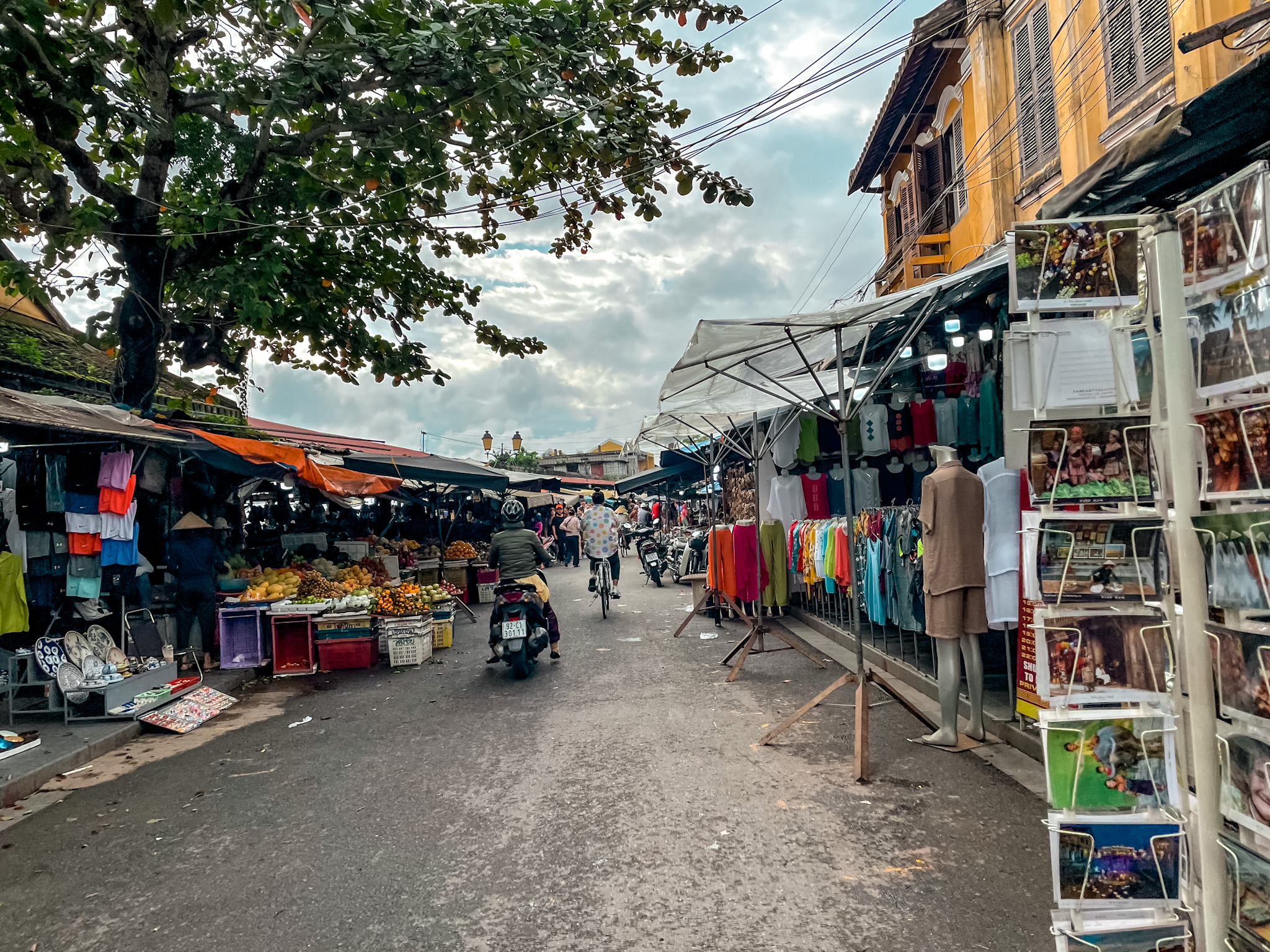
Built by Chinese merchant communities, assembly halls are ornate and richly decorated. Incense coils hang from ceilings, altars are detailed and colorful, and courtyards provide quiet refuge from busy streets.
Ancient Merchant Houses
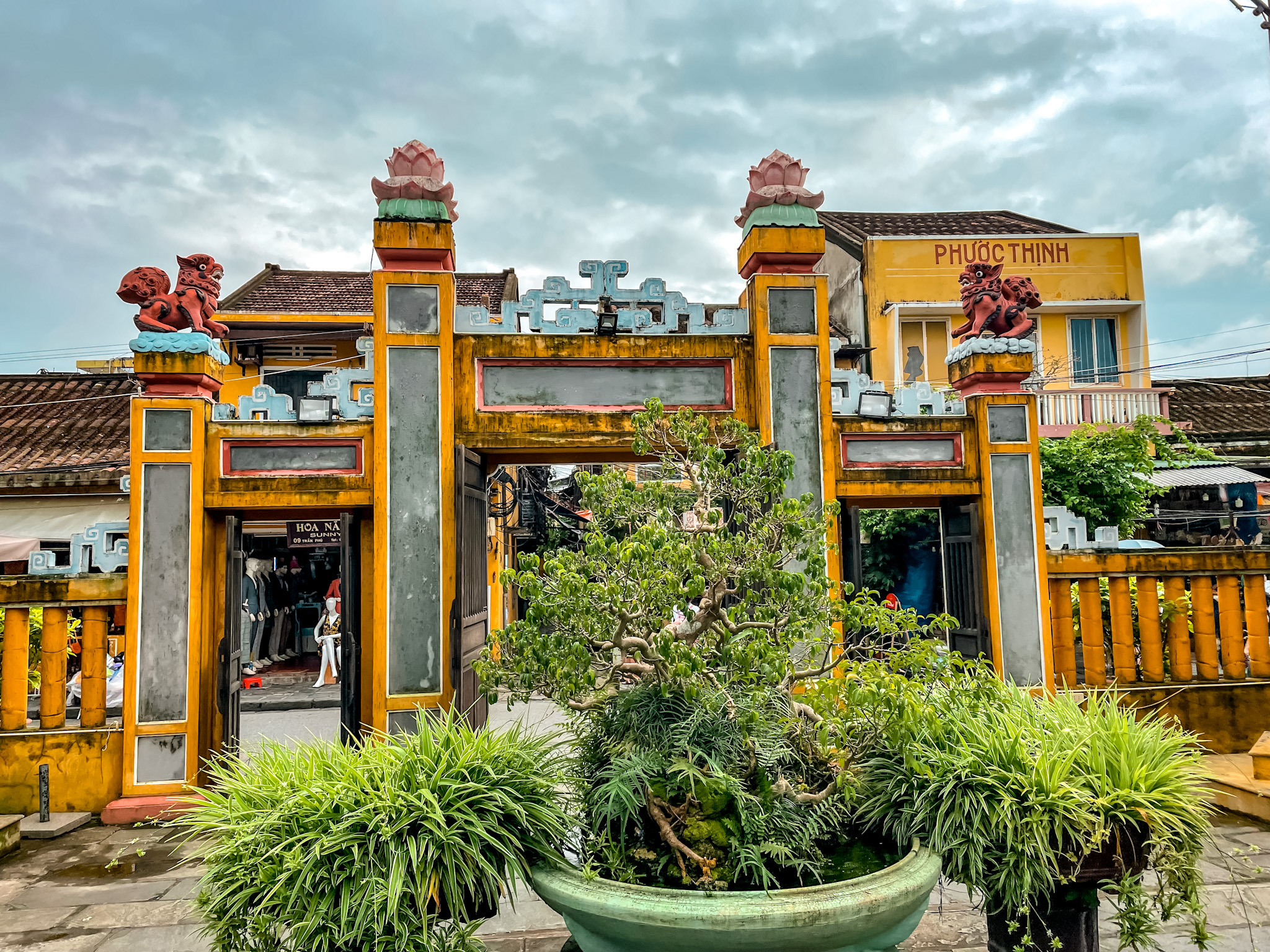
These long, narrow houses reflect the original trading layout. The front served as a shop, the middle as living quarters and the back as storage or courtyard space.
Walking through them reveals how families lived and worked in the port’s peak era.
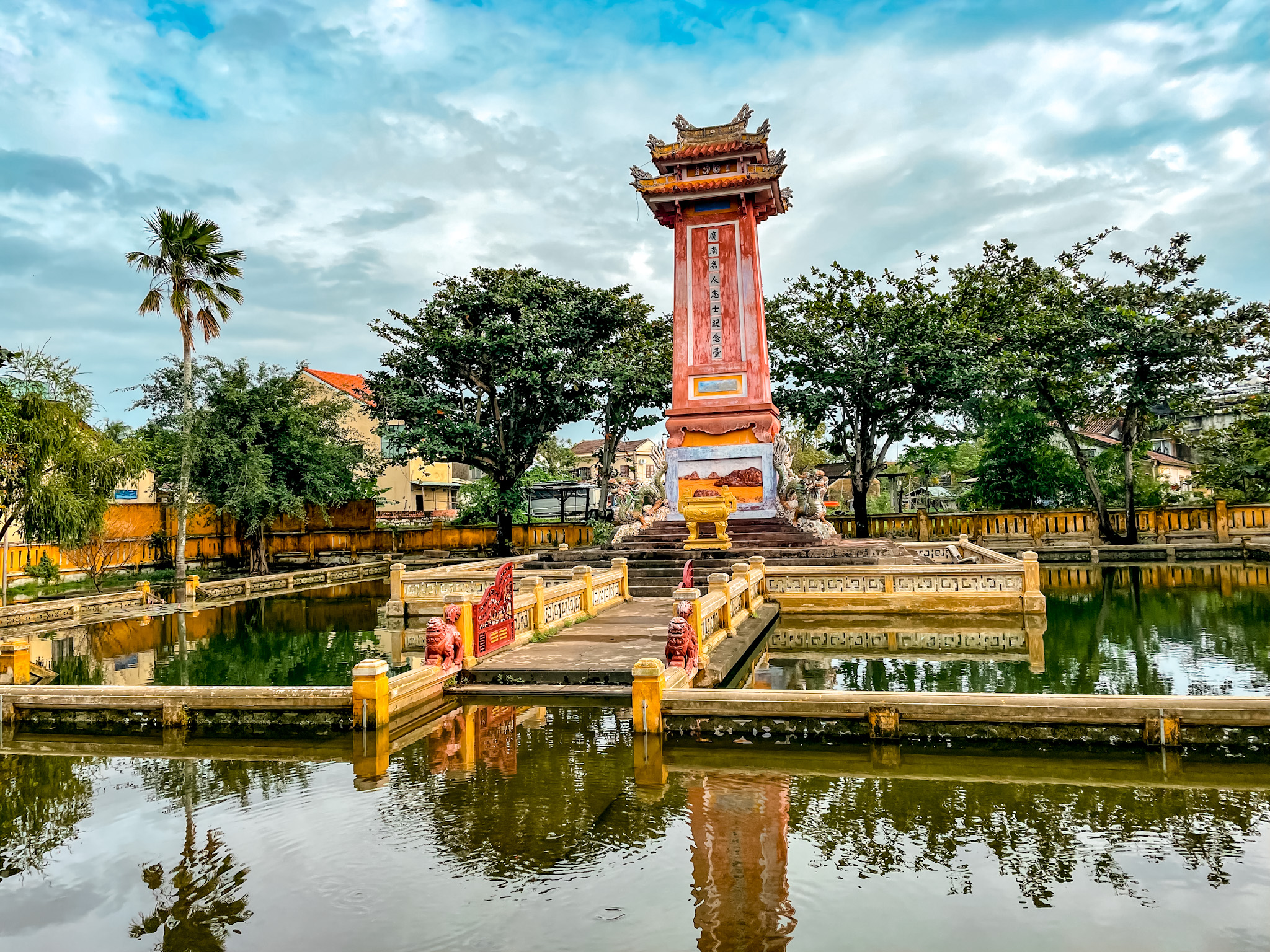
Tailoring in Ancient Town
Hoi An is famous for custom tailoring. Within the Ancient Town, you will find dozens of shops offering suits, dresses and leather goods made within 24 to 48 hours.
Quality varies. Research reviews before committing. Bring inspiration photos and allow time for fittings if you want alterations done properly.
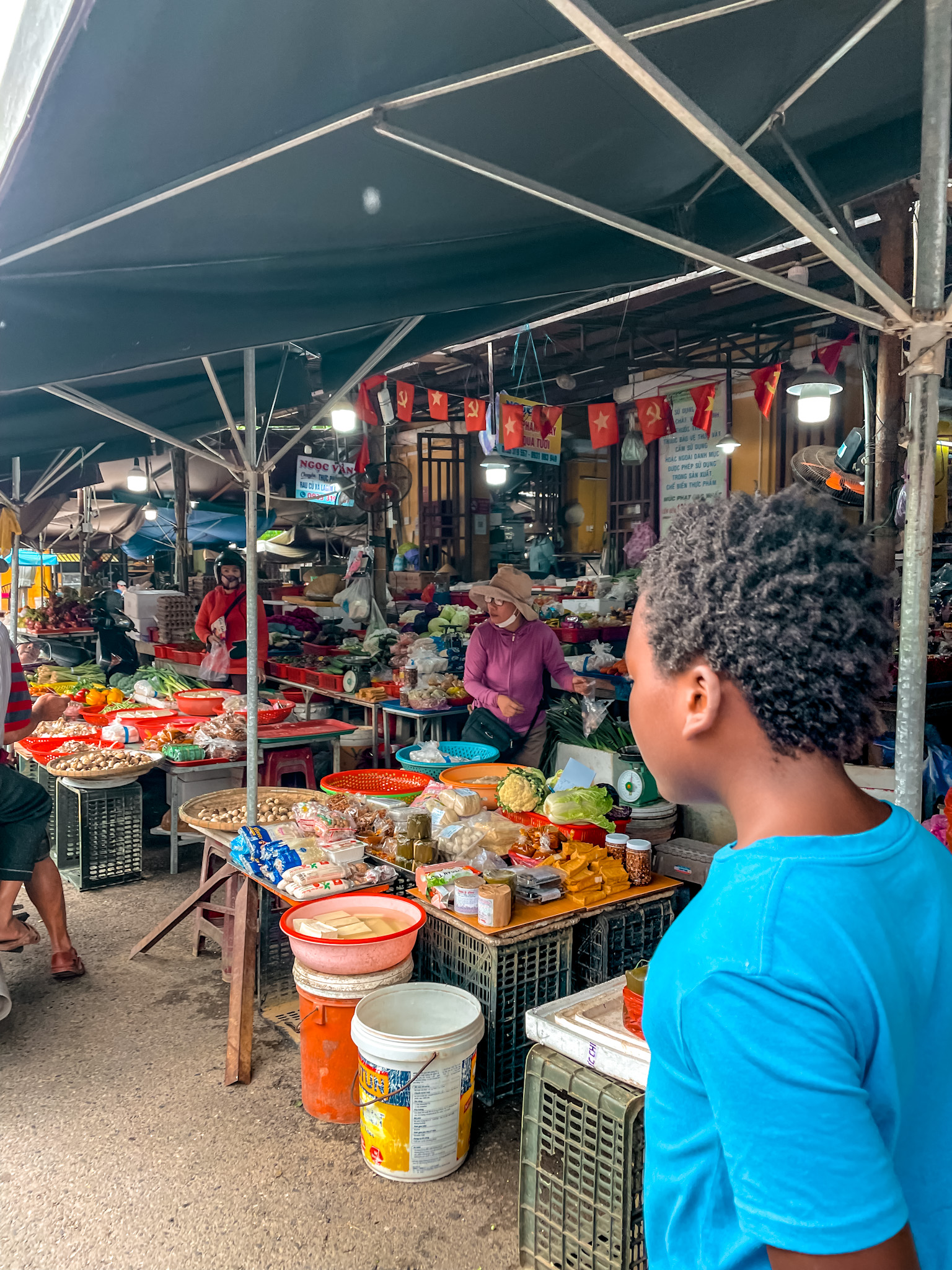
Food Inside Ancient Town
Ancient Town is filled with restaurants, street vendors and small cafes. You can try:
Cao lau
White rose dumplings
Banh xeo
Fresh seafood
While some restaurants cater heavily to tourists, many still maintain authentic flavors.
If you want a more local priced experience, walk one or two streets away from the riverfront.
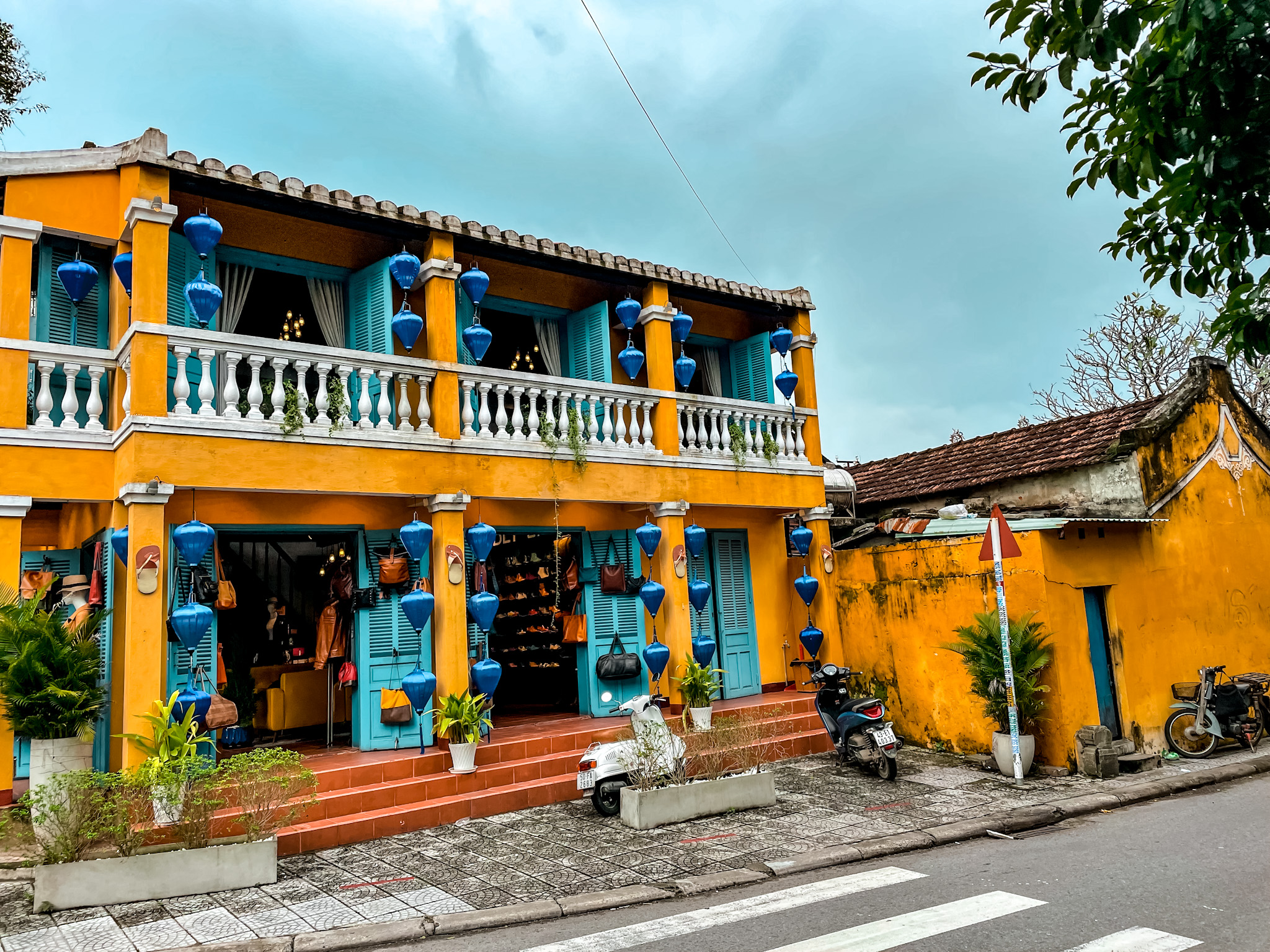
Photography Tips
Arrive early for empty streets and soft light.
Look upward. The lanterns, balconies and wooden beams create layered composition.
Explore side alleys. Some of the best shots are away from the main river strip.
Be patient in the evening. Crowds thin slightly after peak dinner hours.
Remember that residents live here. Avoid intrusive photography of private homes.
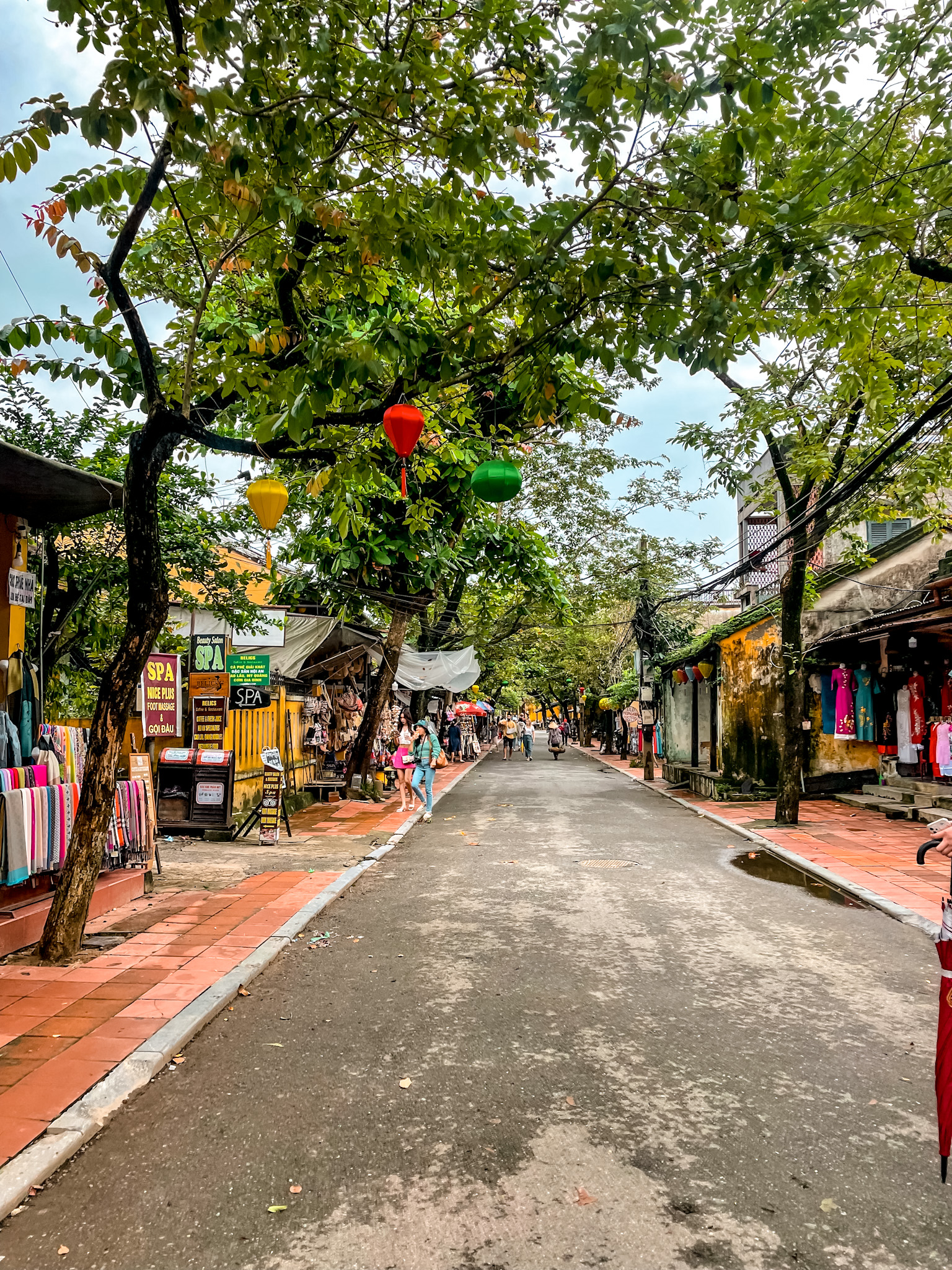
How Long to Spend
You can walk through the Ancient Town in an hour. But to truly absorb it, plan at least half a day.
If you are entering historic buildings and stopping for meals and coffee, you can easily spend an entire day.
Many visitors return multiple times during their stay because the atmosphere changes depending on time of day.
Common Mistakes Visitors Make
Only visiting at night and missing morning calm.
Skipping the ticket and therefore missing interior history.
Rushing through without exploring side streets.
Not stepping away from the riverfront crowds.
Hoi An Ancient Town rewards slow wandering.

Is It Too Touristy?
Yes and no.
Hoi An Ancient Town is popular and receives significant tourism. But it is also genuinely beautiful and historically meaningful.
The key is timing. Early mornings and quieter corners reveal its authentic charm.
It remains one of the most preserved historic towns in Southeast Asia for a reason.

Final Thoughts
Hoi An Ancient Town is more than lantern photos and souvenir shops. It is a layered, living piece of history shaped by centuries of trade, migration and cultural exchange.
If you approach it intentionally, purchase the ticket, explore interior spaces and give yourself time to wander, it becomes far more than a backdrop.
It becomes one of the most atmospheric experiences in Vietnam.
Before heading to Vietnam, make sure you have travel medical coverage in place. We personally use SafetyWing because it is flexible and built for long term travelers.

Cavetta is the creator of LifeWithVetta.com and has been traveling the world full time since 2020. She has visited more than 60 countries while worldschooling her son and documenting what it really takes to live abroad. Her guides focus on travel, moving abroad, digital nomad life, and designing a life beyond the traditional path.
