
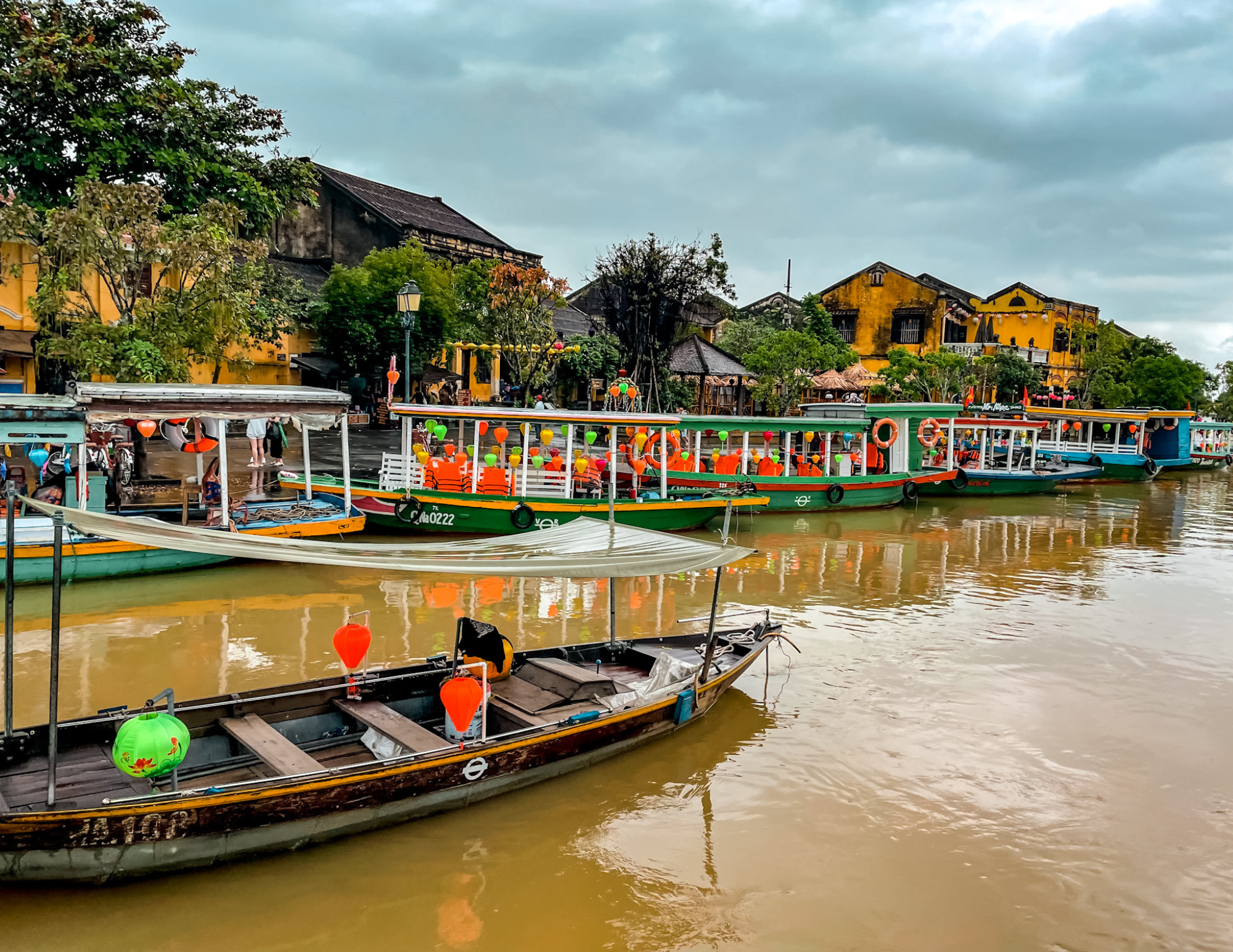
Hoi An is one of Vietnam’s most enchanting destinations and is often described as the lantern town that feels like stepping into a story. Its charm is timeless, its architecture well preserved and its pace of life slower and more deliberate than Vietnam’s larger cities. Whether you are walking the lantern lit streets at night, pedaling a bicycle through rice fields at sunrise or eating a bowl of local specialty noodles by a riverside stall, Hoi An offers a rich variety of experiences packed into a relaxed, walkable city.
This complete Hoi An travel guide covers what to know before you go so that you can plan with confidence and enjoy every part of the journey.
What Makes Hoi An Unique
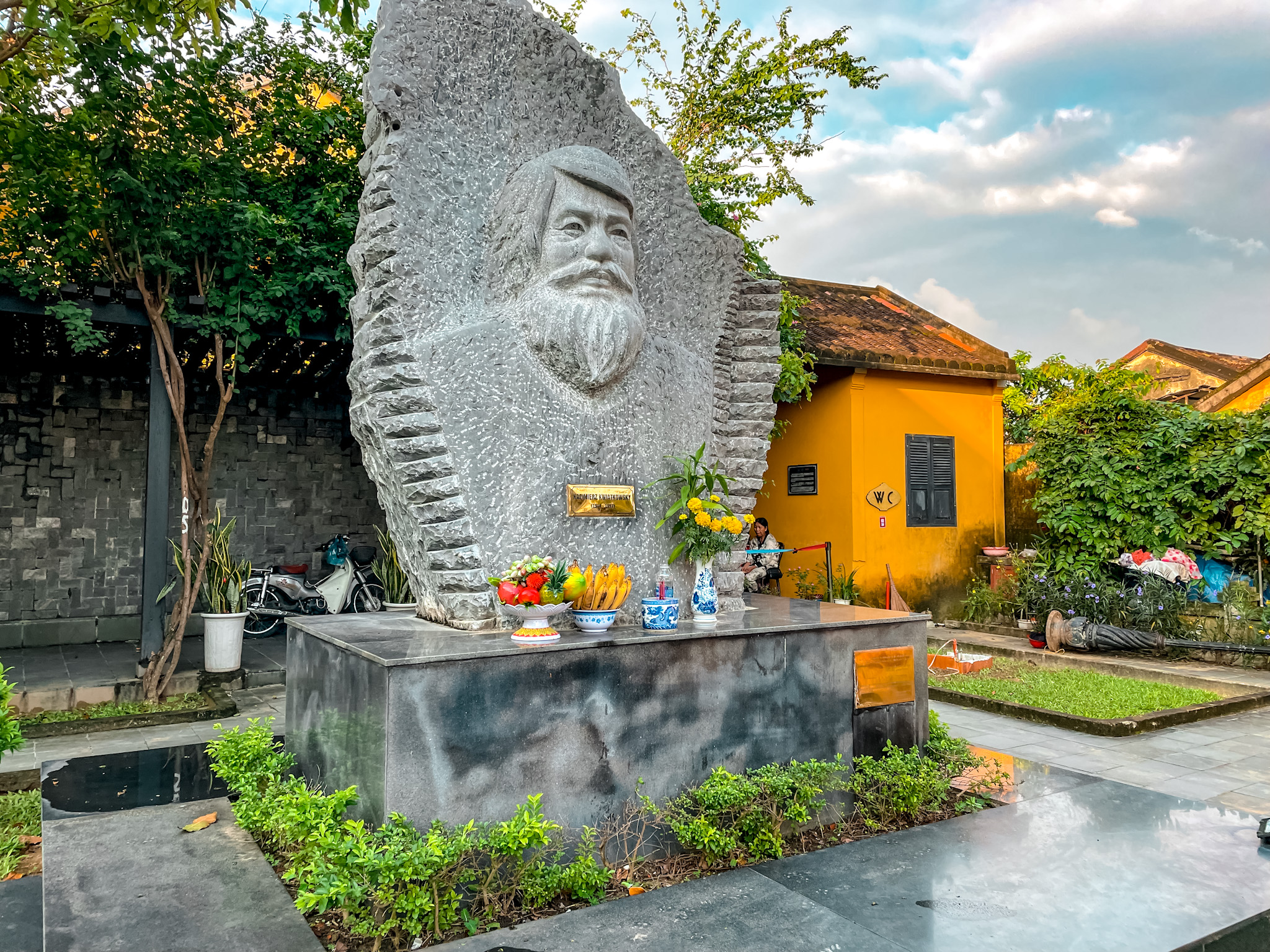
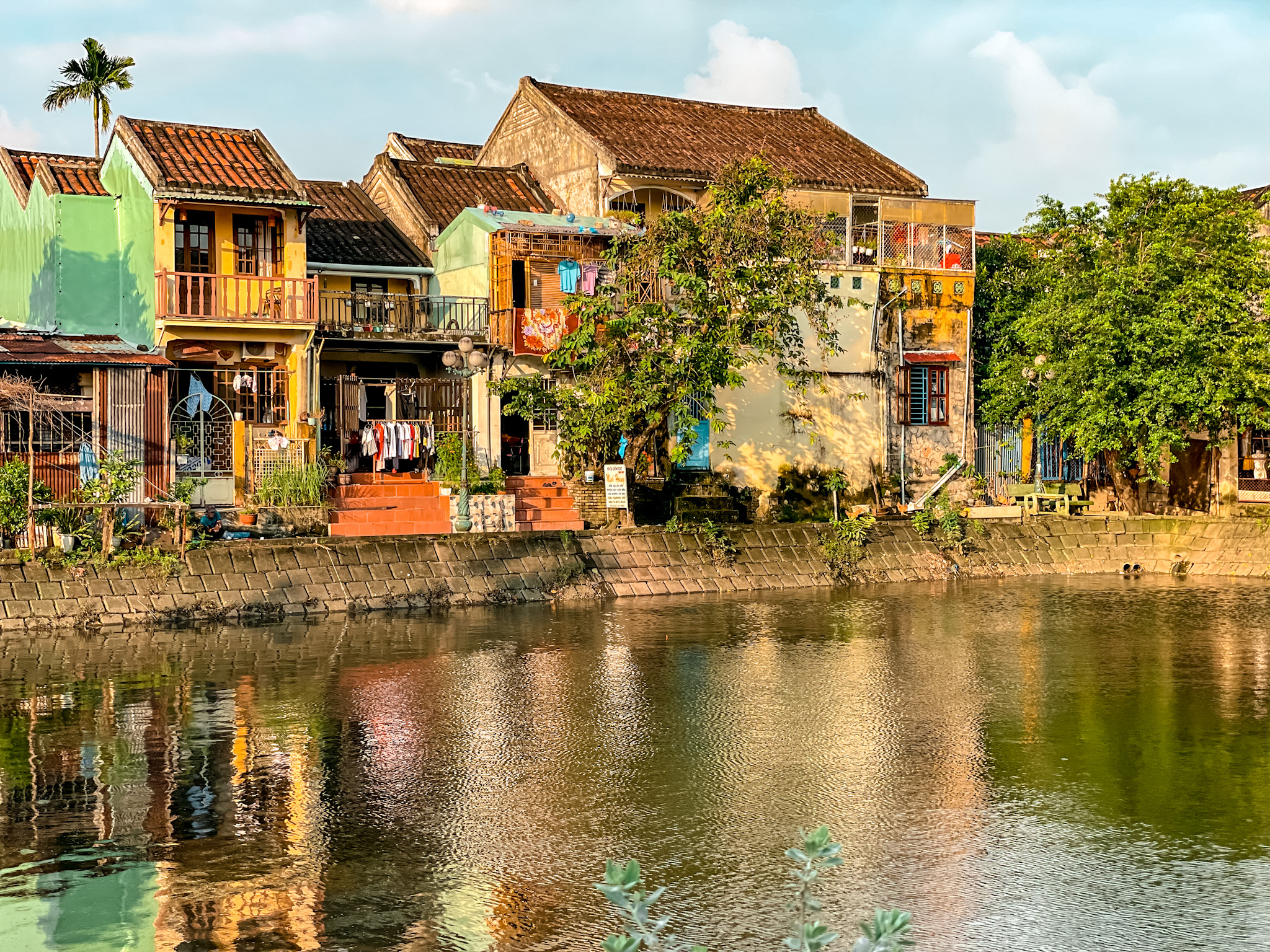
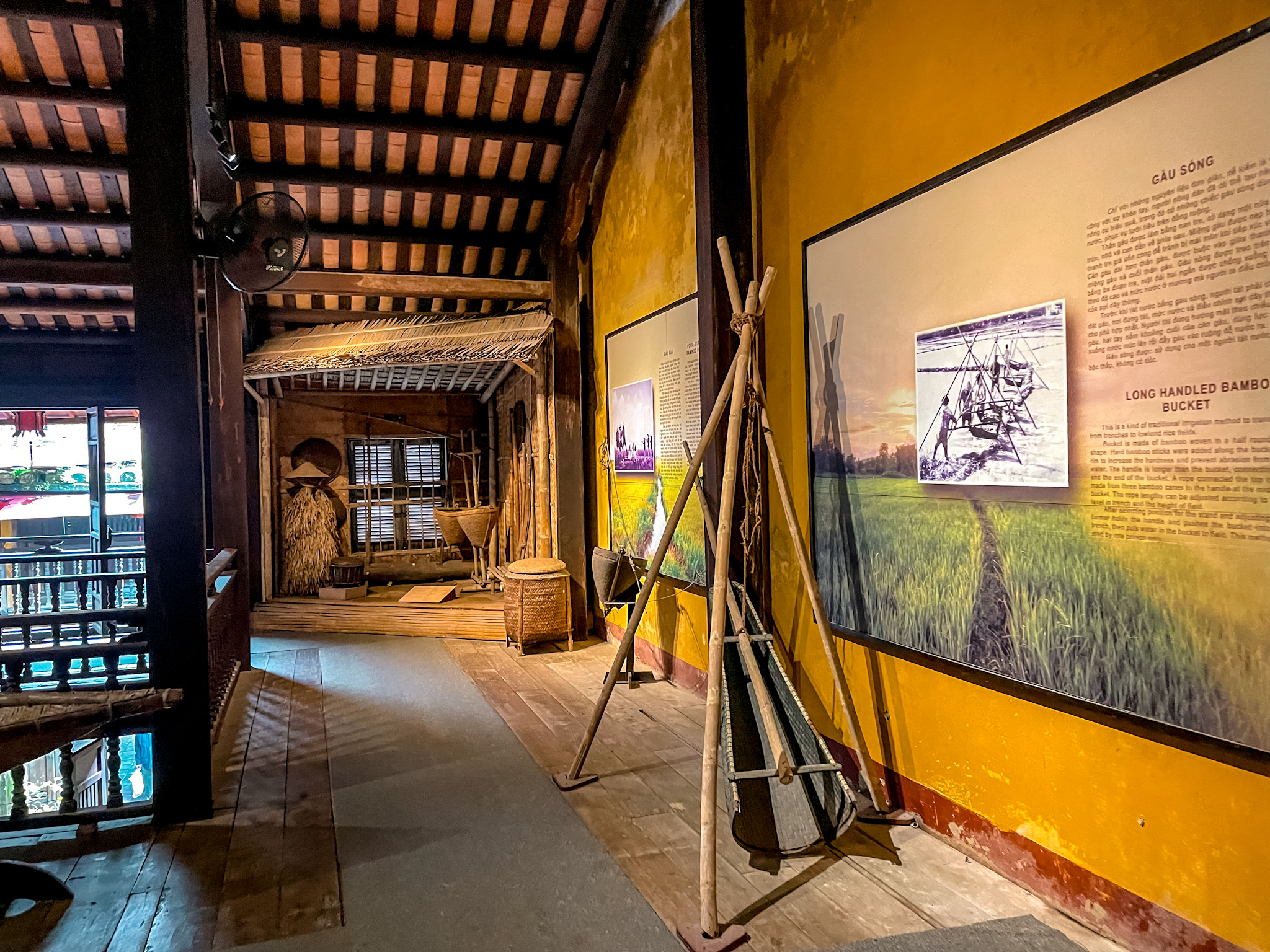
Hoi An’s Old Town is a UNESCO World Heritage Site and one of the best preserved trading ports in Southeast Asia. From the 15th to 19th centuries it was a key maritime gateway where Chinese, Japanese, Portuguese, Dutch and French merchants converged. This history created a unique fusion of architectural styles and cultural influences that you can still see in the narrow streets, wooden shop houses and historic buildings throughout the town.
Unlike many tourist cities where modern development overshadows tradition, Hoi An feels like a living museum. It retains a gentle rhythm where life and history merge seamlessly.
Best Time to Visit
Hoi An has two main seasons: dry and rainy. The dry season typically runs from February to August with clear skies and mild heat, making it the most comfortable period for sightseeing, cycling and river strolls. The rainy season runs from September to January and often brings heavy downpours, but also quieter streets and lush landscapes.
The monthly Lantern Festival, held on the 14th day of each lunar month, transforms the Ancient Town into a magical experience as electricity is reduced and candle-lit lanterns light up the streets and riverfront.
How to Get to Hoi An
Hoi An does not have its own airport or train station. The nearest major transport hub is Da Nang International Airport, about 30 to 40 kilometers away. Most visitors arrive here by domestic flight from cities like Ho Chi Minh City or Hanoi. From Da Nang, you can take a shared shuttle, private transfer, taxi or ride-hail service to Hoi An.
If you enjoy scenic travel, overnight trains connect major cities to Da Nang. The ride offers views of Vietnam’s varied landscapes, and from Da Nang you continue to Hoi An by bus, taxi or car.

How to Get Around
Once you are in Hoi An, the best way to explore is on foot or by bicycle. The Ancient Town itself is pedestrian-only in many parts, which adds to the atmosphere and makes navigating easy. Most boutique hotels and homestays offer free or affordable bicycle rentals.
If you want to visit outlying beaches, countryside areas or villages, ride-hailing bikes, motorbike taxis or taxis operate easily. For a more leisurely experience, you can take a cyclo (three-wheel bicycle taxi) or small shuttle carts that operate around town and can double as a fun scenic tour option.
How Long to Spend in Hoi An
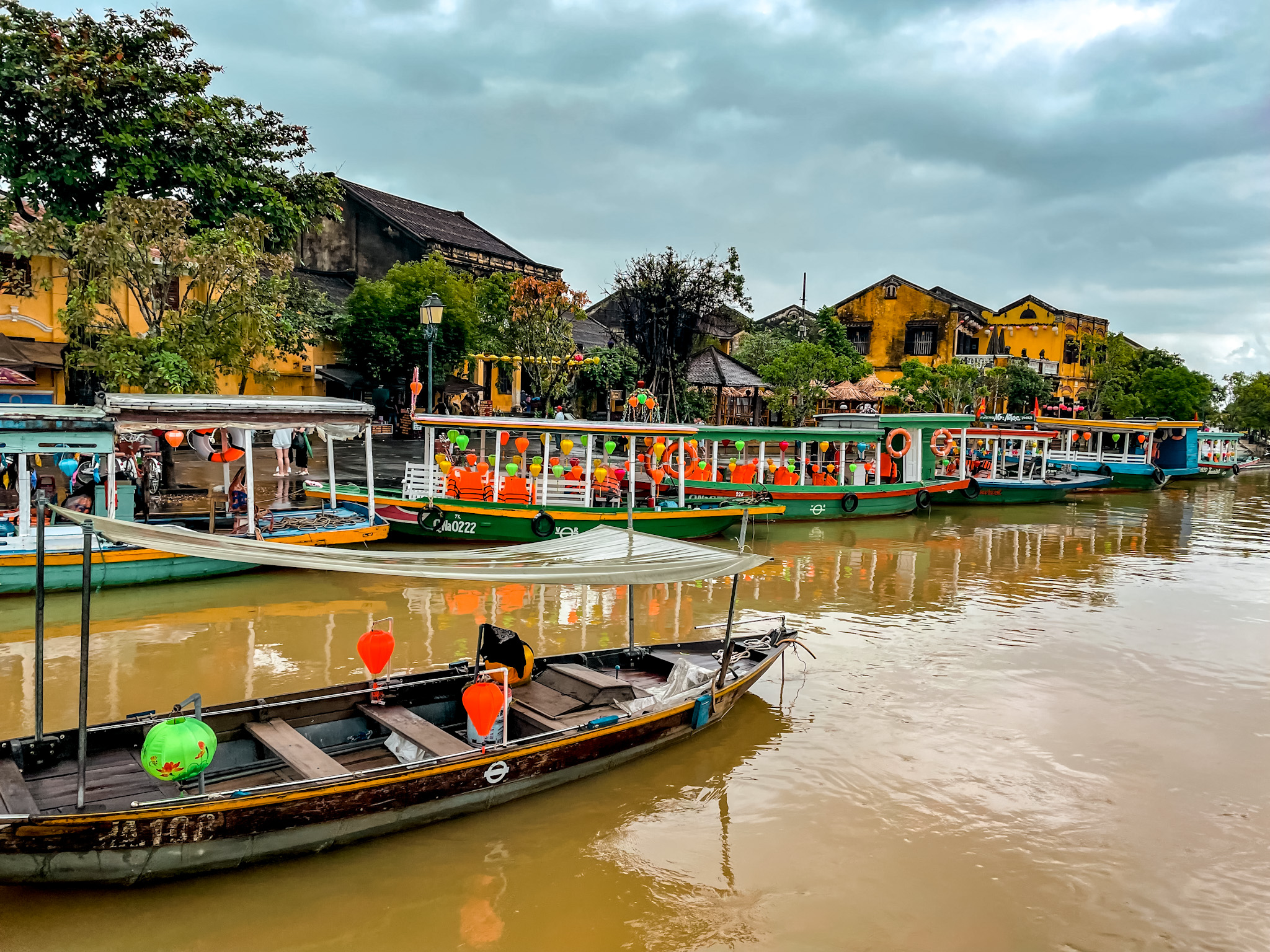
A minimum of two days and one night is recommended to absorb the energy of Hoi An and see the major highlights. Ideally, a three-day stay allows you to include beach visits, countryside excursions, cooking classes, lantern making and optional day trips to nearby historical sites.
Must-Do Activities
Explore the Ancient Town
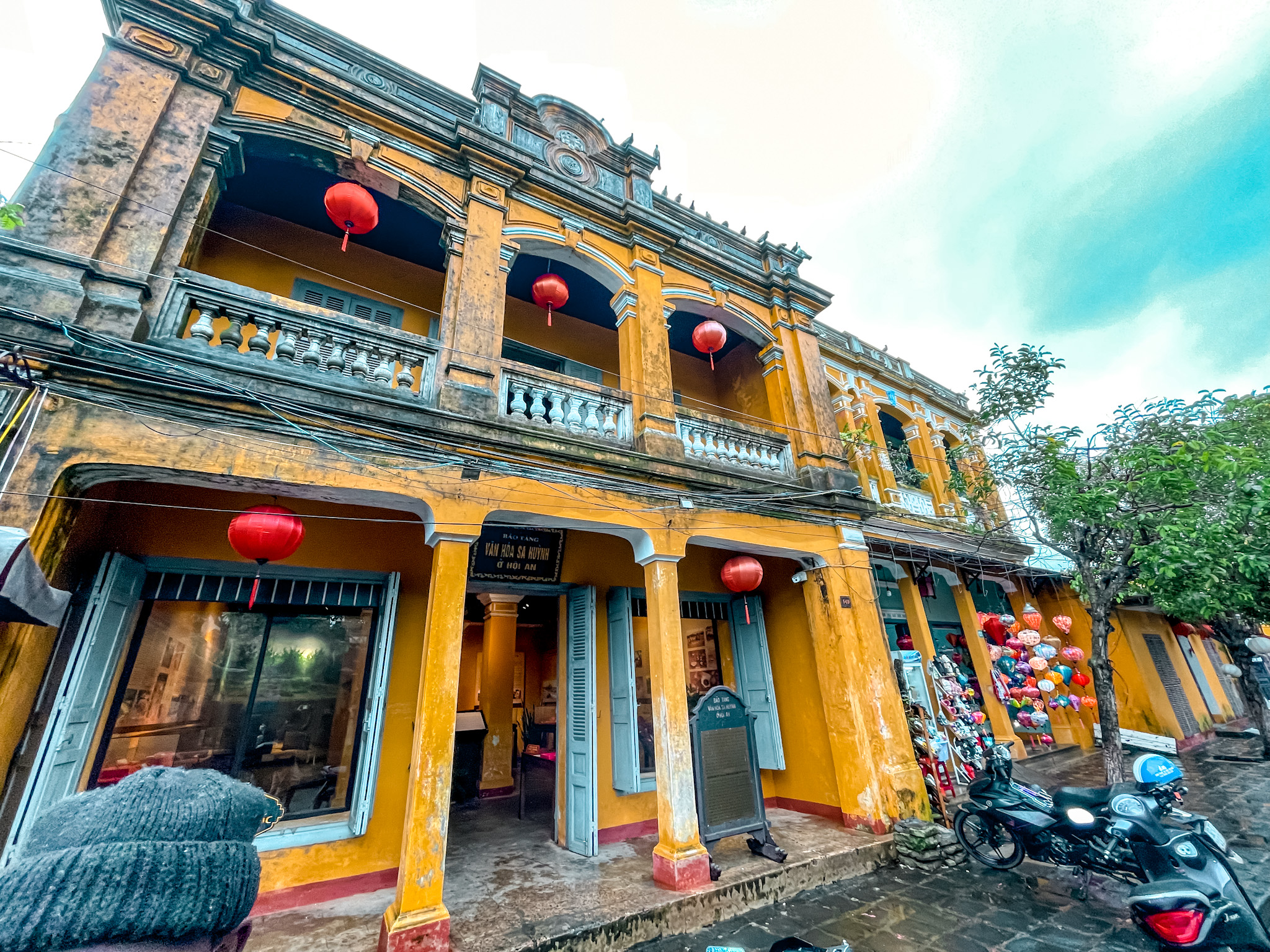
Walking through Hoi An Ancient Town feels like moving through history. Lanterns hang above narrow lanes, old wooden shop houses line the streets, and the Japanese Covered Bridge remains one of the most iconic structures dating back to the early 17th century.
Discover Historic Buildings
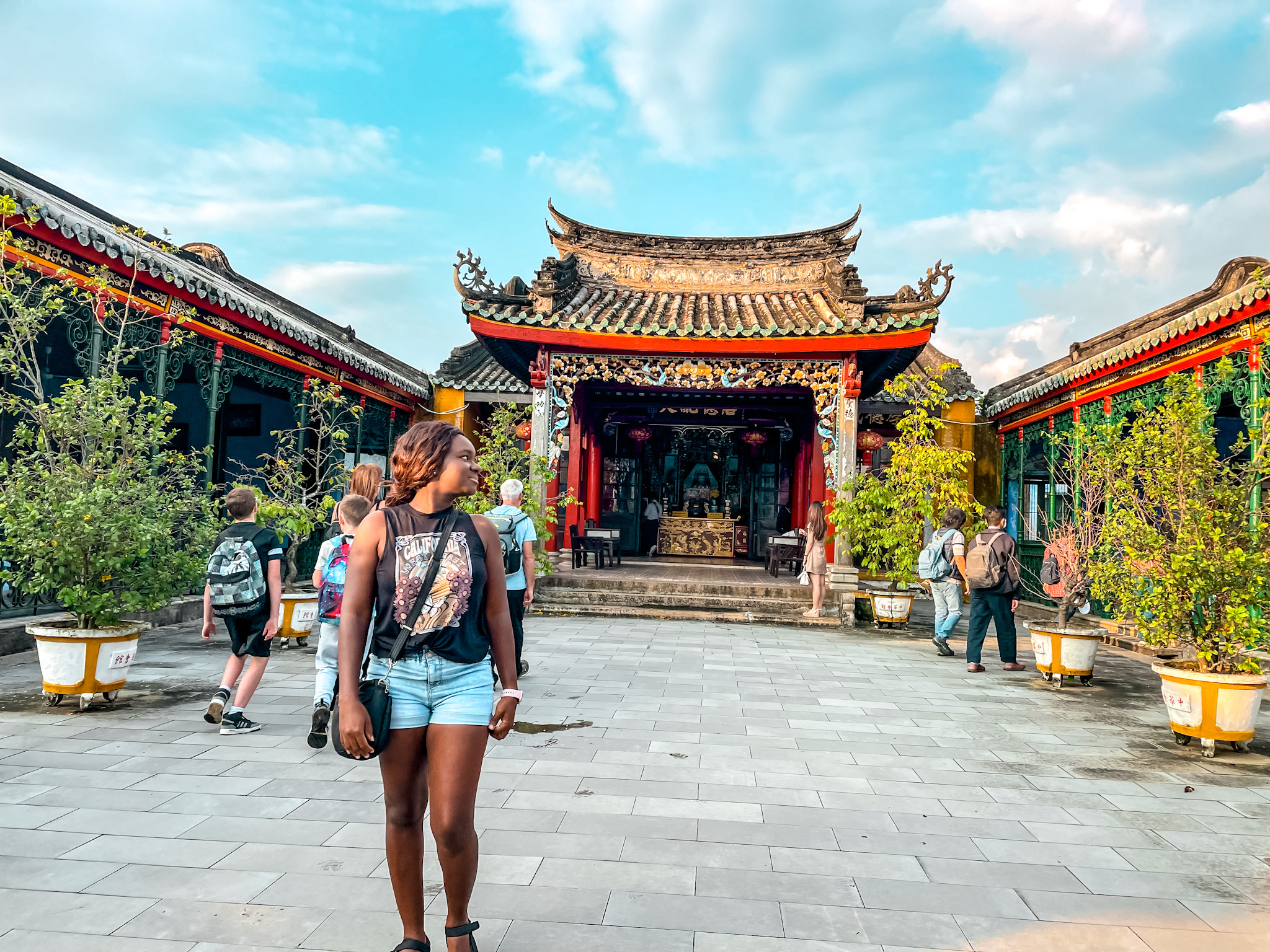
Inside the Ancient Town, you can enter several historic houses and assembly halls that reflect Hoi An’s blended cultural heritage. Sites like the Tan Ky Ancient House and Phuc Kien Assembly Hall provide insight into the merchant families and spiritual traditions that shaped the city.
Ride a Bicycle Through the Countryside
Hoi An’s countryside is flat and scenic, perfect for bicycle tours. Early morning rides through rice fields and vegetable villages like Tra Que offer quiet, fresh-air experiences that contrast beautifully with the gentle buzz of the Ancient Town.
Visit the Lantern Festival
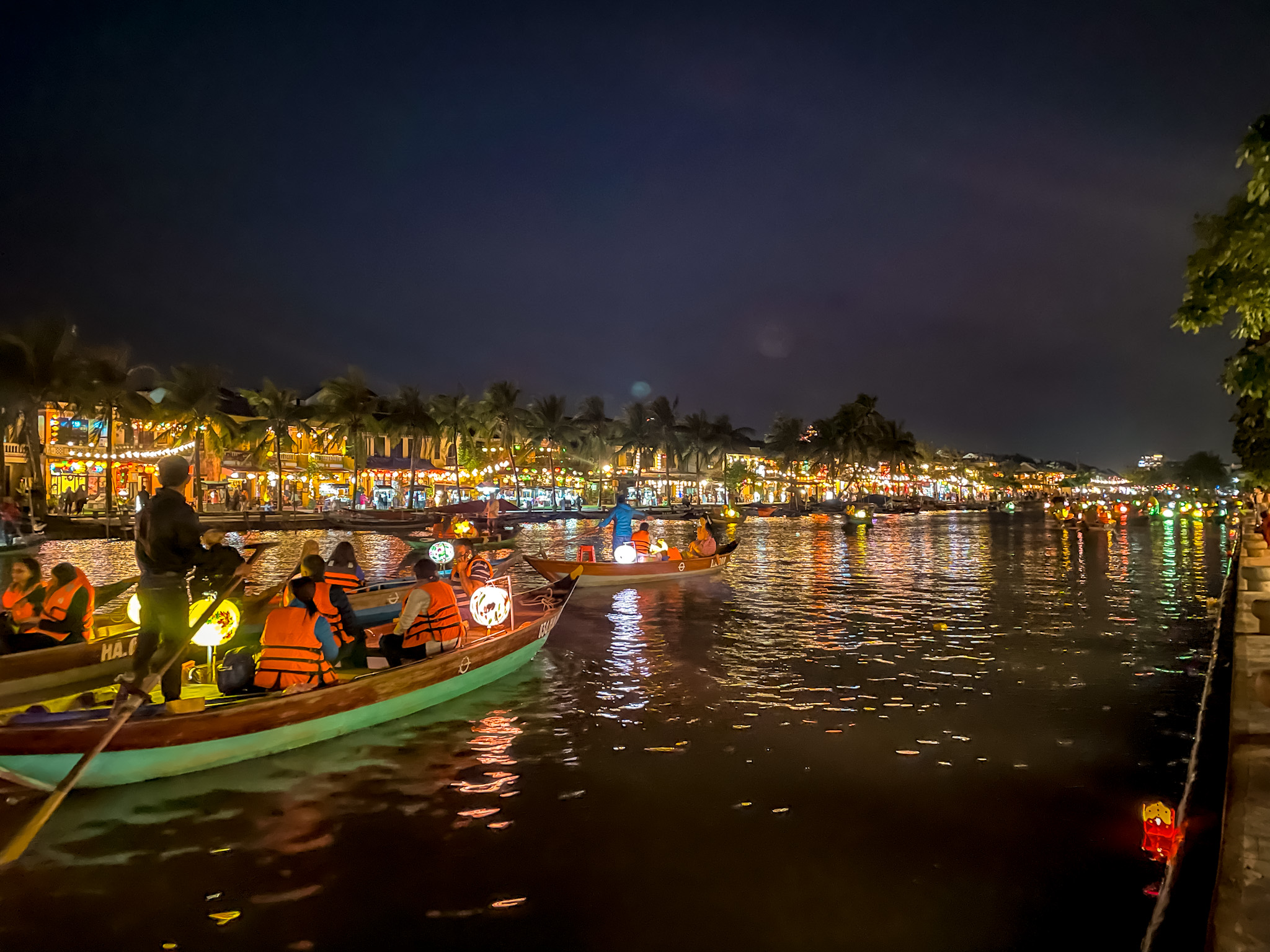
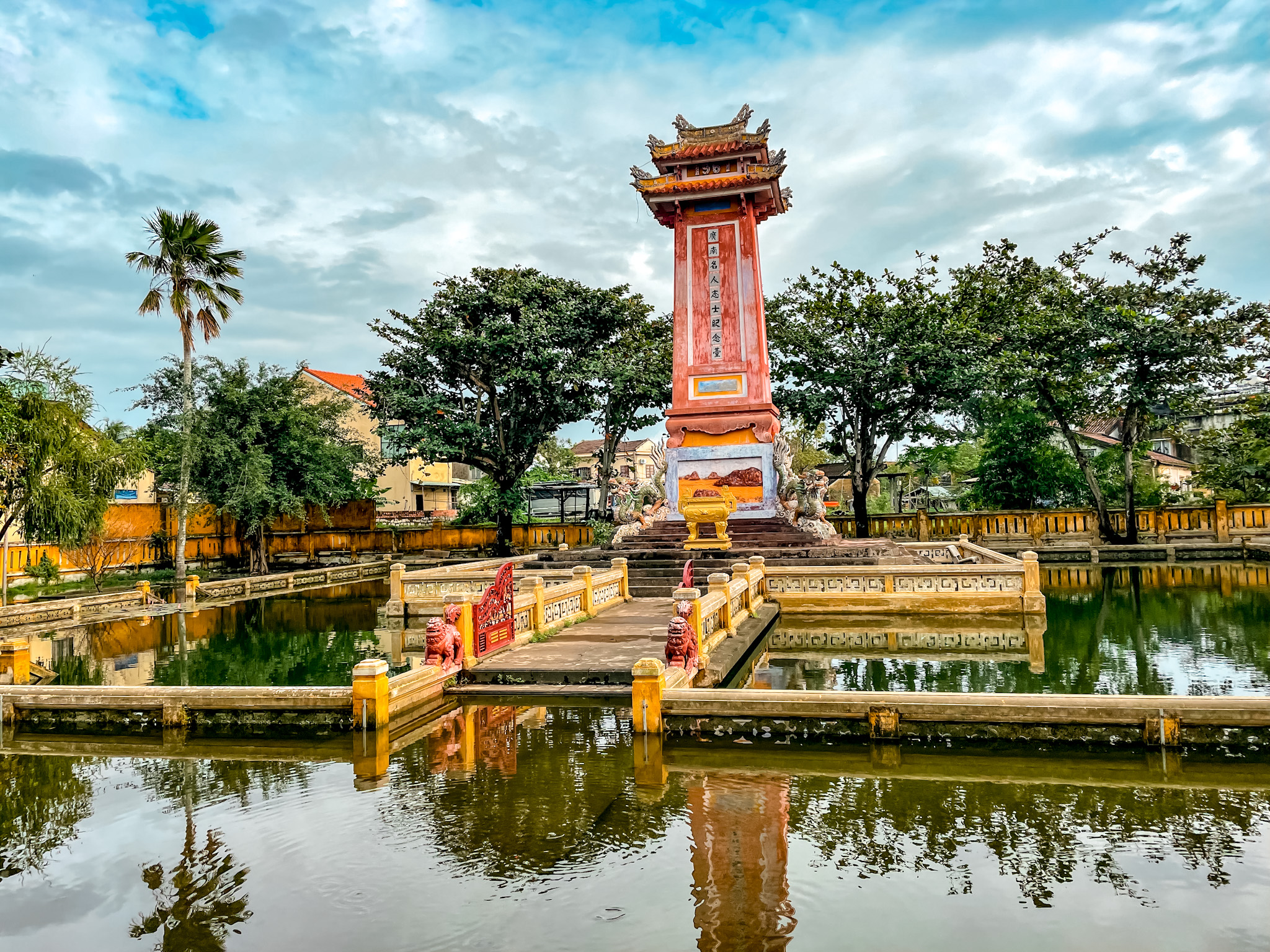
If your travel dates align with the full moon on the lunar calendar, attending the Lantern Festival provides one of the most memorable experiences in Hoi An. Streets and waterways fill with glowing lanterns and reflections on the Thu Bon River.
Boat Tours on the Thu Bon River
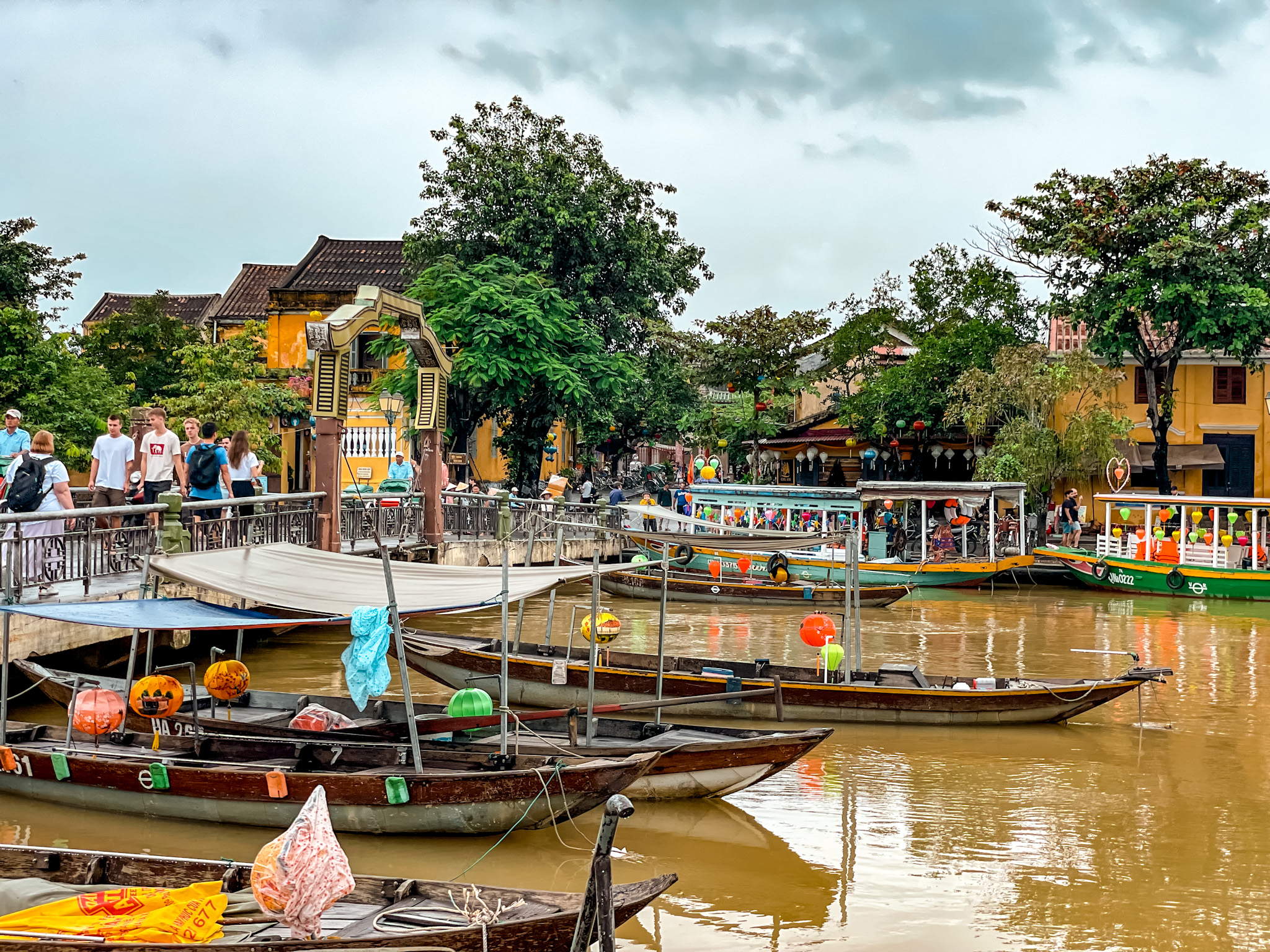
Boat rides on traditional wooden sampans give a different perspective of Hoi An and its river life. Sunset cruises are particularly beautiful, and for the adventurous, circular bamboo boats are a unique local experience.
Take a Day Trip
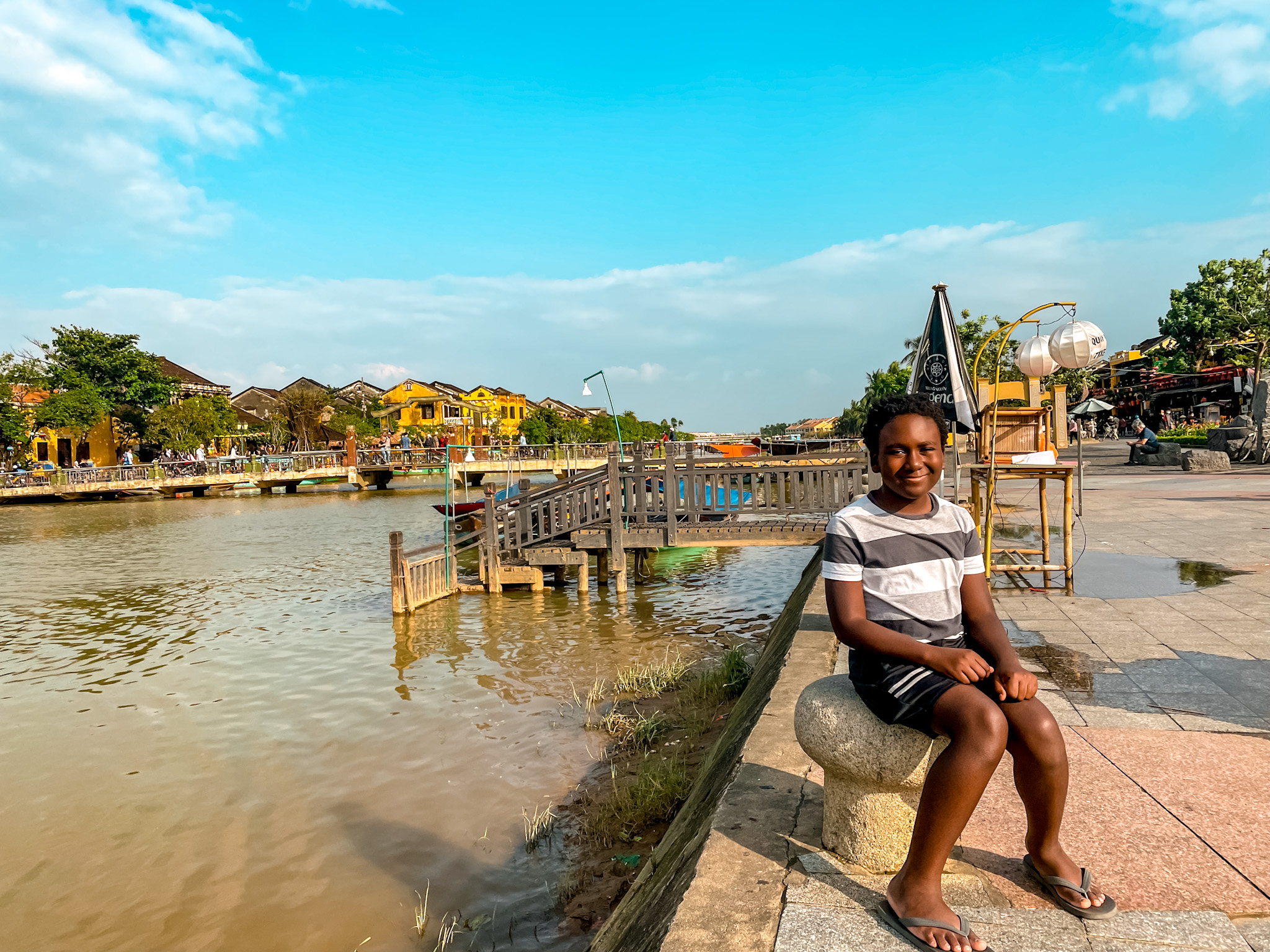
Hoi An’s location makes it ideal for day trips to places like My Son Sanctuary, a UNESCO site featuring Cham temple ruins, or to An Bang Beach for sun and sea.
Learn from Locals
Cooking classes and craft experiences such as lantern making or tailoring classes allow deeper cultural engagement and skills to take home. Hoi An is famous for custom clothing made with speed and skill at local tailors, often within 48 hours.
Local Culture and Etiquette
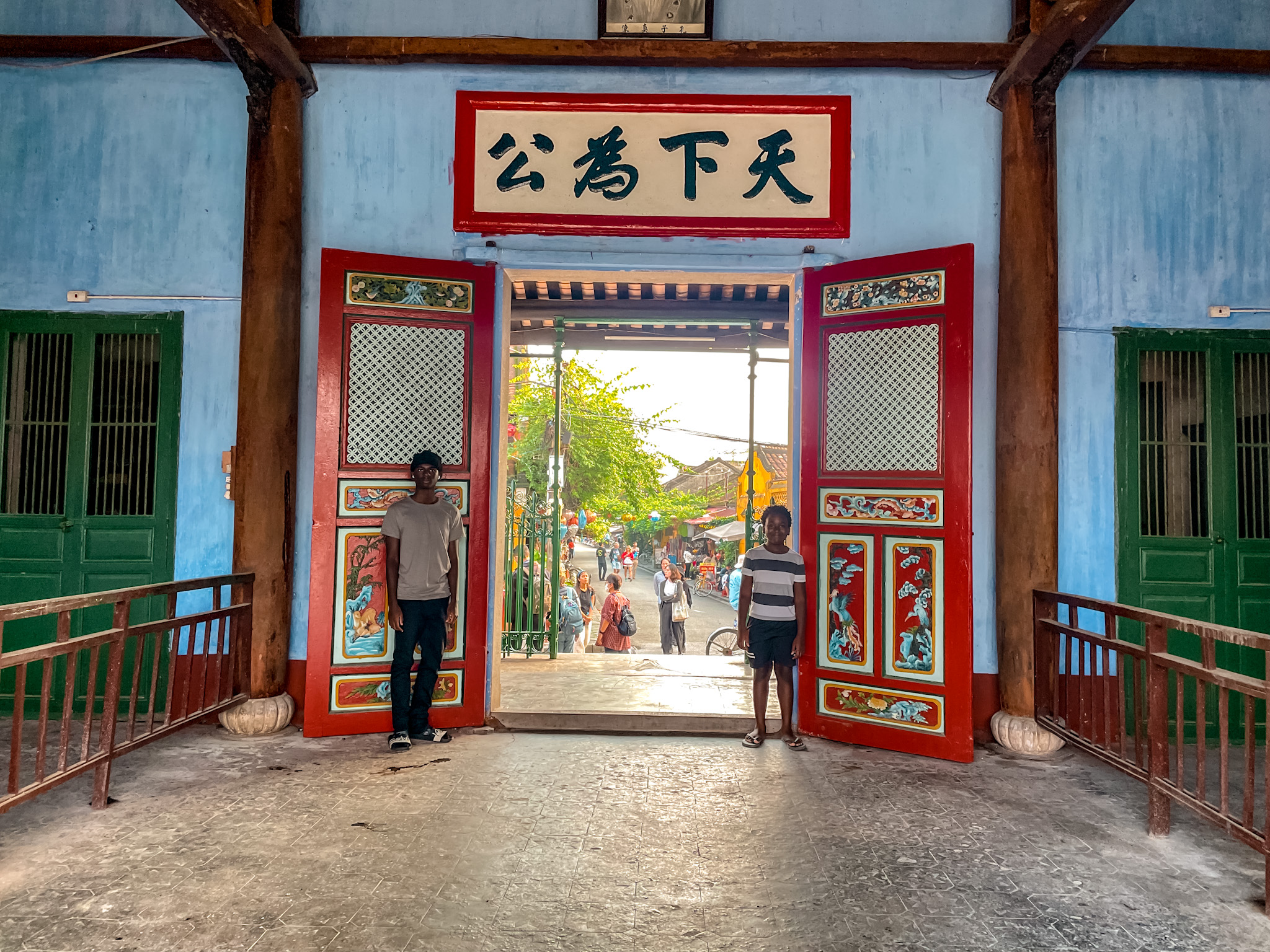
Hoi An is generally safe for all travelers, including solo visitors. Locals are friendly and respectful, and everyday life includes temple visits, river rituals and social gatherings. When visiting historic sites and temples, dressing modestly and showing respect for religious practices is appreciated. Bargaining gently at markets is common, but always be polite and patient.
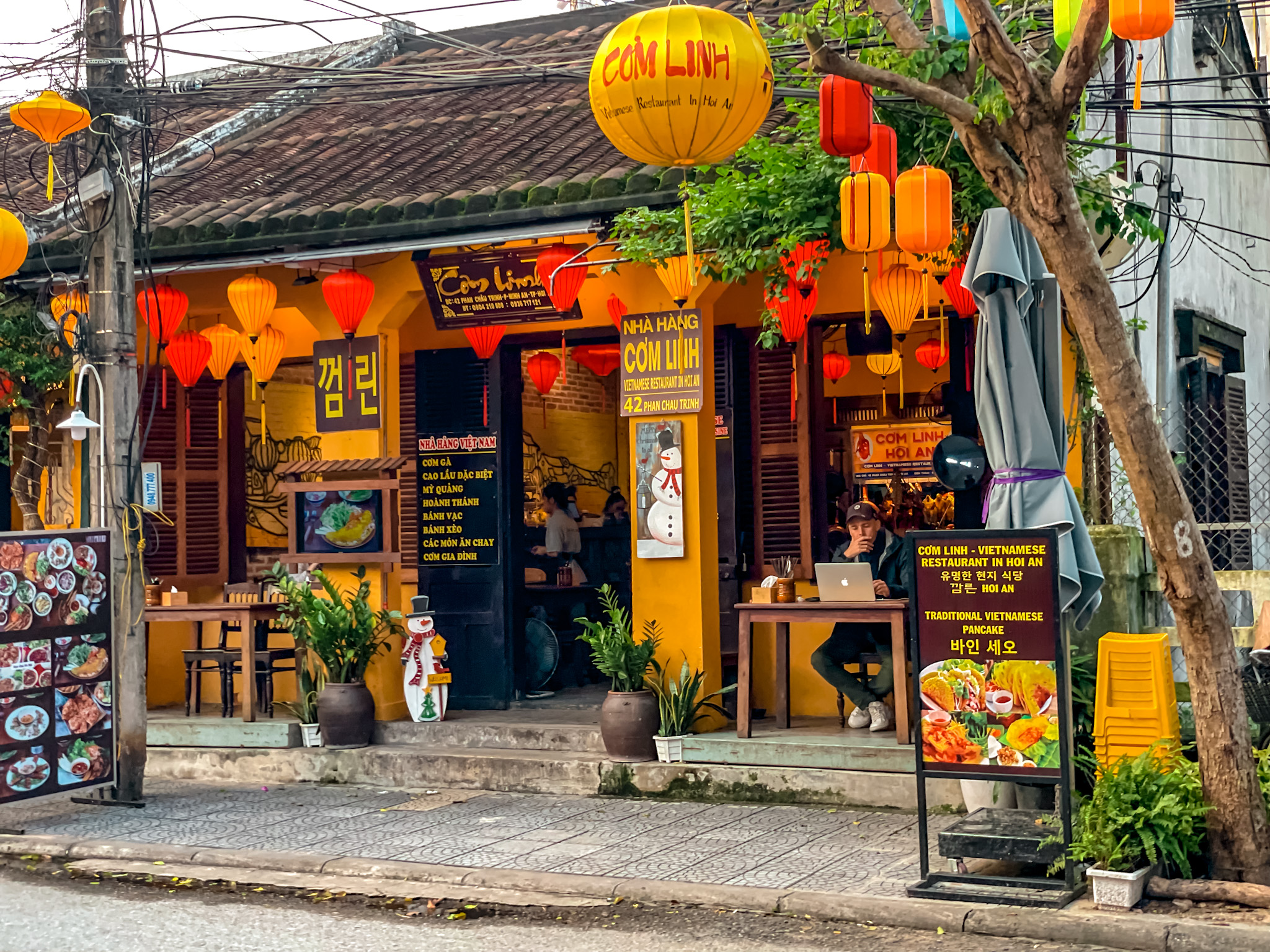
Food, Markets and Cuisine
Hoi An’s culinary scene blends Vietnamese, Chinese, Japanese and Western influences from its history as a trading port, resulting in some of the most remembered dishes in Vietnam. Local specialties like cao lầu, white rose dumplings, banh xeo and dishes made with fresh herbs, seafood and rice noodles are ubiquitous and worth exploring in both street stalls and sit-down restaurants.
Hoi An’s markets are not only great for souvenirs but also daily life. Early morning markets offer fresh produce, herbs and street food. Many cooking classes start with a market tour to choose ingredients and learn about traditional Vietnamese food culture.
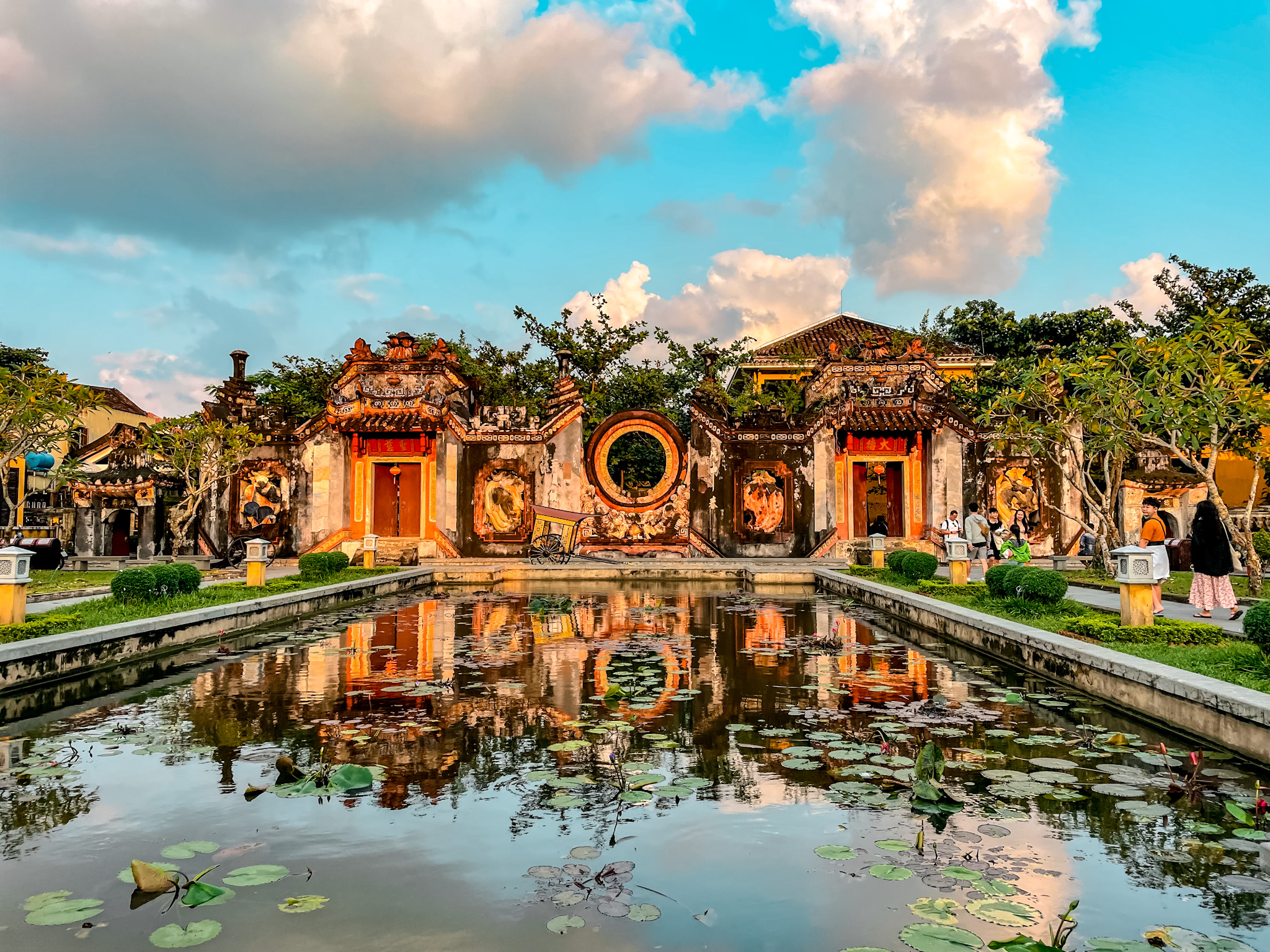
Beaches and Natural Surroundings
Just outside the Ancient Town, beaches such as An Bang Beach offer relaxed sun, sand, seafood and cool waves, providing a break from walking the historic streets. The water, while not turquoise like island beaches, is inviting and functional for lounging, swimming and casual seaside meals.
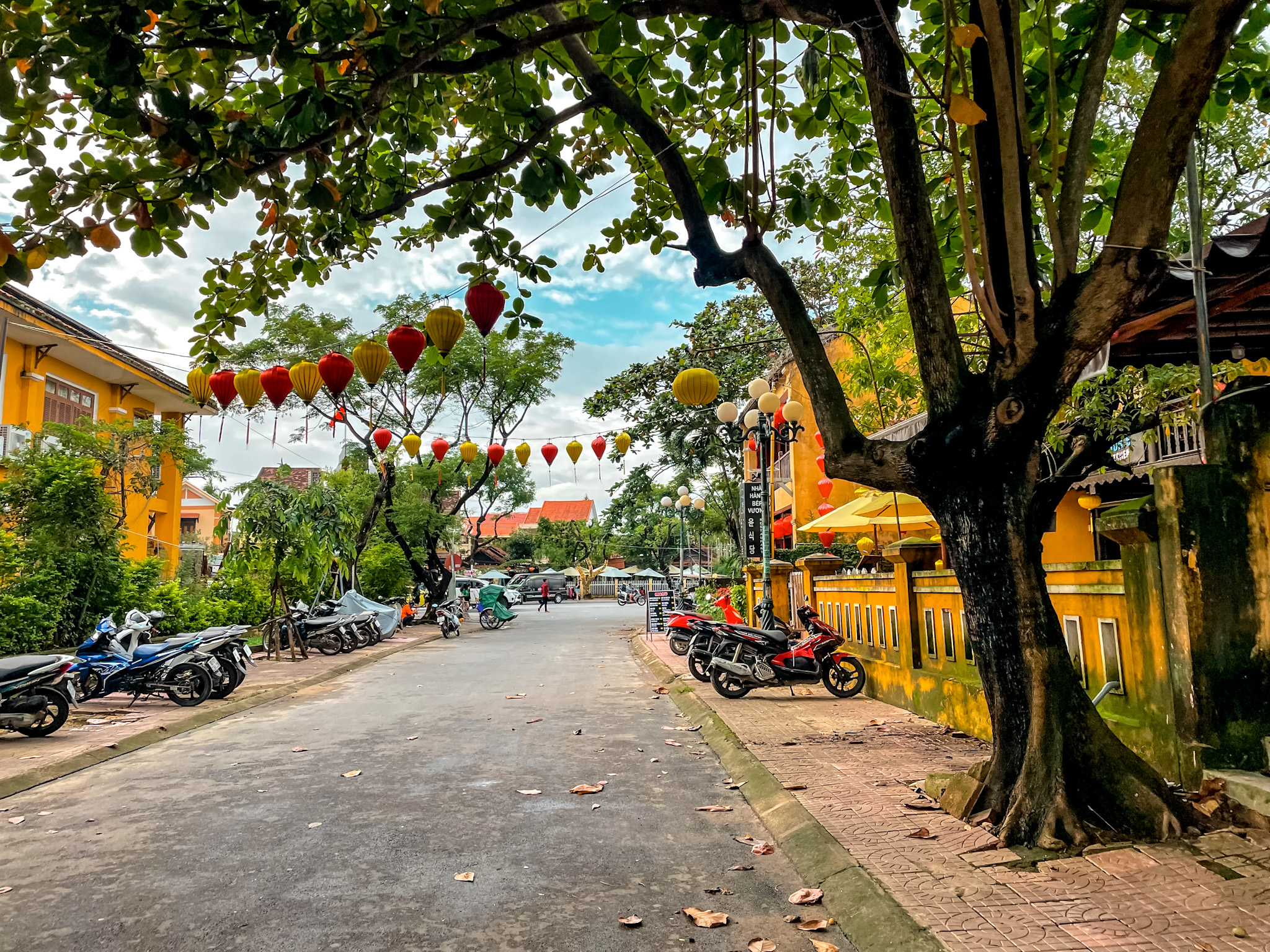
Accommodation Options
Hoi An’s accommodation ranges from boutique homestays and riverside inns to luxury resorts near the beach. Staying close to the Ancient Town puts you within walking distance of most attractions, but riverside or beachside options deliver more space, tranquility, and scenic views. Many hotels include complimentary bicycles and local tips to improve your stay.
Practical Tips Before You Go
Footwear and Clothing: Light clothing and good walking shoes make exploring the Ancient Town comfortable. Many areas are pedestrian only.
Weather Prep: Rain showers can appear suddenly during the wet season. Carry a lightweight rain jacket and waterproof bag for electronics.
Currency and Payments: Vietnam uses the Vietnamese Dong. Cash is common among smaller vendors, though cards are accepted in many restaurants and hotels.
Respect Slow Life: Hoi An is not a place of rush. Walking slowly and pausing often makes the experience richer and more memorable.
Final Thoughts
Hoi An continues to captivate visitors because it does not feel like a generic tourist destination. It feels like a place that has lived, grown, changed and still continues as a living town. The lanterns, rivers, food, crafts and people all combine into a destination that is both relaxing and deeply meaningful.
Whether you are visiting for history, cuisine, beaches, culture or personal reflection, Hoi An provides a journey that feels layers deeper than its size.
You Cannot Travel to Vietnam Without Insurance
Vietnam feels safe, welcoming, and affordable. That combination sometimes makes travelers underestimate risk.
Medical care in major cities like Hanoi and Ho Chi Minh City is solid, but private hospitals require payment upfront if you do not have insurance. Even something as simple as dehydration treatment, a minor accident in traffic, or a stomach illness requiring observation can turn expensive quickly.
Vietnam is also a country where:
• Motorbike traffic is intense
• Street crossings require awareness
• Adventure tours and trekking are popular
• Food exploration is constant
Most trips go smoothly. But travel insurance is not for the smooth days. It is for the one unexpected day.
When we travel in Vietnam, we use SafetyWing because it is designed specifically for nomads and long term travelers. Their Nomad Insurance Essential plan covers unexpected illness and injury in 175 plus countries, along with travel related issues like trip interruption and lost luggage. You can purchase it before departure or while already traveling, and plans can auto extend every four weeks.
For people living abroad more permanently, Nomad Insurance Complete offers full health coverage including routine checkups, support for mental health diagnoses, wellness therapies, and major treatment such as cancer care. It can function as primary health insurance while living internationally.
If you are building a borderless life, their Nomad Citizen membership includes premium health insurance, income protection that can pay up to $4,000 per month if you lose employment or freelance income, travel coverage, and simplified visa support.
We move between countries regularly. Having flexible global coverage makes that possible without constantly reapplying for new plans.
If Vietnam is on your itinerary, do not land without coverage in place.
You can explore plan options here: SafetyWing

Cavetta is the creator of LifeWithVetta.com and has been traveling the world full time since 2020. She has visited more than 60 countries while worldschooling her son and documenting what it really takes to live abroad. Her guides focus on travel, moving abroad, digital nomad life, and designing a life beyond the traditional path.
