
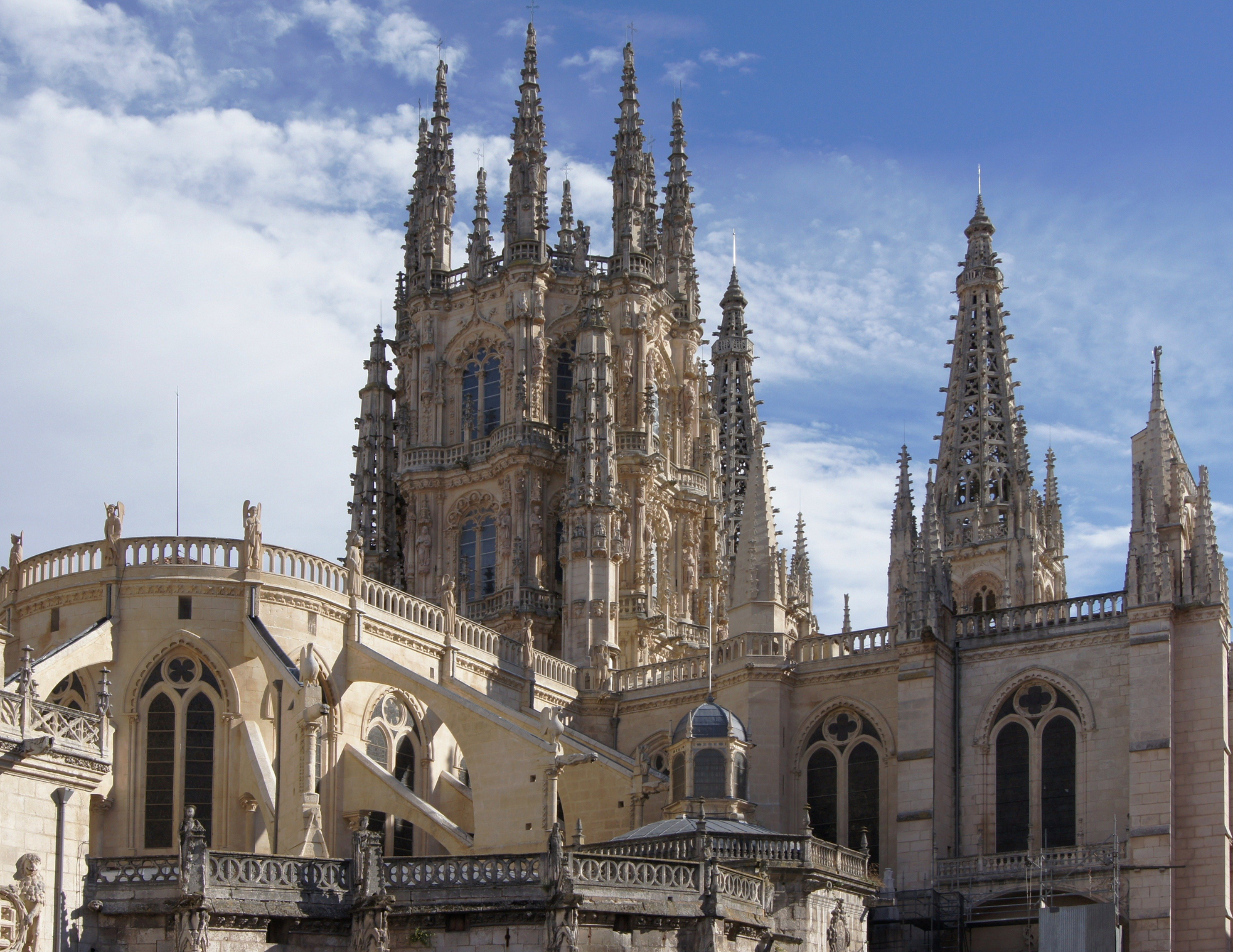
Burgos is one of those cities where one day can actually give you a strong feel for the place. I would not say one day is enough to know Burgos deeply, because the city has layers, but it is enough to see the historic center, visit the cathedral, walk through some of the most important streets and plazas, and add at least one museum if you pace the day well.
I stayed in Burgos for four days during winter, but the city itself is very walkable, so I can easily see how someone could visit as a short stop on a northern Spain route. Burgos does not require the same kind of logistical planning as a massive city. You do not need to spend half the day on transportation. The main sights are close enough that the city works best when you move through it on foot.
This one day in Burgos itinerary is built around the way the city naturally connects. You can start around Plaza Mío Cid, walk toward Casa del Cordón, continue through Paseo del Espolón, pass through Arco de Santa María, spend time at Burgos Cathedral, and then choose one museum depending on your interests. If you want the full picture of the city before planning your day, read my Burgos Travel Guide first. That guide goes deeper into why Burgos is worth visiting and how it fits into a northern Spain itinerary.
-1.png)
Is One Day in Burgos Enough?
One day in Burgos is enough for the main highlights, especially if you stay focused on the historic center. The city is compact, and many of the most important places are close together. You can see Burgos Cathedral, Arco de Santa María, Paseo del Espolón, Plaza Mío Cid, Casa del Cordón, and part of the Old Town without needing to rush across the city.
The biggest decision is whether you want to include a museum. If you only have one day and love cathedrals and historic streets, you may want to keep the day centered around the Old Town and cathedral area. If you like museums, Burgos has two that are worth considering: the Museum of Human Evolution and Museo de Burgos.
The Museum of Human Evolution is the bigger and more distinctive museum experience because it connects Burgos to the Atapuerca archaeological sites and the story of human evolution in Europe. The museum includes more than 200 original fossils and pieces from Atapuerca, including important remains tied to early human history. Museo de Burgos is smaller and more local, housed in historic buildings, with archaeology, history, and art connected to Burgos and the wider province.
If I only had one day, I would choose one museum, not both. If you have two days, then I think both museums are worth adding because they show two different sides of Burgos.
-1.png)
Morning: Start at Plaza Mío Cid
I would start your day in Burgos at Plaza Mío Cid. It is a practical place to begin because it connects easily to the historic center, and it immediately places you in one of the city’s biggest historical identities.
The square is named for El Cid, the legendary medieval figure closely tied to Burgos and Castilian history. The equestrian statue of El Cid gives the square a strong sense of place before you even start walking deeper into the city. Burgos is one of those places where history is not only tucked away inside museums. It is in the names of the plazas, the statues, the street views, and the way the city presents itself.
From Plaza Mío Cid, you are already in a good position to begin a walk through the center. This is why I like it as the starting point for a one-day itinerary. You can move naturally toward Casa del Cordón, Paseo del Espolón, Arco de Santa María, and the cathedral without making the day feel scattered.
If you enjoy this kind of walk, I go deeper into the historic route through the center in my Burgos Old Town Walking Guide.
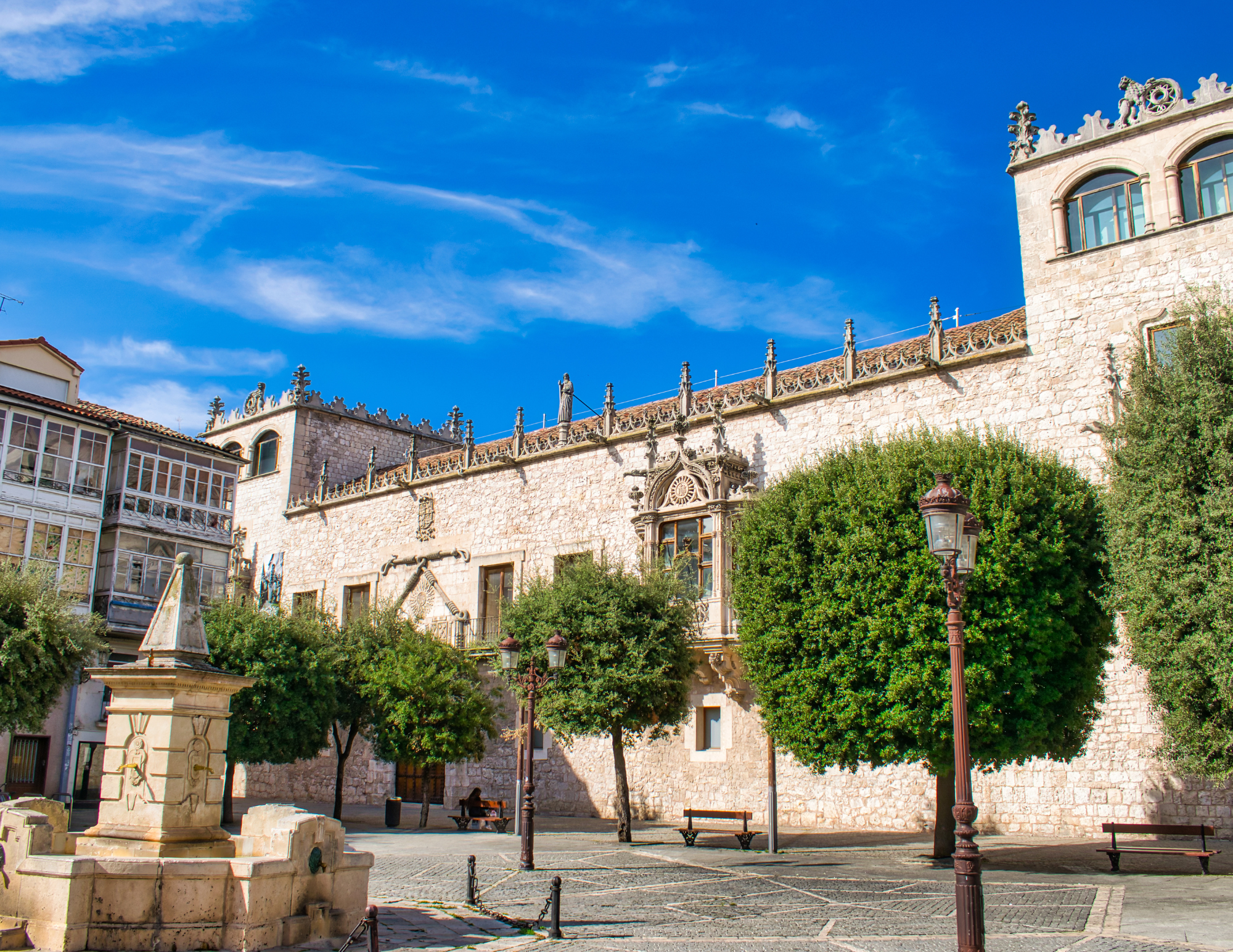
Walk by Casa del Cordón
From Plaza Mío Cid, continue toward Casa del Cordón. This is one of those Burgos landmarks that is easy to appreciate more once you know why it matters.
Casa del Cordón was built in the 15th century for the Constables of Castile and is one of the most important civil buildings in Burgos. It is also tied to major moments in Spanish history, including the Catholic Monarchs receiving Christopher Columbus there after his second voyage to the Americas. The building’s name comes from the Franciscan cord carved around the doorway.
This is not a stop that needs to take a long time, but it adds important context to the day. Burgos is not only about the cathedral. The city’s history is spread across its palaces, gates, bridges, plazas, and museums. Casa del Cordón is one of those places that reminds you Burgos once sat close to the center of major political and historical movements.
I would pause here, take in the façade, and then continue walking toward Paseo del Espolón.
-1.png)
Walk Paseo del Espolón
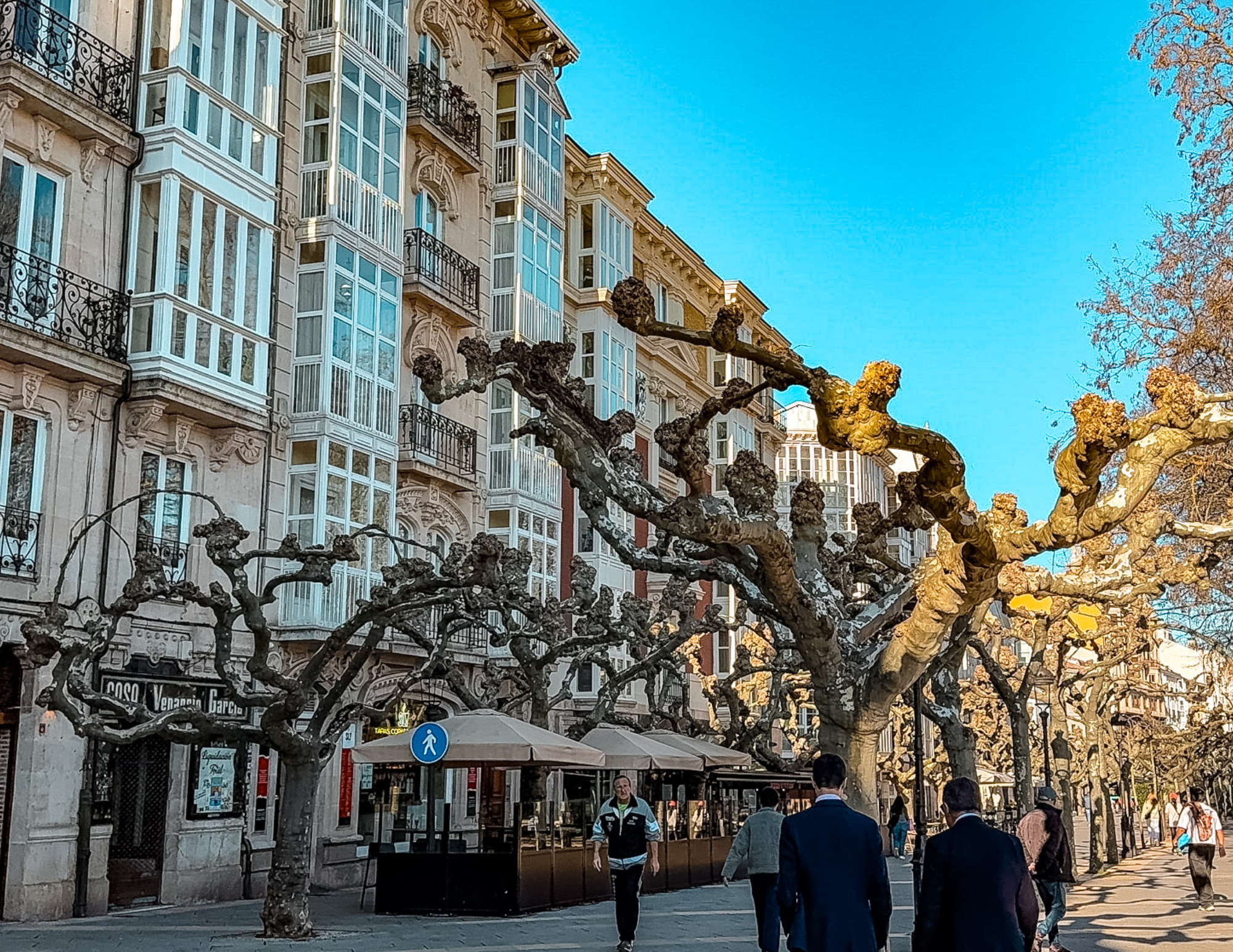
After Casa del Cordón, make your way toward Paseo del Espolón. This is one of the prettiest and easiest walks in Burgos, and it helps soften the day between historic buildings and bigger attractions.
Paseo del Espolón is a tree-lined promenade near the Arlanzón River, right in the central part of Burgos. It is one of those places where you do not need a strict plan. You just walk, look around, and let the city slow down a little. In a one-day itinerary, that matters because it keeps the day from feeling like a checklist.
I visited Burgos in winter, so the promenade had a quieter feeling. It was not the lush, sunny version someone might experience in spring or summer, but I still liked it. The colder weather gave Burgos a more serious mood, and Paseo del Espolón felt like a calm connection point between the river, the Old Town, and the cathedral area.
This is also a good moment to grab a coffee or something small if you need a break before heading into the busiest part of the historic center.
-1.png)
Pass Through Arco de Santa María
From Paseo del Espolón, continue toward Arco de Santa María. This is one of the best ways to enter the cathedral area because the arch feels like a doorway into old Burgos.
Arco de Santa María was one of the historic gates of the city, and the version you see today has a grand Renaissance appearance. It was rebuilt in the 16th century and decorated with figures connected to Burgos and Castilian history, including El Cid and Emperor Charles V.
What I love about this part of Burgos is the way the city reveals itself. You are walking near the river, then you pass through this historic gate, and suddenly you are right by the cathedral area. It gives the day a natural sense of movement. You are not just jumping from one attraction to another. You are entering the city the way people would have approached it through one of its most important gates.
Arco de Santa María does not need its own long stop, but it absolutely belongs in a one-day Burgos itinerary. It is one of the landmarks that makes the historic center feel complete.
-2.png)
Late Morning: Visit Burgos Cathedral
After passing through Arco de Santa María, spend the late morning at Burgos Cathedral. This is the main event of the day, and I would not rush it.
If your Burgos day falls on a Tuesday, check the cathedral’s free entry window before you plan the rest of your route. I visited during a free admission time, and it was such a good travel win. At the time of writing, free general admission is available on Tuesdays from 9:30 AM to 11:25 AM, with free tickets collected at the ticket office until 11:15 AM. Since the free access cannot be reserved online, I would arrive early and make the cathedral the first major stop of the day instead of saving it for later.
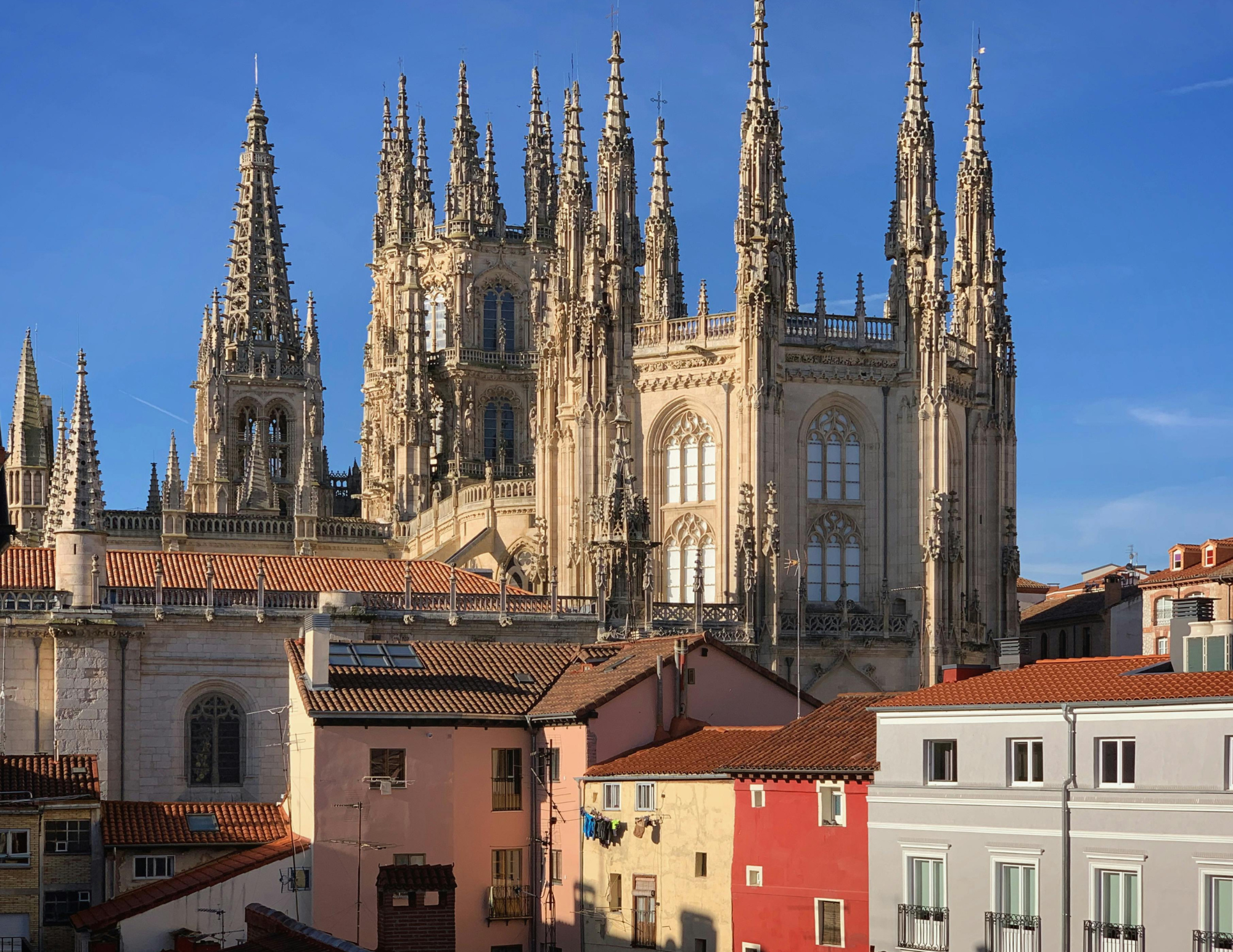
Burgos Cathedral was begun in 1221 and completed over several centuries, with major Gothic, Renaissance, and later artistic layers added along the way. It became a UNESCO World Heritage Site in 1984 and is one of the most important Gothic cathedrals in Spain.
Even before you go inside, take time to walk around the exterior. The cathedral looks different depending on where you stand. From some angles, the towers and spires feel sharp and dramatic. From others, you notice the chapels, portals, sculptures, and the way the whole structure sits inside the city. Burgos Cathedral does not feel separate from the Old Town. It feels like the city grew around it.
If you enjoy cathedral interiors, go inside and give yourself enough time. The cathedral has chapels, tombs, choir stalls, stained glass, artwork, and detailed architecture that reflect its long building history. This is not the kind of place where I would walk in, take one photo, and leave.
If you want to understand what to focus on before you visit, read my Burgos Cathedral guide. I go deeper there into why the cathedral matters, what makes it different, and how to experience it without rushing.
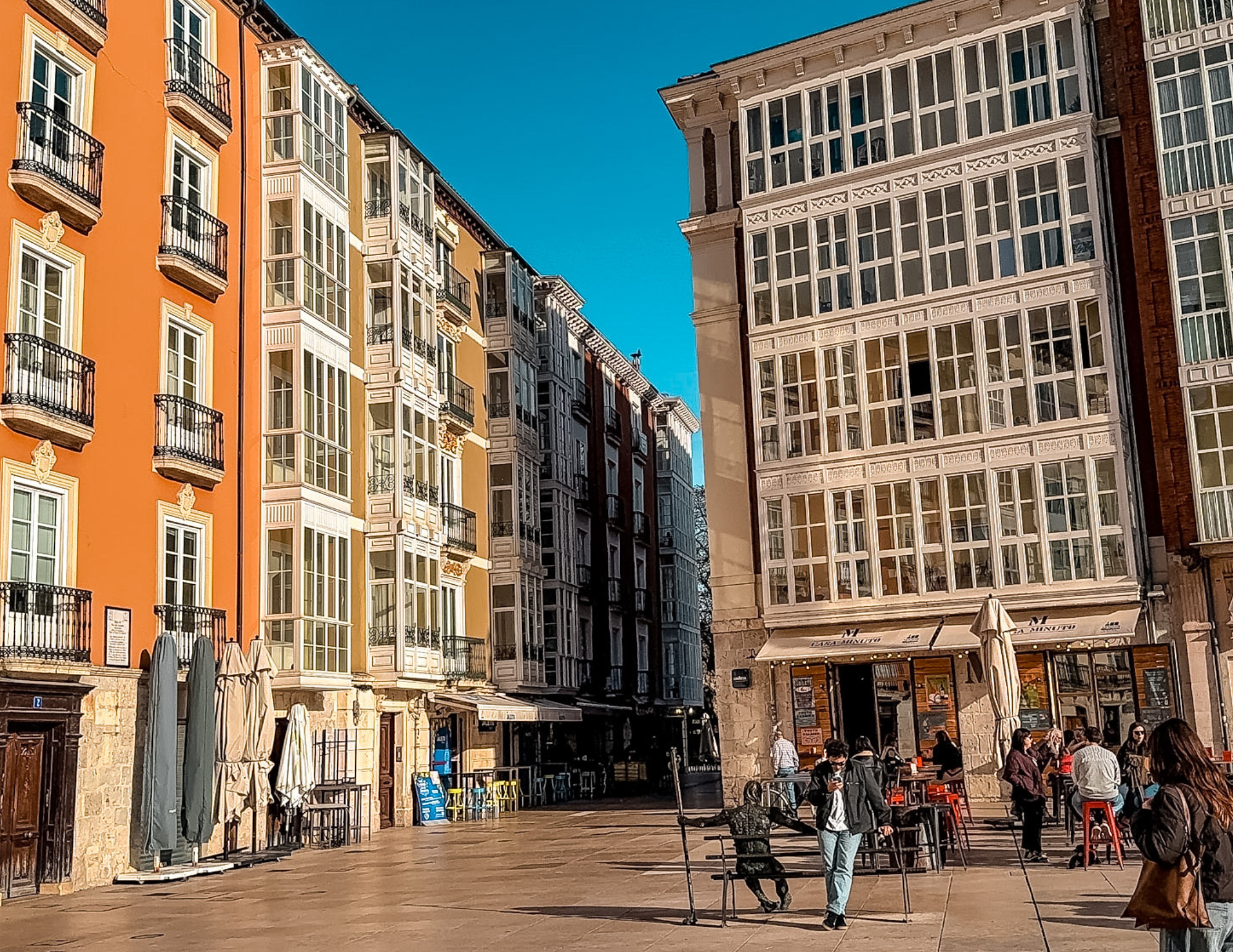
Lunch Break Near the Cathedral or Old Town
After the cathedral, stay in the Old Town area for lunch or a casual break. Burgos is known for hearty Castilian food, and the local specialty you will hear about most is morcilla de Burgos, a blood sausage made with rice, onion, spices, and pork blood.
You do not need to turn lunch into a huge plan unless food is a major focus of your trip. For a one-day itinerary, I would keep it simple and stay near the cathedral, Plaza Mayor, or the surrounding Old Town streets. This keeps you close to the rest of the route and gives you time to continue exploring without losing half the afternoon.
If you want something local, look for morcilla de Burgos, simple tapas, roasted meats, soups, stews, or a casual menu in the historic center. Burgos is not a city where I would overcomplicate the middle of the day. Eat, warm up if you are visiting in winter, and then choose your museum for the afternoon.
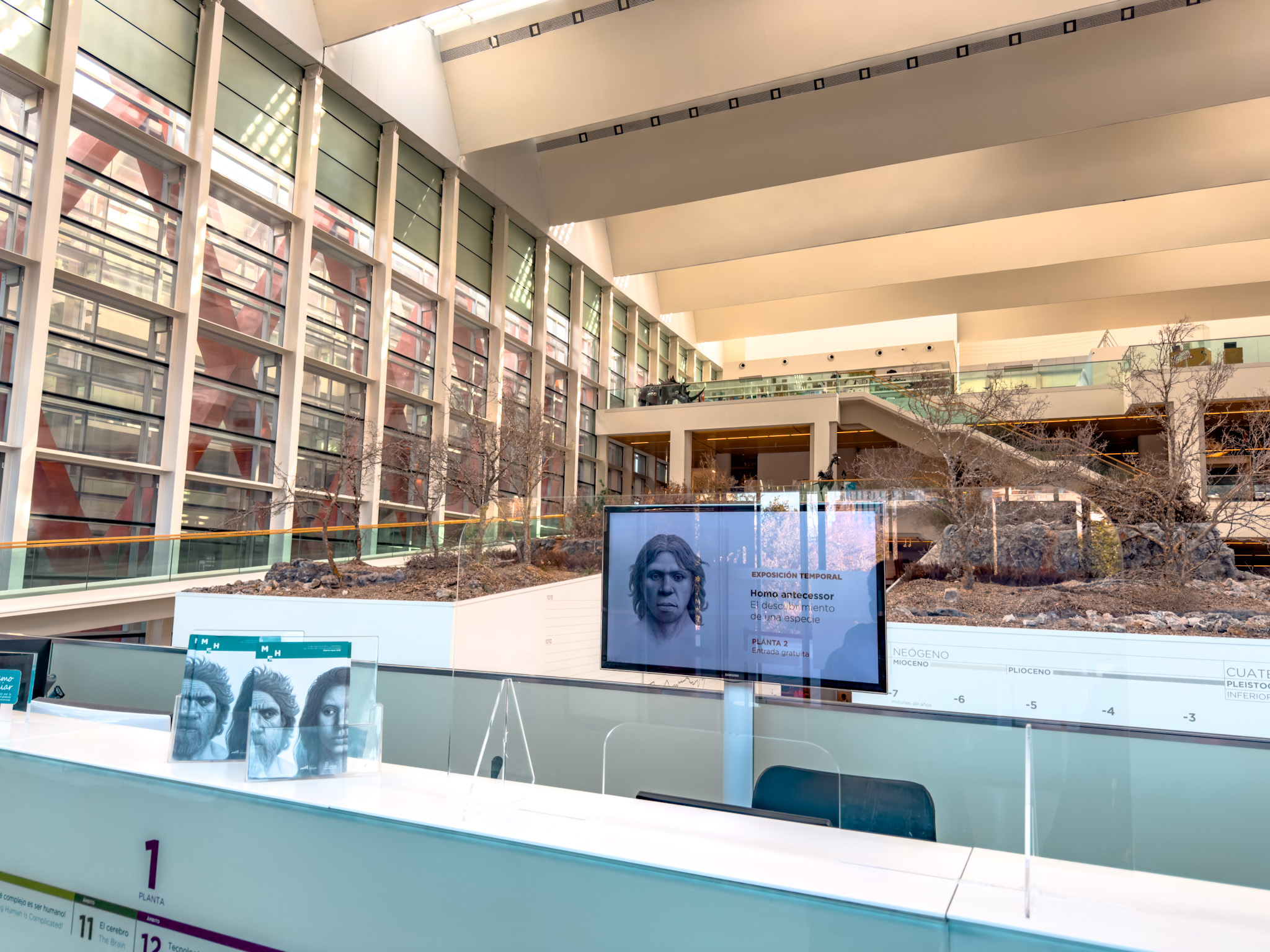
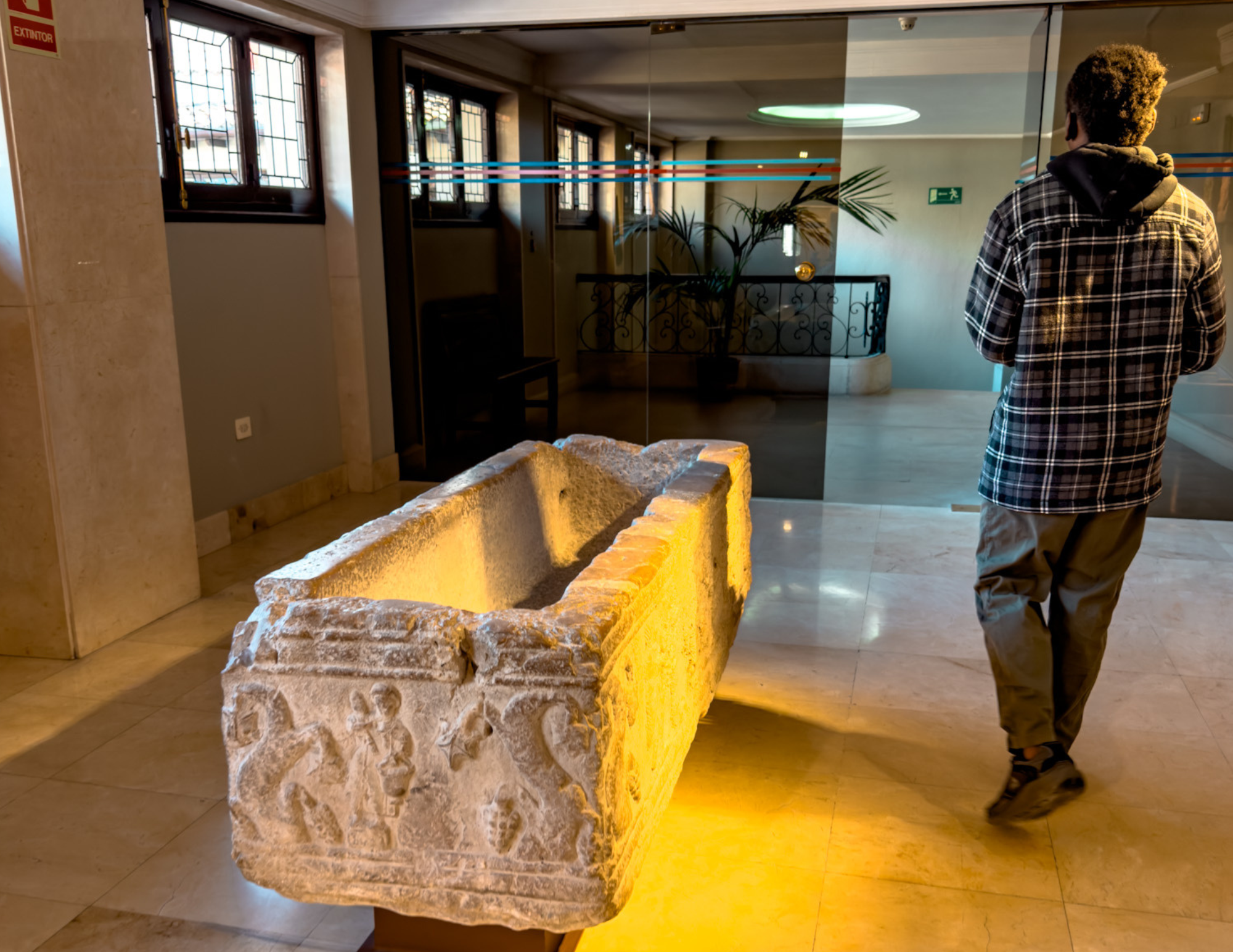
Afternoon Option 1: Visit the Museum of Human Evolution
If you only choose one museum in Burgos and want something that feels different from the cathedral and Old Town, I would choose the Museum of Human Evolution.
This museum gives Burgos a completely different layer. After spending the morning with medieval streets, Gothic architecture, and cathedral history, the Museum of Human Evolution pulls you into prehistoric Europe and the story of early humans. It is connected to the Atapuerca archaeological sites near Burgos, which are some of the most important places in Europe for understanding human evolution.
The museum includes original fossils and pieces from Atapuerca, with exhibits that explain human evolution through archaeology, science, reconstructions, and interactive displays. It is a strong choice if you are traveling with teens, if you like science and history, or if you want something indoors that still feels deeply connected to Burgos.
I would not squeeze this museum in as an afterthought. If you choose it, give it real time. It is not just a small museum to walk through quickly. It works best when you have enough attention left to actually read, look, and understand what you are seeing.
I go deeper into the layout, exhibits, and who it is best for in my Museum of Human Evolution Burgos guide.
Afternoon Option 2: Visit Museo de Burgos
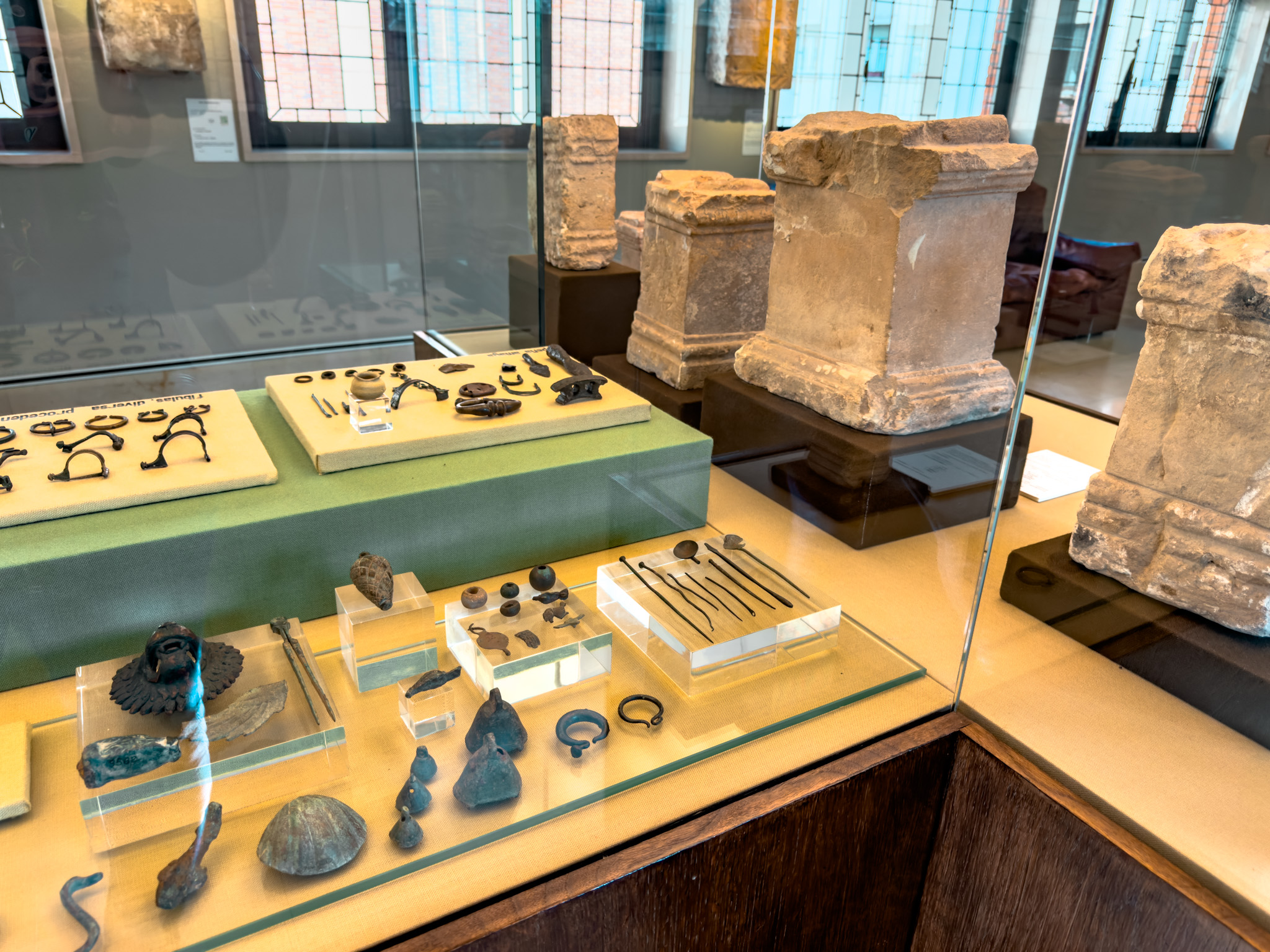
If you want a quieter, more local museum experience, choose Museo de Burgos instead.
Museo de Burgos focuses on archaeology, history, and art connected to Burgos and the province. It is housed in historic Renaissance buildings, including Casa de Miranda, and its collections help connect the city’s long history beyond the cathedral.
This museum works well if you like smaller museums that give context to the place you are walking through. After seeing Casa del Cordón, Arco de Santa María, the cathedral, and the Old Town, Museo de Burgos helps fill in more of the local story. It feels calmer than the Museum of Human Evolution, but that can be a good thing depending on your travel style.
If you are visiting Burgos on a cold or rainy day, Museo de Burgos is also a nice indoor stop that still feels connected to the city. You are not stepping away from Burgos to do something random. You are learning more about the place you have been walking through all day.
I go deeper into what to expect in my Museo de Burgos guide.
Which Museum Should You Choose With One Day?
With one day in Burgos, I would not try to visit both museums unless you are moving fast and do not mind a packed day. Both are worth visiting, but they serve different purposes.
Choose the Museum of Human Evolution if you want the more distinctive Burgos museum experience. It is bigger, more science-focused, and closely tied to Atapuerca and the story of early humans in Europe.
Choose Museo de Burgos if you want a quieter museum that focuses more on the city, province, archaeology, and art. It pairs especially well with an Old Town walk because it gives context to Burgos itself.
If you are traveling with a teenager, I would probably lean toward the Museum of Human Evolution because the subject matter feels broader and more visually engaging. If you are a history lover who enjoys smaller local museums, Museo de Burgos is a strong choice.
If you have two days in Burgos, I would do both.
Optional Swap: Monasterio de Santa María la Real de Las Huelgas
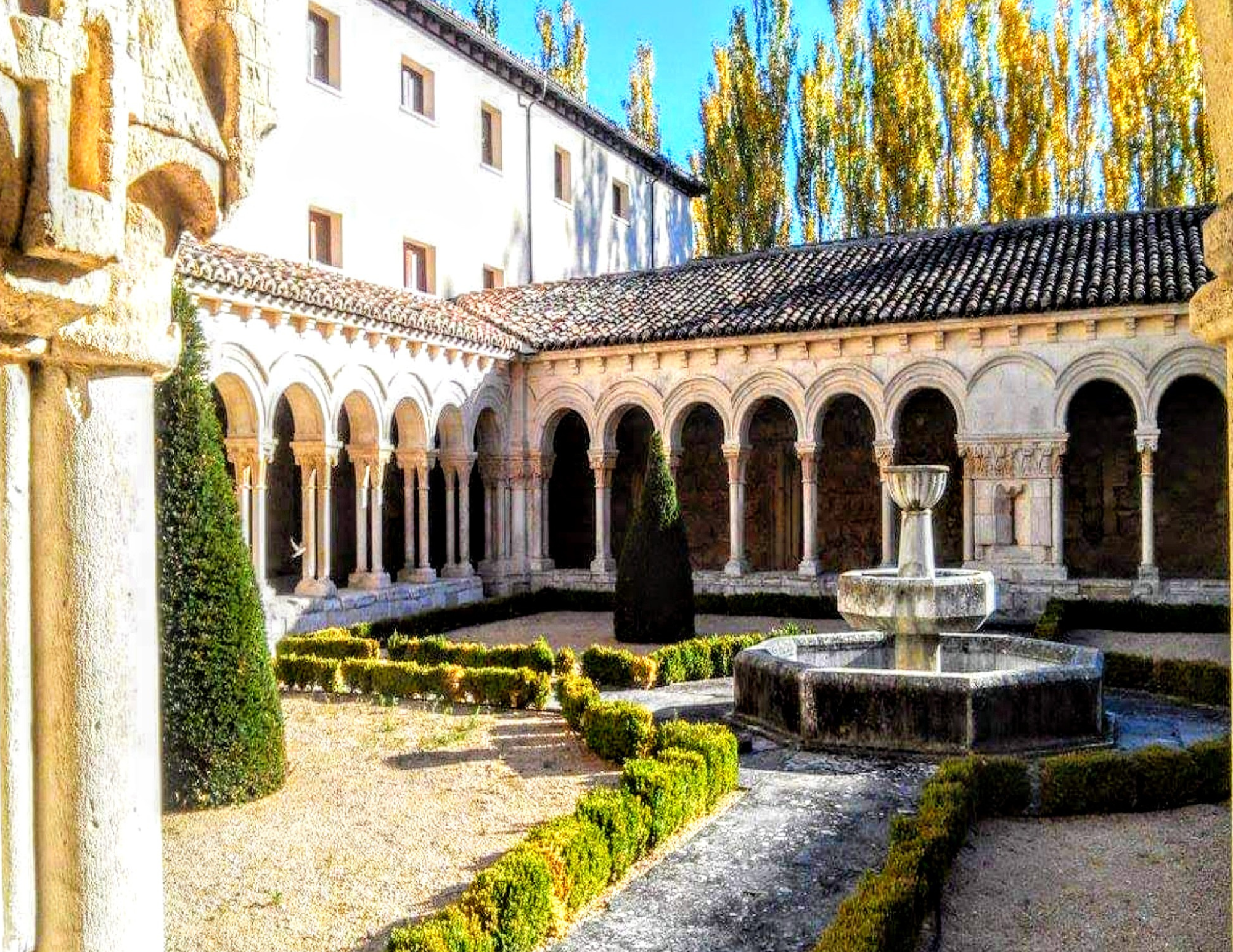
If monasteries and medieval royal history interest you more than museums, you could swap the afternoon museum stop for Monasterio de Santa María la Real de Las Huelgas.
I would not try to do the cathedral, Old Town, both museums, and Las Huelgas all in one day unless you are moving very fast. But if this kind of history is your thing, Las Huelgas is one of the most important places connected to Burgos’ medieval past. It was founded by King Alfonso VIII and Queen Eleanor of England in the 12th century and became a major royal monastery and burial place.
For most first-time visitors with one day, I would still keep the route centered on the cathedral, Old Town, and one museum. But Las Huelgas is a strong alternative if you want your Burgos day to lean more into medieval religious and royal history.
-1.png)
Late Afternoon: Wander the Streets Around the Cathedral
After your museum visit, come back toward the cathedral and Old Town area for a slower late afternoon walk. This is when I would let go of the schedule a little.
Burgos is the kind of city where some of the best moments happen between the official stops. Walk around the streets near the cathedral. Look back at the towers from different corners. Notice the old façades, small plazas, shops, cafés, and the way the city center curves around the cathedral.
This is also where the Camino de Santiago connection becomes part of the atmosphere. Burgos is one of the important cities on the Camino Francés, the best-known route of the Camino de Santiago. Pilgrims have passed through Burgos for centuries on their way west toward Santiago de Compostela, and the city remains an important stop on the route today.
After visiting Santiago de Compostela, I liked seeing Burgos from this side of the Camino story. Santiago feels like the destination. Burgos feels like one of those major pauses along the way, where people rest, look up at the cathedral, and continue walking.
If the Camino connection interests you, pay attention to the small details as you wander. Sometimes it is not one big dramatic moment. It is the rhythm of pilgrims, signs, streets, and history all layered into the city.
As you wander, keep an eye out for murals too. I saw a few in Burgos, and they were beautiful. They added color and creativity to a city that otherwise feels very historic, stone-built, and traditional. That is one of the reasons I like leaving space in an itinerary for wandering. You notice things you would miss if every minute was overly scheduled.
Early Evening: Return to Paseo del Espolón or the River
For the end of the day, I would return toward Paseo del Espolón or walk near the Arlanzón River. This gives your Burgos itinerary a softer ending after the cathedral, museums, and Old Town streets.
I always like ending a city day with a walk instead of another rushed attraction. Burgos works well for that because the river area, promenade, and historic center are close together. You can walk without needing to figure out transportation, and you can look back toward the parts of the city you explored earlier.
In winter, this may be a short walk because Burgos gets cold. But even then, I liked how the city felt in the evening. The stone buildings, the cathedral lights, the quieter streets, and the colder air all matched the mood of the place.
If you are visiting in spring, summer, or fall, this could be the time to linger longer. Walk the promenade, cross a bridge, stop for a drink, or circle back toward the cathedral area for one more view.
Optional Evening Add-On: Mirador del Castillo
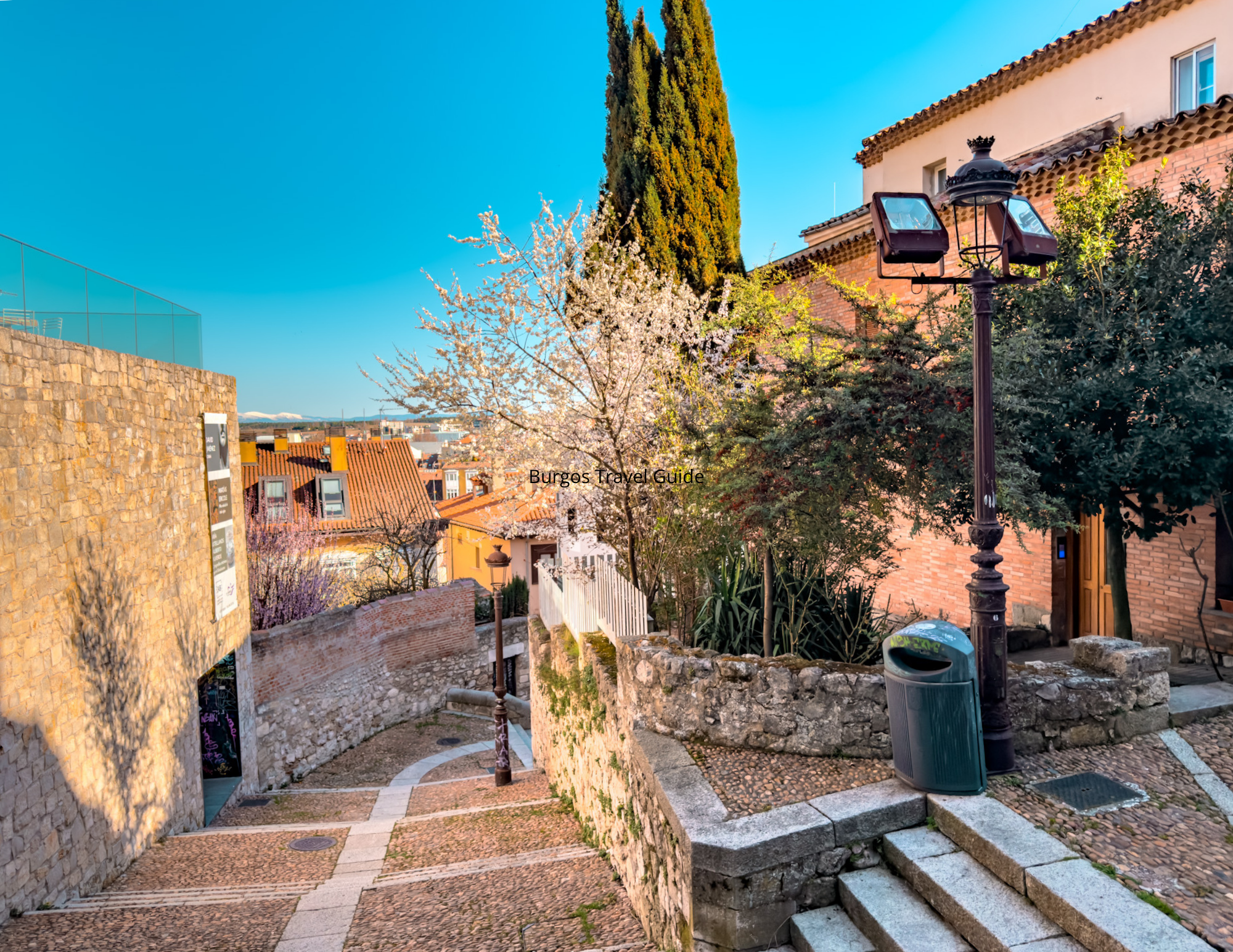
If the weather is clear and you still have energy, you can add Mirador del Castillo near the end of your day. This is one of the best-known viewpoints in Burgos, with views over the historic center and cathedral.
I did not go during my winter visit, so I would keep this as an optional add-on rather than a required stop. In colder weather, after a full day of walking, museums, and cathedral time, it may feel like too much. But in better weather, it could be a beautiful way to end one day in Burgos with a view over the city.
A Simple One Day Burgos Route
If you want the day in order, I would follow this route:
Start at Plaza Mío Cid, then walk to Casa del Cordón. From there, continue toward Paseo del Espolón and enjoy the promenade before passing through Arco de Santa María into the cathedral area.
Spend the late morning at Burgos Cathedral, then take a lunch break in the Old Town. In the afternoon, choose either the Museum of Human Evolution or Museo de Burgos. After that, return to the cathedral streets for a slower walk, notice the Camino de Santiago atmosphere, and end near Paseo del Espolón or the river.
That route keeps the day focused and walkable. You are not zigzagging across Burgos or trying to do too much. You are letting the city unfold in a way that makes sense.
What I Would Skip With Only One Day
With only one day in Burgos, I would skip anything that pulls you too far away from the central route unless it is a major priority for you.
I would not try to force both museums if you want time to enjoy the cathedral and Old Town. I would not overplan meals. I would not make the day so packed that you lose the feeling of the city. Burgos is not just a checklist city. It is a place that works better when you leave some room to walk.
I also would not build a one-day itinerary around views or places you cannot realistically fit in with the rest of the day. Since my Burgos visit was in winter and I did not make it to Mirador del Castillo, I would treat that as an optional add-on rather than a core part of this itinerary. If you have good weather, extra time, and want a viewpoint, you can consider it. But for a first-time one-day route, the cathedral, Old Town, and one museum are enough.
-1.png)
Tips for Visiting Burgos in One Day
The biggest tip for Burgos is to stay central. If you only have one day, choose accommodation near the cathedral, Plaza Mayor, Plaza Mío Cid, or the Old Town if you are spending the night. That way, the city is easy to walk, and you do not waste time going back and forth.
Wear comfortable shoes because Burgos is best explored on foot. The distances are not extreme, but you will be walking through historic streets, plazas, museum spaces, and promenade areas throughout the day.
Check museum and cathedral hours before you go, especially in winter or if you are visiting around holidays. Burgos is not a city where I would assume every attraction is open late or every day without checking first.
If you are visiting in winter, dress warmly. Burgos can feel cold, and the weather changes how long you want to stay outside. The good thing is that the museums make it easy to balance outdoor walking with indoor stops.
Most importantly, do not rush the cathedral. It is the centerpiece of Burgos for a reason. Even if you are short on time, give it enough space in the day.
-2.png)
Final Thoughts on Spending One Day in Burgos
One day in Burgos is enough to see why the city is worth visiting. You can walk through the historic center, see Plaza Mío Cid, pass Casa del Cordón, stroll Paseo del Espolón, enter through Arco de Santa María, spend time at Burgos Cathedral, and visit one strong museum before ending the day back near the Old Town or river.
Burgos is not a loud city. It does not need to be. Its beauty is in the cathedral, the stone streets, the Camino history, the museums, the river, and the way the city slowly reveals itself as you walk.
If you are moving through northern Spain, Burgos makes a lot of sense as a short stop. It gives you something different from Santiago de Compostela, Vigo, Bilbao, or the coastal cities. It feels more inland, more Castilian, more historic, and more serious in tone.
That is what made it memorable for me. Burgos was not trying to be everything. It gave me cathedral views, museum time, winter walks, Camino history, and a slower piece of northern Spain that felt worth the stop.

Cavetta is the creator of LifeWithVetta.com and has been traveling the world full time since 2020. She has visited more than 60 countries while worldschooling her son and documenting what it really takes to live abroad. Her guides focus on travel, moving abroad, digital nomad life, and designing a life beyond the traditional path.
