
-1.png)
Paris public transportation can feel confusing at first, but once you get the hang of it, it is one of the easiest ways to move around the city.
I have visited Paris three times now, and every trip included public transportation in some way. On my 2026 trip, we were in Paris for a full month while Schengen shuffling, so we were not just taking the metro once or twice. We were actually using it to get around, meet my mom, go sightseeing, get to different neighborhoods, go to Disneyland Paris, and move through the city like we were living there for a while.
And honestly, using public transportation is one of the reasons Paris worked for us.
Paris is big. The main sights are spread out. You may walk a lot, but you are not going to walk everywhere unless you want to completely wear yourself out.
The metro, RER, trains, buses, and apps make the city much easier once you understand the basics.
We downloaded the transportation app on our phones, bought tickets there, and used our phones to validate. Being able to buy tickets through the app and use Apple Wallet made things a lot easier than trying to figure everything out at the machines every time.
But there are still some things you need to know before using public transportation in Paris, especially because the airport tickets cost more than regular metro rides, not every ticket works for every route, and you do not want to get fined for using the wrong one.
So this guide breaks down how to get around Paris by metro, RER, train, bus, and airport transportation, plus ticket prices, apps, Apple Wallet, Disneyland Paris, safety tips, and what I would do differently next time.
For my full Paris planning guide, read my Paris Travel Guide: Is Paris Worth Visiting After Visiting 3 Times? Guide.

Is Public Transportation in Paris Easy?
Yes, Paris public transportation is pretty easy once you understand the system.
At first, it can feel like a lot because there are metro lines, RER trains, suburban trains, buses, trams, airport tickets, passes, apps, and different ticket names.
But for most visitors, the main things you will use are:
Metro
RER
Walking
Maybe buses
Maybe trains
RER A for Disneyland Paris
RER B or airport routes for Charles de Gaulle
Metro line 14 or other airport routes for Orly
The metro is what you will probably use the most inside Paris. It is fast, frequent, and connects most major areas.
The RER is more useful when you are going farther, like to Disneyland Paris, Versailles, or the airport.
I would not rent a car in Paris. You do not need one, and it would probably make the trip more stressful.
If you are staying near a good metro or RER line, you can get around Paris without a car.
For where to base yourself, read my Where to Stay in Paris: Why Staying Outside the Center Changed My Trip Guide.
.png)
Paris Metro vs RER vs Train
The easiest way to think about it is this:
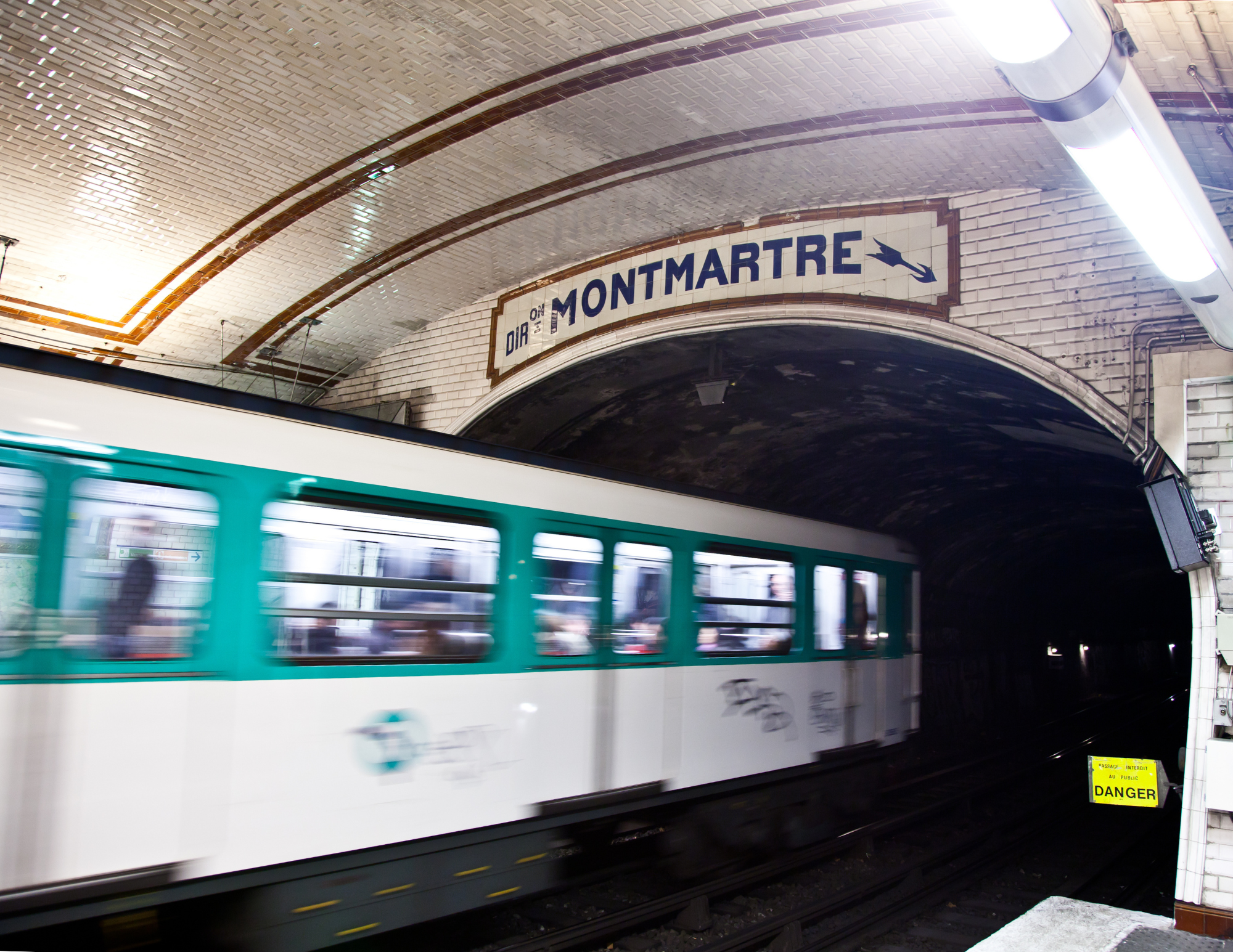
The metro is mostly for moving around Paris itself.
The RER is for longer trips across Paris and outside the city, including places like Disneyland Paris and the airports.
Suburban trains are also part of the wider Île-de-France network and can help with trips outside central Paris.
As a visitor, you do not need to become an expert on every line. You just need to know what your route requires before buying your ticket.
This matters because a regular city ride is not the same thing as an airport ride.
A regular Metro-Train-RER ticket works for metro, train, RER, and the Montmartre funicular inside the regular network, but airport travel uses a separate airport ticket.
That is where people can get confused.
You may think, “I already bought a metro ticket, so I am good,” but airport routes can require a different ticket. Always check the route and ticket type before you ride.
-6.png)
What About the Bus in Paris?
Do not ignore the bus in Paris.
I know most people talk about the metro first, and the metro is useful, but the buses in Paris were actually really good too. Sometimes the bus is easier because you do not have to deal with all the stairs, long underground transfers, or walking deep into a metro station just to come back up somewhere else.
The bus can also be better if you want to actually see the city while getting around. On the metro, you are underground most of the time. On the bus, you are riding through Paris, passing streets, cafes, buildings, shops, and neighborhoods as you go.
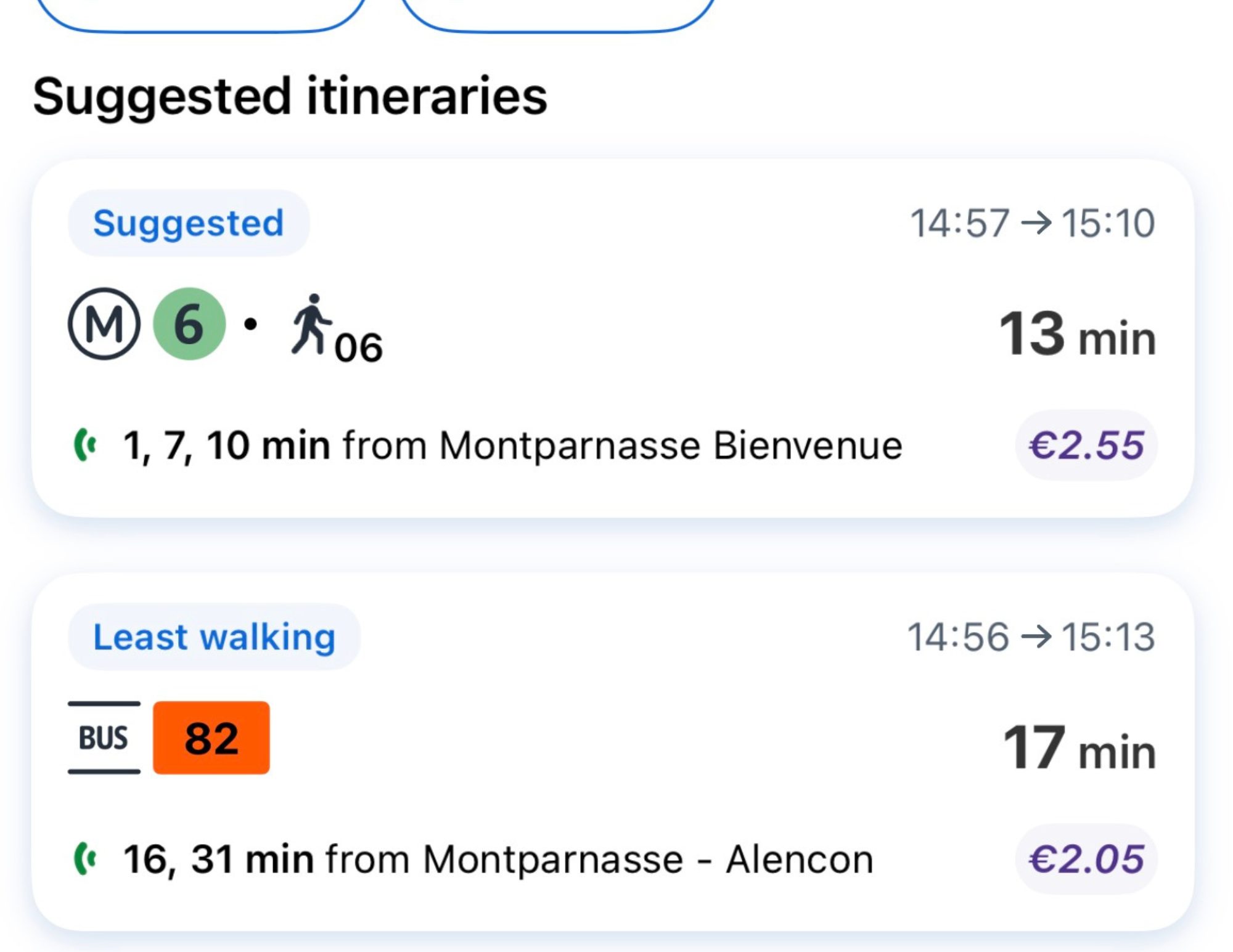
A regular Bus-Tram ticket is 2.05€, so it is cheaper than the Metro-Train-RER ticket, which was 2.55€ when we visited.
That price difference may not sound huge, but it adds up if you are traveling as a family or taking multiple rides over several days.
The bus is especially helpful when:
You want to avoid metro stairs
You are traveling with kids
You are with your mom or older family
You are not in a rush
The bus route is more direct than the metro
You want to see more of Paris while moving around
You are tired from walking all day
I would not use the bus for everything because traffic can slow it down, and the metro is usually faster for longer distances. But for shorter rides, direct routes, or days when your legs are tired, the bus can be amazing.
Use the transportation app to compare routes. Sometimes the app will show you a metro route with transfers and stairs, but the bus route may be simpler even if it takes a few minutes longer.
For us, having the app made this easier because we could check whether the metro, RER, or bus made more sense before leaving.
How Much Is the Paris Metro?
When we were in Paris, regular metro and train rides were 2.55€ per ride.
That is the price I always had in my head while moving around the city. Every time you take a ride, the cost adds up, especially if you are traveling as a family or moving around a lot in one day.
So if you take four rides in one day, that is already over 10€ per person.
That is why it is worth thinking about your itinerary by area instead of bouncing all over Paris.
Do the Louvre, Notre-Dame, Sainte-Chapelle, the Panthéon, and Luxembourg Gardens together.
Do Sacré-Cœur and Montmartre together.
Do the Eiffel Tower, Seine, Champs-Élysées, and Arc de Triomphe together.
That saves time, energy, and money.
For route planning, read my Paris Itinerary: How to Spend 3, 4, or 5 Days in Paris Guide.
-16.png)
Airport Transportation Costs More
The airport is different.
My mom paid around 14€ for the airport line when she came into Paris, and that is the part you need to know before planning your trip.
A regular 2.55€ metro ticket is not the same as an airport ticket.
The Paris Region Airports ticket is the one used for travel to or from the Paris airports on the covered airport routes. It is more expensive because it covers airport travel, including routes like Charles de Gaulle and Orly.
So when you are planning your arrival or departure, do not just budget for a normal metro ride.
Airport transportation can cost more, and if you are traveling with multiple people, that adds up quickly.
I would check the current airport ticket price before you go, but expect it to be a separate ticket from your regular metro rides.
-11.png)
Charles de Gaulle Airport to Paris
Charles de Gaulle Airport, also called CDG or Roissy-Charles-de-Gaulle, is one of the main airports people use when flying into Paris.
One of the most common public transportation options from CDG to Paris is the RER B.
This can be a good option if your hotel or apartment is near a station that connects well with the RER B or if you are comfortable transferring to the metro.
But again, you need the correct airport ticket.
Do not assume a regular city metro ticket is enough.
If you are tired after a long flight, traveling with luggage, or arriving late, you may decide that a taxi, rideshare, or private transfer is worth it. Public transportation is cheaper, but it is not always the easiest with bags, kids, delays, or jet lag.
That is especially true if your stay is not close to a simple RER or metro connection.
-10.png)
Orly Airport to Paris
Orly is another major airport for Paris, and airport transportation also uses a separate airport ticket.
Depending on where you are staying, you may use metro line 14, Orlyval, tram, bus, or a combination of routes.
Again, the important thing is not memorizing every airport route before your trip. The important thing is using the app, checking your route, and buying the right ticket.
If the app says you need an airport ticket, buy the airport ticket.
Do not try to use a regular metro ticket for an airport route if the route requires the airport fare.
That is how people end up stressed or fined.
-7.png)
The App Made Things Easier
One of the best things we did was download the transportation app on our phones.
We used the app to buy tickets and make getting around easier. That helped a lot because I did not want to stand at machines trying to figure everything out every single time.
For Paris, the two main apps visitors usually hear about are:
Île-de-France Mobilités
Bonjour RATP
The app can help with tickets, routes, schedules, disruptions, nearby stations, and planning how to get from one place to another.
We bought tickets on the phone and used Apple Wallet, which made the process feel easier and more modern.
I like anything that means one less thing to stress about while traveling.
When you are in a city like Paris, you are already thinking about maps, attraction times, lines, food, kids, weather, bags, reservations, and everything else. So if you can make transportation simpler, do it.
-1.png)
Using Apple Wallet for Paris Transportation
Using Apple Wallet for Paris transportation was convenient.
Instead of keeping up with paper tickets or constantly buying physical tickets, you can use your phone to store and validate certain tickets.
That said, make sure your phone is charged.
This is one of those things people forget until it matters. If your tickets are on your phone and your phone dies, now you have a problem.
Bring a portable charger.
Also, make sure you understand what ticket is on your phone. Regular Metro-Train-RER tickets and airport tickets are not the same thing. Do not assume one ticket works for everything just because it is in the app.
If you are using the app or Apple Wallet, check what you bought before heading to the station.
For us, buying tickets through the phone worked well, but I would still pay attention because the system can feel confusing when you are tired or rushing.
-8.png)
Can You Use Contactless Credit Card Like London?
This is something to check before your trip because the Paris system has been changing.
When people are used to places like London, they may assume you can just tap a credit card or debit card directly at every gate and go.
Paris has been rolling out more contactless options, but I would not build your whole trip around assuming every metro gate or route will work like London.
The safer option is to use the official app, Apple Wallet when available, a Navigo Easy pass, or tickets bought through the correct official channels.
If contactless bank card payment is available on your route, great. But I would still have the app set up or know where to buy the correct ticket.
That is especially important for airport trips.
-9.png)
Navigo Easy Pass
The Navigo Easy pass is another option for visitors.
This is a reloadable pass where you can load certain tickets instead of buying paper tickets each time. It can be useful if you do not want to use your phone or if someone in your group does not have a compatible phone.
Each person needs their own pass or ticket.
Do not try to share one pass between multiple people on the same ride.
If you are traveling with kids, teens, or your mom, it may be easier for each person to have their own phone ticket, pass, or clearly assigned card.
Also, watch what ticket types can be loaded together. Some tickets cannot sit on the same phone or pass at the same time, especially regular Metro-Train-RER tickets and airport tickets.
That is one reason I like checking the app carefully before buying.
-9.png)
Paris Visite Pass
The Paris Visite pass is a tourist transport pass that can cover multiple days and wider zones depending on what you buy.
It can include zones 1 to 5, which is important if you want coverage for places like Disneyland Paris, Versailles, and the airports.
But I would not automatically buy it just because you are visiting Paris.
Do the math first.
If you are only taking two metro rides a day, single tickets may be cheaper.
If you are taking public transportation constantly, going to the airport, going to Disneyland Paris, going to Versailles, and moving around a lot, a pass may make more sense.
This is one of those things where people ask, “Which Paris transport pass should I buy?” and the answer is really: it depends on your itinerary.
I would list out your days first, then compare.
-8.png)
Should You Buy Single Tickets or a Pass?
For most visitors, single tickets are probably fine if you are not taking tons of rides every day.
At 2.55€ per ride, you can estimate your cost pretty easily.
If you are taking two rides a day, that is 5.10€ per person.
If you are taking four rides a day, that is 10.20€ per person.
If you are taking more than that, you may want to compare passes.
But do not forget that airport rides and some longer trips may need different tickets or passes.
For our trip, because we were staying longer, we paid more attention to how much transportation added up over time. When you are only visiting for a weekend, you may not care as much. But when you are staying for a month, every ride adds up.
My advice is simple: group your sightseeing by area, use the app, and do not overcomplicate it unless you are taking a lot of rides.
Getting to Disneyland Paris by RER
Disneyland Paris is not in central Paris, but it is easy to reach by train.
You take the RER A to Marne-la-Vallée/Chessy, which is the station right by Disneyland Paris.
This is one of the most useful Paris public transportation routes if Disney is part of your trip.
For us, Disneyland Paris was a big deal because we are Disney lovers and have visited every Disney park in the world. Disney Adventure World was the final Disney park we needed to visit to say we had visited every Disney park in the world, so getting there mattered.
If you are going to Disneyland Paris, check your route in the app before you leave. Make sure you know which direction you are going, which station you need, and whether your ticket or pass covers the trip.
Also, leave early.
Disney days are long, and if you want to make the most of your ticket, you do not want to waste the morning figuring out the train.
For more, read my Disneyland Paris Guide: Is It Worth Visiting from Paris? Guide.
-1.png)
Getting to Versailles by Public Transportation
Versailles is another popular day trip from Paris, and you can get there by train.
If Versailles is on your list, check the route from your hotel because the best train option can depend on where you are staying.
This is where staying near a good transit connection really helps.
I would not combine Versailles with a heavy central Paris sightseeing day unless you are okay being tired. Versailles can take a lot of energy between the train, palace, gardens, walking, and crowds.
If you want to do it, give it space in your itinerary.
-1.png)
Metro Tips for First-Time Visitors
The Paris metro is useful, but there are a few things I would keep in mind.
Check the direction before getting on.
Know your final station or line direction.
Watch your bags in crowded cars.
Keep your ticket or phone handy until you exit.
Do not block the gates.
Let people off before getting on.
Be ready for stairs.
Some transfers feel longer than expected.
Some stations are not very accessible.
Your phone battery matters if your ticket is on your phone.
I also like to screenshot important routes or have them loaded before I go underground because service can be spotty in some places.
The metro is not scary, but it can be hectic if you are not paying attention.
-1.png)
Paris Metro With Kids and Teens
Paris public transportation can work well with kids and teens, but you need patience.
There are stairs.
There are crowds.
There are moments where everyone is tired.
There are transfers that feel longer than expected.
If you are traveling with kids, do not build an itinerary that requires crossing the city five times in one day.
Also, check child pricing.
In Paris and Europe in general, kids often get free or reduced entry at museums and monuments, but transportation pricing is separate. Do not assume the same rules apply everywhere.
For attractions, under 18s are free at many places when visiting with family. For transportation, always check the current child fare before buying tickets.
If your child or teen has their own phone, it may be easier to set up their ticket there. If not, a physical pass may make more sense.
For family travel, read my Paris With Kids and Teens: What Worked, What Did Not, and What I’d Do Again Guide.
-1.png)
Is Paris Public Transportation Safe?
I felt fine using public transportation in Paris, but you do need normal big-city awareness.
The biggest thing I would watch for is pickpocketing and keeping your belongings secure in crowded areas.
This matters around:
Metro stations
Train stations
Busy platforms
Crowded trains
Tourist areas
Airport routes
Disneyland Paris trains
Gare du Nord
Gare de l’Est
Châtelet-Les Halles
Major transfer stations
Keep your phone and wallet secure. Do not leave your bag hanging open. Do not put your phone in your back pocket. Be aware when people crowd around you.
A Travelon anti-theft bag is useful for Paris because you are constantly moving through crowded stations, attractions, shops, and streets.
I do not say that to scare you. Paris is a major city. Just be smart.
-1.png)
Accessibility and Stairs
One thing people do not always mention enough is the stairs.
Paris metro stations can involve a lot of stairs. Some stations have elevators or escalators, but not all of them, and not always in the way you need.
If you are traveling with a stroller, heavy luggage, older family, mobility issues, or anyone with knee or back problems, this matters.
Sometimes the fastest route on the app may not be the easiest route physically.
If accessibility matters for your group, check station options before choosing where to stay or which route to take.
This is another reason staying near the right line can be more important than staying in the most famous neighborhood.
Public Transportation vs Taxi or Rideshare
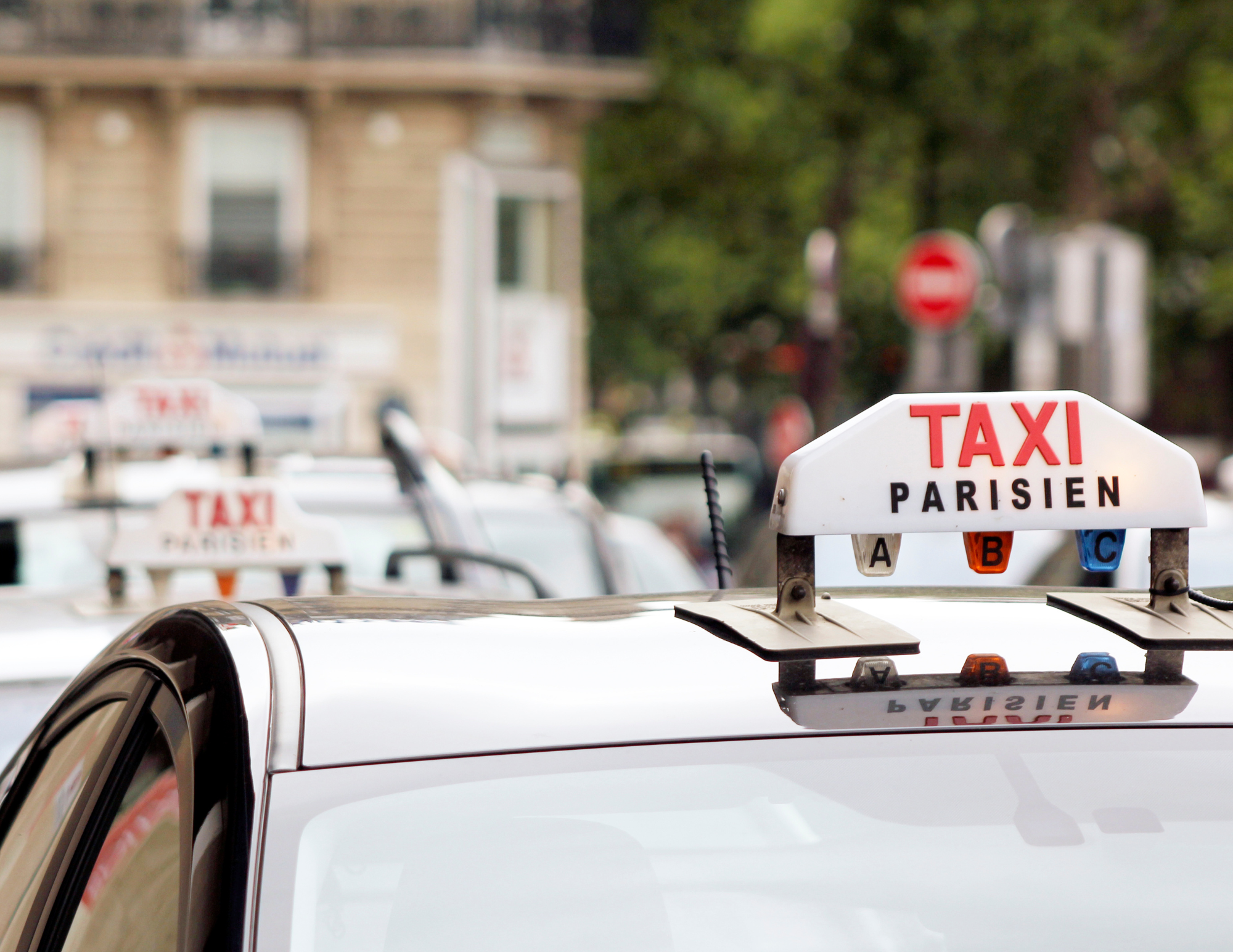
Most of the time, public transportation is cheaper than taxis or rideshares.
But cheaper is not always better in every situation.
I would use public transportation for regular sightseeing days, especially when going between major areas.
But I would consider a taxi, rideshare, or private transfer if:
You arrive late at night
You have a lot of luggage
You are traveling with tired kids
You are with an older parent
Your hotel is awkward to reach by metro
You are leaving early for the airport
Someone is sick or exhausted
The route has too many transfers
Travel is not only about the cheapest option. Sometimes the right option is the one that saves your sanity.
-3.png)
Walking in Paris
Even if you use public transportation, you will still walk a lot in Paris.
That is just the city.
You may take the metro to an area, then walk from the station to the attraction, then walk around the attraction, then walk to food, then walk back to another station.
The steps add up quickly.
Wear comfortable shoes. I would not make Paris the place where you break in new shoes or try to be cute at the expense of your feet.
Paris is pretty, but it is also a lot of pavement, stairs, cobblestones, and long days.
Apps I Would Use in Paris
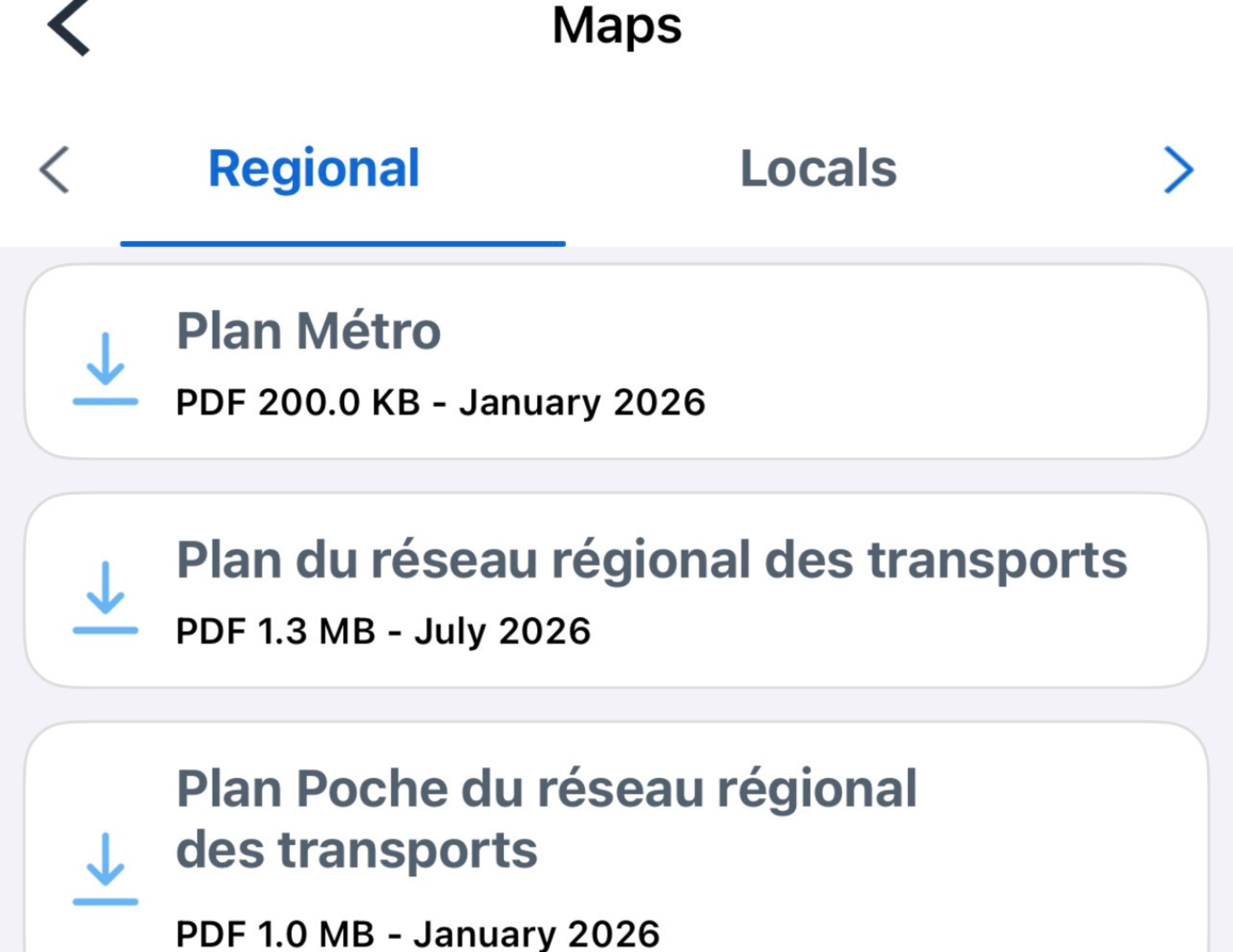
I would have these apps ready before your trip:
Île-de-France Mobilités
Bonjour RATP
Google Maps
Apple Wallet if using iPhone tickets
Disneyland Paris app if going to Disney
Airalo or your eSIM app if using one
An Airalo eSIM is helpful because you need data for maps, metro routes, tickets, attraction times, reservations, and messages.
I do not like relying only on public Wi-Fi when I am trying to get around a city.
Having data makes everything easier.
-2.png)
How to Plan Your Days Around Transportation
The biggest tip I can give is to group your days by area.
Do not do this:
Eiffel Tower in the morning
Montmartre after that
Notre-Dame after that
Back to Arc de Triomphe
Then Luxembourg Gardens
That is too much bouncing around.
Instead, group things like this:
Eiffel Tower day: Eiffel Tower, Seine River Cruise, Champs-Élysées, Arc de Triomphe
Notre-Dame day: Louvre, Notre-Dame, Sainte-Chapelle, Panthéon, Luxembourg Gardens
Montmartre day: Sacré-Cœur, Montmartre, Galeries Lafayette, Petit Palais if you still have energy
Local slower day: Marché Saint-Quentin, Église Saint-Vincent-de-Paul, Canal Saint-Martin
Disney day: RER A to Disneyland Paris
This saves money, time, and energy.
It also makes Paris feel less chaotic.
-1.png)
What I Wish I Knew Before Using Paris Public Transportation
I wish I had understood earlier how much the small rides add up.
A 2.55€ ride does not sound like much until multiple people are taking multiple rides a day.
I also wish more people explained that airport transportation is separate and more expensive. My mom paying around 14€ for the airport line made sense once you know the fare, but it is something you should expect before you land.
I also think people should know that app tickets and Apple Wallet can make things easier, but you still have to buy the correct ticket.
Your phone is not magic.
Apple Wallet is not magic.
The app is not magic.
You still need to choose the right ticket for where you are going.
.png)
My Honest Paris Transportation Tips
Download the transportation app before your trip.
Use Apple Wallet if it works for your phone and ticket type.
Bring a portable charger.
Do not assume airport rides cost the same as metro rides.
Budget around 2.55€ for regular Metro-Train-RER rides.
Expect around 14€ for airport public transportation tickets.
Group your sightseeing by area.
Use RER A for Disneyland Paris.
Check your route before you leave your hotel.
Pay attention to directions on the metro.
Watch your belongings in crowded stations and trains.
Use a Travelon anti-theft bag if you want extra peace of mind.
Use an Airalo eSIM so your maps and apps work.
Do not overpack your day with routes going across the whole city.
Consider a taxi or rideshare when luggage, kids, late nights, or exhaustion make public transportation annoying.
Always check current prices before your trip because fares can change.
Do not ignore the bus, especially if you want to avoid metro stairs or see more of Paris while getting around.
Budget around 2.05€ for regular Bus-Tram rides and 2.55€ for Metro-Train-RER rides.
-2.png)
Final Thoughts on Getting Around Paris
Paris public transportation is one of the best ways to explore the city.
It is not perfect. It can be crowded, confusing at first, full of stairs, and annoying when you are tired. But it also makes Paris much easier and cheaper than relying on taxis for everything.
Once we downloaded the app, bought tickets on the phone, and used Apple Wallet, it felt much more manageable.
The biggest thing is understanding the difference between regular city rides and airport rides. A regular ride may be 2.55€, but the airport ticket is more. That is something you want to know before you are standing in a station with luggage trying to figure it out.
If you are planning Paris, do not be afraid of the metro or RER.
Also, do not sleep on the bus. The Paris bus system runs really well, and sometimes it is the easier option, especially when you are tired, traveling with family, or do not feel like dealing with metro stairs. The metro may be faster, but the bus lets you stay above ground and actually see the city while you move around.
Use the app.
Check your ticket.
Watch your bags.
Keep your phone charged.
Group your days by area.
And give yourself more time than you think.
Paris is a lot easier when you are not trying to figure out transportation while already stressed.

Cavetta is the creator of LifeWithVetta.com and has been traveling the world full time since 2020. She has visited more than 60 countries while worldschooling her son and documenting what it really takes to live abroad. Her guides focus on travel, moving abroad, digital nomad life, and designing a life beyond the traditional path.
