

If you are planning to spend extended time in Europe without applying for a long stay visa, you need to understand the Schengen shuffle.
This term gets thrown around casually in digital nomad circles, but most people do not actually understand how the rule works until they are dangerously close to overstaying.
The Schengen shuffle is not a loophole. It is simply strategic movement based on how the 90/180 rule functions.
If you are building a borderless lifestyle in Europe, this is foundational knowledge.
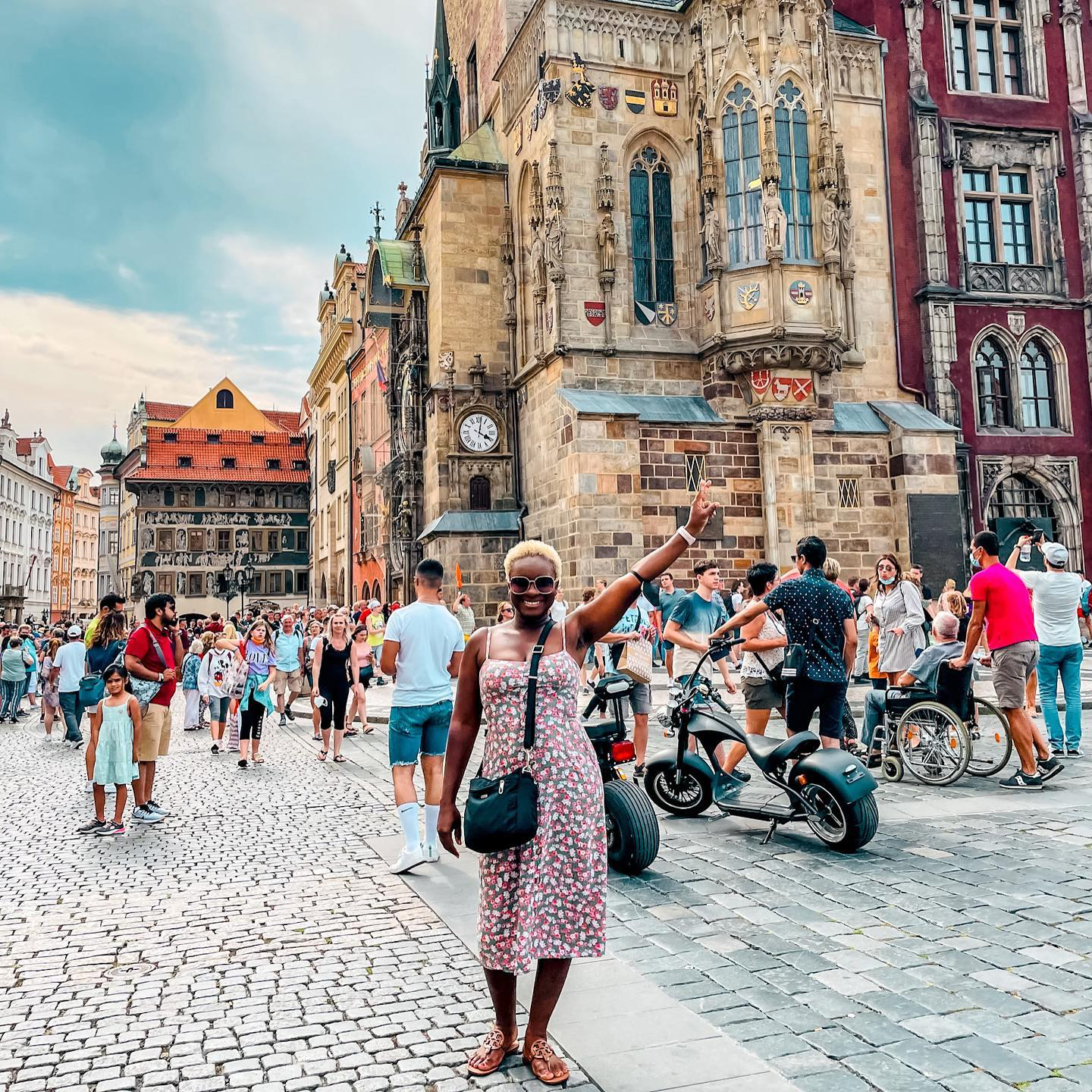
What Is the Schengen Area?
The Schengen Area is a group of European countries that operate without internal border checks. Once you enter one Schengen country, you can move freely between participating countries without additional passport control.
Most European countries belong to Schengen, including:
France
Spain
Italy
Germany
Portugal
Netherlands
Greece
Austria
Belgium
This makes travel incredibly easy.
It also creates a strict shared time limit.
What Is the 90/180 Rule?
If you are from a visa exempt country like the United States, Canada, Australia, and many others, you can enter the Schengen Area without applying for a visa in advance.
However, you are limited to:
90 days within any rolling 180 day period.
This is not 90 days per country.
It is 90 days total across all Schengen countries combined.
The important word here is rolling.
Every day you are inside the Schengen Area counts toward your 90 day allowance within the previous 180 days.
There is no automatic reset after leaving for a weekend.
Why People Get Confused
Many travelers think:
If I stay 90 days, leave for a week, I can come back for another 90.
That is incorrect.
If you spend 90 days in Spain, then fly to the United Kingdom for two weeks, you still must wait until enough days fall outside the 180 day window before returning to Schengen.
Overstaying can result in fines, deportation, or entry bans.
This is not something to guess about.

So What Is the Schengen Shuffle?
The Schengen shuffle is the practice of rotating between:
Schengen countries
Non Schengen European countries
This allows you to legally extend your time in Europe without violating the 90/180 rule.
For example:
Spend 90 days inside Schengen
Then spend 90 days outside Schengen
Then re enter when your days reset
The “shuffle” refers to moving strategically between zones.

Non Schengen Countries to Rotate Into
Several European countries are not part of the Schengen Area.
Popular non Schengen options include:
United Kingdom
Ireland
Turkey
Albania
Serbia
Bosnia and Herzegovina
Montenegro
North Macedonia
Albania is especially popular because Americans can stay up to one year visa free.
Turkey offers generous visa free stays for many nationalities.
These countries allow you to remain in Europe geographically while waiting for your Schengen days to reset.
Real Example of a Schengen Shuffle Strategy
Here is how this might look in practice:
Spring in Portugal and Spain
Summer in France and Italy
Fall in Albania or Turkey
Winter back in Spain when your Schengen days reset
This keeps you legally rotating while experiencing different cost levels and cultural rhythms.
I personally use this method while slow traveling. Instead of rushing through Europe in 90 days, I move intentionally between regions.
How to Track Your Days
You must track your days carefully.
There are Schengen calculators online that allow you to enter entry and exit dates to see how many days you have used within the 180 day window.
Never rely on memory alone.
Airlines and border officers will not accept “I think I am within the limit.”
Keep digital records of every entry and exit.
When to Consider a Long Stay Visa Instead
The Schengen shuffle works well for slow travelers.
However, if you:
Want to stay in one country long term
Have children enrolled in school
Plan to rent long term housing
Work locally
You may want to explore digital nomad visas or long stay visas instead.
Countries like Portugal, Spain, Italy, and Greece now offer digital nomad visas that allow stays beyond 90 days legally without shuffling.
The shuffle is flexibility. A visa is stability.
Common Mistakes to Avoid
No getting travel insurance. We use SafetyWing for travel medical coverage that works across 175 plus countries and can be started even after you are already abroad. Check out their coverage
Assuming 90 days per country
Forgetting that days are cumulative
Not tracking entry stamps
Overstaying even by one day
Trying to reset with short weekend trips
Europe takes overstays seriously.
Is the Schengen Shuffle Legal?
Yes.
The Schengen shuffle is simply following the law.
You are respecting the 90/180 rule and rotating into countries outside of Schengen while waiting for your days to reset.
It is not a hack.
It is strategic compliance.
Why It Works Well for Digital Nomads
If you work remotely, your income is not tied to one location.
This gives you freedom to move between:
Higher cost Western Europe
Lower cost Balkans
Turkey or the UK
You can balance budget, weather, and visa timing all at once.
The shuffle becomes part of your rhythm instead of a restriction.
Final Thoughts
The Schengen shuffle is one of the most important concepts for digital nomads in Europe.
If you ignore it, you risk fines or bans.
If you understand it, you unlock long term European living without constant stress.
Europe is not just about choosing cities. It is about sequencing them intelligently.
Once you understand the 90/180 rule, Europe becomes a puzzle you can solve instead of a countdown clock you fear.
Grab my eBook to plan your move
So You Want to Travel the World (2025 Edition) — my straight-talk guide to designing your exit plan, budgeting for Asia, and setting up income streams you can take anywhere (single-mom tested, kid-approved).
👉 Get the eBook: coming soon
👉 Free Skills-to-Income Worksheet → lifewithvetta.com/worksheet
👉 Move Abroad Checklist (docs, banking, eSIM, housing) → lifewithvetta.com/checklist
👉 Earn Online & Move Abroad (30-day plan + fillable remote resume + job-board workflow + path checklists) → lifewithvetta.com/earnandmove

Cavetta is the creator of LifeWithVetta.com and has been traveling the world full time since 2020. She has visited more than 60 countries while worldschooling her son and documenting what it really takes to live abroad. Her guides focus on travel, moving abroad, digital nomad life, and designing a life beyond the traditional path.
