
.png)
There are some travel items that feel optional, and then there are some that feel small until you really think about what they protect you from. A portable carbon monoxide detector falls into that second category for me.
It is not flashy. It is not one of those travel gadgets people post because it looks cute in a packing video. But it is one of the smartest things I have added to my travel setup.
When you stay in enough hotels, apartments, guesthouses, and Airbnbs, especially across different countries, you realize pretty quickly that safety standards are not always consistent. Even when a property looks nice online, that does not automatically mean it has every safety measure in place.
The U.S. Consumer Product Safety Commission specifically advises travelers to verify that vacation rentals have working smoke and carbon monoxide alarms, and the National Fire Protection Association also includes working carbon monoxide alarms as part of basic short-term rental safety guidance.
That is exactly why I started traveling with a portable carbon monoxide detector of my own.
It is one of those things I hope I never actually need. But carbon monoxide poisoning is serious enough, and the device is small and inexpensive enough, that I would rather pack it than assume every place I stay has this covered.
What Carbon Monoxide Actually Is
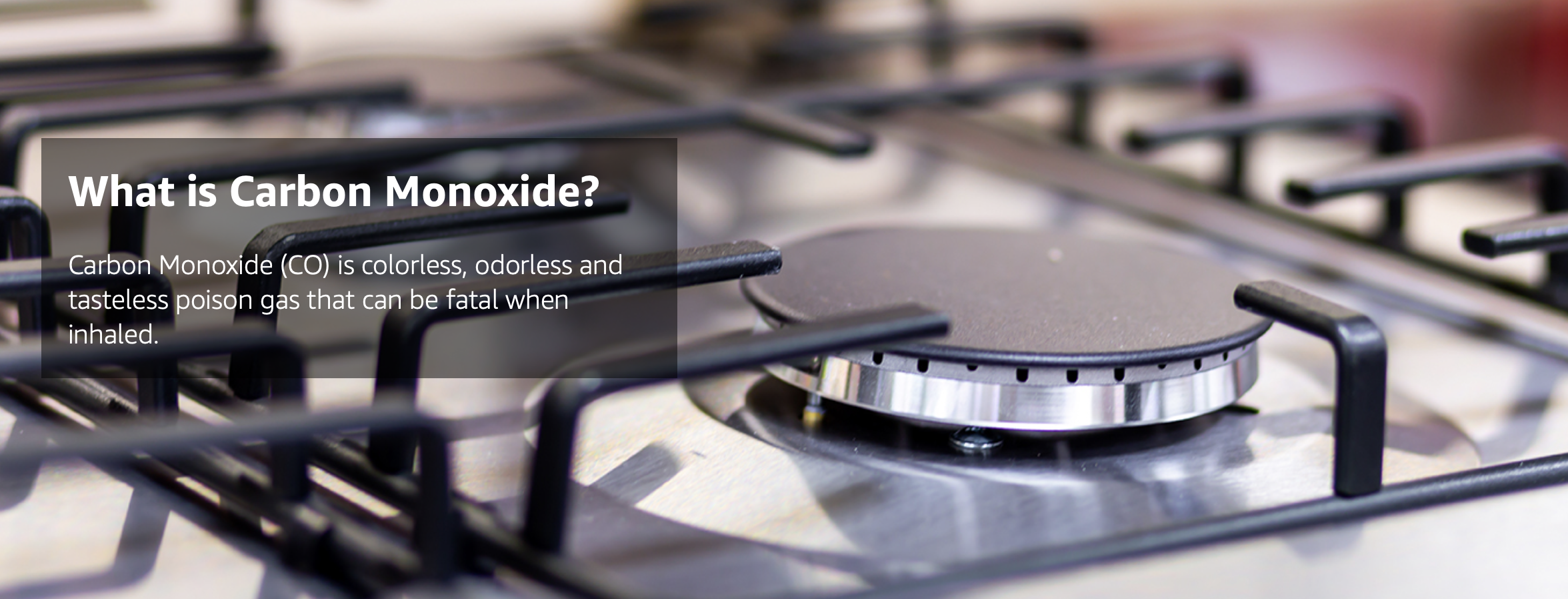
Carbon monoxide, often called CO, is a poisonous gas that you cannot see, smell, or taste. That is part of what makes it so dangerous. The CPSC calls it the “invisible killer,” and CDC guidance explains that common symptoms can include headache, dizziness, weakness, upset stomach, vomiting, chest pain, and confusion.
That matters because those symptoms can easily be mistaken for something else when you are traveling.
You might think you are dehydrated, tired, jet lagged, getting sick, reacting to altitude, or just run down from moving around too much. The NHS notes that symptoms of carbon monoxide poisoning can include headache, dizziness, nausea, weakness, tiredness, confusion, shortness of breath, and loss of consciousness in more serious cases.
That overlap is one of the reasons carbon monoxide exposure is so unsettling. It does not always announce itself in a dramatic way at first. Sometimes it can look like normal travel exhaustion until it becomes something much more serious.
.png)
Why Carbon Monoxide Is So Dangerous
The science behind it is simple enough to understand without getting overly technical.
Carbon monoxide is dangerous because it interferes with your body’s ability to carry oxygen. CDC clinical guidance explains that carbon monoxide poisoning harms the body by impairing oxygen delivery and disrupting oxygen use at the cellular level, especially in organs with high oxygen demand like the heart and brain. ATSDR materials also explain that carbon monoxide binds to hemoglobin and forms carboxyhemoglobin, which reduces the blood’s oxygen-carrying capacity.
In plain terms, your body can be breathing, but your tissues are not getting the oxygen they need the way they should.
That is why carbon monoxide poisoning can become life-threatening fast. CPSC warns that CO can kill in minutes, and CDC notes that serious exposure can lead to loss of consciousness and death.
So for me, this is not about paranoia. It is about understanding that this is one of those risks you cannot rely on your senses to detect.
Why This Matters for Hotels, Airbnbs, and Vacation Rentals
A lot of people associate carbon monoxide alarms with their house back home and do not think much about them when they travel. But travel is exactly when you are sleeping in unfamiliar spaces, often with no real knowledge of the property’s maintenance, ventilation, appliances, or safety setup.
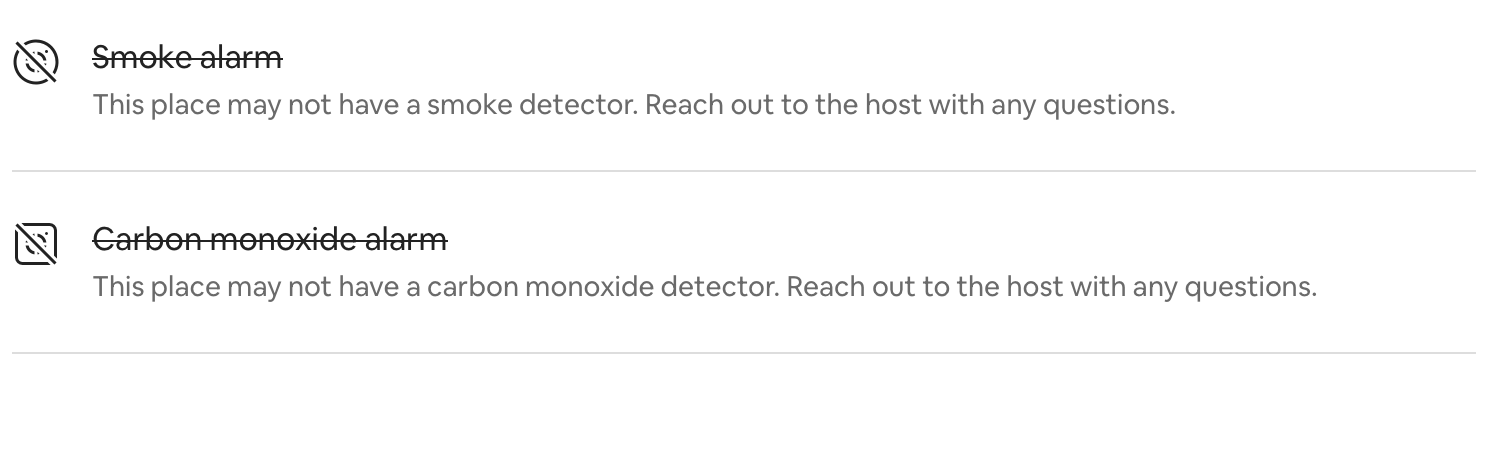
That is even more true in Airbnbs, vacation rentals, and older properties where systems may vary. CPSC specifically tells travelers to check with the property manager to verify the property has smoke and carbon monoxide alarms installed and working. NFPA’s vacation rental safety checklist also says working carbon monoxide alarms should be outside each separate sleeping area and on every level of the home, where required.
And honestly, even if a listing says it has one, I still like having my own travel carbon monoxide detector with me.
Because “should have one” and “has a working one right now” are not always the same thing.
Batteries die. Devices get removed. Hosts overlook things. Properties are renovated or changed. Standards differ by country and by property type. That is why packing your own simple backup can make so much sense.
.png)
Fatalities Have Happened, So Why Risk It
This is the part that really matters to me.
Carbon monoxide poisoning is not one of those theoretical travel risks people bring up for clicks. It is a real cause of injury and death. CPSC says accidental non-fire related carbon monoxide poisoning associated with consumer products kills more than 200 people in the United States each year, and CDC guidance makes clear that CO exposure can become fatal.
And while many people think first of generators or home appliances, travelers are not immune to this risk just because they are staying somewhere temporarily. That is exactly why agencies like CPSC and organizations like NFPA include carbon monoxide alarm checks in vacation rental safety guidance.
For me, that is the whole point.
If a problem can be deadly, and the solution is carrying a small portable CO detector for travel that takes up barely any space in your bag, I just do not see the point in gambling on it.
The Portable Carbon Monoxide Detector I Bought for Travel
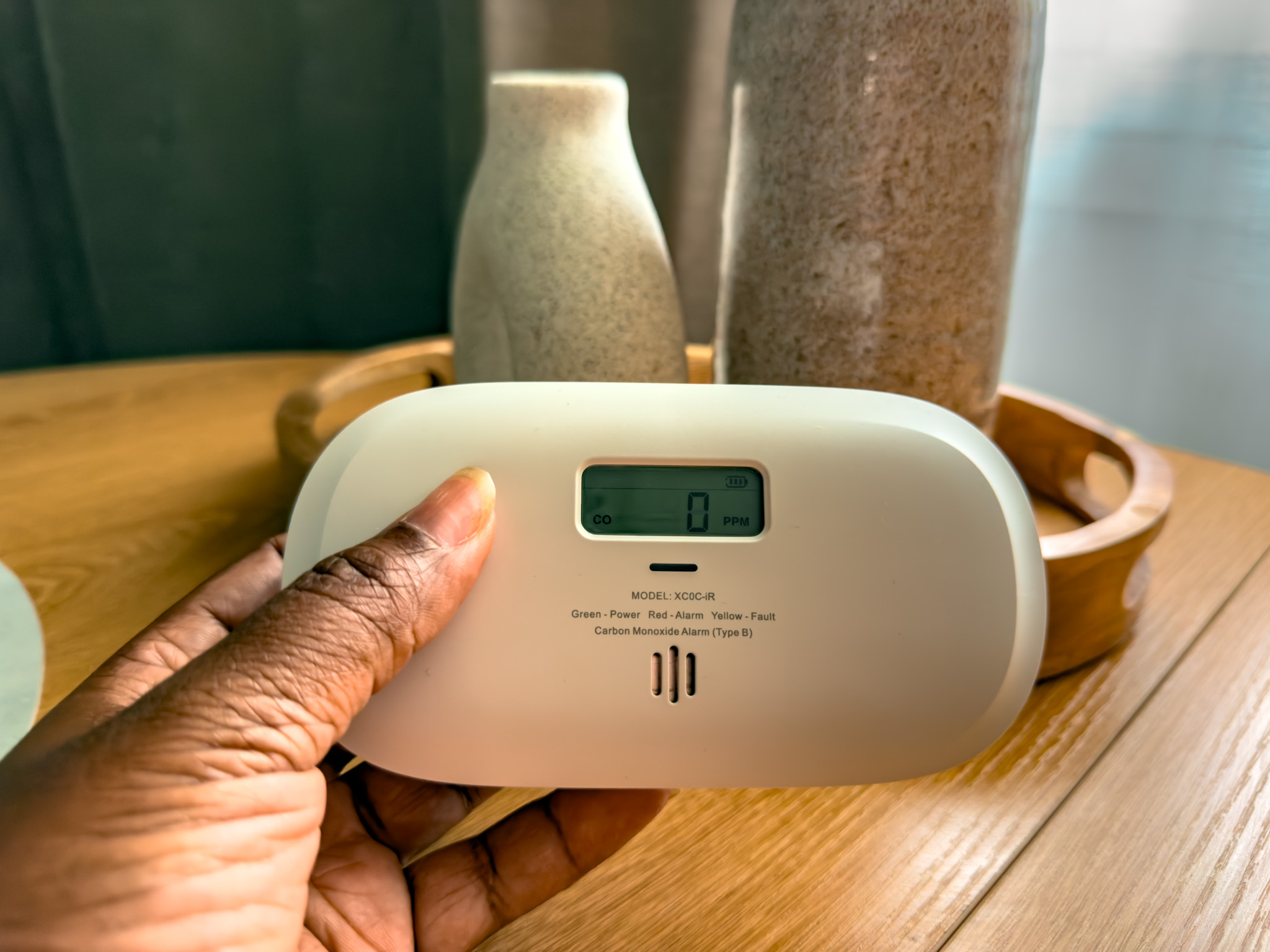
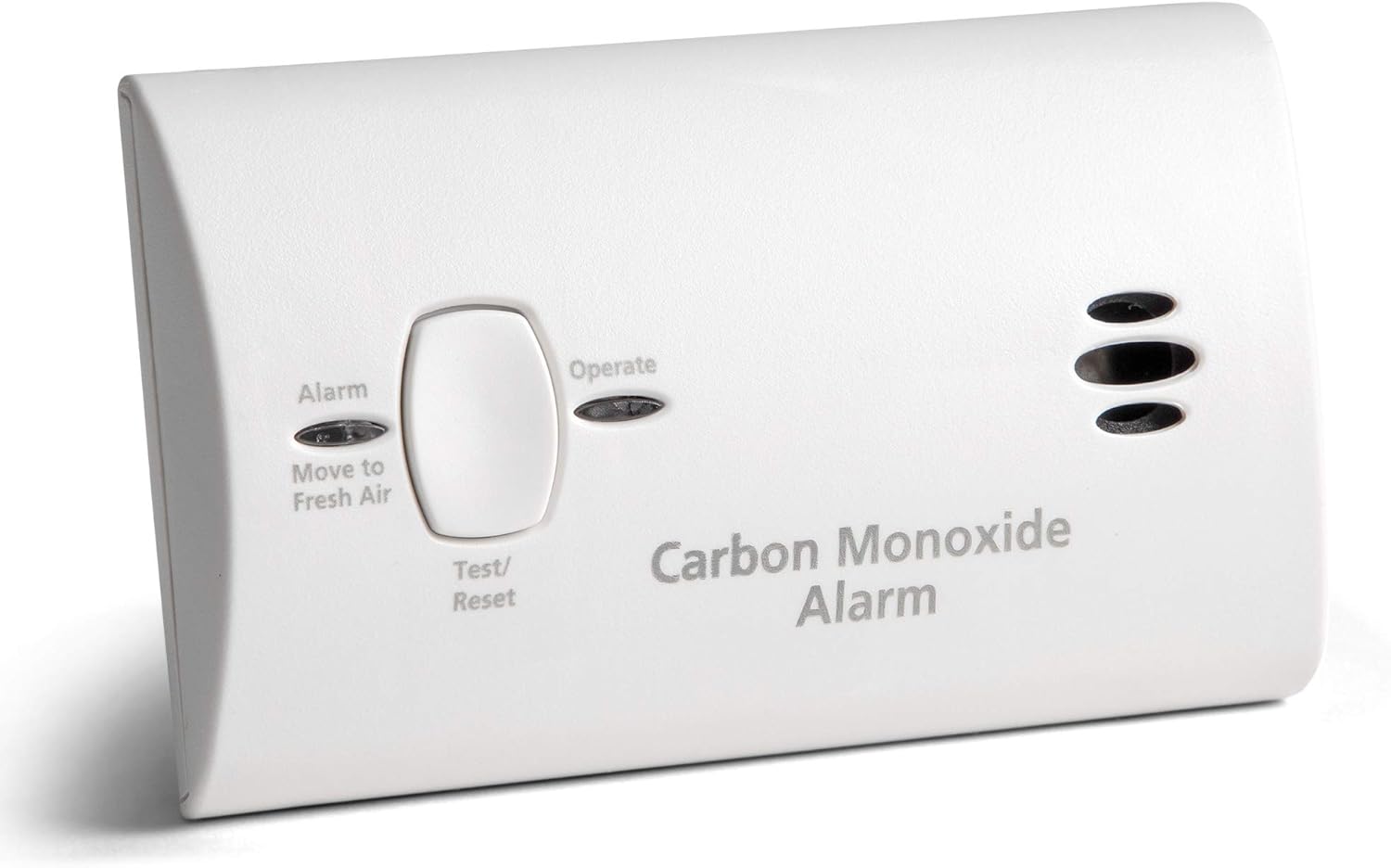
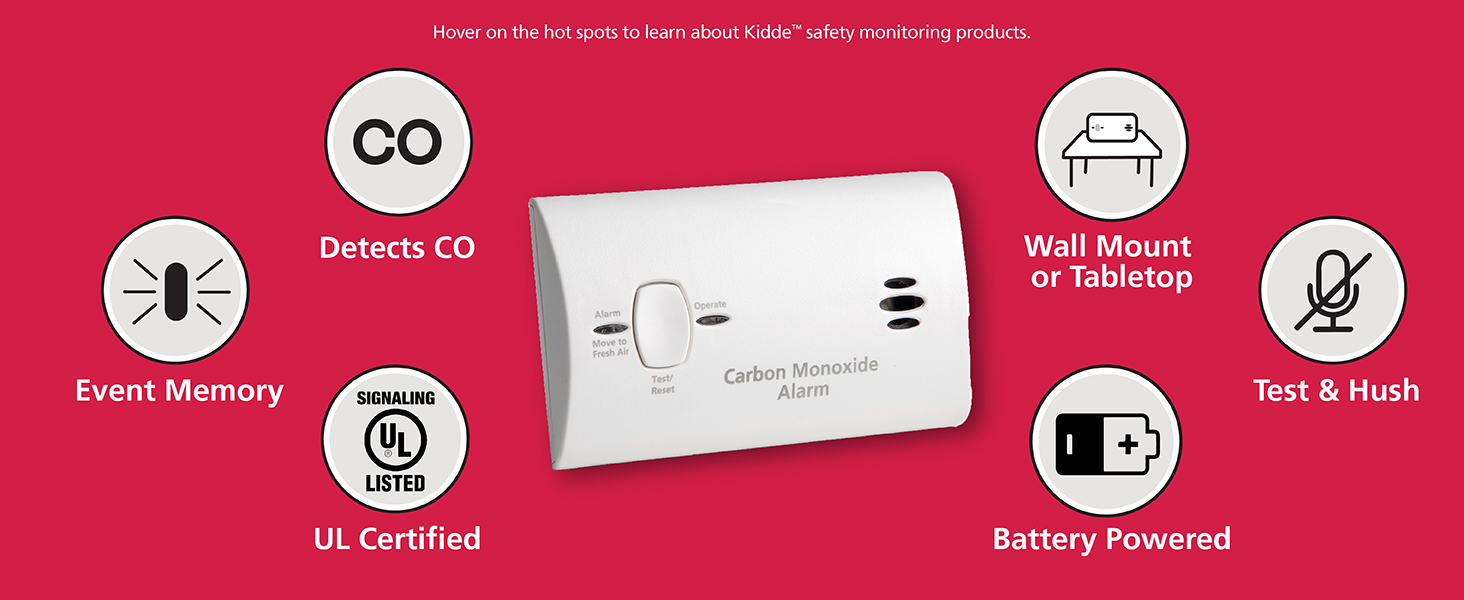
The one I picked up is this portable carbon monoxide detector for travel.
What I liked about it is that it is simple.
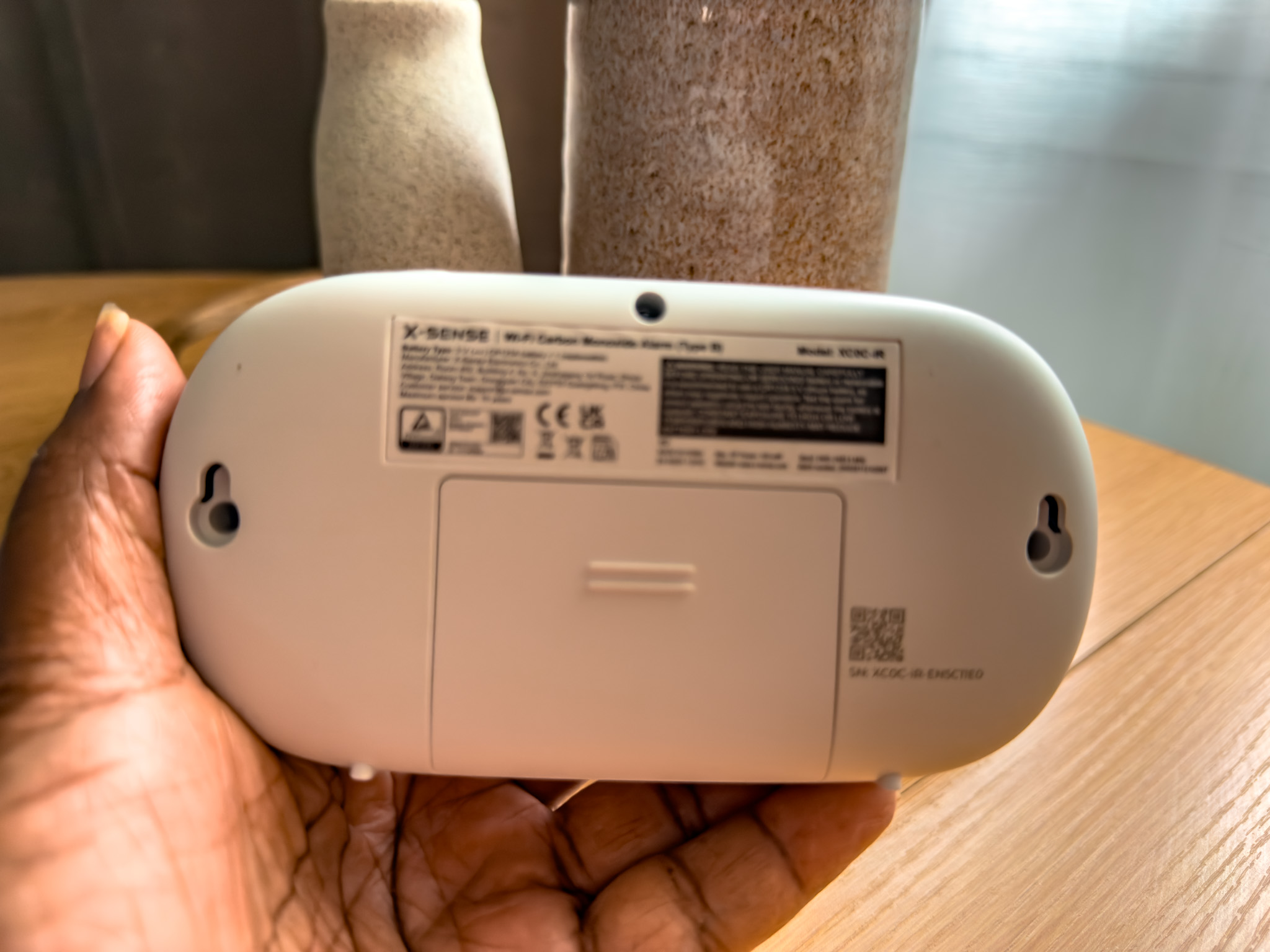
I turned it on, removed the little battery tab paper that sits between the battery and the contact, and it was ready to go. That is exactly the kind of travel item I want. I do not want something complicated, bulky, or annoying to set up after a long travel day. I want something easy enough that I will actually use it every time I check into a new place.
That is a big part of why I think portable safety devices like this make sense for travelers. The best safety habit is usually the one you will actually keep doing.
So now it just lives with my travel gear, right alongside the things I do not leave home without.
How I Use My Travel Carbon Monoxide Detector
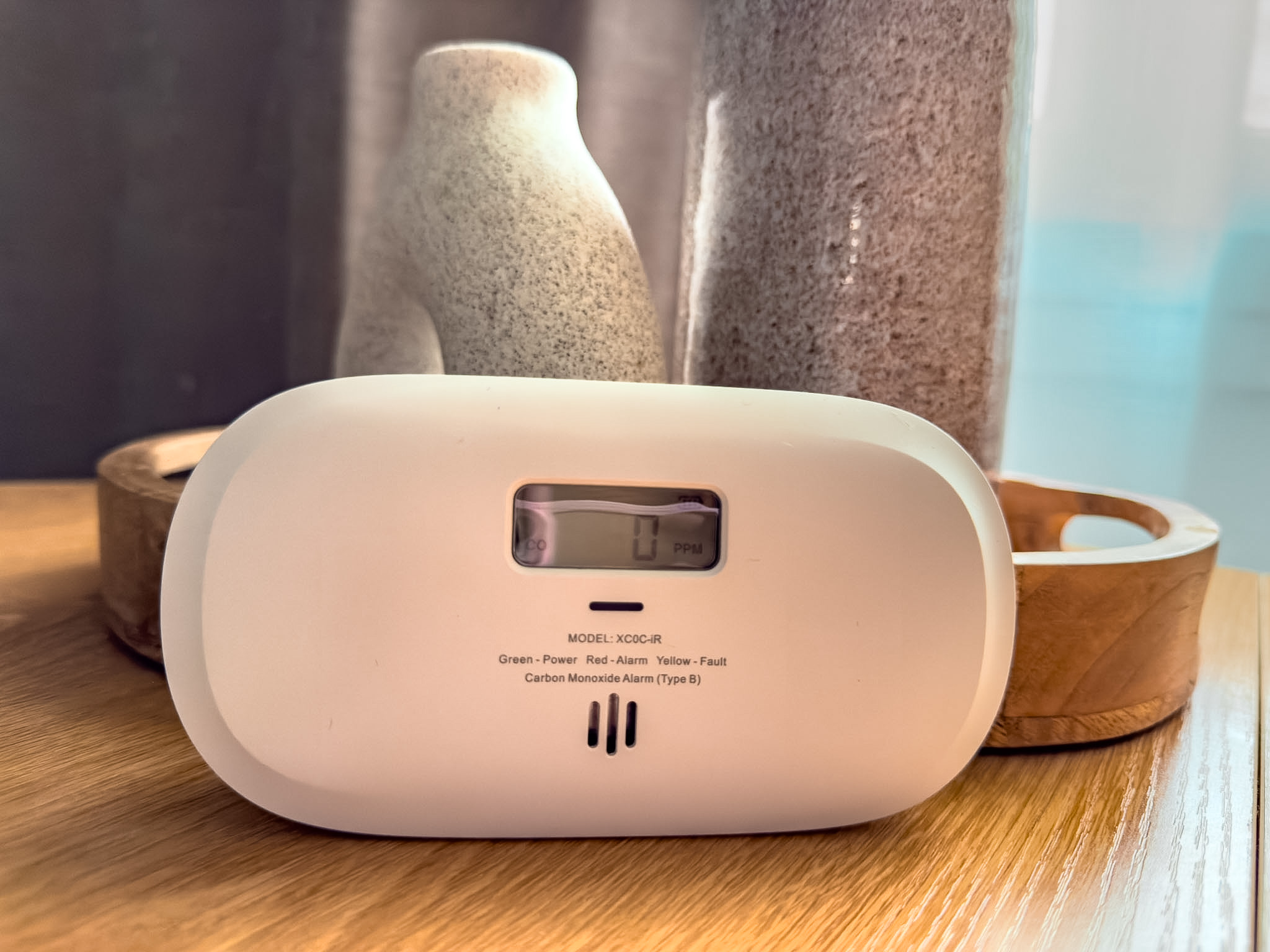
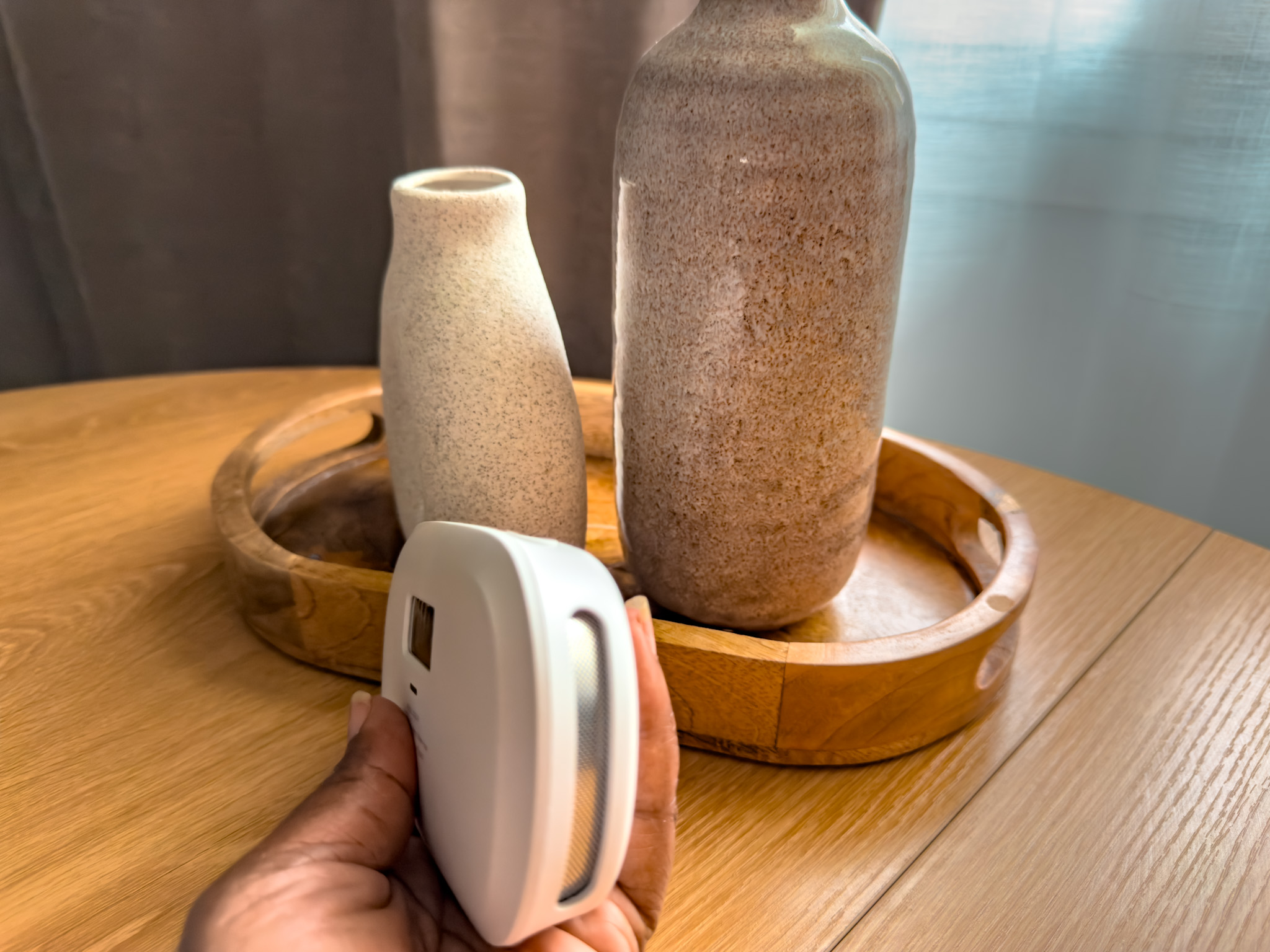
When I get to a new hotel, Airbnb, or apartment, I set out my portable carbon monoxide detector as part of getting settled in.
I do not overcomplicate it.
I unpack, get the room together, and make sure the detector is on and placed where it can do its job while we are in the room, especially overnight. That matters to me because sleep is exactly when you are least likely to notice early symptoms. Some health guidance around indoor combustion risks makes that point very clearly: if you are asleep, you may not recognize symptoms in time.
That alone is enough reason for me to take this seriously.
This is not something I carry because I think disaster is waiting around every corner. I carry it because when you travel often, you learn to build systems that reduce avoidable risk. A small carbon monoxide detector for hotel rooms and Airbnbs is one of those systems for me now.
Common Symptoms of Carbon Monoxide Poisoning Travelers Should Know
One thing I think more travelers should know is what carbon monoxide poisoning can look like in real life.
It can start with symptoms people brush off all the time while traveling: headache, dizziness, nausea, weakness, fatigue, confusion, chest pain, or shortness of breath. In more severe cases, people can collapse, lose consciousness, or die.
What makes that tricky is how easy it is to blame those symptoms on other things.
Long flight. Bad sleep. Dehydration. Food issue. Too much walking. Stress. Jet lag.
That is why I think prevention matters so much more than trying to figure it out later.
A travel carbon monoxide detector is one of those little things that helps me feel better about sleeping in places I know nothing about beyond photos and reviews.
Is a Travel Carbon Monoxide Detector Really Necessary?
For me, yes.
Not because every hotel or Airbnb is unsafe. Not because I think everyone should be afraid to travel. But because this is a very real risk that you cannot detect with your senses, and the cost of being wrong is too high.
The CPSC literally describes carbon monoxide as colorless, odorless, and poisonous, and says people cannot taste, see, or smell it.
That means you cannot “just tell” if a room has a problem.
So when people ask whether bringing a portable carbon monoxide detector for hotels and vacation rentals is overdoing it, my answer is simple: I would rather be the person who packed one and never needed it than the person who assumed everything was fine.
Travel already comes with enough variables. This is one variable I can actually do something about.
Travel Safety Is Not About Fear. It Is About Reducing Unnecessary Risk
I think this is the part people sometimes miss when they talk about travel safety gear.
Packing a carbon monoxide detector is not about being scared of the world. It is about being realistic. We already do this in other ways without thinking twice. We wear seatbelts. We back up documents. We use door alarms. We carry medicine. We buy travel insurance.
This falls into that same category for me.
It is a small step that can protect you from a problem with very serious consequences.
And because I stay in a lot of different places, in different countries, with different standards and property types, I feel better having my own portable carbon monoxide detector instead of assuming every host, hotel, or apartment owner has done everything right.
That same thinking is also why I do not travel without insurance. Along with carrying a portable carbon monoxide detector for travel and having SafetyWing travel insurance, there are a few other simple travel safety habits I think are worth keeping in mind too.

Why I Also Travel With Insurance
Packing a portable carbon monoxide detector for travel is one part of how I try to travel smarter, but I also look at safety from a bigger picture perspective. For me, that is where travel insurance comes in.
Because the truth is, travel does not always go exactly how you planned it.
Sometimes it is something small. Sometimes it is a delayed flight, a sudden illness, a problem that needs medical attention, or just one of those moments where being far from home makes everything feel more complicated and more expensive. That is why I do not like to rely on luck alone. I like having layers of protection in place.
That is also why I use SafetyWing travel insurance while I travel.
Just like carrying a carbon monoxide detector is about not assuming every place I stay has every safety measure covered, travel insurance is about not assuming everything will go perfectly just because I hope it does. It is one of those things you may not need every day, but when something does happen, you will be glad you planned ahead.
For me, both of these choices come from the same mindset. I am not trying to travel in fear. I am trying to travel responsibly. A portable carbon monoxide detector helps me think about the safety of the place I am sleeping, and SafetyWing travel insurance helps me think about the bigger what-ifs that can come with life on the road.
When you travel often, especially long term, you start to realize that peace of mind is worth packing too.
.png)
Other Smart Travel Safety Habits to Pair With It
Packing a travel carbon monoxide detector does not mean you stop paying attention to the space you are staying in. It works best as part of an overall travel safety mindset.
I still like to check where the exits are, make note of the address, confirm doors and windows lock properly, and do a quick scan of the room or apartment when I arrive. CPSC and NFPA both encourage travelers to think about vacation rental safety in practical ways, including checking for alarms and knowing exit routes.
That is really the bigger lesson here.
Do not assume safety basics are automatically covered just because a place looks nice online.
Final Thoughts on Traveling With a Carbon Monoxide Detector
At this point, I look at a portable carbon monoxide detector for travel the same way I look at other small essentials that make travel smoother and safer. It is simple, inexpensive, easy to pack, and worth having.
Carbon monoxide is dangerous precisely because it is invisible. You cannot smell it. You cannot see it. You cannot rely on instinct to catch it. And the health agencies and safety organizations that deal with this issue directly are very clear that alarms matter.
So for me, this is an easy call.
I bought this portable carbon monoxide detector for travel, turned it on, removed that little battery tab to get it started, and now I keep it with my travel gear.
Because if fatalities have happened from carbon monoxide poisoning, and a simple device can add another layer of protection, why risk it?

Cavetta is the creator of LifeWithVetta.com and has been traveling the world full time since 2020. She has visited more than 60 countries while worldschooling her son and documenting what it really takes to live abroad. Her guides focus on travel, moving abroad, digital nomad life, and designing a life beyond the traditional path.
