
The War Remnants Museum in Ho Chi Minh City is not an easy visit. It is not light, not casual, and not something you walk through quickly before lunch. It is powerful, confronting, and deeply emotional.
If you are visiting Saigon and want to understand Vietnam beyond food, cafes, and colonial architecture, this museum is essential. It provides context to the Vietnam War from the Vietnamese perspective and documents the human cost of conflict in ways that are difficult to forget.
Before you go, it helps to know what you are walking into.
Where It Is Located
The War Remnants Museum is located in District 3, just a short walk from District 1 and other major attractions.
Address:
28 Võ Văn Tần Street, Ward 6, District 3, Ho Chi Minh City
It is easily accessible by walking if you are staying centrally, or by ride-hailing apps such as Grab. Most visitors combine it with Independence Palace and the Central Post Office on the same day.
What the Museum Is About
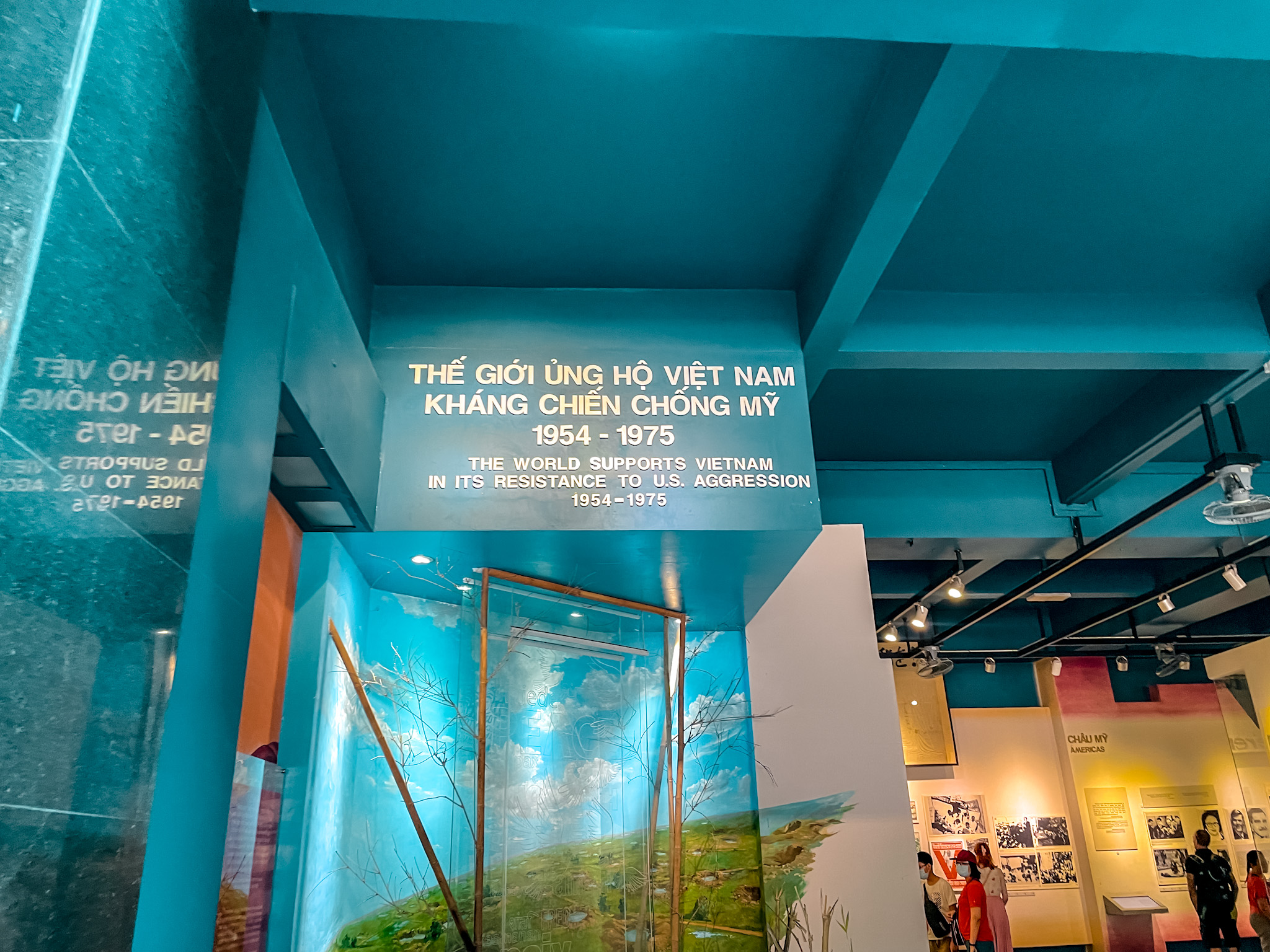
The museum focuses primarily on the Vietnam War, referred to in Vietnam as the American War. It presents the conflict from the Vietnamese viewpoint and emphasizes the human impact on civilians, soldiers, and future generations.
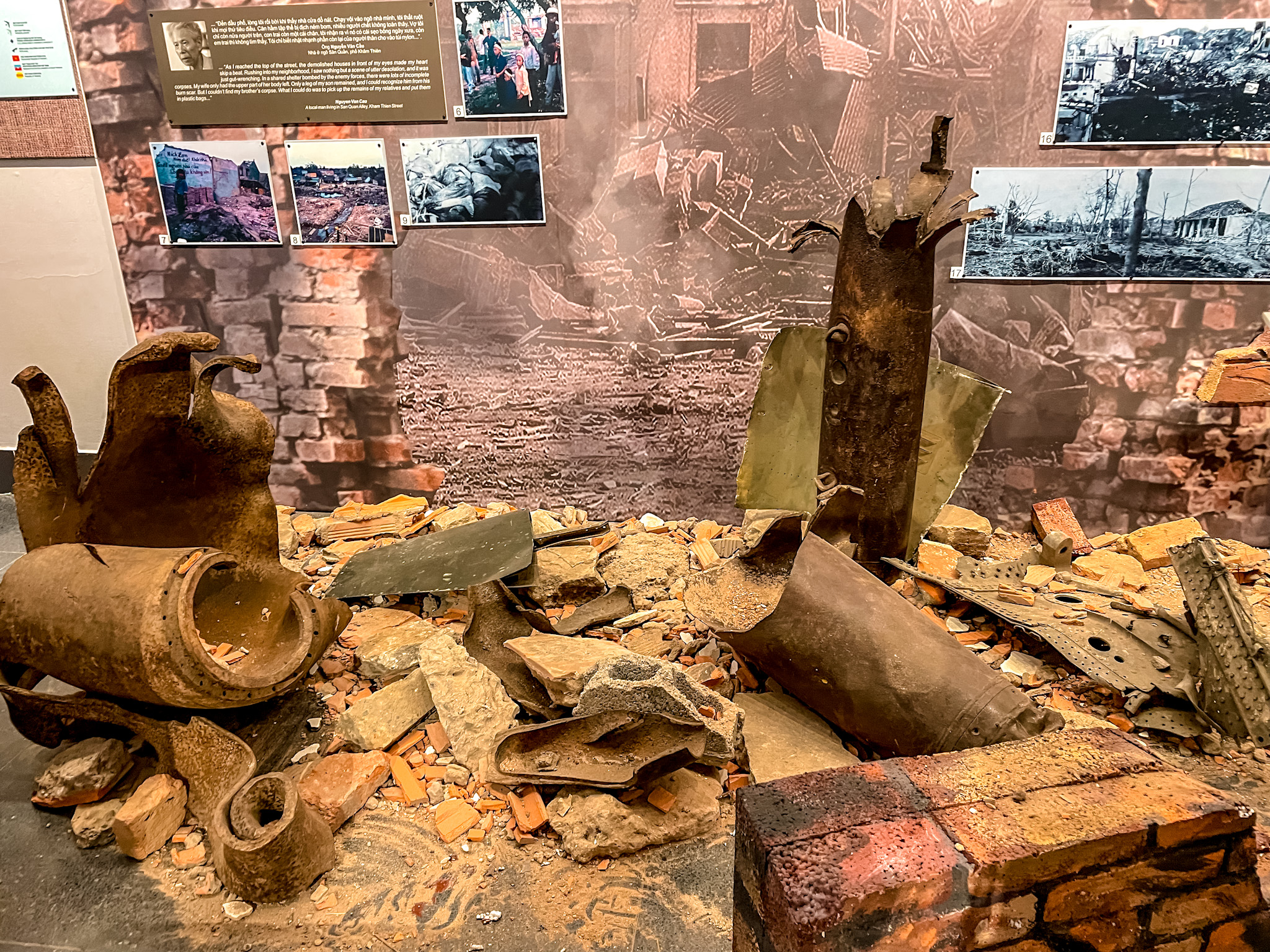
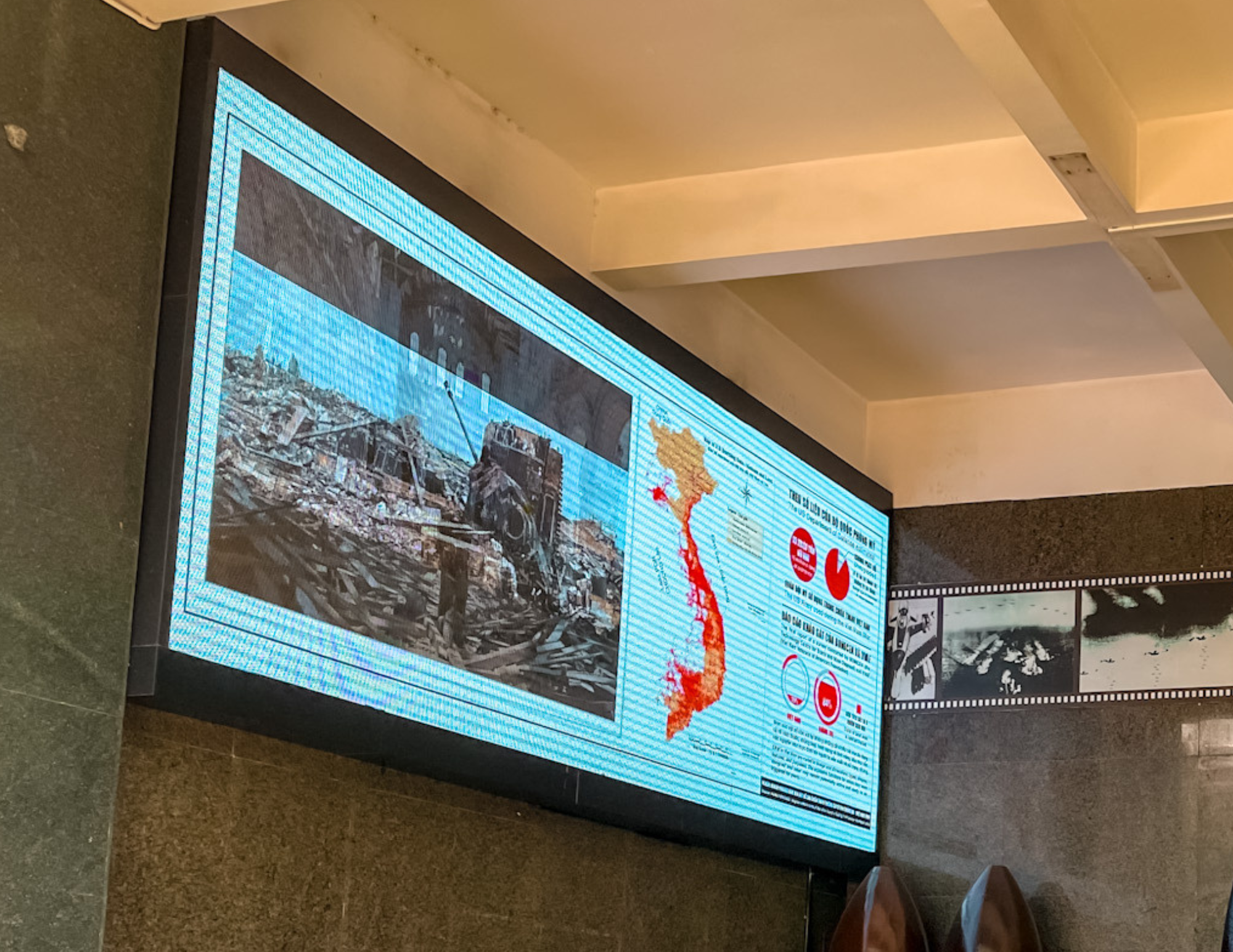
Exhibits document the destruction caused by bombing campaigns, the long-term consequences of Agent Orange, the experiences of prisoners of war, and international anti-war movements.
The tone is direct and often graphic. This is not a neutral military museum focused on strategy and battles. It is centered on suffering, consequences, and memory.
A Brief History of the Museum
The museum opened in 1975 shortly after the end of the war. It was originally named the “Exhibition House for US and Puppet Crimes.” Over time, the name was changed to War Remnants Museum, reflecting a broader focus while still maintaining a strong national narrative.
Today, it is one of the most visited museums in Vietnam and attracts both international travelers and Vietnamese visitors.
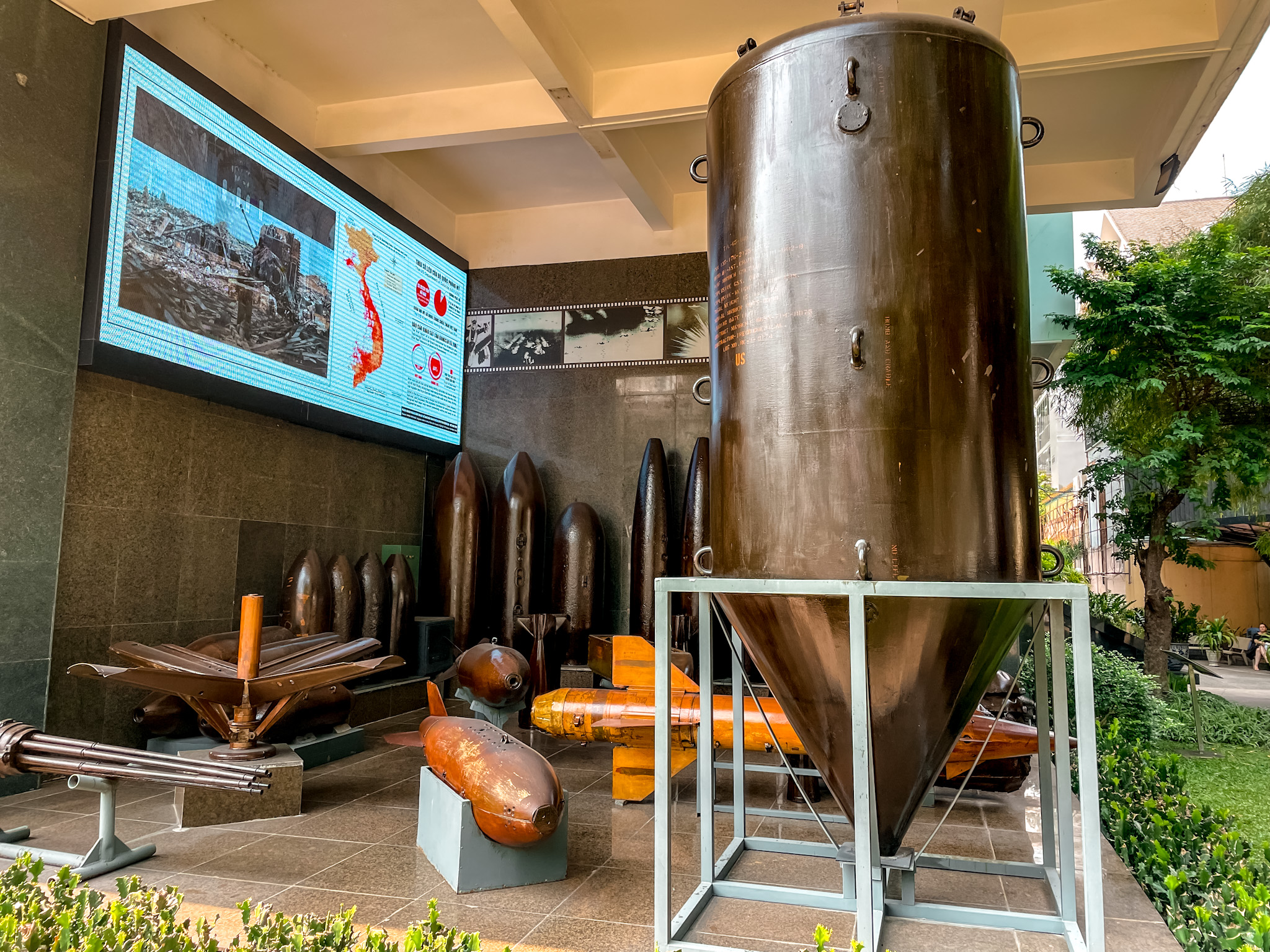
What You Will See Inside
Outdoor Military Equipment Display
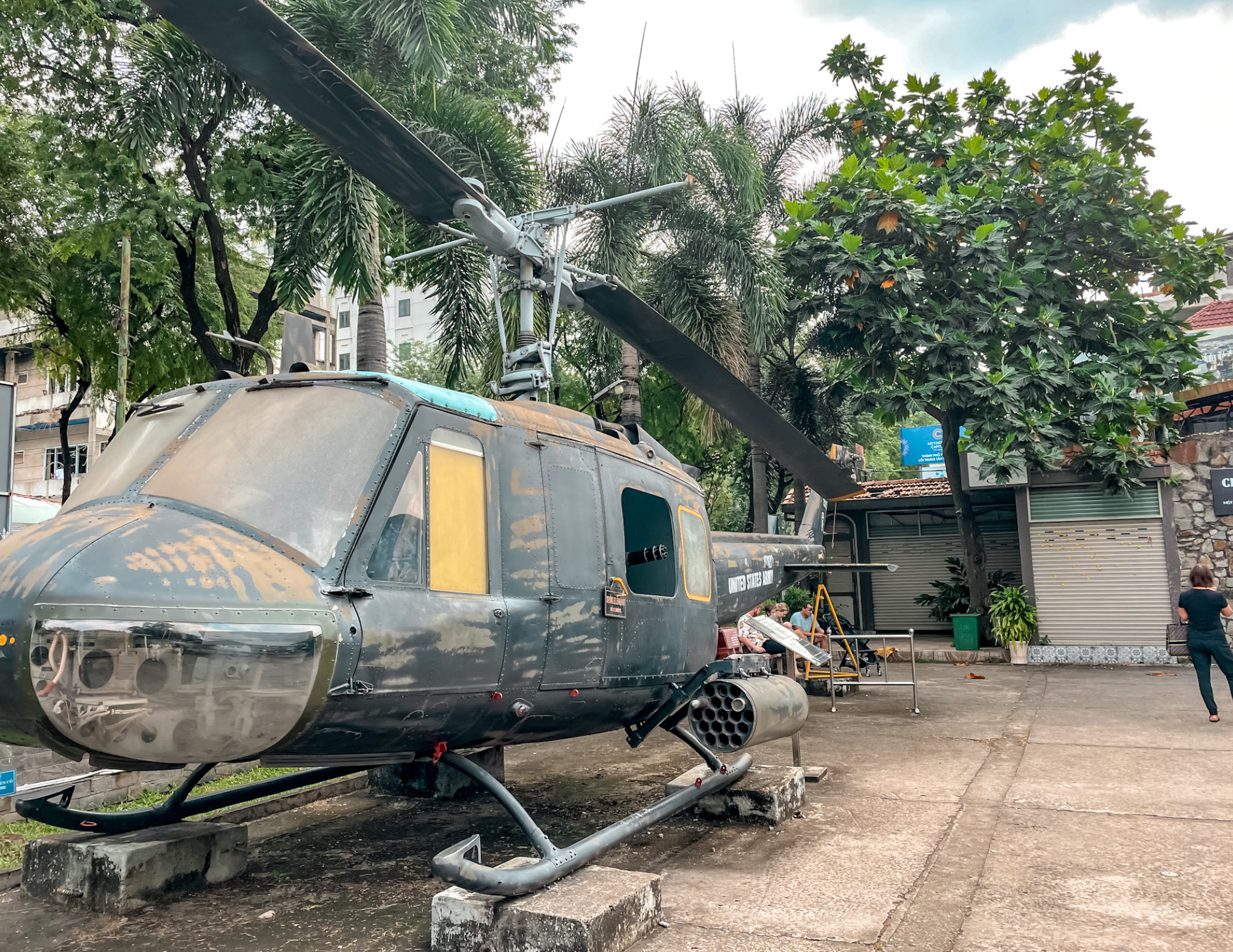
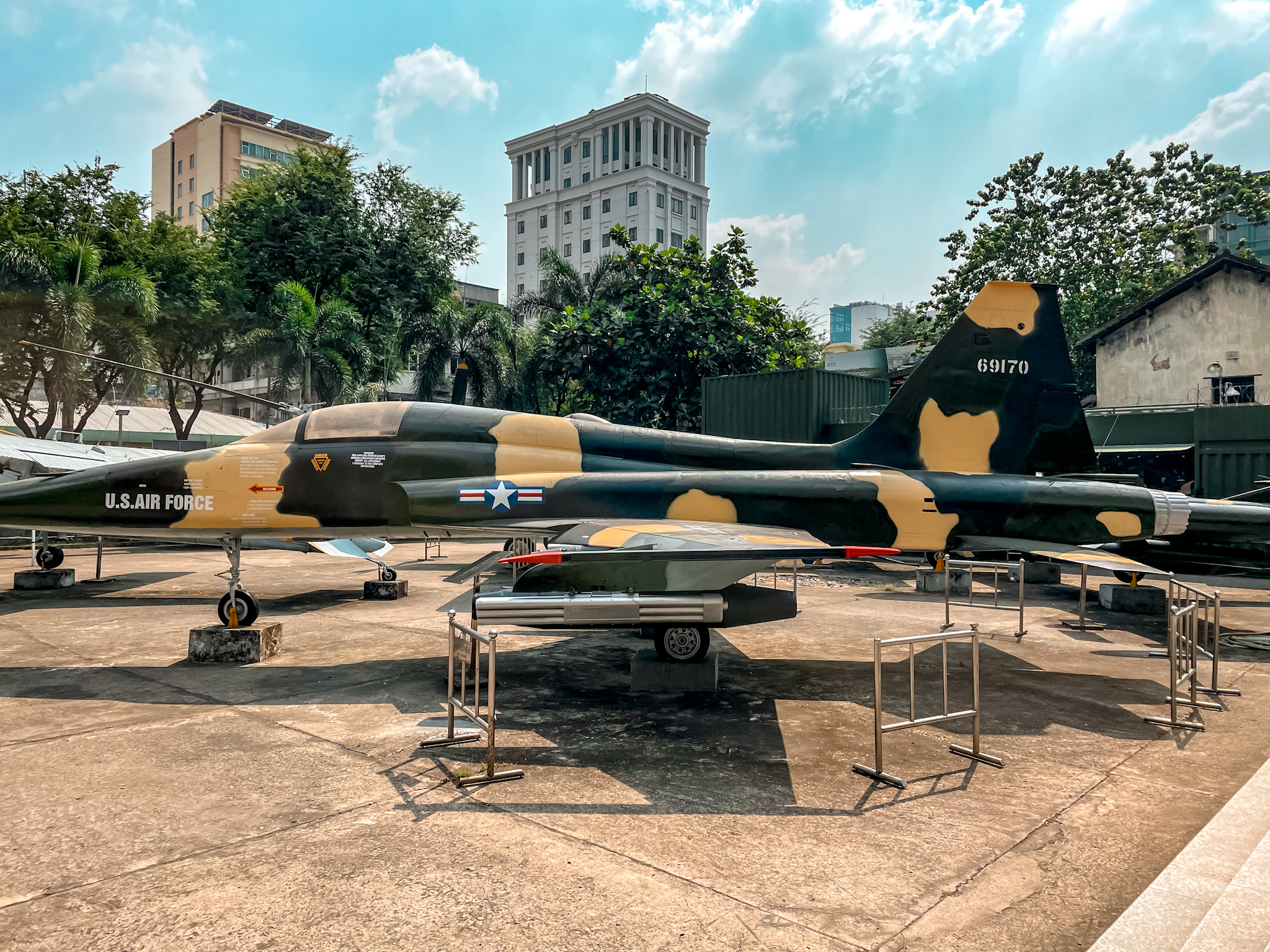
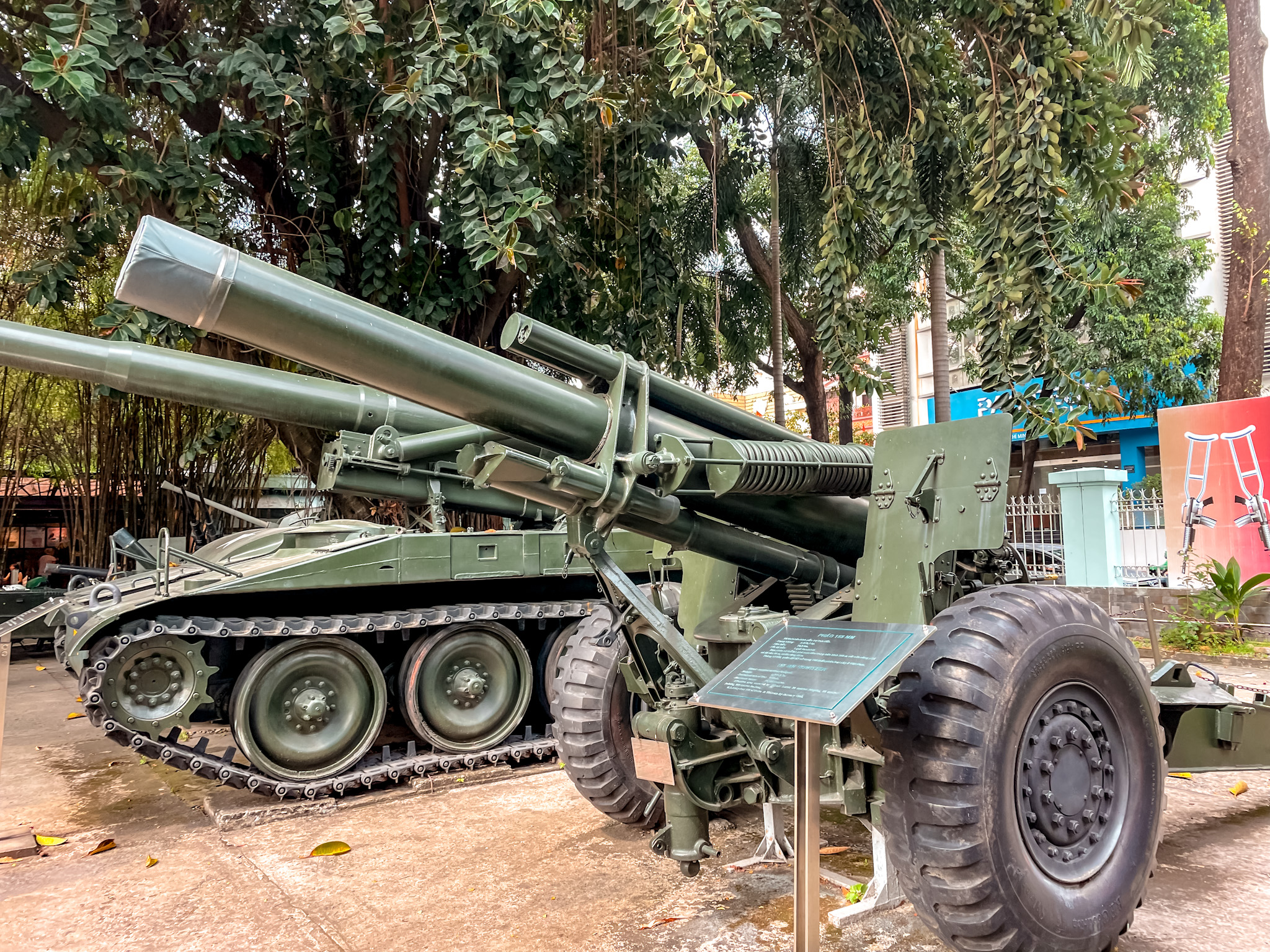
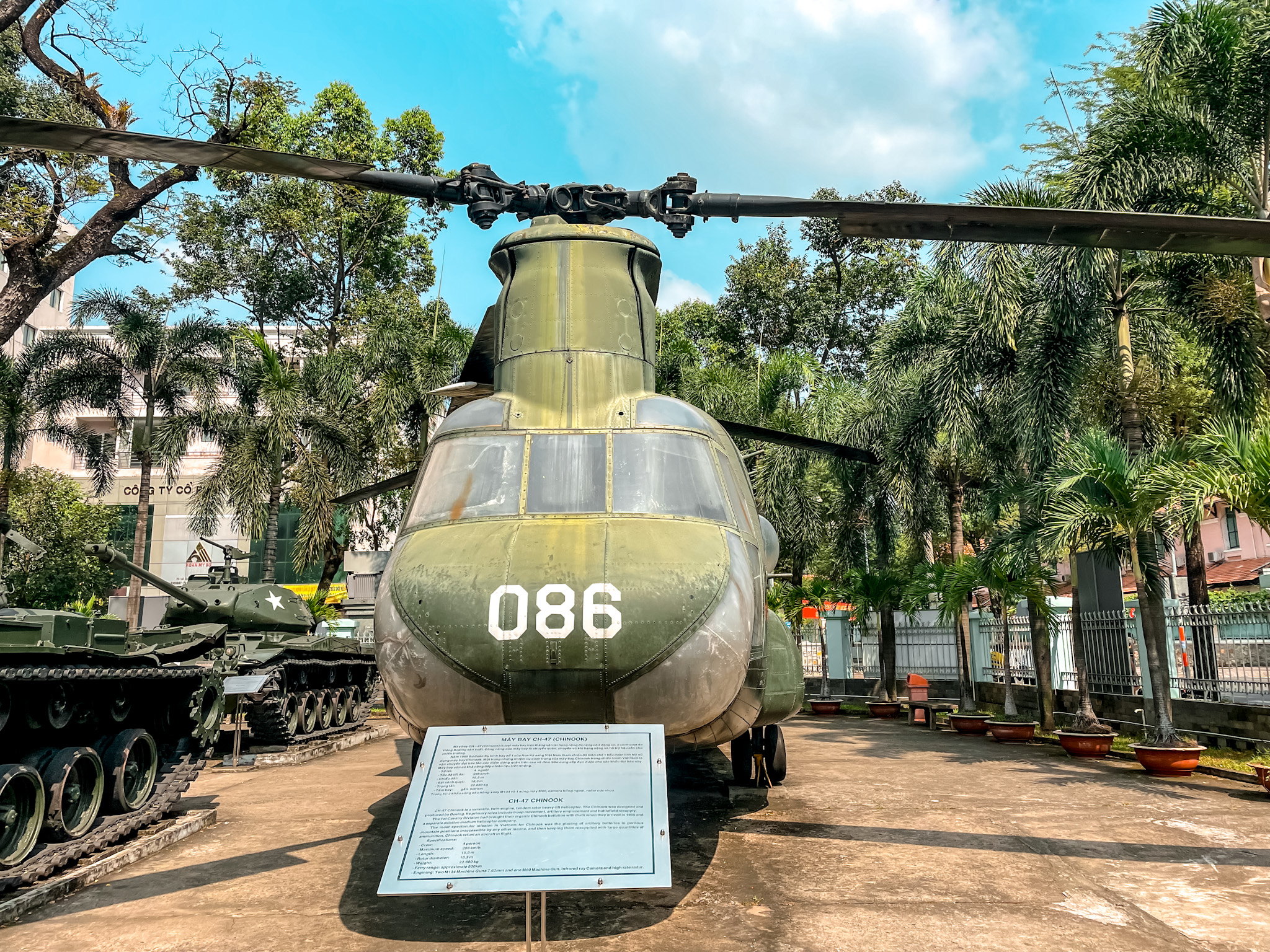
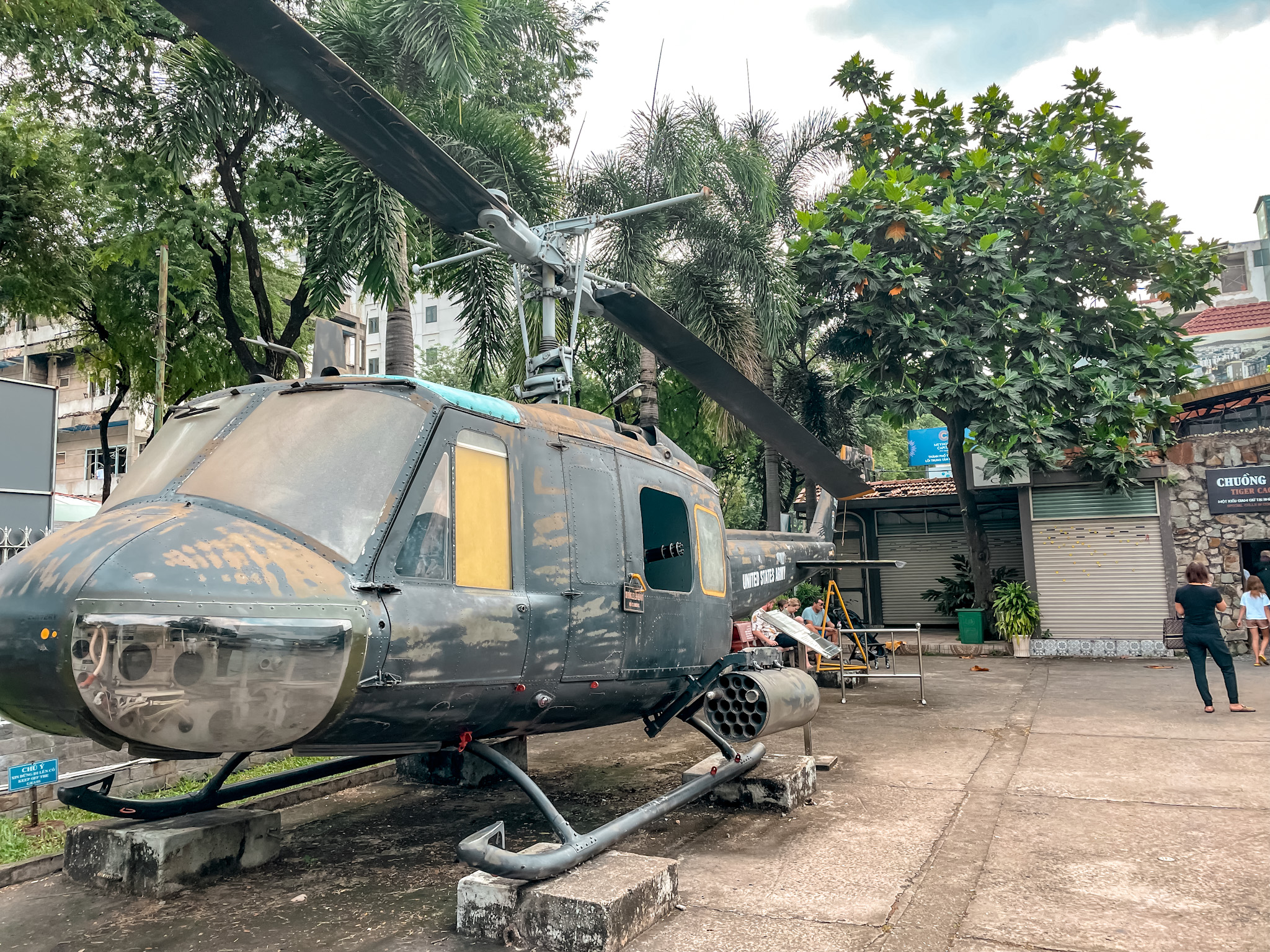
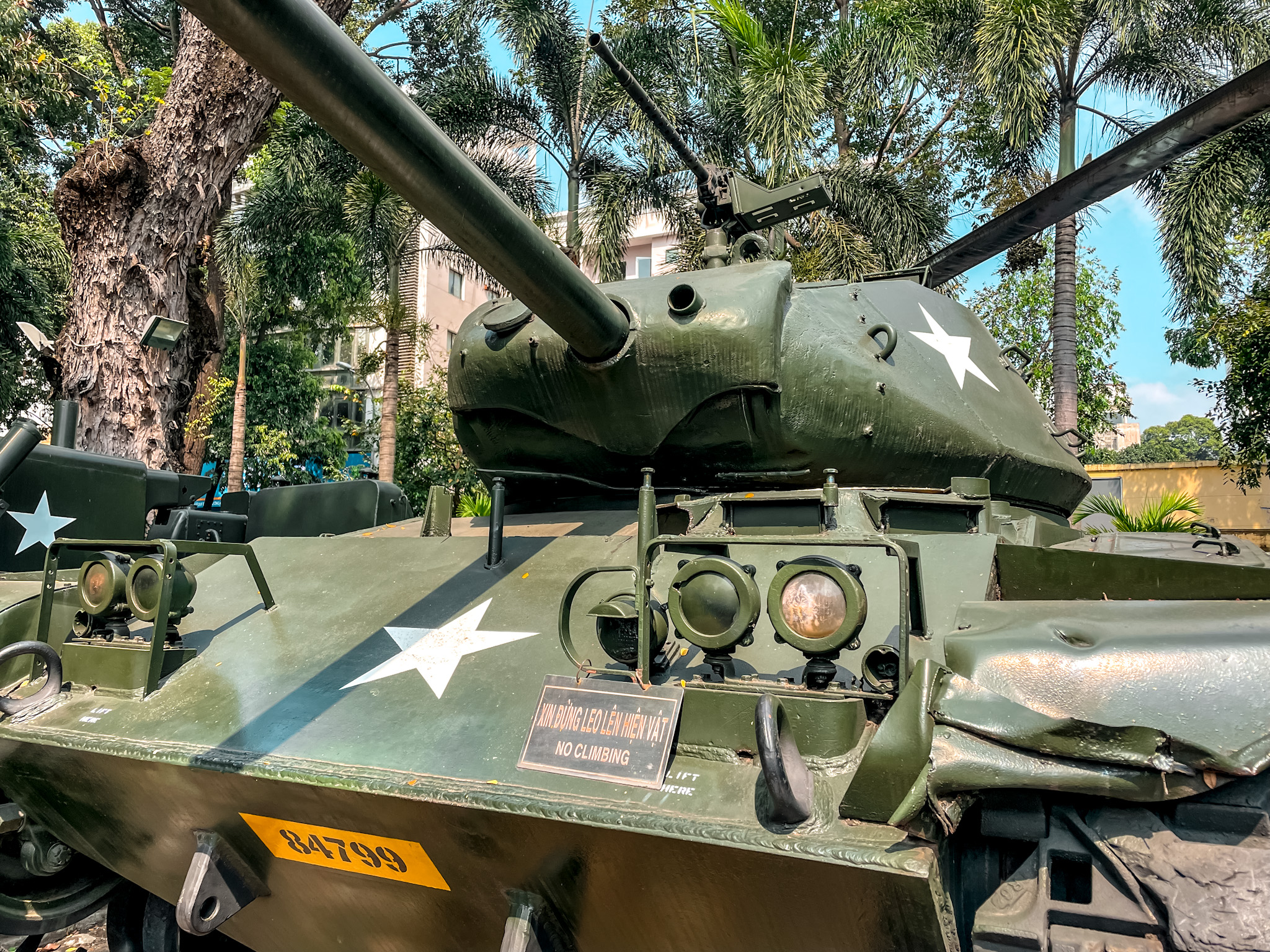
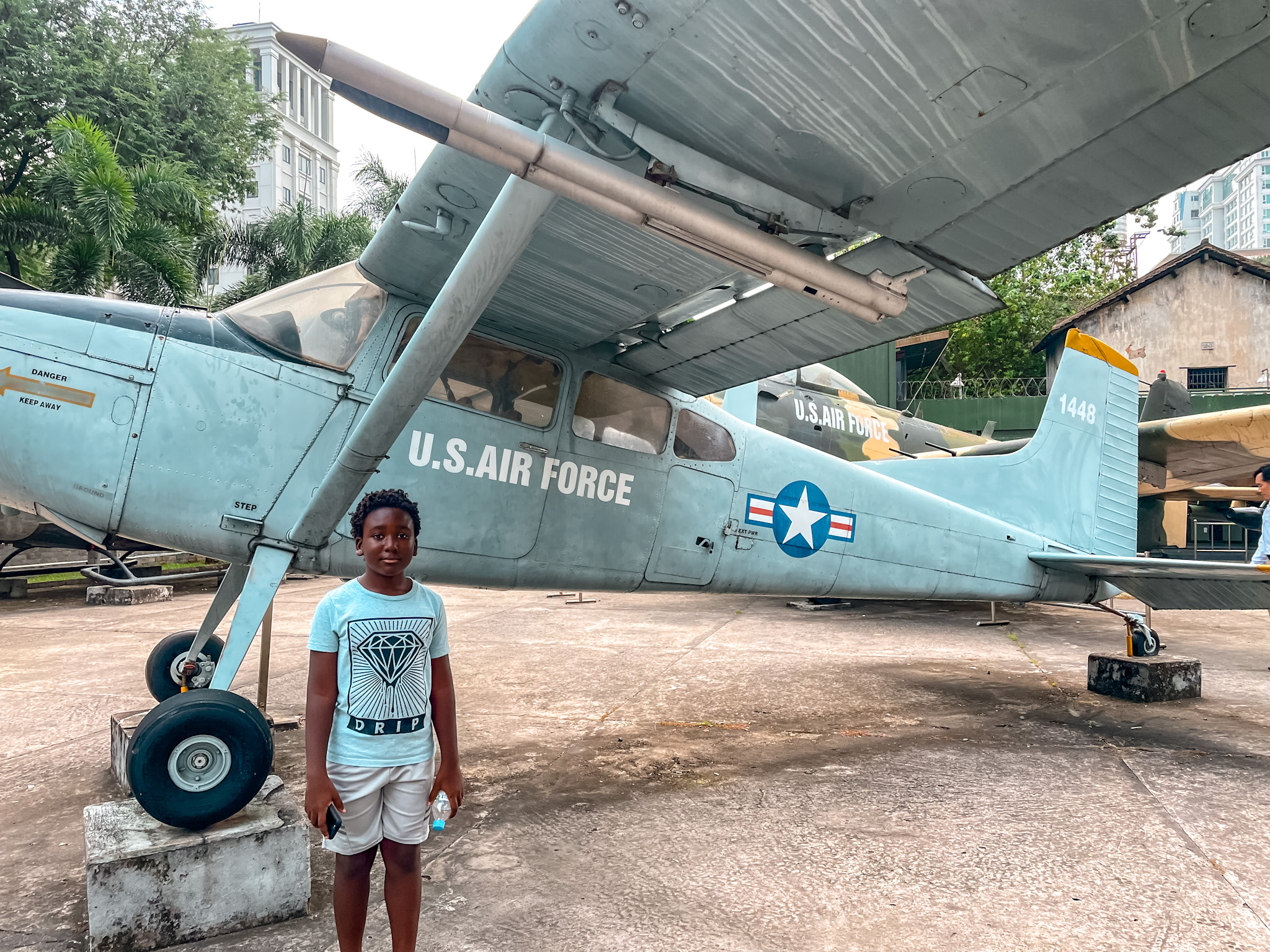
Before entering the main building, you will see large military equipment displayed in the courtyard. This includes tanks, helicopters, fighter aircraft, and artillery pieces used during the war.
The scale of these machines provides immediate context to the conflict’s intensity.
Agent Orange Exhibition
One of the most difficult sections of the museum focuses on the long-term effects of Agent Orange. Photographs and documentation show the devastating impact of chemical defoliants on civilians and multiple generations.
This section is often the most emotionally overwhelming for visitors. It highlights health consequences that continue decades after the war ended.
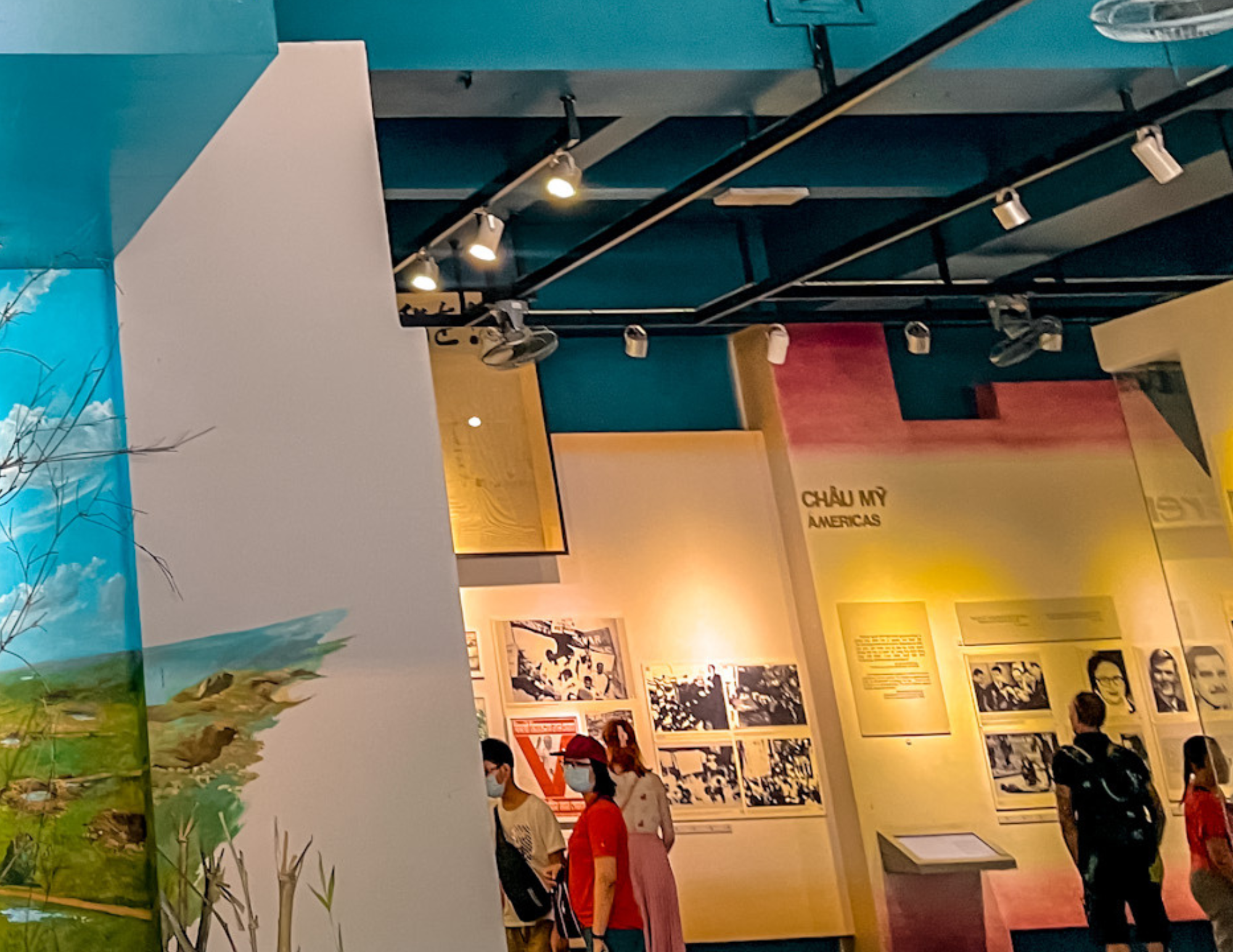
War Photography Galleries
Several floors are dedicated to photographs taken during the war. Many of the images are internationally recognized and capture moments that shaped global opinion.
The photography section is powerful because it documents both Vietnamese and foreign journalists who risked or lost their lives covering the conflict.
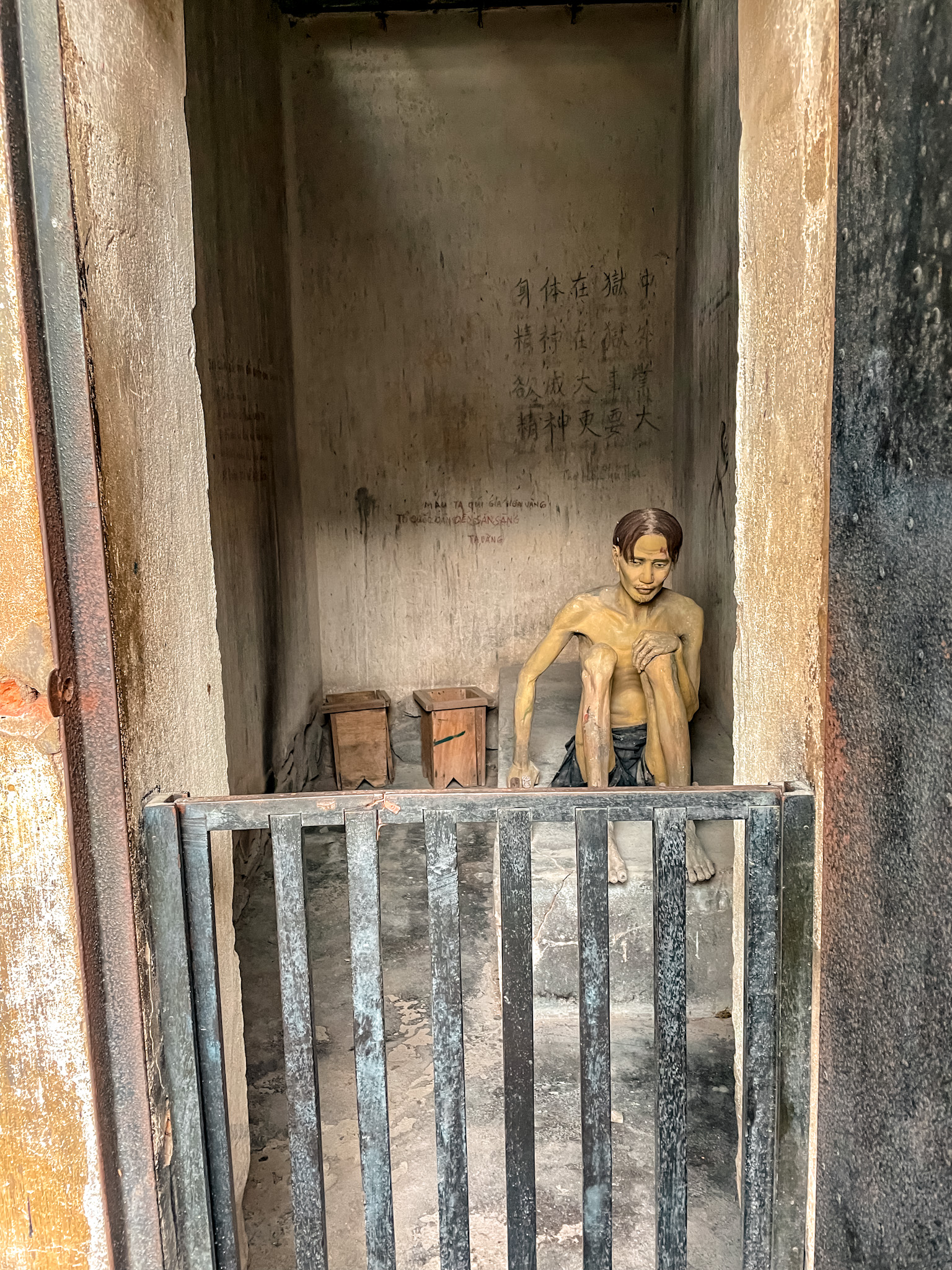
Reconstructed Prison Cells
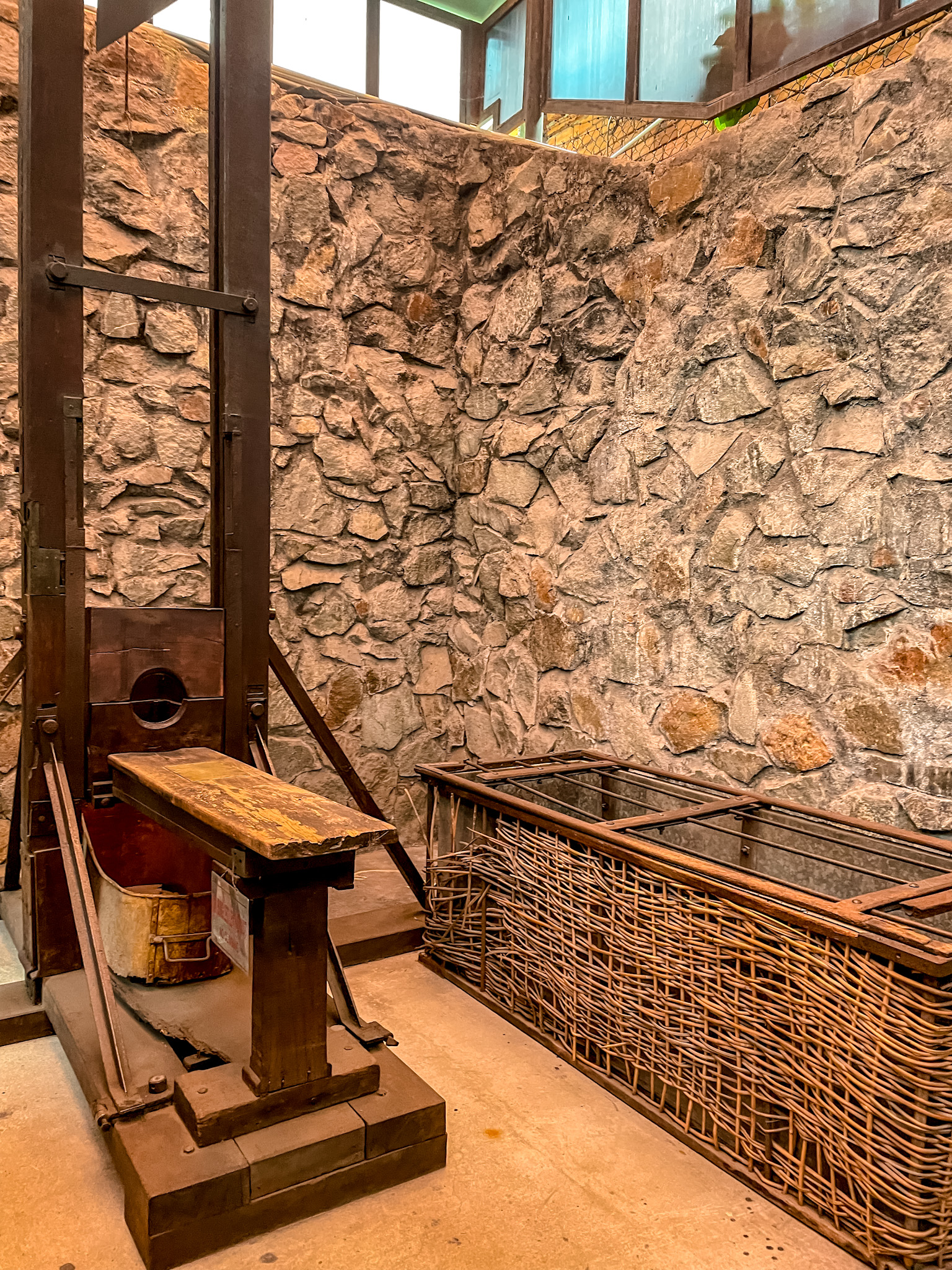
There are exhibits that recreate prison conditions, including tiger cages and detention facilities. These displays aim to show the treatment of prisoners during the war.
These rooms are intense and may be disturbing for some visitors.
How Long to Spend There
Plan at least two hours. Many people stay longer.
This is not a museum you rush through. Reading the displays and processing the imagery takes time. It is also emotionally heavy, so you may want to plan a lighter activity afterward.
Ticket Price and Opening Hours
The War Remnants Museum is open daily, typically from morning until late afternoon. Hours may vary slightly on holidays.
Entrance fee is affordable, usually around 40,000 to 50,000 Vietnamese Dong for adults. Prices can change, so check locally upon arrival.
There is no need to book in advance. You can purchase tickets at the entrance.
Important Visiting Tips
Be Emotionally Prepared
The content is graphic in places. There are photographs of victims, injured civilians, and war consequences that may be distressing. If you are traveling with children, consider whether it is appropriate.
Visit Earlier in the Day
The museum becomes crowded midday, especially with tour groups. Visiting earlier provides a quieter experience and more time to reflect.
Dress and Behavior
While there is no strict dress code, respectful attire is appropriate. This is a memorial space as much as it is a museum.
Keep voices low. Avoid inappropriate photography poses. Remember that for many visitors, this history is personal.
Why It Is Important to Visit
It is easy to experience Ho Chi Minh City through food and nightlife alone. The War Remnants Museum adds historical depth.
Whether you agree with every narrative presented or not, the museum reflects how Vietnam remembers the war. Understanding that perspective is part of understanding the country.
It also reminds visitors that war is not abstract. It has lasting consequences that shape generations.
Is It Biased?
This question comes up often. The museum presents events from the Vietnamese perspective. It does not attempt to present all sides equally. Visitors should approach it knowing that it reflects a national narrative shaped by lived experience.
Reading multiple sources before or after your visit can provide additional context. But dismissing the museum entirely misses an opportunity to understand how Vietnam processes its past.
Pairing It With Other Sites
Many travelers combine the War Remnants Museum with:
Independence Palace
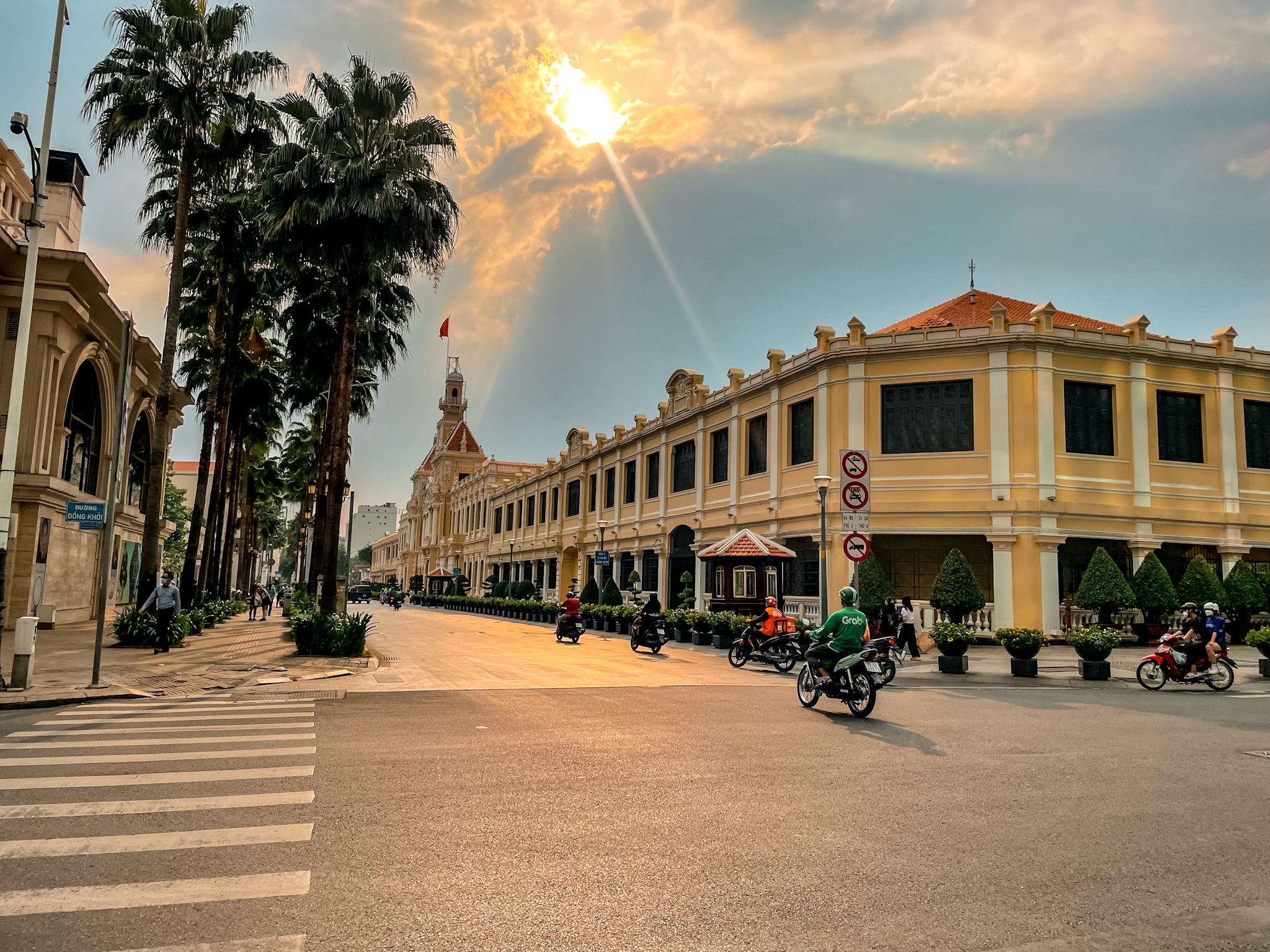
Saigon Central Post Office
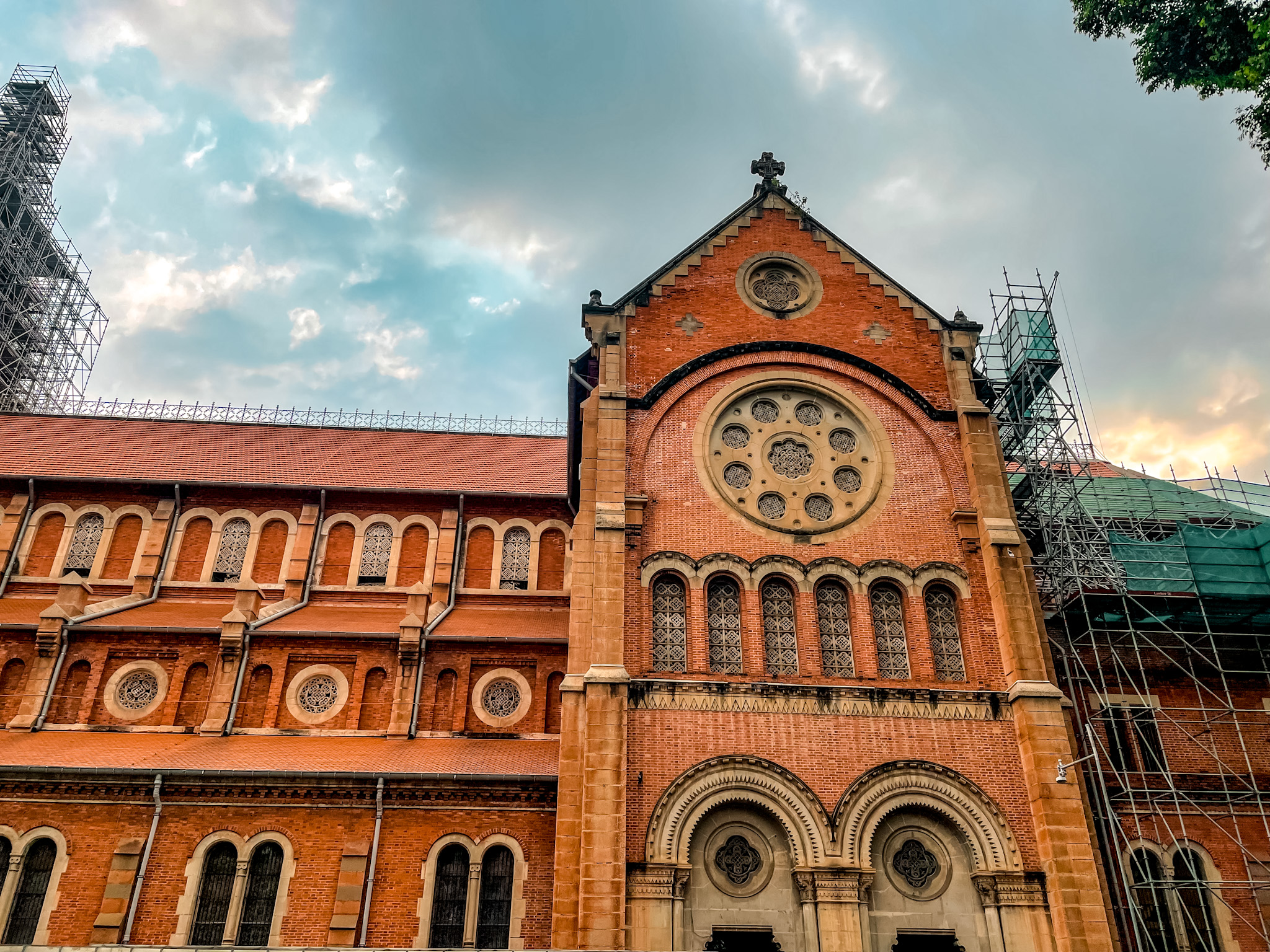
Notre Dame Cathedral Basilica
Book Street
This creates a balanced day of history and architecture within central Saigon.
Emotional Aftercare
It may sound dramatic, but this museum stays with people. Plan a calm activity afterward. A quiet cafe, a park, or a relaxed meal helps process what you have seen.
Travel is not only about enjoyment. It is also about understanding.
The War Remnants Museum in Ho Chi Minh City is one of the most impactful museums in Southeast Asia. It is uncomfortable, heavy, and deeply human.
If you want to understand modern Vietnam beyond surface level experiences, this visit matters.
Go with respect. Take your time. Allow yourself to sit with what you see.

You Cannot Travel to Vietnam Without Insurance
Vietnam feels safe, welcoming, and affordable. That combination sometimes makes travelers underestimate risk.
Medical care in major cities like Hanoi and Ho Chi Minh City is solid, but private hospitals require payment upfront if you do not have insurance. Even something as simple as dehydration treatment, a minor accident in traffic, or a stomach illness requiring observation can turn expensive quickly.
Vietnam is also a country where:
• Motorbike traffic is intense
• Street crossings require awareness
• Adventure tours and trekking are popular
• Food exploration is constant
Most trips go smoothly. But travel insurance is not for the smooth days. It is for the one unexpected day.
When we travel in Vietnam, we use SafetyWing because it is designed specifically for nomads and long term travelers. Their Nomad Insurance Essential plan covers unexpected illness and injury in 175 plus countries, along with travel related issues like trip interruption and lost luggage. You can purchase it before departure or while already traveling, and plans can auto extend every four weeks.
For people living abroad more permanently, Nomad Insurance Complete offers full health coverage including routine checkups, support for mental health diagnoses, wellness therapies, and major treatment such as cancer care. It can function as primary health insurance while living internationally.
If you are building a borderless life, their Nomad Citizen membership includes premium health insurance, income protection that can pay up to $4,000 per month if you lose employment or freelance income, travel coverage, and simplified visa support.
We move between countries regularly. Having flexible global coverage makes that possible without constantly reapplying for new plans.
If Vietnam is on your itinerary, do not land without coverage in place.
You can explore plan options here: SafetyWing
