
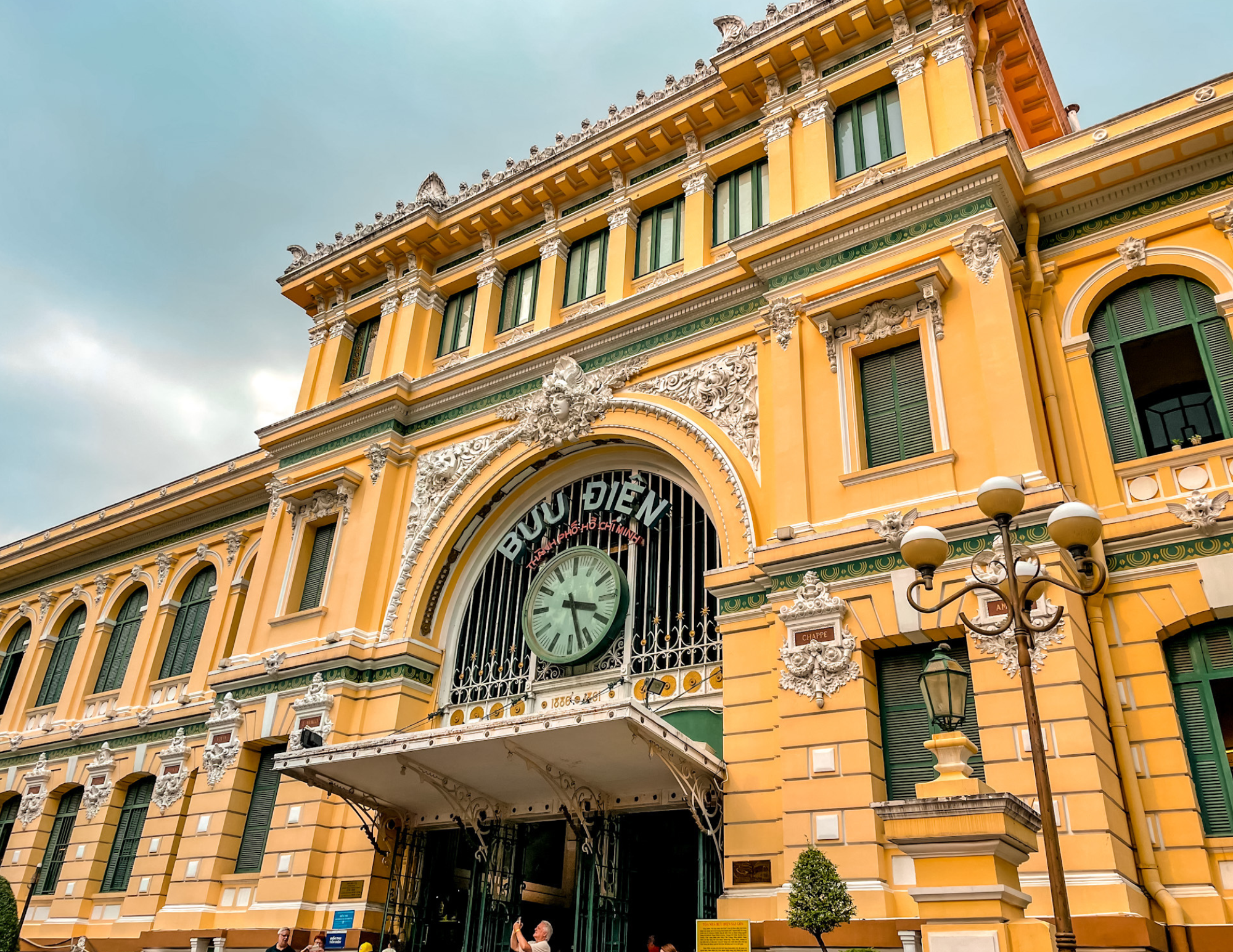
Ho Chi Minh City, often still called Saigon, is Vietnam’s largest and most energetic metropolis. With millions of motorbikes weaving through its streets, historic architecture from the French colonial era, world-class street food, and a vibrant nightlife, the city feels alive from early morning until late at night. It is the commercial heart of the country and one of the most visited destinations in Southeast Asia, yet it is also a place where newcomers sometimes feel overwhelmed at first. This guide brings everything together so you can understand, navigate, and enjoy Ho Chi Minh City before you even book your flight.
What Makes Ho Chi Minh City Unique
While Hanoi often feels reflective and historic, Ho Chi Minh City moves quickly and embraces energy, entrepreneurship, and evolution. Old and new exist side by side here. French-era landmarks and wide boulevards continue to stand alongside shiny skyscrapers, sprawling markets, and neighborhoods that feel modern and authentic at the same time. Cuisine reflects the city’s southern roots and proximity to the Mekong Delta, which means vibrant flavors and diverse influences in both street food stalls and innovative restaurants.
Where Ho Chi Minh City Is and How It’s Laid Out
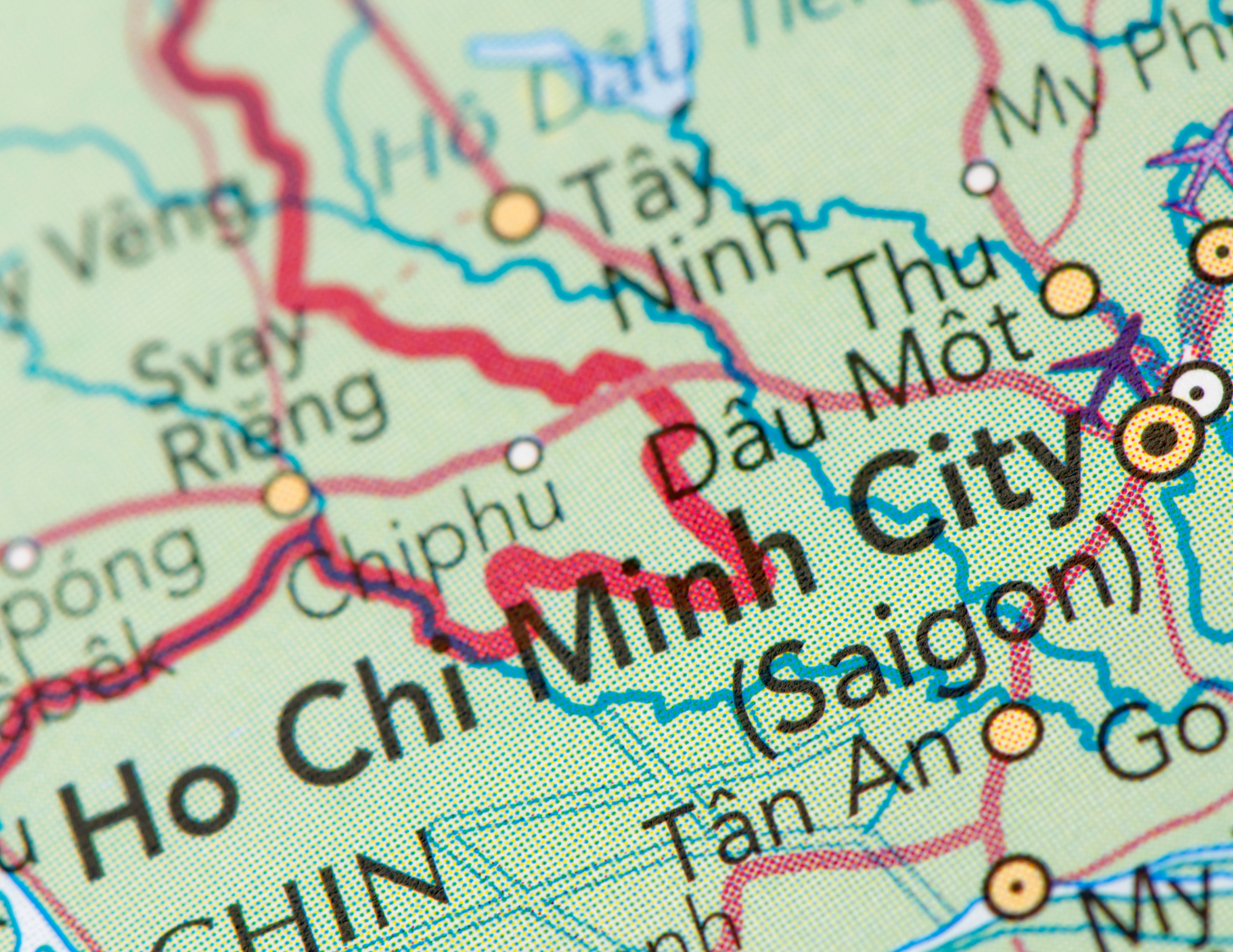
Ho Chi Minh City sits in the south of Vietnam and is divided into multiple districts, each with its own personality. For most first-time visitors, District 1 is the most convenient base. This central area contains many of the city’s major attractions, markets, dining options, and nightlife neighborhoods. Nearby Districts 3, 5 and 7 also offer great experiences and can feel slightly more local or residential while still being within easy reach of the main sights.
Best Time to Visit
Ho Chi Minh City has a tropical climate with warm temperatures year-round, but there are still meaningful differences by season. December through March is the dry season and generally considered the most comfortable time to visit with clearer skies and a more pleasant breeze. The rainy season runs roughly from May through November and brings frequent, short bursts of heavy rain that usually clear just as quickly. If you plan outdoor activities or day trips, aim for the dry season for the most reliable weather.
How to Get There and Transportation Basics
Getting There
Most international visitors arrive via Tan Son Nhat International Airport, which is well connected to Southeast Asia, China, Australia, Europe, and the United States. Once you clear arrival formalities, airport taxis and ride-hailing apps like Grab provide the easiest transfer into the city center.
Getting Around
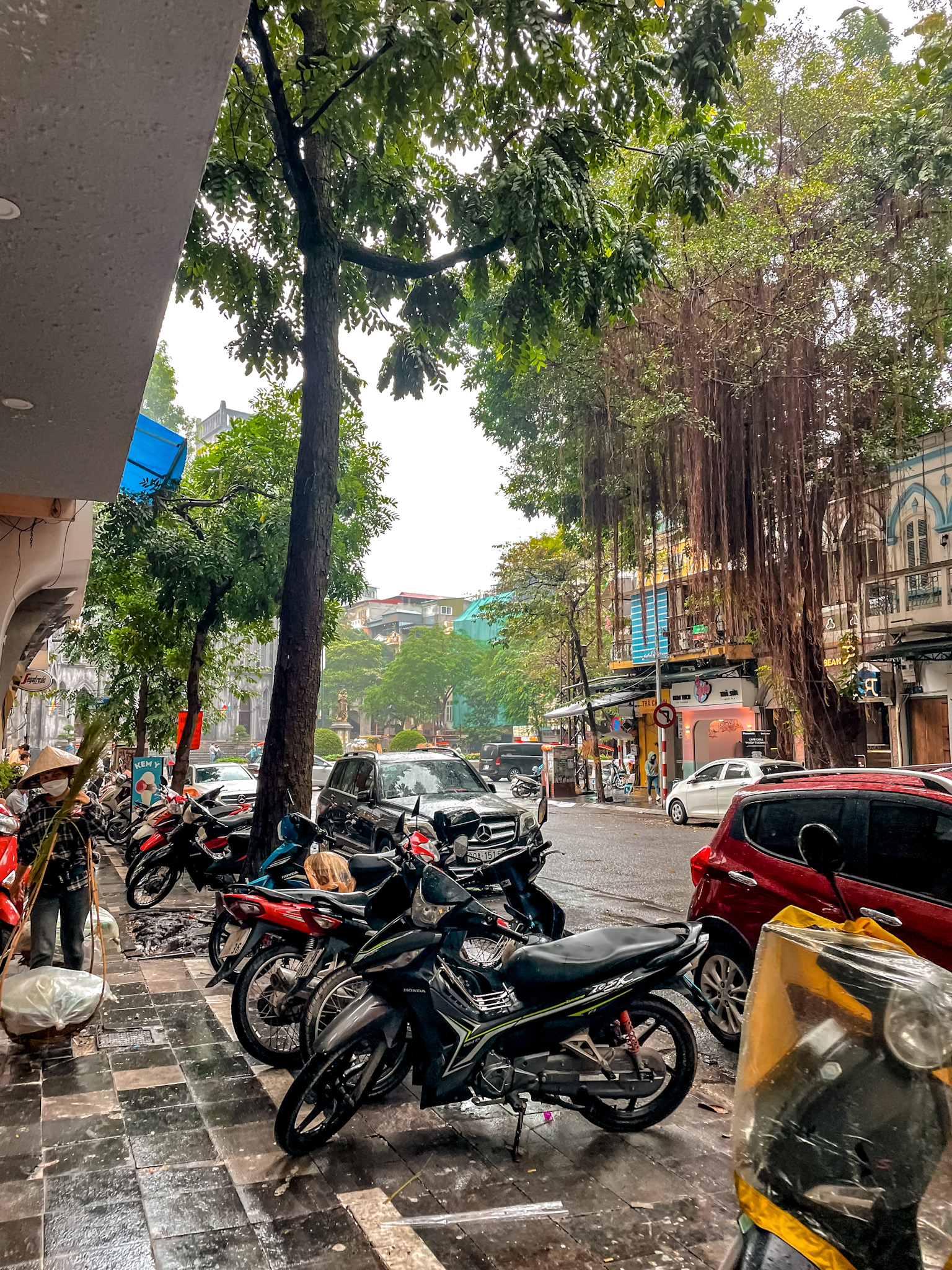
Ho Chi Minh City does not yet have a fully developed metro network, but the city’s first metro line has opened and is expanding, offering an efficient new option for some routes. For everyday travel, ride-hailing apps like Grab are convenient, reliable and often cheaper than traditional taxis. Local buses are inexpensive but slower, and motorbike taxis provide the fastest way to navigate traffic if you are comfortable with that style of transport. Always verify prices in advance when possible and avoid unbranded taxis to minimize the risk of overcharging.
What to See and Do in Ho Chi Minh City
There is history, culture, nightlife, food, shopping and sightseeing for every type of traveler.
Historic and Cultural Sights
• Independence Palace offers insight into Vietnamese history and the end of the Vietnam War.
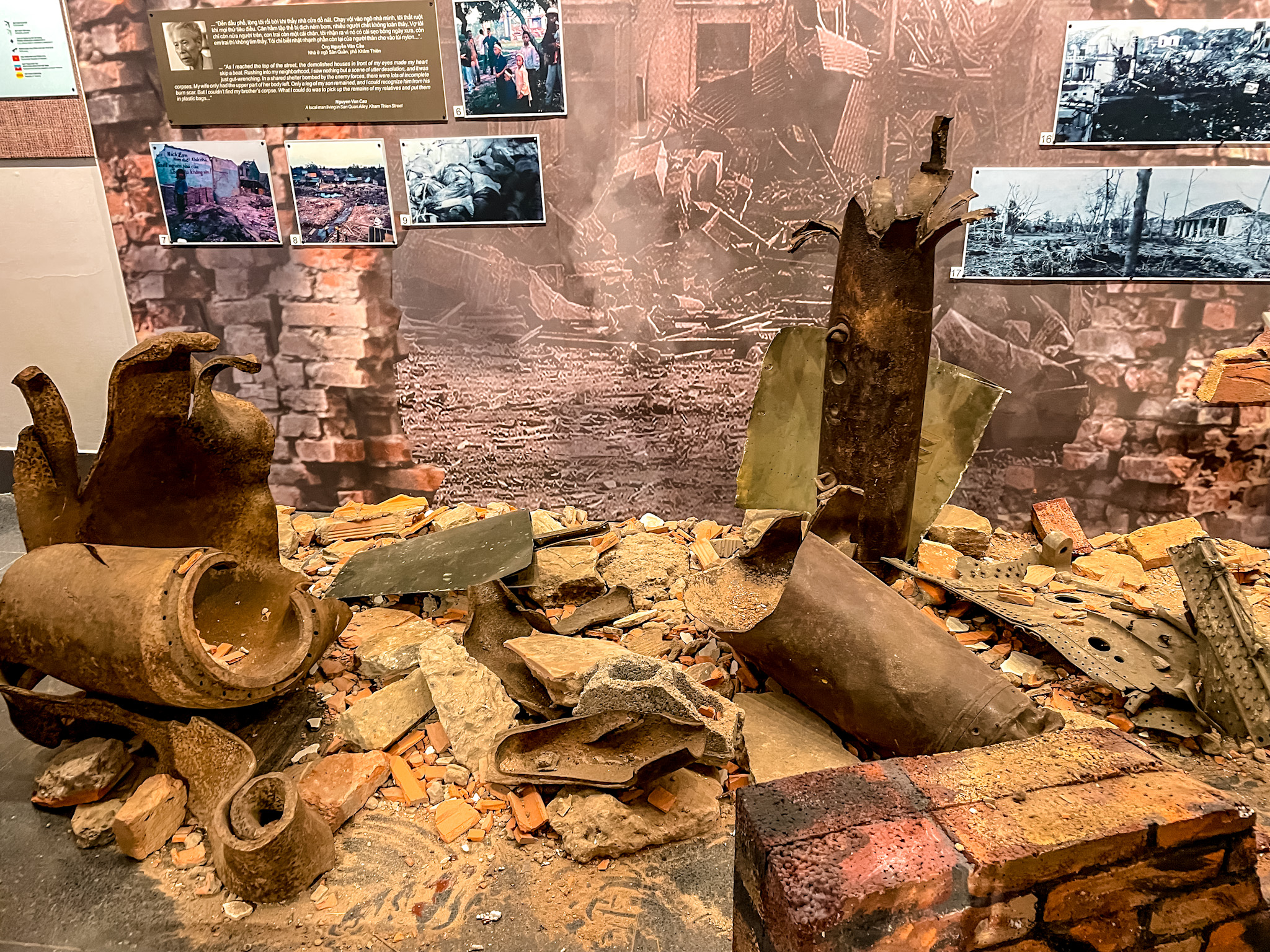
• War Remnants Museum provides a sobering and detailed view of the war through powerful exhibits.
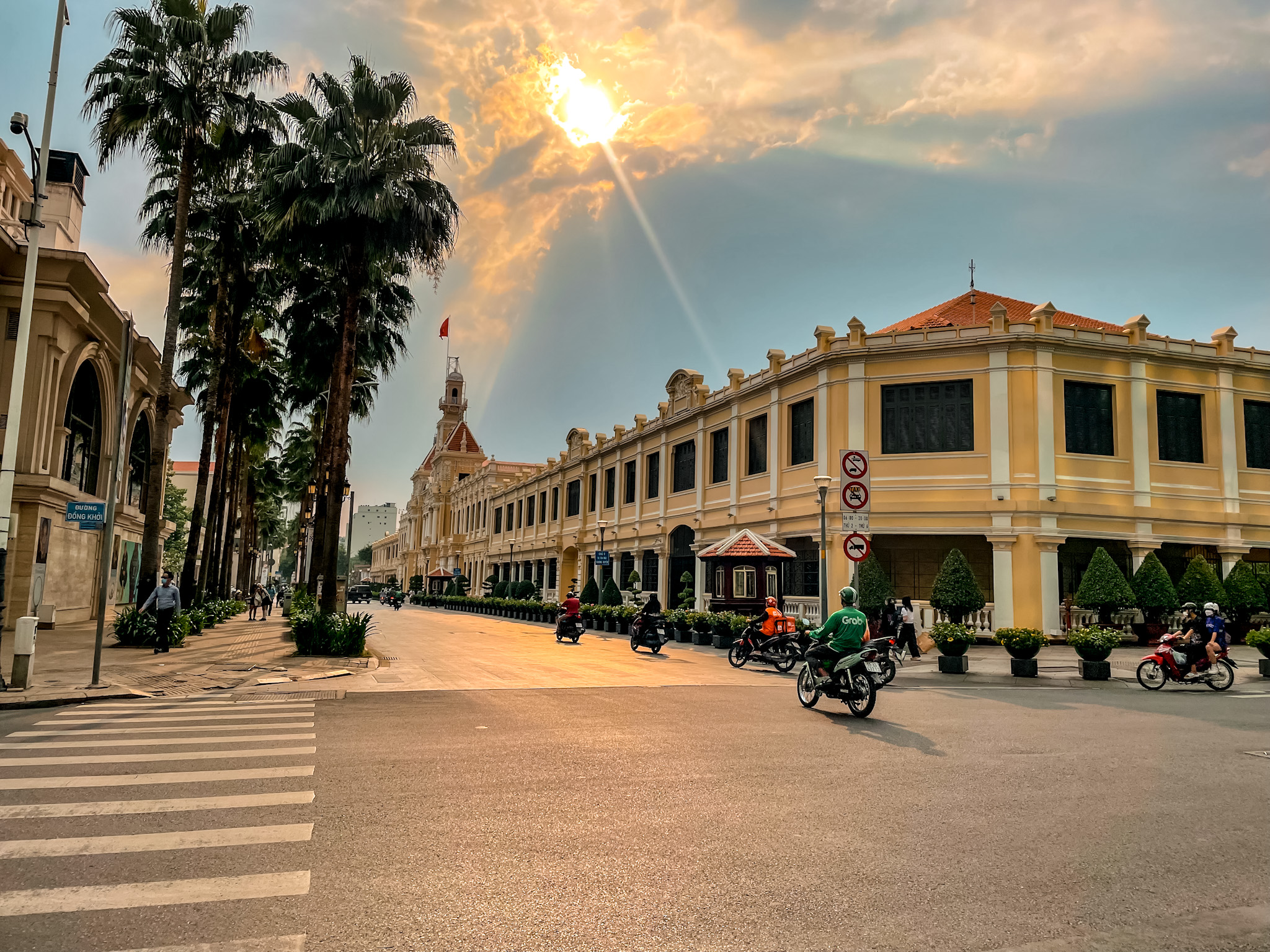
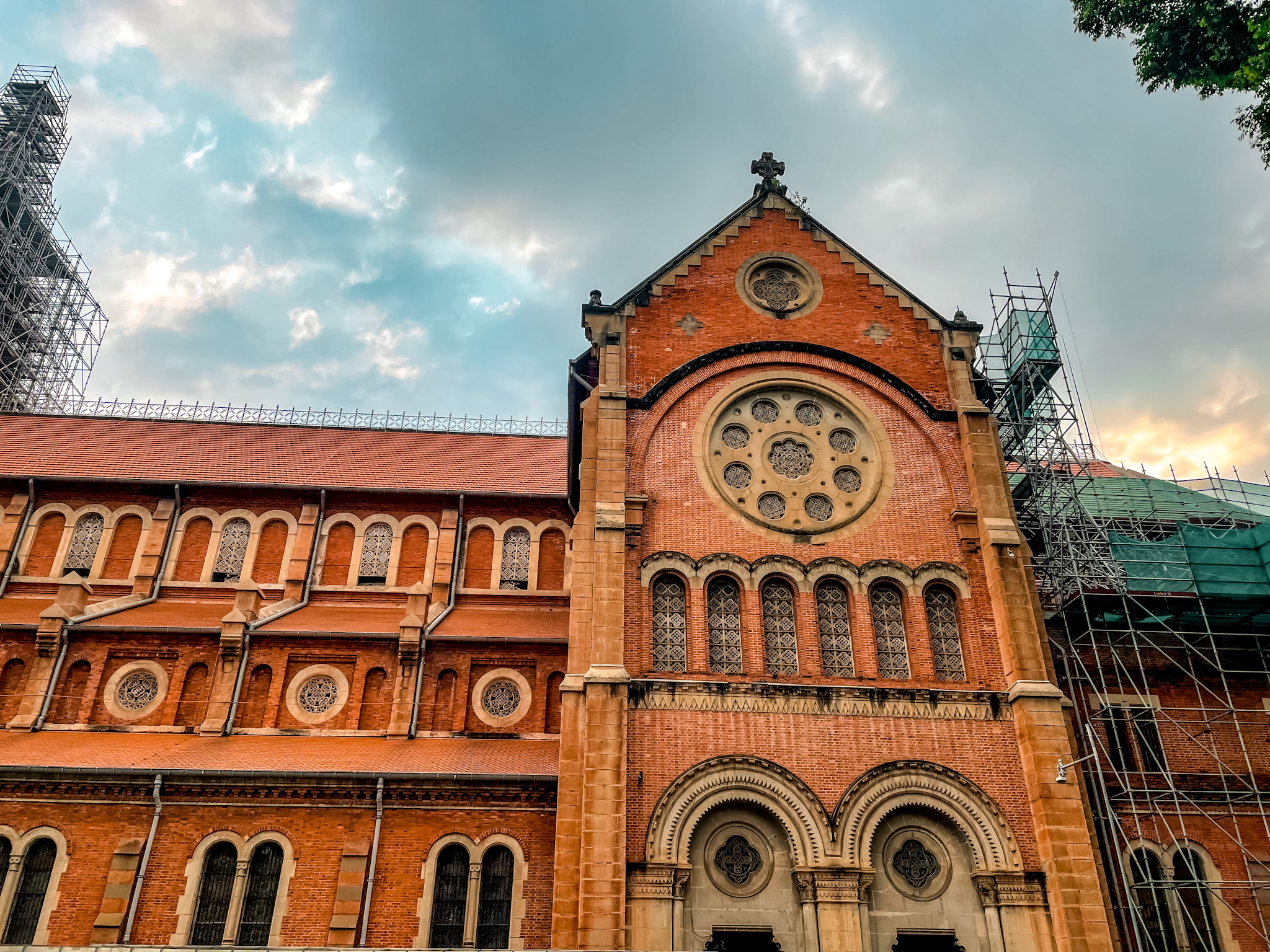
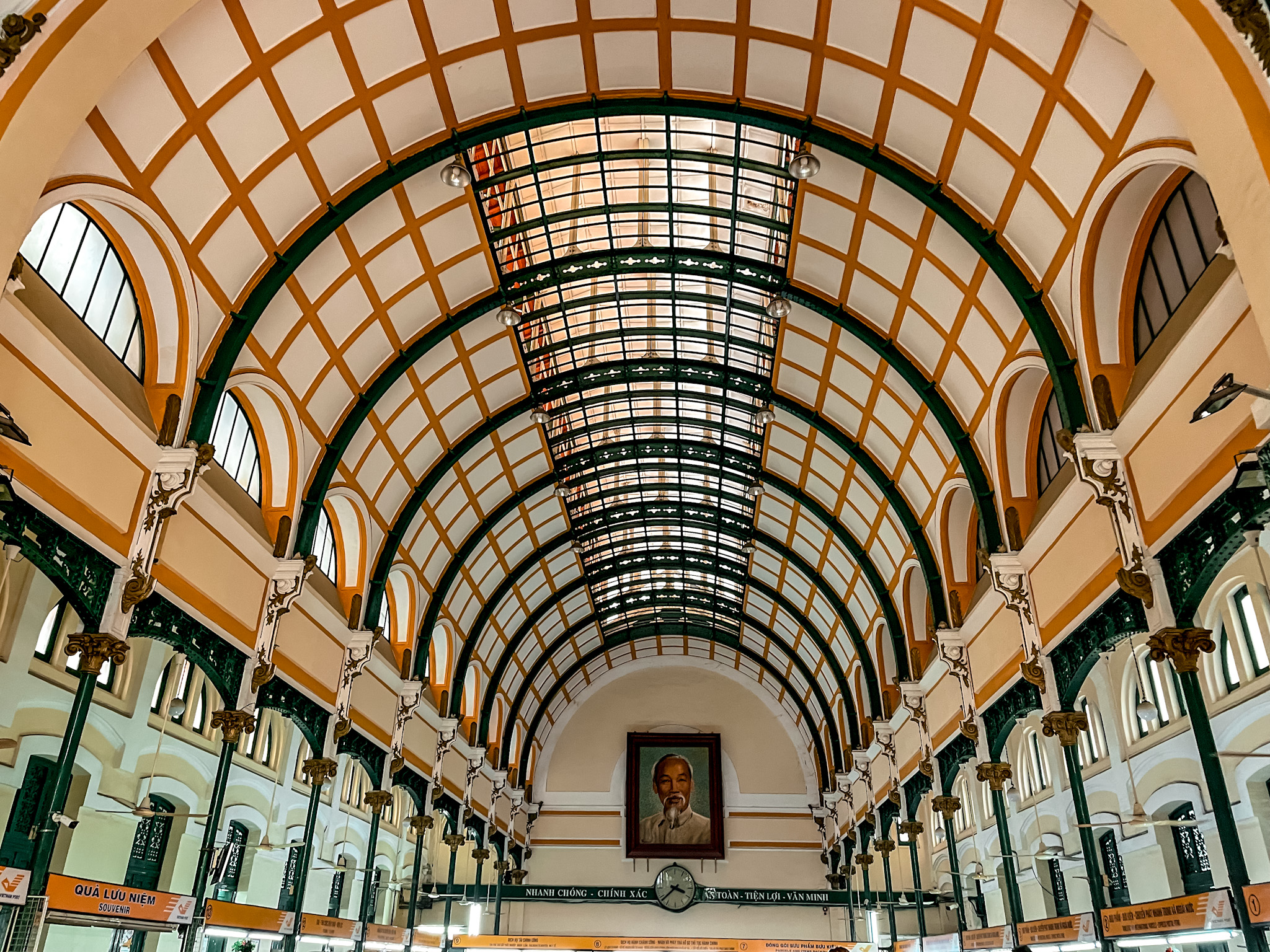
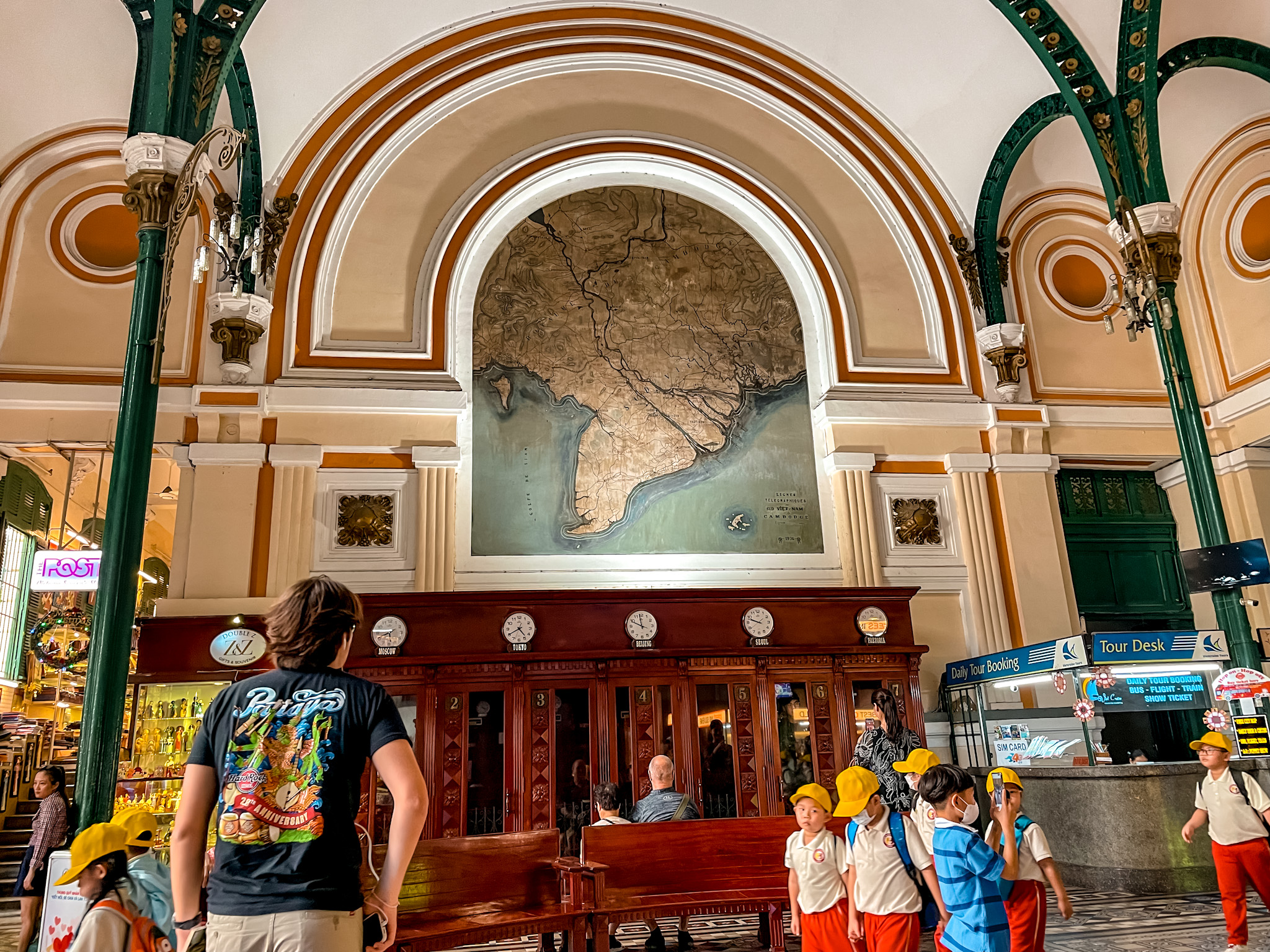
• Notre Dame Cathedral Basilica of Saigon and the Central Post Office are French colonial landmarks that reflect the city’s architectural legacy.
Markets and Shopping
• Ben Thanh Market is iconic for food stalls, souvenirs, and local goods. Bargaining is common here, though many travelers also enjoy exploring smaller markets for local price checks before buying.
Urban Parks and Waterfronts
• Saigon Riverfront Park offers skyline views, sunset strolls, and a break from the hustle of District 1.
Neighborhood Walks and Street Scenes
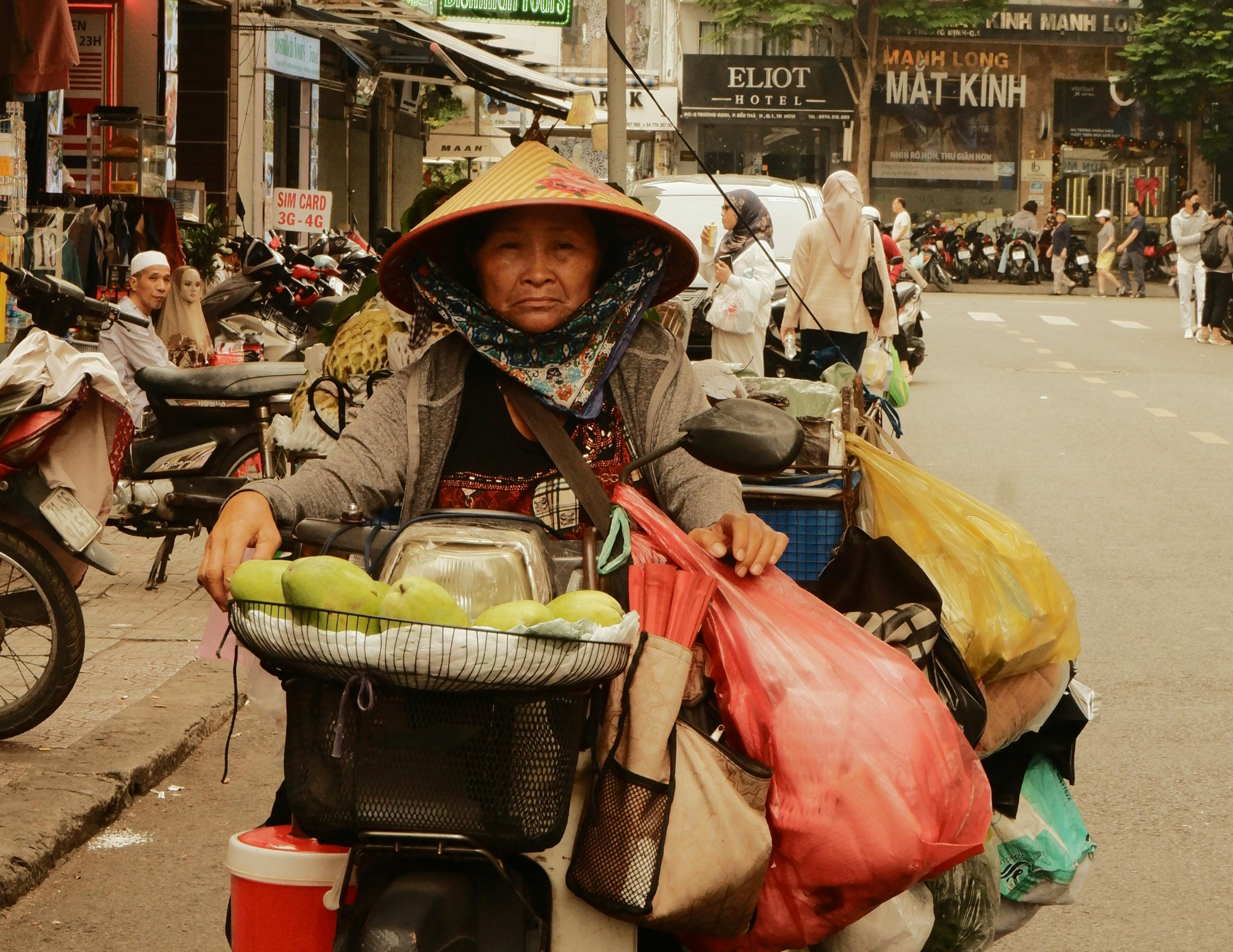
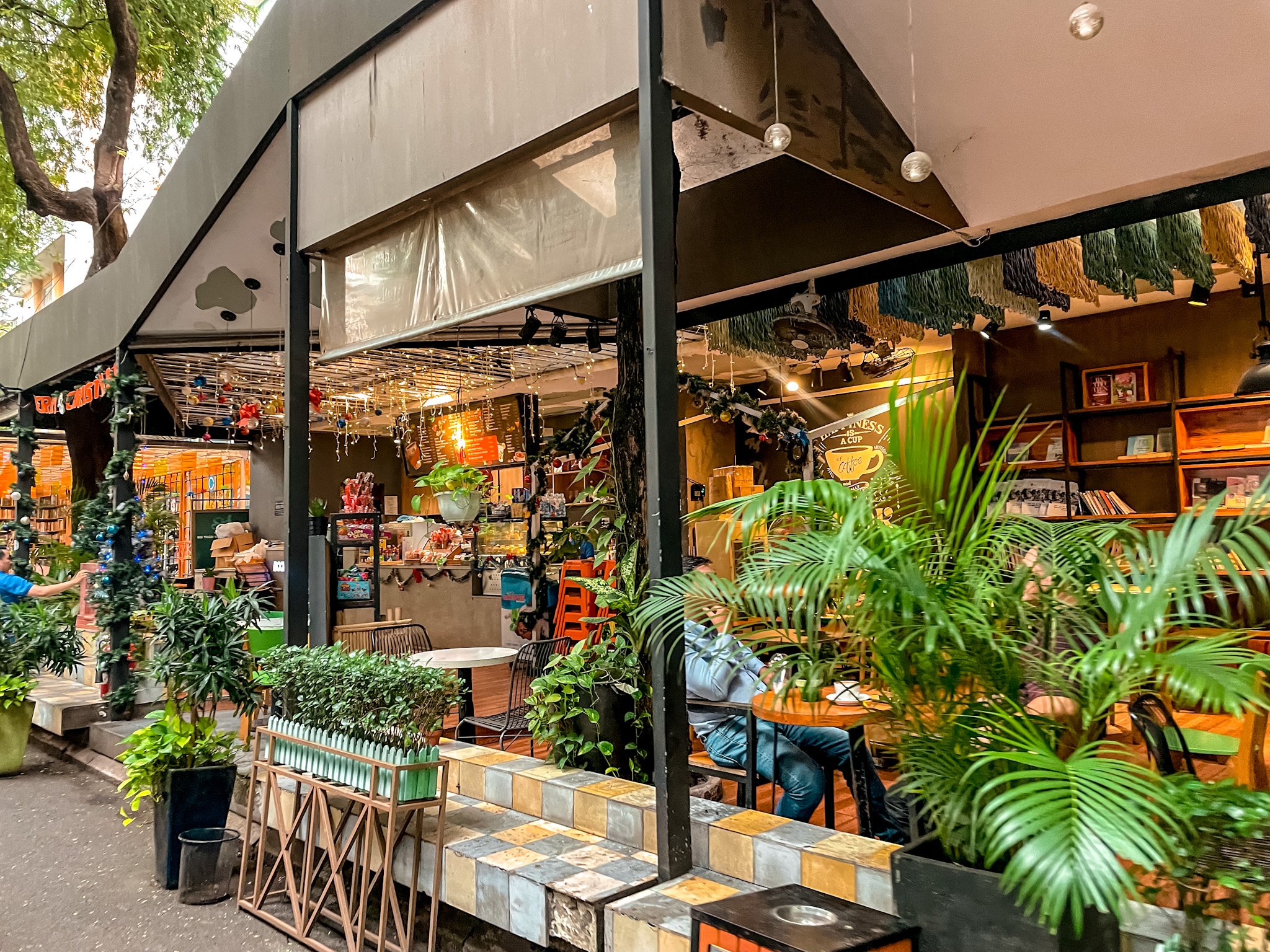
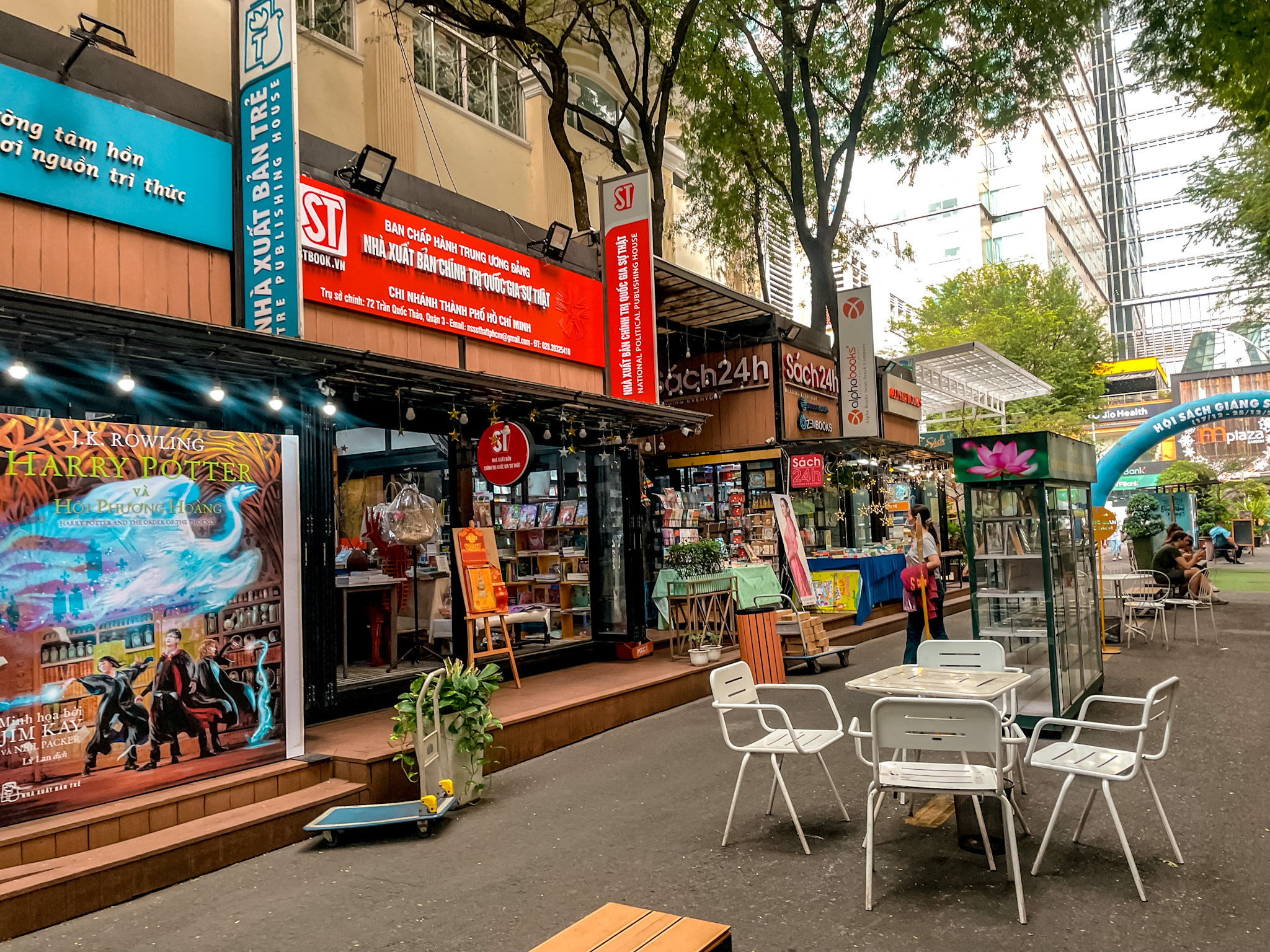
Walking the streets of District 1 and adjacent areas reveals the pulse of the city: scooter traffic, roadside cafes, and local vendors selling everything from clothing to flowers.
Food and Drink in Saigon
Ho Chi Minh City has one of the most dynamic food scenes in Vietnam. Street food culture reigns supreme, and local specialties reflect southern tastes influenced by the Mekong Delta and colonial history.
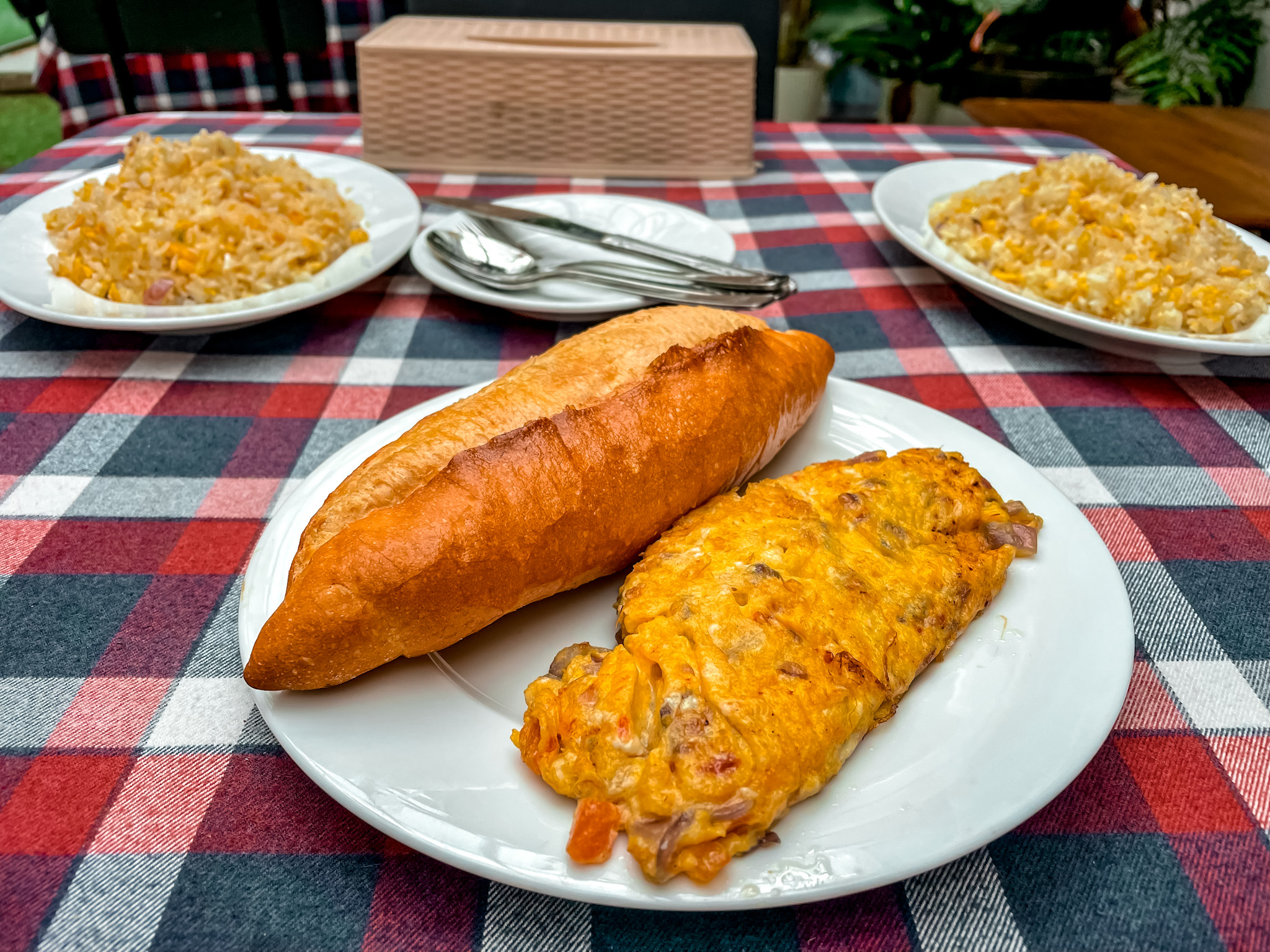
You should try classic staples like pho, banh mi, hu tieu (a flavorful noodle soup), and com tam (“broken rice”), which remains a beloved local favorite. Street stalls, small cafes, and high-end restaurants all offer their own interpretations of traditional dishes and more innovative cuisine. In recent years the city has also seen a rise in contemporary restaurants earning international attention, blending local flavors with global techniques.
Cultural Etiquette and Tips
Vietnamese culture values politeness and respect. Greeting with a simple nod or smile goes a long way. When visiting temples or pagodas, dress modestly and remove shoes if required. Bargaining is customary in markets but should be done politely rather than aggressively. Tipping is not required in Vietnam, though rounding up or leaving small change is appreciated in more upscale restaurants and by guides.
Safety and Practical Tips
Ho Chi Minh City is generally considered safe for travelers with violent crime against foreigners being rare. However, petty theft and purse or phone snatching can occur, particularly near crowded markets or outdoor dining areas, so keep valuables secure. Traffic is one of the biggest adjustment challenges for visitors. Motorbikes move quickly and continuously, so take care when crossing busy streets and follow local behavior rather than waiting for a complete stop in traffic. Carry bottled water, avoid tap water, and choose busy food vendors with high turnover to reduce the risk of food-related illness.
You Cannot Travel to Vietnam Without Insurance
Vietnam feels safe, welcoming, and affordable. That combination sometimes makes travelers underestimate risk.
Medical care in major cities like Hanoi and Ho Chi Minh City is solid, but private hospitals require payment upfront if you do not have insurance. Even something as simple as dehydration treatment, a minor accident in traffic, or a stomach illness requiring observation can turn expensive quickly.
Vietnam is also a country where:
• Motorbike traffic is intense
• Street crossings require awareness
• Adventure tours and trekking are popular
• Food exploration is constant
Most trips go smoothly. But travel insurance is not for the smooth days. It is for the one unexpected day.
When we travel in Vietnam, we use SafetyWing because it is designed specifically for nomads and long term travelers. Their Nomad Insurance Essential plan covers unexpected illness and injury in 175 plus countries, along with travel related issues like trip interruption and lost luggage. You can purchase it before departure or while already traveling, and plans can auto extend every four weeks.
For people living abroad more permanently, Nomad Insurance Complete offers full health coverage including routine checkups, support for mental health diagnoses, wellness therapies, and major treatment such as cancer care. It can function as primary health insurance while living internationally.
If you are building a borderless life, their Nomad Citizen membership includes premium health insurance, income protection that can pay up to $4,000 per month if you lose employment or freelance income, travel coverage, and simplified visa support.
We move between countries regularly. Having flexible global coverage makes that possible without constantly reapplying for new plans.
If Vietnam is on your itinerary, do not land without coverage in place.
You can explore plan options here: SafetyWing
Money, Payments and Budgeting
Vietnam uses the Vietnamese Dong and cash remains widely used outside upscale hotels and restaurants. Many street food stalls and markets do not accept cards, so always carry small denominations for everyday purchases. ATMs are common in central areas, but using bank located ATMs reduces the risk of card issues. Ride-hailing, dining, and entry fees in Ho Chi Minh City tend to be very affordable compared to Western cities, making it a popular destination for budget and long-stay travelers alike.
Day Trips to Enhance Your Visit
If you have time, build in day trips from the city. The Cu Chi Tunnels are a powerful half-day experience showcasing the underground tunnels used during the Vietnam War. A trip to the Mekong Delta offers a completely different side of southern Vietnam with floating markets, lush orchards, and scenic waterway life. These excursions provide depth and contrast to the urban experience in Ho Chi Minh City and help you see beyond the city’s immediate skyline.
Common Mistakes First Time Visitors Make
Packing too much into a single day leads to exhaustion. Relying only on credit cards at the wrong places can cause inconvenience. Not learning a few basic phrases like “hello,” “thank you,” and “how much” can slow interactions in local markets. Trying to navigate busy intersections without paying attention to local traffic flow can feel intimidating, but watching locals first and then following their lead makes crossing streets much easier. Planning an itinerary that includes rest, food breaks, and time to simply wander helps you enjoy Ho Chi Minh City most fully.
Ho Chi Minh City is a destination that rewards curiosity, flexibility, and openness to contrast. It is layered with history, accelerated by commerce, and constantly refreshed by new waves of food culture, business, and nightlife. Whether you stay a few days or several weeks, the city offers experiences that feel both immediate and deeply rooted in southern Vietnamese life. Planning ahead with expectations and insights will help you enjoy Saigon confidently and meaningfully from the moment you arrive.
Visiting Hanoi, check out Hanoi Travel Guide 2026: Everything You Need to Know Before Visiting Hanoi Vietnam
Powered by GetYourGuide
