
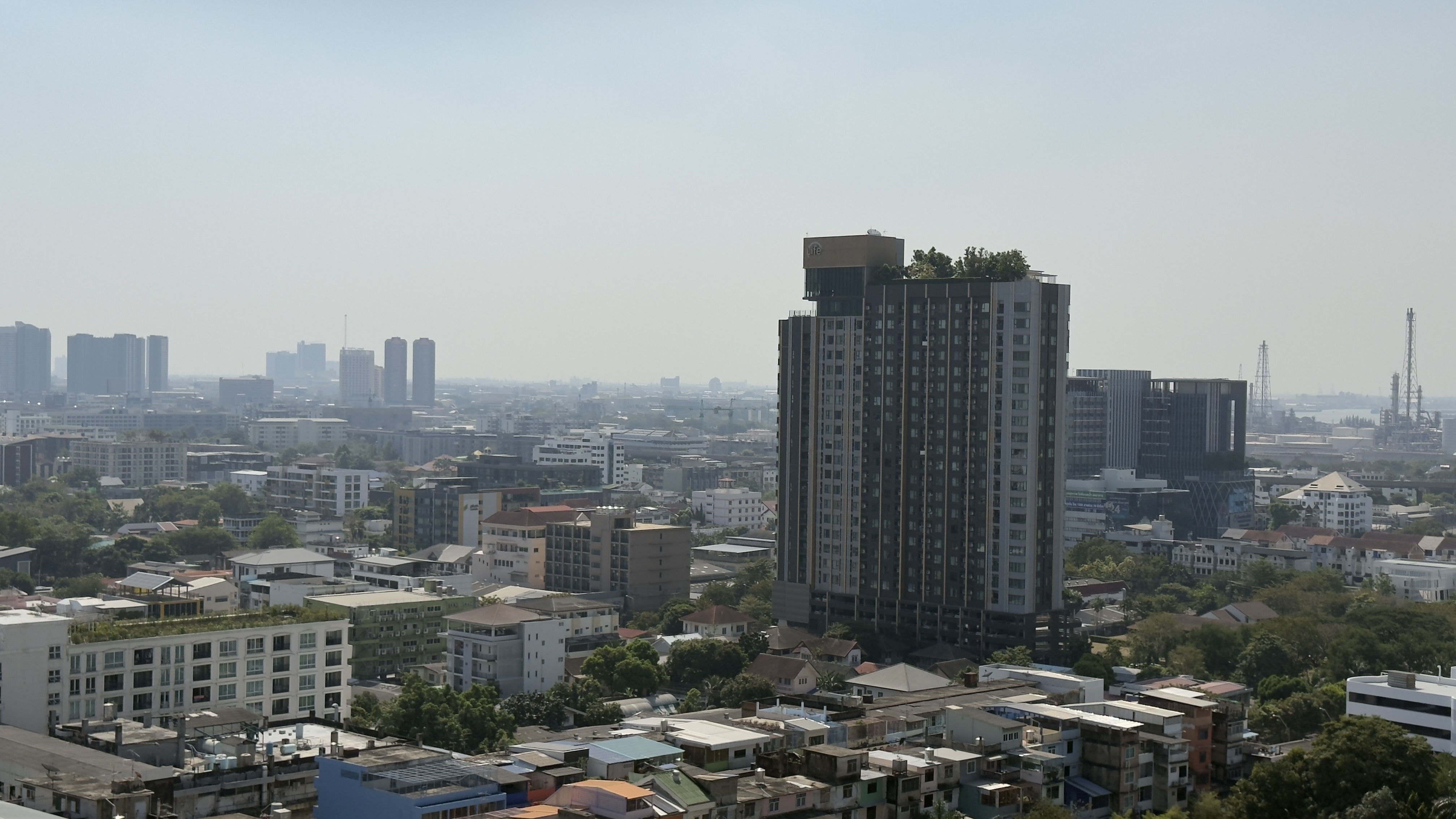
Bangkok is one of Asia’s most exciting cities, but air quality is one of the things people should understand before they visit or move here. It is not something that defines the city every single day of the year, but it is something that can absolutely shape your experience during certain seasons. If you are here long enough, you notice that some weeks feel totally manageable and others make you think a lot more carefully about outdoor plans, masks, air purifiers, and how much time you actually want to spend outside. That is especially true during Bangkok’s smoggier months, when pollution can change how the city feels day to day.
What makes this important is that Bangkok is the kind of city where people do a lot on foot between transit, markets, malls, temples, and neighborhoods. So when the air quality gets worse, it is not just a number on an app. It starts affecting how comfortable the city feels to move through. During the worst periods, even people who love Bangkok and know how to live here well start adjusting what they do.
This guide breaks down what Bangkok air quality actually means, what causes the worst periods, how seasons change the experience, what government responses can look like during smog spikes, how poor air affects daily life, and what to do if you are visiting or living here.
If you are still figuring out the city more broadly, my Bangkok for First-Timers guide helps put things like weather, transit, neighborhoods, and daily planning into a more complete Bangkok context.
What Does Air Quality Mean
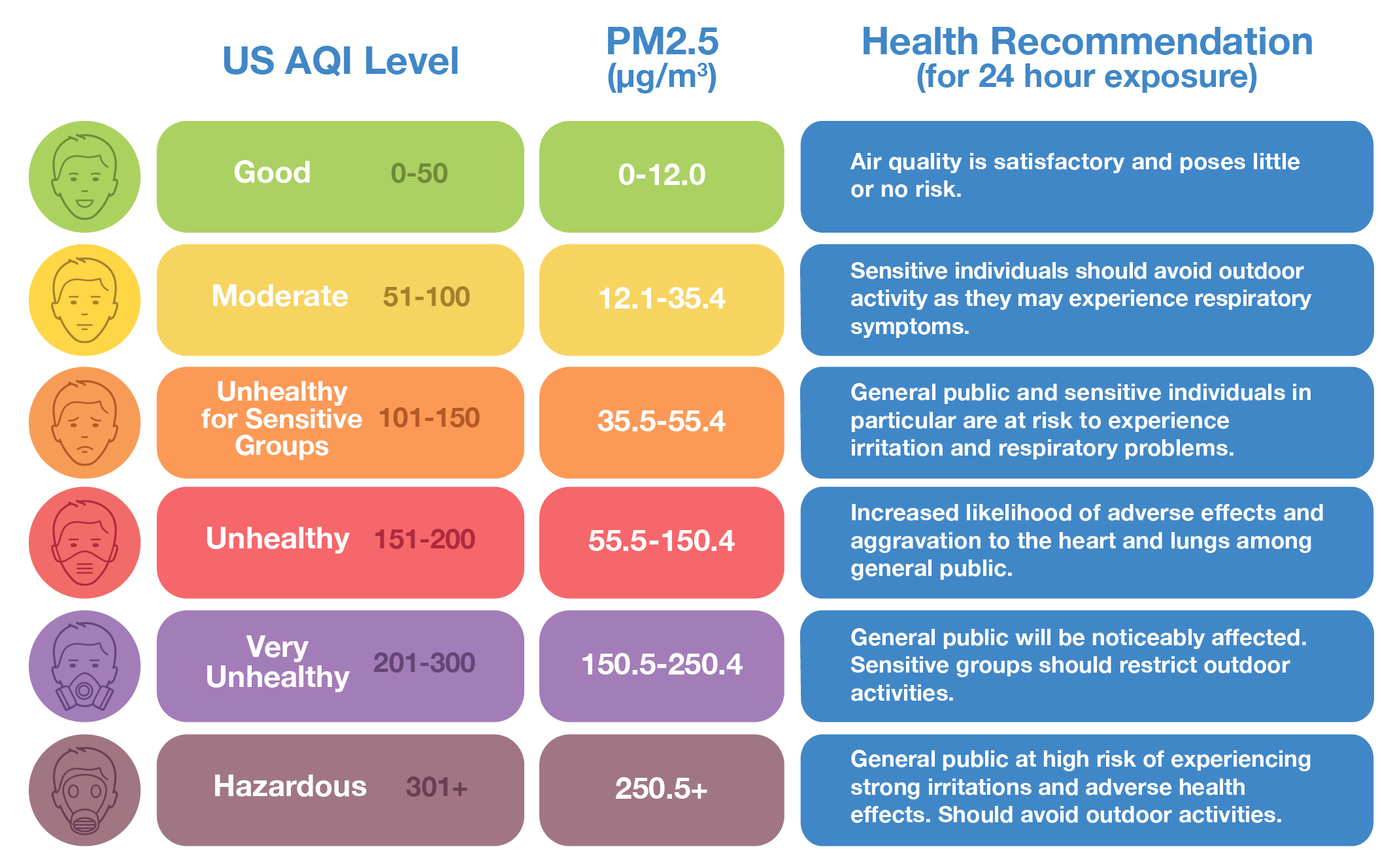
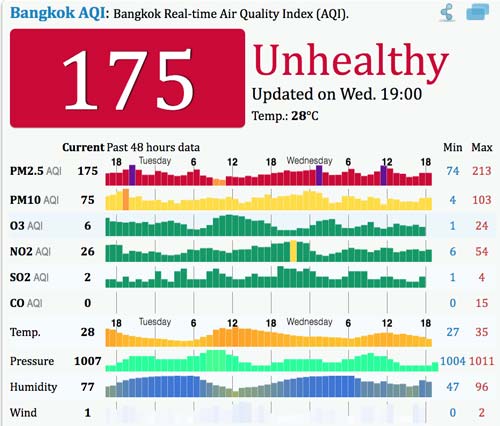
When people talk about Bangkok’s air quality, what matters most in practical terms is PM2.5. These are tiny particles that can get deep into the lungs and are the main reason travelers and residents start checking AQI during bad periods. That is why you will hear people mention both AQI and PM2.5 when talking about smog season.
AQI gives you an overall score that helps make pollution easier to understand at a glance. PM2.5 is often the number people pay closest attention to because it is the part most tied to the everyday health concern. When pollution gets bad in Bangkok, PM2.5 is usually the thing driving that conversation.
For most travelers, the main point is simple: if PM2.5 is high, Bangkok can start feeling heavier, hazier, and harder on the body, especially if you are outside a lot.
How Pollution Is Measured
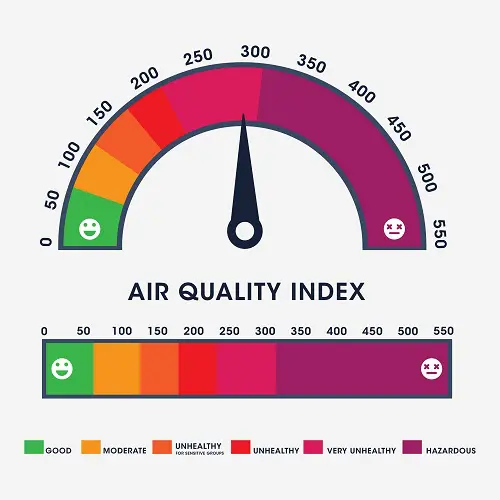
The most common measurement people see is the Air Quality Index, or AQI. That score is based on pollutants such as:
• PM2.5 — tiny particles that are especially dangerous
• PM10 — larger particles that can still affect respiratory health
• NO2 — nitrogen dioxide
• ozone and other gases
An AQI reading above 100 is generally considered unhealthy for sensitive groups, and once readings climb higher, it can become uncomfortable or unhealthy for a wider group of people too. Bangkok can sit in the moderate range for stretches of the year, but during smoggier periods it can move into more concerning territory quickly depending on weather conditions and traffic patterns.
That is why I think checking AQI in Bangkok is less about obsessing over numbers and more about using it as a practical planning tool. It helps you decide whether today is a better day for indoor malls, food courts, shorter outdoor plans, or staying in more than usual.
Seasonal Patterns and Smog in Bangkok
Bangkok’s air quality changes with the seasons, and that matters more than first-time visitors often expect.
High Pollution Season
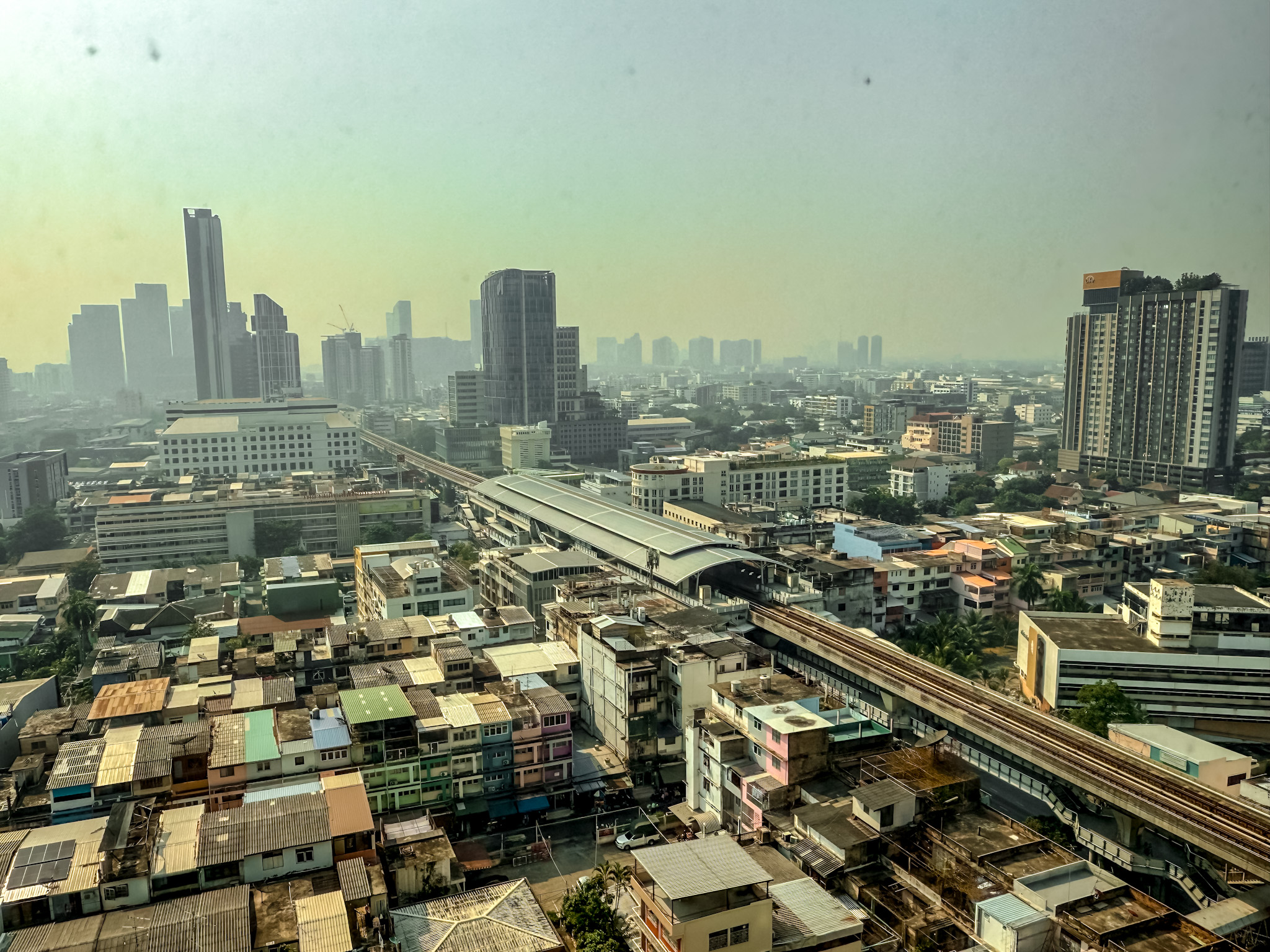
Air pollution tends to rise during the cooler season, especially from December through March, when there is less rain and winds are weaker. That cooler weather can sound appealing if you are comparing it to the hotter months, but it is also the time when pollution often becomes a much bigger conversation.
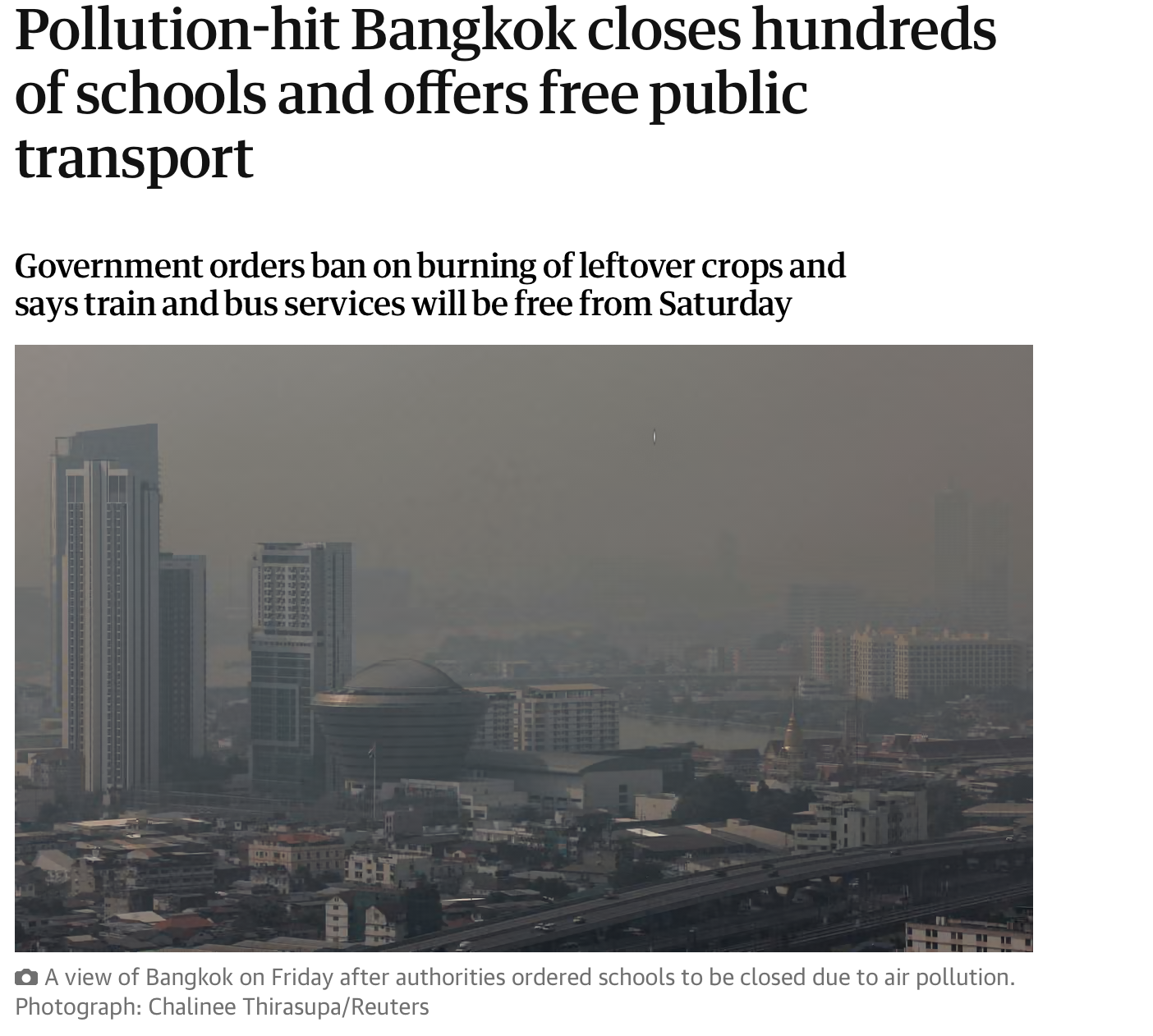
In early 2025, Bangkok went through a severe smog stretch that pushed PM2.5 to very high levels. Authorities responded with emergency measures, including free public transport for a week on buses and electric trains to try to reduce vehicle emissions.
During that period, schools were also closed or shifted to remote learning to protect children from the poor air. We stayed inside for the most part, and honestly one of the strange perks of living in Bangkok is how easy the city makes it to do that. Food delivery, groceries, convenience, condos, malls, and app-based services all make it possible to basically stay locked in if you really want to.
That is part of what people should understand about Bangkok pollution. When it gets bad, it does not always mean the city shuts down completely. It means the smartest version of the city changes. You may choose indoor plans instead of outdoor ones. You may cut a walk short. You may cancel a park day. You may decide the best move is staying inside, ordering in, and waiting it out.
Better Air During Rainy Season
The rainy season, usually from July through October, often helps a lot with air quality because the rain washes particles out of the air. During these months, Bangkok’s air is often closer to moderate or better. That does not mean every day is perfect, but it usually means pollution is less likely to dominate the experience the way it can during smog season.
This is one reason I think the rainy season gets unfairly dismissed by some travelers. Yes, it is wetter. But it can also feel cleaner, and that matters.
The rainy season can actually feel easier in some ways when it comes to air quality, and my Bangkok on a Rainy Day guide helps show how to make those wetter days still work well.
What Causes Air Pollution In Bangkok
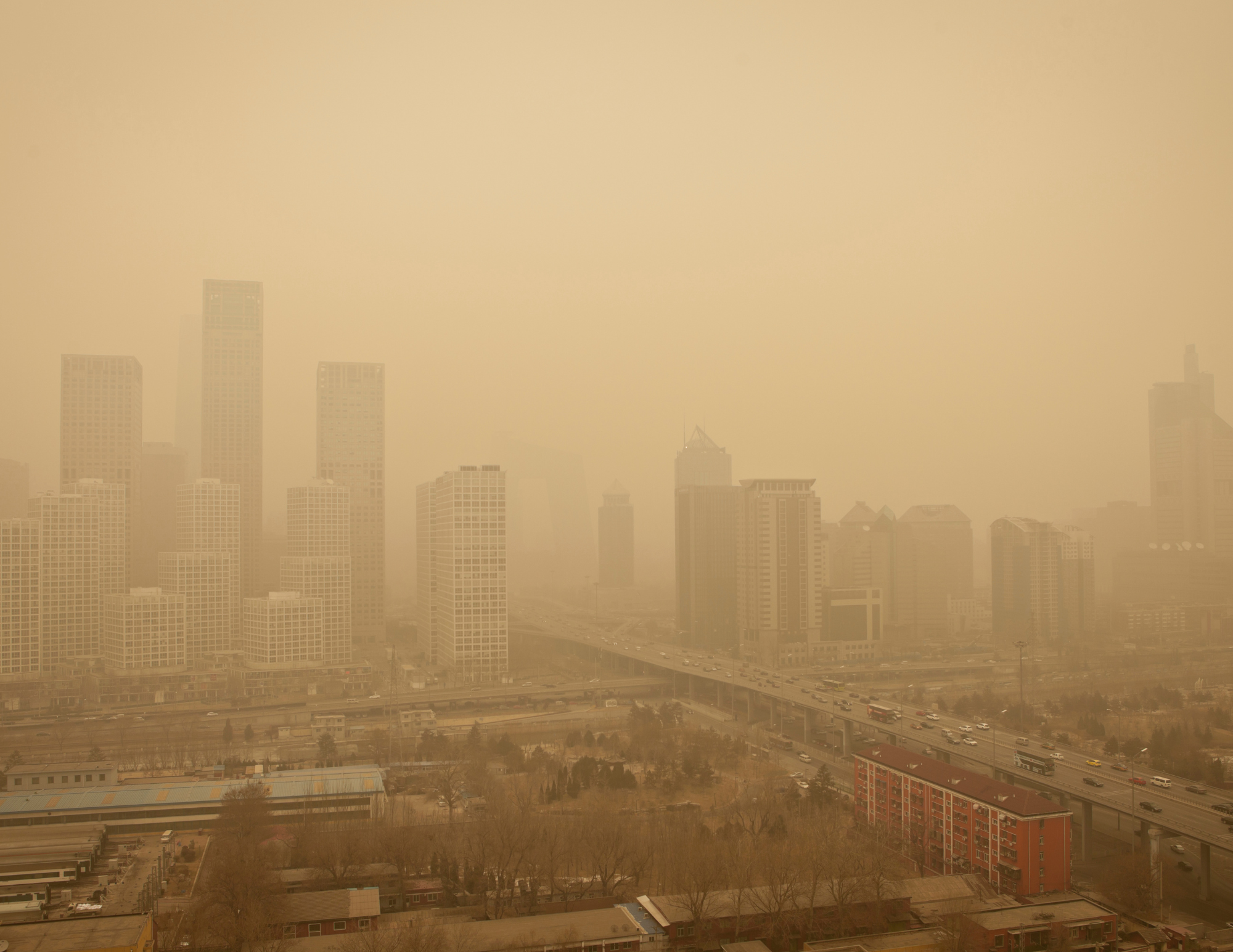
There is not just one reason Bangkok deals with pollution. It is a mix of overlapping factors.
• Traffic and vehicle emissions — Bangkok has millions of vehicles on the road, and exhaust is a major source of PM2.5.
• Industrial and construction activity — dust, development, and factory emissions add to the problem.
• Weather and stagnant air — cooler, drier conditions can trap pollution lower to the ground.
• Regional burning — agricultural burning in northern Thailand and nearby areas can worsen haze.
Bangkok’s geography and climate also mean pollution can linger when winds are calm. So even though traffic is a huge local factor, the air quality story is bigger than just one road or one neighborhood.
How Bangkok Compares With Other Places
Bangkok’s average air pollution has at times placed it among the more polluted big cities in Southeast Asia, and during major smog periods it can rank very poorly in global comparisons for capitals. In early 2025, for example, it was temporarily ranked among the world’s most polluted capitals during a severe event.
At the same time, long-term annual averages can still be lower than some northern Thai cities during their worst burning periods, especially places like Chiang Mai when crop burning is at its peak.
That is why I think the most useful way to understand Bangkok is not to obsess over whether it is “worse” than everywhere else. It is to understand that the city has specific periods when pollution matters a lot, and that those periods can change what daily life and travel feel like in a very real way.
Government and Policy Responses
Bangkok’s air quality is serious enough that it has forced visible public responses at times.
The Thai government has taken steps such as:
• temporary free public transport to reduce private vehicle use during smog spikes
• work-from-home advisories and occasional school closures when pollution peaks
• increased vehicle emission checks and stricter enforcement against excessive exhaust
• legislative efforts such as the proposed Clean Air Act to strengthen pollution controls across industries and vehicles
The main thing these responses show is that air quality is not just a private inconvenience people quietly deal with. It is a real public issue that can affect schools, transport systems, work, and everyday routines across the city.
Health Impacts of Poor Air Quality
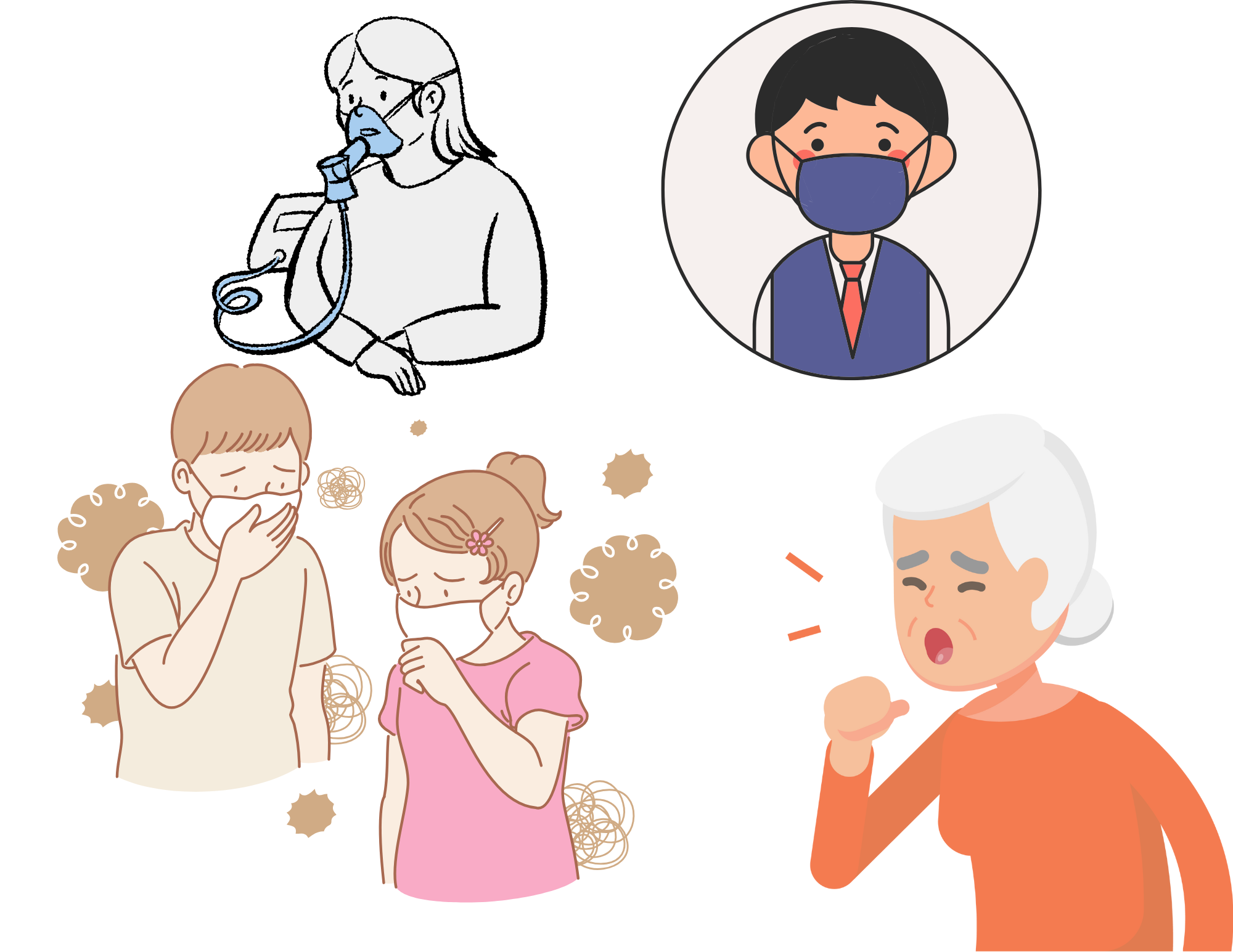
Poor air quality can affect anyone, but it is especially risky for:
• children
• elderly people
• people with asthma or other respiratory conditions
• those with heart conditions
Short-term exposure to high PM2.5 can irritate the eyes, nose, and throat and make breathing feel harder or heavier. Long-term exposure is linked to more serious health concerns, including decreased lung function and cardiovascular problems.
What I think matters practically for travelers is this: you do not need to have a major medical condition to feel the difference on a bad-air day. Even healthy people can notice that the city feels more tiring, more irritating, and less comfortable when pollution is high.
Practical Tips For Residents and Travelers
Living with or visiting Bangkok means being prepared instead of being surprised.
Monitor Air Quality
Local resources like AirBKK and international AQI apps make it easy to check conditions in real time. This is one of those habits that becomes second nature if you are in Bangkok long enough.
Check the Forecast
Air pollution forecasts help you decide when outdoor plans still make sense and when it is smarter to lean into indoor Bangkok instead.
Wear a Mask When Needed
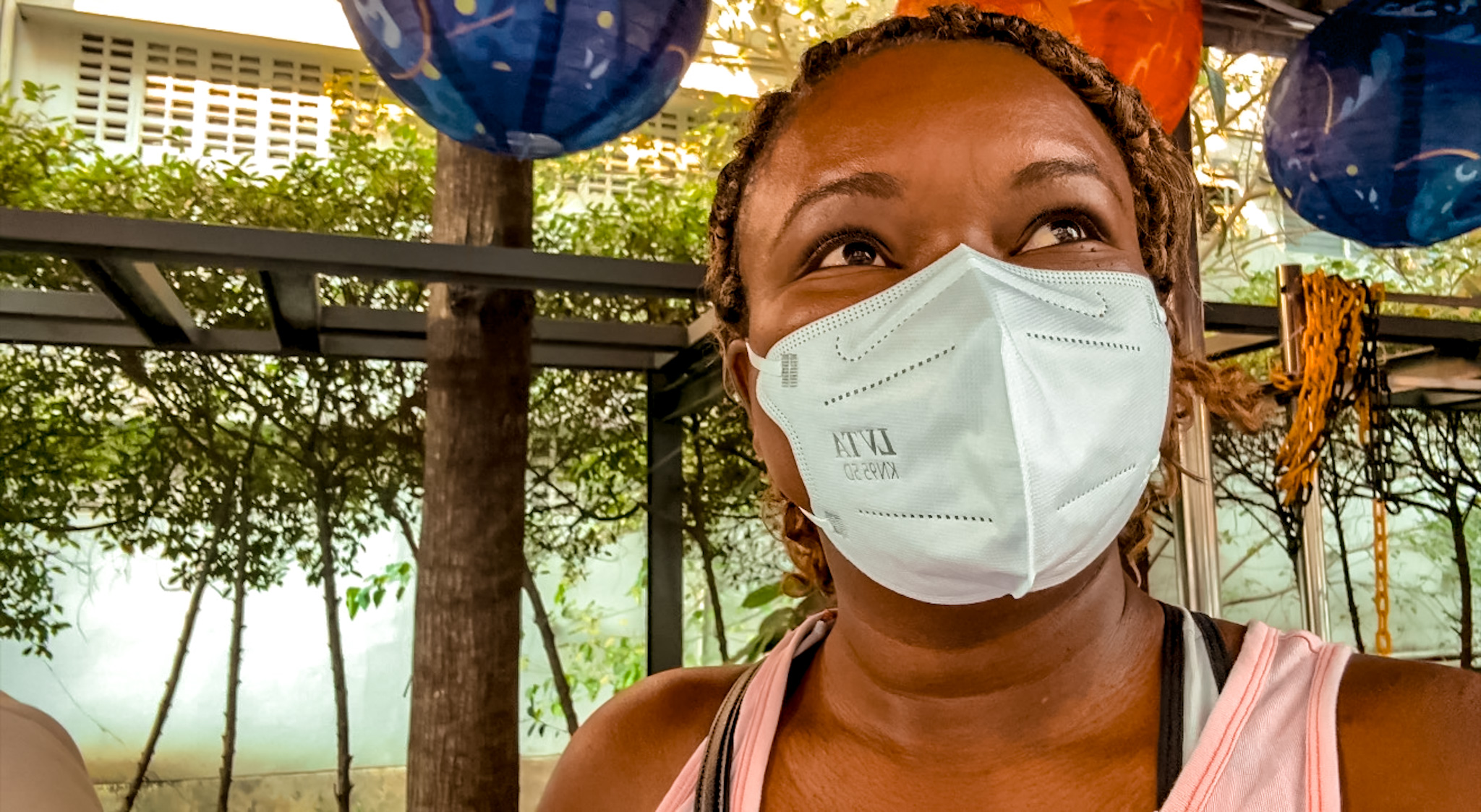
On high pollution days, a proper respirator mask like an N95 can make a real difference if you need to be outside.
Avoid Heavy Traffic Areas When Air Is Bad
If AQI is poor, do not make that the day you decide to do your longest roadside walk. Choose indoor spaces, shorter outdoor stretches, or areas where you can move between transit and inside spaces more easily.
On worse air-quality days, understanding how to move through Bangkok efficiently matters even more, which is why my Understanding Bangkok’s Transit Systems guide is a helpful companion too.
Use Air Purifiers Indoors
For longer stays, air purifiers make a big difference. This matters much more if you are living in Bangkok or staying for weeks or months than if you are just passing through for a few days.
Use Bangkok’s Convenience To Your Advantage
This is where living here changes your perspective a little. One of the best things about Bangkok is how easy the city makes daily life when you need to stay inside. Delivery is easy. Grocery orders are easy. Malls are everywhere. Condos often make indoor living comfortable. So on bad-air days, you do not have to force outdoor plans just because you are in the city.
That is really the practical Bangkok way to deal with it. Adjust instead of pushing through unnecessarily.
Should You Visit Bangkok Despite Air Quality Concerns
Yes, but with smart planning.
Air quality fluctuates, and for much of the year Bangkok is still very manageable. Traveling in the rainy season often means cleaner air. The cooler months can be more comfortable temperature-wise but hazier pollution-wise. That is the tradeoff people should understand.
For a shorter trip, I would not let air quality fear completely talk you out of Bangkok. It is still one of the most compelling cities in Asia, and many visitors will have a great time with only minor adjustments. But I do think it is something people should understand before they come, especially if they are sensitive to pollution or planning a longer stay.
If you are thinking of moving here, then it matters more. In that case, I would think about:
• longer-term air quality patterns
• areas with less traffic
• buildings with good sealing and air filtration
• your own daily monitoring habits
Those things can make daily life much healthier and much more comfortable.
Final Thoughts
Bangkok’s air quality is an important part of understanding the city realistically, especially for people planning a longer stay or trying to decide what season makes the most sense for a trip. Pollution levels vary throughout the year and can occasionally become severe, but the key is not panic. It is awareness.
What matters most is knowing that Bangkok changes with the seasons. There are stretches when the city feels easy to move through and stretches when the smartest move is adjusting your plans, spending more time indoors, or relying more on convenience. That does not make Bangkok less worth visiting. It just makes it a city you plan for a little more thoughtfully.
With awareness, the right tools, and realistic expectations, you can still enjoy Bangkok while minimizing the health and comfort impact of poor-air days.
If you are planning a longer Bangkok stay or just want to understand the city better, my Bangkok for First-Timers, Must Download Apps for Thailand, Bangkok on a Rainy Day, and Understanding Bangkok’s Transit Systems guides all help round out the practical side of living in or visiting Bangkok.

Cavetta is the creator of LifeWithVetta.com and has been traveling the world full time since 2020. She has visited more than 60 countries while worldschooling her son and documenting what it really takes to live abroad. Her guides focus on travel, moving abroad, digital nomad life, and designing a life beyond the traditional path.
