
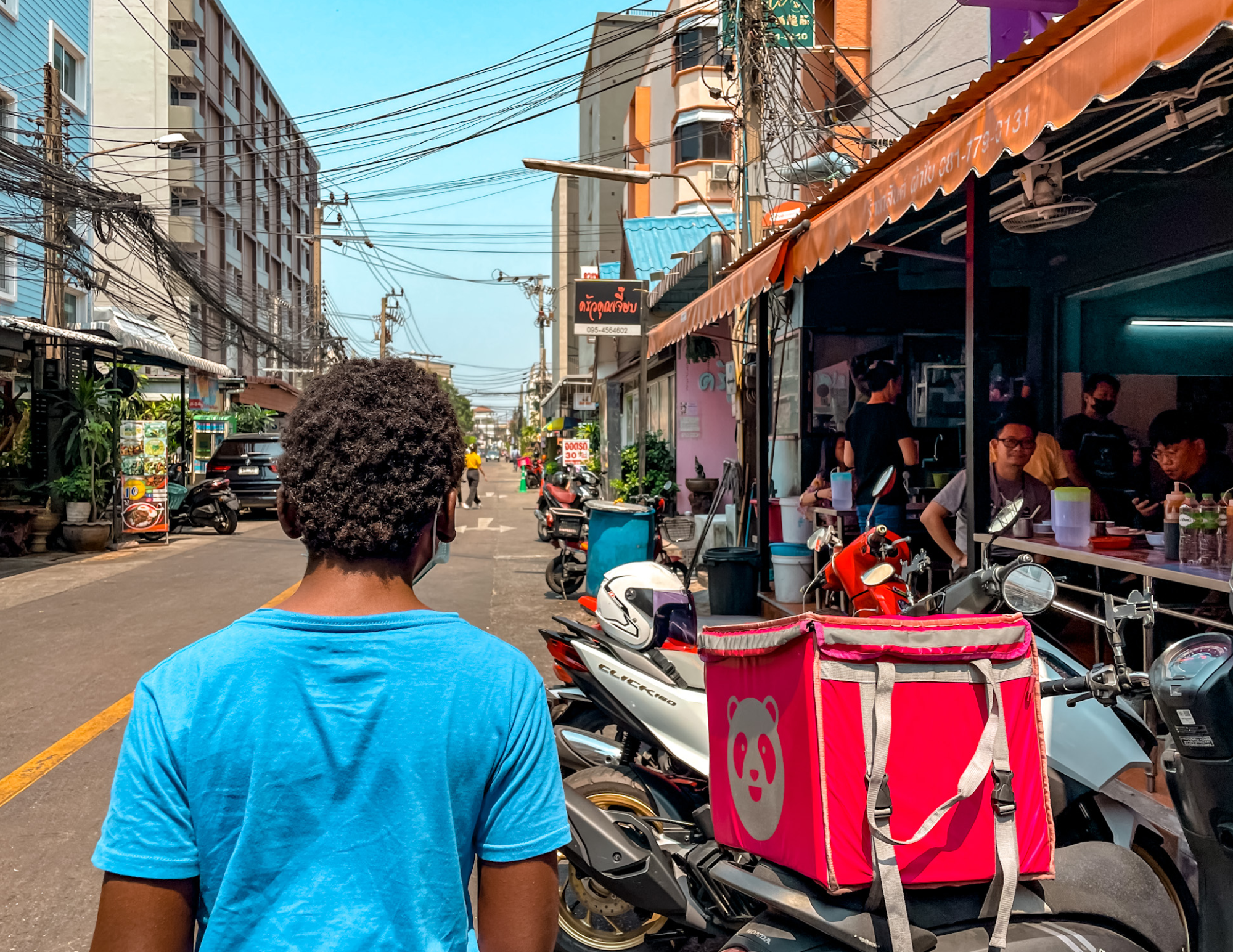
Bangkok is one of those cities that can feel overwhelming before it feels exciting. The first impression is often heat, traffic, noise, crowds, and the sense that everything is happening at once. Then it starts to click. You realize the boats are not just scenic, they are useful. The malls are not just for shopping, they are part of daily life. The temples are not just beautiful, they help you understand the city. And the food is not just good, it becomes part of how you move through the day.
That is what makes Bangkok such a strong first stop in Thailand. It is not a city you visit just to say you saw it. It is where you begin to understand the pace, contrast, and energy of the country. Street food outside luxury malls, quiet shrines near major roads, trains running above some neighborhoods and riverboats cutting through others, old ceremonial spaces and very modern city life existing side by side. Bangkok is not neat or simple, but once it makes sense, it becomes one of the most interesting cities in Asia to travel through.
If this is your first time visiting Bangkok, this guide will help you understand how to plan the trip in a way that actually works. It covers how to get there, what to do, what to eat, how to get around, common scams, helpful Thai phrases, weather, and the kinds of day trips that make sense if you have extra time. The goal is not just to tell you what Bangkok has. It is to help you enjoy the city instead of fighting it.
How to Get There
The most convenient way to get to Bangkok is by flying. The city has two major airports, and knowing the difference helps more than people expect.
Suvarnabhumi Airport is the main international airport and the one most long-haul travelers will use. It is bigger, more modern, and usually the airport people mean when they talk about flying into Bangkok internationally.
Don Mueang Airport mostly handles low-cost carriers and a lot of domestic or regional flights. If you are flying around Thailand or hopping over from another Southeast Asian country on a budget airline, there is a good chance you will use Don Mueang at some point.
For many travelers, Bangkok is also the entry point to the rest of Thailand, which is one more reason it makes sense to begin here before moving on to Chiang Mai, Phuket, Krabi, or elsewhere.
Visa rules can change, so I would not let an older blog post be the only source you rely on. The broad point is that Thailand is usually straightforward for many travelers entering for tourism, but you should always check the current official requirements before you fly. That matters even more now because entry rules, visa-free periods, and extension options can change.
The arrival experience gets easier if you do a few things before landing:
- download Grab
- have your hotel name and address saved
- have some cash or a travel card ready
- know which airport you are landing at
- expect the first hour or two to feel a little disorienting if it is your first time in Bangkok
That first arrival into the city is part of the experience too. The ride in tells you a lot about what Bangkok actually is. Big roads, dense neighborhoods, modern towers, shrines, construction, food stalls, and movement everywhere. It is a lot at first, but that is normal.
I also recommend setting up a few basics before you land, and my Must Download Apps for Thailand guide covers the apps that make Bangkok feel much easier right away.
Things to Do
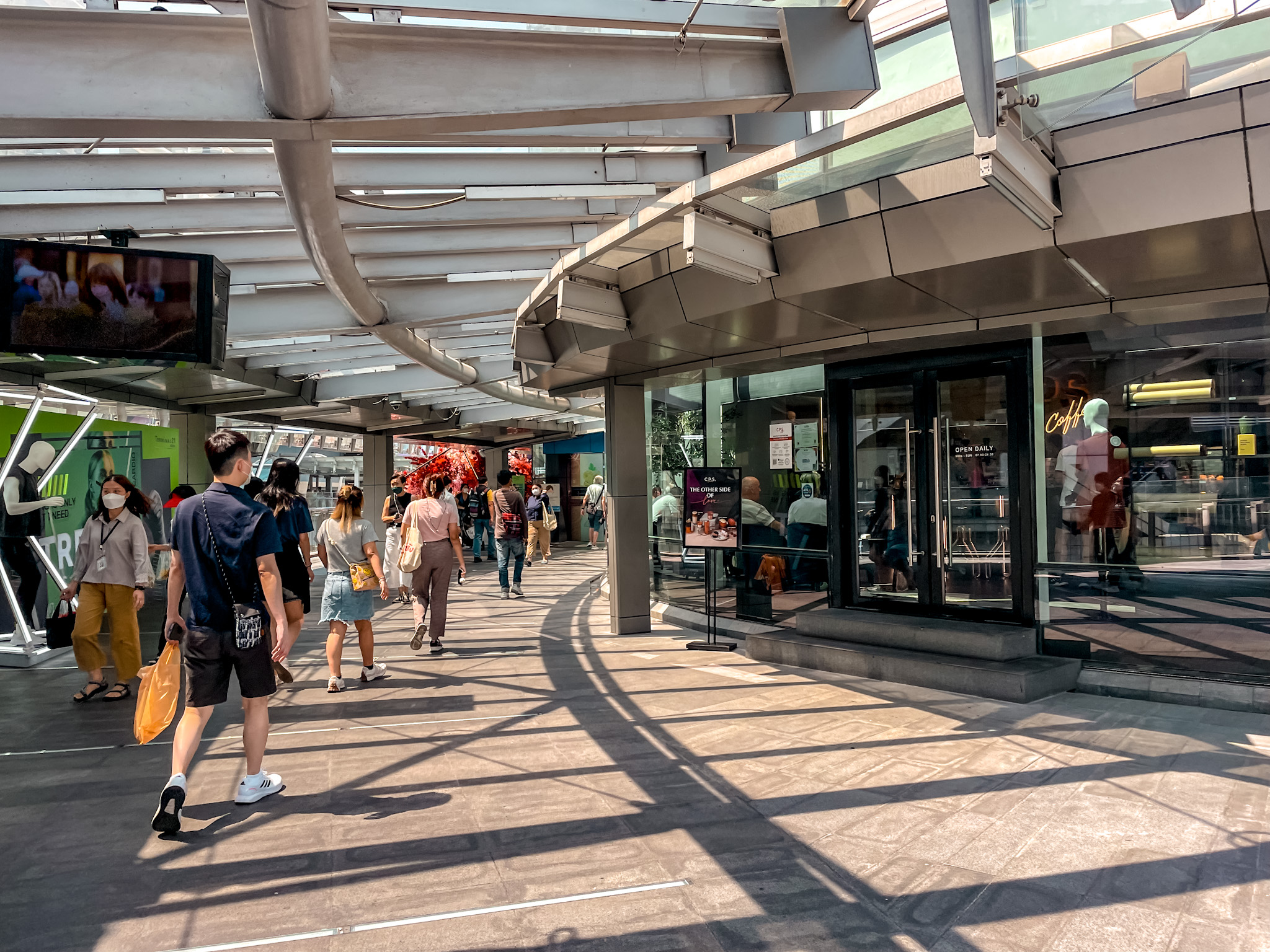
Bangkok has more than enough to fill several days, and what makes it interesting is not just the number of attractions. It is the contrast between them. One minute you can be in a royal temple complex, and later that same day you can be eating in a food court inside a giant mall or taking in the skyline from a rooftop.
The Grand Palace
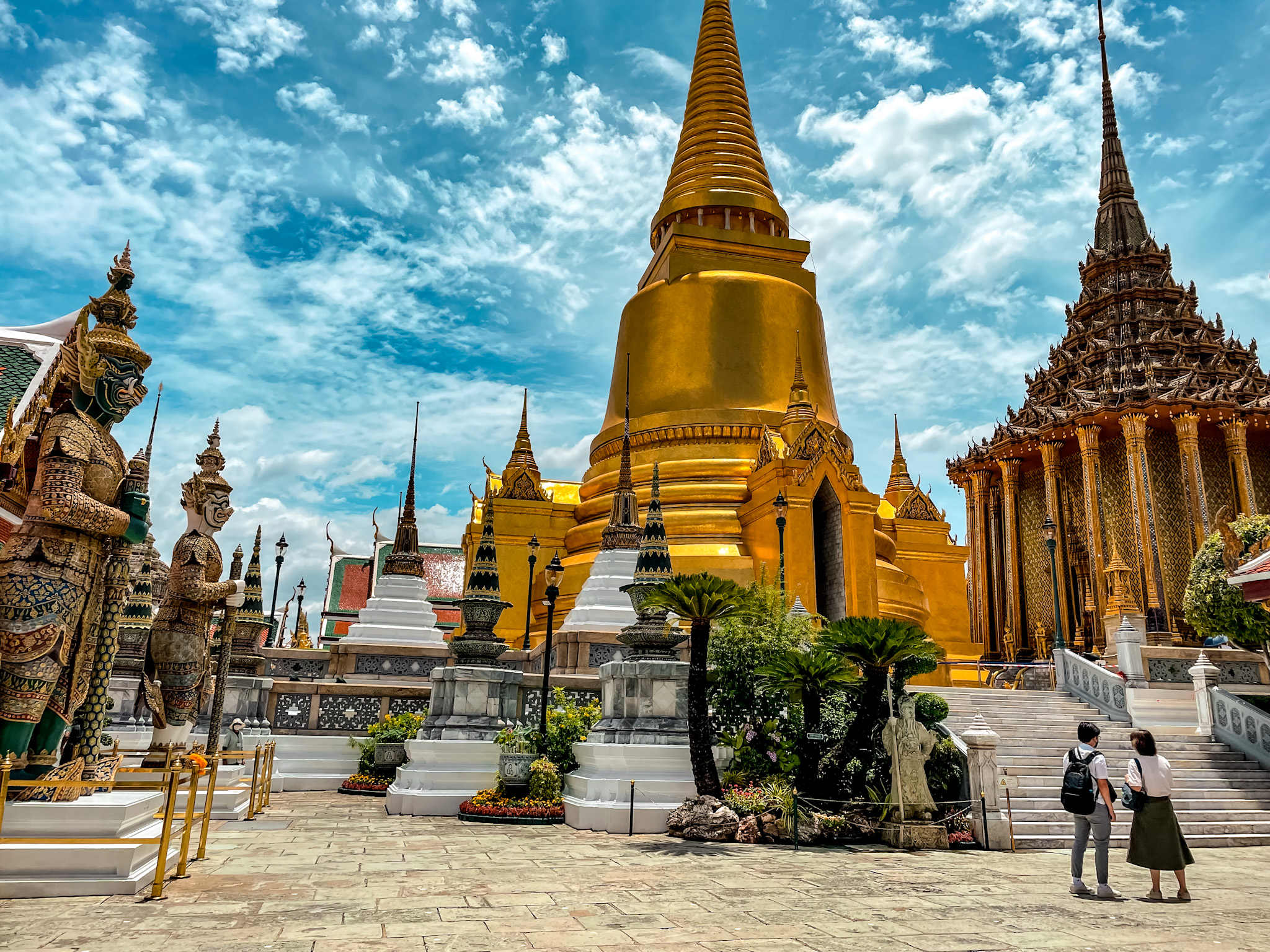
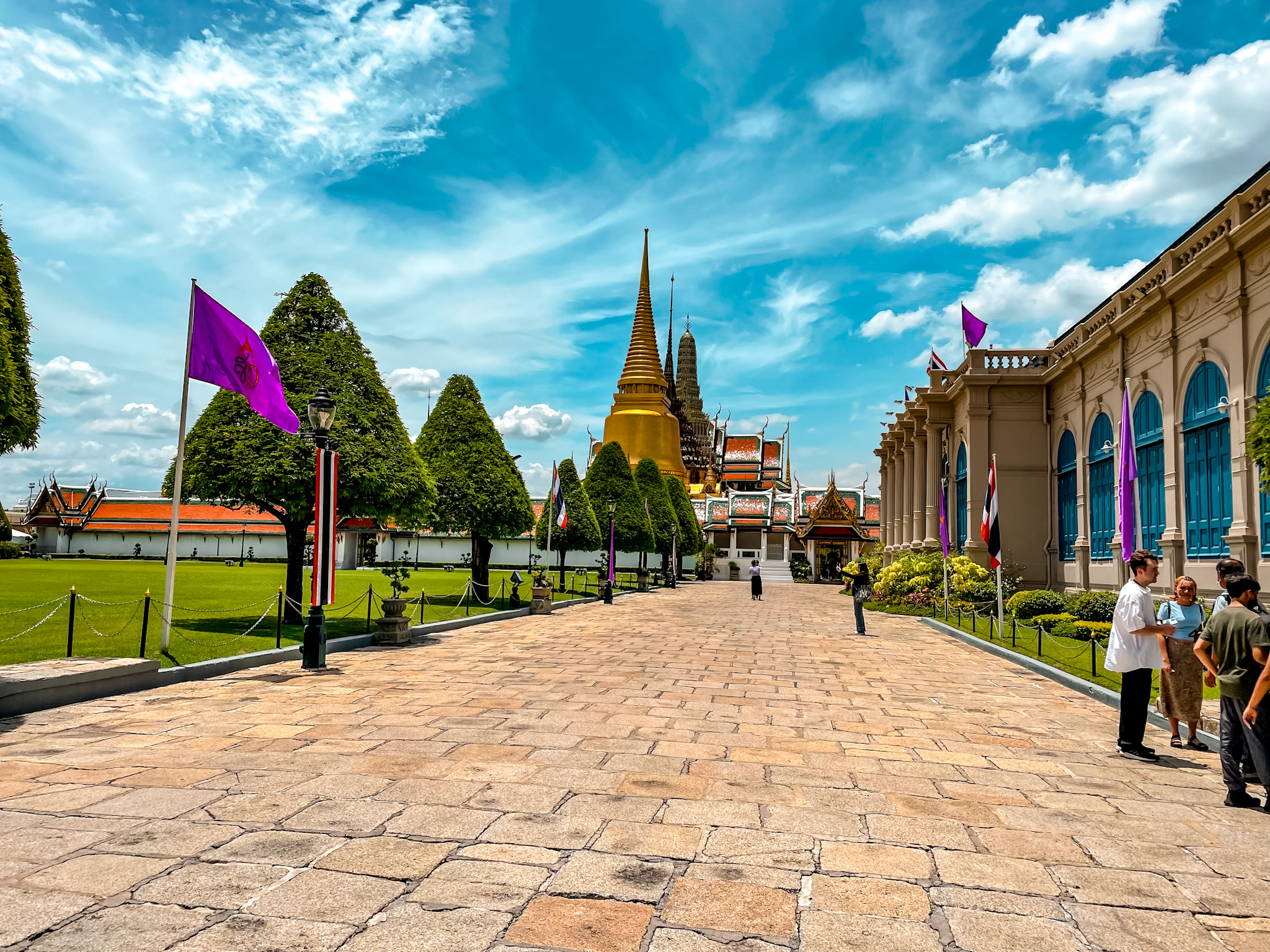
The Grand Palace is one of the biggest reasons people come to Bangkok, and yes, it is worth it. It is busy, formal, hot, and very touristy, but it is also one of the most visually overwhelming places in the city in the best way. The details, the gold, the mirrored surfaces, the ceremonial buildings, and the cultural weight of the place make it feel very different from the rest of Bangkok.
This is one of the stops that helps first-time visitors understand that Bangkok is not just modern city chaos. There is a whole older ceremonial and historical side to it too.
If temple days are part of your Bangkok plan, my Grand Palace Bangkok Guide goes deeper into tickets, dress code, what to see inside, and how to avoid the common mistakes people make on their first visit.
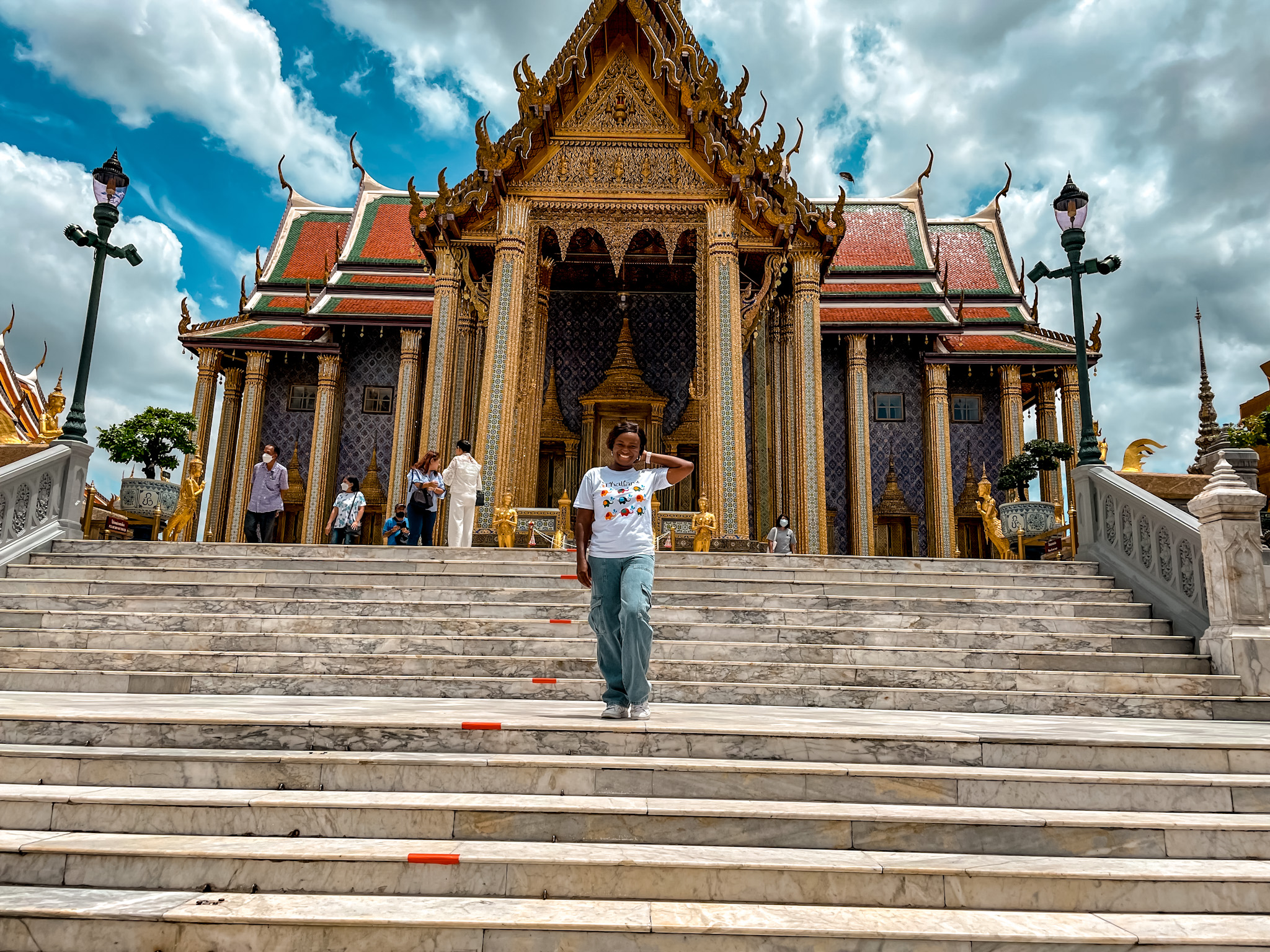
Wat Phra Kaew
Located inside the Grand Palace complex, Wat Phra Kaew is one of the most important Buddhist temples in Thailand. It houses the Emerald Buddha and carries a much stronger sense of reverence than people sometimes expect if they only know it as a tourist sight.
This is not just a beautiful place. It is one of the spiritual centers of the entire complex, and the atmosphere inside reflects that.
If you want the deeper breakdown before you go, read my Wat Phra Kaew Guide, because this is one of those Bangkok temple stops that feels better when you understand what you are looking at.
Wat Arun
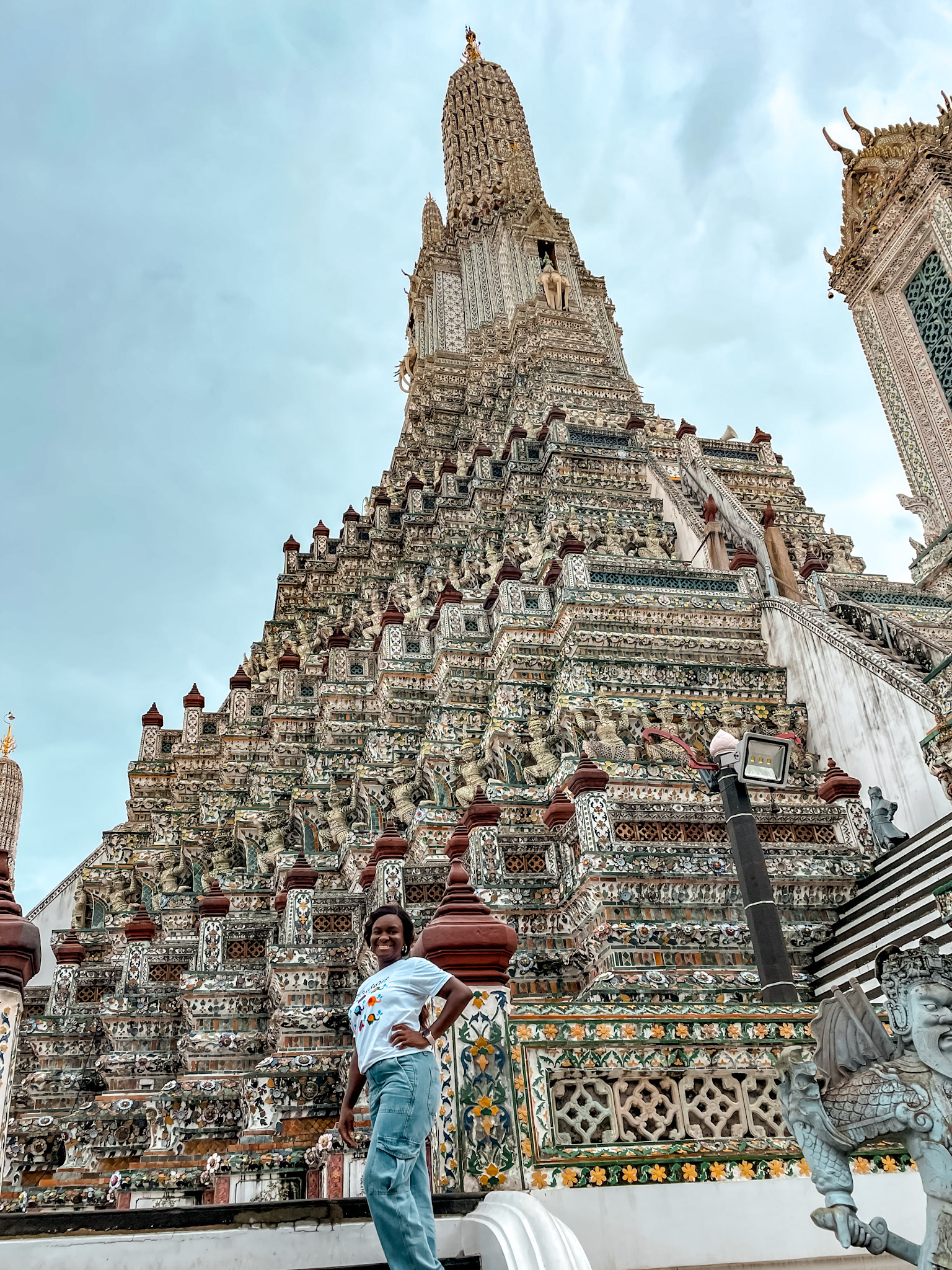
Wat Arun is one of Bangkok’s most visually striking temples, especially when you approach it from the river. It is the kind of landmark that feels instantly iconic once you see it in person. The shape, the setting, and the way it rises up near the water all make it one of the most memorable stops in the city.
It also pairs really well with Wat Pho and the river, which makes it one of the easiest temple days to build well.
This part of the city also pairs naturally with my Wat Pho Bangkok Guide, especially if you want to build a stronger old-city temple day instead of treating these stops separately.
Chatuchak Weekend Market
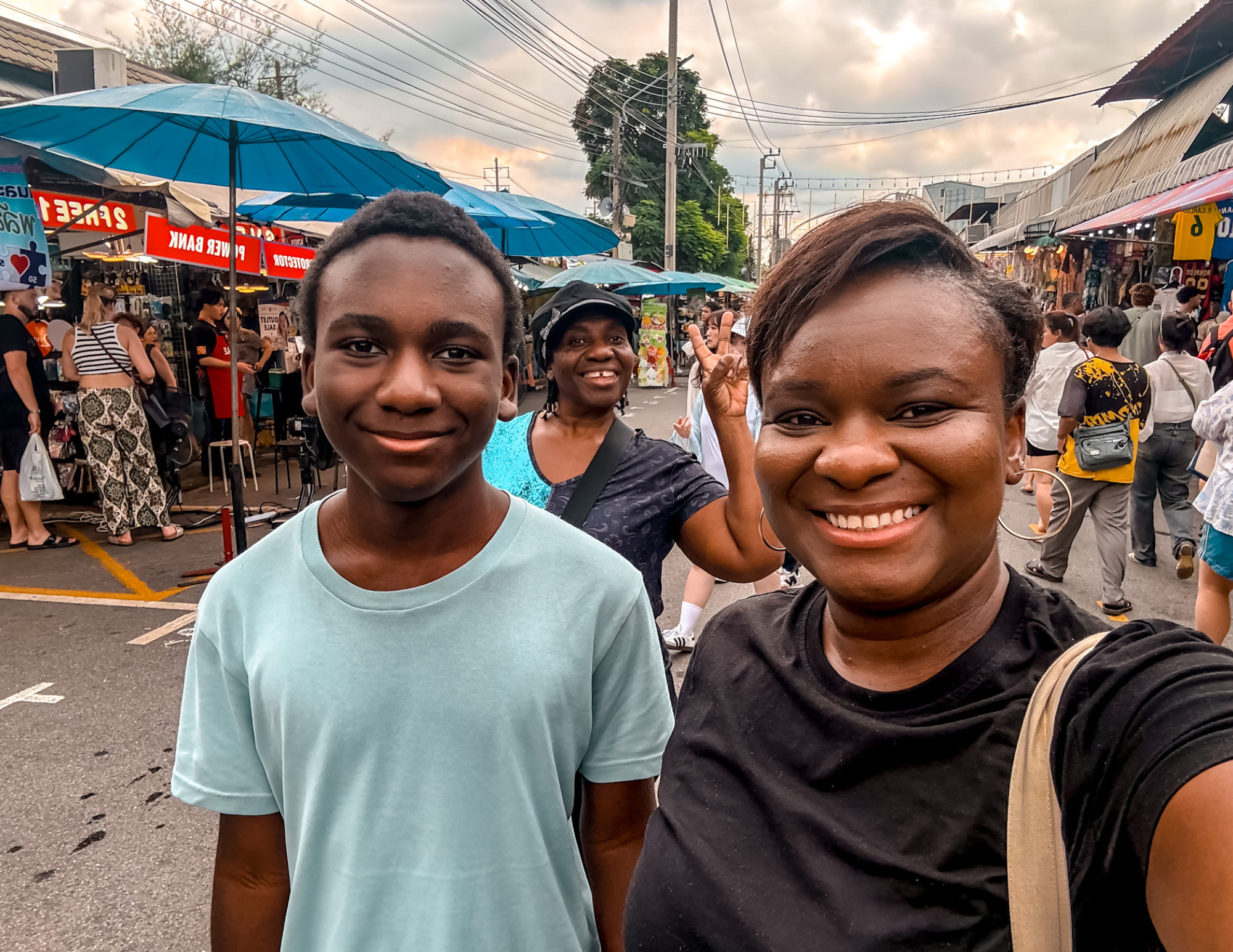
If your trip overlaps with the weekend, Chatuchak is one of the best ways to experience Bangkok’s shopping and market culture all at once. It is huge, chaotic, and full of everything from clothes and home decor to plants, souvenirs, art, and food.
Even if you are not a big shopper, it is worth seeing because it gives you a better sense of scale and local city life than a neat tourist market ever could.
If night markets are part of your Bangkok list, my Best Night Markets in Bangkok guide breaks down which ones are actually worth your time and what kind of experience each one gives.
Khao San Road
Khao San Road is famous, divisive, loud, and very much its own thing. Some travelers love it, some do not, but it is still part of the first-timer Bangkok conversation because it represents a very specific version of the city’s backpacker energy.
I would not build my whole Bangkok trip around it, but it can still be worth seeing briefly if you are curious.
Best Day Trips From Bangkok
There are several good day trips from Bangkok, but not all of them make equal sense for a first visit. If you only have a few days in the city, I would be selective instead of trying to do too much.
Ayutthaya
Ayutthaya is one of the best and most obvious day trips from Bangkok. It was once the capital of Siam, and the ruins still carry that sense of historical weight. If you want a day trip that feels culturally significant and easy to justify, this is the one I would prioritize first.
Damnoen Saduak Floating Market
This is the floating market many people know by image, but it is also one of the more touristy versions of the experience. It can still be colorful and interesting, but I would go in knowing it is not some untouched everyday market scene.
Amphawa Floating Market
Amphawa usually feels like the better choice if you want something more relaxed and food-focused. It is still popular, but it tends to feel a little less like a spectacle and a little more enjoyable.
Kanchanaburi
Kanchanaburi works well if you want history and scenery together. The Bridge on the River Kwai is the most famous sight, but the area also offers nature, river views, and a different pace from Bangkok.
Khao Yai National Park
Khao Yai is best for people who want a true nature break from the city. It makes more sense if you love outdoor scenery and want something very different from temples, food, and markets.
If it is your first Bangkok trip and you only choose one day trip, I would usually say Ayutthaya first. It complements the city well and helps the whole Thailand trip feel more complete.
If you want help turning these ideas into an actual trip plan, my 3 to 5 Days in Bangkok itinerary breaks down how I would group the city without making the days feel chaotic.
What to Eat
One of the best things about Bangkok is that eating well does not need to mean booking expensive restaurants or chasing only trendy spots. Some of the best meals come from markets, street stalls, mall food courts, and neighborhood restaurants that look easy to overlook if you do not know better.
Thai food in Bangkok is not just one flavor profile either. It moves across sweet, sour, salty, spicy, rich, smoky, and bright in a way that keeps meals from ever feeling repetitive for long.
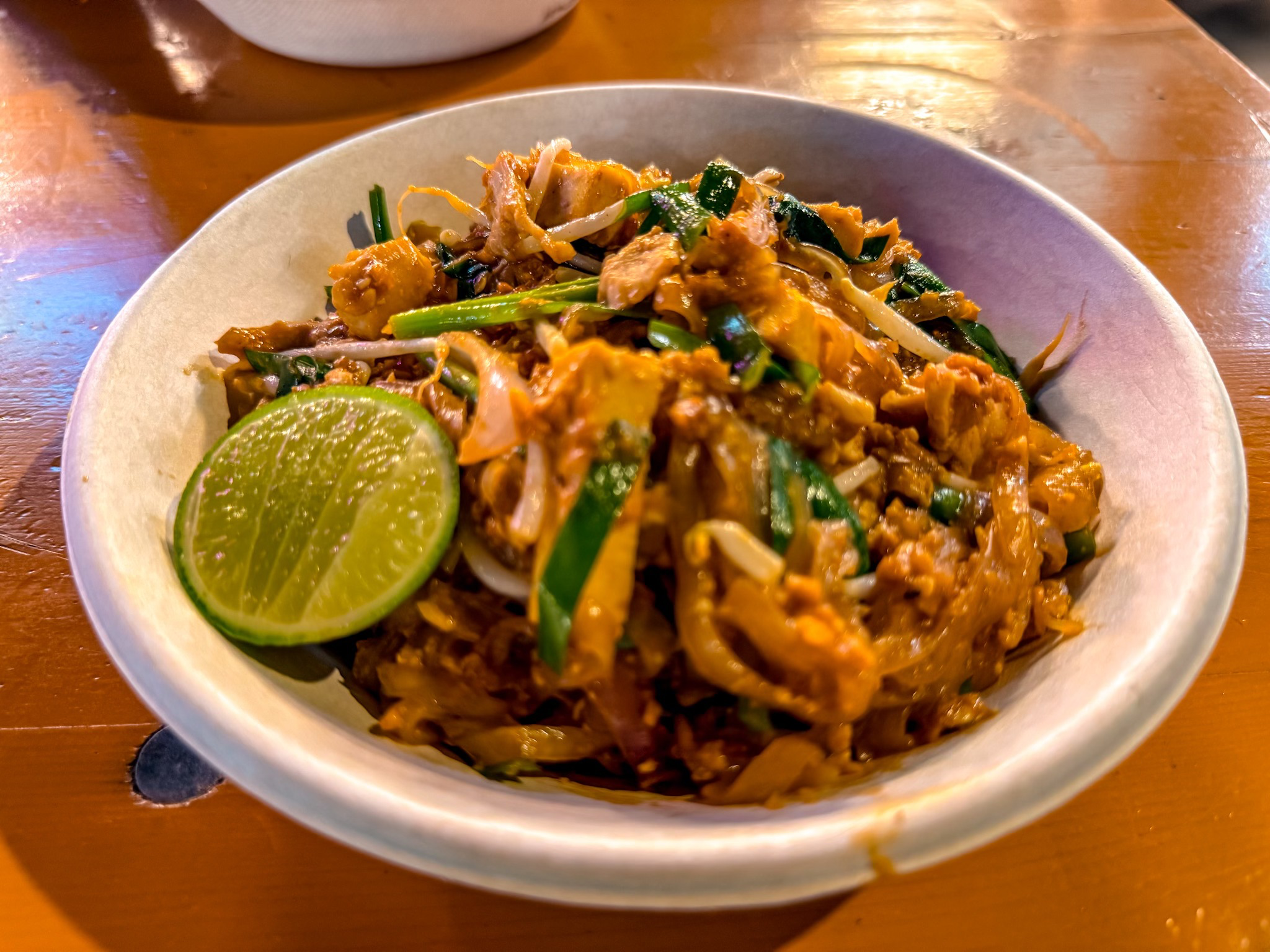
Pad Thai
Pad Thai is one of the dishes most visitors already know, but it is still worth trying in Thailand. Done well, it is balanced, comforting, and a great starting point.
Tom Yum Goong
This spicy and sour shrimp soup is one of the clearest examples of how bold Thai food can be. It is sharp, aromatic, and very distinctly Thai.
Green Curry
Green curry can be richer and spicier than some people expect. It is one of those dishes that sounds creamy and mild on paper but can still have a lot of heat.
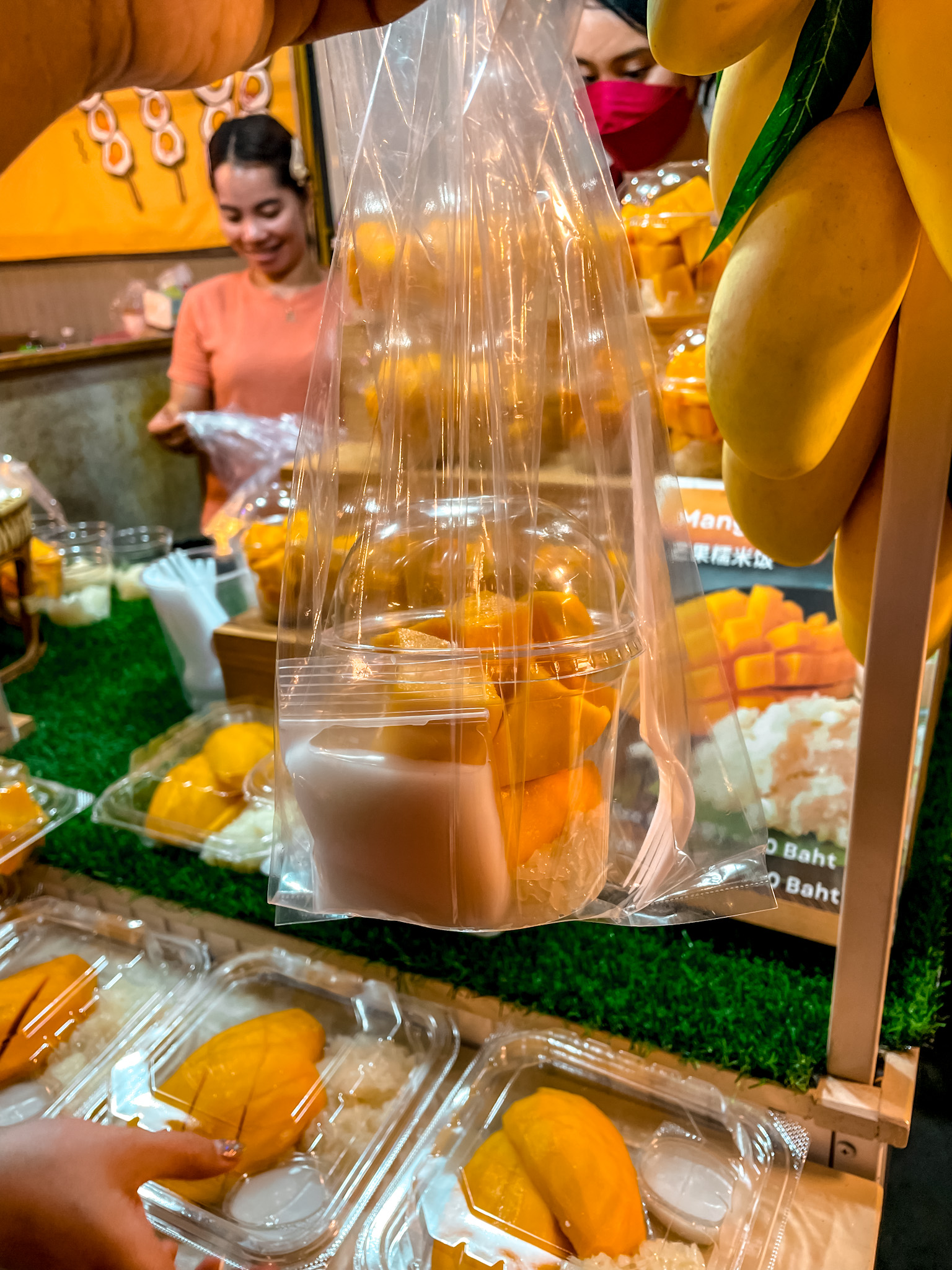
Mango Sticky Rice
This is one of the Thai desserts people come back talking about for a reason. When the mango is good and the sticky rice is done right, it is simple but memorable.
Som Tam
Papaya salad is one of the dishes that really teaches people what Thai flavor balance means. It can also be much hotter than expected, so it is worth being careful with spice.
Khao Pad
Thai fried rice is one of the easiest dishes for cautious eaters or anyone who wants something more familiar without leaving Thai food behind.
Massaman Curry
This is a great curry for people who want something rich and flavorful without going too far into the spicier end of the menu.
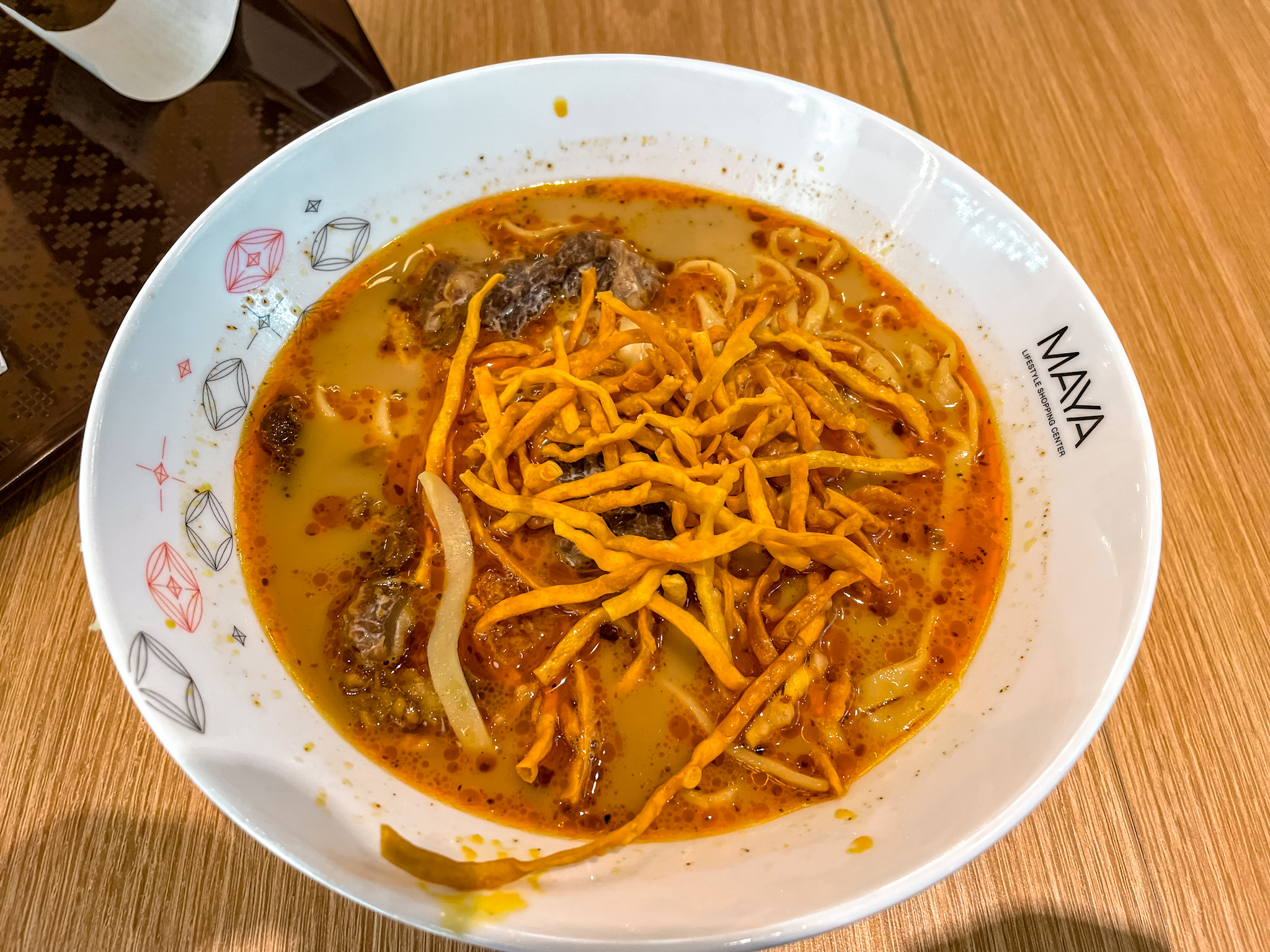
Khao Soi
Even though it is more closely tied to northern Thailand, you can still find it in Bangkok, and it is worth trying if you get the chance.
Kai Jeow
Thai omelet is one of those simple dishes that ends up being more satisfying than people expect.
Moo Ping
Grilled pork skewers are one of the easiest and best Bangkok street-food snacks when you want something cheap, fast, and good.
If you want to eat well in Bangkok, the best strategy is not to obsess over a perfect restaurant list from the start. It is better to stay open, try a mix of places, and let some of the city’s food moments happen naturally as you move through it.
Everyday Phrases
Learning a few phrases in Thai goes a long way, even if your pronunciation is not perfect. People appreciate the effort, and it helps make small daily interactions smoother.
Sawadee krap/ka — Hello
Khob khun krap/ka — Thank you
Mai pen rai — No problem
Chai — Yes
Mai chai — No
Mai pet — Not spicy
Mai waan — Not sweet
You do not need to know a lot, but a few phrases can make ordering food, greeting people, or asking for simple adjustments feel much easier.
How to Get Around
Bangkok has an extensive public transportation system, including the BTS Skytrain, MRT subway, buses, and taxis.
- BTS Skytrain: The BTS Skytrain is a rapid transit system that operates above ground and connects many popular areas of Bangkok. It's an affordable and convenient way to get around the city, and tickets can be purchased at the station using cash or a stored value card.
- MRT Subway: The MRT Subway is an underground rail system that connects the central business district with the northern and western suburbs of Bangkok. It's another affordable and convenient option for getting around the city.
- Taxis: Taxis are a common way to get around Bangkok, but be sure to use only licensed taxis that have a meter. It's a good idea to have your destination written down in Thai, as some drivers may not speak English.
Bangkok gets much easier once you understand which transport works best where, which is exactly why I put together Understanding Bangkok’s Transit Systems for first-time visitors.
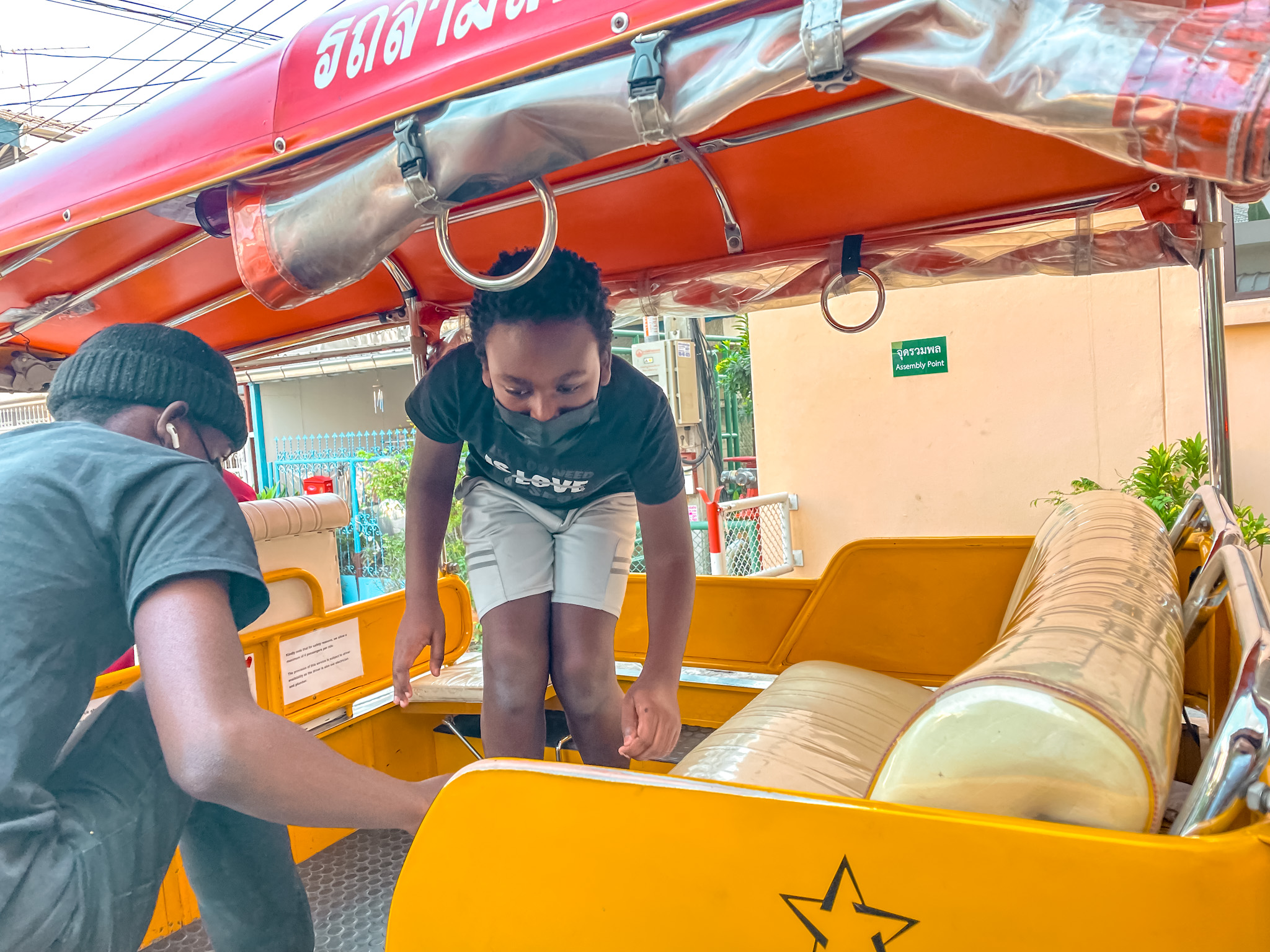
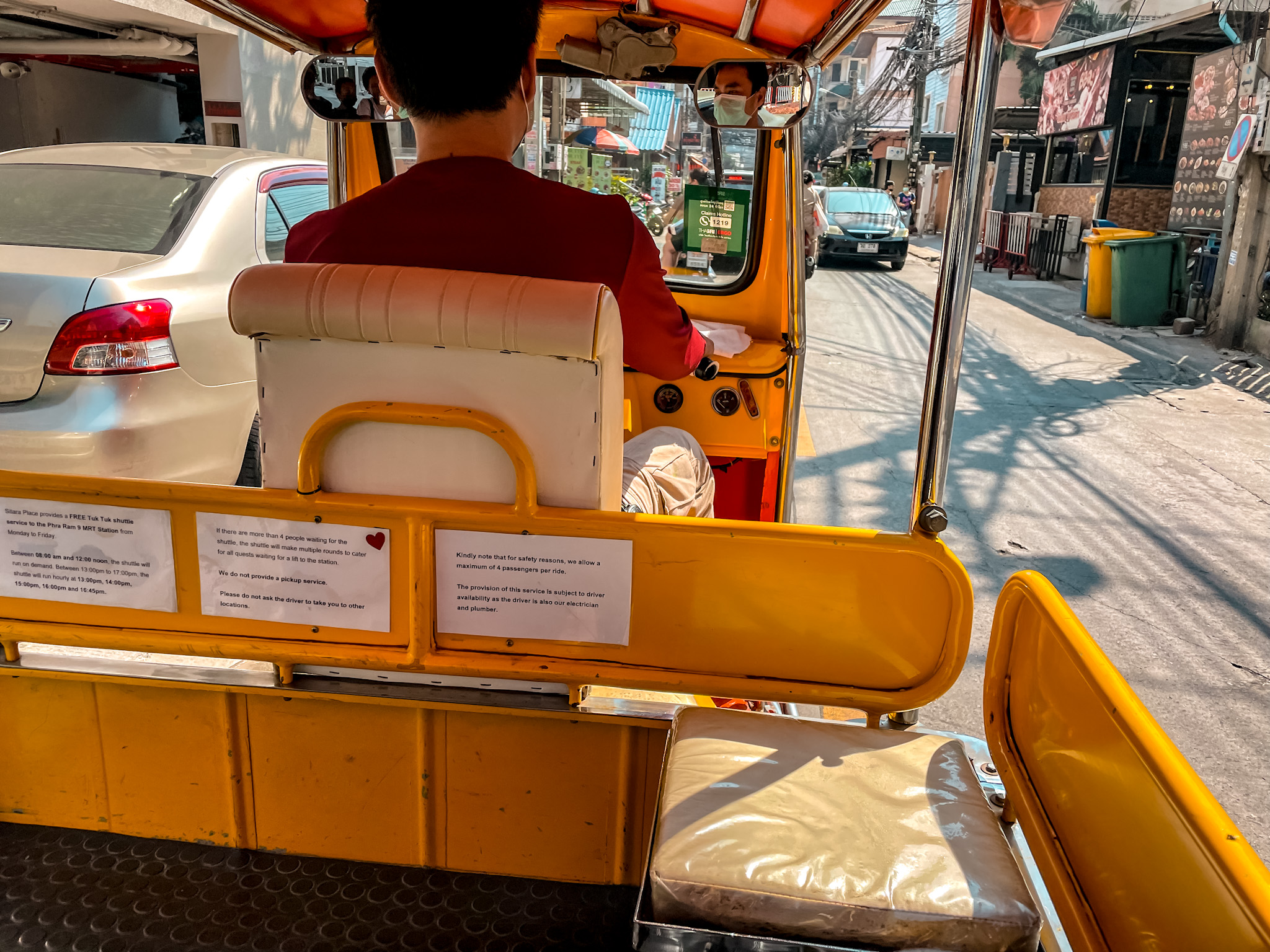
- Tuk-tuks: Tuk-tuks are a fun and unique way to get around Bangkok, but be aware that they can be more expensive than other forms of transportation. Negotiate the fare before getting in, and be wary of tuk-tuk scams.
- Motorbikes: Motorbikes are a popular mode of transportation in Bangkok, especially for short trips. However, they can be dangerous and are not recommended for inexperienced riders.
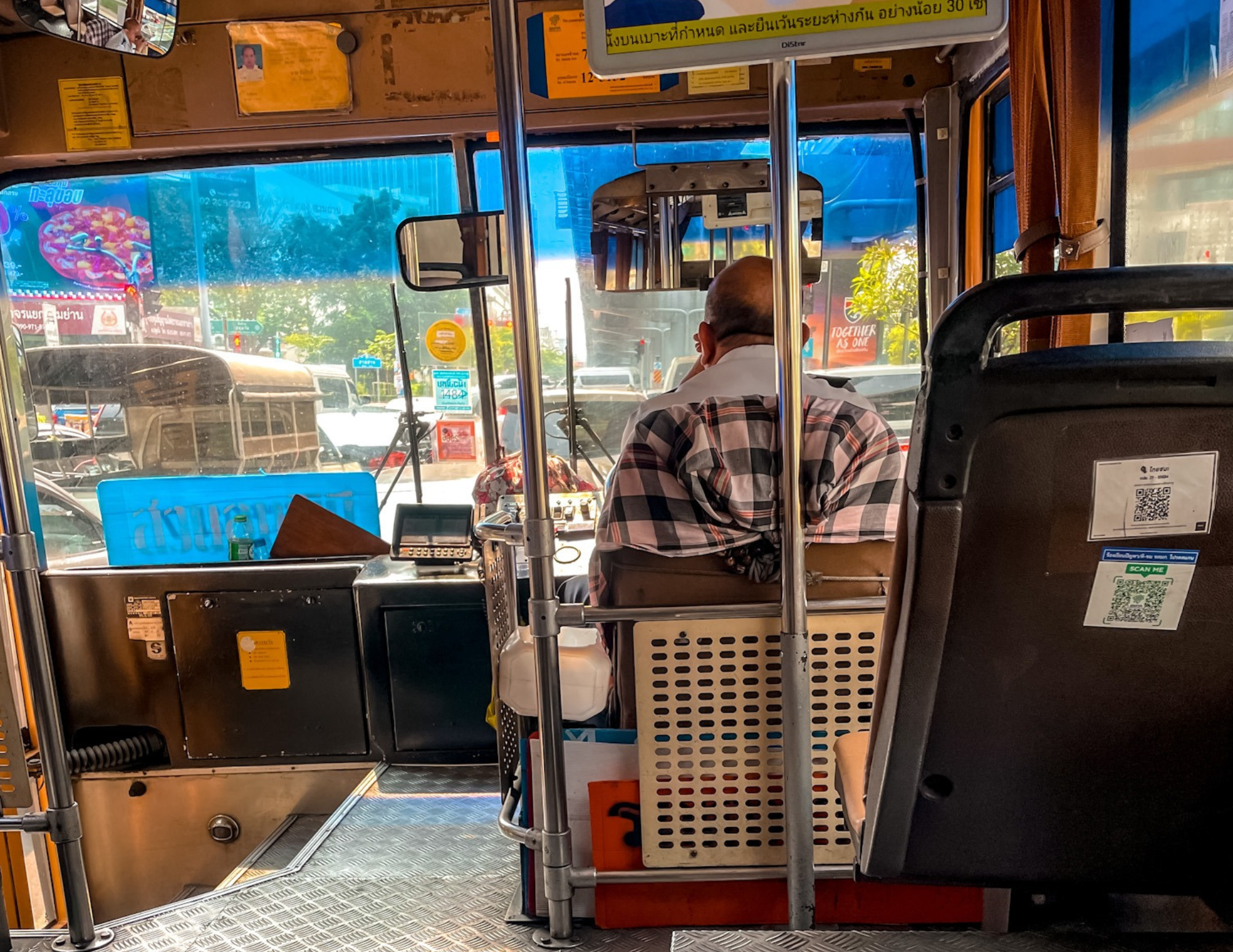
- Buses: Bangkok has a comprehensive bus network, but it can be confusing for visitors to navigate. It's best to use a map or ask for assistance when using the bus system.
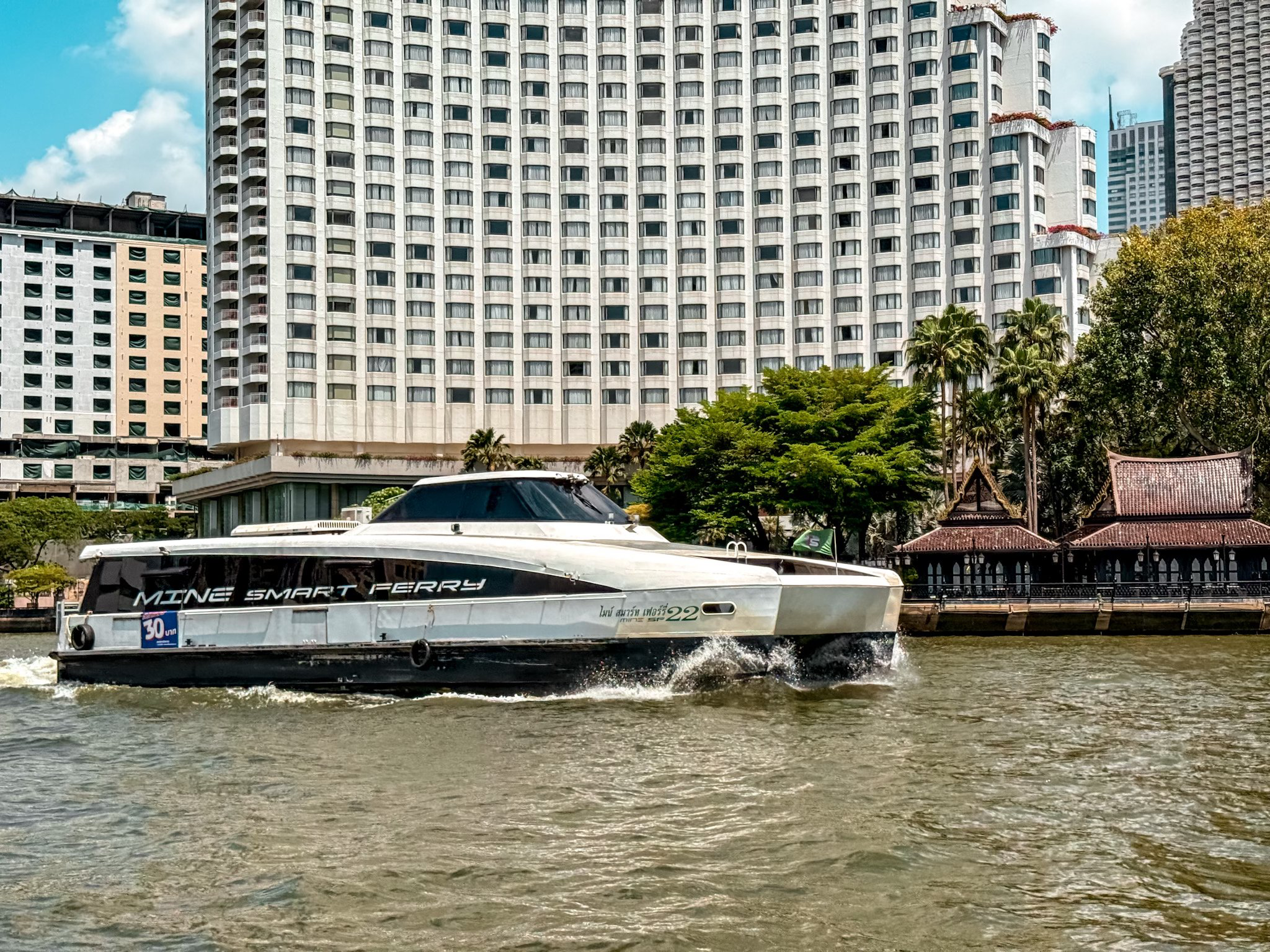
- Boat: Bangkok is known as the "Venice of the East" due to its network of canals and waterways. Taking a boat ride is a unique way to see the city and can be a convenient option for getting around certain areas.
- Ride-hailing apps: Grab and inDriver are both popular ride-hailing apps that are widely used in Bangkok. They offer a convenient and affordable alternative to traditional taxis and tuk-tuks.
To use these apps, you'll need to download them onto your smartphone and set up an account with a valid phone number and payment method. Once you've done that, you can use the app to request a ride from your current location to your desired destination.
One advantage of using Grab or inDriver is that the fare is calculated upfront, so you won't have to negotiate with the driver or worry about being overcharged. You can also track your driver's progress in real-time and rate your experience after the ride is over.
For most first-time visitors, the simplest transport strategy is this:
- BTS and MRT for structure
- river boats for old city and riverside days
- Grab when you need convenience
- tuk-tuks only occasionally
- taxis carefully
- buses only if you are comfortable improvising
That one shift alone makes Bangkok much less frustrating.
Scams to Look Out For
As with any major tourist city, Bangkok has scams. Most are easy to avoid if you know they exist before you arrive.
Tuk-tuk scams
Some drivers offer unrealistically cheap rides, then turn them into shopping-stop detours or pressure you into commission-based stops.
Gem scams
If someone is trying hard to sell you gems or jewelry as a special bargain, walk away.
Grand Palace scams
One of the most common ones is someone outside telling you the Grand Palace is closed and offering to take you somewhere else instead. Keep walking and check the entrance yourself.
The biggest pattern with Bangkok scams is redirection. Someone tries to interrupt your plan and replace it with theirs. The easiest defense is knowing that in advance.
Weather
Bangkok is hot year-round, and the weather matters more than first-timers often think.
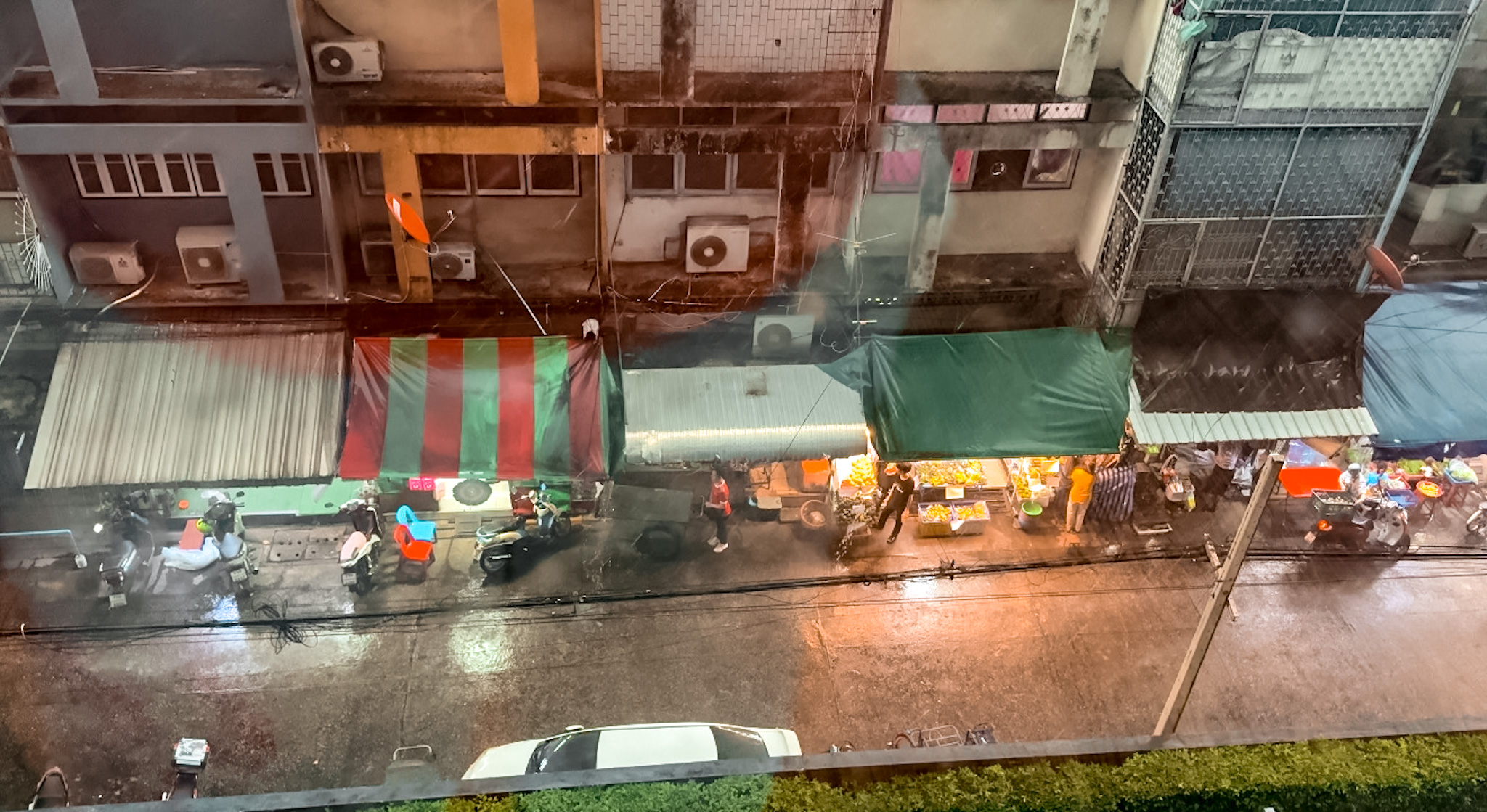
The hottest stretch is usually around March to May, when the heat can feel draining very quickly. The rainy season generally runs from around May to October, with bursts of heavy rain that can disrupt plans but do not necessarily ruin a trip. The cooler and drier season is usually from November to February, which is why many people consider it the easiest time to visit.
If you want a better sense of how Bangkok’s climate can affect your trip in real life, my Bangkok Air Quality Guide 2026 is worth reading too, especially if you are visiting during the hotter months or pollution season.
What matters more practically is this:
- Bangkok heat can wear you out faster than expected
- temple days are better early
- rain season does not mean nonstop rain
- indoor breaks matter
- lightweight clothes and hydration make a real difference
The weather shapes your pace in Bangkok, so it is worth building your days around that instead of pretending it does not matter.
If your trip overlaps with wetter months, my Bangkok on a Rainy Day guide can help you plan around sudden downpours without feeling like the day is wasted.
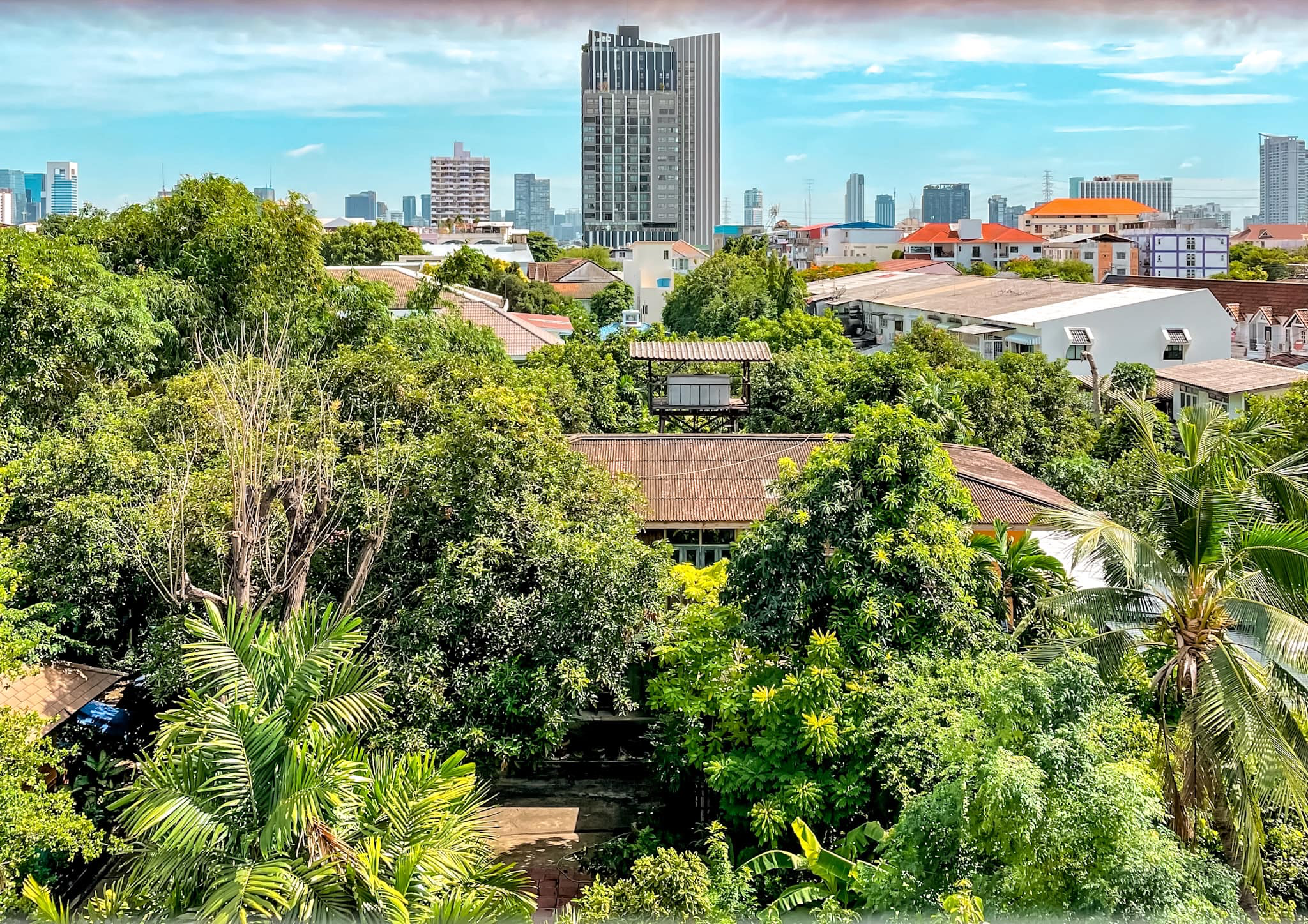
Bangkok is a city that can feel intense at first and then become one of your favorite stops in Thailand once you understand how to move through it. It has history, food, transit, markets, temples, river life, modern neighborhoods, and everyday city energy all stacked together in a way that makes it feel bigger than a simple first-timer checklist.
If you approach Bangkok with patience, good pacing, and realistic expectations, it becomes much more enjoyable. Do not try to conquer it all at once. Let the city open up gradually. That is usually when Bangkok starts to feel less overwhelming and much more unforgettable.
If you want to turn Bangkok into a smoother trip instead of just a list of attractions, my 3 to 5 Days in Bangkok itinerary and Understanding Bangkok’s Transit Systems post will help a lot.
And if you want to build out the more modern and evening side of the city, my Best Night Markets in Bangkok and Best Places to Shop in Bangkok guides help round out the trip beyond temples and historic sights.

Cavetta is the creator of LifeWithVetta.com and has been traveling the world full time since 2020. She has visited more than 60 countries while worldschooling her son and documenting what it really takes to live abroad. Her guides focus on travel, moving abroad, digital nomad life, and designing a life beyond the traditional path.
