
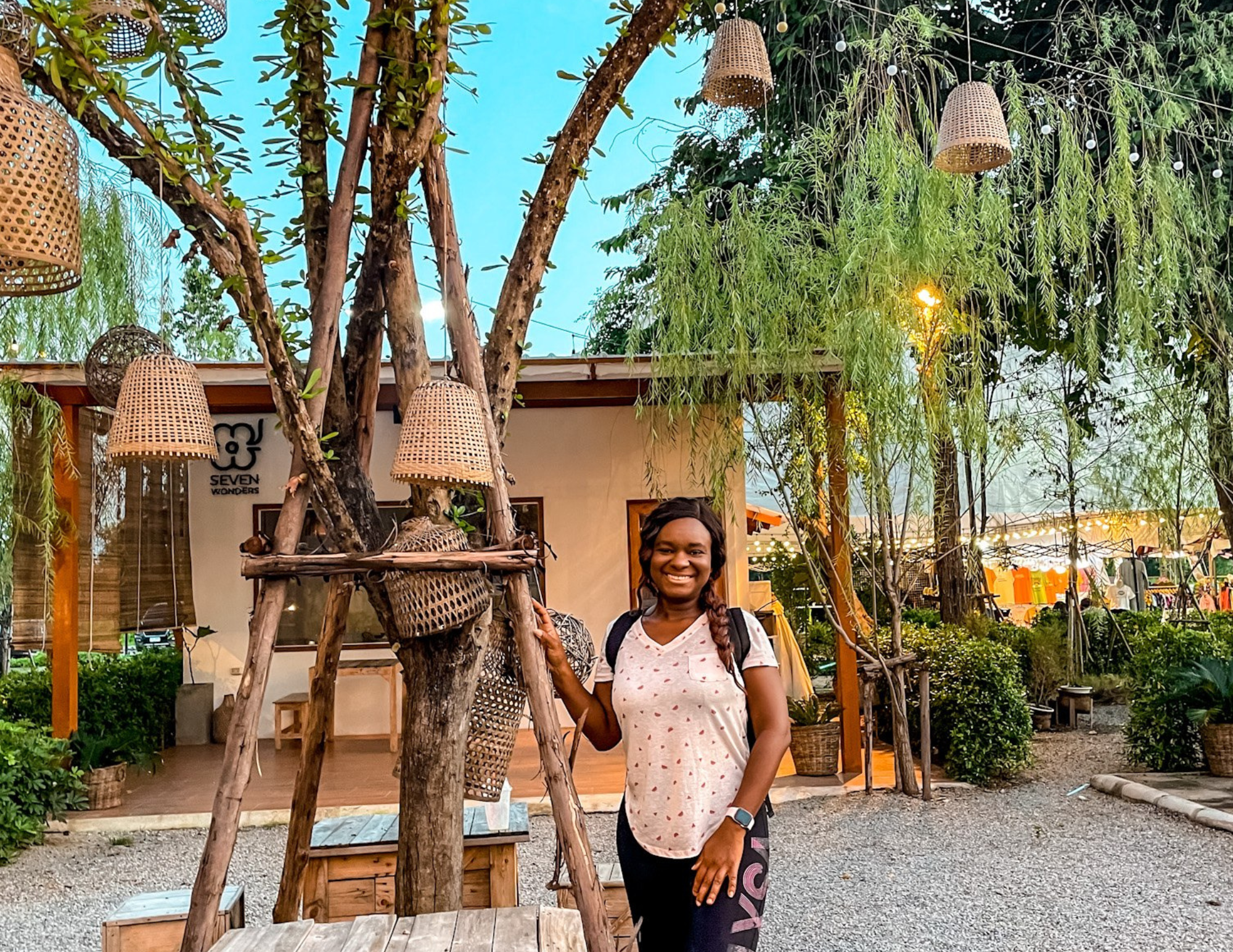
Chiang Mai Thailand Travel Guide 2026
What To Expect, What To Do and Why So Many People Fall in Love
We spent a full month in Chiang Mai and absolutely fell in love. Not in a loud, dramatic way, but in a slow, grounding, this-feels-right kind of way. Chiang Mai has a softness to it that is hard to describe until you live inside it for a while.
Chiang Mai is one of the most culturally rich destinations in northern Thailand, known for its temples, markets, mountain views, and relaxed atmosphere compared to Bangkok. Many travelers include it as part of a larger trip through the country, which I outline in my 3 weeks in Thailand itinerary.
It is the kind of place where days stretch gently. Where you wake up without urgency. Where conversations feel unforced and routines settle naturally. It does not demand constant stimulation, yet it never feels boring.
If you are considering Chiang Mai for a visit or a longer stay, this guide walks you through everything you need to know, not just what to do, but how the city actually feels to experience.
What Chiang Mai Feels Like
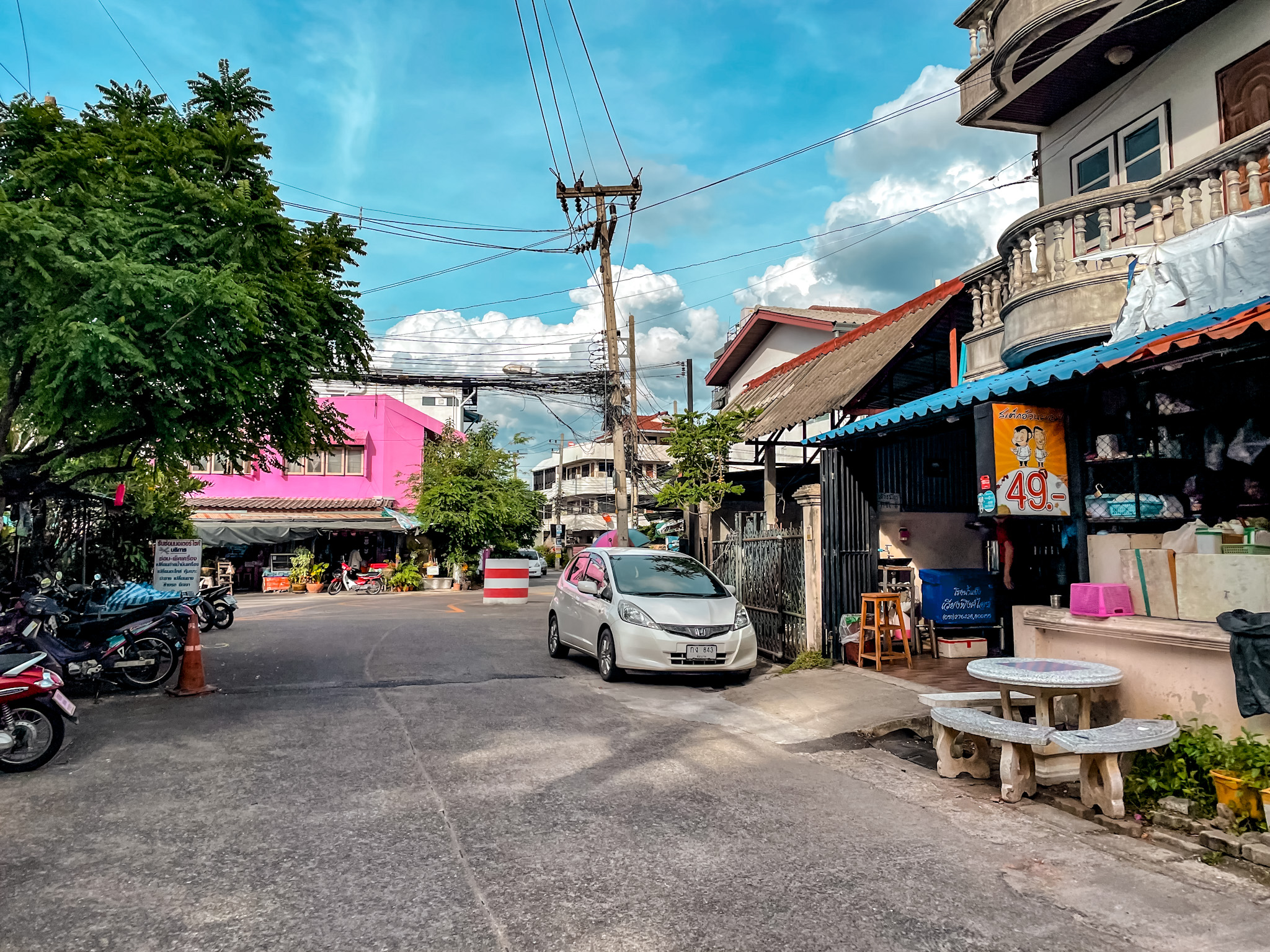
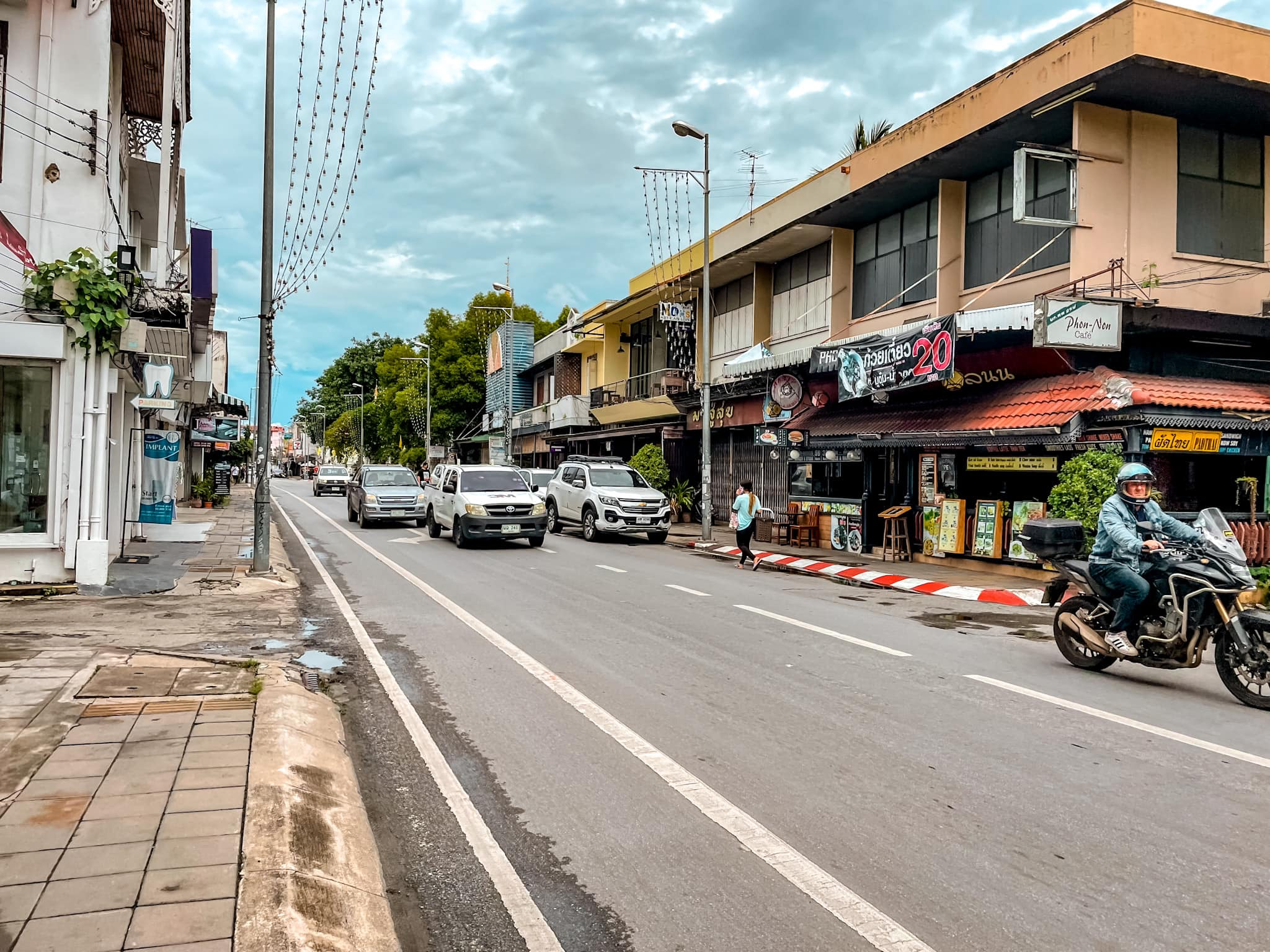
Chiang Mai feels slower than Bangkok in every sense of the word.
Traffic exists, but it does not dominate your day. Streets feel human scale. Neighborhoods feel walkable and familiar. You are not constantly dodging crowds or noise.
There is space here. Physical space and mental space.
Mornings feel calm and productive. Afternoons feel warm and unhurried. Evenings feel social without being overwhelming. The city invites you to create a rhythm that works for you rather than forcing one on you.
Compared to Bangkok, Chiang Mai feels:
• less intense
• less crowded
• more breathable
• more personal
• easier to settle into
It is still a city, but it does not feel like it is rushing past you.
The People and Thai Hospitality
One of the most memorable parts of our time in Chiang Mai was the people.
Thai hospitality here feels genuine and understated. There is no performative friendliness. Just warmth, patience, and an ease in everyday interactions.
Shop owners remember you. Cafe staff greet you like a regular after only a few visits. Conversations happen naturally, whether with locals or other travelers.
Chiang Mai also attracts a certain type of expat and traveler. Creative people. Thoughtful people. People looking for balance rather than escape. It felt surprisingly easy to build community, even as visitors.
There is a kindness here that feels woven into daily life.
The Layout of Chiang Mai
Chiang Mai is spread out, but it is easy to understand and navigate once you get your bearings.
Old City
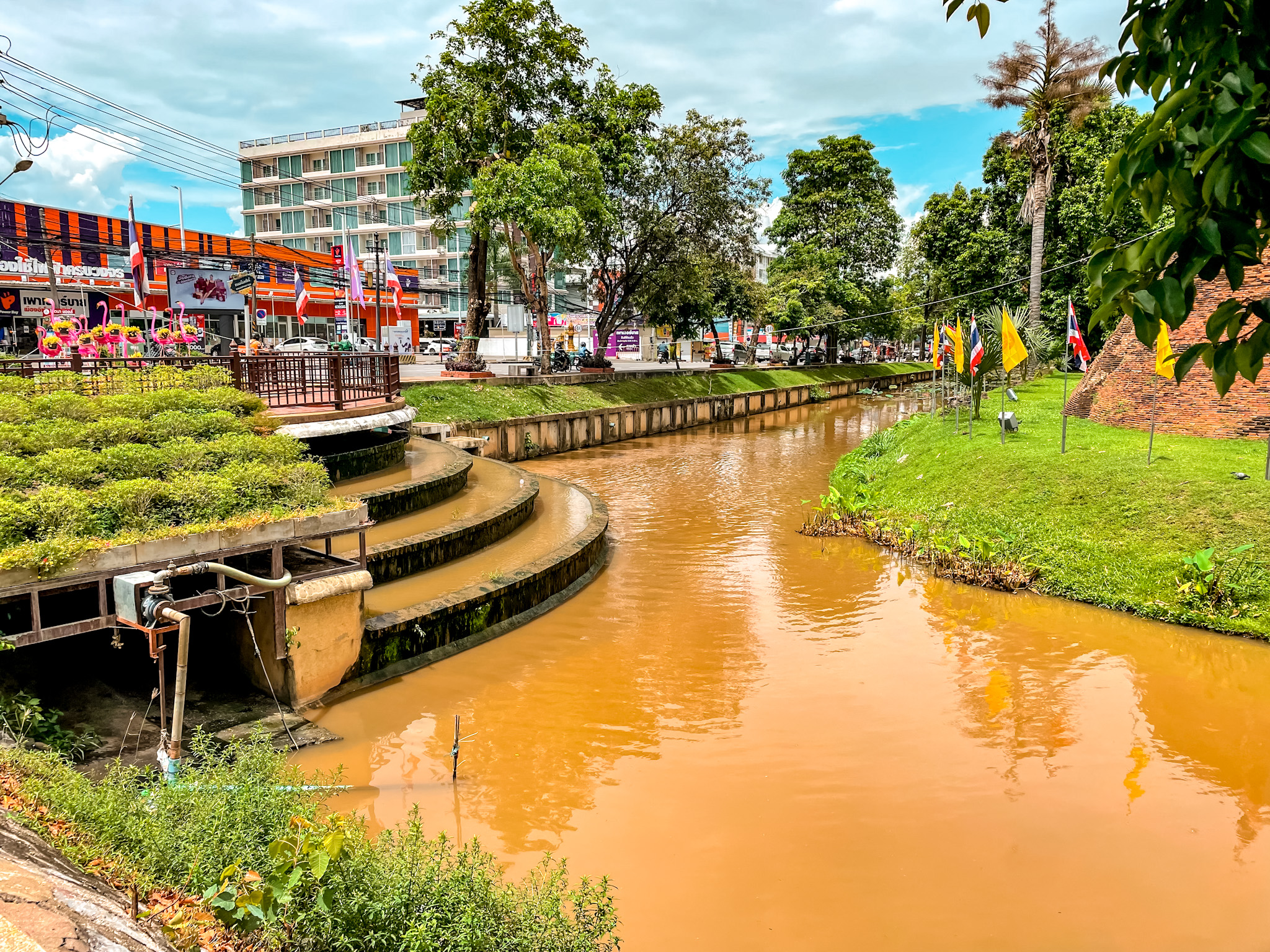
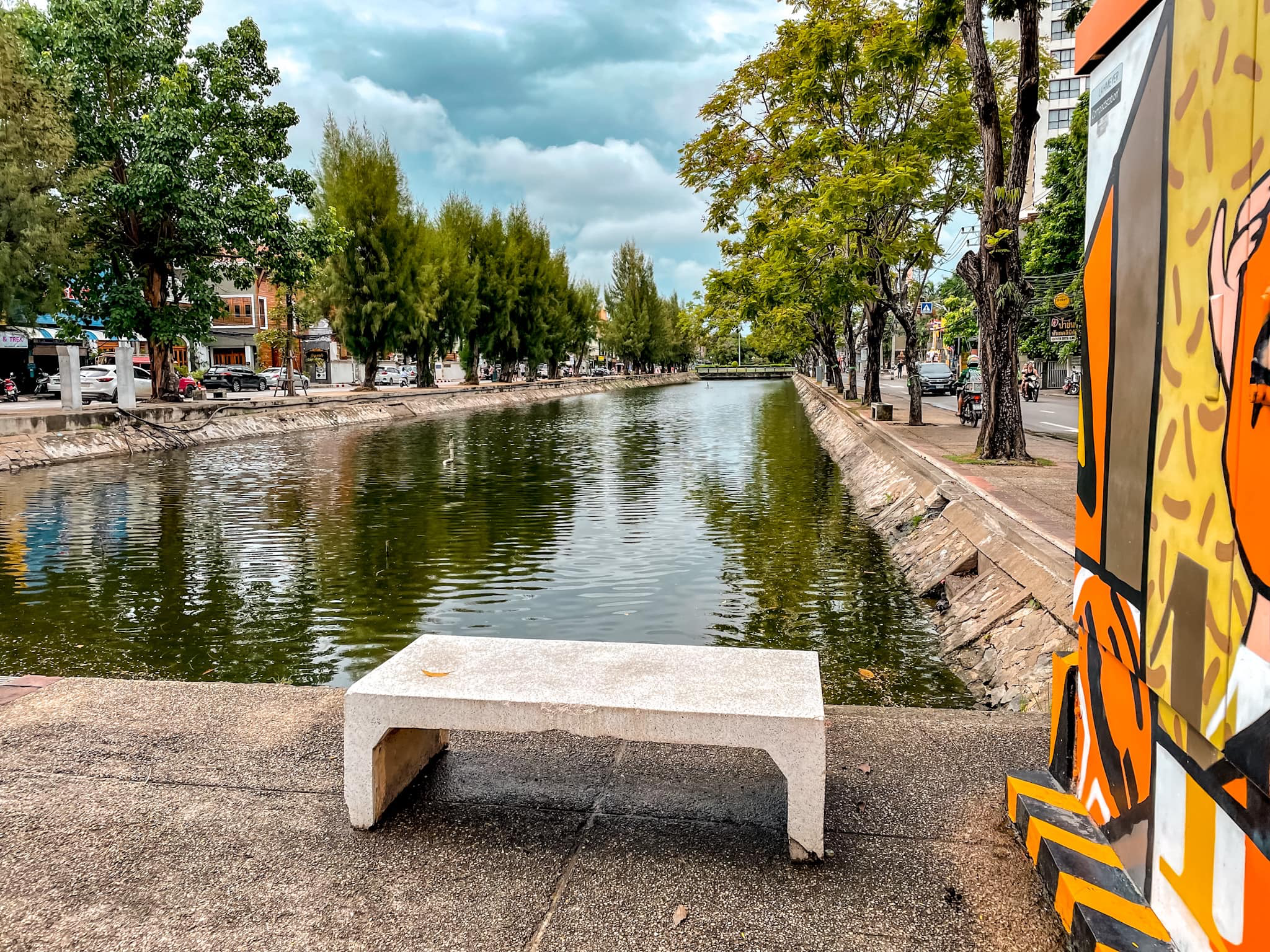
The historic heart of Chiang Mai. Surrounded by ancient walls and a moat, it is flat, walkable, and filled with temples, cafes, guesthouses, and quiet streets. This area feels timeless and is ideal for first time visitors who want culture without chaos.
The historic center of Chiang Mai is surrounded by ancient walls and a moat, and it is one of the best places to explore on foot. I break down a route for exploring temples and landmarks in my Old City Chiang Mai walking itinerary.
Nimman
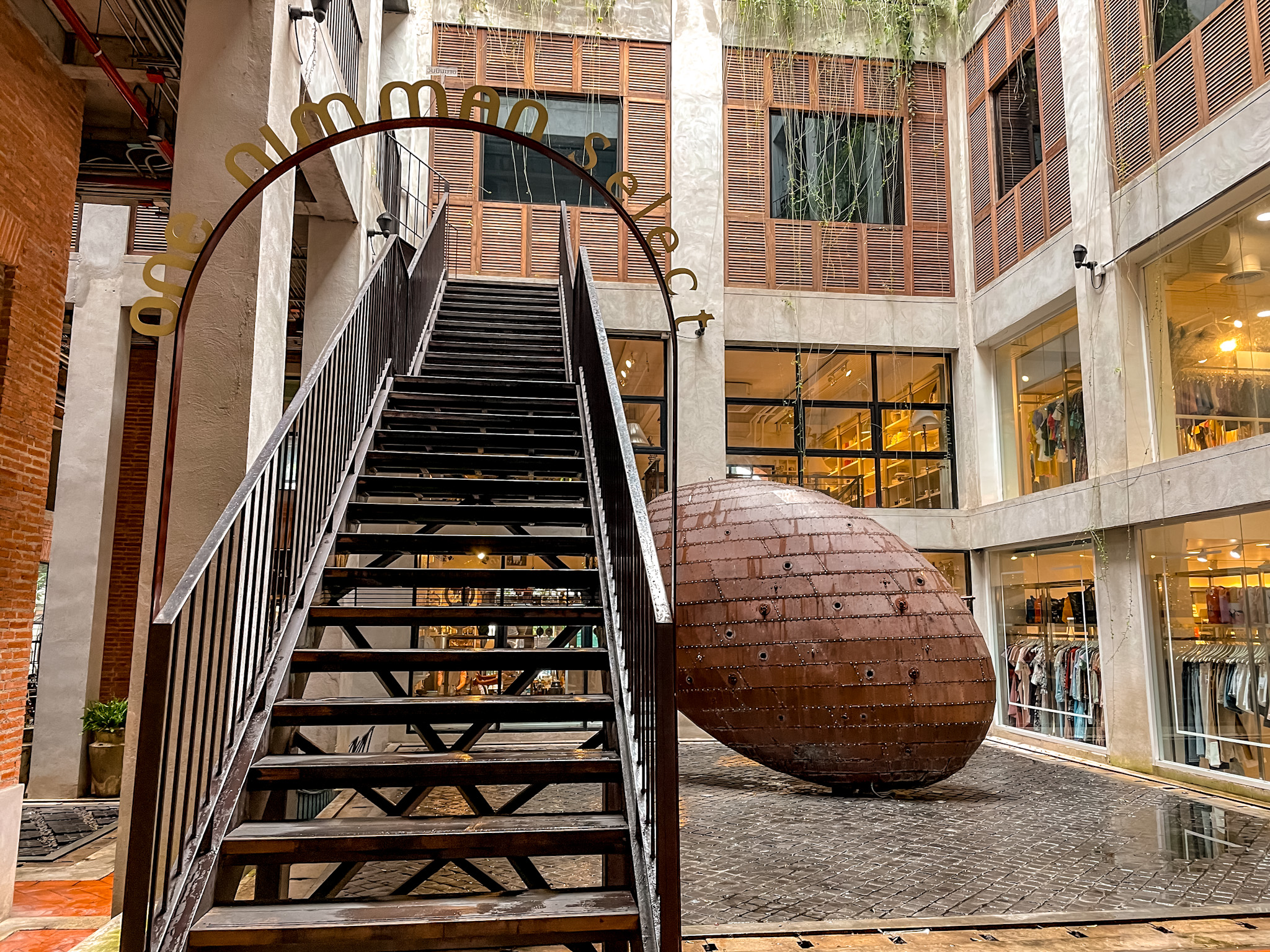
Modern, creative, and lively. Nimman is where cafes, boutiques, co working spaces, and nightlife cluster. It attracts digital nomads, expats, and students and feels contemporary without losing its Thai identity.
The trendy Nimman area is known for cafés, restaurants, and boutique shops, and has become one of the most popular neighborhoods for digital nomads and travelers. You can see what to expect in my Nimman Chiang Mai guide.
Riverside and Outer Areas
These areas feel calmer and more residential. Resorts, boutique hotels, and green spaces are more common here. It is ideal if you want tranquility while still being close to the city.
Each area has its own personality, and moving between them is easy.
What To Do in Chiang Mai
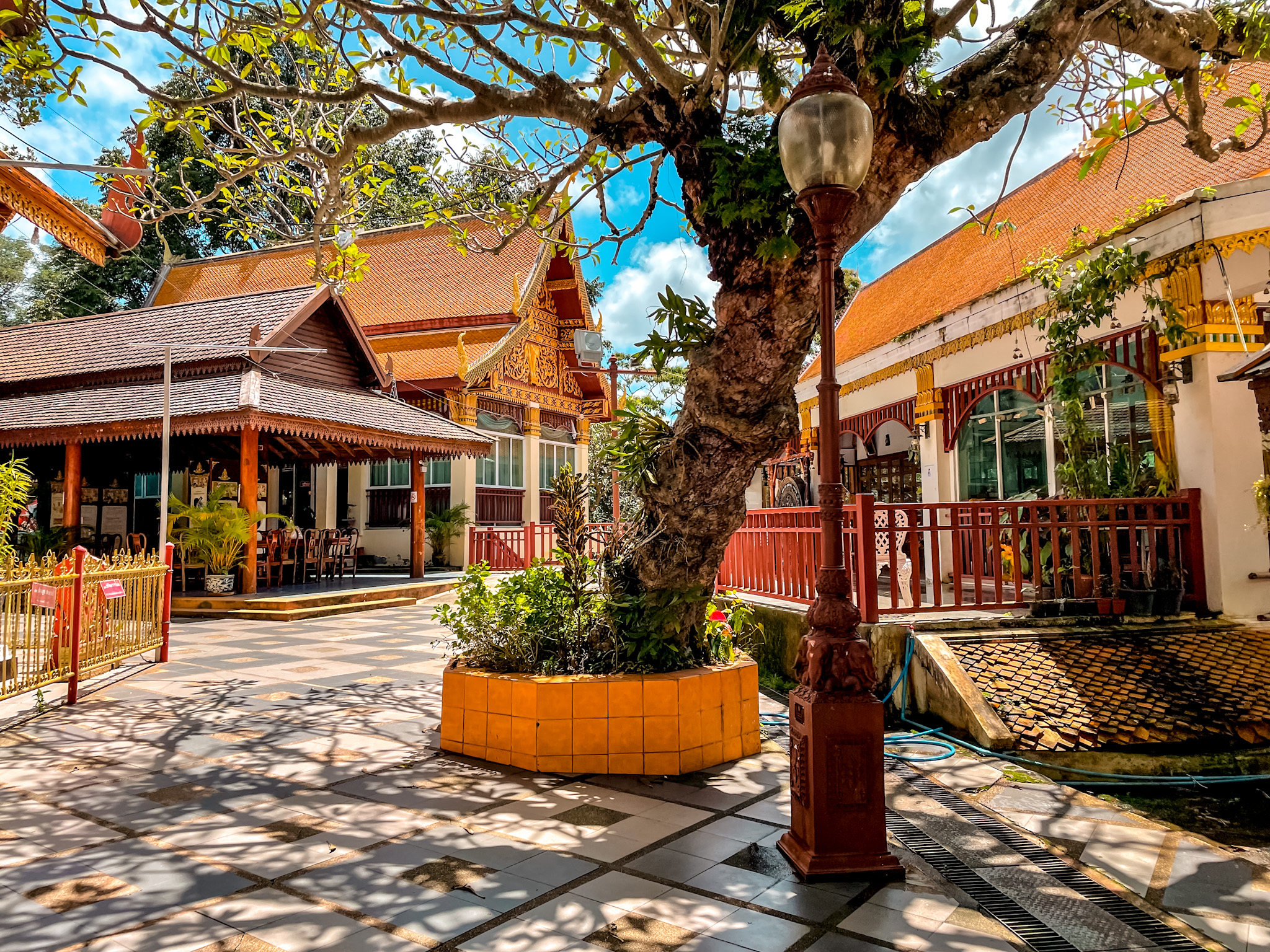
Chiang Mai offers a mix of culture, creativity, and nature that feels balanced rather than overwhelming.
Temples and History
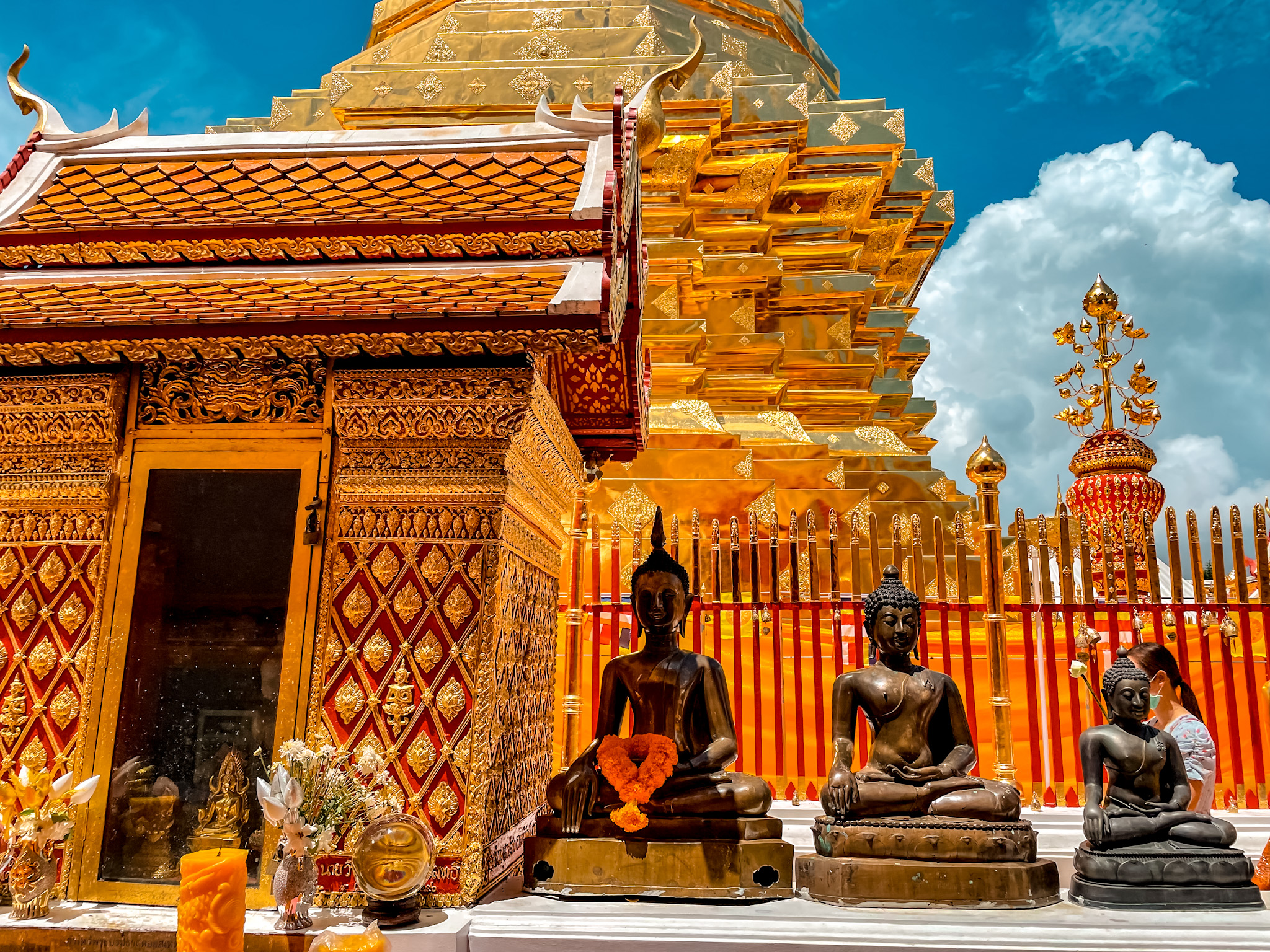
Temples are everywhere, but they do not feel repetitive. Each one has its own scale, mood, and story. From mountaintop temples like Doi Suthep to neighborhood temples tucked into side streets, spirituality is part of the city’s fabric.
Chiang Mai has over 300 temples, making it one of the most culturally rich cities in Thailand.
One of the most important temples inside the Old City is Wat Phra Singh, known for its beautiful Lanna architecture and historic significance. I share what to expect when visiting in my Wat Phra Singh Chiang Mai guide.
No visit to Chiang Mai feels complete without seeing Wat Phra That Doi Suthep, the famous mountaintop temple overlooking the city. I explain how to get there and what to expect in my Doi Suthep temple guide.
Markets
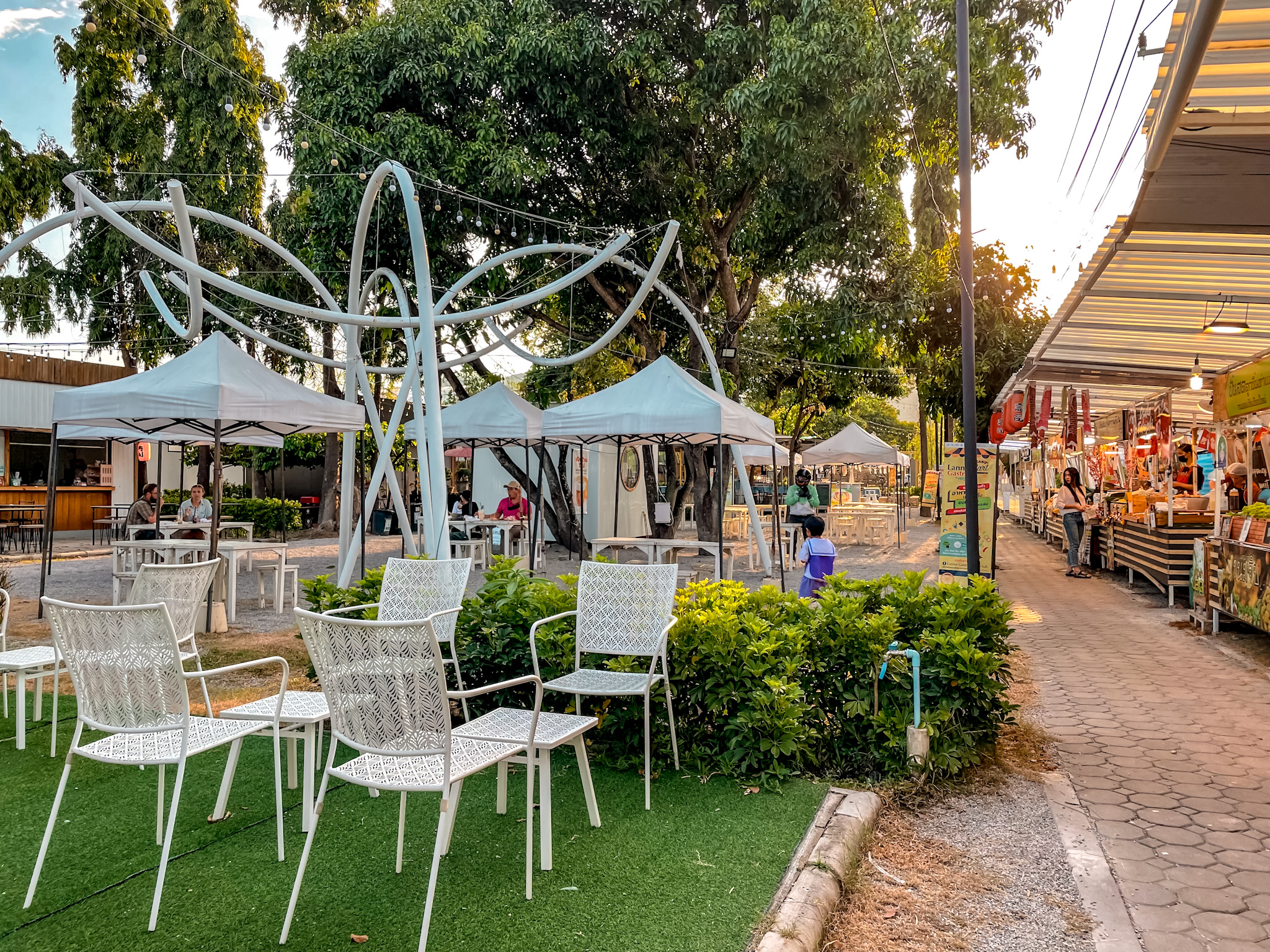
Markets in Chiang Mai are social spaces as much as shopping spaces. The Sunday Walking Street, Night Bazaar, and smaller local markets invite you to wander, eat, listen to music, and observe daily life.
One of the most famous markets in the city is the Chiang Mai Night Bazaar, where you can find street food, souvenirs, and local crafts. I share what to expect and tips for visiting in my Chiang Mai Night Bazaar guide.
Nature and Day Trips
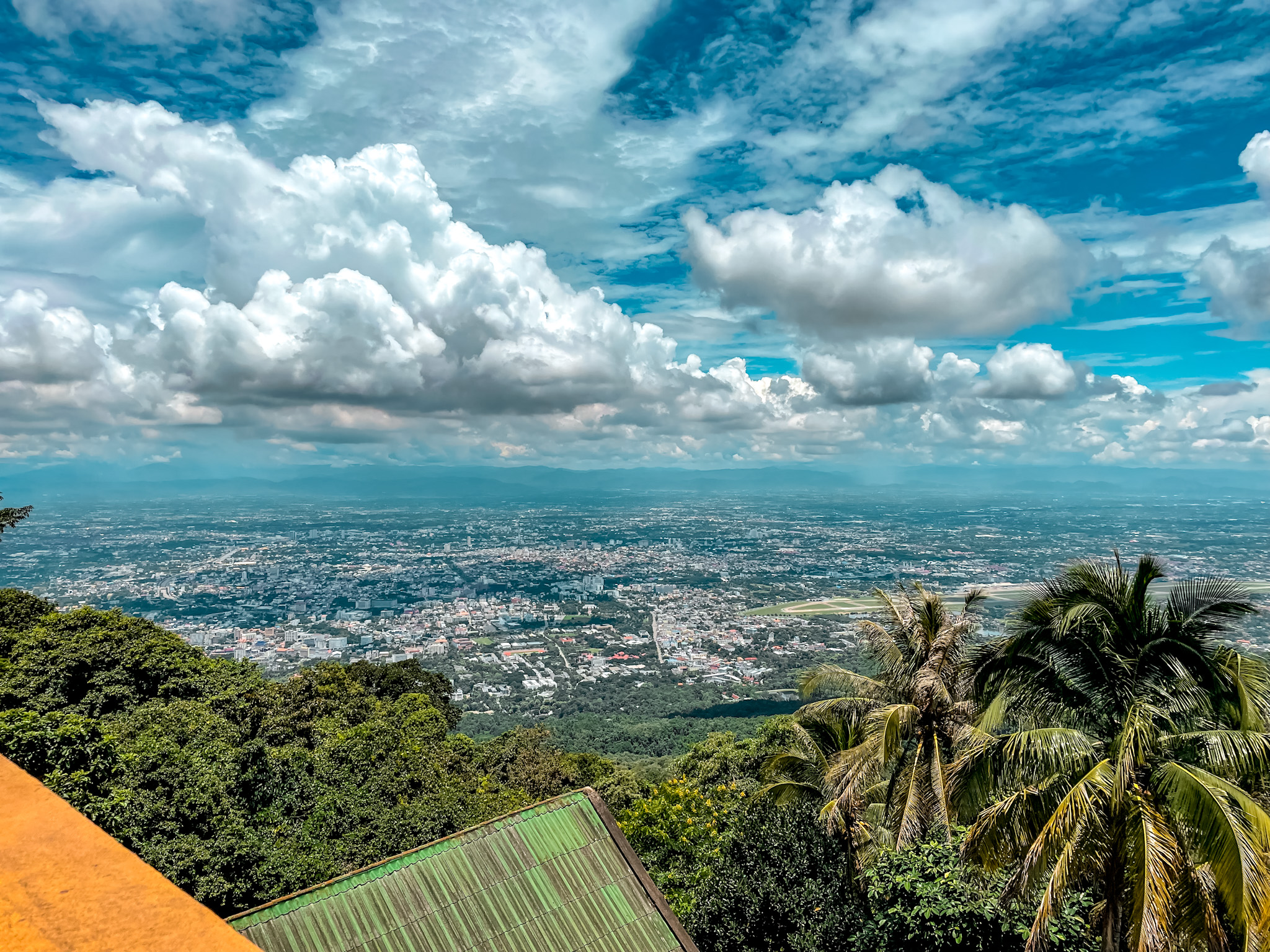
Mountains surround the city. Waterfalls, viewpoints, national parks, and countryside escapes are all within reach. Even short trips outside the city reset your nervous system.
Hidden and Less Obvious Things To Do
Chiang Mai shines in the moments that are not planned.
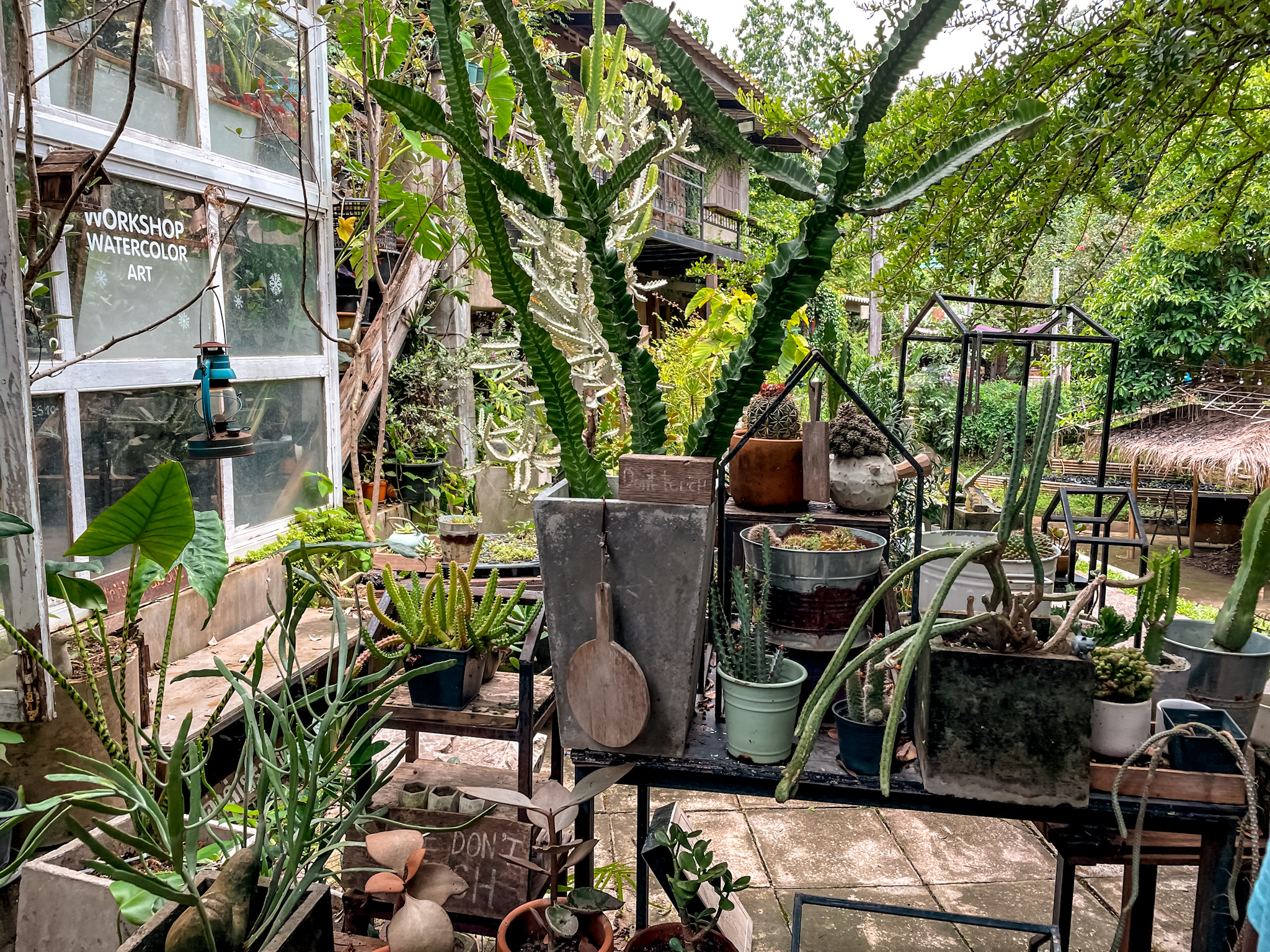
Wandering the Old City without a map. Sitting in a cafe longer than intended. Discovering a small artist village. Watching monks walk through the streets in the morning.
Some of the most memorable experiences come from:
• quiet neighborhood temples
• creative spaces like Baan Kang Wat
• side streets in Nimman
• small local eateries
• unplanned conversations
Chiang Mai rewards curiosity and patience.
If you want to visit a quieter creative area, Baan Kang Wat is an artist village filled with small shops, galleries, and cafés. I cover it in more detail in my Baan Kang Wat Chiang Mai guide.
Chiang Mai Food and How It Differs From Bangkok
Food in Chiang Mai feels deeply regional.
Northern Thai cuisine has its own flavors, textures, and comfort level. Meals feel warming and grounding rather than bold and fast.
Khao Soi
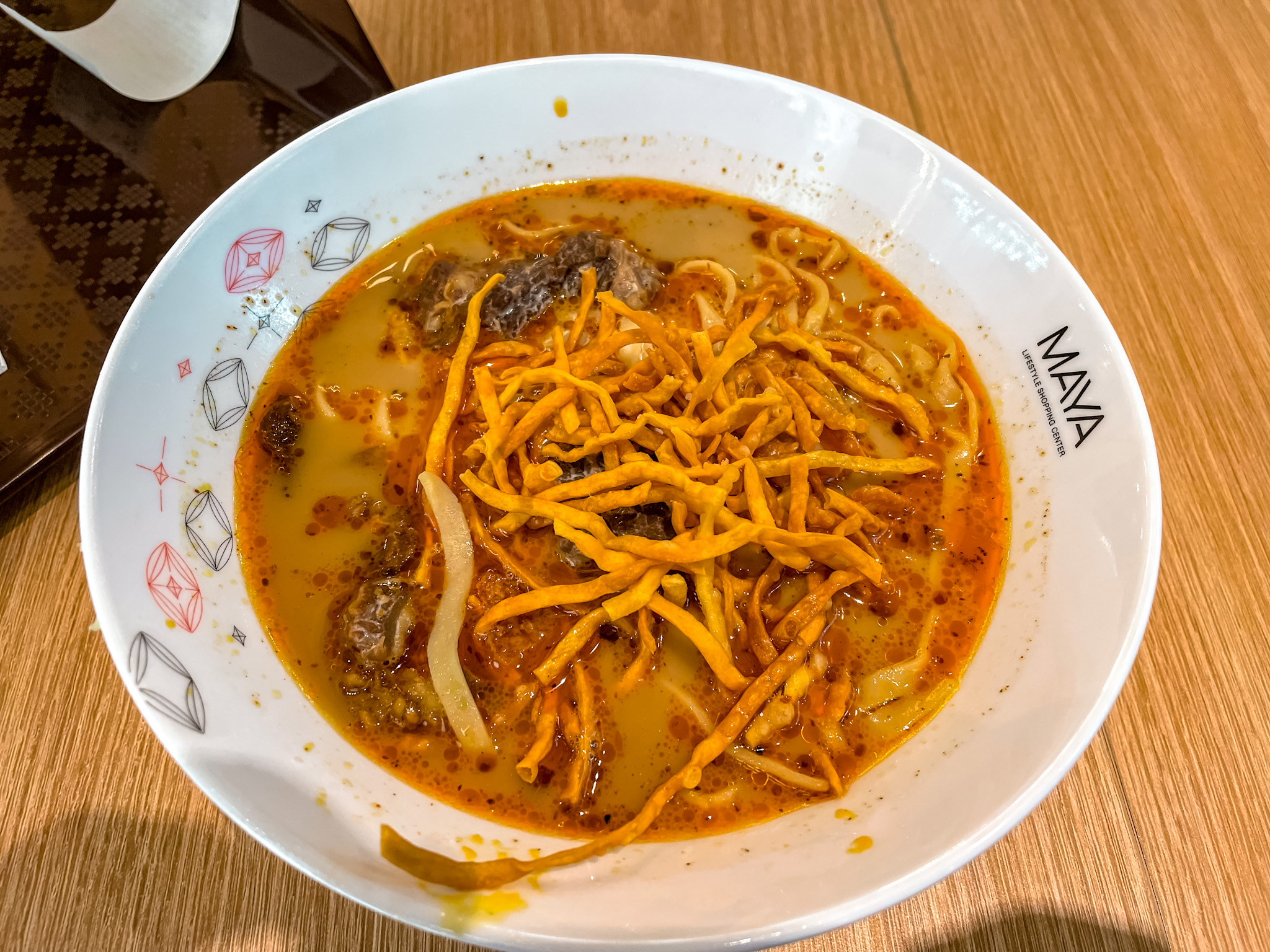
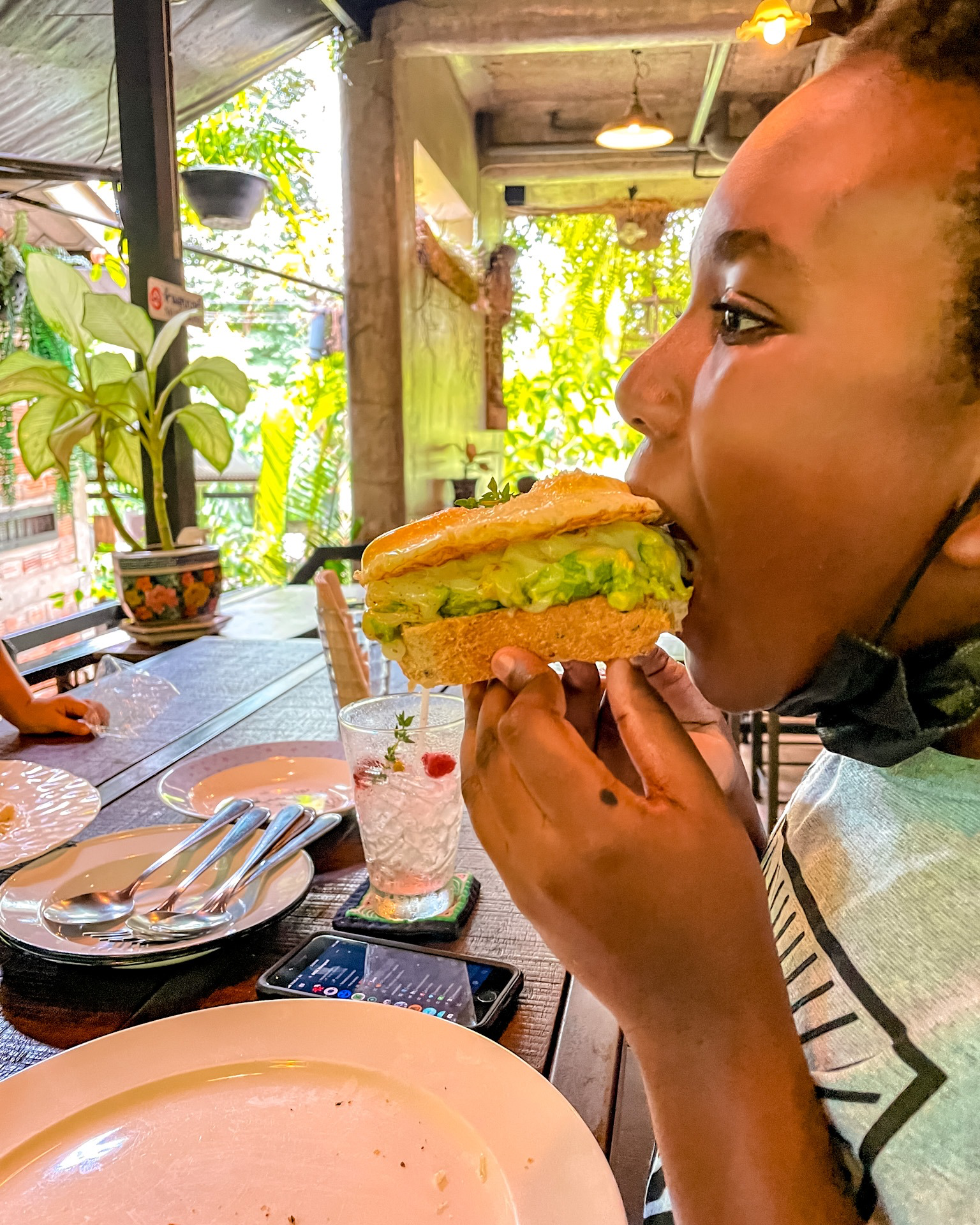
This is the dish Chiang Mai is known for. A rich, coconut curry noodle soup topped with crispy noodles. It is savory, creamy, slightly spicy, and incredibly comforting. It feels like a hug in a bowl.
Northern Thai Specialties
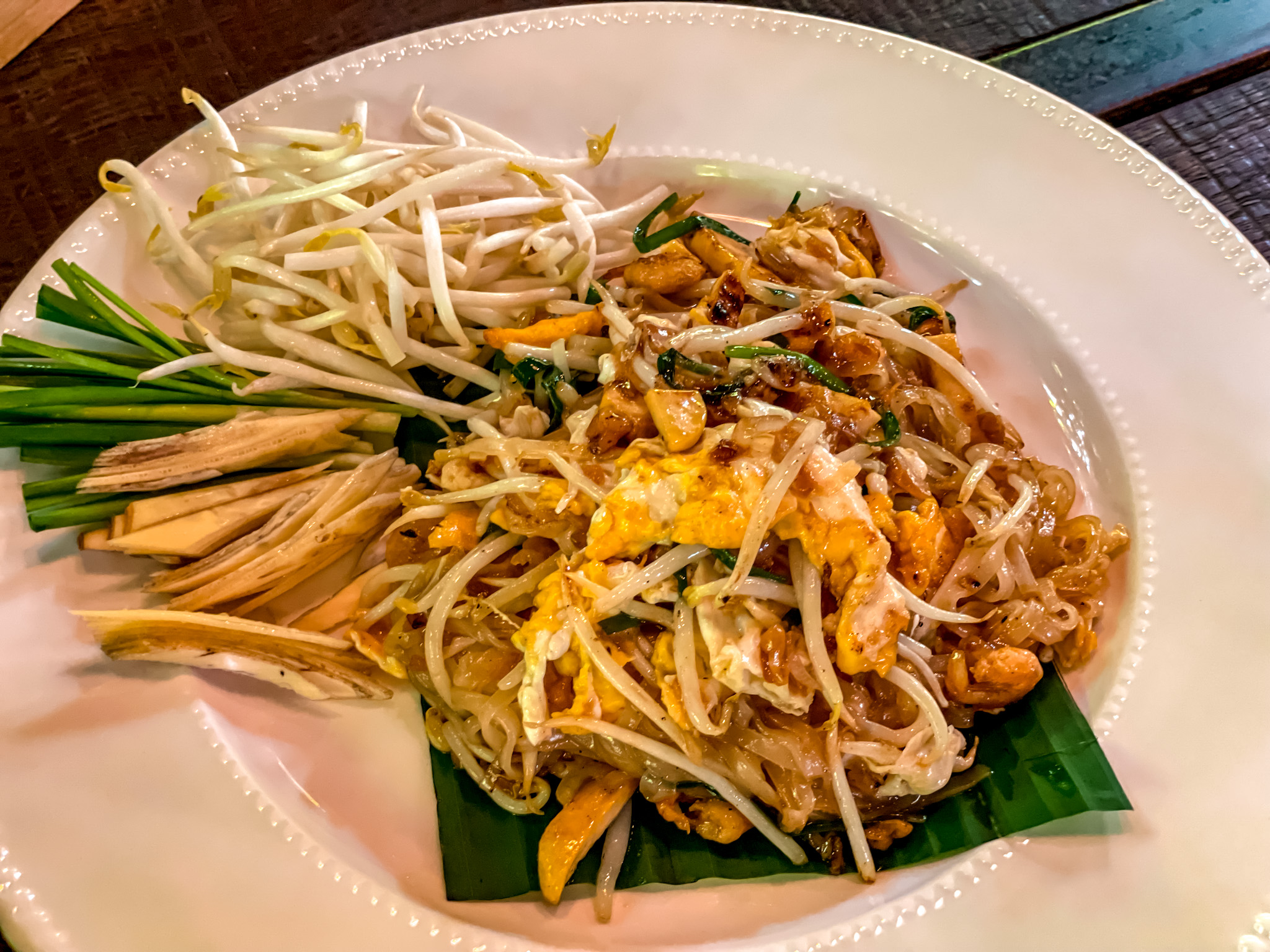
You will find sausages, chili dips, herbal flavors, and dishes that are not common in Bangkok. Meals here often feel less rushed and more communal.
Cafe and Casual Dining
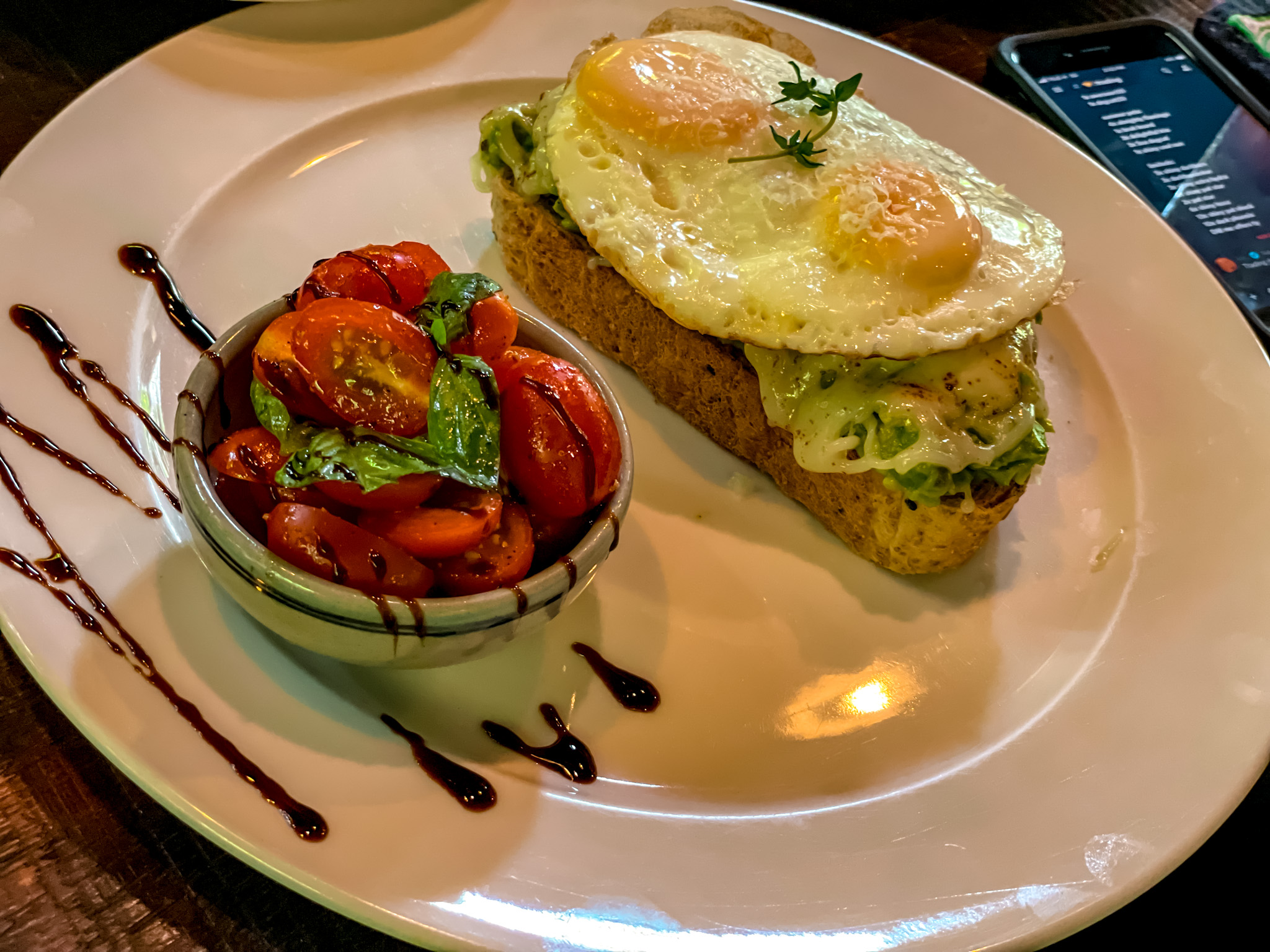
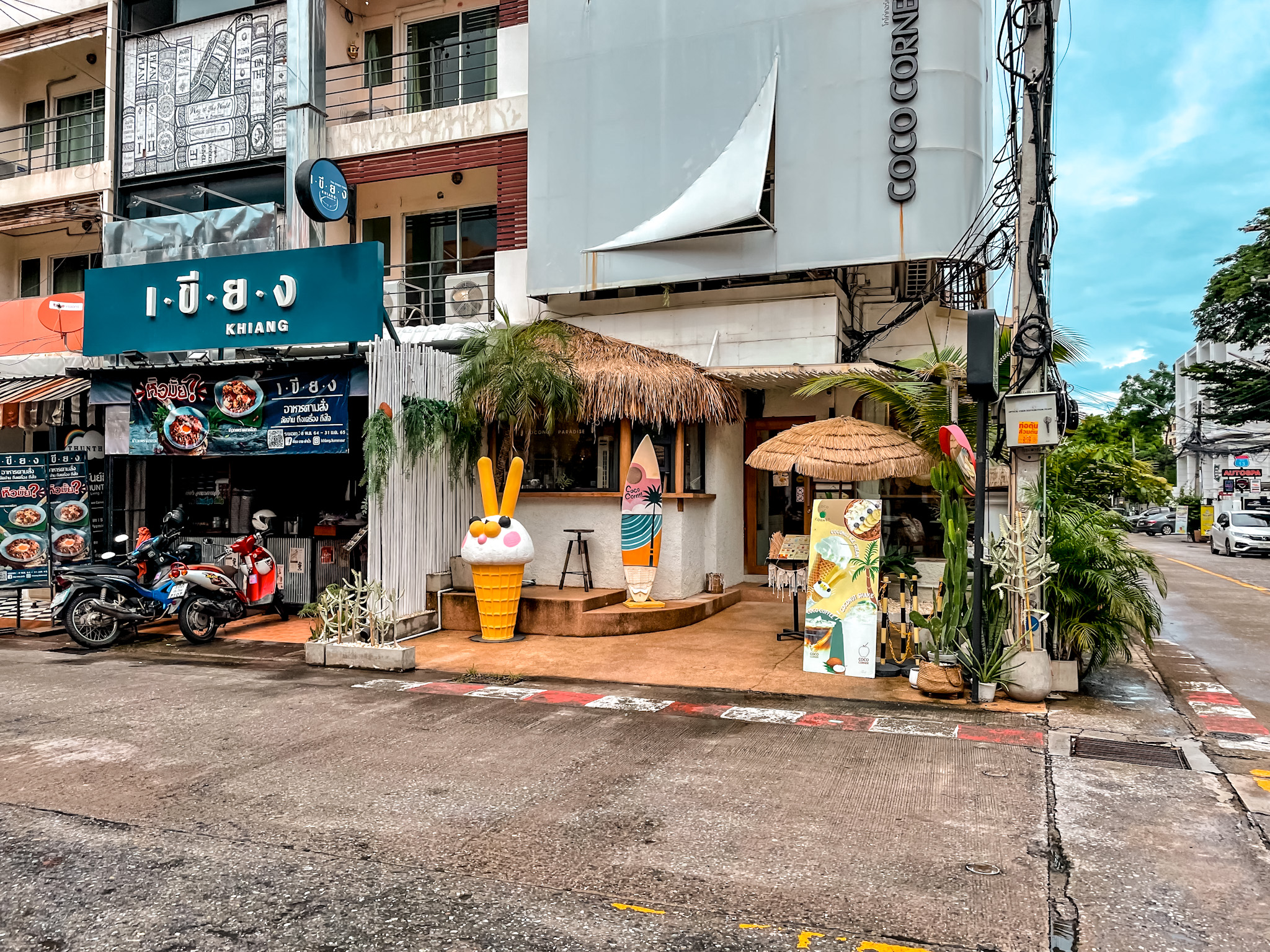
Chiang Mai excels at casual, thoughtful dining. Cafes often double as lunch spots, and meals feel relaxed rather than transactional.
Cafe Culture and Creative Energy
Cafe culture in Chiang Mai is not about chasing trends. It is about lifestyle.
Cafes here are places to exist. To work. To meet friends. To read. To think. Nobody rushes you out. Nobody questions how long you stay.
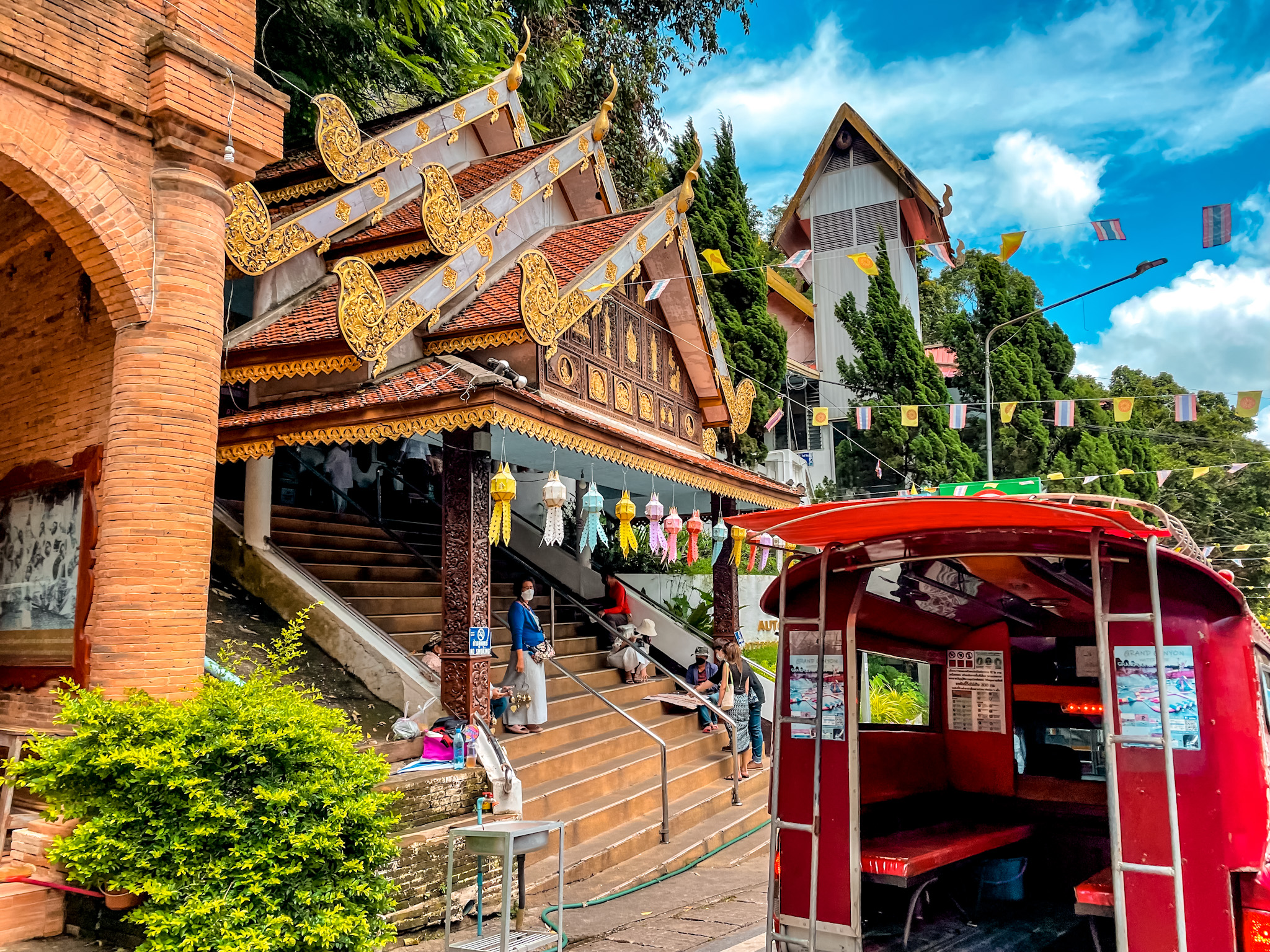
Many cafes are beautifully designed with natural light, plants, and calm interiors. They feel intentional, not loud.
This culture supports creativity. Writers write. Designers design. People actually finish projects here. That is why Chiang Mai continues to attract digital nomads and creatives from around the world.
Coffee is excellent, but the atmosphere is the real draw.
Best Time To Visit Chiang Mai
Cool Season
This is the most popular time to visit. Weather is pleasant, mornings are crisp, and evenings are comfortable. It is ideal for walking, exploring, and outdoor activities.
Hot Season
Days can be warm, but mornings and evenings are still enjoyable. Many people adjust their schedules and enjoy slower days.
Rainy Season
This is an underrated time to visit. The city turns green. Crowds thin out. Rain usually comes in bursts rather than all day. It feels fresh and peaceful.
Burning Season
Burning season typically occurs in late winter and early spring. During this time, air quality can fluctuate due to agricultural burning and weather conditions.
Some days are fine. Others feel hazy. Many long stay visitors plan around it or take precautions like air purifiers indoors and limiting outdoor activity on heavy days.
Knowing about this season ahead of time allows you to plan intentionally rather than be surprised.
How To Get To Chiang Mai From Bangkok
By Plane
The fastest and most convenient option. Flights are frequent and affordable.
By Train
An overnight train is a popular and memorable way to travel. It is slower but relaxed and scenic.
By Bus
Comfortable long distance buses run regularly and are budget friendly.
Chiang Mai is well connected and easy to reach.
Getting Around Chiang Mai
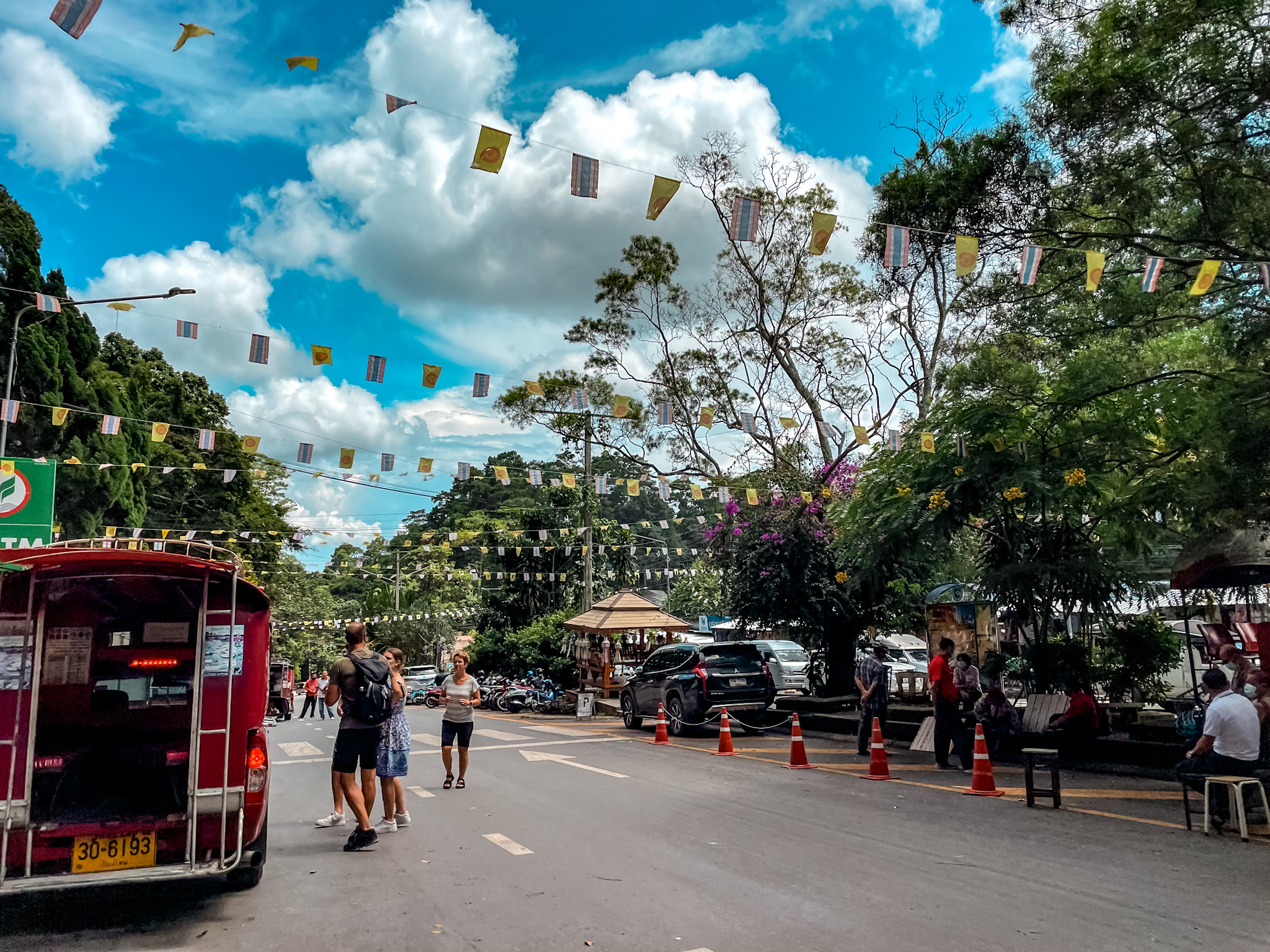
Getting around is simple and affordable.
• walking in the Old City
• songthaews for short trips
• Grab and taxis
• scooters for confident riders
You do not need a car to enjoy Chiang Mai.
Who Chiang Mai Is Perfect For
Chiang Mai appeals strongly to:
• slow travelers
• digital nomads
• creatives
• long stay visitors
• first time Thailand travelers
• people seeking balance
It offers depth without pressure and comfort without boredom.
How Long To Stay
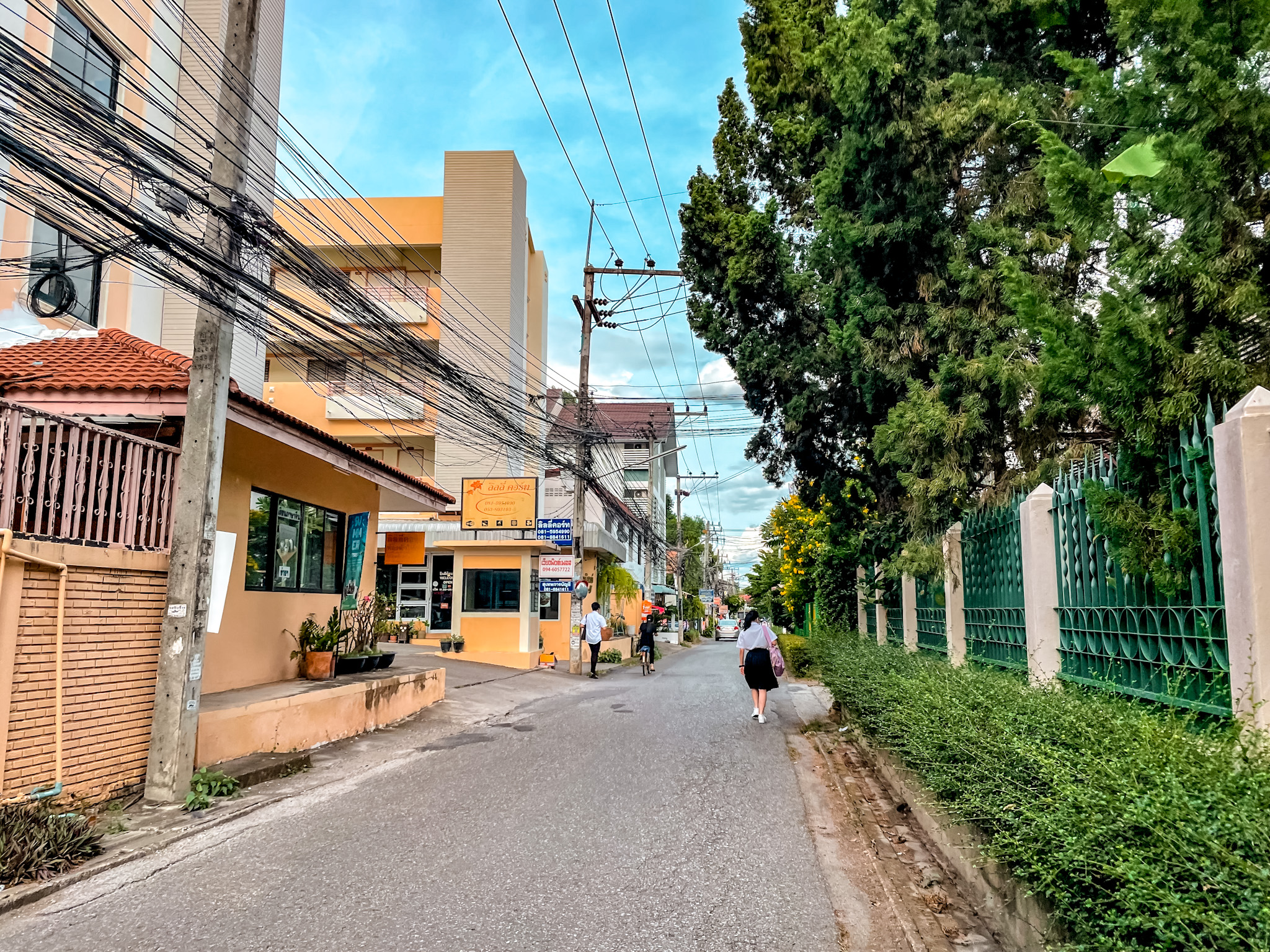
Chiang Mai reveals itself slowly.
A few days lets you see highlights.
A week lets you understand it.
A month lets it change you.
That was our experience.
Planning Your Chiang Mai Trip
Chiang Mai has a relaxed pace compared to many large cities in Thailand, but there is still a lot to see. Many travelers spend several days exploring temples in the Old City, visiting mountain viewpoints like Doi Suthep, and wandering through night markets.
If you are planning a longer trip through Thailand, you can see how Chiang Mai fits into a bigger route in my 3 weeks in Thailand itinerary, which includes stops across the country.
Is Chiang Mai Worth Visiting
Without question.
Chiang Mai is not about spectacle. It is about quality of life. It is about ease, creativity, warmth, and presence.
It is a place that meets you where you are and gives you space to breathe.
If you are looking for a destination that feels human, grounded, and quietly beautiful, Chiang Mai belongs on your list.

Cavetta is the creator of LifeWithVetta.com and has been traveling the world full time since 2020. She has visited more than 60 countries while worldschooling her son and documenting what it really takes to live abroad. Her guides focus on travel, moving abroad, digital nomad life, and designing a life beyond the traditional path.
