
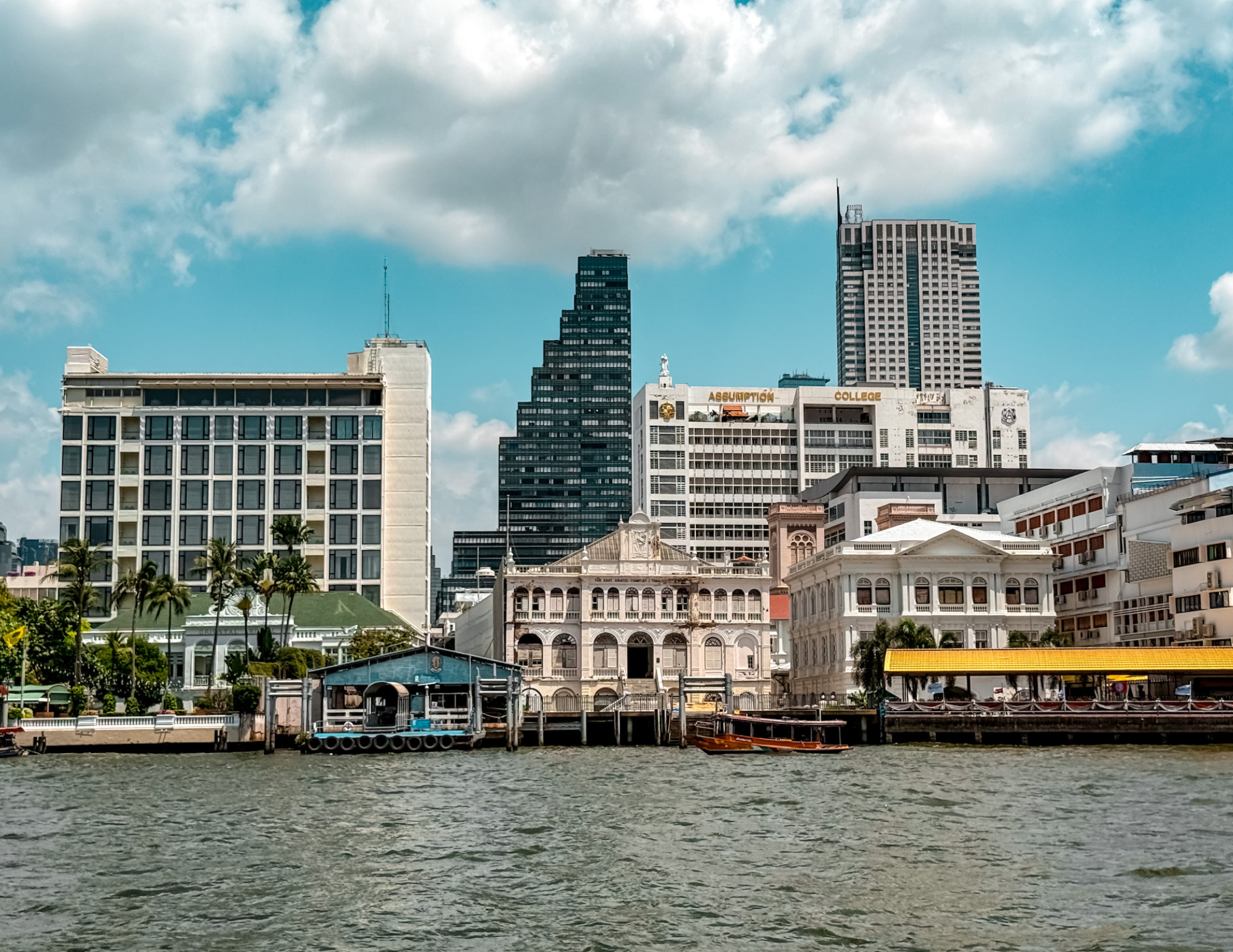
Three weeks in Thailand is the sweet spot. It is long enough to experience multiple regions without feeling like you are constantly packing and unpacking, and it is enough time to understand why so many people fall in love with this country. Thailand is not one experience. It is layers. A huge modern capital full of temples, river ferries, rooftop views, and food that somehow keeps getting better. A northern city where the pace softens and daily life feels a little more grounded. A southern coastline where longtail boats, limestone cliffs, turquoise water, and island tours start to feel almost unreal in the best way.
What I like about this amount of time is that it lets Thailand unfold properly. You are not just rushing through Bangkok to get to the beach. You are not squeezing Chiang Mai into a day and pretending you saw northern Thailand. And you are not treating the south like one generic tropical stop when Phuket and Krabi actually offer different kinds of experiences. With three weeks, you can let each part of the trip do what it does best.
This 3 weeks in Thailand itinerary is built so a first-time visitor can read this one post and map out the full trip with confidence. It explains what each destination feels like, why it belongs in the route, and what to do each day without making the whole thing feel overplanned. More than that, it follows the travel rhythm that makes Thailand enjoyable instead of exhausting. That matters here. Thailand is easy to love, but it is also hot, humid, stimulating, and full of things that can wear you out fast if you try to do too much too quickly. A good itinerary is not just about where to go. It is about pacing.
If this is your first trip to Thailand, I would also read Must Download Apps for Thailand, Best Thai Food To Eat In Thailand, and Best SIM Cards, eSIMs and WiFi in Bangkok before you go, because those three posts make the whole trip smoother from the start.
How This Itinerary Is Structured
This route is designed around energy and geography.
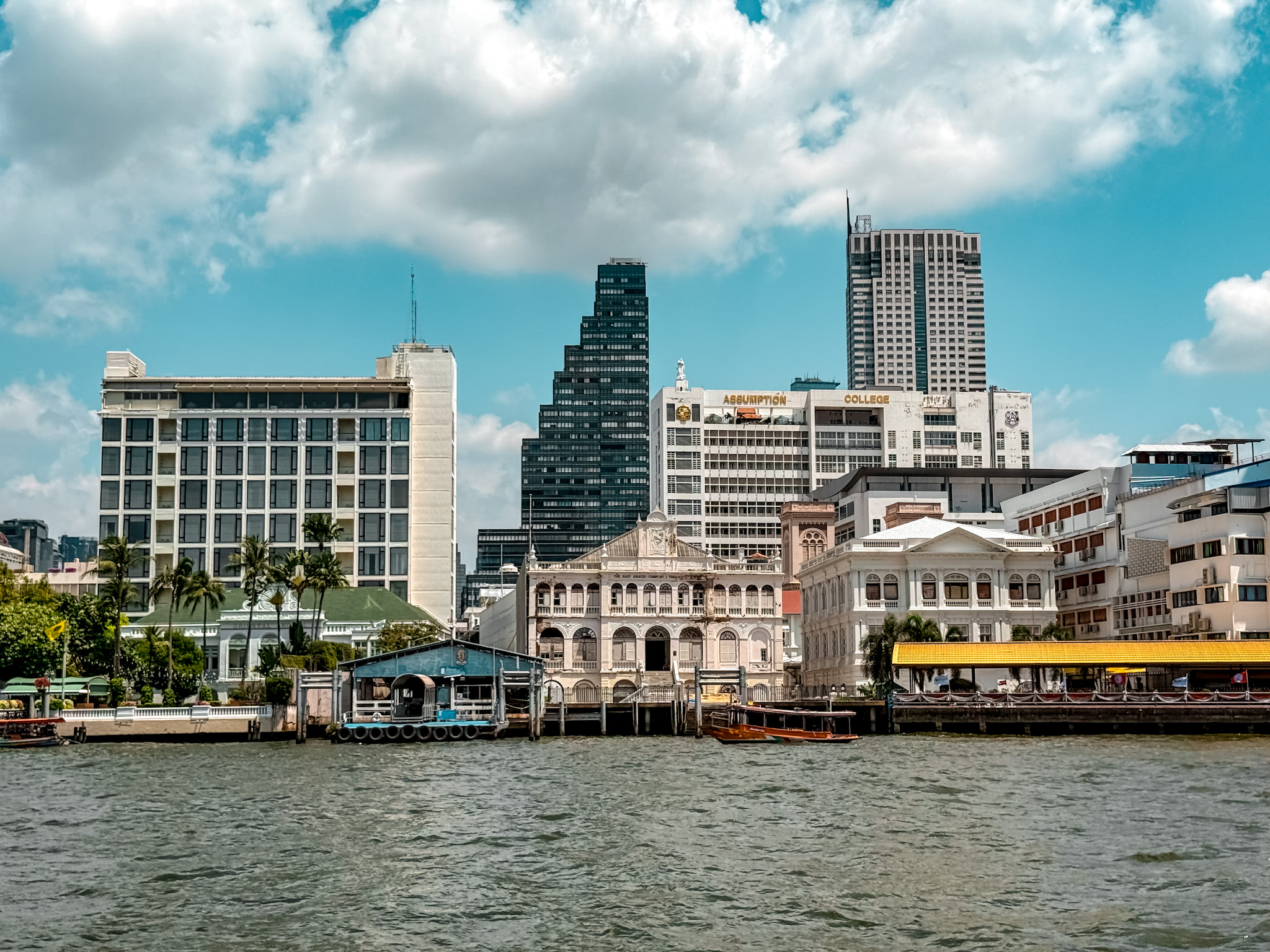
Week 1 starts in Bangkok so you can land, adjust, and learn how Thailand works. Bangkok is the best possible introduction because it throws you right into the contrasts that define the country. Street food outside luxury malls. Boats crossing the river below golden temples. Neighborhood shrines and giant malls existing almost side by side. Once Bangkok starts making sense, the rest of Thailand feels easier.
Week 2 moves north to Chiang Mai, where the trip slows down. Chiang Mai gives you culture, temples, northern food, mountain views, cafes, and neighborhoods that are easier to move through at a gentler pace. It is the part of the trip that lets you breathe a little more.
Week 3 finishes in the south with Phuket and Krabi. That is intentional. By then you understand the country better, you are more adjusted to the climate and pace, and you can actually enjoy the beach portion instead of arriving there already overwhelmed. Phuket gives you island access, viewpoints, beach choices, and some urban energy. Krabi gives you dramatic scenery, longtail boats, and a softer ending.
You will fly between regions to save time and keep the trip smooth. Thailand is large enough that trying to force trains or buses between every stop just because it seems adventurous can end up wasting energy you would rather spend enjoying the trip itself.
This is also the kind of route where it helps to have your practical planning sorted early, so Must Download Apps for Thailand is one of the first posts I would read before trying to book and organize everything.
Week 1: Bangkok (Days 1 to 6)
Temples, Food, Markets and Modern City Life
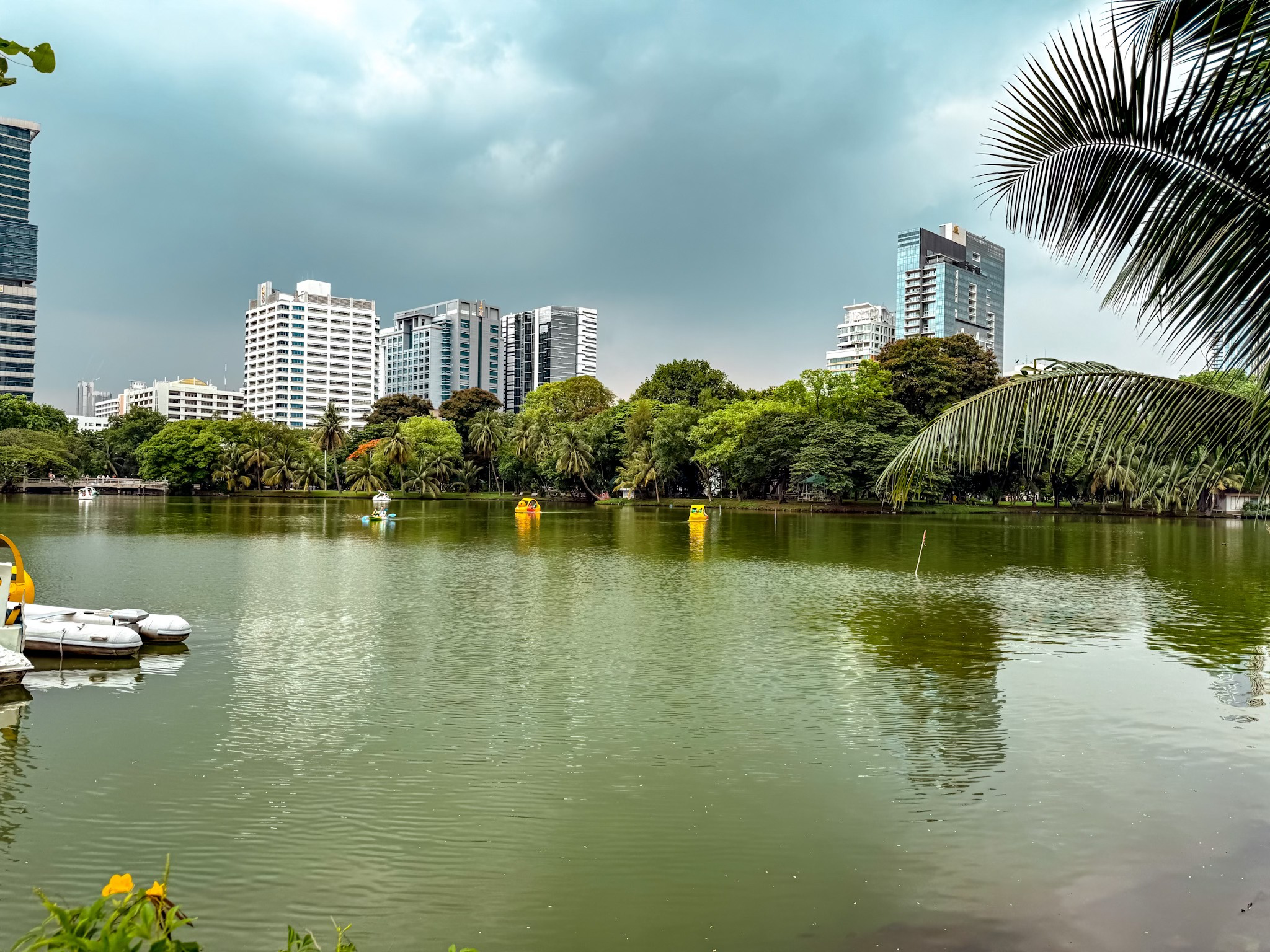
Bangkok is intense at first, and then suddenly it clicks. That is usually how it goes. You land and it feels loud, hot, busy, sprawling, and hard to fully grasp. Then somewhere between your first BTS ride, your first proper temple day, your first market meal, and your first ferry crossing, the city starts making sense. Bangkok is not just a stopover before the islands. It is one of the most fascinating parts of the trip if you let it be.
What makes Bangkok special is that it never feels like one thing. It is boats on the river and trains overhead. Street vendors and luxury malls. Quiet temple courtyards and traffic-choked avenues. Tiny local food spots hidden in alleys and huge modern shopping complexes full of families, students, office workers, and travelers all using the same space in different ways. It is one of those cities where the contrast is the identity.
If you want the bigger picture before diving into the day-by-day plan, start with The Ultimate Bangkok Travel Guide, Bangkok for First-Timers, and Mistakes First-Timers Make in Bangkok.
Stay somewhere central with easy access to transit and food. That matters more in Bangkok than first-time visitors realize. You do not want your first few days built around fighting traffic every time you leave your hotel. You want convenience, shade, transit, and options close by, especially while you are still adjusting to the heat and figuring out the city.
Choosing the right base makes this whole week easier, which is why Where to Stay in Bangkok and Understanding Bangkok’s Transit Systems are worth reading before you book.
Day 1: Arrive and Settle In
Keep this day light. Do not make the mistake of landing in Bangkok and trying to prove something to yourself by cramming in major sights immediately. Thailand rewards pacing. Walk your neighborhood. Find a 7-Eleven. Buy water, maybe a sports drink, maybe a simple snack, and start adjusting. Let yourself feel the temperature, the humidity, the traffic, and the energy level of the city without demanding too much from yourself right away.
Eat something easy. Maybe a casual Thai meal near your hotel, maybe something from a mall food court if you want a soft landing, maybe a simple market stop if you arrive at the right time. The point is not to make Day 1 impressive. The point is to make Day 2 feel good.
If you have energy in the evening, take a short walk near the river or a nearby market and let Bangkok introduce itself gently. This first little glimpse of the city at night matters. Bangkok after dark has a completely different feel, and sometimes just seeing the street life, the lights, and the late energy is enough to make the trip start feeling real.
If you want a low-pressure first night, Free Things To Do in Bangkok and Bangkok on a Rainy Day both help depending on the weather and your energy level.
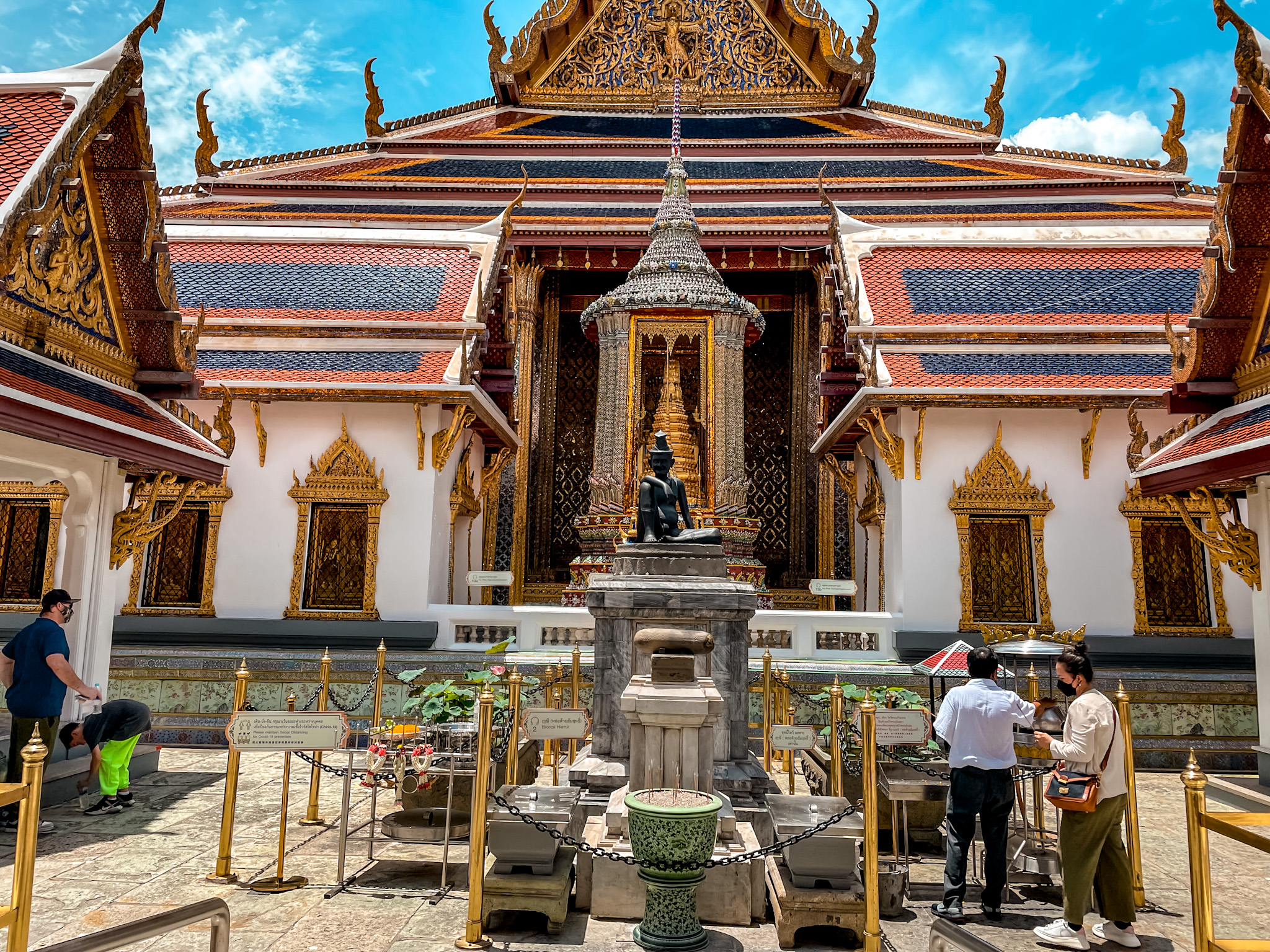
Day 2: Grand Palace and Old Bangkok
Start early. This is one of Bangkok’s most iconic and busiest areas, and it is worth doing well. The Grand Palace area is the kind of place that can either feel overwhelming or unforgettable depending on how you approach it. Going early makes a huge difference.
Visit:
- The Grand Palace complex
- Wat Phra Kaew, the Temple of the Emerald Buddha
- Nearby historic streets and river views
Before you go, read Grand Palace Bangkok Guide and Wat Phra Kaew Bangkok Guide so you already know the dress code, timing, and what to expect once you arrive.
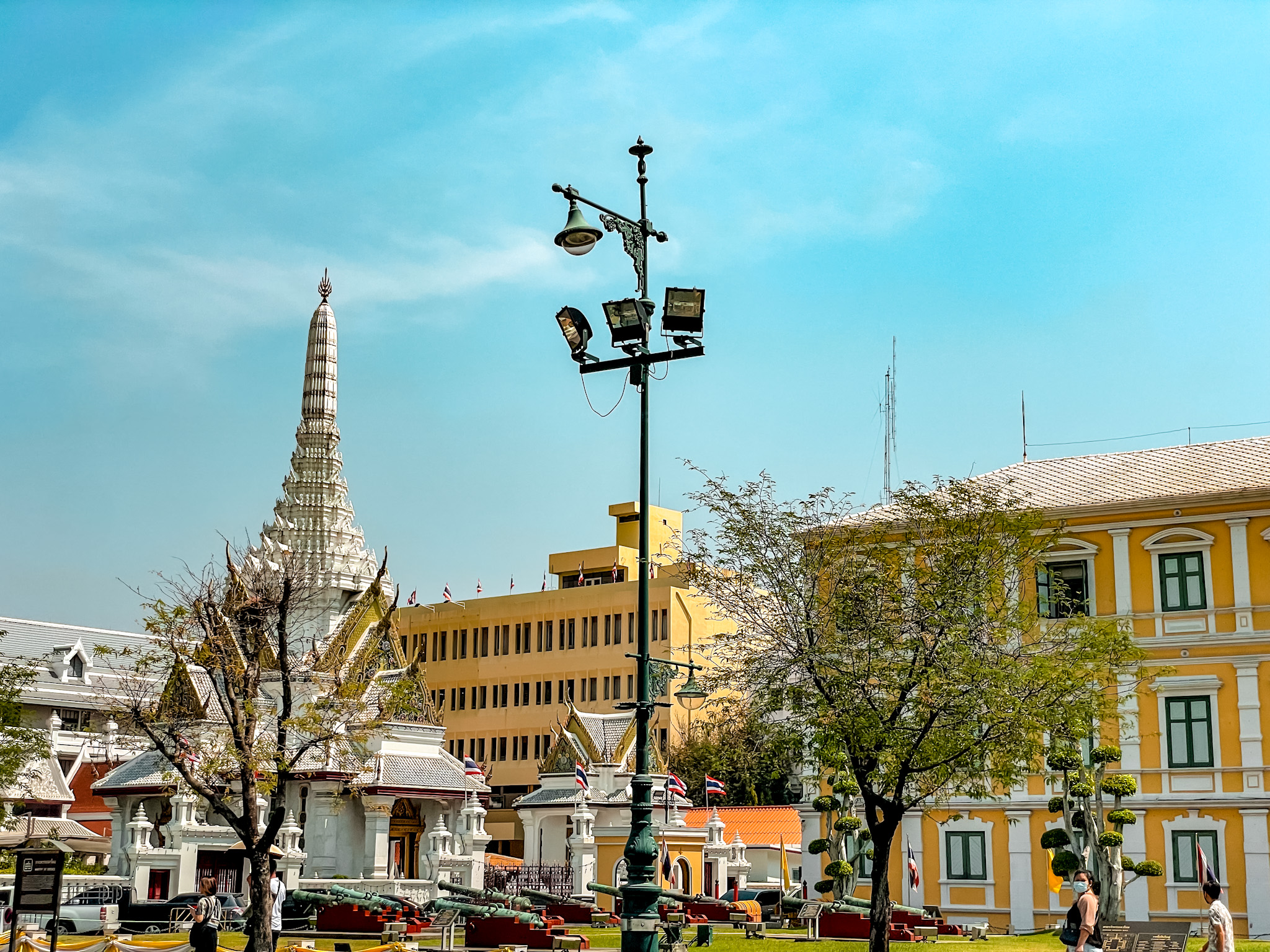
This part of Bangkok is important because it gives you the ceremonial, historic, and visual heart of the city. It is not just about checking off famous temples. It is about seeing the side of Bangkok that anchors everything else. The architecture is intense, detailed, and dazzling in a way that really does feel different in person.
Afterward, take a river ferry. That is one of the smartest moves you can make after a heavy temple morning because the water helps reset the day. It also helps you understand Bangkok’s scale better than staying on the roads does. Looking at the city from the Chao Phraya makes the whole place feel bigger and more coherent at the same time.
This is also where Understanding Bangkok’s Transit Systems helps a lot, because the river side of Bangkok makes much more sense once you understand how the boats connect to the rest of the city.
Then slow down. Have a proper break. Go back to your hotel if you need to. Cool off. In the evening, find dinner at a night market or a casual restaurant and let the day end with food instead of one more major attraction.
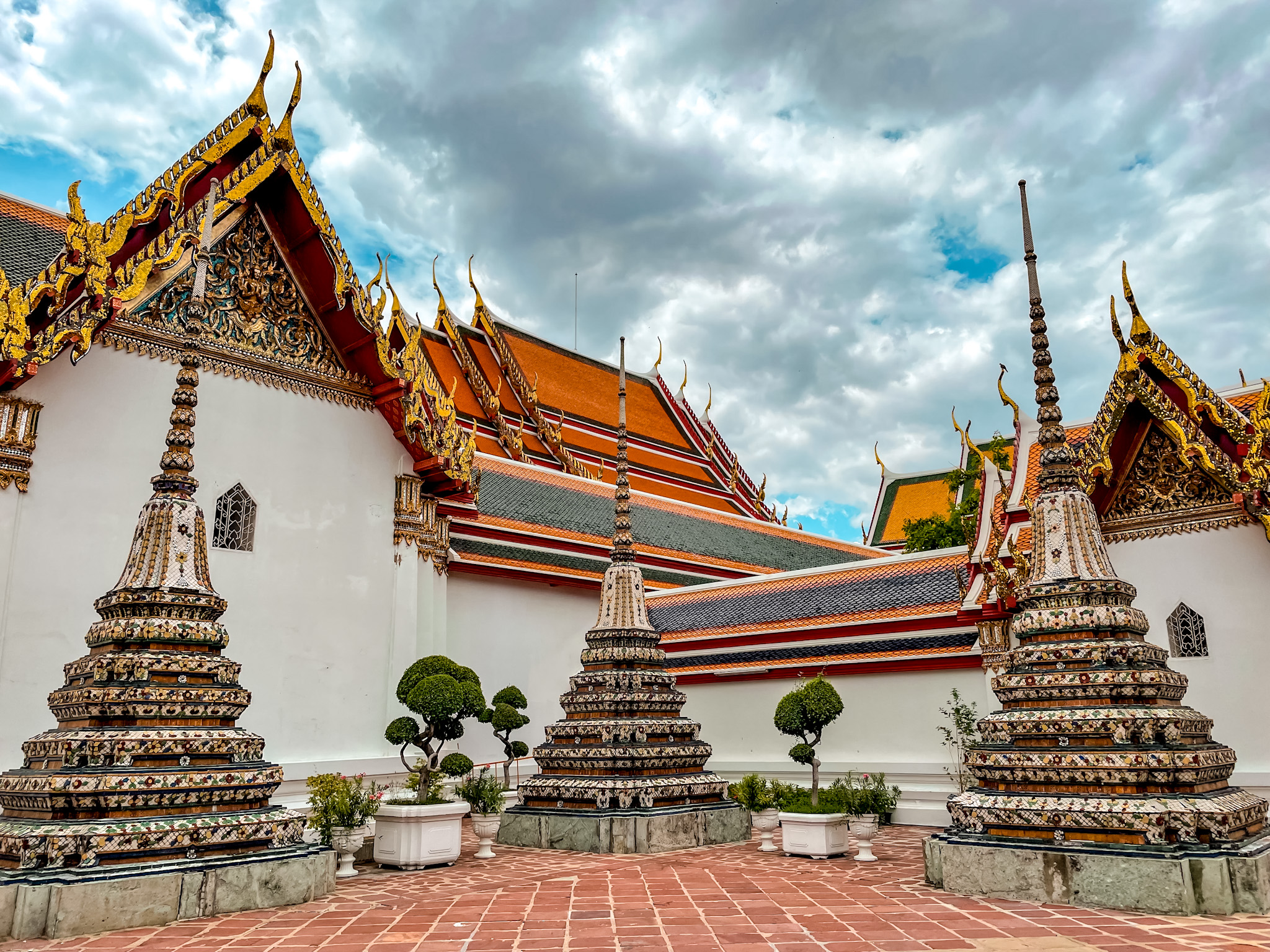
Day 3: Wat Pho, Wat Arun and Bangkok’s River Life
This is one of the best temple combinations in Bangkok because it feels cohesive. Instead of darting across the whole city, you are staying in one part of Bangkok and letting the river connect the experience.
Visit:
- Wat Pho, famous for the reclining Buddha and traditional Thai massage history
- Cross the river to Wat Arun, one of Bangkok’s most striking temples
My Wat Pho Bangkok Guide goes deeper on this stop, and this is also the kind of day that pairs well with ICONSIAM Bangkok Guide if you want to keep exploring the riverside side of Bangkok.
Wat Pho feels different from the Grand Palace. It is still major, still beautiful, still important, but it usually feels a little calmer and easier to absorb. Wat Arun, meanwhile, is one of those temples that has real visual drama. The shape of it, especially from across the water or when you are arriving by boat, is one of the images people carry home from Thailand.
Spend the afternoon exploring riverside neighborhoods or just staying near the river for a while. This is a good day for a longer meal, a cafe stop, or even a slower evening at a riverside spot. Not every Bangkok day needs to end in exhaustion. Some of the best ones come from doing less after lunch and letting the setting carry the rest.
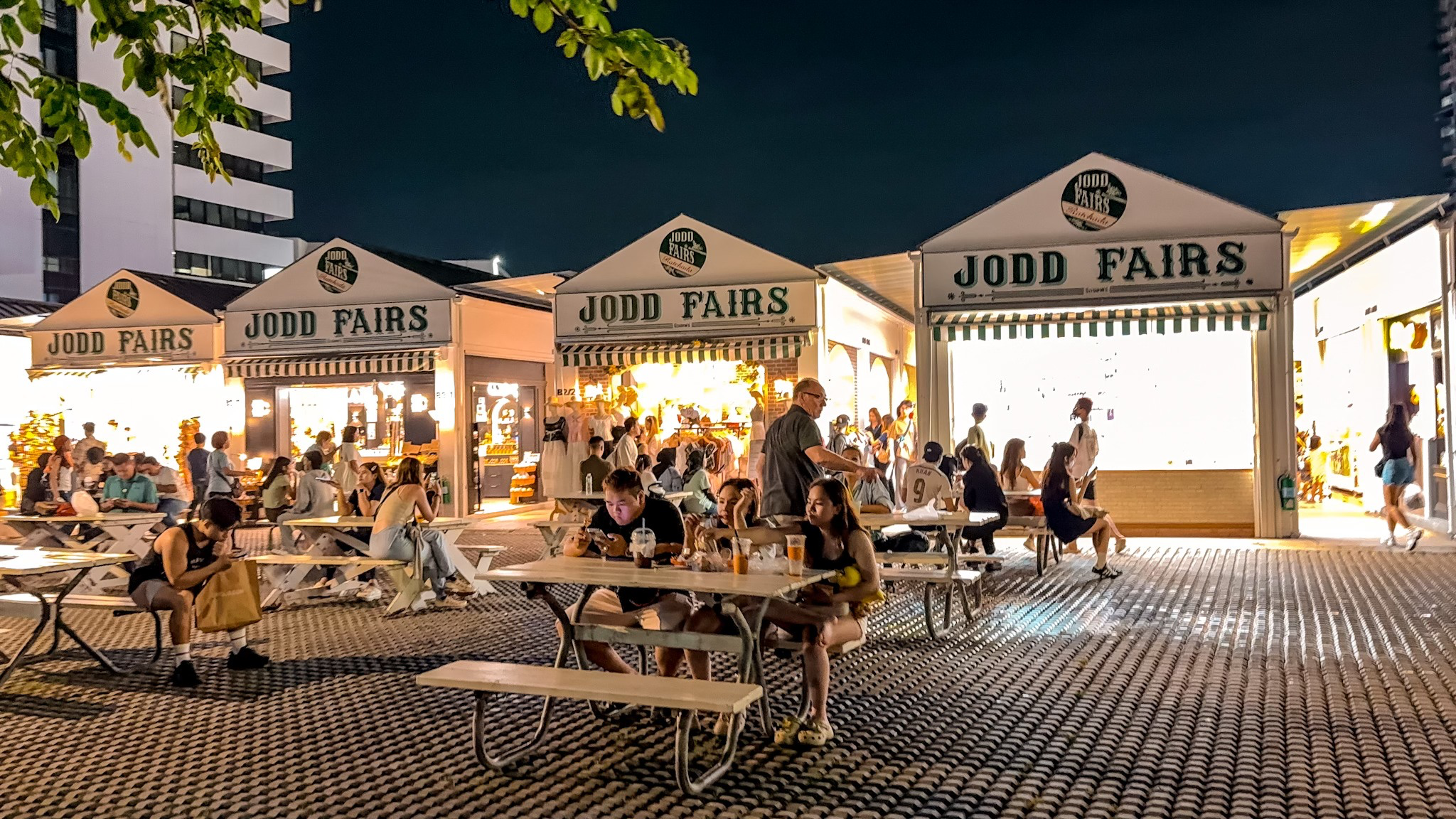
Day 4: Markets and Food Focus
Bangkok’s markets are one of the most essential parts of understanding the city. Even if you are not a big shopper, markets matter because they show you how people eat, gather, buy, wander, and spend time. They are one of the clearest windows into everyday life.
Choose one major market experience:
- A weekend market if your trip aligns
- A night market for food and atmosphere
If you want help choosing, Best Night Markets in Bangkok and Best Places To Shop In Bangkok make this day a lot easier to shape around your style.
Let this be a day built around wandering instead of ticking things off. Eat as you go. Stop when something looks good. Try snacks, grilled meat, fruit, noodles, desserts, iced drinks. Bangkok is one of those cities where a food-focused day can be just as memorable as a sightseeing day.
This is also a great day for a Thai massage. By now, you will probably be feeling the walking, the heat, and the sensory overload a little. A massage here is not just a treat. It is part of making the trip sustainable.
And if food is the main event for you, Best Thai Food To Eat In Thailand will help you know what to order once you get there.
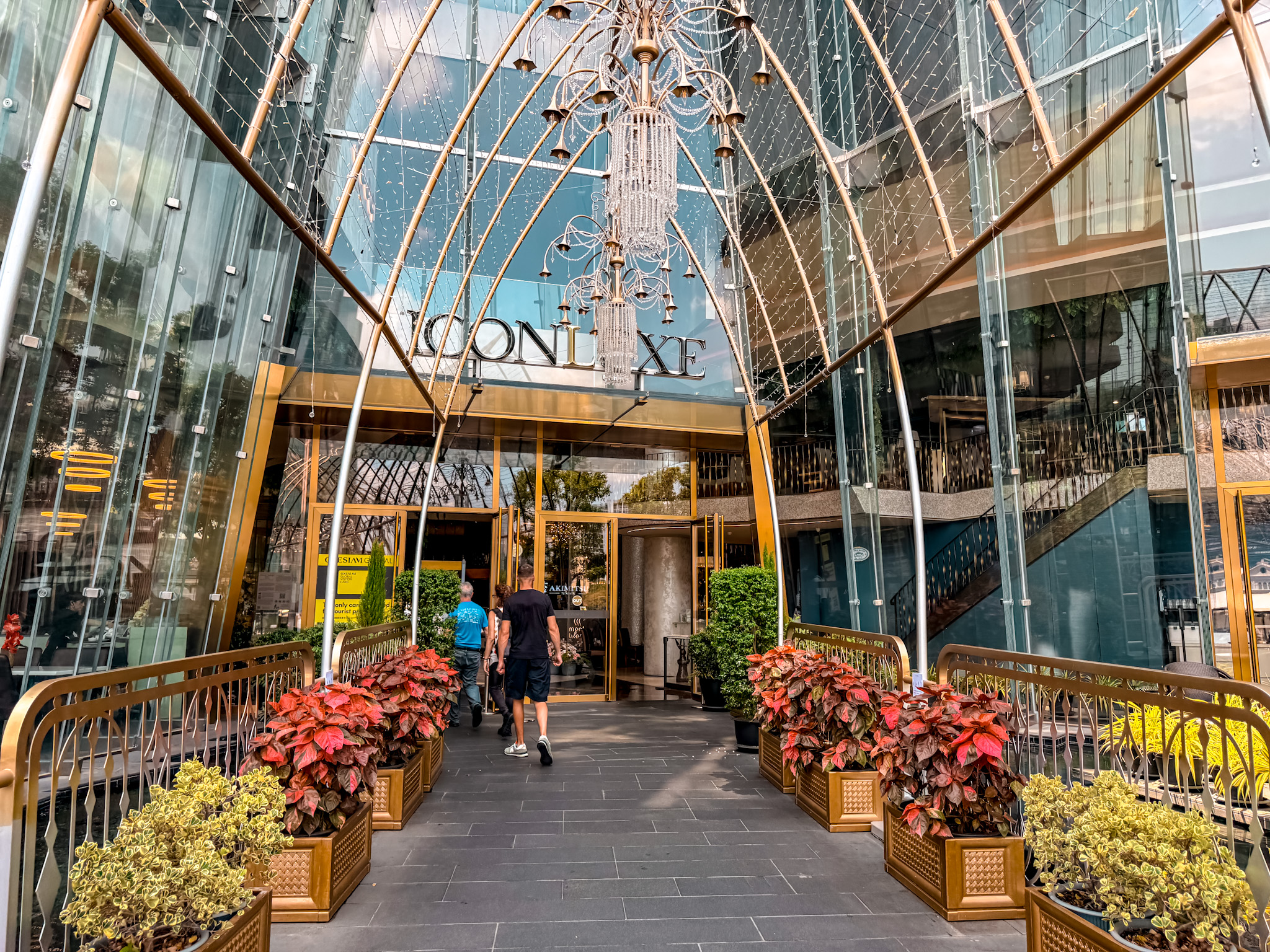
Day 5: Modern Bangkok, Malls and Rooftop Views
Bangkok’s modern side is part of what makes it fascinating. If you only do temples and old-city areas, you miss a huge part of the city’s identity. Bangkok malls are not just shopping spaces. They are part of everyday life. People eat there, cool off there, meet friends there, run errands there, and spend serious time there.
Spend time in a major shopping district to see:
- Modern malls
- Food courts that are surprisingly good and affordable
- Everyday Thai life in a modern setting
This is where Best Places To Shop In Bangkok, ICONSIAM Bangkok Guide, and The Wireless House One Bangkok Guide all fit naturally depending on which part of the city you want to explore.
This day helps balance the version of Bangkok you have seen so far. The contrast between temple courtyards and giant air-conditioned complexes full of food, fashion, families, and students is exactly part of what makes Bangkok so layered. It is a city of extremes, and both sides matter.
End the day with a rooftop view or skyline dinner if you want something a little more elevated. Bangkok from above is part of the experience too. The city is so massive that seeing it from a rooftop changes the way you think about where you have been moving all week.
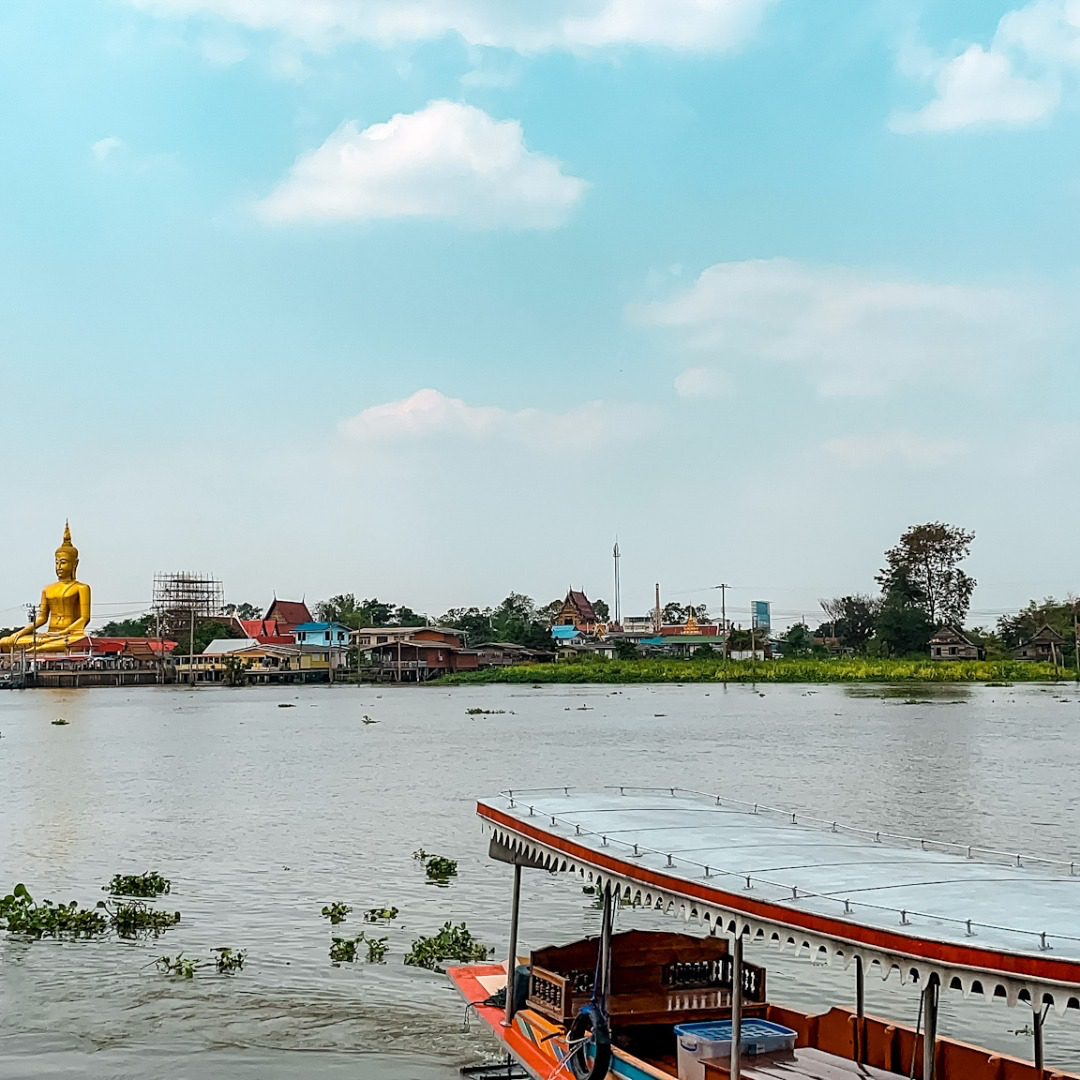
Day 6: Day Trip or Flexible Buffer Day
This day is intentionally flexible, and that is one of the smartest parts of the itinerary.
Option one is a day trip to a nearby historic area.
Option two is staying in Bangkok for more neighborhoods, cafes, and relaxed wandering. That could mean exploring another part of the city, doing a slower local day, revisiting a favorite area, or just enjoying not having a packed plan for once.
The point is to avoid burnout before flying north. This is where a lot of itineraries go wrong. They try to fill every single day to the edge, and by the time they reach Chiang Mai or the south, people are already tired. This extra flexibility makes the whole trip feel better.
If you want to keep this as a Bangkok day instead, Bangkok’s Green Side, Day Trip from Bangkok: Exploring the Quiet Island of Koh Kret, and Experience the Best of Bangkok’s Local Culture at Taling Chan Floating Market are all strong options.
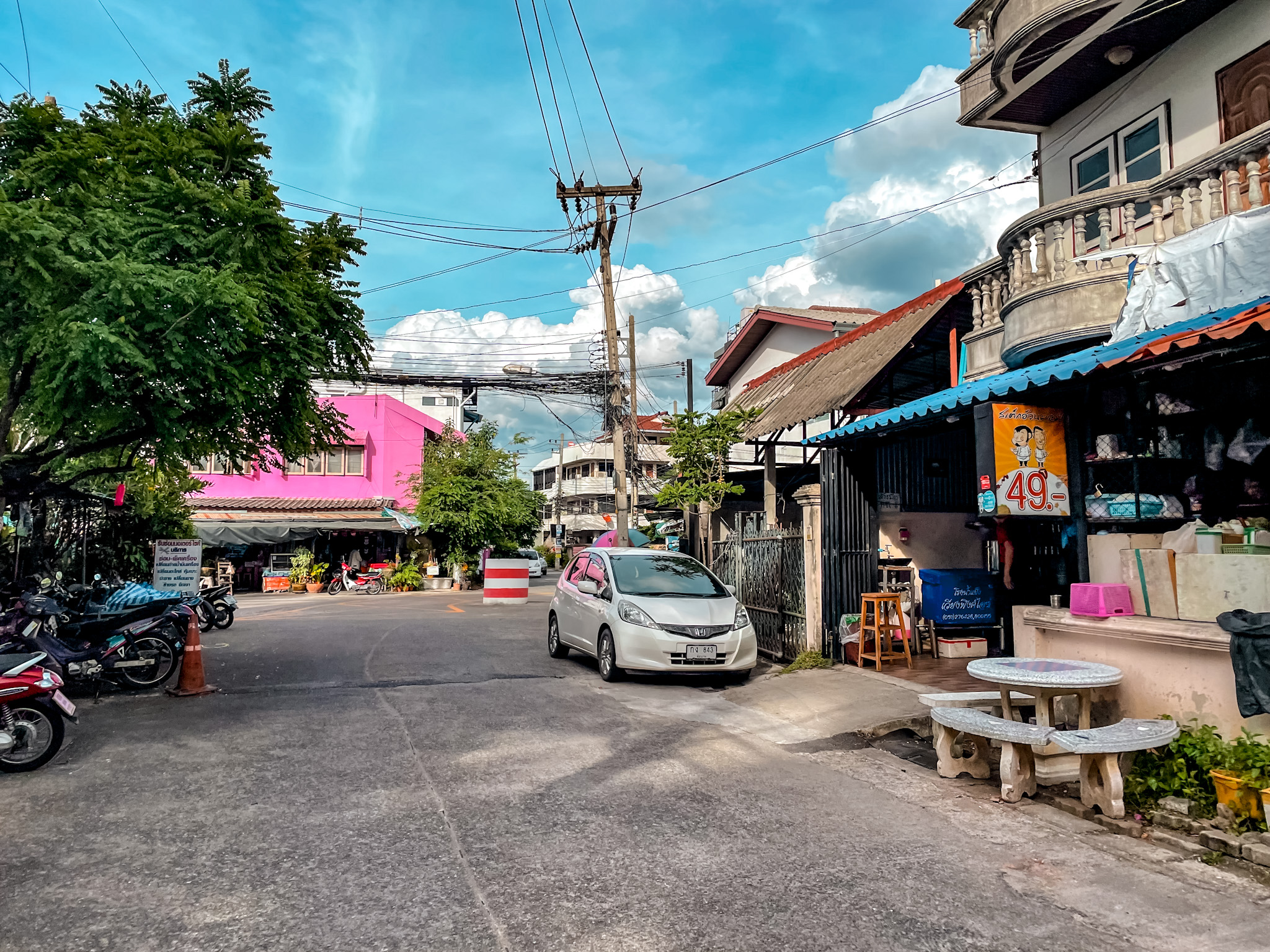
Week 2: Chiang Mai (Days 7 to 12)
Old City, Nimman, Mountains and Northern Food
Chiang Mai is where the trip changes temperature emotionally, even if not literally. The pace softens. The scale gets smaller. The city feels easier to hold in your head. After Bangkok, Chiang Mai usually feels grounding.
It is still a major stop, and there is plenty to do, but it does not hit you with the same force. It is temples, yes, but also cafes, slower mornings, creative spaces, and a more intimate kind of city rhythm. This is also where northern Thai food starts becoming a real part of the trip, which matters more than people sometimes expect.
If you want to understand the layout, history, and feel of this part of the city before you wander too far, read my Old City Chiang Mai Walking Itinerary Guide next.
And if you want a fuller version of how to map out your time here, my 3–5 Day Chiang Mai Itinerary 2026: A Complete Travel Plan With Culture, Food, Nature and Local Life builds it out in a much more complete way.
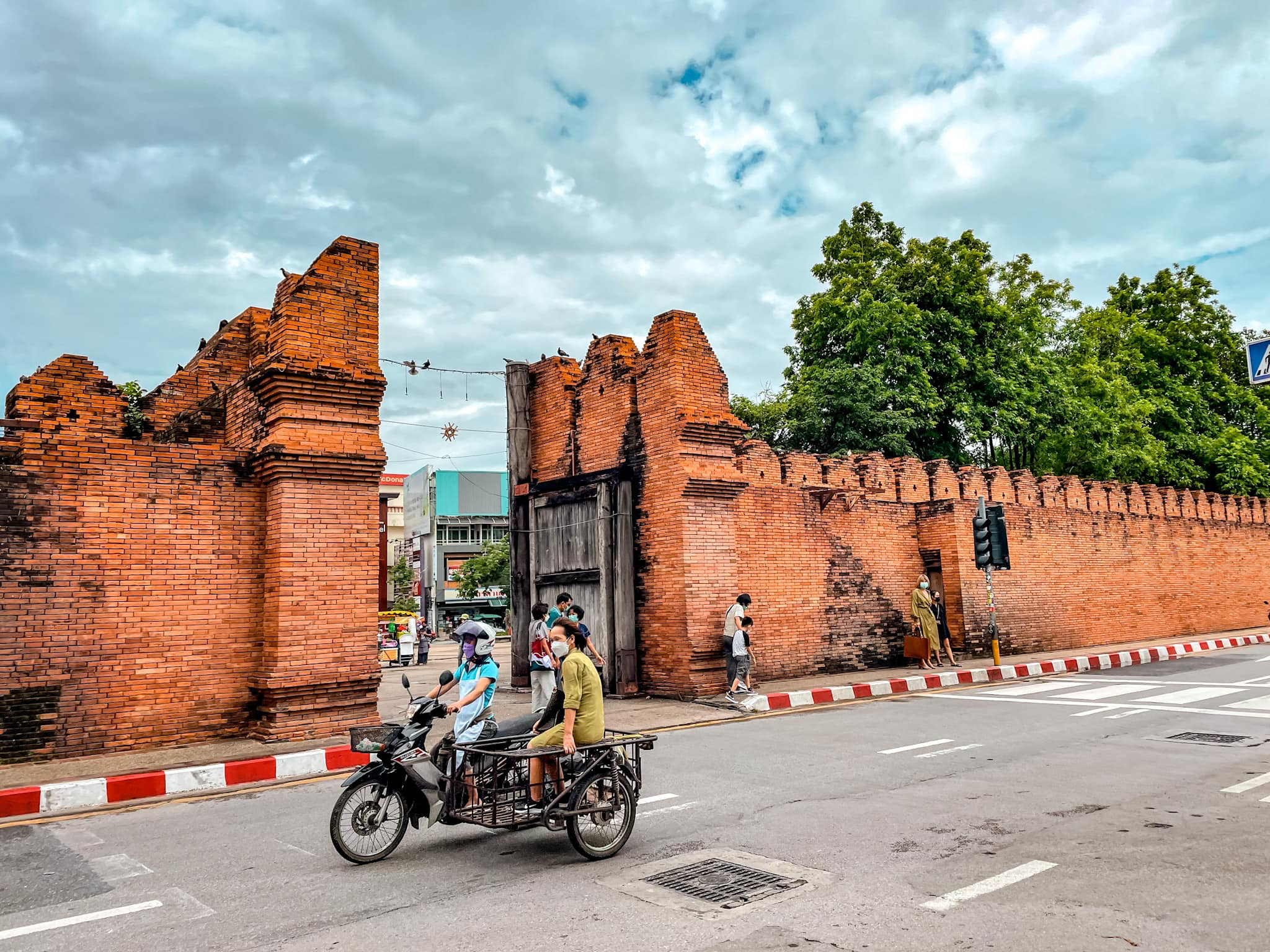
Day 7: Fly to Chiang Mai and Old City Walk
Arrive and keep the day easy. Chiang Mai is best when you do not force it. Walk the Old City. Let yourself notice the walls, the gates, the temple-lined streets, and the quieter feel compared with Bangkok. Visit a couple of temples casually if you feel like it, but do not turn the first day into a marathon.
Eat khao soi for dinner if you can. It is one of the most iconic northern Thai dishes for a reason, and this is the right place in the trip to start leaning into more regional food. If you want try other must eat food in Thailand, my Best Thai Food To Eat In Thailand guide will walk you through it.
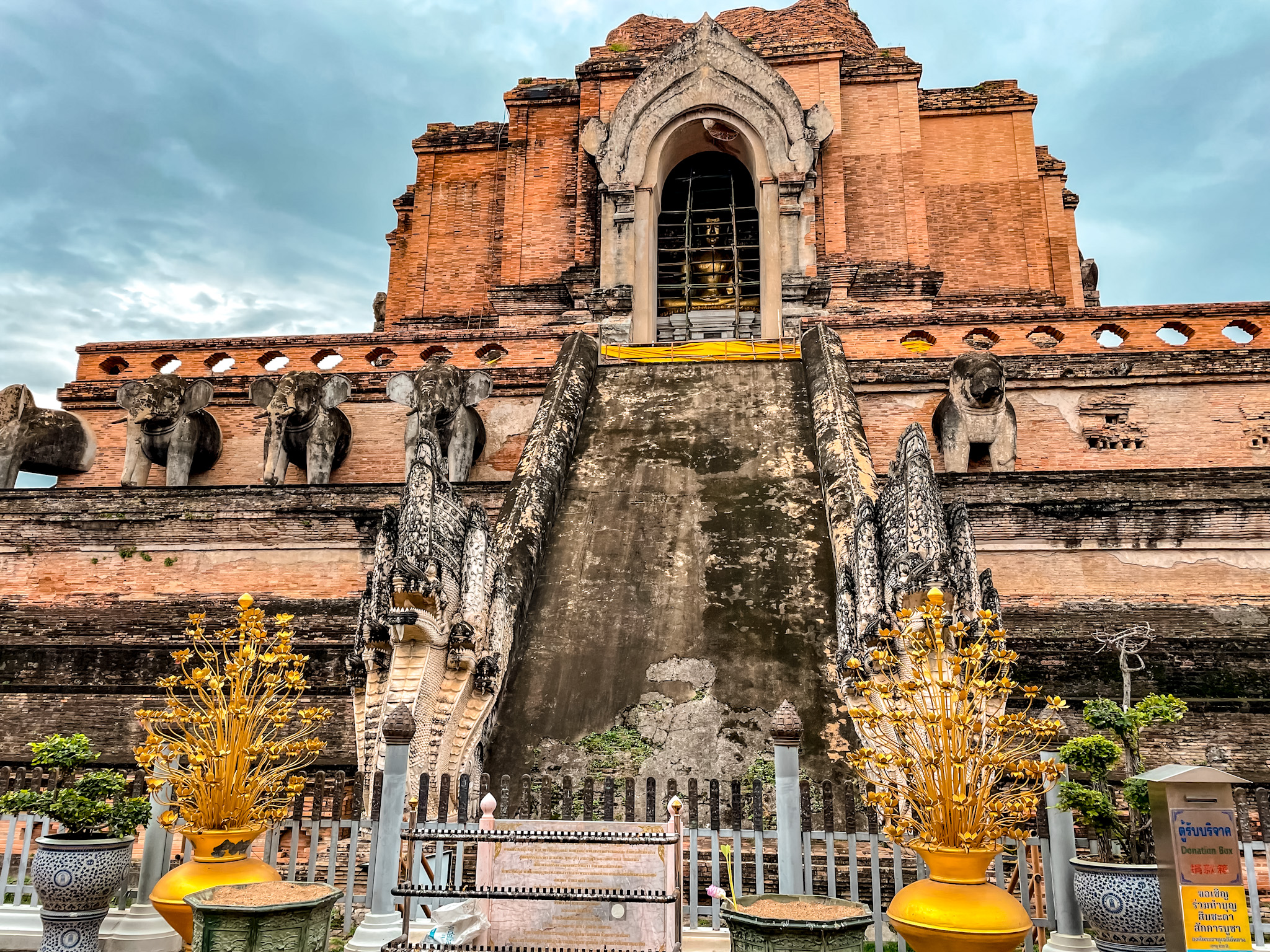
Day 8: Old City Temple Day
Spend the morning visiting the major temples that define Chiang Mai’s historic center.
Visit:
- Wat Phra Singh
- Wat Chedi Luang
If you want more detail before you go, my Wat Phra Singh Chiang Mai Guide and Wat Chedi Luang Chiang Mai Guide go deeper into both of these temple stops and help you know what makes each one worth your time.
Do not rush. Chiang Mai temples are best experienced slowly. They do not need the same high-speed checklist energy people sometimes bring to temple days elsewhere. The whole point here is the calmer atmosphere.
In the afternoon, slow down even more. Find a cafe. Sit for a while. That is not wasted time in Chiang Mai. Cafe time is part of the city’s identity. The city feels better when you let yourself participate in that instead of constantly moving.
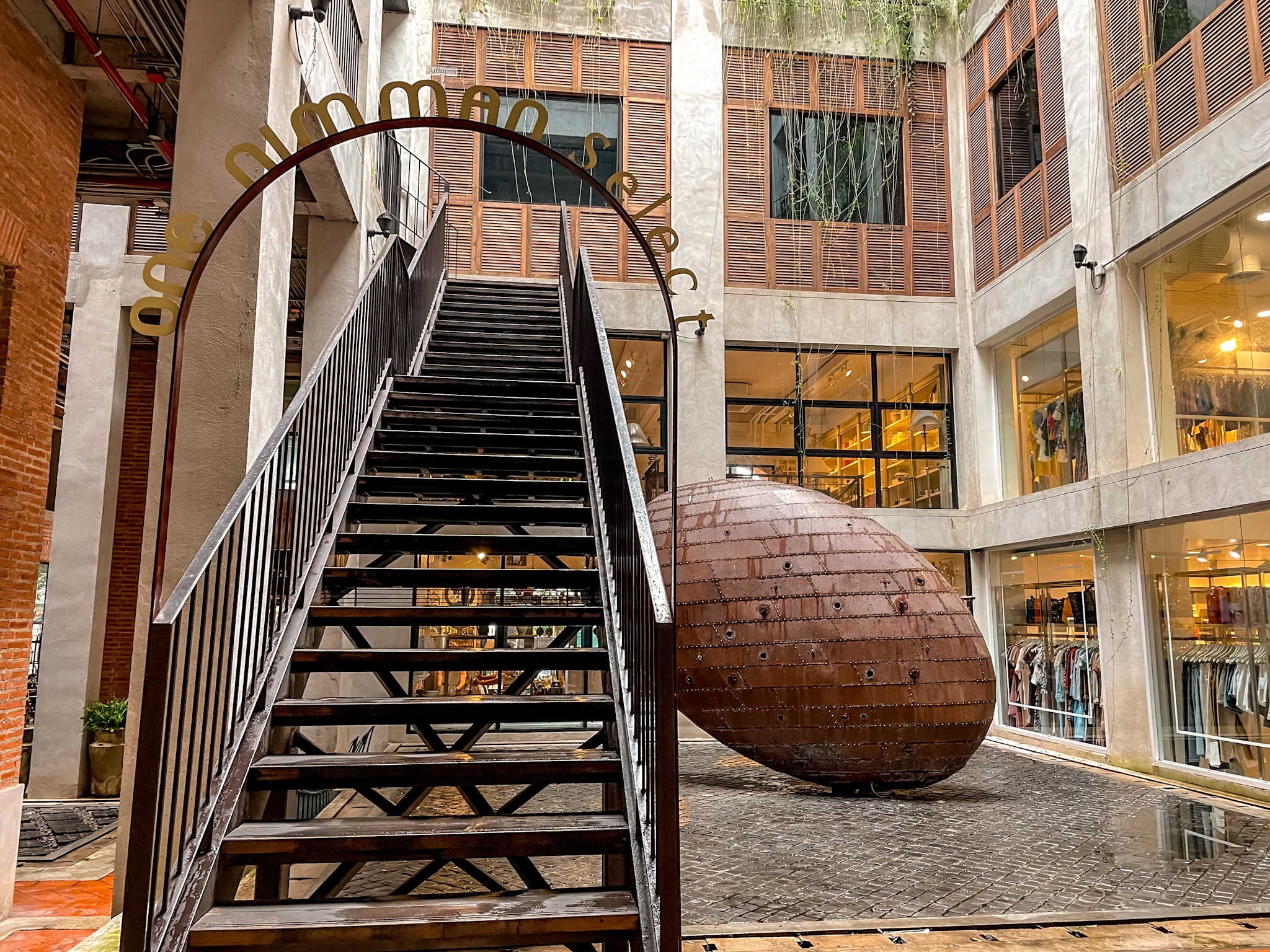
Day 9: Nimman and Cafe Culture
Explore Nimman, the neighborhood known for:
- cafes
- boutique shopping
- a more modern Chiang Mai feel
Visit:
- Maya Lifestyle Shopping Center
- One Nimman
This is a great day to enjoy the lifestyle side of Chiang Mai. You are not chasing monuments here. You are getting a feel for the part of the city where local life, student energy, cafe culture, and expat-friendly convenience all overlap. That is part of modern Chiang Mai too, and it deserves space in the itinerary.
If you want to explore this side of the city more fully, my Chiang Mai Travel and Nimman Chiang Mai Guides helps connect Nimman, the Old City, temples, cafes, and the slower local rhythm that makes Chiang Mai so easy to enjoy.
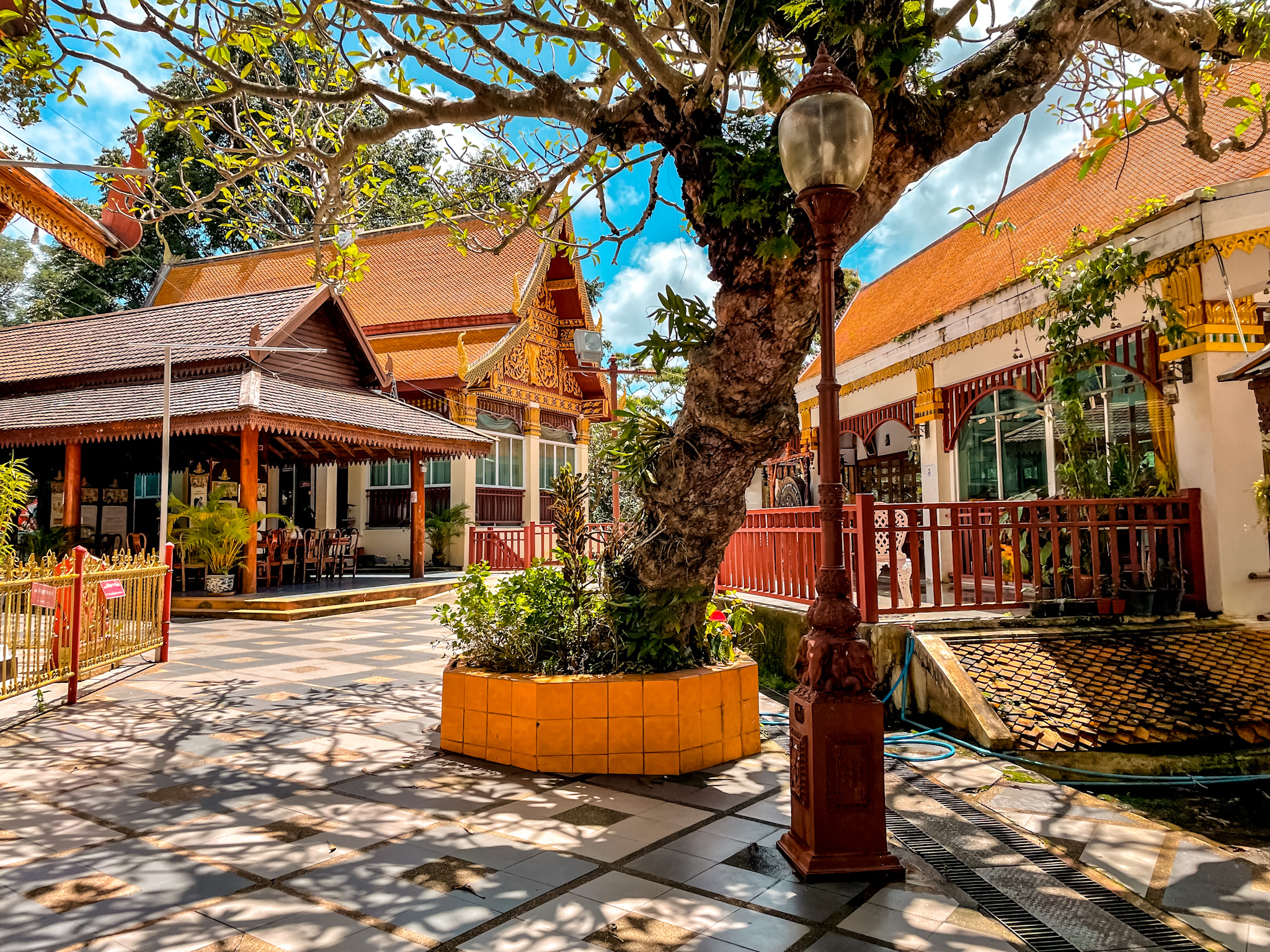
Day 10: Doi Suthep and Scenic Views
Visit Wat Phra That Doi Suthep, one of Chiang Mai’s most important temples, set above the city with sweeping views. This is one of those stops that gives you both cultural significance and a sense of geography. Looking back over Chiang Mai from above helps you understand the city differently, especially after spending time down in the Old City and Nimman.
Return in the afternoon and keep the rest of the day easy. Massage, cafe, slow dinner. Chiang Mai works best when your afternoons do not always feel spoken for.
If this is high on your list, read my Wat Phra That Doi Suthep Guide before you go so you can plan the timing, the ride up, and the visit itself a little better.
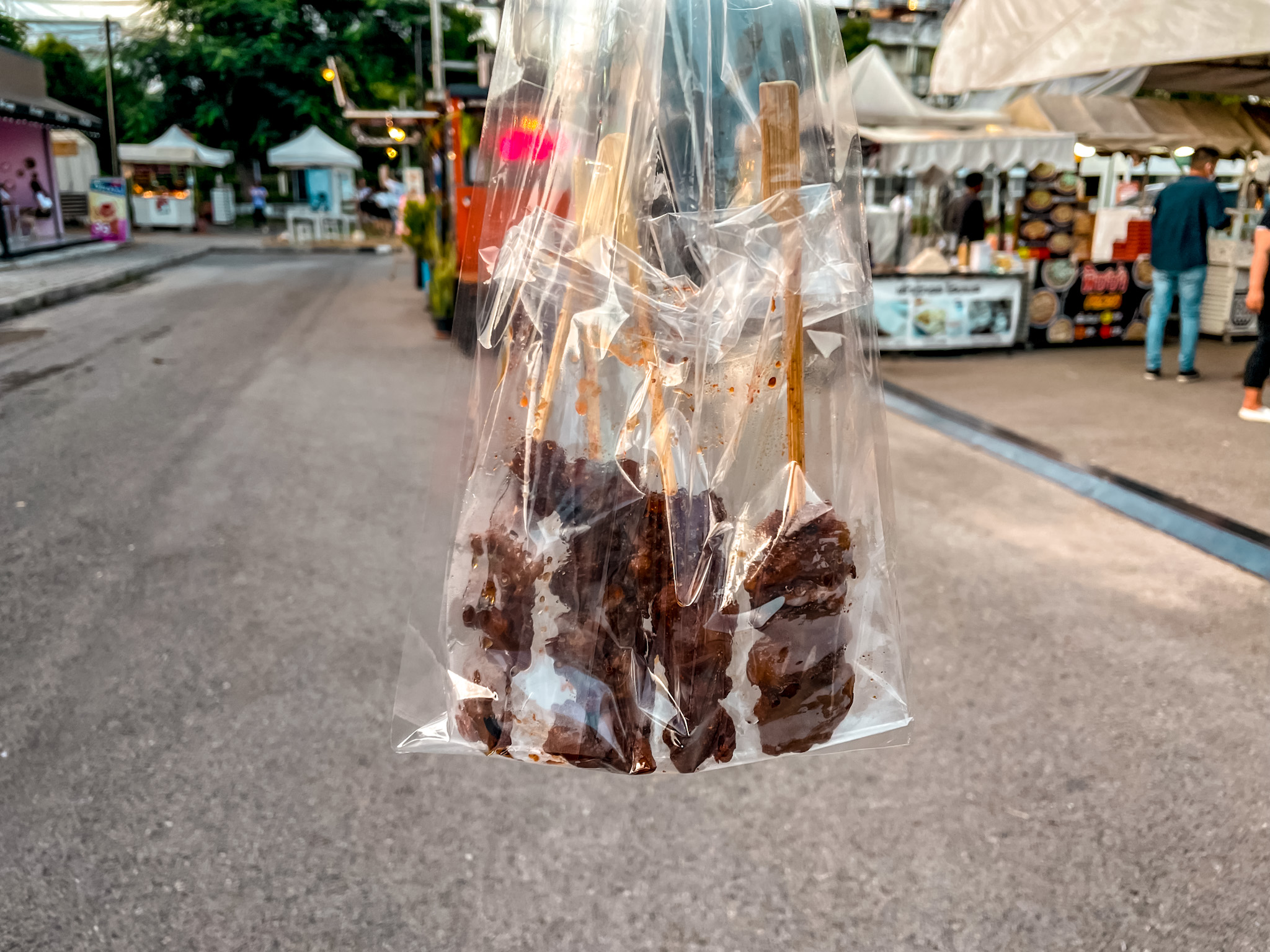
Day 11: Markets and Local Experiences
Use this day for something that makes Chiang Mai feel broader than just temples and cafes.
That could be:
- a cooking class
- a craft village
- local markets
- Baan Kang Wat if you want an artsy, relaxed atmosphere
This is the kind of day that often ends up being more memorable than people expect. Not because it is huge, but because it gives the city more personality. This is where Chiang Mai becomes more than a pretty place to walk around. It starts feeling lived-in and creative.
If you want one of Chiang Mai’s most relaxed and creative stops, my Baan Kang Wat Guide is a great follow-up for this kind of day.
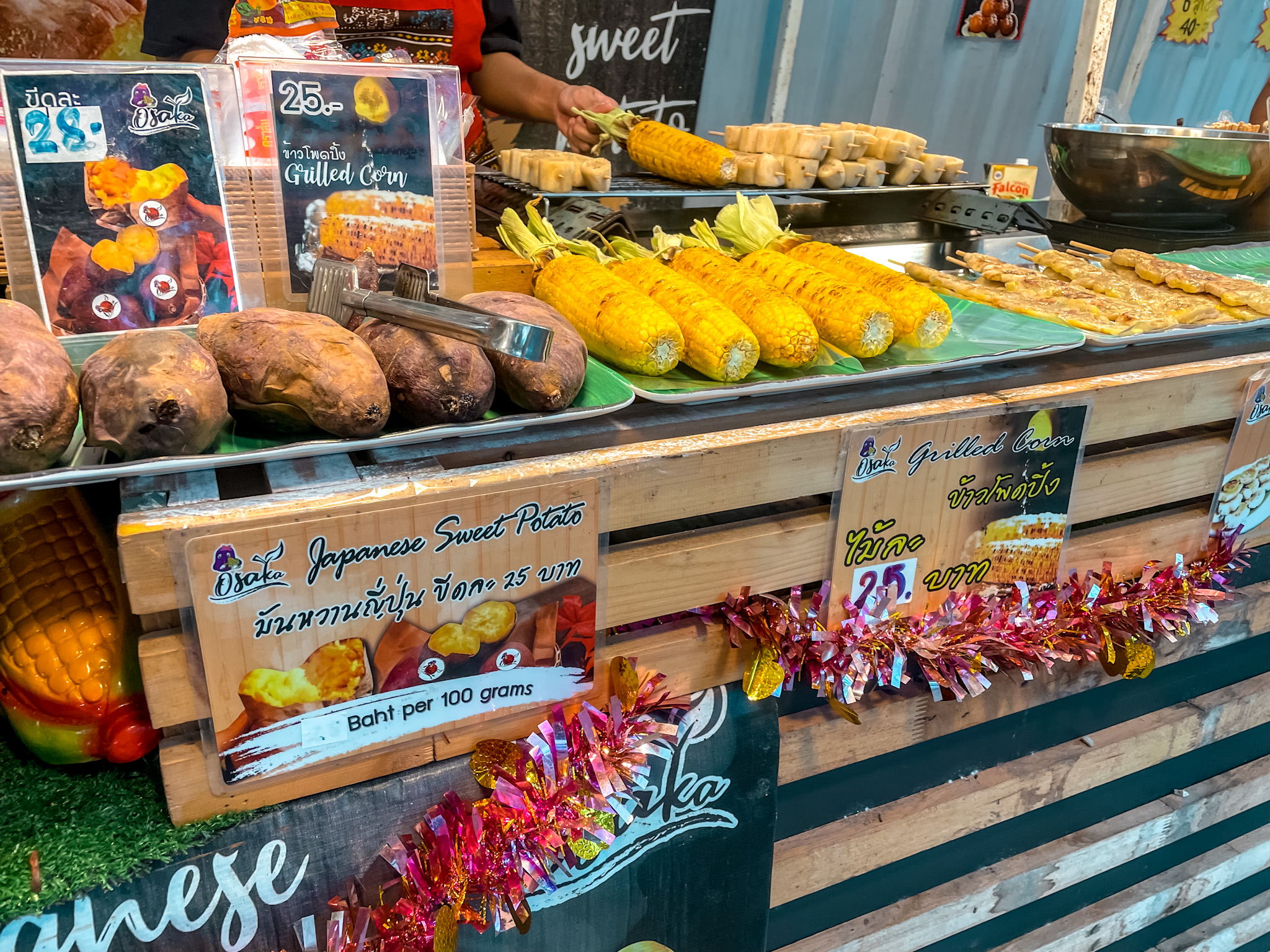
Day 12: Free Day or Short Nature Day
Use this as a rest day or a short nature day. You can keep it local and slow, or do a shorter outing if you still have energy. The important thing is that this is another buffer. By now, the trip should feel rich, not exhausting. This extra flexibility helps you arrive in the south ready to enjoy it rather than needing recovery time.
And if you decide you want to keep exploring instead of resting, my 3–5 Day Chiang Mai Itinerary 2026: A Complete Travel Plan With Culture, Food, Nature and Local Life gives you plenty of ways to shape that extra day.
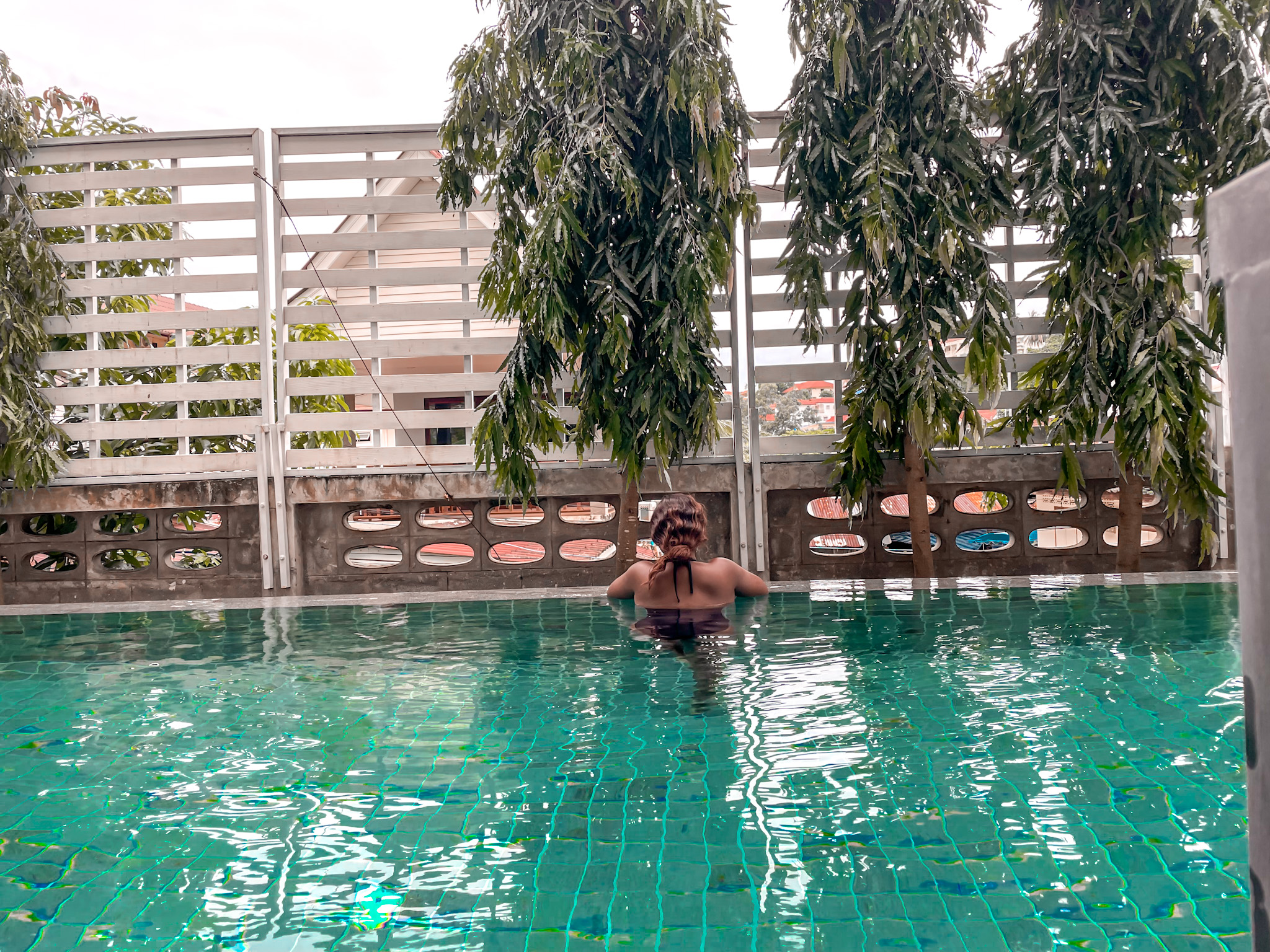
Week 3: Phuket and Krabi (Days 13 to 21)
Beaches, Island Tours and Limestone Landscapes
The south is the right ending because by now you understand Thailand better and can actually relax into this part of the trip. If you start here, the islands can feel like a disconnected vacation fantasy. If you end here, they feel like a reward and a release.
This week is a mix of beach time and the iconic tours people travel around the world to experience. But even here, pacing matters. Too many island tours back to back and the whole thing starts feeling like a blur of speedboats and sunscreen. The goal is to balance the big classic experiences with real downtime.
If you want the bigger picture for this part of the trip before locking anything in, my 5 to 7 Day Phuket Itinerary 2026: The Best Beaches, Old Town, Island Hopping and Day Trips and 3 to 5 Day Krabi Itinerary 2026: Beaches, Railay, Island Hopping and Local Life will help a lot.
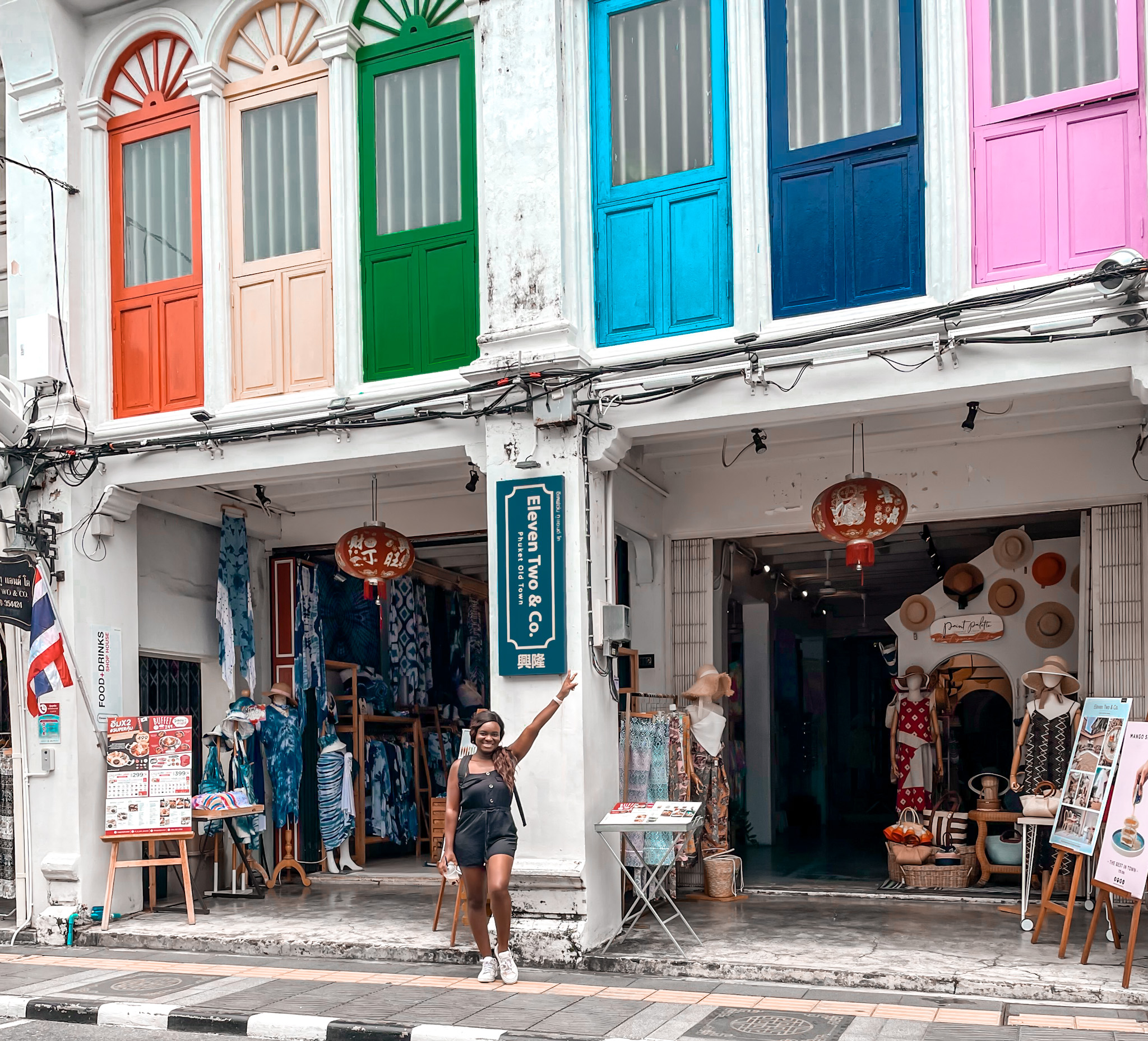
Day 13: Fly to Phuket and Beach Evening
Arrive in Phuket and settle in. Do not stack the day. Spend the evening at the beach near your hotel, walk a little, watch the light change, eat dinner somewhere easy, and let this be a transition day. After flights and hotel changes, that softer pace matters.
If you are still deciding where to base yourself, my Phuket Travel Guide, Kata Noi Beach Phuket Guide and Patong Beach Phuket Guide will help you choose the area that fits your trip best.
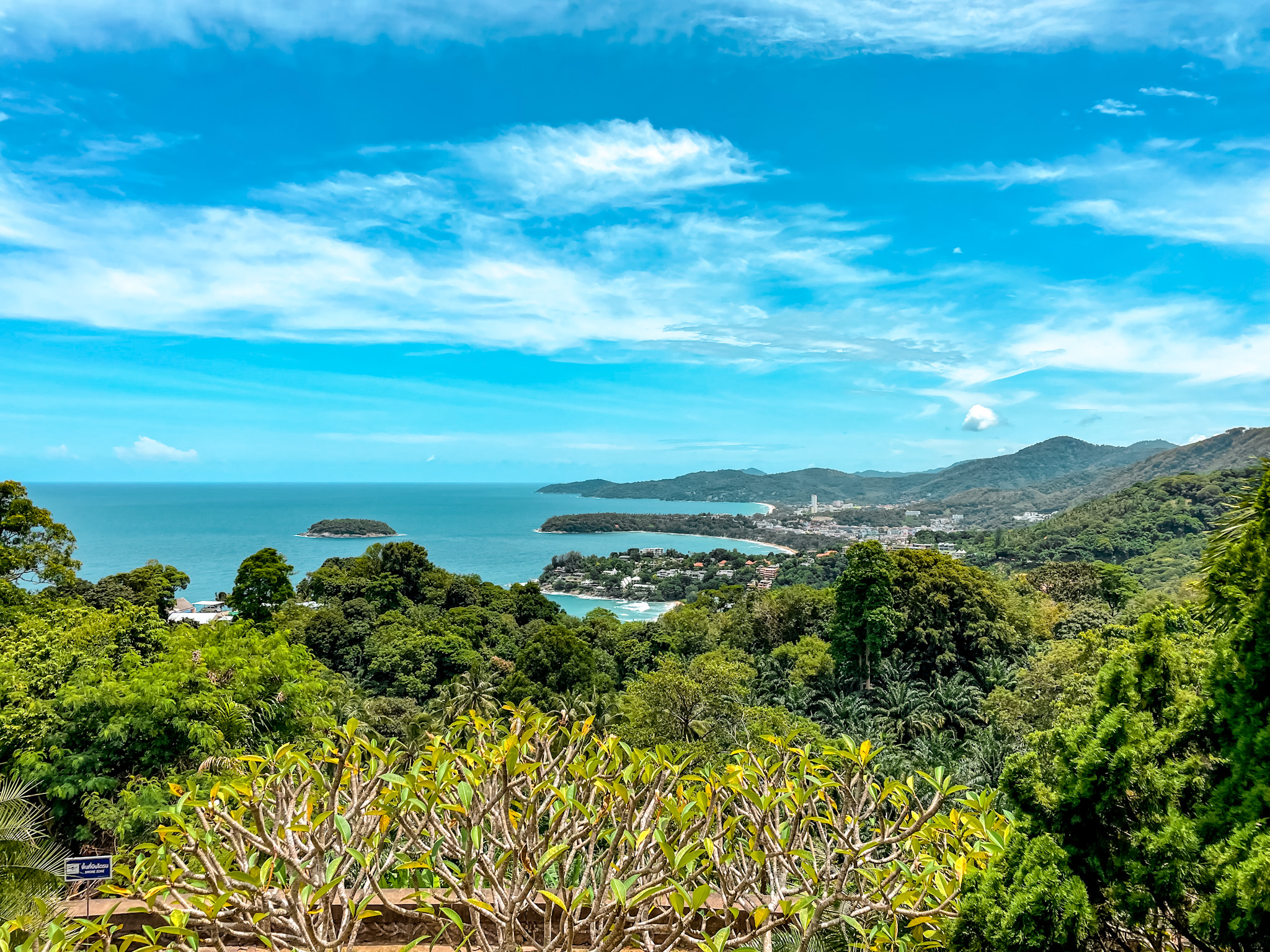
Day 14: Phuket Old Town and Viewpoints
Explore Phuket Old Town for colorful streets, cafes, and a different side of the island.
Add a scenic viewpoint stop like Karon Viewpoint to see the coastline from above. Phuket works better when you remember it is not only beaches. Old Town gives you color, architecture, food, and a more grounded local side of the island. The viewpoints remind you how dramatic the coastline actually is.
This day balances walking, culture, and scenery without draining you before the island tours start.
For this day, my Phuket Old Town Guide, my Best Viewpoints in Phuket guide and Karon Viewpoint Guide are the best follow-ups if you want more detail on both stops.
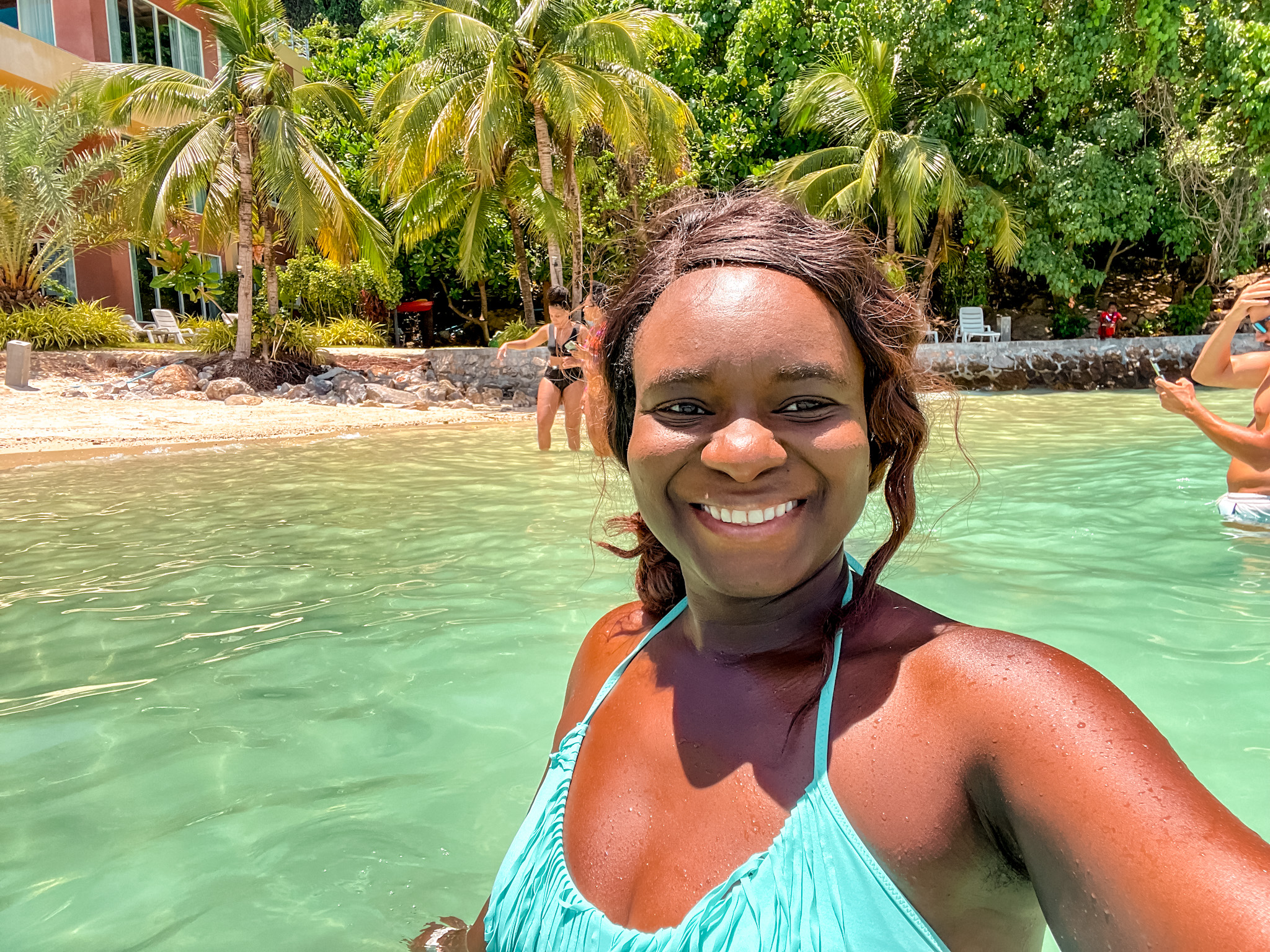
Day 15: Phi Phi Islands Day Trip
Take a full-day tour to the Phi Phi Islands.
Most tours include:
- Phi Phi Don lunch stop and beach time
- snorkeling at one or two locations
- stops near iconic points like Viking Cave
- Bamboo Island as a beach stop
- Maya Bay if open and accessible
This is one of the most classic Thailand day trips for a reason. It is beautiful, dramatic, and yes, often busy, but it still earns its place. The water, the cliffs, the boat approaches, and the mix of stops make it one of those full-tour days that actually does feel worth the effort.
If you want the easy version, book this Phi Phi Islands tour in advance so your boat logistics, timing, and island stops are already handled.
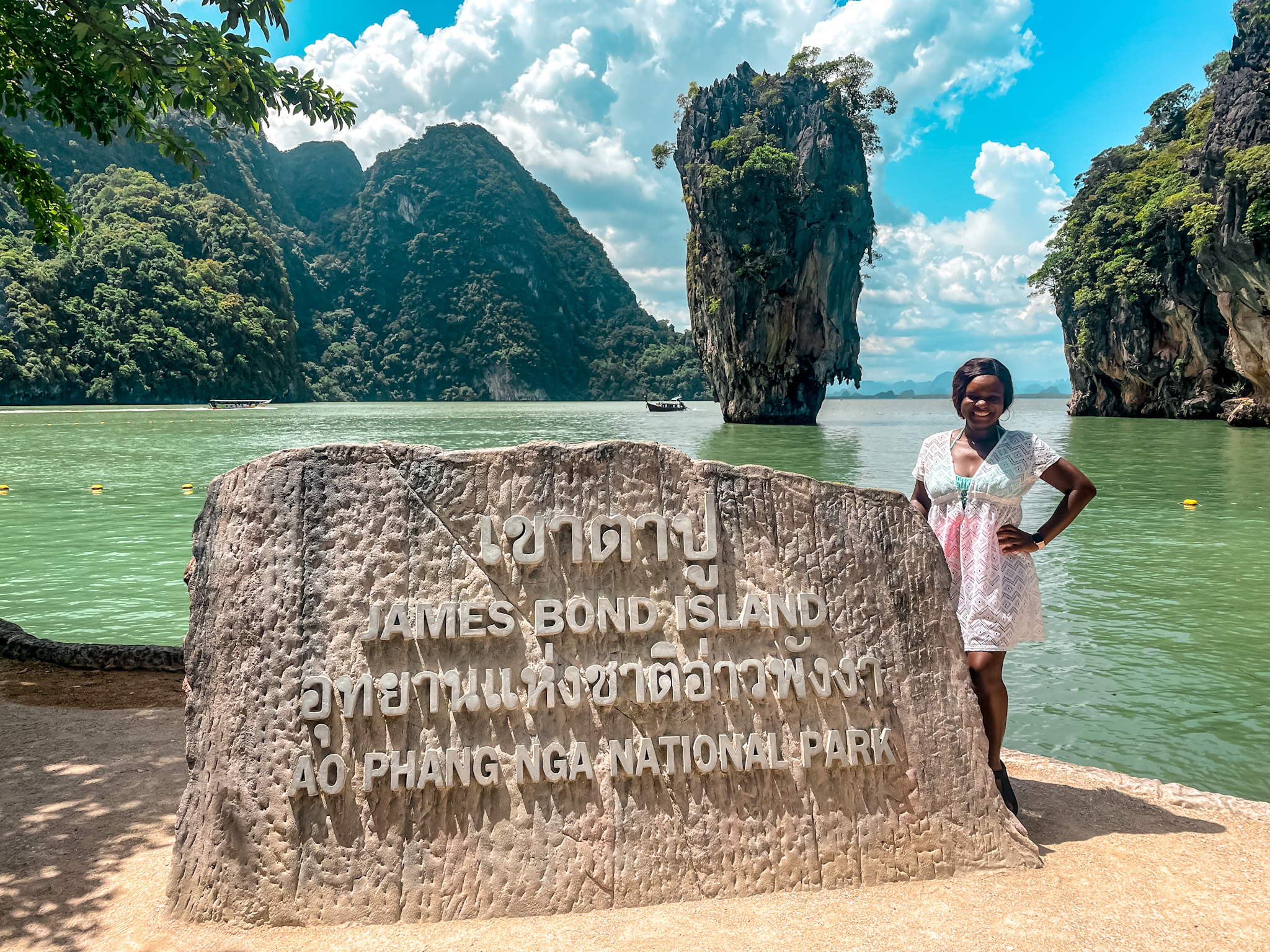
Day 16: Phang Nga Bay and James Bond Island Tour
Take the Phang Nga Bay tour that includes:
- James Bond Island
- scenic limestone bay cruising
- sea canoeing through caves and lagoons if your tour offers it
This day gives you a completely different landscape from the Phi Phi day. That is important. Phi Phi is more open water, beaches, and iconic island beauty. Phang Nga Bay feels more surreal and geological, with the limestone formations doing most of the work visually. The canoeing sections often end up being some of the most memorable parts because they slow the experience down and let you get closer to the landscape.
If you would rather book this before you arrive, reserve this James Bond Island tour so the route, transport, and day structure are already taken care of.
If the canoeing part is what interests you most, my separate Canoeing in Koh Talu Island Guide goes deeper into that side of the experience.
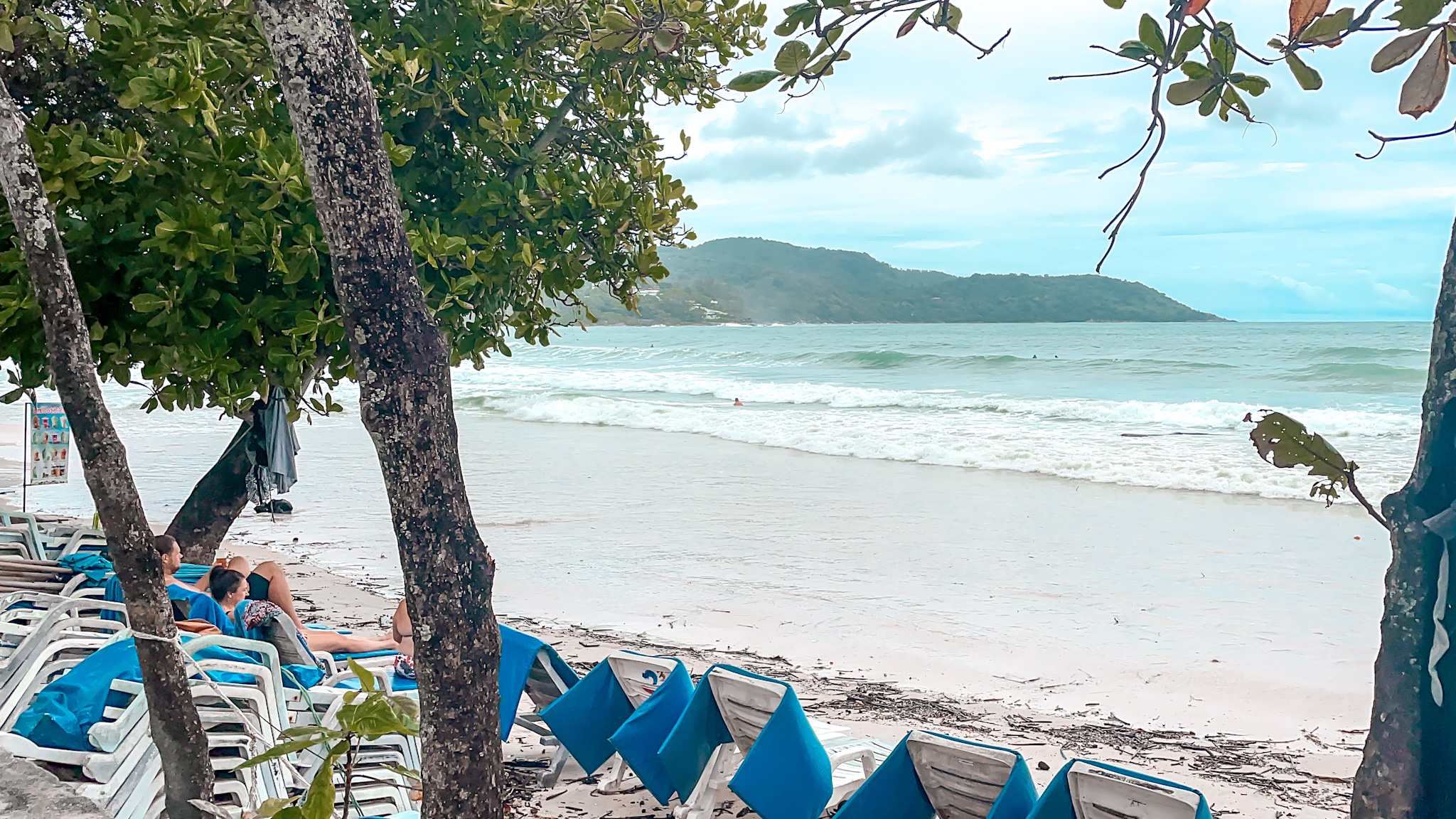
Day 17: Beach Day in Kata or Kata Noi
After two big tour days, slow down. This is exactly where weaker itineraries get greedy and start falling apart. Spend the day at Kata Beach or Kata Noi Beach. Swim, eat, rest, and let this be an easy day. Those slower beach days are what make the bigger excursions feel good instead of relentless.
If you want more detail before choosing, my Kata Beach Guide can help you decide whether this is the right slower beach day for you.
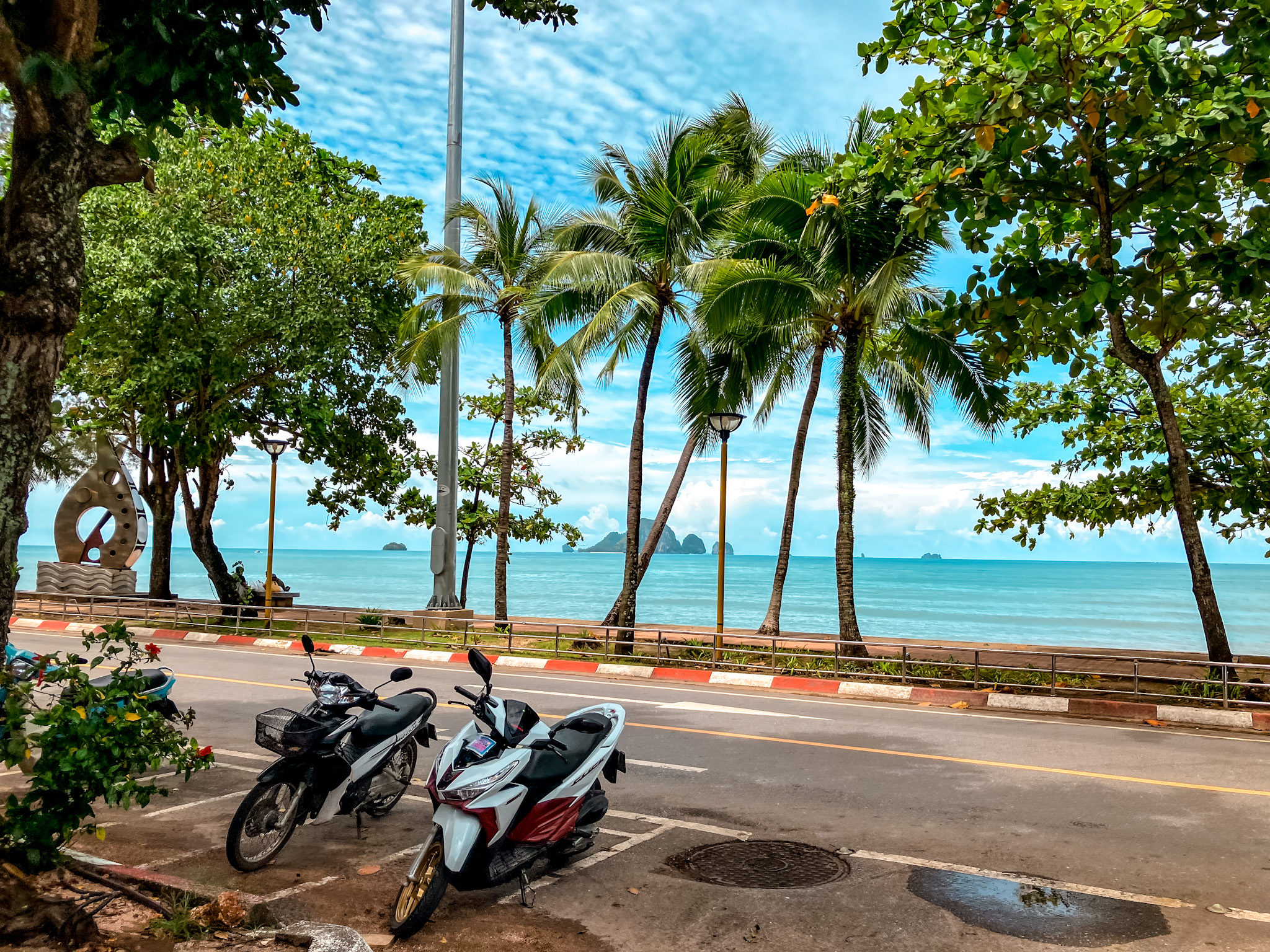
Day 18: Transfer to Ao Nang, Krabi and Sunset Walk
Travel from Phuket to Ao Nang, Krabi. If you want to make the move between destinations easier, you can book this Phuket to Krabi transfer in advance so you are not figuring it out last minute on travel day.
Settle into your new base and then keep the evening simple. Ao Nang is not about forcing a packed arrival day. It is about the feeling of being there. Water, cliffs, boats, and evening atmosphere. A sunset walk is enough. Let the scenery introduce itself.
If you want to get more out of this base, my 3 to 5 Day Krabi Itinerary 2026: Beaches, Railay, Island Hopping and Local Life and Ao Nang Krabi Travel are the best next reads.
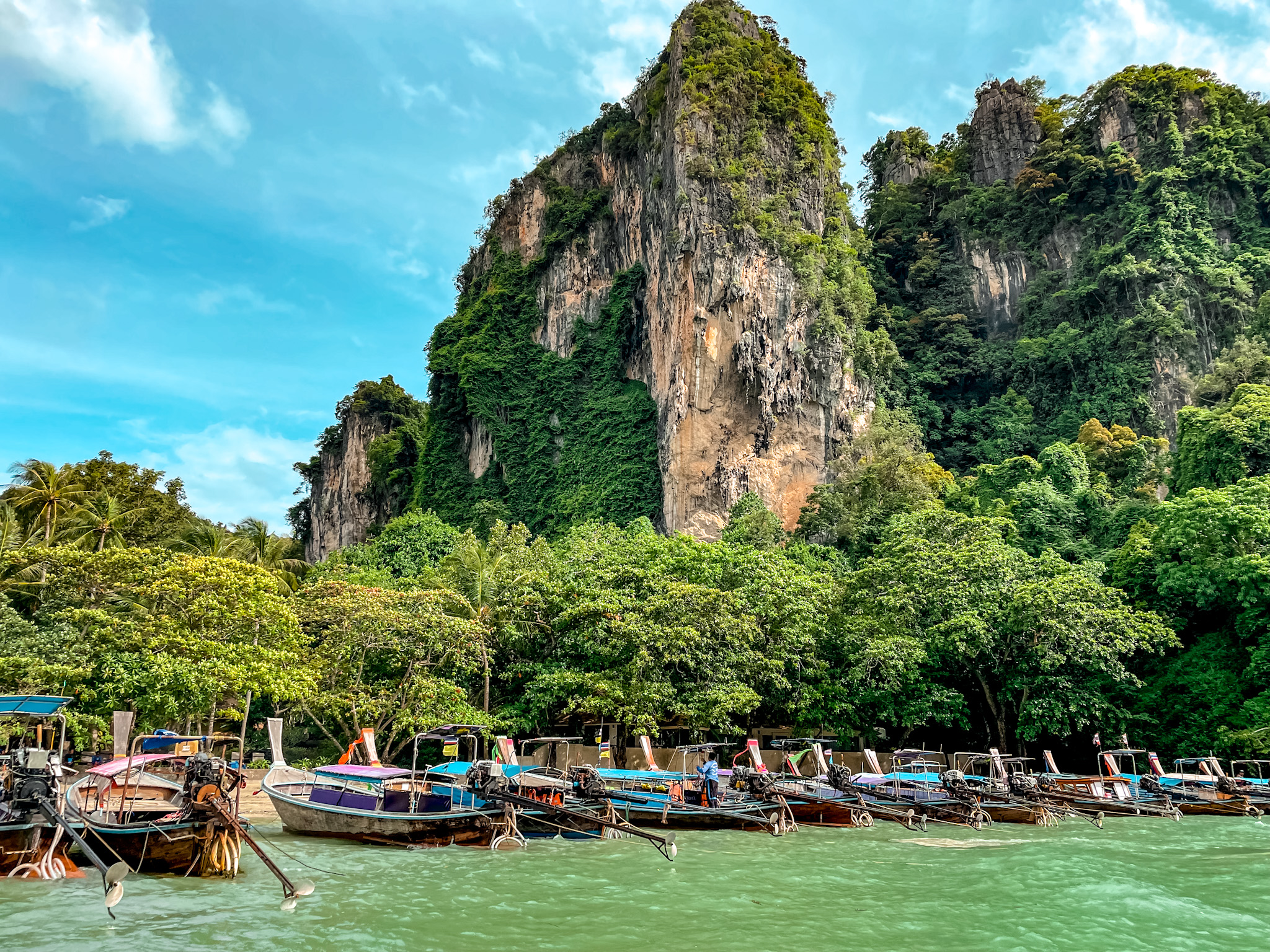
Day 19: Railay Beach Day Trip
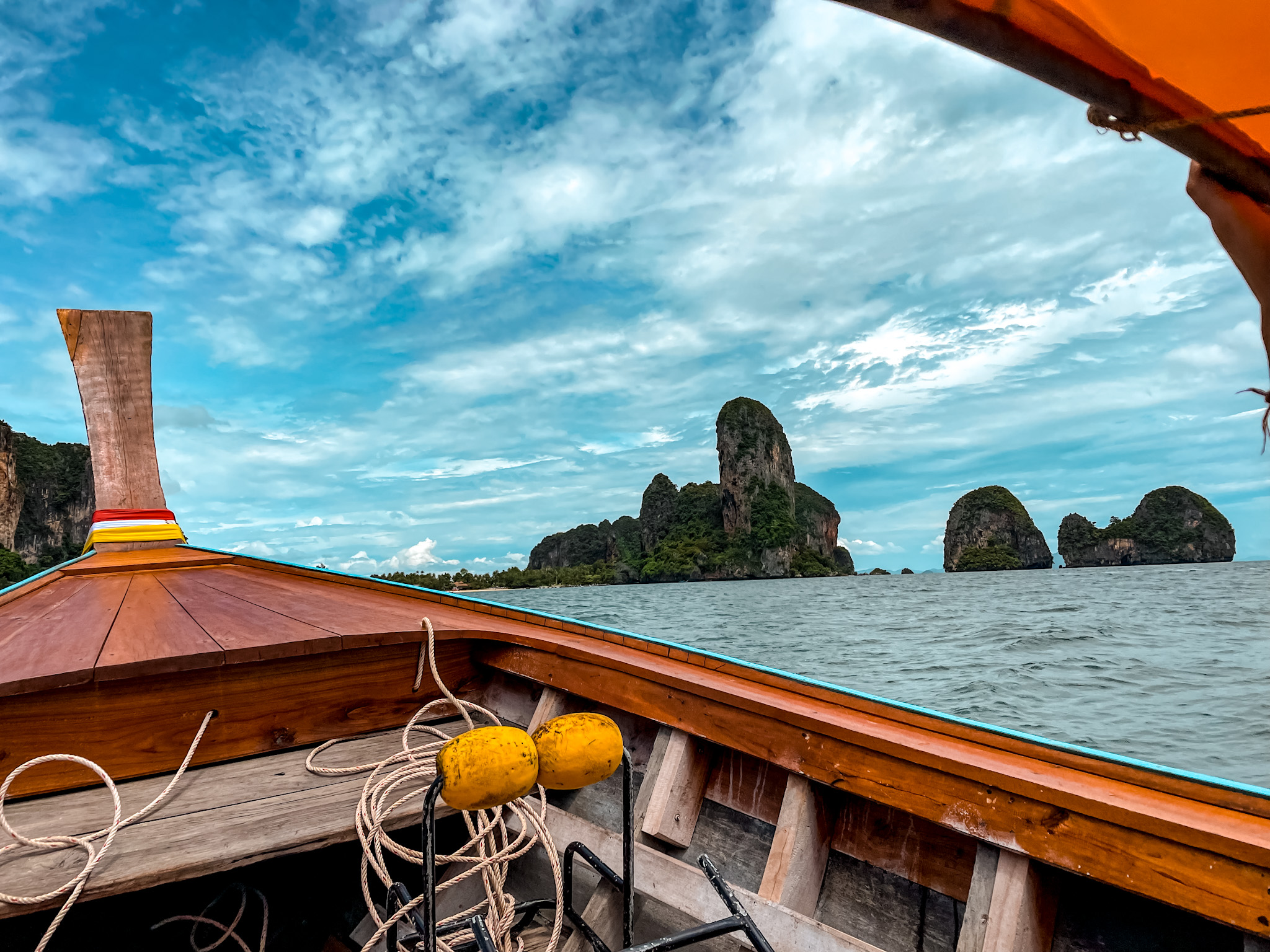
Take a longtail boat to Railay Beach and spend the day exploring:
- Railay West
- Railay East
- Phra Nang Beach
Eat along Walking Street and take your time. Railay is one of Krabi’s best experiences and one of those places that genuinely looks the way people hope Thailand will look. The cliffs, the water, the boat ride in, and the overall atmosphere make it feel like a proper payoff day in the itinerary.
If you want to book this out as a guided day, you can also reserve this
And if you want more detail on what to expect once you get there, my Railay Beach Guide breaks the area down much more fully.
And if you want more out of the day than just beach time, you can also book this half-day rock climbing experience at Railay Beach for something a little more active and memorable.
Day 20: Four Islands Tour
Do the classic Four Islands tour, often including:
- island hopping
- sandbar stops at low tide
- snorkeling
- beach time
This is a perfect final tour day because by now you know how to enjoy the south without feeling rushed by it. You have already had your huge iconic days, so this one can just be fun. Water, scenery, movement, and one more stretch of the trip that feels unmistakably Thailand.
If you want to lock this in before arriving, book this Four Islands tour so the island-hopping day is already sorted.
If you want a fuller breakdown of how this fits into the area, my 3 to 5 Day Krabi Itinerary 2026: Beaches, Railay, Island Hopping and Local Life gives more context around where this tour works best.
Day 21: Free Day and Return for Departure
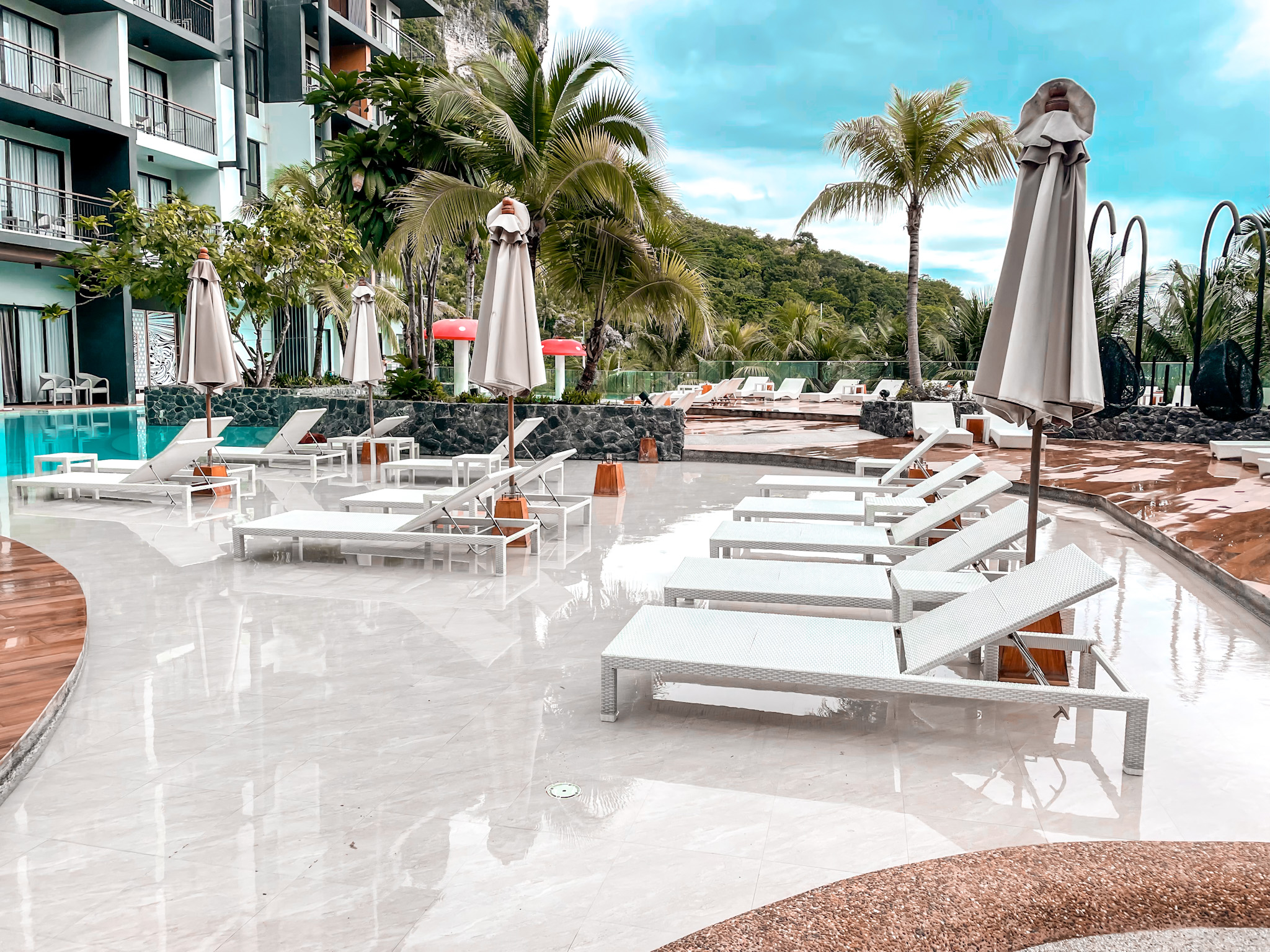
Use the morning as a free day. Massage, cafe, light shopping, one last beach moment, or even just breakfast with a view. This last morning should feel easy, not stressful. The trip has already given you a lot.
Then return to Bangkok if your international flight leaves from there, or fly out of the south if your route allows. If you can fly out of the south, even better. If not, leave enough time for the Bangkok connection and do not make the final day tighter than it needs to be.
If you end up with more time in the south, my 5 to 7 Day Phuket Itinerary 2026: The Best Beaches, Old Town, Island Hopping and Day Trips and 3 to 5 Day Krabi Itinerary 2026: Beaches, Railay, Island Hopping and Local Life are the best places to keep planning from here
Final Thoughts
This 3 weeks in Thailand itinerary is designed to feel full but not frantic. You get the essential temples and cultural sights, a real taste of Bangkok, the slower and more grounded feeling of Chiang Mai, and then the beach landscapes and island tours that make southern Thailand so iconic.
What I like about this route is that it gives each part of Thailand room to feel different. Bangkok does not get rushed. Chiang Mai does not get treated like a box to check. The south gets more than one generic beach stop. The whole trip builds well if you let it.
Thailand is also a country where the smaller moments matter just as much as the headline ones. Coffee in Chiang Mai. A boat ride to Railay. A quiet temple courtyard in Bangkok. A market meal that ends up being better than the restaurant you planned. Leave space for those moments and the trip becomes much more than a list of places. That is usually when Thailand becomes unforgettable.
For the practical side of pulling this trip together, start with Must Download Apps for Thailand and Best Thai Food To Eat In Thailand, then branch into the Bangkok, Chiang Mai, Phuket, and Krabi guides that match the part of the route you are planning most closely.

Cavetta is the creator of LifeWithVetta.com and has been traveling the world full time since 2020. She has visited more than 60 countries while worldschooling her son and documenting what it really takes to live abroad. Her guides focus on travel, moving abroad, digital nomad life, and designing a life beyond the traditional path.
