
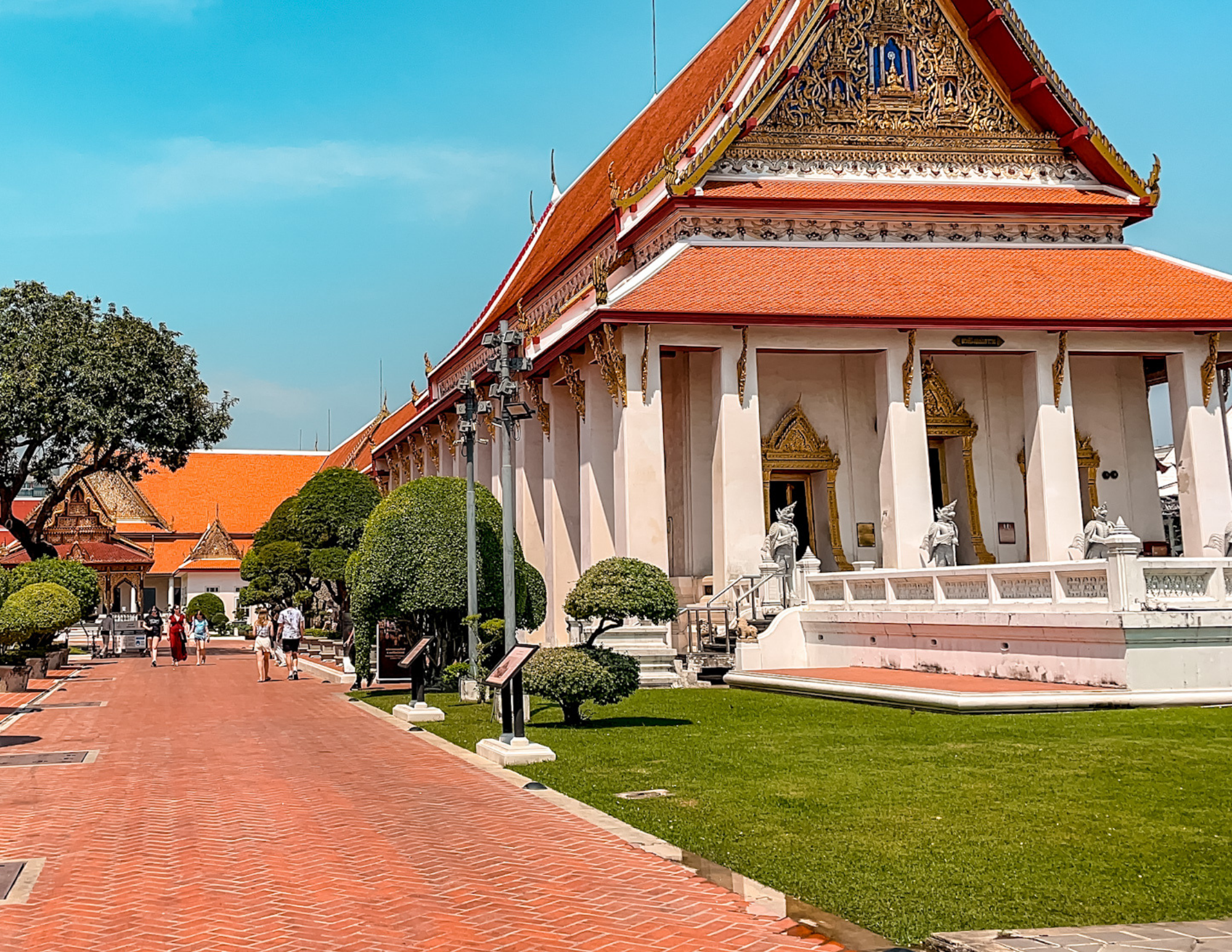
Everything You Need To Know Before Visiting Thailand’s Most Important Museum.
When we first started exploring Bangkok, the National Museum was at the very top of our list because everyone kept saying it was where the real history of Thailand lives. After going, I understood exactly what they meant. This is not the kind of museum you visit just to check off another cultural stop. It is one of the places that helps Bangkok and Thailand make more sense. If you have already seen temples and wondered how all of it connects, this is where that bigger picture starts showing up.
If you want to understand Thailand beyond temples, markets, and food, there is no better place to start than the National Museum Bangkok. From royal carriages to Buddha images, weapons, ceramics, textiles, and historic relics, the collection gives context to so many things travelers see elsewhere without fully understanding.
If you are still figuring out Bangkok more broadly, my Bangkok for First-Timers and The Ultimate Bangkok Travel Guide will help you see where a stop like this fits into a bigger trip.
And if you are building an old-city day, my Grand Palace Bangkok Guide, Wat Phra Kaew Bangkok Guide, and Wat Pho Bangkok Guide pair naturally with this area.
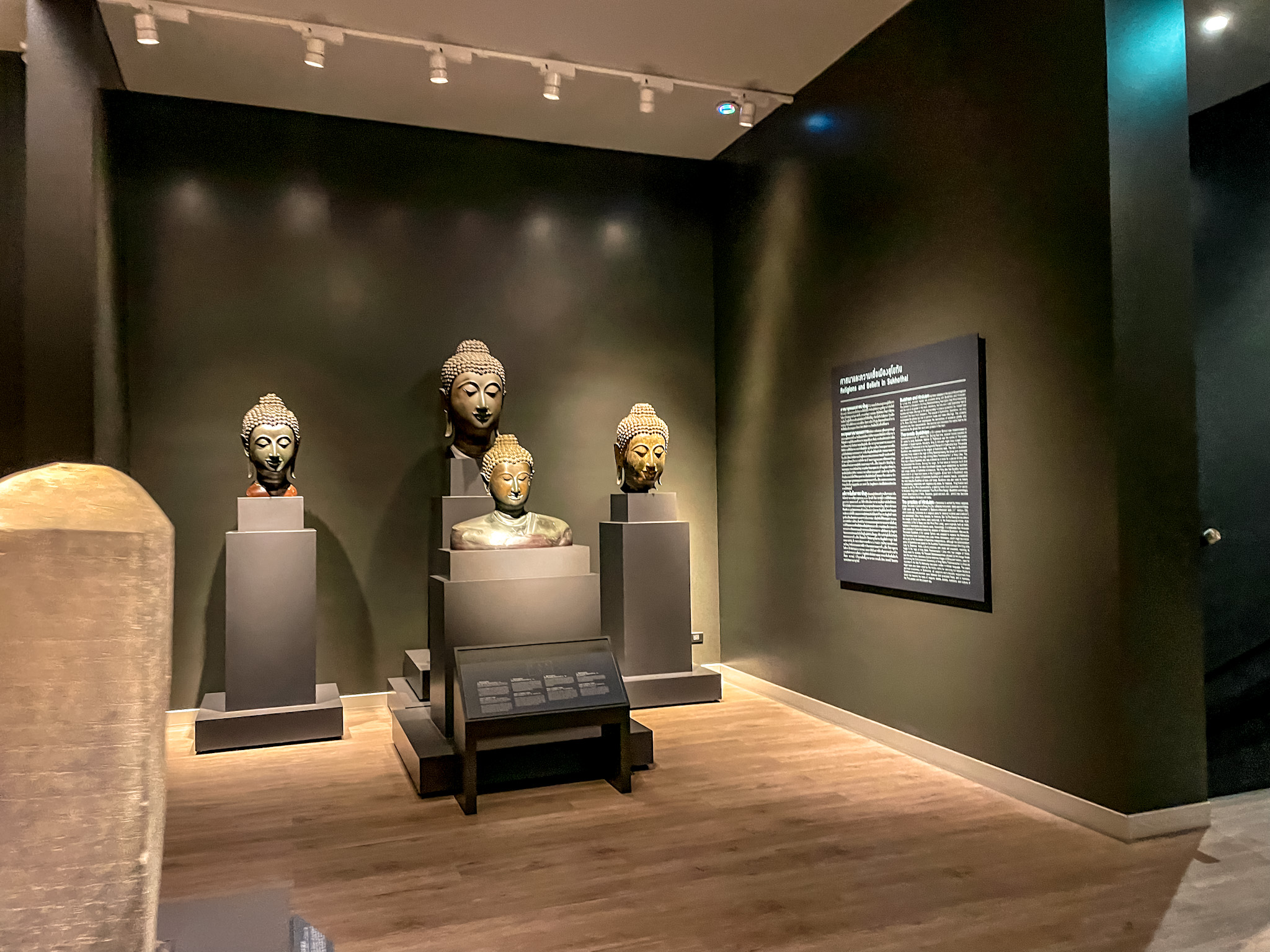
From royal carriages to ancient Buddha statues, weapons, ceramics, textiles, and historic relics, the National Museum offers a deep look into Thailand’s past and the story of its people.
This guide covers everything you need to know before visiting.
What to see.
How to plan your visit.
How to get there.
Tips for making the most of your time.
What Is The National Museum Bangkok
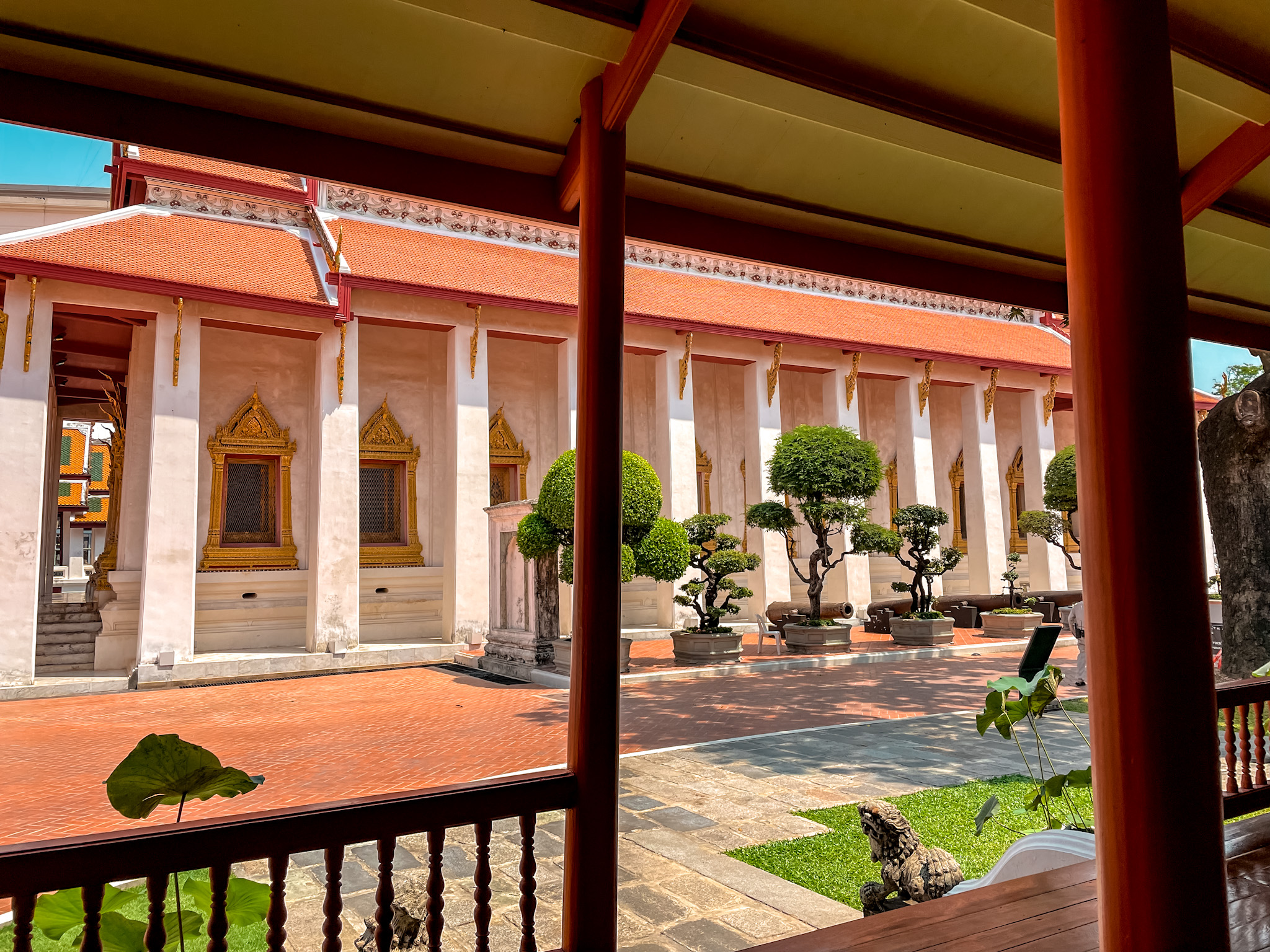
The National Museum Bangkok is Thailand’s premier cultural museum and one of the most important places in the country for understanding Thai history, art, religion, and royal culture in one setting. It was established in the late 19th century and sits within what was once a royal palace complex, which already gives the visit a very different feel from a standard museum building. What makes it especially valuable is that it does not focus on only one era or one type of object. It pulls together prehistoric finds, Buddhist art, royal artifacts, regional culture, and ceremonial objects in a way that helps you understand how Thailand developed over time.
What makes it especially worth visiting is that it gives context to so many other places in Thailand. After spending time here, temples, royal sites, and even smaller cultural details start making a lot more sense.

Why The National Museum Is A Must Visit
Most visitors focus first on Bangkok’s temples, and that makes sense. But the museum gives those temples context. It helps explain why certain Buddha images look the way they do, how royal and religious traditions overlap, and how Thai identity was shaped across different eras and regions. That is what makes this place so useful. You leave understanding more than just what you saw.
1. Deep Cultural Understanding
Instead of seeing beautiful buildings without knowing the stories, the museum connects history, religion, royal life, and politics together. You leave with a better grasp of Thai identity.
That is really the biggest reason I think this museum matters. It turns Bangkok from a collection of beautiful places into a city with deeper historical meaning.

2. Rare and Priceless Artifacts
The museum houses original statues, artworks, manuscripts, and relics that come directly from temples, archaeological digs, and royal collections.
These are pieces you will not see anywhere else.
If you are the kind of traveler who likes understanding what you are seeing instead of just checking it off, this stop is one of the most rewarding in Bangkok.
3. Beautiful Historic Buildings
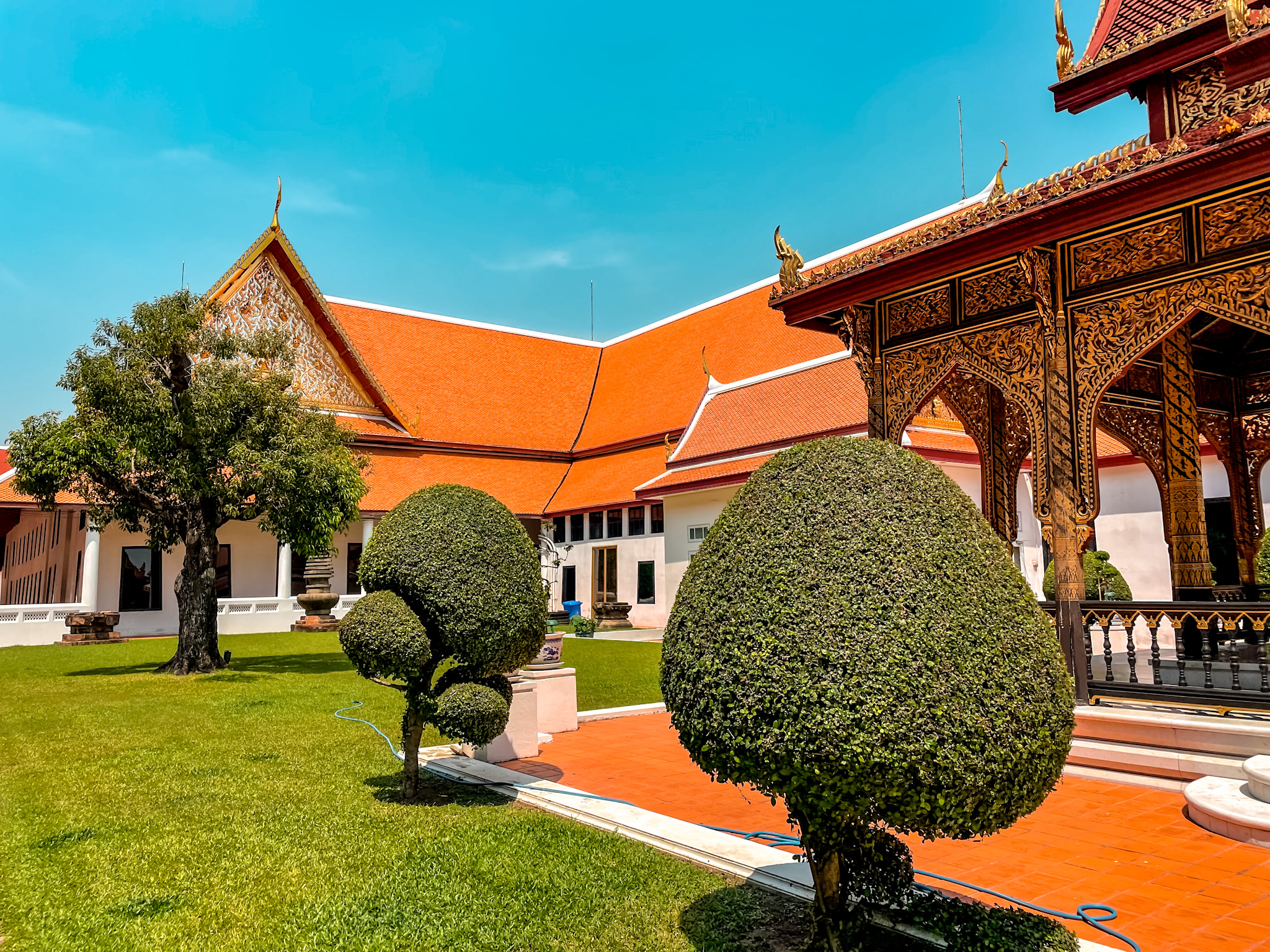
The museum complex itself is worth paying attention to too. Some of the halls were originally royal halls, and that adds another layer to the visit because you are not only looking at history inside glass cases. You are also walking through part of a historic royal setting.
4. Less Crowded Than Other Tourist Sites
Despite its importance, many tourists skip it. That means quieter spaces, slower exploration, and time to read displays without being rushed.
It is also one of the better cultural options to keep in your back pocket for a hotter afternoon or a day when you want something slower and more thoughtful.
That is part of why it pairs well with Bangkok on a Rainy Day too.
Highlights Inside The National Museum
One of the best things about the National Museum Bangkok is that it does not just give you one kind of history. It gives you multiple entry points into understanding Thailand, which is exactly why it feels richer than a lot of people expect.
Give yourself at least 2 to 3 hours. More if you enjoy museums.
Here are some sections you should not miss.
What I would say here is not to rush straight to one room and leave. The museum works best when you let yourself move through it slowly and notice how the different galleries connect to each other.
Royal Funeral Chariots Hall
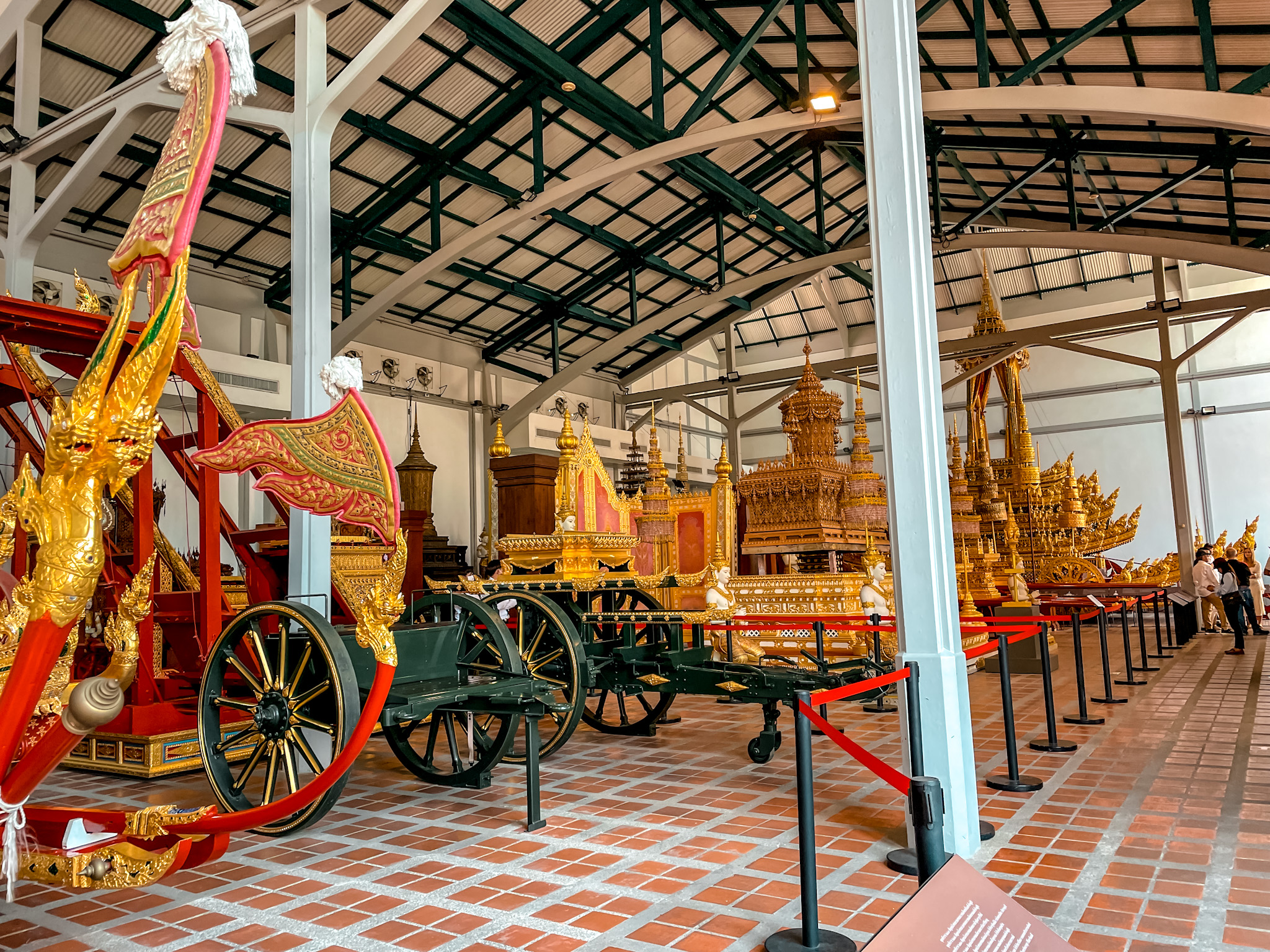
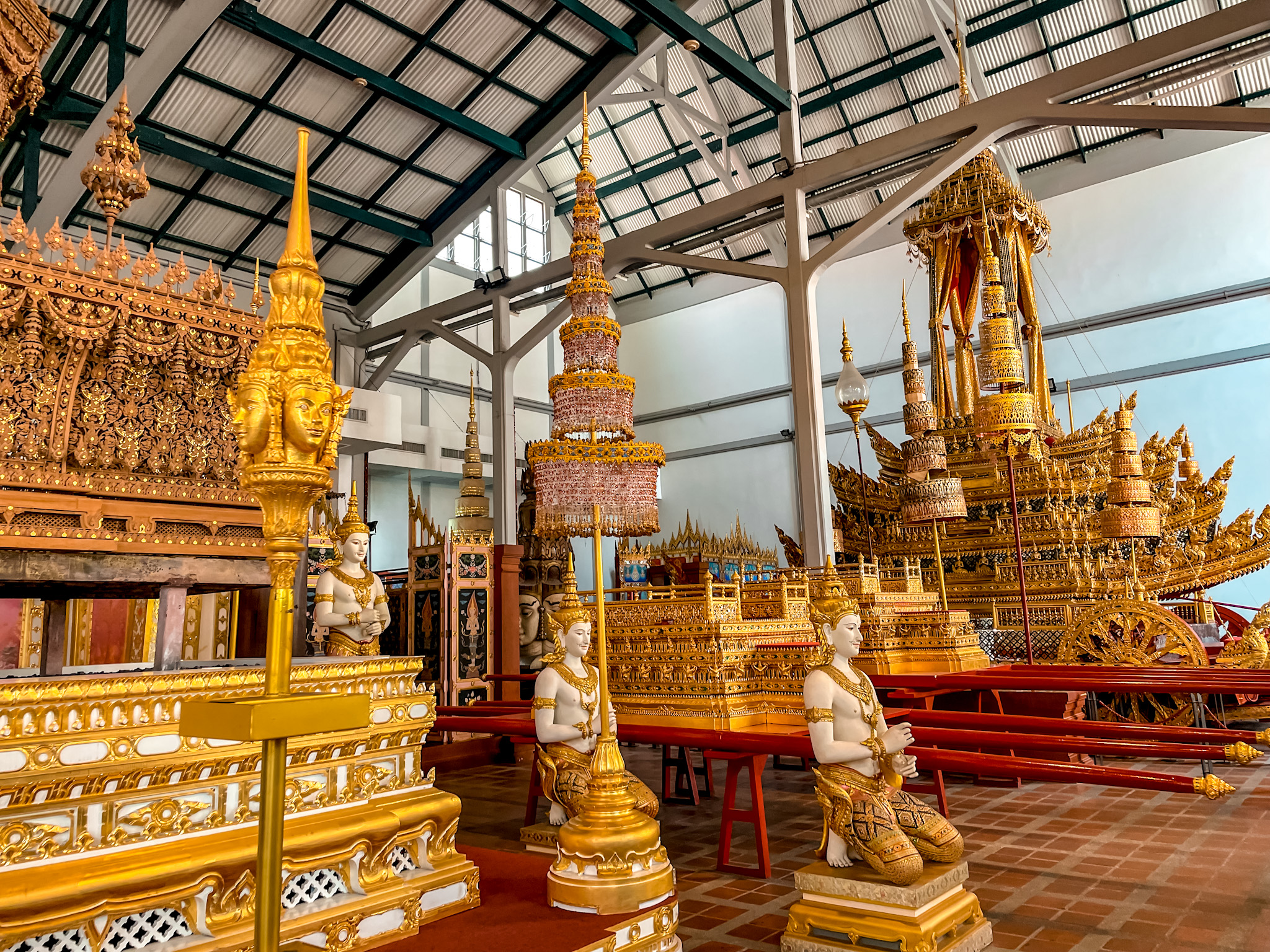
This is one of the most visually striking parts of the museum because the scale immediately catches you off guard. The chariots are enormous, intricate, and deeply ceremonial, and they give you a much stronger sense of royal ritual than you can really get from a quick summary in a guidebook. Even if you do not know much about Thai royal traditions before walking in, this section makes the grandeur of those ceremonies feel real.
This is one of those spaces that immediately reminds you how tied ceremony, monarchy, and visual grandeur are in Thai history.
Buddhist Art Galleries
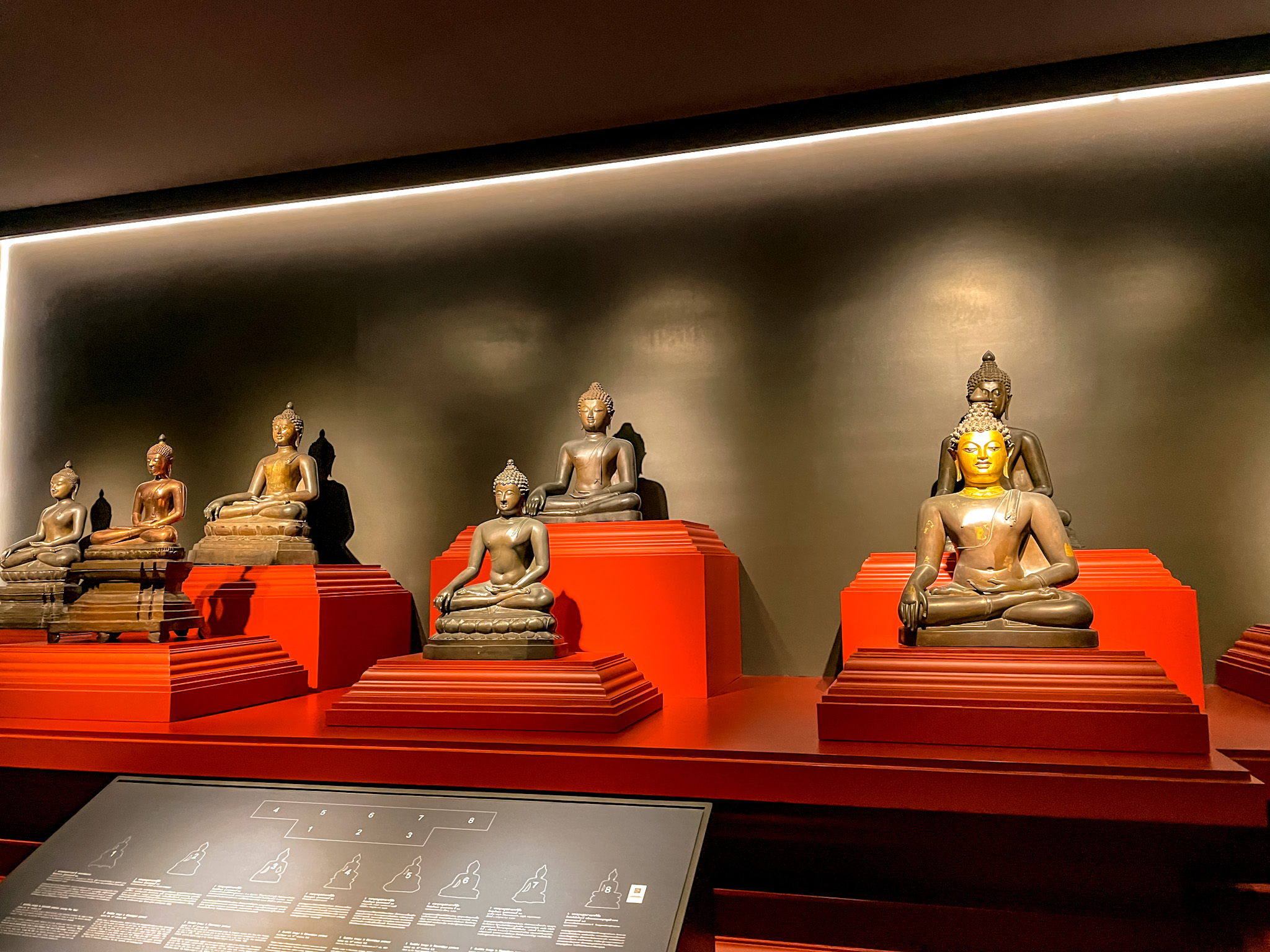
These galleries are one of the most useful parts of the museum because they help you understand the Buddhist imagery you keep seeing all over Thailand. Once you spend time here, Buddha images in Bangkok temples start to feel more distinct instead of blending together. You begin to notice style differences, symbolism, and how artistic traditions changed across periods and regions. That context makes later temple visits feel a lot more meaningful.
If you are planning temple visits too, this section makes stops like Wat Phra Kaew Bangkok Guide and Wat Pho Bangkok Guide feel much richer because you understand more of the artistic and religious background first.
Archaeological and Prehistoric Galleries
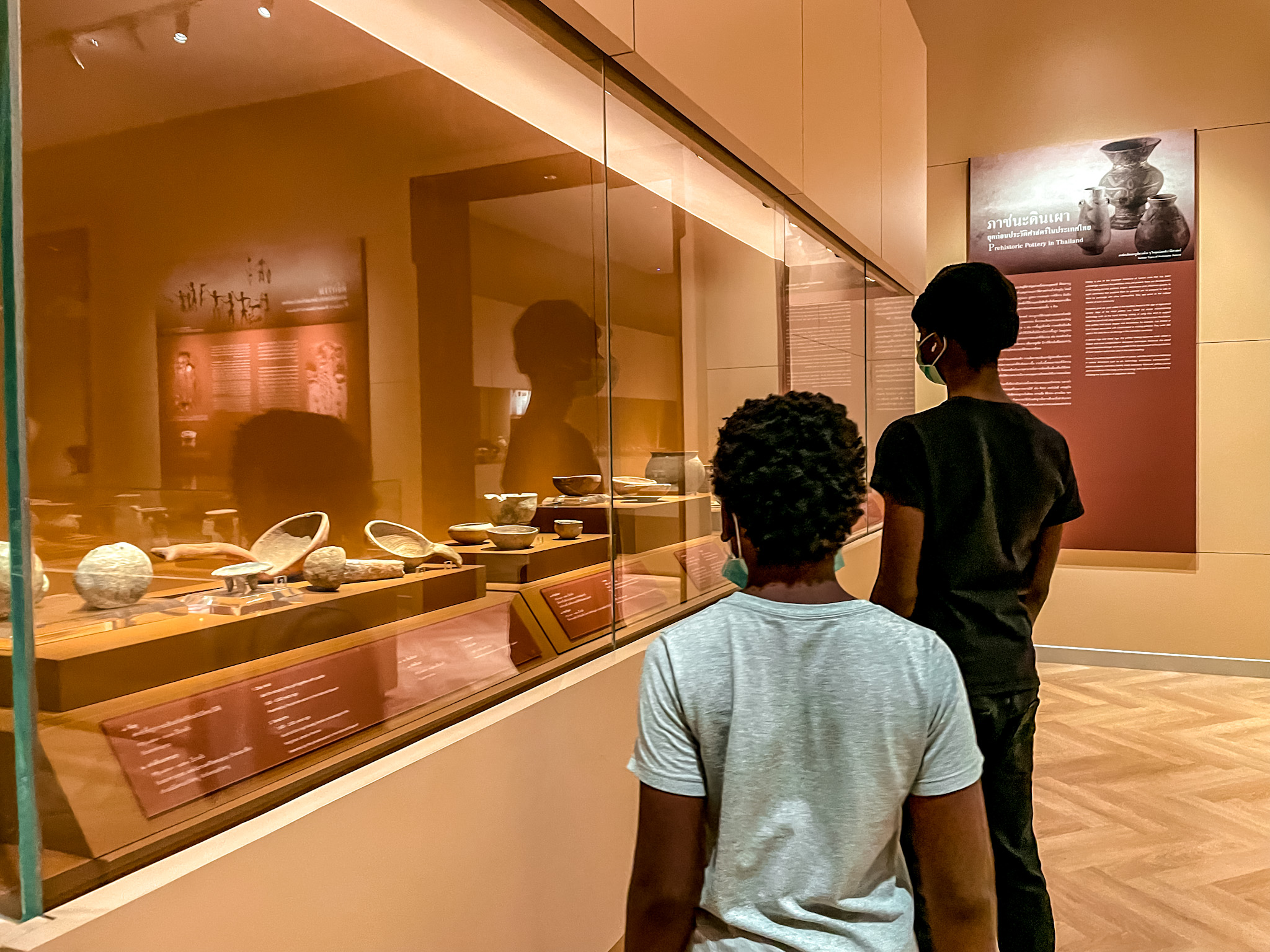
This section helps widen the whole museum experience because it takes you far beyond Bangkok, temples, and royal history and pushes the story much further back. Fossils, tools, pottery, and artifacts from early civilizations that lived in what is now Thailand help show that the country’s history did not begin with the eras most travelers usually hear about first.
What makes this part valuable is that it gives a deeper timeline to everything else in the museum. Once you see the prehistoric and archaeological material, the later royal, religious, and artistic sections feel more connected to a much longer human story. It is also one of the best reminders that Thailand’s history is not one single chapter. It is layered across very long periods of time, and this section helps make that visible.
Decorative Arts and Weapons
This section matters because it shows that Thai history is not only about temples and statues. The objects here help fill in the everyday, ceremonial, and political sides of the country’s past. It is one thing to admire architecture and religious spaces. It is another to see the craftsmanship, materials, and objects that shaped court life, warfare, status, and daily culture. That is what gives the museum more range.
This is also where the museum starts feeling broader than people expect. It is not only sacred art. It is everyday life, craftsmanship, power, ceremony, and design all layered together.
Regional Culture Displays
These displays are especially valuable because they remind you that Thailand is not one completely uniform culture. Different regions developed different traditions, aesthetics, religious influences, and ways of life, and this part of the museum helps make that visible. That matters because a lot of travelers come to Bangkok and unconsciously flatten the whole country into one single image of “Thai culture.” The regional displays help correct that.
If you enjoy this kind of slower cultural sightseeing, my The Ultimate Bangkok Travel Guide is a good next read because it helps connect museum stops with the rest of the city.
Guided Tours
If an English-language guided tour is available when you visit, it is worth taking seriously. This is one of those museums where context makes a huge difference. This is especially true if museums are not usually your thing, because a little context here makes the whole place feel much more alive..
You can absolutely walk through on your own, but a guide often helps connect religion, politics, art, and royal history in a way that makes the visit much more rewarding.
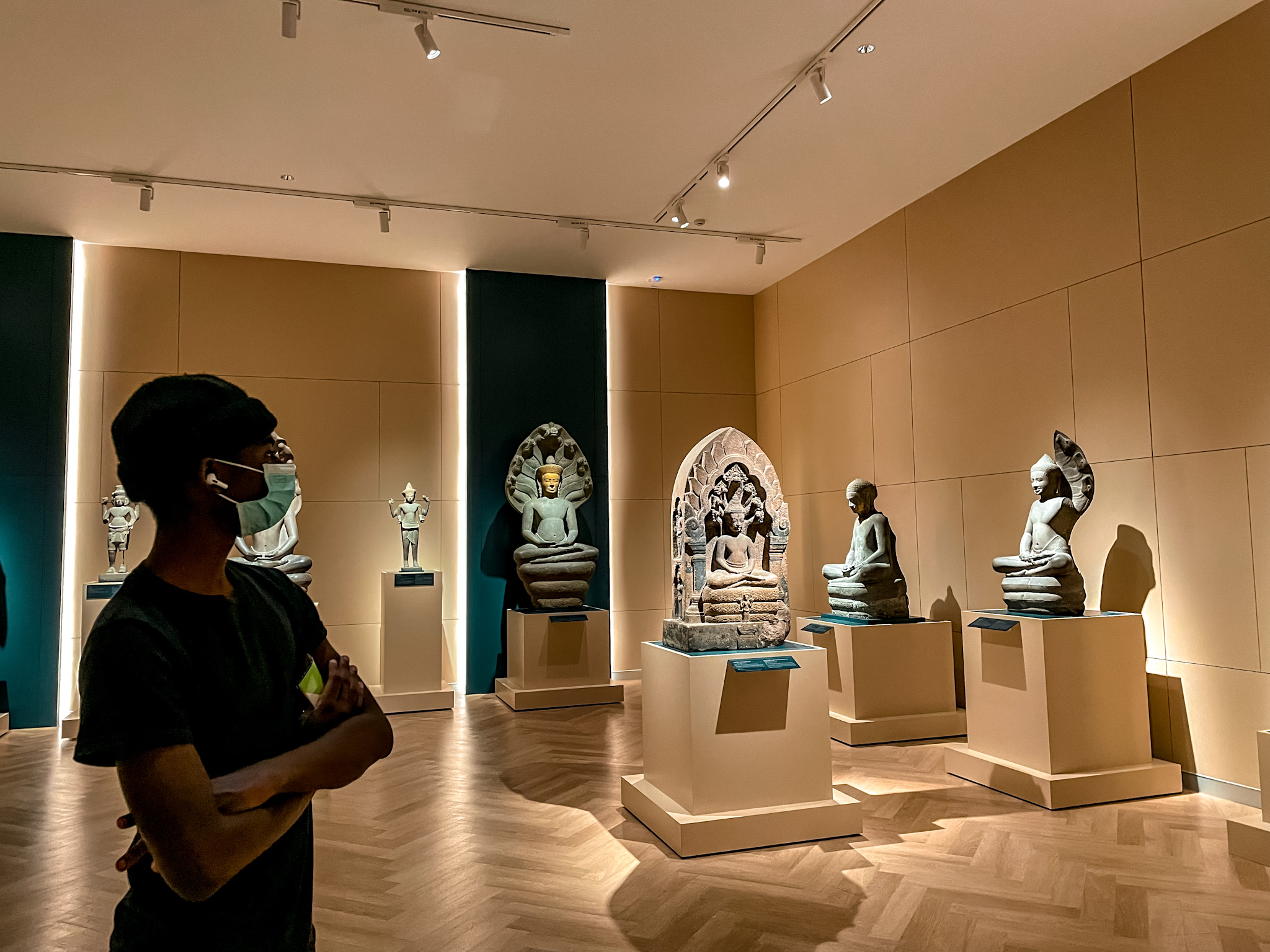
Practical Visitor Information
The National Museum Bangkok works best as part of an Old City day, not as something you squeeze into an already overloaded schedule. It sits close enough to the Grand Palace area that it makes sense geographically, but I would not try to cram the museum, the Grand Palace, Wat Phra Kaew, Wat Pho, and a bunch of other stops into one rushed morning and expect to enjoy any of them properly.
This museum is better when you give it real time. It is quieter than the palace complex, but that does not mean it is a quick in-and-out stop. The whole point of coming here is to slow down, look carefully, and actually absorb some of the history behind what you are seeing elsewhere in Bangkok. If you rush it, it just turns into a series of rooms. If you give it space, it adds a lot more meaning to the rest of the trip.
For most travelers, I think this works best either as the main cultural stop of the morning with just one nearby sight after, or as a slower museum day paired with lunch and a light wander through the old city. It is the kind of place that rewards energy and attention, so I would not put it at the tail end of an already exhausting Bangkok itinerary.
Location
The National Museum is located near Sanam Luang and the Grand Palace. This makes it easy to combine in the same sightseeing day.
That is one of the easiest ways to fit this in, especially if you want a day that mixes temple-heavy sightseeing with something slower and more reflective.
It fits especially well with Grand Palace Bangkok Guide, Wat Phra Kaew Bangkok Guide, and 3 to 5 Days in Bangkok.
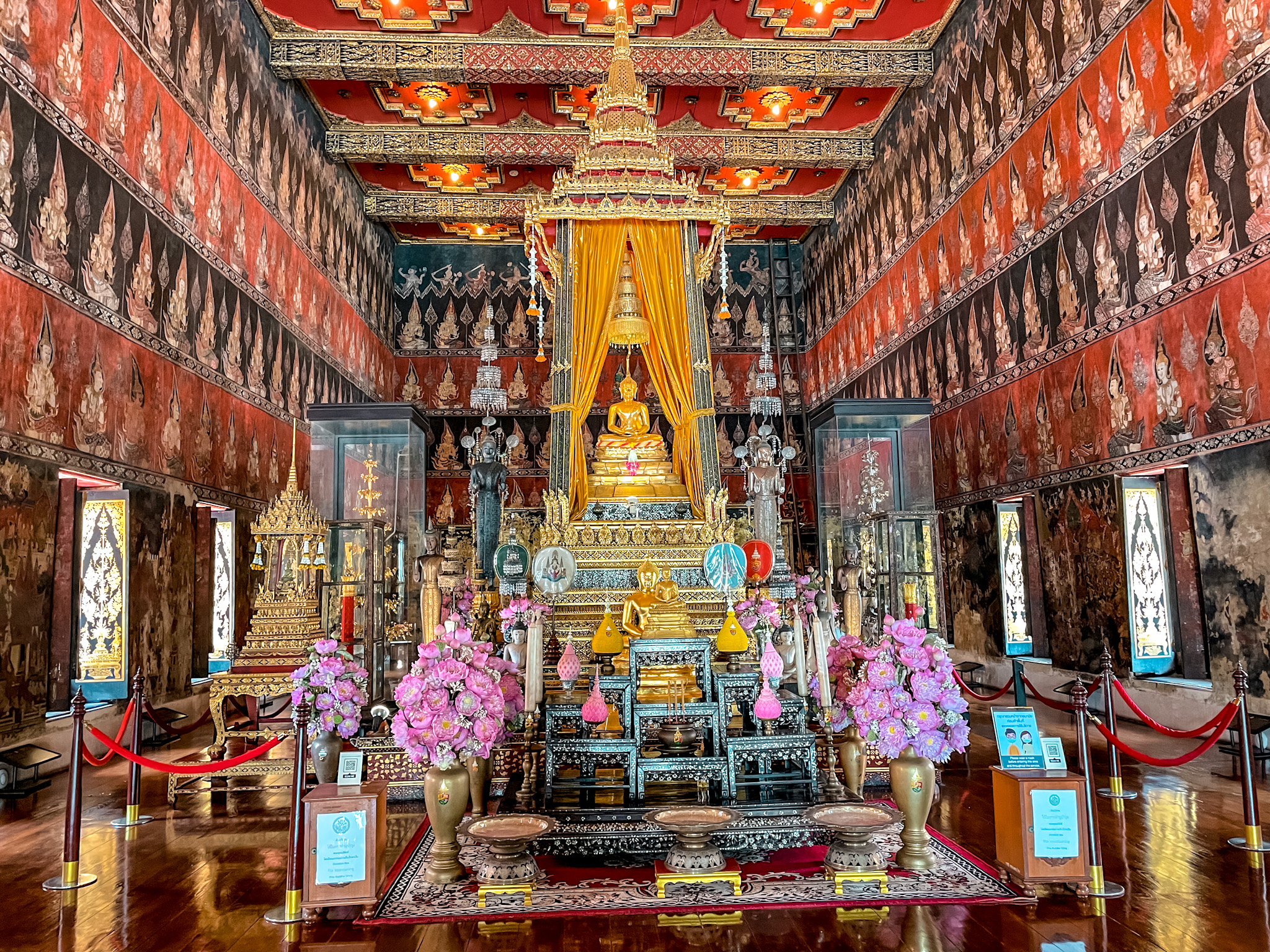
Opening Hours
Usually open Tuesday to Sunday, late morning to late afternoon.
Closed on Mondays and some national holidays.
Always check hours before going, since schedules can occasionally change.
Just keep in mind that Bangkok museums and major attractions can have schedule changes around holidays, so I always think it is worth checking before you head out.
Entrance Fee
There is a small admission fee for foreigners. Thai citizens usually enter free or at reduced cost. For what you get inside, this is one of the better-value cultural stops in the city.
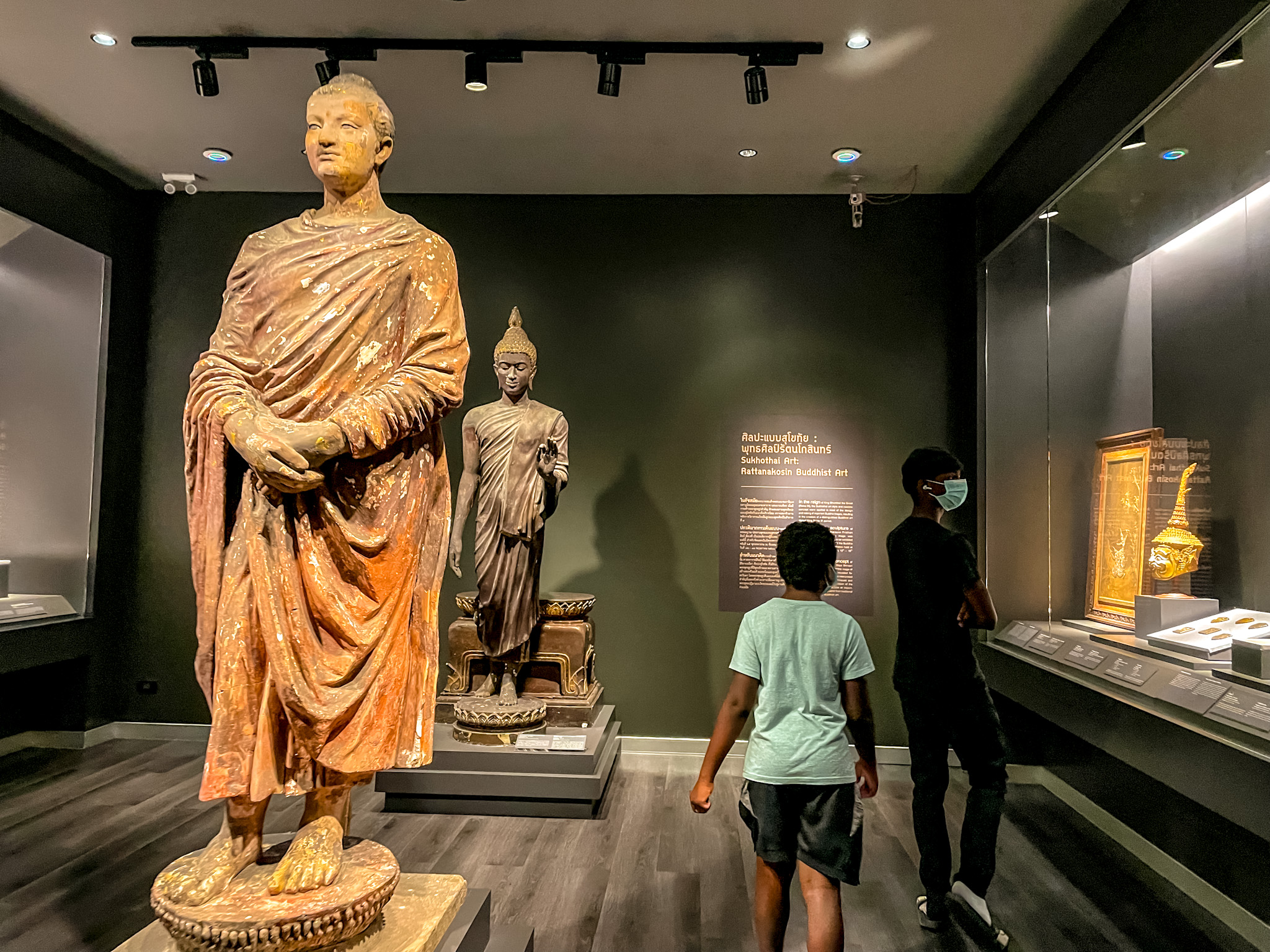
How To Get To The National Museum Bangkok
For most visitors, the river route is one of the easiest and nicest ways to do it. Taking the BTS to Saphan Taksin and then using the Chao Phraya boat toward Tha Chang makes the journey feel like part of the day instead of just logistics, and it helps avoid some of the worst road traffic around the old city.
From Central Bangkok (Sukhumvit, Siam, Silom)
Option 1: BTS Skytrain + Taxi or Tuk Tuk
Take the BTS to National Stadium or Siam, then take a taxi or tuk tuk the rest of the way.
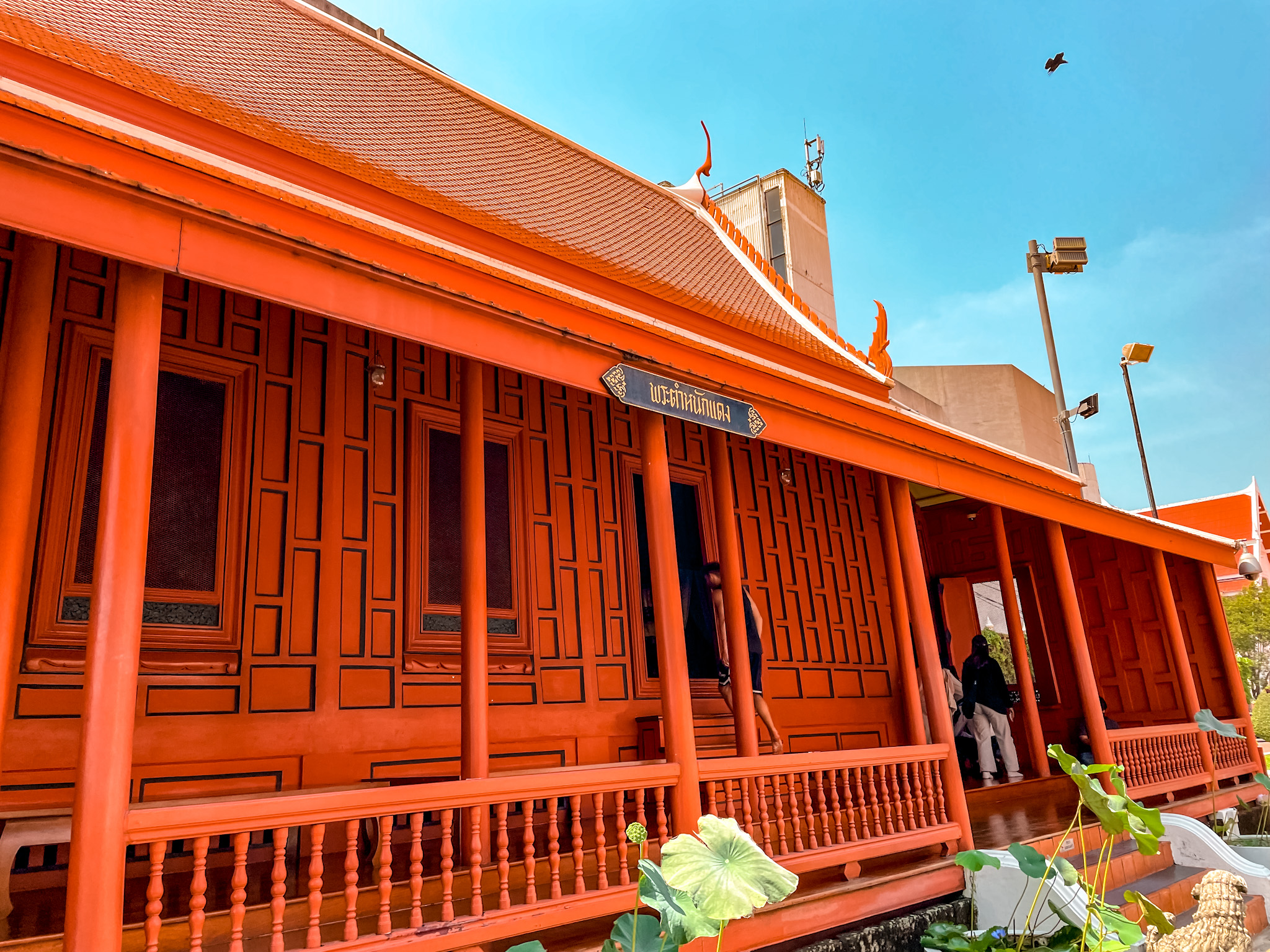
Option 2: River Boat
Take the BTS to Saphan Taksin, then board a Chao Phraya River boat to Tha Chang or nearby piers. From there, walk or take a short ride.
This option is scenic and avoids traffic. For a lot of first-time visitors, this is also the route that makes the old-city side of Bangkok feel much easier. If you are still figuring that out, my Understanding Bangkok’s Transit Systems post helps a lot.
Option 3: Taxi or Grab
Door to door convenience, but traffic can be heavy during peak hours. And if you are still deciding where to base yourself before doing days like this, my Where to Stay in Bangkok is the best next read.
Tips For Visiting The National Museum
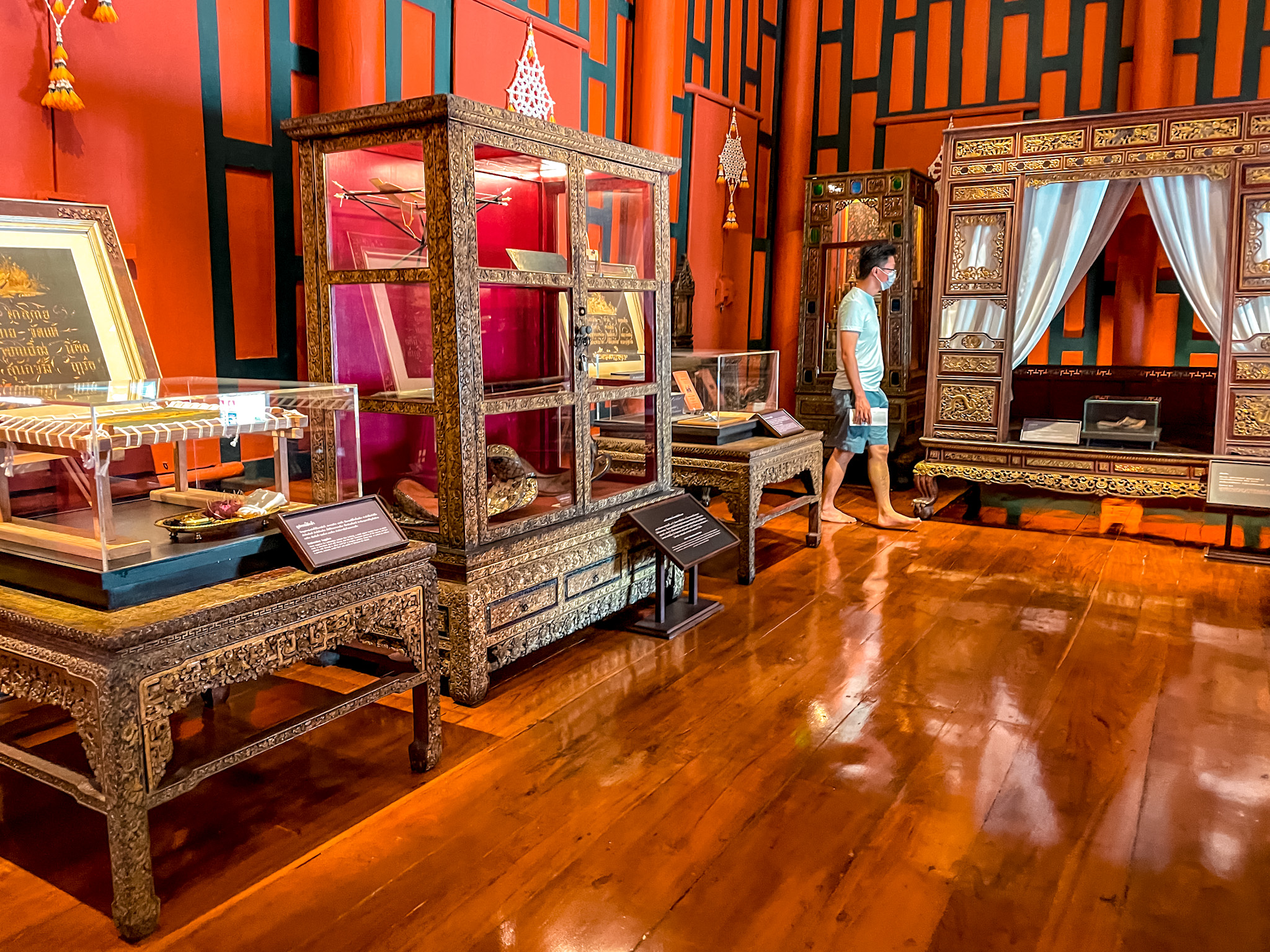
This is the kind of Bangkok stop that works best when you give it real time. It is not a quick photo stop, and it is not the kind of museum you should rush through just because it looks quieter than the Grand Palace area. Wear comfortable shoes, bring water, and go in expecting to slow down. The museum rewards people who actually read and look carefully.
This is also one of those places where pacing matters. If you rush, it can feel like a lot of rooms and objects. If you slow down, it starts to tell a much bigger story. That is part of why I think it works best for travelers who want more than just the headline sights.
Who Will Love The National Museum
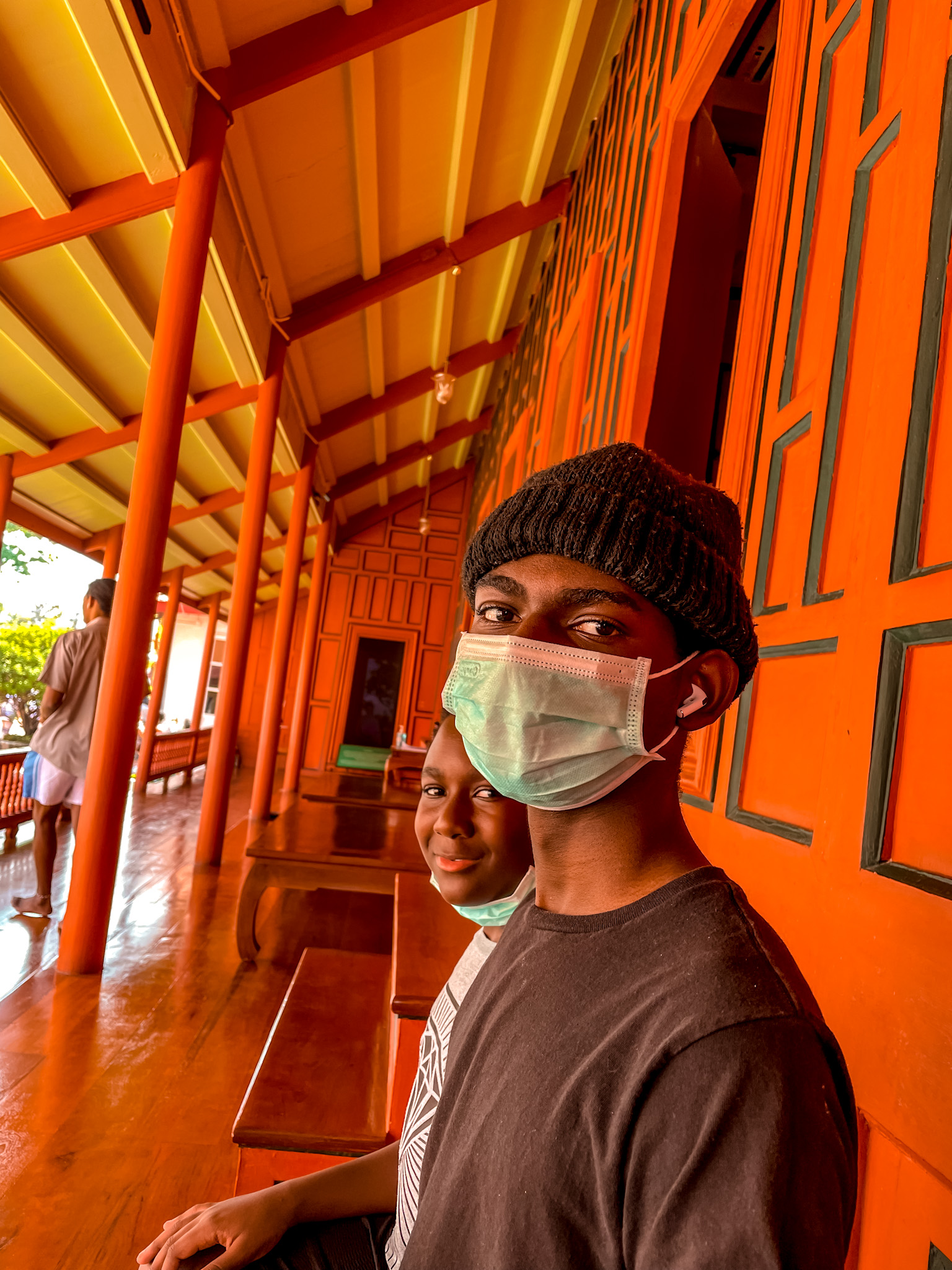
I would especially recommend this for travelers who like meaningful sightseeing, people who want context before or after visiting Bangkok’s major temple sites, and anyone who enjoys understanding a place through its art and history rather than only through landmarks. If you usually skip museums, this is still one that could surprise you because it connects so directly to things you will see elsewhere in Thailand.
It is also a strong choice for people who want a version of Bangkok that feels more reflective and less hectic for part of the trip.
Is The National Museum Worth Visiting
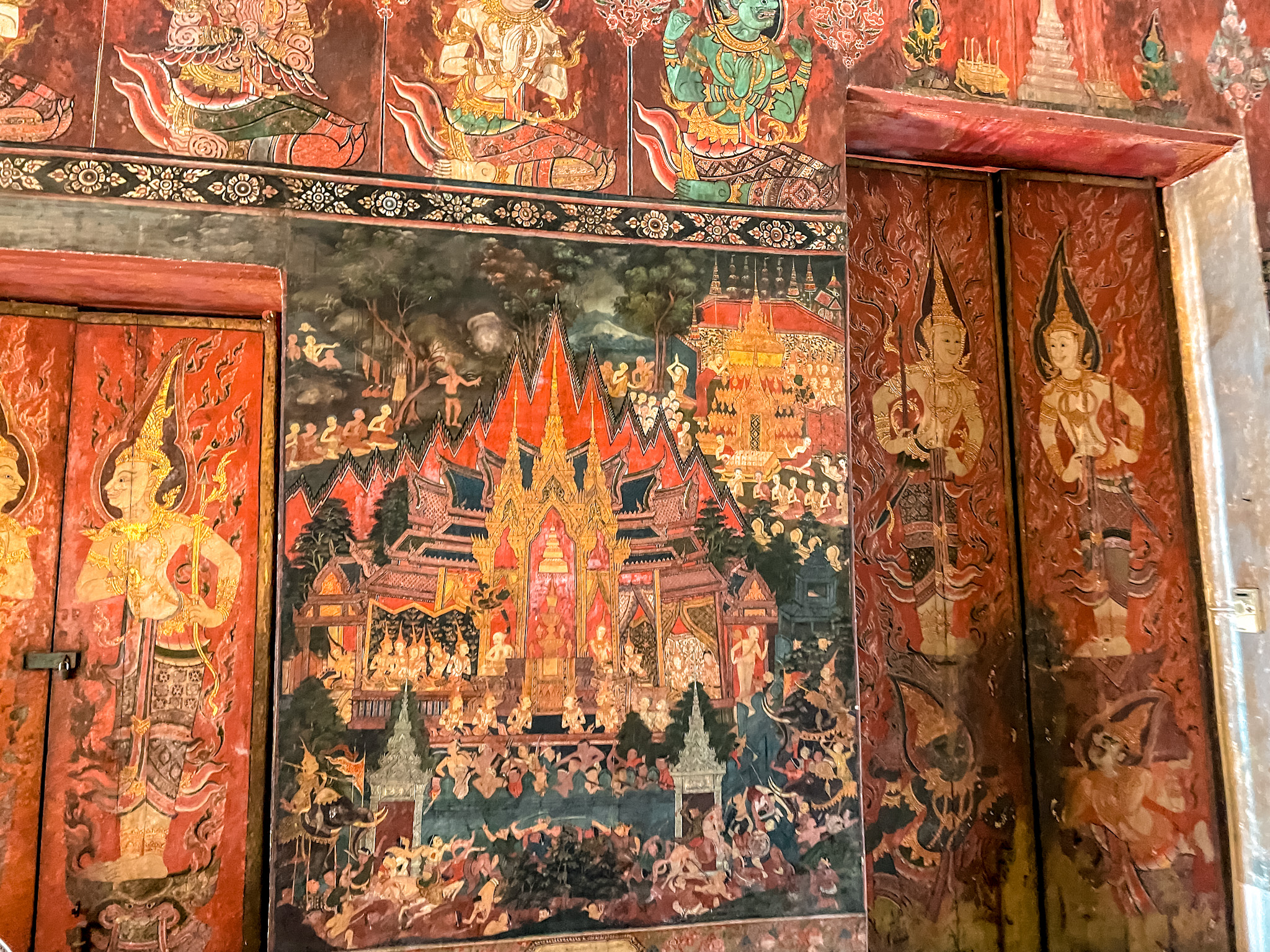
Yes, absolutely. The National Museum is one of the best places in Bangkok for travelers who want more than surface-level sightseeing. It adds meaning to temples, statues, royal history, and even everyday cultural details you may notice elsewhere in Thailand. If Bangkok’s biggest sights show you the beauty of the country, this museum helps explain the history behind it.
Final Thoughts
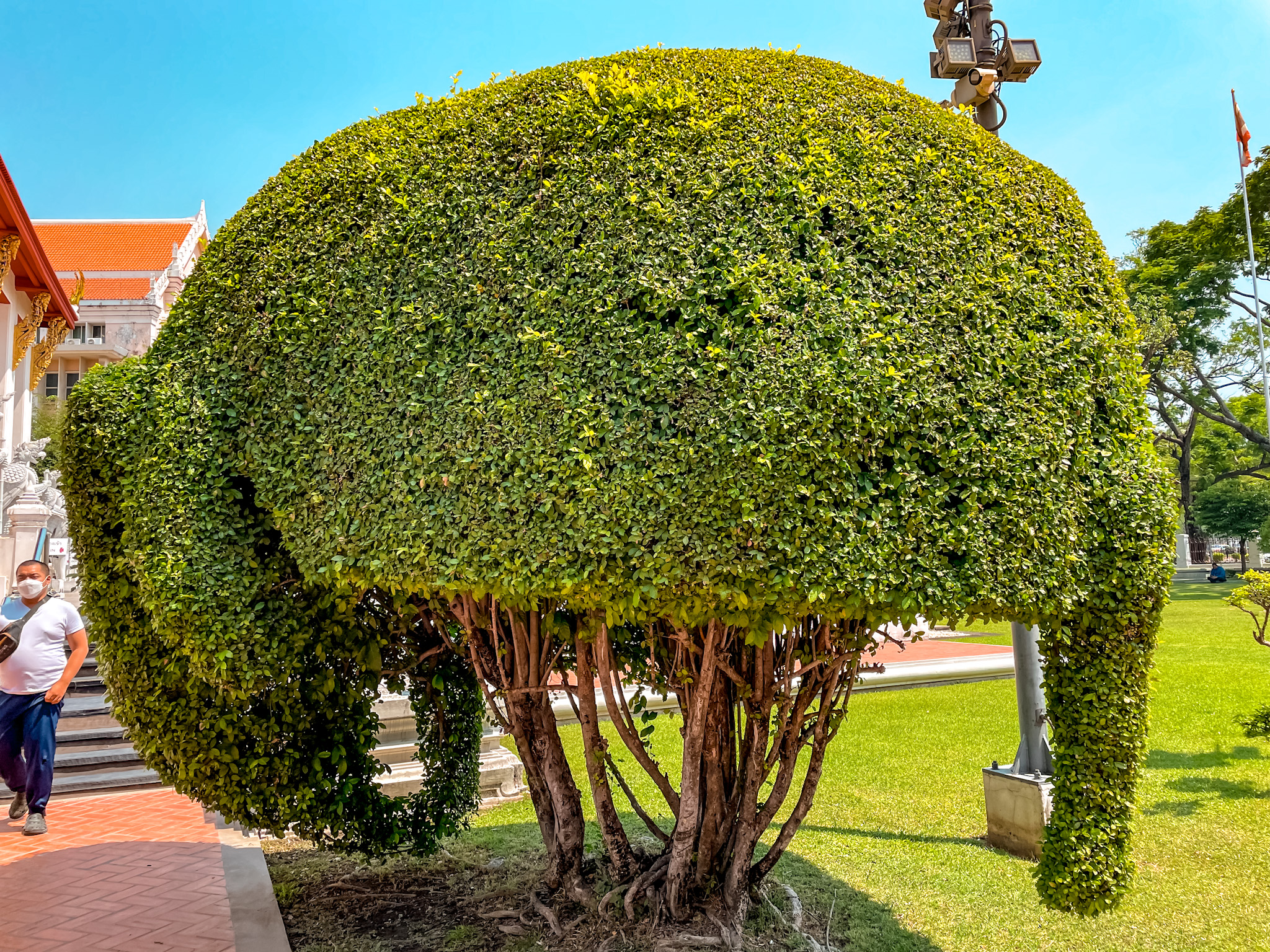
The National Museum Bangkok is one of those places that gives the city more depth once you have seen some of the bigger landmarks. It is not as instantly dramatic as the Grand Palace or Wat Arun, and that is exactly why I think it is easy for people to overlook. But if you care about understanding Thailand beyond surface-level sightseeing, it is one of the most worthwhile cultural stops in Bangkok.
What I like about it is that it adds context. After temples, royal architecture, Buddha images, and all the visual beauty Bangkok throws at you, the museum helps explain the history, symbolism, and cultural layers behind what you are seeing elsewhere in the city. It turns Bangkok from just a place full of impressive sights into a place that starts making more sense.
If you enjoy history, art, religion, or just want one stop in Bangkok that feels more meaningful than a quick photo opportunity, I do think the National Museum is worth visiting. Go in with time, go in ready to slow down, and let it be the kind of place that adds weight to the rest of your trip.
If you are building out your old-city and culture-focused Bangkok days, read my Grand Palace Bangkok Guide, Wat Phra Kaew Guide, Wat Pho Bangkok Guide, and 3 to 5 Days in Bangkok next.

Cavetta is the creator of LifeWithVetta.com and has been traveling the world full time since 2020. She has visited more than 60 countries while worldschooling her son and documenting what it really takes to live abroad. Her guides focus on travel, moving abroad, digital nomad life, and designing a life beyond the traditional path.
