
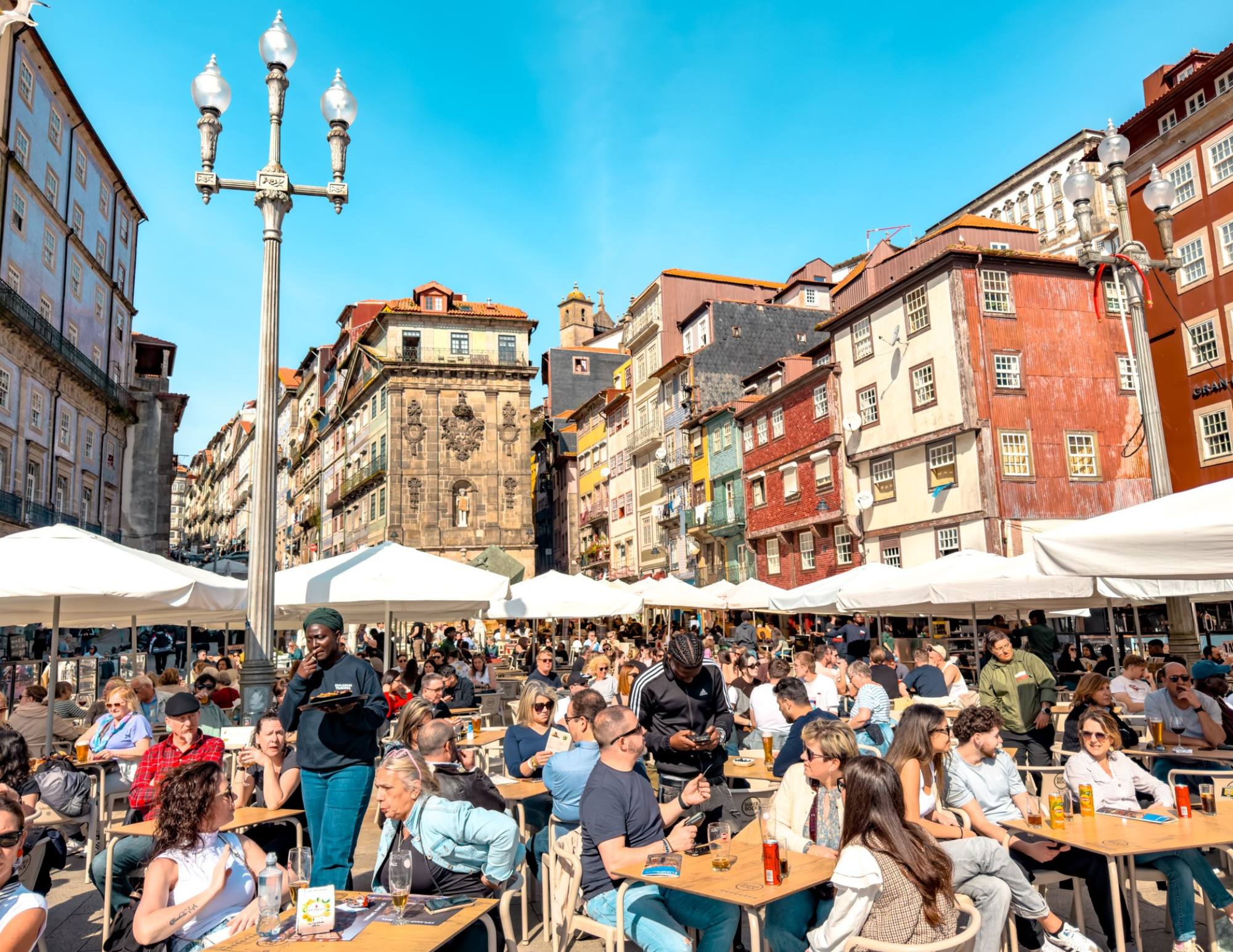
Porto feels different almost immediately.
Some cities impress you because they are polished. Some impress you because they are easy. Porto does not win you over that way. It pulls you in with texture. With steep streets, tiled churches, old stone, river views, weathered facades, and little stretches of the city that feel layered instead of staged. It is one of those places that feels a little rough around the edges in the best possible way, and that is exactly part of what makes it memorable.
When we arrived in Porto, it did not feel like a city that needed to be “done” in a rush. It felt like a city you settle into. The kind of place where the experience is not only about checking off landmarks, but about walking downhill toward the river, pausing at a viewpoint you did not plan for, stepping inside a market, and letting the city reveal itself one section at a time. That is why Porto works so well when you give it a few days instead of trying to squeeze it into a rushed stop.
If you are planning a trip here, this guide pulls together the Porto experience as a whole. It covers the neighborhoods, landmarks, food, atmosphere, and practical things that make the city click. For a more structured daily route, my 3 Days in Porto Itinerary and 4 Days in Porto Itinerary break the city down day by day, while my Best Things to Do in Porto guide goes deeper into the standout experiences that shape a first visit.
Why Visit Porto
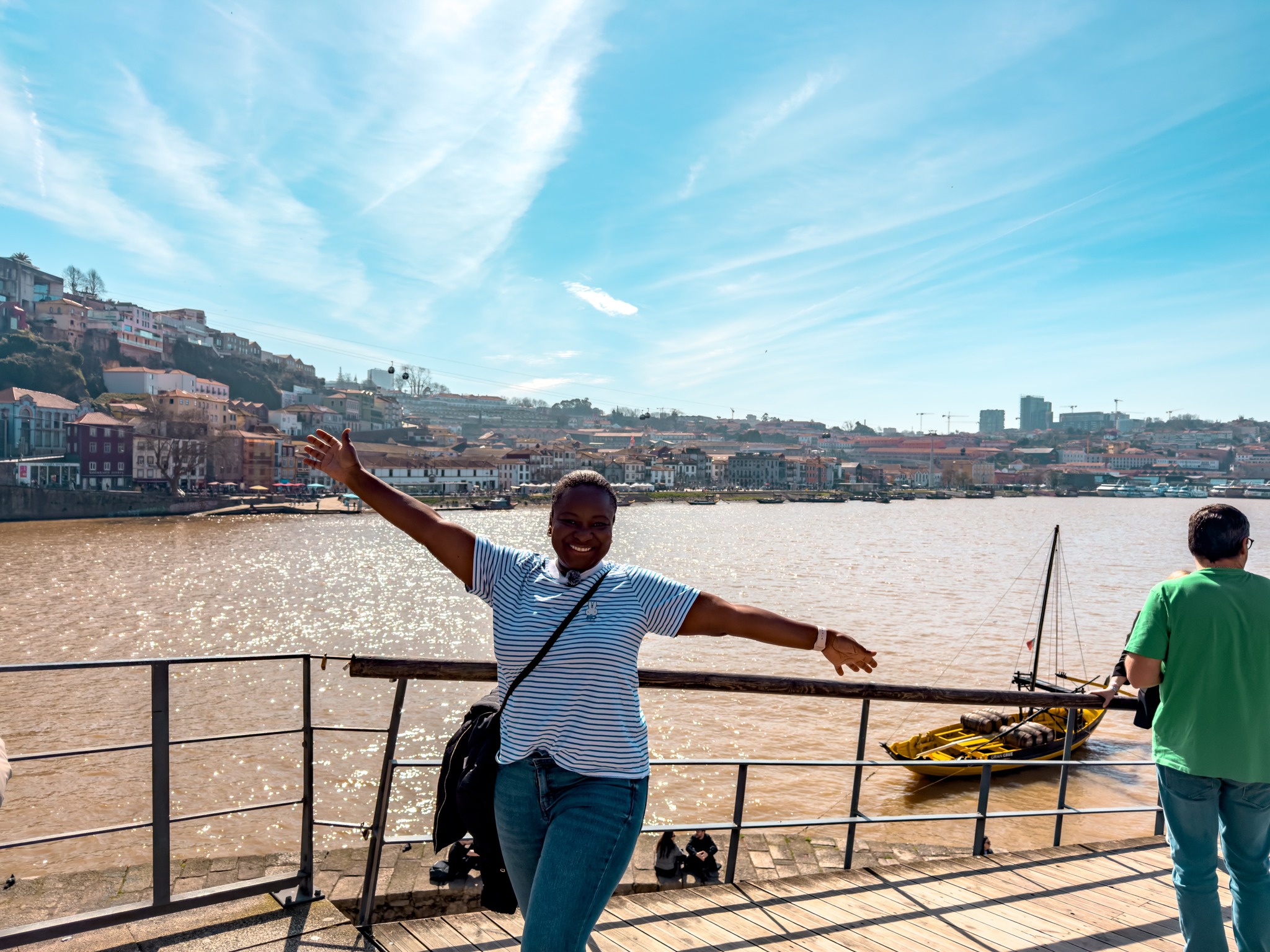
Porto has a presence that feels very different from Lisbon.
Lisbon has more space to breathe, more big viewpoints, more light, and a wider feeling to it. Porto feels tighter, moodier, and more compressed into the landscape. The city rises and drops dramatically. Streets open up and then close in again. You move between elegant avenues, steep medieval lanes, riverfront walks, tiled façades, and wine cellars across the water in Gaia. There is a lot happening visually, but it still feels grounded rather than overly polished.
That contrast is part of why so many people end up loving Porto. The city’s historic center is part of the UNESCO World Heritage area, and the atmosphere really does feel shaped by that history, especially around Ribeira, the cathedral district, and the Douro riverfront. At the same time, Porto is still very much a living city, not just a pretty backdrop.
It also helps that Porto gives you a lot of its character without requiring a packed museum schedule or a rigid itinerary. Some of the best moments here come from walking, looking, eating, and moving through the city in a way that feels a little slower.
How Many Days to Spend in Porto
Porto deserves more than one rushed day.
You can absolutely see some of the major highlights in a day if that is all you have, but the city is much better with at least three days. That gives you enough time to experience the historic center, walk the riverfront, cross the Dom Luís I Bridge, spend time in Gaia, visit the cathedral area, and leave room for the market, food, and the smaller moments that make Porto feel like Porto.
Three days is a strong first trip. Four days feels even better if you want a slower pace, a deeper food focus, or room to add a few extra neighborhoods and a more relaxed wine day. If you are trying to decide between the two, my How Many Days in Porto guide breaks that down more clearly, and both my 3 Days in Porto Itinerary and 4 Days in Porto Itinerary show how the city flows at each pace.
The Best Area to Stay in Porto
Where you stay changes how Porto feels.
If you want to be close to the postcard views, riverfront atmosphere, and easy access to the bridge and old town, staying near Ribeira puts you right in the most iconic part of the city. If you want something a little more central for walking across different parts of Porto, areas around Baixa and Aliados are practical without feeling disconnected. If you want to be near the wine lodges and some of the best views back toward Porto, staying across the river in Gaia can also work really well.
Because Porto is hilly, “central” matters more here than people sometimes realize. A place that looks close on a map can feel much farther once you are walking up and down the city all day. That is why I always think it is worth choosing your base intentionally here instead of just grabbing the cheapest option. My Where to Stay in Porto guide breaks down the best neighborhoods in more detail and helps match them to different travel styles.
What Porto Is Best Known For
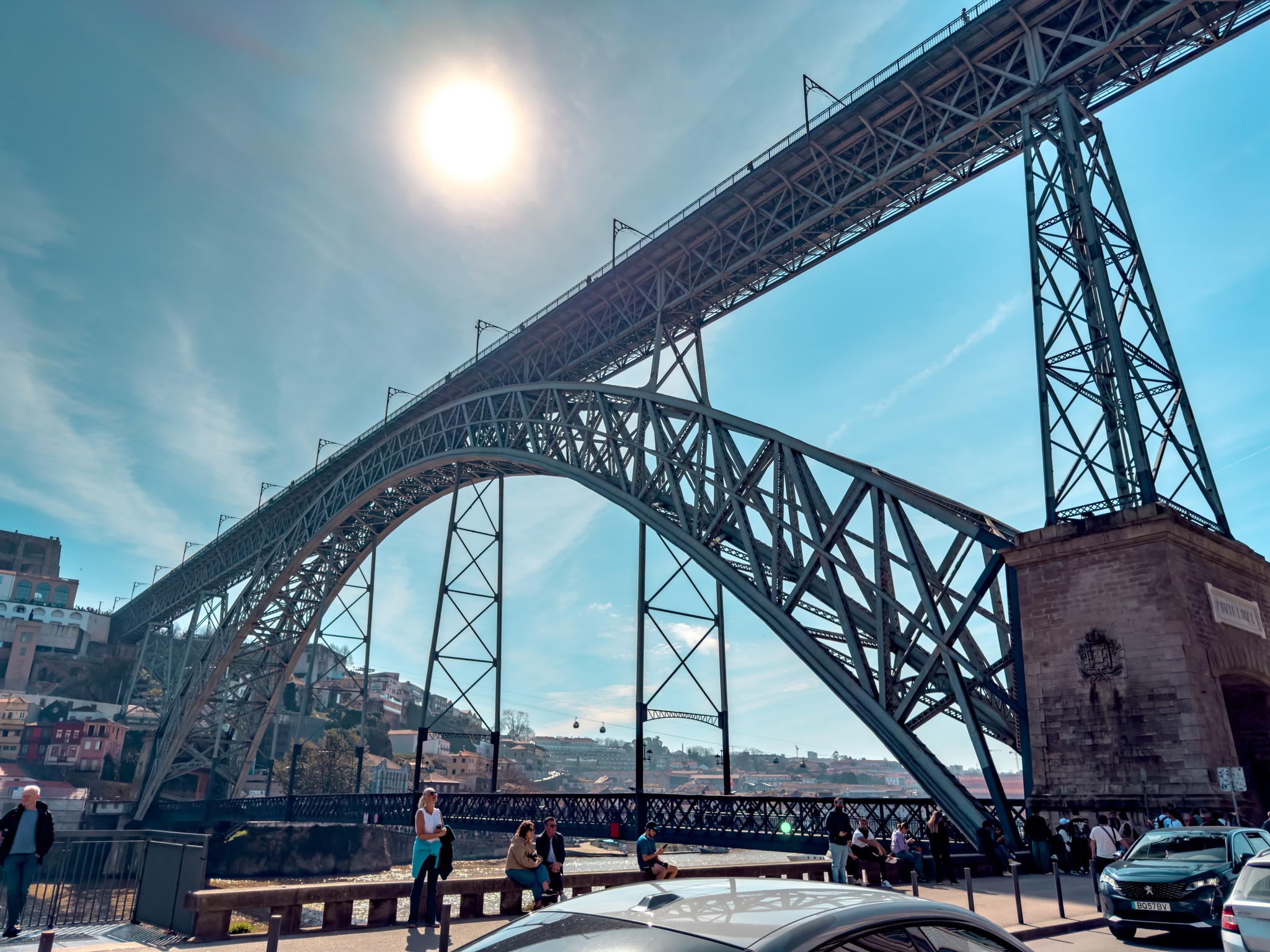
Porto is best known for port wine, the Douro River, the Dom Luís I Bridge, its historic center, blue-and-white tilework, and that layered riverfront view of stacked houses climbing up from the water.
That iconic image of Porto is real. You see it when you stand near the river, when you look back from Gaia, and when you move through the upper parts of the city near the cathedral and start realizing how dramatically everything drops toward the Douro.
Porto is also strongly tied to wine culture, especially across the river in Vila Nova de Gaia, where many of the famous port wine lodges are located.
If you are already down in Ribeira, crossing into Gaia is an easy next step. That side gives you the wine lodges, the waterfront atmosphere, and some of the best views looking back at Porto.
But what stays with me about Porto is not just one famous landmark. It is the combination. The bridge. The river. The tiled churches. The stone streets. The market. The food. The slight sense that the city is unfolding vertically around you the entire time.
Best Things to Do in Porto
There is enough to do in Porto to fill several days easily, but the city works best when you combine the major sights with time to wander.
One of the first places I would point people is the area around Porto Cathedral. It is one of the strongest starting points in the city, not only because the cathedral matters historically, but because the setting gives you one of those views that makes Porto make sense all at once. From there, the city starts to feel less like separate stops and more like a connected landscape.
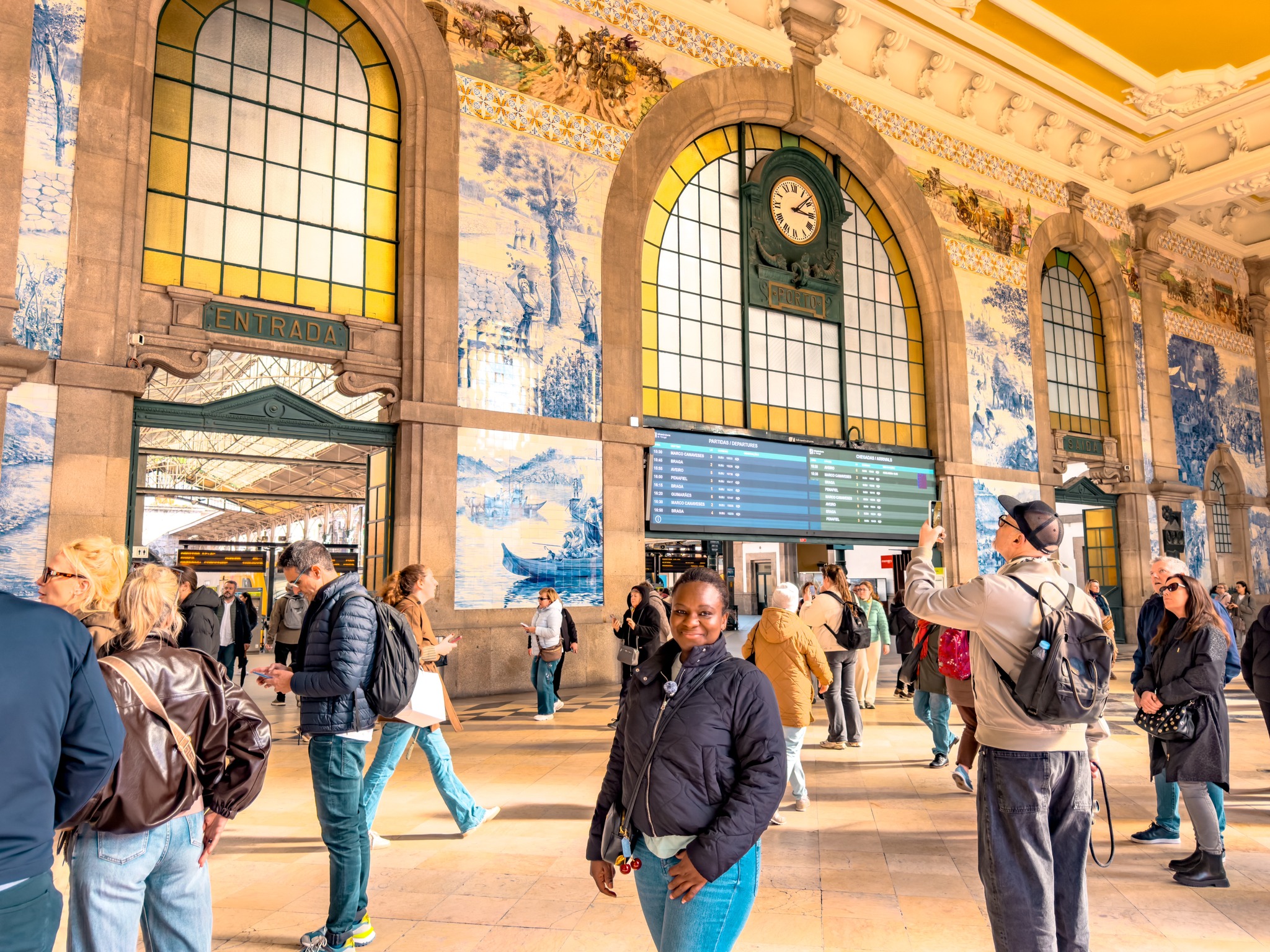
If you want a route that helps Porto make sense quickly, start around São Bento Station and the cathedral area. From there, the walk naturally leads you downhill into Ribeira.
From there, walking through Ribeira is essential. Yes, it is one of the most touristy parts of Porto, but it is also one of the most atmospheric. The riverfront, the facades, the movement, the restaurants, the bridge in the background, and the sense of Porto opening up toward Gaia all come together there. My Ribeira District Guide goes deeper into what makes that area worth your time and how to experience it without just passing through for photos.
Crossing the Dom Luís I Bridge is another Porto experience that really lives up to the hype. It is not just a bridge you look at. It is part of how you move through the city and part of how you understand its geography. The views from that crossing are part of what make Porto so unforgettable, especially when you are looking back at the old city and riverbank. The bridge remains one of Porto’s most recognizable landmarks and a central visual link between Porto and Gaia.
Then there is Gaia and the port wine side of the experience. Even if you are not a huge wine person, this part of the city is worth doing because it is so tied to Porto’s identity. The port lodges across the river are not just random tourist stops. They are part of the shape and story of the place. That side also gives you some of the best perspectives back toward the city. My Port Wine Tasting in Porto guide covers the experience in more detail, including how to think about visiting Gaia even if you are trying to keep your days balanced.
.png)
Porto Cathedral and the Upper City
One of the things I liked most about Porto is that the city keeps giving you reasons to stop and look back.
The cathedral area is one of the clearest examples of that. Porto Cathedral sits high above the river, and the area around it gives you one of the strongest visual introductions to the city. It is not just about going inside the cathedral itself. It is about standing up there and seeing the rooftops, the slope of the city, the Douro, and the riverfront areas you will eventually make your way down into.
This is one of those parts of Porto that flows naturally on foot. You can start around São Bento, pass through the cathedral area, and then make your way down through the older streets toward Ribeira.
That is why Porto Cathedral deserves more than a quick glance on your way through. It is one of the spots that helps you understand the layout, history, and rhythm of the city, which is exactly why I put together a full Porto Cathedral Guide .
.png)
Ribeira, the Riverfront, and Why Porto Feels So Atmospheric
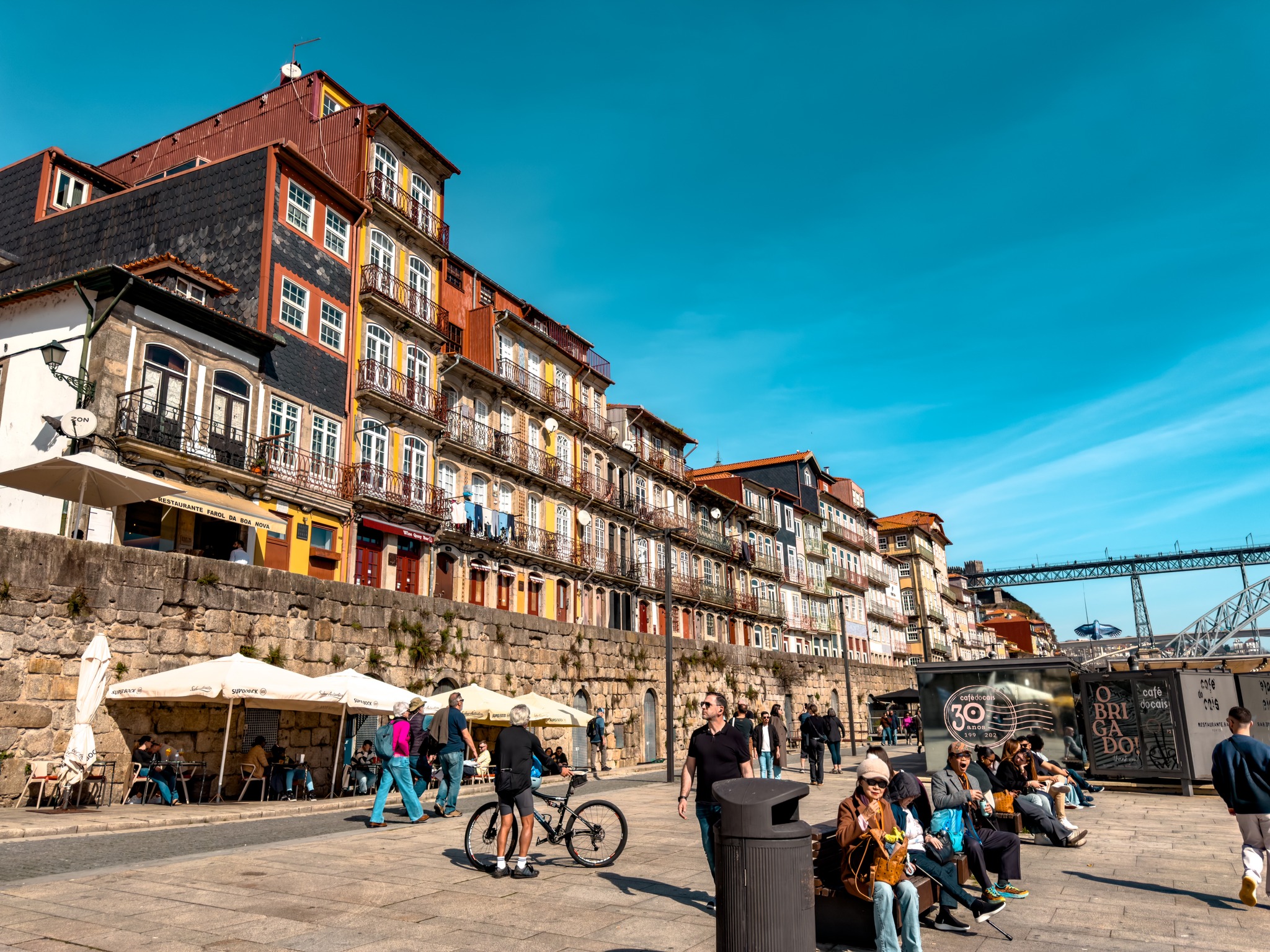
Ribeira is one of those places that could easily feel overrated on paper, but in person, it works.
Yes, it is popular. Yes, it is heavily photographed. But that does not change the fact that it is one of the most atmospheric parts of the city. The old houses, the river, the bridge, the café terraces, the movement between Porto and Gaia, and the way the neighborhood sits right against the Douro all create one of the most recognizable cityscapes in Portugal.
Ribeira is one of the spots that makes Porto feel like Porto. It brings together the river, the bridge, and the old city in one of the most recognizable views in the city.
It is also one of the easiest places to understand Porto emotionally. You stand there and see why people keep talking about the city the way they do. My Ribeira District Guide goes deeper into what to do there, when to go, and how to enjoy it without reducing it to a quick photo stop.
Port Wine in Gaia
You cannot really talk about Porto without talking about wine.
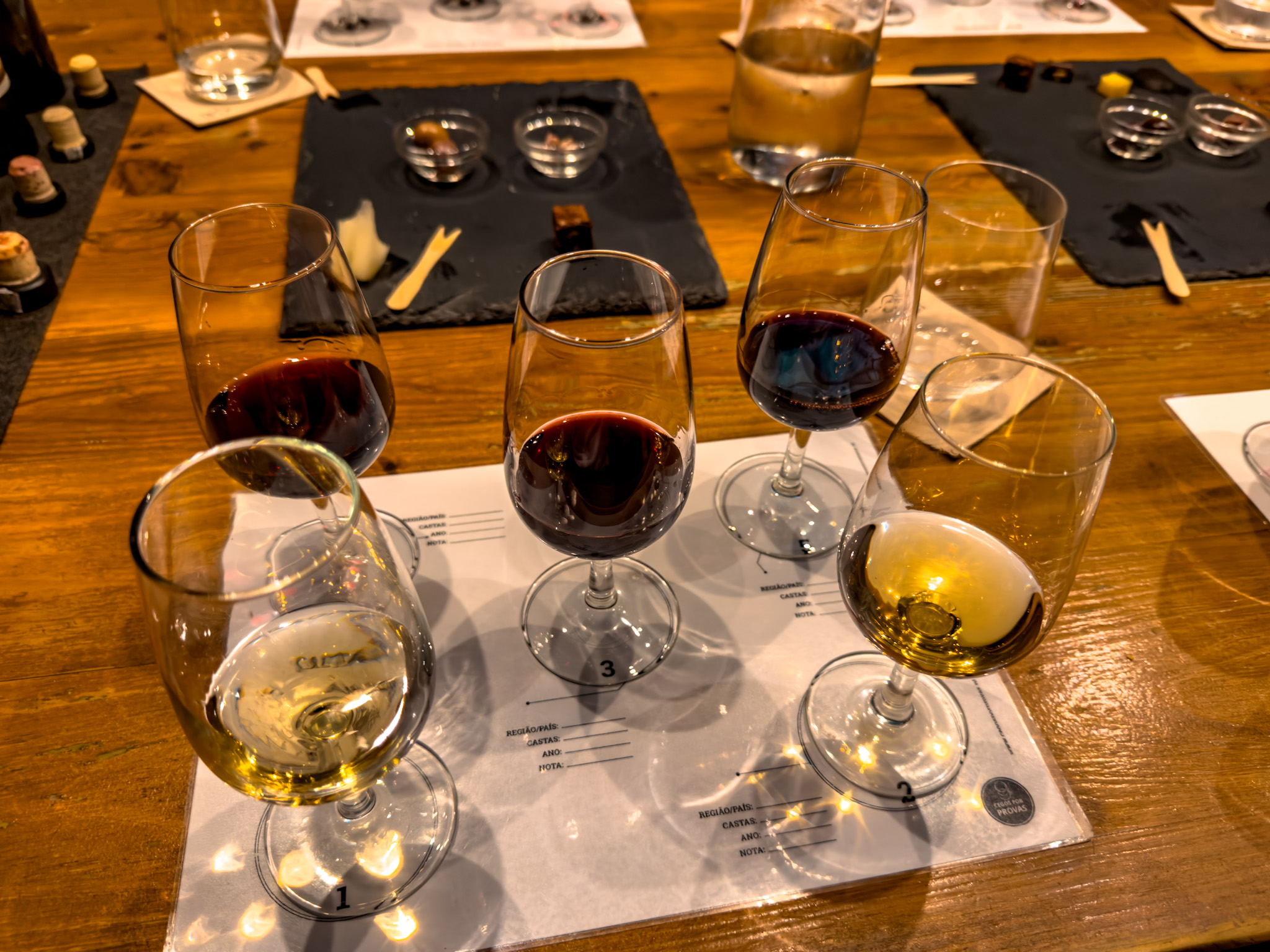
Across the river in Vila Nova de Gaia, the city’s port wine identity becomes much more visible. This is where many of the historic port lodges are concentrated, and it is one of the most classic Porto experiences for a reason. Even if you only do one tasting or one cellar visit, spending some time on that side adds a layer to the trip that feels very distinctly Porto.
If you are spending time in Ribeira, heading across the bridge into Gaia is a natural next move, especially if you want wine lodge visits and tastings.
The other thing Gaia gives you is perspective. Looking back across the river toward Porto is one of the most iconic views in the city, and it helps you understand just how dramatic the landscape really is. My Port Wine Tasting in Porto guide covers how to fit this into your trip without making the day feel overstuffed.
Mercado do Bolhão and Central Porto
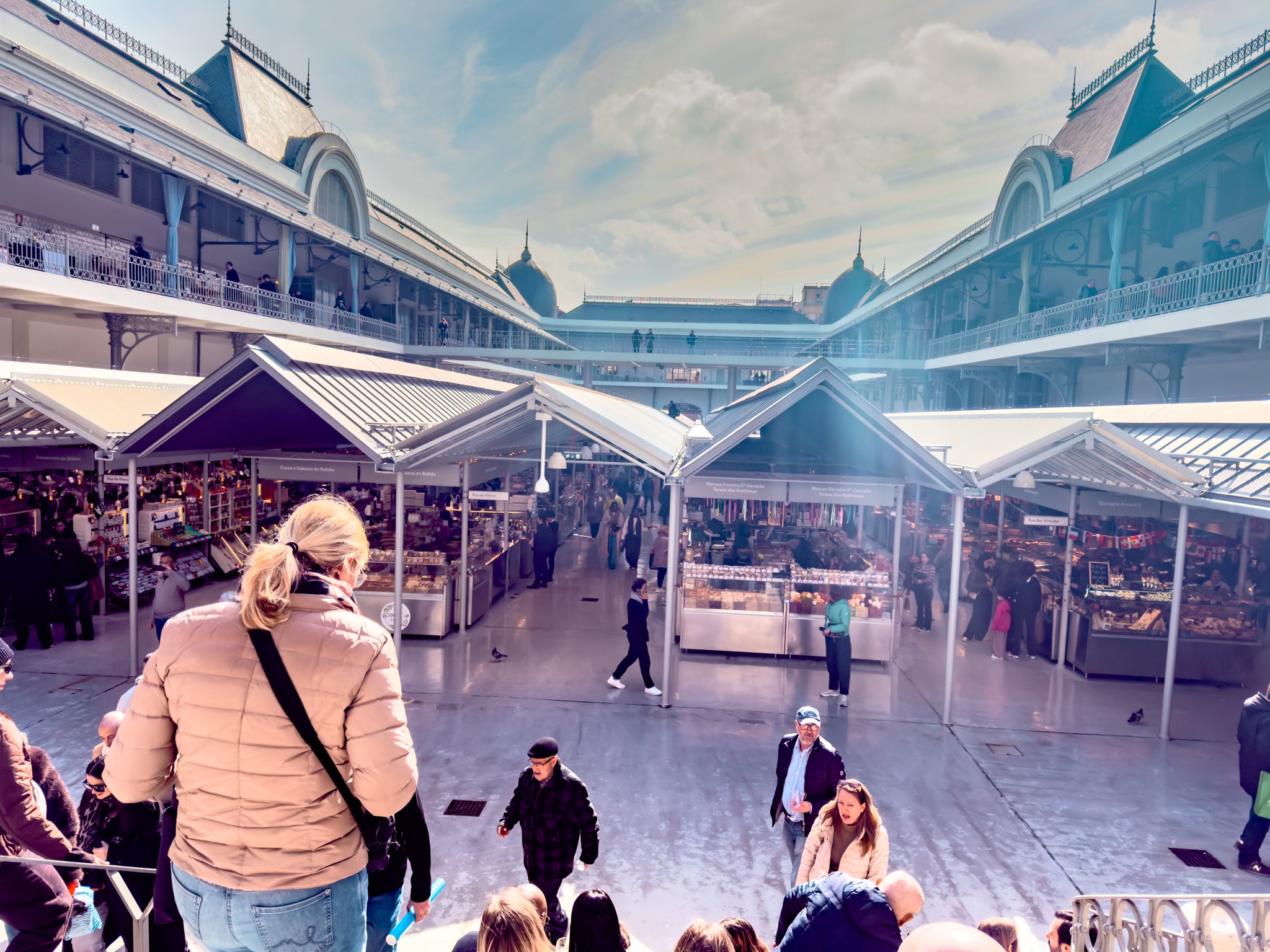
One of the easiest places to feel the city’s everyday rhythm is Mercado do Bolhão.
Markets can sometimes feel like throwaway itinerary filler, but Bolhão does not. It is one of Porto’s historic markets and still functions as one of the city’s important food spaces.
Bolhão Market is one of the places where Porto’s food culture and everyday life come into focus, with vendors, restaurants, shops, and a strong sense of local identity.
What I like about including Bolhão in a Porto trip is that it shifts the experience slightly away from only river views and major monuments. It brings you into a more everyday version of the city, one that still feels central to Porto’s personality. It also connects naturally with the surrounding Santa Catarina area, which makes it easy to pair with a stop at the Chapel of Souls Porto Guide and a more food-focused wander through central Porto. I go deeper into that in my Bolhão Market Guide and Where to Eat in Porto guide.
.png)
Chapel of Souls and the Details That Make Porto Feel Like Porto
Some Porto stops are not about spending hours. They are about texture.
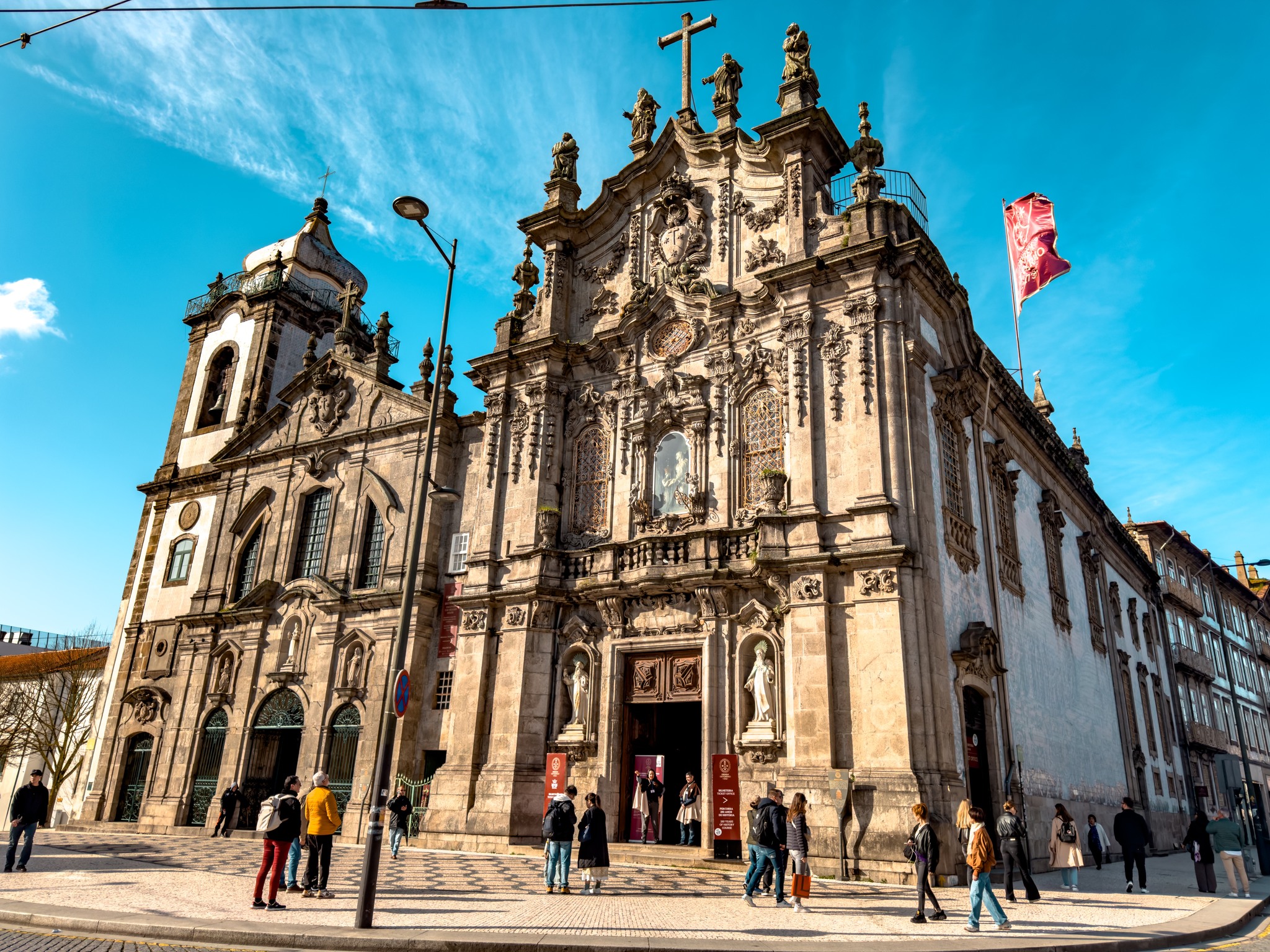
That is exactly how I think about the Chapel of Souls. It is one of those places that catches your eye immediately because the exterior is so striking. Sitting on Rua de Santa Catarina, the chapel is known for its blue-and-white azulejo-covered façade and has become one of the visual icons of central Porto. It pairs especially well with Bolhão because both sit within the same broader central walking area.
It is not a place that needs a huge amount of time, but it adds so much to the rhythm of a day in Porto because it reminds you how much beauty in this city appears in the middle of ordinary streets. My Chapel of Souls Porto Guide goes deeper into how to fit it into a central Porto route.
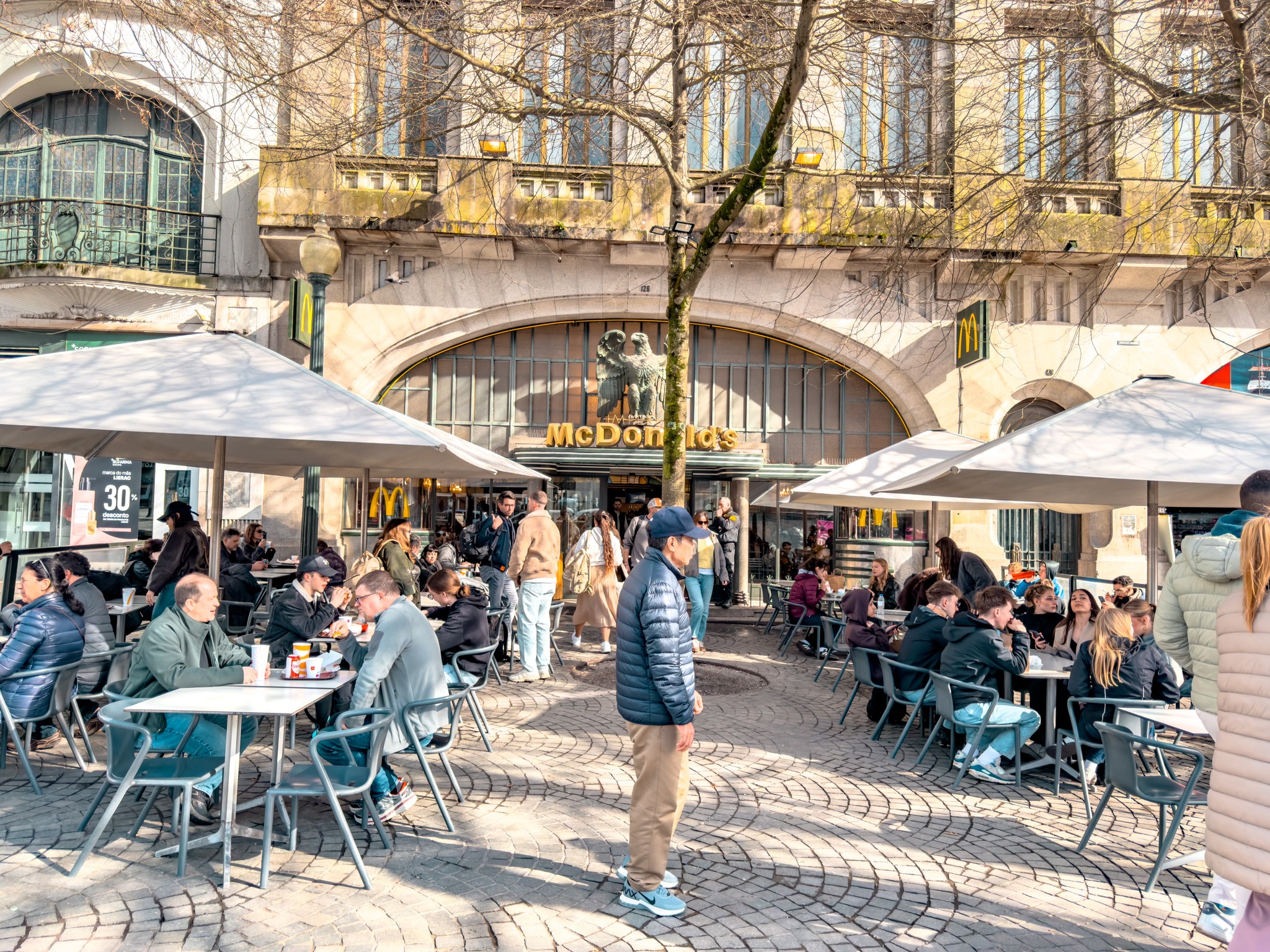
The Prettiest McDonald’s in Porto
This is one of those Porto details people hear about and wonder whether it is actually worth noticing.
And honestly, even though it sounds a little random, it fits the city. Porto has a way of making even everyday stops feel more visually interesting because of the architecture around them. The so-called prettiest McDonald’s in Porto works best as a small curiosity stop when you are already exploring central Porto, not as some major standalone destination. That is exactly why I treat it as part of a broader Porto wandering day instead of as a must-see landmark. In my The Prettiest McDonald’s in Porto post, I talk more about why it has become such a known stop and how it fits naturally into the city center experience.
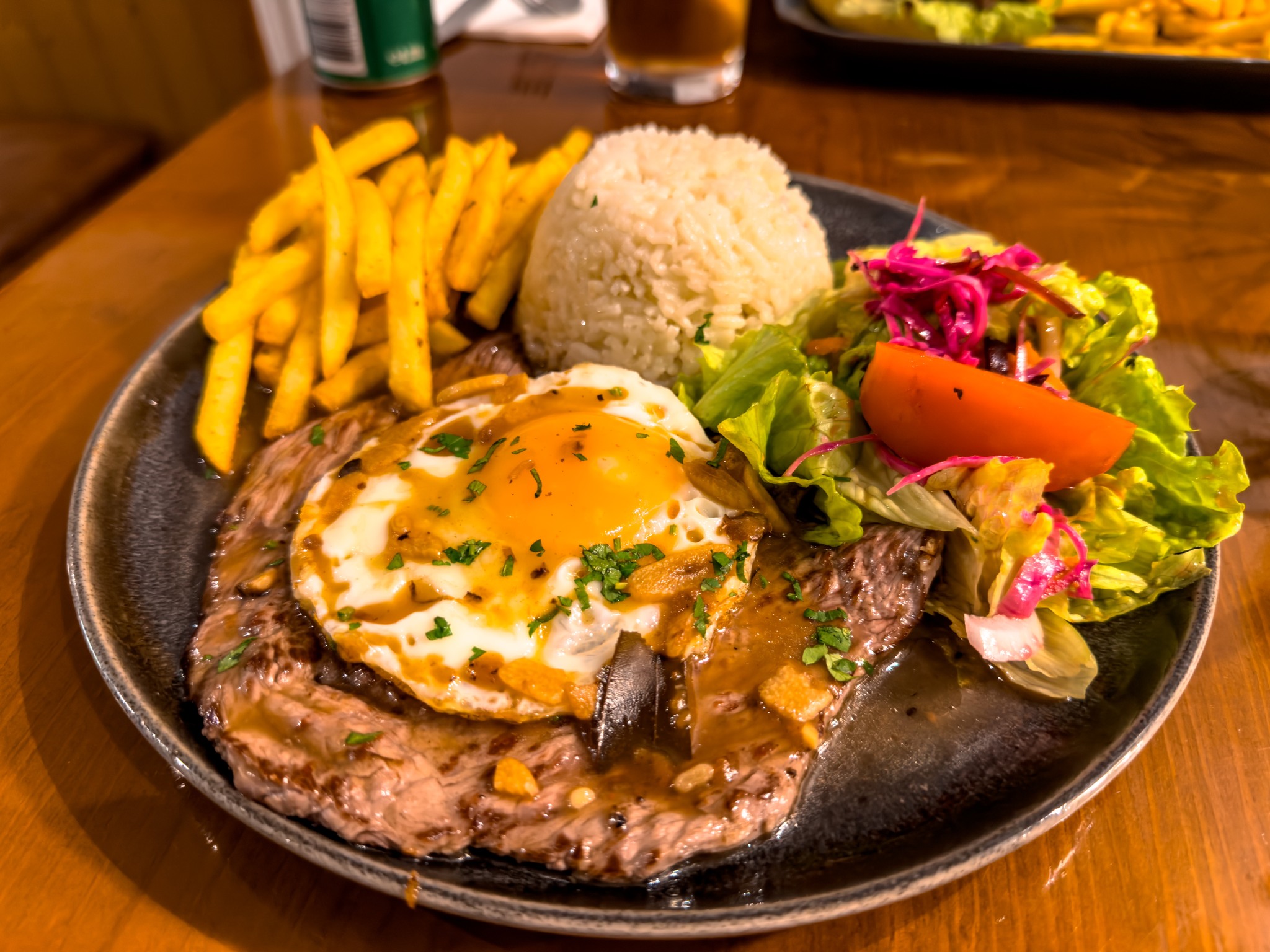
What to Eat in Porto
Porto is a city where food should be part of the structure of the trip, not just something you squeeze in between sights.
If there is one dish strongly tied to Porto, it is francesinha. It is one of the city’s best-known specialties and one of the foods people most associate with being there. Beyond that, Porto is also a strong city for seafood, pastries, market stops, wine experiences, and meals that feel tied to the riverfront and the north of Portugal more broadly.
What I like most here is that the food does not feel separate from the city. It feels embedded in it. Eating in Porto works best when it becomes part of the route, whether that means a stop near Bolhão, a meal in Ribeira, something across in Gaia, or a café break while moving through central Porto. My Where to Eat in Porto guide pulls together the places and types of experiences that stood out most.
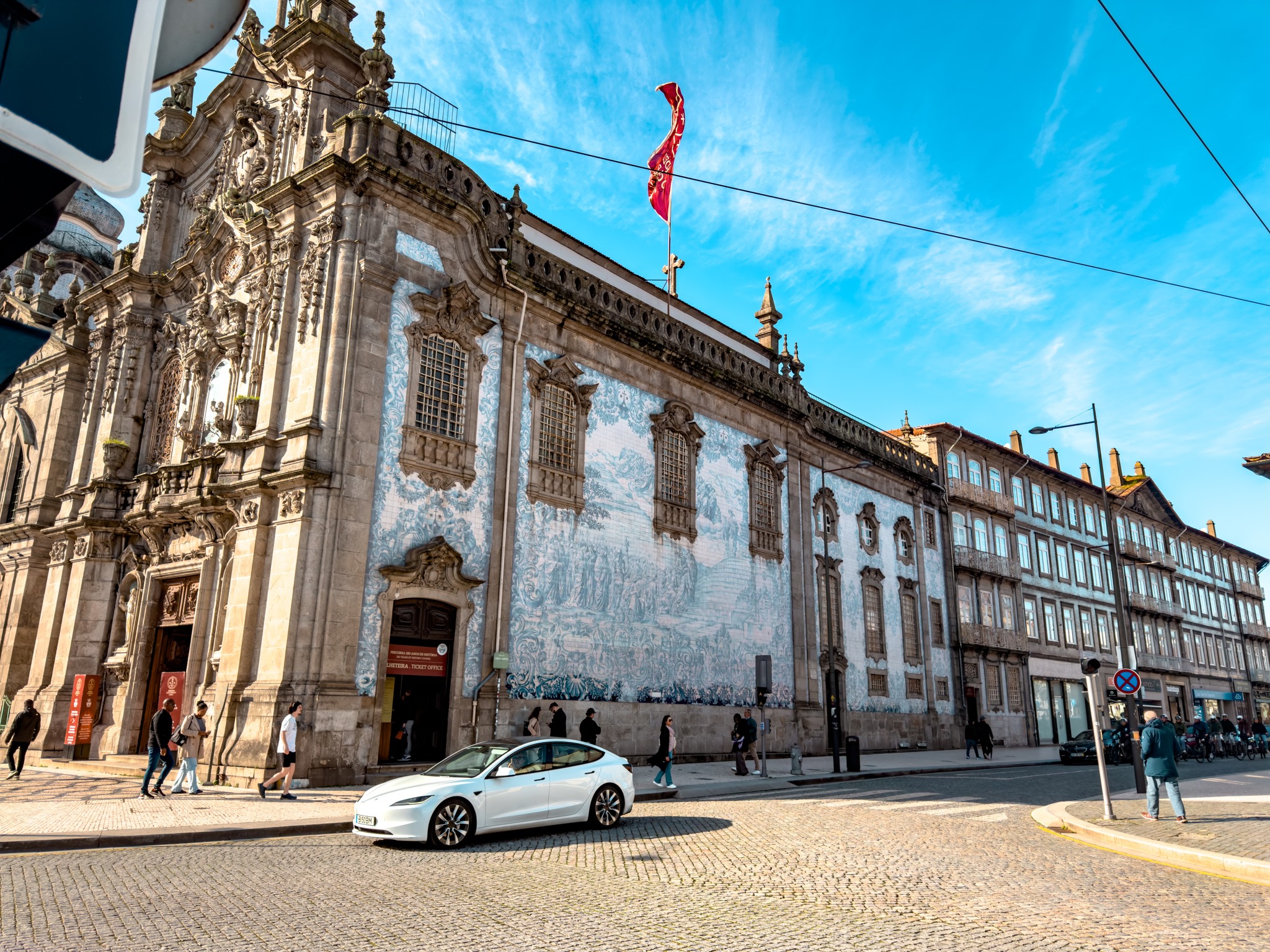
Is Porto Walkable?
Porto is walkable, but it is not flat.
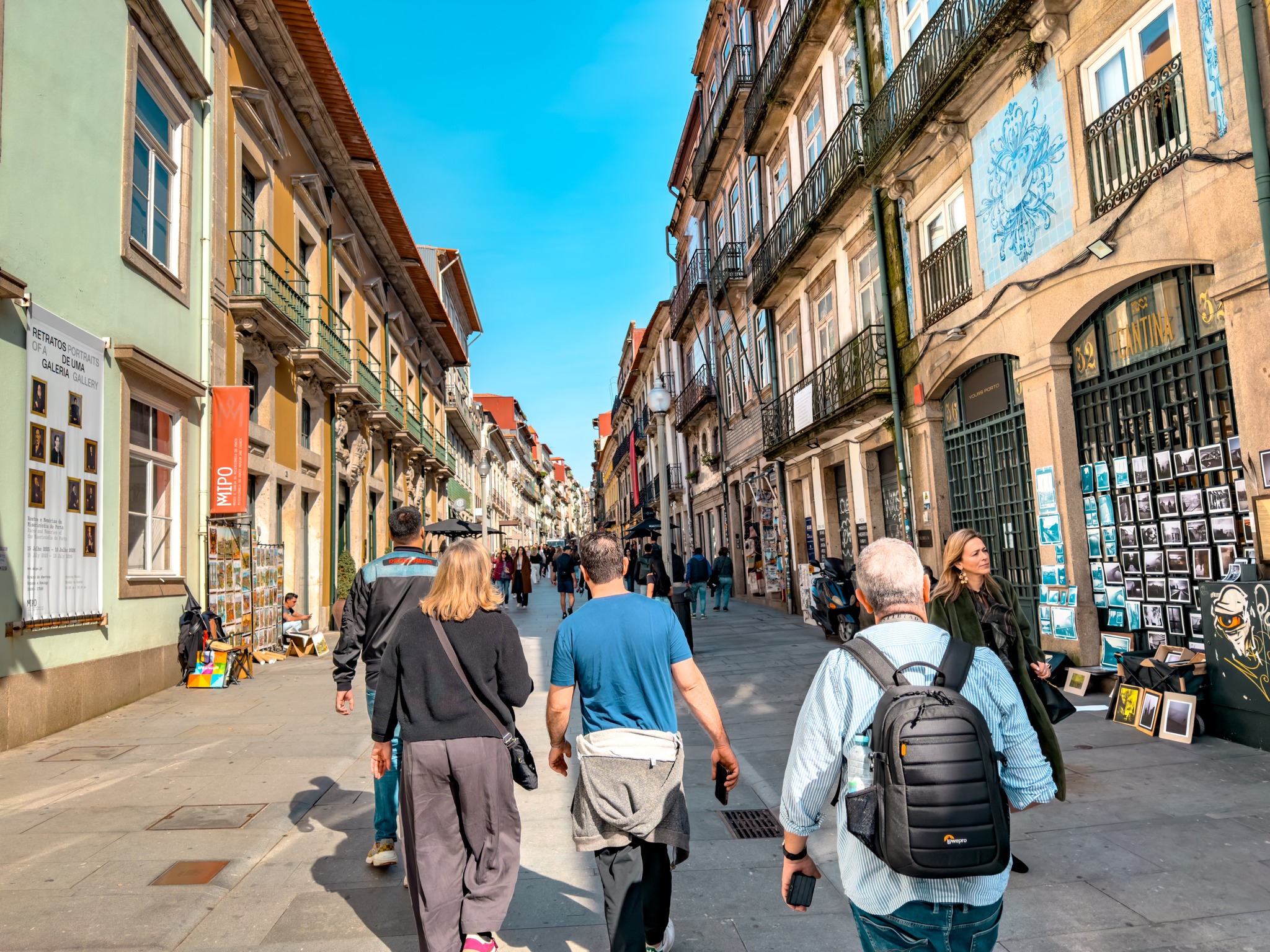
That is the part people need to understand before they arrive. A lot of the city’s most rewarding areas are connected by foot, but they are connected through hills, slopes, stairs, and repeated elevation changes that can make a day feel more physical than it looks on a map. That is part of Porto’s charm, but it is also something to plan around. Comfortable shoes matter here more than people sometimes expect.
Public transportation helps, of course, and Porto also has a useful metro and tram network, but many of the most memorable parts of a Porto trip happen while walking between places rather than inside the attractions themselves.
Porto is one of those cities that makes the most sense when you experience it as one connected walk, moving from the station to the cathedral, down into Ribeira, across the bridge, and over to Gaia.
My Porto Travel Tips guide goes into the practical side of that in more detail, especially if you are trying to balance sightseeing with a realistic pace.
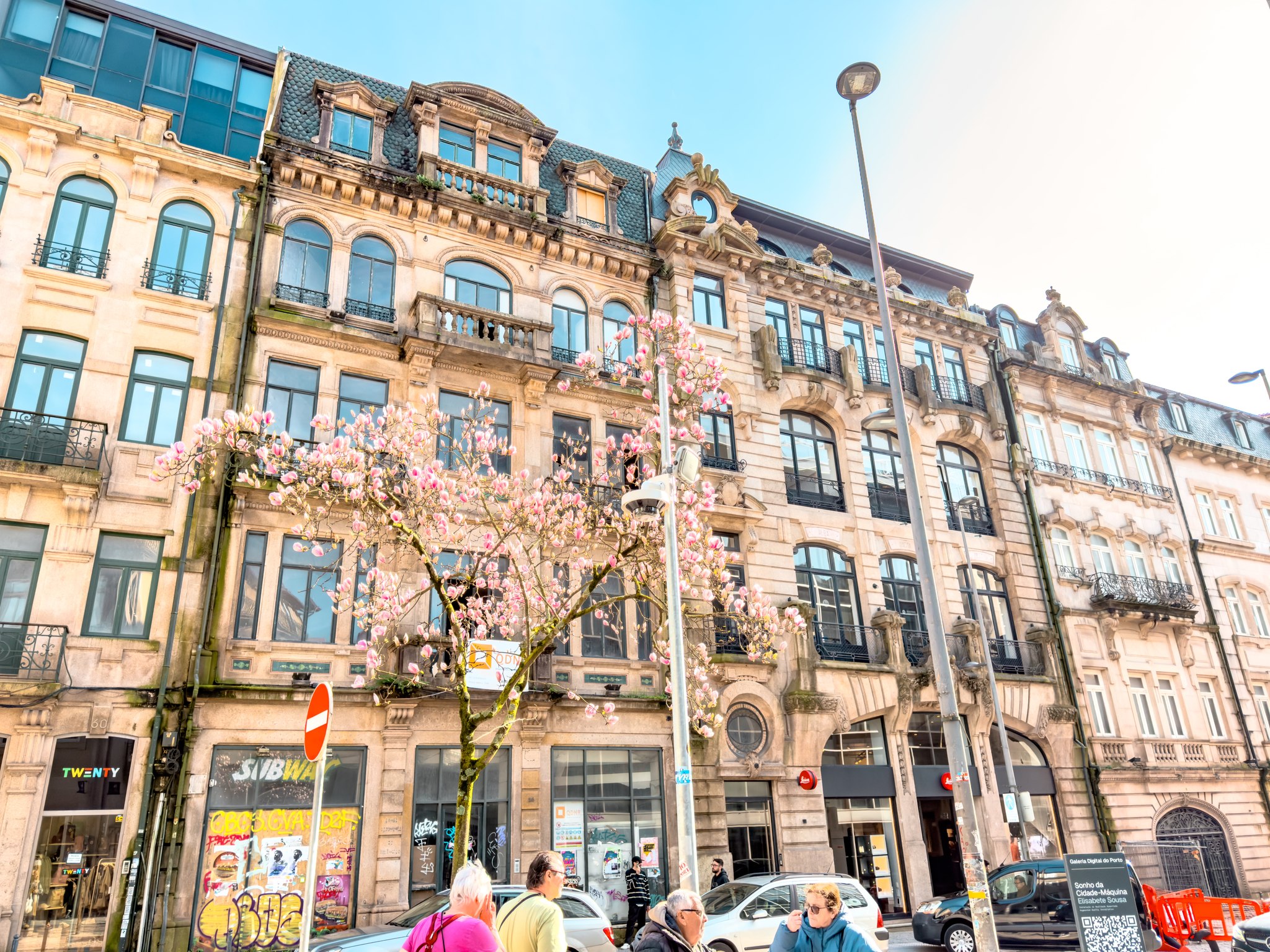
Porto Travel Tips That Make the Trip Better
One of the biggest mistakes people make with Porto is underestimating how much stronger the city feels when you let the days breathe a little.
This is not a city I would overload from morning to night. The views are better when you have time to stop. The neighborhoods work better when you are not rushing through them. The food is more enjoyable when you build it into the shape of the day instead of treating it like an afterthought. And because the terrain is hilly, there is a real difference between a well-paced Porto day and one that starts feeling like a forced march.
It also helps to think of Porto in layers. There is the upper city around the cathedral and central avenues. There is the middle stretch where streets pull you down toward the Douro. Then there is the riverfront, Ribeira, the bridge, and Gaia. Once you understand that rhythm, the city becomes much easier to navigate and much more enjoyable to experience.
Is Porto Worth Visiting?
Absolutely.
Porto is worth visiting for the atmosphere alone, but it also backs that atmosphere up with enough substance to make the trip feel complete. The city has iconic views, strong food, a distinct visual identity, a riverfront that actually lives up to expectations, and enough variety between neighborhoods and experiences to fill several days without feeling repetitive.
What I appreciate most about Porto is that it does not feel like it is performing for you. It just is what it is. Beautiful in places, worn in places, dramatic, layered, and deeply tied to the river and the slope of the land. It feels like a city with weight to it. And when you give it enough time, that weight becomes part of why it stays with you.
If you are still planning your route, start with my 3 Days in Porto Itinerary, Best Things to Do in Porto, Where to Eat in Porto, Porto Cathedral Guide, Dom Luís I Bridge Walk Guide, Port Wine Tasting in Porto, Bolhão Market Guide, and Chapel of Souls Porto Guide to build out the rest of your trip naturally.

Cavetta is the creator of LifeWithVetta.com and has been traveling the world full time since 2020. She has visited more than 60 countries while worldschooling her son and documenting what it really takes to live abroad. Her guides focus on travel, moving abroad, digital nomad life, and designing a life beyond the traditional path.
