
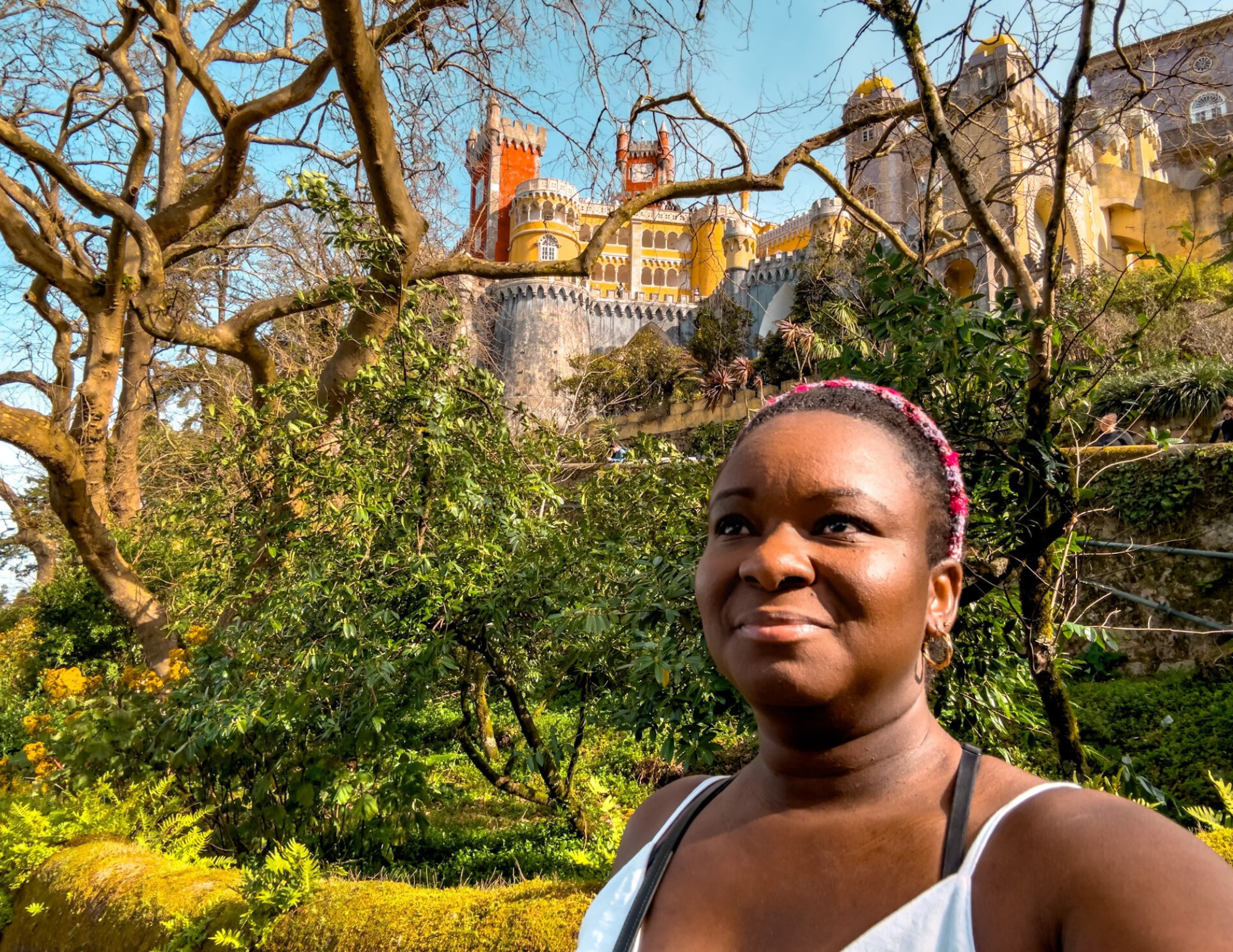
We finally made it to Sintra.
During our first visit to Lisbon back in 2021, we never made it here. There is so much to see and do in Lisbon that Sintra ended up getting pushed off the itinerary that time.
But when we returned again in February 2026, we knew we could not miss it again.
The weather had been rainy and gray for several days, but suddenly the skies cleared and the forecast looked better. So we made a last minute decision and headed out for a day trip.
Looking back, with more planning and perfect weather we probably would have structured the day a little differently. We were already tired from several days of exploring Lisbon and ended up moving quickly between sites.
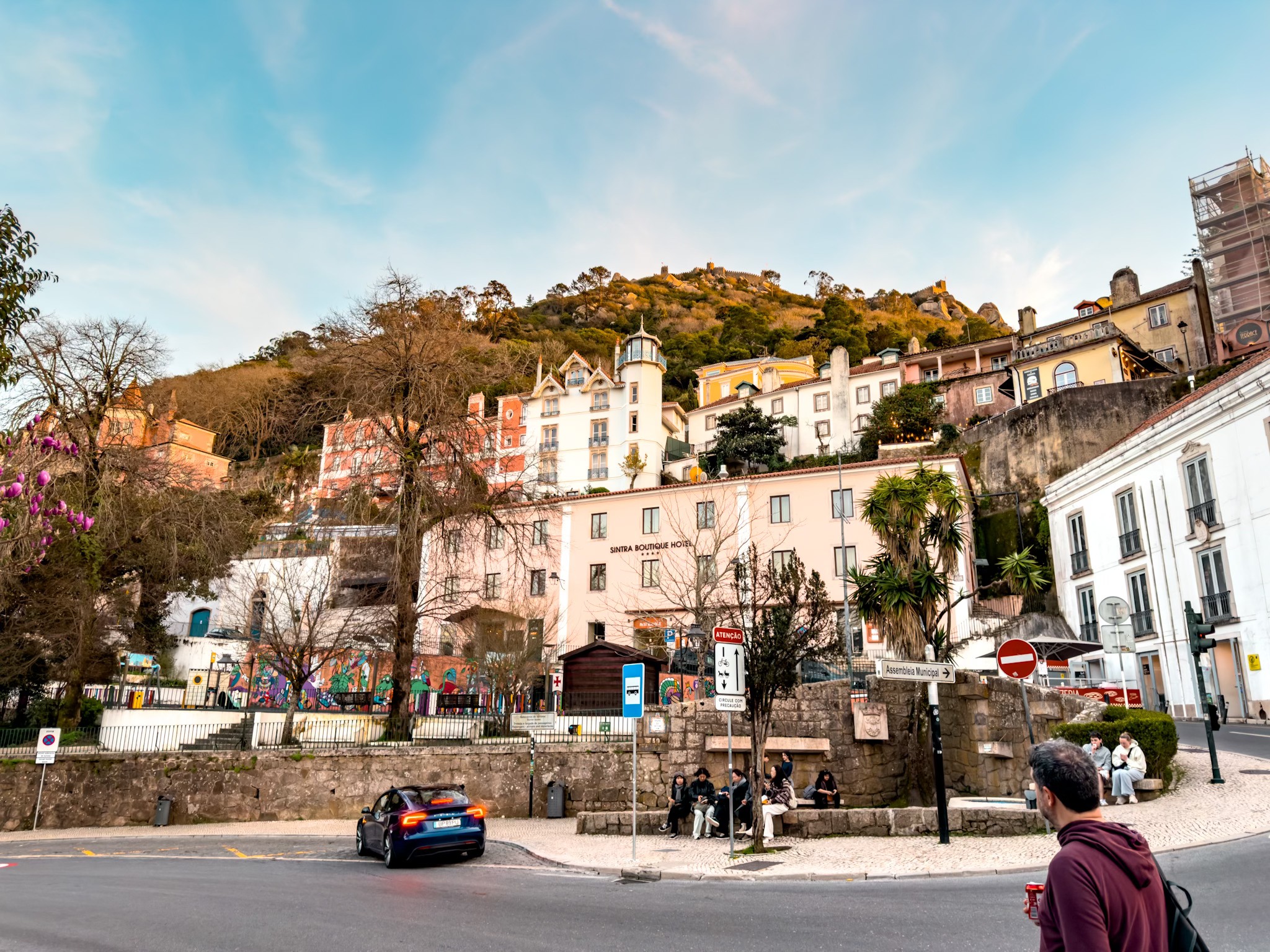
Even with that, visiting Sintra was absolutely worth it.
If Sintra is on your list while visiting Lisbon, I will walk you through how to get there, what we did during our visit, and a few things you definitely should not miss.
This ended up being one of those days that looks simple on paper but feels completely different once you are there. The terrain, the spacing between attractions, and the pace of the day all matter more than you expect. If you are planning your time in Lisbon, this is not something you want to squeeze in randomly. It works best when it is intentionally built into your trip, which is exactly how I structured it alongside my Lisbon Travel Guide, and where it fits naturally within both my 3 Day Lisbon Itinerary and 5 Day Lisbon Itinerary.
.png)
Why Sintra Is One of the Best Day Trips from Lisbon
Sintra is one of the most famous destinations in Portugal and feels completely different from Lisbon.
The town sits in the forested hills of the Sintra Mountains, about 23 kilometers from Lisbon. Instead of busy city streets, you will find lush forests, historic estates, castles, and colorful palaces rising above the landscape.
Because of its cultural importance and unique architecture, the entire region is recognized as a UNESCO World Heritage Site.
For centuries Sintra served as a summer retreat for Portuguese royalty. The cooler mountain climate made it a welcome escape from Lisbon’s heat, and over time the hills became filled with elaborate palaces and gardens.
Today visitors come here to explore places like:
Pena Palace
Quinta da Regaleira
The Moorish Castle
Sintra National Palace
If you want a deeper breakdown of the attractions around town, I explain them in more detail in my Best Things to Do in Sintra guide.
What stood out to me the most is how quickly everything changes once you arrive. Lisbon feels open, coastal, and bright. Sintra feels layered, cooler, and almost hidden within the hills. It does not feel like an extension of the city. It feels like stepping into something completely different for the day.
That contrast is exactly why this is one of the most popular day trips from Lisbon, and why I always recommend planning it alongside your main Lisbon itinerary instead of treating it as an afterthought.
Sintra Day Trip from Lisbon Overview
A day trip to Sintra from Lisbon typically includes visiting Pena Palace, the Moorish Castle, and Quinta da Regaleira.
The journey takes about 40 minutes by train from Rossio Station, and most visitors spend a full day exploring the palaces, gardens, and historic center using a mix of walking and rideshare to move between attractions.
Most visitors spend a full day exploring the palaces, gardens, and historic center, using a mix of walking and rideshare to move between attractions.

How to Get from Lisbon to Sintra
Getting to Sintra from Lisbon is very easy and inexpensive.
Most travelers take the train from Rossio Station, located in Lisbon’s historic center near Baixa.
The train ride takes about 40 minutes and trains run frequently throughout the day, often every 20 to 30 minutes.
When we went, the process was simple. We arrived at Rossio station, purchased tickets, and boarded the next departure heading toward Sintra.
A one-way ticket typically costs around €2.30–€2.40, which means the round trip comes to roughly €5 to €5.50 total, making it one of the cheapest day trips you can take from Lisbon.
Tickets are loaded onto a reusable Viva Viagem card, which costs about €0.50 the first time you buy it.
My biggest advice is to leave as early as possible.
Sintra has a lot to see, and starting early gives you more time to explore the palaces, castles, and gardens without feeling rushed.
If you want a more detailed breakdown of train options, timing, and exactly what to expect step by step, I go deeper into that in my How to Get from Lisbon to Sintra guide.

Getting Around Sintra
Once you arrive at the Sintra train station, the main attractions are located higher up in the mountains above the town center.
This is one of the first things visitors notice when planning a trip to Sintra. The castles and palaces that make the area famous are not located right in the center of town. Instead, they sit scattered throughout the hills of the Sintra mountains, surrounded by forests and winding roads.
Because of that, getting between the different attractions requires a bit of planning.
You have several options for getting around:
Walking
Taxi or Uber
Tuk-tuks
Public tourist buses
At first glance the Scotturb tourist buses might seem like the most obvious option. The two main routes most visitors use are Bus 434 and Bus 435.
Bus 434 runs in a loop from the train station to Sintra’s historic center and then up the mountain toward the Moorish Castle and Pena Palace before returning back down to the station.
Bus 435 connects the train station with Quinta da Regaleira and Monserrate Palace.
These buses run throughout the day and were designed specifically for visitors heading to Sintra’s major landmarks. But what many travelers discover once they arrive is that the routes can take longer than expected. During busy periods the buses fill up quickly, and because they follow loops with several stops, the journey can feel slower than it looks on a map.
For many visitors, Uber or Bolt ends up being the easiest and often less expensive option, especially if you are traveling with two or more people.
Rideshare services operate widely in the area and can usually take you directly from the train station to the palaces in 10 to 15 minutes, depending on traffic. This can save a surprising amount of time compared to waiting in line for buses or riding the full route.
Taxi drivers and tuk-tuks are also easy to find near the train station and in the town center. Tuk-tuks are particularly popular for short scenic rides up the mountain, though they tend to be more expensive than rideshare services.
Walking is also possible, and some visitors choose to hike the forest paths that connect the palaces and castles. If you enjoy hiking and have plenty of time, the trails through Sintra-Cascais Natural Park can be beautiful.
That said, be prepared for steep climbs. The roads and paths leading to places like Pena Palace and the Moorish Castle can be quite challenging, especially after a full day of exploring.
For most travelers, a combination of walking through the historic center and using Uber or taxis to reach the hilltop palaces ends up being the most efficient way to explore Sintra in a single day.
Getting around is one of the biggest factors in how your day will actually feel. It can either flow smoothly or feel rushed depending on how you move between stops. This is something I break down further in my Sintra Travel Tips guide, because small decisions here can make a big difference in your overall experience.
.png)
First Stop: The Moorish Castle
When we arrived in Sintra, we started making our way uphill toward the palaces.
But we ended up taking what felt like the back route up the mountain, which meant we actually reached the Moorish Castle first before continuing on to Pena Palace.
And honestly, arriving here first turned out to be a pretty incredible introduction to Sintra.
The Moorish Castle, known as Castelo dos Mouros, dates back to the 8th and 9th centuries, when the Iberian Peninsula was under Moorish rule. The fortress was originally built as a defensive lookout point to guard the surrounding region and monitor the approaches to Lisbon.
Perched high along the ridge of the Sintra Mountains, the castle walls stretch dramatically across the landscape like a stone spine running along the top of the hill.
From a distance the fortress almost looks like part of the mountain itself.
Once you begin walking along the walls, you quickly realize just how impressive the location is.
The walls connect several towers and defensive lookouts that once allowed soldiers to keep watch over the entire valley below. Standing on top of those ancient stone pathways today gives you some of the most sweeping views in all of Sintra.
On one side you can see the forested hills rolling toward the Atlantic Ocean.
On the other side you can look down across the town of Sintra and its historic center.
And if you turn toward the mountains, you will see Pena Palace rising above the trees, its colorful towers standing out against the green forest below. That contrast between the medieval stone fortress and the bright Romantic palace is one of the most iconic views in the region.

Walking along the walls felt a little like stepping back into medieval history.
The paths climb between towers, cross narrow sections of wall, and wind along the ridge in a way that makes you imagine what life must have been like here centuries ago.
The fortress was later taken by Christian forces during the Reconquista in the 12th century, when King Afonso Henriques captured the region from the Moors.
Over time the castle fell into ruins until it was partially restored in the 19th century, around the same time that Pena Palace was being built nearby.
Today visitors can explore the towers, climb the defensive walls, and follow the stone paths that connect different parts of the fortress.
The Moorish Castle typically opens around 9:30 AM and closes around 6:00 PM, with last entry usually about 30 minutes before closing. Tickets are generally around €12 for adults, with reduced prices for children and seniors.
Most visitors spend about 45 minutes to an hour exploring the walls and towers, though you could easily stay longer if you enjoy viewpoints and photography.
For us, walking along those ancient walls with views stretching across the hills was easily one of the highlights of the day.
If you want a full breakdown of visiting the fortress, the best viewpoints, and what to expect when exploring the walls, I go into much more detail in my Moorish Castle Sintra Guide.
If you are planning your route through Sintra, this is one of the best places to start the day, especially before heading toward Pena Palace or building out a full route using a structured 1 Day Sintra Itinerary.
.png)
Pena Palace
From the Moorish Castle we kept walking uphill toward Pena Palace.
This is the landmark most people associate with Sintra and one of the most recognizable buildings in all of Portugal.
The palace sits high above the surrounding forests inside Sintra-Cascais Natural Park, and its bright yellow and red towers make it look almost like something from a fantasy novel or storybook castle.
Pena Palace was built in the 19th century by King Ferdinand II as a royal summer residence. The king transformed the ruins of an old monastery that once stood on the hill into the elaborate palace visitors see today. The result was a dramatic blend of architectural styles including Romanticism, Gothic, Renaissance, and Moorish influences.
The colorful terraces, ornate archways, decorative tiles, and detailed carvings make the palace feel almost theatrical, which is exactly what Ferdinand II intended. From many angles it almost looks like a stage set perched on the mountainside.
By the time we reached the palace we were definitely feeling the climb.
Getting to Pena Palace usually involves a combination of buses, walking paths, or uphill roads that wind through the forest. Many visitors take the tourist buses up the mountain, but since we approached from the Moorish Castle side we ended up walking quite a bit of the route.
Because we were short on time and honestly a little tired, we decided not to go inside the palace itself. After traveling through more than 60 countries, many across Europe, we have visited quite a few castles and royal residences over the years. At some point, you do become a little palace-ed out.
If Pena Palace is one of your main priorities, make sure you read my Pena Palace Sintra Guide before you go, because this is the one stop where timing and tickets can completely change your experience.

But I still really wanted to see the fairytale-like castle in person.
Even just seeing the colorful towers, stone terraces, and sweeping views from the outside made the climb worth it. The palace rises above the surrounding forests in such a dramatic way that it almost looks unreal when you first see it.
On clear days the viewpoints around Pena Palace offer incredible views across the Sintra hills and even toward the Atlantic coastline in the distance.
The palace typically opens around 9:30 AM and closes around 6:30 PM, though hours can vary slightly depending on the season. Entry into the palace interior requires a timed ticket, which means visitors must select a specific time slot when purchasing tickets.
Tickets for the palace and park are usually around €20 for adults, and many travelers recommend booking in advance because the site is one of the most visited attractions in Portugal.
Even if you are short on time, the surrounding Pena Park is also worth exploring. The park covers more than 200 hectares of forested landscape filled with winding paths, lakes, viewpoints, and hidden structures scattered throughout the hills.
If you plan to visit the interior rooms, terraces, and gardens, I go into much more detail in my Pena Palace Sintra Guide, where I explain the best way to visit, how to avoid crowds, and what to prioritize once you arrive.
This is also one of the most popular stops in Sintra, which is why planning your timing matters. If you are trying to fit multiple sites into one day, mapping it out in advance using a clear 1 Day Sintra Itinerary makes a huge difference.
.png)
Lunch in Sintra and a Sweet Surprise
After exploring the palaces high up in the hills, we slowly made our way back down toward the town center to grab lunch.
By that point we were definitely feeling the miles of walking and the steep climbs that come with visiting Sintra. Between the Moorish Castle and Pena Palace alone, there is a surprising amount of uphill walking, and by the time we reached the center of town a break and a proper meal were very welcome.
Before we even sat down for lunch though, something caught my eye.
Along one of the small streets in the historic center was a tiny shop serving ginjinha in chocolate cups.
.png)
If you have spent any time in Lisbon you have probably already heard of ginjinha, the traditional Portuguese cherry liqueur that locals often enjoy as a quick drink while standing outside small bars. I had tried it earlier in Lisbon, but seeing it served in a chocolate cup was something new. Of course I had to try it.
The experience was exactly what you hope for when stumbling across something unexpected while traveling. The ginjinha itself was sweet with a slightly tart cherry flavor, but when paired with the chocolate cup it became even better. Once you finished the drink you could simply eat the chocolate.
They were also serving pastel de nata flavored liqueur, which I absolutely had to try as well. If you have been following our travels you already know pastel de nata has become one of my favorite Portuguese treats.
At only about €1 to €1.50 per tasting, it was a fun little stop and one of those small travel moments that sticks with you long after the trip.
After that we continued wandering through the historic center looking for a place to eat.
Because we were visiting during the off-season, many restaurants were either closed for the day or operating on limited hours. That is something worth keeping in mind if you visit Sintra outside the busy summer months.
Eventually we found a small Indian restaurant in the center of town and decided to stop there for lunch.
It was not a place we had researched ahead of time or anything particularly famous. It was simply what we came across while walking through the streets.
And honestly, sometimes those unplanned meals end up being exactly what the day needs. The restaurant itself was simple and unassuming, the kind of place you might walk past without thinking twice. But after several hours of walking through castles and climbing hills, sitting down for a warm meal felt perfect. The food was decent, not spectacular, but it did exactly what we needed it to do.

The food was decent, nothing spectacular or something I would specifically recommend traveling across town for, but it did exactly what we needed it to do. It gave us a chance to rest, warm up a bit, and take a break before continuing the day.
And sometimes that is exactly what travel looks like.
Not every meal becomes a highlight of the trip. Sometimes you simply follow your feet, step into a place that looks welcoming, and enjoy the moment.
With full stomachs and a bit more energy, we finished lunch and headed off toward the last stop I had really been hoping to see.
Quinta da Regaleira.
And that ended up being one of the most fascinating places we visited all day.
Quinta da Regaleira and the Initiation Well
After lunch we realized we still had time to visit the place I had been most excited about.
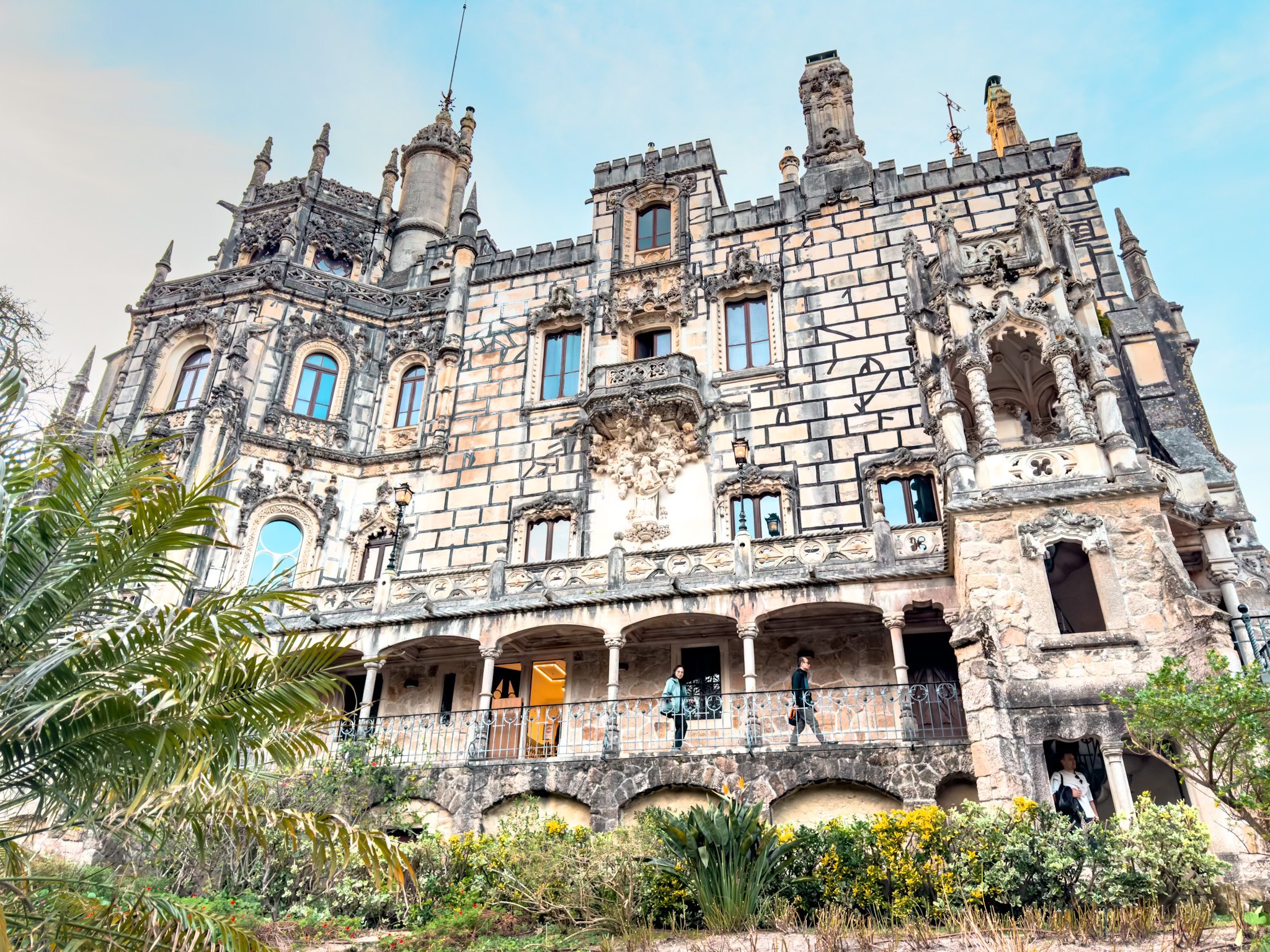
If you have ever searched photos of Sintra, chances are you have already seen this place. The estate is one of the most recognizable landmarks in the region, largely because of the famous spiral staircase known as the Initiation Well.
But Quinta da Regaleira is far more than just that one structure.
The estate dates back to the early 20th century and was created by António Augusto Carvalho Monteiro, a wealthy Portuguese businessman who worked with architect Luigi Manini to design the property. The result was a fascinating estate filled with symbolism, mysterious architectural details, and elaborate gardens that reflect themes tied to alchemy, secret societies, mythology, and the Knights Templar.
Walking through the grounds feels almost like exploring a hidden world.
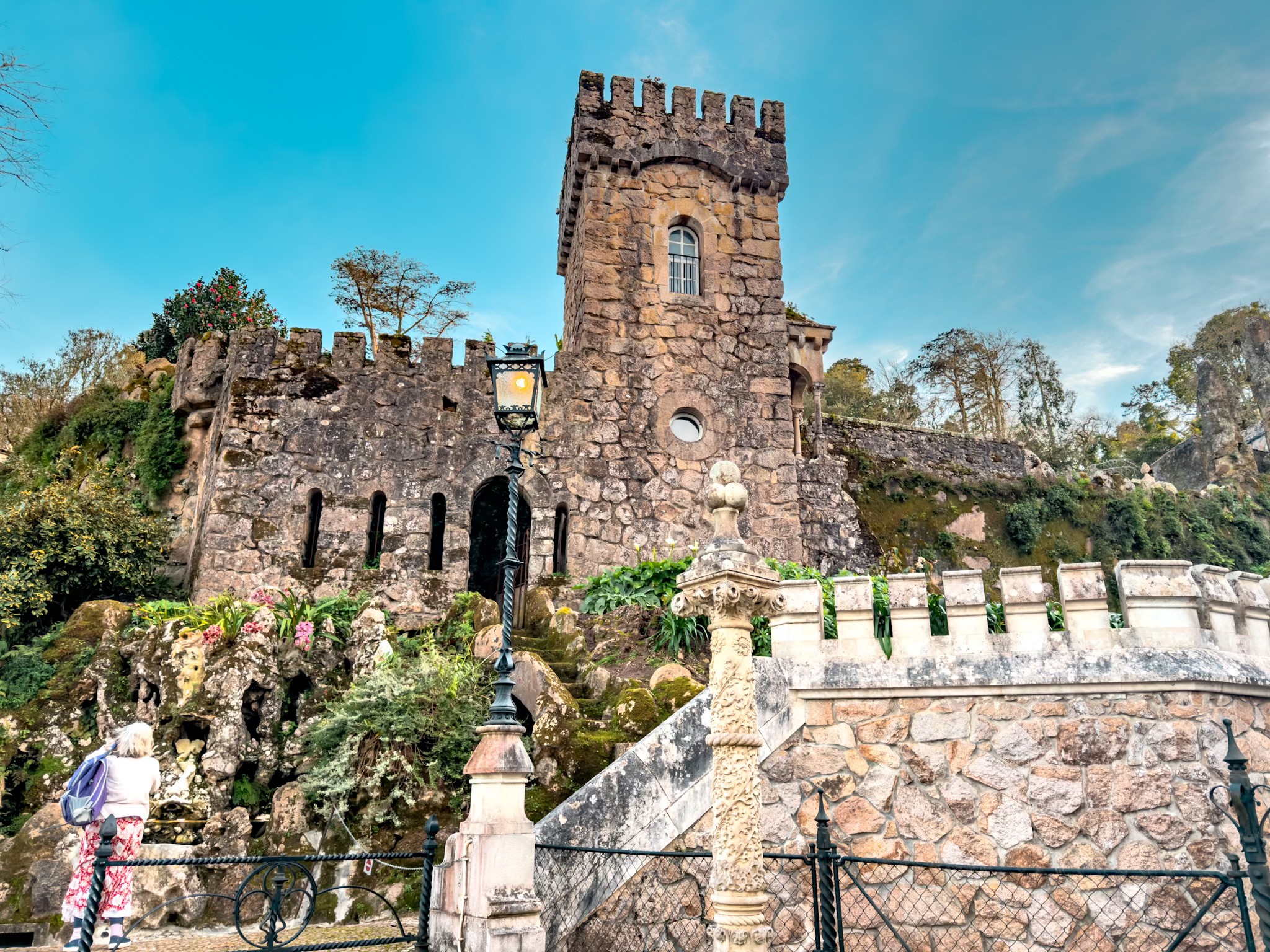
The property is filled with winding garden paths, small towers, stone bridges, fountains, and underground tunnels that connect different parts of the estate. Around nearly every corner there seems to be another hidden staircase, grotto, or viewpoint waiting to be discovered.
.png)
But the highlight for most visitors is the Initiation Well.
Despite its name, the well was never actually used for water. Instead, it was built as a ceremonial structure tied to symbolic rituals. The stone staircase spirals downward through several levels, eventually reaching the bottom where tunnels lead out toward different areas of the garden.
Standing at the top of the well and looking down into the perfectly circular shaft is impressive enough on its own.
But walking down the steps is what makes the experience unforgettable.
As you descend deeper into the well, the light slowly fades and the spiral walls rise above you in a way that feels almost surreal. Looking up from the bottom reveals the full architectural design, with the staircase wrapping around the inside of the tower like a coiled shell.
It is easily one of the most visually striking places in all of Sintra.
Admission to Quinta da Regaleira currently costs around €20 for adults, and the estate is typically open from about 10:00 AM to 6:30 PM, though hours can vary slightly depending on the season.
Most visitors spend one to two hours exploring the gardens and palace, though you could easily stay longer if you enjoy wandering through the hidden pathways and tunnels.
I was genuinely happy we made time to visit this stop before heading back to Lisbon.
If you plan to explore the estate, learn about the symbolism behind the architecture, and discover some of the hidden tunnels and features many visitors miss, I go into much more detail in my Quinta da Regaleira and Initiation Well Guide.
This was easily one of the most unique stops of the day, and it fits best later in your route once the crowds start to shift. If you are mapping out your day, this is one of the stops that works really well when placed intentionally within a full 1 Day Sintra Itinerary.
The Biggest Mistake People Make in Sintra
The biggest mistake people make is trying to do too much in one day. Sintra looks compact on a map, but once you factor in elevation, transportation, and crowds, it becomes clear very quickly that you cannot see everything without rushing. Choosing fewer places and moving through them intentionally will always lead to a better experience.
.png)
How to Plan Your Day in Sintra Without Feeling Rushed
One of the biggest mistakes people make when visiting Sintra is trying to do too much in one day.
On paper it looks manageable. The attractions seem close together, and it feels like you should be able to see everything. But once you factor in transportation, walking distances, elevation changes, and wait times, the day moves much faster than expected.
That is exactly what we experienced.
We were already a few days into exploring Lisbon, a little tired, and ended up moving quicker than we would have liked between stops. If I were doing it again, I would either start earlier or narrow down the number of places we tried to see.
That is why I always recommend going in with a plan. Not a rigid schedule, but a clear structure for how your day will flow. This is where having a dedicated 1 Day Sintra Itinerary makes a big difference, because it helps you prioritize what matters most without feeling rushed the entire time.
If you want a more detailed breakdown of what to expect, how to avoid common mistakes, and how to structure your day more efficiently, I go deeper into that in my Sintra Travel Tips guide.
.png)
Helpful Travel Tips for a Smooth Sintra Day Trip From Lisbon
A few simple things can make visiting Sintra much easier.
First, start your day early. Many travelers arrive mid-morning, which means the palaces and buses can get crowded quickly.
Wear comfortable walking shoes. Sintra involves a lot of uphill walking, uneven paths, and stone staircases.
Bring a light jacket or layers. The weather in the mountains can change quickly and is often cooler than Lisbon.
Plan which attractions you want to see in advance. Trying to visit too many places in one day can make the trip feel rushed.
If you want more detailed advice for planning your visit, I share additional tips in my Sintra Travel Tips guide.
Having mobile data makes navigating Sintra much easier, especially when using maps to move between the different sites. Many travelers use Airalo Portugal eSIMs to stay connected without needing a local SIM.
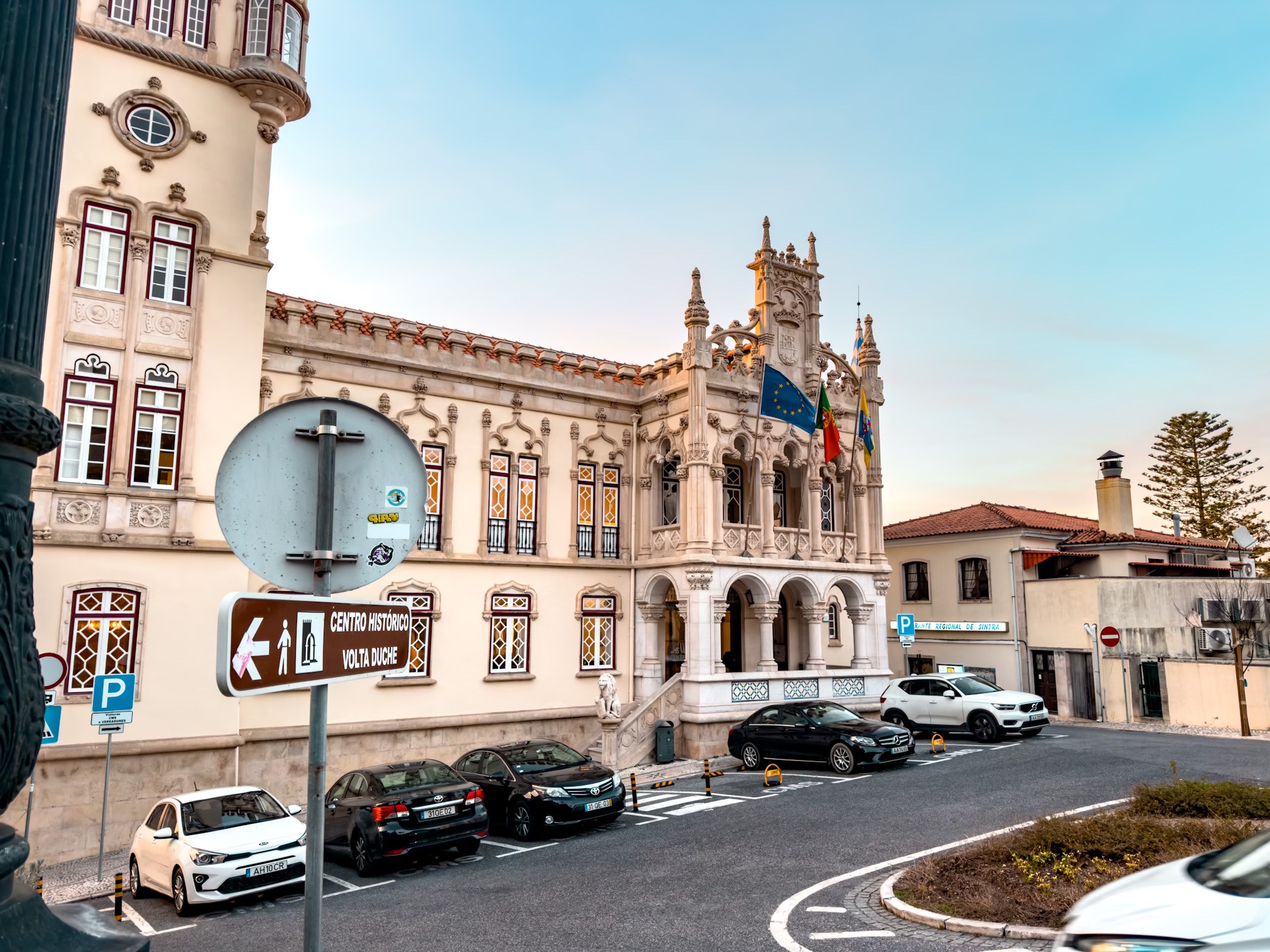
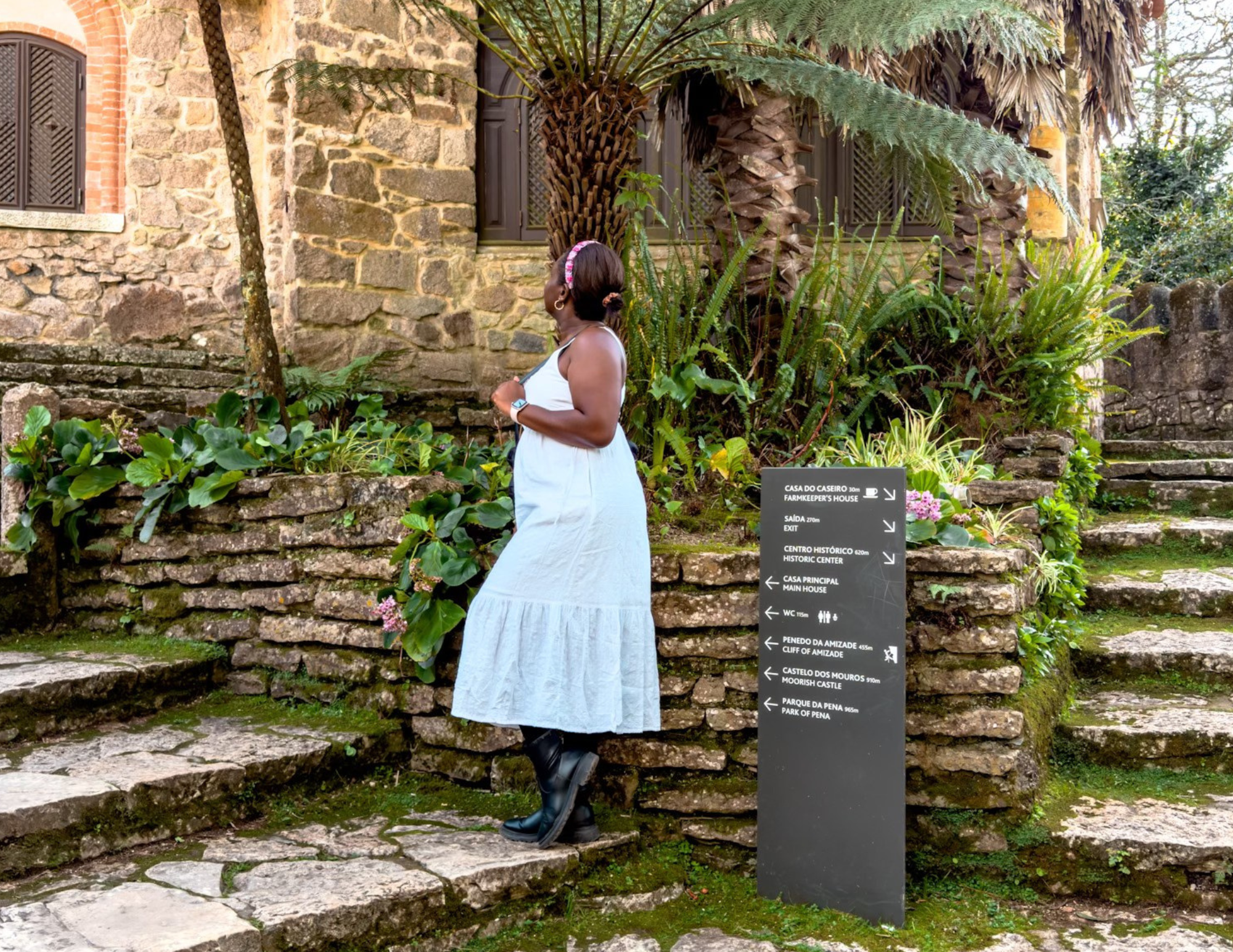
Returning to Lisbon
By the time we finished exploring Quinta da Regaleira, the temperature had dropped again and the sky was getting darker.
Night was beginning to fall and we were definitely feeling the full day of walking.
So we started making our way back to the train station to catch the train back to Lisbon.
The ride back felt quiet and relaxing after such a full day of exploring.
If you are continuing your time in Lisbon, my 3 Day Lisbon Itinerary and 5 Day Lisbon Itinerary show how to fit this day trip into a larger trip around the city.
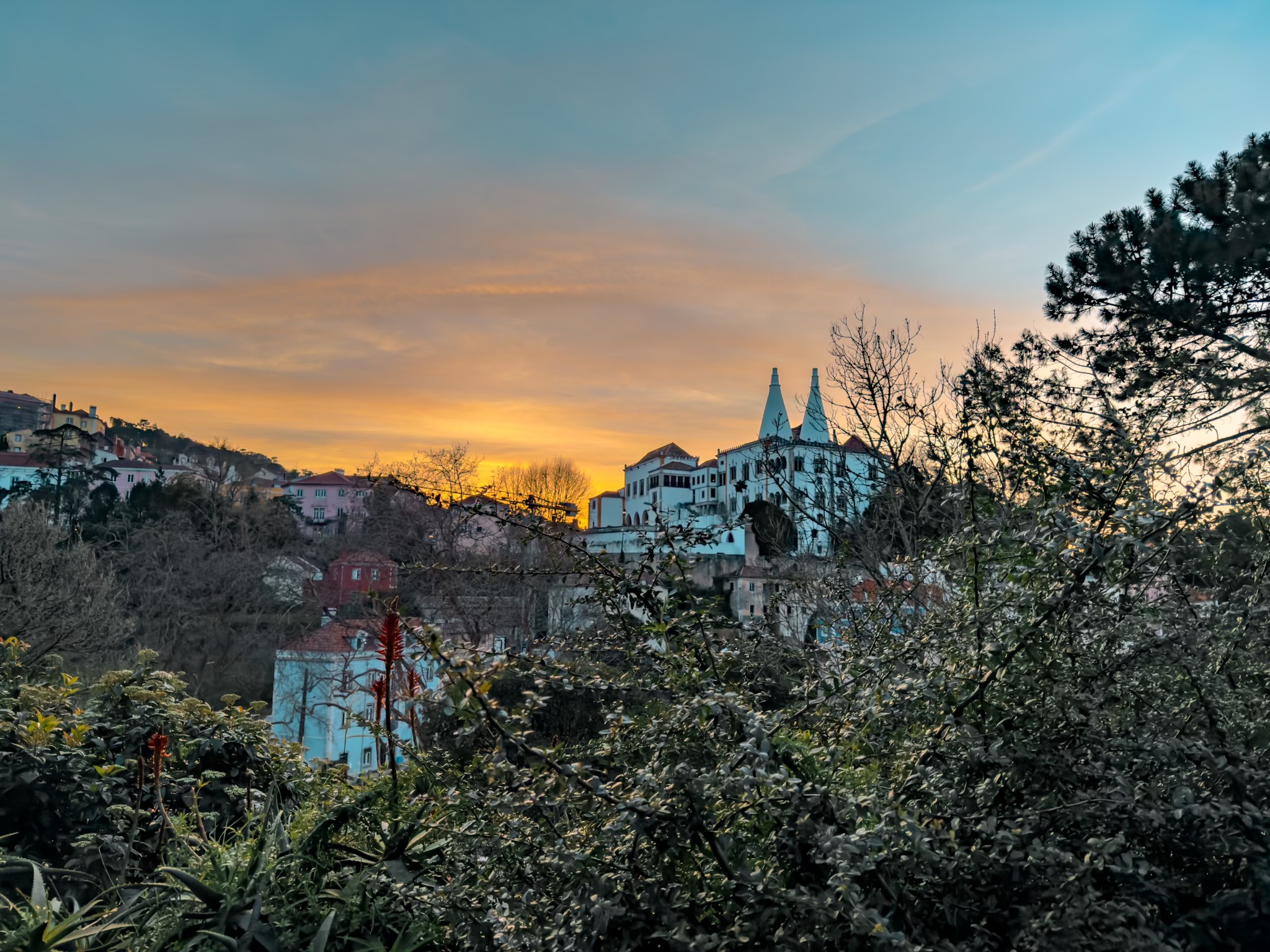
Final Thoughts
Sintra ended up being one of those trips where things did not go exactly as planned, but it was still an incredible experience.
With more planning we probably would have started earlier and spent more time exploring the gardens and palaces.
But even with a last minute decision and tired legs, visiting Sintra was absolutely worth it.
Standing on the Moorish Castle walls, seeing Pena Palace rising above the forest, and walking down the spiral staircase of the Initiation Well were moments that made the trip unforgettable.
Sintra feels completely different from Lisbon, and that contrast is part of what makes it such a special day trip.
If you are planning your visit, I recommend pairing this guide with my Best Things to Do in Sintra, mapping your route with a 1 Day Sintra Itinerary, and using my Best Views in Sintra to make sure you do not miss some of the most incredible viewpoints across the hills.
Just make sure you wear comfortable shoes.
Those hills are no joke. This is not a place you rush through. It’s a place you experience.

Cavetta is the creator of LifeWithVetta.com and has been traveling the world full time since 2020. She has visited more than 60 countries while worldschooling her son and documenting what it really takes to live abroad. Her guides focus on travel, moving abroad, digital nomad life, and designing a life beyond the traditional path.
