
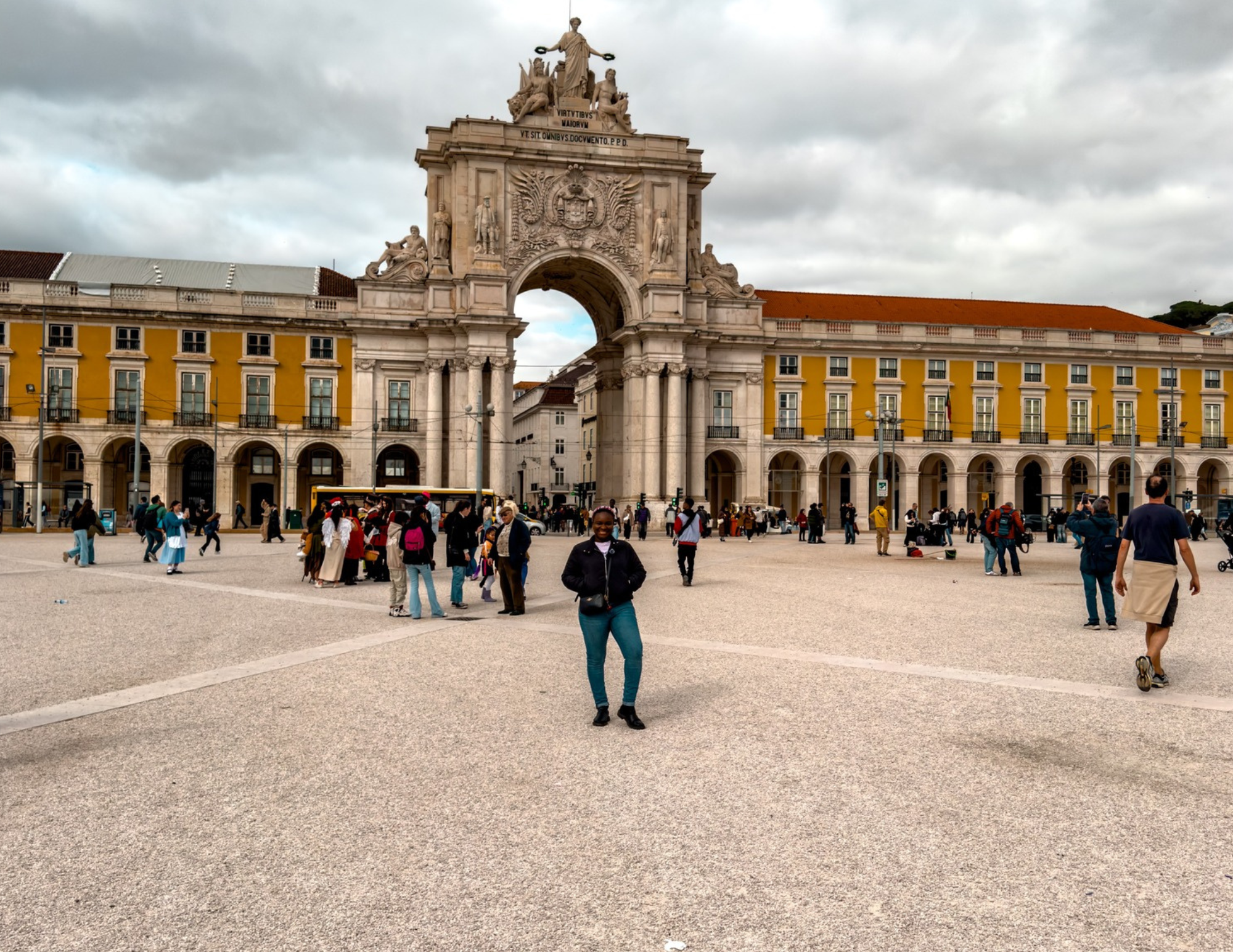
Lisbon is one of those cities that quickly gets under your skin.
We first visited Lisbon in 2021, and like many travelers, we tried to see as much as possible in a short amount of time. We walked through Alfama, climbed viewpoints across the hills, and tasted some of the city’s famous pastries. Even after several days, it still felt like we had only scratched the surface.
When we returned again in 2026, the feeling was exactly the same.
We were able to explore places we missed the first time, revisit neighborhoods we loved, and still leave with a list of things we did not get to yet. That is one of the things that makes Lisbon special. There is always more to discover.
With historic neighborhoods, scenic viewpoints, beautiful architecture, and incredible food, Lisbon rewards travelers who take their time exploring.
This 3 Day Lisbon itinerary is designed for first-time visitors who want to see the city’s highlights while still leaving room for wandering through the streets and experiencing the everyday rhythm of Lisbon.
If you want a broader overview of the city before diving into the itinerary, you can also read my Lisbon Travel Guide, which breaks down the neighborhoods, attractions, and experiences that make Lisbon such a rewarding destination.
If you have more time in the city, you may want to follow my 5 Day Lisbon Itinerary, which includes museums, gardens, and a day trip to Sintra.
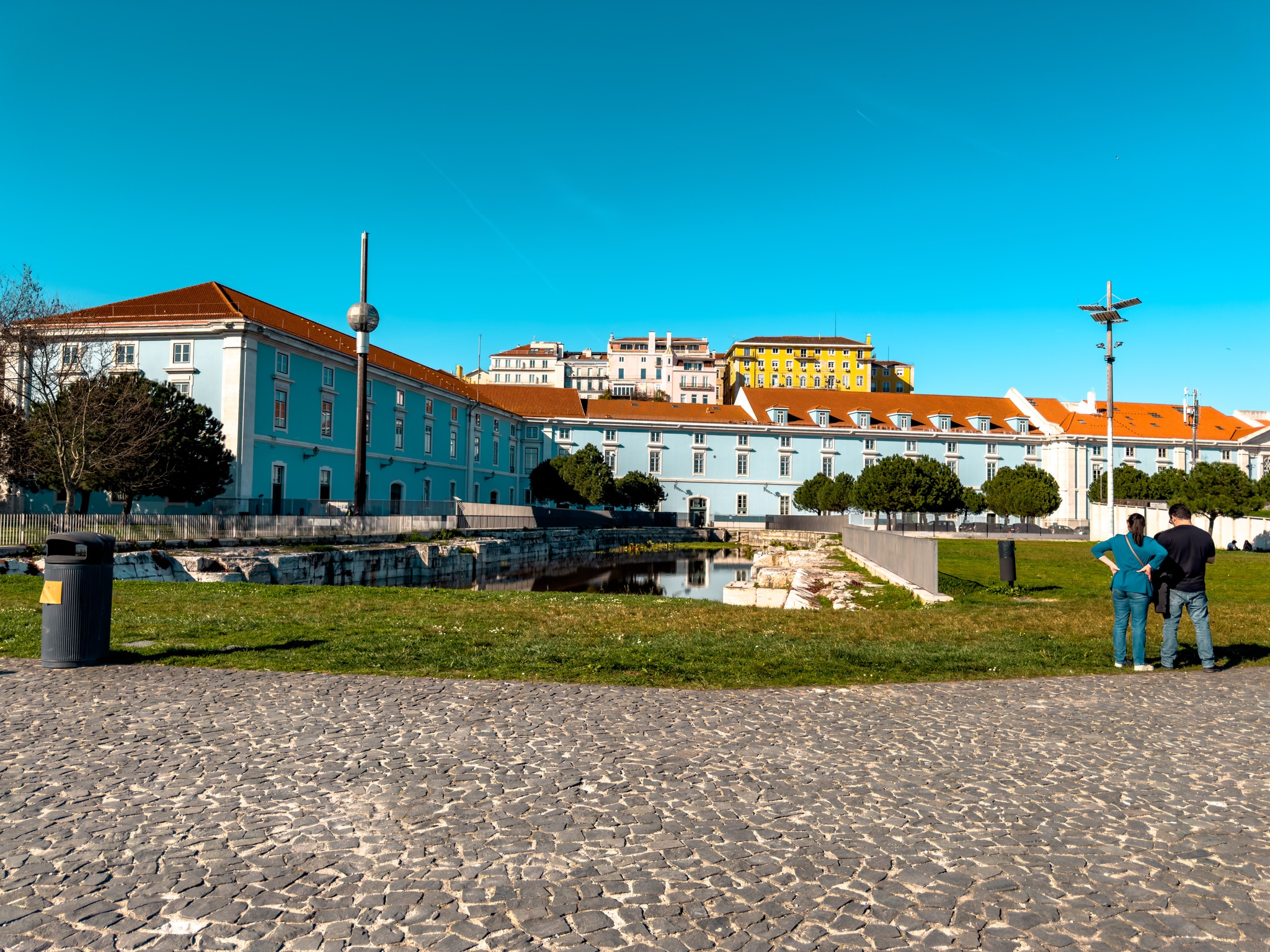
Lisbon 3 Day Itinerary Overview
With only three days in Lisbon, it helps to organize your time by neighborhood.
This itinerary groups attractions together so you can explore the city efficiently while still leaving room for spontaneous discoveries.
Day 1: Alfama, Lisbon Cathedral, and São Jorge Castle
Day 2: Belém and Portugal’s Age of Discoveries
Day 3: Baixa, Chiado, viewpoints, and LX Factory
Some travelers also choose to spend their third day visiting Sintra or Cascais instead. I include that option later in the itinerary.
Before You Start Exploring Lisbon
A few simple things can make exploring Lisbon much easier.
Lisbon’s streets twist through historic neighborhoods and steep hills, which makes navigation apps extremely helpful. One easy option is using Airalo Portugal eSIM data packages, which activate instantly and allow you to use maps, transportation apps, and translation tools while exploring.
Many visitors also use the Lisbon Card, which includes unlimited public transportation along with free or discounted entry to several major landmarks such as Jerónimos Monastery and other museums.
Lisbon is a very walkable city, but having both public transportation and mobile data available makes exploring much smoother.
Day 1: Alfama, Castles, and Historic Lisbon
Start your first morning in Lisbon with breakfast at Sense of Coffee, a small café known for excellent specialty coffee and creative brunch dishes.
When we visited, my son ordered the hot chocolate and pastrami eggs Benedict while I had the salmon Benedict and a seasonal Biscoff coffee drink. It was the perfect way to begin our first full day in the city.
After breakfast, begin exploring Alfama, the oldest neighborhood in Lisbon.
This district survived the devastating 1755 earthquake that destroyed much of the rest of the city. Because of that, its narrow medieval streets remain largely unchanged. Walking through Alfama feels like stepping back in time.
As you wander through the neighborhood, you will reach Lisbon Cathedral, the city’s oldest church. Built in the 12th century, the cathedral has stood through centuries of earthquakes and reconstruction.
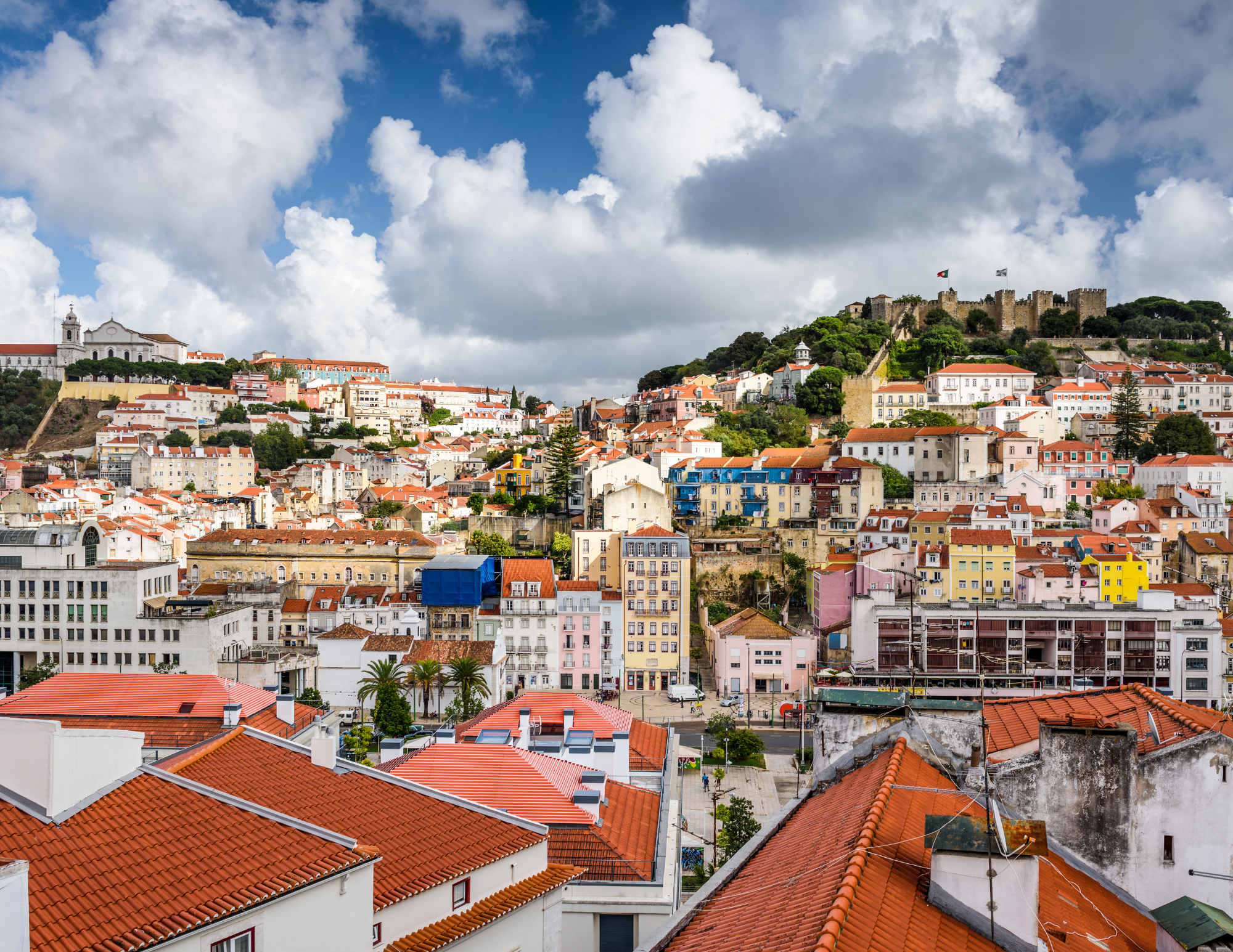
From there, continue climbing toward Castelo de São Jorge, the hilltop castle overlooking Lisbon. The fortress has existed since Moorish times and today visitors can walk along its stone walls while enjoying panoramic views across Lisbon’s rooftops and the Tagus River.
Along the way you will pass several scenic terraces known as miradouros. Viewpoints like Miradouro de Santa Luzia offer some of the most iconic views of Lisbon.
For lunch, we stopped at Frei Papinhas Restaurant, a relaxed local restaurant serving traditional Portuguese dishes.
In the afternoon, consider visiting the nearby Museu do Fado, which explains the history of Portugal’s traditional music style.
For dinner, this is the perfect night to experience Fado live Show and Dinner. Several restaurants in Alfama host dinner accompanied by live performances, creating one of the most memorable cultural experiences in Lisbon.
Before leaving the area, consider stopping for a small glass of ginjinha, the famous cherry liqueur that locals have been drinking for generations. Trying it at the historic storefront A Ginjinha is a quick but memorable Lisbon experience.
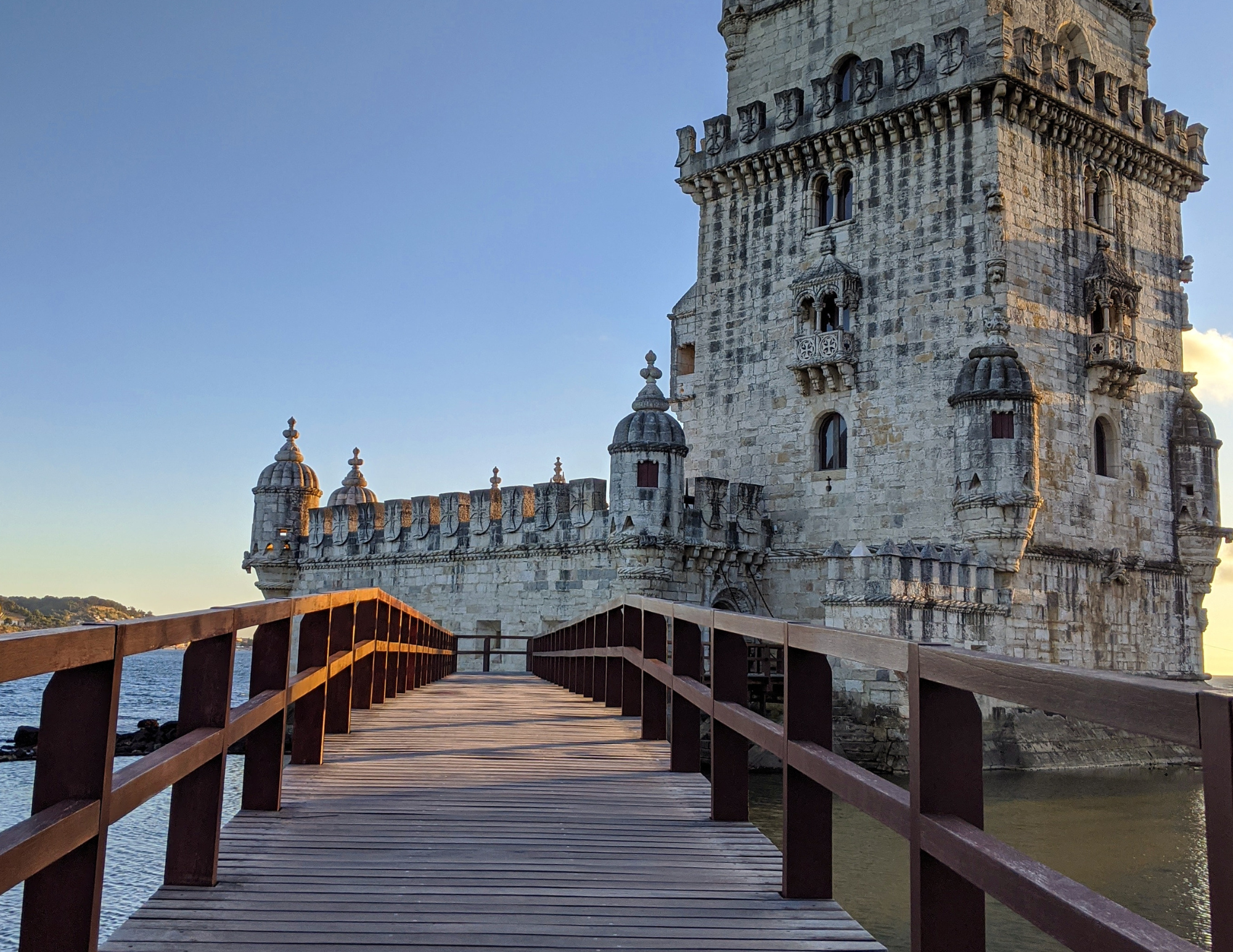
Day 2: Belém and Lisbon’s Age of Discoveries
Start your second day in Belém, one of Lisbon’s most historic districts.
Begin the morning with breakfast at Pastéis de Belém, the bakery that has been serving Lisbon’s most famous custard tart since the 1800s.
Pastel de nata is one of the most iconic foods in Portugal, and trying it fresh from the oven with coffee is a classic Lisbon experience.
After breakfast, walk over to Jerónimos Monastery, one of the most impressive landmarks in Lisbon. Built during Portugal’s Age of Discoveries, the monastery’s elaborate Manueline architecture reflects the wealth and influence Portugal gained through maritime exploration.
Just a short walk away you will find Belém Tower, the historic fortress that once guarded Lisbon’s harbor.
Standing along the riverfront today, it is easy to imagine ships departing from Lisbon during the height of the Portuguese empire.
For lunch, choose one of the small cafés along the Belém waterfront or enjoy a light meal while relaxing near the river.
In the afternoon, visit MAAT – the Museum of Art, Architecture and Technology, a striking modern museum along the Tagus River.
Before returning to the city center, spend some time walking along the waterfront promenade. The views of the river and the 25 de Abril Bridge are beautiful, especially in the late afternoon.
For dinner, we grabbed takeaway from Churrasqueira Braza, a local spot known for grilled meats and simple Portuguese comfort food. If you have time, you can sit down for a meal here or grab it to go like we did.
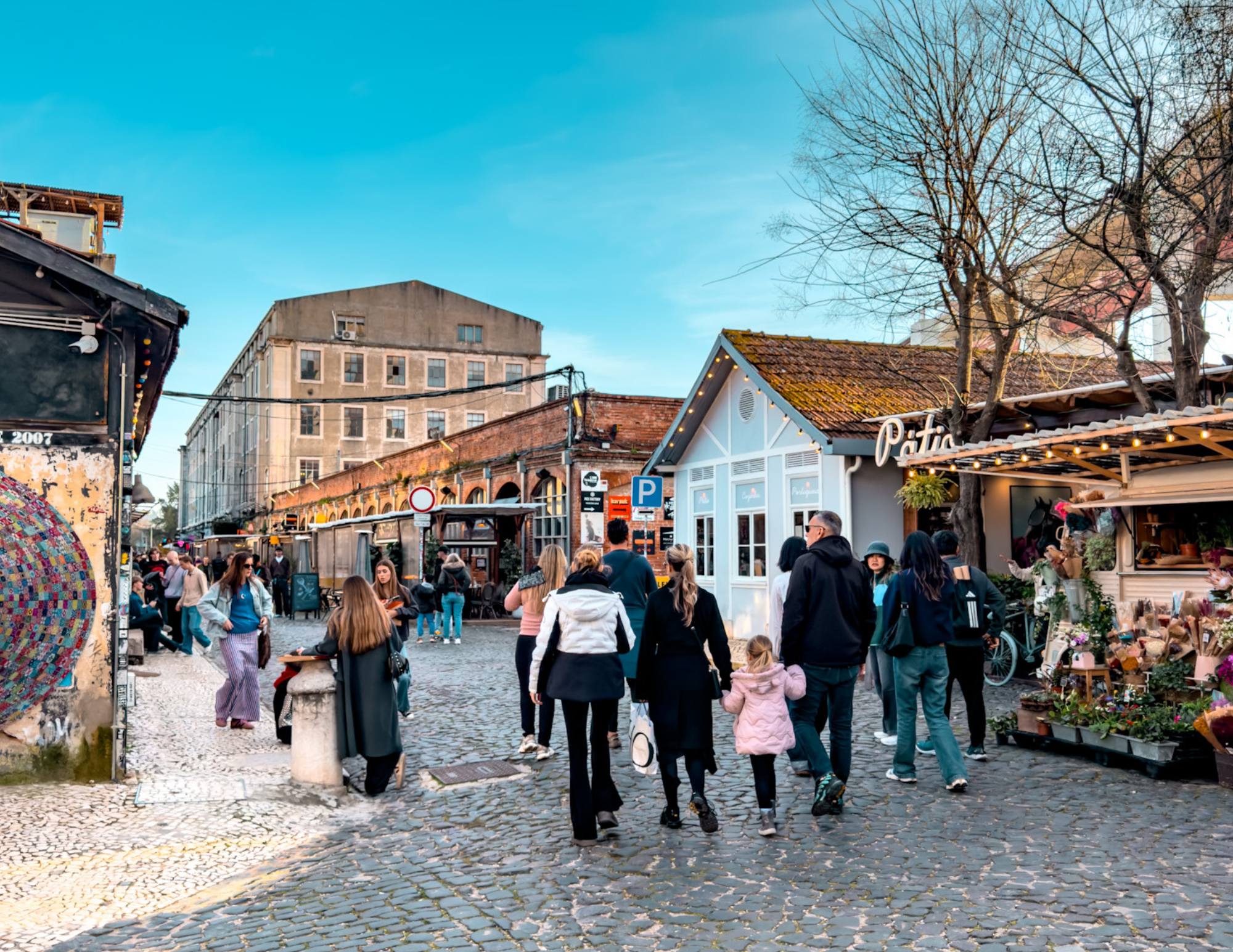
Day 3: Baixa, Chiado, LX Factory, and Central Lisbon
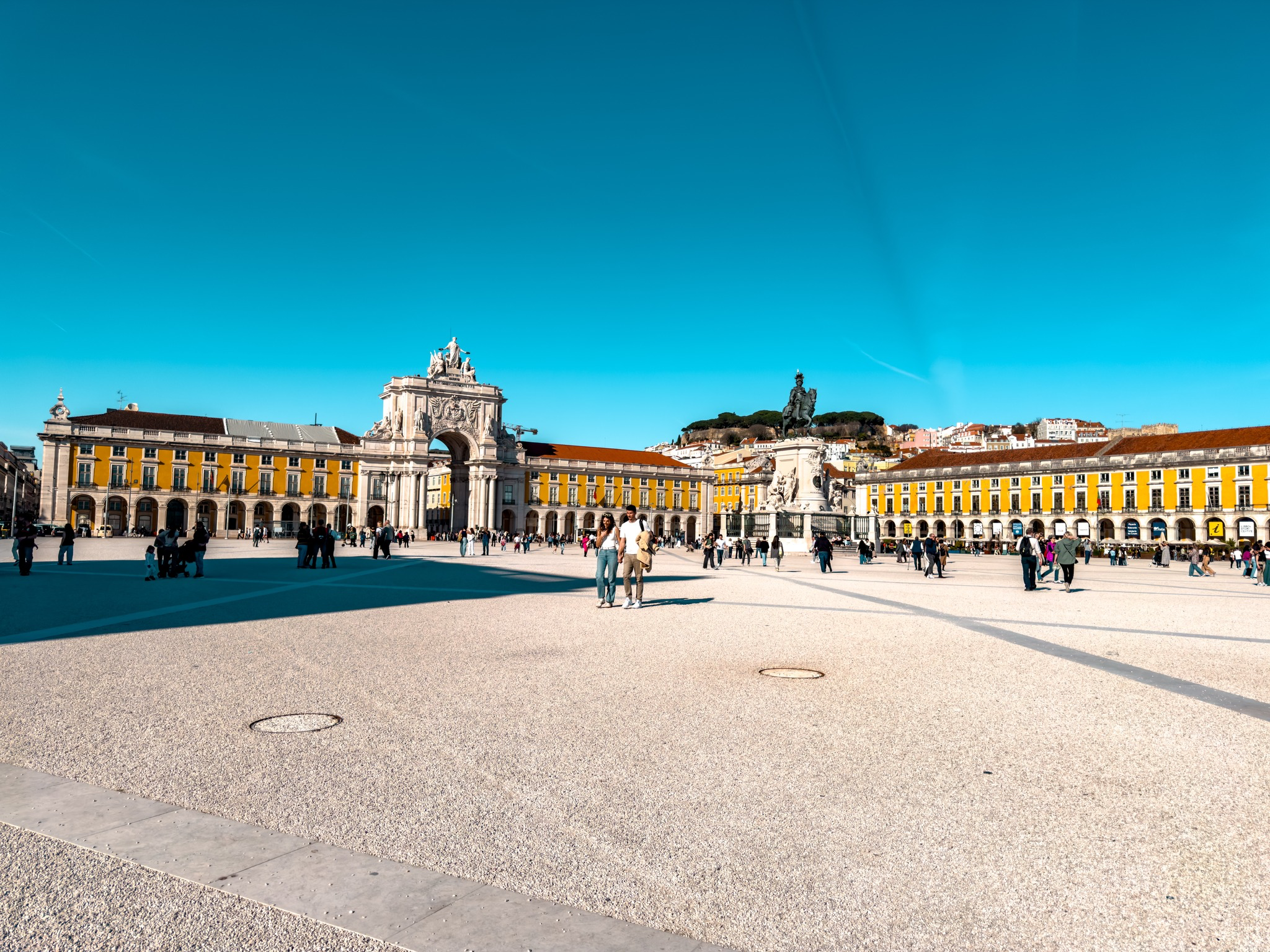
Start the day with breakfast near Praça do Comércio, one of Lisbon’s most famous squares along the riverfront.
From there, explore the elegant streets of Baixa, Lisbon’s downtown district rebuilt after the 1755 earthquake.
Continue toward the Santa Justa Elevator, an iron lift built in the early 1900s that connects the lower streets of Baixa with the higher Carmo Square area.
The viewing platform at the top offers fantastic views across Lisbon’s rooftops.
For lunch, head to Time Out Market, one of Lisbon’s most popular food destinations. The large food hall brings together several of the city’s best restaurants and chefs.
After lunch, walk through the Chiado district, one of Lisbon’s most refined neighborhoods filled with historic cafés, theaters, and boutique shops.
Later in the afternoon, take a short ride or taxi to LX Factory.
Located beneath the 25 de Abril Bridge, this former industrial complex has been transformed into one of Lisbon’s most creative districts. Today it is filled with bookstores, cafés, street art, and restaurants.
For dinner, stay in LX Factory and choose one of the restaurants inside the complex.
It is also where you will find Landeau Chocolate, famous for serving one of the most talked about chocolate cakes in Lisbon.

Alternative Day 3: A Day Trip to Sintra or Cascais
Some travelers choose to spend their third day outside Lisbon.
One of the most popular options is visiting Sintra, a mountain town filled with palaces, castles, and historic estates. Pena Palace, Quinta da Regaleira, and the Moorish Castle are some of the most famous landmarks in the area.
Another option is Cascais, a beautiful coastal town known for beaches, ocean views, and a relaxed seaside atmosphere.
Both destinations are easy to reach from Lisbon by train.
If you want detailed advice on planning the trip, transportation, and which landmarks to prioritize, I explain everything in my Day Trip from Lisbon to Sintra Guide.
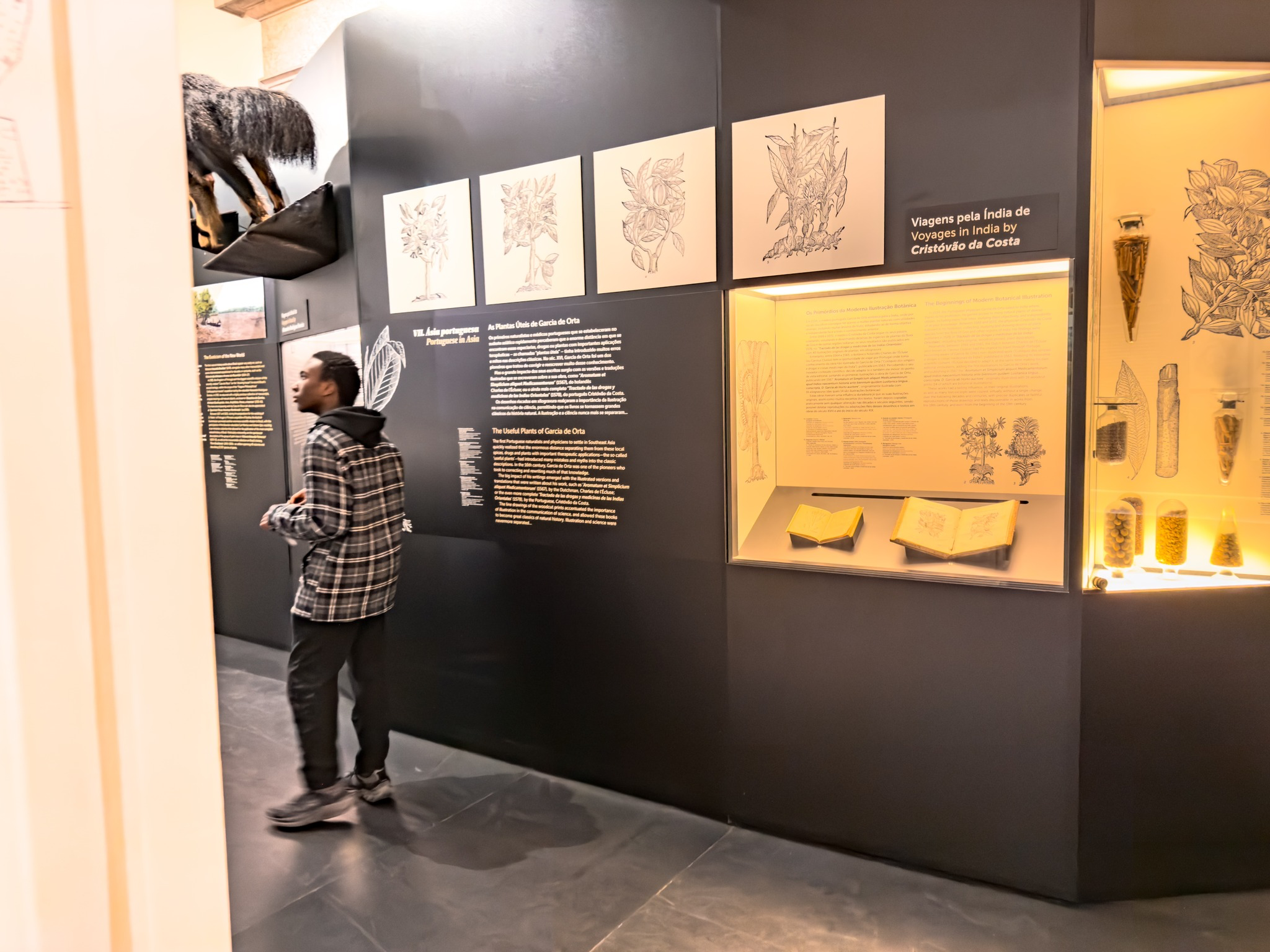
Adding Museums and Hidden Gems
If you have time during your visit, Lisbon has several excellent museums worth exploring.
The National Tile Museum offers a fascinating look at Portugal’s iconic azulejo tile tradition, while the National Museum of Natural History and Science provides an educational experience that works especially well for families.
Nearby you will also find the Lisbon Botanical Garden, a peaceful green space located in the Príncipe Real neighborhood.
These quieter stops provide a nice balance between Lisbon’s busy landmarks and its more relaxed corners.

Lisbon’s Food Scene
Food is an important part of the Lisbon experience.
Beyond pastel de nata, visitors should try traditional dishes such as bacalhau (salt cod), grilled sardines, and seafood rice.
Lisbon also has an excellent café culture. Small bakeries and coffee shops are scattered throughout the city, making it easy to stop for a quick break while exploring.
I cover some of the best places to eat and drink across the city in my Lisbon Food Guide and Best Cafes in Lisbon guide.

Planning Your Lisbon Trip
Three days is a great introduction to Lisbon, but it is far from enough time to see everything the city has to offer.
Many travelers return to Lisbon multiple times because there is always more to explore.
You might come back to explore more neighborhoods, take day trips to nearby towns, or simply spend more time enjoying the city’s food and culture.
If you have more time in Lisbon, my 5 Day Lisbon Itinerary expands this route with additional museums, neighborhoods, and hidden gems.
Together with the Lisbon Travel Guide, these itineraries can help you plan a well balanced visit that includes landmarks, viewpoints, food experiences, and local culture.
Where to Stay in Lisbon
Choosing the right neighborhood can make a big difference when visiting Lisbon, especially if you are only in the city for a few days.
Many first-time visitors choose to stay somewhere close to Lisbon’s historic center so they can easily walk to major attractions.
The Baixa and Chiado districts are some of the most convenient areas to stay. These neighborhoods sit in the heart of the city and provide easy access to landmarks like Praça do Comércio, the Santa Justa Elevator, and many of Lisbon’s historic streets.
If you prefer a more atmospheric neighborhood, Alfama offers a completely different experience. Staying here places you within Lisbon’s oldest district, surrounded by narrow streets, viewpoints, and traditional Fado restaurants.
Travelers looking for a slightly quieter but still central area often enjoy Príncipe Real, which is known for boutique hotels, gardens, and local cafés.
Each of these neighborhoods works well for exploring the attractions included in this itinerary.
If you want a deeper breakdown of Lisbon’s neighborhoods along with hotel recommendations and travel tips, I explain the best areas in detail in my Where to Stay in Lisbon guide.
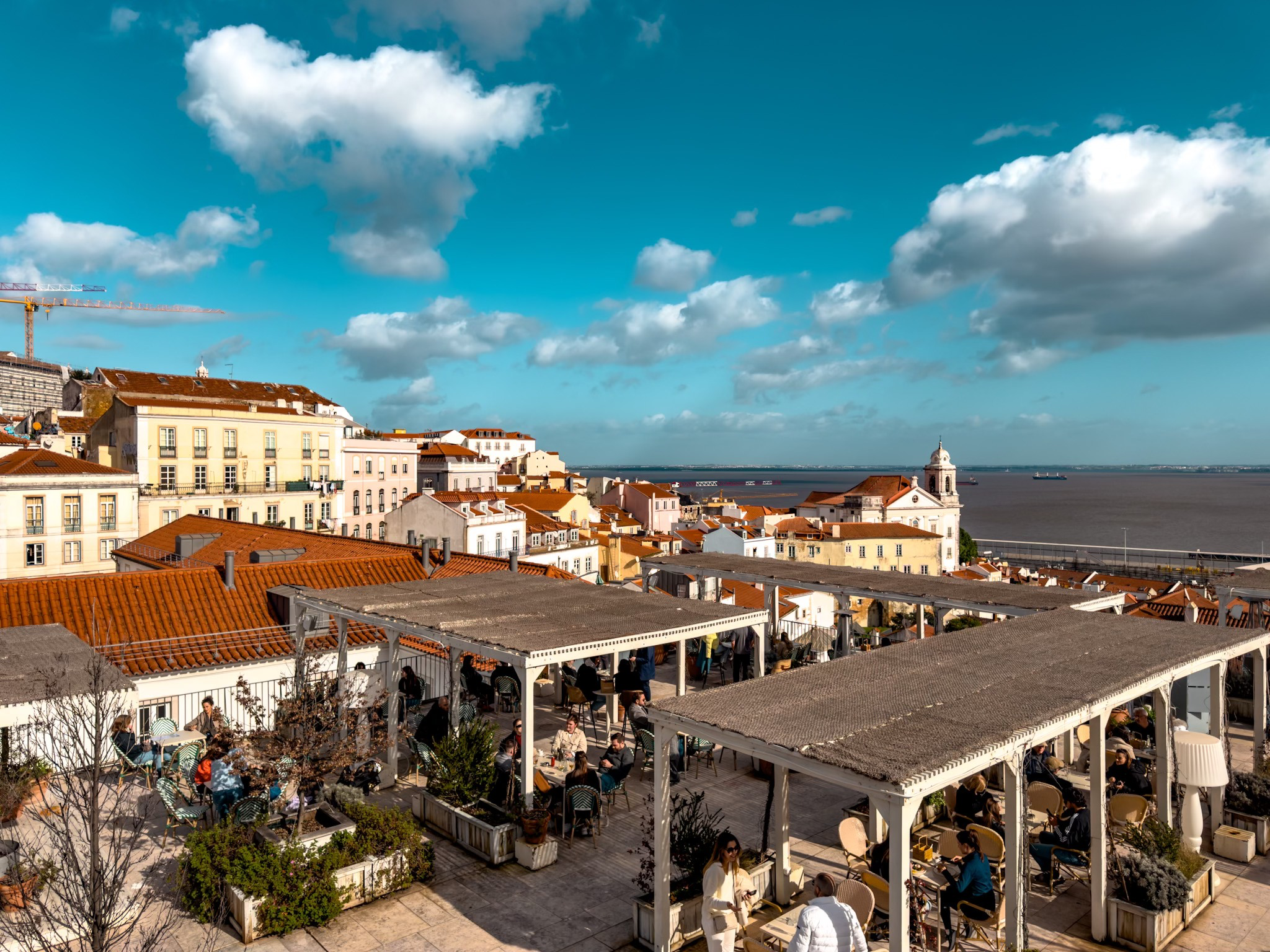
Tips for Making the Most of Your Lisbon Itinerary
Lisbon is a city that rewards slow exploration.
Comfortable shoes are essential because the city’s hills can be steep and many streets are paved with traditional stone tiles.
It is also helpful to group attractions by neighborhood rather than crossing the city repeatedly.
Having mobile data makes navigating Lisbon much easier, especially when using maps or transportation apps. Many travelers use Airalo Portugal eSIM packages to stay connected while exploring.

Final Thoughts
Lisbon is a city that invites you to slow down.
You can spend hours wandering through historic neighborhoods, stopping at viewpoints along the hills, or sitting at a café watching the rhythm of the city unfold around you.
Even after visiting twice, we still left with places we wanted to return to and things we had not seen yet.
That is part of Lisbon’s charm.
The city offers enough history, culture, and food to fill several trips, and every visit reveals something new.
If you are visiting Lisbon for the first time, three days is a great starting point.
Just be prepared for one thing.
You will probably want to come back.
This 3 day Lisbon itinerary gives first-time visitors a balanced introduction to the city.

Cavetta is the creator of LifeWithVetta.com and has been traveling the world full time since 2020. She has visited more than 60 countries while worldschooling her son and documenting what it really takes to live abroad. Her guides focus on travel, moving abroad, digital nomad life, and designing a life beyond the traditional path.
