
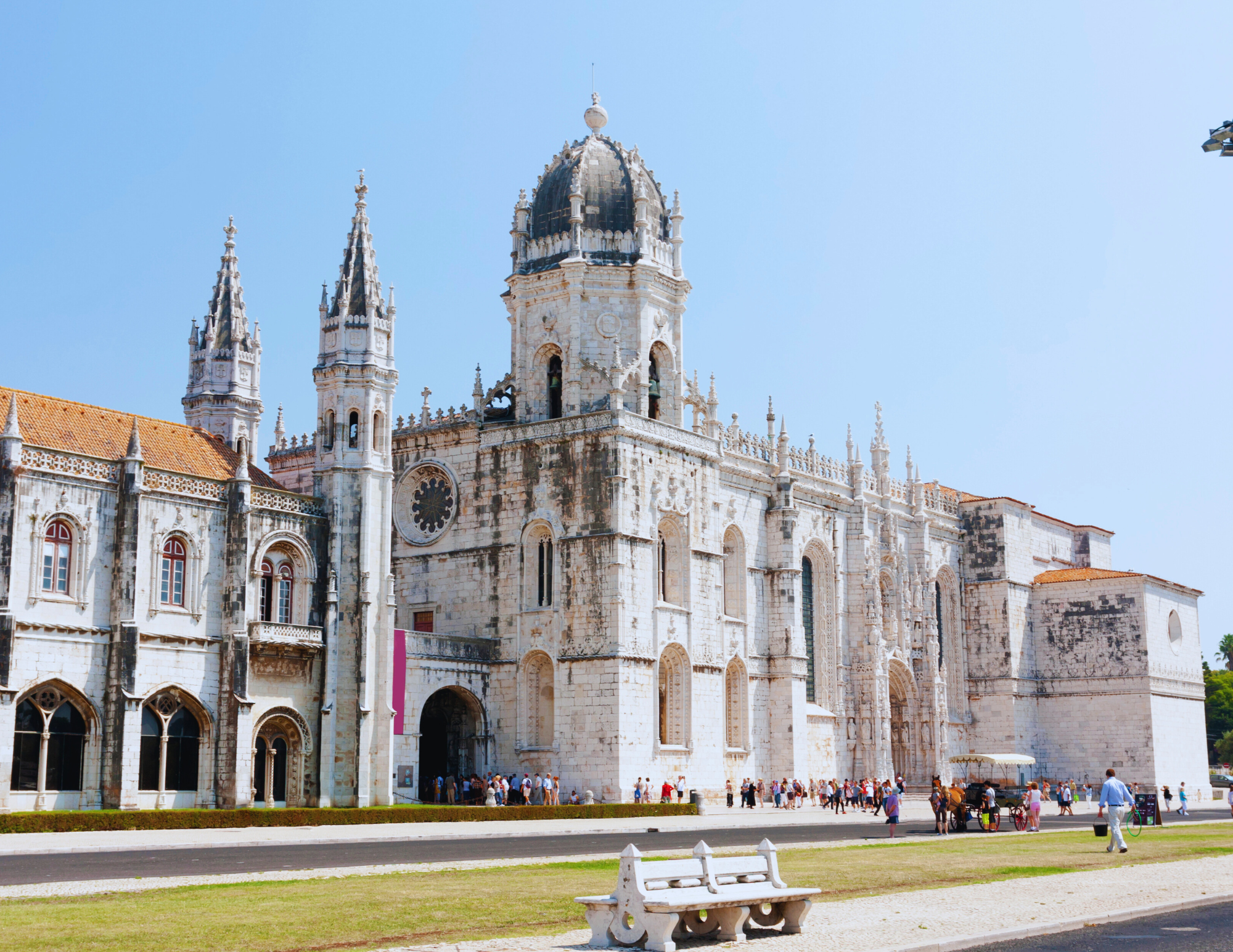
Jerónimos Monastery is one of the most impressive historic sites in Lisbon.
Located in the Belém district along the Tagus River, this massive monastery is considered one of the finest examples of Portuguese Manueline architecture. Its intricate stone carvings, towering cloisters, and detailed arches make it one of the most beautiful buildings in Portugal.
When visiting Lisbon, Belém is an area you should absolutely include in your plans. Several of the city’s most important landmarks sit within walking distance of each other here.
Jerónimos Monastery is the centerpiece.
Whether you visit for the history, the architecture, or simply to admire the incredible craftsmanship, this monastery is one of the most memorable places in Lisbon.
When we were in Belém, this was easily one of the places that stood out the most. Even before going inside, the scale of it catches your attention immediately.
If you are planning your trip to the city, I cover the best neighborhoods, attractions, and experiences in my complete Lisbon Travel Guide, which can help you organize your time.
Belém is one of those areas that works best when you dedicate time to it instead of rushing through, especially if you are following a structure like my 3 Day Lisbon Itinerary or spreading things out in a slower 5 Day Lisbon Itinerary.

Jerónimos Monastery Quick Facts
Location: Belém district, Lisbon
Built: Construction began in 1501
Architectural style: Manueline (Portuguese late Gothic)
UNESCO status: World Heritage Site
Entry fee: Around €10–€12 for cloisters
Best time to visit: Early morning to avoid long lines
Jerónimos Monastery is one of Portugal’s most visited landmarks and an important symbol of the country’s Age of Discoveries.
The History of Jerónimos Monastery
Jerónimos Monastery was built during Portugal’s golden age of exploration.
Construction began in 1501 under King Manuel I, using wealth generated from Portugal’s maritime trade routes. The monastery was intended to celebrate the success of Portuguese explorers who helped expand the country’s influence around the world.
The monastery was built near the spot where sailors prayed before departing on long voyages.
One of the most famous explorers associated with the site is Vasco da Gama, whose successful voyage to India helped establish Portugal as a global maritime power.
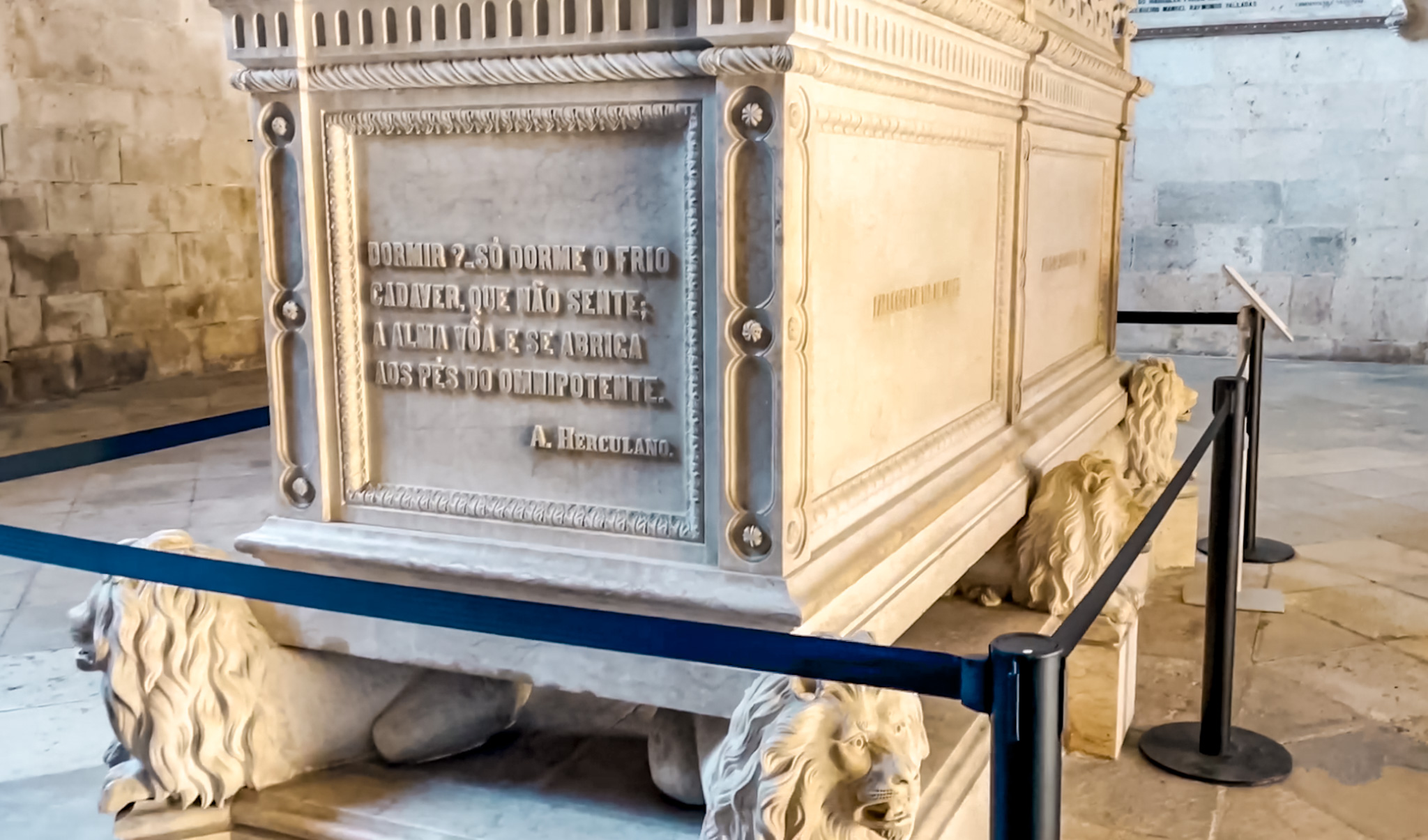
Today Vasco da Gama’s tomb is located inside the monastery church.
Over the centuries Jerónimos Monastery survived earthquakes and political changes, eventually becoming one of Portugal’s most treasured historic monuments.
What Makes the Architecture Unique
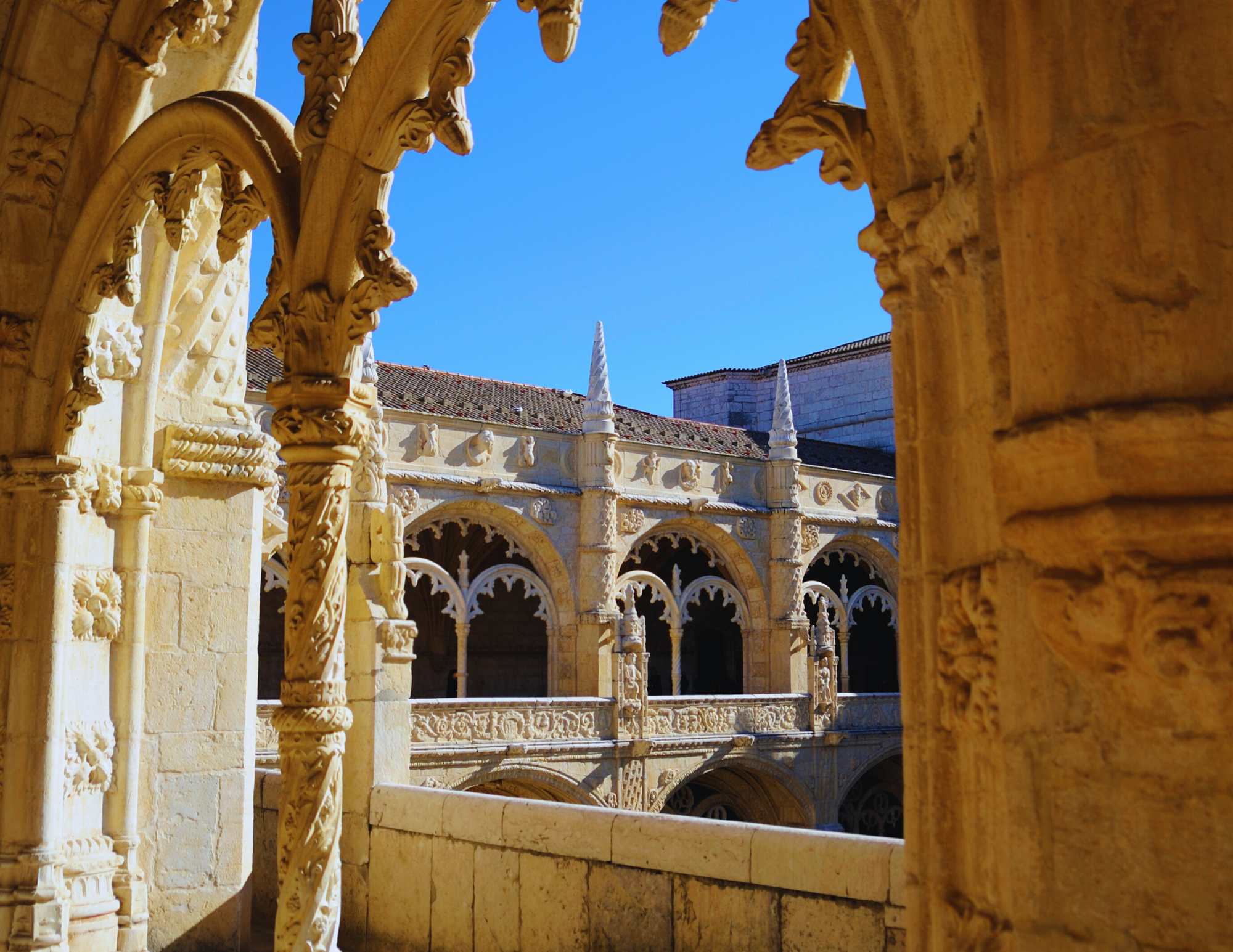
Jerónimos Monastery is considered one of the best examples of Manueline architecture, a uniquely Portuguese style.
This architectural style blends Gothic structure with maritime symbols reflecting Portugal’s exploration era.
As you walk around the monastery you will notice detailed carvings of:
ropes
anchors
nautical instruments
sea creatures
religious symbols
These elements were designed to celebrate Portugal’s connection to the sea and the discoveries made by its explorers.
The level of detail in the stonework is extraordinary and one of the main reasons the monastery became a UNESCO World Heritage Site.
It is one of those places where the more you look, the more details you notice. It does not feel repetitive. Every section of the building has something slightly different.
What to See Inside Jerónimos Monastery
The monastery complex includes several areas that visitors can explore.
The Church of Santa Maria
The main church is free to enter and one of the most beautiful churches in Lisbon.
Inside you will find tall stone columns that branch outward like palm trees, creating a stunning vaulted ceiling.
The church is also the resting place of several important historical figures including Vasco da Gama and the Portuguese poet Luís de Camões.
The Cloisters
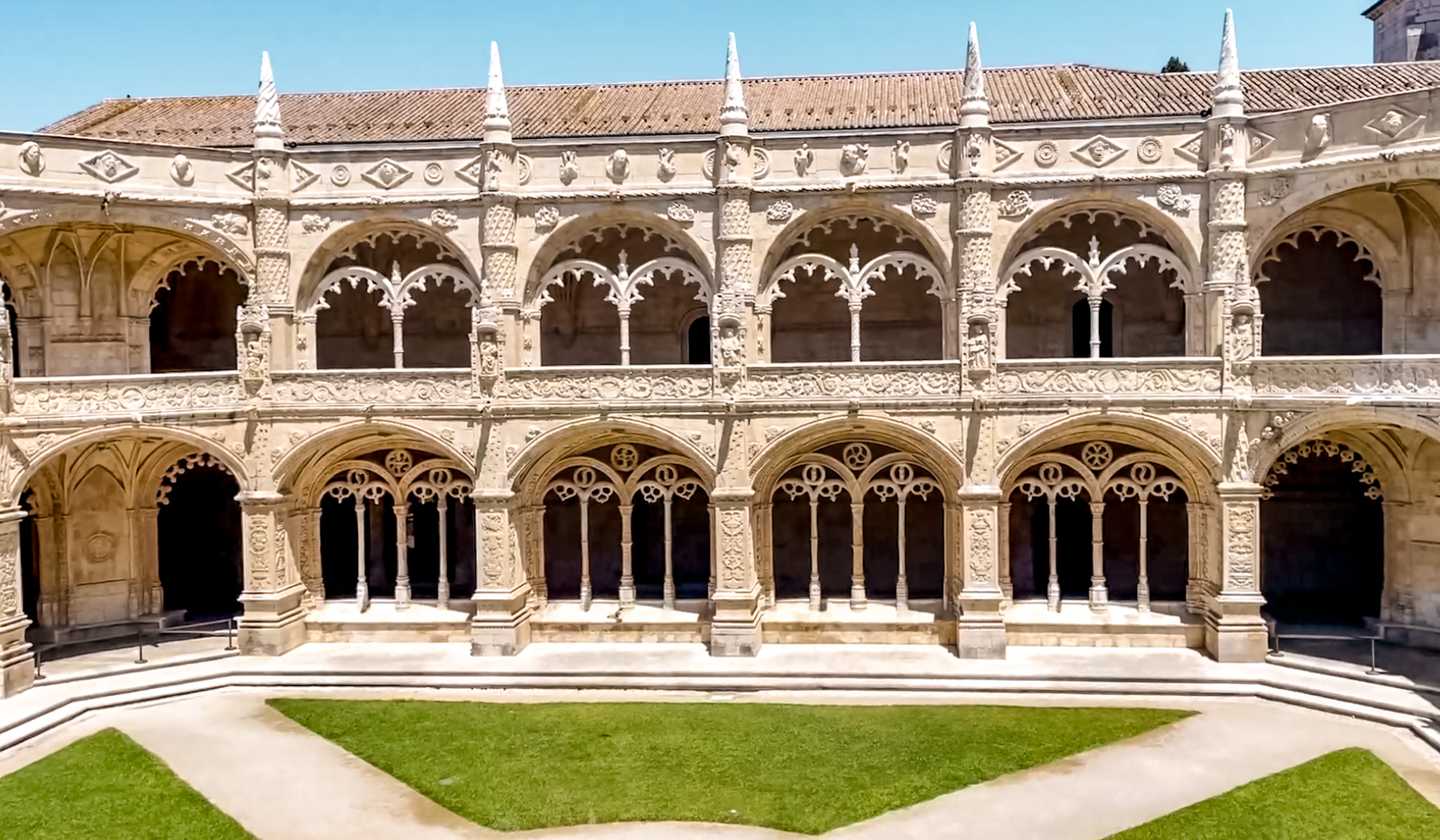
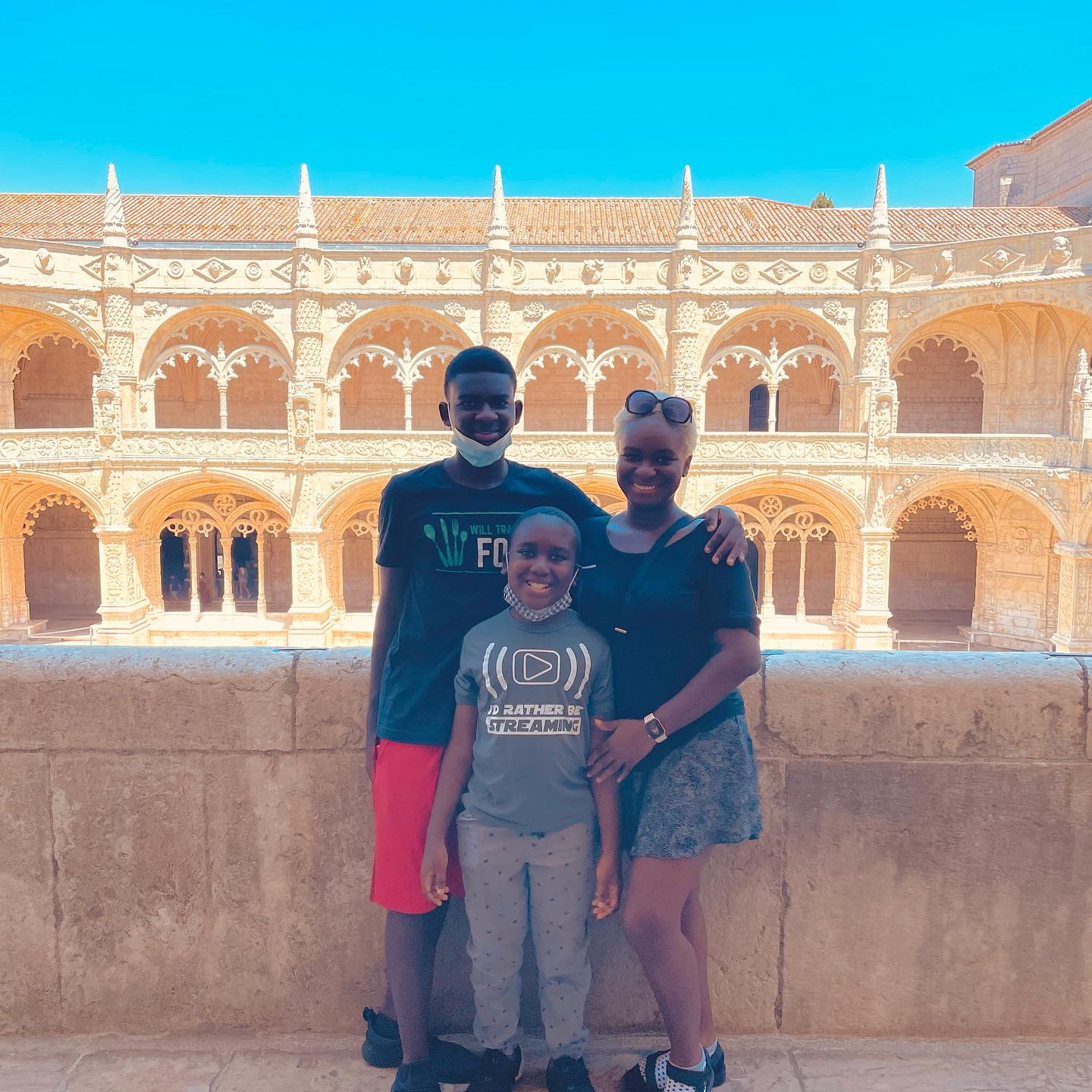
The cloisters are the highlight of the monastery for many visitors.
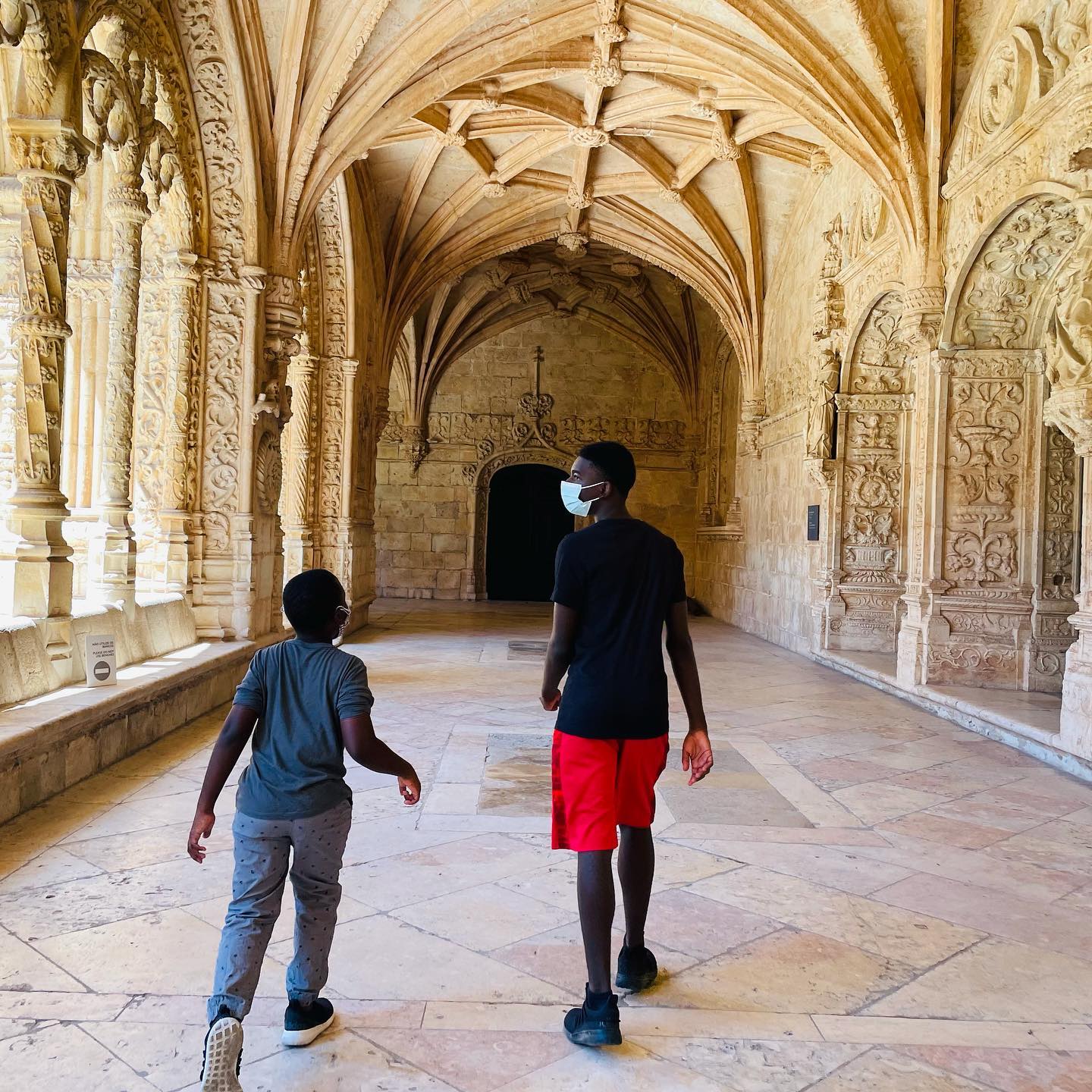
Two levels of intricately carved arches surround a peaceful courtyard. The detail in the columns, ceilings, and walkways is remarkable.
Walking through the cloisters allows you to appreciate the craftsmanship and scale of the monastery.
This area requires a ticket, but it is well worth the cost.
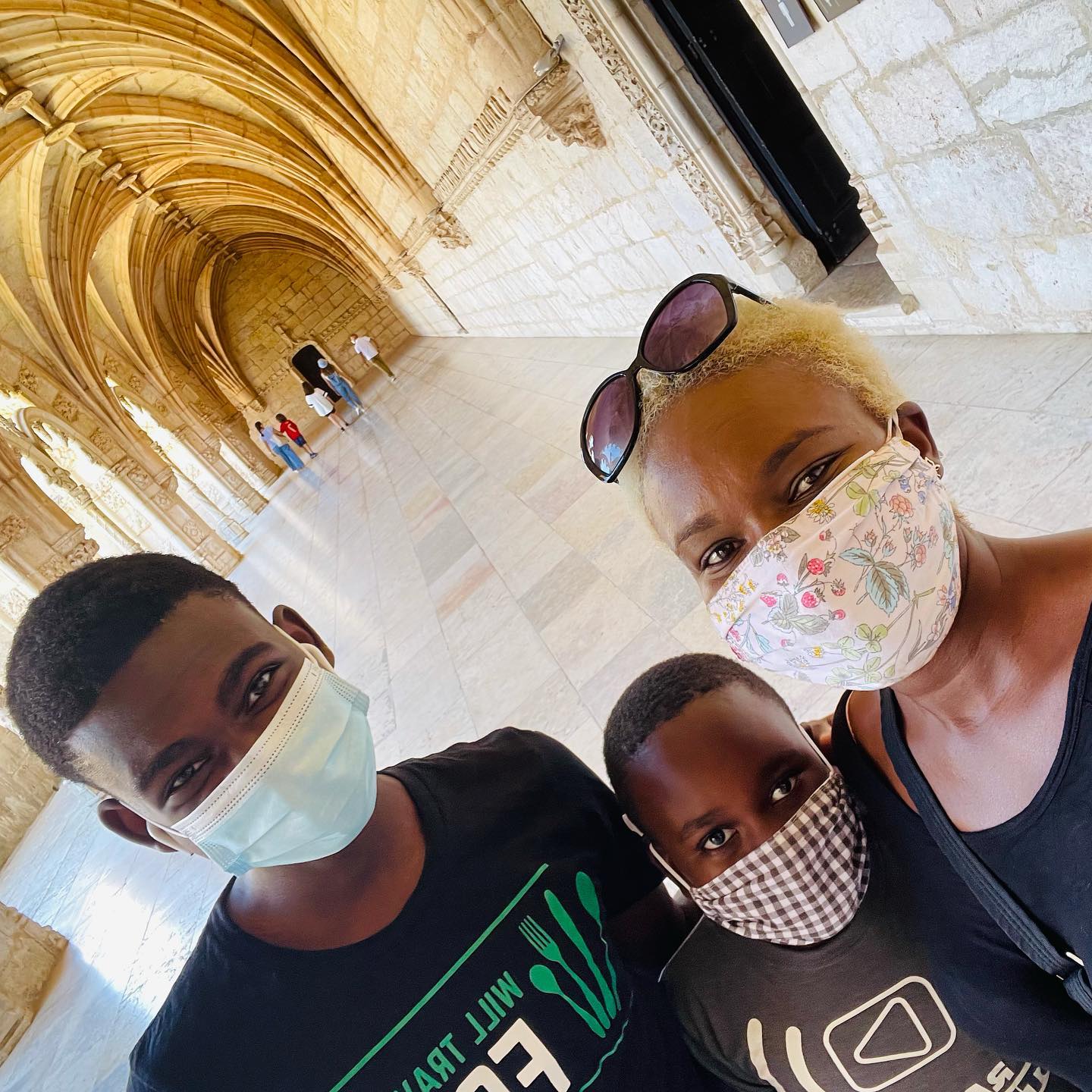
This was probably the most impressive part of the visit. It is one thing to see photos, but being there in person makes you realize how detailed and carefully designed the space is.
The Refectory
The refectory was the dining hall for the monks who once lived here.
The walls are decorated with traditional Portuguese azulejo tiles, which illustrate religious scenes.
These blue and white tiles are a defining feature of Portuguese architecture and appear throughout the country.
You can see more examples of this style in the National Tile Museum Lisbon, which explores the history of these beautiful ceramics.
Is Jerónimos Monastery Worth Visiting
If you are trying to decide whether Jerónimos Monastery is worth visiting, the answer is yes for most travelers.
It is one of the most historically important sites in Lisbon and one of the best examples of Manueline architecture in Portugal.
Even if you are not deeply interested in history, the design and scale of the building make it worth seeing.
The cloisters in particular stand out as one of the most impressive architectural spaces in Lisbon.
Because it is located in Belém, it is also easy to combine with several other major attractions, making it a very efficient use of your time in the city.
Jerónimos Monastery and the Age of Discoveries
The location of the monastery is closely connected to Portugal’s maritime history.
During the 15th and 16th centuries, Portugal became one of the most powerful seafaring nations in the world. Explorers sailed from Lisbon to Africa, Asia, and the Americas.
Jerónimos Monastery became a symbolic monument celebrating this era of exploration.
Its location along the river meant sailors would pass by it as they departed on long voyages.
Today the surrounding Belém area still reflects this history.

Nearby Attractions in Belém
One of the best things about visiting Jerónimos Monastery is how many other attractions sit nearby.
Within walking distance you can visit:
Belém Tower, a historic fortress that once protected the entrance to Lisbon’s harbor.
You can read more about visiting it in my Belém Tower Guide.
Another famous stop nearby is the bakery that produces some of the most famous custard tarts in Portugal.
If you want to learn more about these iconic pastries, I cover them in my Best Pastel de Nata in Lisbon guide.
Many visitors spend half a day exploring this area because the attractions are so close together.
How to Get to Jerónimos Monastery
Jerónimos Monastery is located about 6 kilometers west of central Lisbon in the Belém district.
The easiest ways to reach the monastery include:
Tram
Bus
Taxi or rideshare
Train from Cais do Sodré
Many visitors take the tram along the riverfront to reach Belém.
You can also combine the visit with a walk along the waterfront, which offers beautiful views of the Tagus River.
This area connects well with other waterfront routes in Lisbon, especially if you enjoy walking between locations instead of relying only on transport.
Best Time to Visit Jerónimos Monastery
Jerónimos Monastery is one of Lisbon’s most popular attractions, so timing your visit can make a big difference.
Early morning is usually the best time to arrive before the lines grow long.
Late afternoon can also be quieter once large tour groups leave.
If possible, avoid mid day when the crowds are at their largest.
Tips for Visiting Jerónimos Monastery
Arrive early to avoid long ticket lines.
Plan at least one to two hours for your visit.
Combine the monastery with other Belém attractions.
Wear comfortable shoes if you plan to explore the surrounding area.
Planning Your Lisbon Trip
If you are organizing your time in the city, these guides can help you explore Lisbon more fully.
You can start with my complete Lisbon Travel Guide, which covers the best neighborhoods, landmarks, and experiences in the city.
I also share detailed guides for other attractions including the Elevador de Santa Justa, scenic terraces in my Best Viewpoints in Lisbon guide, and cultural sites like the Museu do Fado.
If you only have a few days in Lisbon, you can also follow the route outlined in my 3 Day Lisbon Itinerary.

Final Thoughts
Jerónimos Monastery is one of the most impressive historic landmarks in Lisbon.
Its detailed architecture, deep connection to Portugal’s Age of Discoveries, and location in the Belém district make it one of the most important places to visit in the city.
Standing inside the cloisters and looking up at the intricate stone carvings, it becomes clear why Jerónimos Monastery is considered one of Portugal’s greatest architectural achievements.
If you are visiting Lisbon, it is absolutely worth adding to your itinerary.
If you are planning your time in Lisbon, this is one of those places that works best as part of a full day in Belém rather than a quick stop. When you group it with nearby landmarks using your Lisbon Travel Guide or build it into your 3 Day Lisbon Itinerary, it becomes one of the highlights of your trip.

Cavetta is the creator of LifeWithVetta.com and has been traveling the world full time since 2020. She has visited more than 60 countries while worldschooling her son and documenting what it really takes to live abroad. Her guides focus on travel, moving abroad, digital nomad life, and designing a life beyond the traditional path.
