
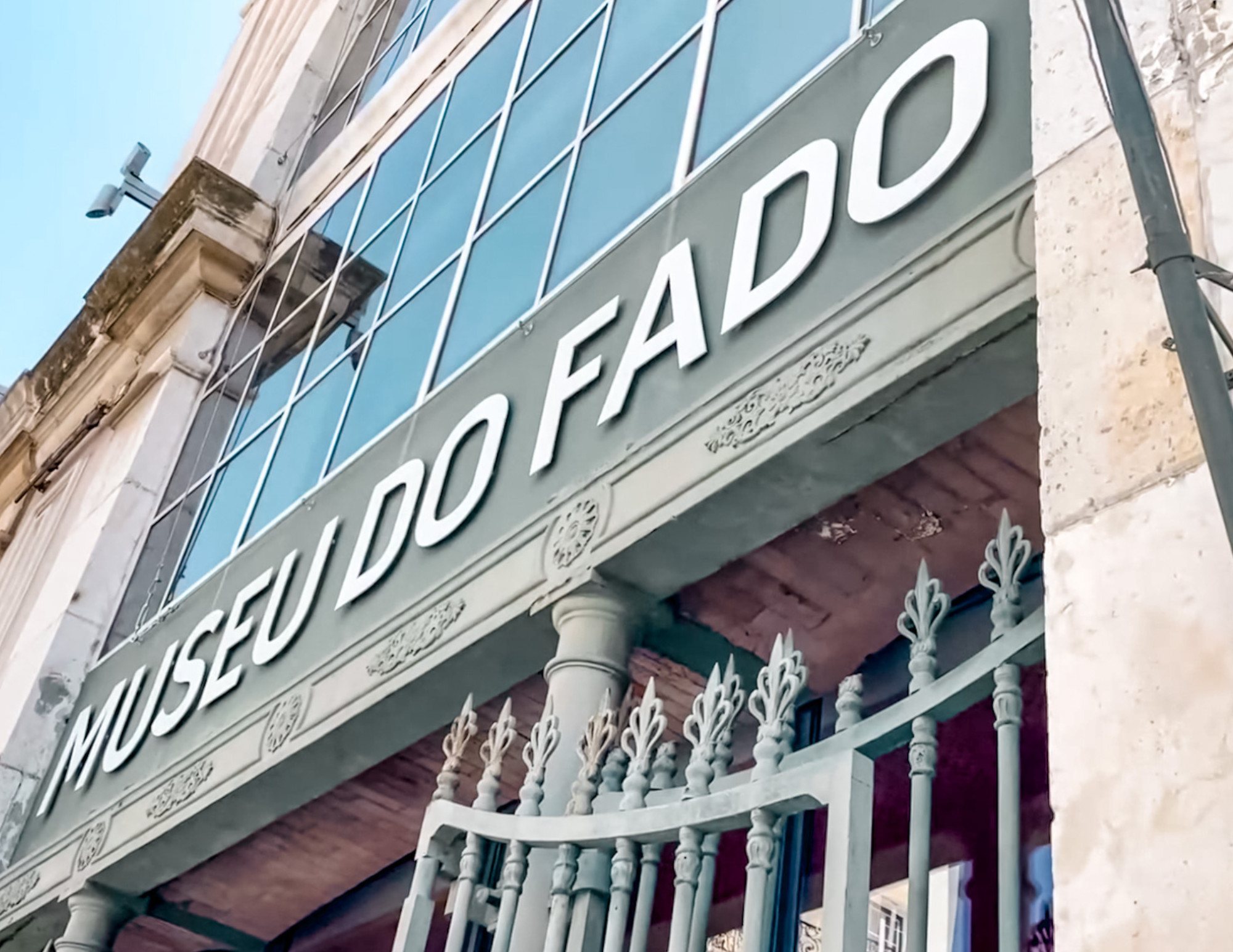
If you want to understand Portugal beyond the views and pastel de nata, you have to understand Fado.
Fado is the music of Lisbon. Emotional, powerful, and deeply tied to Portuguese identity. It is the sound of longing, nostalgia, and storytelling wrapped into song.
One of the best places to learn about it is the Museu do Fado.
We visited the museum during our first time in Lisbon in 2021, and it ended up being one of the experiences my kids enjoyed the most. Even if you are not a music expert, the museum explains the history of Portugal’s most famous musical tradition in a way that is engaging and interactive.
If you are visiting Lisbon and want to understand the culture a little deeper, this museum is worth adding to your itinerary.
It fits especially well into a day exploring Alfama, and I included it as part of my Lisbon Travel Guide, as well as my 3 Day Lisbon Itinerary and 5 Day Lisbon Itinerary if you are planning your route through the city.

What Is the Museu do Fado?
The Museu do Fado is a museum dedicated entirely to Fado music, the traditional Portuguese musical style that originated in Lisbon’s historic neighborhoods during the 19th century.
The museum opened in 1998 and was created to preserve, document, and celebrate the history of Fado and the artists who shaped it.
Inside the museum you will find:
• Historic recordings
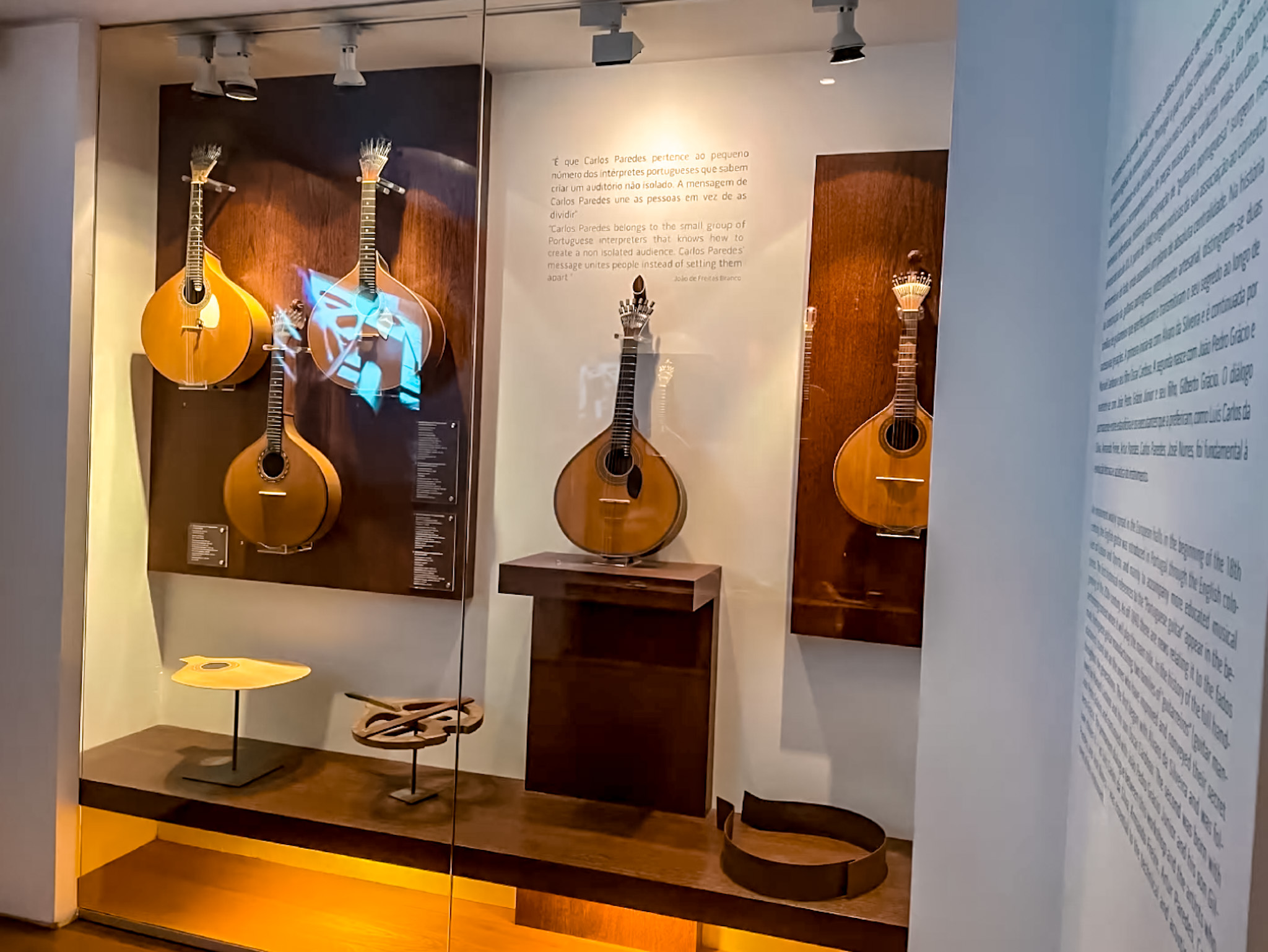
• Musical instruments including Portuguese guitars
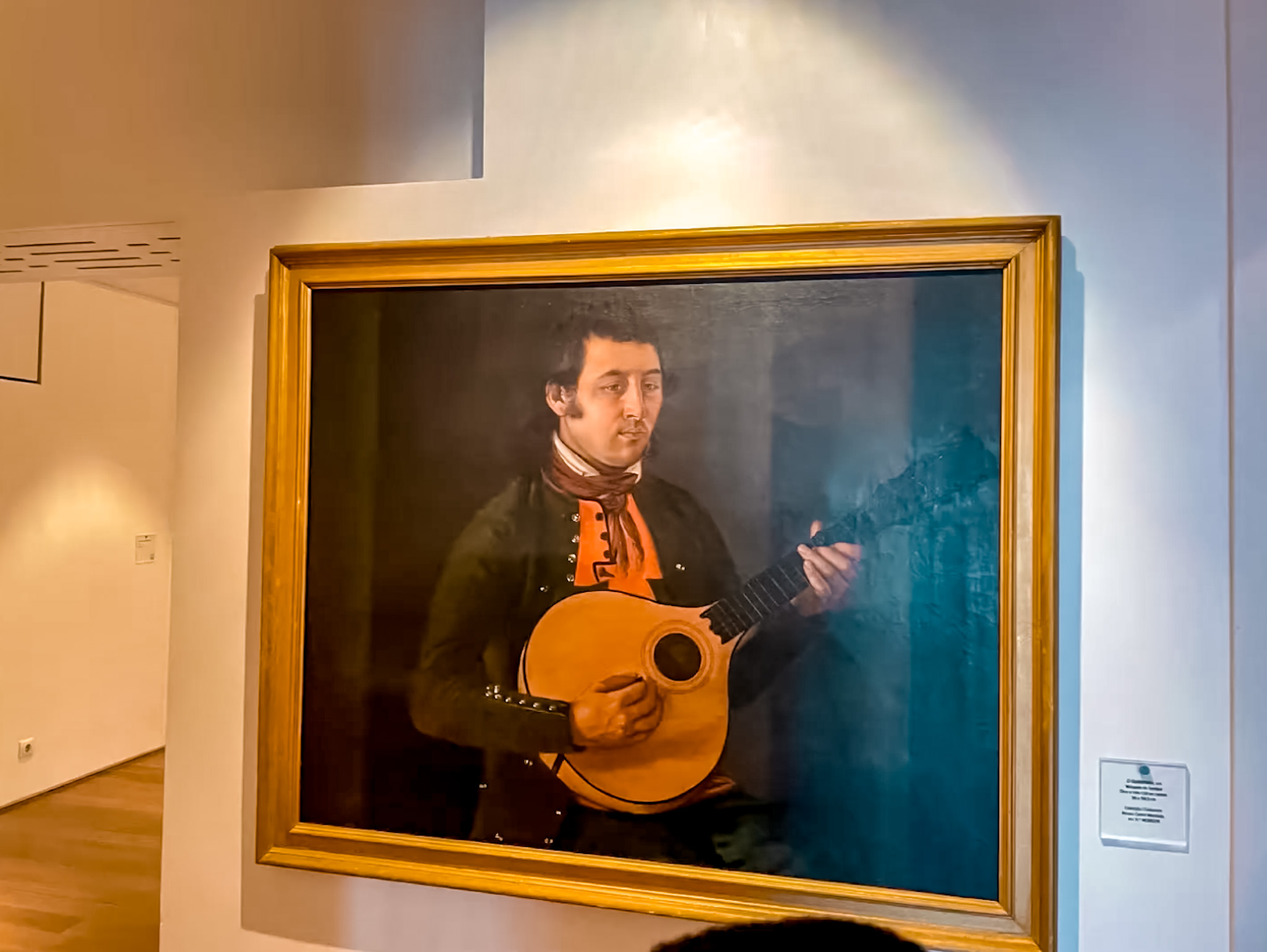
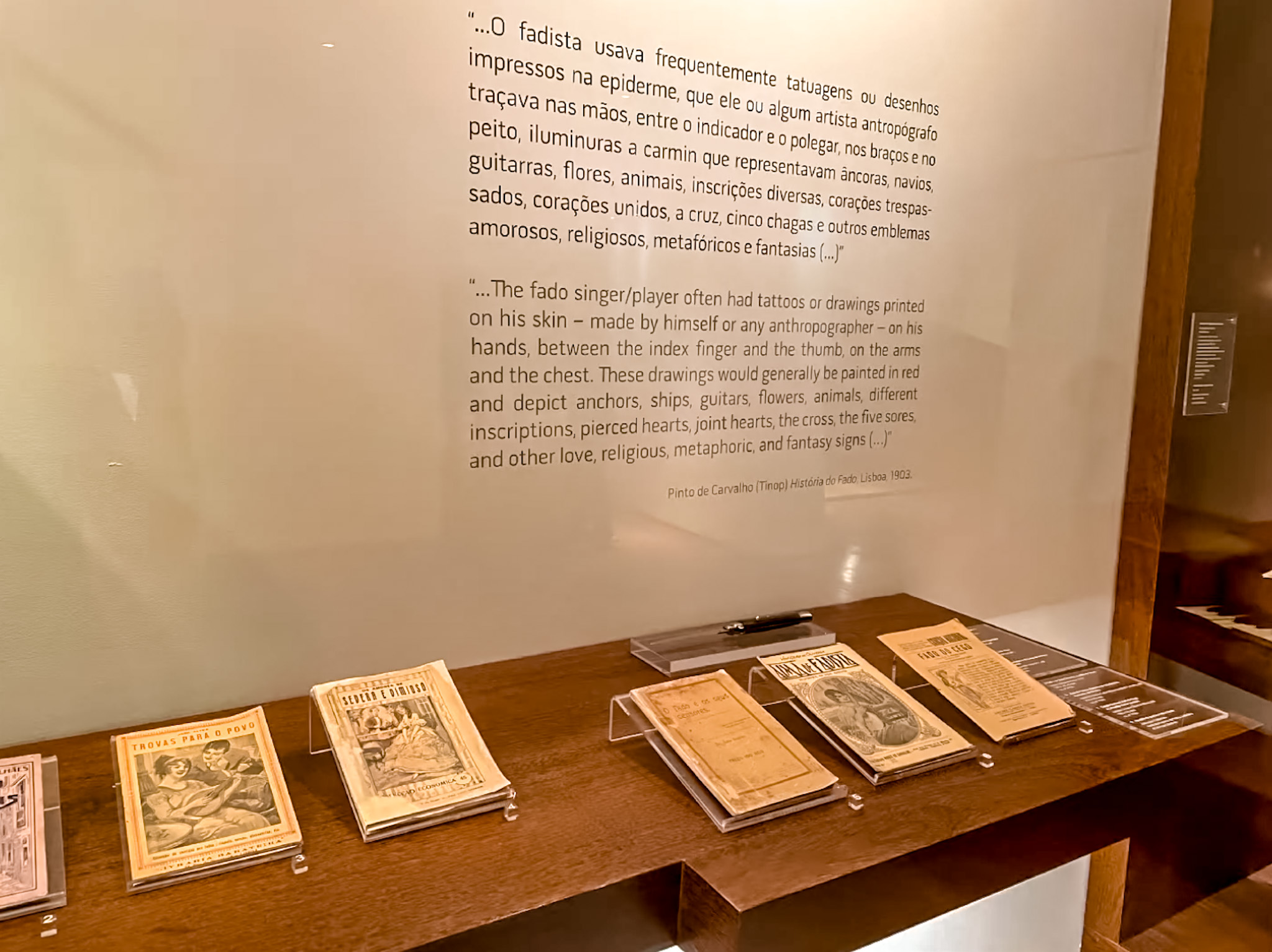
• Posters and photographs
• Costumes and memorabilia
• Biographies of famous fadistas (Fado singers)
• Multimedia listening stations where you can hear classic songs
Because Fado is such an emotional and expressive form of music, the museum focuses not just on artifacts but also on the sounds themselves. Visitors can listen to recordings that trace the evolution of Fado from small taverns and working class neighborhoods to international concert halls.
It is a place where you do not just read about the music. You actually hear it.

Where the Museum Is Located
The museum sits in the historic Alfama neighborhood, which is considered the birthplace of Fado.
Address:
Largo do Chafariz de Dentro 1
1100-139 Lisbon, Portugal
Alfama itself is one of the most atmospheric areas in Lisbon. Narrow streets, tiled buildings, and viewpoints over the river create the perfect backdrop for a museum dedicated to such an emotional musical tradition.
Because of its location, visiting the museum pairs easily with exploring Alfama’s streets and viewpoints.
If you are already planning to walk through this area, I break down the route and what to see in more detail in my guide to walking through Alfama and along the Tagus River, along with the best viewpoints in Lisbon guide nearby.
Current Ticket Prices
The museum is surprisingly affordable.
Current ticket prices are approximately:
Adult ticket: €5
Youth (13 to 25): €2.50
Seniors: about €4
Children under 12: Free
The ticket also includes access to the museum’s audio experience where you can listen to historic Fado recordings while exploring the exhibits.
Guided tours are available for a small additional fee if you want a deeper explanation of the history and artists.
For the amount you learn inside, it is one of the more affordable cultural attractions in Lisbon.
Opening Hours
The museum is typically open:
Tuesday through Sunday
10:00 AM to 6:00 PM
Last entry around 5:30 PM
It is usually closed on Mondays and certain holidays.
Plan to spend about one to two hours exploring the exhibits and listening to the music.
What You Will See Inside the Museum
The permanent exhibition focuses on the history and cultural impact of Fado.
Some highlights include:
Historic Portuguese Guitars
The Portuguese guitar is one of the most recognizable instruments used in Fado music. Seeing the instruments up close helps explain the distinctive sound of the genre.
Listening Stations
One of the most engaging parts of the museum is being able to listen to historic recordings while learning about the singers who made the music famous.
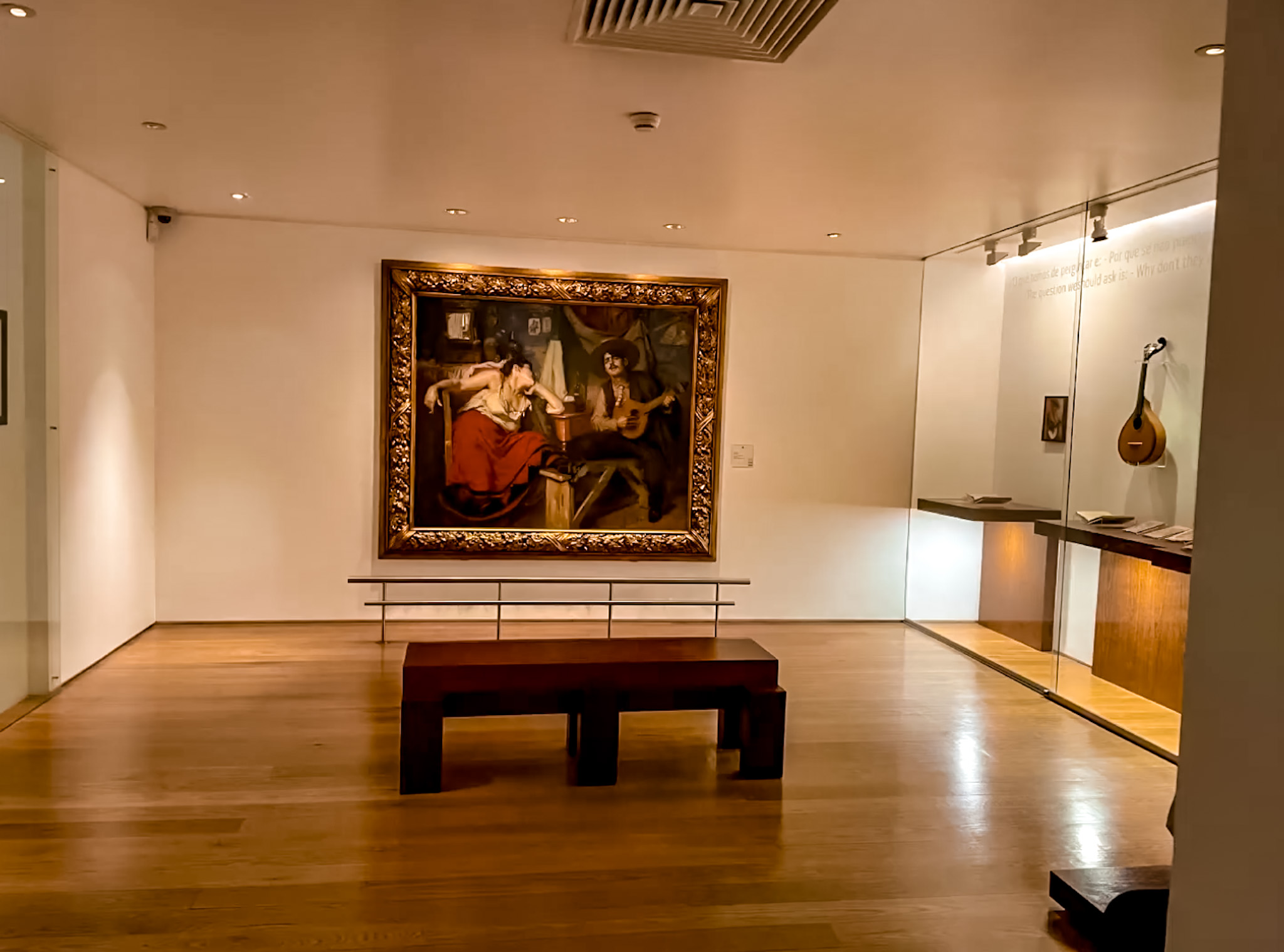
Photographs and Posters
Old concert posters and photographs tell the story of how Fado evolved from music played in taverns and working class neighborhoods to one of Portugal’s most recognized cultural traditions.
Stories of Famous Fadistas
The museum highlights the lives and careers of the singers who shaped the music over the decades.
Even if you are new to Fado, the storytelling helps you understand why this music means so much to Portuguese culture.

A Great Cultural Activity for Families
When we visited in 2022, my kids were actually really engaged during the visit.
Museums can sometimes be a challenge with kids, but the audio elements and interactive displays kept them interested. They loved being able to listen to different songs while learning about the instruments and performers.
It turned into a surprisingly educational experience for all of us.
If you are traveling with kids and looking for something cultural that is still approachable, the museum works well.

Why Fado Matters in Portugal
Fado is more than music. It is an expression of Portuguese identity.
The word most often associated with Fado is saudade, a feeling of deep emotional longing and nostalgia. Many songs tell stories about love, loss, and life in Lisbon’s historic neighborhoods.
Today Fado is recognized as an important part of Portugal’s cultural heritage and continues to influence music and culture across the country.
Visiting the museum helps you understand the deeper meaning behind the songs you might hear later in a traditional Fado restaurant.
And if you are planning to experience Fado live, pairing it with a meal is part of the tradition. I share where to eat and what to try in my Lisbon Food Guide, including some of the best places to experience local dishes after a day exploring the city.

Is the Museu do Fado Worth Visiting?
If you are interested in Portuguese culture, the answer is yes.
Even if you are not already familiar with Fado, the museum provides context that makes the music more meaningful when you hear it later in a restaurant or live performance.
It is also an easy stop while exploring Alfama, and the ticket price makes it a low risk addition to your Lisbon itinerary.

Final Thoughts
Lisbon is full of beautiful viewpoints, historic streets, and incredible food. But the city’s soul is found in its music.
The Museu do Fado gives you context for everything else you experience in Lisbon. The neighborhoods make more sense. The atmosphere feels different. Even the live music you hear later carries more weight.
If you want to go beyond sightseeing and actually understand the culture of Portugal, this is one of the easiest and most meaningful places to start.

Cavetta is the creator of LifeWithVetta.com and has been traveling the world full time since 2020. She has visited more than 60 countries while worldschooling her son and documenting what it really takes to live abroad. Her guides focus on travel, moving abroad, digital nomad life, and designing a life beyond the traditional path.
