

Lisbon is one of those cities that slowly reveals itself the longer you stay.
When we first visited Lisbon in 2021, we did what many travelers do. We rushed between landmarks, climbed a few viewpoints, wandered through Alfama, and tried our first pastel de nata.
Even after several days, it felt like we had only scratched the surface.
When we returned again in February 2026, that feeling proved true. We revisited places we loved, explored areas we missed the first time, and still left with a list of things we want to see next time.
Lisbon is built across seven hills overlooking the Tagus River, and every neighborhood feels slightly different. One moment you are standing on a scenic terrace overlooking the city, and the next you are walking through narrow streets that feel unchanged for centuries.
This 5 day Lisbon itinerary combines historic landmarks, viewpoints, neighborhoods, food experiences, and a day trip to nearby Sintra so you can experience the city without rushing.
If you want a broader overview of the city before planning your trip, my Lisbon Travel Guide breaks down the neighborhoods, attractions, and travel tips that help visitors understand how everything fits together.
If you are visiting for a shorter trip, see my 3 Day Lisbon Itinerary, which focuses on the essential highlights of the city.
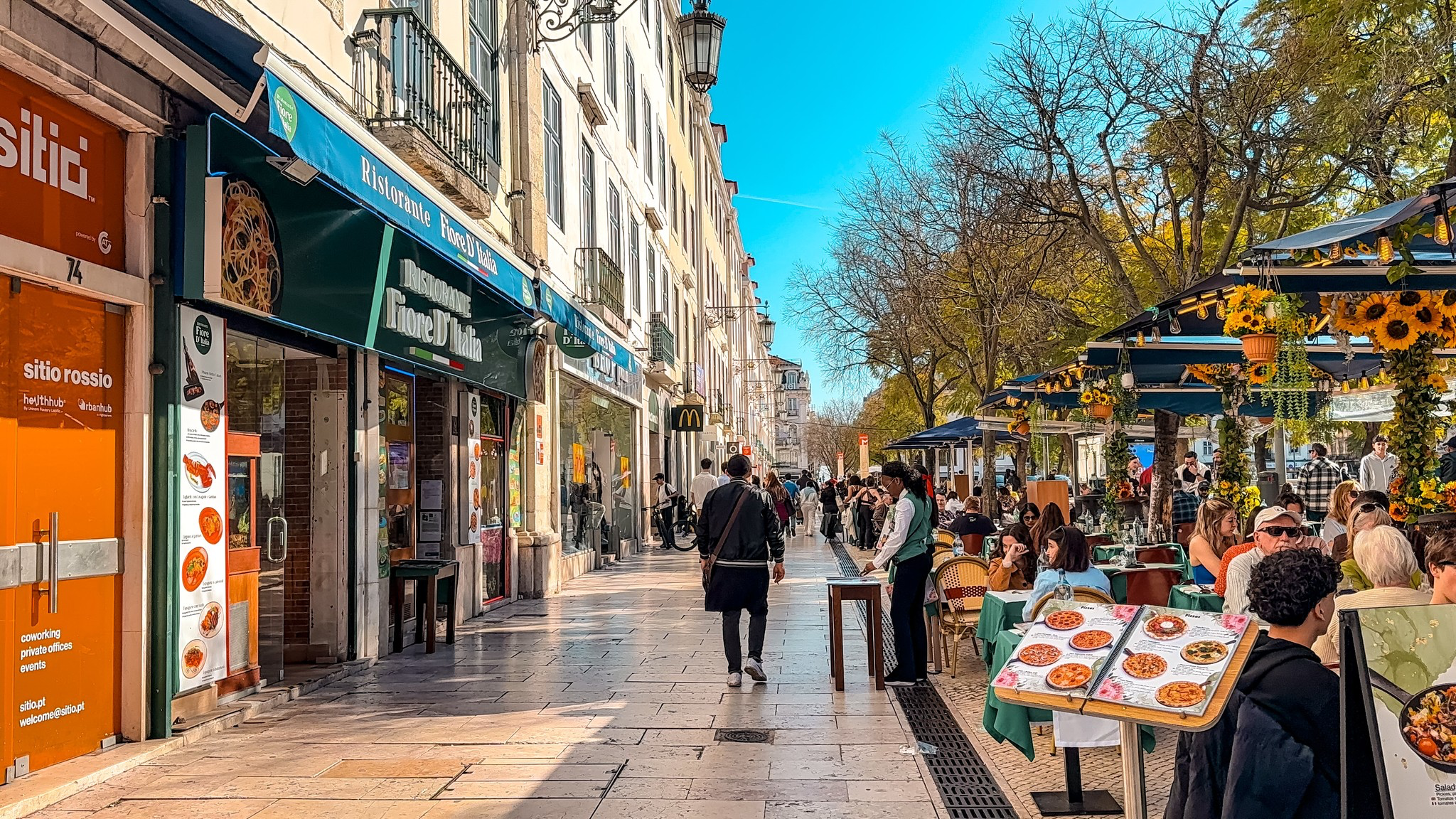
Why Lisbon Is One of Europe’s Most Rewarding Cities to Explore
Lisbon has a way of surprising visitors.
At first glance it might seem like a compact capital with a handful of well known landmarks. But once you begin exploring, the city reveals layers of history, neighborhoods, viewpoints, and food culture that make it far richer than it first appears.
Part of Lisbon’s charm comes from its geography. The city is built across a series of hills overlooking the Tagus River, which means scenic viewpoints appear around nearly every corner. Locals call these viewpoints miradouros, and many of them offer sweeping views of the city’s red rooftops and historic districts.
Another reason Lisbon feels so unique is its mix of architectural styles. Neighborhoods like Alfama still follow medieval street patterns, while districts like Baixa were rebuilt with wide boulevards and elegant architecture after the devastating earthquake of 1755.
Because of this contrast, exploring Lisbon often feels like walking through different chapters of the city’s history.
Some of the best experiences in Lisbon happen between the major attractions. You might discover a quiet café tucked into a narrow alley, stumble across a scenic terrace overlooking the river, or hear the sound of Fado music drifting out from a small restaurant.
Lisbon rewards travelers who move slowly.
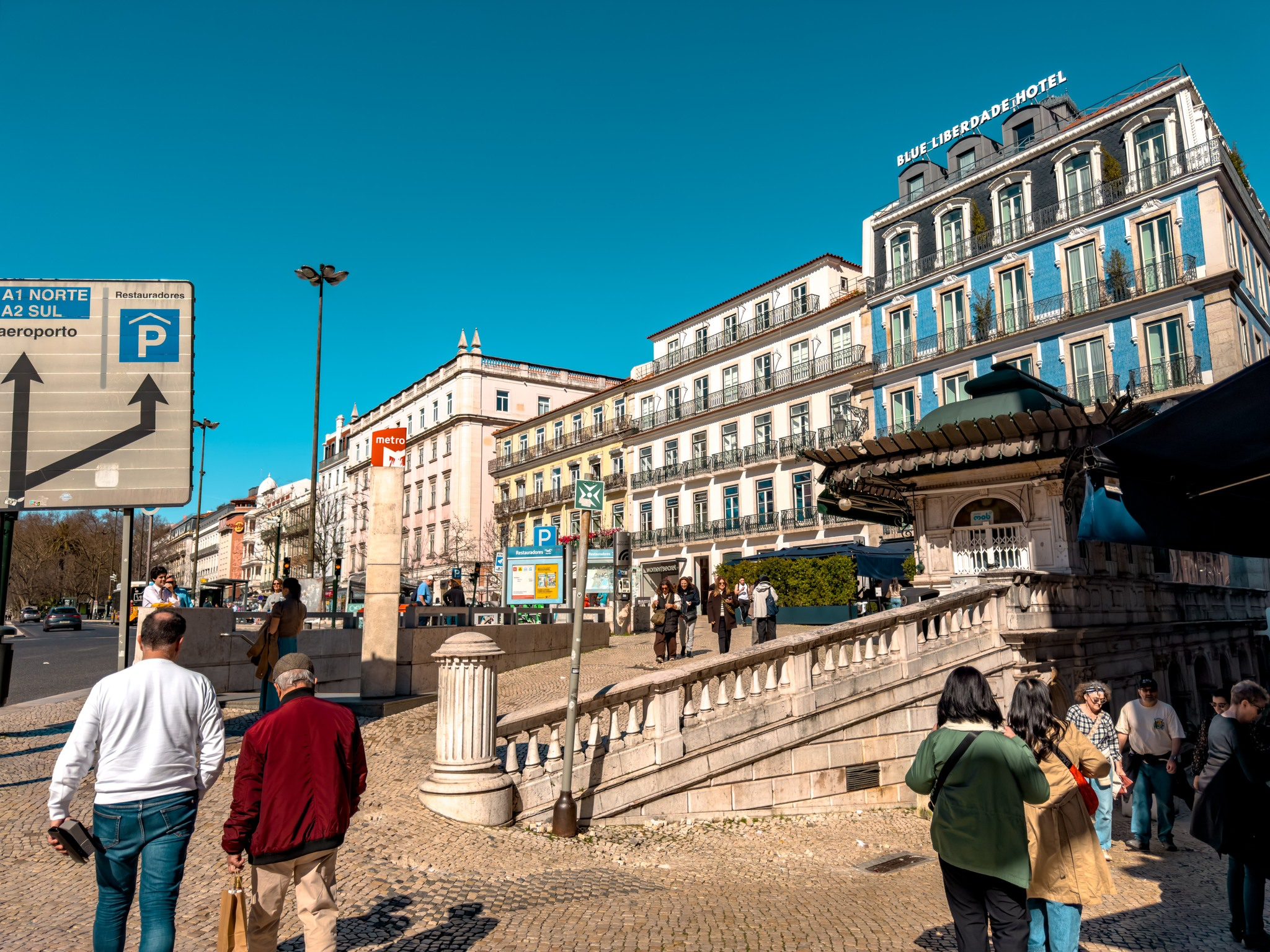
Is 3 or 5 Days in Lisbon Enough?
Many travelers wonder how long they should spend in Lisbon.
Three days is enough to see the highlights of the city, but five days allows you to experience Lisbon properly.
With five days you can:
explore Alfama and the historic center
visit Belém’s famous monuments
discover viewpoints across the hills
experience Lisbon’s food culture
visit museums and gardens
take a day trip to Sintra
Lisbon is not a city that should be rushed. The hills, viewpoints, and neighborhoods encourage wandering, and many of the most memorable moments happen while simply exploring.
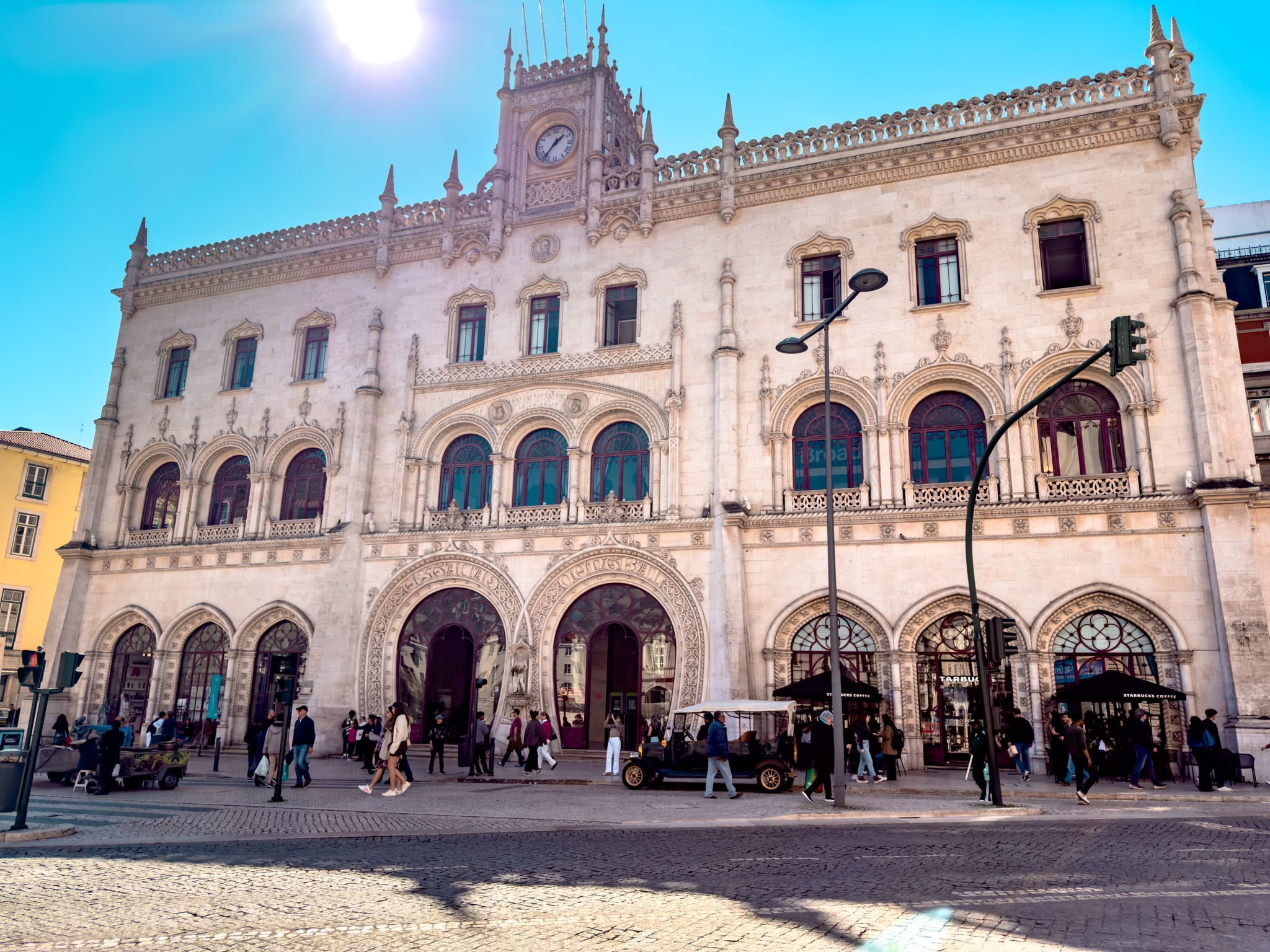
Before You Start Exploring Lisbon
A few simple things can make exploring Lisbon much easier.
Having mobile data is extremely helpful when navigating Lisbon’s winding streets and public transportation. One easy option is using Airalo Portugal eSIM data packages, which activate instantly and allow you to use maps, rideshare apps, and translation tools while exploring.
Many visitors also use the Lisbon Card, which includes unlimited public transportation and free or discounted entry to several major attractions including Jerónimos Monastery.
For longer trips abroad, it is also worth having travel medical coverage. I personally recommend SafetyWing travel insurance, which is designed specifically for travelers and digital nomads.
With those basics sorted out, it is time to start exploring Lisbon.
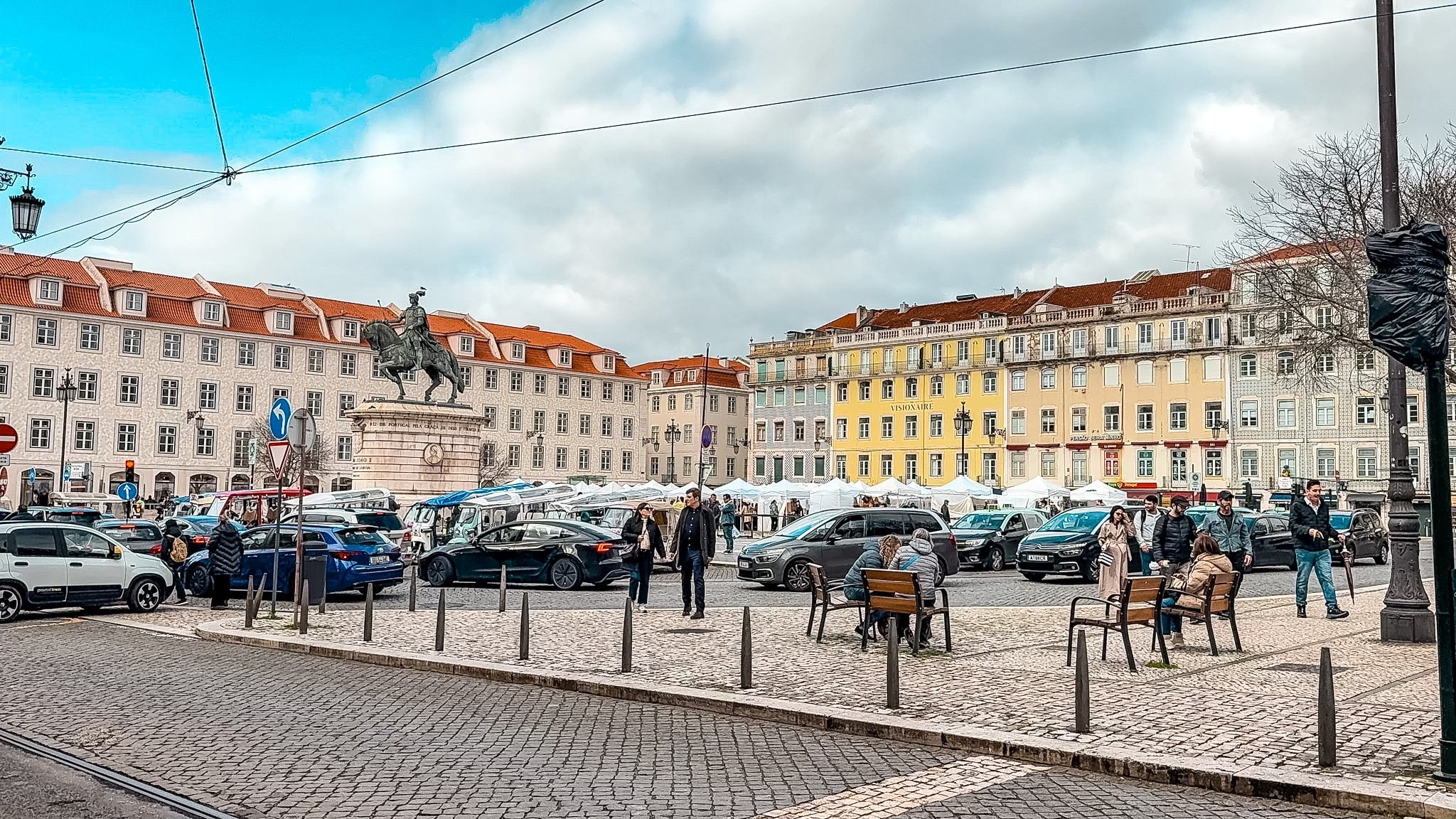
Lisbon Itinerary Map and Getting Around the City
Lisbon is a compact city, but its hills and winding streets can make navigation a little confusing for first-time visitors.
Most of the attractions included in this itinerary are located within a few central neighborhoods including Alfama, Baixa, Chiado, Belém, and Príncipe Real. Because these areas are relatively close together, many travelers spend a large portion of their time simply walking between attractions.
That said, Lisbon’s hills can be steep, and public transportation is often helpful when moving between neighborhoods.
The city has an extensive transportation network that includes metro lines, buses, historic trams, and funicular railways. One of the most famous routes is Tram 28, which winds through several historic neighborhoods including Alfama and Graça while passing some of Lisbon’s most picturesque streets.
Many visitors choose to purchase the Lisbon Card, which includes unlimited public transportation and free or discounted entry to several major landmarks around the city.
For places slightly farther away, such as the Belém district, trams and trains make the journey easy. The train to Sintra, which is included as a day trip in this itinerary, departs frequently from Rossio Station in Lisbon’s city center.
Because Lisbon’s streets can be confusing to navigate at times, having mobile data makes getting around much easier. Using a Portugal eSIM through Airalo allows you to quickly check directions, transportation schedules, and restaurant recommendations while exploring the city.
In most cases, the best way to experience Lisbon is a combination of walking and public transportation. The distances are manageable, and exploring the city on foot often leads to unexpected discoveries along the way.

Lisbon 5 Day Itinerary Overview
Lisbon is a city best explored slowly. Its historic neighborhoods, viewpoints, and waterfront districts each offer something different, and spreading your visit across several days allows you to experience the city without rushing.
This itinerary balances Lisbon’s major landmarks with local neighborhoods, viewpoints, museums, and food experiences.
Here is how the five days are structured:
Day 1: Alfama, Lisbon Cathedral, and São Jorge Castle
Day 2: Belém landmarks including Jerónimos Monastery and Belém Tower
Day 3: Baixa, Chiado, Santa Justa Elevator, and LX Factory
Day 4: Museums, gardens, and Lisbon’s café culture
Day 5: A day trip to Sintra’s palaces and castles
Each day includes suggestions for breakfast, lunch, and dinner along with the major sights to explore.
Because Lisbon is a city full of hills, viewpoints, and historic streets, you will likely discover additional places along the way. That is part of what makes exploring Lisbon so rewarding.
Mapping out your route before arriving in Lisbon can help you group attractions efficiently and reduce travel time between neighborhoods.
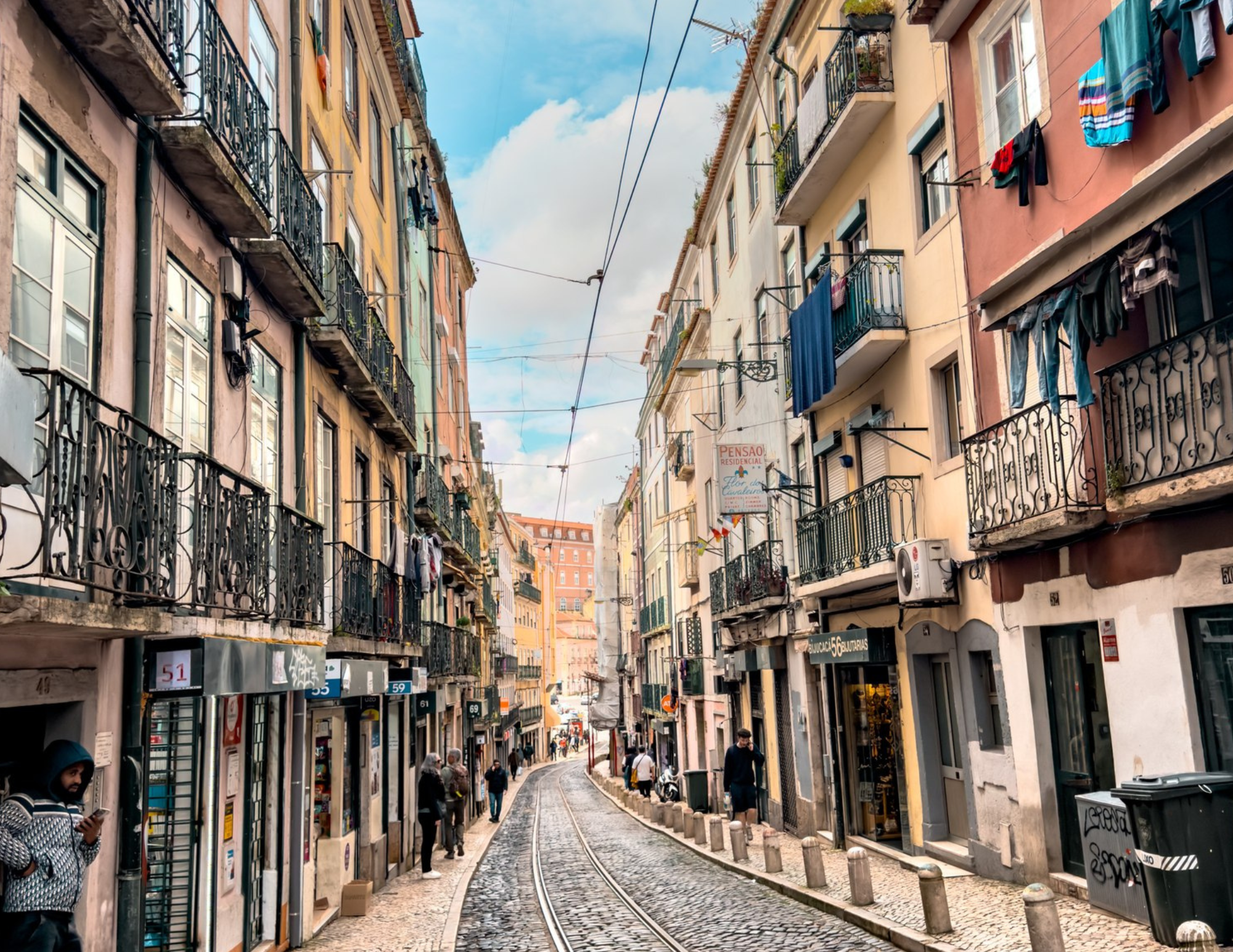
Day 1: Alfama, Castles, and Lisbon’s Medieval Roots
Start your first morning in Lisbon with breakfast at Sense of Coffee, a small café known for excellent specialty coffee and creative brunch dishes.
When we visited, my son ordered the hot chocolate and pastrami eggs Benedict while I had the salmon Benedict and a seasonal Biscoff coffee drink. It was the perfect start to our first full day exploring Lisbon.
After breakfast, begin exploring Alfama, the oldest neighborhood in the city.
Alfama survived the devastating 1755 Lisbon earthquake, which destroyed much of the rest of the city. Because of that, its narrow medieval streets remain largely unchanged. Walking through Alfama feels like stepping back in time.
As you wander through the neighborhood, you will reach Lisbon Cathedral (Sé de Lisboa), the city’s oldest church. Built in the 12th century shortly after Lisbon was reconquered from Moorish rule, the cathedral has stood through centuries of earthquakes, fires, and renovations.
From there, continue climbing toward Castelo de São Jorge, the hilltop castle overlooking Lisbon. The fortress has existed in various forms since Roman and Moorish times, and today visitors can walk along its stone walls while looking out across the red rooftops of Alfama toward the Tagus River.
Along the way you will pass several scenic terraces known as miradouros. Viewpoints like Miradouro de Santa Luzia and Miradouro da Senhora do Monte offer some of the most beautiful views across Lisbon. I highlight more of these scenic spots in my guide to the Best Viewpoints in Lisbon.
For lunch, we stopped at Frei Papinhas Restaurant, a relaxed local restaurant serving traditional Portuguese dishes. Alfama is full of small restaurants though, so it is easy to wander until something catches your eye.
In the afternoon, consider visiting the nearby Museu do Fado, which explains the history of Portugal’s traditional music style.
Fado is known for its emotional sound, often telling stories about longing, love, and the sea. The music originated in neighborhoods like Alfama, which is why the area still feels closely connected to the tradition.
For dinner, this is the perfect night to experience Fado live. Several restaurants in Alfama host dinner accompanied by Fado performances, creating one of the most memorable cultural experiences in Lisbon.
Day 2: Belém and Portugal’s Age of Discoveries
Start the second day in the Belém district, one of Lisbon’s most historic areas.
Begin the morning with breakfast at Pastéis de Belém, a bakery that has been serving Lisbon’s most famous pastry since the 1800s.
Pastel de nata is a custard tart with a flaky pastry crust, and it is one of the most iconic foods in Portugal. Locals often eat them with coffee in the morning or as an afternoon treat.
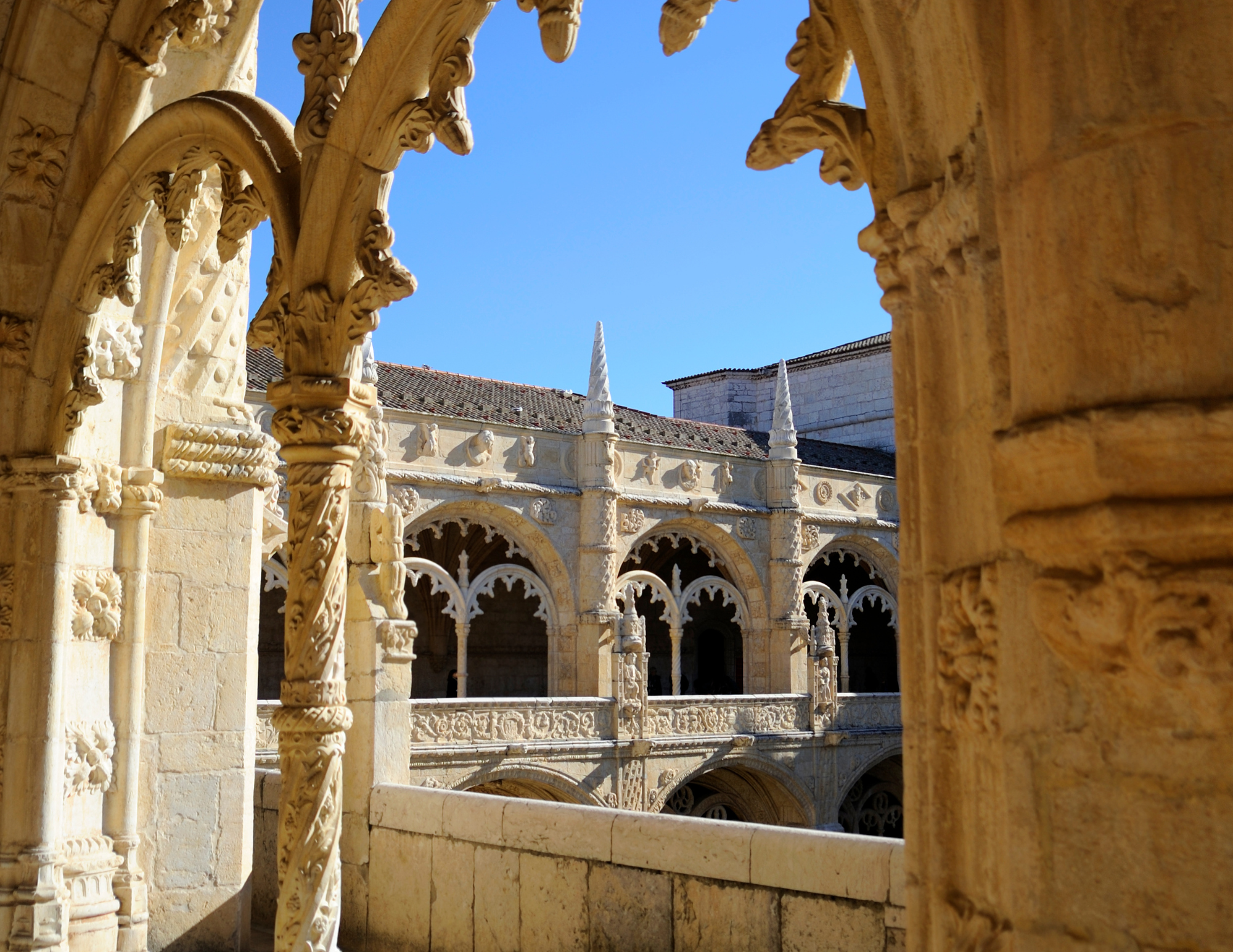
After breakfast, walk over to Jerónimos Monastery, one of the most impressive landmarks in Lisbon.
The monastery was built in the early 1500s during Portugal’s Age of Discoveries, when explorers like Vasco da Gama were opening sea routes to Asia and the Americas. The elaborate Manueline architecture reflects the wealth and global influence Portugal gained during this period.
Just a short walk away you will find Belém Tower, the historic fortress that once guarded the entrance to Lisbon’s harbor.
Standing along the riverfront today, it is easy to imagine ships departing from Lisbon during the height of the Portuguese maritime empire.
For lunch, you can stop at one of the restaurants along the Belém waterfront or simply enjoy a lighter meal and pastry break before continuing the afternoon.
After lunch, consider visiting MAAT – the Museum of Art, Architecture and Technology, a modern museum located along the Tagus River. Its contemporary design contrasts beautifully with the historic monuments nearby.
Walking along the riverfront in Belém is also one of the most relaxing experiences in Lisbon. Wide promenades and views of the 25 de Abril Bridge make it a pleasant area to explore in the afternoon.
For dinner, return toward central Lisbon. One night we grabbed takeaway from Churrasqueira Braza, a local spot known for grilled meats and simple Portuguese comfort food.
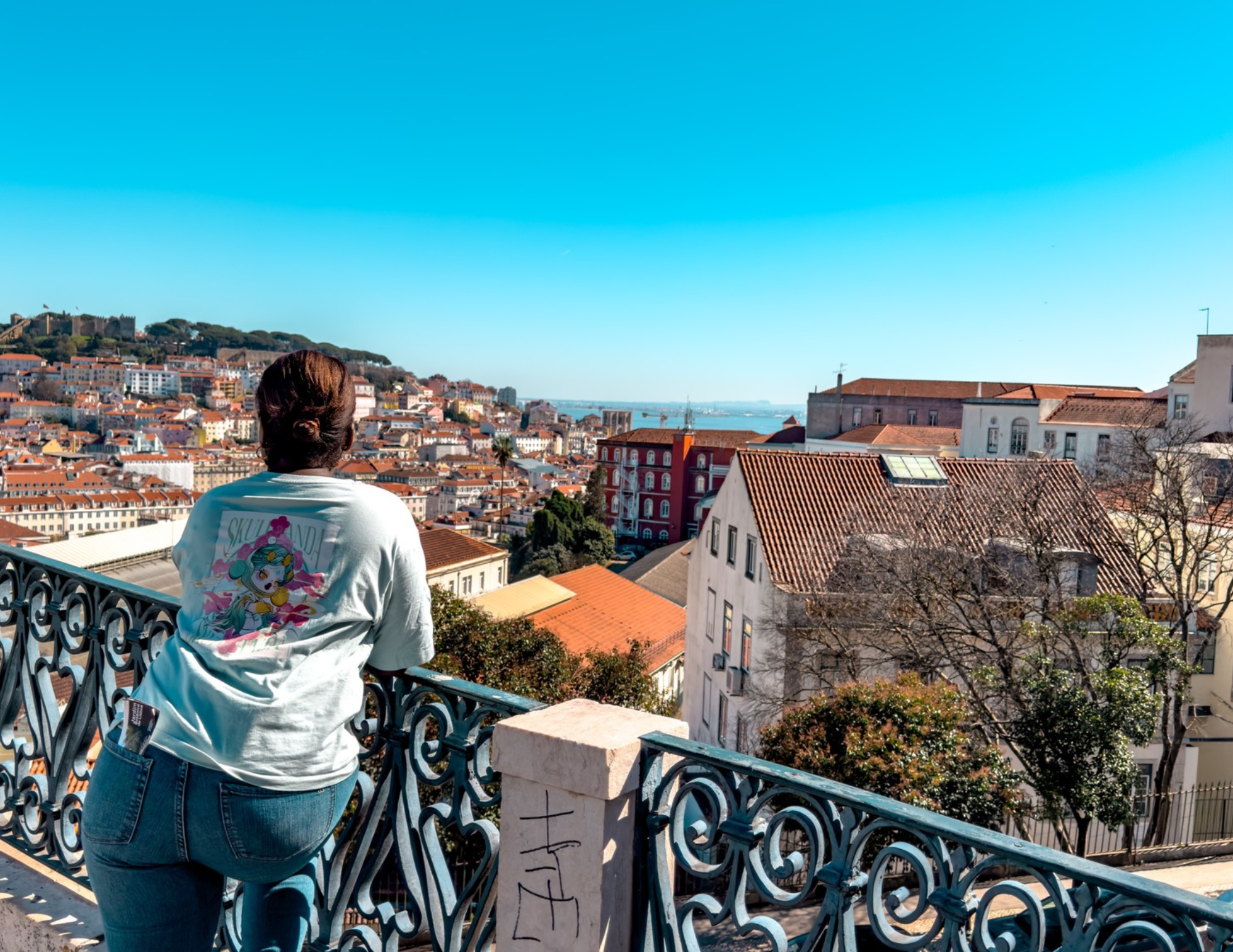
Understanding Lisbon’s Viewpoints (Miradouros)
One of the most memorable parts of visiting Lisbon is discovering the city’s viewpoints.
Because Lisbon is built across several hills, scenic terraces are scattered throughout the city. These viewpoints are called miradouros, and they provide some of the most beautiful perspectives across Lisbon.
Some overlook the medieval streets of Alfama, while others face the Tagus River or the downtown Baixa district.
Locals often gather at these viewpoints in the evening to watch the sunset, meet friends, or simply enjoy the view.
Two of the most famous viewpoints are Miradouro de Santa Luzia and Miradouro da Senhora do Monte, both of which offer incredible panoramic views across Lisbon’s rooftops and the river.
I go into more detail about these scenic terraces in my guide to the Best Viewpoints in Lisbon, which includes several places worth adding to your itinerary.

Day 3: Baixa, Chiado, and the Heart of Lisbon
Begin your third day with breakfast near Praça do Comércio, one of Lisbon’s most famous squares.
Located along the riverfront, the square once served as the ceremonial entrance to Lisbon for arriving ships.
From there, walk through the elegant streets of Baixa, Lisbon’s downtown district rebuilt after the 1755 earthquake. The area was redesigned with wide boulevards and uniform architecture, creating a very different atmosphere from Alfama’s medieval streets.
Continue toward the Santa Justa Elevator, one of Lisbon’s most recognizable landmarks.
Built in the early 1900s, the iron elevator connects the lower streets of Baixa with the higher Carmo Square area. The viewing platform at the top offers fantastic views across Lisbon’s rooftops.
For lunch, head to Time Out Market, one of Lisbon’s most popular food destinations. The large food hall brings together some of the city’s best chefs and restaurants, making it easy to sample several Portuguese dishes in one place.
After lunch, walk through the nearby Chiado district before heading toward LX Factory.
Located beneath the 25 de Abril Bridge, LX Factory was once an industrial complex that has been transformed into one of Lisbon’s most creative districts. Today it is filled with bookstores, cafés, street art, restaurants, and design shops.
For dinner, stay in LX Factory and choose one of the restaurants inside the complex. It is also where you will find Landeau Chocolate, famous for serving one of the most talked-about chocolate cakes in Lisbon.
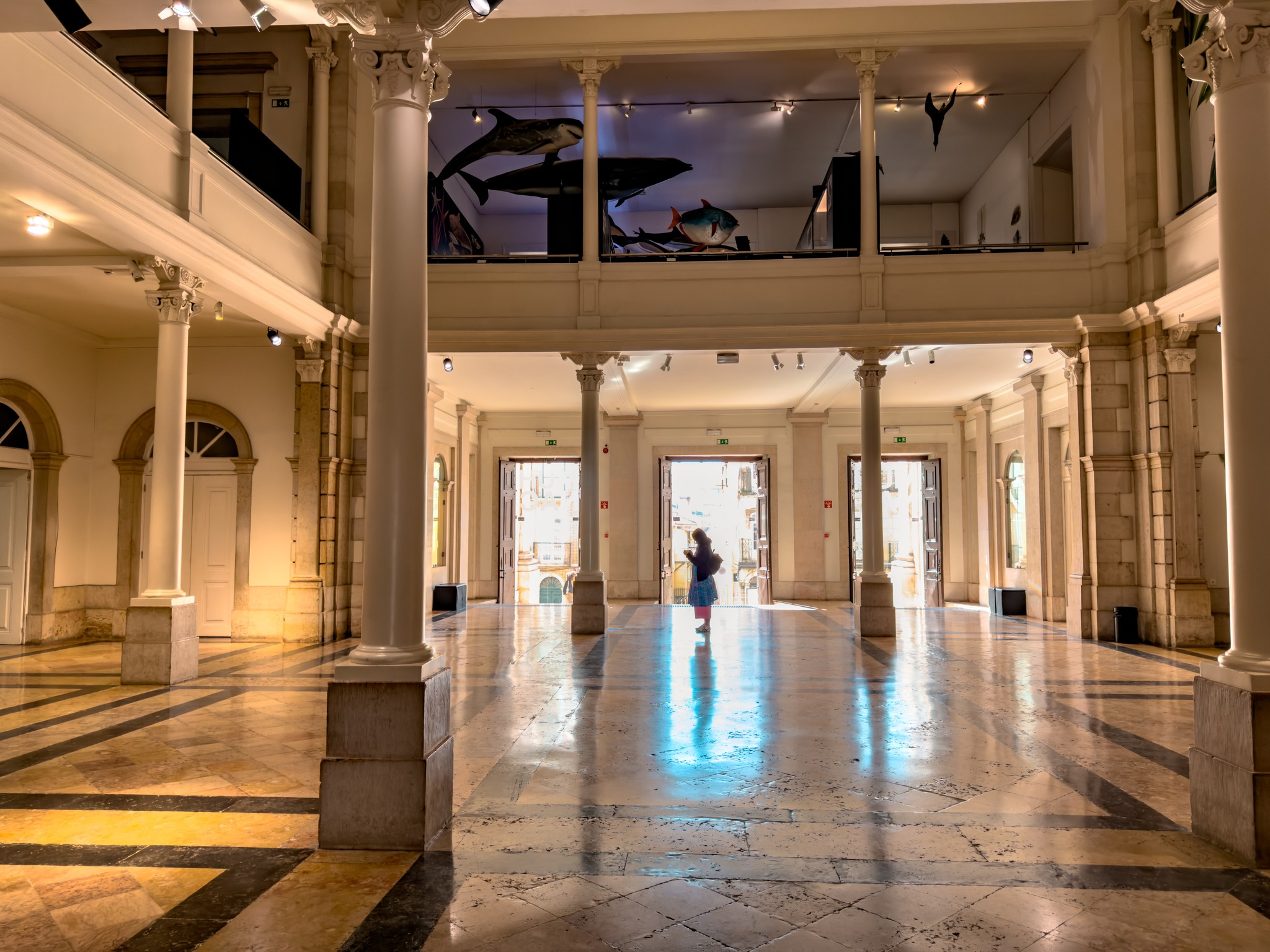
Day 4: Museums, Gardens, and Lisbon’s Quieter Side
Start the day with breakfast in the Príncipe Real neighborhood, one of Lisbon’s most charming districts.
Príncipe Real is known for its boutique shops, historic mansions, and relaxed atmosphere.
After breakfast, visit the National Museum of Natural History and Science, which explores Portugal’s scientific collections and natural history.
Right next door you will find the Lisbon Botanical Garden, a peaceful green space filled with shaded walking paths and exotic plants.
Spending time here offers a quieter side of Lisbon that many travelers miss.
For lunch, simply wander through the Príncipe Real neighborhood. Small cafés and restaurants are scattered throughout the area and make great places to relax.
In the afternoon, visit the National Tile Museum, which showcases Portugal’s famous azulejo tile tradition. These decorative tiles appear throughout Lisbon on buildings, churches, and historic monuments.
For dinner, head to Ker Alho, where we tried a traditional Portuguese dish called bitoque, served with batata frita and rice.

Day 5: Day Trip to Sintra
After several days exploring Lisbon itself, your fifth day is the perfect time to take a day trip to Sintra, one of the most beautiful destinations in Portugal.
Start the morning early with breakfast near your accommodation or at a café close to Rossio Station, where most trains to Sintra depart. A quick coffee and pastry is typical for Portuguese mornings, and starting early helps you beat the crowds that arrive later in the day.
From Rossio Station, trains run frequently to Sintra and the journey takes about 40 minutes. The ride is simple and inexpensive, making Sintra one of the easiest and most popular day trips from Lisbon.
Sintra feels completely different from Lisbon. Instead of a bustling city built across hills, Sintra sits among lush forests and misty mountain slopes, filled with palaces, castles, and historic estates that look like they belong in a storybook.
The most famous landmark is Pena Palace, the colorful hilltop palace that has become one of Portugal’s most recognizable sights. Built in the 19th century, the palace blends Romantic architecture with sweeping views across the surrounding hills and coastline.

Another fascinating place to explore is Quinta da Regaleira, a historic estate known for its gardens, hidden tunnels, and the famous Initiation Well, a spiral staircase descending deep underground that looks like something out of a fantasy novel.
If you enjoy scenic viewpoints and history, the Moorish Castle is also worth visiting. The fortress walls stretch along the mountain ridge and offer incredible panoramic views across the region.
Because there is so much to see in Sintra, most visitors spend the entire day exploring before returning to Lisbon in the evening.
For lunch, the town center of Sintra has many small cafés and restaurants where you can relax between palace visits. After a morning of exploring castles and gardens, sitting down for a meal in the historic town square is a welcome break.
If you want a detailed guide on how to plan the day, including transportation tips, the best order to visit the palaces, and ticket advice, I break everything down in my Day Trip from Lisbon to Sintra Guide.
After returning to Lisbon in the evening, your final dinner in the city can be something simple and relaxed. This is a great night to revisit a neighborhood you enjoyed earlier in the trip or try another local restaurant you passed during your explorations.
Ending the trip with a relaxed dinner and a final walk through Lisbon’s illuminated streets is a perfect way to wrap up your time in the city.
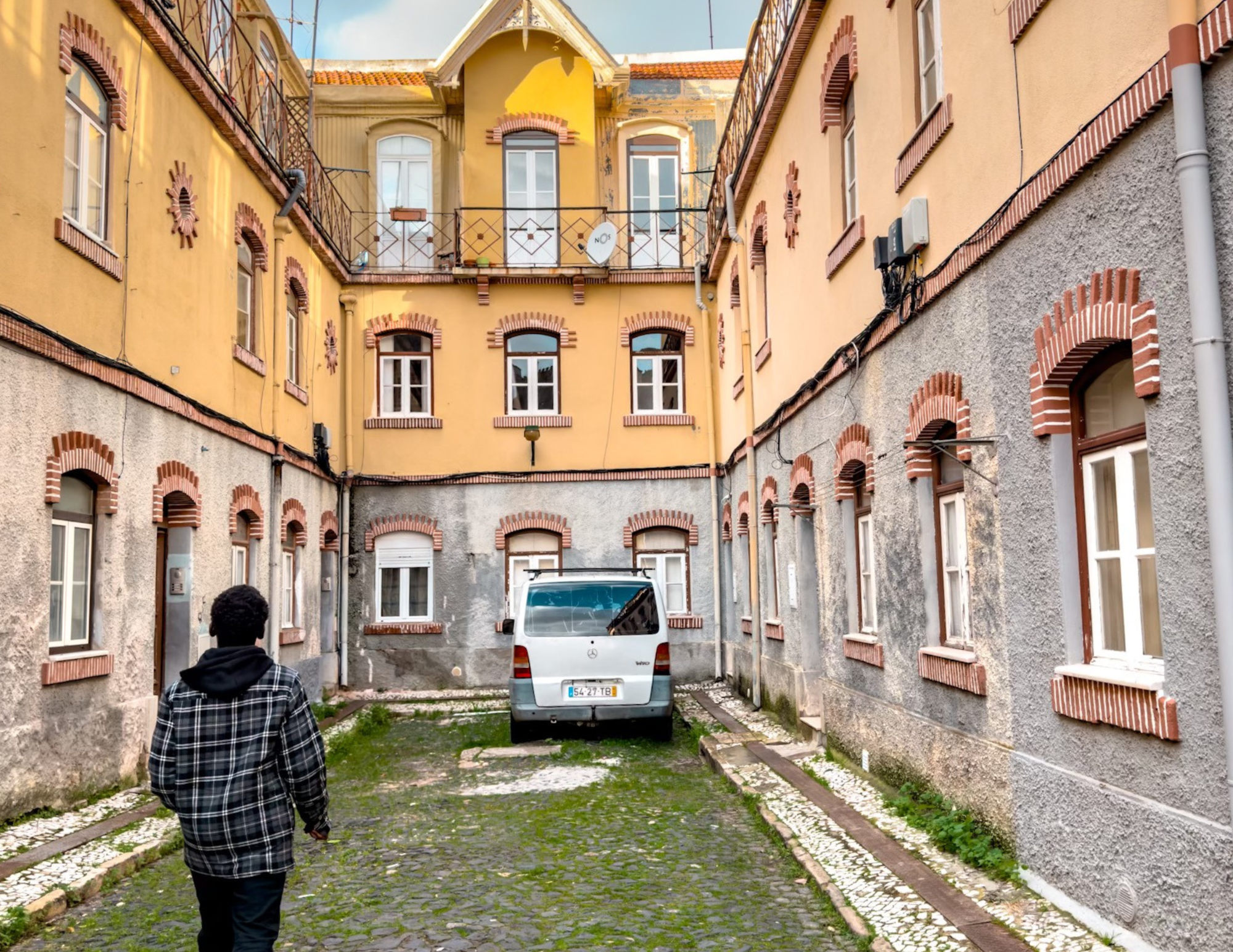
Where to Stay in Lisbon
Choosing the right neighborhood can make a big difference when visiting Lisbon, especially if you are only in the city for a few days.
Many first-time visitors choose to stay somewhere close to Lisbon’s historic center so they can easily walk to major attractions.
The Baixa and Chiado districts are some of the most convenient areas to stay. These neighborhoods sit in the heart of the city and provide easy access to landmarks like Praça do Comércio, the Santa Justa Elevator, and many of Lisbon’s historic streets.
If you prefer a more atmospheric neighborhood, Alfama offers a completely different experience. Staying here places you within Lisbon’s oldest district, surrounded by narrow streets, viewpoints, and traditional Fado restaurants.
Travelers looking for a slightly quieter but still central area often enjoy Príncipe Real, which is known for boutique hotels, gardens, and local cafés.
Each of these neighborhoods works well for exploring the attractions included in this itinerary.
If you want a deeper breakdown of Lisbon’s neighborhoods along with hotel recommendations and travel tips, I explain the best areas in detail in my Where to Stay in Lisbon guide.
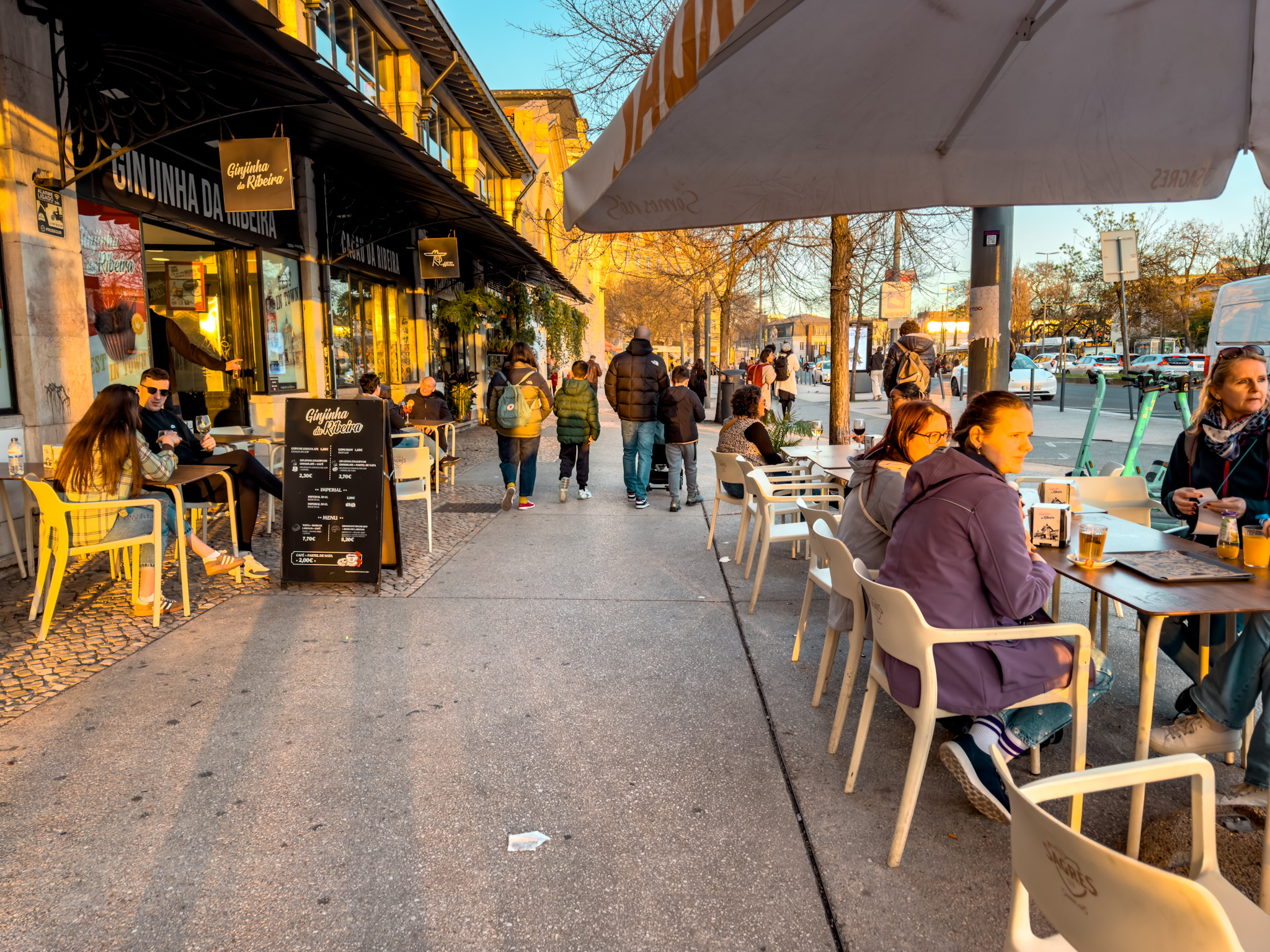
Planning Your Lisbon Trip
Planning a trip to Lisbon is relatively easy compared to many other European capitals, but understanding how the city is laid out can make your visit much smoother.
Lisbon spreads across several hills overlooking the Tagus River, and each neighborhood offers a slightly different experience. Areas like Alfama feel historic and atmospheric with medieval streets and viewpoints, while districts like Baixa and Chiado serve as the city's commercial and cultural center. Meanwhile Belém sits along the river and holds some of Lisbon’s most important historic monuments connected to Portugal’s Age of Discoveries.
Because of this layout, many travelers find it helpful to organize their days by neighborhood rather than trying to jump across the city repeatedly.
If you want a full breakdown of Lisbon’s neighborhoods, attractions, and travel tips, my Lisbon Travel Guide explains how the different areas connect and which parts of the city are best for exploring.
How Long to Spend in Lisbon
Lisbon can be visited in a few days, but the city rewards travelers who move slowly.
Three days is enough to see the major highlights like Alfama, Belém, and the city’s famous viewpoints. If you have more time, staying five days allows you to explore museums, neighborhoods, and even take a day trip to nearby destinations like Sintra.
If you are planning a shorter trip, my 3 Day Lisbon Itinerary focuses on the essential landmarks and experiences.
For a more relaxed visit with extra time to explore the city and nearby areas, the 5 Day Lisbon Itinerary expands the experience and includes a day trip outside Lisbon.

Getting Around Lisbon
Lisbon is a very walkable city, but the hills can be steep.
Most visitors combine walking with public transportation such as trams, metro lines, buses, and funiculars. The city’s historic trams, especially Tram 28, are famous for weaving through narrow streets in neighborhoods like Alfama and Graça.
Many travelers find the Lisbon Card helpful since it includes unlimited public transportation along with free or discounted entry to several major attractions across the city.
Because navigation through Lisbon’s winding streets can sometimes be confusing, having mobile data is extremely helpful. One simple option is using an Airalo Portugal eSIM, which allows you to access maps, transportation apps, and restaurant information instantly without needing to buy a physical SIM card.
When to Visit Lisbon
Lisbon is one of the most pleasant cities in Europe to visit throughout the year.
Spring and fall are often considered the best seasons because the weather is mild and crowds are smaller. Summer brings warmer temperatures and a lively atmosphere across the city’s viewpoints and outdoor cafés.
Even in winter, Lisbon tends to remain relatively mild compared to many other European destinations.
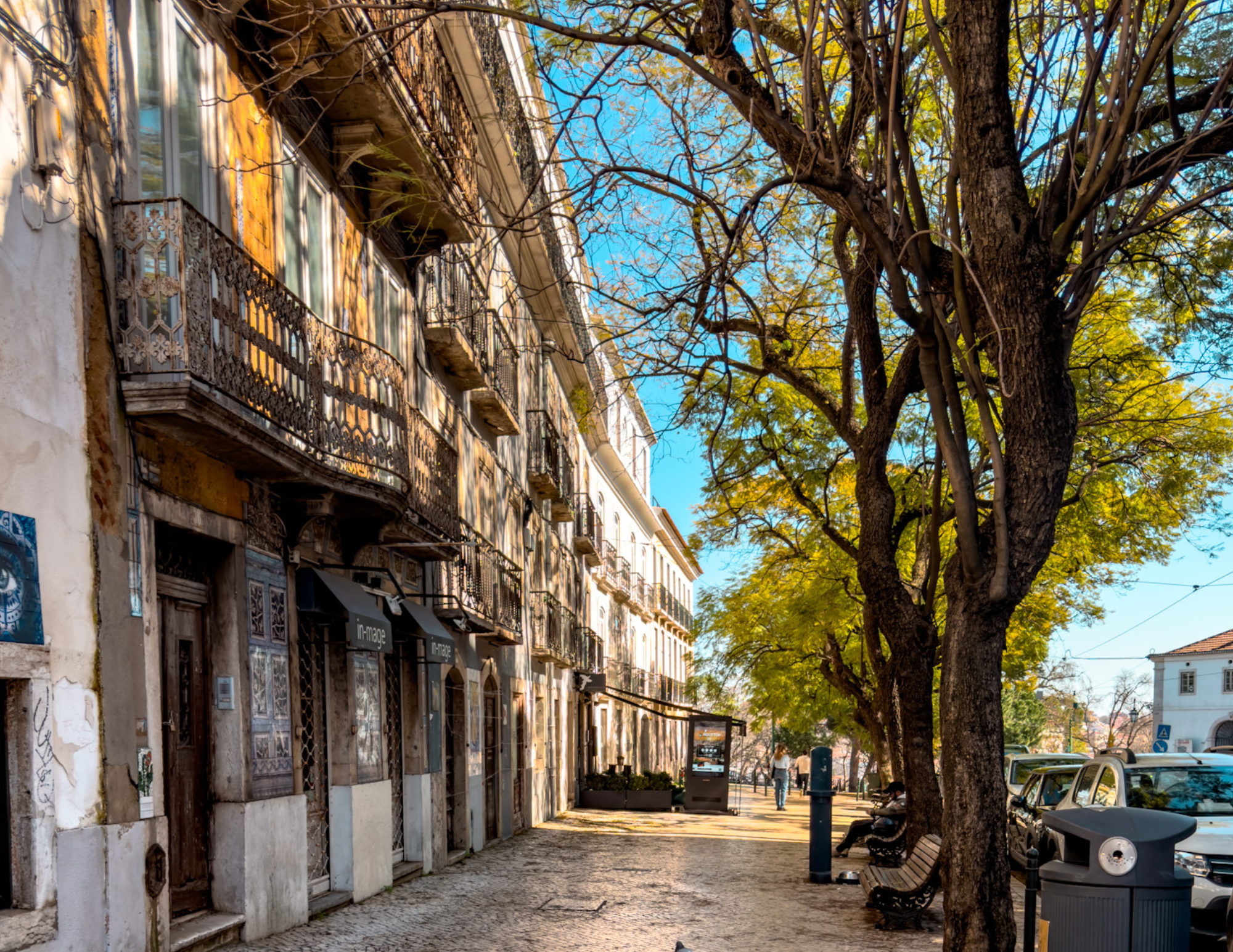
Travel Safety and Insurance
Lisbon is generally considered one of the safer cities in Europe for travelers.
Like any major city, basic precautions such as watching belongings in crowded areas and being aware of pickpocketing in tourist zones are recommended.
For longer trips abroad, it is also worth having travel medical coverage. Many travelers use SafetyWing travel insurance, which is designed specifically for digital nomads and long-term travelers.
What to Expect From Lisbon’s Food Culture
Food is one of the highlights of visiting Lisbon.
Portuguese cuisine focuses on simple ingredients prepared well. Seafood, olive oil, fresh bread, grilled meats, and seasonal vegetables appear across many menus.
Lisbon is especially famous for pastel de nata, the custard tart that locals enjoy throughout the day. Many visitors try their first one in Belém, but excellent versions can be found across the city. I highlight several bakeries in my Best Pastel de Nata in Lisbon guide.
Beyond pastries, Lisbon has a thriving café culture and a growing restaurant scene ranging from traditional Portuguese taverns to modern chef-driven kitchens.
Exploring Lisbon Slowly
One of the best ways to experience Lisbon is simply to wander.
Some of the most memorable moments in the city happen between the major attractions. You might stumble across a quiet viewpoint, a hidden courtyard café, or a small restaurant serving incredible food.
Lisbon encourages slow travel.
Taking your time, exploring neighborhoods on foot, and leaving room in your schedule for unexpected discoveries often leads to the best experiences in the city.

Tips for Making the Most of Your Lisbon Itinerary
Lisbon is a city that rewards curiosity and slow exploration.
While it is possible to see many of the city’s landmarks in a few days, some of the most memorable moments happen when you allow time to wander between attractions.
Comfortable shoes are essential when exploring Lisbon. The city’s hills can be steep, and many of the historic streets are paved with traditional stone tiles.
Planning meals around local restaurant hours can also make your days easier. Many restaurants in Portugal close in the mid afternoon after lunch service and reopen again later in the evening for dinner.
Another helpful tip is to group attractions by neighborhood. Lisbon’s districts naturally connect together, and exploring one area at a time makes travel much smoother.
Staying connected while navigating the city is also helpful. Using a Portugal eSIM through Airalo allows you to access maps, rideshare apps, and transportation schedules without worrying about finding WiFi.
Most importantly, take your time.
Lisbon is not a city meant to be rushed. The viewpoints, cafés, neighborhoods, and small discoveries along the way are what make visiting Lisbon so memorable.
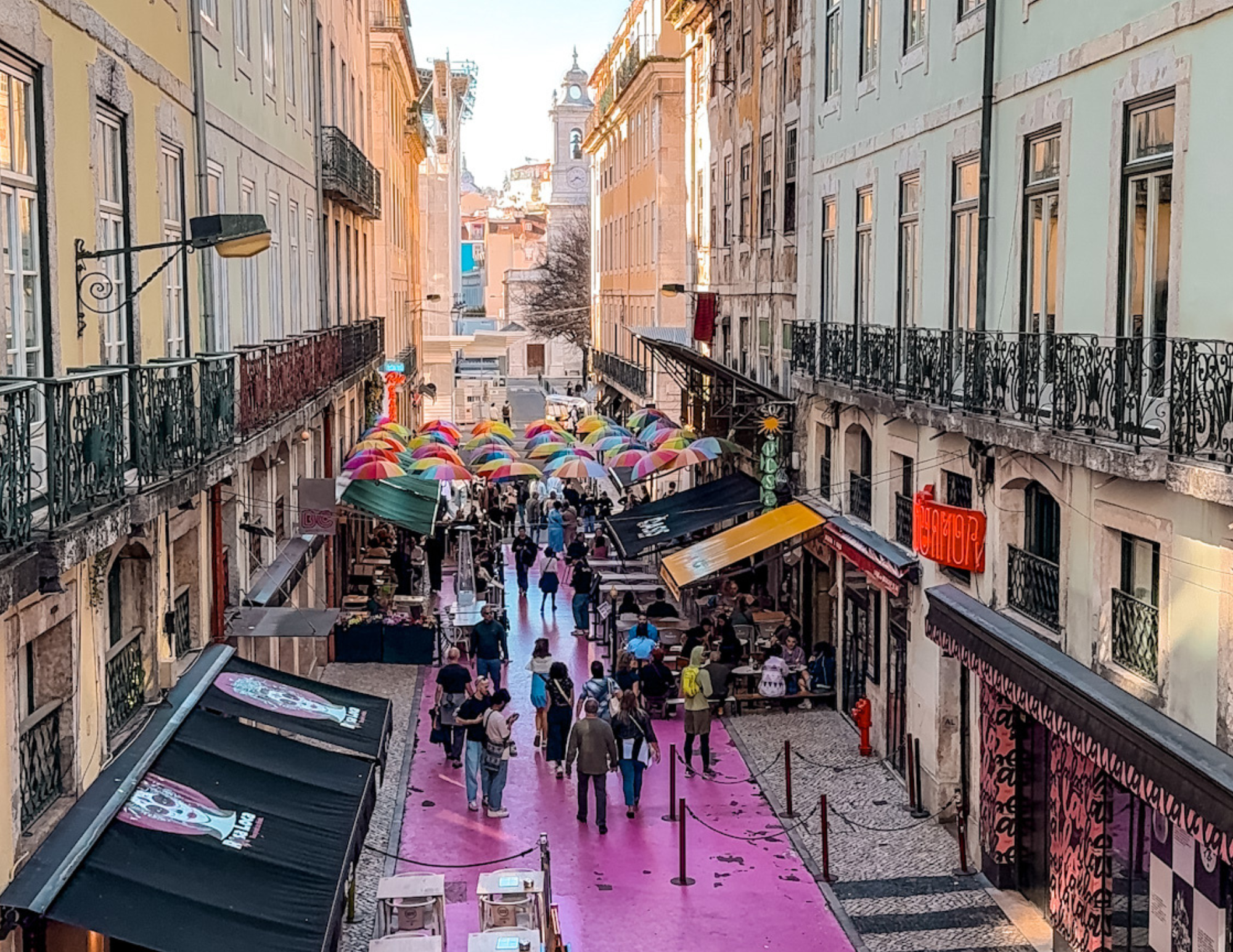
Tips for Visiting Lisbon for the First Time
Lisbon is a very welcoming city for travelers, but understanding a few local details can make your trip much smoother.
One of the first things visitors notice is how hilly the city is. Lisbon is built across seven hills, which means walking between neighborhoods often involves steep streets and staircases. Comfortable shoes are essential, especially if you plan to explore areas like Alfama, Graça, and Bairro Alto on foot.
Public transportation can help with some of the hills. Lisbon’s network of trams, buses, metro lines, and funicularsmakes it easy to move around the city. The historic yellow trams are especially famous, with Tram 28 passing through several of Lisbon’s most picturesque neighborhoods.
Many travelers find the Lisbon Card useful because it includes unlimited public transportation along with free or discounted entry to several major attractions across the city.
Another thing visitors quickly notice is that restaurant hours in Portugal are different from many other countries. Many restaurants close after lunch and reopen later for dinner service in the evening. Planning meals around these hours can make your days much easier.
Lisbon is also a city where wandering often leads to the best experiences. While the famous landmarks are certainly worth visiting, some of the most memorable moments happen when you simply explore the streets between attractions.
You might discover a quiet viewpoint overlooking the city, a small café serving incredible pastries, or a hidden restaurant tucked into a narrow alley.
Staying connected while navigating the city is also helpful. Using a Portugal eSIM through Airalo allows you to easily access maps, transportation apps, and restaurant recommendations while exploring.
Finally, give yourself time to slow down.
Lisbon is a city best experienced at a relaxed pace. Sitting at a café, watching the sunset from a miradouro, or wandering through historic streets often becomes the highlight of the trip.

What to Pack for Lisbon
Packing for Lisbon is fairly simple, but there are a few things that can make your visit much more comfortable.
First, bring comfortable walking shoes. Lisbon is famous for its hills, and exploring neighborhoods like Alfama, Graça, and Bairro Alto often involves walking up steep streets or stairs. The city’s traditional stone sidewalks, known as calçada portuguesa, can also be slippery when wet, so shoes with good grip are helpful.
Light layers are also a good idea. Lisbon’s weather is generally mild, but temperatures can shift throughout the day, especially in spring and fall. A light jacket or sweater is useful in the mornings and evenings, particularly near the river.
If you plan to visit churches or historic sites like Jerónimos Monastery or Lisbon Cathedral, it’s also a good idea to pack clothing that covers shoulders and knees, as some religious sites may require modest attire.
Because Lisbon is such a walkable city, many travelers rely heavily on their phones for navigation and transportation. Having mobile data makes things much easier, which is why many visitors use a Portugal eSIM through Airalo to stay connected while exploring.
Finally, don’t forget space in your bag for food and souvenirs. Lisbon is known for ceramics, azulejo tiles, cork products, and of course boxes of pastel de nata that somehow always seem to follow travelers home.

Final Thoughts
Lisbon is the kind of city that stays with you long after you leave.
It is easy to arrive with a list of famous landmarks and viewpoints you want to see. But what makes Lisbon memorable are often the moments in between those stops.
Walking through Alfama’s narrow streets while the sound of Fado music drifts from a nearby restaurant. Sitting at a small café with a coffee and pastel de nata while watching the rhythm of the city unfold. Standing at a miradouro as the sun sets over the Tagus River and the rooftops begin to glow.
Those are the moments that make Lisbon special.
Five days gives you enough time to experience the city’s historic neighborhoods, explore Belém’s famous monuments, discover viewpoints across the hills, enjoy Lisbon’s food culture, and even take a day trip to Sintra.
If you are building out your full trip, you can use these tips alongside my Lisbon Travel Guide, itineraries, and detailed guides to plan a complete and well-balanced visit.
.png)
But even after two visits, Lisbon still left us with places we want to come back for. New restaurants to try. New viewpoints to discover. Streets we have not yet wandered down.
Lisbon is a city that rewards curiosity and slow travel.
Take your time, explore its neighborhoods, stop for coffee when something catches your eye, and allow space in your itinerary for unexpected discoveries.
If this is your first visit to Lisbon, chances are it will not be your last.
And if you want to continue planning your trip, you can explore more detailed guides throughout this site including my Lisbon Travel Guide, the 3 Day Lisbon Itinerary, and deeper guides to specific landmarks, viewpoints, and neighborhoods across the city.

Cavetta is the creator of LifeWithVetta.com and has been traveling the world full time since 2020. She has visited more than 60 countries while worldschooling her son and documenting what it really takes to live abroad. Her guides focus on travel, moving abroad, digital nomad life, and designing a life beyond the traditional path.
