

Choosing where to stay in Lisbon can shape your entire experience in the city.
Lisbon is spread across several hills overlooking the Tagus River, and each neighborhood has its own atmosphere, architecture, and rhythm of daily life. Some areas are filled with medieval streets and historic landmarks, while others offer elegant shopping districts, waterfront views, or lively nightlife.
When we first visited Lisbon in 2021, we stayed in Alfama, the city’s oldest neighborhood. Waking up each morning surrounded by narrow stone streets, tiled buildings, and the sound of church bells felt like stepping back in time.
When we returned again in 2026, we decided to stay in Graça instead. I found an apartment through a digital nomad Facebook group where the host rented her place while she traveled. The location turned out to be perfect. We were able to walk to viewpoints, restaurants, cafés, and many of Lisbon’s most famous attractions without relying heavily on transportation.
Both stays gave us a different perspective on Lisbon, which is why choosing the right neighborhood can make such a difference.
If you are still planning the rest of your trip, you can also read my Lisbon Travel Guide, which explains the neighborhoods, attractions, and experiences that make the city so rewarding to explore.
If you are wondering where to stay in Lisbon, the best areas for most visitors are Graça, Alfama, Baixa, and Chiado. Each offers a different experience depending on whether you want historic charm, walkability, or nightlife.
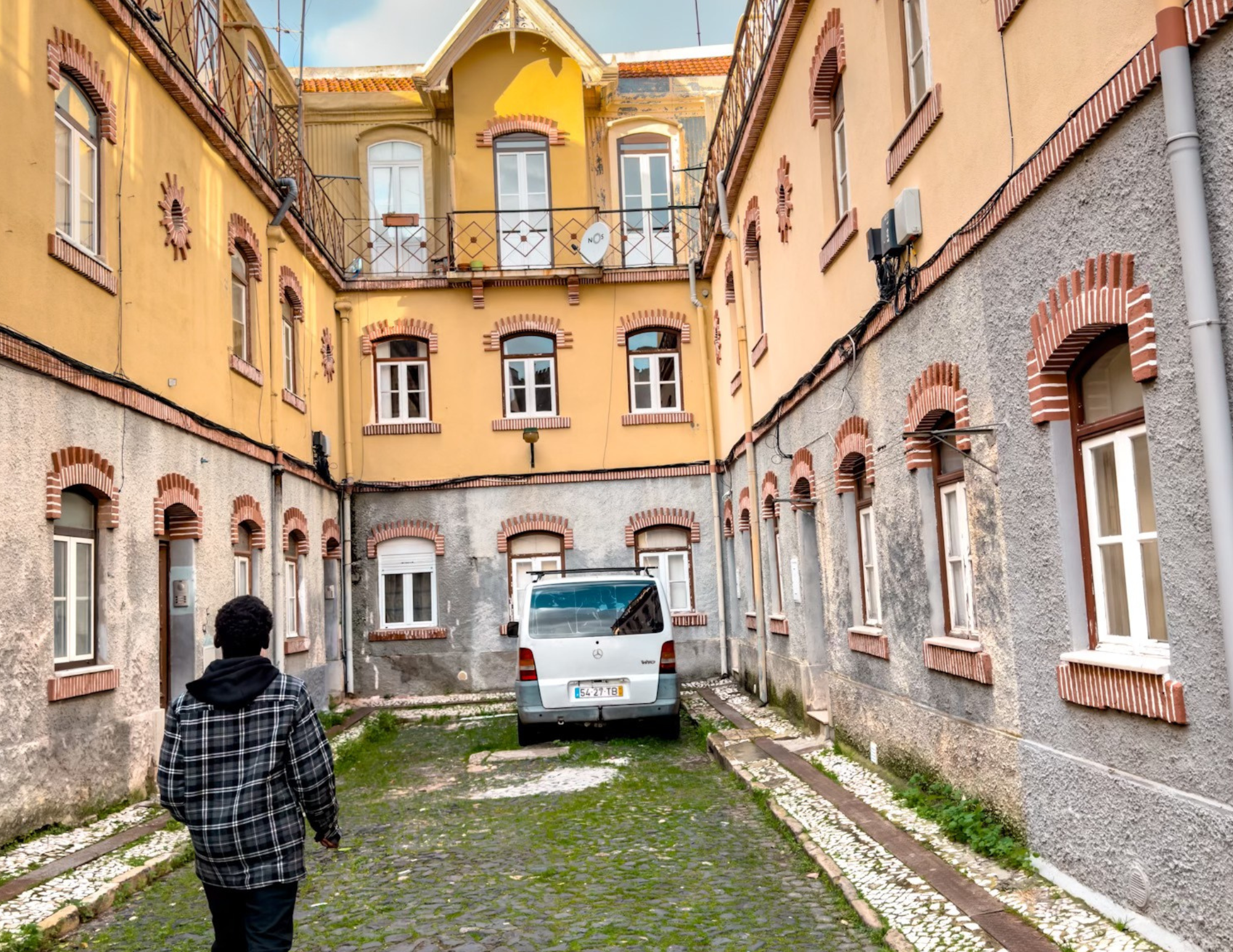
Best Lisbon Neighborhoods at a Glance
Choosing the best area to stay in Lisbon often depends on what kind of experience you want during your trip.
Graça is ideal for travelers who want incredible viewpoints and a slightly quieter local atmosphere while still being close to the historic center.
Alfama offers Lisbon’s most historic setting, with medieval streets, Fado restaurants, and easy access to landmarks like Lisbon Cathedral and São Jorge Castle.
Baixa sits in the heart of Lisbon and is one of the most convenient neighborhoods for first-time visitors who want to walk to major attractions.
Chiado offers a slightly more refined atmosphere filled with historic cafés, boutique shops, and cultural landmarks.
Bairro Alto is best known for its nightlife and lively evening atmosphere.
Belém sits along the river and is home to several of Lisbon’s most famous monuments from Portugal’s Age of Discoveries.
Average Prices by Area
Accommodation prices in Lisbon can vary quite a bit depending on the neighborhood, time of year, and how far in advance you book.
In general, Lisbon offers a wide range of options, with budget stays starting around €35 to €70, mid-range options around €75 to €170, and higher-end stays going from €150 to €300+ per night depending on location and amenities .
That said, where you stay in the city makes a big difference.
In Baixa and Chiado, prices tend to be on the higher end due to the central location and walkability. Most hotels here fall in the range of about €120 to €300+ per night, especially during peak seasons.
You are paying for convenience, proximity to major attractions, and easy access to transportation.
In Alfama, you will find more apartments and boutique stays rather than large hotels. Prices here typically range from about €90 to €200 per night depending on the type of accommodation. What you get in return is atmosphere. This is one of the most historic and unique areas in Lisbon.
In Graça, prices are generally more affordable while still being close to the city center. Expect to find apartments and stays in the range of about €70 to €150 per night. This is one of the best areas for value, especially for longer stays or if you want a more local feel.
In Bairro Alto, prices can vary widely. On average, hotel stays are around €120 to €180 per night, but can go higher depending on the property and time of year . Because this area is known for nightlife, some accommodations charge a premium for location, while others may be cheaper but come with more noise.
Understanding these price differences helps you choose a neighborhood that fits both your budget and your travel style.
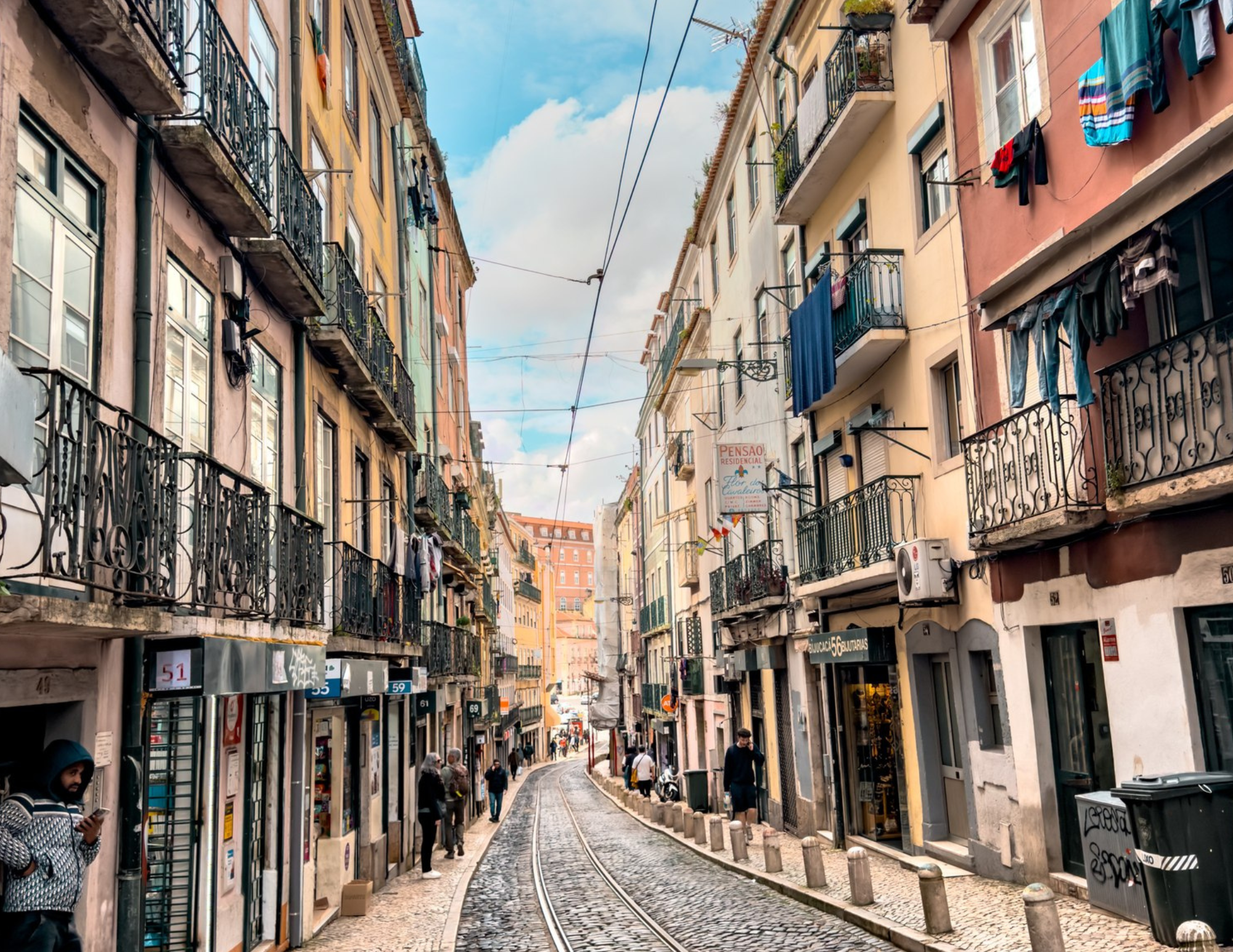
Best Areas to Stay in Lisbon
Lisbon’s central neighborhoods are relatively close to each other, but each offers a slightly different experience.
The best area for you depends on whether you want historic charm, walkable attractions, nightlife, or a quieter local atmosphere.
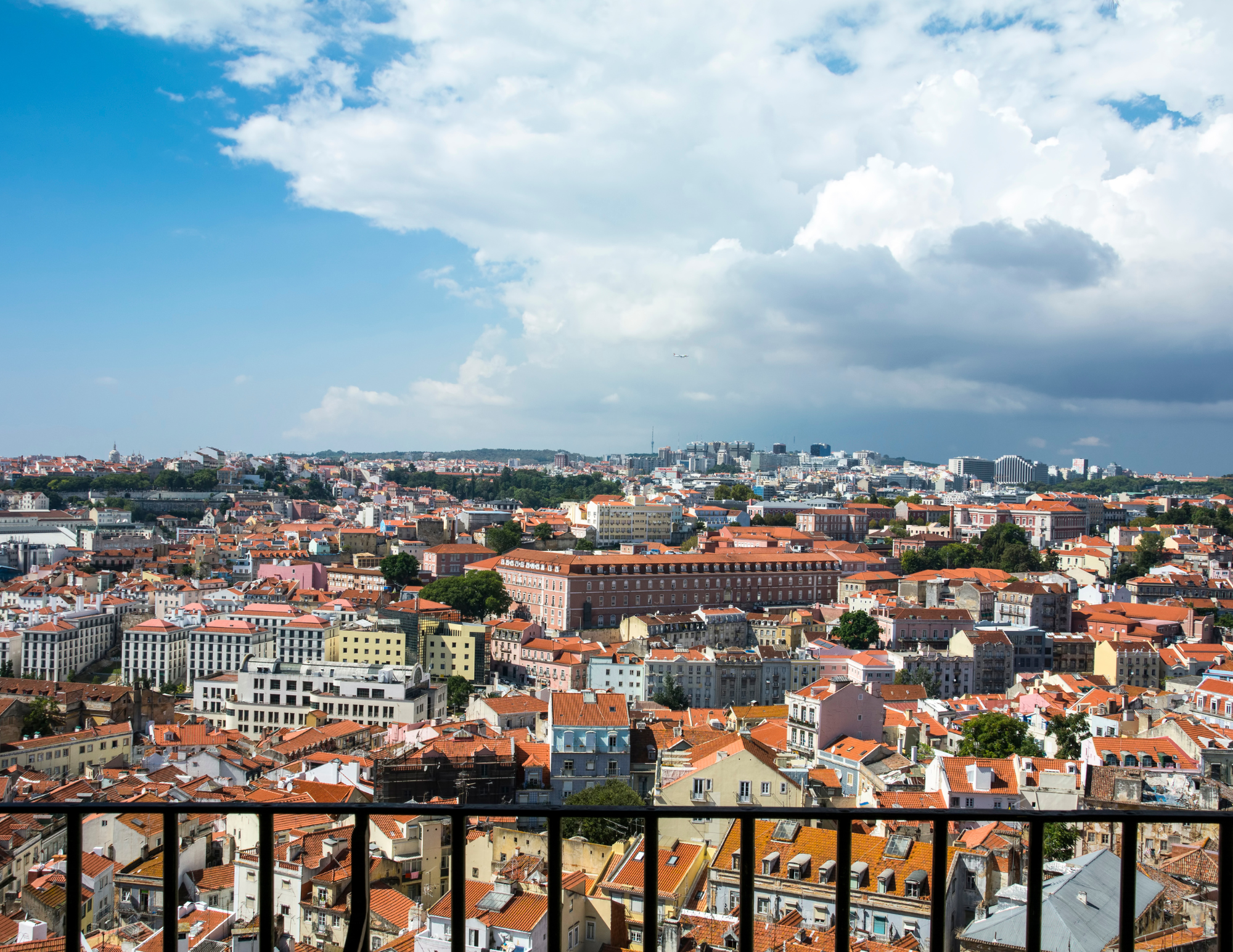
Graça – Best for Views and a Local Feel
Graça quickly became one of my favorite neighborhoods in Lisbon.
When we stayed there during our second visit, the area felt more residential and relaxed compared to some of the busier tourist districts. At the same time, we were still able to walk to many of Lisbon’s famous landmarks and viewpoints.
Graça is located on one of Lisbon’s hills, which means incredible views appear around nearly every corner. Some of the city’s most famous miradouros, including Miradouro da Senhora do Monte and Miradouro da Graça, are located here.
Evenings in this neighborhood feel especially magical. Locals gather at viewpoints to watch the sunset while the city lights begin to appear across the rooftops.
We also found plenty of small restaurants and cafés nearby just by walking around. Food is a big part of the experience in Lisbon, and I break down what to try and where to find it in my Lisbon Food Guide.
Pros
Beautiful viewpoints nearby
Quieter and more residential than tourist districts
Walking distance to Alfama and the historic center
Local restaurants and cafés
Cons
The neighborhood is very hilly
Fewer large hotels compared to central districts
Some streets can be steep for luggage

Alfama – Best for History and Culture
Alfama is Lisbon’s oldest neighborhood and one of the most atmospheric places to stay in the city.
When we stayed here during our first visit, stepping outside each morning felt like entering another era. Narrow streets twist between tiled buildings, laundry hangs from balconies, and historic landmarks appear around nearly every corner.
Alfama survived the devastating 1755 Lisbon earthquake, which destroyed much of the rest of the city. Because of that, the neighborhood still follows its medieval street layout.
Graça is also home to some of Lisbon’s most beautiful viewpoints. I share the best ones to visit in my Best Viewpoints in Lisbon guide.
Many of Lisbon’s most famous landmarks are located here, including Lisbon Cathedral and Castelo de São Jorge.
Alfama is also closely connected to Fado music, Portugal’s traditional style of emotional storytelling through song. Many restaurants in the area host Fado performances in the evening, making dinner here a unique cultural experience.
Pros
Most historic neighborhood in Lisbon
Walking distance to major landmarks
Beautiful viewpoints and architecture
Authentic atmosphere
Cons
Very steep hills and staircases
Can be crowded during peak tourist seasons
Limited car access in some streets
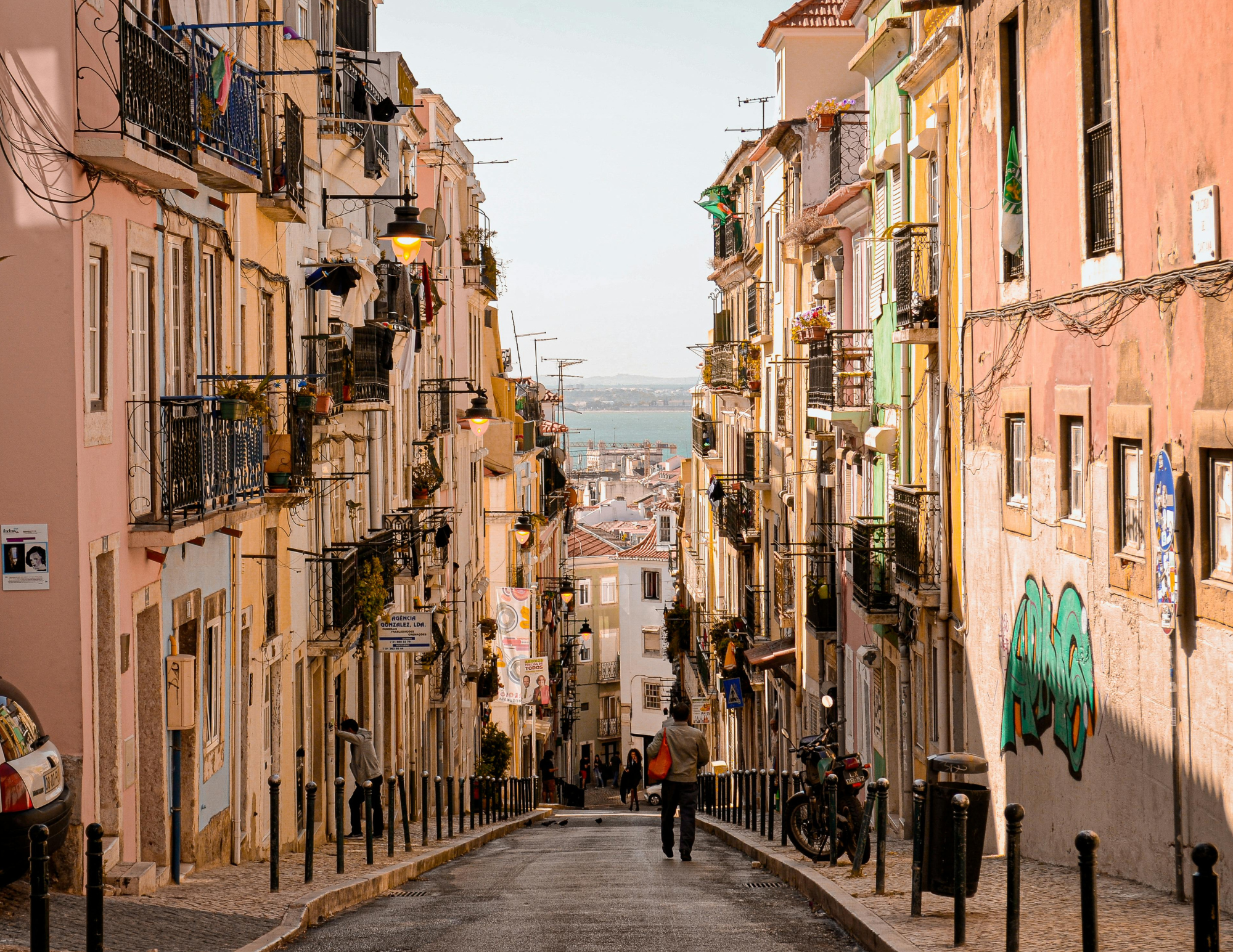
Baixa – Best for First-Time Visitors
Baixa sits in the heart of Lisbon and is one of the easiest areas for first-time visitors to stay.
Unlike Alfama’s medieval layout, Baixa was rebuilt after the 1755 earthquake with wide boulevards and elegant architecture. The area feels more open and organized, making it easier to navigate.
From Baixa you can walk to several of Lisbon’s most famous landmarks including Praça do Comércio, Rossio Square, and the Santa Justa Elevator.
The neighborhood also has excellent access to public transportation, including metro stations, buses, and the historic trams that run through Lisbon’s hills.
Because of its central location, Baixa is often one of the most convenient places to stay for travelers who want to explore Lisbon efficiently.
Pros
Very central location
Easy access to transportation
Walkable to many major attractions
Wide selection of hotels
Cons
Less local atmosphere compared to residential neighborhoods
Can be crowded with tourists
Restaurants can be slightly more expensive
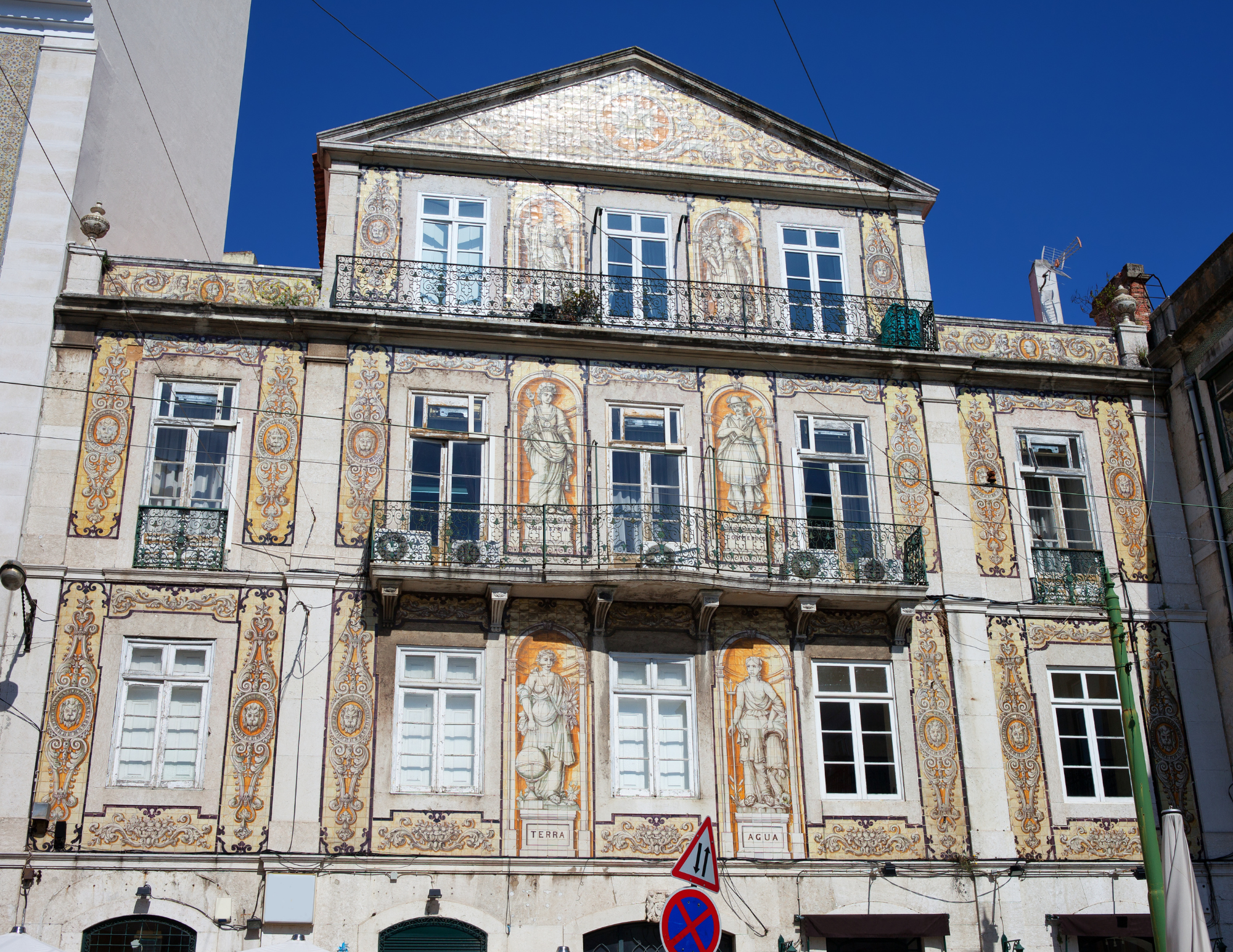
Chiado – Best for a Central and Cultural Stay
Chiado is one of Lisbon’s most elegant neighborhoods.
Located between Baixa and Bairro Alto, the district is known for historic cafés, theaters, bookstores, and boutique shops.
One of the most famous cafés in Lisbon, A Brasileira, sits in Chiado and has been a gathering place for writers and artists for more than a century.
Staying in Chiado places you close to both cultural landmarks and Lisbon’s main shopping streets. It also sits near several viewpoints and historic districts, making it easy to explore the city on foot.
Pros
Central location
Elegant historic atmosphere
Great cafés and restaurants
Close to theaters and cultural landmarks
Cons
Accommodation prices can be higher
Busy during peak travel seasons
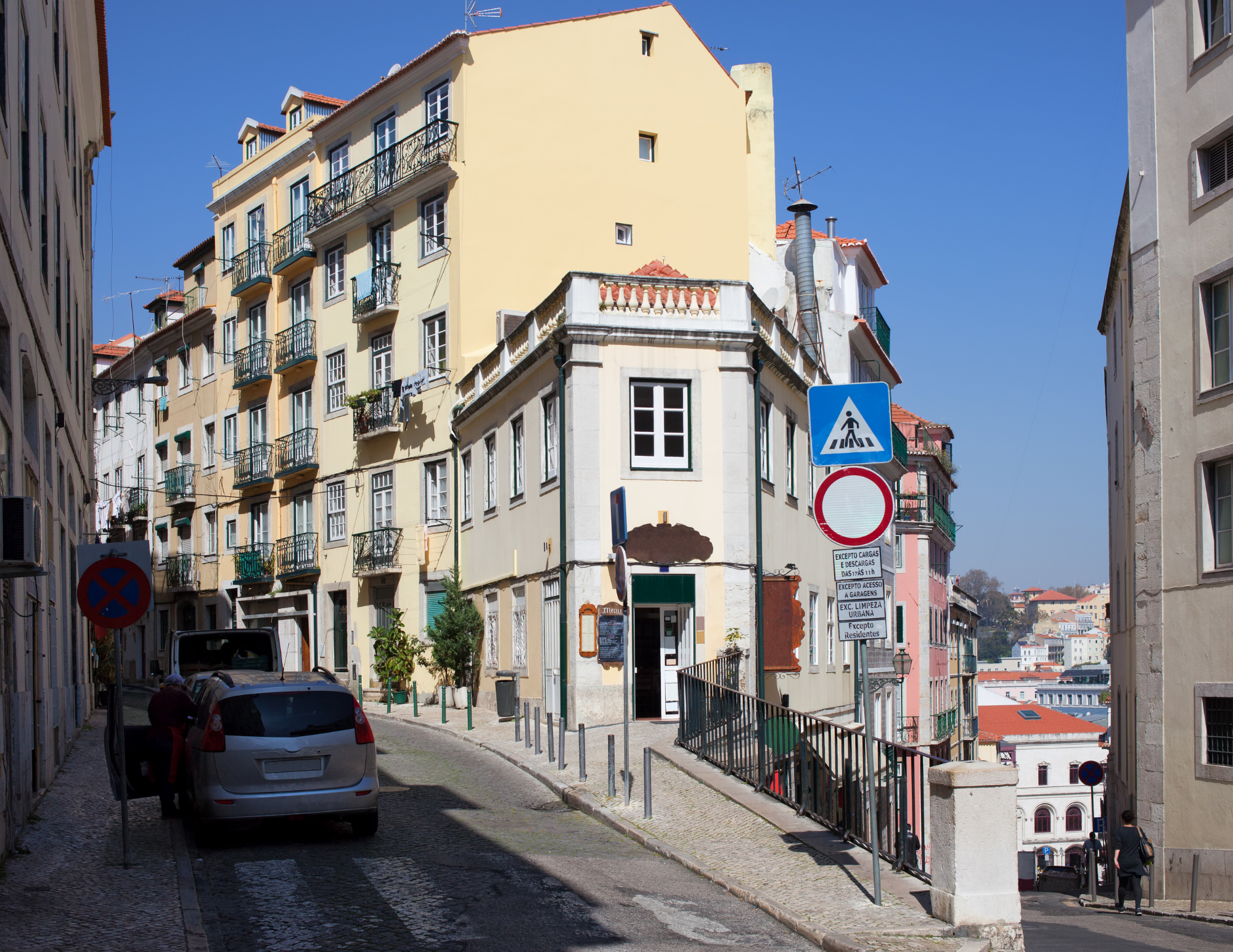
Bairro Alto – Best for Nightlife
Bairro Alto is one of Lisbon’s most famous nightlife districts.
During the day the neighborhood feels relatively quiet, filled with colorful buildings and small shops. But in the evening the streets come alive with bars, music, and social crowds.
Travelers who enjoy nightlife often choose to stay here because everything is within walking distance.
At the same time, the lively atmosphere can be noisy late into the night, so it may not be ideal for travelers looking for quiet evenings.
Pros
Best nightlife in Lisbon
Central location
Many bars and restaurants
Cons
Noisy late at night
Steep streets
Less peaceful atmosphere for sleeping
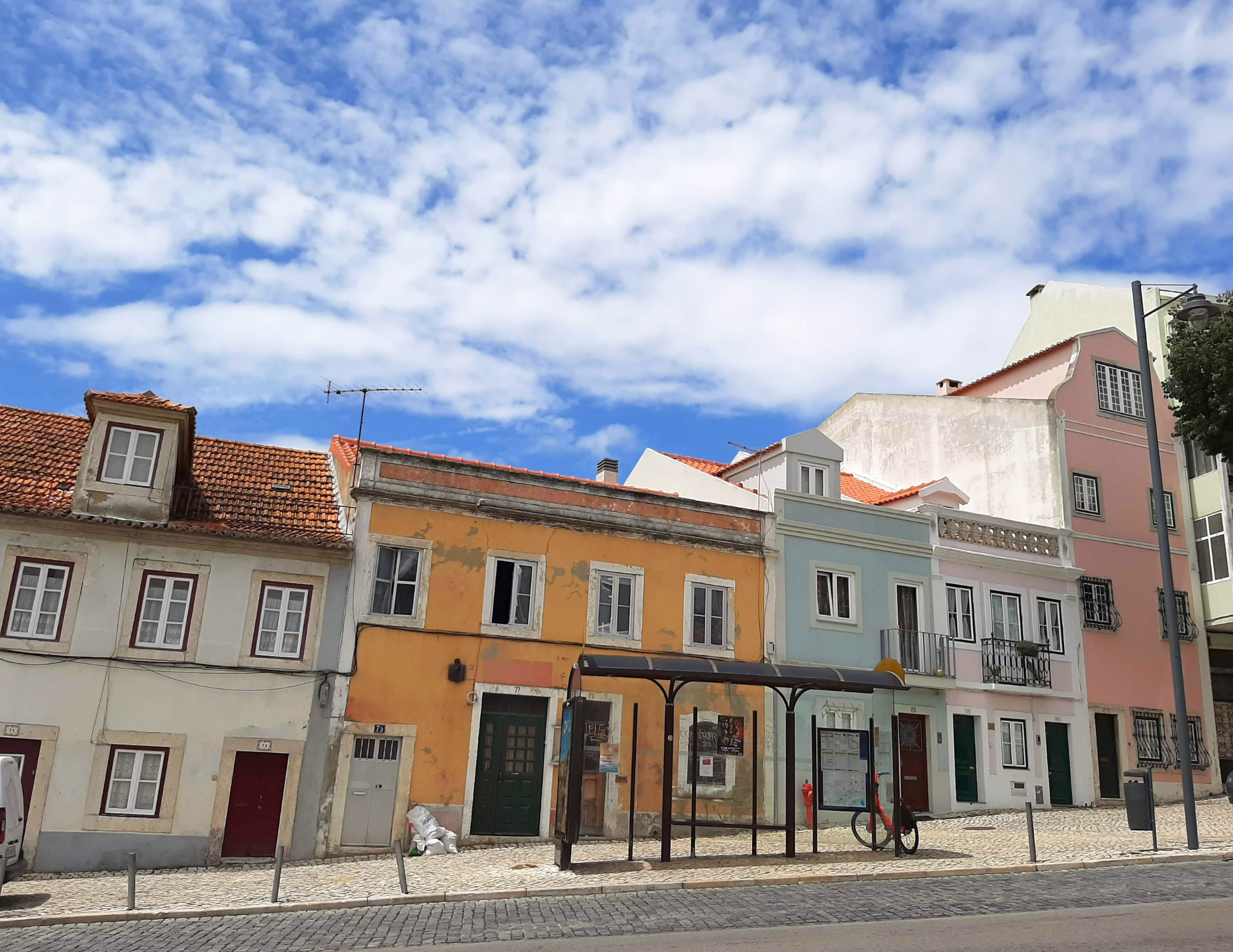
Belém – Best for Monuments and Riverfront Views
Belém sits slightly outside Lisbon’s historic center along the Tagus River.
The area is home to several of the city’s most famous landmarks including Jerónimos Monastery, Belém Tower, and the famous bakery Pastéis de Belém.
Belém also has wide waterfront promenades and open spaces that feel very different from the dense historic streets in other parts of Lisbon.
While it is slightly farther from the main downtown districts, public transportation makes reaching the city center relatively easy.
Pros
Historic monuments nearby
Beautiful waterfront walks
Less crowded than central Lisbon
Cons
Farther from the city center
Less nightlife
Fewer accommodation options
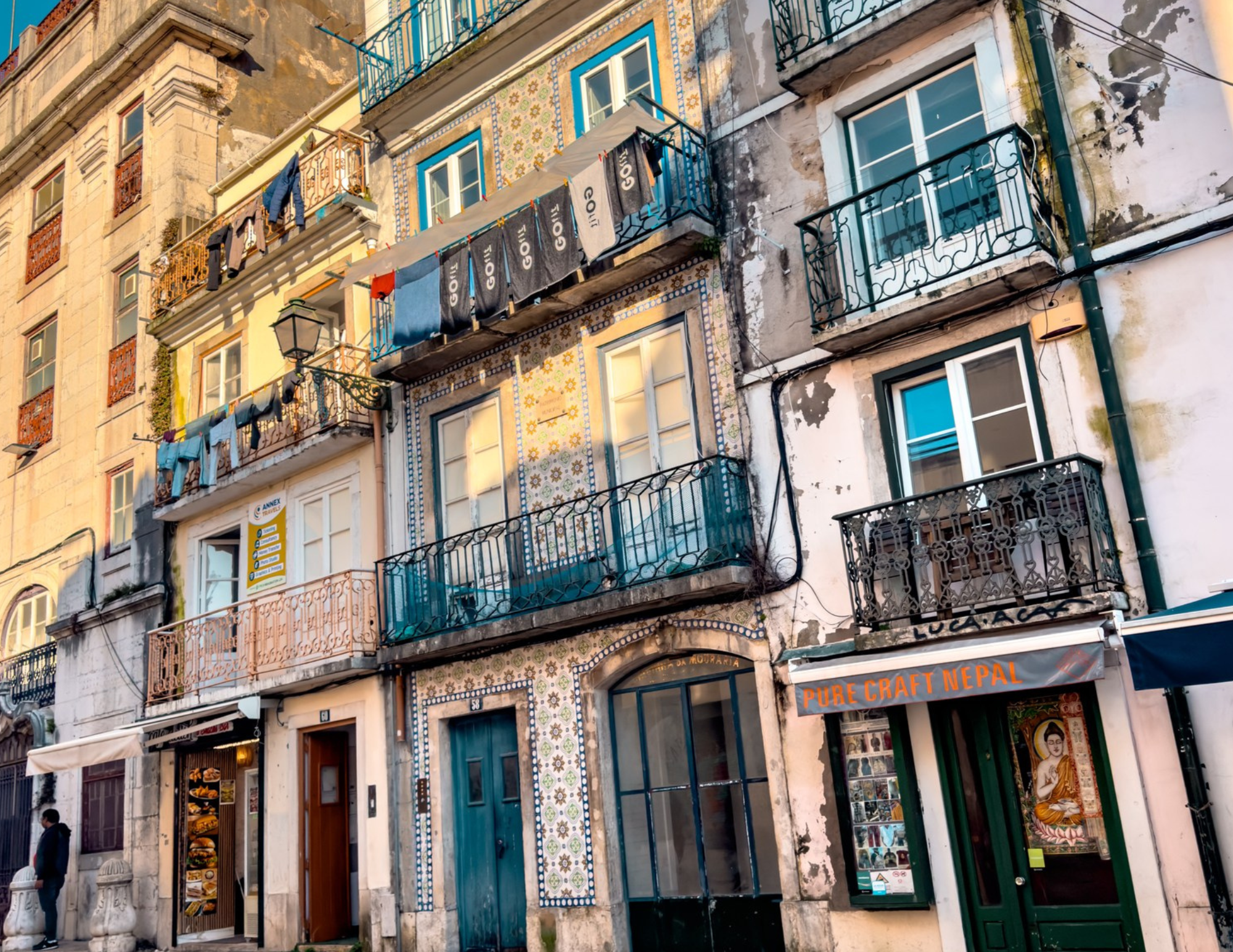
Hotels vs Apartments in Lisbon
Lisbon offers a wide range of accommodation options, from boutique hotels to apartment rentals.
Many travelers choose apartments when visiting Lisbon, especially if they are staying several days. Apartments often provide more space and allow you to experience the city like a local.
During our second visit we stayed in an apartment in Graça that we found through a digital nomad Facebook group. The host rented her place while traveling, and the experience felt much more personal than staying in a hotel.
Hotels are also widely available throughout Lisbon, especially in Baixa and Chiado where many centrally located properties sit within walking distance of major attractions.
Both options work well depending on your travel style and how long you plan to stay.
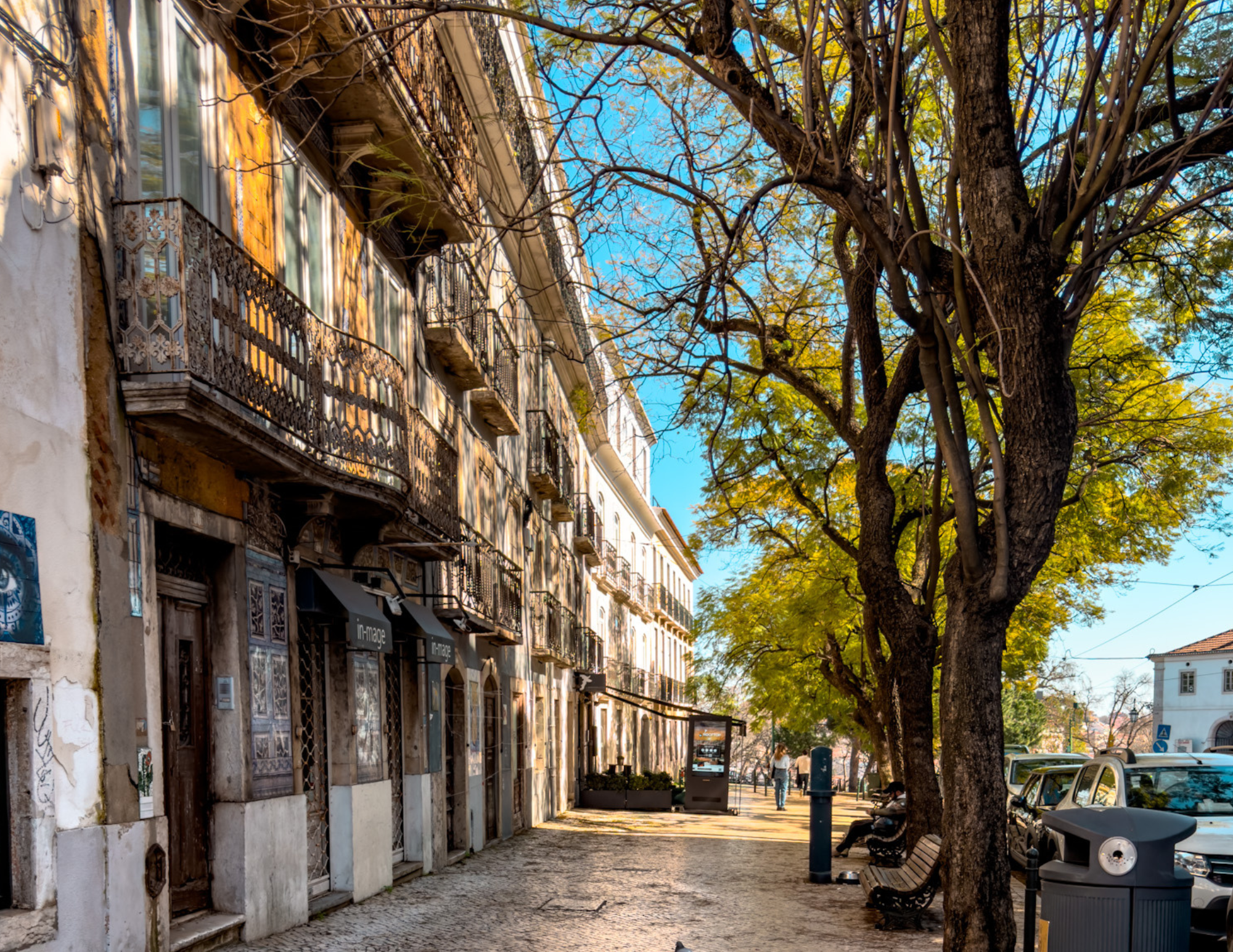
Tips for Choosing Where to Stay in Lisbon
When deciding where to stay in Lisbon, there are a few things worth keeping in mind.
Lisbon is built across seven hills, which means some neighborhoods involve a lot of walking uphill. Comfortable shoes are essential regardless of where you stay.
Staying near public transportation can also make exploring easier, especially if you plan to visit districts like Belém or take a day trip to Sintra.
Many travelers also find the Lisbon Card helpful since it includes unlimited public transportation and free or discounted entry to several major attractions.
Because navigating Lisbon’s winding streets can sometimes be confusing, having mobile data makes things much easier. Many travelers use Airalo Portugal eSIM data plans to stay connected while exploring the city.
How Long to Stay in Each Area
How long you plan to stay in Lisbon can also influence the best neighborhood to choose.
If you are visiting for a shorter trip of around three days, staying in a central area like Baixa or Chiado makes the most sense. You will be within walking distance of many of Lisbon’s main attractions, which helps you make the most of limited time.
For a longer stay of five days or more, neighborhoods like Graça or Alfama become a better option. These areas allow you to experience a more local side of Lisbon while still being close enough to explore the city easily.
If you are staying even longer, choosing a residential neighborhood like Graça can make the experience feel more comfortable and less rushed, especially if you enjoy settling into a place rather than just passing through.
If you are still planning your days in Lisbon, my 3 Day Lisbon Itinerary and 5 Day Lisbon Itinerary break down exactly how to structure your time depending on how long you stay.

Planning Your Lisbon Itinerary
Once you decide where to stay in Lisbon, planning your daily itinerary becomes much easier.
Many of the neighborhoods mentioned above are within walking distance of Lisbon’s major attractions, which makes it possible to organize your days by area.
If you are visiting for a short trip, my 3 Day Lisbon Itinerary focuses on the essential landmarks and neighborhoods.
For a more relaxed visit, the 5 Day Lisbon Itinerary expands the experience with additional museums, viewpoints, and a day trip to Sintra.
Both guides connect many of the attractions mentioned in this article so you can plan your time efficiently.
If you plan to explore beyond Lisbon, taking a day trip is one of the best ways to see more of Portugal. I break down exactly how to plan it in my Sintra Day Trip from Lisbon guide, including what to see and how to get there.

Final Thoughts
Lisbon is one of those cities where the neighborhood you choose can completely shape your experience.
Staying in Alfama immerses you in centuries of history and culture. Staying in Graça offers incredible viewpoints and a more local atmosphere. Choosing Baixa or Chiado places you right in the center of the city’s activity.
During our two visits to Lisbon we experienced two very different neighborhoods, and both gave us a deeper appreciation for the city.
What I loved most was how walkable Lisbon felt. Many days we simply stepped outside our apartment and started wandering, discovering viewpoints, cafés, and quiet streets we had not planned to visit.
Lisbon rewards that kind of exploration.
Wherever you decide to stay, chances are you will find yourself walking through historic streets, stopping for coffee and pastel de nata, and discovering viewpoints that make you pause and take in the city.
And if your experience is anything like ours, you will probably leave Lisbon already thinking about when you will come back.
After staying in both Alfama and Graça across two separate trips, I can honestly say there is no single “best” place to stay in Lisbon. It depends on how you want to experience the city.
But no matter where you choose, Lisbon has a way of pulling you in. And like us, you will probably leave already thinking about your next visit.

Cavetta is the creator of LifeWithVetta.com and has been traveling the world full time since 2020. She has visited more than 60 countries while worldschooling her son and documenting what it really takes to live abroad. Her guides focus on travel, moving abroad, digital nomad life, and designing a life beyond the traditional path
