
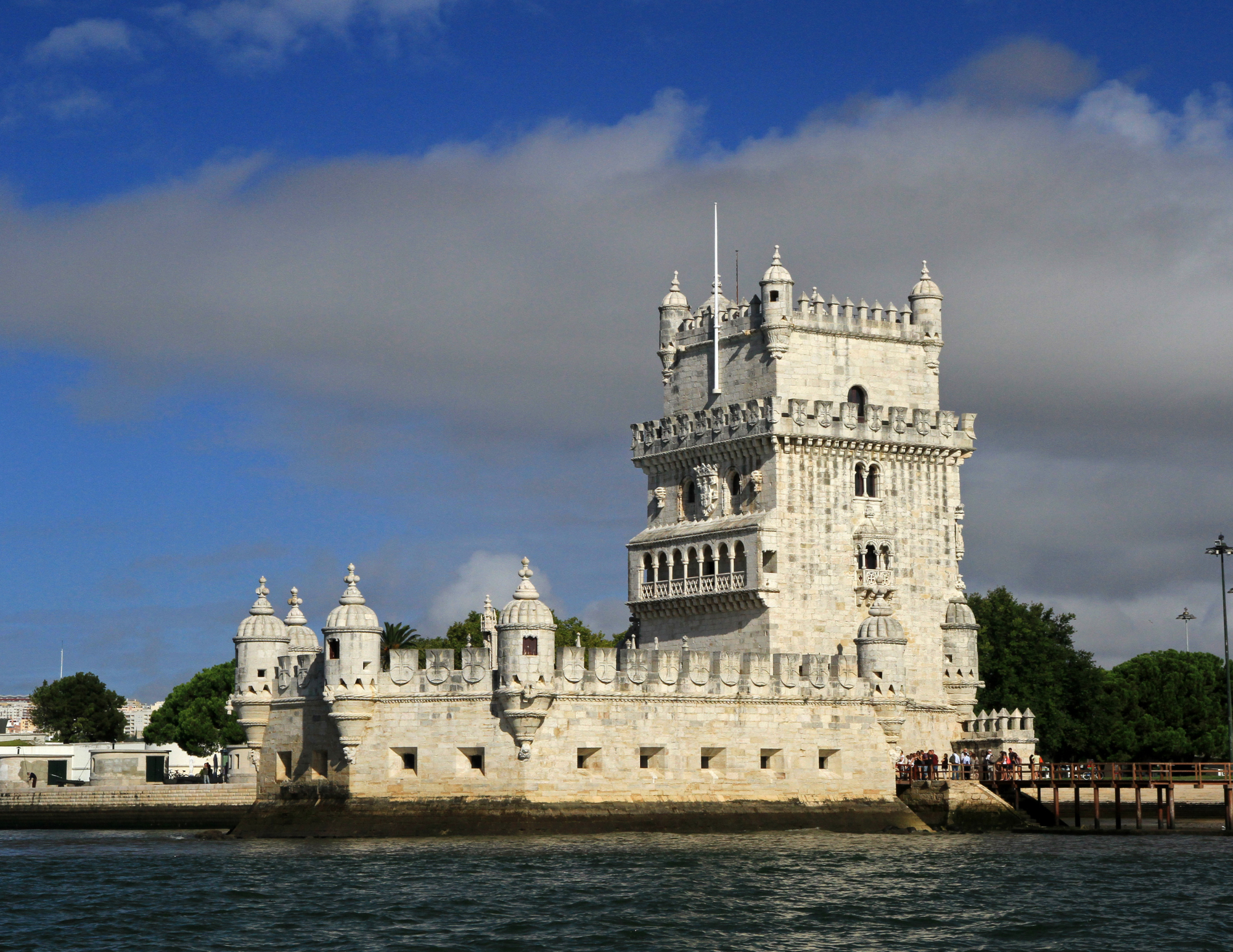
Some landmarks immediately stand out when you visit Lisbon, and Belém Tower is definitely one of them.
Standing along the edge of the Tagus River, this historic fortress has become one of the most recognizable symbols of the city. Its detailed stone carvings, defensive towers, and dramatic waterfront setting make it one of the most photographed places in Lisbon.
When we visited the Belém area, the tower immediately caught our attention from the riverfront path. Sitting just off the shoreline, it feels like something from another era when Lisbon was one of the most powerful maritime cities in the world.
Today the tower is one of Lisbon’s most popular attractions and an important reminder of Portugal’s Age of Exploration.
If you are planning your trip using my Lisbon Travel Guide, Belém Tower is one of the landmarks you should try to include in your itinerary.
What I did not fully realize before visiting is that Belém is not just about the tower itself. It is an entire area that feels different from central Lisbon. More open, more spread out, and closely tied to the river. Visiting here felt less like stopping at a single landmark and more like stepping into a different part of the city’s story. That is why I recommend planning this as part of a full day, something I map out more clearly in both my 3 Day Lisbon Itinerary and 5 Day Lisbon Itinerary.
The History of Belém Tower
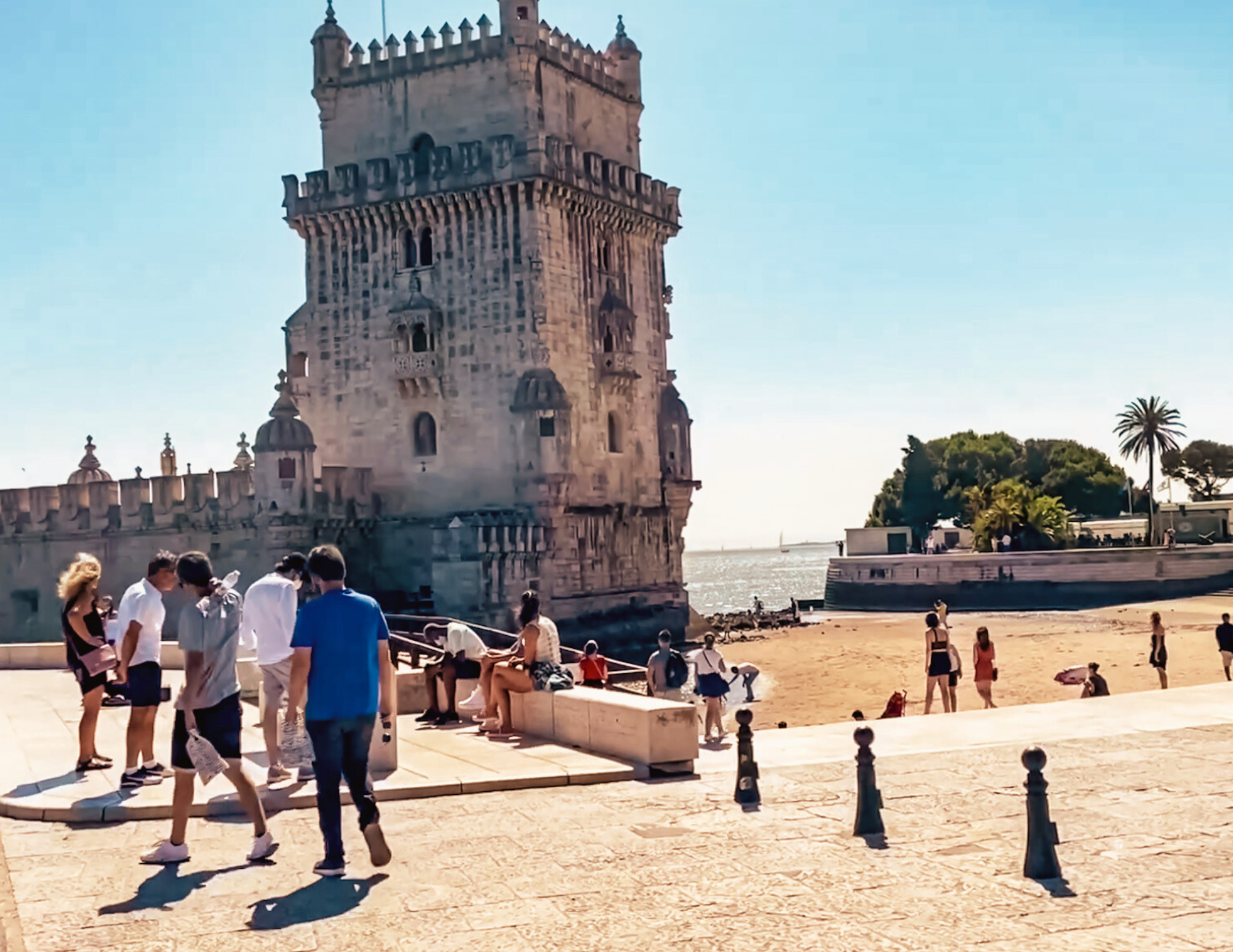
Belém Tower was built in the early 1500s during the reign of King Manuel I.
At the time, Portugal was sending ships across the globe, establishing trade routes and exploring new territories. Lisbon served as the center of these voyages, and Belém Tower played a role in protecting the entrance to the city’s harbor.
The fortress was designed to defend Lisbon from potential attacks arriving by sea. Positioned along the Tagus River, it acted as part of the city’s coastal defense system.
Over time the tower also became a ceremonial gateway to Lisbon. Ships returning from long voyages would pass by the tower as they approached the city.
Today Belém Tower is recognized as a UNESCO World Heritage Site along with the nearby Jerónimos Monastery, another historic landmark located in the Belém district.
Standing there today, it is easy to forget how strategic this location once was. What feels calm and scenic now was once a key defensive point for the city. Thinking about ships returning from long voyages and passing this exact point gives the tower a different kind of weight beyond just its appearance.
Manueline Architecture
One of the most striking things about Belém Tower is its architectural style.
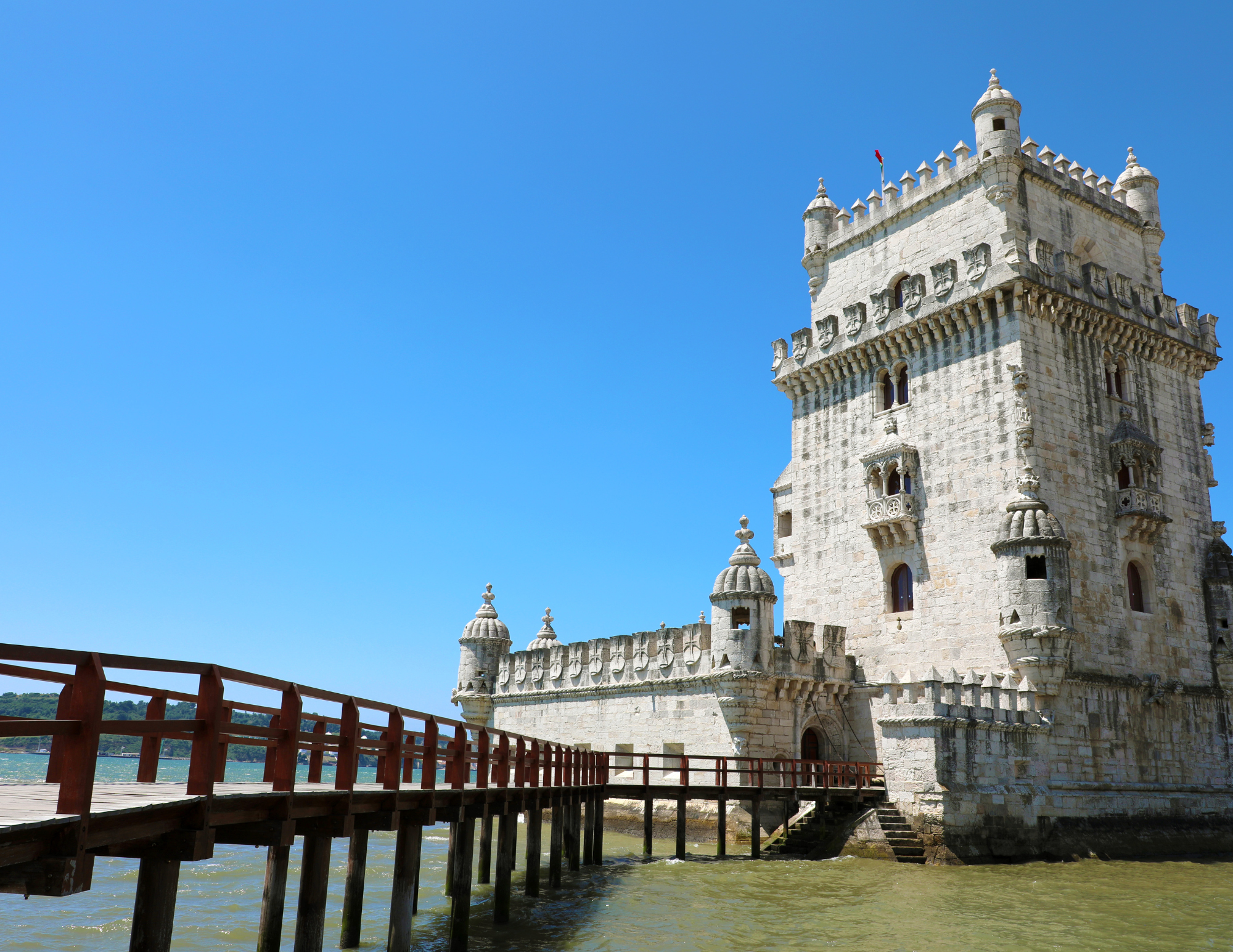
The structure is built in the Manueline style, a uniquely Portuguese form of architecture that blends late Gothic design with maritime symbols.
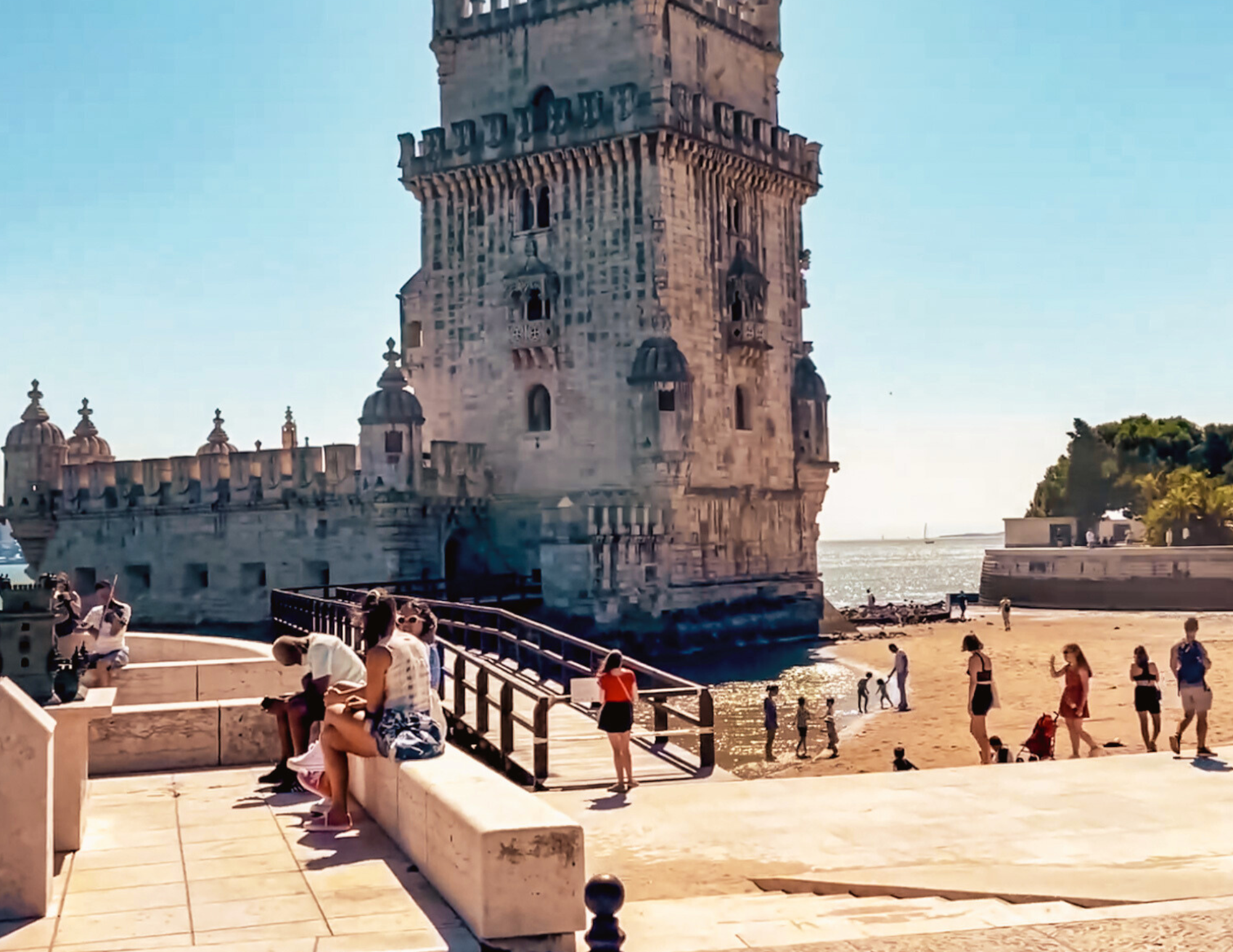
What stood out to me most was how detailed everything felt up close. From a distance it looks impressive, but once you are standing near the tower, you start noticing the smaller elements carved into the stone. It is one of those places where slowing down and actually looking makes a big difference.
Visitors will notice detailed carvings of ropes, anchors, and nautical elements built into the stone. These decorations reflect Portugal’s identity as a seafaring nation during the Age of Exploration.
The tower’s balconies, watchtowers, and decorative stonework give it an almost fairytale appearance, especially when viewed from the waterfront.
Even if you do not go inside, simply walking around the tower and viewing it from different angles along the riverfront is worth the visit.

Visiting Belém Tower Today
Belém Tower sits slightly out from the shore along the Tagus River. A walkway connects the tower to the waterfront, allowing visitors to approach the structure from land.
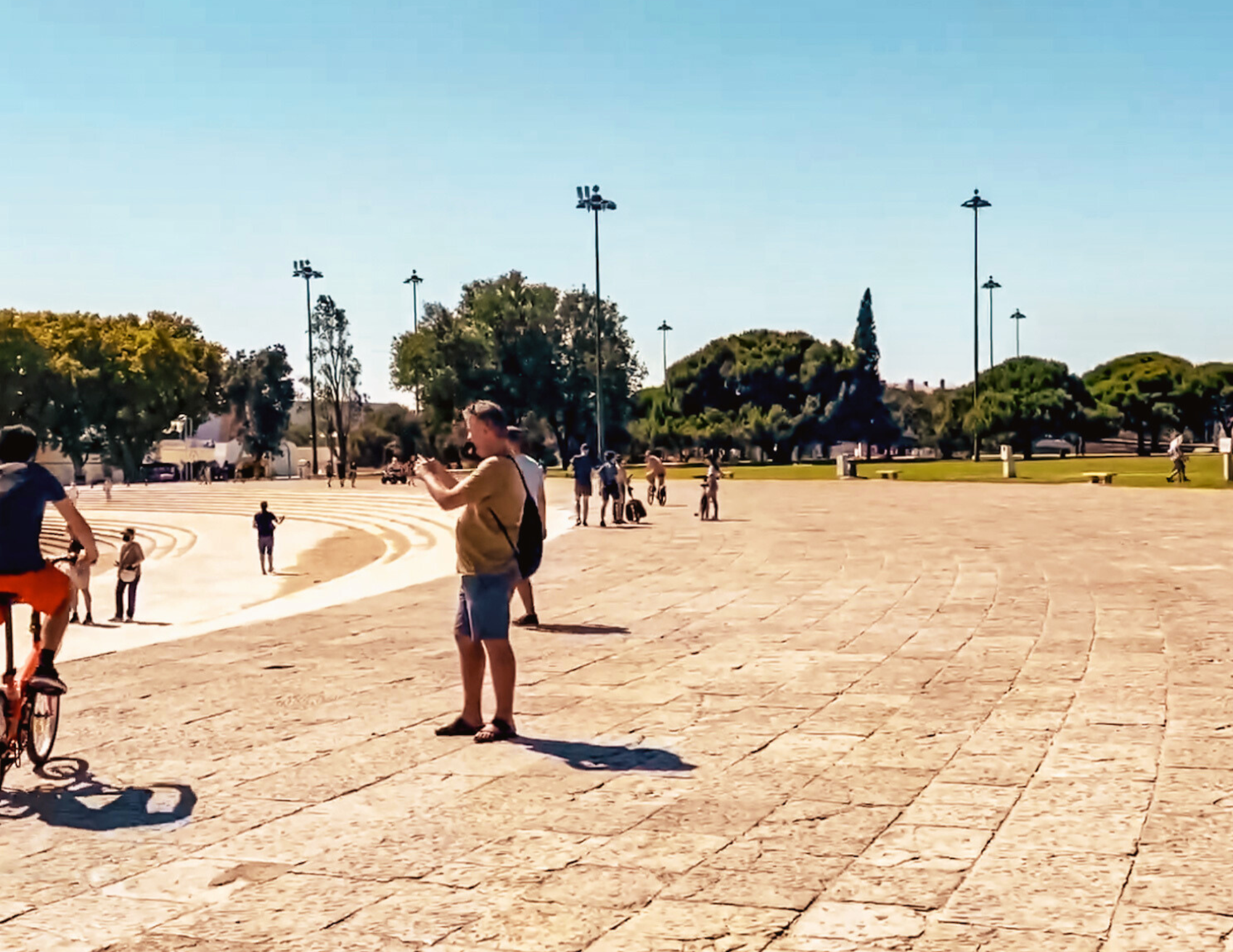
The surrounding area has wide open spaces, walking paths, and views across the river. It is a popular place for both locals and visitors to spend time outdoors.
Because Belém is located along the river, many travelers combine a visit to the tower with a walk along the waterfront. This area connects nicely with the route described in my Lisbon Waterfront Walk guide, which highlights several scenic spots along the Tagus River.
The Belém district itself is also home to several other major attractions.
This is one of the easiest ways to connect Belém to the rest of your time in Lisbon, especially if you prefer exploring the city on foot instead of jumping between attractions.
Other Things to See in Belém
One of the advantages of visiting Belém Tower is that several important Lisbon landmarks are located nearby.
Just a short distance away you will find Jerónimos Monastery, one of Portugal’s most impressive historical buildings. The monastery is a masterpiece of Manueline architecture and an essential stop when exploring this part of the city.
If you are visiting this area, these two are almost always paired together, and I break down how to approach both in my full Jerónimos Monastery Guide.
This entire area works best when you treat it as a single experience instead of separate stops. Walking between these landmarks, stopping along the way, and giving yourself time here makes a big difference compared to trying to rush through it.
The Belém neighborhood is also famous for its pastries. Many visitors make a stop at Pastéis de Belém, which is known for serving some of the most famous pastel de nata in Portugal.
I talk more about where to try these pastries in my Best Pastel de Nata in Lisbon guide.
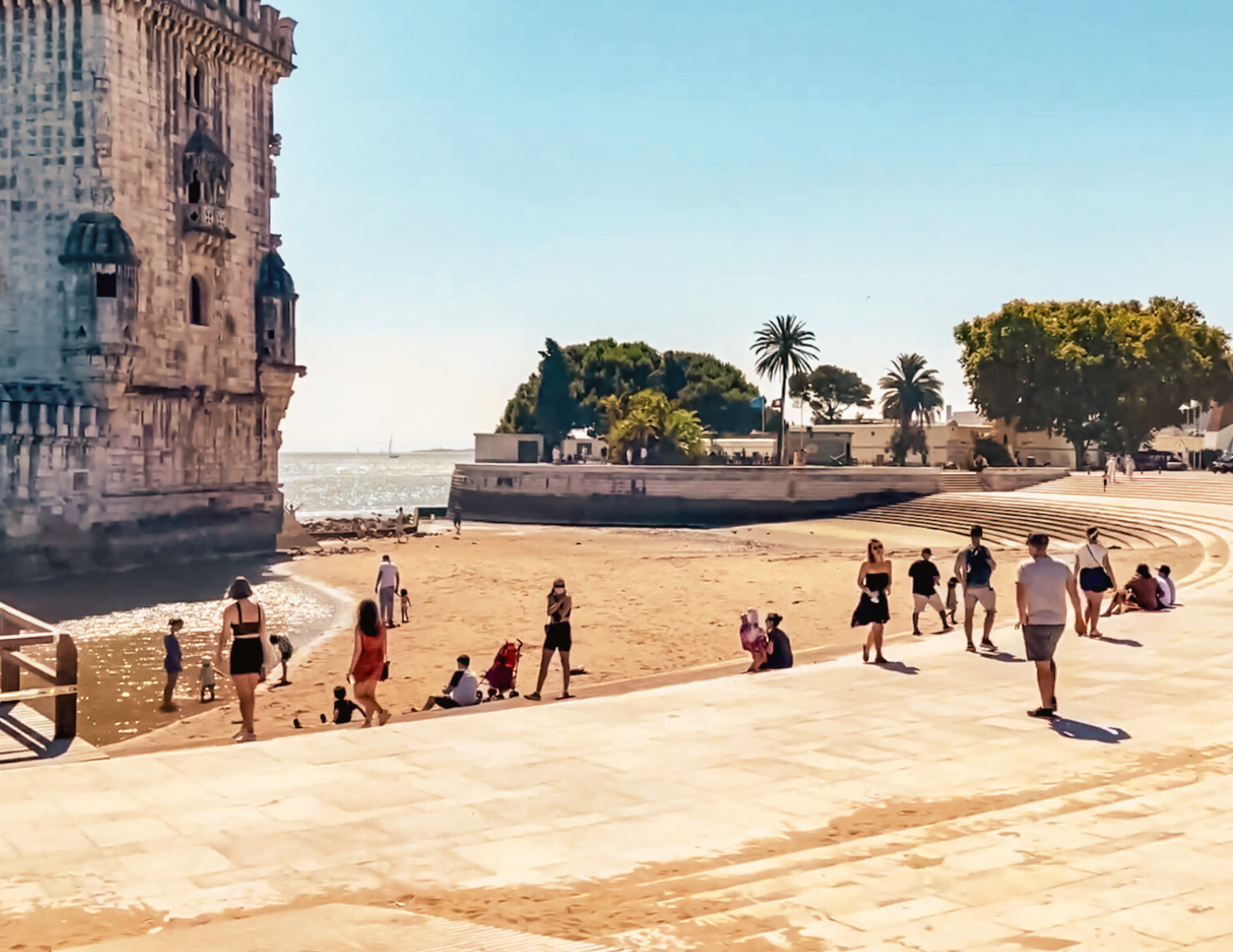
Views Along the Tagus River
One of the nicest parts of visiting Belém Tower is the setting along the Tagus River.
The waterfront paths surrounding the tower offer beautiful views across the water and back toward the city. On a clear day you can see boats moving along the river and locals relaxing along the promenade.
Walking along the river here gives you a sense of Lisbon’s long connection to the sea and the role the city played in global exploration.
It is very different from the atmosphere of Lisbon’s historic hilltop neighborhoods like Alfama, which I describe in Walking Along the Tagus River and Through Alfama guide.
This part of Lisbon feels very different from the hills and tighter streets of neighborhoods like Alfama. It is more open, more relaxed, and easier to walk without constantly climbing. That contrast is part of what makes Belém worth visiting, especially after spending time in the older parts of the city.

Is Belém Tower Worth Visiting
If you are trying to decide whether Belém Tower is worth adding to your itinerary, I would say yes, but with the right expectations.
The tower itself is not a place where you will spend a large amount of time. For many people, the experience is more about seeing it from the outside, walking around it, and taking in the setting along the river.
Where Belém Tower really stands out is as part of a larger visit to the Belém area. When combined with Jerónimos Monastery, a stop for pastel de nata, and time along the waterfront, it becomes part of a much more complete experience.
This is why I always recommend planning this as a half-day or full-day area instead of treating it as a quick stop.
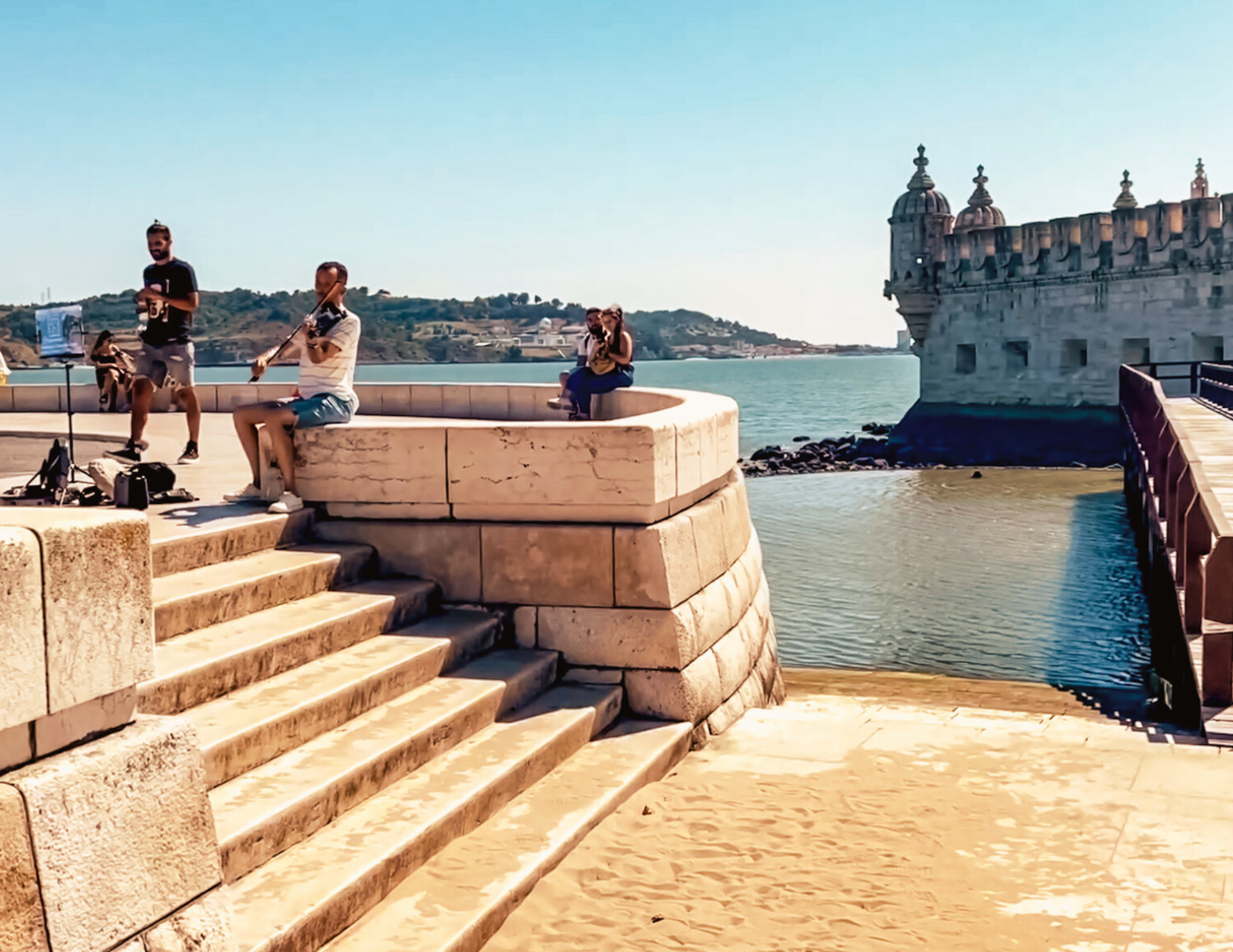
Planning Your Lisbon Trip
Belém Tower is located west of Lisbon’s historic center, so it is best visited as part of a day exploring the Belém district.
Many travelers pair it with a visit to Jerónimos Monastery, a stop for pastel de nata, and a walk along the waterfront.
If you are organizing your time in the city, both my 3 Day Lisbon Itinerary and 5 Day Lisbon Itinerary include suggestions for exploring the Belém area.
For a full overview of Lisbon’s attractions, neighborhoods, and travel tips, you can also read my complete Lisbon Travel Guide.
If you are deciding where to stay, my Where to Stay in Lisbon guide explains which neighborhoods are most convenient for exploring the city.
Final Thoughts
Belém Tower is one of Lisbon’s most recognizable landmarks, but it is more than just a photo opportunity.
The fortress represents a period in history when Lisbon stood at the center of global exploration and maritime trade. Standing along the Tagus River today, it still reflects that legacy.
Whether you explore the tower itself or simply walk along the waterfront nearby, visiting Belém Tower offers a glimpse into one of the most important chapters of Lisbon’s past.
If you are planning your time in Lisbon, this is one of those places that works best when it is part of a bigger plan. I would not visit Belém Tower on its own. I would build it into a full day exploring the area, connect it with other landmarks, and use it as a way to experience a different side of Lisbon beyond the historic center. That is exactly how I would recommend using it alongside my Lisbon Travel Guide and your overall itinerary.

Cavetta is the creator of LifeWithVetta.com and has been traveling the world full time since 2020. She has visited more than 60 countries while worldschooling her son and documenting what it really takes to live abroad. Her guides focus on travel, moving abroad, digital nomad life, and designing a life beyond the traditional path.
