

Best Things to Do, Eat, and Explore in Portugal’s Capital
Lisbon has a way of pulling you in slowly.
The hills. The viewpoints. The sound of trams moving through narrow streets. The smell of fresh pastel de nata coming from bakeries on almost every corner.
We first visited Lisbon in 2022 during our full time travel journey, and the city left a strong impression on us. When we returned again in 2026 while doing our Schengen shuffle through Europe, it confirmed something I had already suspected.
Lisbon is one of those cities that rewards slow travel.
The first time you visit you check off the landmarks. The second time you start noticing the rhythm of the city. The neighborhoods. The cafés. The hidden viewpoints. The everyday life happening around you.
After spending time here on two different trips, this guide shares the best things to do in Lisbon, what to eat, where to explore, and the places that make this city special.
If you are planning a trip to Portugal or considering spending time here as a digital nomad or slow traveler, this Lisbon travel guide will help you get started.
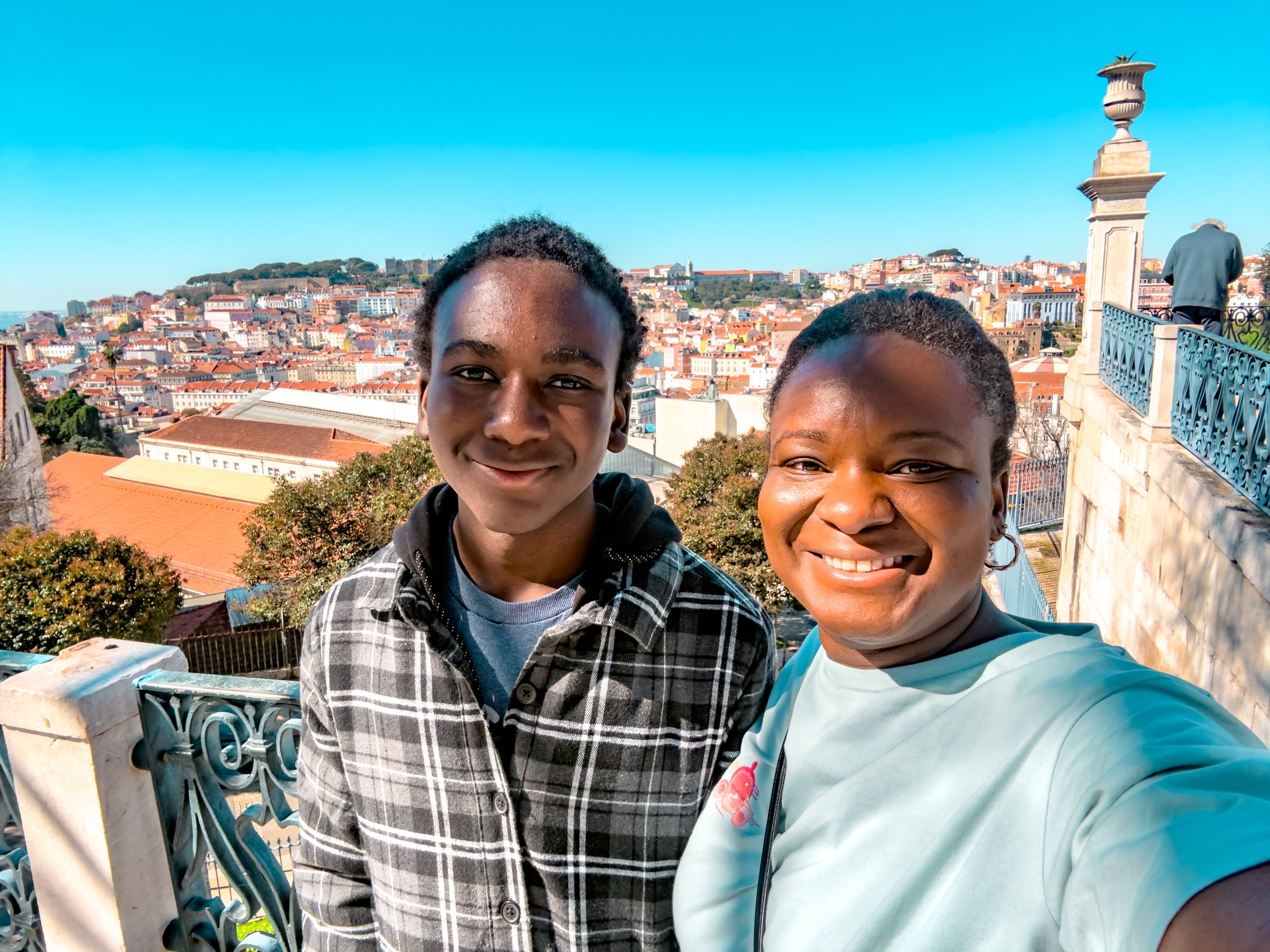
How Many Days Do You Need in Lisbon?
Lisbon is a city that can be explored in a few days, but it rewards travelers who stay longer.
Most visitors spend 3 to 5 days in Lisbon, which allows enough time to explore historic neighborhoods like Alfama, visit Belém’s landmarks, enjoy the city’s viewpoints, and experience the food culture.
During our first visit, we spent several days exploring the city but still felt like we had only scratched the surface. When we returned again in 2026, we were able to revisit places we loved and explore areas we missed the first time.
If you are short on time, I break everything down in my 3 Day Lisbon Itinerary.
If you want a slower, more complete experience, my 5 Day Lisbon Itinerary includes additional neighborhoods, museums, and a day trip to Sintra.
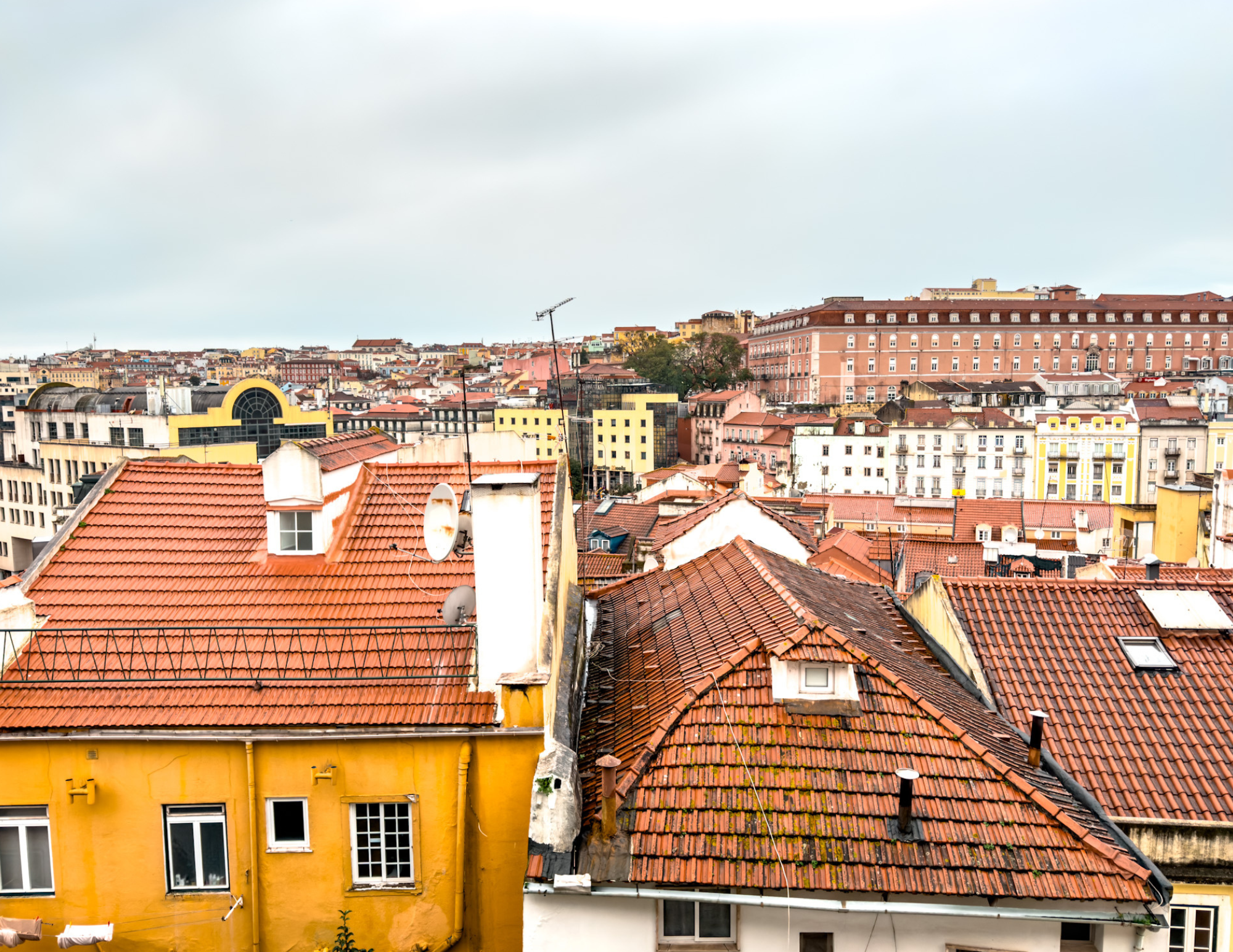
Lisbon neighborhood
Lisbon Travel Guide Quick Facts
Location: Western Portugal along the Tagus River
Country: Portugal
Language: Portuguese
Currency: Euro (€)
Best time to visit: Spring and fall
Airport: Lisbon Humberto Delgado Airport (LIS)
Known for: viewpoints, historic neighborhoods, trams, pastries, and coastal scenery
Lisbon is the largest city in Portugal and one of the oldest cities in Western Europe. Its mix of historic architecture, vibrant neighborhoods, and ocean influence creates a unique atmosphere that many travelers find unforgettable.
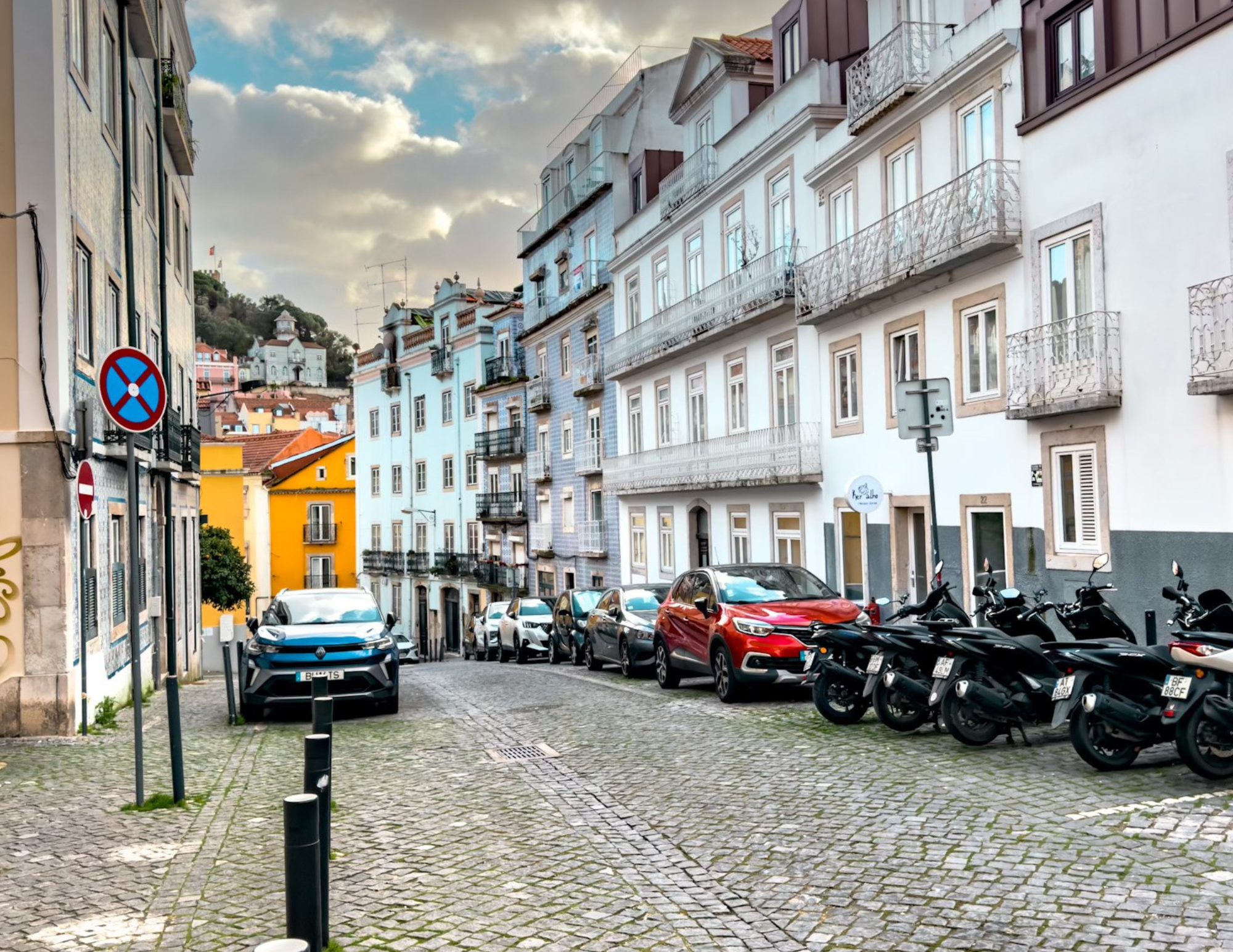
Walking around Lisbon
Why Visit Lisbon
Lisbon is one of the most unique capital cities in Europe.
Built across seven hills along the Tagus River, the city constantly reveals new viewpoints and hidden streets as you explore. One moment you are walking through a quiet historic neighborhood, the next you are standing at a miradouro overlooking the red rooftops and the river below.
What makes Lisbon special is the combination of experiences you find here.
Historic neighborhoods like Alfama filled with centuries of history.
Iconic yellow trams climbing narrow streets.
Incredible viewpoints known as miradouros scattered throughout the city.
Traditional Portuguese food and pastries.
Museums and cultural landmarks.
Vibrant nightlife and waterfront areas.
Easy day trips to other parts of Portugal.
It is a city that works just as well for a short visit as it does for a longer stay.
Day Trips from Lisbon
One of the best things about Lisbon is how many incredible destinations are located nearby.
The most popular day trip is Sintra, known for its fairytale palaces, castles, and forested hills.
We visited Sintra during our second trip and it ended up being one of the highlights of our time in Portugal.
I walk through exactly how to plan it in my Sintra Day Trip from Lisbon guide.
Other popular day trips include Cascais, a coastal town known for beaches and ocean views.
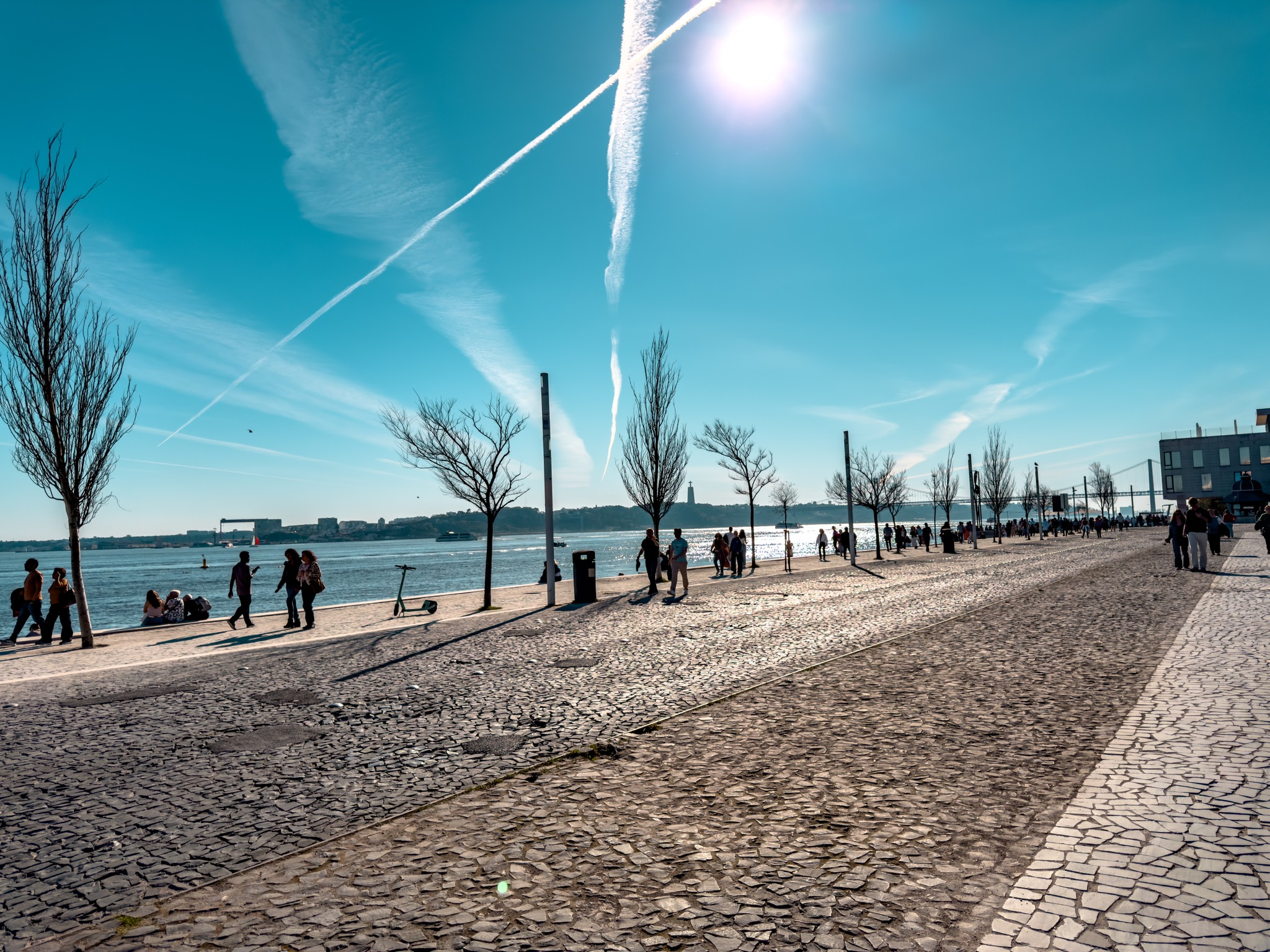
Best Time to Visit Lisbon
Lisbon is a great destination year round, but certain seasons offer better weather and fewer crowds.
Spring (March to May) is one of the best times to visit. Temperatures are comfortable, flowers are blooming, and tourist crowds have not yet reached their summer peak.
Summer (June to August) brings warm weather and a lively atmosphere. This is the busiest time of year, so expect larger crowds and higher accommodation prices.
Fall (September to October) is another excellent time to visit. The weather remains warm and the city becomes slightly quieter after the summer rush.
Winter (November to February) is the slowest season, but Lisbon still enjoys mild temperatures compared to much of Europe.

How to Get to Lisbon
Most international travelers arrive in Lisbon through Lisbon Humberto Delgado Airport, the main airport serving Portugal’s capital.
The airport is located only about 7 kilometers from the city center, making it one of the easiest European capitals to reach from the airport.
You can reach downtown Lisbon by:
Metro
Taxi or rideshare
Airport bus
Private transfer
The metro is usually the fastest and most affordable option.
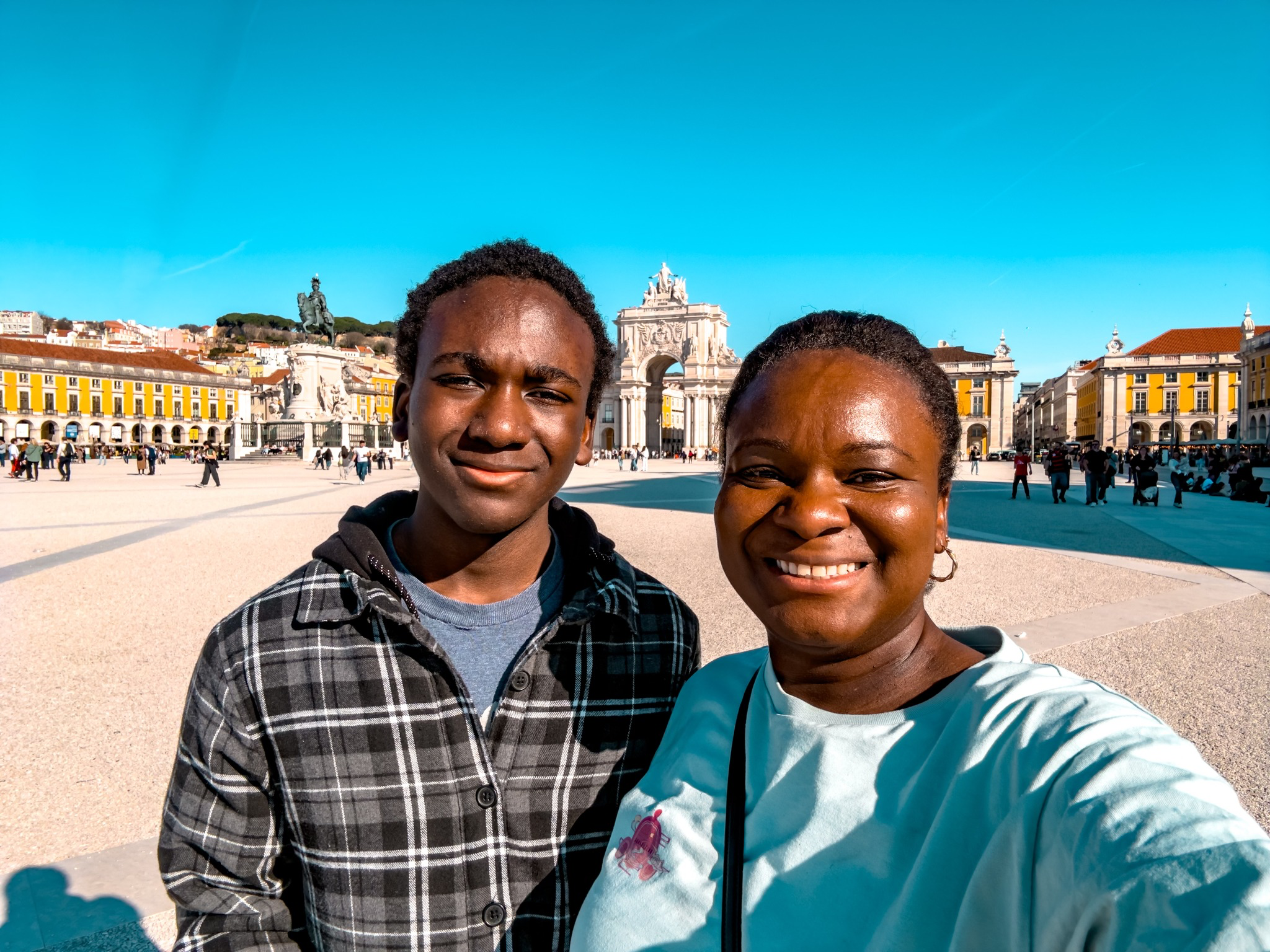
Before You Start Exploring Lisbon
A few simple things can make exploring Lisbon much easier.
Having mobile data is extremely helpful when navigating Lisbon’s winding streets and public transportation. One easy option is using Airalo Portugal eSIM data packages, which activate instantly and allow you to use maps, rideshare apps, and translation tools while exploring.
Many visitors also use the Lisbon Card, which includes unlimited public transportation and free or discounted entry to several major attractions including Jerónimos Monastery.
For longer trips abroad, it is also worth having travel medical coverage. I personally recommend SafetyWing travel insurance, which is designed specifically for travelers and digital nomads.
With those basics sorted out, it is time to start exploring Lisbon.
Where to Stay in Lisbon
Choosing where to stay in Lisbon can shape your experience in the city.
During our first visit, we stayed in Alfama, which gave us a more historic and immersive experience. On our second visit, we stayed in Graça, which offered incredible viewpoints and a more local feel while still being within walking distance of the city center.
Each neighborhood offers something different depending on your travel style.
I break this down fully in my Where to Stay in Lisbon guide, including the best areas for first-time visitors, nightlife, and local experiences.
Best Neighborhoods to Explore in Lisbon
Lisbon is made up of several distinct neighborhoods, each with its own person
ality and history.
Understanding these areas helps you explore the city more intentionally.
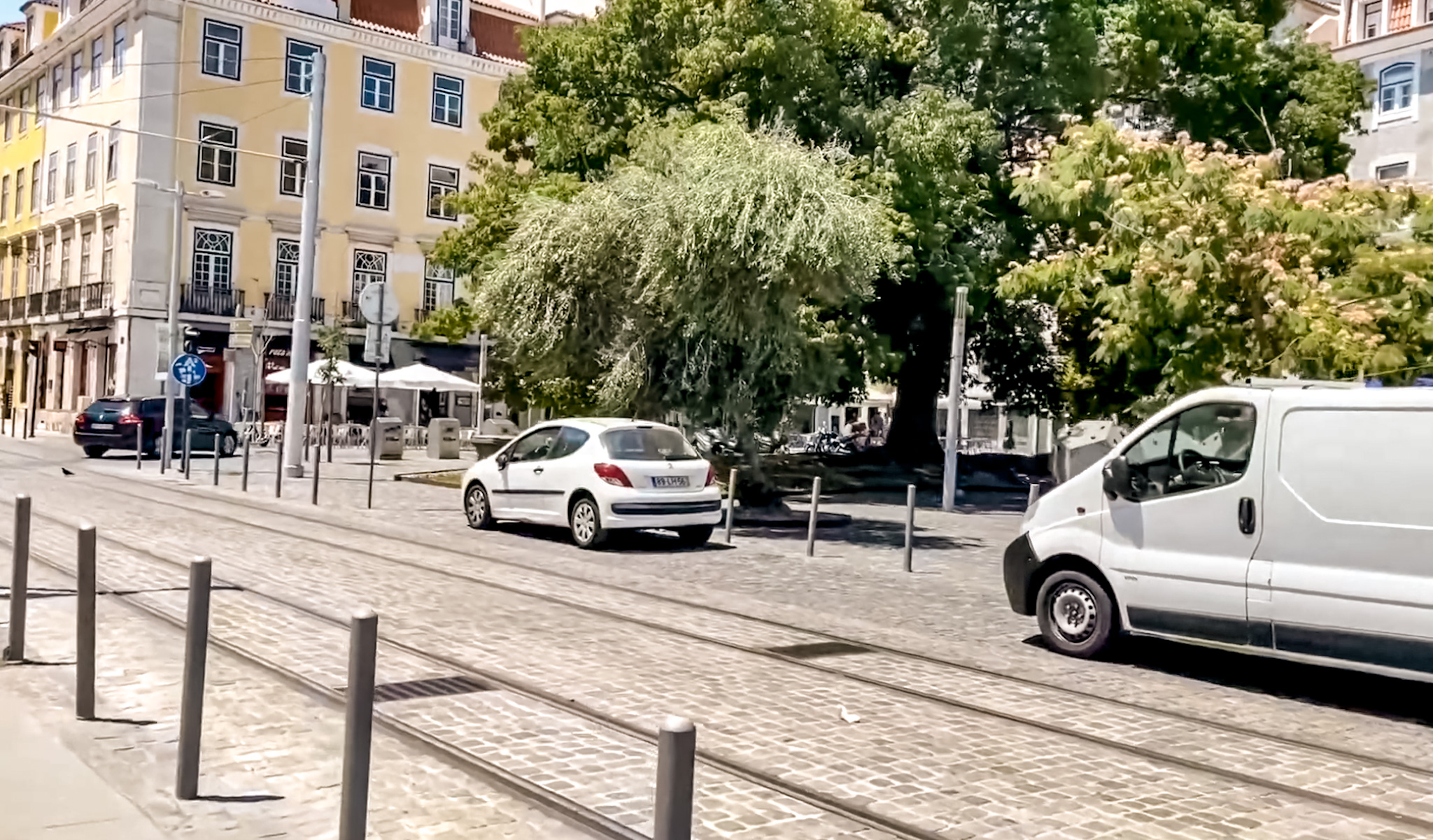
Alfama
Alfama is the oldest neighborhood in Lisbon and one of the most beautiful.
The area survived the devastating 1755 Lisbon earthquake, which is why its narrow medieval streets still exist today. Walking through Alfama feels like stepping into another era. Streets twist and climb the hillside, small restaurants play traditional Fado, and viewpoints appear unexpectedly between buildings.
This historic neighborhood is also home to the Museu do Fado, which explores the history of Portugal’s traditional music and its deep connection to Alfama. Visiting the museum provides a deeper understanding of the music you often hear drifting from restaurants and small venues throughout the district.

Baixa
Baixa
Baixa is Lisbon’s downtown district and one of the most central areas of the city.
After the devastating 1755 earthquake destroyed much of Lisbon, Baixa was rebuilt with wide streets, large squares, and elegant architecture that still defines the neighborhood today.
Walking through the district you will pass some of Lisbon’s most recognizable landmarks, including Praça do Comércio, the grand riverside plaza that opens toward the Tagus River, as well as the lively pedestrian street Rua Augusta. At the end of the street stands the Arco da Rua Augusta, which visitors can climb for views over the square and the river.
Baixa is also home to one of the city’s most unique landmarks, the Santa Justa Lift, a historic iron elevator that connects the lower streets of Baixa with the higher Carmo Square area. The district is a great place for walking, exploring shops and cafés, and starting a stroll along the Tagus River waterfront.
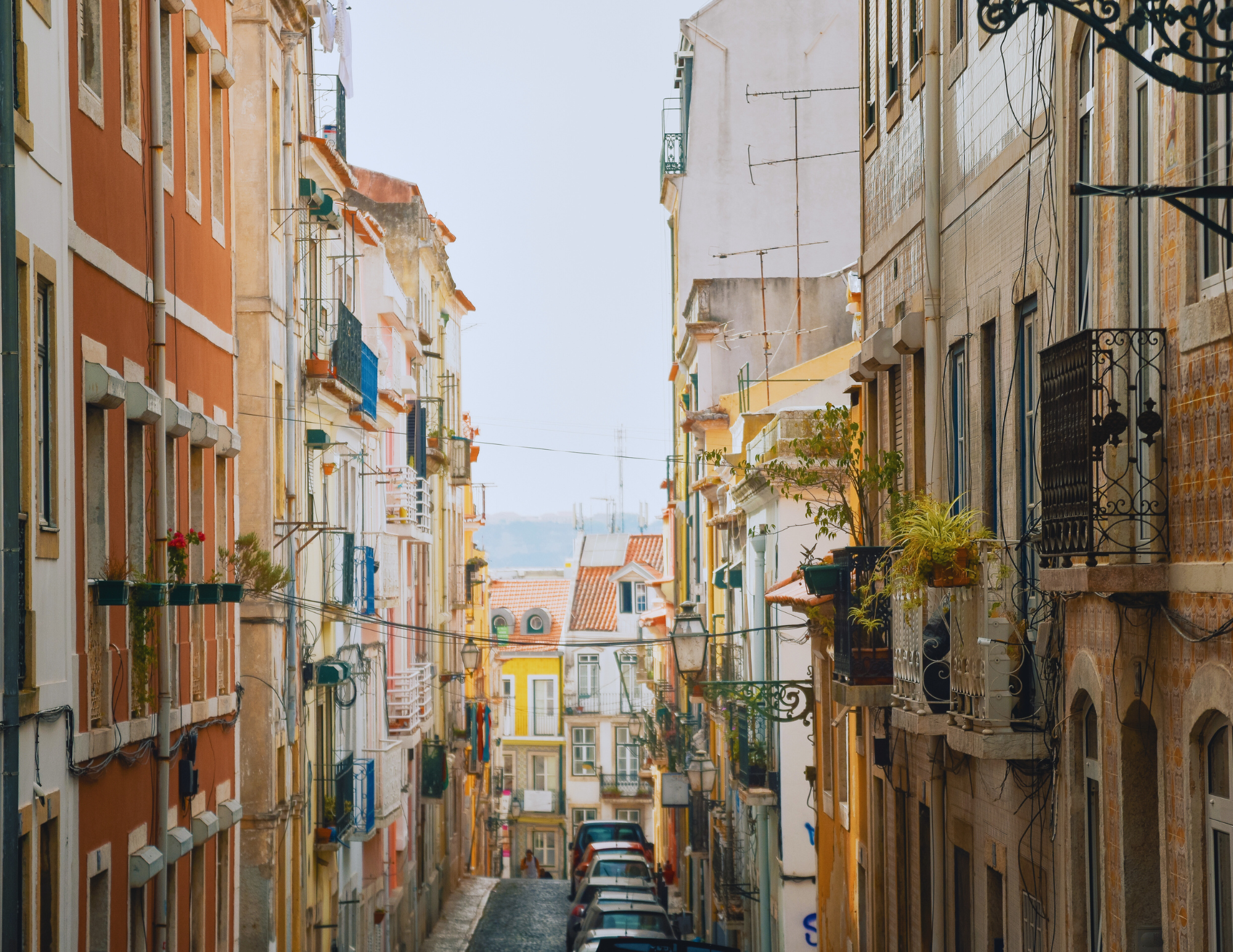
Chiado
Chiado
Chiado is one of Lisbon’s most refined neighborhoods.
It is known for historic cafés, theaters, boutique shops, and cultural landmarks. The atmosphere feels slightly more polished while still maintaining the character Lisbon is known for.
The area also sits close to landmarks like the Santa Justa Lift, making it an easy stop while exploring Lisbon’s historic center.
Chiado is also one of the best areas in the city to sit in a café and watch everyday life unfold, and several of the city’s classic coffee spots can be found here, including the historic A Brasileira.

Belém
Belém
Belém sits slightly outside Lisbon’s historic center but it is one of the most important historic areas in the city. This neighborhood played a major role during Portugal’s Age of Discoveries, when Portuguese explorers set out from Lisbon to travel across the world.
Today Belém is home to several of the city’s most famous landmarks.
One of the highlights is Jerónimos Monastery, a massive Manueline style monastery built in the 16th century to commemorate Vasco da Gama’s voyage to India. The intricate stone carvings and grand cloisters make it one of the most impressive buildings in Lisbon.
Just a short walk along the river you will find Belém Tower, a historic fortress that once helped defend the entrance to Lisbon’s harbor. The tower stands directly along the Tagus River and has become one of the most recognizable symbols of the city.
Another landmark nearby is the Padrão dos Descobrimentos, a large monument celebrating Portugal’s maritime explorers.
While visiting the area, many travelers also stop at Pastéis de Belém, the famous bakery known for serving one of the most iconic desserts in Portugal. Trying a warm pastel de nata here is almost a tradition for visitors exploring the Belém district.
Because these landmarks sit fairly close together, Belém is easy to explore in a single visit and is often included in itineraries like my 3 Day Lisbon Itinerary or 5 Day Lisbon Itinerary.
Just a little further along the waterfront you will also find the MAAT – Museum of Art, Architecture and Technology, known for its striking modern architecture along the river.
Best Things to Do in Lisbon
Lisbon offers a mix of historic landmarks, cultural experiences, and relaxed neighborhood exploration.
These are some of the highlights you should not miss.

Tram 28, Largo do Martim Moniz in the city center
Ride the Historic Tram 28
Tram 28 is one of Lisbon’s most famous experiences.
The historic yellow tram travels through several scenic neighborhoods including Alfama, Baixa, and Graça.
Because it passes many major attractions, it is a great way to see different parts of the city in one ride.
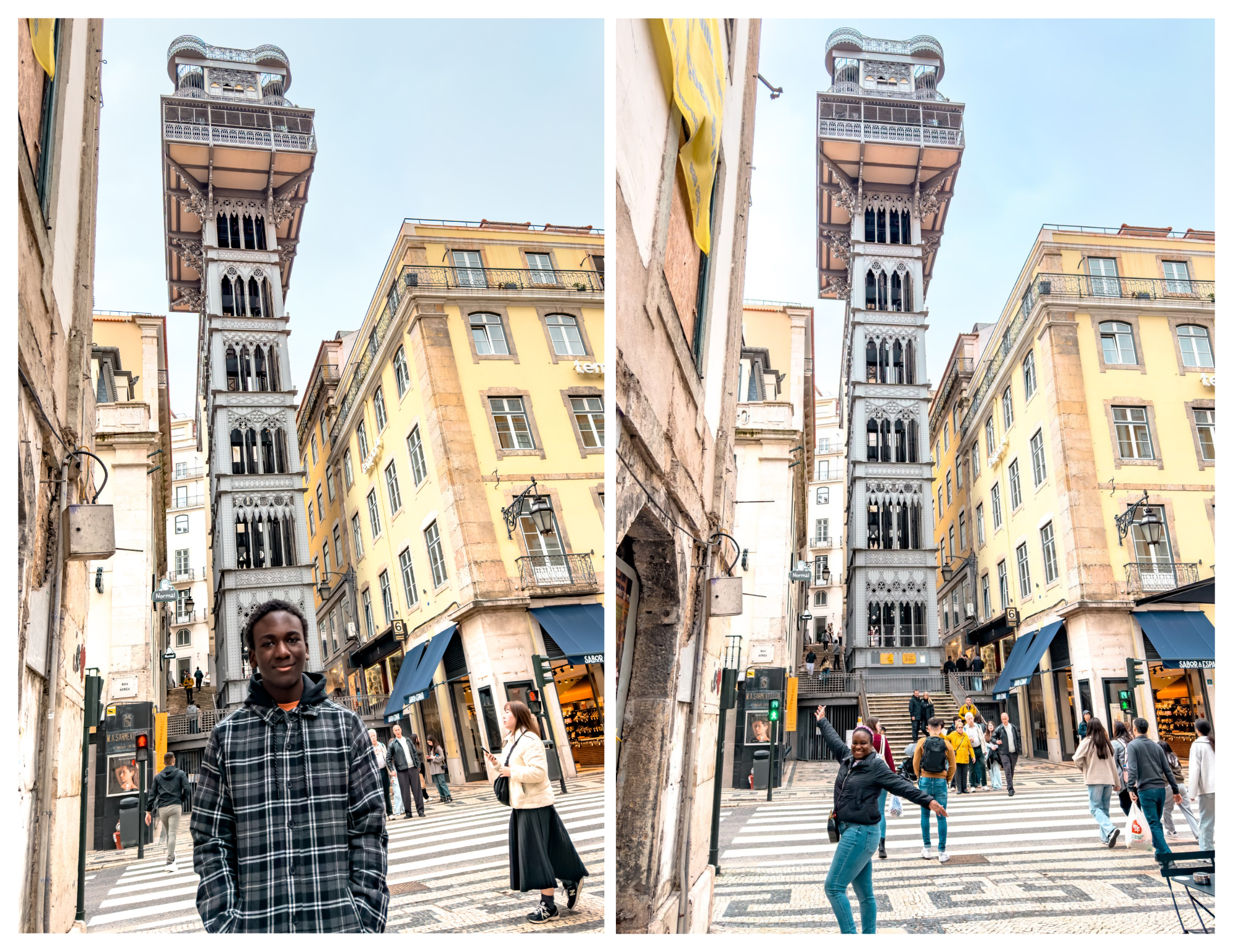
Santa Justa Lift
Visit the Elevador de Santa Justa
The Santa Justa Lift is one of Lisbon’s most recognizable landmarks.
This historic iron elevator connects the lower streets of Baixa with the higher Carmo Square area near the ruins of Carmo Convent. Built in the early 1900s, the structure stands out with its ornate iron design and remains one of the most unique pieces of architecture in Lisbon.
At the top you will find a viewing platform with excellent views over Lisbon’s rooftops, the surrounding hills, and parts of the Tagus River. Because of its central location, visiting the elevator fits easily into a day exploring nearby areas like Chiado, Baixa, and landmarks such as Praça do Comércio.
You can learn more about what to expect, how to visit, and tips for avoiding long lines in my full Santa Justa Elevator guide.
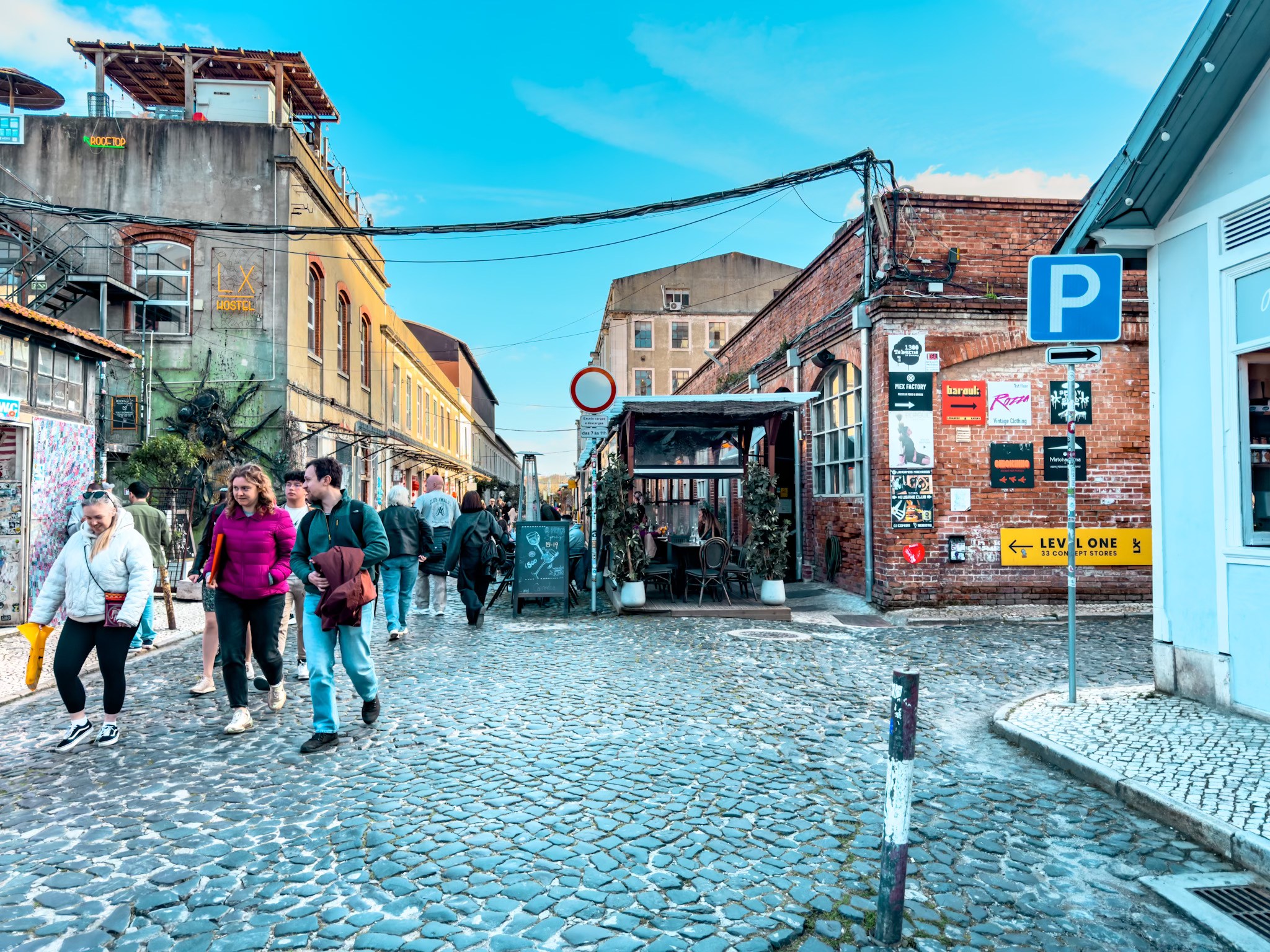
LX Factory
Explore LX Factory
LX Factory is one of the most creative and unique areas in Lisbon.
Located in a former industrial complex beneath the 25 de Abril Bridge, the space has been transformed into a vibrant hub filled with restaurants, cafés, street art, bookstores, and independent shops. The atmosphere here feels very different from Lisbon’s historic neighborhoods, offering a glimpse into the city’s modern creative scene.
One of the most famous spots inside LX Factory is Ler Devagar, a stunning bookstore often considered one of the most beautiful in the world. Towering shelves of books, artistic installations, and a small café make it a place many visitors spend time exploring.
If you are interested in what to see, where to eat, and how to visit, you can read more in my detailed LX Factory Lisbon guide.
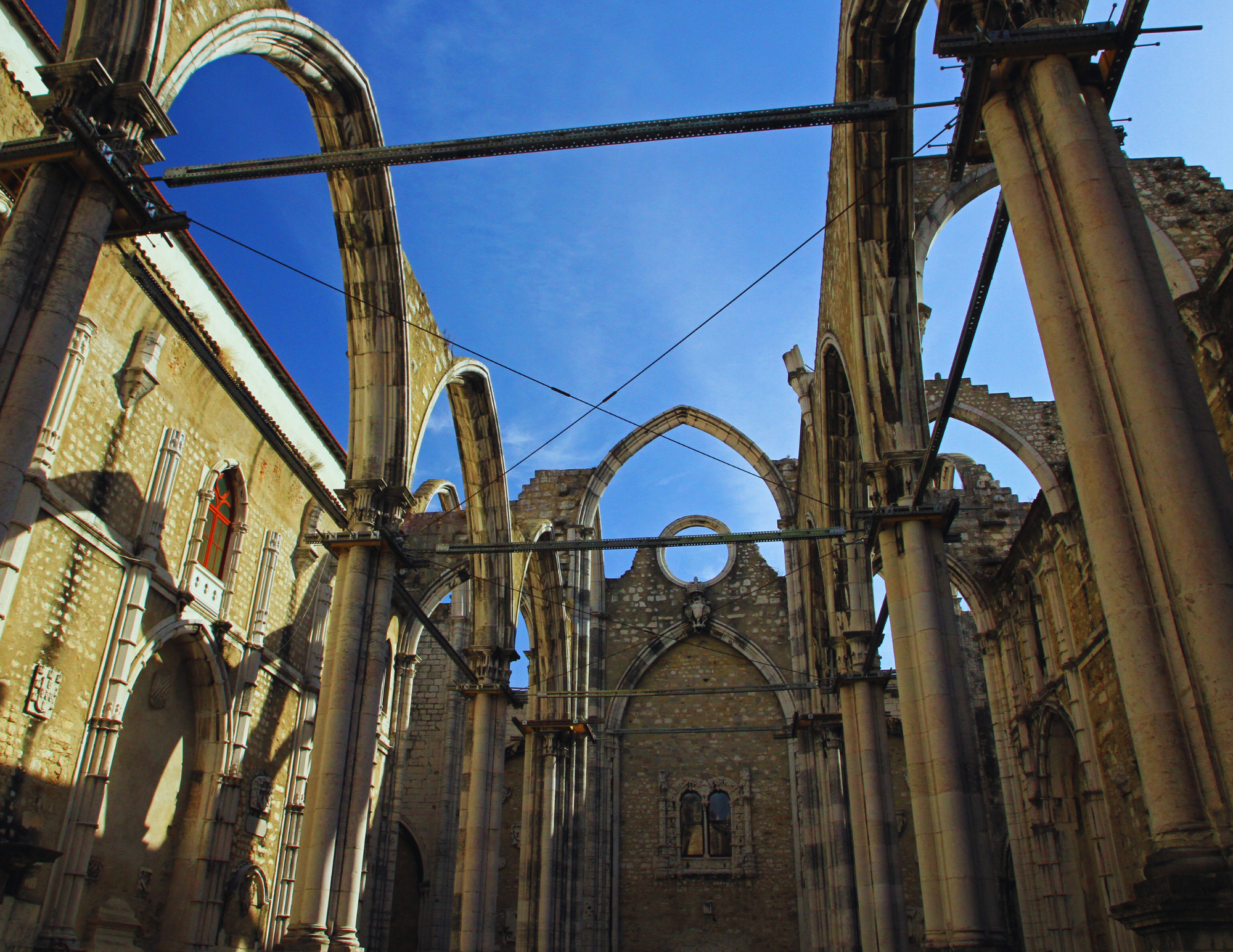
Carmo Convent ruins
Visit the Carmo Convent Ruins
The Carmo Convent ruins are one of the most striking historic sites in Lisbon.
The roof of the church collapsed during the devastating 1755 earthquake, leaving behind towering gothic stone arches that now stand open to the sky. Walking through the ruins offers a powerful glimpse into Lisbon’s history and the impact of the earthquake that reshaped the city.
Today the site functions as both a historic monument and an archaeological museum, with artifacts and exhibits that help tell the story of Lisbon’s past.
Because it sits in the Chiado area near the Santa Justa Lift, visiting the convent is easy to combine with other nearby attractions while exploring the historic center. You can learn more about what to expect when visiting in my detailed Lisbon Museums Worth Visiting guide.
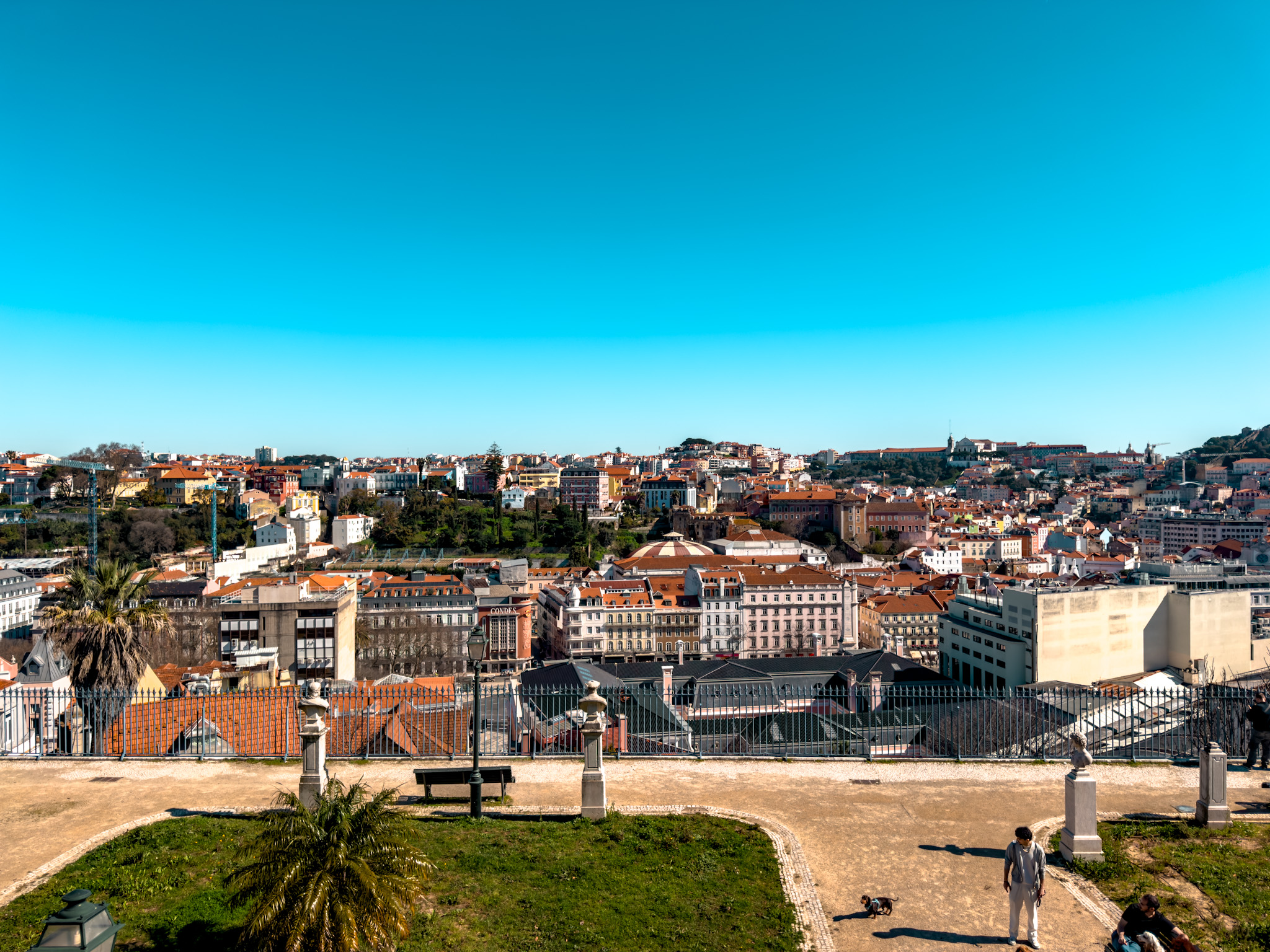
Miradouro de São Pedro de Alcântara
Discover Lisbon’s Viewpoints
Because Lisbon is built across several hills, the city offers incredible viewpoints known as miradouros.
Some of the most beautiful include Miradouro de Santa Luzia, which overlooks the rooftops of Alfama and the Tagus River, Miradouro da Senhora do Monte, one of the highest viewpoints in the city, and Miradouro de São Pedro de Alcântara, a landscaped terrace that offers sweeping views across Lisbon toward Castelo de São Jorge.
These viewpoints are scattered across the city and are perfect places to take a break while exploring Lisbon’s hills and neighborhoods.
I highlight several of the most scenic spots around the city in my guide to the Best Viewpoints in Lisbon, including a few quieter miradouros that many visitors overlook.
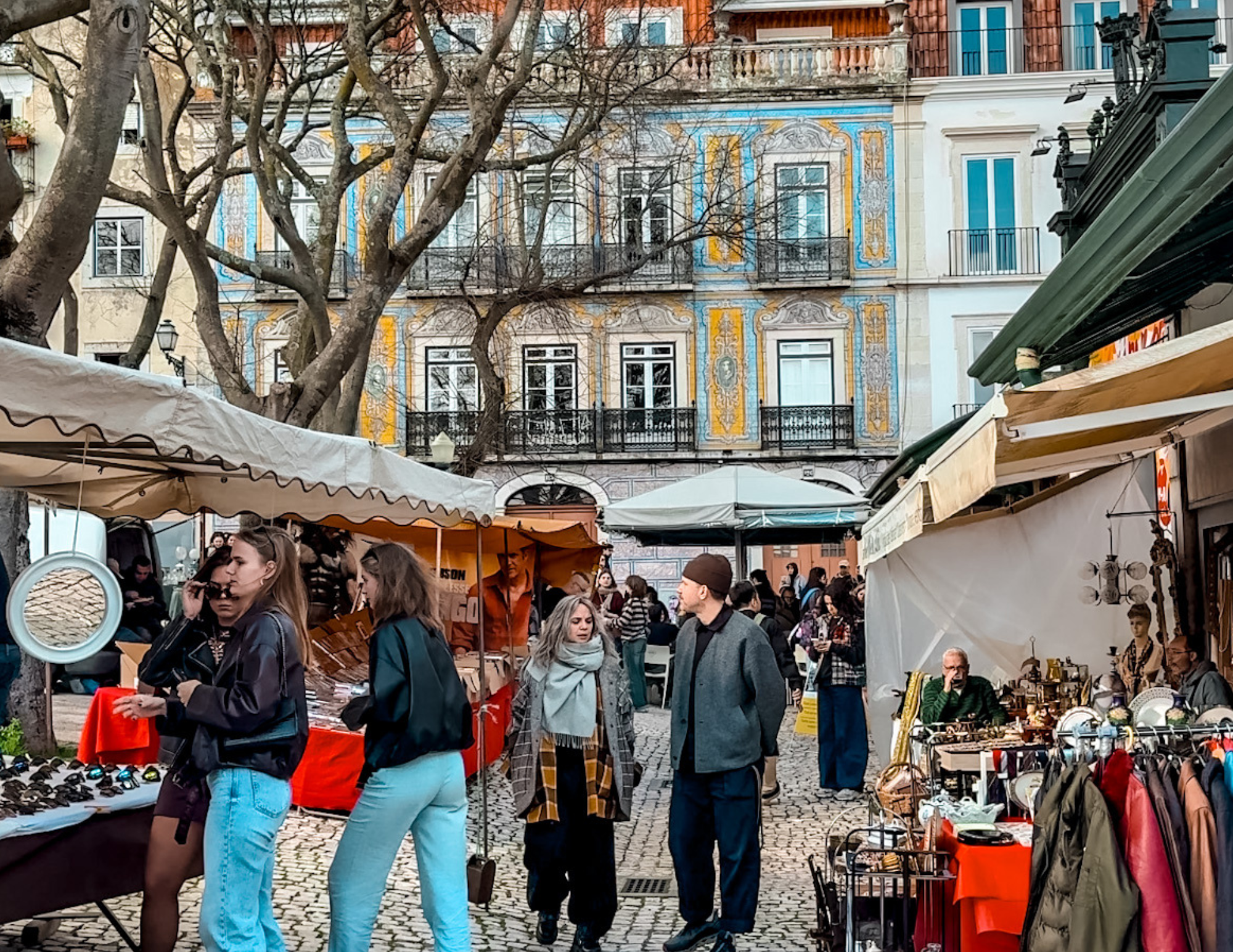
Feira da Ladra Flea Market on a Saturday
Visit Feira da Ladra Flea Market
If you are in Lisbon on a Tuesday or Saturday, make time to visit Feira da Ladra.
This historic open-air market dates back centuries and remains one of the most interesting local markets in the city. Walking through the stalls you will find antiques, vintage collectibles, handmade crafts, ceramics, old books, records, and all kinds of unexpected items.
The market sits in the Alfama neighborhood near the National Pantheon, which makes it easy to combine with a walk through one of Lisbon’s oldest districts or a visit to nearby landmarks like Lisbon Cathedral.
You can learn more about what to expect and tips for visiting in my full Feira da Ladra flea market guide.

Grilled sardines with potatoes and vegetables
Lisbon Food You Should Try
Food is one of the highlights of visiting Lisbon.
Portuguese cuisine blends fresh seafood, simple ingredients, and traditional recipes that have been passed down for generations. While exploring the city you will come across classic dishes like bifana sandwiches, grilled sardines, bacalhau prepared in many different ways, and rich seafood rice dishes that reflect Portugal’s long connection to the sea.
One of the most famous things to try is the pastel de nata, the small custard tart you will see in bakery windows all across Lisbon. Many travelers make a point of visiting well known bakeries like Manteigaria or Fábrica da Nata, which I talk about in my guide to the Best Pastel de Nata in Lisbon guide.
Lisbon also has a fantastic café culture, with bakeries and pastry shops scattered throughout the city. Stopping for coffee and a pastry quickly becomes part of the rhythm of exploring Lisbon’s neighborhoods, and you can discover some great spots in my guide to the Best Cafes in Lisbon.
If you want a deeper look at traditional Portuguese dishes, desserts, and drinks worth trying while visiting the city, my full Lisbon Food Guide highlights several local favorites.
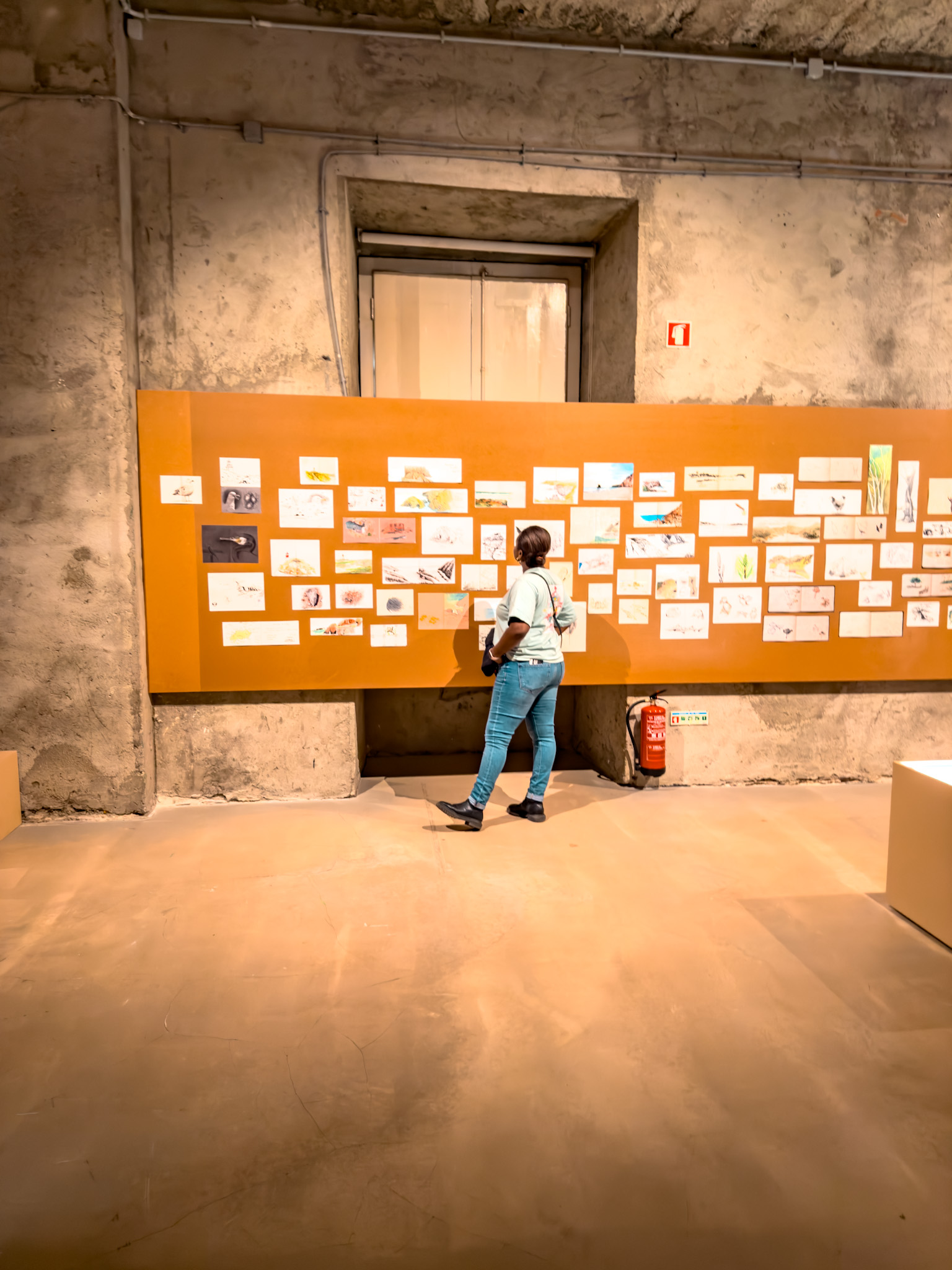
National Museum of Natural History and Science, Lisbon
Museums in Lisbon Worth Visiting
Lisbon has a wide range of museums that explore Portuguese culture, history, music, and art. Even if museums are not always the first thing on your itinerary, a few of them provide great insight into the city and its traditions.
One of the most interesting museums we visited was the National Museum of Natural History and Science. Located near the Príncipe Real neighborhood, the museum covers topics ranging from geology and evolution to Portugal’s scientific discoveries.
What makes the visit even better is that the museum sits next to the Lisbon Botanical Garden, which creates a nice combination of indoor exhibits and outdoor exploration. After spending time inside the museum, walking through the garden’s palm trees and shaded pathways feels like a peaceful break from the busy city streets.
Another unique museum in Lisbon is the National Tile Museum, which focuses entirely on Portugal’s famous azulejo tiles. These decorative ceramic tiles appear all across Lisbon on churches, homes, and historic buildings. The museum explains how this artistic tradition developed and includes beautiful tile panels from several centuries.

Museu do Fado, Lisbon Portugal
If you want to learn more about Lisbon’s musical heritage, the Museu do Fado offers a deeper look into the traditional Portuguese music style that originated in the Alfama neighborhood.
Lisbon also has several other notable museums such as the MAAT – Museum of Art, Architecture and Technology and the Calouste Gulbenkian Museum, which feature modern art and international collections.
But even just visiting one or two museums during your trip can add helpful context to Lisbon’s history and culture.

Street performers in Lisbon near Praça do Comércio
How Many Days Do You Need in Lisbon
Lisbon can be visited in just a few days, but the city rewards travelers who slow down and take time to explore its neighborhoods, viewpoints, and waterfront areas.
Spending three days in Lisbon is usually enough to see many of the major landmarks, including places like Castelo de São Jorge, Belém Tower, and the historic streets of Alfama. I outline a route that covers many of the city’s highlights in my 3 Day Lisbon Itinerary.
If you have five days, you can explore more neighborhoods, visit additional museums, and spend time enjoying Lisbon’s scenic miradouros and café culture. My 5 Day Lisbon Itinerary includes a more relaxed schedule that allows time for places like LX Factory, the waterfront areas along the Tagus River, and some of the city’s quieter viewpoints.
Travelers staying a week or longer can take advantage of Lisbon’s location for day trips to places like Sintra, Cascais, or other nearby coastal towns while still leaving time to explore the city at a slower pace.
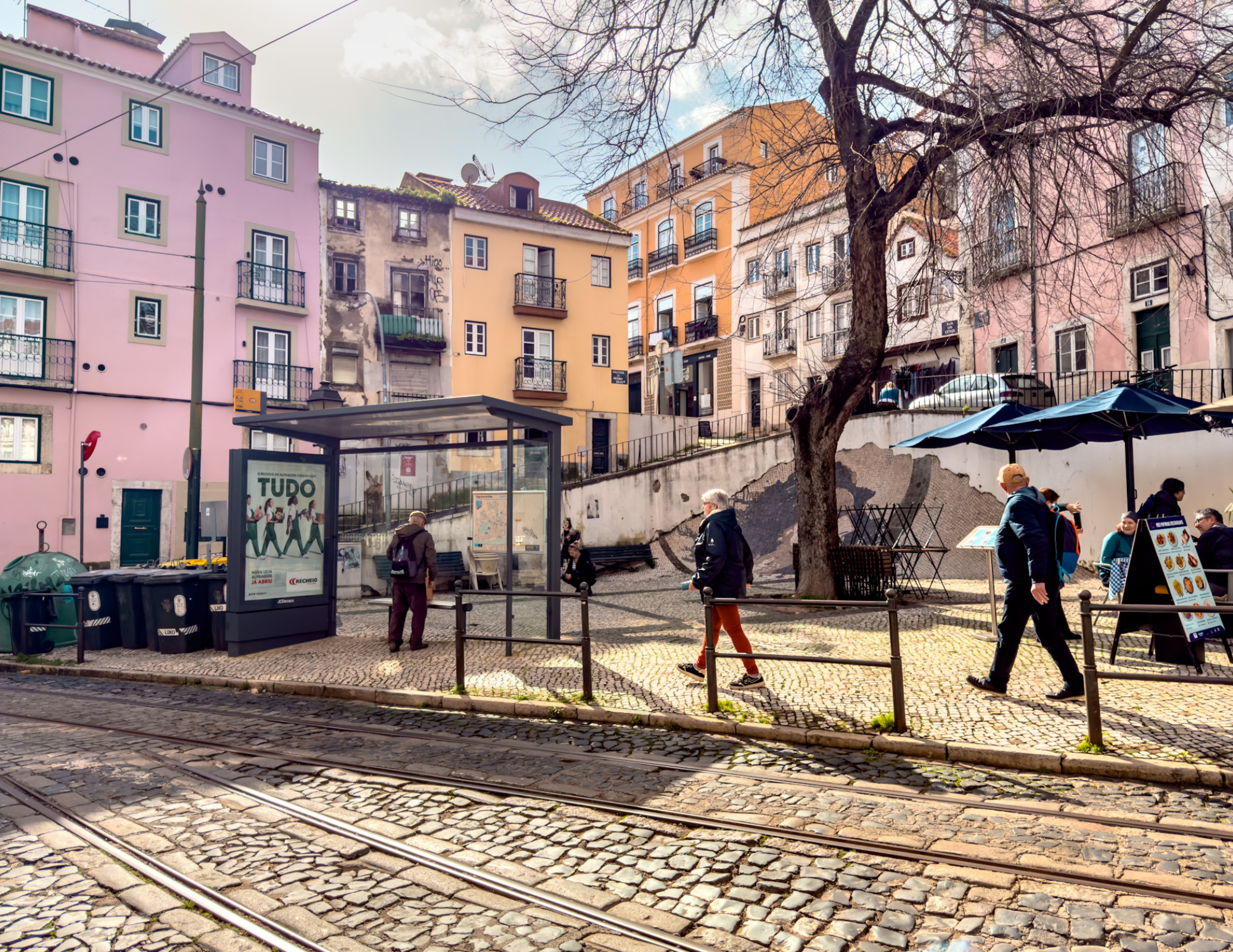
Walking around lisbon
Lisbon Travel Tips
A few simple tips will make your visit much easier.
Wear comfortable shoes because Lisbon’s hills and cobblestone streets can be challenging.
Expect uphill walking almost everywhere you go.
Use public transportation when needed. Lisbon has excellent trams, metro, buses, and funiculars that make getting around easier.
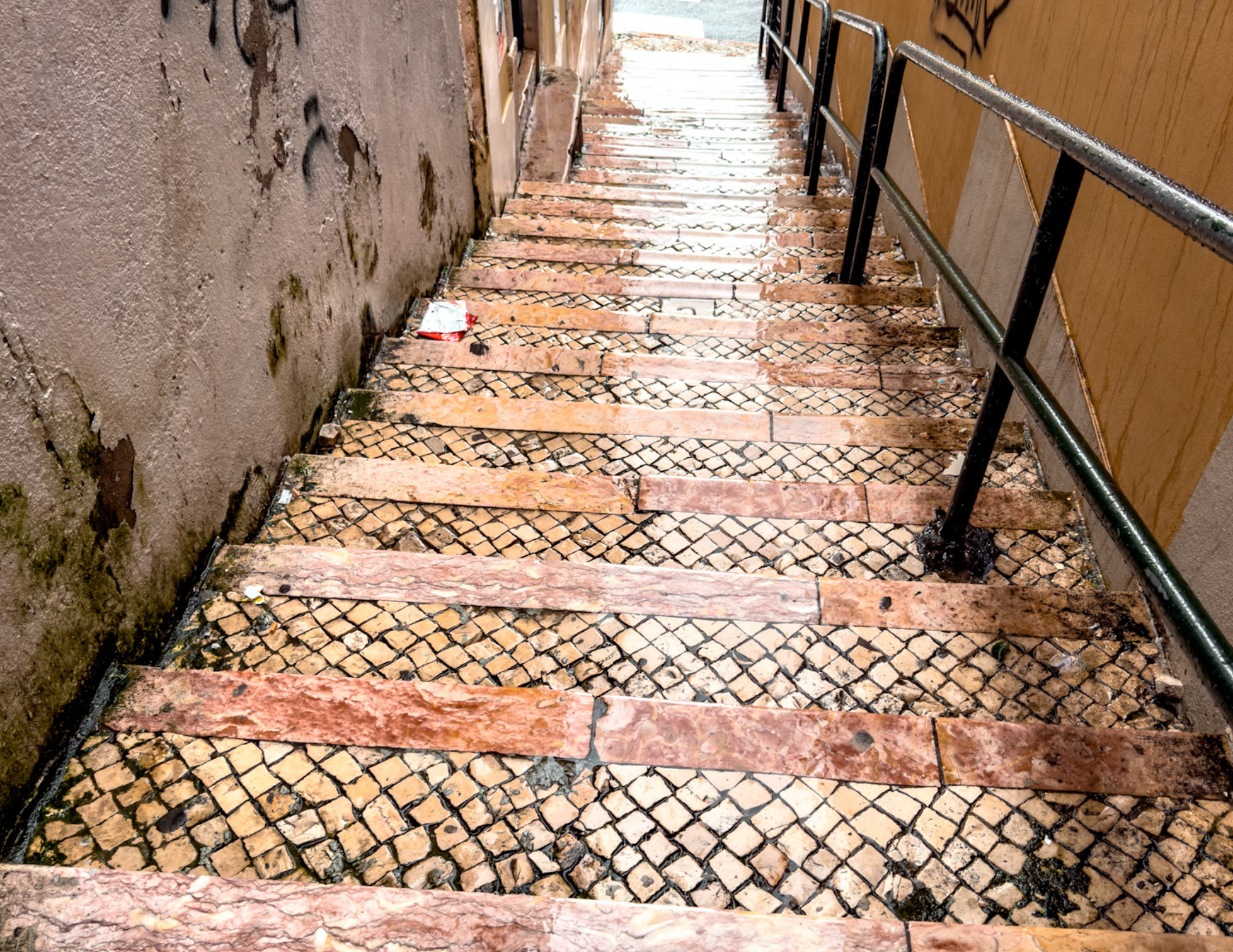
Lisbon has lots of stairs and hills
Getting Around Lisbon
Lisbon is very walkable, but the city’s hills mean you will likely use public transportation during your visit.
Most visitors combine walking with public transportation, including metro lines, buses, and the city’s historic trams. Tram 28 is one of the most popular routes, passing through several of Lisbon’s most scenic neighborhoods.
Because the city is built across hills, walking between neighborhoods often involves steep streets and stairs. Comfortable shoes are essential.
Many travelers use the Lisbon Card, which includes unlimited public transportation and entry to several major attractions.
Lisbon’s public transportation network is efficient and affordable. Many visitors purchase a rechargeable Viva Viagem card, which can be used across multiple transport systems.
Walking remains the best way to explore Lisbon’s neighborhoods, especially Alfama and Chiado, where narrow streets and hidden viewpoints reward slow wandering.

Praça do Comércio
Final Thoughts on Lisbon
Lisbon is one of those cities that stays with you.
The viewpoints. The history. The neighborhoods that reveal something new every time you walk through them.
After visiting in both 2022 and again in 2026, I can confidently say Lisbon works for many types of travelers.
Whether you are visiting for a few days, slow traveling through Europe, or considering spending more time abroad, Lisbon offers a beautiful mix of culture, food, and everyday life.
It is a city that invites you to wander.
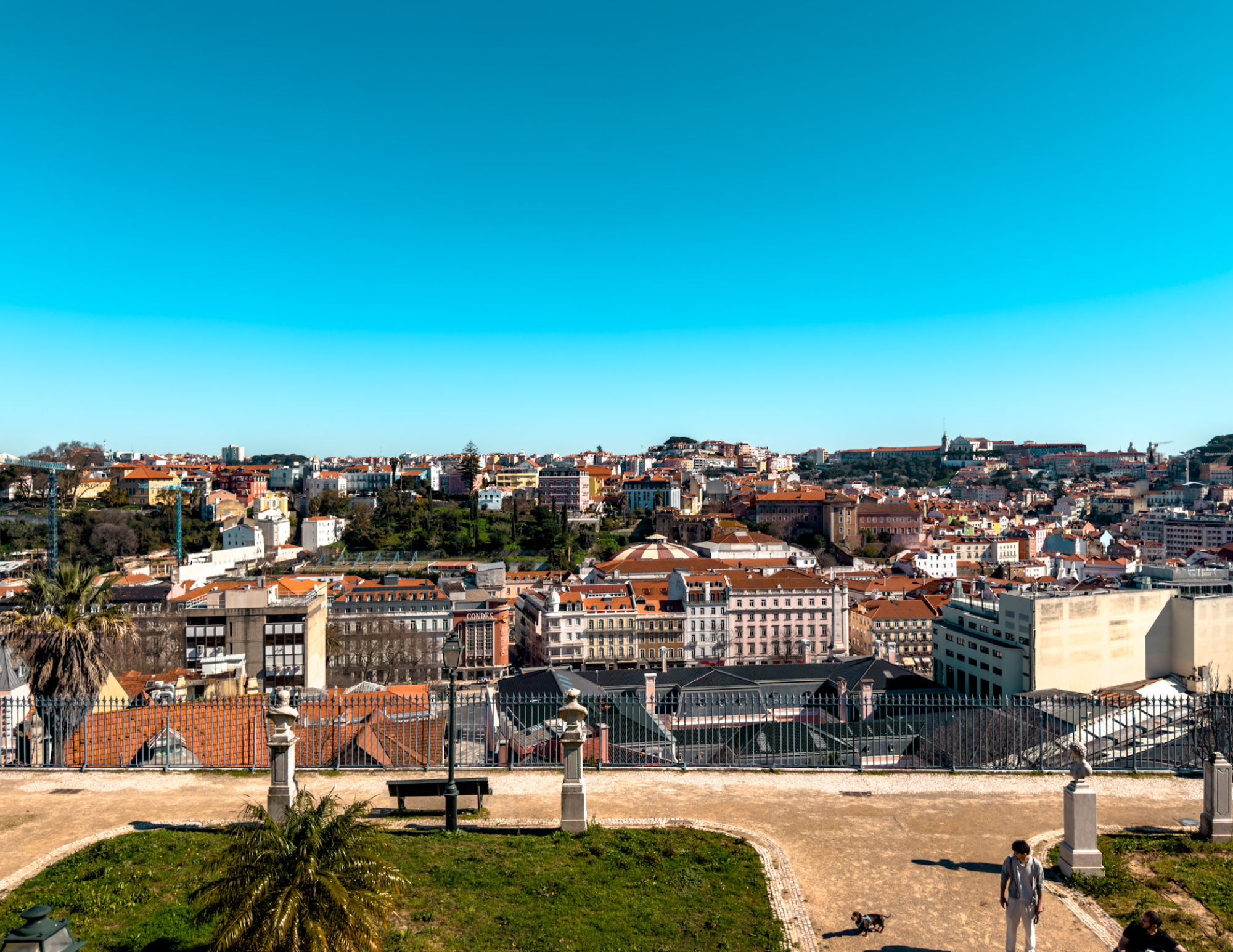
Miradouro de São Pedro de Alcântara
More Lisbon Guides
If you are planning your trip and want to explore the city in more depth, several of my detailed guides cover specific attractions and experiences around Lisbon.
You can learn about Portugal’s traditional music culture in the Museu do Fado guide, explore one of the city’s most creative neighborhoods in the LX Factory Lisbon guide, and discover what to expect when visiting the historic Santa Justa Elevator in the Elevador de Santa Justa guide.
If you happen to be in the city on a Tuesday or Saturday, the Feira da Ladra flea market guide explains what to expect at Lisbon’s historic open-air market. I also highlight several scenic miradouros in the Best Viewpoints in Lisbon guide and share where to try the city’s most famous pastry in my Best Pastel de Nata in Lisbon article.
For travelers organizing their schedule, my 3 Day Lisbon Itinerary outlines a route that covers many of the city’s main landmarks and neighborhoods.

Cavetta is the creator of LifeWithVetta.com and has been traveling the world full time since 2020. She has visited more than 60 countries while worldschooling her son and documenting what it really takes to live abroad. Her guides focus on travel, moving abroad, digital nomad life, and designing a life beyond the traditional path
