

Lisbon is known for its historic neighborhoods, viewpoints, and waterfront views, but the city also has an impressive collection of museums that help explain Portugal's culture, history, and artistic traditions.
From traditional Portuguese tile work to the emotional music of Fado, Lisbon’s museums tell the story of the country in ways that go far beyond monuments and castles. We did not plan our days around museums, but the ones we did visit ended up adding more context to everything else we were seeing around the city.
If you are planning your time in the city using the Lisbon Travel Guide, adding a few museums into your itinerary is one of the best ways to understand the layers of history behind the streets you are walking.
Museums are not usually the first thing people prioritize in Lisbon, but they add a completely different layer to the experience, especially when you start connecting what you see inside with the neighborhoods and landmarks around the city.
Many of Lisbon's museums are also located near major attractions. That makes it easy to combine cultural stops with visits to places like Castelo de São Jorge, the historic Santa Justa Lift, or a walk through Alfama after riding Tram 28.
Here are some of the Lisbon museums that are truly worth visiting.
National Tile Museum (Museu Nacional do Azulejo)
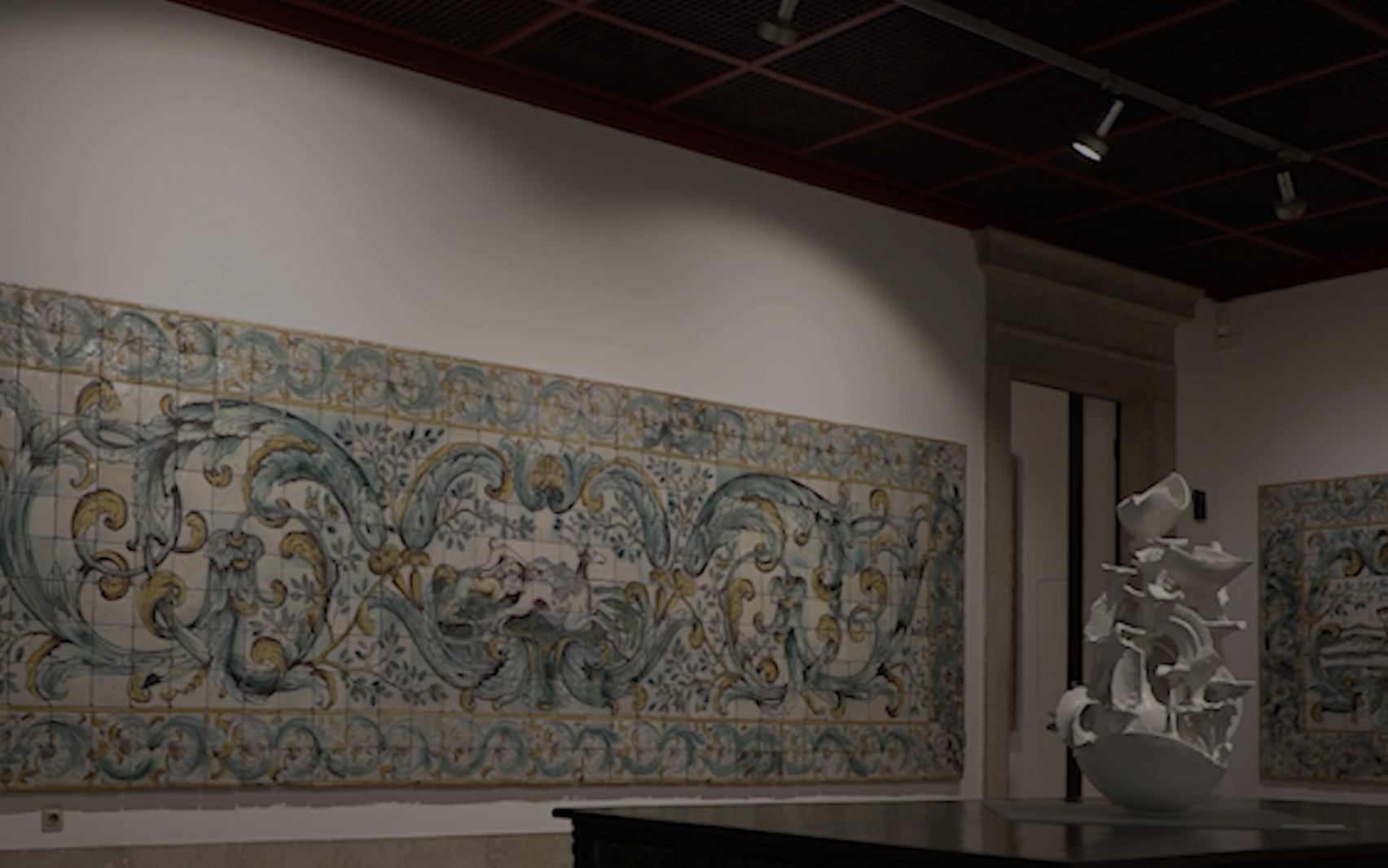
One of the most unique museums in Lisbon is the National Tile Museum, dedicated entirely to Portugal's famous ceramic tiles known as azulejos.
These decorative tiles are everywhere in Lisbon. You see them covering churches, palaces, homes, and even train stations. The museum explains how this artistic tradition developed over centuries and how it became one of the most recognizable elements of Portuguese architecture.
Inside the museum you will find beautifully preserved tile panels, intricate designs from different historical periods, and even a massive panoramic tile artwork that depicts Lisbon before the 1755 earthquake.
For travelers interested in Lisbon’s artistic heritage, the National Tile Museum is one of the most fascinating cultural stops in the city. Visitors who enjoy unique cultural attractions may also want to explore the Lisbon Hidden Gems guide, which highlights lesser known places that many travelers miss.

Museu do Fado
To understand Lisbon, you also have to understand Fado.
Fado music is deeply connected to Portuguese culture and is known for its emotional storytelling about longing, nostalgia, and life by the sea. The Museu do Fado explores the origins of this music style and how it became an essential part of Lisbon's identity.
The museum is located in the Alfama district, one of the oldest neighborhoods in the city. Walking through Alfama's narrow streets already feels like stepping back in time, and the museum adds even more context to the cultural traditions that grew out of this historic area.
Many visitors combine the museum with an evening of live Fado music at one of Alfama's small restaurants. After exploring the museum, you can continue wandering the historic streets featured in Walking Along the Tagus River and Through Alfama, one of the most atmospheric areas in Lisbon. This is one of the best areas in Lisbon to slow down and experience the city beyond just landmarks.
Carmo Convent
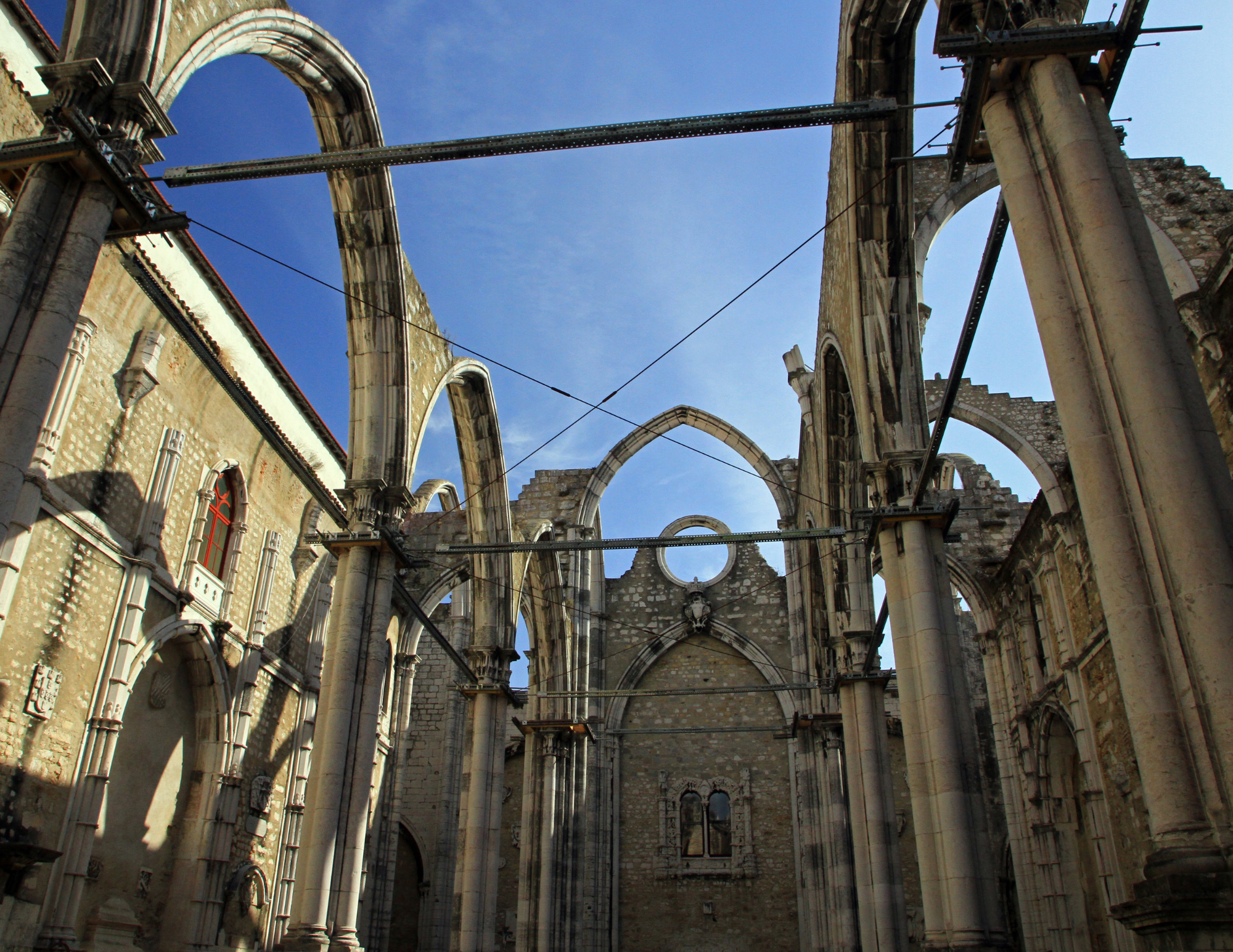
One of the most visually striking historical sites in Lisbon is Carmo Convent.
The convent was partially destroyed during the devastating 1755 Lisbon earthquake. Instead of rebuilding the roof, the ruins were preserved, leaving the gothic arches open to the sky.
Today the site functions as both a historic monument and an archaeological museum. Visitors can walk through the open structure while viewing artifacts from different periods of Portuguese history.
Standing beneath the stone arches while looking up at the sky is one of the most memorable experiences in Lisbon.
Because the convent sits near the Santa Justa Lift, many travelers combine the two stops during the same visit to the Baixa district. The area is also close to Praça do Comércio, one of the most famous squares in the city, which makes it easy to combine both in the same part of your day.

National Museum of Natural History and Science
Another museum worth visiting is the National Museum of Natural History and Science, which is connected to the nearby Lisbon Botanical Garden.
The museum covers topics ranging from geology and evolution to Portugal's scientific discoveries. Exhibits include fossils, minerals, and interactive displays that help explain the natural world.
One of the advantages of visiting this museum is that it sits next to the peaceful Lisbon Botanical Garden, where visitors can walk through shaded pathways filled with exotic plants and historic palm trees.
After spending time inside the museum, the garden provides a quiet outdoor space that feels far removed from the busy city streets.
MAAT – Museum of Art, Architecture and Technology
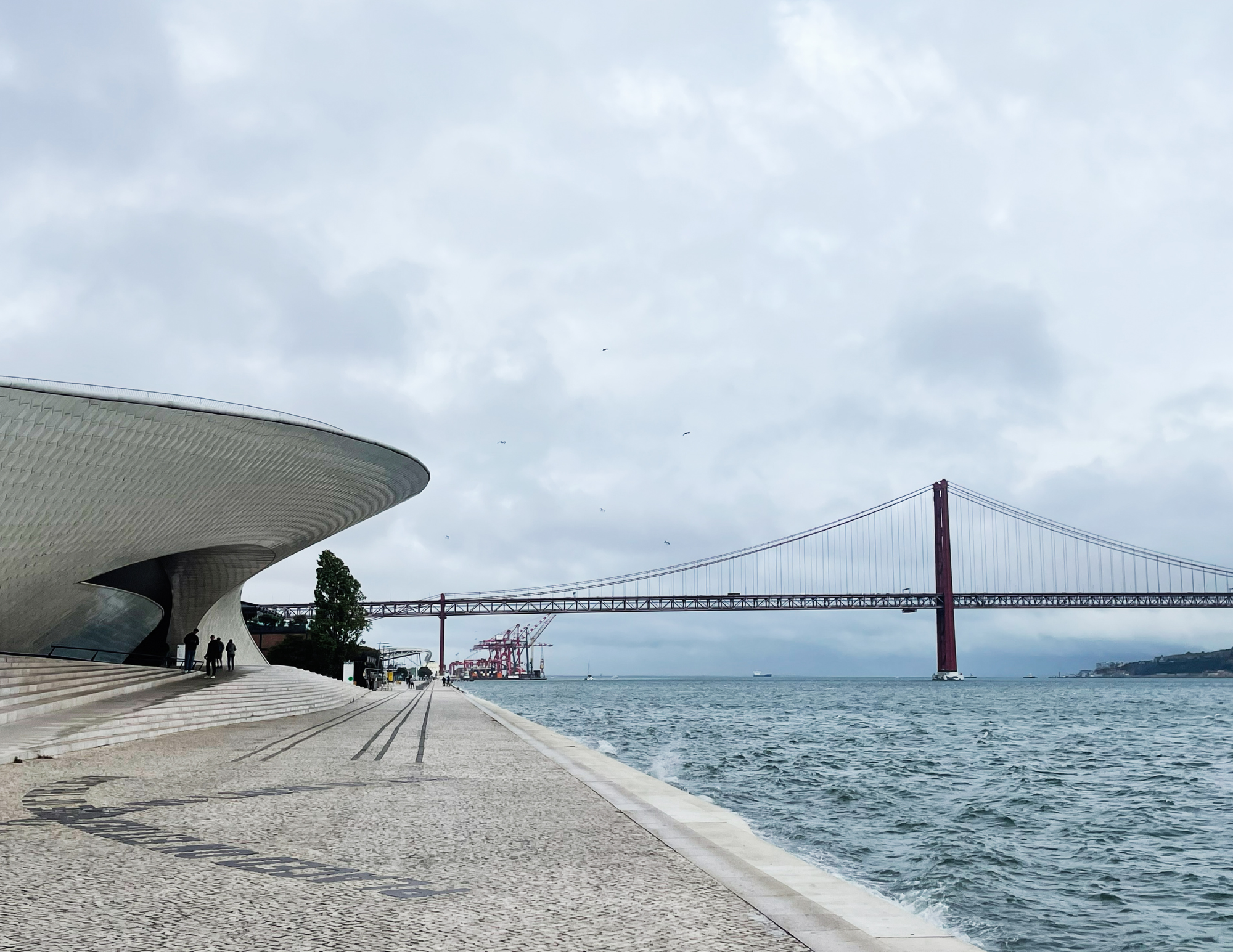
The MAAT (Museum of Art, Architecture and Technology) is one of Lisbon’s most modern and visually striking museums.
Located along the Tagus River waterfront in the Belém district, the museum combines contemporary art, architecture, and technology exhibitions inside a uniquely designed building that has quickly become one of Lisbon’s most recognizable pieces of modern architecture.
The structure itself is part of the experience. Visitors can actually walk across the curved rooftop terrace, which provides beautiful views of the river and the nearby 25 de Abril Bridge.
Inside, rotating exhibitions explore contemporary art, design, energy, and technology, making it one of the most unique museums in Lisbon.
Because of its location, MAAT is easy to combine with several of Lisbon’s most famous landmarks. Many visitors explore the museum while visiting Jerónimos Monastery and Belém Tower, two of the city’s most important historical sites located just a short distance away.
If you are spending a day exploring the Belém district, MAAT adds a modern cultural stop alongside Lisbon’s historic monuments.
Calouste Gulbenkian Museum
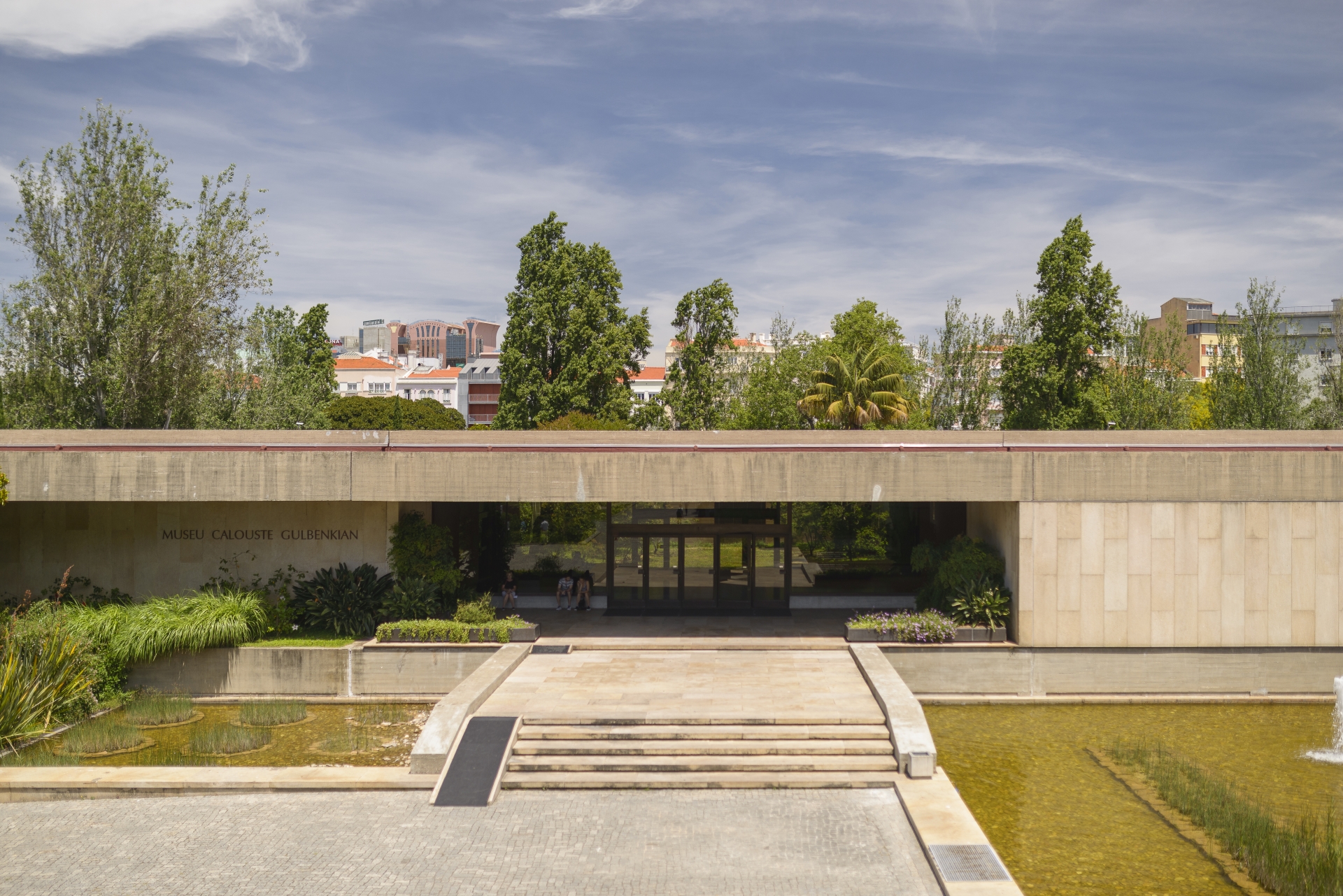
The Calouste Gulbenkian Museum is widely considered one of the best museums in Lisbon and houses an impressive collection of art spanning thousands of years.
The museum’s collection includes pieces from ancient Egypt, Greece, Rome, and Persia, along with European paintings, sculptures, and decorative arts.
Many visitors are surprised by how extensive the collection is. The exhibits range from classical antiquities to works by famous European artists, offering a deeper look at art history beyond Portugal.
One of the highlights of visiting the Gulbenkian Museum is its peaceful setting. The museum sits inside a large park filled with gardens, ponds, and walking paths, making it one of the most relaxing museum environments in Lisbon.
Because of its scale and quality, it is often considered one of the most important cultural institutions in Portugal.
Important Update:
The Calouste Gulbenkian Museum is currently closed for renovations and is expected to remain closed through July 2026. The renovation project aims to modernize the galleries and improve the visitor experience while preserving the museum’s important collections.
Even though the main museum building is temporarily closed, the surrounding Gulbenkian Garden remains open and is still a beautiful place to walk, relax, and enjoy one of Lisbon’s most peaceful green spaces.
Before planning a visit, it is always a good idea to check the museum’s official website for the latest updates on reopening dates and temporary exhibitions.
Are Museums in Lisbon Worth Visiting
If you are trying to decide whether museums in Lisbon are worth adding to your itinerary, the answer depends on how you like to travel.
If you prefer to focus only on landmarks and viewpoints, you could skip some of them.
But if you want to understand the city on a deeper level, museums add important context.
They explain the architecture, the traditions, the music, and the history that you see throughout Lisbon.
The key is not to try to visit too many. Choosing one or two that match your interests and fitting them into your route works best.
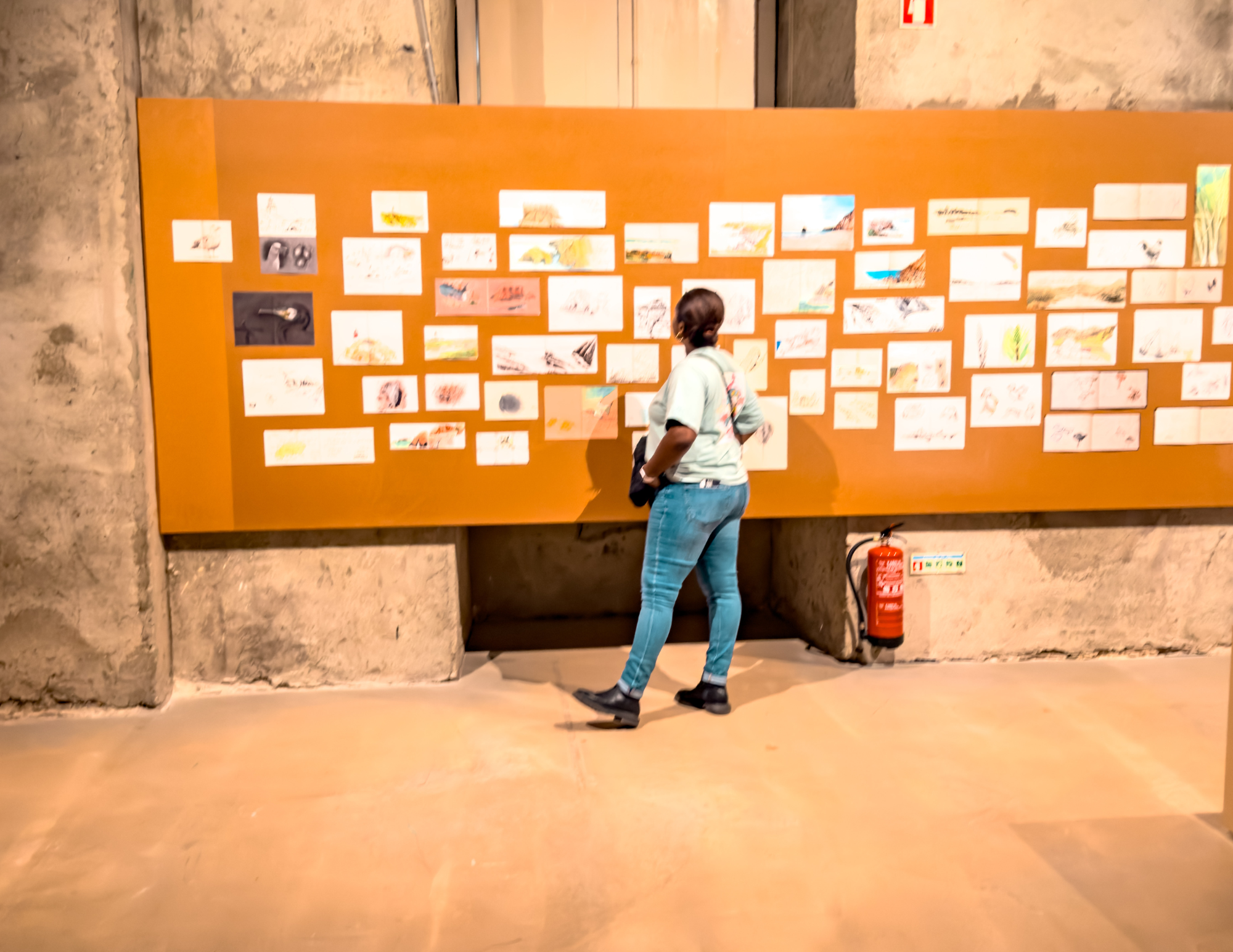
Why Lisbon's Museums Are Worth Exploring
Lisbon is often known for its viewpoints, historic streets, and famous pastries, but the city also has an impressive museum scene.
From art collections and historic monuments to natural science and contemporary exhibitions, Lisbon’s museums offer a deeper understanding of Portugal’s culture and history.
Some museums focus on the country’s artistic heritage, while others explore music, science, and architecture. Together they show how Lisbon blends tradition with innovation.
Because many of these museums are located near historic neighborhoods and major landmarks, they are easy to include while exploring the city.
For example, you might spend the morning visiting a museum before heading to a scenic viewpoint or walking through one of Lisbon’s historic districts.
What makes Lisbon different is how easy it is to move between these experiences. You can go from a museum to a viewpoint to a historic street within the same hour.
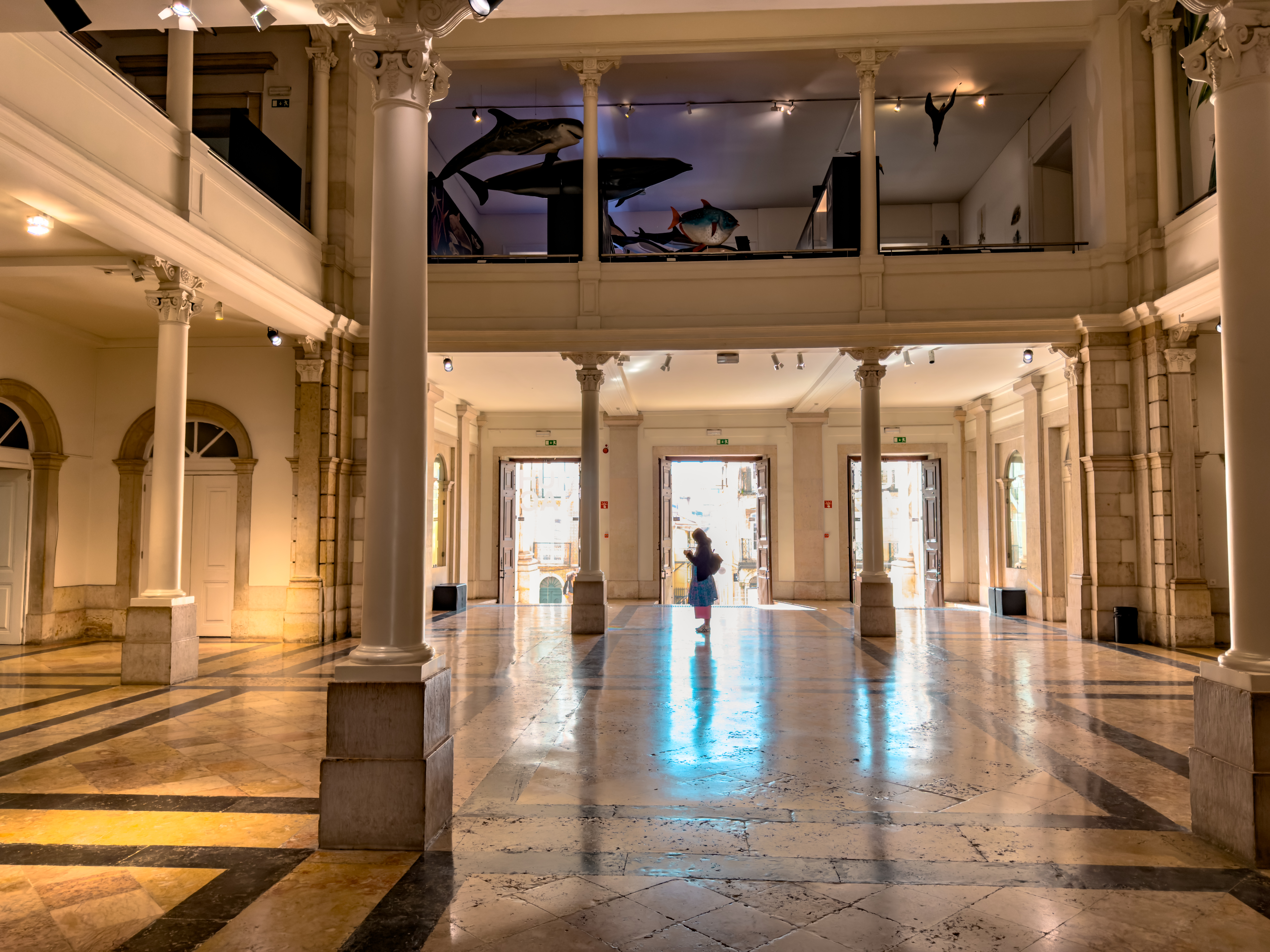
Final Thoughts
Lisbon is often known for its viewpoints, historic neighborhoods, and famous pastries, but the city also has an impressive museum scene.
From traditional music at the Museu do Fado to the beautiful ceramic displays inside the National Tile Museum, Lisbon’s museums offer a deeper look into Portuguese culture and history.
Some museums focus on art and architecture, while others explore science, music, and Portugal’s global influence.
Because many of these museums are located near major attractions and neighborhoods, they are easy to include while exploring the city.
You might spend the morning in a museum before walking through Alfama, visiting scenic viewpoints, or stopping at a café.
If you are planning your trip, my Lisbon Travel Guide and 3 Day Lisbon Itinerary show how to combine Lisbon’s museums, viewpoints, landmarks, and neighborhoods into a well balanced visit. If you have more time, these also fit more comfortably into a slower 5 Day Lisbon Itinerary, where you can explore without rushing between stops.
Exploring a few museums during your time in Lisbon adds depth to the experience and reveals another side of the city beyond its famous viewpoints and monuments.

Cavetta is the creator of LifeWithVetta.com and has been traveling the world full time since 2020. She has visited more than 60 countries while worldschooling her son and documenting what it really takes to live abroad. Her guides focus on travel, moving abroad, digital nomad life, and designing a life beyond the traditional path.
