
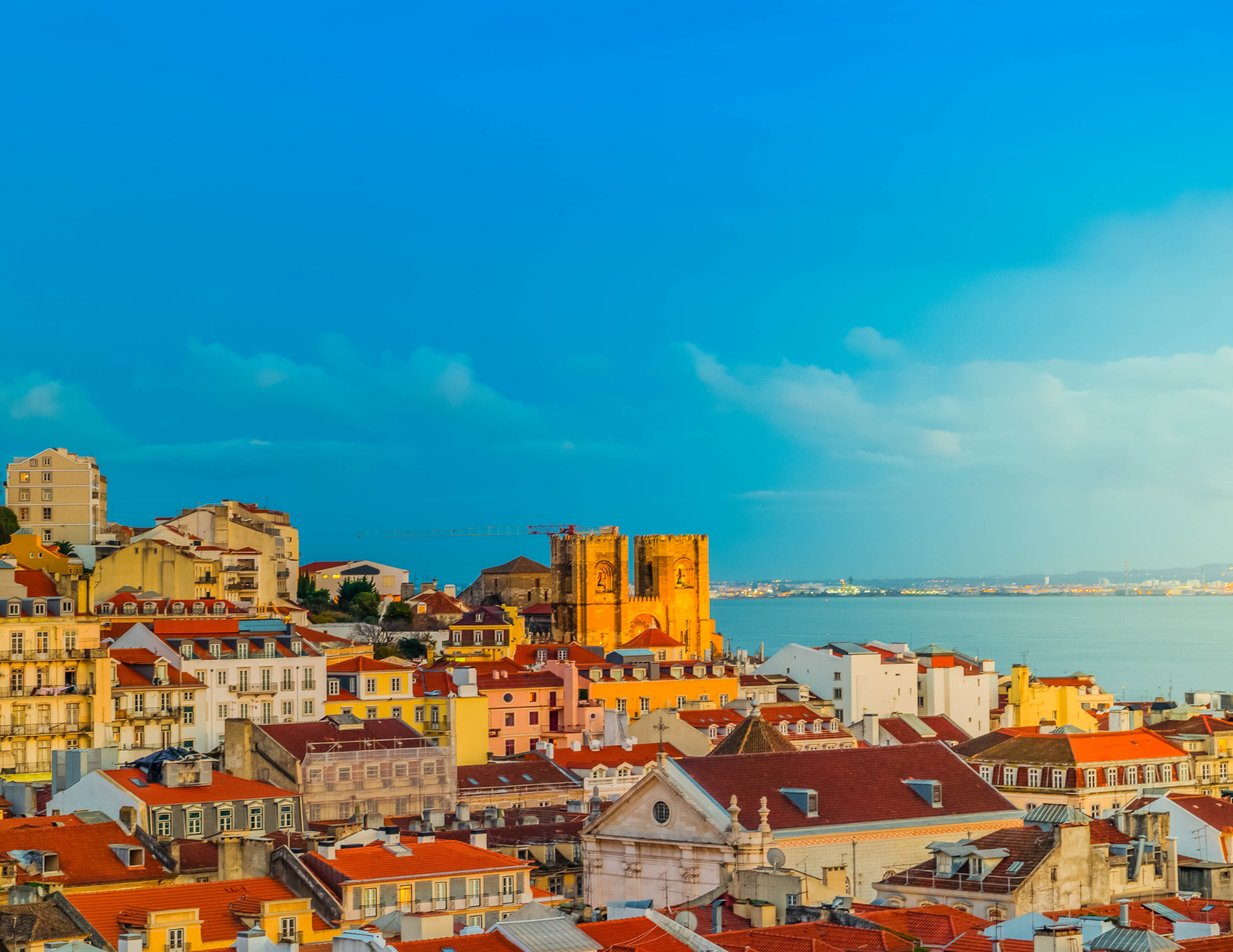
One of the best ways to experience Lisbon is simply by walking.
The city is built on hills and filled with narrow streets, historic neighborhoods, and viewpoints that seem to appear around every corner. While Lisbon has famous attractions and landmarks, some of the most memorable moments happen when you slow down and explore on foot.
During our time in Lisbon, one of our favorite things to do was walk along the Tagus River and then wander up into the Alfama neighborhood.
This route gives you a mix of waterfront views, historic streets, and some of the oldest parts of the city all in one walk.
If you are planning your visit using my Lisbon Travel Guide, this is a great way to experience Lisbon beyond just checking off landmarks.
This ended up being one of those parts of the trip that we did not overthink, but it stuck with me more than some of the bigger attractions. After days of walking through Lisbon, climbing hills, and moving between viewpoints, this route felt like a reset. It was slower, more open, and gave us space to actually take in the city instead of rushing through it. If you are mapping out your days, this is the kind of experience that fits naturally into both my 3 Day Lisbon Itinerary and a more relaxed 5 Day Lisbon Itinerary.
Starting Along the Tagus River
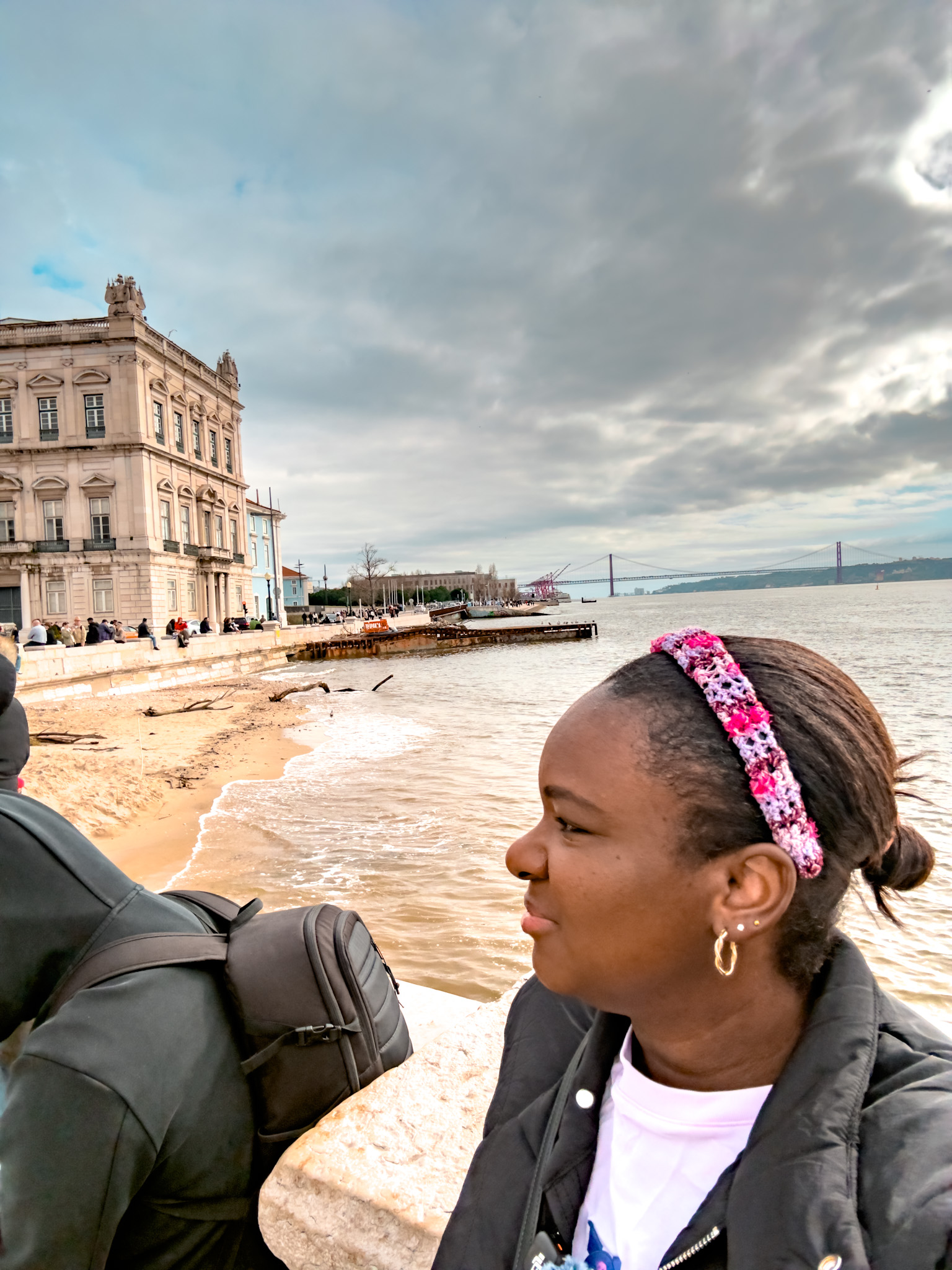
The Tagus River runs along the southern edge of Lisbon and has shaped the city’s history for centuries.
Portugal’s Age of Exploration began along this waterfront, where ships once departed on journeys that would eventually connect Portugal to Africa, Asia, and the Americas.
Today the riverfront is a wide open space where locals and visitors come to walk, relax, and enjoy the views.
One of the best starting points for a river walk is Praça do Comércio, one of Lisbon’s most famous squares. The large open plaza sits directly along the water and offers beautiful views of the Tagus.
From here you can walk along the waterfront promenade while watching ferries cross the river and locals enjoying the open space.
What I liked most about starting here is how open everything feels. After spending time in Lisbon’s tighter streets and hills, the riverfront gives you space to breathe a bit. It is flat, easy to walk, and you can just move at your own pace without thinking too much about where you are going next. It felt like a natural way to ease into the day before heading back into the hills.
Heading Toward Alfama
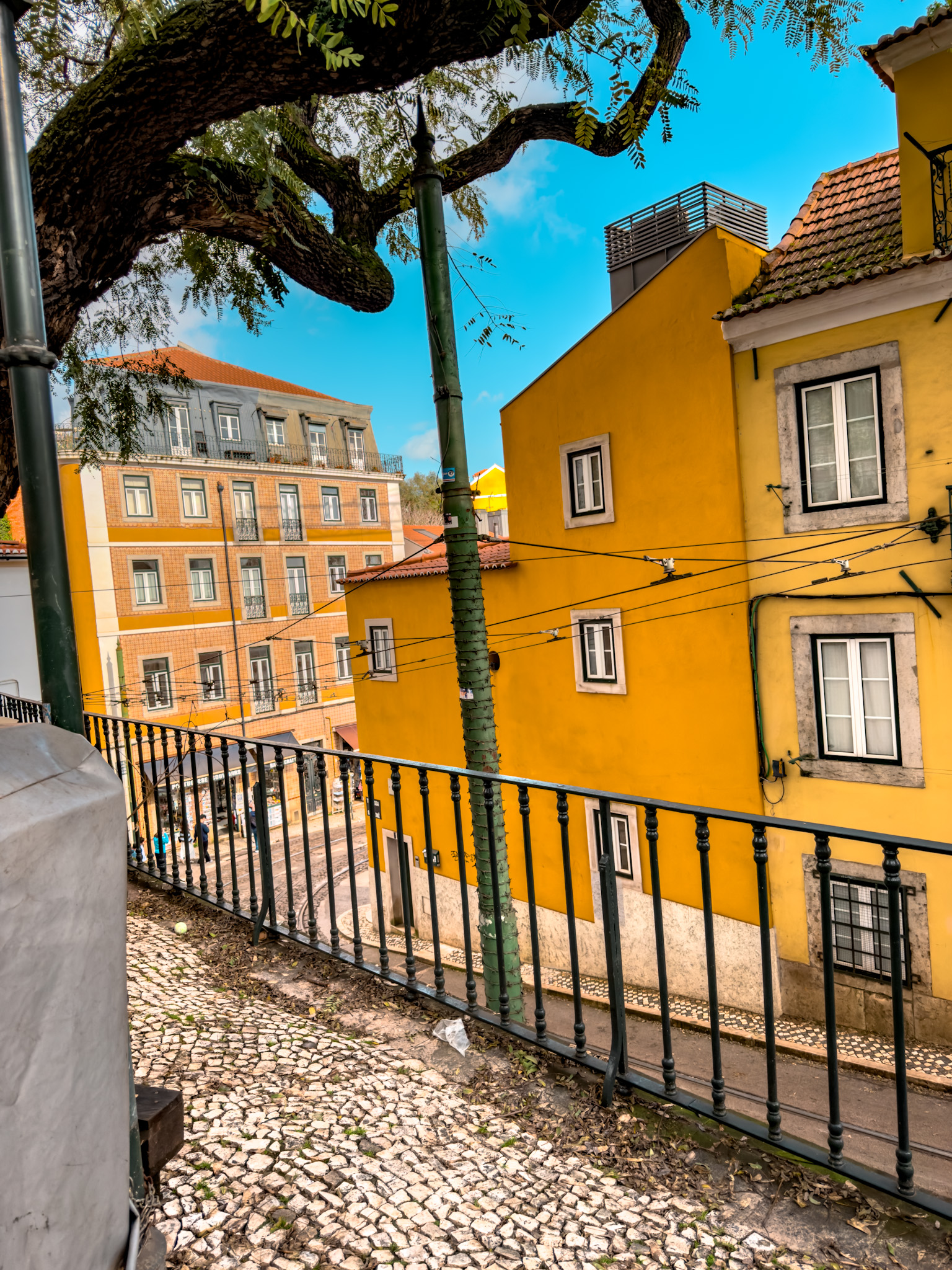
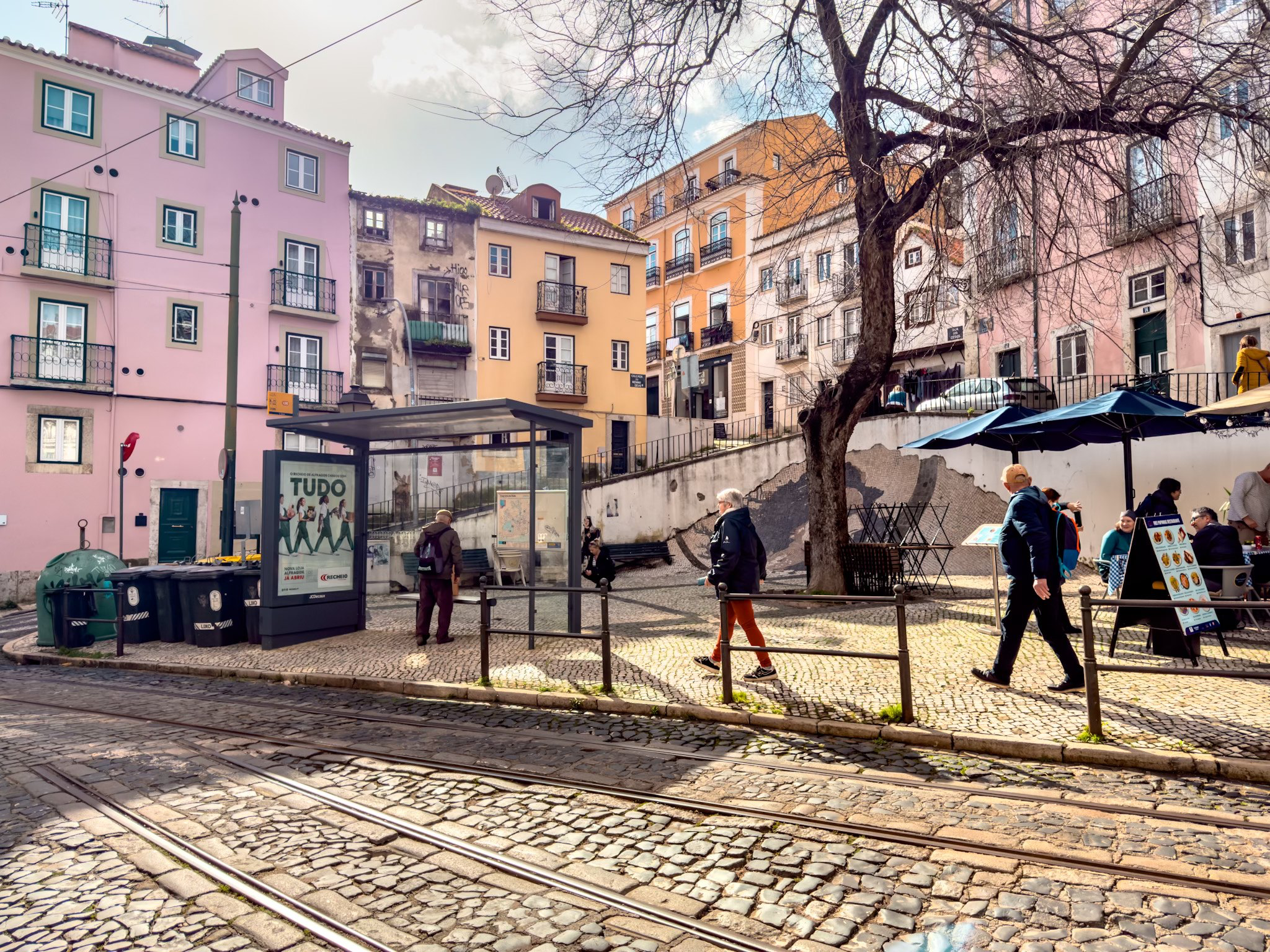
From the waterfront it is easy to begin heading uphill toward Alfama, one of Lisbon’s oldest and most atmospheric neighborhoods.
Alfama survived much of the devastating 1755 earthquake, which means many of its winding streets and historic buildings still reflect the layout of medieval Lisbon.
As you climb away from the river, the streets become narrower and quieter. Laundry hangs from balconies, small cafes appear along side streets, and viewpoints open up across the rooftops of the city.
Many visitors reach Alfama by riding Tram 28, but walking through the neighborhood allows you to experience its character much more closely.

Lisbon Cathedral
One of the first major landmarks you will encounter while walking through Alfama is the Lisbon Cathedral.
The cathedral is one of the oldest buildings in the city, dating back to the 12th century. Its fortress-like appearance reflects the turbulent history of Lisbon during the medieval period.
Standing outside the cathedral gives you a real sense of Lisbon’s long history. The surrounding streets feel almost unchanged from centuries ago.
You can read more about visiting the cathedral in my Lisbon Cathedral Guide, where I share what to expect when exploring the site.
This stop fits naturally into this walk, especially if you are already making your way through Alfama and following a route similar to what I outline in my Lisbon Travel Guide.

Wandering Alfama’s Streets
One of the best parts of Alfama is that there is no single route to follow.
The neighborhood is a maze of staircases, small alleys, and winding streets that encourage wandering. Turning a random corner often reveals a quiet square, a scenic viewpoint, or a small restaurant serving traditional Portuguese food.
Alfama is also closely connected to the history of Fado, which originated in this neighborhood. Small restaurants and bars often host evening performances where singers perform emotional songs accompanied by guitar.
Visitors interested in learning more about this musical tradition can stop at the Museu do Fado, which is located nearby.
This was probably my favorite part of the entire walk. Not because of one specific landmark, but because of how everything comes together. The sounds, the narrow streets, the way you keep turning corners without really knowing what is coming next. It is one of the few places where it actually feels right to slow down and not have a plan.

Views Over the City
Because Alfama sits on Lisbon’s hills, the neighborhood offers several incredible viewpoints overlooking the river and the city’s rooftops.
These scenic terraces are known as miradouros and are scattered throughout Lisbon.
From these viewpoints you can see the red rooftops of Alfama, the Tagus River stretching into the distance, and many of the city’s historic landmarks.
I highlight some of the best ones in my Best Viewpoints in Lisbon guide, which includes several miradouros located in or near Alfama.
Several of the viewpoints we came across during this walk ended up being some of my favorites in the city, especially because they were not rushed. We just found them as we moved through the neighborhood.
Nearby Historic Landmarks
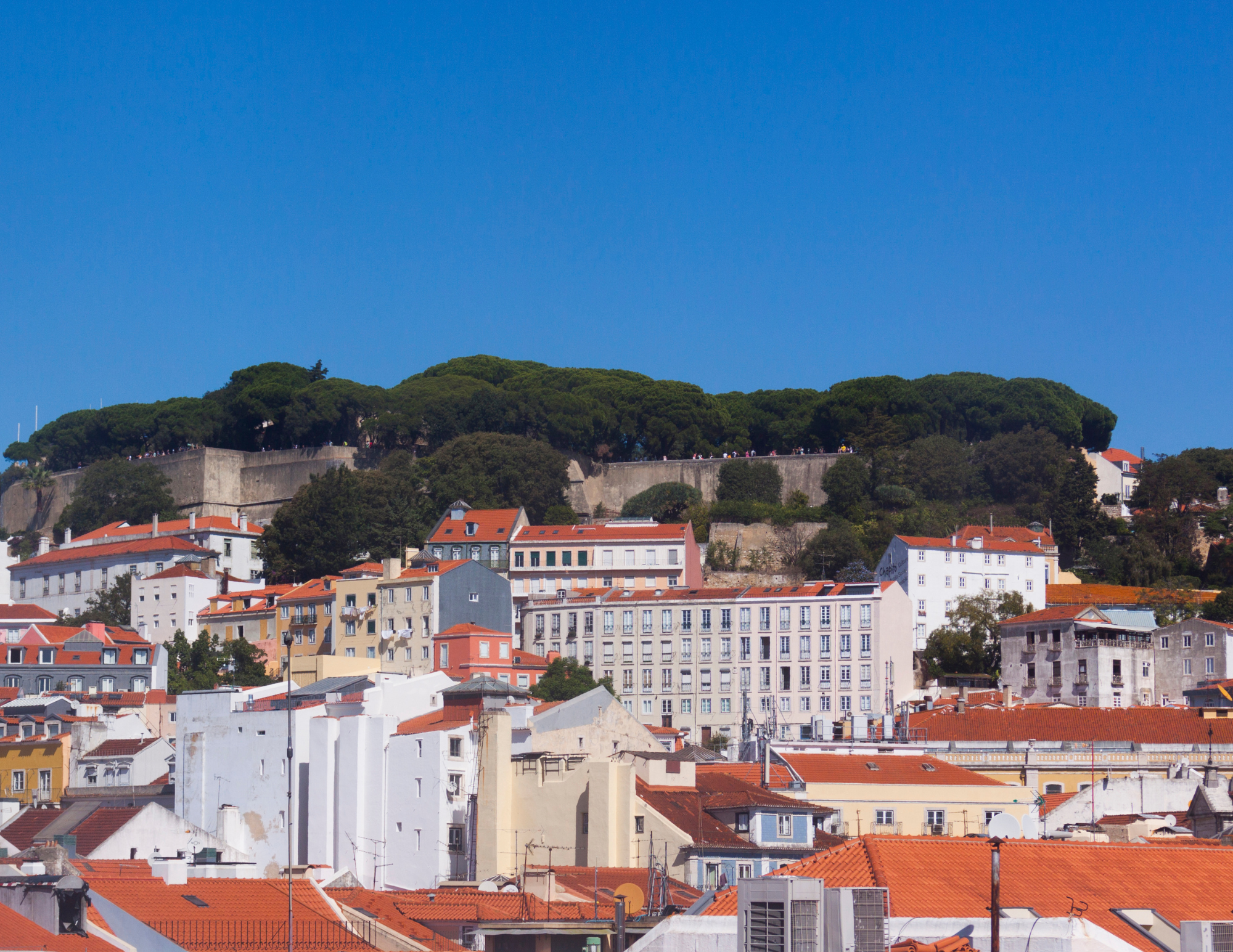
As you continue walking uphill through Alfama, you will eventually reach one of Lisbon’s most famous landmarks, Castelo de São Jorge.
If you are planning to go inside or want a full breakdown of what to expect, I cover that in my Castelo de S. Jorge Guide, including how to time your visit and what views are worth it once you are up there.
The castle sits high above the city and offers panoramic views of Lisbon and the Tagus River. It is one of the best places in the city to appreciate Lisbon’s geography and historic layout.
Many visitors combine a walk through Alfama with a visit to the castle before continuing on to other neighborhoods.
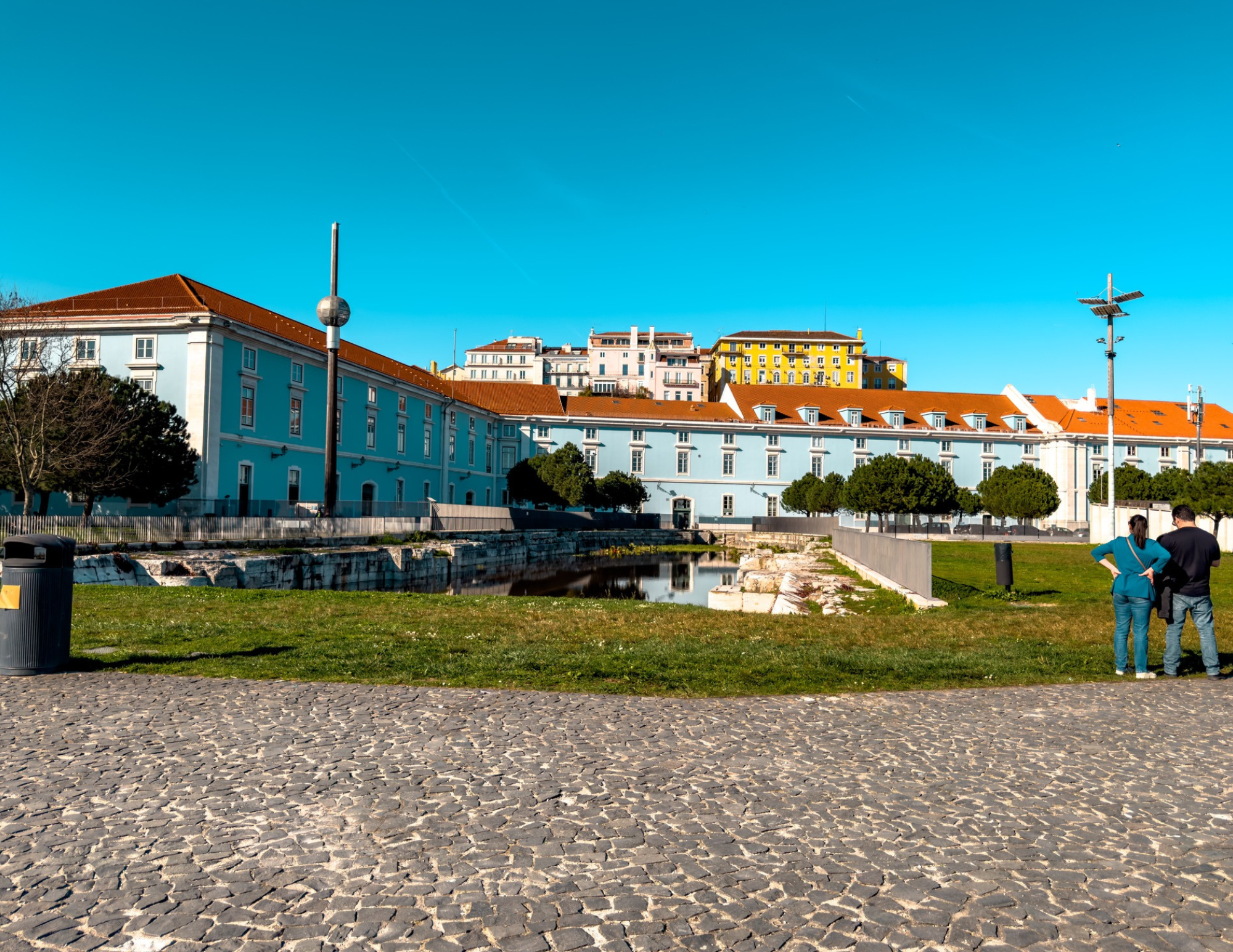
Is This Walk Worth It in Lisbon
If you are trying to decide how to spend your time in Lisbon, this is one of those experiences that I think is absolutely worth it.
It is not about checking off major landmarks. It is about understanding how the city feels.
This walk gives you a mix of everything. You start along the river where Lisbon feels open and connected to the water, then move into Alfama where everything becomes more historic, more layered, and more personal.
It is also flexible. You can make it as short or as long as you want depending on how much you stop, where you go, and how far you decide to climb.
If you only have a few days, this fits easily into a 3 Day Lisbon Itinerary. If you have more time, it becomes one of those slower experiences that works perfectly in a 5 Day Lisbon Itinerary.

Planning Your Lisbon Trip
Walking along the Tagus River and through Alfama can easily be combined with several other Lisbon attractions.
You might begin the day at Praça do Comércio, continue through Alfama’s historic streets, and then visit landmarks like the Lisbon Cathedral or Castelo de São Jorge.
Food stops also fit naturally along this route. Many small restaurants and cafes are scattered throughout Alfama, and it is easy to stop for a pastry or coffee while exploring.
If you want to turn this into more of a food-focused walk, there are plenty of places to stop along the way, which is something I break down more in my Lisbon Food Guide.
If you are planning your itinerary, my 3 Day Lisbon Itinerary and 5 Day Lisbon Itinerary both include time for exploring this area of the city.
For more information about Lisbon’s neighborhoods, attractions, and travel tips, you can also read my complete Lisbon Travel Guide.
If you are deciding where to stay, my guide to Where to Stay in Lisbon also explains which neighborhoods are most convenient for exploring the city on foot.
Final Thoughts
Lisbon is a city that rewards slow exploration.
While the famous landmarks are impressive, some of the best experiences come from wandering through the historic streets, discovering viewpoints, and simply taking in the atmosphere of the city.
Walking along the Tagus River and then climbing up through Alfama offers a perfect combination of Lisbon’s waterfront history and its oldest neighborhood.
It is one of the simplest ways to experience the character of Lisbon and one of the walks we enjoyed the most during our time exploring the city.
If you are planning your trip, this is one of those experiences that ties everything together. It connects the waterfront, the history, the neighborhoods, and the everyday feel of Lisbon in a way that individual attractions cannot on their own. I would absolutely build this into your trip alongside my Lisbon Travel Guide, and use it to break up your days so everything does not feel rushed.

Cavetta is the creator of LifeWithVetta.com and has been traveling the world full time since 2020. She has visited more than 60 countries while worldschooling her son and documenting what it really takes to live abroad. Her guides focus on travel, moving abroad, digital nomad life, and designing a life beyond the traditional path.
