
.png)
Vigo is one of those cities where the water is not just a pretty background.
You feel it in the way the city is built, the food people talk about, the port, the marina, the seafood restaurants, the views, and the way people gather outside when the weather gives them a decent day. That was one of the things I noticed most when we spent time near Vigo’s waterfront.
We visited Vigo near the end of winter, so this was not a beachy, summer version of the city. It was still cold. It rained a little at times. But we also got good weather, and one of those good moments happened when we walked along the waterfront on a weekend.
That walk became one of the simple memories that made Vigo feel real to me.
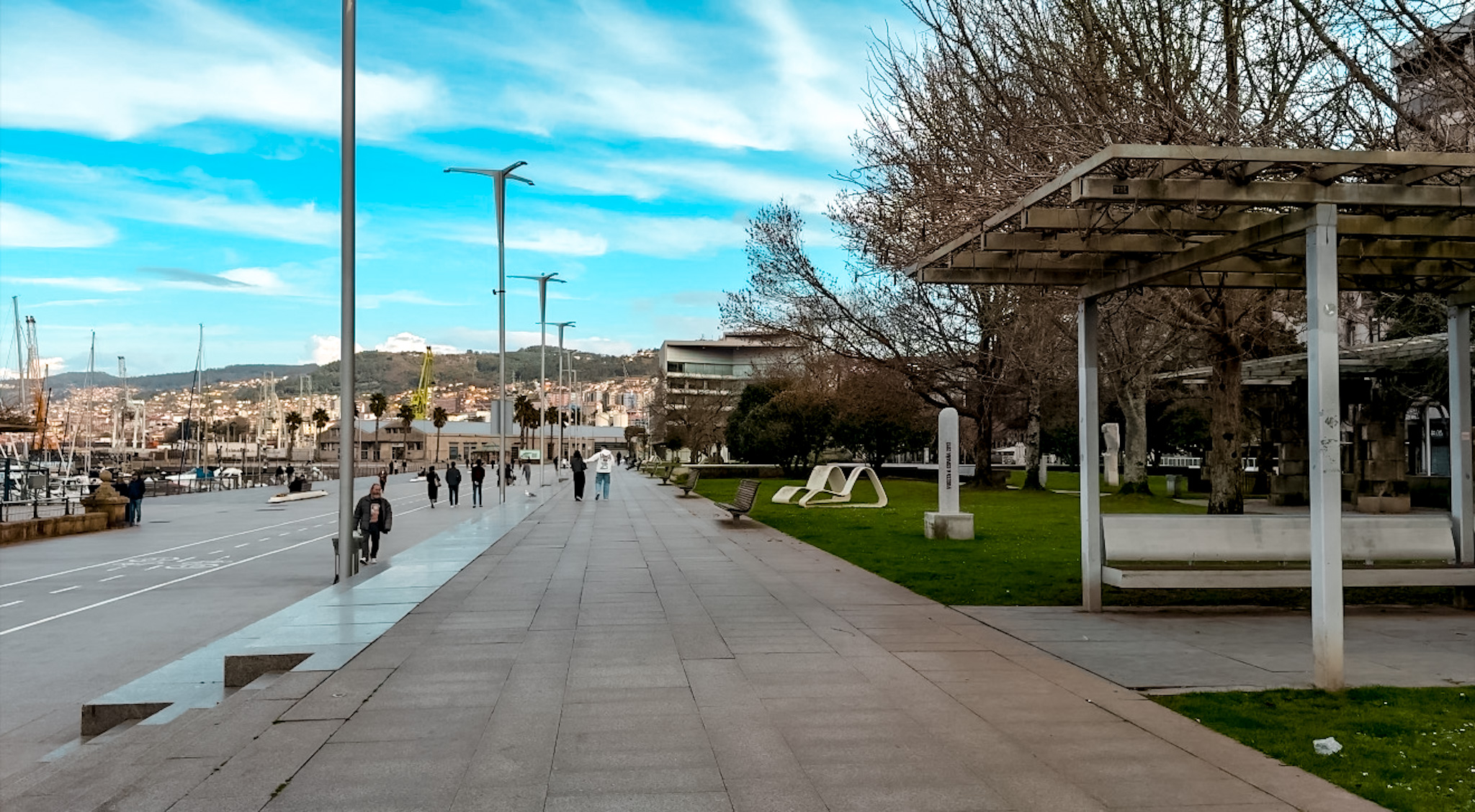
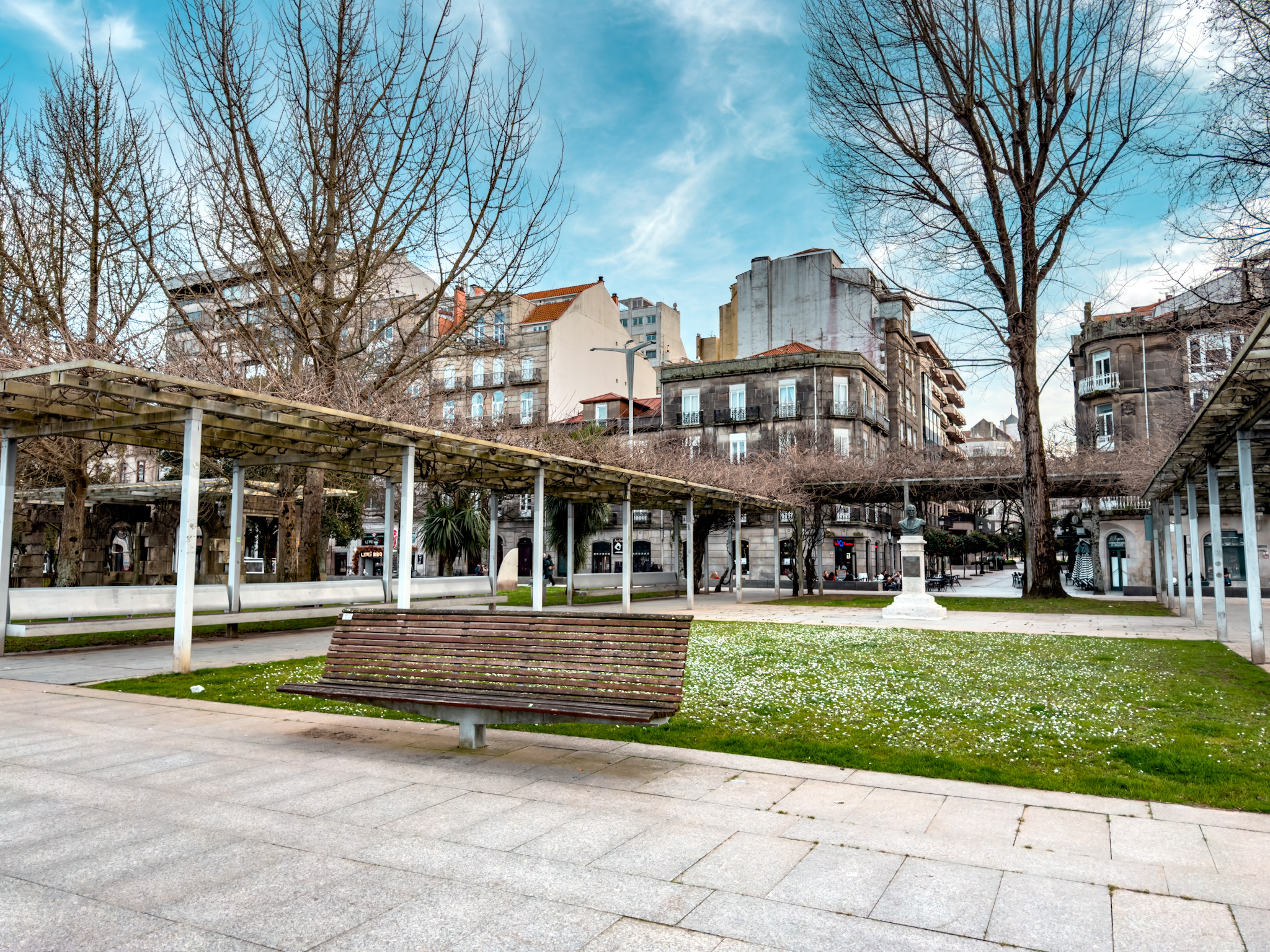
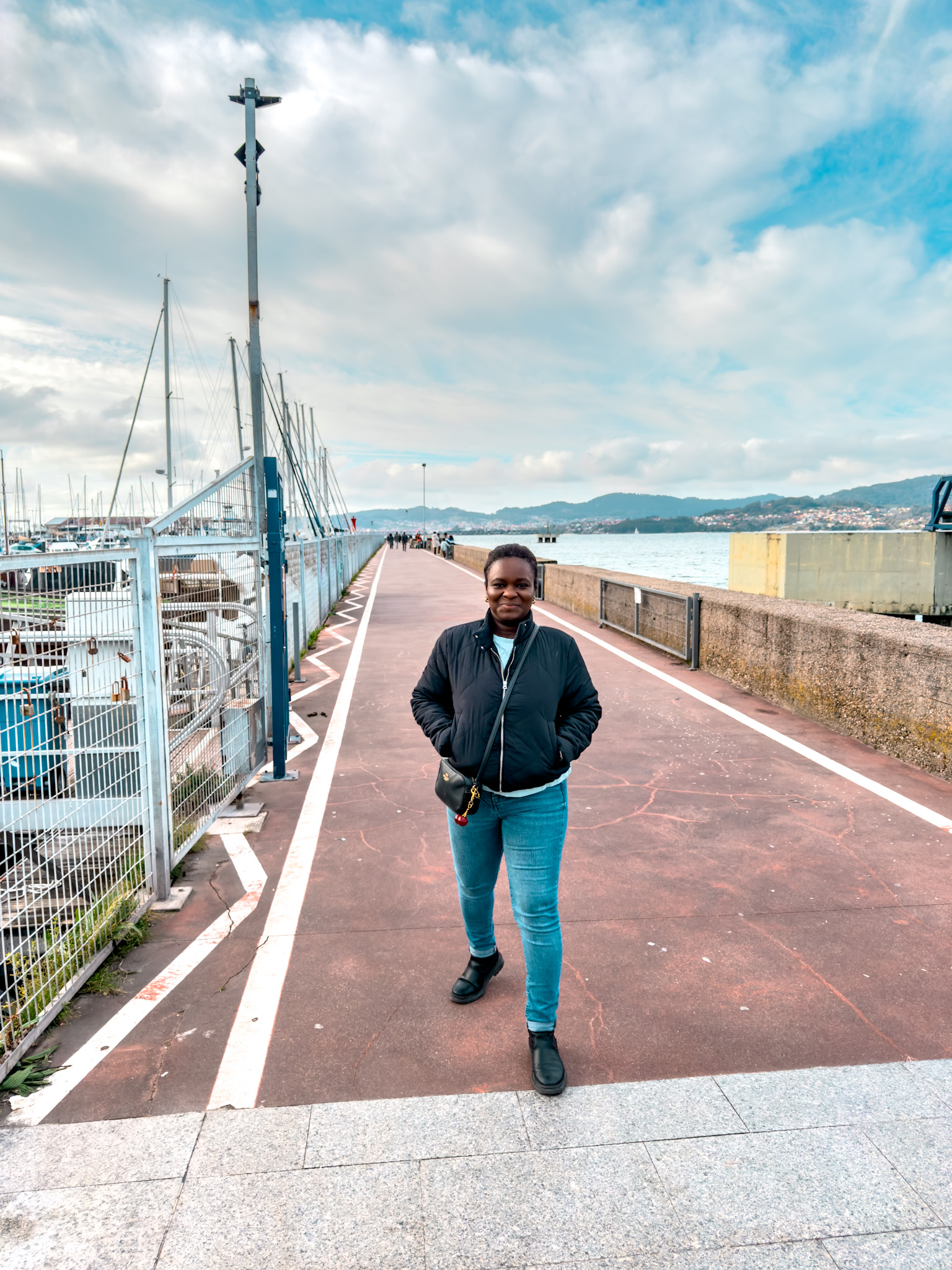
There were families, couples, and friends everywhere. People were walking, sitting by the water, talking, eating, socializing, and just spending time outside. It did not feel like a staged tourist area. It felt like local life happening by the sea.
That is why I think the waterfront should be part of any first-time Vigo itinerary. The Old Town gives you the historic side of the city. O Castro gives you the view from above. MARCO gives you a compact cultural stop. But the waterfront gives you the city’s sea-facing identity at ground level.
If you are starting from scratch, read my Vigo Travel Guide first. If you are putting together your sightseeing list, my Best Things to Do in Vigo guide shows how the waterfront fits with the Old Town, MARCO, O Castro, food, and the rest of the city.
Why Vigo’s Waterfront Matters
Vigo is a port city, and that matters.
This is not one of those places where the waterfront feels like a decorative extra added for visitors. Vigo’s identity is tied to the sea. The estuary, the port, the fishing industry, seafood, boats, and maritime culture all shape the way the city feels. Vigo tourism describes the Vigo estuary as the city’s “origin, engine, past and future,” which is a strong way to understand how central the water is here.
That is also why walking the waterfront helps you understand Vigo better.
When you are in the Old Town, you feel the history. When you are around Porta do Sol, you feel the transition between the historic center and the modern city. But when you walk toward the port and marina, you feel the thing that has shaped Vigo for generations.
The city opens up.
You see boats, water, people strolling, places to eat, and that working-port energy that keeps Vigo from feeling like a city designed only around tourism. It is still active. It is still local. It is still connected to daily life.
For me, that made the waterfront one of the most important parts of the city to experience.
Where Is the Vigo Waterfront?
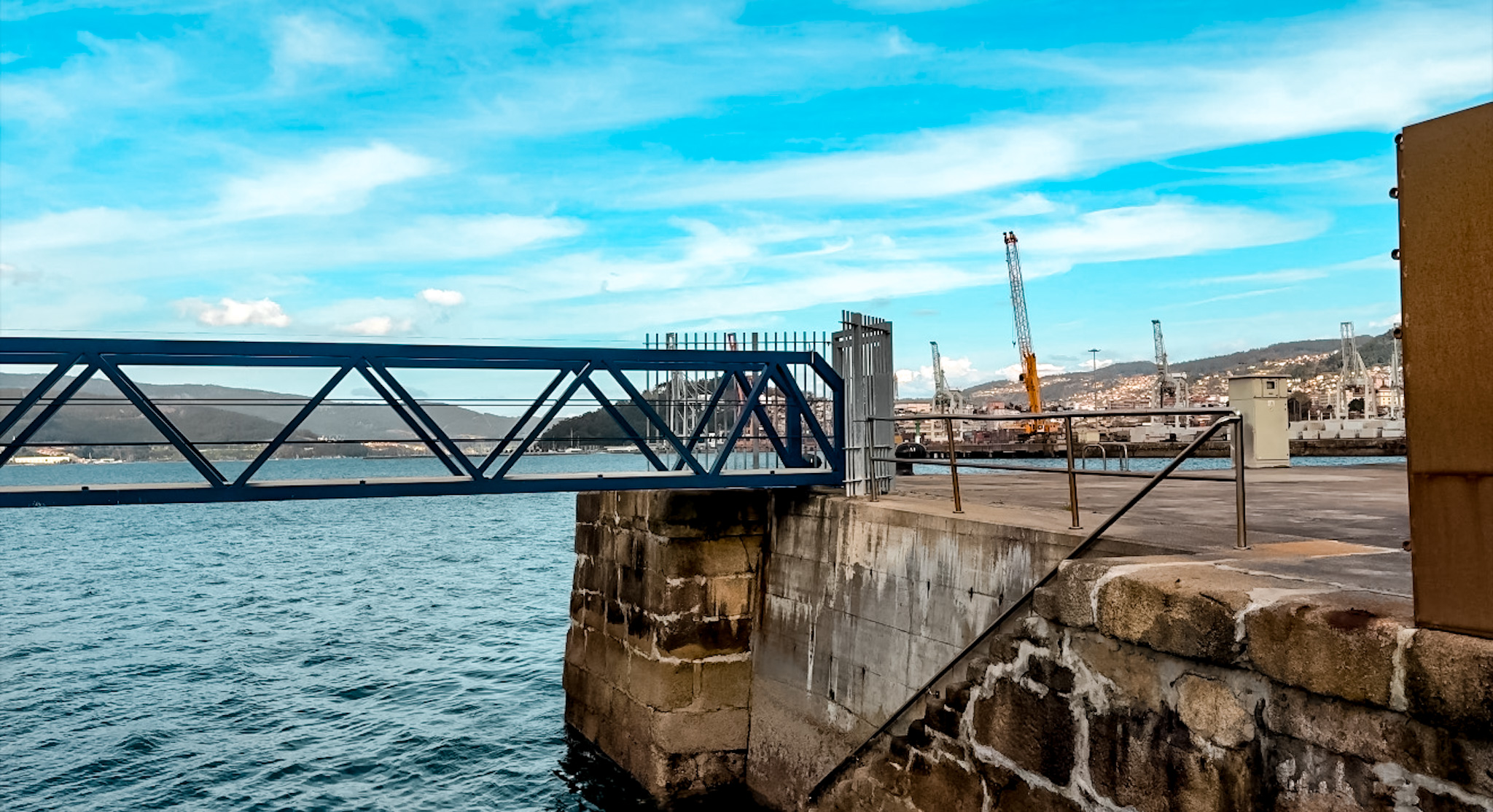
For a first-time visitor, the easiest waterfront area to explore is near the central marina, port area, A Laxe, and the seafront close to the Old Town.
This is the part that pairs naturally with a walk through Casco Vello. You can start in the Old Town around Praza da Colexiata, walk toward Porta do Sol, and then gradually make your way down toward the water. The transition feels natural because Vigo slopes toward the sea, and the waterfront is not far from the historic center.
A Laxe Shopping Centre is one recognizable reference point in the port area. Vigo tourism describes A Laxe as located near the port, with shops and restaurants, and it can work as an easy landmark if you are navigating the area.
You may also hear about Paseo de las Avenidas, the promenade area near the marina. Vigo tourism connects this seafront area with the city’s maritime side and notes that Paseo de las Avenidas received Spain’s National Architecture Prize.
But you do not need to overcomplicate it.
If you are staying central, open your map, aim for the marina, A Laxe, or the port area, and give yourself time to walk. Vigo’s waterfront is best enjoyed slowly.
Start From the Old Town and Walk Toward the Water
One of the best ways to experience Vigo’s waterfront is to start in the Old Town first.
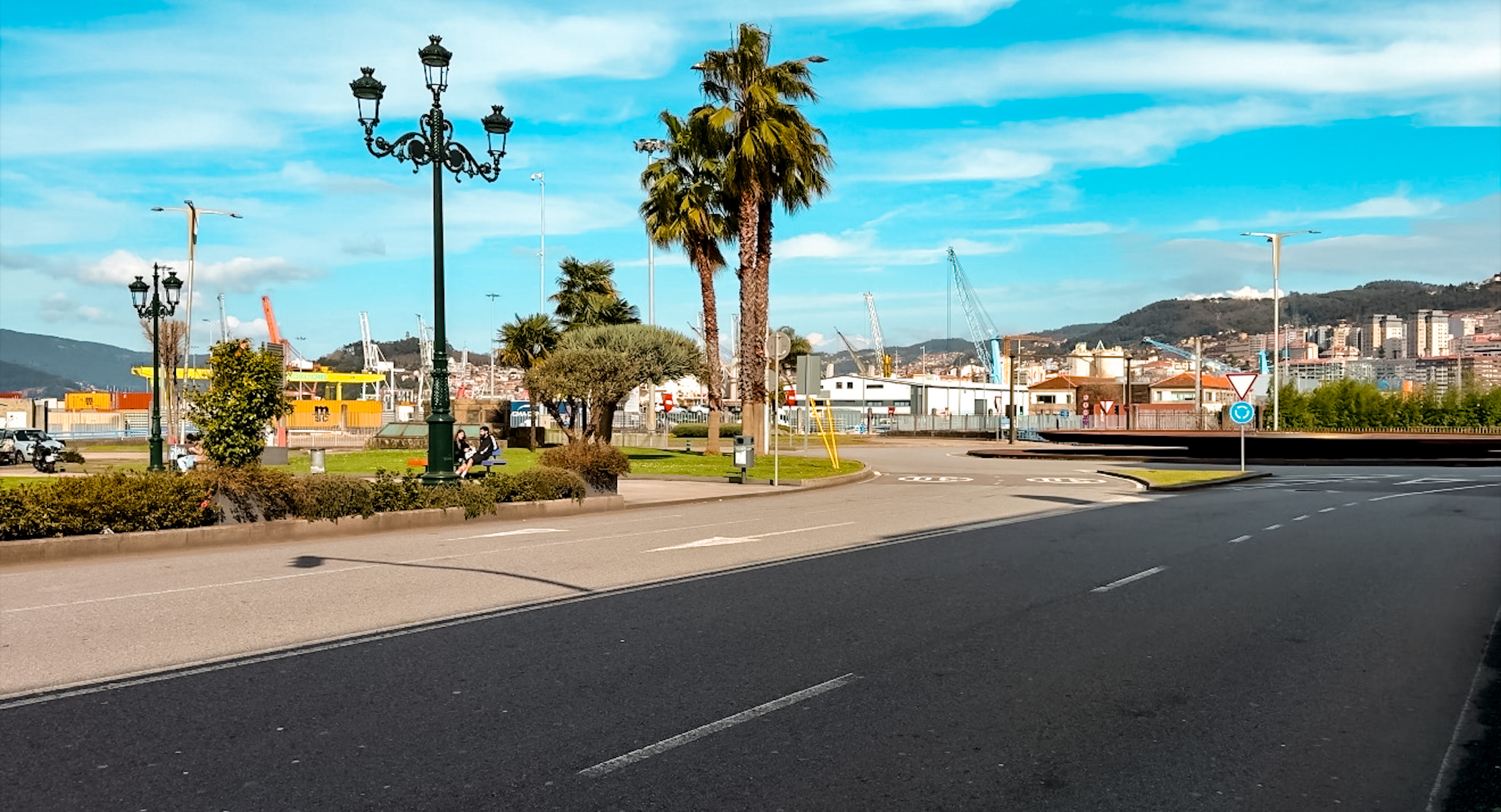
That gives your day a natural flow. You begin with the historic center, wander through the older streets, stop around Praza da Colexiata, pass through Porta do Sol, and then head toward the water. It helps you see how the city connects instead of treating every stop like a separate attraction.
This was one of the things I liked about Vigo. You could move from narrow Old Town streets to a more open waterfront without feeling like you had to take a big detour. The city changed in front of you. Historic streets, central squares, commercial areas, then the sea.
If you only have one day in Vigo, I would absolutely pair the Old Town and waterfront together. It gives you two of the city’s strongest sides in one walk.
For the historic side of this route, read Vigo Old Town Guide. For a full two-day version, my 48 Hours in Vigo Itinerary shows how to fit the Old Town, waterfront, MARCO, O Castro, and food into one relaxed trip.
Walk Near the Marina
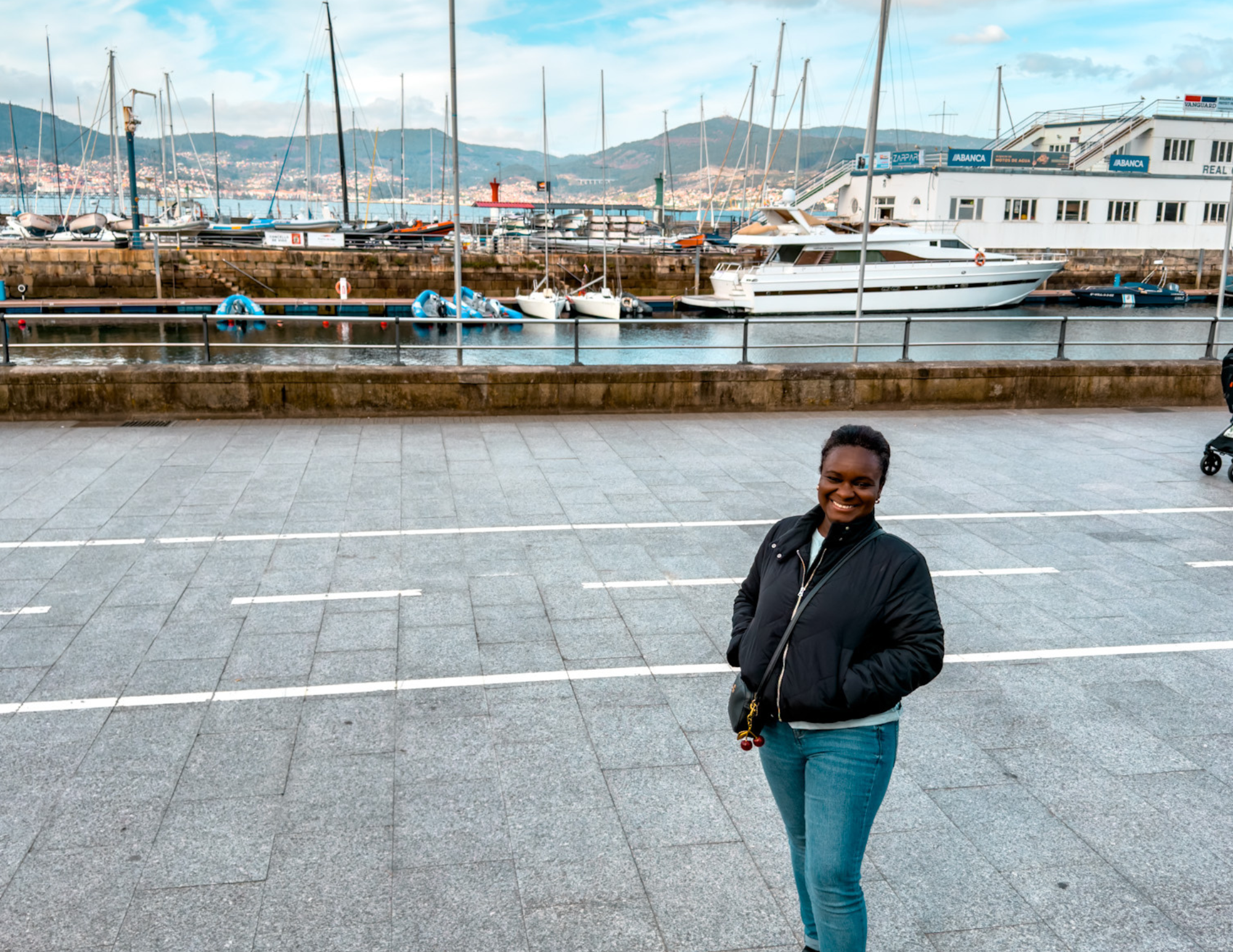
The marina area is one of the easiest places to understand Vigo’s relationship with the water.
You see the boats, the open space, the promenade feel, and the way people naturally gather near the seafront. This is not a complicated stop. It is not the kind of place where you need a ticket, a tour, or a strict plan. You just walk.
That is exactly what made it enjoyable for me.
After spending time in the Old Town and center, the marina gave the day some breathing room. It felt open and calm. You could look at the boats, watch people pass by, and feel the city widen toward the estuary.
I think this is especially nice if you have been moving through several cities back to back. Sometimes you do not need another museum or church right away. Sometimes you need water, open space, and a slow walk.
Vigo’s marina gives you that.
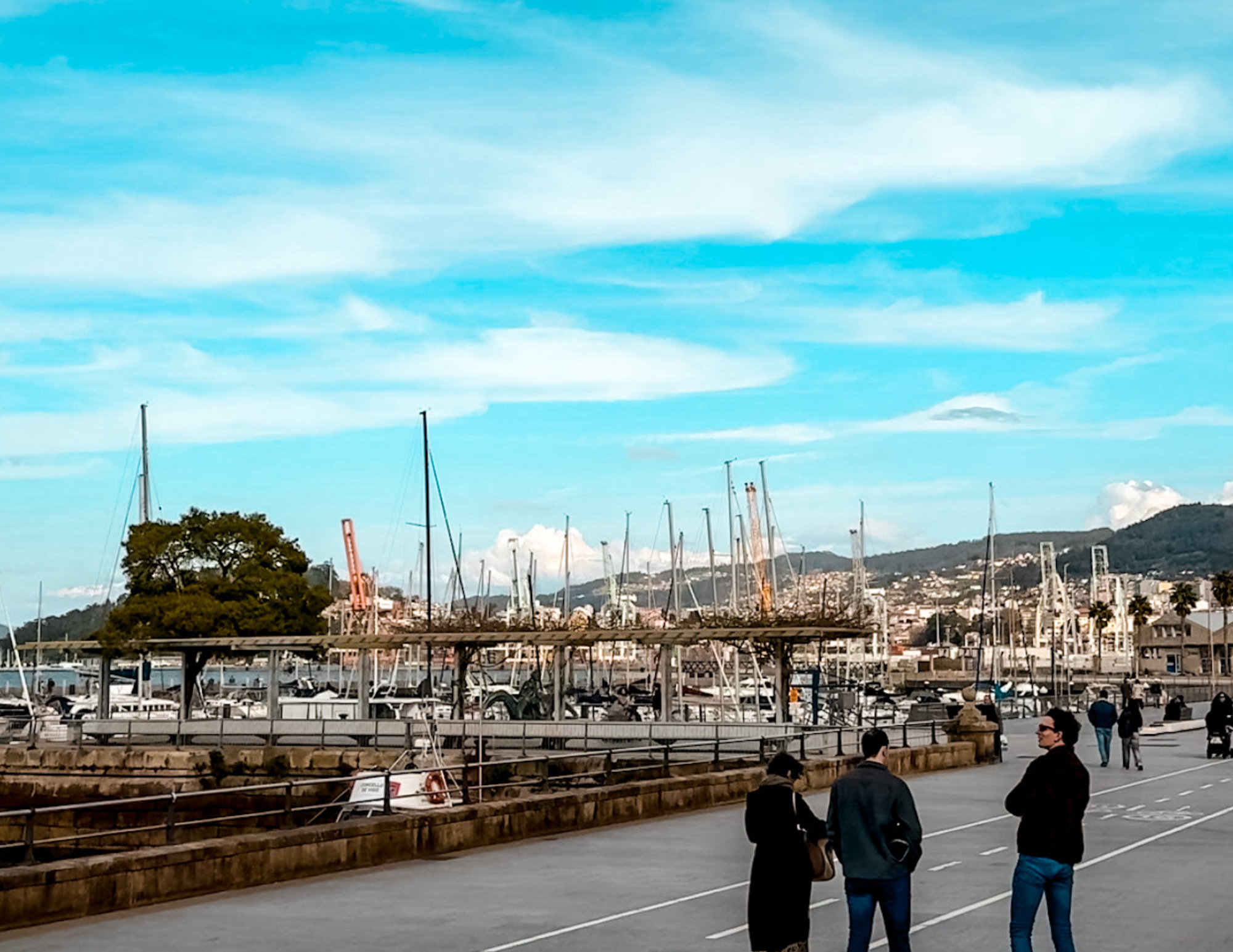
Notice the Local Weekend Energy
The waterfront was especially memorable because we walked it on a weekend.
That changed the feeling completely. There were so many families, couples, and friends outside. People were sitting by the water, walking, talking, eating, and socializing. It felt like the city had come outside together.
I love moments like that when I travel because they help me understand a place beyond sightseeing. You can read a list of attractions all day, but seeing how people actually use a space tells you something different.
Vigo’s waterfront did not feel like a place made only for visitors to take photos. It felt like a place locals genuinely enjoy. That made it one of the most peaceful parts of our time in the city.
If you can, try to walk the waterfront on a weekend or during a time when people are out. It may not be as quiet, but it can feel more alive. You get to see Vigo as a social city, not just a port city.
That was one of the small moments that made Vigo surprise me.
-2.png)
Sit by the Water
Do not just walk through the waterfront and leave.
Sit for a little while if the weather is decent.
That is one of the easiest ways to enjoy this part of Vigo. Find a place by the water, take a break from walking, and let the city slow down around you. This is especially nice if you have already done the Old Town, MARCO, or O Castro and your legs need a reset.
Vigo is not a city where every moment needs to be packed. Some of the best parts of our visit were simple. Walking by the water. Watching people spend time together. Noticing how quiet and beautiful the city felt even at the end of winter.
If you are visiting in summer, this waterfront time may feel brighter and more energetic. If you are visiting in winter or early spring, it may feel calmer and softer. Both versions can work. You just have to adjust your expectations.
For more on what the city feels like outside beach season, read Vigo in Winter.
-2.png)
Understand Vigo as a Working Port City
One of the reasons Vigo feels different from some other coastal cities is that the port is not just for show.
Vigo has a real port identity. It is tied to fishing, trade, seafood, maritime movement, and the wider life of the estuary. That working-port feeling gives the city texture. It keeps the waterfront from feeling like a purely polished tourist promenade.
The Port of Vigo also plays a role for cruise passengers and maritime routes, with the port authority noting that Vigo offers shore excursions to places like Santiago de Compostela, the Portuguese border, Baiona, and Tui.
Even if you are not arriving by cruise, it helps to understand that the port is one of the city’s defining features.
For me, that made Vigo feel more grounded. It was not trying to be a postcard version of coastal Spain. It felt like a city that works, eats, gathers, walks, and lives around the sea.
That is part of its charm.
-2.png)
Connect the Waterfront With Vigo’s Seafood Culture
You cannot separate Vigo’s waterfront from its food.
This is a seafood city, and the water is the reason. Galicia already has a strong food identity, but Vigo’s connection to the estuary and fishing makes seafood one of the most important parts of visiting.
Vigo tourism’s seafood page says the city is known for seafood like crab, shrimp, octopus, cuttlefish, squid, mussels, and oysters, and even jokes that if the word mariscada was not invented in Vigo, the city has earned it.
That gives you a good idea of how central seafood is here.
When you walk near the waterfront, keep food in mind. This is the kind of city where you should build time into your day for tapas, seafood, wine, or a proper meal. Do not treat food as something to squeeze in between attractions. In Vigo, food is part of the attraction.
We had tapas at Pazo da Oliva during our visit, and that fit the slower rhythm of the city perfectly. Walk, explore, sit down, eat, continue.
For specific food ideas, read Where to Eat and Drink in Vigo.

Pair the Waterfront With O Castro
One of the best things about Vigo is seeing the water from different angles.
The waterfront lets you experience the sea at ground level. O Castro lets you see it from above.
I would try to do both if you can.
When we climbed all the way up to O Castro, the views were amazing. From there, you could see Vigo, the port, the estuary, the rooftops, and the water all together. It helped me understand the city in a way that was different from walking along the marina.
That is why the waterfront and O Castro work so well as a pair. One gives you the local life along the water. The other gives you the full landscape view.
If you only walk the waterfront, you will feel the sea. If you only climb O Castro, you will see the sea. Together, they give you a fuller picture of Vigo.
For the viewpoint side of the city, read O Castro Vigo Guide.
Add A Laxe if You Want a Simple Indoor Stop
A Laxe is not the main reason to visit the waterfront, but it can be useful.
It is a shopping center near the port with restaurants and shops, and because of its location, it can be an easy landmark or quick stop if the weather changes. Vigo tourism lists A Laxe as being near the port and includes restaurants as part of what you will find there.
I would not build a Vigo itinerary around a shopping center. That is not the point. But if you are walking the waterfront, need a bathroom break, want food, want to get out of the rain for a bit, or just need a simple indoor pause, it can be helpful.
This matters more in winter or rainy weather. We had some rain during our Vigo stay, so I understand the value of having easy indoor options nearby.
If the weather is perfect, stay outside and enjoy the water. If it turns, A Laxe can be one of those practical backup stops that keeps the day from falling apart.
What About Boat Trips and the Cíes Islands?
Vigo’s waterfront is also the starting point for boat trips, especially in warmer weather.
One of the big names you will hear connected to Vigo is the Cíes Islands, part of the Atlantic Islands of Galicia National Park. If you are visiting in the right season and have enough time, this can become a bigger coastal day trip.
This was not part of our Vigo experience because we visited near the end of winter and focused on the city itself. I am not going to pretend we did a beach or island trip when we did not. But it is useful to know because the port and waterfront are not only for walking. They are also connected to the wider estuary and island routes.
In 2025, Piratas de Nabia described a high-season tourist boat route through the Ría de Vigo, showing how the estuary itself can become part of the sightseeing experience during the right time of year.
If you are visiting Vigo in summer, look into ferry and boat options before you go. If you are visiting in winter like we did, keep the focus on the city, the waterfront walk, O Castro, food, and museums.
-2.png)
Is Vigo’s Waterfront Good in Winter?
Yes, Vigo’s waterfront is still worth visiting in winter.
That was our experience. It was cold and a little rainy at times, but when we got good weather, the waterfront felt beautiful and peaceful. The city had that end-of-winter softness, where things were quieter but still alive.
Because we were not in Vigo for a beach trip, the waterfront became more about walking and local life than sunbathing or summer activities. And honestly, I liked that. It felt honest.
The key is to dress for the weather and stay flexible. If the day is rainy, pair the waterfront with MARCO or a food stop. If the sky clears, take advantage of it and walk by the water.
You do not need beach weather to enjoy a sea-facing city. Sometimes the water is worth seeing simply because it is part of the place.
That was how Vigo felt to me.
-1.png)
How Much Time Do You Need for the Waterfront?
You can spend as little as 30 minutes walking the waterfront, but I would give it at least one to two hours if you can.
This is not because there are endless attractions to check off. It is because the waterfront is better when you do not rush it. Walk near the marina. Sit by the water. Watch people. Stop for food or a drink. Let it be part of the rhythm of the day.
If you are doing Vigo in one day, pair the waterfront with the Old Town, Porta do Sol, MARCO, and maybe O Castro if you have the energy. If you are doing two days, come back to the waterfront more than once. It can feel different depending on the time of day and weather.
In my 48 Hours in Vigo Itinerary, I include the waterfront as part of both the first day and the slower second day because I think it is one of the places that helps the city settle in.
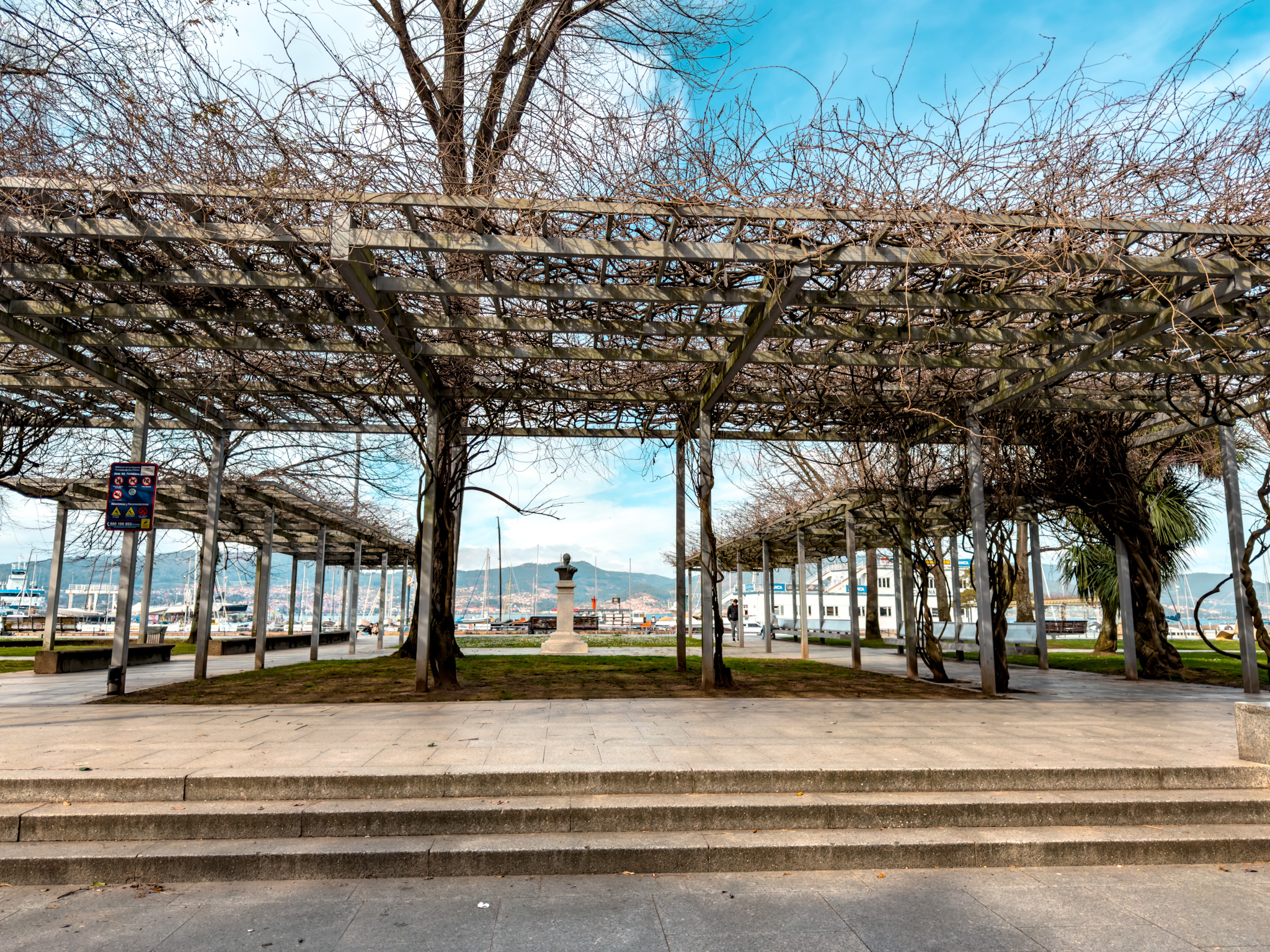
A Simple Vigo Waterfront Walking Route
A simple way to walk Vigo’s waterfront is to start from the Old Town.
Begin around Praza da Colexiata or Porta do Sol, then make your way toward the marina and port area. Use A Laxe or the seafront as an easy landmark if you need one. Once you reach the water, slow down.
Walk along the marina, look at the boats, sit by the water, and give yourself time to take in the port-city feeling. If the weather is nice and people are out, let that local energy become part of the experience.
From there, you can either stay near the water for food or drinks, or loop back toward the Old Town for tapas. If you still have energy and want a higher viewpoint, save O Castro for later or for the next morning.
This route works especially well because it keeps the day connected. You are not bouncing randomly from one place to another. You are following Vigo from its historic center toward the water, which is exactly how the city makes the most sense.
Tips for Visiting Vigo’s Waterfront
Wear comfortable shoes because this is best experienced as a walk, not a quick stop.
Try to visit when people are out if you want to feel the local energy. Weekend afternoons can be especially nice because families, couples, and friends gather by the water.
Pair the waterfront with food. Vigo is a seafood city, and the seafront makes that connection feel even stronger.
Keep the weather in mind. If you visit in winter, bring layers and be ready for rain. If the day clears up, take advantage of it.
Use A Laxe as a practical landmark if you need a bathroom, food, indoor break, or easy navigation point near the port.
Do not rush. The waterfront is more about atmosphere than a strict list of things to see.
-3.png)
Is Vigo’s Waterfront Worth Visiting?
Yes, Vigo’s waterfront is absolutely worth visiting.
For me, it was one of the places where the city felt most alive. Not in a loud or chaotic way, but in a peaceful, everyday way. Families walking. Couples sitting. Friends eating and talking. People just being outside by the water.
That is the kind of travel moment I remember.
The waterfront also helps explain Vigo. This is a city shaped by the sea, and you feel that when you walk near the marina and port. You see the boats. You feel the open space. You understand why seafood is such a big part of the city. You see why the port matters.
If you only stay in the Old Town, you miss that side of Vigo. If you only go to a viewpoint, you miss the ground-level rhythm. The waterfront gives you the city as people actually use it.
That makes it worth your time.
Final Thoughts on Vigo’s Waterfront and Port Area
Vigo’s waterfront was one of the simple parts of the city that stayed with me.
It was not complicated. It was not about one huge famous attraction. It was walking by the water on a weekend, seeing families and couples out, watching people sit and talk, feeling the city open toward the estuary, and realizing that Vigo’s beauty is quieter than some other Spain stops.
That quietness is part of what made me like it.
We visited at the end of winter, so the weather was not perfect. It was cold and a little rainy at times, but we still got good days. And on those good days, the waterfront felt peaceful, local, and beautiful.
If you are planning a trip to Vigo, do not skip the seafront just because it seems simple. Walk it. Sit for a while. Notice the boats. Eat something nearby. Let the city slow down.
Vigo is a place where the water is part of the story.
And the waterfront is where you feel that story most clearly.

Cavetta is the creator of LifeWithVetta.com and has been traveling the world full time since 2020. She has visited more than 60 countries while worldschooling her son and documenting what it really takes to live abroad. Her guides focus on travel, moving abroad, digital nomad life, and designing a life beyond the traditional path.
