
.png)
When you full-time travel, you end up in places you had never even heard much about before. That is exactly how I ended up in Vigo.
I had been moving through Europe, doing my little Schengen shuffle after living in Bangkok for a year, and Spain was part of that slower travel rhythm. Before this trip, I had only been to Madrid. So when we booked a bus from Porto to Vigo, I did not have some long bucket list attached to the city. I was not arriving with years of expectations or a saved folder full of must-see places. I was just curious.
And honestly, those are sometimes the best travel days.
.png)
Vigo is in Galicia, in northwest Spain, right on the Ría de Vigo. It is a port city, a seafood city, a working city, and one of those places that does not immediately scream for attention the way Barcelona, Madrid, or Seville do. But that is also what made it interesting to me. It felt like a city people actually live in, not just a place shaped around tourists walking from one attraction to the next.
We came in winter, so this was not a beachy Vigo trip. I was not out there trying to make it look like summer when it clearly was not. But even without beach weather, Vigo still gave us plenty to do. We walked through the historic center, explored the Old Town, stopped around Porta do Sol, visited MARCO, wandered by the waterfront and marina, saw the Co-Cathedral of Santa María, and made our way up toward O Castro for one of the best views of the city.
By the end of it, Vigo had turned into one of those places I was glad I did not skip.
If you are planning a trip through northern Spain, Galicia, or even coming over from Portugal like we did, Vigo is worth looking at. Not because it is the loudest city in Spain, but because it gives you a different side of the country. It is coastal, local, relaxed, walkable in the center, and full of those small travel moments that do not always make the biggest itineraries but stay with you anyway.
.png)
Where Is Vigo?
Vigo is in Galicia, in the northwest corner of Spain. It sits on the southern shore of the Ría de Vigo, which gives the city that strong sea-facing identity. This is not a dry inland city where the water feels like an afterthought. The sea is part of the way Vigo looks, moves, eats, and feels.
That is one of the first things I noticed. Even when you are not doing anything “major,” you can feel that Vigo is tied to the water. You see it around the marina, the port, the seafood restaurants, the boats, and the way the city slopes toward the estuary.
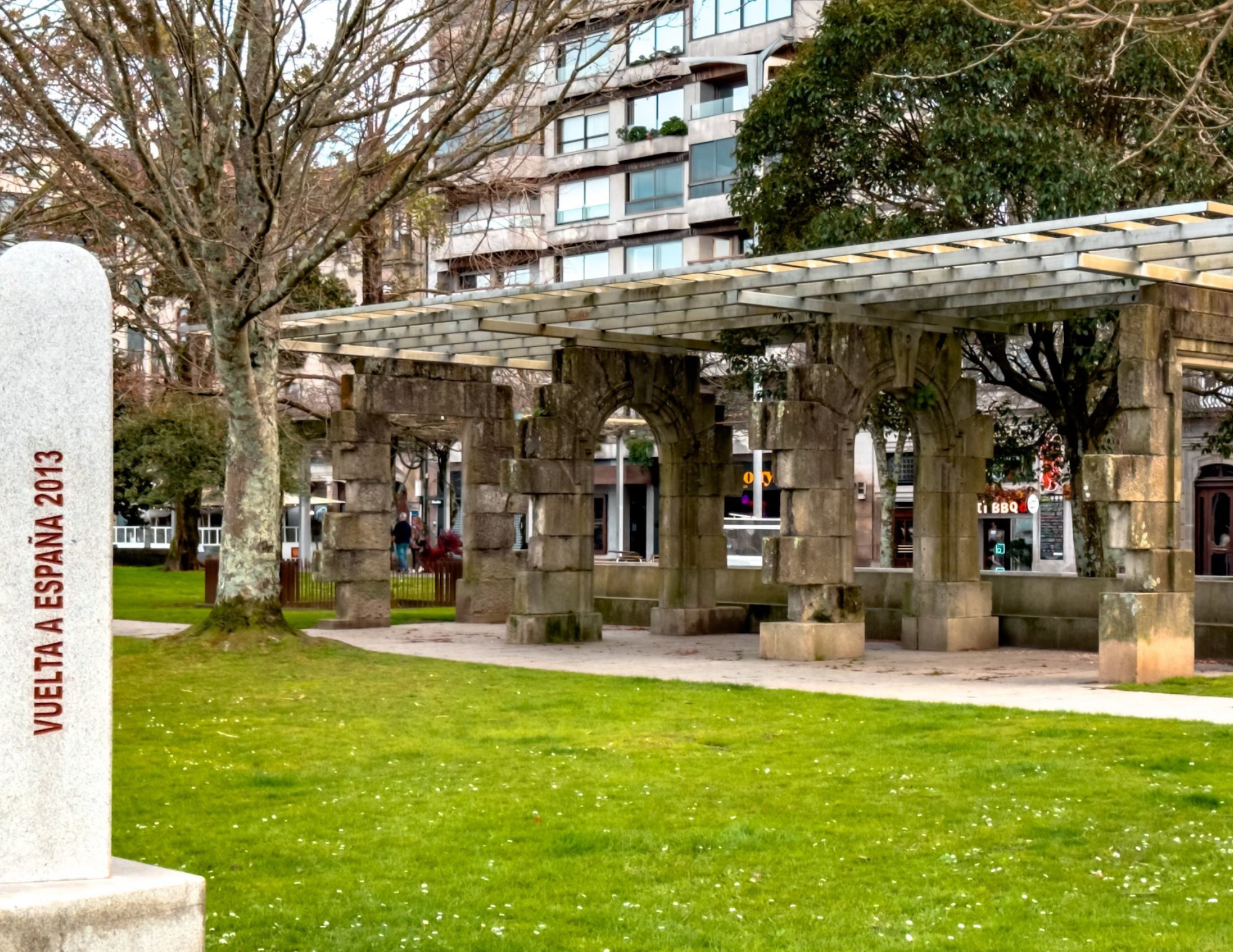
If you are already traveling through Portugal, Vigo is also easy to pair with Porto. We came by bus from Porto, and the ride was short enough that it made Vigo feel like a natural next stop instead of some complicated detour. That is one reason I think this city works well for slow travelers. You can slide it into a northern Portugal and Galicia route without feeling like you are forcing it.
It also connects well with other Galicia stops, including Santiago de Compostela. So if you are building a northern Spain itinerary and want more than the obvious places, Vigo can fit nicely into that route.
For the exact route from Portugal into Galicia, this pairs naturally with a broader northern Spain and Portugal travel plan. If you are building this trip now, think of Vigo as one of those cities that works best when you are not rushing.
.png)
Is Vigo Worth Visiting?
Yes, Vigo is worth visiting, especially if you like cities that feel lived-in, coastal, and a little underrated.
This is not the kind of place I would oversell as a city where every corner is a grand attraction. That is not really the point of Vigo. The appeal is more about walking, eating, looking out over the water, wandering through the Old Town, visiting a museum, finding a good view, and letting the city unfold a little slower.
For me, Vigo worked because it did not feel like it was trying too hard.
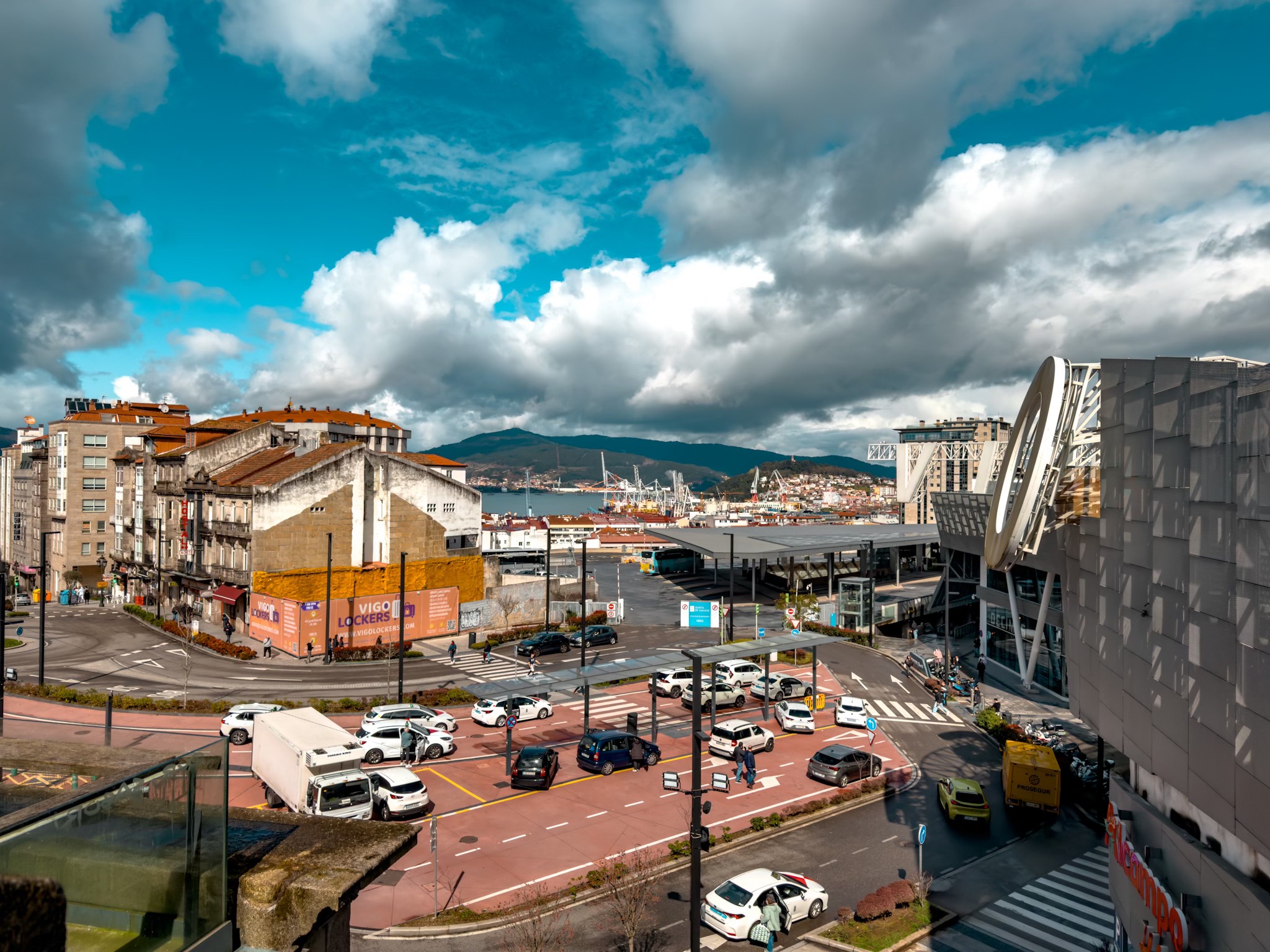
The historic center has enough character to make you want to wander. The waterfront gives the city breathing room. MARCO adds a contemporary art stop right in the center. O Castro gives you that “okay, this was worth the climb” moment. And the seafood culture gives the city a strong food identity, even if you are only there for a short stay.
I also think Vigo is good for people who have already done the bigger Spain cities and want something different. If you have been to Madrid or Barcelona and now want to see another side of Spain, Galicia gives you that. The architecture, weather, food, and rhythm all feel different.
Vigo is especially good if you like cities with a real local feel, waterfront walks, port-city energy, seafood, Galician food, Old Town exploring without huge crowds, museums, casual cultural stops, hilltop views, and slow travel routes through northern Spain and Portugal.
Would I tell someone to fly across the world only for Vigo? Probably not. But would I tell someone traveling through Galicia, northern Spain, or northern Portugal to consider adding it? Absolutely.
And if you are the kind of traveler who likes discovering places you did not know much about before arriving, Vigo may surprise you in the best way.
For a deeper look at whether the city belongs on your route, I also wrote Is Vigo Worth Visiting? What Surprised Me About This Underrated City in Galicia.
.png)
How Long Do You Need in Vigo?
I think one to two days in Vigo is a good amount of time for most first-time visitors.
If you only have one day, you can still see a lot because the central areas are manageable. You can walk through Casco Vello, see Porta do Sol, stop by Praza da Colexiata, visit the Co-Cathedral of Santa María, spend time around the waterfront, and maybe visit MARCO if it fits your timing.
But if you have two days, Vigo feels better.
Two days gives you time to slow down, eat properly, go up to O Castro, walk the marina, explore without rushing, and enjoy the city instead of turning it into a checklist. I would especially recommend two days if you are traveling slowly through Galicia or coming from Porto and do not want to make the trip feel like a quick stopover.
For a full day-by-day breakdown, I put together 48 Hours in Vigo Itinerary, which shows exactly how I would organize two days here without overpacking the schedule.
.png)
Start in Vigo’s Old Town
The Old Town, or Casco Vello, is where I would start in Vigo.
This is the part of the city where Vigo feels older, more textured, and easier to understand on foot. You get the narrower streets, plazas, stone buildings, restaurants, cafes, and that natural wandering energy that makes a city feel personal. It is not about racing through every corner. It is about giving yourself permission to walk, pause, turn down a street, and see what you find.
One of the best places to begin is Praza da Colexiata. It is right by the Co-Cathedral of Santa María, and it gives you a natural starting point for exploring the historic center. From there, you can move through the surrounding streets, make your way toward other plazas, and slowly work your way toward Porta do Sol.
This area also gives you a good sense of how Vigo is layered. You have the Old Town, the waterfront not too far away, and the more modern commercial city close by. That mix is part of what makes Vigo feel interesting. It is not just one thing.
I would not treat Casco Vello as a quick “take one photo and leave” stop. Give it time. Walk through it. Sit somewhere. Look up at the buildings. Let the city feel less like a place you are trying to understand from Google Maps and more like a place you are actually inside of.
For a deeper walk through this part of the city, read Vigo Old Town Guide: Praza da Colexiata, Porta do Sol and the Streets That Made Me Slow Down.
.png)
Porta do Sol: One of Vigo’s Main City Center Squares
After walking through the Old Town, you will probably end up around Porta do Sol.
This is one of Vigo’s main central squares and one of those places where the city opens up. It connects the historic side of Vigo with the busier shopping and commercial streets, including Príncipe Street, where MARCO is located.
Porta do Sol is also where you will see O Sireno, the merman sculpture that has become one of Vigo’s recognizable symbols. It makes sense for a city so tied to the sea. Vigo is not just near the water. Its identity is shaped by it.
This is a good area to orient yourself because so many things branch off from here. You can move toward the Old Town, head toward Príncipe Street, walk down toward the waterfront, or use it as a meeting point if you are traveling with someone and splitting up for a bit.
I like squares like this because they are not always about one big attraction. Sometimes they just help you feel how the city moves. People passing through, locals going about their day, visitors stopping for photos, streets opening in different directions. That is part of the city experience too.
I cover this area in more detail inside Vigo Old Town Guide, especially because Porta do Sol connects so naturally with Praza da Colexiata, Casco Vello, and the more modern center of Vigo.
.png)
Visit the Co-Cathedral of Santa María de Vigo
The Co-Cathedral of Santa María de Vigo, also called A Colexiata, sits in the heart of the Old Town near Praza da Colexiata. This is one of the key historic stops in Vigo, and it is worth seeing while you are already exploring Casco Vello.
It is called a co-cathedral because it shares cathedral status within the Diocese of Tui-Vigo. So if you are wondering why it is not simply called “Vigo Cathedral,” that is the reason.
For me, this is the kind of stop that makes sense as part of a larger Old Town walk. I would not build the whole day around it, but I also would not skip it if you are already nearby. It gives the area more historical weight and helps you understand why Praza da Colexiata is such a natural place to begin exploring.
I go deeper into what to know before visiting, how to pair it with the Old Town, and how much time to give it in Co-Cathedral of Santa María Vigo Guide.
-1.png)
Stop at MARCO, Vigo’s Contemporary Art Museum
One of the easiest cultural stops in central Vigo is MARCO, the Museum of Contemporary Art.
I liked that MARCO was right in the city center on Príncipe Street, so it did not feel like some complicated museum detour. You can walk through the center, stop in, see the exhibitions, and keep moving through the city afterward. It is also free to visit, which makes it even easier to add to your day.
This is the kind of museum that works well if you like contemporary art, installations, rotating exhibitions, or just want something indoors to balance out a walking-heavy day. Since we were in Vigo in winter, having a museum stop made sense. Not every travel day needs to be outside from morning to night, especially when the weather is not giving summer.
MARCO also helps show another side of Vigo. It is easy to think of the city only through the waterfront, port, Old Town, and seafood, but the museum gives it a more modern cultural layer too.
For more details on fitting it into your day, what kind of stop it is, and why it works well in the center, read my MARCO Vigo Museum Guide.
.png)
Walk the Waterfront and Port Area
Vigo’s waterfront is one of the parts of the city that makes it feel different from other Spain stops.
This is not just a pretty promenade added for tourists. Vigo is a real port city. The water, marina, boats, fishing history, seafood culture, and working-port identity are all part of the city. When we walked near the marina and waterfront, it felt like one of those areas where the city breathes a little. You have the boats docked, people strolling, places to eat, and the sense that the sea is not just scenery here.
The area around the marina, the cruise pier, A Laxe, and the seafront works well after exploring the Old Town because it gives you a completely different feeling without taking you far away. You can move from the older streets down toward the water and suddenly Vigo feels wider, brighter, and more open.
If you like relaxed travel days, this is the kind of area where you do not need a major plan. Walk, look at the boats, stop for food or a drink, and let the waterfront be part of the experience.
I cover this part of the city more deeply in my Vigo Waterfront and Port Guide, especially because the waterfront connects so naturally with the food scene, the Old Town, and the bigger Vigo travel experience.
.png)
Go Up to O Castro for One of the Best Views in Vigo
O Castro was one of the places that made Vigo feel worth the stop.
It is a hilltop park and fortress area right in the city, and it gives you some of the best views over Vigo and the estuary. This is where you start to understand the city from above instead of just walking through it at street level.
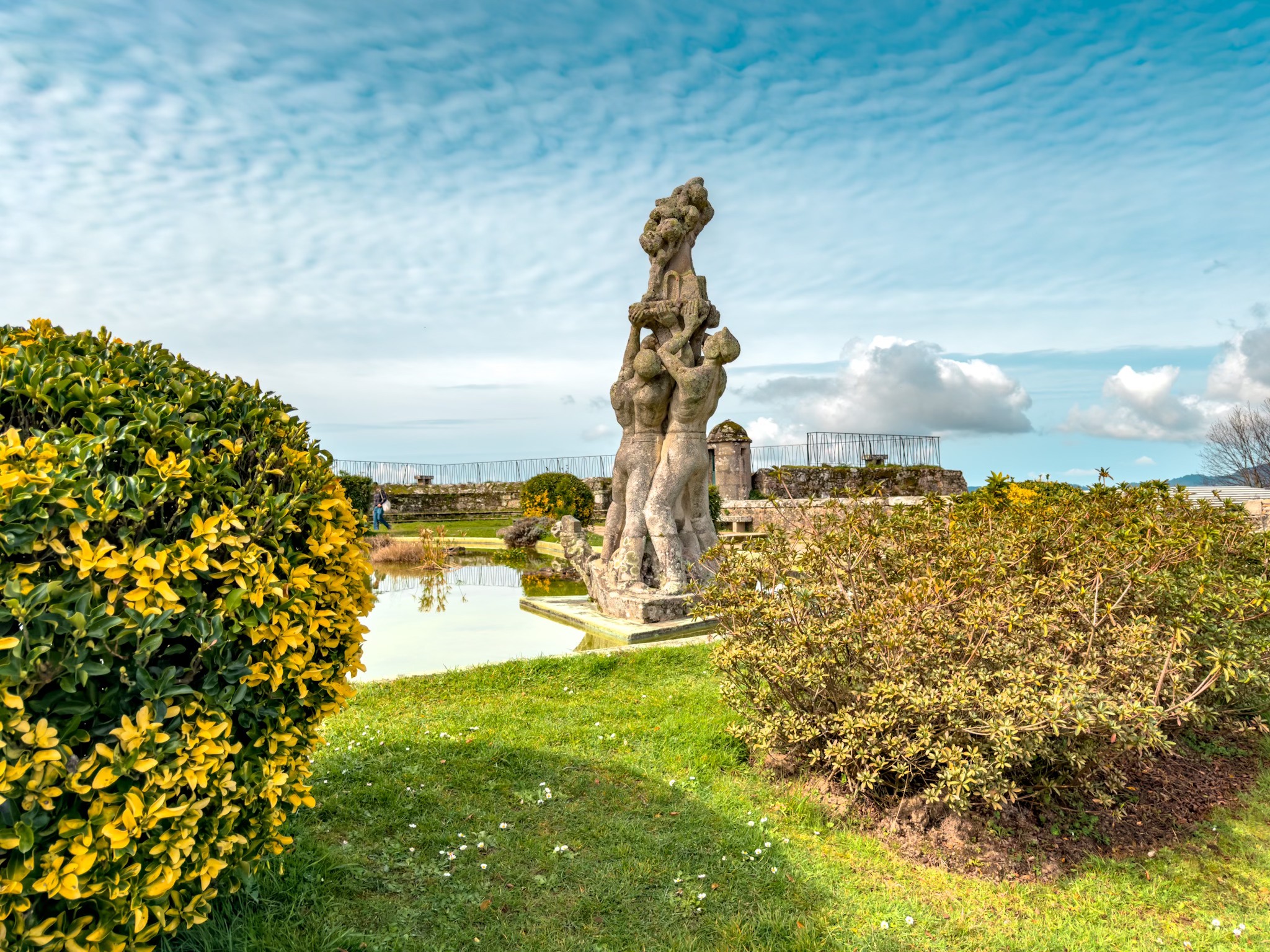
I will not lie and make it sound like there is no climb. There is a climb. But that is part of the experience. The higher you go, the more the city opens up, and once you reach the viewpoint, you get that reward. Water, rooftops, hills, port, city. It puts Vigo into perspective.
O Castro also has gardens, fortress walls, walking paths, and archaeological history, so it is not only a viewpoint. It feels like a green space, a historic space, and a scenic stop all in one.
If you have limited time in Vigo, I would still try to make room for it. It gives you a completely different angle on the city.
For the full breakdown on how to visit, what to expect, and why it is worth the walk, read my O Castro Vigo Guide.
.png)
What About Vigo’s Beaches?
Vigo has beaches, and if you visit in warmer weather, they can become a much bigger part of your trip.
But I want to be honest: we visited in winter, so this was not a beach-focused stay for us. I am not going to pretend I spent days lounging on the sand when I did not. That said, it is still helpful to know that Vigo is not only a port and Old Town city. It also has beach access nearby, including well-known beaches like Samil and O Vao.
Samil is one of the most popular beaches in Vigo, especially for families and summer visitors. O Vao is another well-known beach with fine sand and a more coastal escape feel. The city also has smaller coves and beach areas along the estuary, so if you come in summer, you could easily build a different version of this trip than the one I had.
For now, I would treat Vigo’s beaches as a warm-weather bonus instead of the main reason to go, unless you are specifically planning a summer coastal trip.
Since I do not have my own summer beach visuals yet, I am not making beaches a separate Vigo guide. But the beaches are still worth mentioning here because they add another layer to what Vigo can be.
.png)
Where to Eat and Drink in Vigo
Vigo is a seafood city, so food should be part of your plan.
Even if you are only in the city for a short time, this is not the place where I would treat food as an afterthought. Galicia has such a strong food identity, and Vigo’s connection to the sea makes seafood one of the big reasons people enjoy visiting.
This is where you look for oysters, octopus, mussels, grilled fish, Galician wine, casual tapas, seafood taverns, and those simple meals that feel connected to where you are. The Old Town and waterfront areas are especially natural places to build your eating around because you can pair food with wandering instead of turning meals into separate missions across the city.
I also think Vigo is a good city for slower food moments. Sit down. Order something local. Try the wine. Take your time. This is not a city where every meal has to be a big production, but the food scene is part of the experience.
For specific places, what to order, and how to think about food in the city, read my Where to Eat and Drink in Vigo.
.png)
Vigo in Winter
We visited Vigo in winter, and I actually think that shaped how I experienced the city.
Because it was not beach season, I paid more attention to the Old Town, the museum, the waterfront, food, walking, and views. That made Vigo feel less like a summer coastal escape and more like a real city you can visit outside of peak season.
Winter also gave the city a calmer feel. There were no big beach expectations. No pressure to chase perfect weather. No need to pretend the trip was something it was not. It was just a few days of exploring a city I did not know much about before arriving.
That is why I think Vigo can still be worth visiting outside of summer. You just have to adjust your expectations. If you come in winter, focus on the historic center, MARCO, food, waterfront walks, O Castro, cafes, and the slower side of the city. If you come in summer, you can add beaches and maybe even a Cíes Islands day trip if the timing works.
For more on what the city feels like outside of beach season, read my Vigo in Winter guide.
.png)
A Simple First-Time Vigo Itinerary
If you only have a short time in Vigo, I would keep the itinerary simple and walkable.
Start in the Old Town around Praza da Colexiata and the Co-Cathedral of Santa María. Give yourself time to wander through Casco Vello before heading toward Porta do Sol. From there, walk along Príncipe Street and stop at MARCO if it is open and you want a museum break.
After that, make your way toward the waterfront and marina. Walk by the port area, take in the sea-facing side of the city, and stop somewhere for food or drinks. If you still have energy, go up to O Castro for the views.
That gives you a full first day without making Vigo feel rushed.
If you have a second day, use it to slow down. Go back to the Old Town for a meal, spend more time around the waterfront, revisit a favorite area, or go up to O Castro at a better time for the views. In warmer weather, this is where you could add Samil, O Vao, or a coastal walk.
For a more detailed version of this route, read my 48 Hours in Vigo Itinerary guide.
.png)
Who Should Visit Vigo?
Vigo is a good fit for travelers who like underrated cities and do not need every destination to be polished into a perfect postcard.
You might enjoy Vigo if you are traveling through Galicia, coming from Porto, looking for a slower northern Spain stop, or trying to see a side of Spain beyond the most obvious tourist cities. It is also a good fit if you like seafood, waterfront walks, local-feeling neighborhoods, city views, and places that give you room to wander without feeling overwhelmed.
Vigo may not be the best fit if you want a city packed with famous landmarks every five minutes. It is not that kind of place. If your travel style is only big-ticket attractions and major bucket-list sights, you may not connect with Vigo in the same way.
But if you like cities that reveal themselves slowly, Vigo works.
For me, it was the kind of place that reminded me why full-time travel is not only about the famous stops. Sometimes you end up in a city you barely knew anything about, walk around for a couple of days, and realize that was exactly the point.
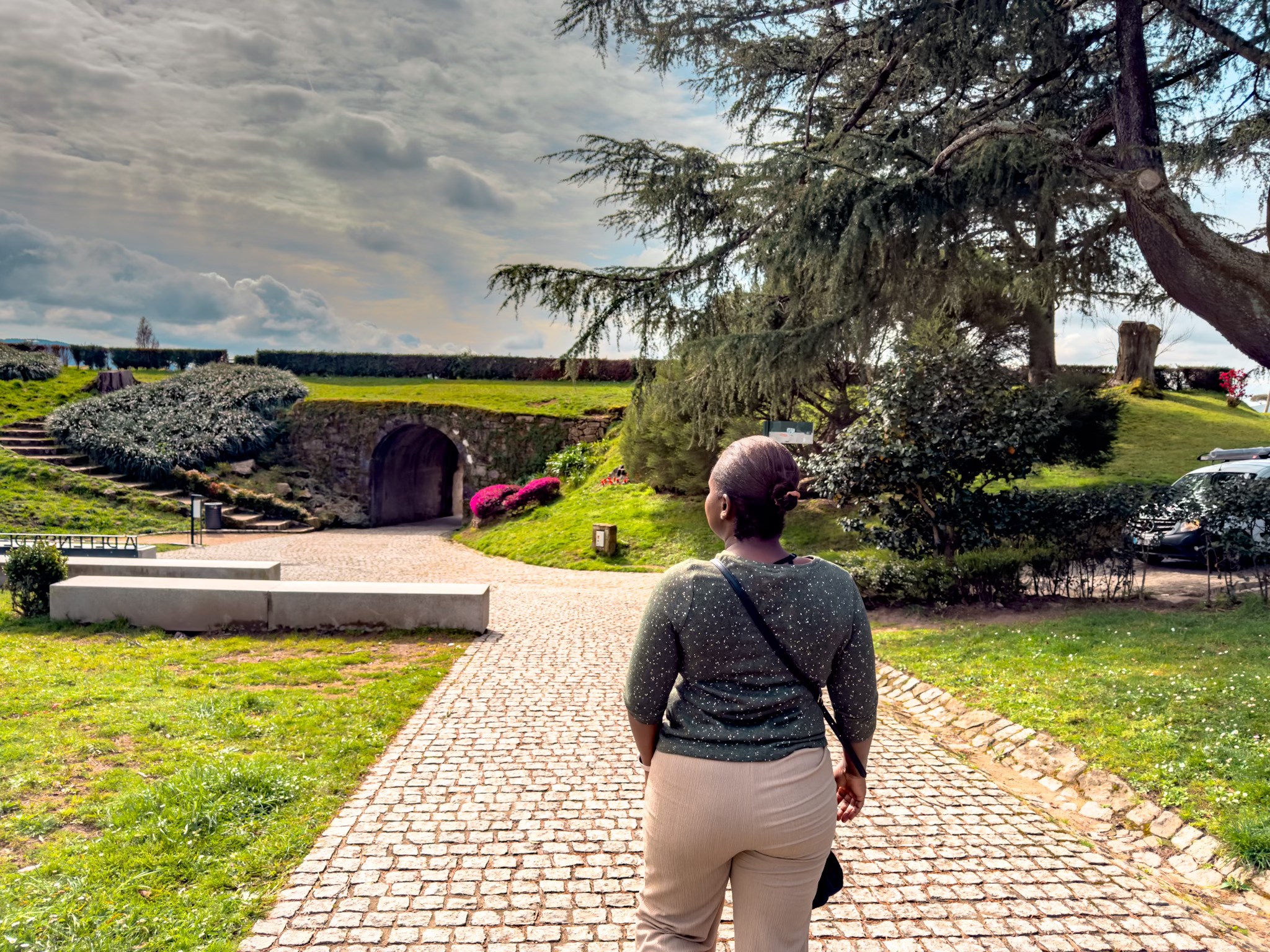
Final Thoughts: Vigo Surprised Me
Vigo was not one of those cities I had been dreaming about for years.
I did not arrive with a huge list. I did not know every landmark. I was not expecting it to become some dramatic Spain highlight. But that is what made it feel honest. I showed up curious, walked around, explored what was in front of me, and ended up appreciating the city for what it is.
Vigo gave me Old Town streets, waterfront views, contemporary art, seafood energy, a hilltop park, plazas, and that little full-time travel reminder that you do not always have to know everything about a place before going.
Sometimes you just book the bus, show up, and let the city introduce itself.
And for me, Vigo was worth the stop.

Cavetta is the creator of LifeWithVetta.com and has been traveling the world full time since 2020. She has visited more than 60 countries while worldschooling her son and documenting what it really takes to live abroad. Her guides focus on travel, moving abroad, digital nomad life, and designing a life beyond the traditional path.
