
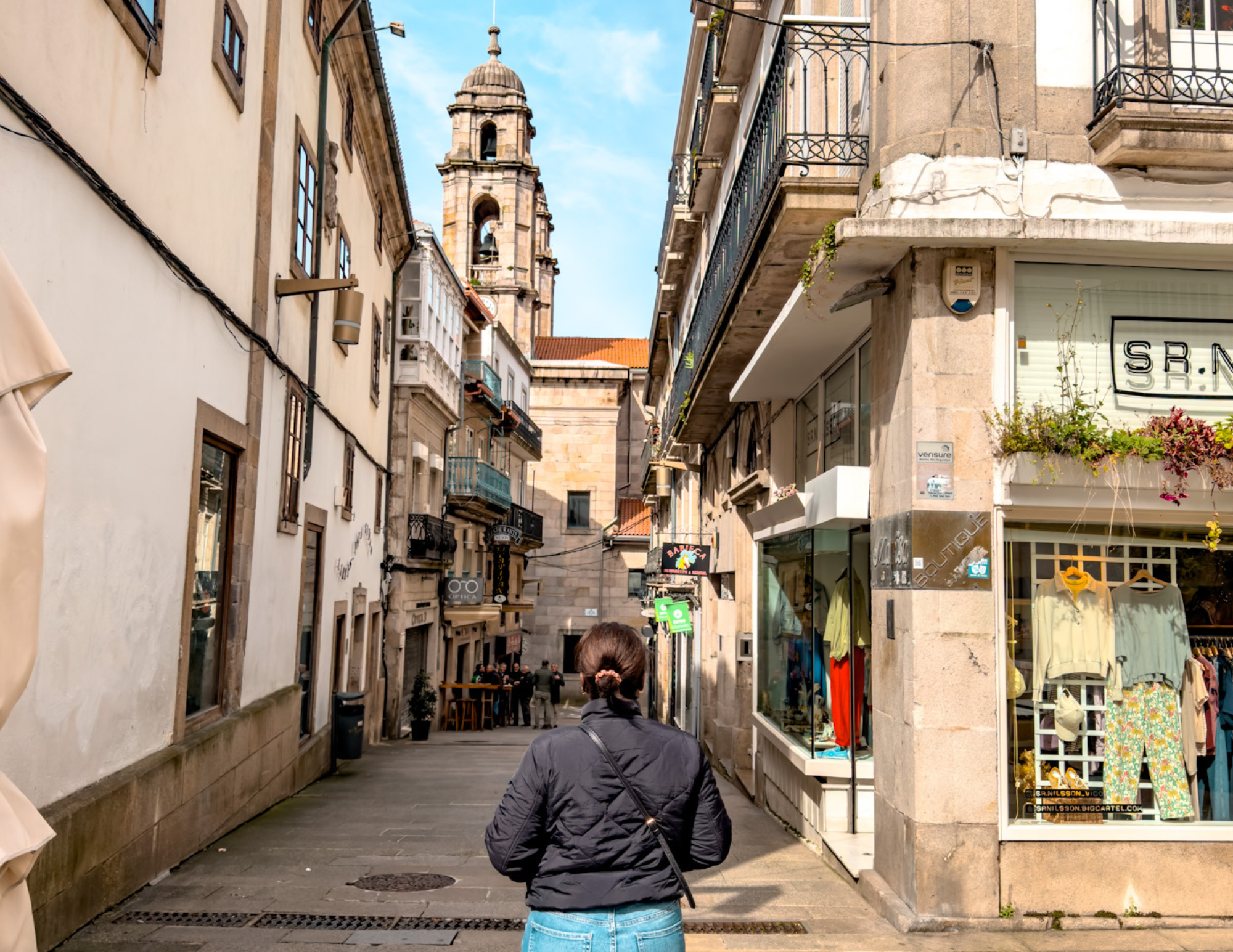
Vigo’s Old Town was one of the places that made me appreciate the city more.
Before visiting Vigo, I did not know much about it. I had been moving through Europe, doing my Schengen shuffle, and we came into Vigo from Porto. At that point, Spain was still pretty new for me outside of Madrid, so Galicia already felt like a different side of the country. Vigo did not feel like the Spain most people talk about first. It felt quieter, more local, a little rainy, coastal, and still beautiful in its own way.
The Old Town, or Casco Vello, helped me understand that feeling.
This is the part of Vigo where the city slows down. You get plazas, narrow streets, old buildings, restaurants, cafes, and that feeling of walking through a place that still belongs to the people who live there. It does not feel like one big staged tourist attraction. It feels like a neighborhood with history, food, local life, and little corners that are better experienced slowly.
We visited Vigo near the end of winter, so the weather was still cold and a bit rainy, but we had good days too. That kind of weather actually made the Old Town feel even more atmospheric. It was not a bright summer beach version of Vigo. It was softer, quieter, and more grounded.
If you are visiting Vigo for the first time, I think the Old Town should be one of your first stops. It gives you a good introduction to the city before you head toward the waterfront, MARCO, or O Castro. It is also where you can start to see how Vigo connects its historic center, port identity, food scene, and everyday local rhythm.
For the bigger overview of the city, start with my Vigo Travel Guide. If you want the full list of stops beyond the Old Town, read my Best Things to Do in Vigo.
What Is Vigo’s Old Town?
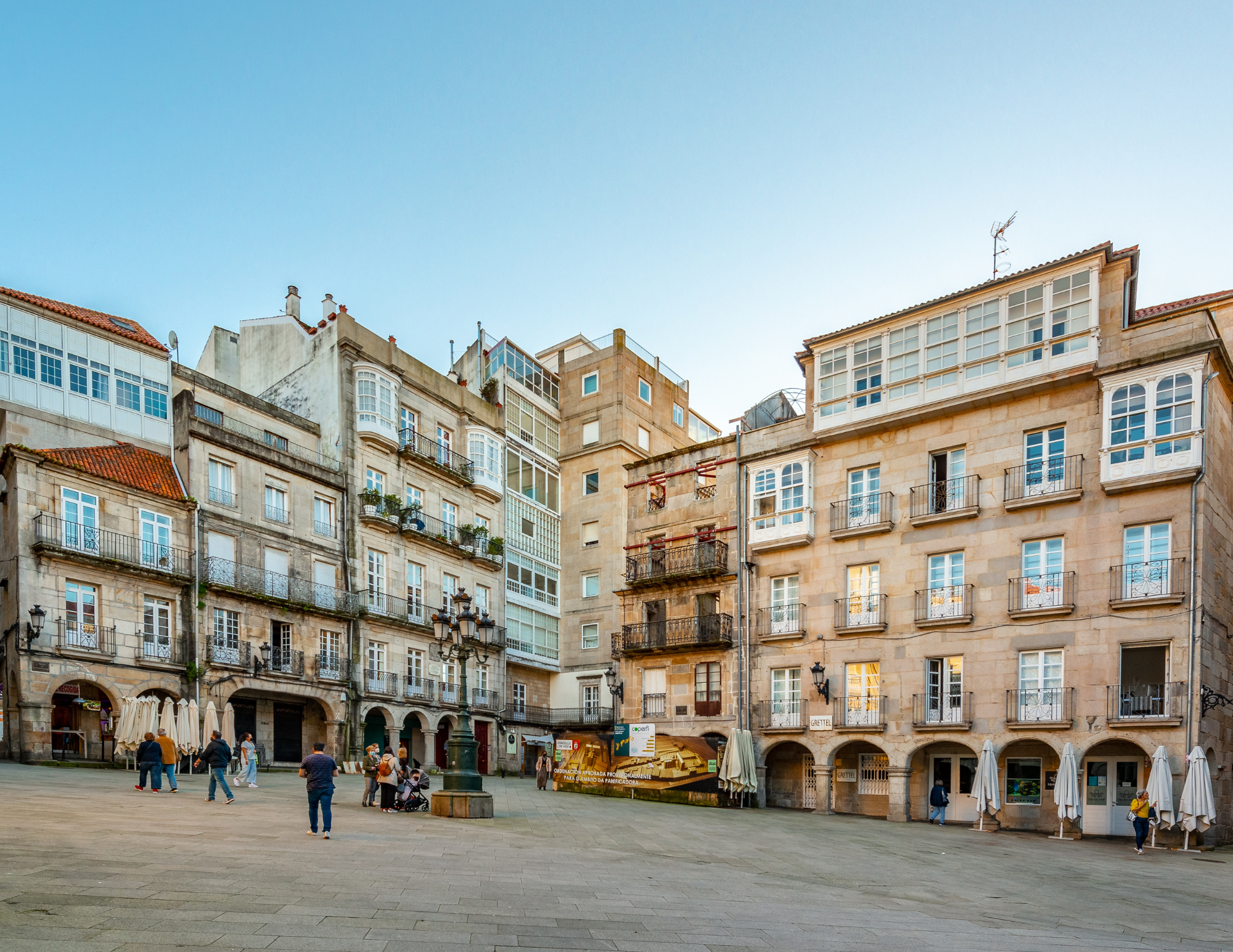
Vigo’s Old Town is known as Casco Vello.
It is the historic center of the city and one of the best areas to walk if you want to feel Vigo beyond the port and waterfront. This is where the city feels older, more textured, and easier to experience on foot.
Vigo is a busy, industrial, sea-facing city, but the Old Town feels like a smaller village tucked into the middle of it. The official tourism description even describes the Old Town as a small village in the center of a bustling industrial city, and that is exactly the contrast that makes it interesting. You can be in the historic streets one moment and then walk toward the waterfront, the port, or the modern commercial center not long after.
That mix is part of Vigo’s personality.
The Old Town is not massive. You do not need an entire day just to walk through it. But you should not rush it either. It is best experienced slowly, especially if you like wandering, stopping for food, noticing plazas, and letting a city reveal itself without forcing every moment.
For me, Casco Vello was where Vigo started to feel less like a random stop between Portugal and the rest of Spain, and more like a city with its own rhythm.
Start at Praza da Colexiata
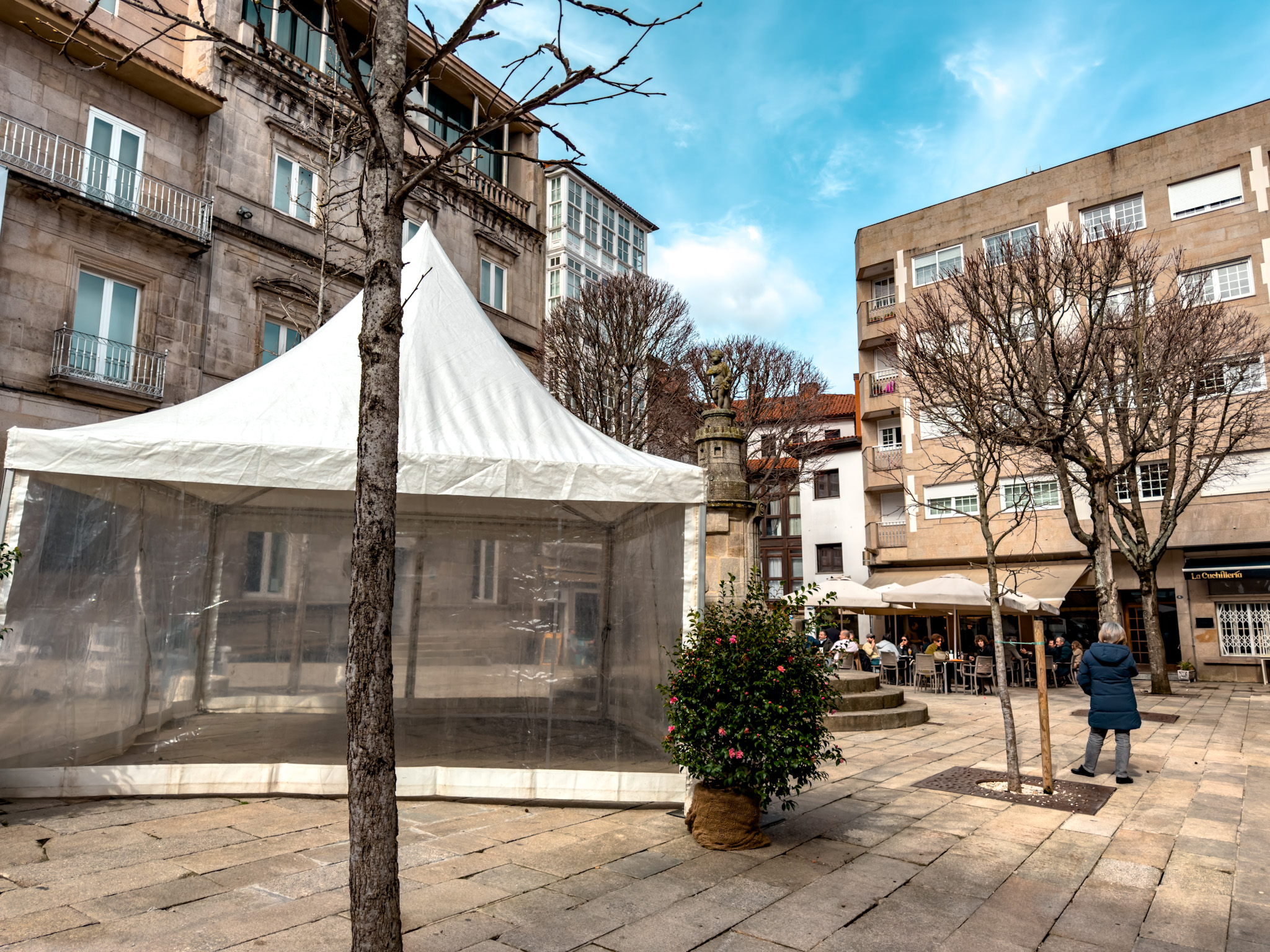
One of the best places to start exploring Vigo’s Old Town is Praza da Colexiata.
This square sits beside the Co-Cathedral of Santa María de Vigo, also known as A Colexiata, and it gives you a simple starting point for the historic center. I like starting here because it immediately puts you in the older part of the city without making the route feel complicated.
You can stand in the square, take in the cathedral, look around the surrounding streets, and then start walking from there. That is the kind of travel moment I like because it does not feel overly planned. You are giving yourself a place to begin, but not forcing the whole walk into a rigid route.
Praza da Colexiata is also a good anchor because so many parts of the Old Town branch naturally from this area. You can walk toward Porta do Sol, continue into the surrounding historic streets, or head down toward the waterfront later. It is one of those places where the city starts to connect in your head.
This is also where Vigo felt quiet and beautiful to me. Not dramatic in the way some famous European squares are, but calm and lived-in. Since we were there toward the end of winter, the city did not feel crowded or overwhelming. It had that slightly cold, peaceful atmosphere where you can actually pay attention to the details.
If you only have a short time in Vigo, starting here makes sense.
Visit the Co-Cathedral of Santa María de Vigo
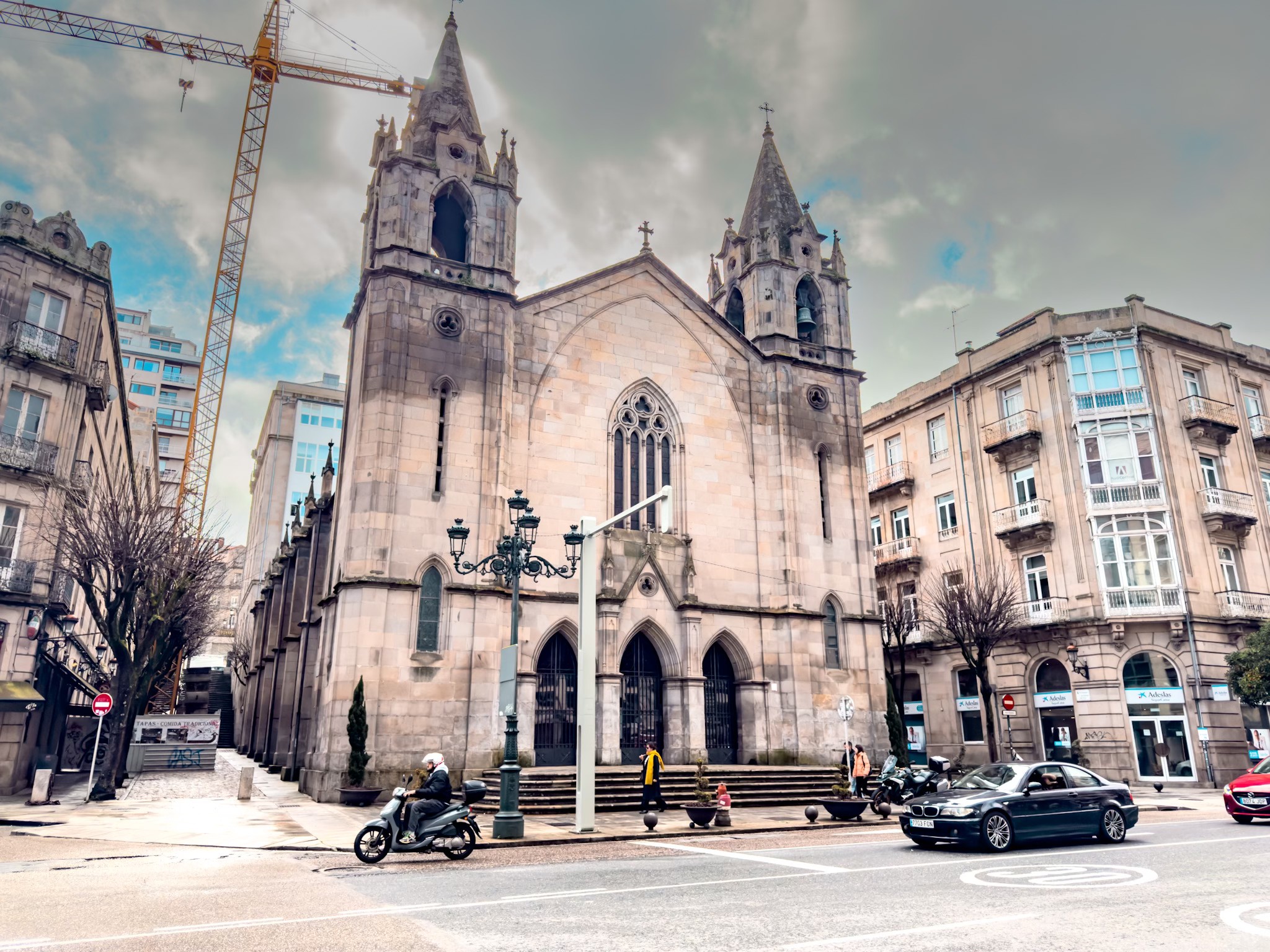
Right by Praza da Colexiata, you will find the Co-Cathedral of Santa María de Vigo, also called A Colexiata.
This is one of the main historic stops in the Old Town and an easy place to include while you are already walking through Casco Vello. It is not a place I would separate from the Old Town experience. It fits best as part of the walk, especially if you are starting in Praza da Colexiata.
The name can be a little confusing if you are not familiar with it. It is called a co-cathedral because it shares cathedral status with Tui Cathedral in the Diocese of Tui-Vigo. It is known locally as A Colexiata, and the building is often described as having Baroque and Neoclassical style.
For me, this is the kind of stop that gives the Old Town a little structure. You are not just wandering without context. You have a historic anchor point, and then the streets around it make more sense.
I would give yourself time to stand outside, look around the square, and then continue into the surrounding lanes. You do not need to turn it into a long visit unless you want to, but it is absolutely worth including if you are already in the historic center.
For a deeper look at this specific stop, read my Co-Cathedral of Santa María Vigo Guide.
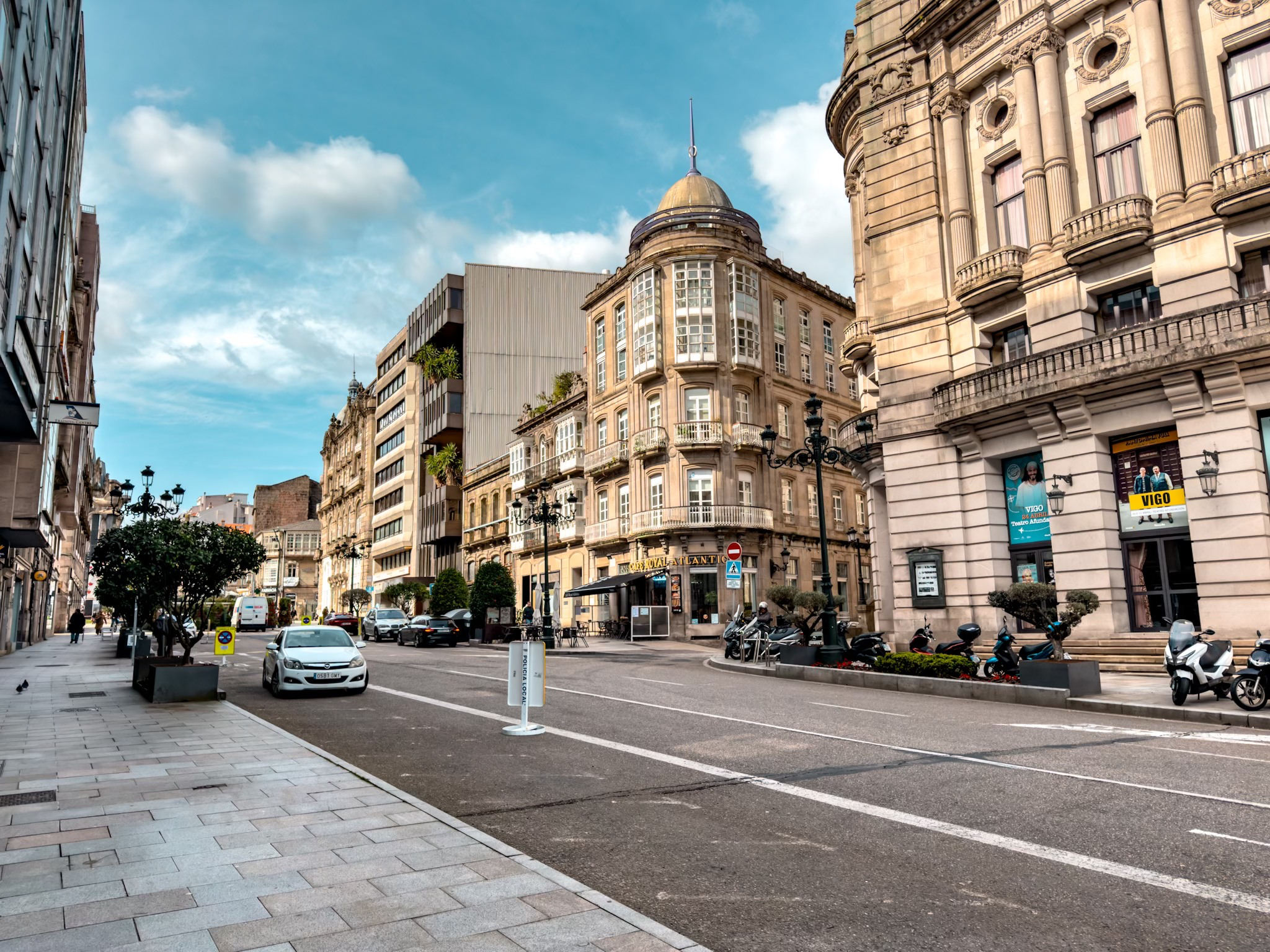
Walk From Praza da Colexiata Toward Porta do Sol
After starting around Praza da Colexiata, one of the easiest walks is toward Porta do Sol.
This route gives you a nice feel for how the Old Town connects with the modern center of Vigo. You move from the historic streets into one of the city’s main central spaces, and that transition is part of what makes the area interesting.
I liked this because Vigo does not feel frozen in the past. The Old Town has history, but the city around it is still very much alive and moving. You can go from a quiet old square to a busier central area, then toward shops, museums, restaurants, or the waterfront.
That is one reason I think Vigo’s Old Town works well for travelers who like to explore on foot. The distances are not overwhelming, and the different sides of the city connect naturally. You do not need to keep jumping in and out of transportation just to understand the center.
This is also the kind of walk where you should let yourself pause. Look down side streets. Stop if a cafe or restaurant catches your eye. Take photos of buildings, signs, corners, and everyday moments. The Old Town is not only about the named sights. It is about the feeling of walking through it.
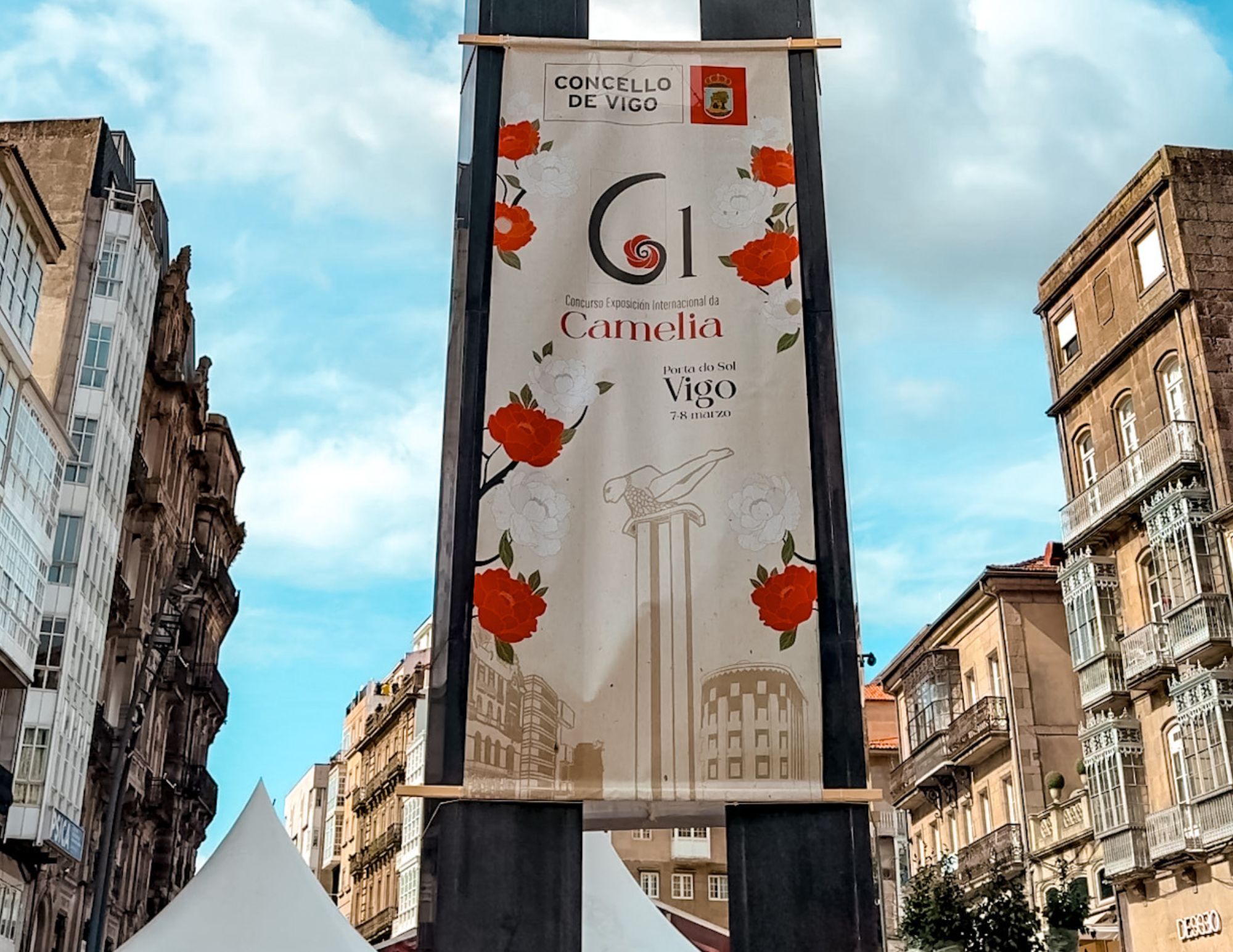
Porta do Sol: Where Old Vigo Meets the Modern Center
Porta do Sol is one of the most important central spaces in Vigo.
It sits between the Old Town and the Ensanche, which is the newer expansion area of the city. That makes it feel like a hinge between older Vigo and the more modern center. It is the kind of square that helps you understand where you are because so many parts of the city branch from it.
This is also where you will see O Sireno, the merman sculpture by Francisco Leiro. It has become one of Vigo’s symbols, and I love that it connects so clearly with the city’s relationship to the sea. Vigo is not just a place near the water. Its identity is shaped by the port, fishing, seafood, the estuary, and maritime life. O Sireno feels like a reminder of that right in the middle of the city.
Porta do Sol is not a place where you need to spend hours. It is more of an orientation point, a place to pass through, pause, and understand the city’s layout. From here, you can walk toward Príncipe Street and MARCO, turn back into the Old Town, or continue toward other central streets.
I think it is worth seeing on your first day in Vigo because it gives you that moment where the city opens up. After the smaller streets of Casco Vello, Porta do Sol feels wider, busier, and more connected to the daily movement of Vigo.
It is not just a square. It is a transition point.
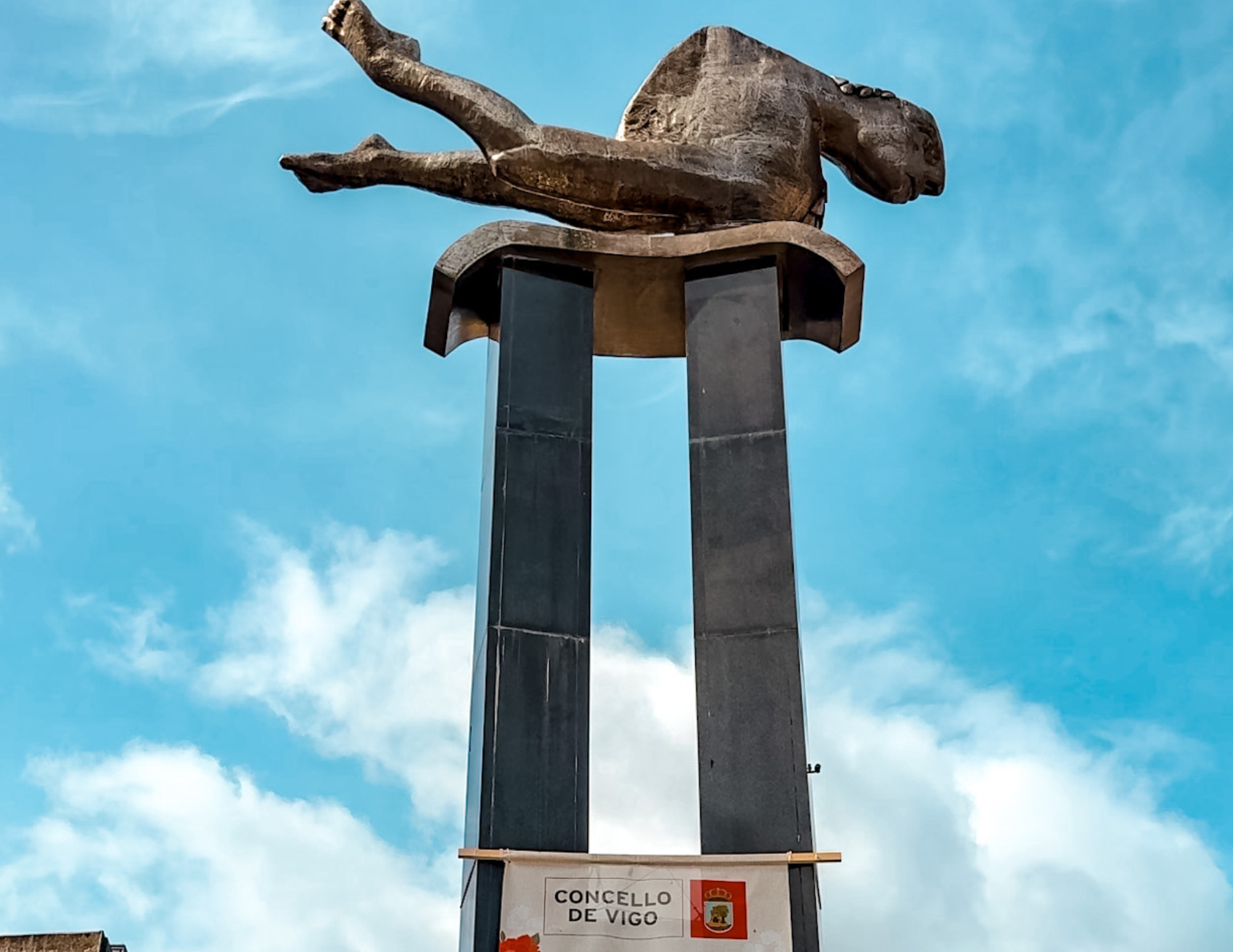
Look for O Sireno
When you reach Porta do Sol, look for O Sireno.
This is one of those public art pieces that immediately gives you something to remember about the city. It is a merman, not a mermaid, and it stands above the square in a way that makes it hard to miss.
I think symbols like this matter because they help make a city more memorable. Vigo is a sea city, and O Sireno captures that relationship in a simple, recognizable way. It is not just decorative. It fits the place.
For a city that surprised me with how connected it felt to the water, seeing a sea-inspired sculpture in one of its central squares made sense. You walk the Old Town, you see the port, you eat seafood, you spend time by the waterfront, and then there is this sculpture tying the idea together in the center.
It is a quick stop, but it is a good one. Take a photo, look around the square, and then keep walking. Porta do Sol is one of those places that is best experienced as part of a larger city walk.
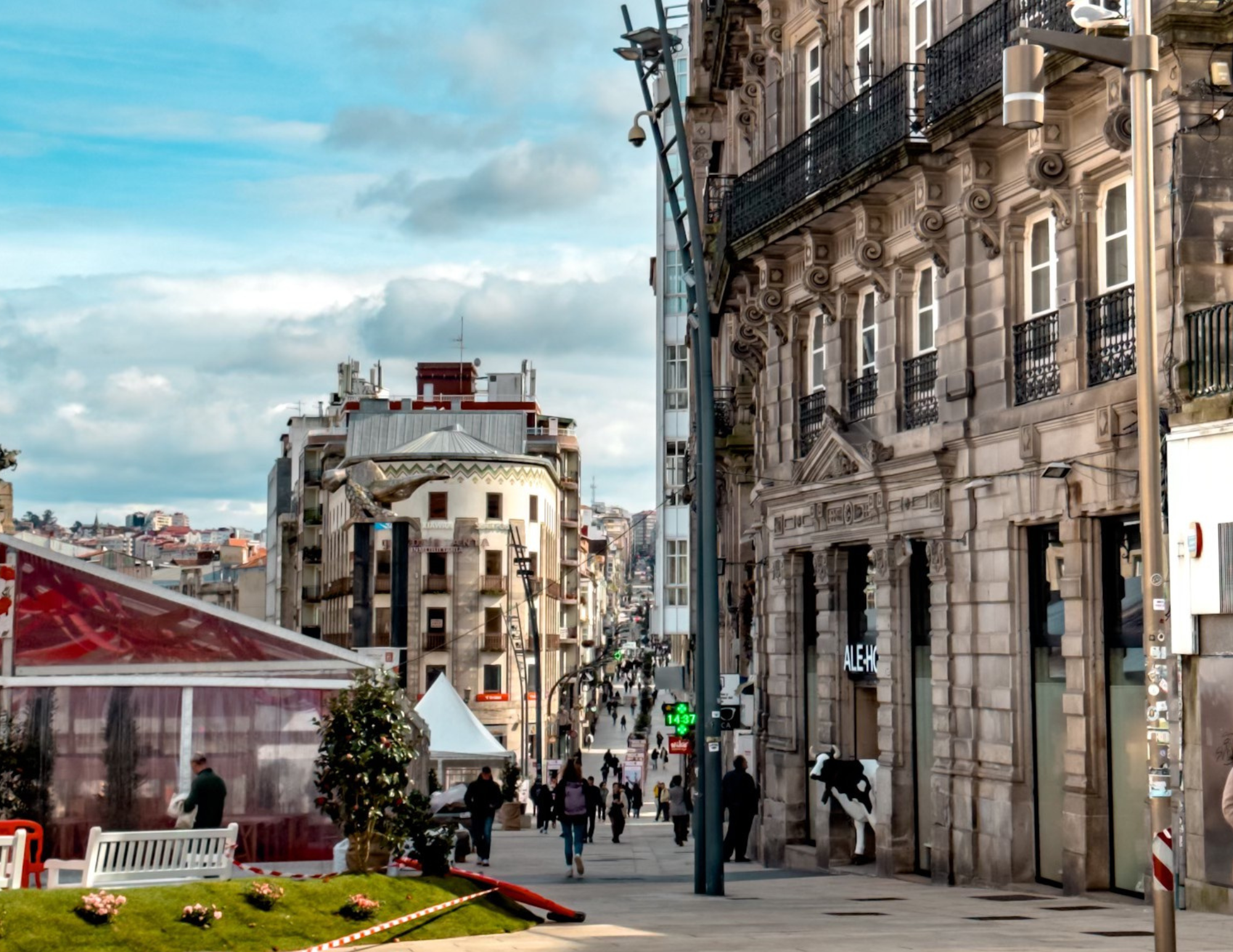
Wander the Smaller Streets of Casco Vello
After you see Praza da Colexiata, A Colexiata, and Porta do Sol, give yourself time to wander the smaller streets.
This is where the Old Town starts to feel more personal. You do not need to know every street name before you go. In fact, I think part of the charm is letting yourself walk without trying to control the whole experience.
Casco Vello has that older-city feeling where streets bend, plazas appear, restaurants sit tucked into corners, and you can move slowly without needing everything to be a major attraction. Vigo tourism mentions streets like Palma, Oliva, and Calle Real as part of the Old Town’s renewed neighborhood life, and that kind of detail is what makes the area feel like more than a preserved historic zone.
I liked that this part of Vigo did not feel overly polished. It still felt lived in. There were places to eat and drink, people moving through the streets, and a sense that the Old Town is still part of daily life.
This is the section of the day where I would put your phone away for a little while, unless you are taking photos. Walk slowly. Look at the buildings. Let yourself get a little turned around. Stop for a coffee, wine, tapas, or something small if the timing feels right.
Not every travel memory comes from the biggest sight. Sometimes it is just a street, a corner, a quiet square, or the feeling of realizing you are enjoying a city you barely knew anything about before arriving.
Notice How the Old Town Slopes Toward the Sea
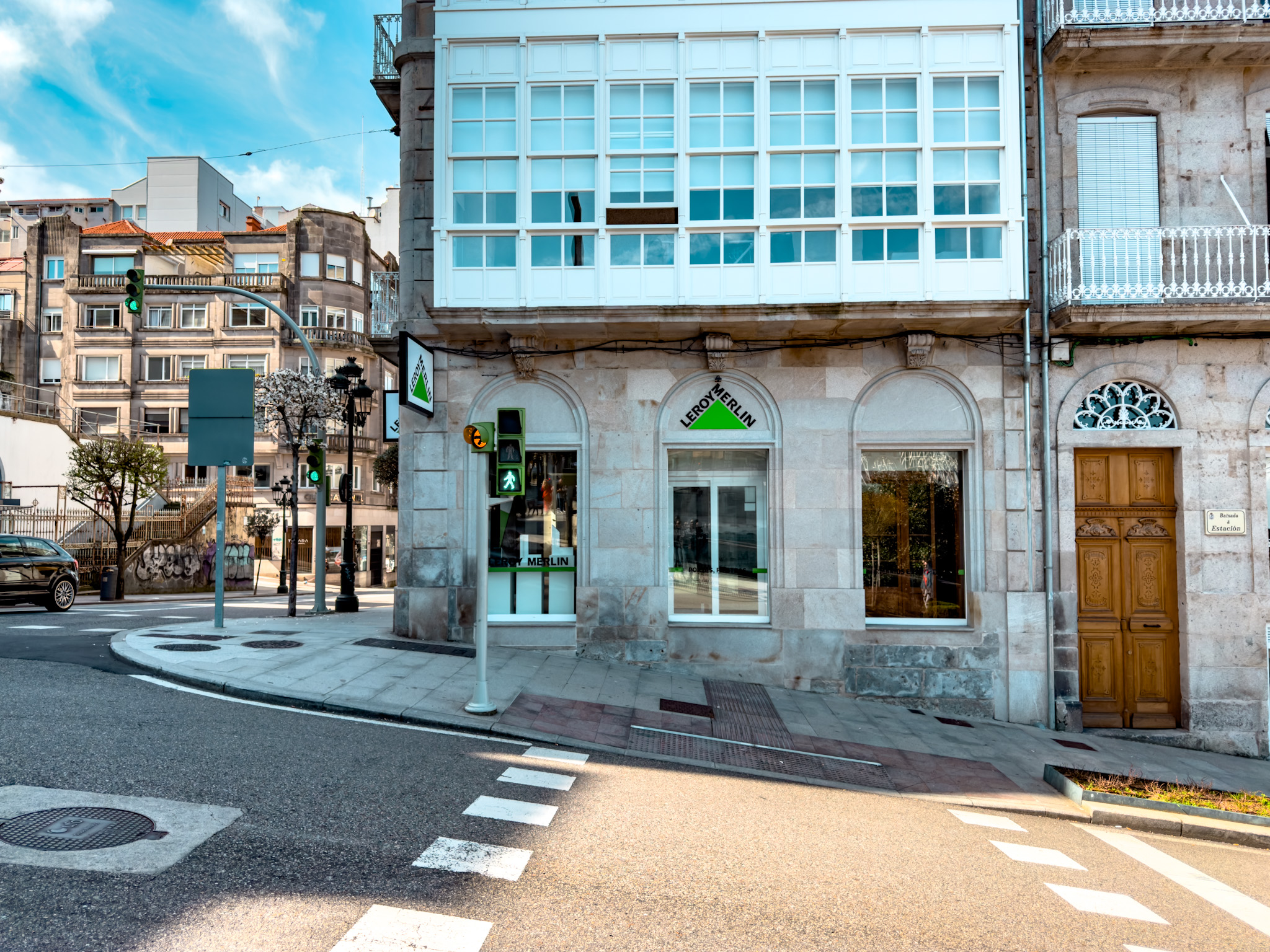
One of the things I liked about Vigo is how the Old Town does not feel separate from the waterfront.
Even when you are not standing directly by the water, the sea feels close. The streets, the food, the port identity, and the city’s layout all remind you that Vigo grew with the water beside it.
The Old Town’s streets and paths move toward the sea, and that makes the historic center feel connected to the port instead of detached from it. That connection is part of what makes Vigo different from some other Spanish cities. You are not just walking an old quarter for history. You are walking through a place shaped by fishing, trade, seafood, and the estuary.
That is why I think the best way to explore Vigo is to pair the Old Town with the waterfront. Start in Casco Vello, spend time around Praza da Colexiata and Porta do Sol, then eventually make your way down toward the marina and port area. That gives you a better sense of the city than seeing either area alone.
For the sea-facing side of the city, read my Vigo Waterfront and Port Guide.

Eat or Drink in the Old Town
The Old Town is also one of the best areas to slow down for food or drinks.
Vigo is a seafood city, and Galicia has such a strong food identity that I would not treat meals as filler here. This is a place where food should be part of the experience. The Old Town gives you plenty of chances to sit down, order tapas, have seafood, try Galician wine, or just take a break between walks.
We had tapas at Pazo da Oliva, which gave us a more polished food stop in the city. It fit well into the pace of Vigo because the day was already built around walking, pausing, and letting the city feel calm instead of rushed.
That is how I would think about food in the Old Town. Do not overpack your day so tightly that you end up grabbing something random just because you are starving. Leave space for a proper stop. Maybe it is tapas. Maybe it is seafood. Maybe it is wine. Maybe it is just coffee and something small.
The point is to let food become part of your memory of the city.
For more on where and what to eat, read my Where to Eat and Drink in Vigo.

Pair the Old Town With MARCO
One of the easiest ways to build a first day in Vigo is to pair the Old Town with MARCO, the Museum of Contemporary Art.
After walking through Casco Vello and Porta do Sol, MARCO is an easy next stop because it sits right in the city center on Príncipe Street. We went inside during our visit, and I thought it was worth stopping into. It was free to enter, compact, and easy to add without taking over the whole day.
This is especially useful if you visit Vigo in winter or on a rainy day. We were there near the end of winter, so having an indoor cultural stop made sense. The museum gave us a break from walking outside, but still felt connected to the flow of the day because it was so central.
I also liked that it added another layer to the city. Vigo is easy to think of as Old Town, port, seafood, and waterfront, but MARCO brings in contemporary art and a more modern cultural side.
So if you are planning a first-time walk, I would do Old Town first, Porta do Sol next, and then MARCO if it is open and you want an indoor stop.
For the full museum guide, read my MARCO Vigo Museum Guide.
Pair the Old Town With the Waterfront
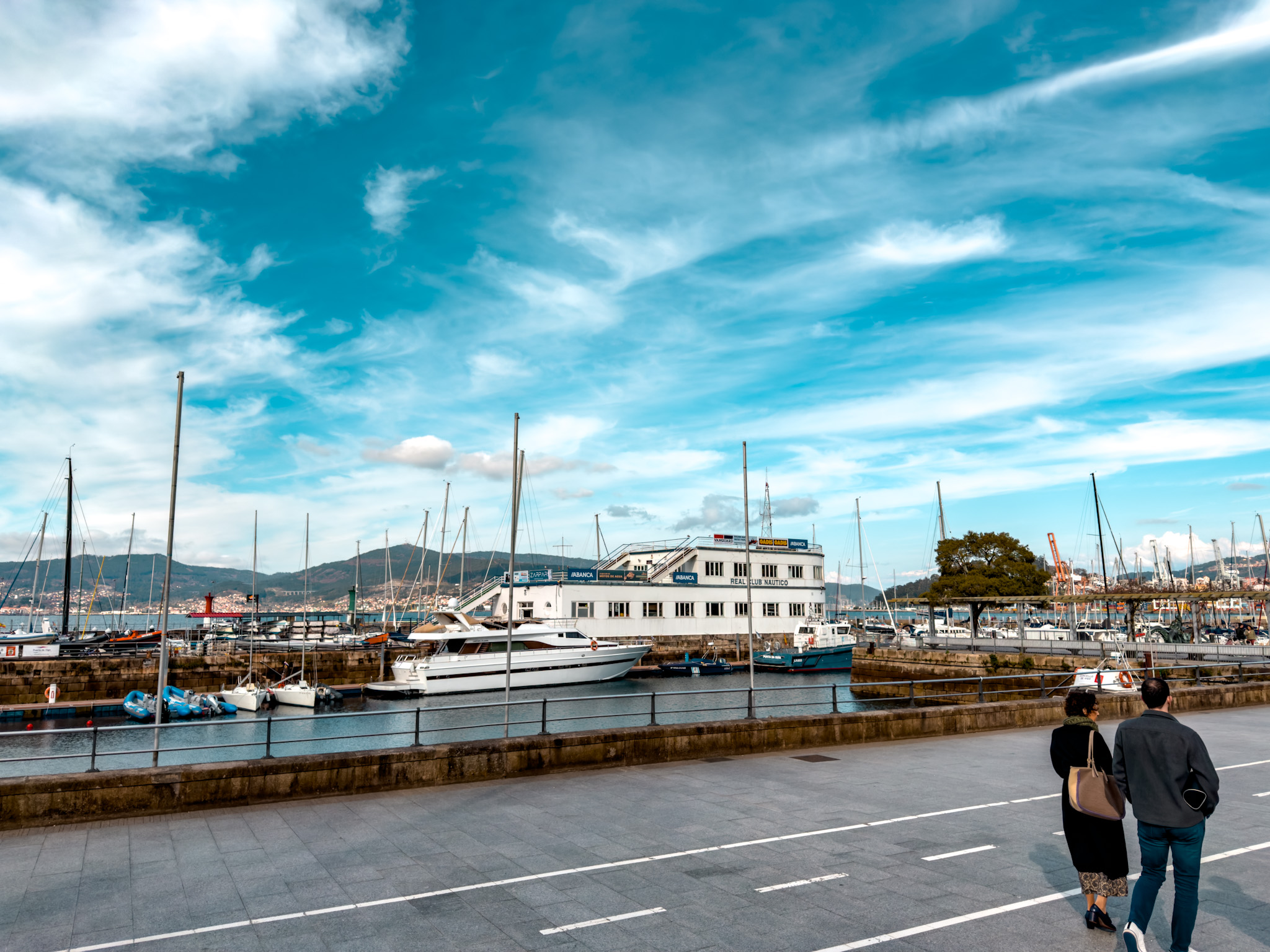
The other natural pairing is Old Town plus waterfront.
This is probably my favorite combination for Vigo because it gives you both sides of the city. You get the historic streets and plazas first, then you move toward the water and feel how Vigo opens up.
When we walked the waterfront, it was a weekend and the area was full of families, couples, and friends. People were sitting, talking, eating, walking, and just enjoying the water. It felt peaceful and local, not like a show put on for visitors.
That made the Old Town and waterfront combination feel even more complete. The Old Town gave me history and atmosphere. The waterfront gave me everyday Vigo. Together, they made the city feel real.
If you only have one day in Vigo, this is exactly how I would spend a good portion of it. Start in Casco Vello, walk through Porta do Sol, maybe stop at MARCO, then make your way toward the waterfront. Add food somewhere in the middle, and you have a solid first day without turning it into a stressful itinerary.
For a full two-day plan, read my 48 Hours in Vigo Itinerary.
How Much Time Do You Need in Vigo’s Old Town?
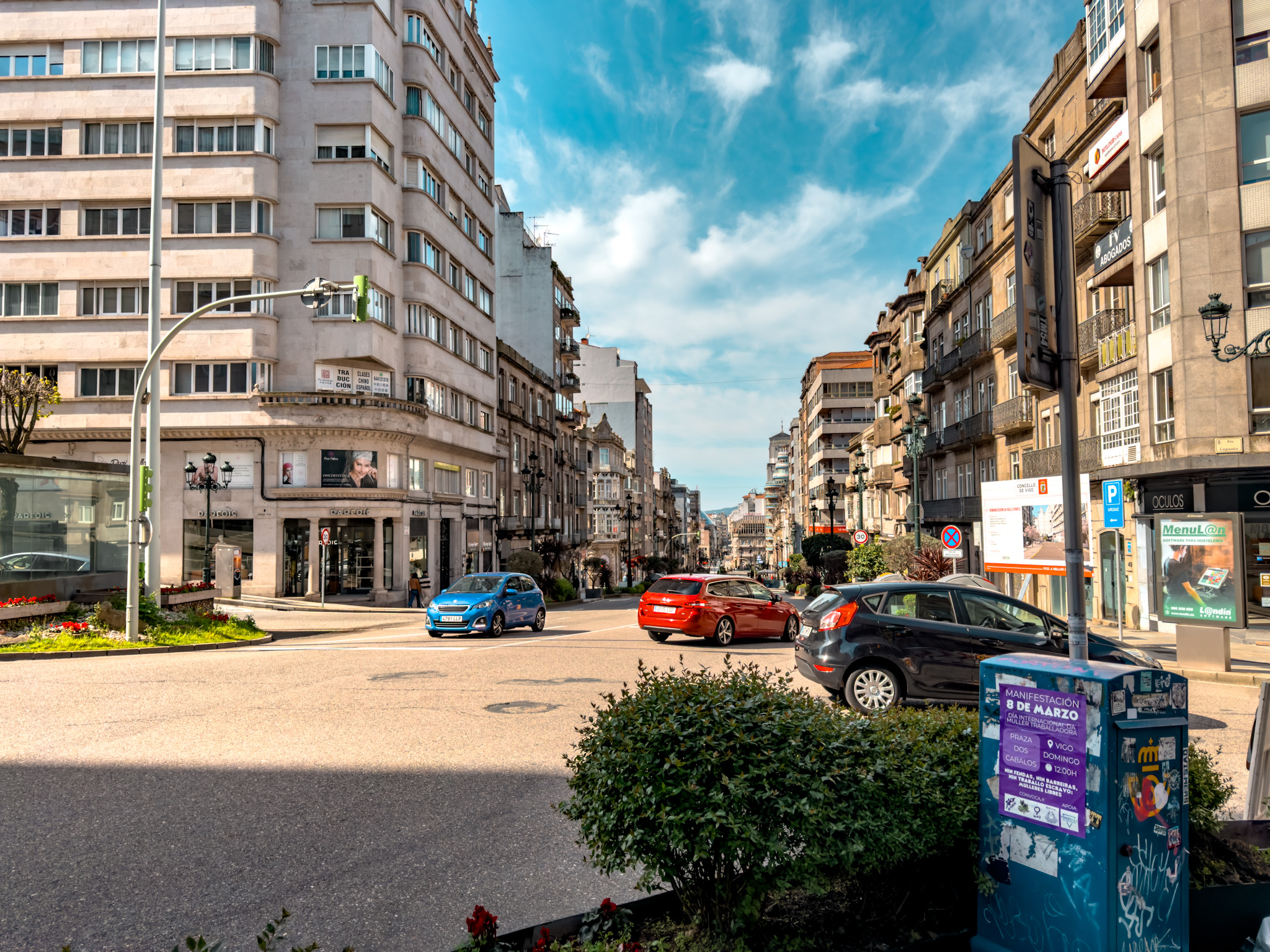
You can see the main parts of Vigo’s Old Town in a couple of hours, but I would give it more time if you can.
If you are only passing through, you can start at Praza da Colexiata, see the Co-Cathedral, walk through nearby streets, pass through Porta do Sol, and continue toward the waterfront or MARCO. That gives you a good introduction.
But if you have a slower travel style, I would stretch it out. Give yourself time to sit somewhere, eat, drink, take photos, and wander without constantly checking the time. The Old Town is not about racing through a list. It is about letting Vigo feel like a place instead of just another stop.
For me, this area worked best because I was not expecting it to be dramatic. I was not looking for one huge famous attraction. I was just walking, noticing, and enjoying the quiet beauty of a city I had barely heard much about before arriving.
That is the kind of energy Vigo’s Old Town gives you.
Is Vigo’s Old Town Worth Visiting?
Yes, Vigo’s Old Town is worth visiting.
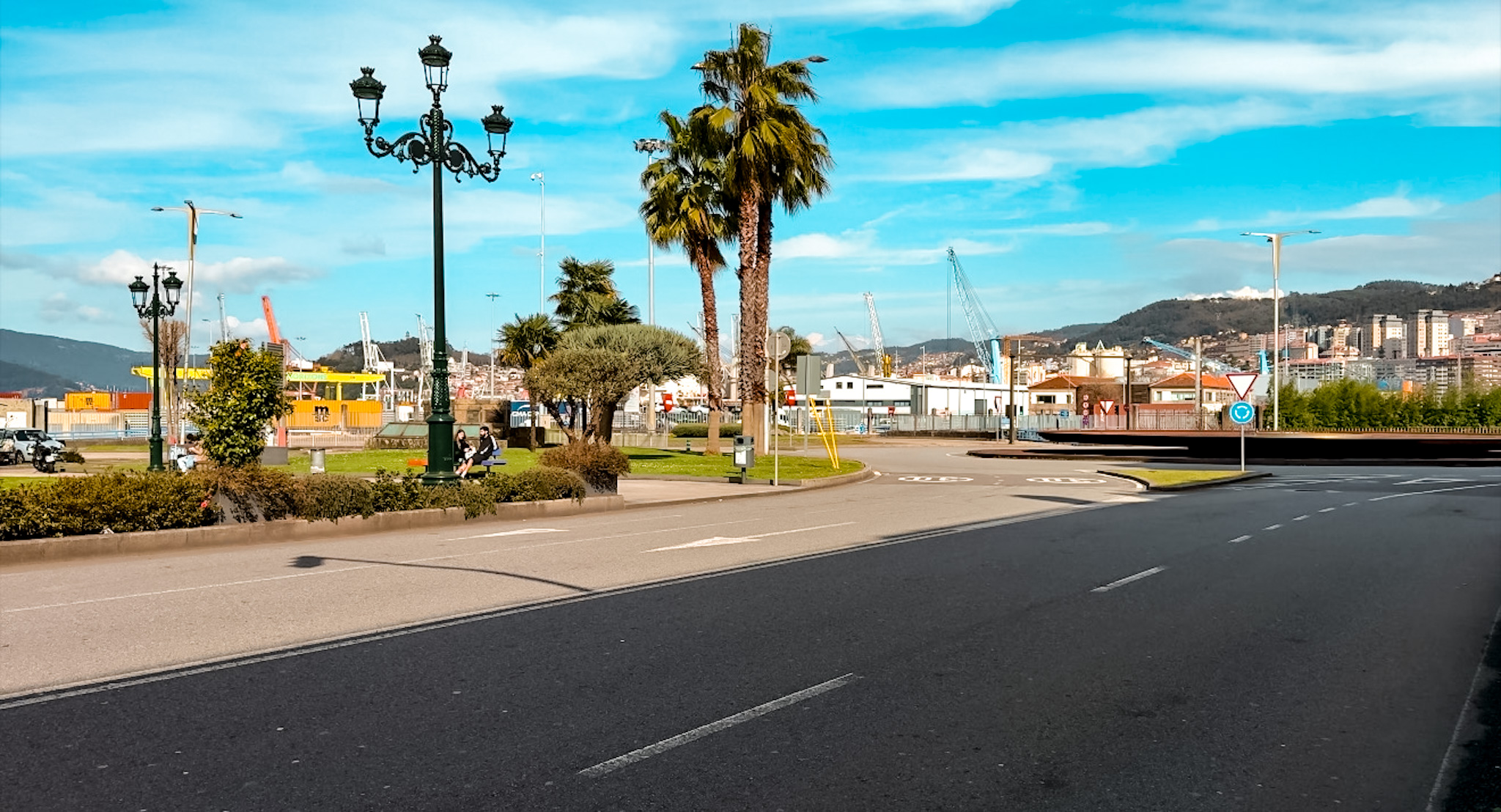
It may not be the most famous historic center in Spain, but that is part of why I liked it. It felt more relaxed, less crowded, and more connected to local life. You still get history, plazas, a cathedral, narrow streets, food, and a strong sense of place, but without that overwhelming feeling some bigger tourist cities can have.
I would especially recommend it if you are already spending one or two days in Vigo. The Old Town gives you the historic side of the city, and it connects easily with the waterfront, Porta do Sol, MARCO, and O Castro.
It is also one of the best areas for first-time visitors because it helps you understand Vigo quickly. You can see where the older city sits, how it connects to the modern center, and how close everything is to the sea.
If you are wondering whether Vigo belongs on your Galicia itinerary at all, this is one of the areas that makes the case for it.
For more on whether the city is worth adding to your route, read my Is Vigo Worth Visiting Guide
Tips for Visiting Vigo’s Old Town
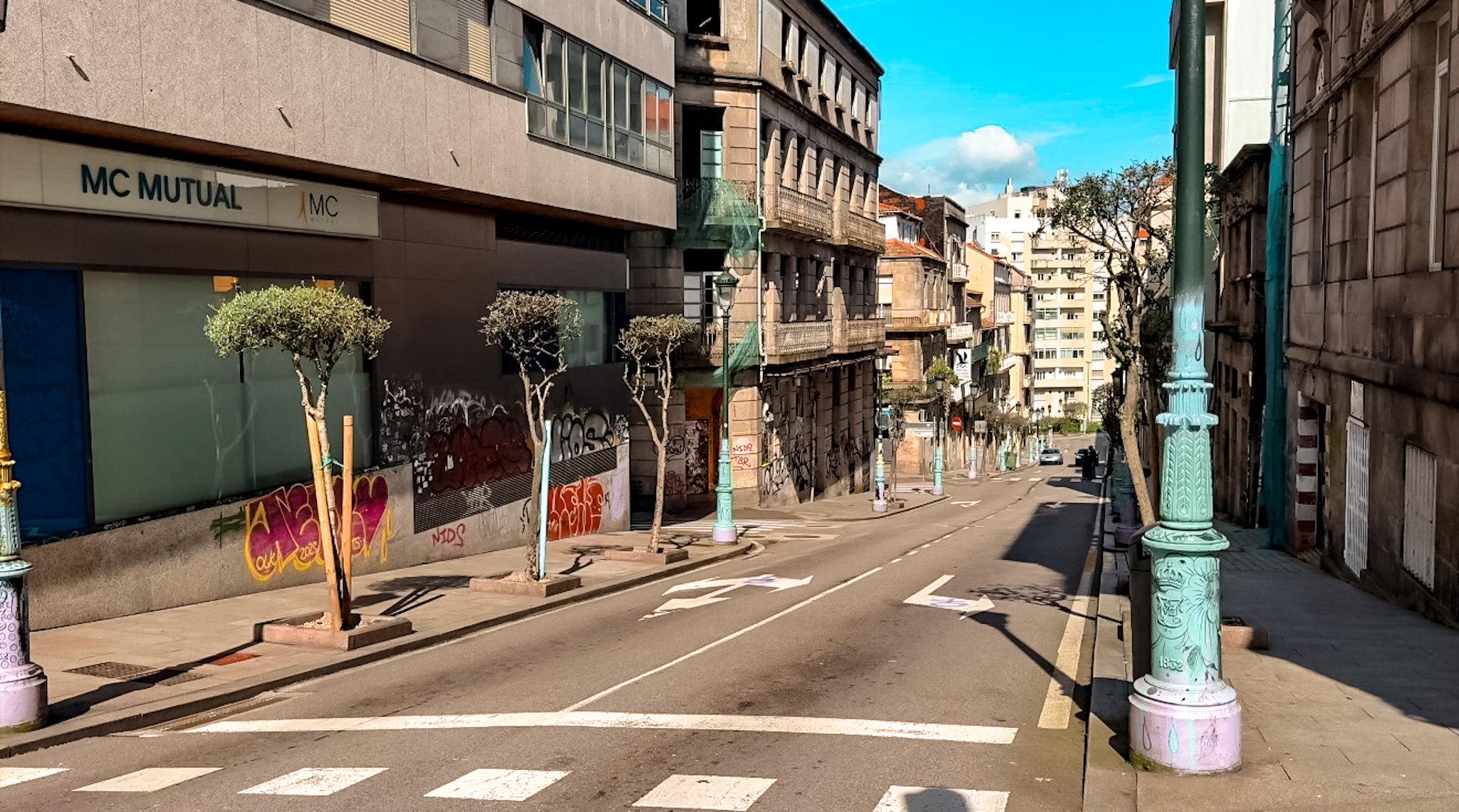
Wear comfortable shoes because Vigo is a walking city, and some areas are not perfectly flat. You do not need hiking gear for the Old Town, but you should expect to move up and down a bit as you explore.
Start around Praza da Colexiata if you want an easy historic anchor point. From there, you can see the Co-Cathedral, wander the streets, and move naturally toward Porta do Sol.
Do not rush the area. Casco Vello is compact, but the experience is better when you give yourself time to wander, stop for food, and sit somewhere for a little while.
Pair the Old Town with the waterfront if you only have one day. That gives you the historic and sea-facing sides of Vigo in the same walk.
Check the weather if you are visiting in winter or early spring. We had cold and some rain, but also good days. The Old Town still works in cooler weather, but layers make the day more comfortable.
Leave room for food. Vigo is not a city where I would treat meals as something to squeeze in at the last minute.
A Simple Vigo Old Town Walking Route
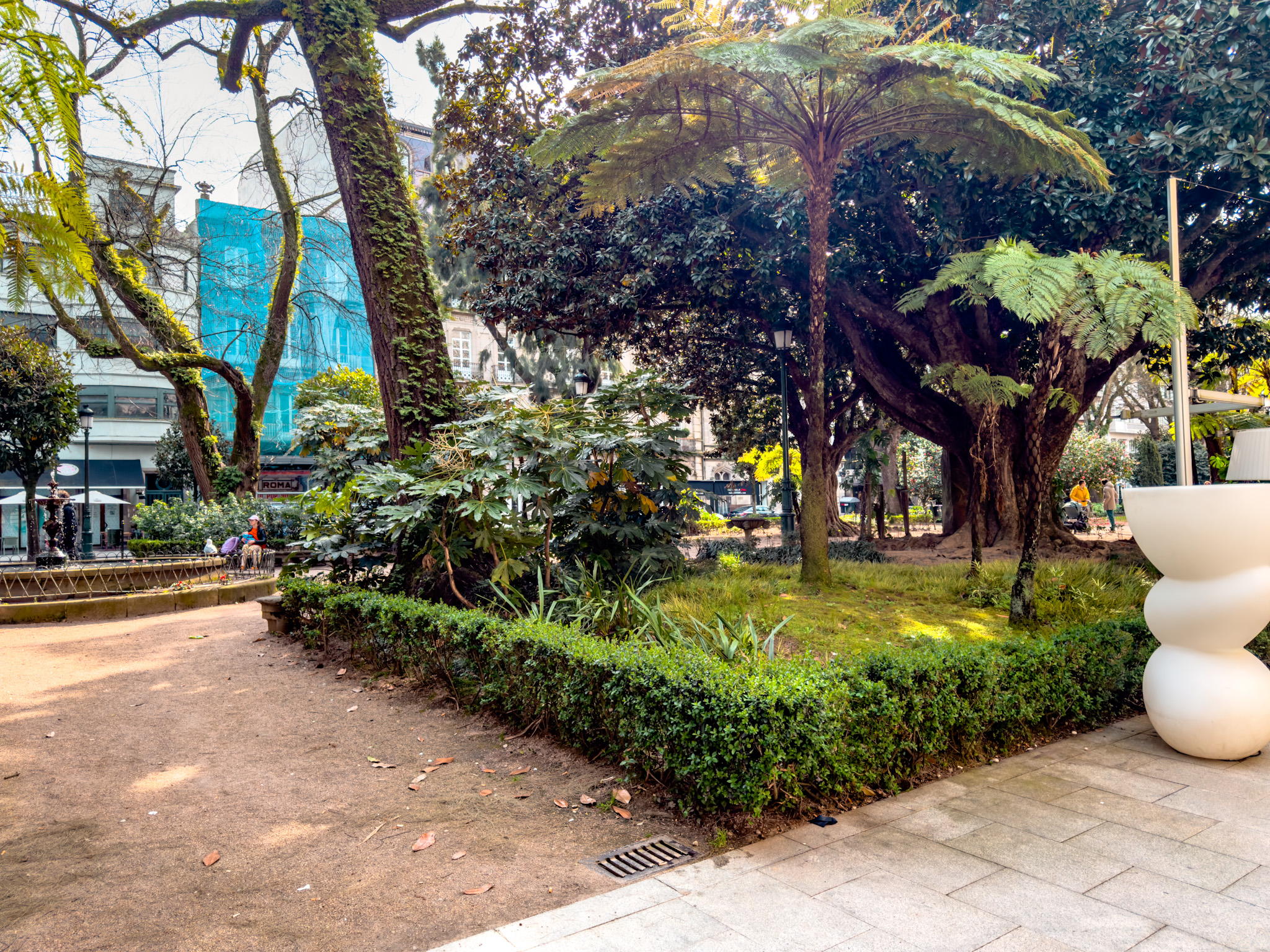
If you want a simple route, start at Praza da Colexiata.
Spend time around the square, then visit or walk around the Co-Cathedral of Santa María de Vigo. From there, wander through the nearby Old Town streets without rushing. Let yourself stop for photos, look down side streets, and take in the quieter historic feel.
Next, make your way toward Porta do Sol. Pause to see O Sireno, get your bearings, and notice how the city changes from the Old Town into the more modern center.
From Porta do Sol, you can continue toward MARCO if you want a museum stop, or head down toward the waterfront if you want to keep the walk focused on the sea-facing side of the city.
If you have more time, stop for tapas or a drink before moving on. That is what makes the Old Town feel better. Not just seeing it, but actually spending time there.
Final Thoughts on Vigo’s Old Town
Vigo’s Old Town is one of the reasons the city surprised me.
I did not come to Vigo with a long list of expectations. I did not know much about the city before visiting, and I was not expecting it to become some huge Spain highlight. But walking through Casco Vello, starting around Praza da Colexiata, passing through Porta do Sol, seeing A Colexiata, and feeling how close everything was to the water helped me understand the city better.
It was quiet, beautiful, a little cold, sometimes rainy, and very much worth the stop.
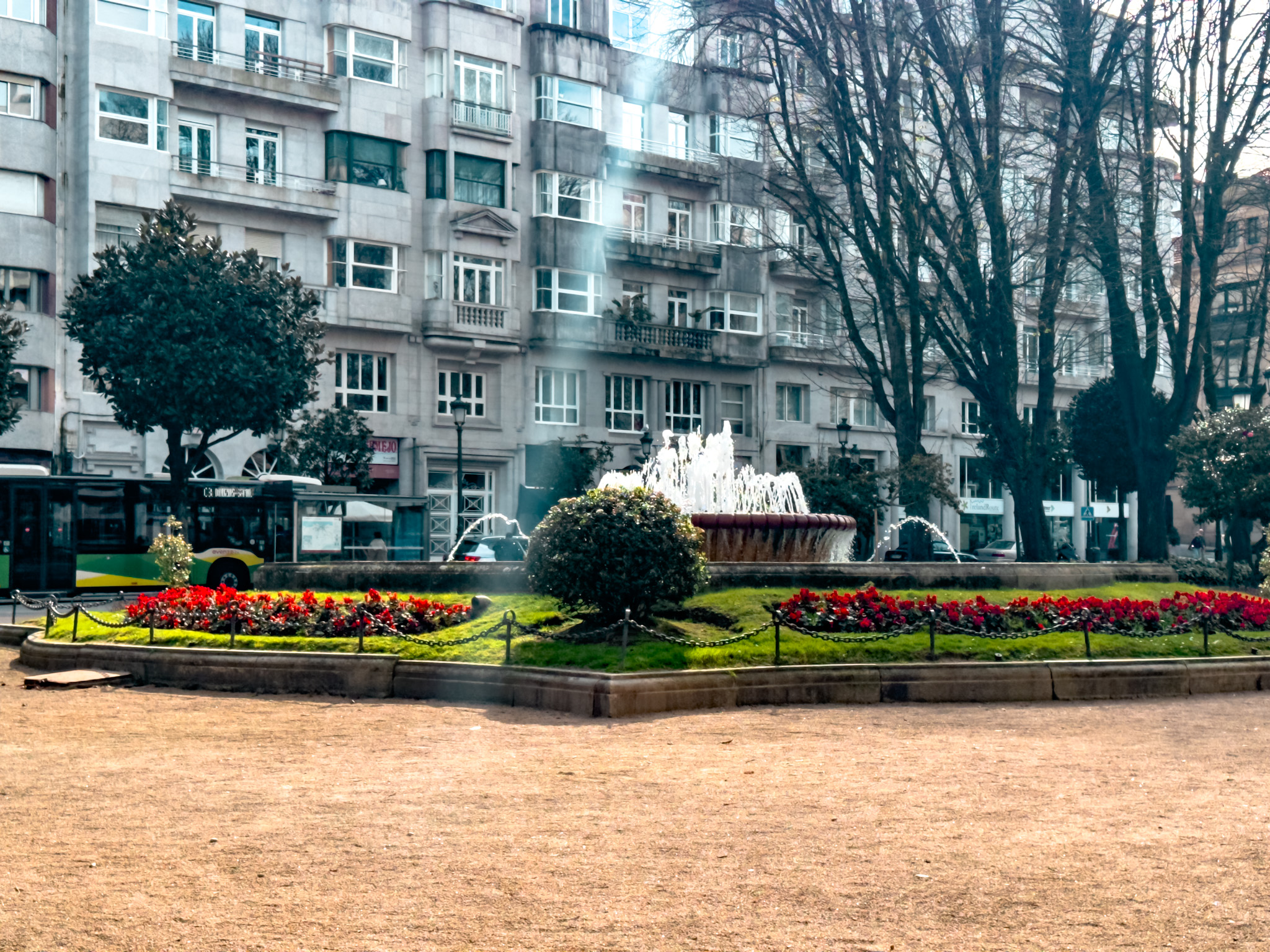
The Old Town is not about one dramatic moment. It is about the slow build. The streets, the plazas, the cathedral, the food, the walk toward the waterfront, and that feeling of being in a city people might overlook but should not.
Sometimes that is what makes a place memorable.
Vigo did not need to shout to make an impression. It just needed me to slow down long enough to notice it.

Cavetta is the creator of LifeWithVetta.com and has been traveling the world full time since 2020. She has visited more than 60 countries while worldschooling her son and documenting what it really takes to live abroad. Her guides focus on travel, moving abroad, digital nomad life, and designing a life beyond the traditional path.
