
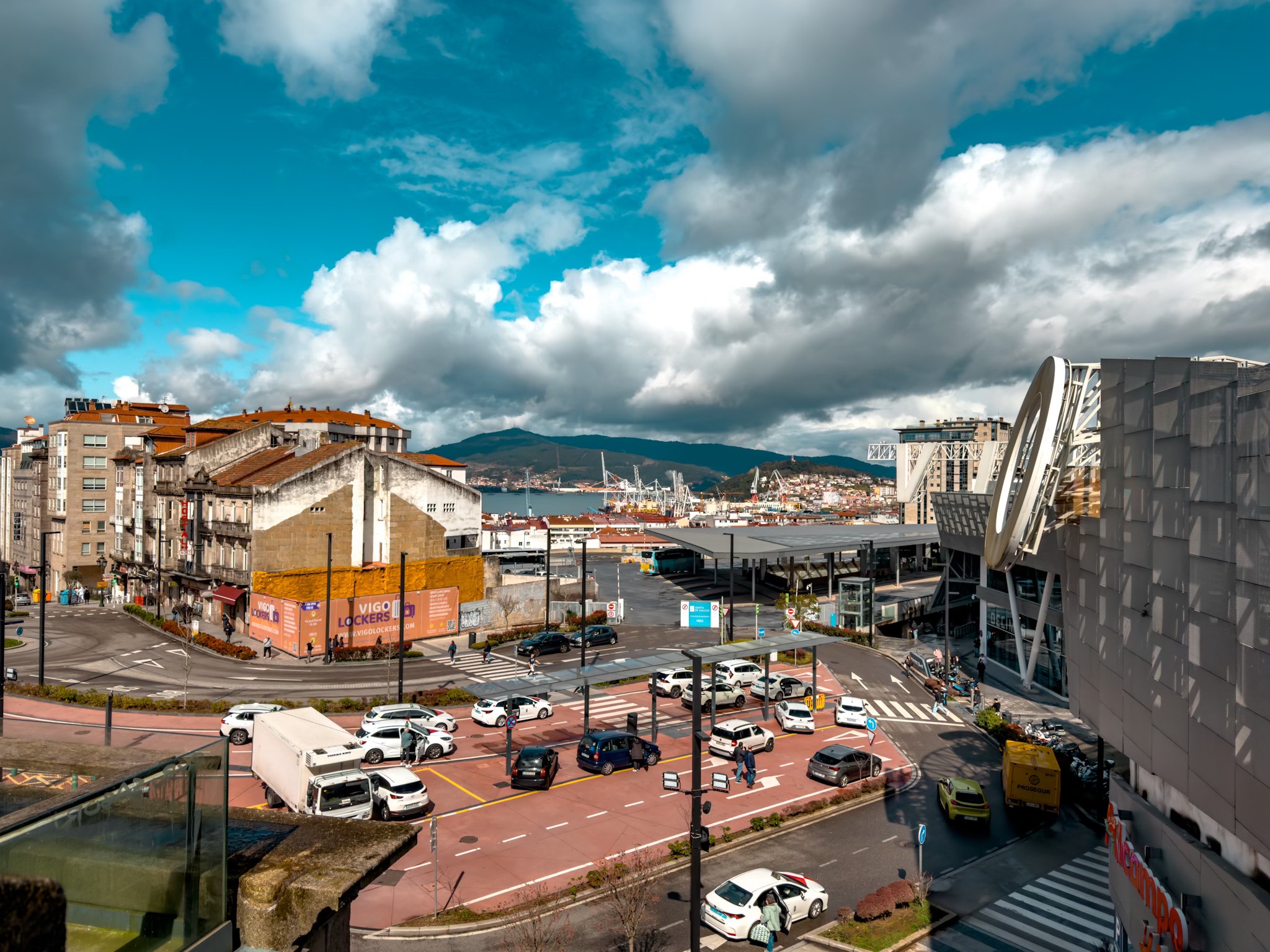
Vigo is one of those cities that does not need to be rushed.
That was one of the things I appreciated most about it. I did not arrive in Vigo with a huge list of famous attractions or a packed schedule that had us running from one place to the next. We were moving through Europe, doing our Schengen shuffle, and came into Vigo from Porto as part of a slower route through northern Portugal and Spain.
Before this trip, I had only been to Madrid, so Galicia already felt like a different side of Spain for me. Vigo did not feel like the Spain people usually picture first. It felt quieter, more local, coastal, and a little underrated. It had Old Town streets, a working port, waterfront walks, a compact art museum, seafood, plazas, hilltop views, and enough to do without making the whole visit feel overwhelming.
We visited toward the end of winter, so this was not a beach version of Vigo. It was still cold. We had some rainy moments. But we also had good weather days, and those good days gave the city a calm, beautiful feeling. That is why I think 48 hours in Vigo works well. You have enough time to see the main parts of the city, but also enough space to experience it slowly.
If you only have one day, you can still get a good feel for Vigo. But with two days, you can enjoy it more. You can walk the Old Town without rushing, go inside MARCO, spend time near the waterfront, climb up to O Castro, sit for tapas, and let the city feel less like a checklist.
This 48-hour Vigo itinerary is based on what we actually did, with a little extra structure so you can plan your own trip more easily.
For the full overview of the city before you start planning, read my Vigo Travel Guide. If you want the bigger list of what to see, I also have my Best Things to Do in Vigo Guide.
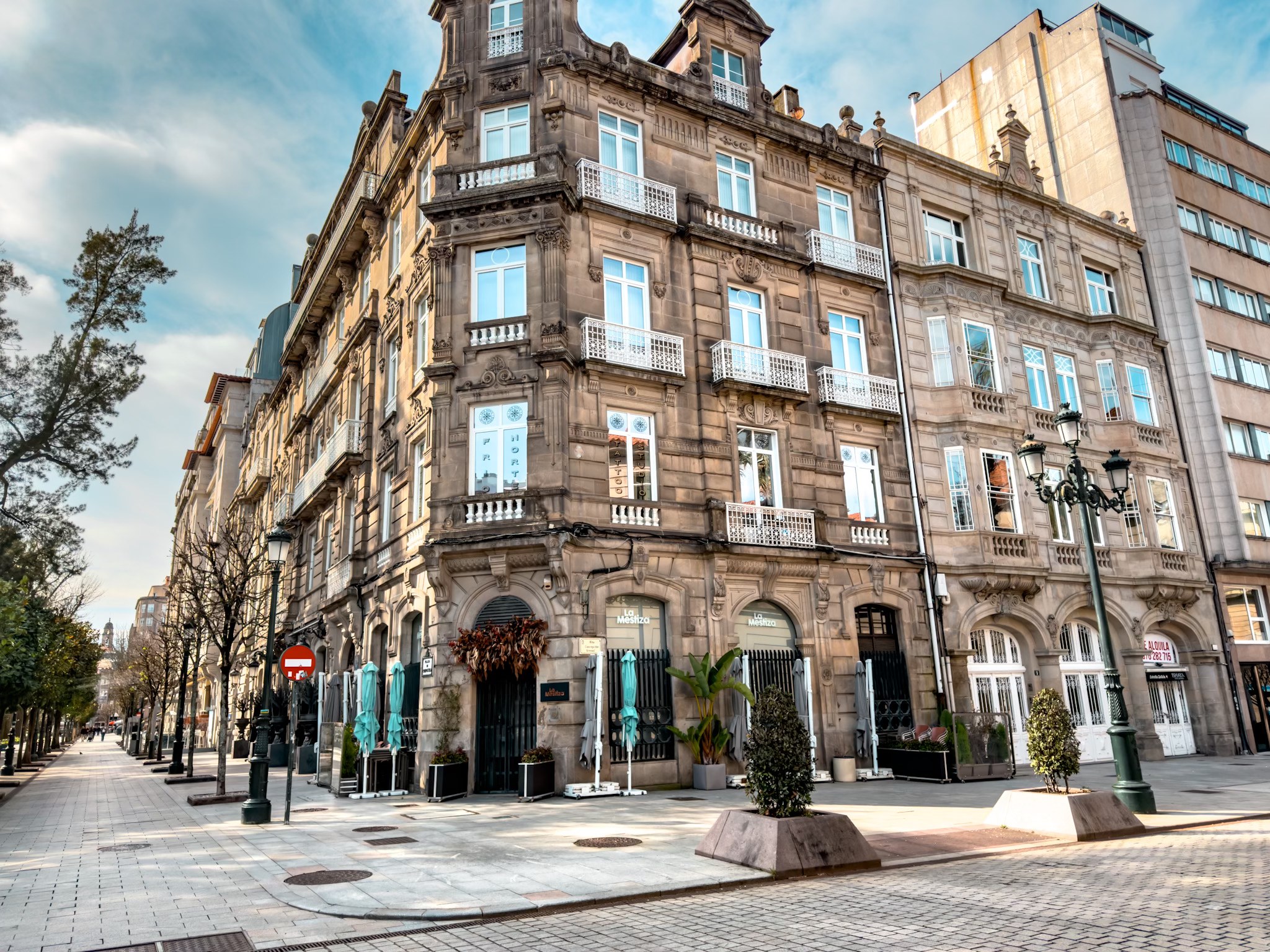
Is 48 Hours Enough for Vigo?
Yes, 48 hours is enough for a first trip to Vigo.
You will not see every beach, every neighborhood, or every nearby island, but you can absolutely get a strong feel for the city in two days. Vigo’s central areas are manageable, especially if you like walking. The Old Town, Porta do Sol, MARCO, the waterfront, and plenty of food stops can all fit into a relaxed first day. O Castro, slower wandering, more waterfront time, and another good meal can easily fill the second day.
I actually think two days is better than one because Vigo is not a city that needs to be consumed quickly. It is more enjoyable when you let it breathe a little. This is not a place where I would recommend stacking ten attractions in one day and treating every stop like a box to check.
Vigo works better when you walk, pause, eat, look around, and let the city surprise you.
If you are coming from Porto like we did, 48 hours also makes the trip feel more worthwhile. You are not just hopping over for a rushed few hours. You are giving yourself enough time to notice the difference between Portugal and Galicia, to settle into Vigo’s slower rhythm, and to see why this city is worth adding to a northern Spain itinerary.
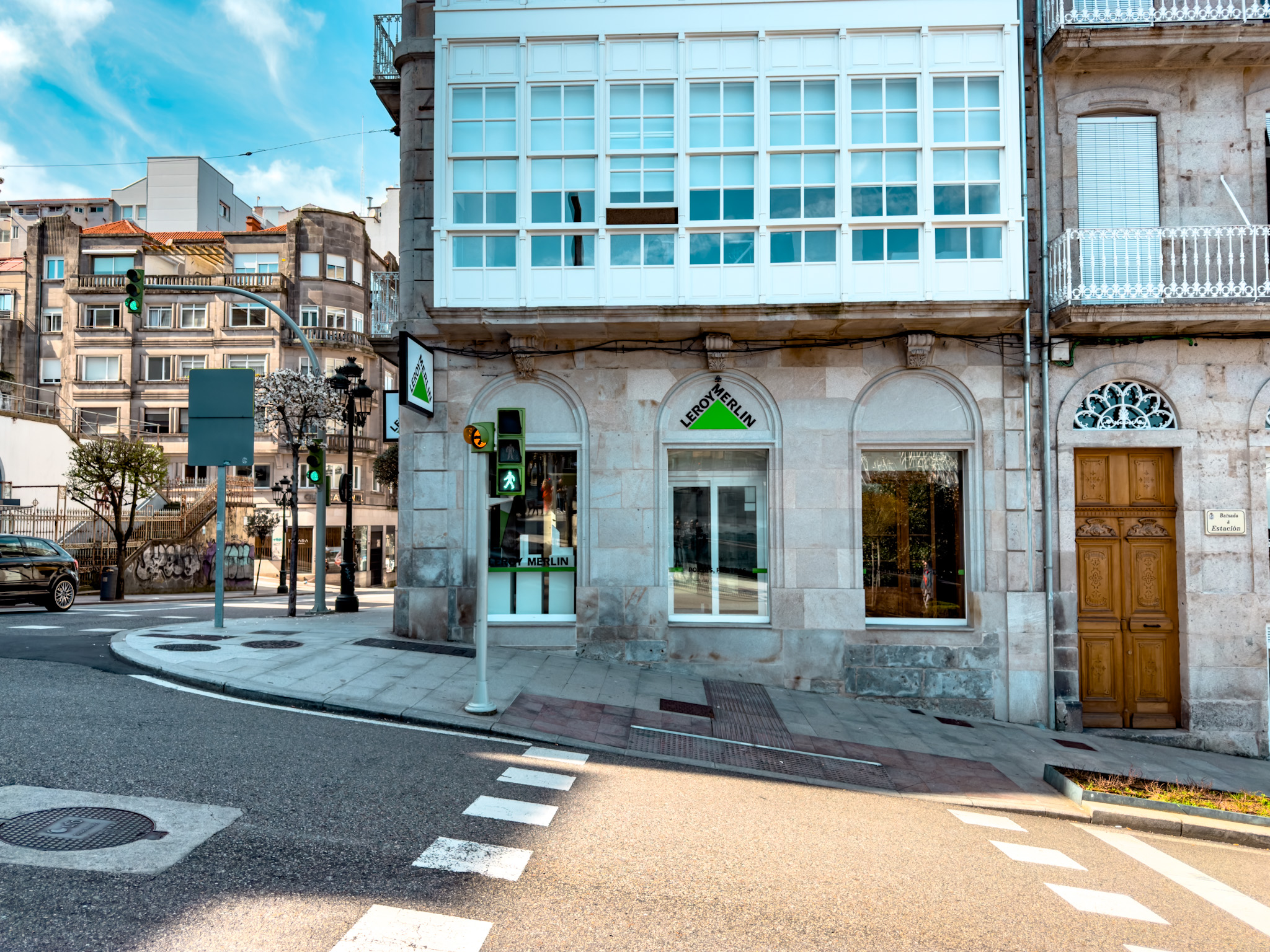
Day 1 Morning: Start in Vigo’s Old Town
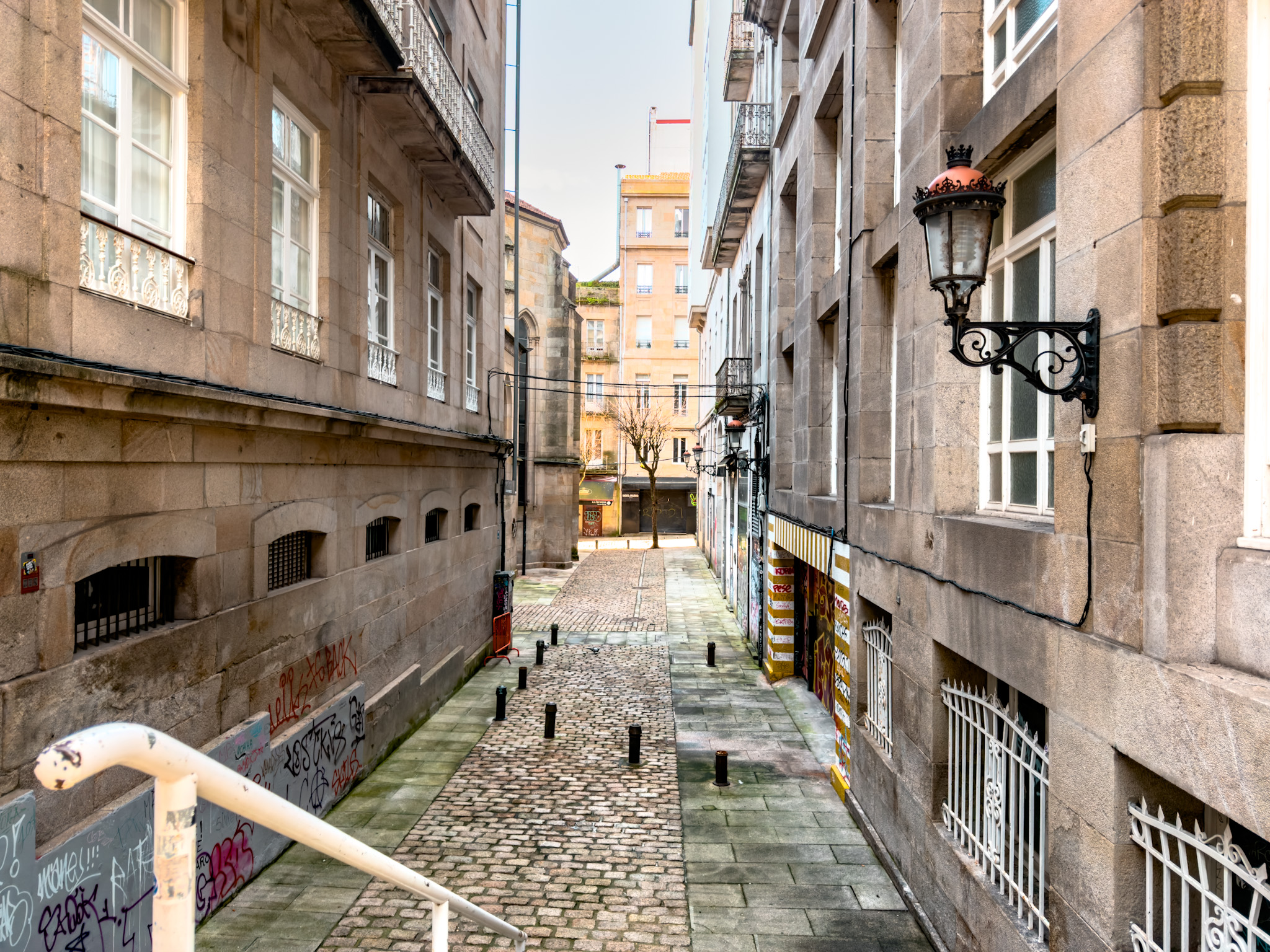
Start your first morning in Casco Vello, Vigo’s Old Town.
This is the best introduction to the city because it gives you that older, more textured side of Vigo right away. The Old Town is where you find narrow streets, historic buildings, plazas, restaurants, cafes, and the kind of wandering that helps you understand a city beyond its major landmarks.
I would begin around Praza da Colexiata. It is one of the easiest places to orient yourself in the Old Town, especially because the Co-Cathedral of Santa María de Vigo is right there. From this area, you can walk slowly through the surrounding streets and let the morning unfold without feeling like you need a strict route.
This is also the kind of area where I think it is okay to move slowly. Look at the buildings. Stop in a small square. Take photos. Let yourself turn down a street just because it looks interesting. Vigo’s Old Town is not massive, but that is part of what makes it manageable and pleasant.
Praza da Colexiata is a great place to begin because it gives you an immediate sense of history. You are close to the cathedral, close to the Old Town streets, and close enough to keep moving toward Porta do Sol when you are ready.
For a deeper guide to this area, read my Vigo Old Town Guide.
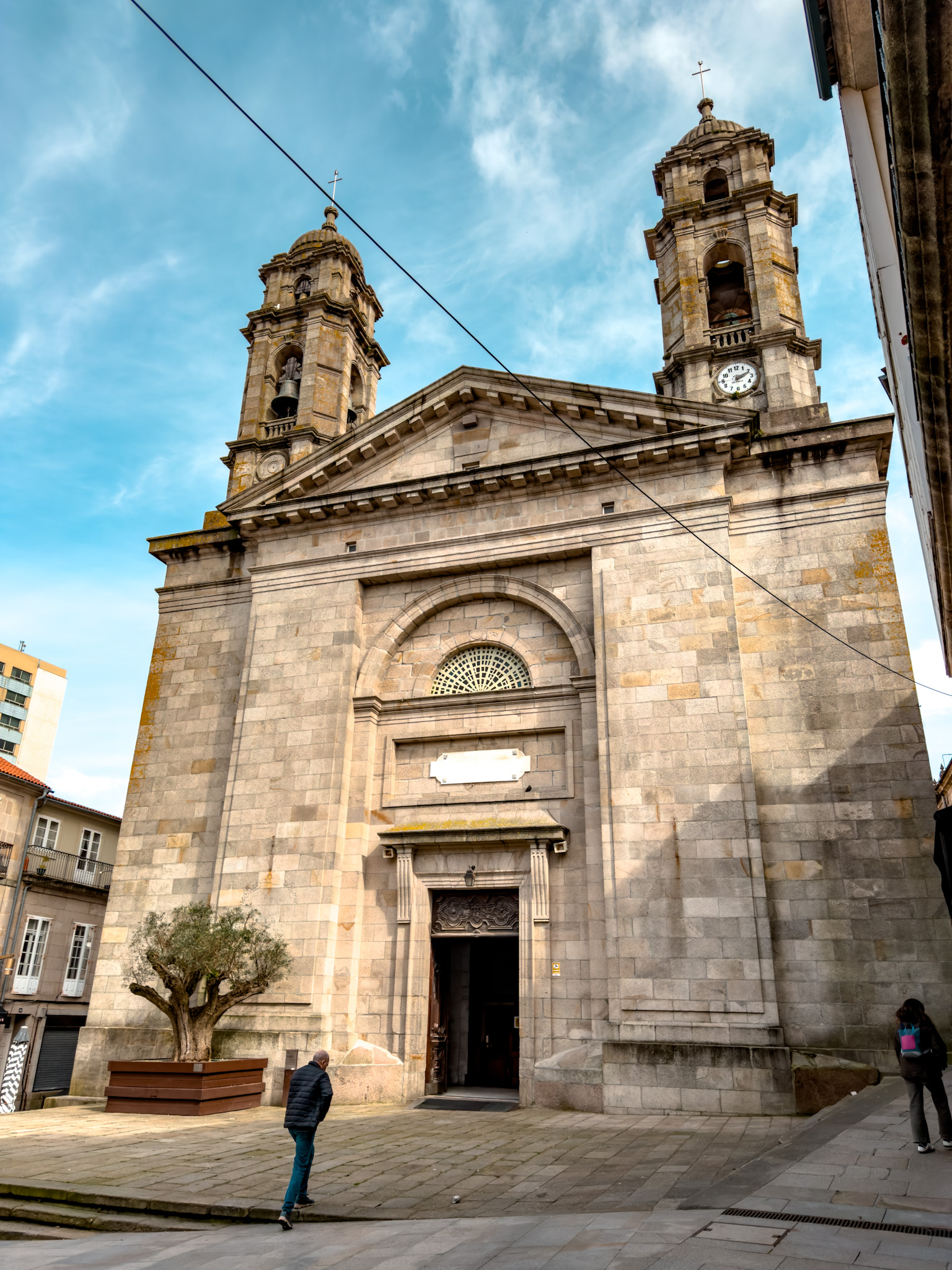
Day 1 Morning: Visit the Co-Cathedral of Santa María de Vigo
While you are in the Old Town, visit the Co-Cathedral of Santa María de Vigo, also known as A Colexiata.
This is one of the main historic stops in the center of Vigo, and it fits naturally into a morning Old Town walk. You do not have to plan your whole day around it, but it is worth seeing while you are already in Praza da Colexiata.
I like stops like this because they give a wandering day a little structure. Instead of just walking without context, you have a historic anchor point. You can see the cathedral, spend time around the square, and then continue into the surrounding streets.
This is also a good moment to remind yourself that Vigo has more layers than people might expect. It is easy to think of the city only as a port city or seafood stop, but the Old Town and cathedral area show its historic side too.
For more detail on this stop, read my Co-Cathedral of Santa María Vigo Guide.
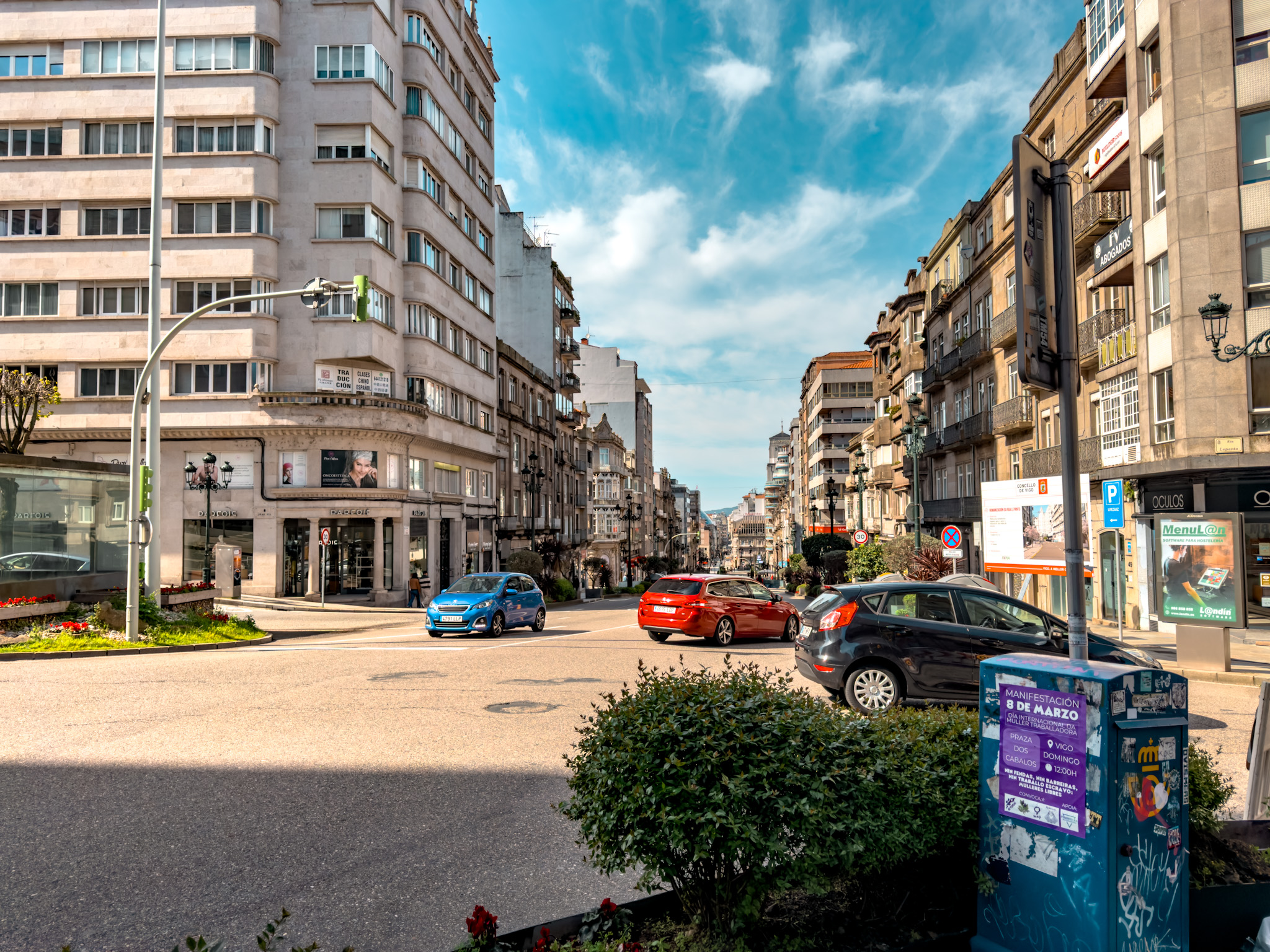
Day 1 Late Morning: Walk Toward Porta do Sol
After exploring around Praza da Colexiata and the Co-Cathedral, walk toward Porta do Sol.
This is one of the main central squares in Vigo, and it is an easy place to use as a transition between the Old Town and the more modern city center. You can feel the shift as you move from the older streets into a wider, busier part of Vigo.
Porta do Sol is also where you will see O Sireno, the merman sculpture that has become one of the city’s recognizable symbols. It fits Vigo well because this is a city shaped by the sea. Even when you are not standing right at the water, the maritime identity is still there in the food, the port, the estuary, and the way the city feels.
This is a good place to pause, take photos, and get your bearings. From here, you can keep walking toward Príncipe Street and MARCO, or you can branch back into the Old Town if you feel like you rushed through it too quickly.
I would not treat Porta do Sol as a long stop, but I would not skip it either. It helps you understand the layout of central Vigo and how the historic and modern parts of the city connect.
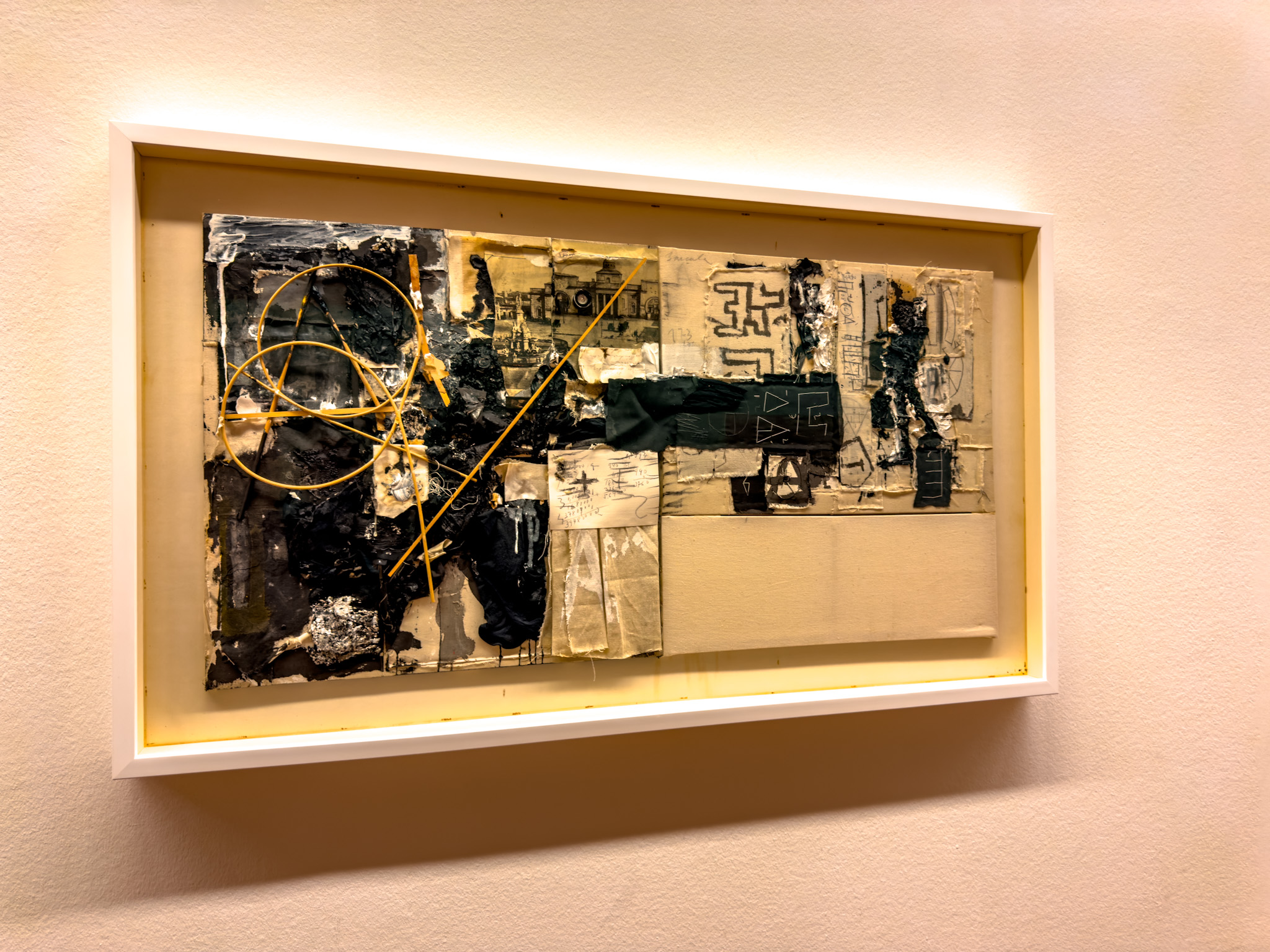
Day 1 Afternoon: Visit MARCO Vigo
After Porta do Sol, continue toward MARCO, Vigo’s Museum of Contemporary Art.
This was one of the easiest stops to add to our day because it is right in the city center on Príncipe Street. We actually went inside and visited, and I thought it was worth stopping into. It was free when we visited, compact, and manageable, which made it perfect for a walking-heavy day.
I love a museum that does not take over the entire itinerary. MARCO gave us an indoor break, which was especially nice since we were visiting near the end of winter and the weather was still cold and a little rainy at times. It added a modern cultural layer to the day without making us feel like we had to commit several hours.
This is also a good reminder that Vigo is not only about the port, seafood, and waterfront. MARCO gives the city another side. It is contemporary, central, and easy to include even if you are only in Vigo for two days.
If you like art, free cultural stops, or need something indoors because the weather is not cooperating, this is a strong addition to your itinerary.
For more details, read my MARCO Vigo Museum Guide.

Day 1 Afternoon: Eat Tapas or Take a Slow Food Break
After a morning of walking and a museum stop, this is a good time to slow down for food.
One place we ate in Vigo was Pazo da Oliva, where we had tapas. It felt like a good fit for the city because it was a little more polished, but still worked as part of a relaxed day. Vigo is a seafood and Galician food city, so food should not be treated like an afterthought here.
If you eat seafood, this is the kind of city where you should try to build that into your visit. Galicia is known for its seafood, and Vigo’s connection to the water makes that part of the experience feel natural. Think octopus, mussels, oysters, grilled fish, razor clams, tapas, Galician wine, and simple meals that feel connected to where you are.
Even if you do not go to Pazo da Oliva, I would still use this part of the day for a real meal instead of rushing. Sit down somewhere in or near the Old Town. Order something local. Try a glass of wine if that is your thing. Let food be part of the itinerary, not just a break from it.
For more food ideas, read my Where to Eat and Drink in Vigo.

Day 1 Late Afternoon: Walk the Waterfront and Port Area
After lunch or tapas, head toward the waterfront.
This was one of my favorite parts of Vigo because it gave the city a completely different feeling from the Old Town. The streets opened up, the water came into view, and you could really feel Vigo as a port city.
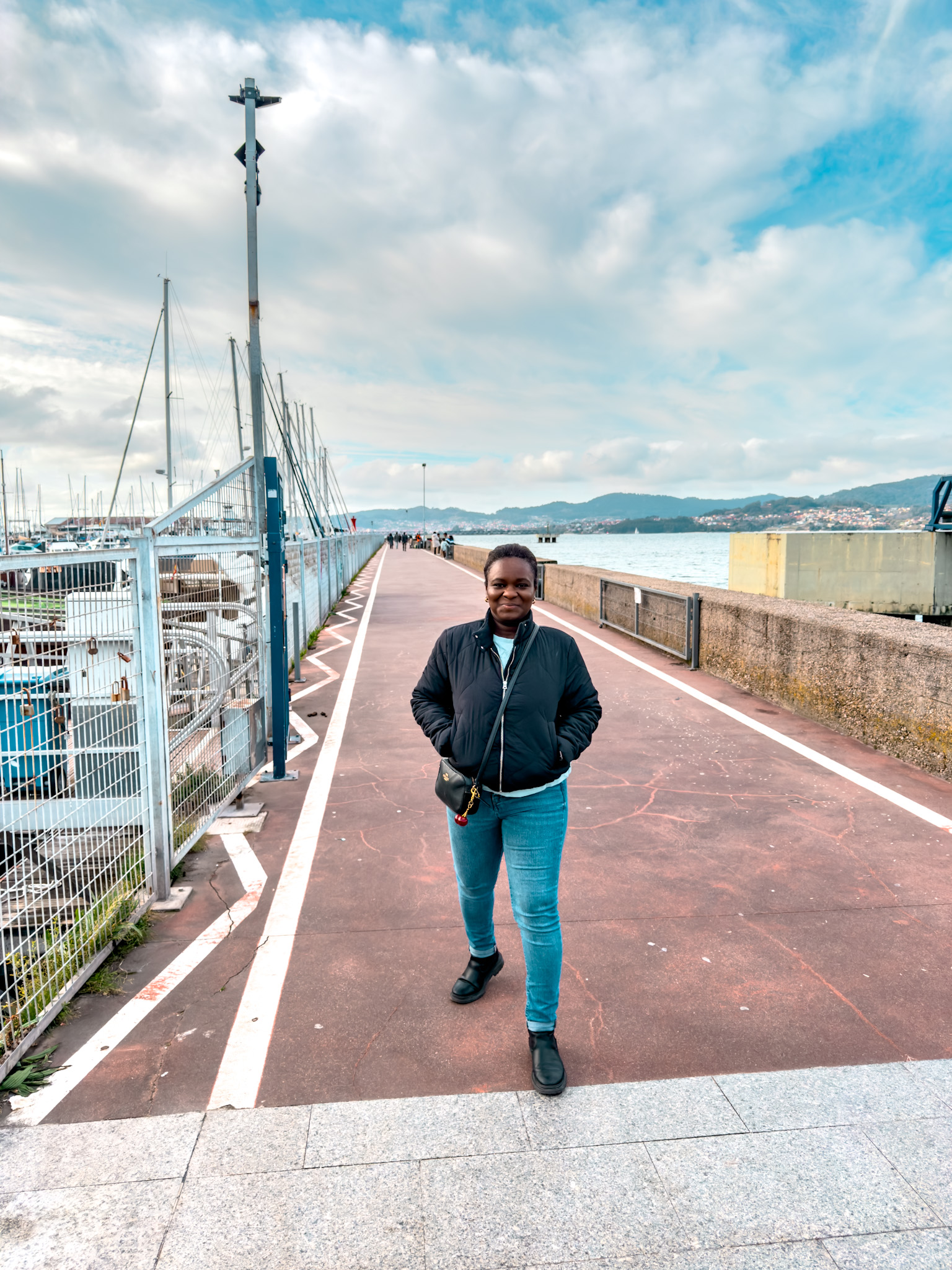
We walked along the waterfront on a weekend, and it was full of local life. Families, couples, and friends were out by the water. People were walking, sitting, talking, eating, and spending time together. It felt peaceful and real, not overly staged or designed only for visitors.
That kind of moment is one of the reasons I liked Vigo. It was not trying too hard. The waterfront felt like a place where people actually spend time, not just a pretty stop for a quick photo.
Depending on where you are walking, you may pass near the marina, the port area, A Laxe, or the seafront spaces near the city center. You do not need to overplan this part. Just give yourself time to walk, sit, look at the boats, and let the city slow down.
This is especially nice after spending the morning in the Old Town and city center. The waterfront gives your day some breathing room.
For more detail on this area, read my Vigo Waterfront and Port Guide.

Day 1 Evening: Stay Near the Old Town or Waterfront for Dinner
For your first evening in Vigo, I would stay near the Old Town or waterfront area for dinner.
This keeps the day easy. You have already spent time walking through the historic center and along the water, so it makes sense to end nearby instead of dragging yourself across the city for a meal. Vigo is the kind of place where a simple evening works well. Dinner, a drink, a slow walk, maybe a little more time near the water or in the Old Town before heading back.
If you are visiting in winter like we did, this is also where you may want to keep things flexible. Weather can shift, and after a full day of walking, you may not want an overly ambitious evening plan. A good meal and a relaxed walk are enough.
If you are visiting in warmer weather, your evening could stretch longer. You could spend more time by the water, sit outside, or add a beach sunset if that fits your trip. But for our version of Vigo, the city felt best when we let it stay calm.
That is one of the best things about this itinerary. It gives you enough structure to see the city, but not so much that you stop enjoying it.
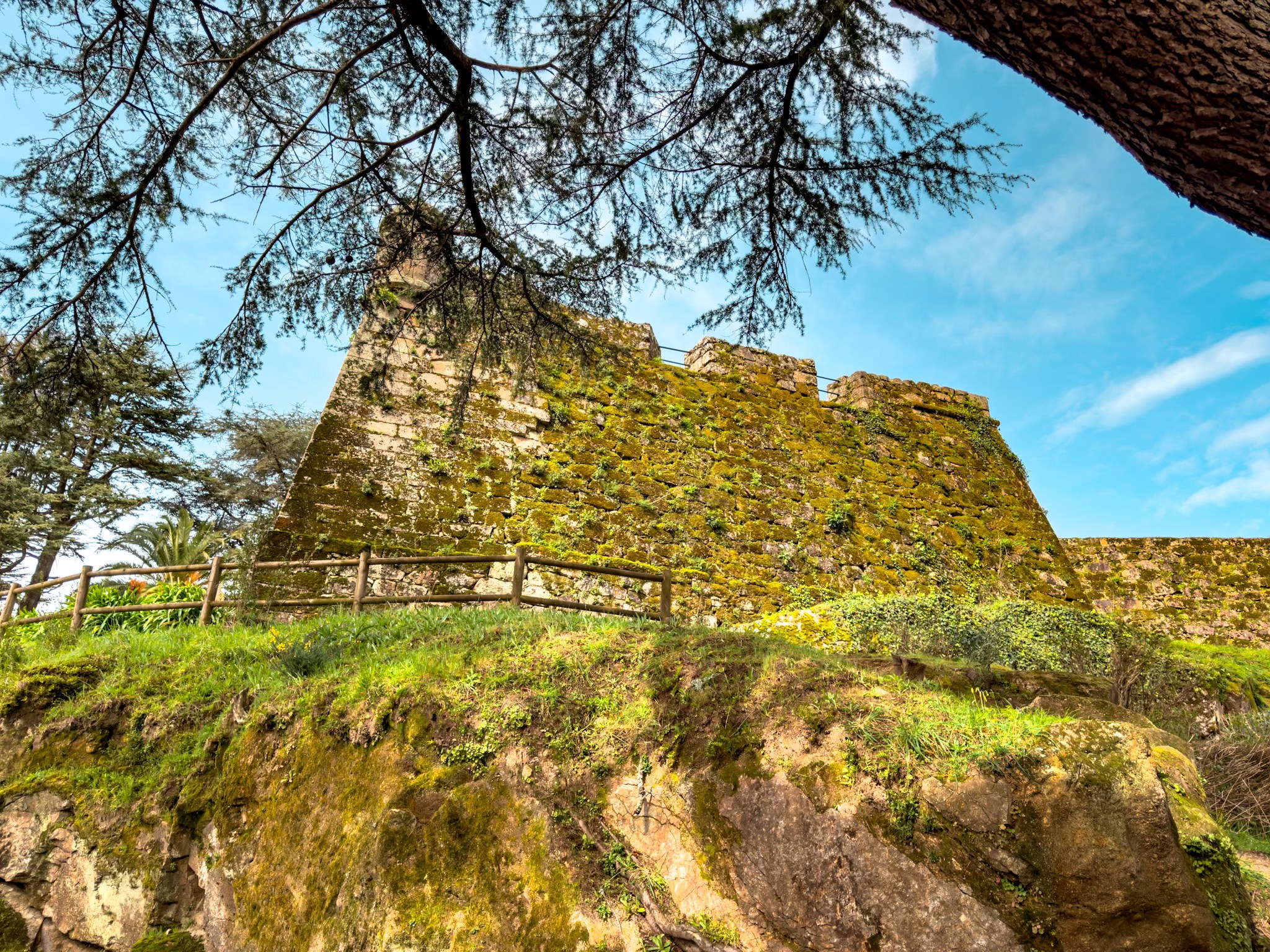
Day 2 Morning: Climb Up to O Castro
Start your second day with O Castro.
I would do this earlier in the day if you can, especially if you want to avoid feeling rushed or overheated in warmer months. We climbed all the way up, and the views were amazing. This ended up being one of the best things we did in Vigo.
O Castro is a hilltop park and fortress area right in the city, so it gives you a completely different perspective from the streets below. The climb is real, but it is worth it. As you go higher, the city starts to open up, and once you reach the top, you can see Vigo, the water, the port, the rooftops, and the surrounding landscape.
This is one of those places that makes the city make more sense. Down below, Vigo is Old Town streets, waterfront walks, restaurants, plazas, and traffic. From O Castro, you see how everything sits between hills and sea.
There are also gardens, paths, fortress remains, and viewpoints, so it is not just a quick overlook. Give yourself time to actually enjoy it. Sit for a bit if the weather is good. Take photos. Let this be the slower scenic part of your morning.
For a deeper breakdown, read my O Castro Vigo Guide.
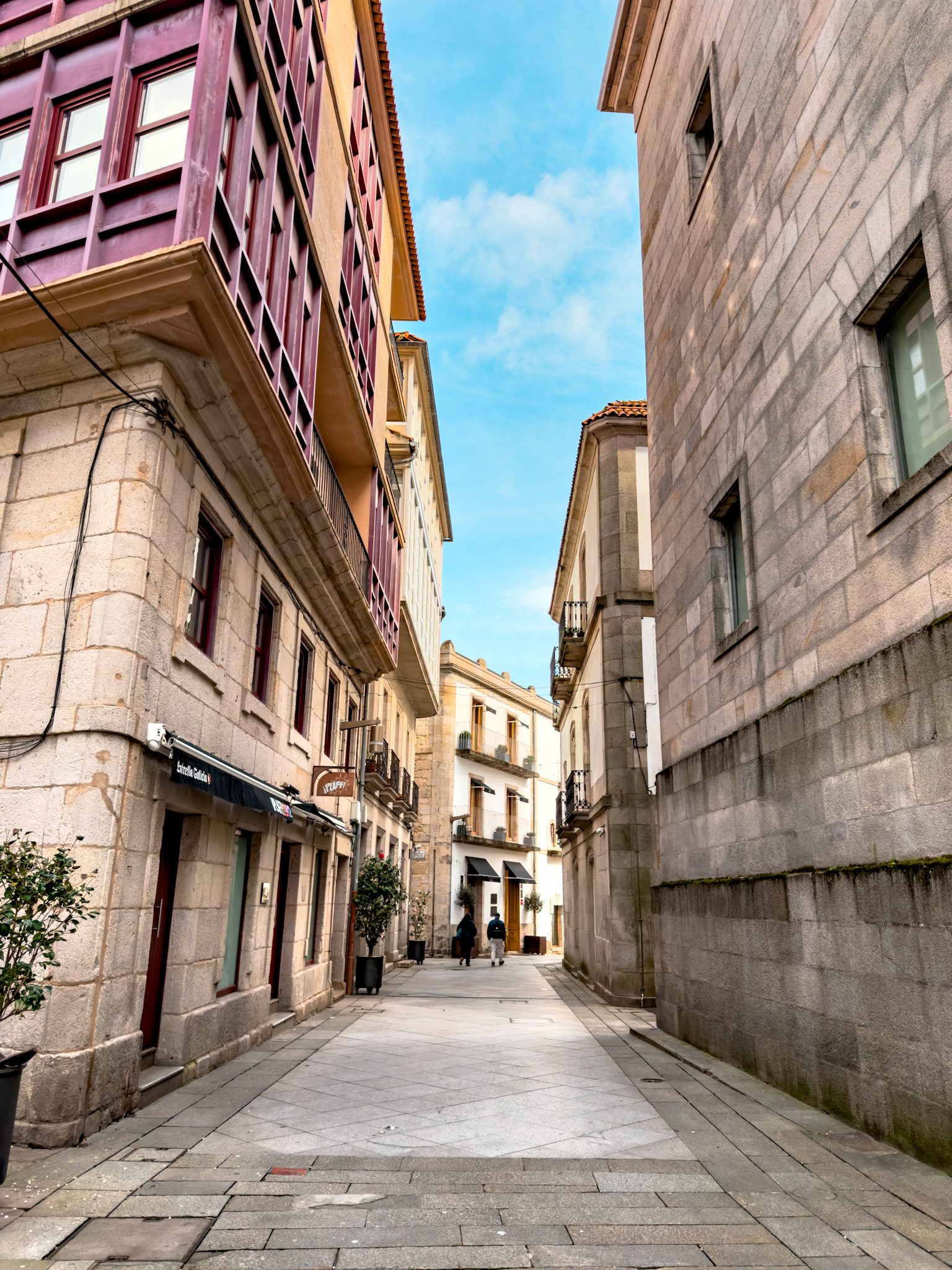
Day 2 Late Morning: Go Back Toward the Center Slowly
After O Castro, make your way back down toward the center slowly.
This is a good time to avoid overplanning. You have already done the major Old Town and museum stops on Day 1, so Day 2 can be softer. Maybe you stop for coffee. Maybe you revisit a street you liked. Maybe you walk back toward Porta do Sol or Praza da Colexiata from a different direction.
One thing I have learned from full-time travel is that not every second day in a city needs to be packed with new attractions. Sometimes the second day is when you actually start to enjoy the place more because you are not trying to figure it out from scratch.
Vigo is a good city for that. It gives you space to repeat areas without feeling like you failed at sightseeing. You can go back to the Old Town for a slower look, return to the waterfront, or simply sit somewhere and take in the city.
This is also where you can adjust based on the weather. If it is rainy, you can lean into cafes, food, and indoor stops. If the weather is good, give yourself more time outside.
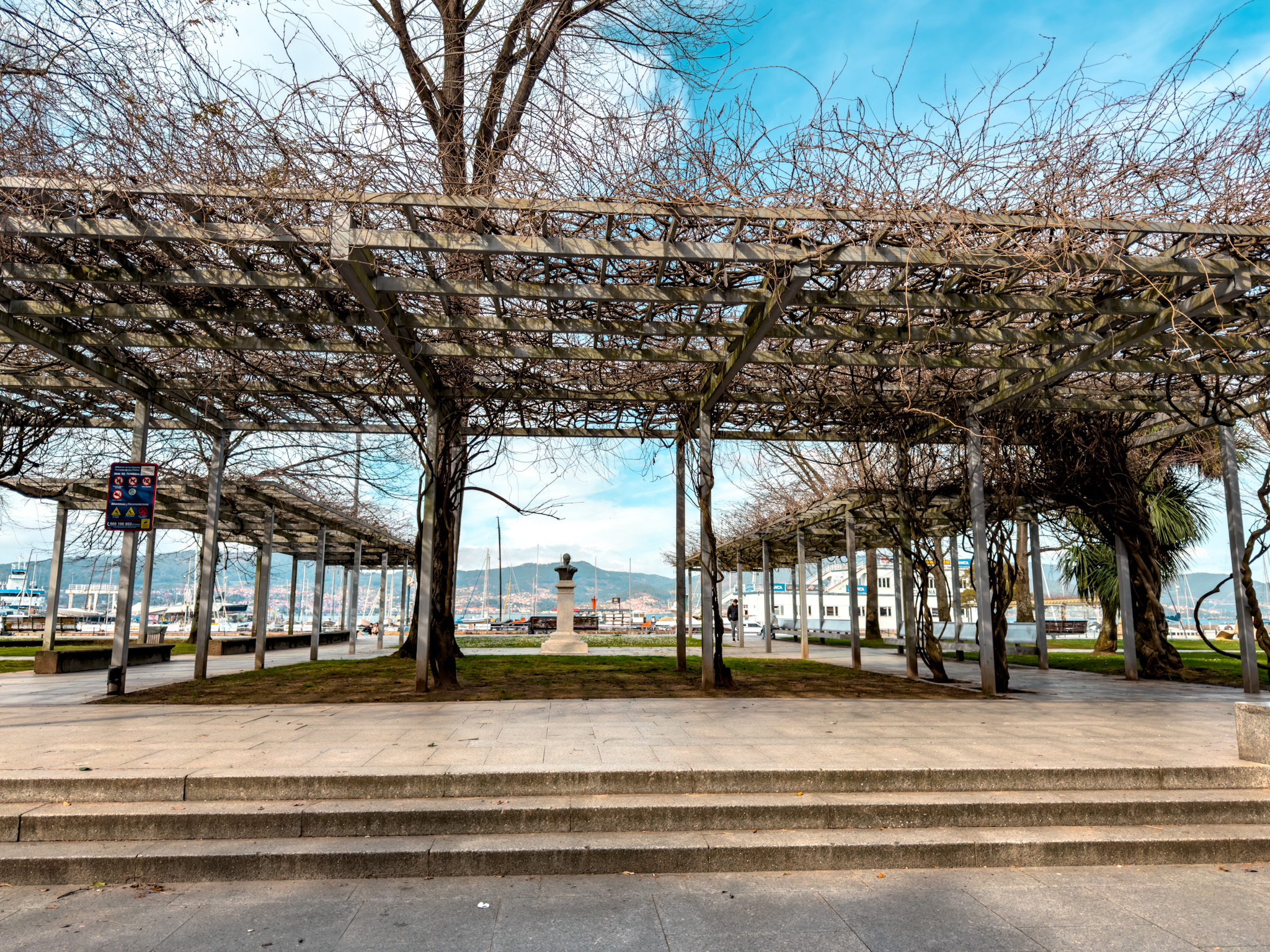
Day 2 Afternoon: Return to the Waterfront
For your second afternoon, I would return to the waterfront.
Yes, even if you already walked it on Day 1. The waterfront is one of the parts of Vigo that deserves more than a quick pass. It is where the city’s coastal identity feels strongest, and it can feel different depending on the time of day, weather, and how many people are out.
When we were there on the weekend, the waterfront felt alive but still relaxed. People were not rushing. Families were out. Couples were sitting by the water. Friends were eating and talking. That local energy is exactly what made the area memorable.
If you are someone who loves polished tourist attractions, this might sound simple. But for me, this is often where a city becomes real. It is not just the official sights. It is the everyday rhythm. People outside enjoying their city. Kids walking with families. Couples sitting near the water. Locals socializing while you are trying to understand the place as a visitor.
Use this time to walk more of the seafront, sit by the marina, or stop somewhere nearby for a drink or snack. This does not need to be complicated. It just needs time.
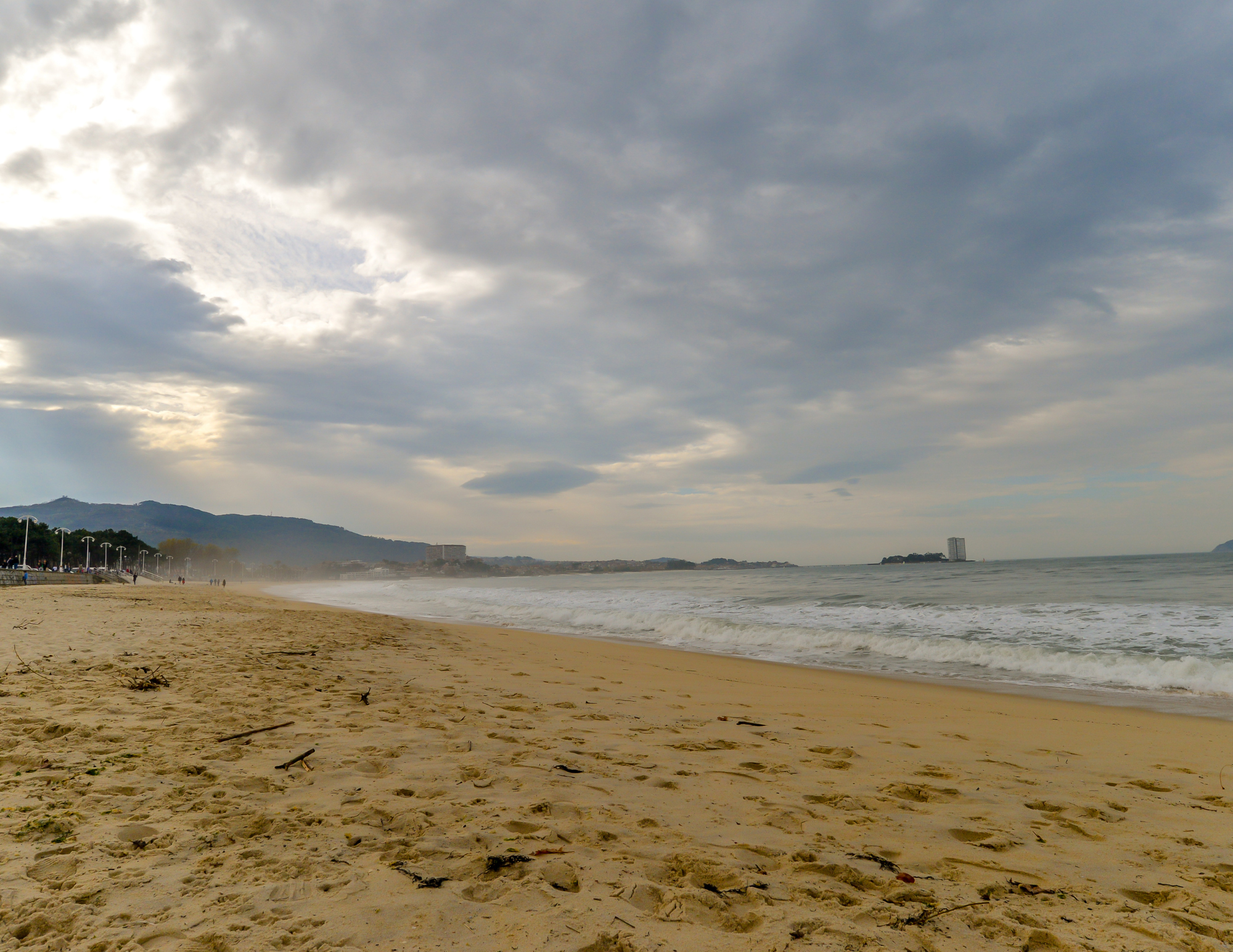
Day 2 Afternoon Option: Add a Beach If the Weather Is Warm
If you visit Vigo in warmer weather, this is where you could add beach time.
We did not do a beach-focused trip because we visited near the end of winter. It was still cold, and even though we had some good weather, this was not a lay-out-on-the-sand kind of visit. But Vigo does have beaches, and that gives the city a different personality in warmer months.
Two beaches you may see mentioned often are Samil and O Vao. Samil is one of the city’s most popular beaches, especially for families and summer visitors. O Vao is another well-known option if you want a coastal break.
Since I did not visit Vigo in beach season, I would treat beaches as a flexible add-on rather than the main plan in this itinerary. If the weather is good and you want a coastal afternoon, add one. If you are visiting in winter or early spring, do not feel like you missed Vigo just because you skipped the beach.
The city still works without it.

Day 2 Late Afternoon: Eat, Drink, and Slow Down
By late afternoon on your second day, I would make food the priority again.
Vigo is not a city where I would rush meals. Whether you go for seafood, tapas, wine, or something casual, food is one of the easiest ways to connect with the city. You do not need a complicated plan. Pick an area you enjoyed, sit down, and give yourself time.
If you liked the Old Town, go back there. If you preferred the waterfront, stay closer to the water. If you want something more central, choose a spot near Porta do Sol or Príncipe Street.
This is also a good time to try something you did not get to on Day 1. Maybe that is seafood. Maybe it is tapas. Maybe it is Galician wine. Maybe it is just a good coffee and a sweet treat because you have already walked enough.
The point is to let your second day feel slower than your first.
I think that is the best way to experience Vigo. The city does not need to be forced into a dramatic itinerary. It is more enjoyable when you let it unfold through walks, food, views, and small pauses.
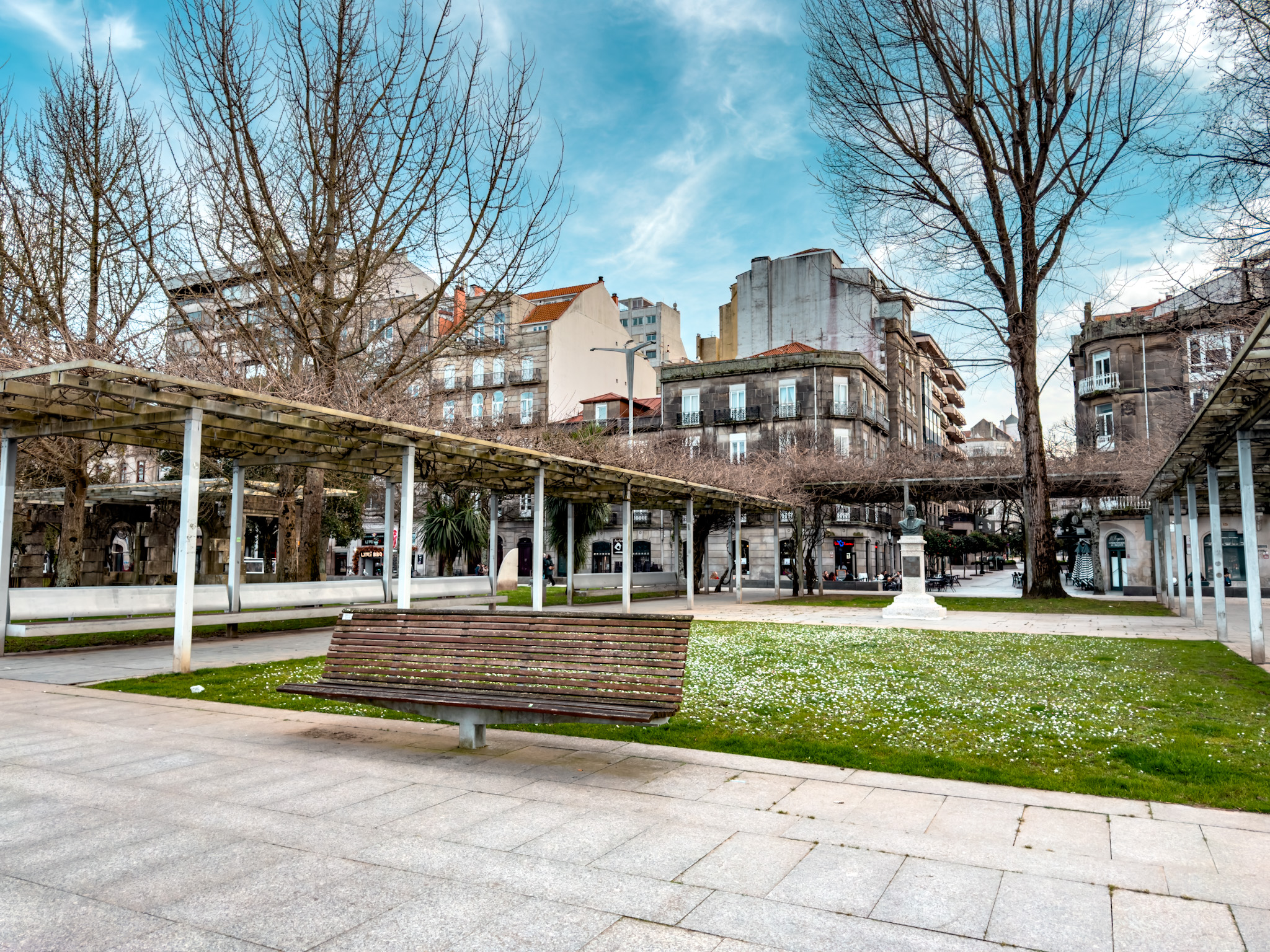
Day 2 Evening: End With a Final Walk
For your final evening, take one last walk.
This can be through the Old Town, along the waterfront, or back through the center near Porta do Sol. Choose whichever area you connected with most. For me, I think the waterfront is one of the best places to end because it captures so much of Vigo’s identity. The water, the port, the local life, the slower pace.
But the Old Town also works if you want something more atmospheric. Streets, plazas, restaurants, and a little historic character before leaving.
This final walk does not need a goal. It is more about closing out the trip in a way that feels calm. Vigo surprised me because it was not trying to be the loudest city on my Spain route. It was just there, quietly beautiful, local, and peaceful.
Sometimes that is enough.
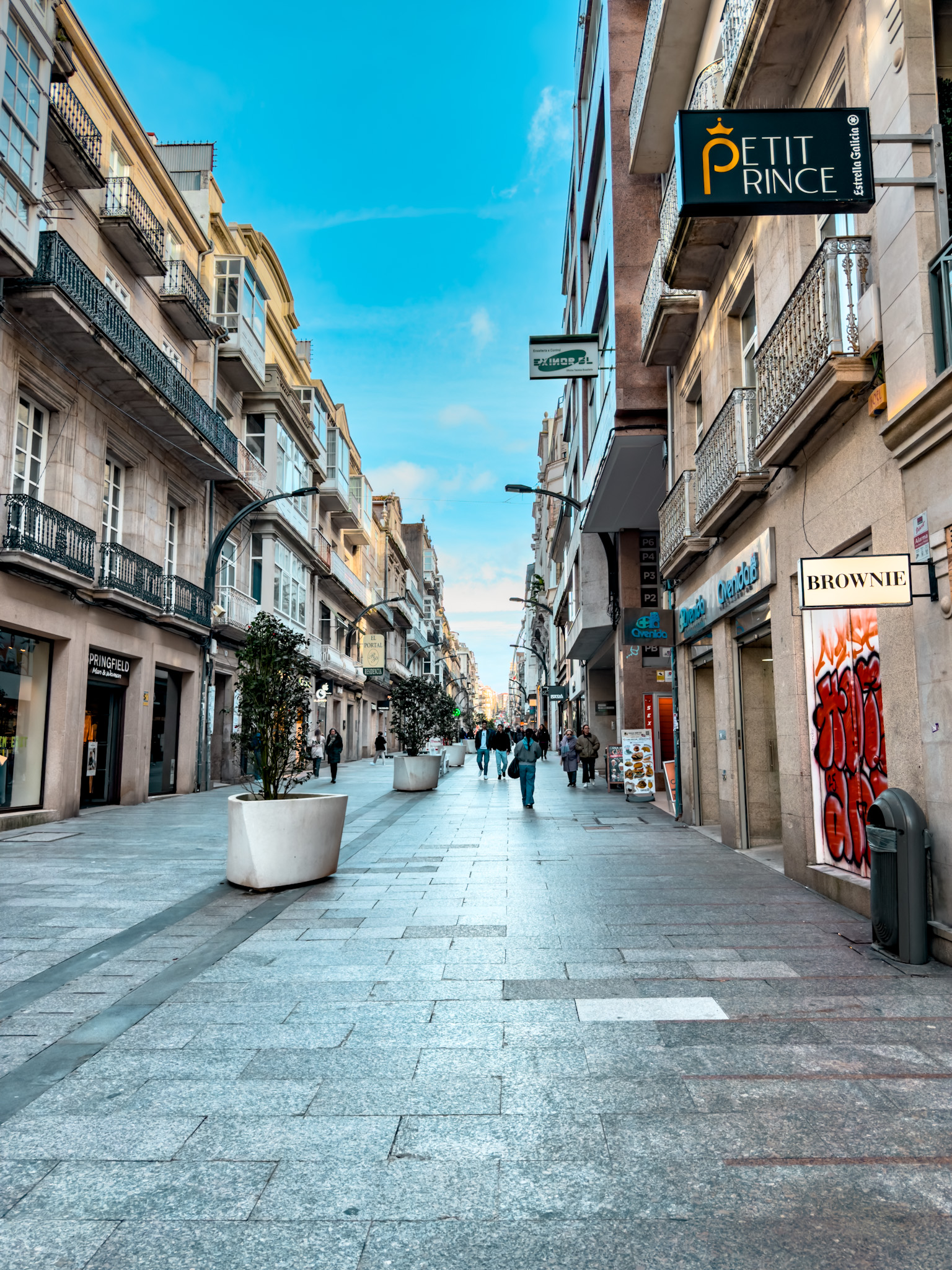
How to Adjust This Vigo Itinerary in Winter
If you are visiting Vigo in winter, this itinerary still works.
That was our experience, and I actually think winter helped me see the city differently. Since it was not beach season, we focused more on the Old Town, MARCO, the waterfront, O Castro, food, and slow wandering. The weather was still cold and a bit rainy, but we had good days too.
The biggest winter tip is to stay flexible. Do not build the entire trip around outdoor plans. Keep MARCO in your itinerary as an indoor option. Bring layers. Expect that some parts of the day may be grey or rainy. Give yourself permission to stop for coffee, tapas, or a longer meal.
O Castro is still worth doing in winter, but I would try to time it for clearer weather if you can. The views are the reason to go, so if you have flexibility, save the climb for the better part of the day.
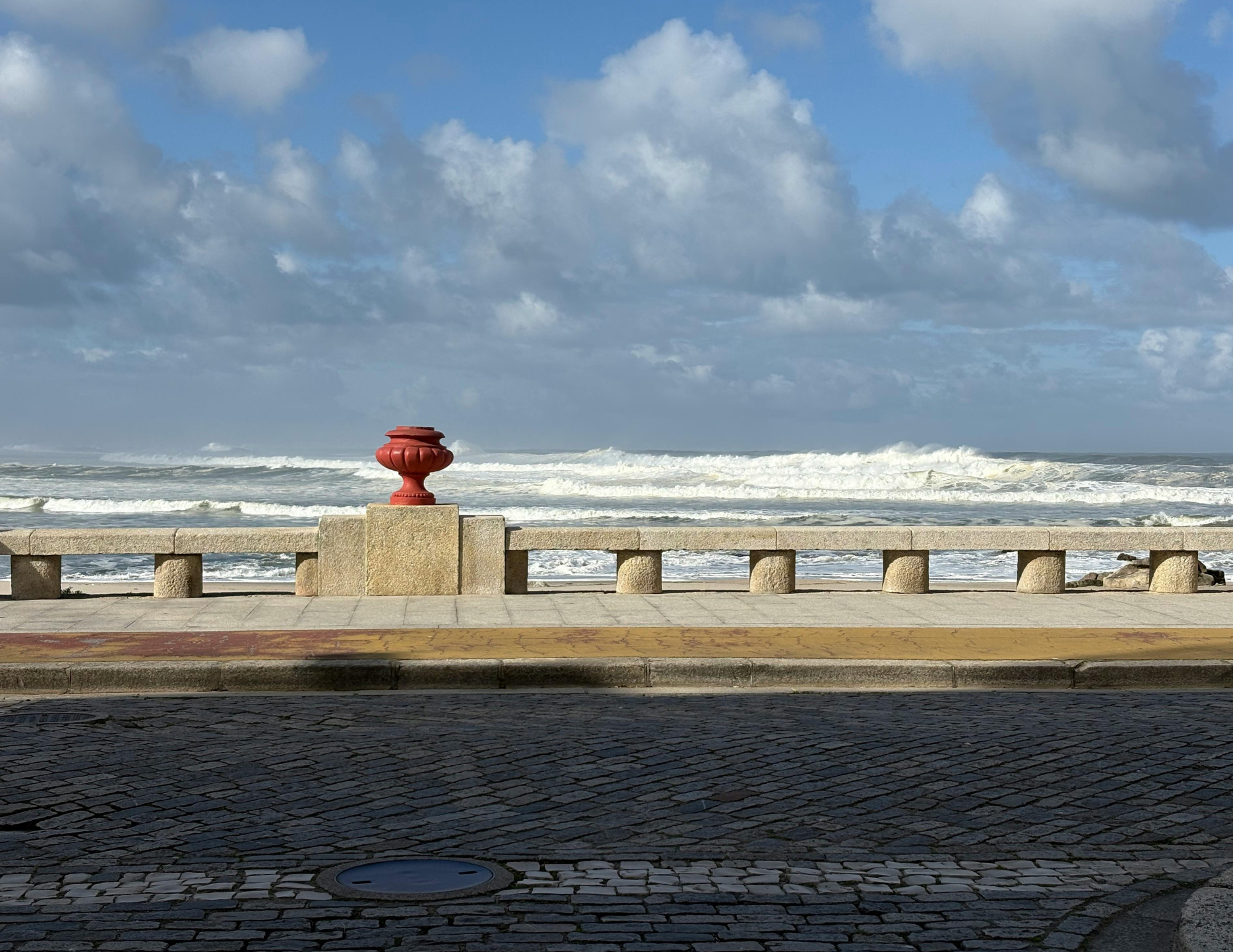
The waterfront is also still worth walking in winter. It may not feel like a summer beach promenade, but that does not mean it lacks charm. For us, seeing families, couples, and friends out by the water on the weekend made the city feel alive in a local way.
For more on visiting outside beach season, read my Vigo in Winter.
How to Adjust This Vigo Itinerary in Summer
If you visit Vigo in summer, this same itinerary can become more coastal.
You can still start with the Old Town, Porta do Sol, MARCO, O Castro, and the waterfront, but you may want to shift the timing around so you are not climbing or walking too much during the hottest part of the day.
In summer, I would consider doing O Castro earlier in the morning, spending midday around food, museums, or shaded areas, and adding beach time in the afternoon. Samil or O Vao could fit into Day 2 if you want a beach break.
You could also add a longer coastal outing if your schedule allows, especially if you are using Vigo as part of a Galicia trip. But if you only have 48 hours, do not overload it. The goal is to enjoy Vigo, not turn it into a race.
Since my visit was in winter, I keep beaches as a flexible option rather than the heart of this itinerary. But they are worth knowing about if your trip lines up with warmer weather.
Where to Stay for 48 Hours in Vigo
For a short Vigo trip, I would stay somewhere central.
If you only have 48 hours, location matters. You do not want to spend too much time commuting across the city when so much of the first-time Vigo experience is walkable from the center.
Staying near the Old Town, Porta do Sol, Príncipe Street, or the waterfront makes the most sense. That puts you close to Casco Vello, MARCO, food, the marina, and easy walking routes. It also makes it easier to return to your accommodation if the weather shifts, which is helpful in winter or rainy seasons.
If you are visiting in summer and beaches are a big part of your plan, you may think differently. But for a first visit focused on the city itself, I would stay central and treat beaches as an outing rather than the place to base the whole trip.
Do You Need a Car for 48 Hours in Vigo?
For this 48-hour Vigo itinerary, you do not need a car.
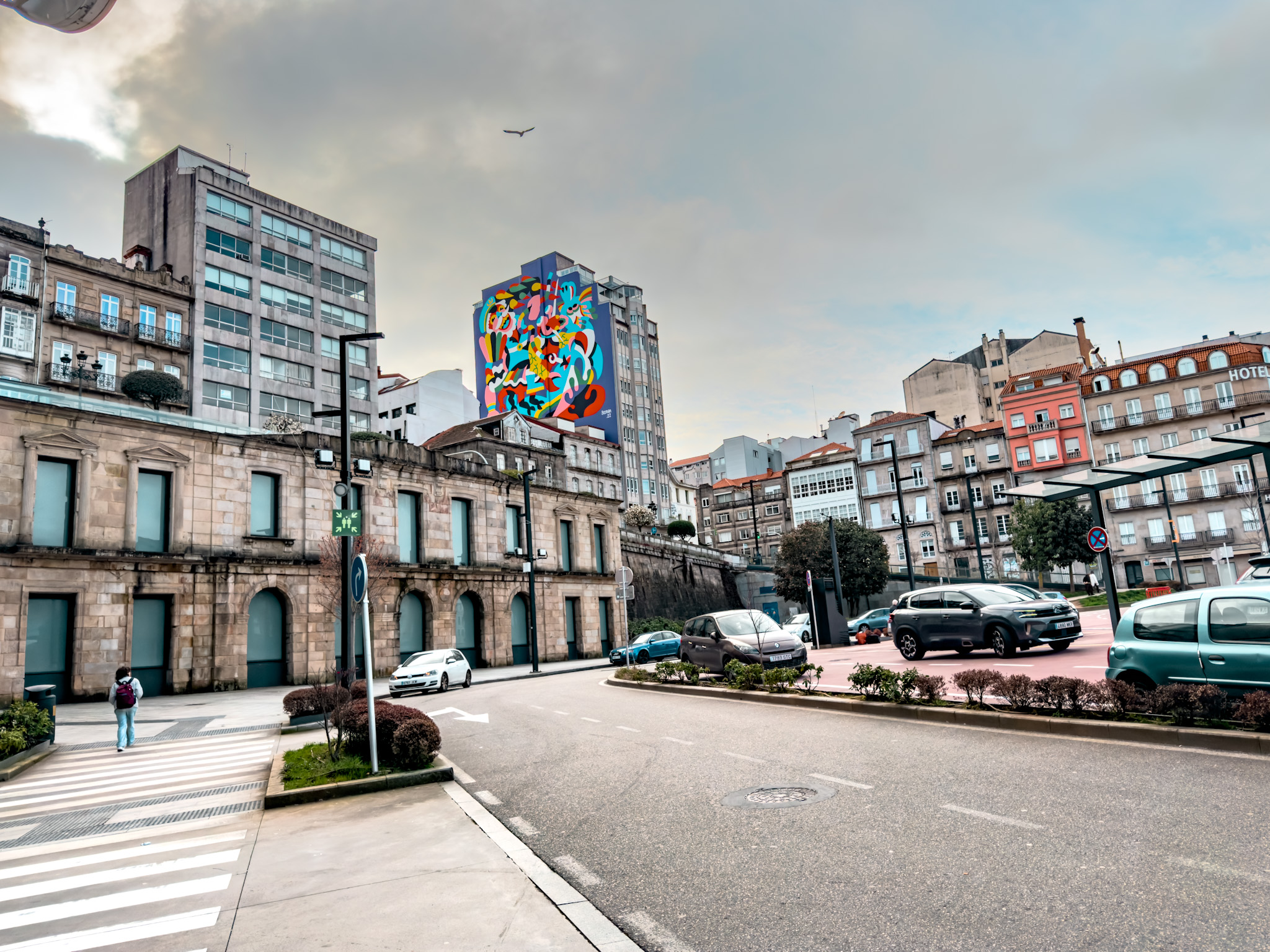
Most of the places in this itinerary are walkable if you stay central and are comfortable walking. The Old Town, Porta do Sol, MARCO, the waterfront, and many restaurants are all easy to connect on foot. O Castro does involve a climb, but it is still part of the city and can be done without a car if you are able to walk uphill.
If you want to visit beaches, go farther along the coast, or explore outside Vigo, then a car or public transportation may become more useful. But for a first 48 hours focused on the main city experience, walking works well.
I actually think walking helps you understand Vigo better. You notice the shift from Old Town to modern center, from streets to waterfront, from city level to hilltop views. That is part of the experience.

A Simple 48 Hours in Vigo Itinerary at a Glance
Day 1:
Start in Casco Vello
Begin around Praza da Colexiata
Visit the Co-Cathedral of Santa María de Vigo
Walk to Porta do Sol
Visit MARCO
Eat tapas or seafood
Walk the waterfront and port area
Stay near the Old Town or waterfront for dinner
Day 2:
Climb up to O Castro
Return slowly toward the center
Revisit the waterfront
Add a beach if the weather is warm
Have a slower food and drink break
End with a final walk through the Old Town or by the water
This gives you a balanced first visit: history, art, food, sea views, local life, and one of the best viewpoints in the city.
Final Thoughts on Spending 48 Hours in Vigo
Vigo was not a city I arrived in with big expectations, and maybe that is why I enjoyed it so much.
It gave me a slower version of Spain. Not the Spain of huge bucket-list landmarks or cities everyone talks about nonstop, but a quieter Galicia city with waterfront life, seafood, Old Town streets, art, hilltop views, and a calm local feeling.
Two days in Vigo is enough to understand why the city is worth a stop, especially if you are traveling through northern Spain or coming from Porto. You can see the main areas without rushing, eat well, walk by the water, visit MARCO, climb O Castro, and still have time to just be in the city.
That is what made Vigo memorable for me.
It was not trying to be the loudest stop on my route. It was peaceful, beautiful, a little rainy, still cold, and full of everyday moments that made the city feel real.
And sometimes, that is exactly the kind of place you need in the middle of a long travel season.

Cavetta is the creator of LifeWithVetta.com and has been traveling the world full time since 2020. She has visited more than 60 countries while worldschooling her son and documenting what it really takes to live abroad. Her guides focus on travel, moving abroad, digital nomad life, and designing a life beyond the traditional path.
