
.png)
Vigo is one of those cities where food should not be treated like something you squeeze in between sightseeing.
This is Galicia. This is a port city. This is a place where seafood, wine, tapas, casual meals, and slow food stops are part of the experience. You can walk the Old Town, climb up to O Castro, visit MARCO, and spend time by the waterfront, but if you do not leave room to eat properly, you are missing one of the biggest reasons Vigo is worth visiting.
We visited Vigo near the end of winter, so this was not a beach-focused trip for us. It was still cold and a little rainy at times, but we also had good days. That kind of weather actually made the food side of the city feel even better. After walking through Casco Vello, stopping around Praza da Colexiata, going inside MARCO, climbing all the way up to O Castro, and walking the waterfront on a weekend, sitting down for tapas or something warm felt like part of the rhythm of the city.

One of our food stops was Pazo da Oliva, a Michelin Guide-listed restaurant where we had tapas. It felt like the kind of place that fit Vigo well because it was polished but still worked with a relaxed travel day. Vigo does not have to be about rushing from one famous landmark to the next. It is a city that makes more sense when you walk, pause, eat, drink, and let the day unfold.
This Vigo food guide is not about pretending I ate everywhere in the city. It is about giving you a strong starting point for how to think about eating and drinking in Vigo, especially if you are visiting for the first time. Seafood should be on your radar. Galician wine should be on your radar. Tapas, brunch, casual taverns, and the old fishing quarter of Bouzas should be on your radar too.
For the bigger picture of the city, start with my Vigo Travel Guide. If you are planning your full sightseeing list, my Best Things to Do in Vigo guide shows how food fits with the Old Town, waterfront, MARCO, O Castro, and the rest of your visit.
-1.png)
Why Food Matters in Vigo
Food matters in Vigo because the city is deeply connected to the sea.
This is not a place where seafood feels like a tourist gimmick. Vigo is a real port city, and Galicia has one of Spain’s strongest food identities. The seafood, the wine, the taverns, the casual tapas stops, and the waterfront all work together. You feel the connection between the city and the water, and then you see it again on the plate.
That is one of the reasons I liked Vigo.
It did not feel overly performative. When we walked the waterfront on a weekend, families, couples, and friends were out sitting by the water, talking, eating, walking, and socializing. That same relaxed, local feeling is what I would look for in the food scene too. You do not need every meal to be fancy. You just need to eat in a way that actually connects you to the city.

Vigo is a good place to try seafood, tapas, Galician wine, brunch if you want a slower morning, and something sweet when you need a break from walking. It is also the kind of city where I would rather build in fewer activities and leave more space for meals than pack the day so tightly that food becomes an afterthought.
If you are only in Vigo for 48 hours, eating well should be part of the itinerary, not something you figure out at the last second.
For a full two-day plan, read 48 Hours in Vigo Itinerary.
What to Eat in Vigo
If you eat seafood, Vigo is the place to lean into it.
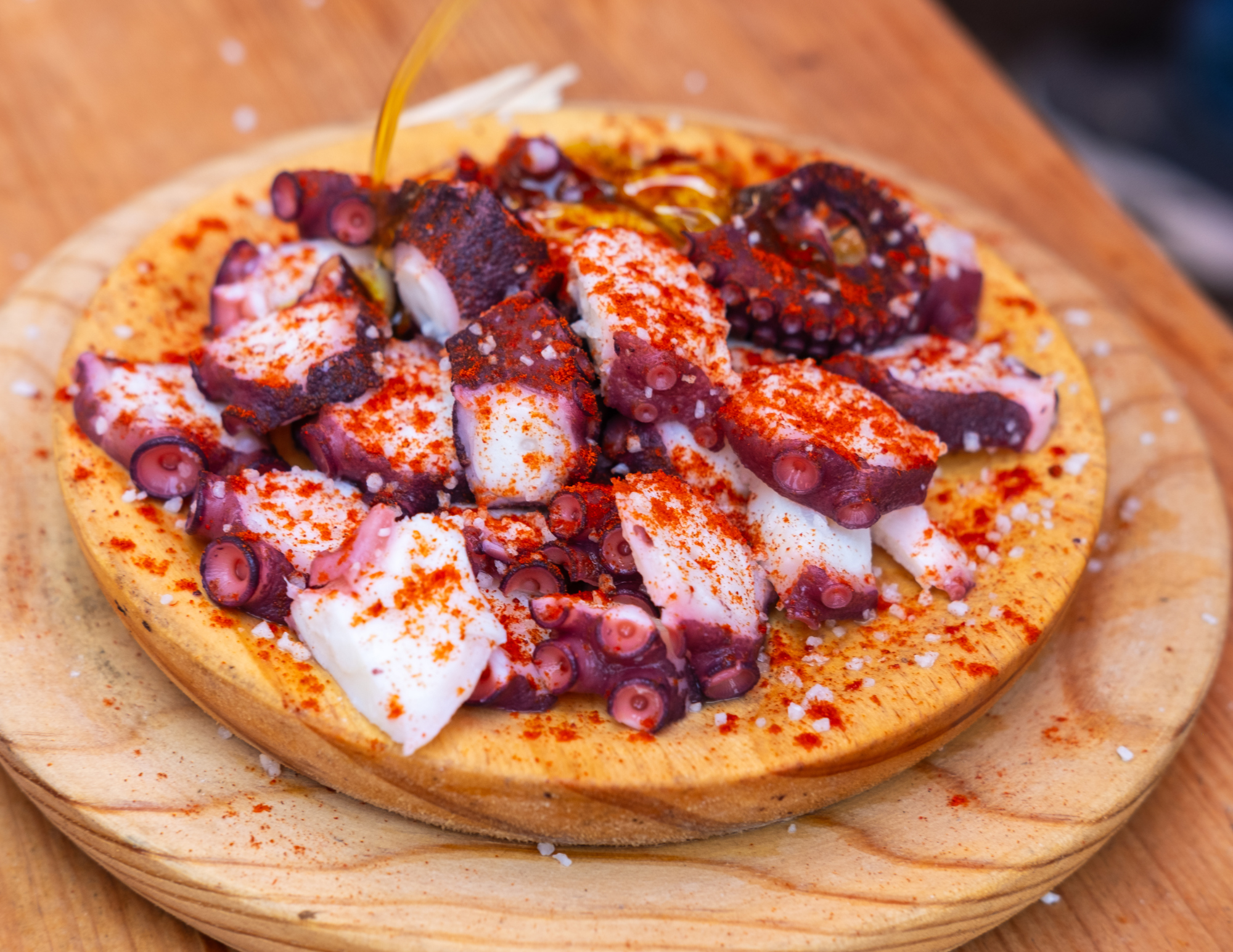
You will see seafood all over Galicia, but Vigo’s port-city identity makes it feel especially connected here. Look for octopus, mussels, oysters, clams, razor clams, scallops, grilled fish, shrimp, squid, and whatever local seafood looks fresh where you are eating.
Octopus, or pulpo, is one of those dishes that shows up often in Galicia. You may see it served as pulpo a feira, with olive oil, paprika, and potatoes. Mussels are also a big Galicia staple. If you like shellfish, this is the kind of region where you should try more than one thing.
You can also keep it simple with tapas. That might be seafood tapas, croquetas, tortilla, small plates, cheese, cured meats, or whatever the restaurant does well. I like tapas because they fit how I travel. You can try a few things, share if you are with someone, and make the meal feel slower without needing a huge formal dinner.
And then there is wine.
Galicia is known for beautiful white wines, especially Albariño from the Rías Baixas region. If you like crisp, fresh white wine, this is a great place to explore it. With seafood, it makes perfect sense. But even if you are not a wine expert, ordering a glass of Galician white wine with your meal is an easy way to taste the region.
This is the kind of food city where you do not need to overcomplicate it. Seafood, tapas, wine, something sweet, and a slow pace will already give you a good first taste of Vigo.
Pazo da Oliva for Tapas in Vigo
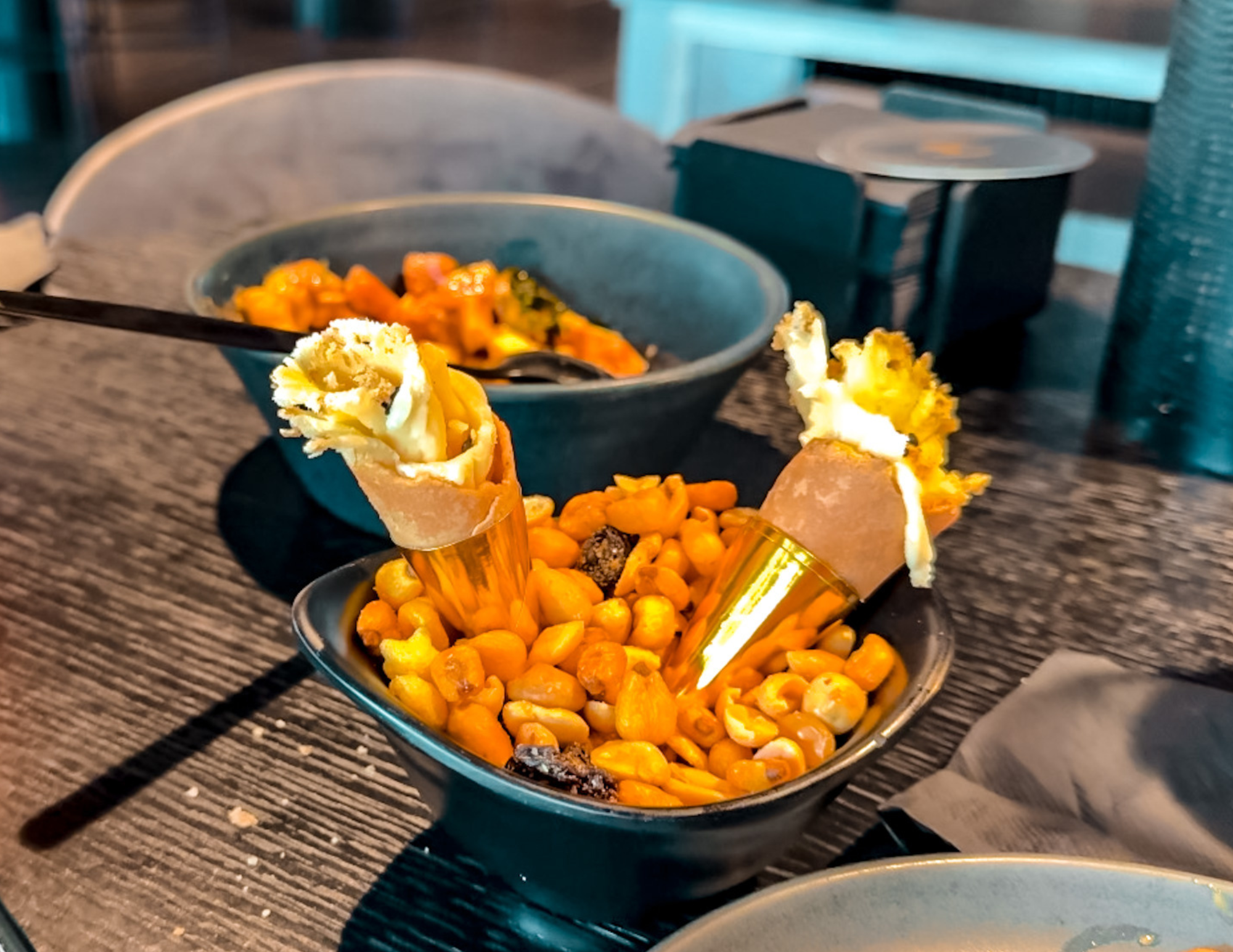
One of the places we ate in Vigo was Pazo da Oliva.
This was our tapas stop, and it felt like a good fit for the city because it was a little more polished while still working as part of a relaxed day. It is Michelin Guide-listed, so it has that extra recognition, but it did not feel like we were stepping into something too formal for the kind of trip we were having.
That balance is something I appreciate when I travel.
Sometimes you want a restaurant that feels special without turning the meal into a whole production. Pazo da Oliva worked for that. After walking around Vigo, spending time in the Old Town, and taking in the city slowly, sitting down for tapas felt like part of the experience.
This is a good option if you want a more elevated tapas stop in Vigo. I would especially consider it if you are already exploring the Old Town or central area and want a meal that feels a little more intentional.
For me, this kind of restaurant fits the way Vigo felt overall: calm, understated, and better when you are not rushing.
-1.png)
Restaurante Casa Marco in Vigo
Restaurante Casa Marco is another strong Vigo restaurant to have on your list, especially if you want a meal that feels more polished while still connected to Galician ingredients.
This is the kind of place I would look at for a proper sit-down meal instead of a quick casual stop. If you are only in Vigo for one or two nights, it makes sense to choose at least one restaurant that feels more intentional. A place like Casa Marco can work well for that.
When thinking about what to order, I would lean into the region. Look for seafood, fish, seasonal dishes, rice dishes if offered, local produce, and wines from Galicia. Restaurants like this are often a good place to ask what is fresh or what they recommend that day.
This is also where I would slow down.
Vigo is not the kind of city where I would rush every meal just to keep sightseeing. If you are planning a full day with the Old Town, MARCO, the waterfront, and maybe O Castro, dinner can become the reward at the end. Casa Marco feels like the kind of place you could use for that slower evening meal.
If you are building a short trip, I would not try to eat everywhere. Choose one tapas stop, one seafood or Galician restaurant, one casual brunch or cafe, and one sweet stop. That is enough to make the food side of Vigo feel memorable without turning the whole trip into a restaurant checklist.
.png)
Taberna Baiuca for a Casual Local-Feeling Stop
Taberna Baiuca is another spot I would keep on the Vigo food list, especially if you want something that feels more casual and tavern-like.
Sometimes those are the meals that end up feeling the most connected to a place. Not every food stop has to be polished or Michelin-recognized. In a city like Vigo, a tavern-style meal can make just as much sense because it fits the local, relaxed, seafood-and-wine rhythm of Galicia.
This is the type of place I would look at for tapas, simple plates, wine, and a slower sit-down without making the meal feel too formal. If you have been walking all day, this kind of stop can be exactly what you need.
I would think of Taberna Baiuca as a good option when you want something that feels easier and more grounded. Walk the city, sit down, order a few things, have a drink, and let the meal be part of the day instead of a break from it.
In Vigo, that works.
Bouzas: The Old Fishermen’s Quarter for Fresh and Affordable Seafood
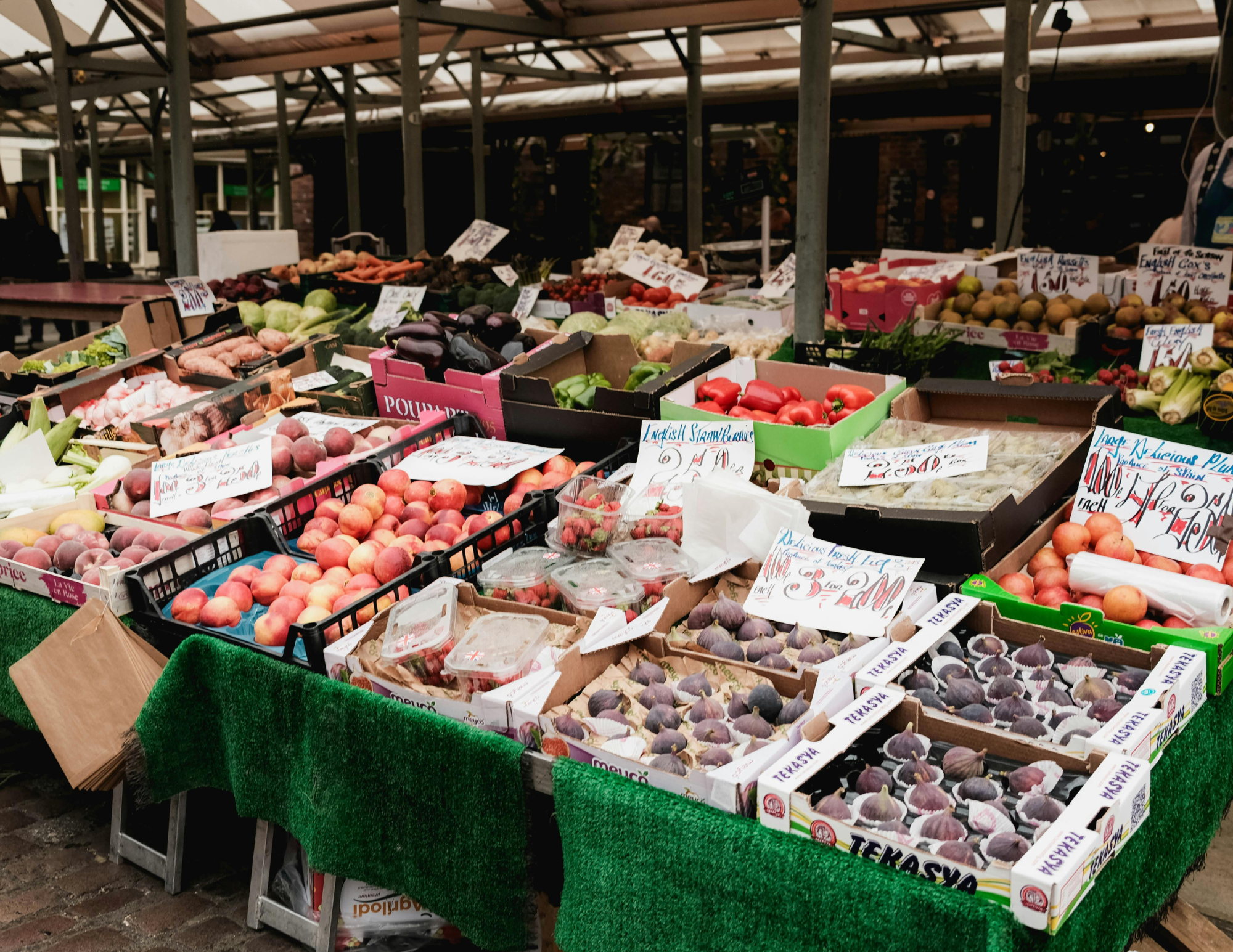
If seafood is one of your main reasons for visiting Vigo, look into Bouzas.
Bouzas is the old fishermen’s quarter, and it is often talked about as one of the best areas to eat fresh and more affordable seafood in Vigo. This is the kind of place that makes sense if you want to connect the food with the city’s maritime side instead of only eating in the center.
I like the idea of Bouzas because it gives you a slightly different version of Vigo.
The central waterfront shows you the marina and port side of the city. The Old Town gives you historic streets and plazas. O Castro gives you the views from above. Bouzas gives you that older fishing-quarter food angle, which feels especially important in a city like Vigo.
If you have a short visit, you may not have time to add it. But if you have two days or you are very food-focused, Bouzas could be worth making space for, especially for seafood.
This is where I would look for fresh fish, shellfish, octopus, mussels, clams, and simple seafood meals that do not feel overly dressed up. I would also go with the mindset of asking what is fresh or what the house recommends. In a seafood city, that is often the best move.
If I were planning a 48-hour Vigo itinerary around food, I would do a central tapas meal one day and make Bouzas the seafood focus on another.
-1.png)
La Cultural Brunch Vigo
If you want a brunch stop in Vigo, La Cultural Brunch Vigo is a good one to have on your radar.
I know brunch is not always the first thing people think about in a seafood city, but I actually like having one brunch option in a travel plan. Sometimes after several days of tapas, seafood, wine, and late dinners, you want a slower morning with coffee, eggs, pancakes, toast, or something that feels familiar.
That is especially true when you are full-time traveling or moving city to city. Not every meal has to be a major cultural experience. Sometimes you just need a good brunch, a comfortable place to sit, and a slower start.
La Cultural Brunch Vigo works as that kind of stop.
I would use it on a softer morning, maybe before a waterfront walk or after a slower start to the day. If you are spending 48 hours in Vigo, brunch can fit nicely on Day 2, especially if you climbed O Castro the day before or want a break from heavier meals.
This is also a good option if you are traveling with teens, family, or anyone who appreciates a brunch menu after several days of more traditional dining.
-3.png)
La Cuca Brunch
La Cuca Brunch is another brunch option in Vigo, especially if you want something with a more unique atmosphere.
It is described as a brunch spot with a rural-style environment, which makes it stand out a little from the usual city-center cafe. That kind of place can be nice when you want brunch to feel like more than just a quick coffee and toast.
Again, I would not make brunch the main food identity of Vigo. Vigo is still seafood, wine, tapas, port-city meals, and Galicia flavors first. But having brunch options helps round out the trip, especially if you are staying a couple of days.
If you are the kind of traveler who likes a slower morning before sightseeing, La Cuca Brunch could be a good fit. Use it before heading to the waterfront, walking through the Old Town, or doing a more relaxed version of your day.
In a city where the weather can be cold or rainy outside summer, a cozy brunch spot can also be practical. Not every Vigo day has to start with a long outdoor walk.

Bico de Xeado for Something Sweet
For something sweet, add Bico de Xeado to your Vigo list.
This is one of those stops that works well when you are walking and want a small break without sitting down for a full meal. Gelato, ice cream, or something sweet can be exactly what you need between Old Town wandering, waterfront time, and museum stops.
I like adding places like this to a city guide because not every food recommendation needs to be a full restaurant. Sometimes the places you remember are the quick little stops too. A sweet treat after walking. A scoop while exploring the center. A small pause before continuing to the waterfront.
Bico de Xeado can fit especially well if you are already near the center or want something easy after lunch.
And if you are traveling with kids, teens, or anyone who likes a dessert stop, this is the kind of place that makes the day feel more fun without needing a big plan.
Explore Galicia’s Wines in Vigo
One thing I would absolutely make time for in Vigo is wine.
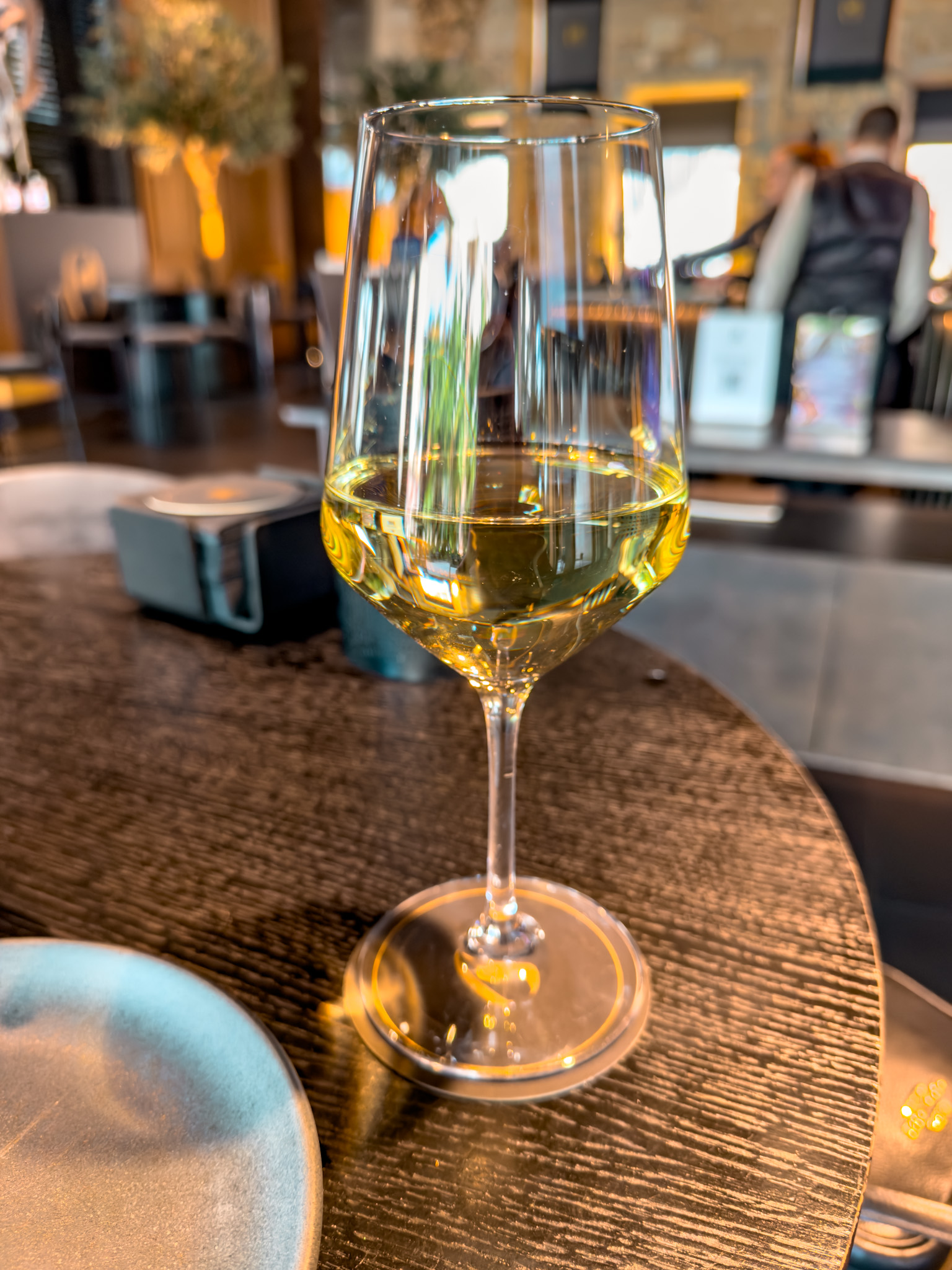
Galicia has some beautiful wines, and the region is especially known for crisp white wines that pair perfectly with seafood. Albariño is probably the one many travelers hear about first, especially from the Rías Baixas area, but it is not the only wine worth trying.
If you are sitting down for seafood, ask for a local white wine. If you are having tapas, try a glass of something Galician instead of automatically ordering what you already know. This is one of the easiest ways to experience the region without needing to plan a formal wine tasting.
I especially love this approach in cities like Vigo because it keeps things relaxed. You do not have to be a wine expert. You do not have to know every grape. You can simply use meals as a way to explore the region’s wine culture.
If you do want to go deeper, look for wine bars or restaurants with good Galician wine selections. Pair a glass with oysters, mussels, octopus, grilled fish, or tapas, and you will understand quickly why the food and wine work so well together here.
For me, that is one of the pleasures of traveling through places like Galicia. The food and wine are not separate from the destination. They are part of how the destination explains itself.
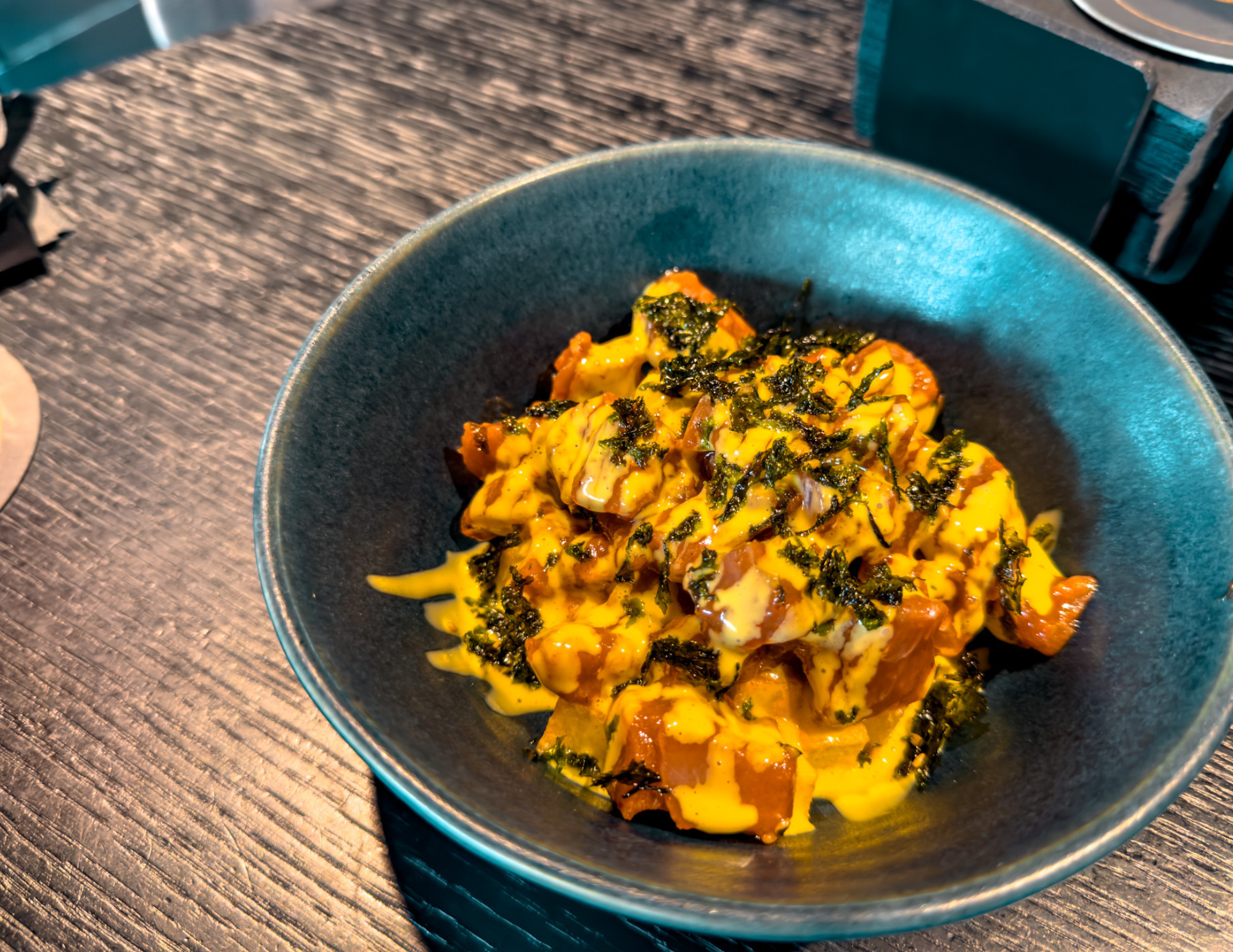
What to Try in Vigo If You Love Seafood
If you love seafood, Vigo is going to make this easy.
Start with octopus if you have not had much Galician-style octopus before. Pulpo is one of those dishes I always associate with this part of Spain, and it is a good way to begin.
Try mussels if you see them. Galicia is known for them, and they are usually a smart seafood order in this region. Oysters are another classic, especially if you are eating in a place that specializes in shellfish. Clams, razor clams, scallops, shrimp, squid, and grilled fish are all worth considering too.
If you are not sure what to order, ask what is fresh. That advice sounds simple, but in seafood cities, it matters. The best thing on the menu may not be the thing you had already planned to order. It might be whatever came in fresh that day.
I would also leave space for small plates. Instead of ordering one huge dish, try a few things if the menu allows it. That way you can taste more of the region.
And do not forget the wine. A crisp Galician white wine with seafood is one of the easiest pairings to enjoy in Vigo.
-4.png)
What to Try in Vigo If You Do Not Eat Seafood
Even though Vigo is a seafood city, you can still eat well if seafood is not your thing.
Look for tapas, tortilla, croquetas, cheese, local vegetables, salads, meat dishes, rice dishes, brunch, pastries, and dessert stops. Vigo’s food scene is not only seafood, even if seafood is one of the main reasons people talk about it.
This is where brunch spots like La Cultural Brunch Vigo and La Cuca Brunch can be helpful. They give you options that are not built entirely around seafood. You can also look for casual cafes, wine bars, and taverns with mixed menus.
If you are traveling with someone who loves seafood but you do not, choose restaurants with enough variety so everyone can enjoy the meal. That is usually not hard in Vigo, especially in central areas.
You can still experience the food culture through tapas, wine, local ingredients, and the rhythm of eating slowly. You do not have to force yourself to eat seafood just because the city is known for it.

Where to Eat Near Vigo’s Old Town
The Old Town is one of the easiest areas to build a food stop into your day.
If you are already walking around Praza da Colexiata, A Colexiata, Porta do Sol, and the surrounding streets, it makes sense to stop nearby for tapas, drinks, or a meal. This keeps your day from feeling scattered.
Old Town food stops work especially well because the area is atmospheric. You are not eating in a random place disconnected from sightseeing. You are eating in the part of Vigo where the older streets, plazas, and historic buildings give the meal more context.
This is where a tapas stop like Pazo da Oliva fits nicely. You can explore Casco Vello, see the Co-Cathedral, walk toward Porta do Sol, and then sit down for something more intentional.
For the full Old Town route, read Vigo Old Town Guide.
-2.png)
Where to Eat Near Vigo’s Waterfront
The waterfront is another natural area for food.
This is especially true if you want seafood because the connection between the water and the meal feels obvious. Walk the marina, sit by the water, watch people out on the weekend, then stop somewhere nearby for food or drinks.
When we walked the waterfront, there were families, couples, and friends out enjoying the area. That made it feel like a social part of the city, not just a sightseeing stop. Eating nearby would fit that rhythm well.
If you are planning your day, I would not rush from the waterfront straight to the next attraction. Give yourself room to sit. Get a drink. Have a meal. Let the water be part of the experience.
For more on walking this area, read Vigo Waterfront and Port Guide.
.png)
Food After Climbing O Castro
After climbing O Castro, plan for food.
We climbed all the way up, and the views were amazing, but it is still a climb. Once you come back down, you will probably appreciate having a food or drink stop in mind.
This could be coffee, tapas, brunch, lunch, wine, or a full meal depending on the time of day. I would not schedule anything too rushed after O Castro. Give yourself time to recover, sit down, and let the rest of the day feel easy.
This is where Vigo’s pace works in your favor. You can climb, enjoy the views, return to the center, and then slow down over food. That feels much better than forcing yourself into another major attraction immediately.
For more on the hilltop walk and views, read O Castro Vigo Guide.
-5.png)
How to Plan Your Meals for 48 Hours in Vigo
If you only have 48 hours in Vigo, I would keep the food plan simple but intentional.
On the first day, start with the Old Town and central Vigo, then plan a tapas stop. Pazo da Oliva works well for that if you want something more polished. You could also choose a casual tavern or seafood restaurant depending on your mood.
Later, after walking the waterfront, have dinner near the Old Town, marina, or central area. This is a good time for seafood and Galician wine.
On the second day, consider brunch if you want a slower morning. La Cultural Brunch Vigo or La Cuca Brunch can work well if you want something different from seafood. If you are more food-focused, use the second day to explore Bouzas and look for fresh seafood in the old fishermen’s quarter.
Add Bico de Xeado whenever you want a sweet stop between walks.
That gives you a nice food balance: tapas, seafood, wine, brunch, and something sweet.
For the full itinerary, read 48 Hours in Vigo Itinerary.
-1.png)
Tips for Eating and Drinking in Vigo
Leave room for seafood if you eat it. This is one of the main food reasons to visit Vigo.
Try Galician white wine, especially with fish or shellfish.
Do not overplan every meal. Have a few places saved, but leave room for spontaneous stops.
Use the Old Town, waterfront, and Bouzas as your main food areas depending on the kind of meal you want.
If you want a polished tapas stop, consider Pazo da Oliva.
If you want a more refined restaurant meal, look at Restaurante Casa Marco.
If you want something casual and tavern-like, keep Taberna Baiuca on your list.
If seafood is your priority, consider Bouzas.
If you want brunch, look at La Cultural Brunch Vigo or La Cuca Brunch.
Add Bico de Xeado for something sweet while walking through the city.
-1.png)
Is Vigo a Good Food City?
Yes, Vigo is a good food city, especially if you enjoy seafood.
I would not visit Vigo and ignore the food. It is too connected to the city’s identity. The port, the waterfront, the seafood culture, the Galician wine, and the relaxed way people gather around meals all make food one of the best parts of the city.
What I liked most is that eating in Vigo does not have to feel overly complicated. You can have tapas. You can go for seafood. You can sit with wine. You can have brunch. You can grab something sweet. You can keep it casual or choose a more polished restaurant.
That flexibility makes it a good city for a short trip.
If you are only there for one or two days, choose your meals carefully. Do not waste them on places that feel random. Give yourself at least one good tapas stop, one seafood-focused meal if you eat seafood, and one slower cafe or brunch moment.
Vigo is quiet in some ways, but the food is one of the places where the city speaks clearly.

Final Thoughts on Where to Eat and Drink in Vigo
Vigo surprised me as a city, and food was part of that.
I did not arrive with a huge list of expectations. I knew we were coming from Porto, I knew Vigo was in Galicia, and I knew it was by the water, but I did not fully understand the city until we started walking it. The Old Town, the waterfront, MARCO, O Castro, and the food all worked together.
This is a place where meals should be part of the itinerary.
Have tapas. Try seafood. Drink Galician wine. Save a brunch spot if you want a slower morning. Go to Bouzas if you want to explore the old fishermen’s quarter and look for fresh, affordable seafood. Stop at Bico de Xeado for something sweet. Let food help you understand the city.
Vigo is not a place I would rush through with a granola bar and a packed schedule.
It is better when you walk, pause, eat, and let the day slow down.
And honestly, that is exactly what made the city memorable.

Cavetta is the creator of LifeWithVetta.com and has been traveling the world full time since 2020. She has visited more than 60 countries while worldschooling her son and documenting what it really takes to live abroad. Her guides focus on travel, moving abroad, digital nomad life, and designing a life beyond the traditional path.
