

Yes, Vigo is worth visiting, especially if you like underrated cities that feel local, coastal, and a little quieter than the places everyone talks about first.
I did not go to Vigo because it had been sitting on my dream travel list for years. I did not have some emotional bucket-list attachment to it. Honestly, before planning this part of the trip, I had barely heard much about it at all.
That is part of what made it interesting.
We were moving through Europe, doing our Schengen shuffle, and came into Vigo from Porto. Before this trip, the only place I had been to in Spain was Madrid, so Galicia already felt like a completely different side of the country. Vigo did not feel like the Spain people usually picture first. It was not loud, sunny, beachy, flamenco-filled, or packed with the kind of landmarks that show up on every first-time Spain itinerary.

It felt quieter than that.
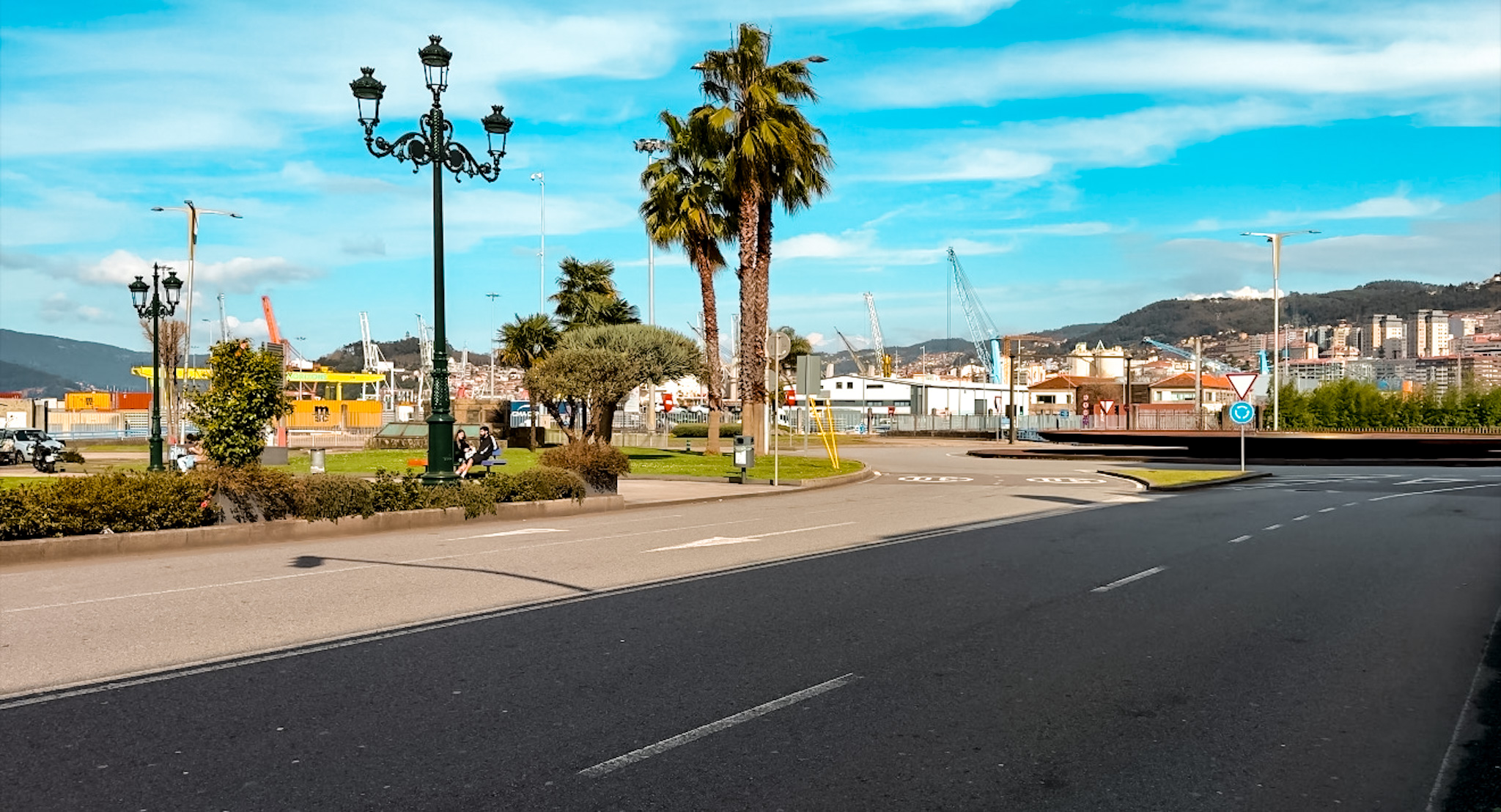
It felt like a real port city. A seafood city. A city where families and couples walk along the waterfront on the weekend. A city with a compact contemporary art museum, an Old Town that feels better when you slow down, a hilltop park with amazing views, and a food scene that makes you want to sit a little longer.
We visited near the end of winter, so this was not a summer beach version of Vigo. It was still cold. It rained a bit. But we also had good days, and those good days made the city feel beautiful in a calm, understated way.
That is what surprised me most about Vigo.
It was not trying to be the loudest stop on our route, but it still made an impression.
For the full overview of what to do, where to go, and how the city fits into a Galicia trip, start with my Vigo Travel Guide. If you want the main sightseeing list, read my Best Things to Do in Vigo guide.

Why I Was Not Expecting Much From Vigo
I do not mean this in a negative way, but Vigo was not one of those cities I arrived in with a huge set of expectations.
Some places come with a whole image already attached to them. Paris, Rome, Barcelona, Lisbon, Bangkok, Istanbul. You hear so much about them before you go that you almost have to work through other people’s version of the city before you can experience your own.
Vigo was not like that for me.
I did not have a mental list of ten famous things I had to see. I was not trying to recreate a Pinterest itinerary. I was not chasing one iconic photo that everyone else had. I was just curious.
That made the city easier to receive.
Sometimes when you go somewhere with low or neutral expectations, you notice more. You are not disappointed because it does not match some fantasy. You are not comparing every moment to what you thought it would be. You are just walking, eating, looking around, and letting the city show you what it is.
That is how Vigo worked for me.
It was not dramatic at first glance. It did not scream for attention. But the more we walked around, the more I appreciated it.
The Old Town had a quiet charm. The waterfront felt peaceful and local. MARCO gave us a compact museum stop. O Castro gave us one of the best views of the city. And the food reminded me that in Galicia, meals are not something to rush through.

Vigo Feels Like a Real Local City
One of the biggest reasons I think Vigo is worth visiting is because it feels lived in.
That may not sound exciting if you are only looking for famous landmarks, but it matters to me. After years of full-time travel, I appreciate cities where people are clearly living their lives, not just performing a version of the place for visitors. Vigo felt like that.
When we walked the waterfront on a weekend, there were families, couples, and friends everywhere. People were sitting by the water, talking, walking, eating, socializing, and just spending time outside. It was such a simple thing, but that is what made it memorable.
It did not feel like a tourist show.
It felt like a city being itself.
That local feeling is one of Vigo’s strengths. You can still do sightseeing. You can still visit the Old Town, MARCO, O Castro, the waterfront, and the Co-Cathedral. But the city does not feel like it exists only for your itinerary.
If you like places that feel real, Vigo gives you that.
Vigo Is Worth Visiting for the Old Town
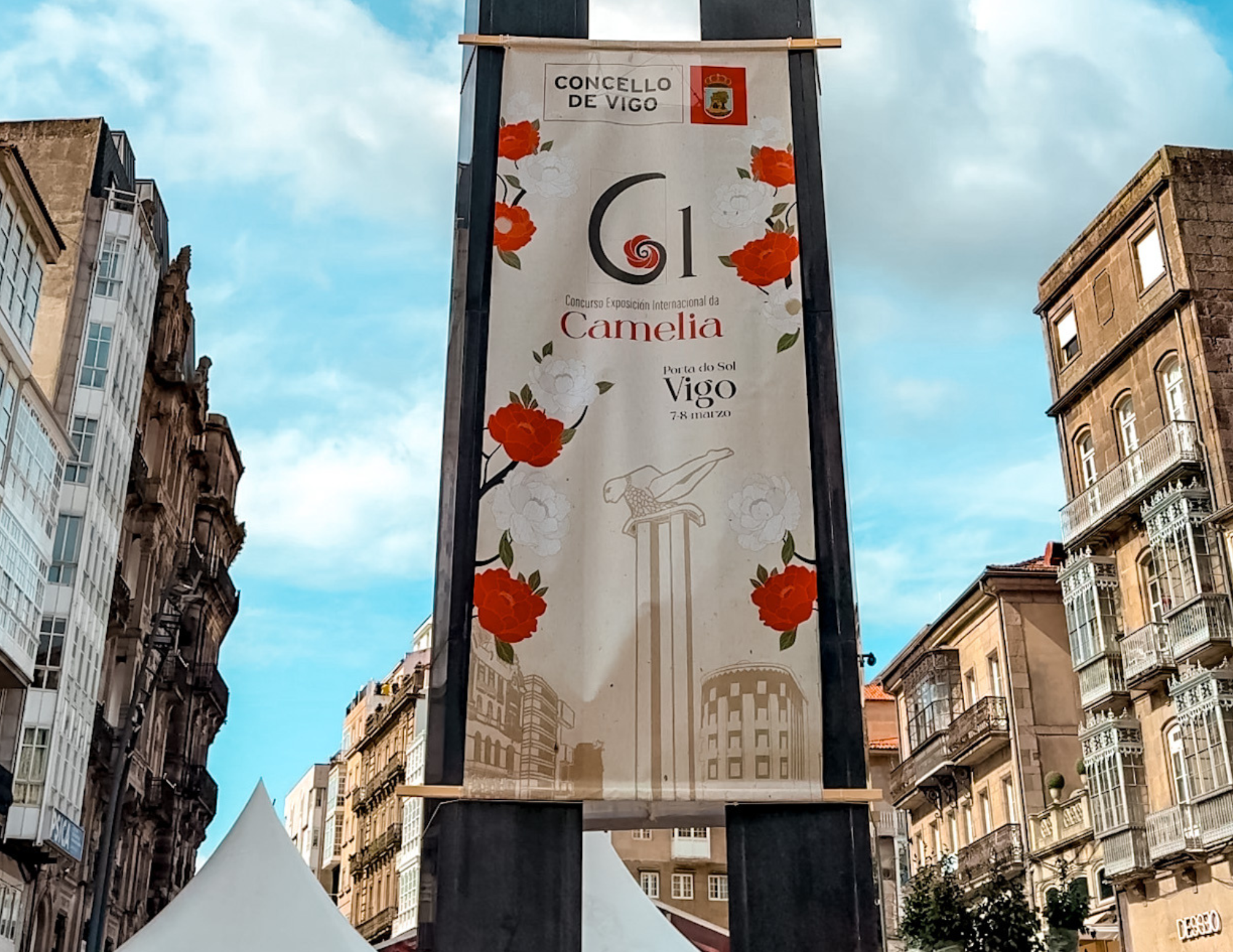
Vigo’s Old Town, or Casco Vello, is one of the main reasons I think the city is worth a stop.
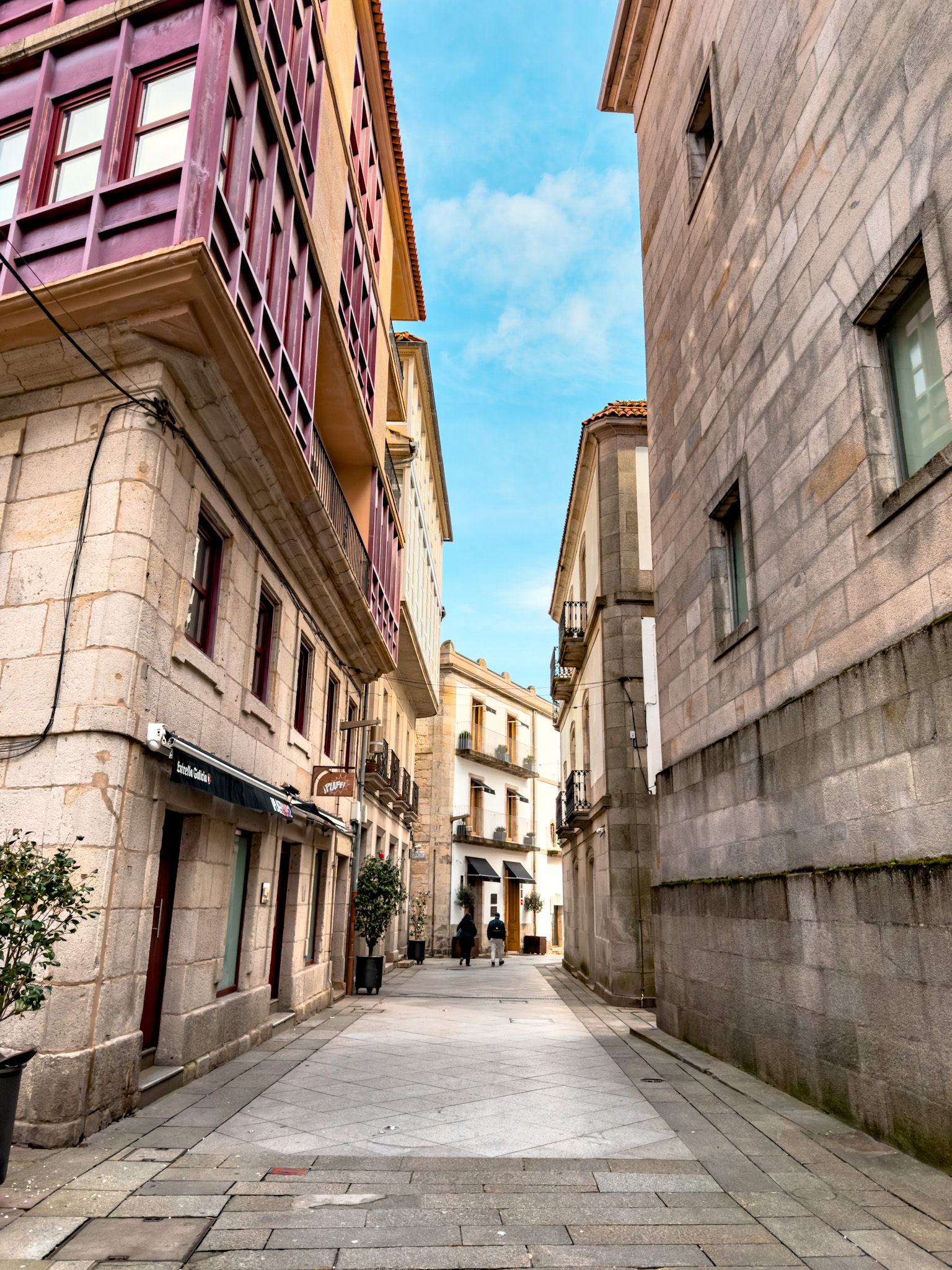
This is where the city starts to feel more historic and textured. You get older streets, plazas, restaurants, cafes, and the kind of wandering that helps you understand a city beyond its biggest attractions.
I would start around Praza da Colexiata and the Co-Cathedral of Santa María de Vigo, also known as A Colexiata. That area gives you a natural beginning point for exploring the historic center. From there, you can walk toward Porta do Sol, pass through nearby streets, and slowly connect the Old Town to the more modern side of Vigo.
What I liked about Casco Vello is that it did not feel overwhelming. It is not one of those historic centers where you feel like you need a full strategy just to see it properly. It is compact enough to enjoy slowly, but interesting enough to deserve your time.
The Old Town also helps balance the rest of Vigo. Without it, you might only think of the city as a port and seafood place. With it, you start to see the historic layer too.
For the full walk through this part of the city, read my Vigo Old Town Guide.

Vigo Is Worth Visiting for the Waterfront
The waterfront was one of the places where Vigo clicked for me.
Not because it was the most dramatic waterfront I have ever seen. Not because it had one huge attraction I had to check off. But because it felt peaceful and real.
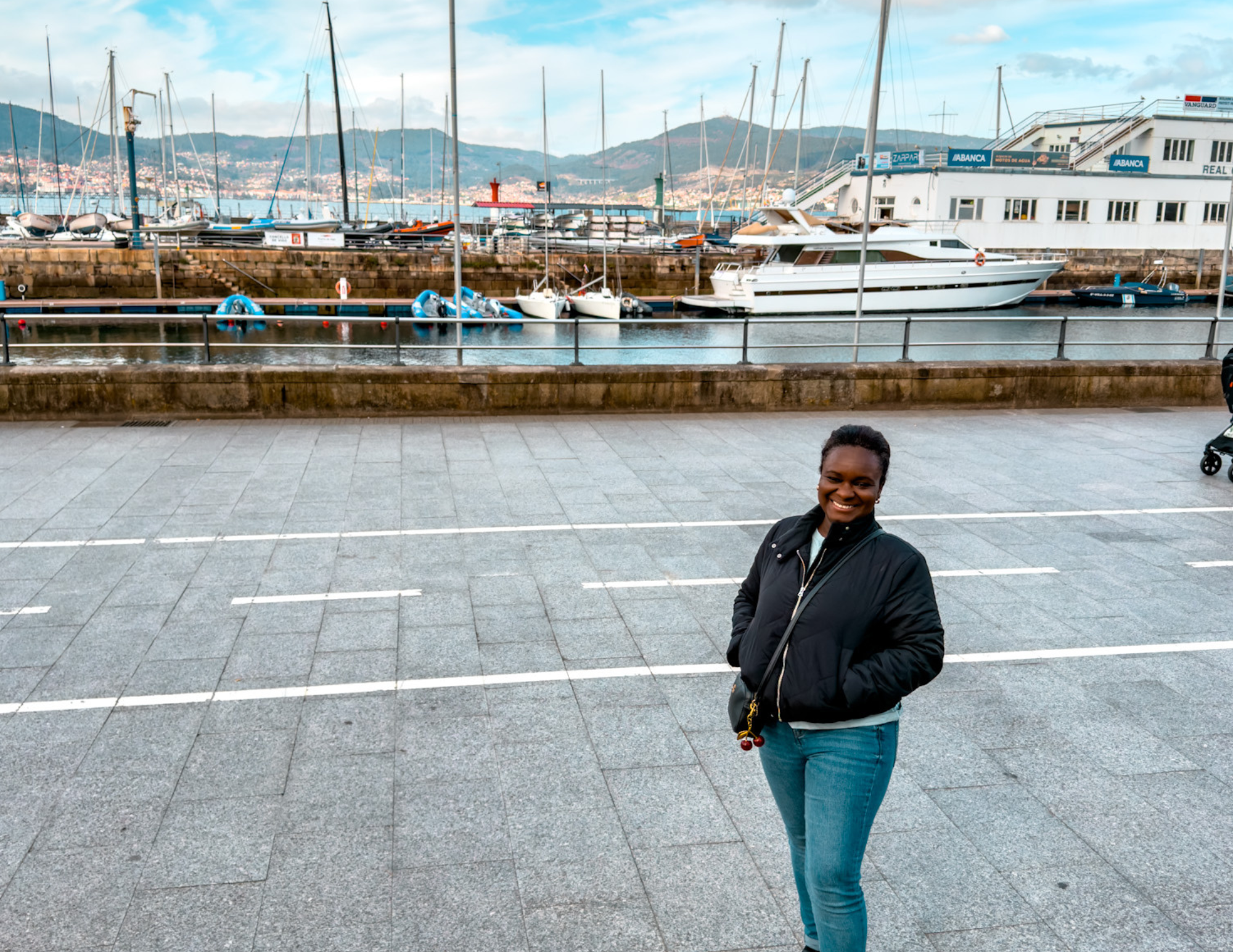
We walked the waterfront on a weekend, and that made the experience even better. Families were out. Couples were sitting by the water. Friends were talking and eating. People were walking slowly, enjoying the day, and using the waterfront as part of everyday life.
That is the kind of thing I remember.
Vigo is a port city, so the water is not just scenery. The marina, port, seafood culture, boats, and sea-facing rhythm are all part of the city’s identity. When you walk by the water, you understand Vigo differently than you do from the Old Town or city center.
I think the waterfront is one of the reasons Vigo is worth visiting even if you are not there in beach season. We came near the end of winter, and it still mattered. It gave the city breathing room.
For more on this side of Vigo, read my Vigo Waterfront and Port Guide.
Vigo Is Worth Visiting for O Castro
O Castro was one of my favorite stops in Vigo.
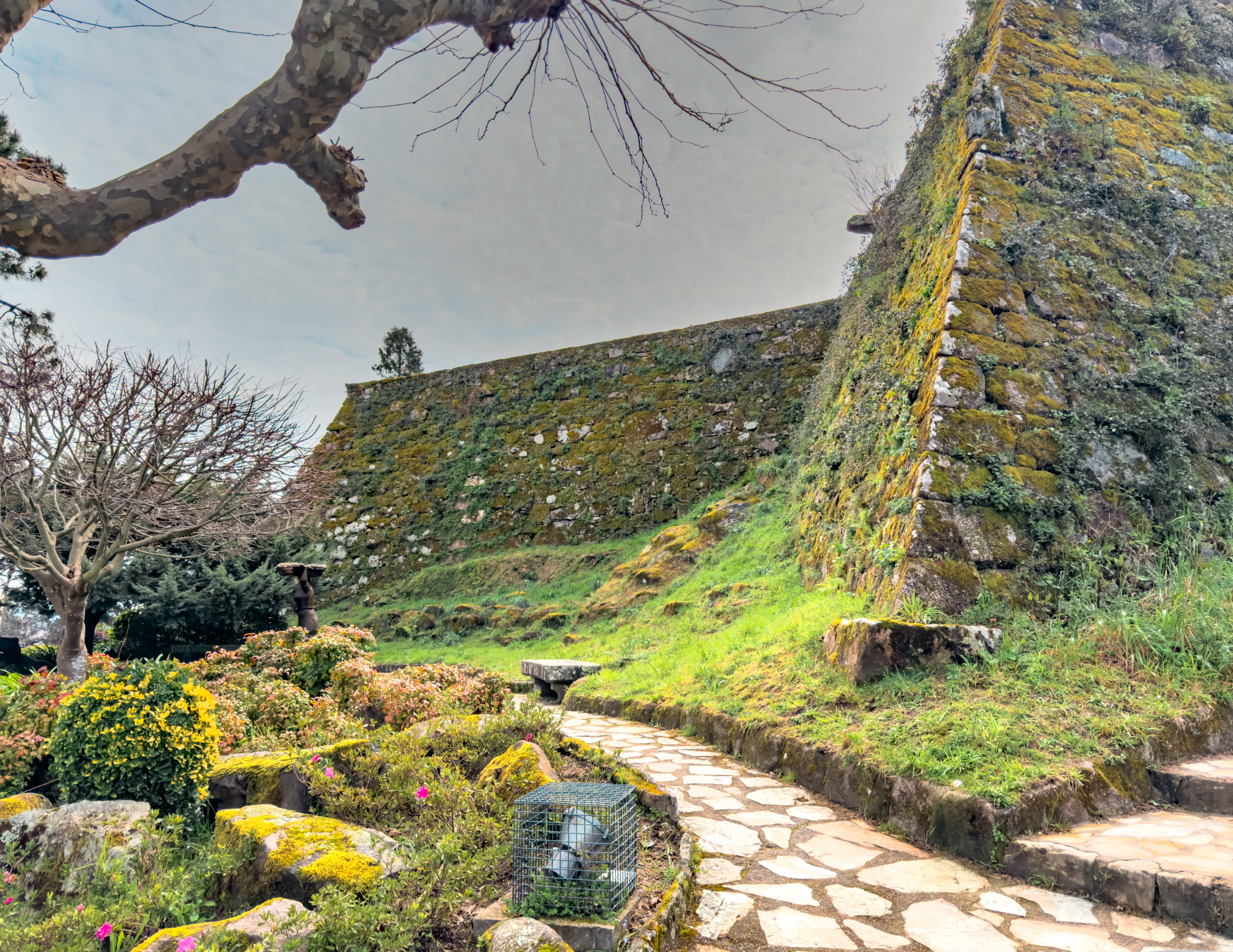
We climbed all the way up, and the views were amazing. This is one of those places that rewards you for the effort. You feel the climb, but once you get to the top, the city opens up in a way that makes the whole visit feel more complete.
From O Castro, you can see Vigo, the port, the water, the estuary, the rooftops, and the surrounding landscape. It helped me understand the city better because I could finally see how everything fit together.
Down below, Vigo is streets, plazas, food, museums, and waterfront walks. From above, it becomes a city shaped by the sea and hills.
That view made Vigo more memorable for me.
O Castro is also more than just a viewpoint. It has gardens, fortress walls, paths, and historic layers, so it gives you a mix of greenery, history, and scenery. If you only have a short time in Vigo, I still think it is worth making room for it if you are comfortable with the climb.
For the full breakdown, read my O Castro Vigo Guide.

Vigo Is Worth Visiting for MARCO
MARCO was another stop I was glad we included.
The Museum of Contemporary Art of Vigo is compact, central, and free to enter when we visited. It was not the kind of museum that took over the whole day, and that is exactly why it worked. We could stop in, enjoy the exhibitions, get a break from walking, and then continue exploring the city.
This was especially helpful because we visited near the end of winter. The weather was still cold, and we had some rainy moments, so having a good indoor stop made the day easier.
MARCO also gave Vigo another layer.
It is easy to think of the city through seafood, the port, and the waterfront. But the museum adds a more contemporary, creative side. I liked that because it made the city feel more balanced.
If you enjoy museums, rainy-day stops, or free cultural things to do, MARCO is worth adding to your Vigo itinerary.
For more details, read my MARCO Vigo Museum Guide.

Vigo Is Worth Visiting for the Food
Vigo is absolutely worth visiting if you like seafood, tapas, and Galician wine.
This is one of the biggest reasons the city makes sense as a travel stop. Vigo is deeply tied to the sea, and you feel that in the food. Seafood is not just something added for tourists. It is part of the identity of the city.
We had tapas at Pazo da Oliva, a Michelin Guide-listed restaurant, and it fit the slower rhythm of Vigo perfectly. It felt a little polished, but still relaxed enough to work as part of the day.
There are also other places worth having on your list, like Restaurante Casa Marco, Taberna Baiuca, and Bouzas if you want to explore the old fishermen’s quarter and look for fresh, more affordable seafood. If you want something different, you can also add brunch spots like La Cultural Brunch Vigo or La Cuca Brunch, and Bico de Xeado for something sweet.
What I like about Vigo as a food city is that it does not have to be complicated. Eat seafood if you eat seafood. Try Galician white wine. Have tapas. Sit longer than you planned. Let food become part of the experience instead of something you rush through between attractions.
For the full food guide, read my Where to Eat and Drink in Vigo Guide.

Vigo Is Worth Visiting Even in Winter
I think Vigo is still worth visiting outside of beach season.
We visited near the end of winter, so I can say that from experience. It was cold. It rained a little. We had some grey moments. But we also had good days, and those good days showed me a softer, quieter version of the city.
Because we were not there for a beach trip, we focused more on walking, food, museums, the Old Town, the waterfront, and O Castro. That made the city feel more local to me.
In summer, Vigo may feel more coastal and beachy. You can add places like Samil, O Vao, and possibly island trips if the timing works. But in winter or early spring, Vigo still has enough to do. You just have to adjust your expectations.
Do not come in winter expecting a beach escape. Come for seafood, city walks, art, views, plazas, coffee, wine, and slower travel.
That version of Vigo worked for us.
For more on this seasonal angle, read my Vigo in Winter Guide.
Who Will Like Vigo?
You will probably like Vigo if you enjoy underrated cities, local-feeling places, seafood, waterfront walks, hilltop views, compact museums, and slower travel.
Vigo is a good fit for travelers who do not need every city to be a polished postcard. It is also good if you are traveling through Galicia, coming from Porto, or building a northern Spain itinerary that goes beyond the most obvious stops.
I think Vigo works well for people who like to walk, eat, wander, and notice everyday life.
You might especially enjoy Vigo if you have already visited Spain’s bigger cities and want something different. Galicia does not feel like Madrid. It does not feel like southern Spain. It has its own rhythm, weather, food, and landscape.
Vigo gives you a taste of that.
It also works for slow travelers because the city does not pressure you to see a million things in one day. You can give yourself permission to move slowly, which is one of the best ways to experience it anyway.

Who Might Not Like Vigo?
Vigo may not be for everyone.
If you only want huge, famous landmarks, you may not fully appreciate it. If your ideal Spain trip is built around the most iconic sights, perfect weather, dramatic architecture, and a packed checklist, Vigo might feel too quiet.
It is also not the city I would choose if you only have a few days in Spain and this is your very first trip to the country. For a first-time Spain trip, most people will probably prioritize Madrid, Barcelona, Seville, Granada, Valencia, or other better-known destinations first.
But if you are already in northern Portugal or Galicia, Vigo becomes much more appealing.
It is also better if you like places that unfold slowly. Vigo’s charm is quieter. It is in the waterfront walk, the seafood, the Old Town, the view from O Castro, the compact museum, the plazas, and the feeling of being somewhere that locals actually live.
If you need a city to impress you immediately, Vigo might not be your place.
If you are willing to slow down, it might surprise you.
Is Vigo Better as a Day Trip or Overnight Stay?
I think Vigo is better with at least one overnight stay.
You can visit as a day trip, especially if you are coming from somewhere nearby, but I think the city feels better when you do not rush it. A day trip gives you enough time to walk the Old Town, see Porta do Sol, visit MARCO, eat something, and maybe walk the waterfront. But it may feel tight if you also want to climb O Castro.
With one night or two days, Vigo works better.
You can let the first day focus on the Old Town, MARCO, food, and waterfront. Then use the second day for O Castro, more food, a slower walk, or Bouzas if seafood is a priority.
That slower pace fits the city. Vigo is not a place I would try to speed-run.
For a full two-day route, read my 48 Hours in Vigo Itinerary Guide.

How Many Days Do You Need in Vigo?
For most travelers, one to two days is enough for a first visit to Vigo.
One day gives you a taste. Two days gives you room to enjoy it.
If you only have one day, focus on the Old Town, Porta do Sol, MARCO, the waterfront, and food. If you are up for the climb, add O Castro.
If you have two days, slow it down. Spend more time by the water. Eat properly. Go up to O Castro without rushing. Maybe explore Bouzas for seafood or add brunch if you want a softer morning.
If you are visiting in summer and want beach time or a coastal day trip, you could add more time. But for the version of Vigo we experienced, two days felt like a good amount.
That is another reason I think Vigo is worth visiting. It does not require a huge time commitment to make an impression.

Should You Visit Vigo From Porto?
Yes, Vigo can make sense if you are coming from Porto.
That is what we did, and it felt like a natural next step in our route. Porto to Vigo gives you a nice transition from northern Portugal into Galicia, and Vigo is close enough that it does not feel like a complicated move.
This is especially useful if you are doing slow travel, full-time travel, or a longer Europe route where you are not trying to squeeze everything into one week. Vigo gives you a different mood from Porto while still fitting geographically.
It also works if you are building a broader northern Portugal and northern Spain route. You can connect Porto, Vigo, Santiago de Compostela, and other Galicia stops in a way that feels logical.
I would not necessarily tell someone to leave Porto just for a rushed few hours in Vigo if they are already short on time. But if you have room in your itinerary, Vigo is a good next stop.

What Surprised Me Most About Vigo
What surprised me most about Vigo was how peaceful it felt.
I did not expect that to be my takeaway. I knew it was a port city. I knew it was in Galicia. I knew it was near the water. But I did not expect the city to feel as calm and beautiful as it did, especially in winter.
The waterfront on the weekend stayed with me. Families and couples out by the water. People sitting and talking. Friends eating. The city feeling alive but not chaotic.
O Castro surprised me too. I knew we were going up for views, but once we climbed all the way up and saw Vigo from above, the city made more sense. The water, the port, the rooftops, the hills, the estuary. It all came together.
And MARCO surprised me because it was compact but still worth stopping into. I always appreciate cities that have easy cultural stops you can add without overcomplicating the day.
Vigo surprised me because it was not one huge thing.
It was a collection of smaller moments that added up.
So, Is Vigo Worth Visiting?
Yes, Vigo is worth visiting if you understand what kind of city it is.
It is not trying to be Spain’s biggest showstopper. It is not the city I would put at the very top of a first-time Spain itinerary if someone only had a week. But for travelers moving through Galicia, coming from Porto, or looking for a more underrated city in northern Spain, Vigo is absolutely worth considering.
Go for the Old Town. Go for the waterfront. Go for seafood and Galician wine. Go for MARCO if you like free cultural stops. Go for O Castro if you want one of the best views in the city. Go because you want to see a quieter, more local-feeling side of Spain.
That is where Vigo shines.
It does not need to compete with Madrid, Barcelona, or Seville. It is offering something different.
And sometimes, different is exactly what makes a city worth your time.
Final Thoughts: Vigo Was Better Than I Expected
Vigo was better than I expected because I did not try to force it to be something it was not.
I did not expect a glamorous beach escape. I did not expect a city packed with famous landmarks. I did not expect perfect winter weather. I came curious, and that was the right way to arrive.
What I found was a quiet Galicia city with a beautiful waterfront, a walkable Old Town, good food, a compact museum, and a hilltop park with incredible views.
That was enough.
Sometimes travel is not about finding the most famous place. Sometimes it is about taking a chance on the place you barely knew about and realizing it had something to give you.
Vigo gave me that.
It was peaceful, local, coastal, a little rainy, and worth the stop.

Cavetta is the creator of LifeWithVetta.com and has been traveling the world full time since 2020. She has visited more than 60 countries while worldschooling her son and documenting what it really takes to live abroad. Her guides focus on travel, moving abroad, digital nomad life, and designing a life beyond the traditional path.
