
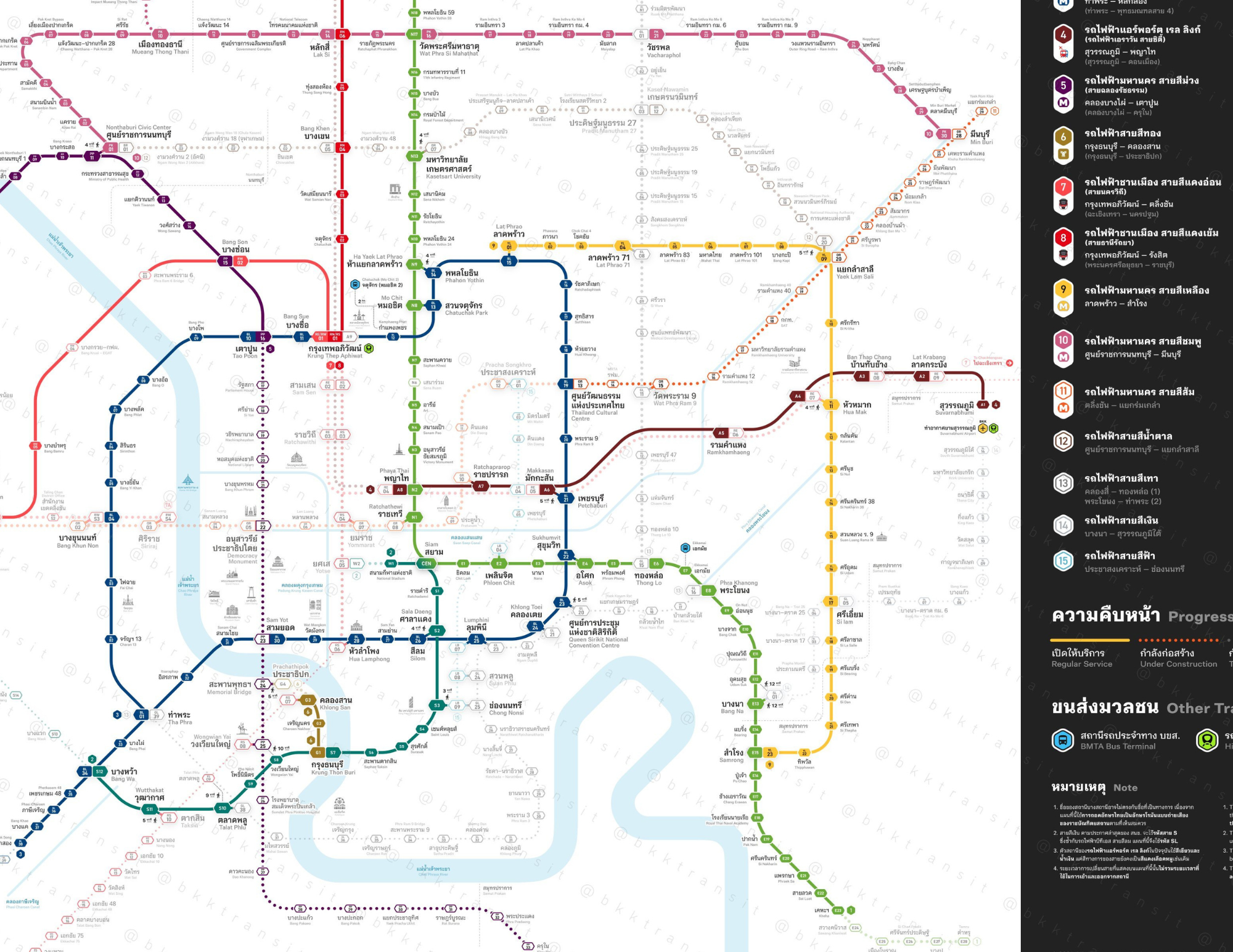
If you have spent even one day in Bangkok, you already know the traffic can be brutal. It does not really matter whether it is morning rush hour or late in the evening. Cars crawl, motorbikes squeeze through impossible gaps, and calling a car during the wrong part of the day can turn a short ride into an annoying one. That is why Bangkok’s transit system is not just helpful. It is essential.
I use the BTS and MRT constantly, and they are a huge part of what makes Bangkok feel manageable instead of exhausting. They are clean, reliable, air-conditioned, and most importantly, they let you move through the city without getting trapped in whatever is happening on the roads below. Once you understand which parts of Bangkok are easiest by BTS, which make more sense by MRT, and when boats or the airport rail link fit in, the city starts feeling a lot less intimidating.
If you are still figuring out Bangkok more broadly, my Bangkok for First-Timers and The Ultimate Bangkok Travel Guide help connect all of this to the neighborhoods, sights, and day plans that make the city feel easier.
If you are staying in Bangkok for more than a few days, one of the smartest choices you can make is booking a condo, hotel, or Airbnb within easy walking distance of a station. That single decision can completely change how the city feels. Bangkok is much more enjoyable when your first step out the door already puts you close to fast transit.
Bangkok gets much easier once you stop thinking of transport as an afterthought. Where you stay, which line you are near, and whether you are better off on rail or on the river can shape your whole day more than first-time visitors expect.
And if you are trying to avoid the planning mistakes that make Bangkok feel harder than it needs to, read Mistakes First-Timers Make in Bangkok next.
If you are still deciding on your base, my Where to Stay in Bangkok guide helps a lot because being close to BTS, MRT, or a practical river connection can completely change how easy the city feels.
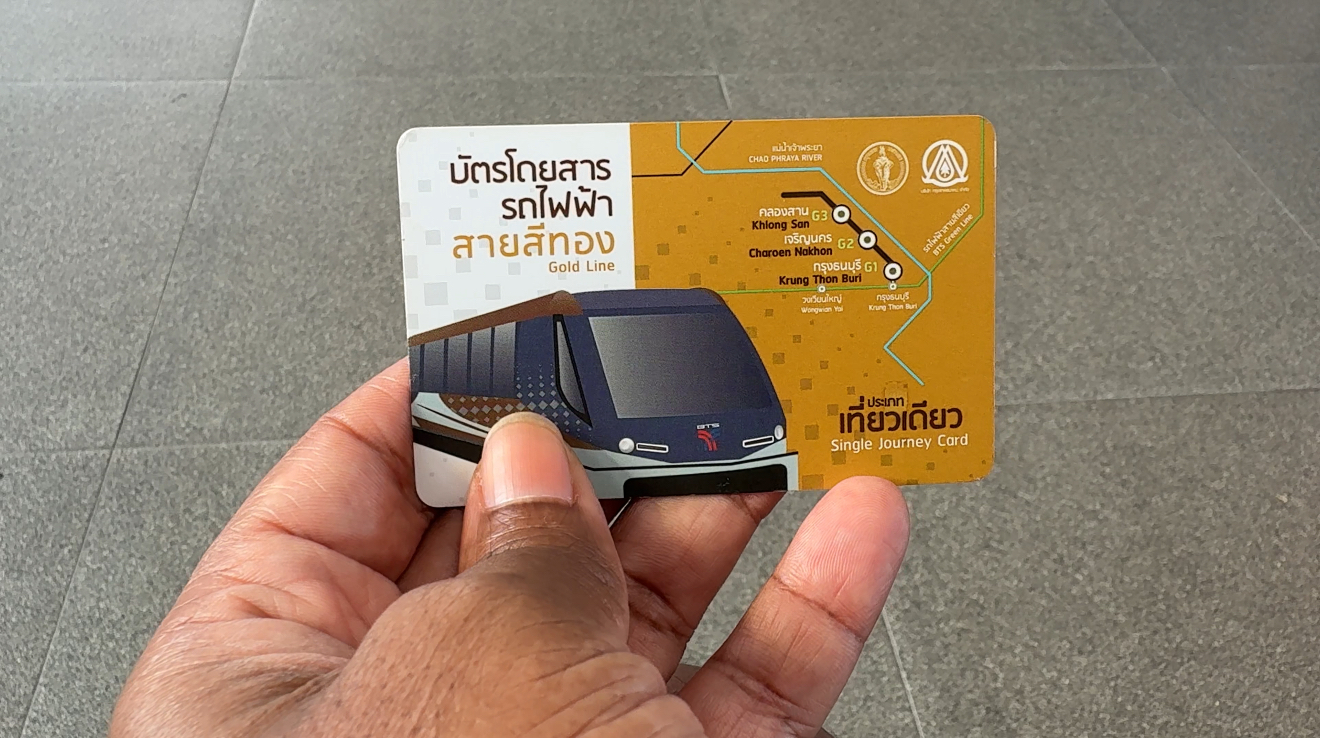
BTS Skytrain
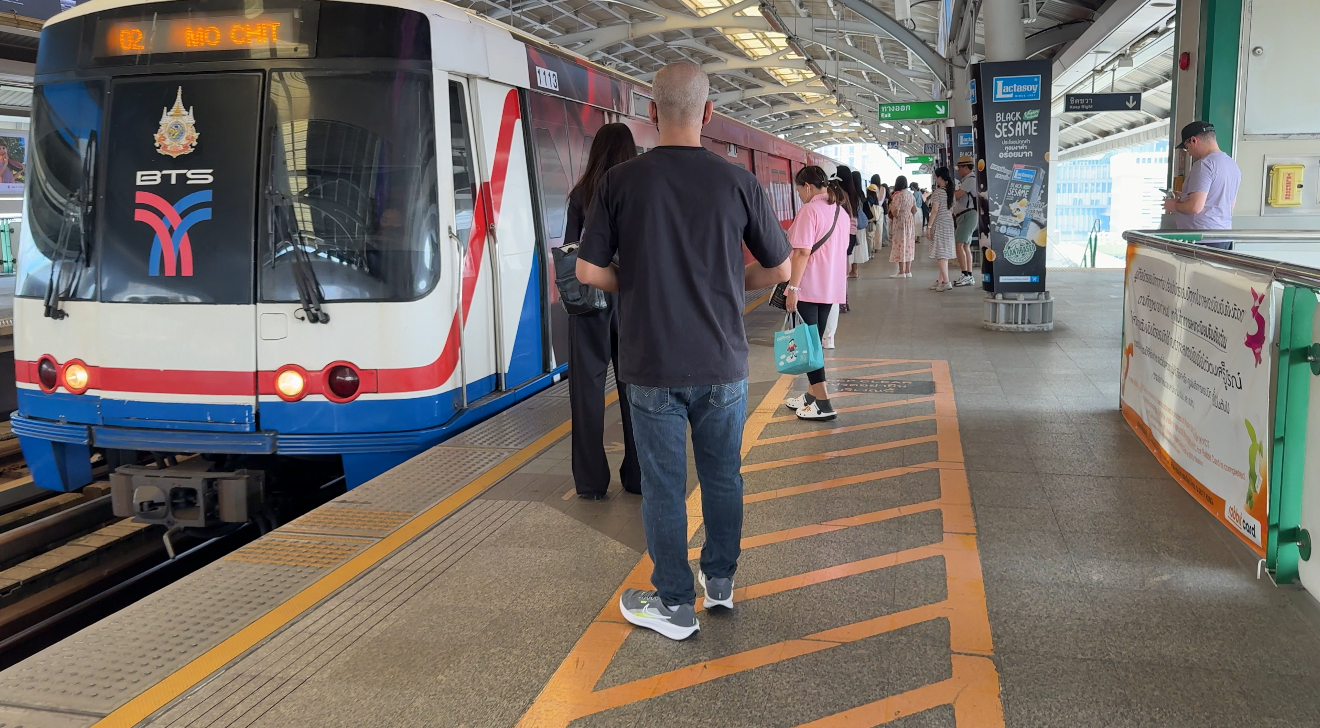
The BTS is the easiest place for most travelers to start because it cuts through a lot of the modern city and connects many of the areas visitors use most. It has two main lines: the Sukhumvit Line, which runs through places like Mo Chit, Siam, Asok, and farther east and north, and the Silom Line, which connects National Stadium, Siam, Silom-area access, and westbound neighborhoods. BTS operates daily from 06:00 to 24:00.
In real life, BTS is what makes areas like Sukhumvit, Siam, Ari, Mo Chit, and parts of Silom feel easy. If you are staying near a station, Bangkok immediately becomes less stressful. It is one of the reasons I always tell people to think about station access before they think about hotel aesthetics.
If you are sightseeing, the BTS is especially useful for mall areas, modern Bangkok neighborhoods, parks, and linking into the river through Saphan Taksin.
This is also why areas from my Best Places To Shop In Bangkok, ICONSIAM Bangkok Guide, and Bangkok’s Green Side posts are much easier to enjoy when you already understand which BTS stops connect best.
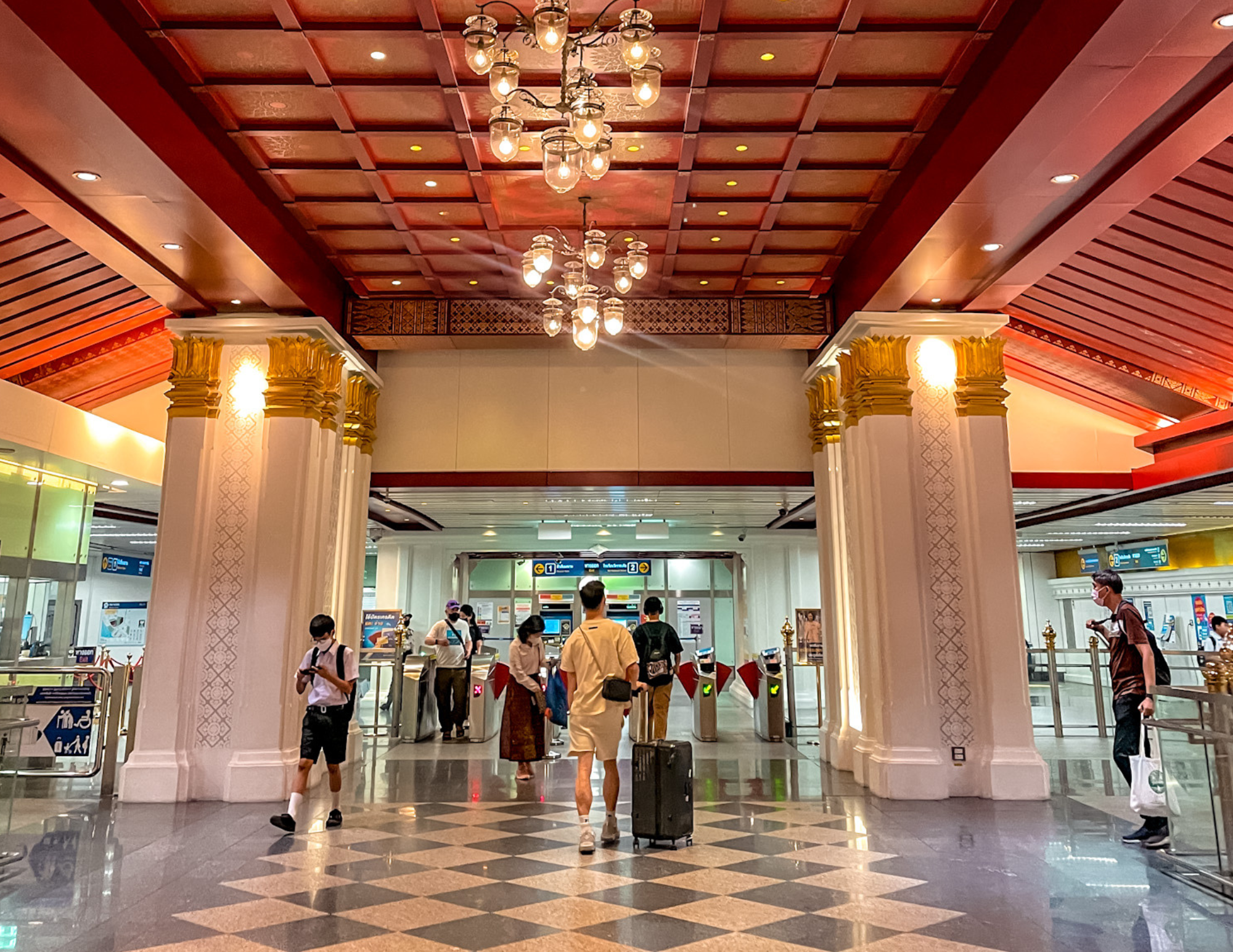
MRT Subway
The MRT matters more than first-timers often realize because it fills in some of the parts of Bangkok that the BTS does not cover as naturally. The Blue Line is the one most travelers use most. It makes places like Chinatown, parts of Old Town access, and several central interchange points much easier. The Purple Line is more useful for outer areas and northern suburbs, so most short-term visitors will care far more about the Blue Line. MRT also operates daily from 06:00 to 24:00.
What makes the MRT especially valuable now is that it helps Bangkok’s cultural side feel more connected than it used to. Chinatown is much easier. The edges of the old-city side are easier. And if you are building your days around a mix of modern and historic Bangkok, the MRT often does more work than people expect.
For a lot of travelers, the smartest setup is not choosing BTS or MRT. It is staying somewhere that gives you easy access to at least one and ideally an interchange point if you can get it.
A lot of first-timer frustration in Bangkok comes down to bad transport choices, which is exactly why my Bangkok First-Timer Mistakes post is worth reading too.
If you are planning temple days or old-city sightseeing, this also pairs well with my 3 to 5 Days in Bangkok and The Ultimate Bangkok Travel Guide, because those are the kinds of days where MRT strategy matters most.
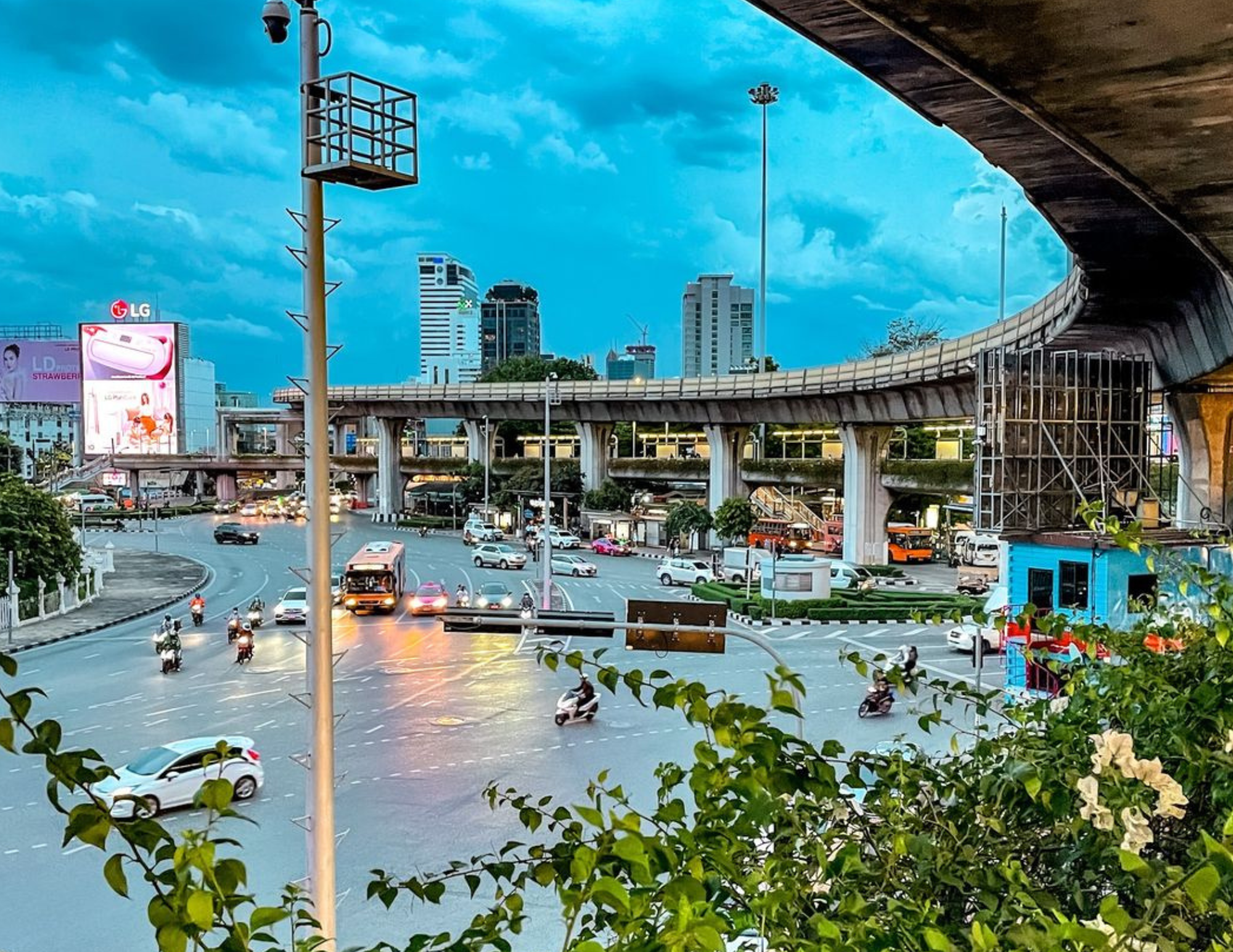
Airport Rail Link
If you are flying into Suvarnabhumi Airport, the Airport Rail Link is one of the easiest ways to enter the city without getting dragged straight into road traffic. The most useful thing to know is that it connects into the city in a way that makes transfers easier, especially around Phaya Thai for BTS access and Makkasan/Phetchaburi for MRT connection logic.
This is one of those systems that matters less once you are settled and more right at the beginning or end of a trip. But that beginning matters. Being able to land and move into the city without immediately sitting in a traffic jam makes Bangkok feel much friendlier right away.
If you are flying into Don Mueang, that is a different setup and usually means taxi, rideshare, or rail combinations that are a little less seamless.
And if Bangkok is your entry point into a longer trip, my The Perfect 3 Weeks in Thailand Itinerary shows how the city fits into a bigger Thailand route.
River Boats
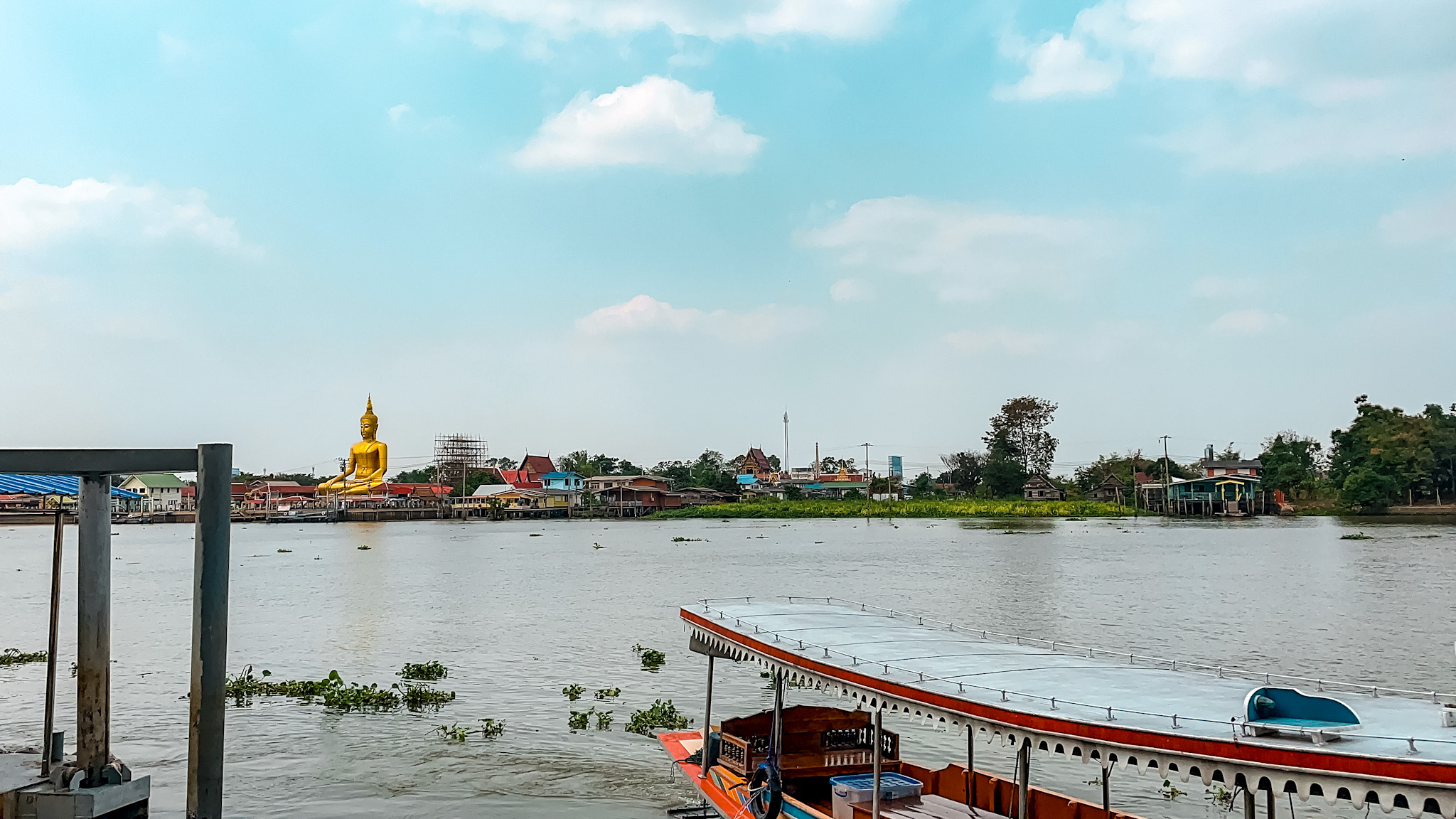
Bangkok’s river system is one of the most underrated parts of getting around the city. For temple days, riverside hotels, Chinatown connections, and anything built around the Chao Phraya, boats can make Bangkok feel easier and more scenic at the same time.
The Chao Phraya Express Boat still operates several lines, with current published fares such as 19 baht flat on the Orange Line and 24 baht flat on the Yellow Line, while some other lines have different rates depending on the route.
That matters because the river is not just for views. It is useful. A lot of first-time visitors treat boats like a sightseeing extra, but for places like the Grand Palace area, Wat Arun connections, and riverside movement, they can be one of the smartest parts of the day. They also make Bangkok feel more like Bangkok.
This matters even more if you are heading toward the old-city temple side, which is why my Grand Palace Bangkok Guide, Wat Phra Kaew Bangkok Guide, and Wat Pho Bangkok Guide all pair naturally with this part of Bangkok transport planning.
If you stay on the river, this matters even more. Hotel shuttles, public piers, and boat links to Sathorn Pier can completely change how your days work.
I also recommend setting up a few basics before you land, and my Must Download Apps for Thailand guide covers the apps that make getting around Bangkok much easier right away.
River days also connect really well with ICONSIAM Bangkok Guide and A Free Romantic Evening in Bangkok if you want to keep exploring the riverside side of the city after sightseeing.
Tickets, Cards and Fares
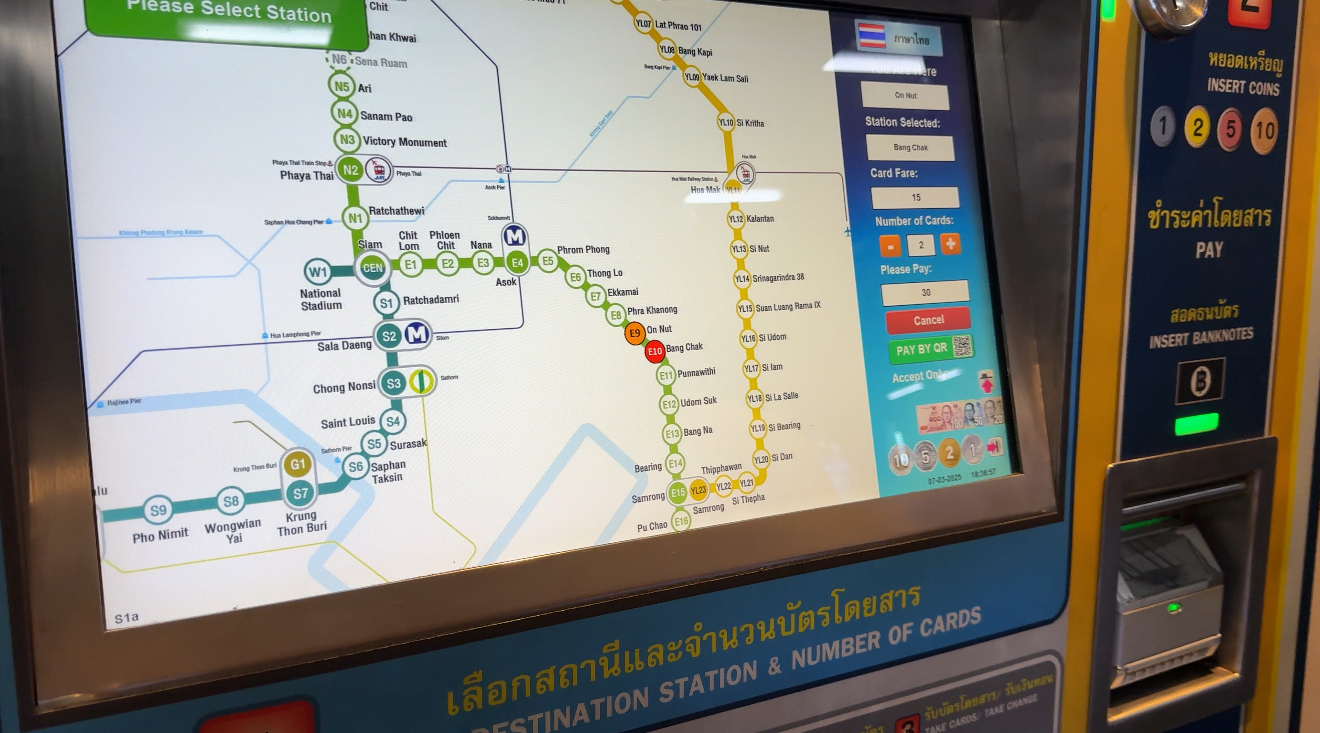
For BTS, you can still buy single journey tickets, use a Rabbit Card, or get a One-Day Pass. BTS officially lists the One-Day Pass at 150 baht, and Rabbit card purchase information includes a 100 baht card issuance fee with stored value added separately.
For MRT, you can buy single journey tokens or use stored-value and EMV-supported payment options depending on the station and setup. The official MRT site publishes current fare tables through its route map and fare tools rather than one simple tourist summary.
The biggest practical thing I would say is this: if you are in Bangkok long enough to use transit every day, stored value is worth it. If you are only doing a short sightseeing burst, single tickets are fine. Do not overcomplicate it.
If you are only in the city a few days, the bigger win is usually route logic, not fare strategy, which is exactly why 3 to 5 Days in Bangkok and Where to Stay in Bangkok matter so much.
One thing to be careful with is reading older advice about fare changes. The government has discussed and partially rolled out lower fixed-fare policies in some systems and for some groups, but these rules are not as simple as “everything is now one flat fare for everyone,” so I would not hard-code that kind of line into an evergreen post without checking it again when you update.
Best Transit Tips for First-Timers
For most travelers, the easiest Bangkok transit strategy is simple: use the BTS for a lot of the modern city, use the MRT for Chinatown and easier access toward Old Town, use river boats when you are doing temple and riverside days, and use Grab only when it actually makes more sense than rail. Once you stop trying to do every trip by car, Bangkok starts feeling much faster and much less frustrating.
A few things help a lot:
- Stay within a short walk of a station if you can.
- Do not underestimate how much easier interchanges make your trip.
- Use the river on temple days instead of treating it like a bonus.
- Avoid building your whole day around taxis unless you absolutely have to.
- Expect Bangkok to feel huge until transit starts making sense. After that, it gets much easier.
This is also why I tell people not to plan Bangkok by map distance alone. A place can look close and still be annoying to reach if you are choosing the wrong system.
That is one of the biggest themes in Bangkok for First-Timers and Mistakes First-Timers Make in Bangkok, because transport choices shape the whole trip more than people expect.
If you are still planning your base, my Where to Stay in Bangkok guide matters here too, because being close to BTS, MRT, or a practical river connection can completely change how easy the city feels.
Tips for Travelers
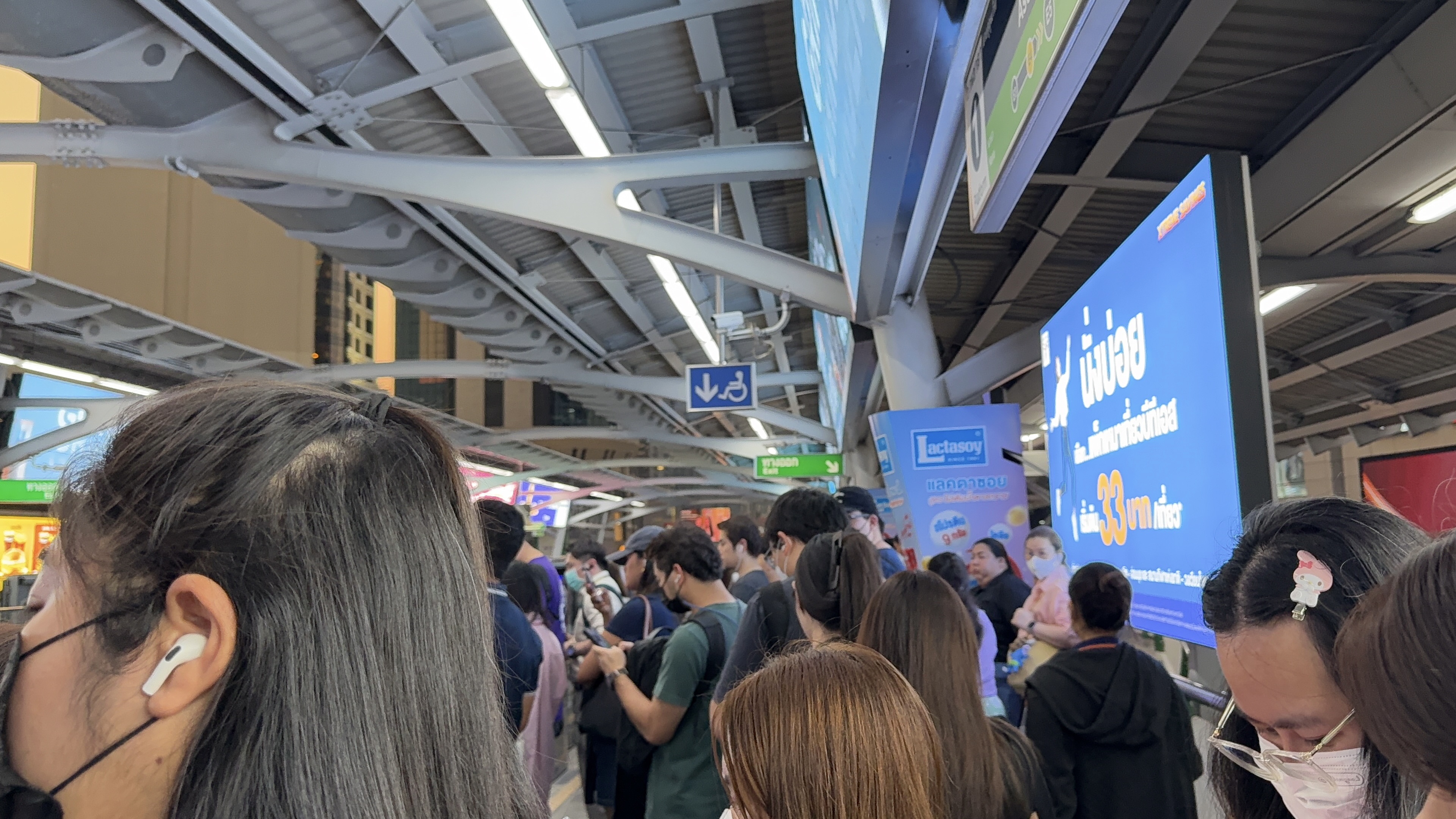
- Avoid Peak Hours: Traveling between 10:00 AM–4:00 PM or after 7:30 PM can help you avoid crowded trains.
- Use Stored Value Cards: Rabbit Cards for BTS and similar cards for MRT save time and often offer fare discounts.
- Plan Your Route: Utilize official transit maps and apps to plan your journey efficiently.
The easiest way to make Bangkok feel manageable is to stop thinking about transport as separate from the rest of your planning. Where you stay, when you cross the river, and which neighborhoods you combine in one day all matter.
That is also why posts like Best Night Markets in Bangkok, Best Places To Shop In Bangkok, and Bangkok on a Rainy Day work better once you already understand how you are moving around the city.
Final Thoughts
Bangkok can feel chaotic when you first land, but the transit system is one of the things that helps the city start making sense. Once you understand how BTS, MRT, boats, and airport rail links fit together, Bangkok feels less like a place you survive and more like a place you can actually enjoy.
For me, that is the difference. Rail and river do not just save time. They make Bangkok feel livable.
If you are still planning the practical side of your trip, my Where to Stay in Bangkok, Bangkok First-Timer Mistakes, and Must Download Apps for Thailand posts all pair really well with this one and make Bangkok much easier to navigate from day one.
And if you are building your sightseeing days now, I would go next to The Ultimate Bangkok Travel Guide or 3 to 5 Days in Bangkok so you can turn the transport side into an actual plan.

Cavetta is the creator of LifeWithVetta.com and has been traveling the world full time since 2020. She has visited more than 60 countries while worldschooling her son and documenting what it really takes to live abroad. Her guides focus on travel, moving abroad, digital nomad life, and designing a life beyond the traditional path.
