
-1.png)
Burgos Cathedral is the reason many people stop in Burgos, and after seeing it in person, I understand why. There are some cathedrals you visit because they are famous, and then there are cathedrals that actually feel as dramatic as their reputation. Burgos Cathedral is one of those places.
It does not sit quietly in the city. It takes over the historic center. You see the towers before you reach the main square, then you walk closer and suddenly the whole building opens up in front of you with spires, stonework, portals, chapels, sculptures, and details that make you slow down whether you planned to or not.
I visited Burgos in winter, and the colder weather honestly matched the cathedral. The stone streets, gray skies, sharp Gothic lines, and quieter Old Town made the whole area feel even more historic. Burgos is not a flashy city, but the cathedral gives it drama. If you are deciding what to prioritize in the city, this is the one place I would not skip.
If you are still planning your time in the city, read my Burgos Travel Guide first. That guide gives you the bigger picture of how the cathedral fits with the Old Town, museums, Camino de Santiago history, and the rest of the city.
-1.png)
Why Burgos Cathedral Is So Important
Burgos Cathedral, officially the Cathedral of Saint Mary of Burgos, is one of the most important Gothic cathedrals in Spain. Construction began in 1221 and continued over several centuries, with major work completed by 1567. That long building history is part of what makes the cathedral so interesting because it does not feel like one flat architectural moment. It feels layered, with Gothic, Renaissance, and later artistic details all working together.
-3.png)
The cathedral became a UNESCO World Heritage Site in 1984, and it is especially notable because it was recognized on its own, not only as part of a larger historic city center. That says a lot about its importance. Burgos has plenty of beautiful historic streets and landmarks, but the cathedral stands as the city’s masterpiece.
What makes Burgos Cathedral so powerful is not just its size. It is the way the building shows the evolution of Gothic art and architecture across time. UNESCO describes it as a major example of Gothic development, with architecture and artwork that include paintings, choir stalls, tombs, stained glass, reredos, and other artistic elements.
Even if you are not someone who normally studies cathedral architecture, you can feel that history when you stand outside it. Burgos Cathedral has weight. It feels like the kind of building that shaped the city around it.
-2.png)
First Impressions of Burgos Cathedral
The first thing that stood out to me was how suddenly the cathedral appears as you move through the Old Town. Burgos is very walkable, and the approach matters. You can come through Arco de Santa María, walk into the cathedral area, and then there it is, rising right in front of you.
That approach makes the cathedral feel even more dramatic. You are not seeing it from a wide modern road or a distant viewpoint at first. You are walking through the historic center, passing old stone buildings and narrow streets, and then the cathedral becomes the main character.
The exterior is full of detail. The spires are sharp and beautiful, the façade is layered, and every side of the building gives you something different to look at. This is why I would not just stand in one spot, take a photo, and move on. Walk around it. Look at it from the square, from the side streets, from near Arco de Santa María, and from the surrounding Old Town.
Burgos Cathedral is one of those buildings where the outside already feels like an experience before you even buy a ticket or walk inside.
-2.png)
Should You Go Inside Burgos Cathedral?
Yes, I think Burgos Cathedral is worth visiting inside if you enjoy cathedrals, architecture, religious art, Spanish history, or historic interiors. The exterior alone is impressive, but the inside gives the building more depth.
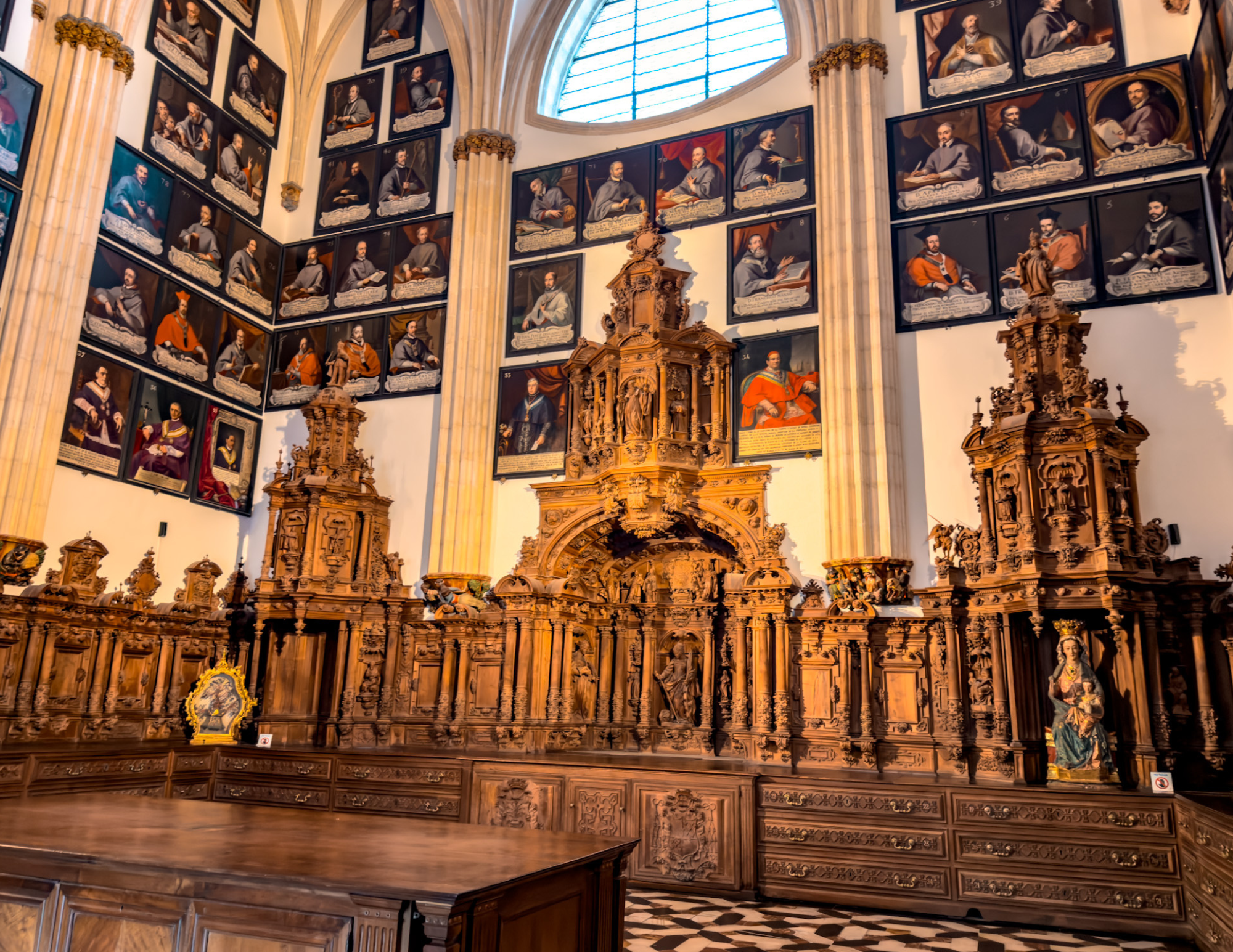
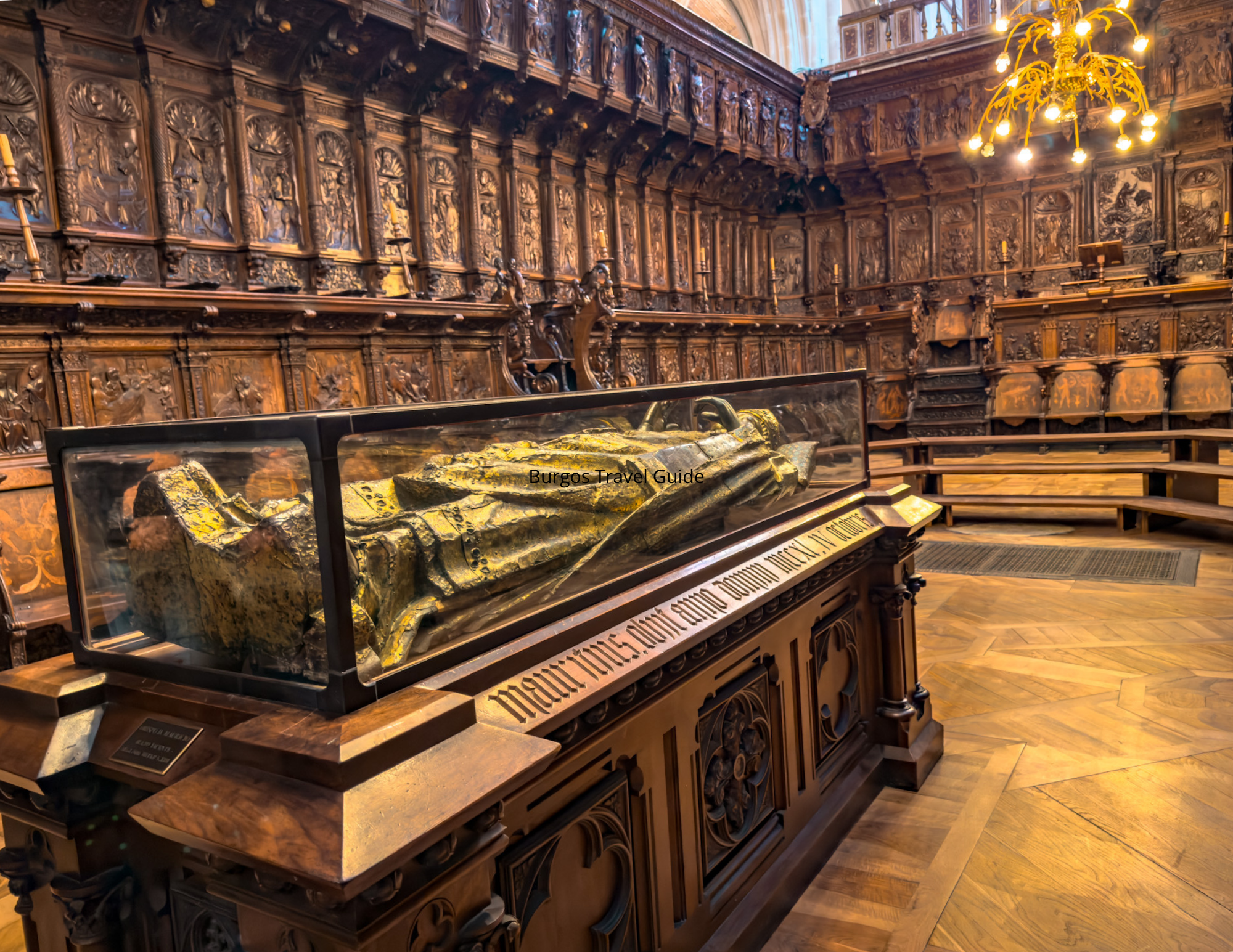
Some cathedrals are beautiful from the outside but feel less memorable once you enter. Burgos Cathedral does not feel like that. Inside, there are chapels, tombs, choir stalls, altarpieces, vaulted ceilings, staircases, sculptures, and artwork that help explain why this building is so important.
This is not the kind of cathedral I would rush through. Give yourself enough time to look up, pause, and move through the different spaces slowly. The cathedral has so many layers that it is easy to miss things if you are only treating it as a quick stop.
If you only have one day in Burgos, I would still make time for the cathedral. My One Day in Burgos Spain Itinerary is built around that idea because the cathedral is the natural center of a first-time route through the city.
-3.png)
What to See Inside Burgos Cathedral
The interior of Burgos Cathedral has a lot to take in, so it helps to know a few things to look for before you go. You do not need to memorize every chapel or every architectural term, but having a sense of the highlights makes the visit feel more meaningful.
One of the most important things to see is the tomb of El Cid and his wife, Doña Jimena. El Cid is one of the most famous figures connected to Burgos and Castilian history, so seeing his tomb inside the cathedral connects the building to the city’s larger identity. Burgos leans heavily into its El Cid connection, from Plaza Mío Cid to the cathedral itself.
-2.png)
The Chapel of the Constables is another major highlight. This chapel is one of the most impressive spaces inside the cathedral and shows how much artistic detail was added over time. If you enjoy ornate chapels, vaulted ceilings, and Renaissance touches inside a Gothic cathedral, this is one of the areas to slow down for. The city’s official tourism information lists the Chapel of the Constables among the cathedral’s key highlights, along with the Golden Staircase and El Cid’s tomb.
The Golden Staircase is also worth noticing. It is one of the cathedral’s most famous interior features and adds to the feeling that Burgos Cathedral is not just one big space, but a collection of dramatic architectural moments.
You should also pay attention to the choir, the chapels, the altarpieces, the stained glass, and the way the light moves through the interior. Burgos Cathedral is not only about one famous view. It is about all the details that add up.
-1.png)
The Exterior Is Part of the Experience
Even if you go inside, do not treat the exterior like a quick opening act. The outside of Burgos Cathedral is one of the best parts of visiting.
The main façade is where most people start, and it is stunning, but I actually think the cathedral is best appreciated by walking around it. Different angles show different parts of the building. From one side, you notice the spires. From another, the chapels and side walls. From the surrounding streets, you get those framed views where the cathedral appears between buildings.
This is also where Burgos Cathedral connects so naturally to the Old Town. It does not feel isolated. It is surrounded by streets, plazas, cafés, stone buildings, and people moving through the city. The cathedral is the anchor, but the area around it is part of the reason it feels so powerful.
That is why I would pair a cathedral visit with a slow walk through the historic center. My Burgos Old Town Walking Guide goes deeper into how to connect the cathedral with Arco de Santa María, Paseo del Espolón, Casa del Cordón, Plaza Mío Cid, and the streets around the center.
.png)
Visit Arco de Santa María Before or After the Cathedral
Arco de Santa María is one of the best places to pair with Burgos Cathedral because it sits so close and creates one of the most beautiful approaches into the cathedral area.
This historic gate was once part of the medieval city walls, and the version you see today has a grand Renaissance-style façade. It feels like a ceremonial entrance into the old city. When you walk through it toward the cathedral, Burgos suddenly feels more dramatic.
I would not separate these two sights in your mind. Visit them together. Walk through the arch, enter the cathedral area, spend time looking at the exterior, and then decide whether to go inside. This small route gives you one of the best first impressions of Burgos.
Arco de Santa María does not need to be rushed either. Look at the façade, notice the figures, and then turn your attention to how it frames the cathedral area. Burgos is full of places that work better together than alone, and this is one of the strongest examples.
-1.png)
Burgos Cathedral and the Camino de Santiago
Burgos Cathedral is also important because of the city’s Camino de Santiago connection. Burgos is one of the major cities on the Camino Francés, the best-known Camino route, and pilgrims have passed through this city for centuries on their way west toward Santiago de Compostela.
After visiting Santiago de Compostela, it felt meaningful to see Burgos from this side of the Camino story. Santiago feels like the destination. Burgos feels like one of the major historic pauses along the way.
The cathedral is part of that experience. You may see pilgrims in the city, people resting in the squares, or Camino signs and symbols as you walk through the center. The cathedral is not only a monument for visitors. It sits along a route that still has movement and meaning today.
That is one of the reasons Burgos does not feel like a random cathedral city. It is tied to pilgrimage, medieval history, Castilian identity, and the wider story of northern Spain.
How Much Time Do You Need for Burgos Cathedral?
I would give Burgos Cathedral at least one to two hours if you plan to go inside. If you love cathedrals, art, or architecture, you could easily spend longer.
If you are only seeing the exterior, you can technically visit much faster, but I would still give yourself enough time to walk around the building and see it from different angles. The cathedral changes depending on where you stand, and part of the experience is letting it unfold slowly.
For a one-day Burgos itinerary, I would place the cathedral in the late morning. Start with Plaza Mío Cid, Casa del Cordón, Paseo del Espolón, and Arco de Santa María, then arrive at the cathedral with enough time to explore before lunch. That route makes the day feel natural and keeps the cathedral as the centerpiece.
If you have more than one day in Burgos, you can visit the cathedral more slowly and return to the area later. I always like seeing major landmarks at different times of day, especially in cities like Burgos where the light, weather, and mood can change the whole feeling of the place.
Best Time to Visit Burgos Cathedral
The best time to visit Burgos Cathedral depends on how you like to travel. If you want fewer people and a quieter feeling, winter can work well, but you need to be ready for the cold. That was my experience, and while Burgos was chilly, the season fit the city’s atmosphere.
If you visit in spring or fall, you will likely get more comfortable walking weather, which makes it easier to enjoy the cathedral, Old Town, river area, and nearby landmarks in one day. Summer will probably feel more lively, but also busier.
For photos, the exterior is beautiful throughout the day, but I would try to see it more than once if you are staying overnight. Visit during the day to notice the details, then come back later to see the cathedral lit up or glowing in softer light.
The cathedral is also one of those places where cloudy weather does not ruin the experience. In some cities, gray skies make everything feel flat. In Burgos, they made the cathedral feel even more dramatic.
-1.png)
What to See Near Burgos Cathedral
One of the best things about Burgos Cathedral is how close it is to other important sights. You do not need to plan a complicated route because so much of the historic center connects naturally.
Arco de Santa María is right nearby and is one of the most important gateways into the Old Town. Paseo del Espolón is also close, giving you a pretty walk near the river before or after the cathedral. Casa del Cordón and Plaza Mío Cid are not far either, and they help connect the cathedral to the wider history of Burgos.
Museo de Burgos is also close enough to pair with the cathedral if you want to add more local history to your day. I go deeper into that museum in my Museo de Burgos guide, but it works well if you want something quieter after the cathedral.
The Museum of Human Evolution is a little different because it shifts the focus from medieval and local history to prehistoric Europe and the Atapuerca discoveries. If you want Burgos to feel like more than just a cathedral stop, I go deeper into that side of the city in my Museum of Human Evolution Burgos guide.
-3.png)
Is Burgos Cathedral Worth Paying For?
If you enjoy historic interiors, yes, Burgos Cathedral is worth paying for. The outside is stunning and free to admire, but the interior gives you the chapels, tombs, artwork, choir, staircases, and architectural details that make the cathedral more than a beautiful façade.
That said, if you are traveling on a tight budget or only have a short amount of time, you can still appreciate Burgos Cathedral from the outside. The exterior is one of the most impressive parts of the city, and the surrounding streets give you plenty of beautiful views.
For me, the cathedral is the kind of place where the inside helps complete the experience. Burgos is not packed with endless major attractions, so if you are going to pay for one big historic site in the city, this is the one that makes the most sense.
-2.png)
How to Visit Burgos Cathedral for Free
One thing I always pay attention to when visiting major attractions is whether there are free entry times, and Burgos Cathedral does have a free admission window. This is actually how I visited, which made the experience even better because I got to see one of the most important cathedrals in Spain without paying the regular entry fee.
At the time of writing, free general admission is available on Tuesdays from 9:30 AM to 11:25 AM. You have to collect the free ticket at the ticket office, and the tickets are only available until 11:15 AM. The Puerta del Sarmental closes at 11:25 AM, then regular tourist visiting hours begin at 11:30 AM.
This is not something I would leave to the last minute. If you want to use the free entry window, arrive early, go straight to the ticket office, and give yourself enough time to actually see the cathedral before the free access period ends. You also cannot reserve these free tickets online, so this is one of those times where showing up in person matters.
Even if you miss the free time, I still think Burgos Cathedral is worth paying for if you enjoy cathedrals, architecture, and historic interiors. But if your visit lines up with a Tuesday morning, this is absolutely worth planning around.
-2.png)
Tips for Visiting Burgos Cathedral
Wear comfortable shoes because you will probably combine the cathedral with a lot of walking in the Old Town. Burgos is very walkable, but that also means your day can easily turn into hours on your feet.
Check opening times before you go, especially if you are visiting in winter, on a Sunday, or around holidays. Cathedral hours can change, and you do not want to build your whole Burgos day around it only to arrive at the wrong time.
Give yourself time outside and inside. The cathedral exterior deserves a slow walk around, and the interior deserves more than a quick glance.
Pair the cathedral with Arco de Santa María. That is one of the best small routes in Burgos and gives the cathedral a stronger sense of place.
If you are visiting in winter, dress warmly. The area around the cathedral is beautiful, but Burgos can be cold, and you will enjoy the city more if you are not rushing indoors just to escape the weather.
-1.png)
Final Thoughts on Visiting Burgos Cathedral
Burgos Cathedral is one of the most beautiful cathedrals I have seen in Spain, and it is the main reason Burgos belongs on more northern Spain itineraries. It gives the city its drama, its skyline, and much of its identity.
But what makes it even better is the way it fits into the rest of Burgos. You can walk through Arco de Santa María, stand in front of the cathedral, wander the Old Town streets, notice the Camino de Santiago connection, and then keep exploring the city’s museums and historic landmarks. It all feels connected.
Burgos Cathedral is not just a place to photograph. It is a place to slow down, look closely, and let the city make sense around it. If you only do one thing in Burgos, this should be it.

Cavetta is the creator of LifeWithVetta.com and has been traveling the world full time since 2020. She has visited more than 60 countries while worldschooling her son and documenting what it really takes to live abroad. Her guides focus on travel, moving abroad, digital nomad life, and designing a life beyond the traditional path.
