
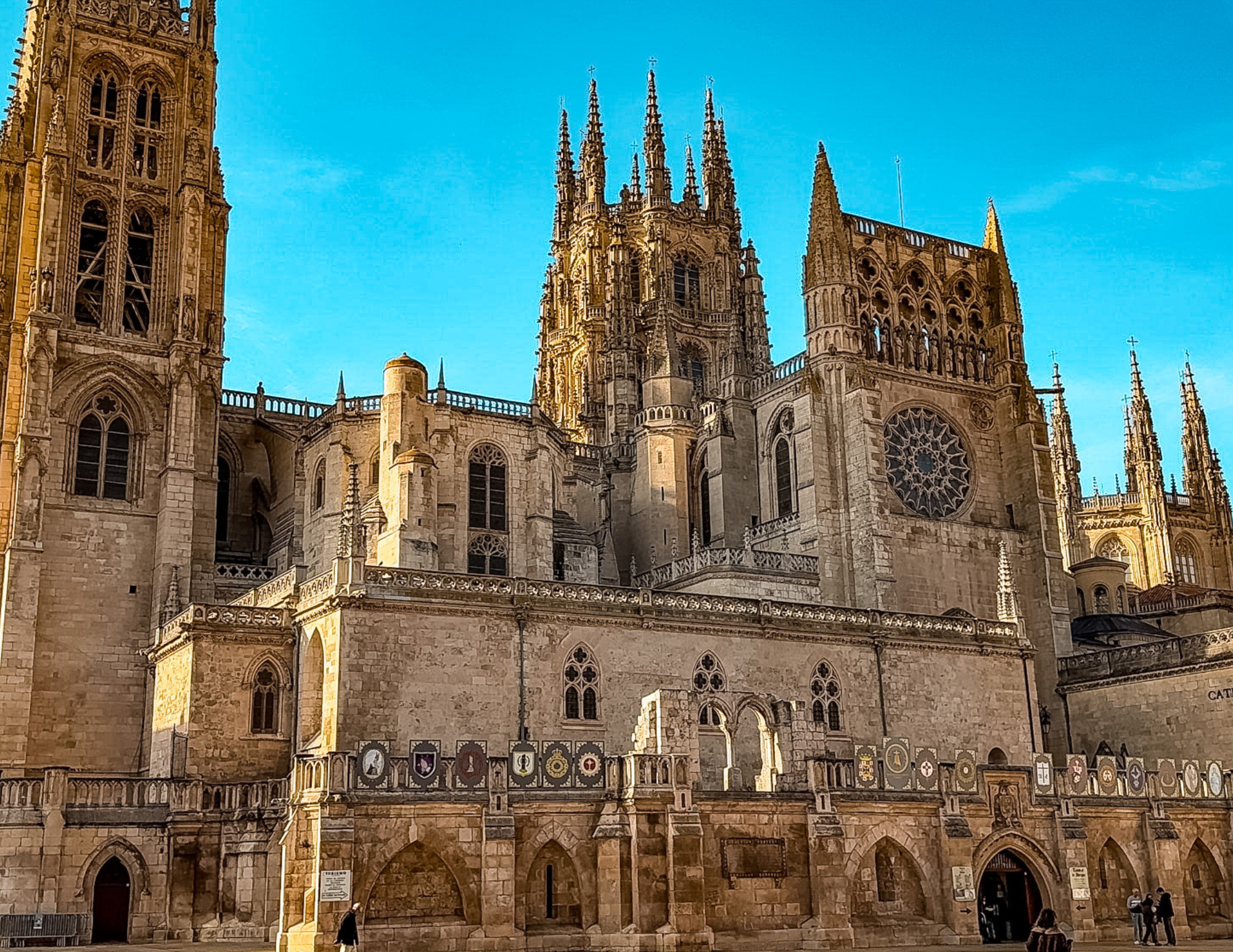
Burgos was one of those cities I added into my northern Spain route without expecting it to become one of the more interesting stops. I was not going there for beaches, nightlife, warm weather, or a packed food itinerary. I was going because it made sense between Santiago de Compostela, northern Spain, and the rest of my route. But once I got there, Burgos surprised me in that quiet, historic, winter-in-Spain kind of way.
GGGGGGG
It is not the type of city that screams for your attention. It does not feel like Madrid, Barcelona, Seville, or even Santiago de Compostela. Burgos feels older, colder, slower, and more Castilian. It is a city of stone streets, cathedral spires, river walks, museums, pilgrims, plazas, and winter coats. It is the kind of place where you can spend a few days walking the same historic center from different angles and still notice something new each time.
If you are still deciding what to prioritize, start with my Best things to do in Burgos Spain guide. If you are short on time, my One day in Burgos itinerary will help you turn the city into an easy walking route.
Burgos is absolutely worth visiting if you enjoy historic Spanish cities that feel less polished for mass tourism and more rooted in their own identity. It is especially worth adding to a northern Spain itinerary if you are already moving between Galicia, Castilla y León, the Basque Country, or southern France.
.png)
Where Is Burgos?
Burgos is in Castilla y León, in northern Spain. It sits along the Arlanzón River and has long been an important city for history, religion, trade, and pilgrimage. It is also one of the key stops on the Camino Francés, the most famous route of the Camino de Santiago.
That Camino connection is part of what gives Burgos its energy. You will see pilgrims moving through the city, walking past the cathedral, crossing plazas, resting in cafés, and continuing west toward Santiago de Compostela. After visiting Santiago myself, it felt interesting to be in another city tied to that same pilgrimage story, but from a different point along the route.
Burgos also makes sense as a stop if you are traveling through northern Spain by train or bus. It can fit between places like Madrid, León, Bilbao, Vitoria-Gasteiz, Santander, Logroño, Valladolid, or even as part of a longer route from Portugal and Galicia toward France. It is not a city you need a full week for, but it is a city that gives you enough to justify stopping instead of just passing through.
.png)
Is Burgos Worth Visiting?
Yes, Burgos is worth visiting, especially if you like historic cities, cathedrals, museums, walkable centers, and places that feel different from Spain’s more obvious tourist stops.
The biggest reason people come to Burgos is the cathedral, and honestly, that alone makes the city worth a stop. Burgos Cathedral is one of Spain’s great Gothic cathedrals and was added to the UNESCO World Heritage List in 1984. Its construction stretched across centuries, which is part of why it feels so layered when you see it up close. The outside is dramatic, detailed, and almost impossible to ignore because the cathedral dominates the old center from so many angles.
But Burgos is not only the cathedral. That is what I liked about it. You can walk from Plaza Mío Cid to Casa del Cordón, continue toward Paseo del Espolón, pass through Arco de Santa María, and then suddenly the cathedral opens up in front of you. The city center is compact enough to explore without needing a complicated plan, but it still has enough historical depth to feel meaningful.
Burgos is also home to the Museum of Human Evolution, which is connected to the nearby Atapuerca archaeological sites. The museum sits in the city center, only a short walk from the cathedral area, and focuses on human evolution through fossils, archaeology, science, and the story of early humans in Europe.
.png)
Then there is Museo de Burgos, which gives more local context to the province through archaeology, history, and art. It is housed in historic Renaissance buildings, including Casa de Miranda, and it works well if you want a quieter museum experience that helps you understand Burgos beyond the postcard version.
GGGGGGGGGGG
So yes, Burgos is worth visiting. But I would describe it as a city for travelers who appreciate slower historical stops. It is not where I would go if I wanted warm weather, a packed nightlife scene, or a big list of trendy restaurants. It is where I would go if I wanted to walk, learn, look up at architecture, visit a couple of strong museums, and experience a city that still feels deeply tied to Spanish history.
.png)
How Many Days Do You Need in Burgos?
You can see the main highlights of Burgos in one full day, but I think two days is better if you want to visit the museums without rushing.
I stayed four days, but that does not mean every traveler needs four sightseeing days in Burgos. For me, this was part of a longer travel rhythm, so having extra time was helpful. We cooked, rested, worked, walked around, and did the city slower. That is different from someone arriving with one full day and trying to see the main attractions.
If you only have one day in Burgos, focus on the cathedral, Arco de Santa María, Paseo del Espolón, Plaza Mío Cid, Casa del Cordón, and one museum if you have time. My One Day in Burgos Spain Itinerary breaks this down in a more practical route.
If you have two days, I would add both the Museum of Human Evolution and Museo de Burgos, because they give the city more depth. Burgos becomes more interesting when you understand that it is not only a pretty cathedral city. It is connected to prehistoric Europe, medieval Castile, the Camino de Santiago, and the story of northern Spain.
If you have three or four days, Burgos becomes a slow travel stop. That is where you can walk without rushing, cook if you have an apartment, revisit the cathedral area at different times of day, and use the city as a calm break between busier destinations.
.png)
Best Things to Do in Burgos
Burgos is a very walkable city, and most of the main things to do are either in the historic center or close enough that you can connect them naturally. You do not need to overcomplicate this city. The best way to experience Burgos is to pick a few major sights, then leave room to wander.
.png)
Visit Burgos Cathedral
Burgos Cathedral is the landmark of the city. Even if you do nothing else in Burgos, you are going to end up standing in front of it. It pulls you in from the streets around it because the spires rise above the rooftops, and once you get into the cathedral square, it feels like the whole city has been built around this one massive piece of architecture.
The cathedral was begun in the 13th century and developed across later centuries, which is why it has that layered Gothic feel with chapels, towers, cloisters, sculptures, and artistic details added over time. It is not just large. It is detailed. The longer you look at it, the more you notice.
GGGGGGGGGGG
For a first visit, I would give yourself time to see both the outside and the inside if your schedule and budget allow. Even if you do not go inside, the exterior is still one of the most important things to see in Burgos. But if you enjoy cathedrals, religious art, architecture, or Spanish history, it is worth treating this as more than just a quick photo stop.
If your timing lines up, Burgos Cathedral also has a free general admission window on Tuesday mornings. That is how I visited, and it is worth planning around if you are trying to keep costs down while still seeing the inside. I go deeper into the current free entry details in my Burgos Cathedral guide.
I would pair the cathedral with Arco de Santa María and the surrounding Old Town streets. They are so close together that it makes sense to experience this whole area as one historic walk.
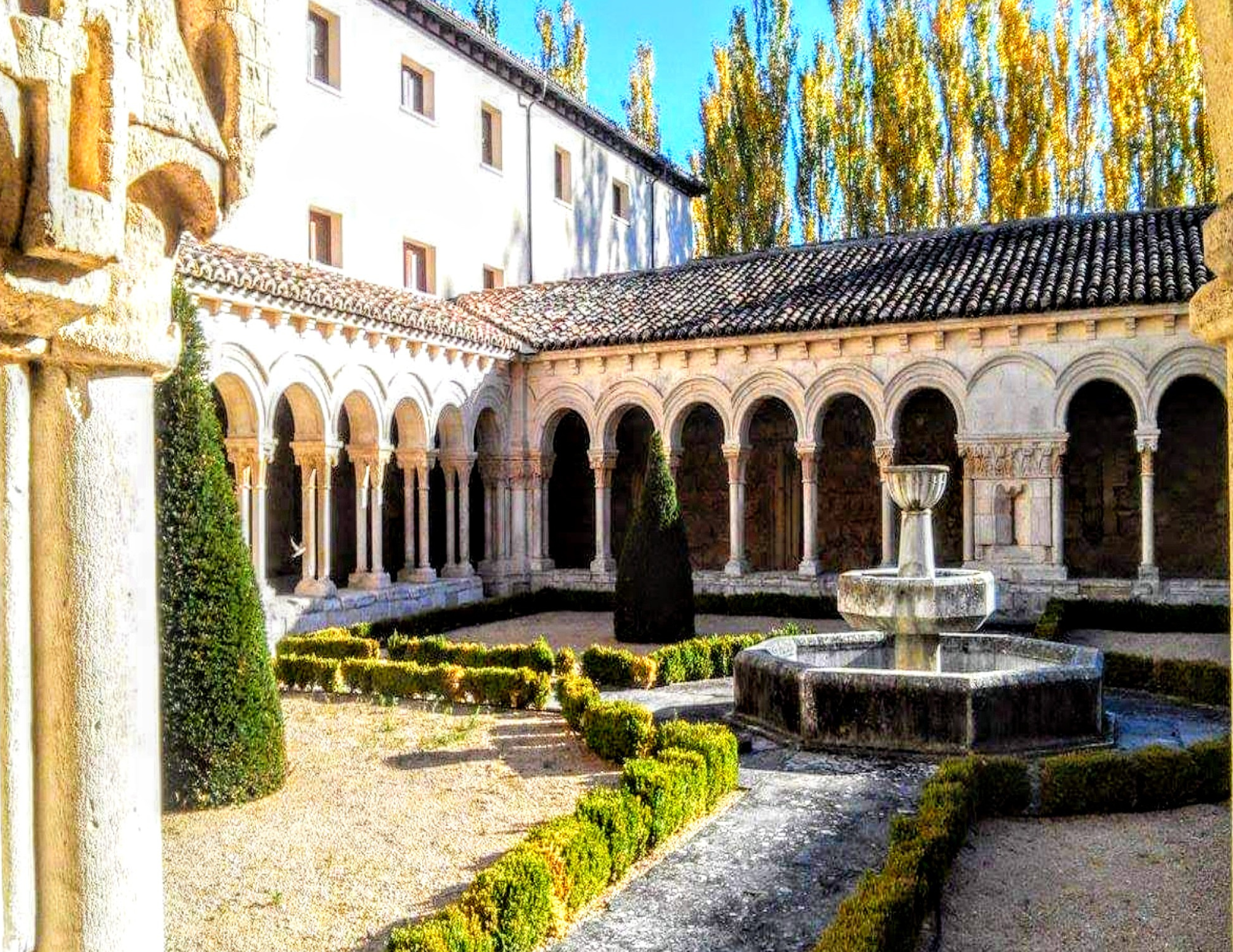
Visit Monasterio de Santa María la Real de Las Huelgas
If you have more time in Burgos, Monasterio de Santa María la Real de Las Huelgas is another important historic site to consider. It sits outside the tight cathedral and Old Town area, so it takes a little more intention than simply wandering the center, but it adds another layer to the city’s medieval history.
GGGGGGGGG
The monastery was founded in the 12th century by King Alfonso VIII and Queen Eleanor of England, and it became one of the most powerful royal monasteries in Castile. It was also used as a royal burial place, which makes it feel different from a simple church visit. Burgos already has so much cathedral history, but Las Huelgas gives you a deeper look at the royal, religious, and political side of the city.
I would treat it as a good add-on if you have more than one day in Burgos or if you especially enjoy monasteries, medieval history, and quieter historic sites.
.png)
Walk Through Arco de Santa María
Arco de Santa María is one of the most important entrances into the historic center, and it is one of those places that makes Burgos feel immediately old. It was originally part of the medieval city walls and later rebuilt in the 16th century as a more decorative triumphal arch. Its façade includes figures tied to Burgos and Castilian history, including Charles V and El Cid.
What makes this stop special is the way it frames your arrival into the cathedral area. You can walk from the river side, pass through the arch, and then enter one of the most beautiful parts of the city. It is not a long stop, but it is one of those places that anchors the Old Town.
This is exactly why I would not make Arco de Santa María its own full post, but I would always include it in a Burgos itinerary, a Burgos Old Town walk, and a first-time visitor guide. It is one of the easiest places to include, and it gives the city a strong sense of arrival.
.png)
Stroll Along Paseo del Espolón
Paseo del Espolón is one of the best places in Burgos for a simple walk. It is a central tree-lined promenade near the Arlanzón River, connecting important parts of the historic center and giving you that classic Spanish city feeling where locals, visitors, and everyday life all cross paths.
This is not a “rush through and check it off” kind of place. It is more of a slow travel stop. Walk it during the day, notice the trees, the statues, the benches, the river nearby, and how it connects the city instead of feeling separate from it. Paseo del Espolón has long been one of Burgos’ most representative public spaces and remains one of the main promenades in the city.
For me, this kind of walk matters in a city like Burgos because not every travel memory comes from a ticketed attraction. Sometimes the city makes more sense when you walk through the places locals actually use.
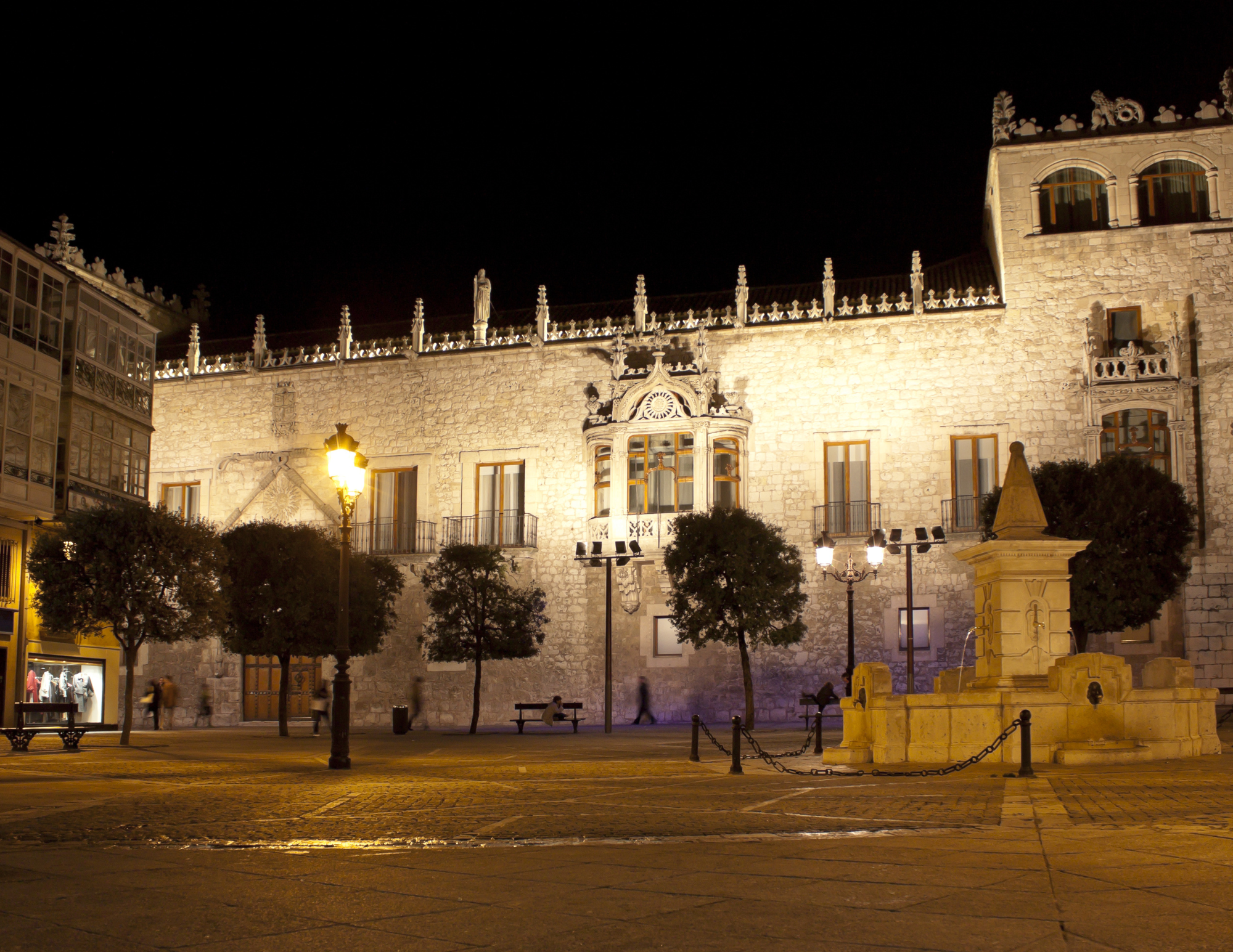
See Casa del Cordón
Casa del Cordón is one of the major civil buildings in Burgos and worth noticing as you walk through the center. It was built in the 15th century for the Constables of Castile and designed by Simón de Colonia. The building is also historically important because the Catholic Monarchs met Christopher Columbus there after his second voyage to the Americas.
It is the kind of place you could easily pass without fully understanding its importance if you are just walking by. But once you know what happened there, it adds another layer to the city. Burgos is full of these moments. You think you are just looking at another old building, then you realize it is tied to monarchy, empire, diplomacy, and Spanish history.
I would include Casa del Cordón on any Burgos Old Town route, especially if you are starting near Plaza Mío Cid and walking toward the cathedral area.
.png)
Stop at Plaza Mío Cid
Plaza Mío Cid is another important point in the city center, especially because of the statue of El Cid. Rodrigo Díaz de Vivar, better known as El Cid, is one of the most famous figures connected to Burgos and Castilian history. The equestrian statue stands in a central part of the city and connects visually with the San Pablo Bridge area.
GGGGGGGGGG
This is a good place to begin a walk through Burgos because it places you right into the city’s historical identity. From here, you can continue toward Casa del Cordón, Paseo del Espolón, Arco de Santa María, and the cathedral. It is one of those stops that works best as part of a walking route rather than as a long standalone visit.
.png)
Visit the Museum of Human Evolution
The Museum of Human Evolution was one of the most interesting parts of my Burgos visit because it gives the city a completely different kind of depth. Burgos is easy to associate with medieval history because of the cathedral and Old Town, but the museum connects the city to something much older.
The museum is tied to the Sierra de Atapuerca sites, which are some of the most important archaeological and paleoanthropological sites in Europe. Inside, the museum focuses on human evolution, early humans, fossils, tools, culture, and how discoveries from Atapuerca changed what researchers understand about the human story in Europe. The museum includes more than 200 original items from the Atapuerca sites.
This is a great museum if you are traveling with teens, if you like science and history, or if you want something in Burgos that is not only cathedral-focused. I would allow enough time to move through it slowly because it is not just a small local museum you pop into for twenty minutes.
You can read my full Museum of Human Evolution Burgos Guide for what to expect, how it fits into an itinerary, and whether it is worth visiting.
If you like smaller museums that give you more local context, read my Museo de Burgos guide too because it helps explain the city beyond the cathedral view.
.png)
Visit Museo de Burgos
Museo de Burgos is another museum worth adding if you want to understand the city and province better. While the Museum of Human Evolution focuses heavily on human origins and Atapuerca, Museo de Burgos gives you a broader look at local archaeology, history, and art.
The museum is housed in historic buildings, including Casa de Miranda, a Renaissance palace. Its collections include archaeological material, objects from the province, Roman pieces, and art that helps connect Burgos to the larger history of Castilla y León.
This museum feels quieter and more local than the Museum of Human Evolution. I think it works especially well if you enjoy smaller museums that give context to the place you are already walking through. After seeing the cathedral, arches, plazas, and historic streets, Museo de Burgos helps fill in more of the background.
For a deeper look, read my Museo de Burgos Guide.
.png)
Wander the Old Town
Burgos Old Town is best experienced on foot. This is where the city feels most connected. You can move from Plaza Mío Cid to Casa del Cordón, along Paseo del Espolón, through Arco de Santa María, toward the cathedral, and then into the surrounding streets without needing a complicated map.
The Old Town is not huge, but that is part of why it works well. It is easy to walk, easy to revisit, and easy to experience slowly. In winter, it felt quieter and colder, but also atmospheric. The stone streets, cathedral views, and historic buildings matched the season in a way that made Burgos feel even more serious and old.
This is also where you feel the Camino de Santiago connection. Burgos is not just a random pretty stop. It is part of a much larger pilgrimage route, and that gives the city a different rhythm. You may see pilgrims passing through, signs connected to the Camino, or people clearly using the city as a resting point before continuing west.
If you enjoy slow historic walks, my Burgos Old Town Walking Guide goes deeper into how to connect these stops without over planning.
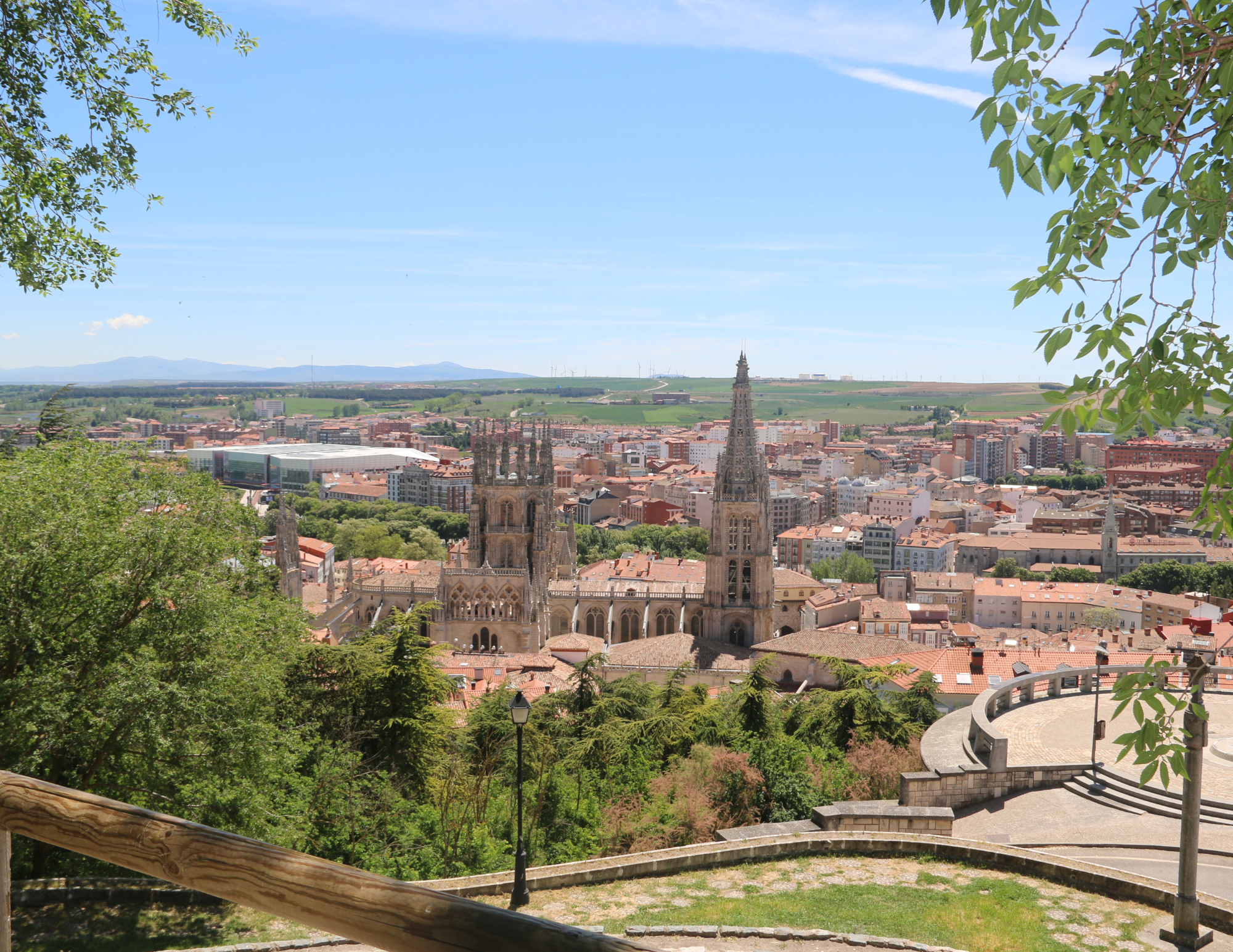
Consider Mirador del Castillo for City Views
If the weather is good and you have extra time, Mirador del Castillo is one of the most popular viewpoints in Burgos. It gives you a view over the city, with the cathedral standing out beautifully from above.
I did not make it up there during my winter visit, so I would treat this as an optional add-on rather than something I would build the whole day around. But if you are visiting in better weather or you want that classic Burgos view from above, it is worth considering.
.png)
Look for Burgos’ Murals
One thing I did not expect to enjoy as much in Burgos was the street art. The city has these beautiful murals tucked into different corners, and seeing them added color and surprise to a place that can feel very stone, historic, and wintery.
GGGGGGGGGG
That contrast is what made them stand out to me. Burgos has the cathedral, the medieval gates, the Camino history, and all these old buildings, but then you turn a corner and see a vibrant mural that brings something modern and creative into the city. It is a reminder that Burgos is not only a preserved historic place. People still live here, create here, and leave their mark on the city in new ways.
I would not build your whole itinerary around murals, but I would keep your eyes open while walking. Some of the best travel moments are the ones you find between the main attractions.
.png)
Burgos and the Camino de Santiago
One of the most interesting things about Burgos is its connection to the Camino de Santiago. After visiting Santiago de Compostela, I found it meaningful to experience Burgos from the other side of that route. Santiago is the destination for many pilgrims, but Burgos is one of the major cities along the Camino Francés.
That connection matters because it gives Burgos a living historical thread. The Camino is not only something from the past. People are still walking it. They still pass through Burgos, rest there, visit the cathedral, and continue across northern Spain toward Santiago.
This is one reason Burgos makes sense in a northern Spain cluster. If you are already writing or reading about Santiago de Compostela, Vigo, Burgos, Bilbao, or a longer northern Spain route, Burgos fits naturally into that story. It connects the medieval, religious, cultural, and practical sides of travel through this part of Spain.
For travelers, that also means Burgos can be more than a quick cathedral stop. It can be part of a route that helps you understand northern Spain as a connected region instead of a set of random cities.
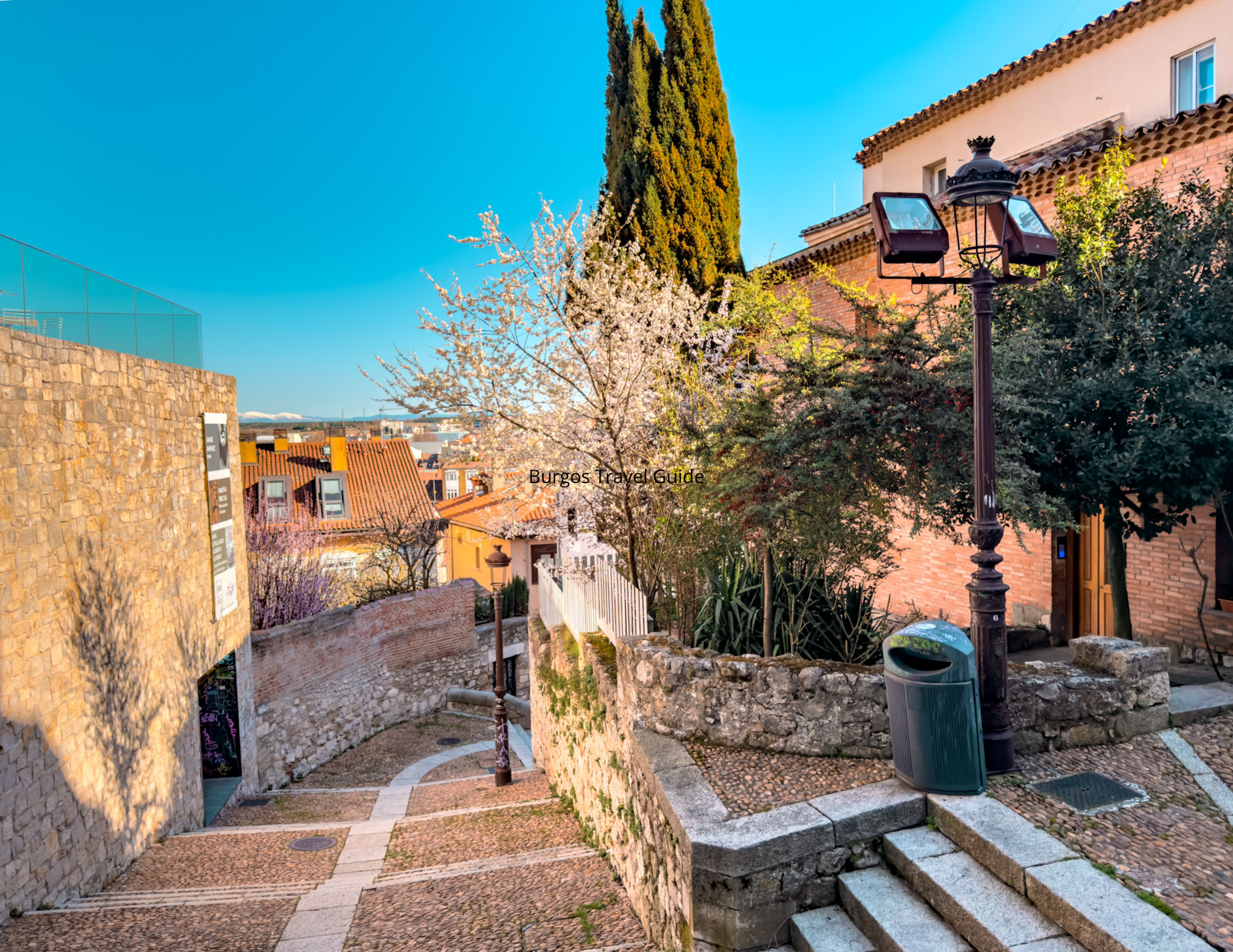
What Burgos Feels Like in Winter
I visited Burgos in winter, and that definitely shaped the experience. This is not a city I would describe as warm and sunny during that time of year. It felt cold, quiet, and very much like northern inland Spain.
But I did not dislike that. In some ways, winter fit Burgos. The cathedral looked dramatic against the colder skies. The streets felt less crowded. The museums became even more appealing because they gave us something warm, interesting, and indoors to do. And since we were staying a few days and cooking instead of eating out all the time, the city worked well as a slower stop.
That said, winter does affect what you do. I did not go up to Mirador del Castillo, and because I do not have photos or firsthand experience from that viewpoint, I would not create a full guide around it. This is one of those things I may mention as an option in broader Burgos posts, but I would not pretend it was part of my visit.
If you are visiting Burgos in winter, bring warm clothes, plan for slower days, and mix outdoor walking with museums. This is not the time of year where I would build an itinerary around sitting outside for hours. It is better to think of Burgos as a cathedral, museum, walking, and cozy apartment kind of stop.
.png)
Where to Stay in Burgos
For a first visit, I would stay close to the historic center if possible. Burgos is very walkable when you are near the main sights, and being central makes the visit easier, especially in winter.
Look for places near the cathedral, Plaza Mayor, Plaza Mío Cid, Paseo del Espolón, or the Old Town area. From there, you can reach most of the main attractions on foot, including the cathedral, Arco de Santa María, Casa del Cordón, Museo de Burgos, and the Museum of Human Evolution.
GGGGGGGG
Since we cooked during our stay, having apartment-style accommodation made sense. This is something I pay attention to more as a full-time traveler because not every stop needs to be restaurant-heavy. Sometimes the best setup is having a kitchen, a comfortable place to reset, and easy access to the city center when you want to go out and explore.
If you are only staying one or two nights, location matters even more. You do not want to waste time commuting into the historic center when Burgos is already compact enough to enjoy on foot.
.png)
What to Eat in Burgos
I am not going to pretend this was a big eating-out trip for us. We stayed four days and cooked most of our meals, so I am skipping a full where-to-eat guide for now.
But if you are visiting Burgos and want to try something local, the dish you will hear about most is morcilla de Burgos. Burgos is known for this blood sausage, usually made with rice, onion, spices, and pork blood. It is a classic local specialty and one of the foods people associate most with the city.
You will also find hearty Castilian food, tapas, roasted meats, soups, stews, and local wines. The historic center has plenty of places where you can stop for casual food or a drink, especially around the cathedral and Old Town streets.
.png)
How to Add Burgos to a Northern Spain Itinerary
Burgos works well as part of a northern Spain route because it sits between several stronger travel regions. It can be a stop after Santiago de Compostela, León, Valladolid, Bilbao, or on the way toward France.
If you are doing a route through northern Spain, Burgos gives you something different from coastal cities like Vigo or Bilbao. Vigo has the water and seafood energy. Santiago has the pilgrimage destination feeling. Bilbao has the Basque Country, Guggenheim, and a bigger city feel. Burgos feels more inland, more Castilian, and more centered on medieval history, museums, and the cathedral.
That contrast is what makes it useful in a route. You do not need Burgos to be like everywhere else. It works because it feels different.
A simple northern Spain route could look like:
Lisbon or Porto to Vigo
Vigo to Santiago de Compostela
Santiago de Compostela to Burgos
Burgos to Bilbao
Bilbao to Bordeaux or another stop in France
That kind of route gives you Portugal, Galicia, Castilla y León, the Basque Country, and then southwestern France if you keep going. Burgos becomes the inland historical break in the middle of that movement.
.png)
Who Should Visit Burgos?
Burgos is a good fit for travelers who like historic cities, cathedrals, museums, and slower travel. It is also good for people moving through northern Spain who want a meaningful stop that is not as obvious as Madrid, Barcelona, or Seville.
You will probably enjoy Burgos if you like:
Gothic cathedrals
Walkable Old Towns
Museums
Spanish history
Camino de Santiago routes
Winter city breaks
Slower northern Spain stops
Architecture and plazas
Cities that are beautiful without feeling overdone
You may not love Burgos if you want warm weather, beaches, nightlife, or a long list of trendy restaurants. This is not that kind of city. Burgos is quieter. It is colder. It is more historic than flashy.
But that is exactly why it can be worth visiting.
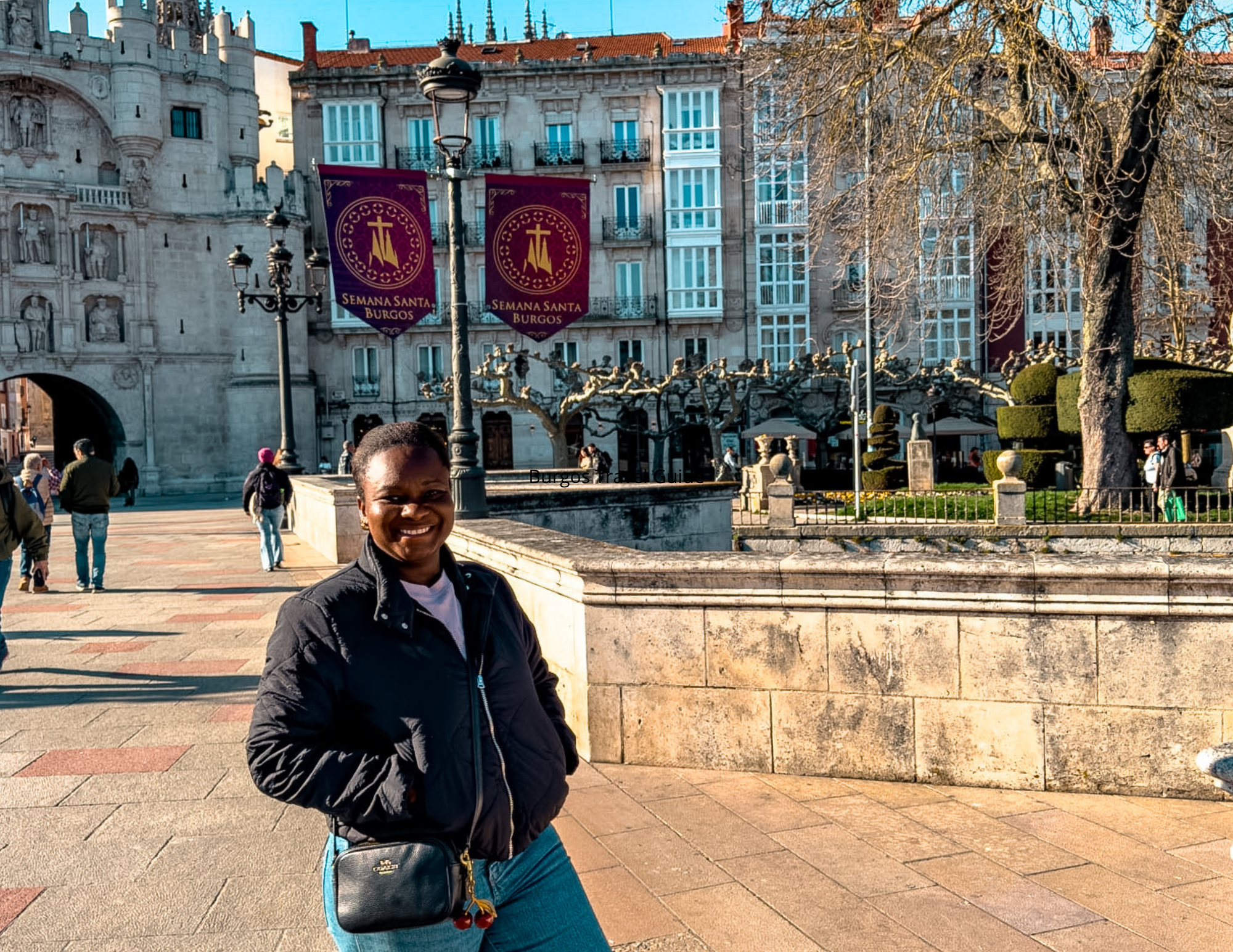
Final Thoughts: Is Burgos Worth Visiting?
Burgos is worth visiting if you are traveling through northern Spain and want a city with history, architecture, museums, and a strong sense of place. It is not a city I would oversell as needing a week, and it is not one of those destinations where every traveler has to go out of their way to visit. But if it fits your route, it is absolutely worth a stop.
For me, Burgos was a slower winter visit. We cooked. We walked. We visited museums. We saw the cathedral, the Old Town, Arco de Santa María, Paseo del Espolón, Casa del Cordón, Plaza Mío Cid, the Museum of Human Evolution, and Museo de Burgos. It gave me a different side of northern Spain after places like Vigo and Santiago de Compostela.
That is what made Burgos valuable. It was not trying to be everything. It was cathedral spires, cold air, stone streets, Camino history, museum days, and a city that felt deeply tied to its past.
If you are still deciding what to prioritize, start with my Best Things to Do in Burgos Spain guide. That post gives you the bigger picture of the city, from the cathedral and Old Town streets to the museums, plazas, and historic landmarks that make Burgos worth visiting.
If you only have one full day, my One Day in Burgos Spain Itinerary will help you connect the main sights without overplanning. Burgos is very walkable, so you can see a lot in a short amount of time if you move through the city in a way that makes sense.
.png)
For the part of Burgos I loved most on foot, read my Burgos Old Town Walking Guide. That is where I go deeper into places like Arco de Santa María, Paseo del Espolón, Casa del Cordón, Plaza Mío Cid, and the streets around the cathedral.
And if you are trying to decide which museum to visit, I go deeper into both in my Museum of Human Evolution Burgos Guide and my Museo de Burgos Guide. Both add something different to the city, especially if you want Burgos to feel like more than just a cathedral stop.

Cavetta is the creator of LifeWithVetta.com and has been traveling the world full time since 2020. She has visited more than 60 countries while worldschooling her son and documenting what it really takes to live abroad. Her guides focus on travel, moving abroad, digital nomad life, and designing a life beyond the traditional path.
