
.png)
Burgos is one of those Spanish cities that feels quieter than it deserves to be. It is not the place everyone is rushing to on their first Spain trip, but once you arrive, it makes sense why it belongs on a northern Spain itinerary. Burgos has one of the most beautiful cathedrals in Spain, a historic Old Town that is easy to explore on foot, two museums that add real depth to the city, and a Camino de Santiago connection that gives the streets a different kind of energy.
I visited Burgos during winter, and that definitely shaped how I experienced the city. It felt cold, historic, and a little understated, but in a way that worked. The stone streets, cathedral towers, river walks, museums, and old plazas all fit the season. Burgos is not flashy. It is not trying to compete with Madrid, Barcelona, Seville, or even Santiago de Compostela. It feels more reserved, more Castilian, and more rooted in its own history.
What I liked most is that Burgos is easy to explore without feeling like you have to run all over the city. A lot of the main things to do are close together, especially around the historic center. You can start near Plaza Mío Cid, pass Casa del Cordón, walk along Paseo del Espolón, go through Arco de Santa María, and end up right at Burgos Cathedral. Then, when you want something indoors or more historical, the Museum of Human Evolution and Museo de Burgos are both worth adding.
If you are still deciding whether Burgos fits your route, read my Burgos Travel Guide first. That guide gives the bigger picture of what Burgos is like, how long to stay, and why it is worth visiting as part of a northern Spain trip.
.png)
Visit Burgos Cathedral
Burgos Cathedral is the reason a lot of people come to the city, and honestly, it is reason enough to stop in Burgos. The cathedral is massive, detailed, and impossible to ignore once you are in the Old Town. It does not sit quietly in the background. It dominates the center of the city, and you keep catching views of it from different streets and angles.
The Cathedral of Saint Mary of Burgos was begun in 1221 and completed over several centuries, which is why it feels so layered. It is one of the great examples of Gothic architecture in Spain, and UNESCO recognized it as a World Heritage Site in 1984. Unlike some other Spanish cathedral listings, Burgos Cathedral is recognized independently, not only as part of a larger historic city center.
Even if you have seen a lot of cathedrals in Europe, Burgos Cathedral still stands out. The exterior has that dramatic Gothic presence, with towers, spires, portals, sculptures, and an incredible amount of detail. It looks beautiful from the square, from the nearby streets, and from the approach through Arco de Santa María.
I would give yourself time here instead of treating it like a quick photo stop. Walk around the outside first, notice how different it looks from each side, then go inside if you enjoy cathedrals, art, architecture, or religious history. Inside, the cathedral has chapels, tombs, choir stalls, stained glass, and artwork that reflect the long history of the building. I go deeper into what to notice and how to plan your visit in my Burgos Cathedral guide.
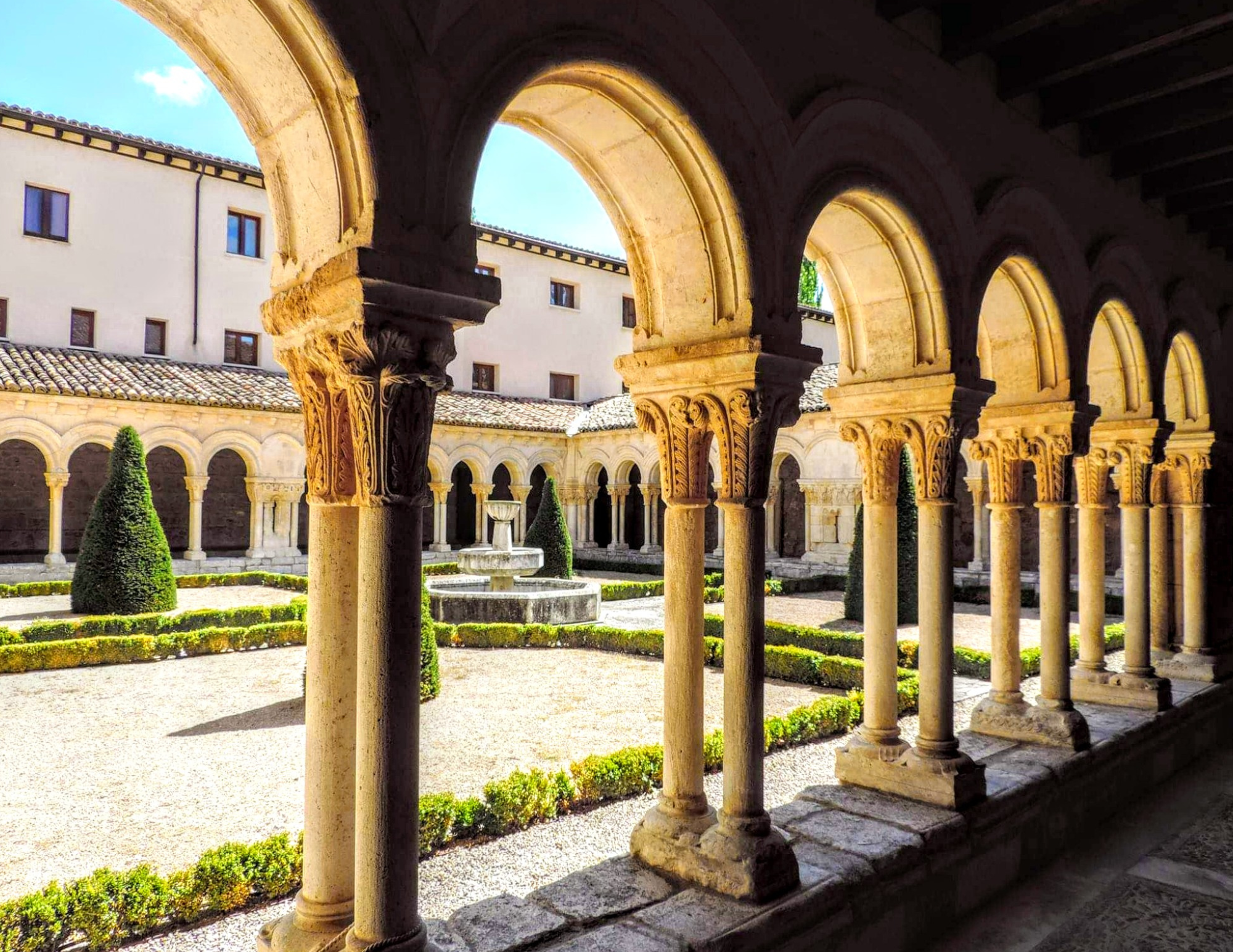
Visit Monasterio de Santa María la Real de Las Huelgas
Monasterio de Santa María la Real de Las Huelgas is one of the most important historic places to visit in Burgos if you have enough time to go beyond the cathedral and Old Town. It is not right in the middle of the tight historic center, so it takes a little more planning, but it is worth knowing about if you enjoy royal history, monasteries, and medieval Spain.
The monastery was founded in 1187 by King Alfonso VIII of Castile and Queen Eleanor of England. It became a powerful royal monastery, a burial place for members of the Castilian royal family, and one of the major religious sites connected to the history of Burgos.
This is the kind of place I would add if you have more than one day in Burgos or if you want to go deeper than the main cathedral route. Burgos already has so much medieval history in the center, but Las Huelgas gives you another side of that story.
-1.png)
Walk Through Arco de Santa María
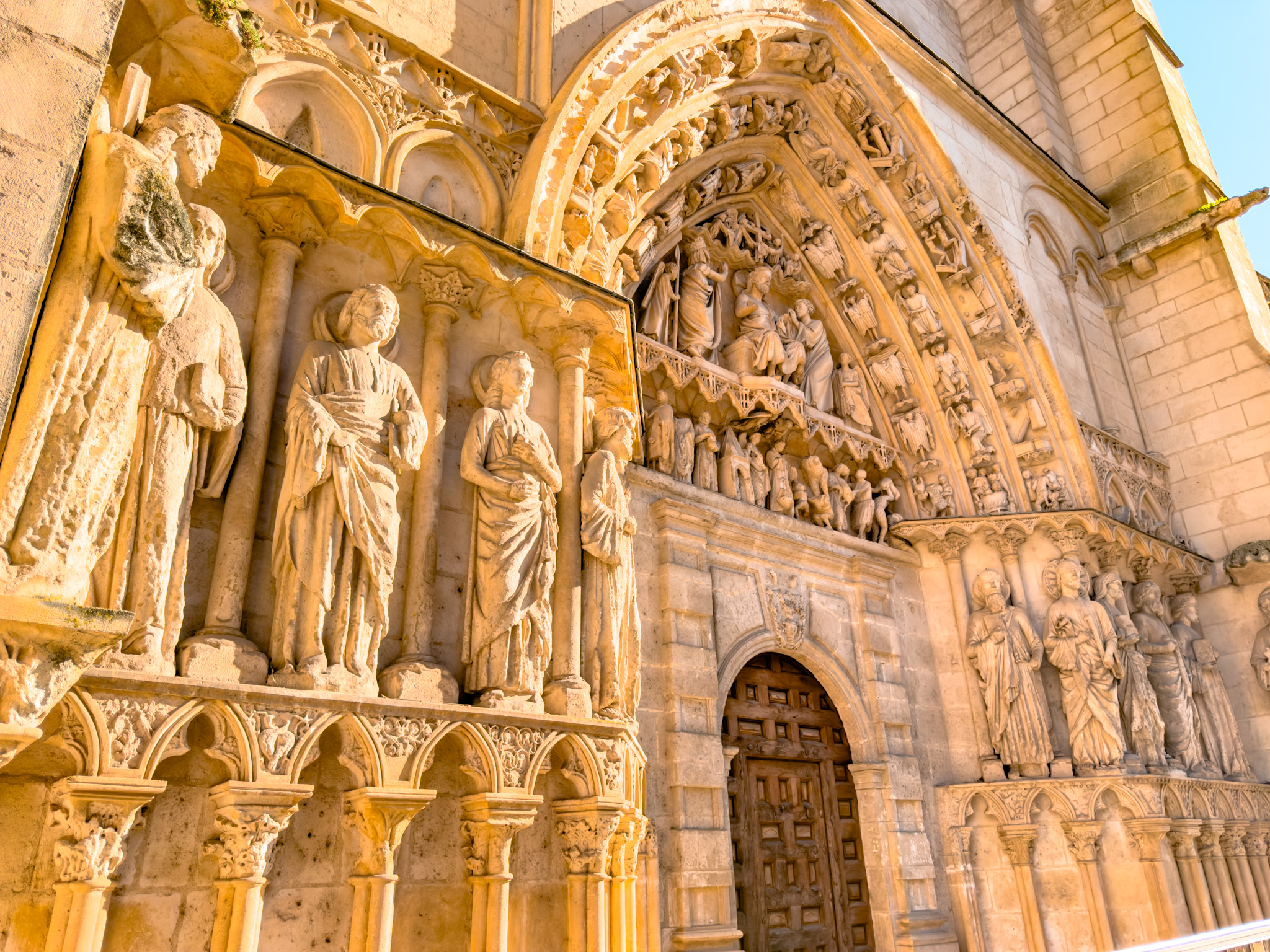
Arco de Santa María is one of the most beautiful entrances into the historic center of Burgos. It connects the bridge over the Arlanzón River with the cathedral area, so it feels like a natural doorway into the oldest and most impressive part of the city.
This was once one of the medieval gates into Burgos. The version you see today has a strong Renaissance look, with a façade full of sculpted figures connected to the city and Castilian history. It includes figures such as El Cid, Charles V, and important rulers and founders linked to Burgos.
What makes Arco de Santa María special is not only the history, but the way it frames the city. You can walk toward it from the river side, pass through the arch, and suddenly you are right near the cathedral. That approach makes Burgos feel cinematic without trying too hard.
This is not the kind of place where you need a long separate plan. Just make sure you do not miss it. It fits perfectly into a self-guided walk through the center, especially if you are following my Burgos Old Town Walking Guide.
-1.png)
Stroll Along Paseo del Espolón
Paseo del Espolón is one of the prettiest places to walk in Burgos. It is a tree-lined promenade near the Arlanzón River, close to the cathedral, Arco de Santa María, and several of the city’s main historic streets. It is not a big attraction in the way the cathedral is, but it is one of those places that helps you feel the rhythm of the city.
I always like these kinds of places because they show how a city moves outside of museums and monuments. People walk, sit, talk, pass through, and go about their day. As a traveler, especially when you are moving through several cities in a row, these are the spaces that let you slow down and actually feel where you are.
Paseo del Espolón has long been one of Burgos’ most representative promenades, and it is one of the easiest places to include while exploring the center. You can walk it before or after visiting the cathedral, or use it as a way to connect Plaza Mío Cid, Arco de Santa María, and the river area.
In winter, it had a quieter feel, but I actually liked that. Burgos already feels like a serious historic city, and the colder weather made the stone buildings, bare trees, and Old Town streets feel even more atmospheric.
-1.png)
Stop at Plaza Mío Cid
Plaza Mío Cid is a good place to begin a walk through Burgos because it puts you right into one of the city’s big historical identities. The square is named for El Cid, one of the most famous figures connected to Burgos and medieval Castile.
The equestrian statue of El Cid stands near the San Pablo Bridge area, and it is one of those landmarks that helps you understand how much the city leans into its medieval past. Rodrigo Díaz de Vivar, known as El Cid Campeador, is tied to Spanish history, legend, literature, and the identity of Burgos.
From Plaza Mío Cid, it is easy to keep walking toward Casa del Cordón, Paseo del Espolón, Arco de Santa María, and the cathedral. That is why I like this area as a starting point. You do not have to jump around. Burgos works best when you let the sights connect naturally.
If you only have one day in the city, this is the kind of route I would follow. My One Day in Burgos Spain Itinerary lays it out in a way that keeps the city walkable without making the day feel rushed.
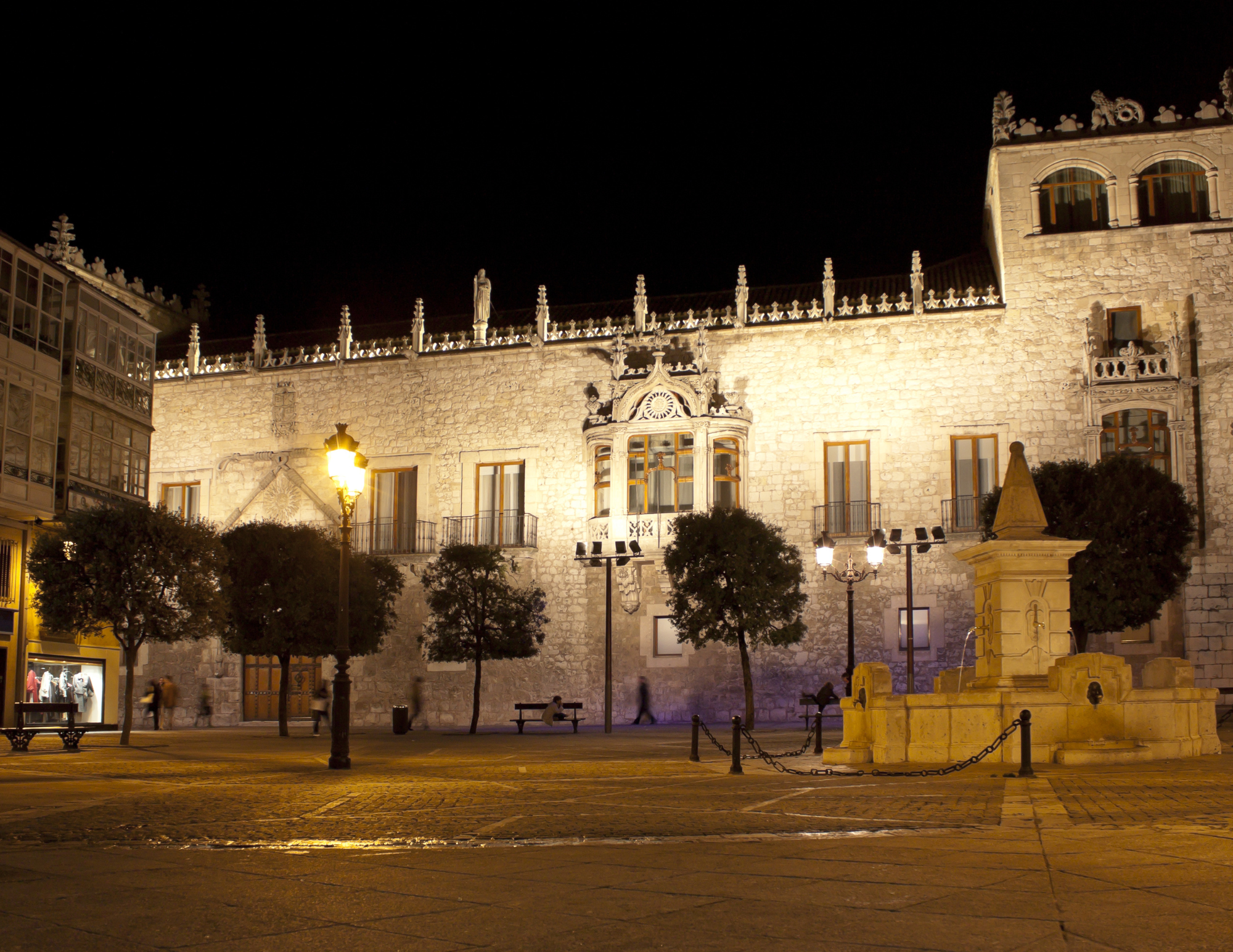
See Casa del Cordón
Casa del Cordón is one of the most important historic buildings in Burgos, even though it can be easy to walk past if you do not know why it matters. It was built in the 15th century for the Constables of Castile and designed by Simón de Colonia, one of the names also connected to Burgos’ architectural history.
The building is especially known because the Catholic Monarchs met Christopher Columbus here after his second voyage to the Americas. It was also connected to major political events in the history of Castile and Navarre.
That is what I find interesting about Burgos. You can be walking through the city and think you are just passing another old stone building, but then you realize that building was tied to monarchy, empire, and some of the biggest historical shifts in Spain.
Casa del Cordón works well as part of an Old Town walk. It does not need to take a huge amount of time, but it adds context to the city. Burgos is not only about the cathedral. The history spills out into plazas, streets, gates, museums, and civil buildings like this one.
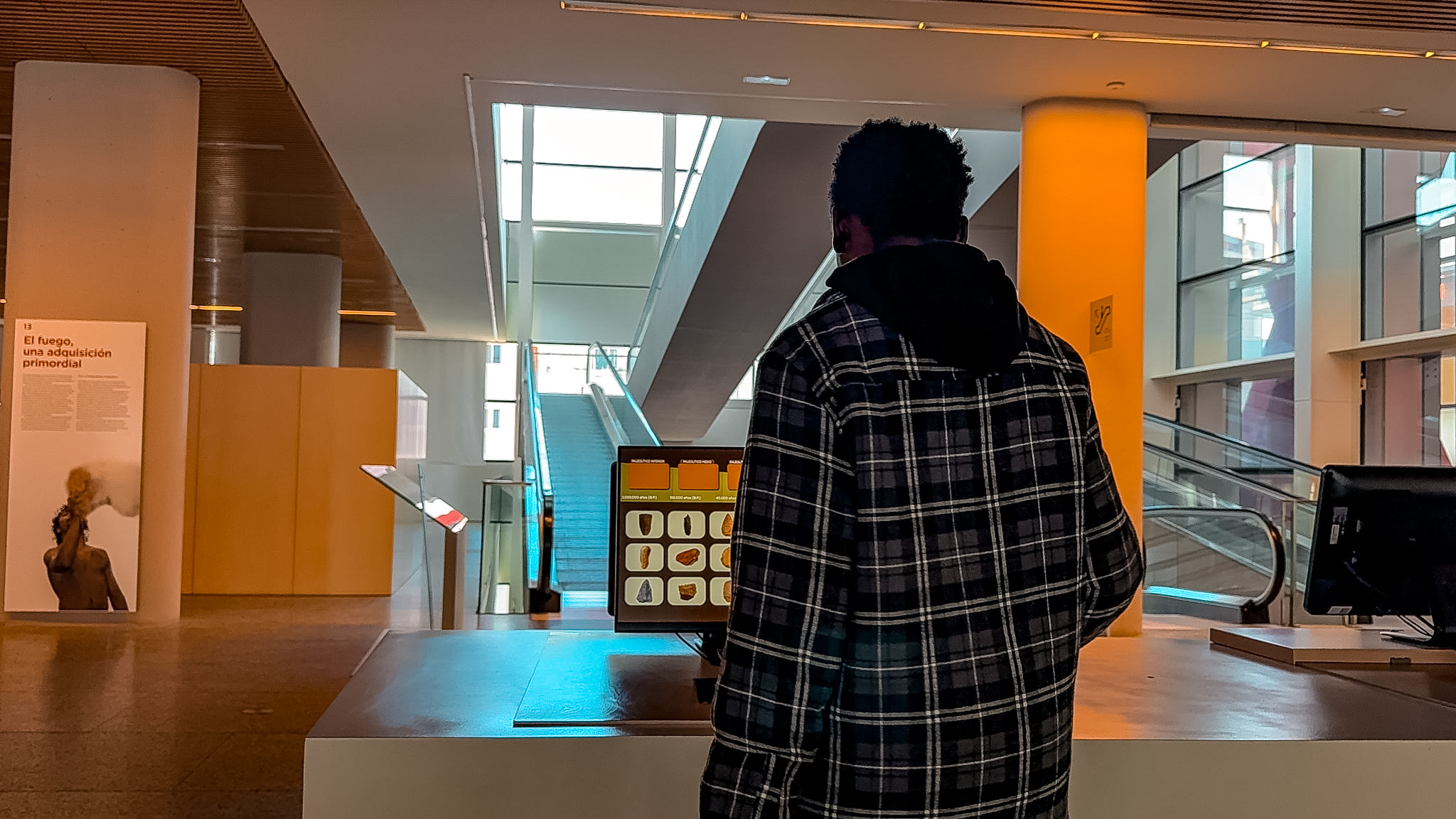
Visit the Museum of Human Evolution
The Museum of Human Evolution was one of the most interesting things I did in Burgos because it gave the city a completely different layer. Burgos is easy to think of as a cathedral city, but this museum connects it to something much older than medieval history.
The museum is tied to the Atapuerca archaeological sites, which are located near Burgos and are among the most important places in Europe for studying early humans. The museum displays more than 200 original finds connected to Atapuerca and explains human evolution through fossils, reconstructions, archaeology, science, and interactive exhibits.
What I liked is that it made Burgos feel bigger than the Old Town. You go from Gothic cathedral history to prehistoric human history in the same city, and that contrast makes the visit more interesting. It is especially good if you are traveling with teens, if you like museums that mix science and history, or if you want an indoor activity that still feels meaningful.
This is not a small museum that you rush through in ten minutes. Give yourself time to actually read, look, and understand what you are seeing. I go deeper into the exhibits, who it is best for, and how much time to allow in my Museum of Human Evolution Burgos guide.
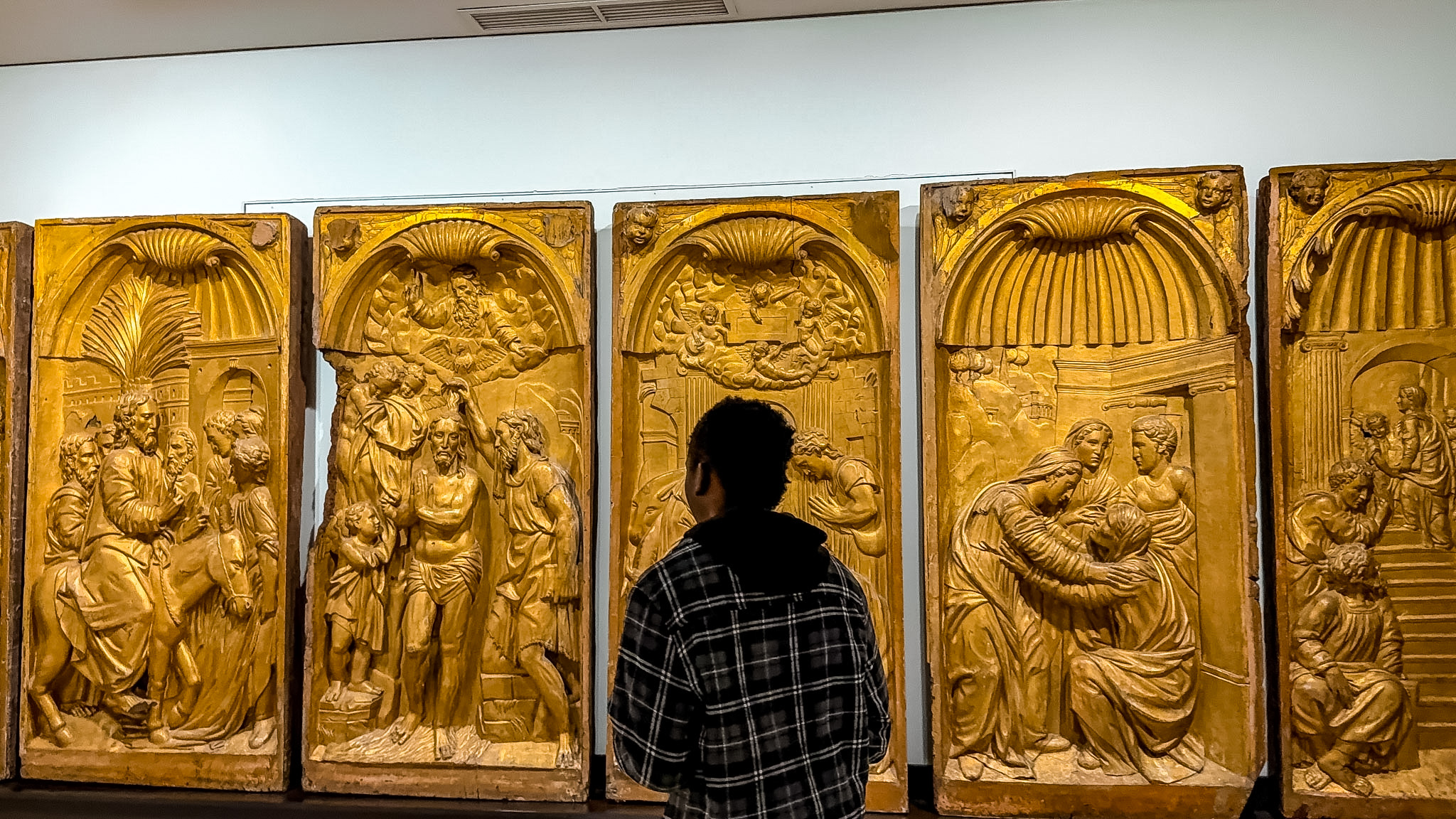
Visit Museo de Burgos
Museo de Burgos is another museum I think is worth visiting, especially if you like local history and quieter museum experiences. It is not the same kind of museum as the Museum of Human Evolution. This one is more focused on the historical and cultural development of Burgos and the province.
The museum is housed in historic Renaissance buildings, including Casa de Miranda, and its collections include archaeology, Roman pieces, objects from the province, and art connected to Burgos’ history.
I liked that it added context to what I was already seeing outside. After walking through the Old Town, seeing the cathedral, passing historic gates, and noticing buildings like Casa del Cordón, Museo de Burgos helped connect some of those pieces. It made the city feel less like a list of landmarks and more like a place with layers.
This museum also works well if you want something calmer. It does not have to compete with the cathedral or the Museum of Human Evolution. It fills a different role. If you enjoy local museums that help explain the city you are already walking through, read my Museo de Burgos guide before you go.
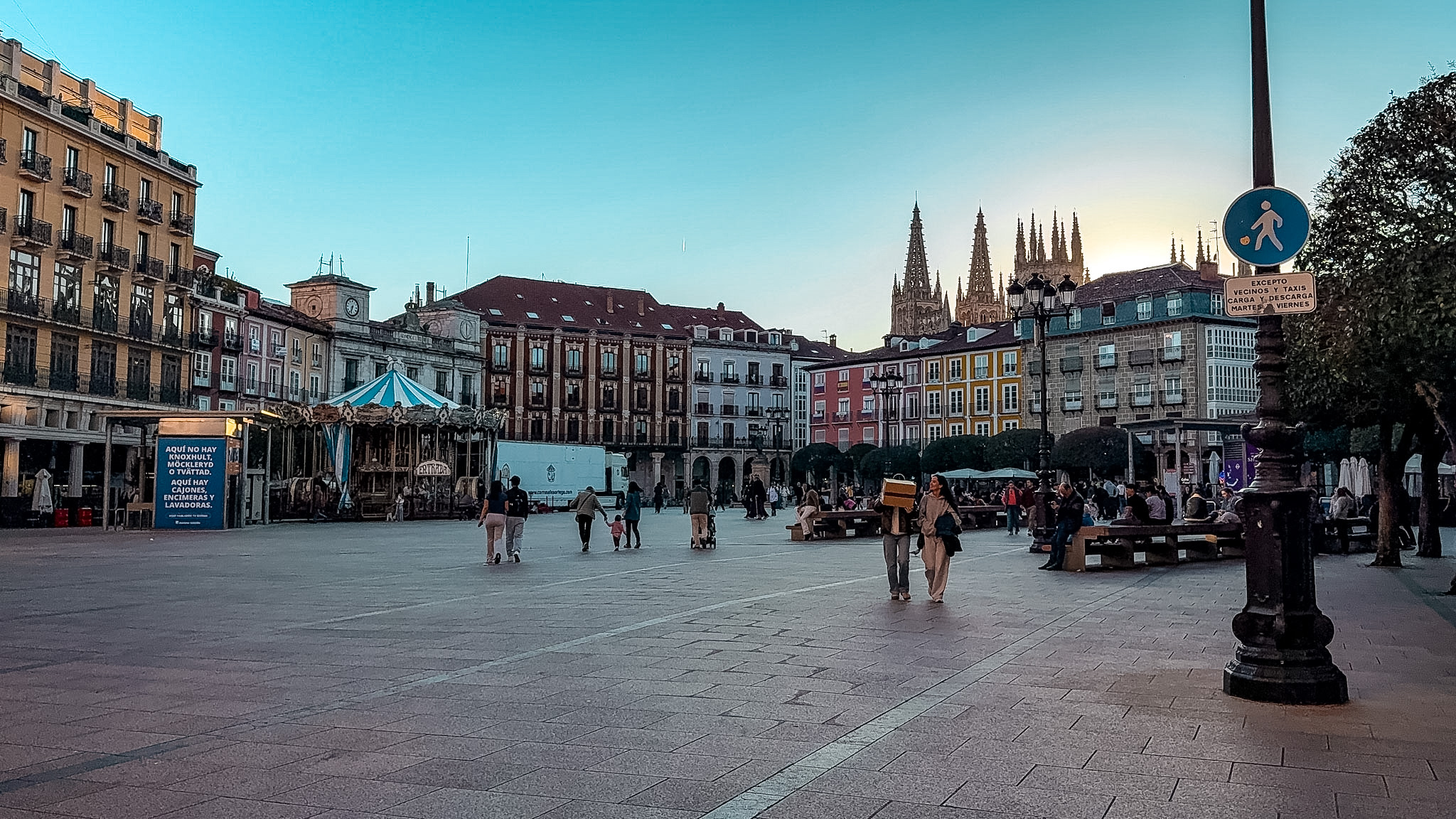
Wander the Historic Center
One of the best things to do in Burgos is simply walk the historic center. This is where the city is at its best. Burgos is compact enough that you can connect several important places without needing transportation, and that makes it easy to experience the city slowly.
I would not overplan this part too much. Start near Plaza Mío Cid, walk past Casa del Cordón, continue along Paseo del Espolón, go through Arco de Santa María, and then spend time around Burgos Cathedral. From there, let yourself wander into the smaller streets around the cathedral and Old Town.
This is where Burgos feels most like itself. The cathedral keeps appearing between buildings. The streets feel old without feeling staged. You see pilgrims, local life, historic façades, quiet corners, and little reminders that Burgos has been important for a very long time.
If you enjoy walking cities instead of just checking off individual attractions, this is the part of Burgos that will probably stay with you most. I go deeper into this route in my Burgos Old Town Walking Guide, especially for places like Arco de Santa María, Paseo del Espolón, Casa del Cordón, and Plaza Mío Cid.
.
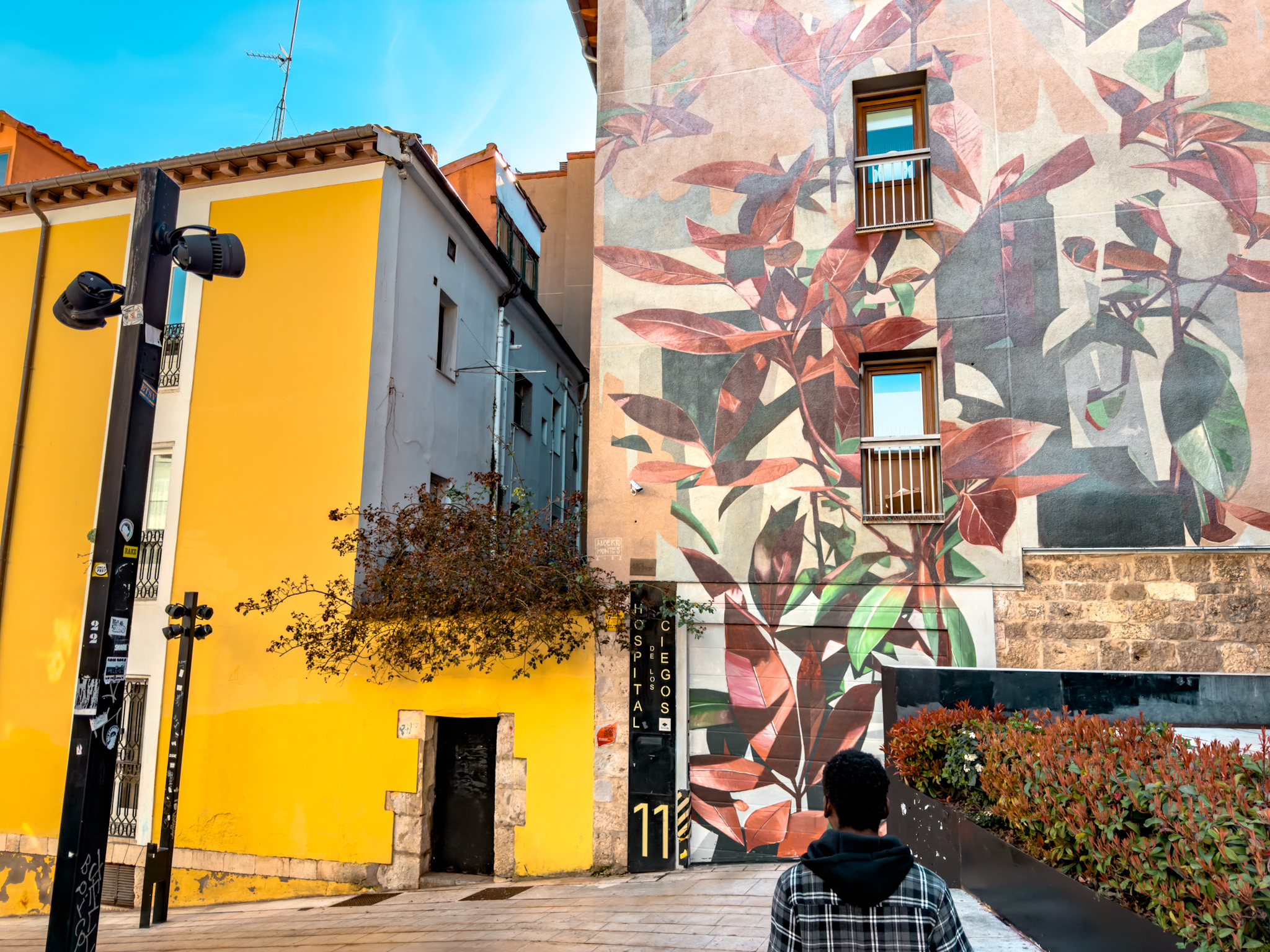
Uncover Burgos’ Vibrant Murals
One of the things I loved noticing while walking through Burgos was the murals. I saw a few during my visit, and they were beautiful. They added this unexpected burst of color to a city that can feel very stone-heavy, historic, and serious, especially in winter.
That contrast made them stand out even more. Burgos has the cathedral, medieval streets, old gates, royal history, and Camino energy, but then you turn a corner and see a mural that feels modern, creative, and alive. It reminded me that even in cities known for their past, there is still present-day art and local expression happening all around you.
I would not treat the murals like a formal attraction where you need to chase every single one. I would just keep your eyes open as you walk through different parts of the city. Burgos rewards slow wandering, and the murals are part of that.
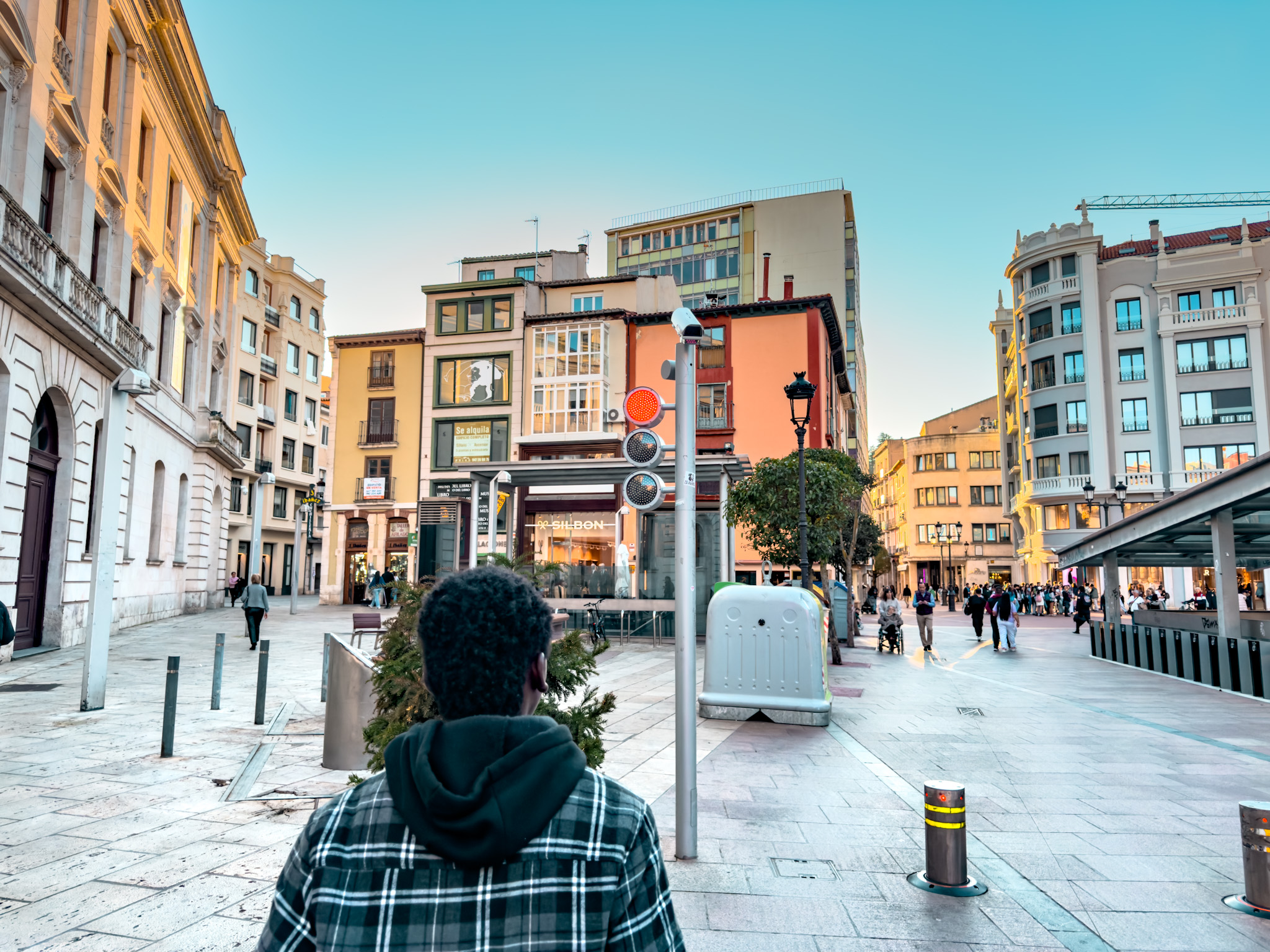
Notice the Camino de Santiago Connection
Burgos is one of the major cities on the Camino Francés, the most famous route of the Camino de Santiago. That connection gives the city a different kind of atmosphere, especially if you have already visited Santiago de Compostela or you are interested in pilgrimage routes through northern Spain.
You can feel the Camino connection in small ways. Pilgrims pass through the city. The cathedral becomes part of the journey. The streets are not just pretty historic streets, but part of a route people have walked for centuries. Burgos is often treated as one of the important stops between earlier Camino stages and the long stretch west toward León and Santiago.
After visiting Santiago de Compostela, I found Burgos interesting because it showed another side of the same pilgrimage story. Santiago feels like the destination. Burgos feels like one of the major places along the way, where people pause, rest, and continue.
This is one reason Burgos fits so well into a northern Spain route. It connects naturally with places like Santiago, León, Bilbao, and other cities tied to history, movement, and pilgrimage.
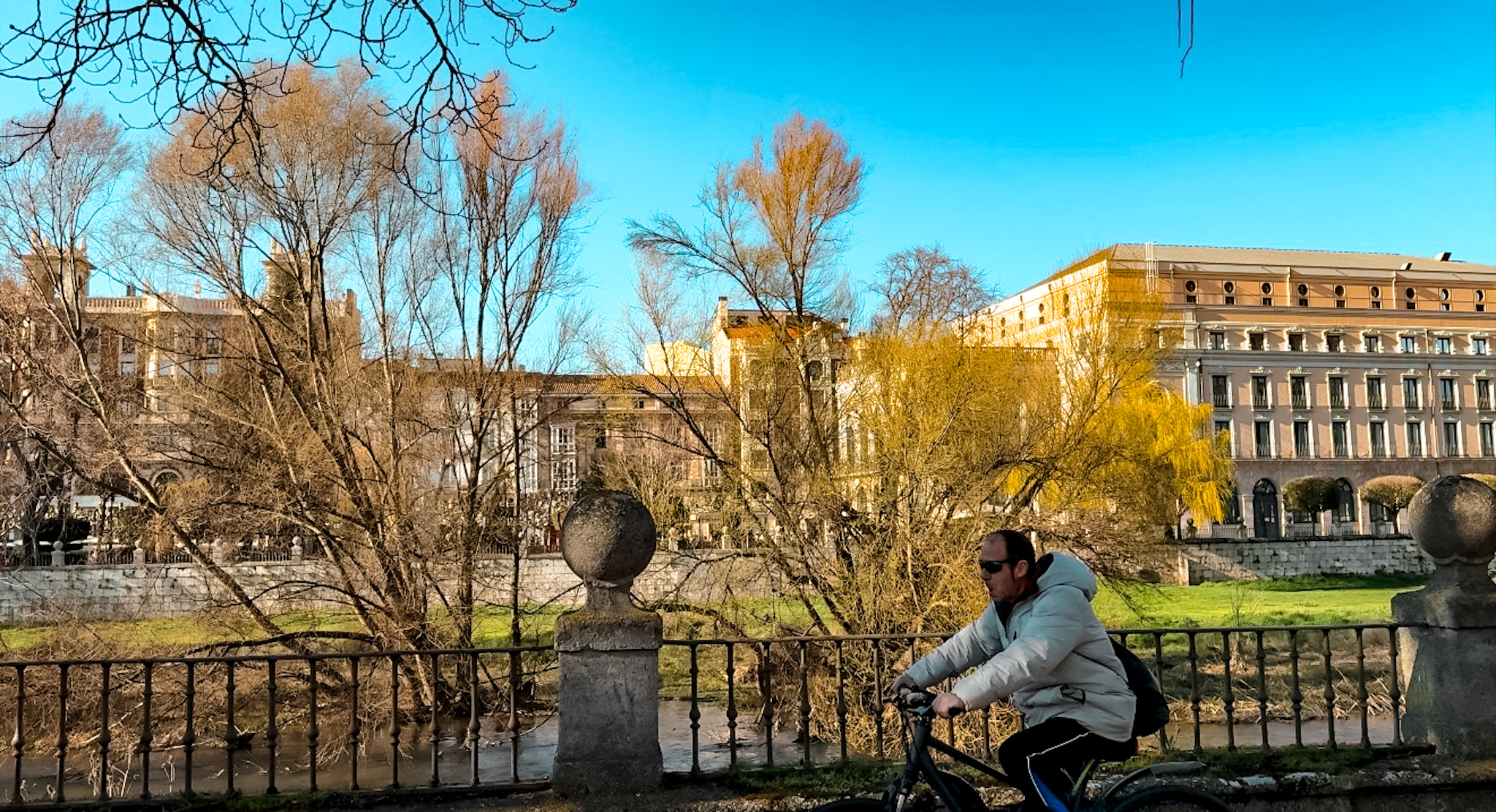
Walk Along the River Area
The Arlanzón River helps shape the center of Burgos, and walking near the river is one of the easiest ways to slow the city down. The river area connects naturally with Arco de Santa María, Paseo del Espolón, the Museum of Human Evolution, and the Old Town.
This is not something you need to schedule like a formal attraction. It is more of a soft part of the day. After visiting a museum or walking around the cathedral, take time to walk near the river, cross one of the bridges, and look back toward the historic center.
I always like when a city has a river because it gives you a different perspective. Burgos from the Old Town streets is one thing. Burgos from the river area feels a little more open. It gives you space between the museums, the cathedral, and the heavier historic landmarks.
.
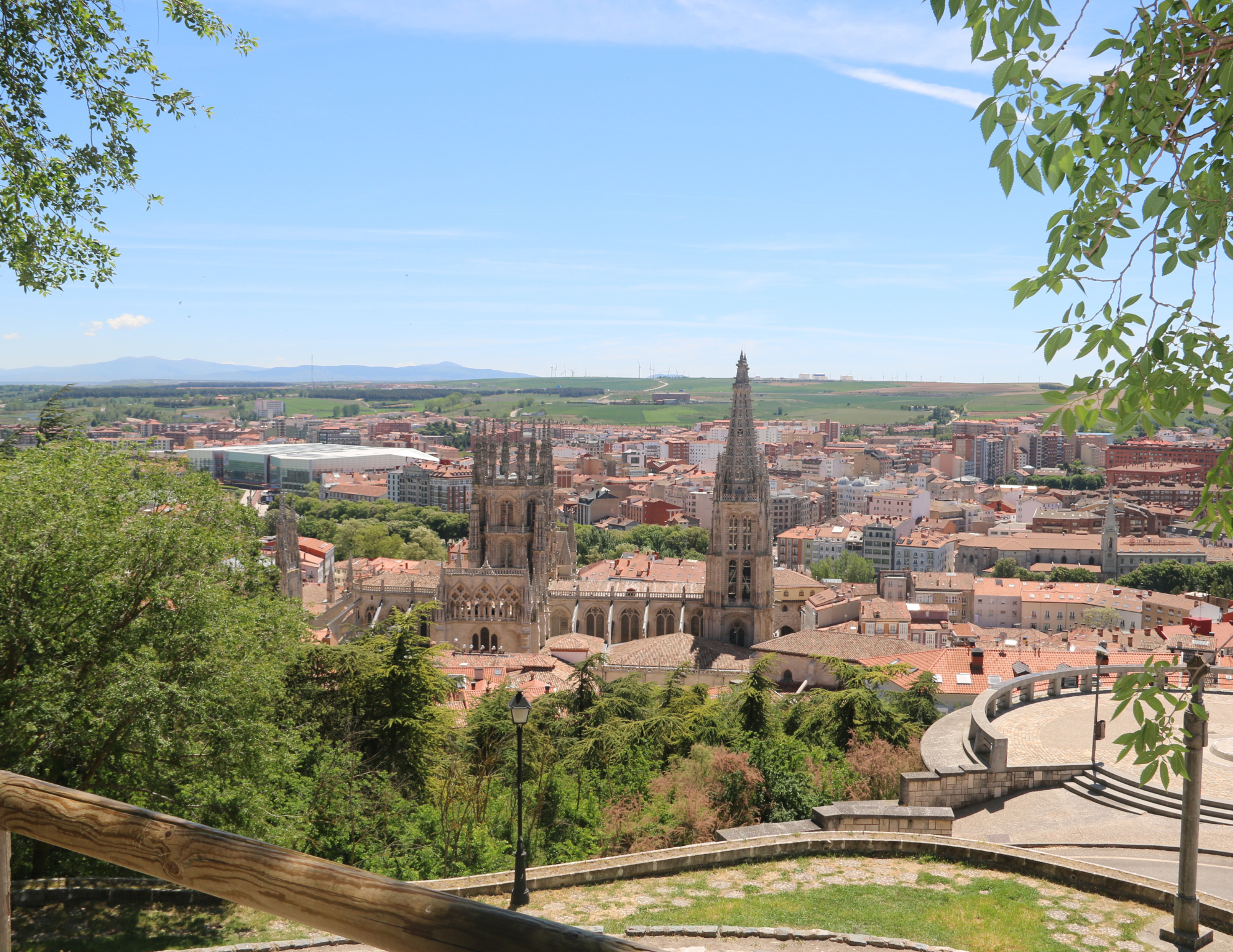
Go Up to Mirador del Castillo for Views Over Burgos
Mirador del Castillo is one of the best places to go if you want a view over Burgos. From above, you can see the historic center and the cathedral rising over the city, which is one of the classic views people look for when visiting Burgos.
I did not make it up to the viewpoint during my winter visit, so I would not call it a must-do in every situation. But I also would not skip mentioning it because if you have good weather, extra time, and want that higher view over the cathedral, this is one of the best add-ons to consider.
For a first visit, I would prioritize Burgos Cathedral, the Old Town, Arco de Santa María, Paseo del Espolón, and at least one museum. But if the day is clear and you want to see the city from above, Mirador del Castillo is worth adding to your Burgos list.
-2.png)
See Burgos in Winter
Burgos in winter has a very specific feeling. It is cold, and you should be ready for that, but the season also matches the city in a way I did not mind. The cathedral, stone streets, old buildings, and quieter plazas all felt suited to colder weather.
This is not where I would go in winter expecting long outdoor meals, warm terraces, or beachy Spain energy. Burgos is inland, historic, and more serious in feel. But if you like museums, walking, architecture, and slower city breaks, winter can still work well.
The key is to balance your day. Do outdoor walks when the weather is decent, then use the museums to break up the cold. The Museum of Human Evolution and Museo de Burgos are both helpful for that because they give you strong indoor activities that are still connected to the city.
Winter also made Burgos feel less crowded. I did not feel like I was fighting through tourist groups to enjoy the center. It felt calm, which made it easier to notice the streets, buildings, and details around the cathedral.
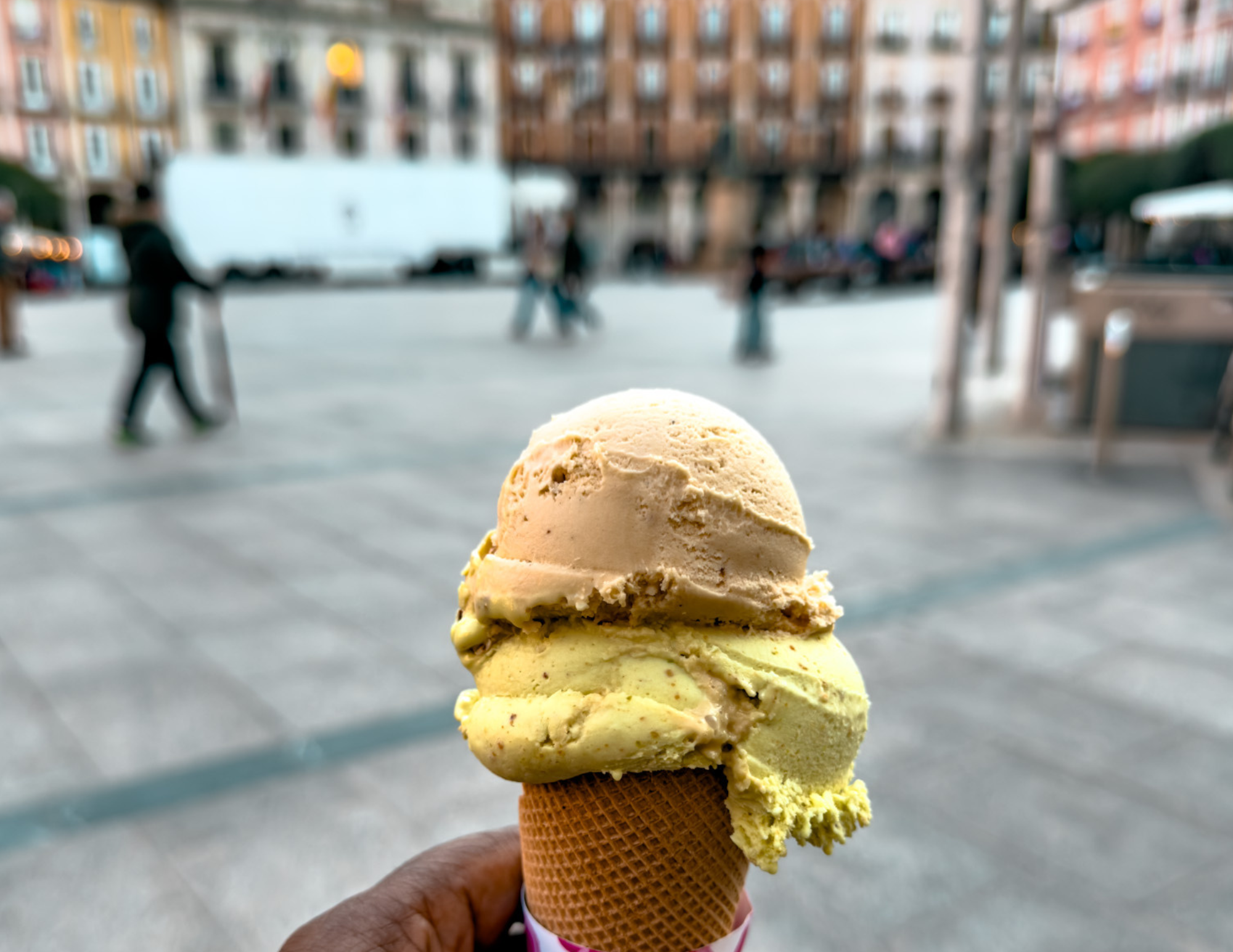
Try Burgos’ Local Specialties
Burgos is known for hearty Castilian food, and the local specialty you will hear about most is morcilla de Burgos. It is a blood sausage made with rice, onion, spices, and pork blood, and it is one of the foods most closely associated with the city.
This is also a good place to try traditional Castilian dishes, local tapas, roast meats, soups, stews, and wine from the wider region. If you are walking around the Old Town, especially near the cathedral and central streets, you will see plenty of places where you can stop for something casual.
For this Burgos guide, I would treat food as part of the experience, not the whole reason to visit. The city is much more about the cathedral, museums, history, and walking the center, but trying something local always helps connect you to a place beyond the sightseeing list.
Take Burgos Slowly
Burgos is not a city that needs to be rushed. You can see the main highlights in one day, but the city is better when you let it breathe a little. Walk the same area more than once. See the cathedral from different sides. Visit at least one museum. Sit somewhere warm in winter. Let the Old Town feel like a place, not just a checklist.
That is what I appreciated most about Burgos. It was not overwhelming. It did not demand a packed itinerary every hour of the day. It gave us a slower stop during a longer northern Spain route, with enough history and beauty to make it feel worth the time.
If you are visiting as a quick stop, focus on the cathedral, Arco de Santa María, Paseo del Espolón, Plaza Mío Cid, Casa del Cordón, and one museum. If you have more time, add both museums and let yourself wander more.
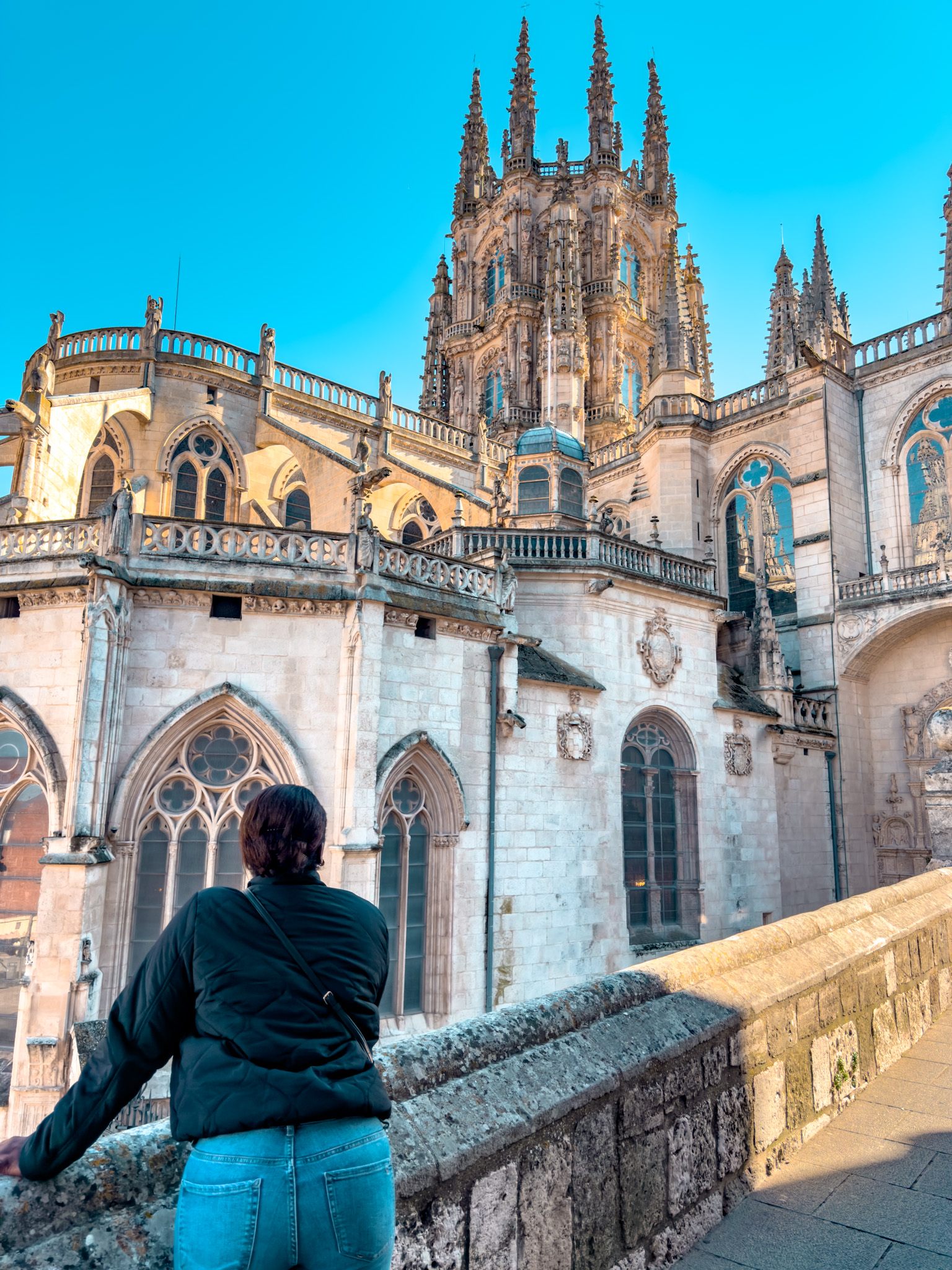
Final Thoughts on the Best Things to Do in Burgos
The best things to do in Burgos are not complicated, and that is part of what makes the city work. Visit Burgos Cathedral, walk through Arco de Santa María, stroll Paseo del Espolón, stop by Plaza Mío Cid, notice Casa del Cordón, visit the Museum of Human Evolution, spend time in Museo de Burgos, and let yourself wander the Old Town.
Burgos is a city for people who like history, architecture, museums, and slower travel. It is not the loudest stop in Spain, but it has a strong identity. The cathedral gives it drama. The museums give it depth. The Camino gives it movement. The Old Town gives it atmosphere.
If you are planning a northern Spain itinerary, Burgos is absolutely worth considering. It fits especially well between places like Santiago de Compostela, León, Bilbao, and even onward toward France. It gives you a different side of Spain, one that feels colder, older, quieter, and deeply historic.

Cavetta is the creator of LifeWithVetta.com and has been traveling the world full time since 2020. She has visited more than 60 countries while worldschooling her son and documenting what it really takes to live abroad. Her guides focus on travel, moving abroad, digital nomad life, and designing a life beyond the traditional path.
