
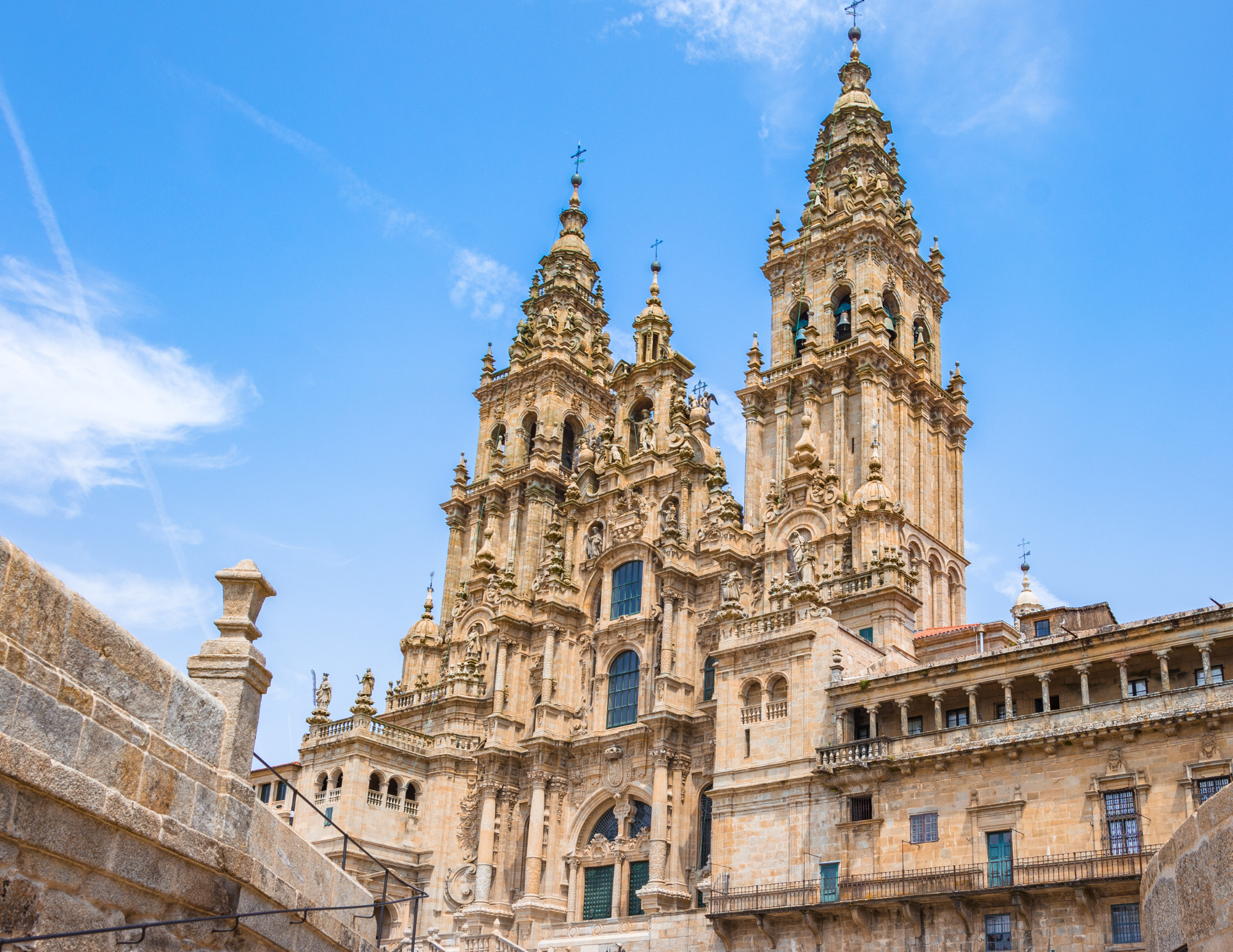
The Cathedral of Santiago de Compostela is not just the biggest landmark in the city. It is the reason Santiago feels the way it does.
Before I visited, I already knew the Cathedral was famous because of the Camino de Santiago. I knew pilgrims had been walking there for centuries. I knew it was one of the most important religious sites in Spain. But standing in front of it in Praza do Obradoiro made it feel different from just reading about it or seeing photos online.
This is one of those places where the building, the square, the people, and the emotion all work together. You see pilgrims arriving with backpacks and tired bodies. You see people hugging, crying, taking photos, sitting on the stone, and looking up at the Cathedral like they are trying to process what it took to get there. Even if you did not walk the Camino yourself, you can feel that Santiago is built around arrival.
The Cathedral is the center of the city physically, historically, spiritually, and emotionally. You can enjoy Santiago without being religious, but I do think understanding the Cathedral makes the city much richer.
This Santiago de Compostela Cathedral guide covers what to see, what ticketed areas to consider, whether the Pórtico da Gloria is worth it, what to know about the Botafumeiro, how to think about the museum and rooftops, and how to fit the Cathedral into your first visit.
If this is your first time in the city, start with my Santiago de Compostela travel guide for the full city overview, then use this Cathedral guide to decide how much time and money you want to spend inside the city’s most important landmark.
.png)
Why Santiago de Compostela Cathedral Matters
Santiago de Compostela Cathedral matters because it is the traditional final destination of the Camino de Santiago, one of the most famous pilgrimage routes in the world. For many people, reaching the Cathedral is not just sightseeing. It is the end of a physical, spiritual, emotional, or personal journey.
That is what makes this Cathedral different from a lot of other major churches in Europe. Yes, the architecture is beautiful. Yes, the history is important. Yes, the art and religious details matter. But the feeling around the Cathedral is shaped by people arriving.
Praza do Obradoiro, the main square in front of the Cathedral, often feels like a finish line. Some people arrive after walking for weeks. Some arrive after biking. Some are there as regular travelers. Some are with friends, some are alone, and some are clearly overwhelmed by the moment.
That emotional atmosphere is part of the visit.
You do not have to know every piece of Cathedral history to appreciate it, but you should understand this: Santiago’s Cathedral is not just an attraction you walk into and leave. It is the heart of the city and the reason the surrounding streets, plazas, restaurants, museums, and pilgrim culture feel so connected.
Is Santiago de Compostela Cathedral Worth Visiting?
Yes, Santiago de Compostela Cathedral is absolutely worth visiting. Even if you are not religious and even if you did not walk the Camino, it is still one of the most important places to see in the city.
At the very least, you should see the Cathedral from Praza do Obradoiro, walk around the different sides of the building, and step inside if access is available during your visit. That basic experience alone helps you understand Santiago.
If you enjoy architecture, religious history, medieval sculpture, rooftop views, or museums, then the ticketed Cathedral areas may also be worth your time. The Pórtico da Gloria, Cathedral Museum, rooftops, and guided visits all add more context, but you do not necessarily need to do every single option on a first visit.
That is where planning matters. Some people will be happy with the exterior, the basilica, and the atmosphere of the square. Others will want the deeper Cathedral experience with paid access to specific areas.
I would not skip the Cathedral itself. I would just be thoughtful about how much of it you want to visit based on your time, budget, and interests.
.png)
Can You Visit Santiago Cathedral for Free?
You can usually enter the main Cathedral basilica without needing the same kind of ticket you would need for the museum, Pórtico da Gloria, rooftops, or other special visits. But this is one of those places where you should check the current schedule before you go because access can shift around religious services, restoration work, security rules, special events, and visitor flow.
The important thing to understand is that “visiting the Cathedral” can mean different things.
You may be able to walk into the main worship space, but that does not automatically include access to the Cathedral Museum, the Pórtico da Gloria, rooftop visits, the towers, or special guided areas. Those are usually separate ticketed experiences.
For a first visit, you can keep it simple and still have a meaningful experience. See the Cathedral from the square, walk around it, go inside if you can, and spend time watching the movement of pilgrims and visitors around Praza do Obradoiro.
If you want the deeper experience, plan for a paid visit.
.png)
What To See at Santiago de Compostela Cathedral
There is more to the Cathedral than one front-facing view. The building is layered, and the experience changes depending on where you stand, what you enter, and how much time you give it.
Here are the main things to know about.
.png)
Praza do Obradoiro
Praza do Obradoiro is the main square in front of the Cathedral and the best place to start. This is where you get the classic view of the Cathedral façade and where you feel the emotional weight of Santiago most clearly.
Do not rush this square.
I know it is tempting to walk in, take photos, and move on, but Praza do Obradoiro is one of the most important parts of the Cathedral experience. This is where pilgrims arrive. This is where people stop, sit, hug, cry, and look back at what they have just completed. It is where the Cathedral feels less like a building and more like the center of something much bigger.
Even if you are not walking the Camino, take a moment here. Sit if you can. Watch people arrive. Look at the Cathedral from the square. Notice how many emotions are happening around you at once.
This is the part of Santiago that made the city feel different to me.
The Cathedral Exterior
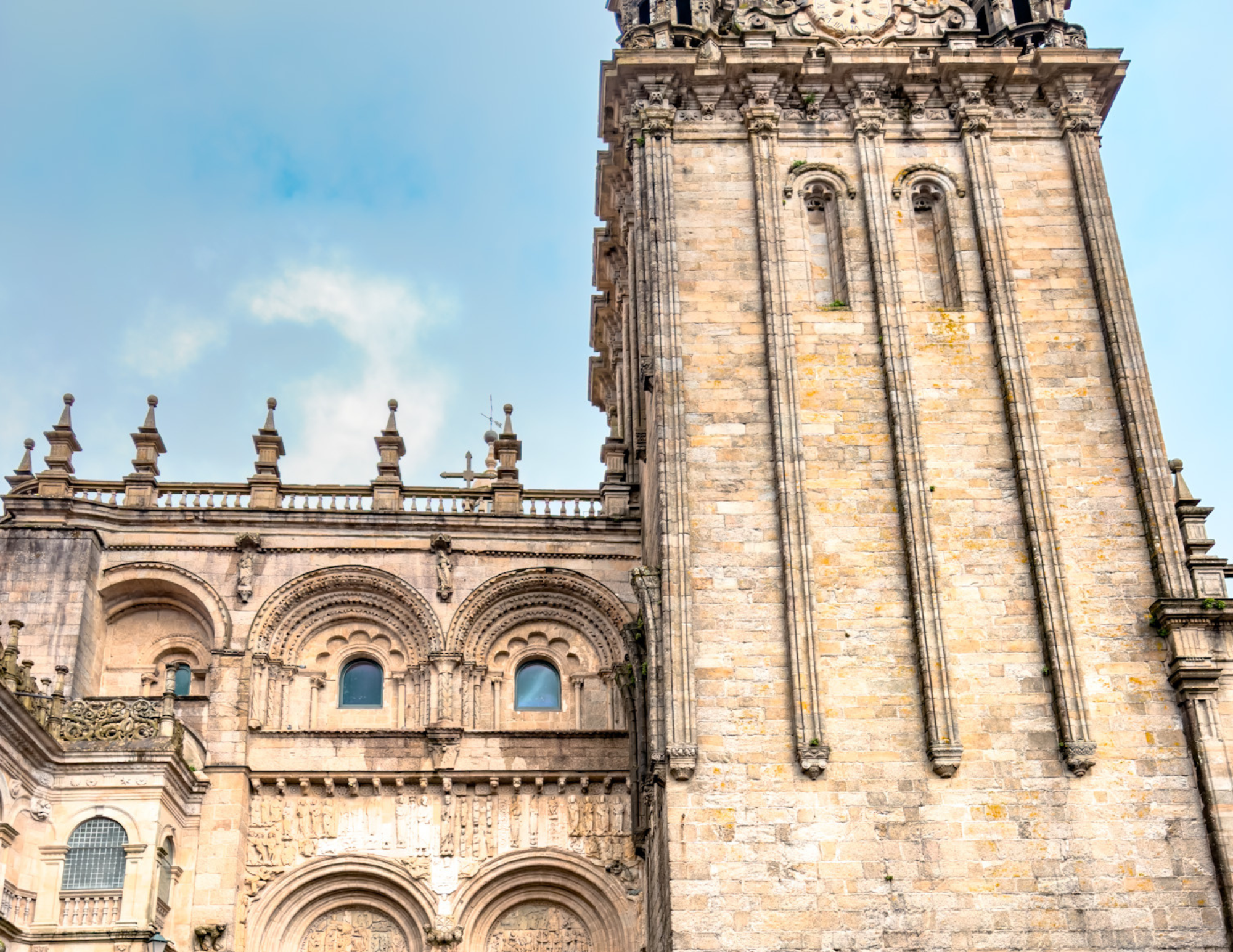
After seeing the Cathedral from Praza do Obradoiro, walk around the outside of the building. One of the best things about Santiago is that the Cathedral is not experienced from only one angle.
Different sides of the Cathedral connect to different plazas, streets, and views. Some areas feel grand and open. Others feel tighter and more atmospheric. As you walk around, you get a better sense of how the Cathedral sits inside the Old Town and how the city has grown around it.
This is also a good way to slow yourself down. Santiago is not a city that needs to be rushed, and the Cathedral is not a landmark you should only photograph from the front.
If you want a broader walk through the streets around the Cathedral, read my Santiago de Compostela Old Town guide because the historic center is a huge part of what makes the Cathedral feel so powerful.
.png)
The Main Interior
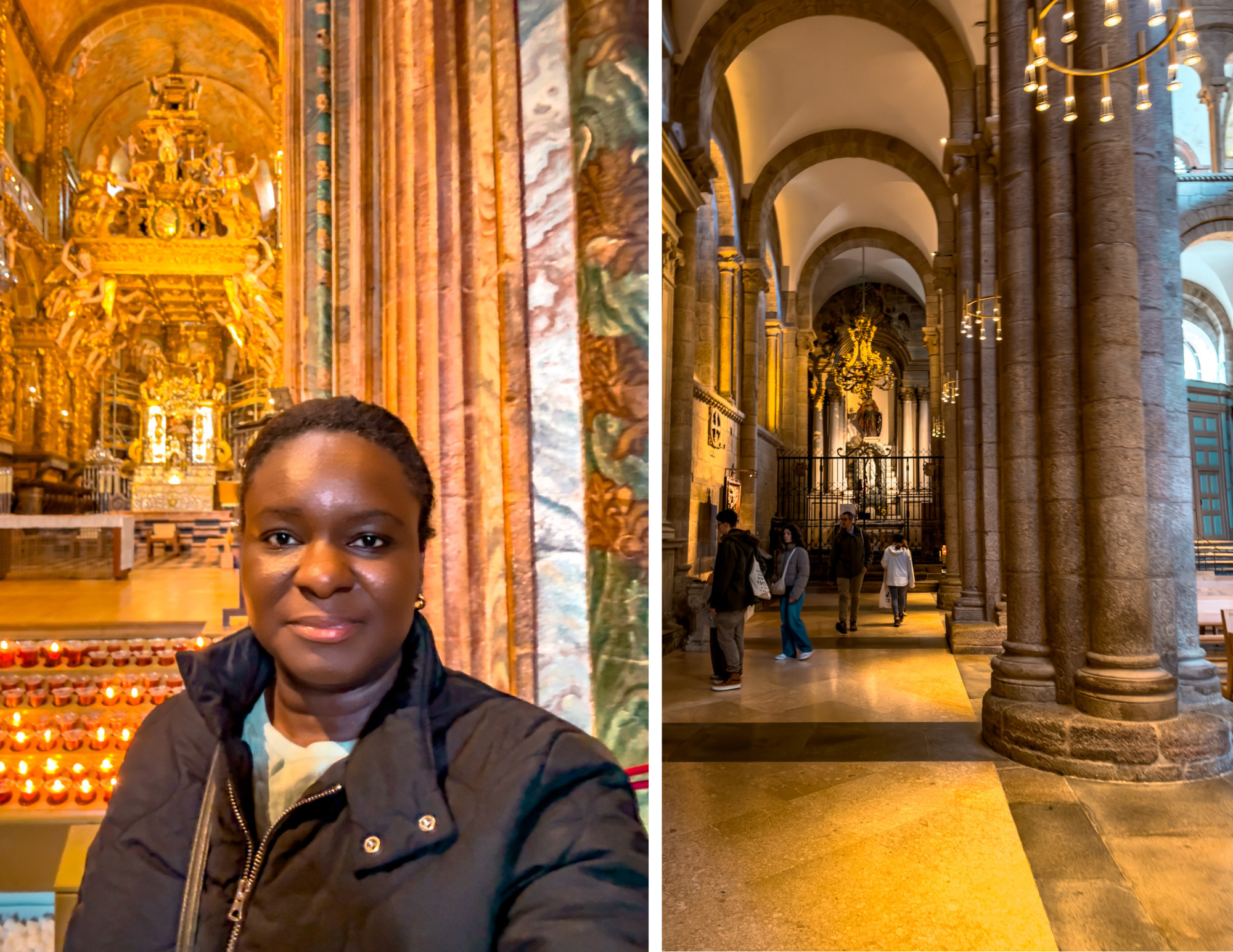
If you are able to enter the Cathedral, the main interior is worth seeing. This is where the religious purpose of the building becomes more obvious, especially if you visit near a service or when pilgrims are coming in after finishing their route.
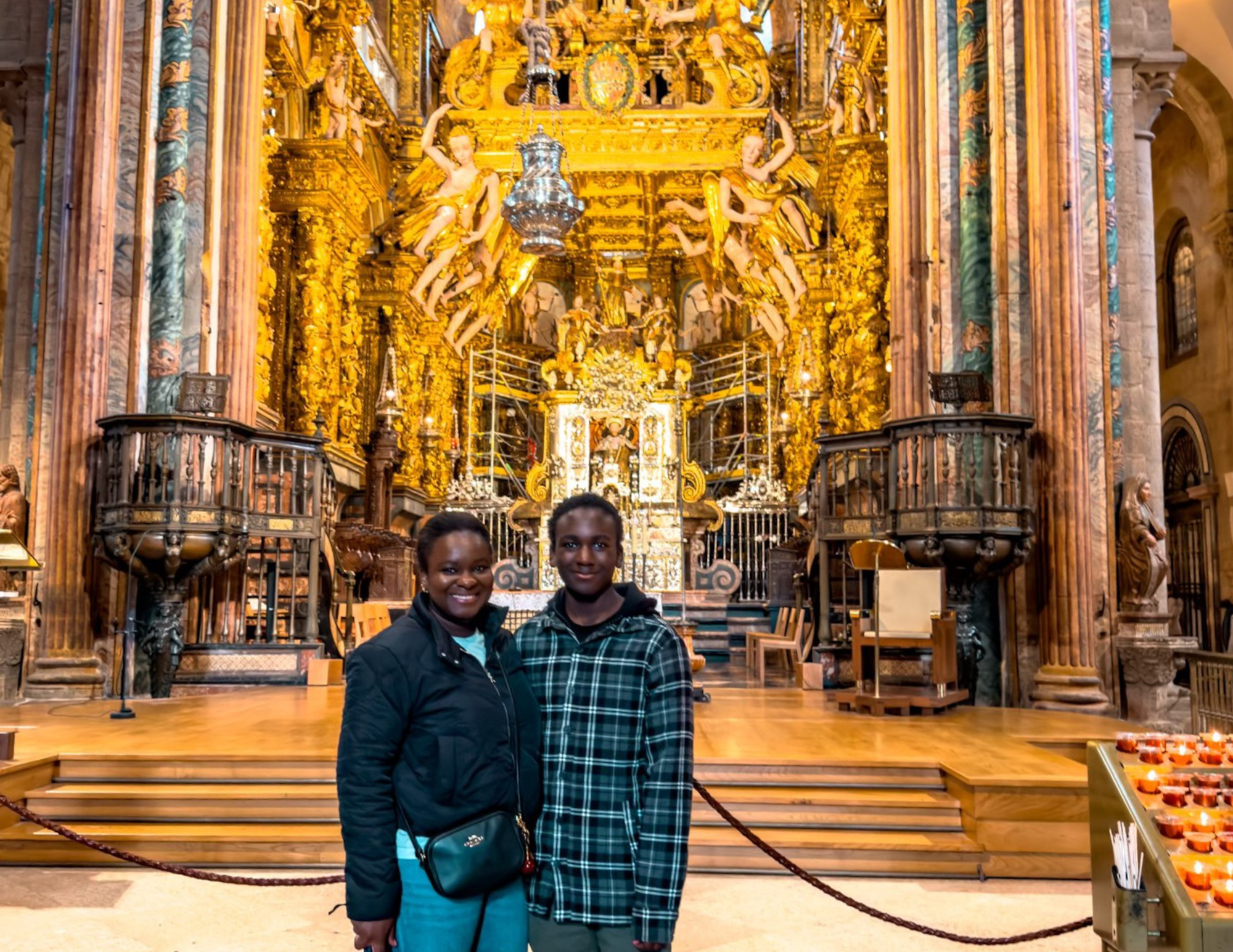
Inside, you can see the scale of the space, the altar area, the devotional atmosphere, and the way visitors move through quietly compared with the energy of the square outside.
This is also where you may start to understand why Santiago is not simply a historic city with a famous church. The Cathedral is still active. It is not just preserved for tourists. It is a living religious site, and that changes the tone of the visit.
Be respectful inside. Dress appropriately, keep your voice low, and remember that for some people around you, this is not a sightseeing stop. It may be the emotional and spiritual end of a long journey.
-2.png)
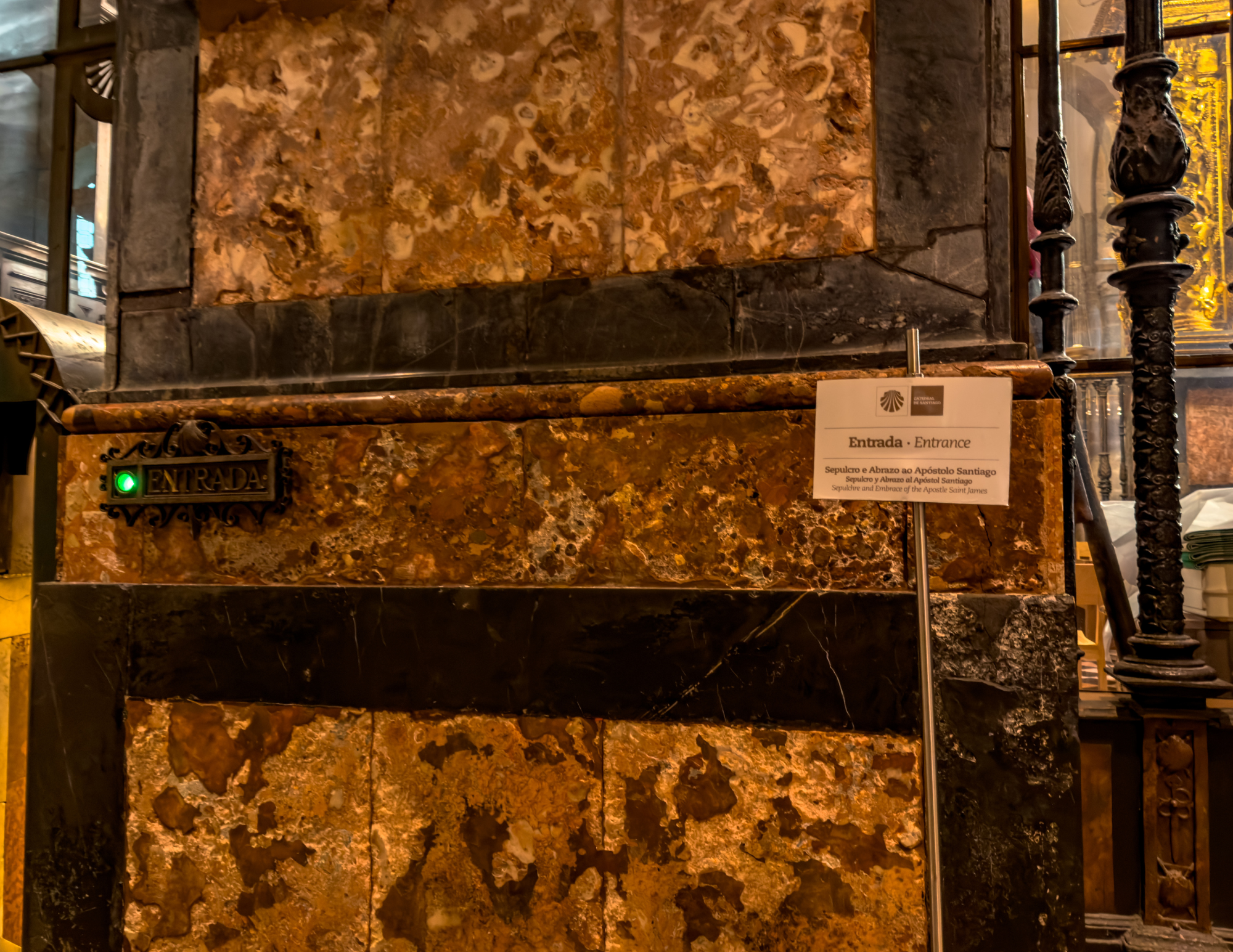
The Tomb of Saint James
One of the most important parts of the Cathedral’s religious identity is its connection to Saint James. The tradition surrounding the tomb is central to why Santiago de Compostela became such a major pilgrimage destination.
Even if you are not religious, understanding this helps the whole city make more sense. The Camino is not random. The Cathedral is not famous by accident. The belief connected to Saint James is what turned Santiago into one of Europe’s great pilgrimage cities.
This is one of those parts of the visit where the history, faith, and city identity all come together. You do not need to share the belief to understand why it matters.
The Pórtico da Gloria
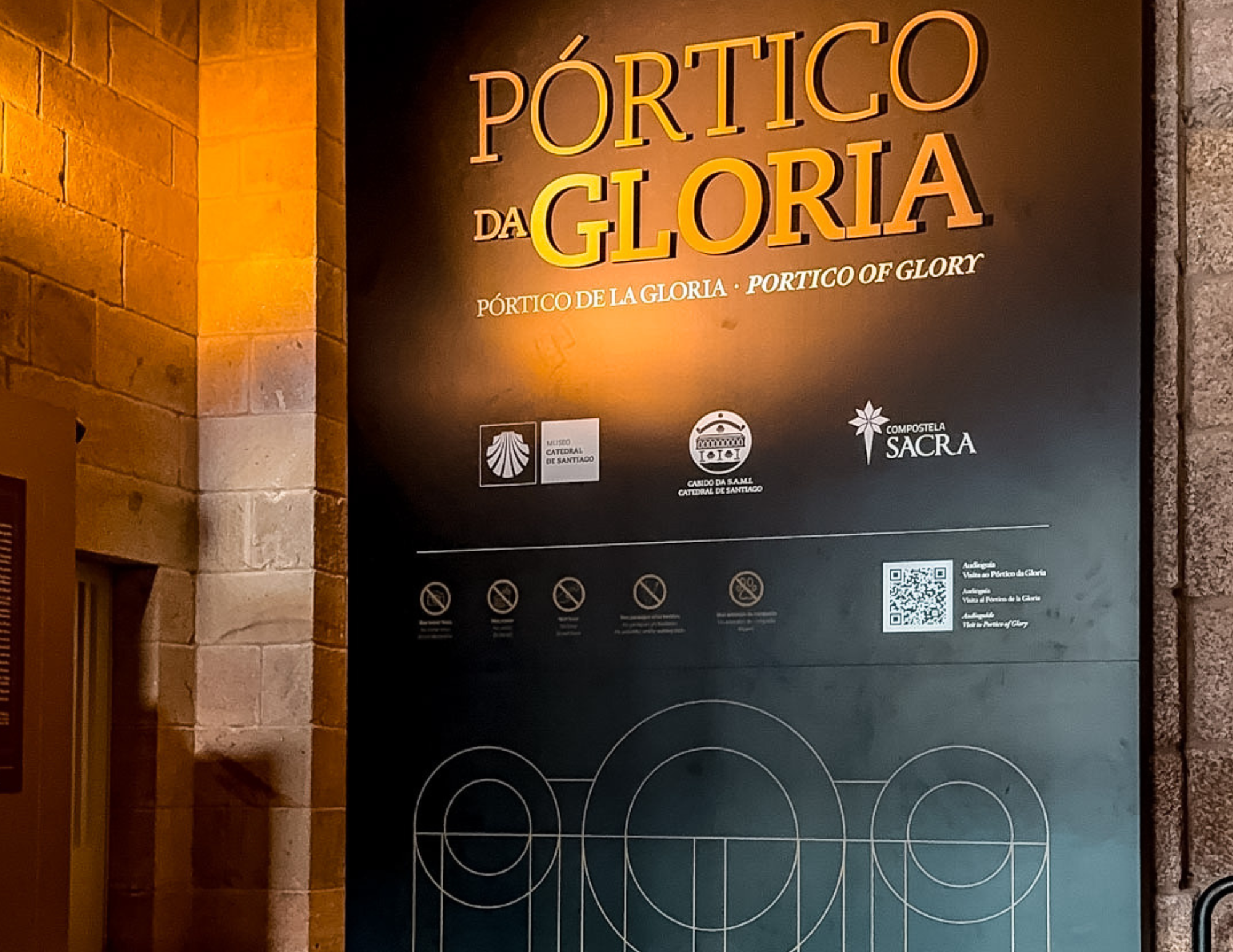
The Pórtico da Gloria is one of the most famous and important parts of the Cathedral. It is a masterpiece of medieval sculpture and one of the details that many visitors specifically want to see.
This is not something I would treat as a casual add-on if it matters to you. Access to the Pórtico da Gloria is usually managed separately from a basic Cathedral visit, and ticketed entry or timed access can apply. If seeing it is high on your list, plan ahead instead of assuming you can figure it out when you arrive.
The Pórtico is especially worth considering if you love medieval art, religious symbolism, sculpture, architecture, or detailed historic sites. If you are the kind of traveler who enjoys understanding the craftsmanship and meaning behind a place, it can be one of the most memorable parts of the Cathedral.
If you are doing a quick one-day visit and do not care as much about art history, you may decide the exterior, main interior, and square are enough. But if you want the fuller Cathedral experience, this is one of the first paid areas I would look into.
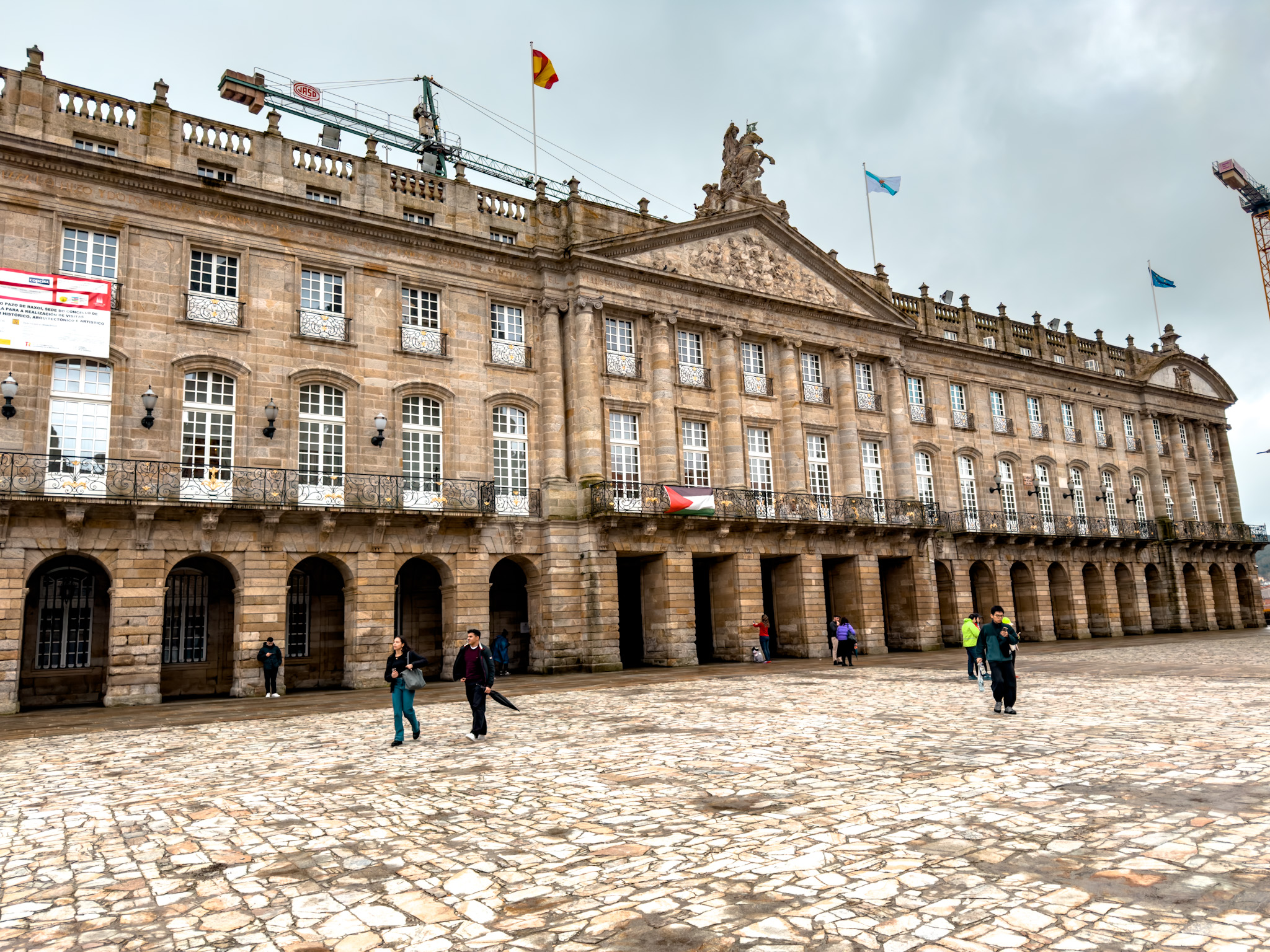
The Cathedral Museum
The Cathedral Museum is a good choice if you want to understand the Cathedral beyond the main worship space. It gives more context to the history, art, architecture, and religious importance of the site.
I would recommend the museum for travelers who like knowing what they are looking at instead of just passing through. It helps make the Cathedral feel less like one big overwhelming monument and more like a place with layers.
If you only have one day in Santiago, the museum is worth considering, but I would balance it against how much time you want for the Old Town, food, Alameda Park, and simply sitting in Praza do Obradoiro. If you have two days, the museum becomes easier to fit in without rushing.
For a first visit, I would choose the museum if you want depth. If you want atmosphere and a lighter visit, keep the Cathedral simple and spend more time walking the city.
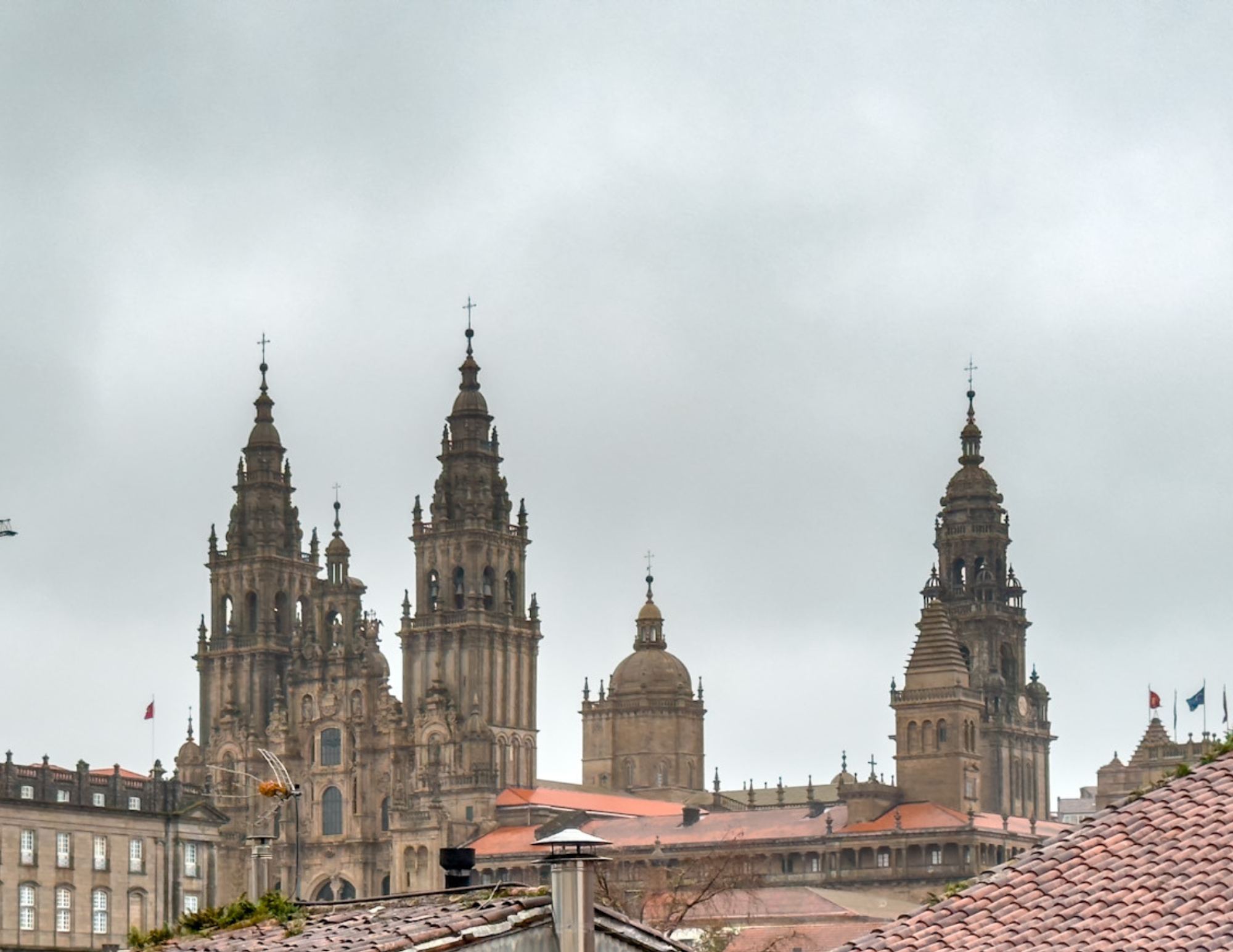
The Rooftop Visit
The rooftop visit is one of the Cathedral experiences that many travelers are curious about because it gives you a different perspective on both the building and the city.
Rooftop visits are usually ticketed and timed, so this is not something I would leave to chance if it matters to you. It can be especially appealing if you love views, photography, architecture, or seeing a city from above.
This type of visit gives you a completely different relationship with the Cathedral. Instead of standing in front of it or inside it, you are seeing the structure from above and looking out over Santiago’s rooftops.
If you are short on time, I would decide between the rooftop visit and another ticketed Cathedral experience rather than trying to do everything. If you are staying two days, it becomes much easier to add.
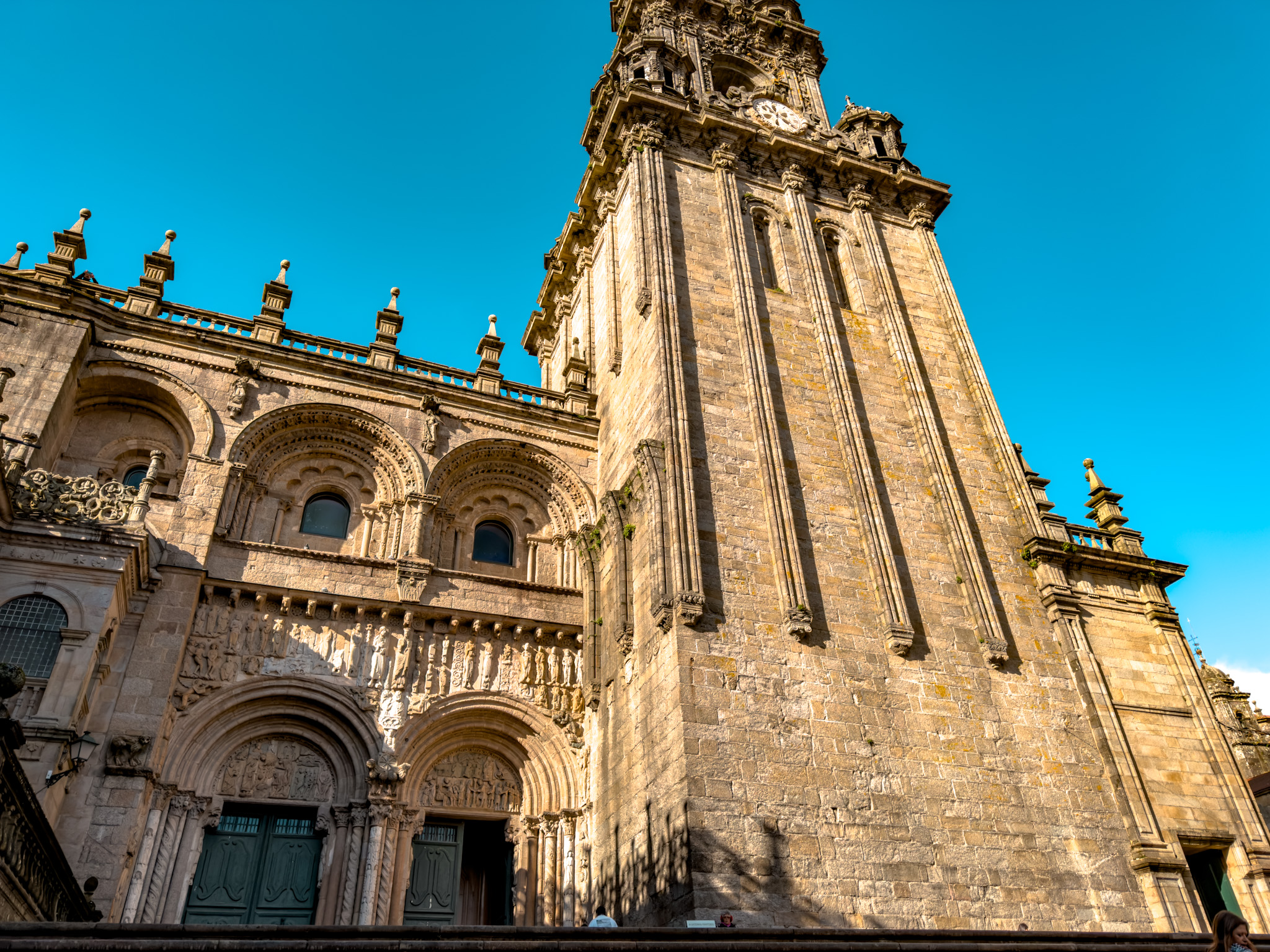
The Towers and Special Visits
The Cathedral also offers special visit options that may include towers, rooftops, themed areas, or night visits depending on what is available during your travel dates. These are the kinds of experiences where timing matters, and you should check before your visit.
For most first-time visitors, the key decision is not “Should I do every Cathedral option?” It is “Which Cathedral experience matches my interests?”
If you love views, look into rooftops or tower-related visits. If you love sculpture and medieval art, prioritize the Pórtico da Gloria. If you love history and context, the museum may be the better choice. If you want atmosphere, a night visit may be more memorable.
The Cathedral has enough layers that you can build your visit around what you actually care about.
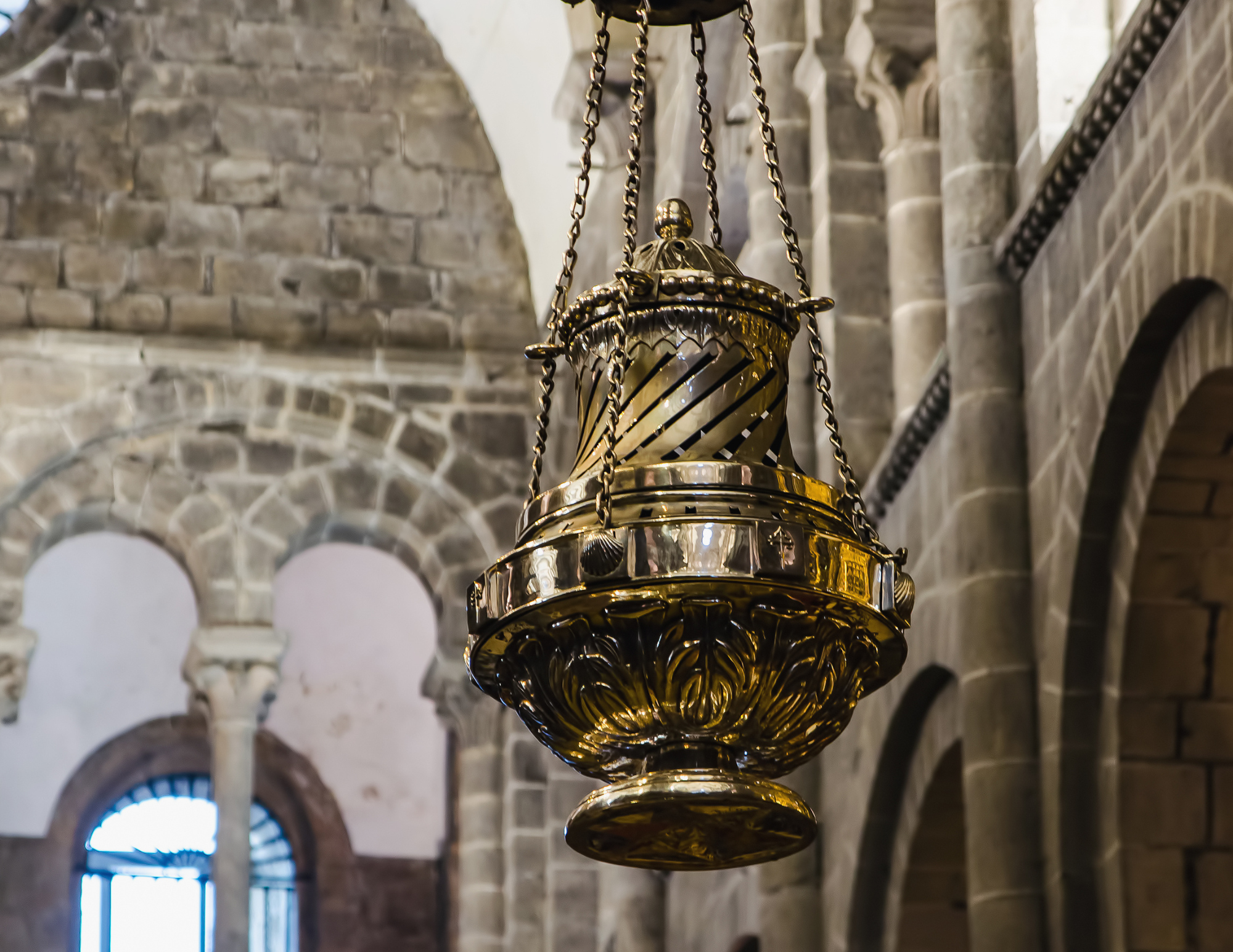
The Botafumeiro
The Botafumeiro is one of the most famous things associated with Santiago Cathedral. It is the giant incense burner that swings through the Cathedral during certain religious services and special occasions.
A lot of visitors hope to see it, but this is important: do not assume the Botafumeiro swings at every Mass.
If seeing it in motion is a big reason you are visiting, check the schedule before you go and understand that it is tied to specific services, dates, or arrangements. It is not something I would casually promise yourself unless you know it is happening during your visit.
Even if you do not see it swing, knowing about the Botafumeiro adds another layer to the Cathedral experience. It is one of those details that reminds you how much ritual, symbolism, and tradition are built into Santiago.
If you do get to see it, that would be a major highlight.
Should You Attend Mass at Santiago Cathedral?
You can attend Mass at Santiago Cathedral, and for some visitors this will be the most meaningful part of the entire visit. For pilgrims, attending Mass after arriving in Santiago can be especially emotional.
If you are not Catholic or not religious, you can still attend respectfully if you want to experience the Cathedral as an active place of worship rather than only as a landmark. Just remember that this is not a performance. It is a religious service.
That means arriving respectfully, dressing appropriately, staying quiet, not treating people like content, and being mindful with photos or phones. In some areas and at some times, photography may not be allowed.
If your goal is sightseeing, visit outside service times when possible. If your goal is spiritual or cultural understanding, attending Mass may help you experience the Cathedral differently.
.png)
Should You Book Santiago Cathedral Tickets Ahead?
For the basic Cathedral experience, you may not need to book much ahead depending on what you are doing. But for ticketed areas like the Pórtico da Gloria, rooftops, museum visits, themed visits, night visits, or guided tours, I would check ahead and book early if something matters to you.
Timed access can be strict, and some experiences may have limited availability. This is especially true during busy travel seasons, holidays, weekends, and peak Camino periods.
My general rule would be:
If you only want to see the Cathedral exterior, spend time in the square, and step inside the main space if available, you can be more flexible.
If you specifically want the Pórtico da Gloria, rooftops, a night visit, or a guided Cathedral experience, plan ahead.
This is one of those attractions where deciding early can save you from disappointment.
.png)
Which Cathedral Ticket Is Best?
The best Cathedral ticket depends on the kind of traveler you are.
If you love art and history, prioritize the Pórtico da Gloria and the Cathedral Museum.
If you love views and photography, look into the rooftop or tower-style visits.
If you want deeper context without figuring everything out yourself, consider a guided visit that includes the Cathedral Museum and other key areas.
If you are short on time or on a tighter budget, focus on the free or basic parts of the Cathedral experience and spend more time in Praza do Obradoiro, the Old Town, and the surrounding squares.
There is no one perfect ticket for everyone. The Cathedral is layered enough that you should choose based on your actual interests, not just what someone else says is “must-do.”
For a first-time visitor with one full day, I would choose one paid Cathedral experience at most unless the Cathedral is your main reason for visiting Santiago.
.png)
How Much Time Do You Need at Santiago Cathedral?
For a simple visit, give yourself at least one to two hours around the Cathedral area. That includes time in Praza do Obradoiro, walking around the outside, stepping inside if possible, and taking in the atmosphere.
If you are adding the Cathedral Museum, Pórtico da Gloria, rooftops, or a guided visit, plan for more time. A deeper Cathedral visit can easily take a few hours, especially if your ticketed entry times are spread out or if you want to move slowly.
For a one-day Santiago itinerary, I would spend the morning around the Cathedral area, then leave the afternoon for the Old Town, food, a museum, Alameda Park, and an evening return to the Cathedral area.
For a two-day visit, you can split it better. Do the main Cathedral and square one day, then return for a ticketed visit or museum experience the next.
Best Time of Day To Visit the Cathedral
Morning is a good time to visit the Cathedral area if you want to start your day with the main landmark and avoid feeling rushed later. The light can be nice, the city is waking up, and you can build the rest of your itinerary around the historic center.
Midday can be busier, especially when tour groups and day visitors are moving through. This does not mean you should avoid it, but expect more people.
Evening is one of my favorite times to return to the Cathedral area. The square feels different after dark. The Cathedral lights, the stone streets, the quieter mood, and the slower energy all make Santiago feel more atmospheric.
If you can, see the Cathedral twice: once during the day and once at night.
The daytime visit helps you understand the structure and the movement of the city. The nighttime visit helps you feel the mood.
.png)
The Best View of Santiago Cathedral
The most famous view is from Praza do Obradoiro, and you absolutely should see it from there. That is the classic arrival view and the one most connected to the Camino.
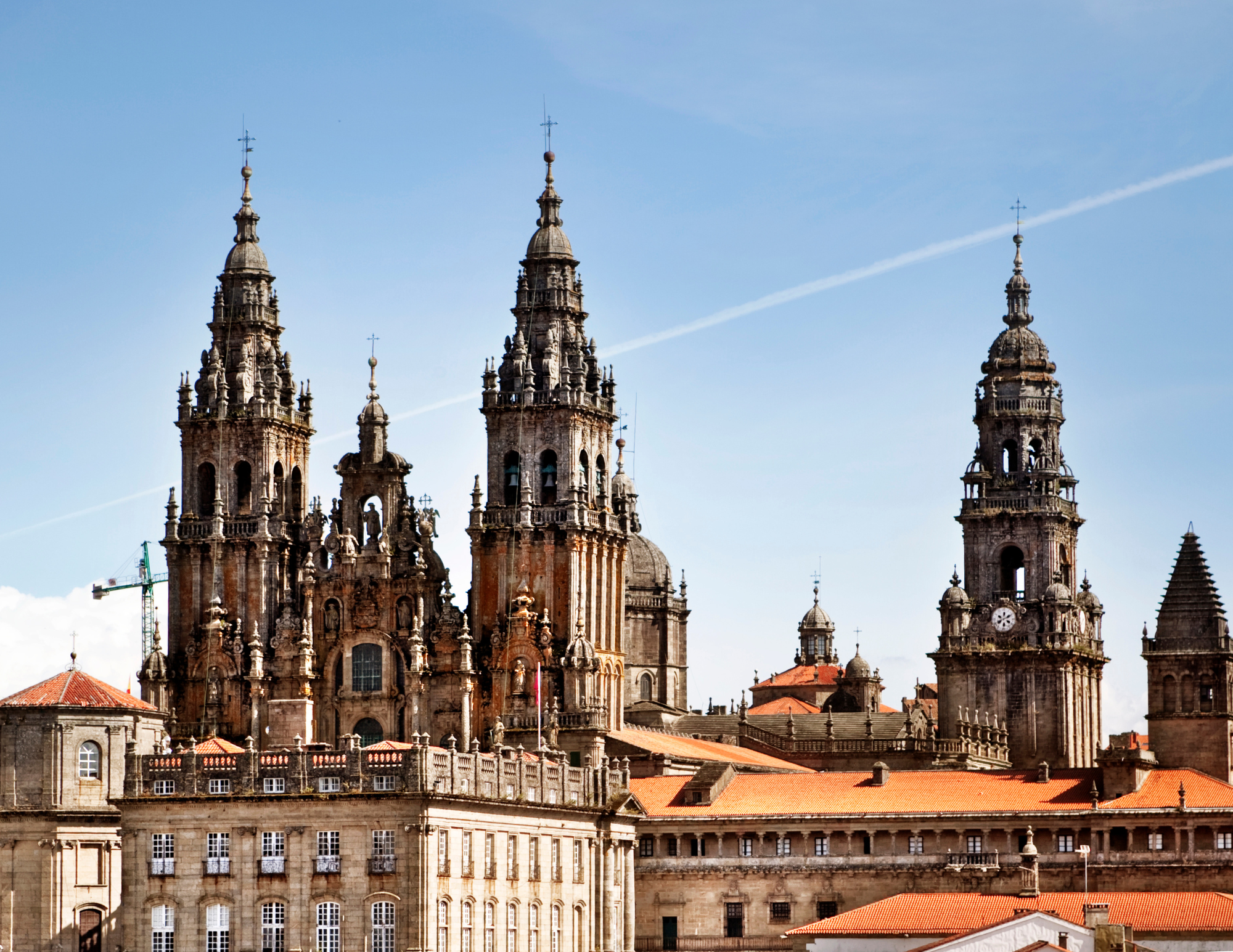
But for a different perspective, go to Alameda Park. From there, you can see the Cathedral rising above the rooftops, which gives you a better sense of how it sits inside the city.
I love views like this because they pull you out of the crowded center and let you see the city as a whole. Instead of only standing beneath the Cathedral, you see it as part of Santiago’s skyline.
For more on that walk and the best views, read my Alameda Park Santiago de Compostela guide.
.png)
What To Wear to Santiago Cathedral
Wear comfortable shoes first. Santiago’s Old Town is walkable, but the streets can be uneven, and you will likely spend a lot of time standing, walking, and moving between plazas.
For clothing, dress respectfully if you plan to enter the Cathedral. You do not need to be overly formal, but remember that this is an active religious site. Avoid anything that feels too revealing for a church visit, especially if you plan to attend Mass.
Because Galicia can be rainy or cool, bring a light jacket or umbrella depending on the season. Santiago’s moody weather can make the city feel even more atmospheric, but wet feet and uncomfortable clothing can ruin a long walking day quickly.
.png)
Photography Tips for Santiago Cathedral
You will want photos of the Cathedral, but do not only take the obvious front-facing shot and leave.
Take photos from Praza do Obradoiro, then walk around the Cathedral and capture different sides of the building. Look for narrow street views where the Cathedral appears between stone buildings. Go to Alameda Park for a wider skyline view. Return at night for the illuminated Cathedral and quieter square.
Inside the Cathedral and museum areas, pay attention to the rules. Some spaces may restrict photography or filming, especially ticketed or museum areas. Do not assume you can record everything just because other people are doing it.
The best photos in Santiago are not always the cleanest postcard shots. Sometimes it is the backpack on the ground, the wet stone street, the pilgrim sitting quietly, the Cathedral glowing at night, or the view from a side street that captures the city better.
.png)
Cathedral Etiquette and First-Time Tips
The Cathedral is both a major tourist site and a place of worship, so your visit should balance curiosity with respect.
Keep your voice low inside. Do not interrupt people praying. Do not block entrances or narrow spaces for photos. Follow signs about restricted areas, bags, tickets, and photography. If you attend Mass, treat it as a service, not a show.
If you are visiting ticketed areas, arrive on time. The Cathedral’s special visits can have specific entry times, and being late may cause problems.
If you are carrying luggage, check rules ahead of time because large bags may not be allowed in certain areas. This matters especially if you are arriving in Santiago and trying to visit before checking into accommodation.
And most importantly, slow down. The Cathedral is not just another stop on a city itinerary. Give yourself enough time to feel where you are.
.png)
How To Fit the Cathedral Into One Day in Santiago
If you only have one day in Santiago, I would start with the Cathedral in the morning. Begin in Praza do Obradoiro, walk around the Cathedral exterior, go inside if you can, and add one ticketed Cathedral experience only if it truly matters to you.
After that, spend time in the Old Town, walk down Rúa do Franco, eat Galician food, and visit the Museum of Pilgrimage or Mercado de Abastos depending on your interests. Later in the day, walk to Alameda Park for Cathedral views, then return to the Cathedral area at night.
This creates a day that feels full but not frantic.
Read my One day in Santiago de Compostela itinerary for the full walkable route.
.png)
What To Do Near Santiago Cathedral
One of the best things about visiting the Cathedral is that so many of Santiago’s main experiences are nearby. You can build almost your whole first day around this area.
Near the Cathedral, you can explore Praza do Obradoiro, walk through the Old Town, visit Rúa do Franco, stop for Galician food, visit the Museum of Pilgrimage, look for the Shadow of the Pilgrim at night, and walk toward Alameda Park for views.
You do not need to travel far to have a strong first visit. Santiago’s historic center is compact, and the Cathedral acts as the anchor for everything around it.
If you want a slower city walk, read my Santiago de Compostela Old Town guide. If food is your priority, read my what to eat in Santiago de Compostela guide.
.png)
Is the Cathedral Museum Worth It?
The Cathedral Museum is worth it if you want more context, history, and a deeper understanding of the Cathedral beyond the main worship space.
If you love museums, religious history, architecture, or sacred art, it makes sense to add. It can help explain why the Cathedral became so important and how the site developed over time.
If you are only in Santiago for a few hours and care more about atmosphere, food, and walking, you may choose to skip the museum and focus on the main Cathedral area instead.
I think the museum is best for people who want a fuller visit. It is not required for every traveler, but it is a good option if you want Santiago to feel less like a quick stop and more like a place you actually understand.
.png)
Is the Pórtico da Gloria Worth It?
The Pórtico da Gloria is worth it if you care about medieval art, religious symbolism, sculpture, architecture, or the deeper history of the Cathedral. It is one of the most important artistic treasures connected to the Cathedral, and for many visitors, it is a highlight.
But it may not be necessary for every first-time visitor.
If you are visiting Santiago casually and only have one day, you may be satisfied with the Cathedral exterior, the main interior, the square, and the Old Town. If you are a history or art person, the Pórtico becomes much more important.
This is where I would be honest with yourself. Do not book it just because you feel like you are supposed to. Book it if it matches the way you like to travel.
Is the Rooftop Visit Worth It?
The rooftop visit is worth it if you love views and architecture. Seeing Santiago from above gives you a different perspective, and looking across the rooftops from the Cathedral itself can be a memorable experience.
That said, if your main goal is to feel the city, eat well, wander the Old Town, and watch pilgrims arrive, the rooftop visit may be more of a bonus than a must-do.
For a first visit, I would prioritize the Cathedral square and Old Town first. Then add the rooftop if you have time, interest, and a ticket that fits your schedule.
If you are staying two days, I think it becomes a much easier yes.
.png)
Is Santiago Cathedral Good for Kids or Teens?
Santiago Cathedral can be meaningful for kids or teens if you give them context before visiting. Instead of presenting it as “we are going to see another old church,” explain that people walk across Spain and other parts of Europe to end their journey here.
That changes the visit.
Teens may connect more with the idea of the Camino, the emotion of people arriving, the architecture, the rooftop views if available, or simply the atmosphere of the square. Younger kids may enjoy the open plaza, the music, the movement, and the chance to walk around rather than stand inside for too long.
For families, I would keep the Cathedral visit balanced. Do not overload the day with too many museums or long tours unless your kids are interested. Pair the Cathedral with food, Old Town wandering, and Alameda Park so the day has variety.
.png)
Common Mistakes To Avoid When Visiting Santiago Cathedral
The first mistake is treating the Cathedral like a quick photo stop. The building is beautiful, but the experience is bigger than the façade. Spend time in the square, walk around the exterior, go inside if you can, and return at night if possible.
The second mistake is assuming every part of the Cathedral is included in one visit. The main Cathedral, museum, Pórtico da Gloria, rooftops, towers, and special visits are not all the same thing. Check what your ticket includes before booking.
The third mistake is leaving ticketed experiences to the last minute if they really matter to you. Some visits are timed and limited, so plan ahead.
The fourth mistake is not respecting the religious nature of the space. This is not only a tourist attraction. People pray here, attend Mass here, and arrive here after deeply personal journeys.
The fifth mistake is trying to do too much in one day. The Cathedral is important, but Santiago is also the Old Town, food, parks, museums, and nighttime atmosphere. Leave room for the city itself.
-1.png)
My Honest Advice for Visiting Santiago Cathedral
My honest advice is to see the Cathedral in layers.
Start outside in Praza do Obradoiro. Feel the square first. Watch the pilgrims arrive. Let yourself understand that this is not just a landmark.
Then walk around the Cathedral exterior. See how it connects to the surrounding streets and plazas.
Then go inside if you can. Let the atmosphere shift from the open square to the quiet interior.
Then decide whether you want more. If you do, choose the ticketed experience that matches your interests: Pórtico da Gloria for art and history, the museum for deeper context, rooftops for views, or a guided visit if you want someone to connect the pieces for you.
Finally, come back at night. Even if you do nothing else, seeing the Cathedral lit up after dark is one of the simplest and most memorable things to do in Santiago.
Final Thoughts on Visiting Santiago de Compostela Cathedral
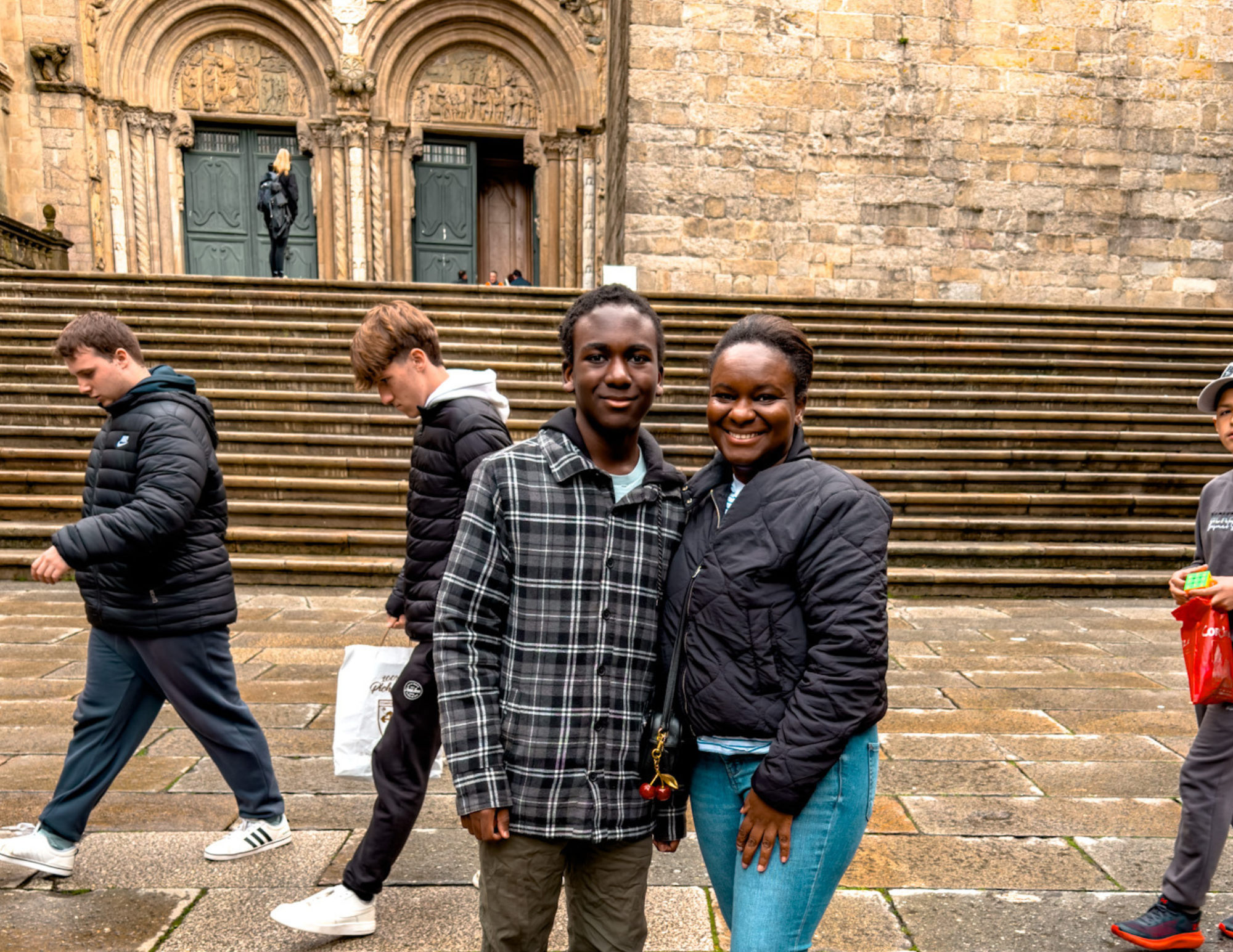
The Cathedral of Santiago de Compostela is one of those places that means more when you give it time.
You can visit it as a tourist, and it will still be impressive. The façade, the square, the history, the art, and the scale all make it worth seeing. But if you slow down enough to watch the pilgrims arrive, to notice the emotion in the square, to walk around the building, and to understand why people have been traveling here for centuries, the Cathedral becomes much more than a stop on an itinerary.
It becomes the heart of Santiago.
You do not have to walk the Camino to feel that. You do not have to be religious. You do not have to book every ticketed experience or understand every detail of the architecture.
But you should arrive with curiosity.
Start with Praza do Obradoiro. Walk around the Cathedral. Go inside if you can. Choose one deeper experience if it matters to you. Eat Galician food nearby. Wander the Old Town. Come back at night.
That is how the Cathedral starts to make sense.
For the full city plan, read my Santiago de Compostela travel guide. If you only have limited time, read my One day in Santiago de Compostela itinerary.

Cavetta is the creator of LifeWithVetta.com and has been traveling the world full time since 2020. She has visited more than 60 countries while worldschooling her son and documenting what it really takes to live abroad. Her guides focus on travel, moving abroad, digital nomad life, and designing a life beyond the traditional path.
