
.png)
Santiago de Compostela is the kind of city where food naturally becomes part of the wandering.
You do not have to build your whole trip around reservations or chase one specific restaurant to eat well here. You can walk through the Old Town, pass restaurants tucked into stone streets, see people sitting outside with wine or vermouth, look at menus near Rúa do Franco, stop for tapas, have a slow dinner, grab brunch, or sit somewhere simple after visiting the Cathedral.
That was my experience in Santiago. I ate at random places as I walked, and while I do not remember every restaurant name, I do remember the feeling of the food and the rhythm of eating there. Santiago is not only about checking off the Cathedral and moving on. It is a city where you should slow down enough to sit, order something Galician, drink something local, and let the meal become part of the visit.
This is not a “best restaurants in Santiago de Compostela” list. This is a practical first-time food guide for travelers who want to know what to eat, where to look for food, how to approach Old Town restaurants, what Galician dishes to try, and how to make food part of a Santiago itinerary without overthinking every meal.
If this is your first trip, read my Santiago de Compostela travel guide for the full city overview, then use this food guide to plan what to eat between the Cathedral, Old Town, Mercado de Abastos, Alameda Park, and your evening walk through the historic center.
.png)
Is Santiago de Compostela Good for Food?
Yes, Santiago de Compostela is a good food city, especially if you enjoy simple, regional, hearty food instead of overly polished dining that feels disconnected from the place you are visiting.
This is Galicia, so the food has a different feel from what many travelers may picture when they think of Spain. You are not only looking for paella, sangria, or the typical tourist-menu version of Spanish food. In Santiago, the food experience is more about Galician dishes, seafood, soups, empanadas, octopus, local wine, vermouth, market ingredients, and cozy meals that fit the cooler northern atmosphere.
What I liked is that you can eat casually and still feel connected to the region. You do not have to make every meal a major production. A bowl of caldo gallego, a plate of pulpo, a slice of empanada, a glass of Albariño, or a simple dinner in the Old Town can be enough to make the city feel more complete.
Santiago is a walking city, and food fits naturally into that. You explore, you pause, you eat, you keep walking.
.png)
What Food Is Santiago de Compostela Known For?
Santiago de Compostela is known for Galician food, and that is the direction I would lean when eating there. Galicia has a strong food identity, shaped by the Atlantic, the countryside, the region’s cooler weather, and its deep local traditions.
Some of the main foods and drinks to look for in Santiago include caldo gallego, pulpo, empanada gallega, seafood, tortilla, local cheeses, Tarta de Santiago, Albariño wine, and vermouth.
You do not need to try everything in one day, but I would at least choose a few dishes that feel specific to Galicia. That is what makes eating in Santiago more memorable. You can eat pizza, burgers, or generic tourist food almost anywhere. But when you are in Santiago, the best meals are usually the ones that remind you where you are.
If you only have one day, I would try one proper Galician meal, one drink stop, and maybe one sweet or market-style food moment. If you have two days, you have more room to slow down and try different dishes without stuffing everything into one meal.
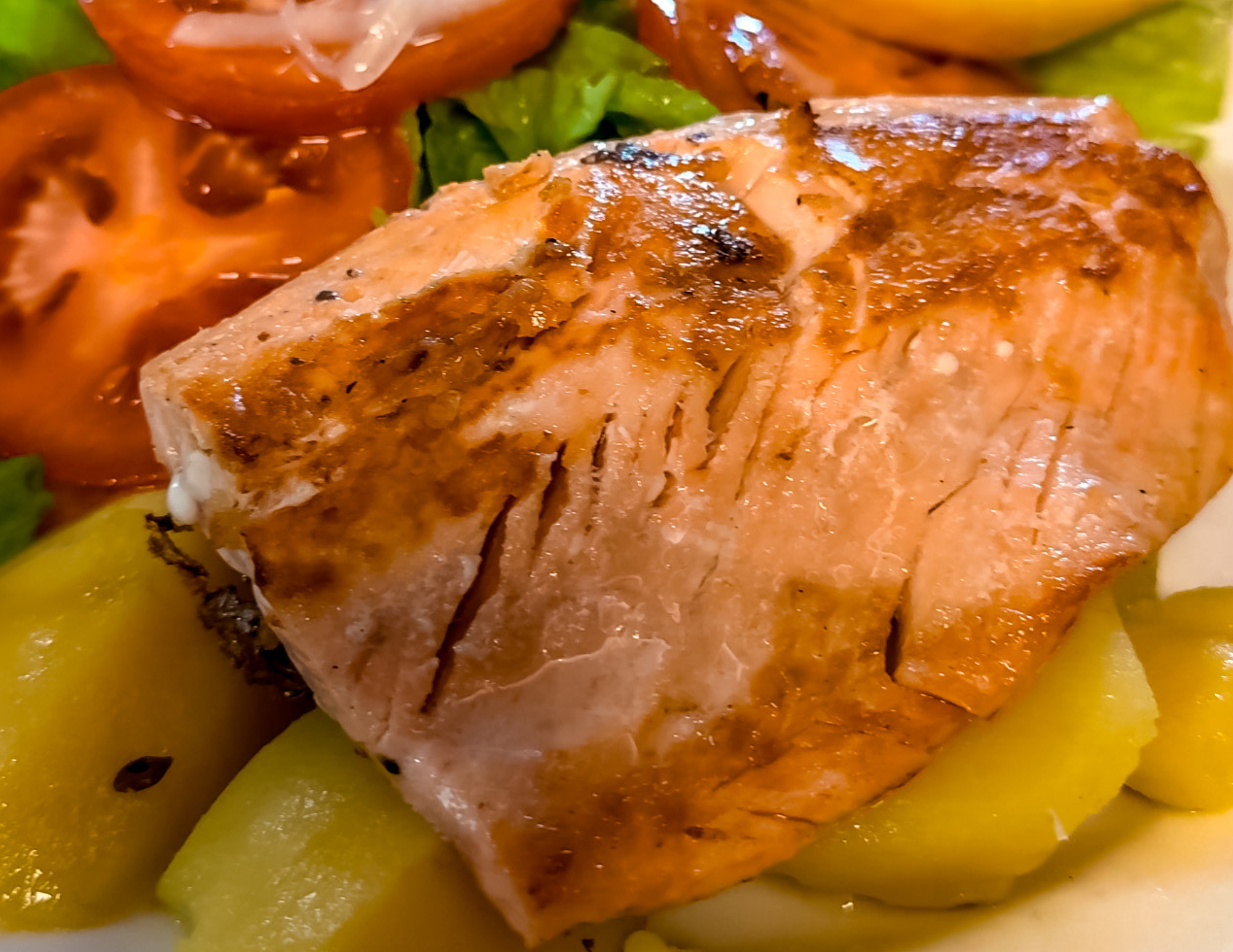
Where To Eat in Santiago de Compostela
For a first visit, the easiest place to eat in Santiago de Compostela is the Old Town. There are so many restaurants, tapas bars, wine spots, cafes, brunch places, and casual dining options tucked into the historic center that you can honestly walk around and pick a spot that feels right.
This is one of those cities where you do not need every meal planned days ahead. You can walk near the Cathedral, Rúa do Franco, Praza do Obradoiro, Mercado de Abastos, and the surrounding streets and find places for tapas, lunch, dinner, wine, vermouth, or brunch.
Of course, the most central streets can be more touristy, especially close to the Cathedral. That does not automatically mean you should avoid them. It just means you should look around a little before sitting down. Check the menu. See if the food feels regional. Notice whether people are actually eating there or if it feels like the kind of place pulling in anyone who walks by.
I would not stress over finding the “perfect” restaurant. Santiago is a good city for choosing based on the moment. If you are tired after walking the Old Town, sit somewhere nearby. If you want a drink before dinner, find a spot with vermouth or wine. If you want something easy after visiting the Cathedral, walk a few streets and see what looks good.
That approach fits Santiago better than turning every meal into a research project.
For a broader walking route through the historic center, read my Santiago de Compostela Old Town guide.
.png)
Eating in the Old Town
Eating in the Old Town is one of the easiest ways to make food part of your Santiago visit. The historic center is compact, walkable, and full of places where you can stop without needing to leave the main sightseeing area.
This is especially useful if you only have one day. You can visit the Cathedral, spend time in Praza do Obradoiro, walk around the surrounding squares, wander down Rúa do Franco, and then choose a place for lunch or dinner nearby. You do not need to travel across the city just to eat.
The Old Town also gives you options for different moods. You can do a casual tapas-style stop, a more traditional Galician meal, a wine or vermouth break, a cafe, or a brunch spot if you are starting your day slowly.
I liked that Santiago made eating feel easy. Some cities make you feel like you have to plan every meal or risk ending up somewhere disappointing. Santiago felt more flexible. You can walk, look, choose, and still have a good food experience if you know what kinds of dishes to look for.
.png)
Rúa do Franco for Food and Drinks
Rúa do Franco is one of the most well-known food streets in Santiago de Compostela. It is close to the Cathedral, easy to find, and full of restaurants, bars, and places where visitors naturally end up.
Yes, it can feel touristy in parts. But for a first visit, I still think it is worth walking. Some streets are popular because they are convenient and full of options, and Rúa do Franco is one of those streets. If you are hungry, tired, or just want to see what is around, this is an easy place to start.
My advice is not to pick the first place you see just because you are hungry. Walk a little. Look at menus. See what people are ordering. Notice whether the menu includes Galician dishes or if it feels too generic. If a spot looks good and the mood fits, sit down.
This is a good area for tapas, wine, vermouth, lunch, or dinner. It is also helpful if you are traveling with someone who is picky because there are enough options nearby to compare before committing.
Rúa do Franco may not be the only place to eat in Santiago, but it is part of the Old Town food experience.
.png)
Mercado de Abastos
Mercado de Abastos is one of the best places to connect Santiago food with the region around it. Markets always tell you something about a place, and in Galicia, that means seafood, produce, meats, cheeses, breads, and ingredients that show up in the local food culture.
Even if you do not plan to eat a full meal there, I think Mercado de Abastos is worth visiting if you care about food. It gives you a break from restaurant menus and lets you see the ingredients behind Galician cooking.
This is a good stop earlier in the day, especially if you are already walking through the Old Town. You can pair it with the Cathedral area, the Museum of Pilgrimage, or a slow lunch nearby.
What I like about adding the market is that it gives Santiago a more lived-in feeling. The Cathedral and Camino are the big emotional anchors, but the market reminds you that this is also a real Galician city with daily food culture.
If you are building a full day around food, history, and wandering, Mercado de Abastos belongs in the mix.
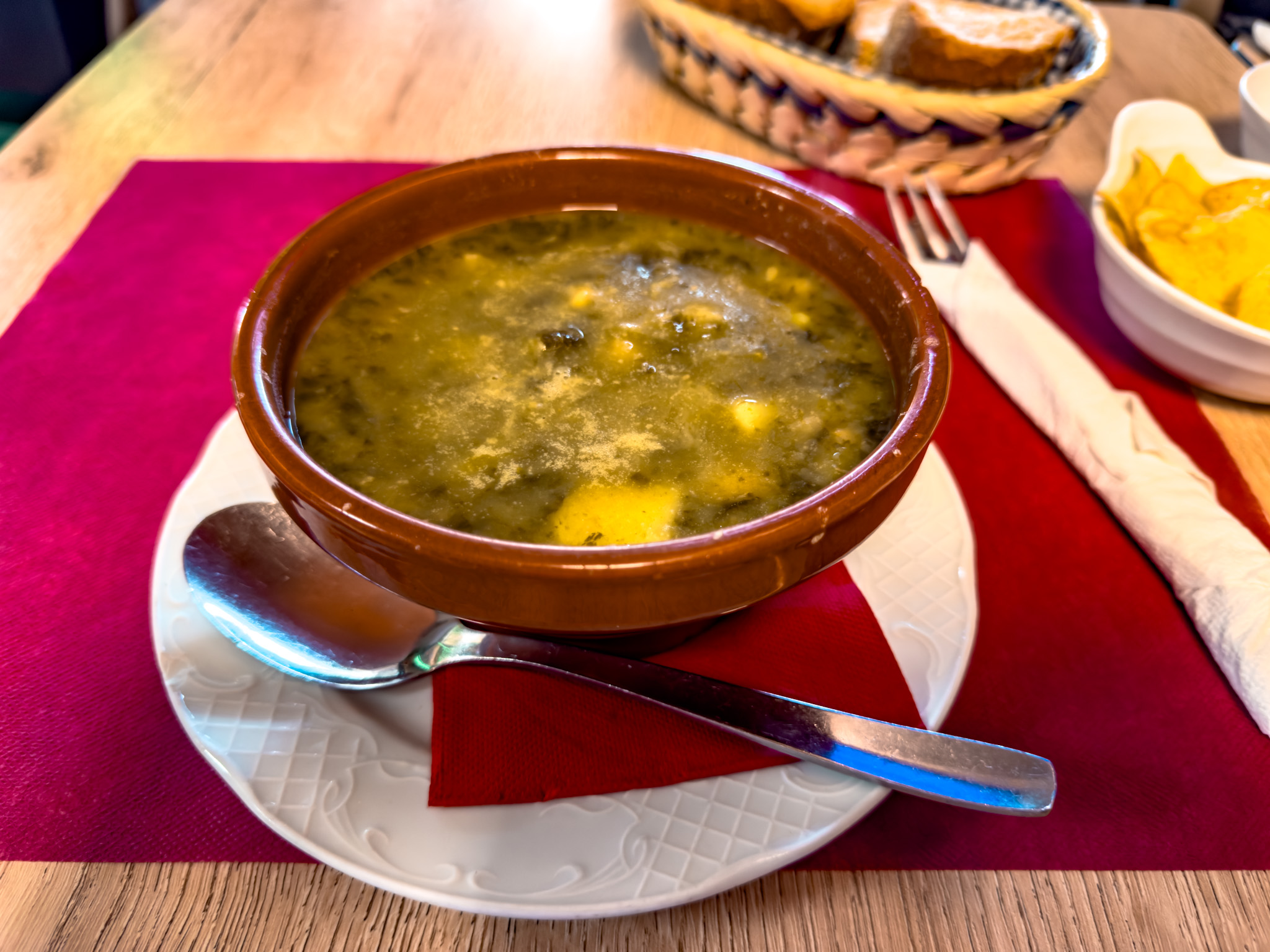
Caldo Gallego
Caldo gallego is one of the dishes I would absolutely look for in Santiago. It is a traditional Galician soup, usually hearty, warm, and simple in the best way.
This is the kind of food that makes sense in Galicia. Santiago can be gray, cool, rainy, and atmospheric, and a bowl of caldo gallego fits that mood perfectly. It is not flashy food. It is comforting food.
Depending on where you order it, caldo gallego may include greens, potatoes, beans, pork, or other simple ingredients. The exact version can vary, but the feeling is usually the same: warm, filling, and regional.
If you arrive in Santiago tired from travel, sightseeing, or a long walking day, this is a great first Galician dish to try. It gives you that cozy northern Spain feeling right away.
.png)
Pulpo
Pulpo is one of Galicia’s most famous dishes, and Santiago is a good place to try it. You may see it listed as pulpo a feira or pulpo a la gallega, often served with olive oil, paprika, coarse salt, and sometimes potatoes.
This is one of those dishes that looks simple but depends heavily on texture and preparation. When it is done well, it is tender, flavorful, and very easy to understand why Galicia is known for it.
If you only try one seafood-related dish in Santiago, pulpo is a strong choice. It is one of the most iconic Galician foods and appears on many menus.
It also works well if you are sharing plates because you can order it with other dishes and build a meal around several flavors instead of committing to one huge plate.
.png)
Empanada Gallega
Empanada gallega is another food to look for in Santiago. If you are used to thinking of empanadas as small handheld pastries, Galicia’s version may feel a little different. Empanada gallega is often more like a savory pie or flat pastry, filled with ingredients like tuna, meat, seafood, vegetables, or other regional fillings.
This is a great casual food because it can work for lunch, a snack, or part of a shared meal. It is also one of those dishes that feels very connected to the region without needing to be fancy.
If you see it on a menu or at a bakery-style stop, try it. It is one of the easiest ways to add Galician flavor into the day without sitting down for a long meal.
.png)
Seafood in Santiago
Even though Santiago is not directly on the coast, Galicia’s seafood culture is still a huge part of eating here. The region is known for seafood, and you will see that influence on menus throughout the city.
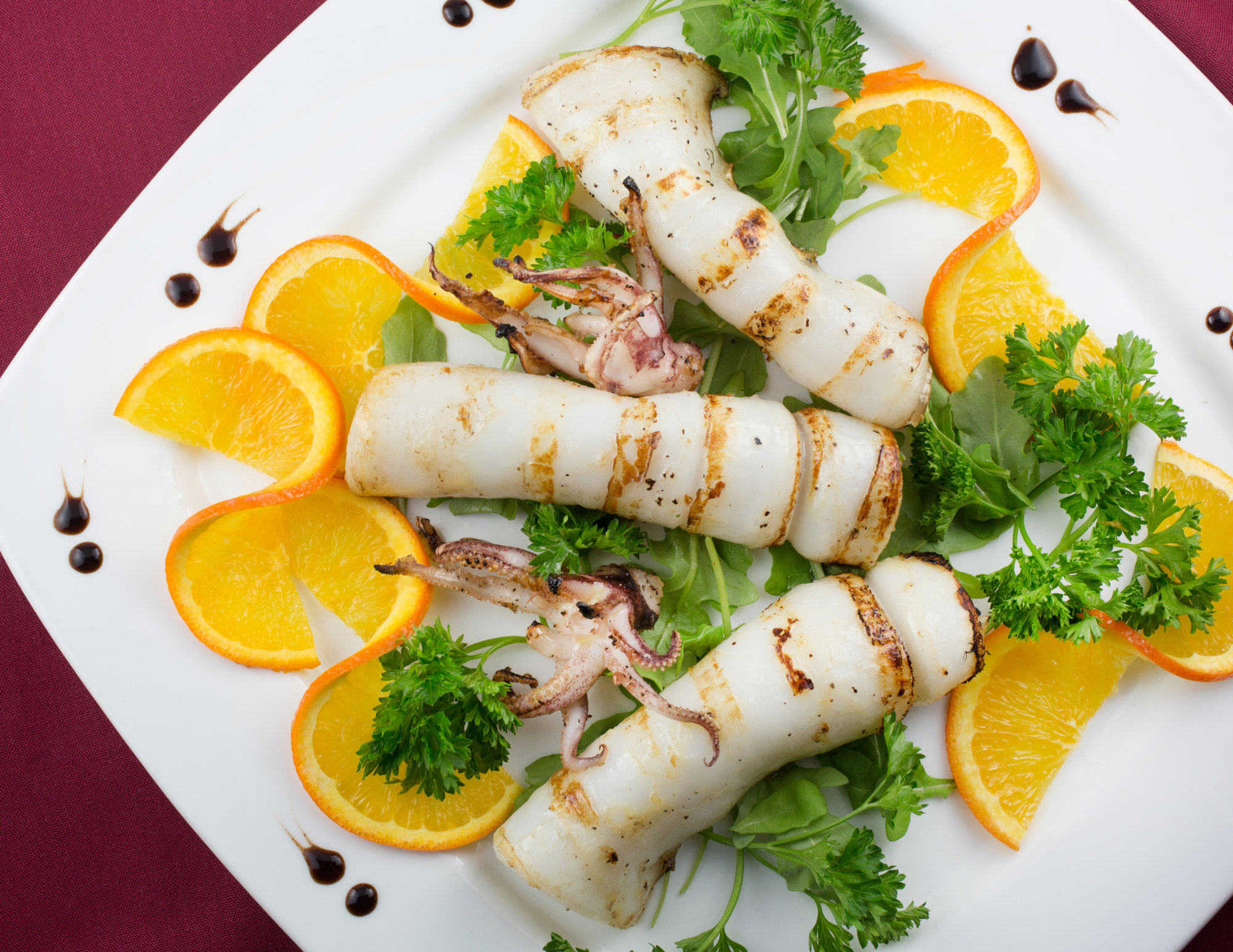
Look for dishes with octopus, scallops, mussels, clams, prawns, or other seafood depending on what is available and what kind of restaurant you choose. If you enjoy seafood, Santiago gives you a chance to eat from the wider Galician food tradition without needing to be in a beach town.
I would not force seafood at every meal, but I would include it at least once if you like it. Pairing seafood with Albariño is one of the easiest ways to make the meal feel regional.
.png)
Tortilla
Tortilla is not only a Santiago food, but it is a reliable dish to look for while traveling through Spain. In Santiago, it works well as a simple lunch, shared plate, or casual tapas option.
Sometimes when you are traveling, especially through historic centers, you do not want every meal to be complicated. A good tortilla with a drink can be exactly enough, especially if you are between Cathedral visits, museum stops, or an evening walk.
It is also a good option if you are traveling with someone who is less adventurous with seafood or regional dishes. Tortilla is familiar, filling, and easy to find.
.png)
Tarta de Santiago
Tarta de Santiago is the dessert most closely associated with the city. It is an almond cake usually decorated with the Cross of Saint James on top, and you will see it throughout Santiago.
This is one of those foods that is both a dessert and a symbol. It connects directly to the city’s identity, so even if you are not a big sweets person, it is worth trying at least once.
Tarta de Santiago is simple, sweet, nutty, and easy to pair with coffee. You can have it as dessert after a meal or as a cafe stop during your Old Town walk.
If you are the kind of traveler who likes trying the local sweet wherever you go, this is the one for Santiago.
.png)
Albariño Wine
Albariño is one of the wines most associated with Galicia, and it is a great choice to try in Santiago. It is usually a crisp white wine that pairs especially well with seafood.
If you are ordering pulpo, fish, shellfish, or lighter dishes, Albariño is an easy local-feeling choice. Even if you are not a wine expert, this is the kind of thing that makes a meal feel more connected to where you are.
I like choosing regional drinks when I travel because it adds another layer to the food experience. You do not have to know everything about the wine. Just order a glass, pair it with something Galician, and enjoy the fact that you are drinking something tied to the region.
.png)
Vermouth in Santiago
Vermouth is a great choice for a slow drink stop in Santiago. It works especially well before dinner or during that late-afternoon pause when you are not ready for a full meal but want to sit down somewhere.
This is the kind of drink that fits Santiago’s pace. After walking the Old Town, visiting the Cathedral, or spending time in Alameda Park, a vermouth stop gives you a reason to slow down.
You can find a spot in the Old Town, sit with a drink, maybe order a small plate, and let the city keep moving around you. Not every food experience needs to be a full meal. Sometimes a drink and a small bite are what make the day feel relaxed.
.png)
Brunch and Cafes in Santiago
Santiago also has cafe and brunch options if you want something lighter or more modern between traditional meals. This is useful if you are starting your day slowly, traveling with teens, working while traveling, or just need a break from heavier regional food.
I would not make brunch the main food identity of Santiago because Galician food deserves your attention. But I do think it is fine to mix in a cafe or brunch stop, especially on a longer stay.
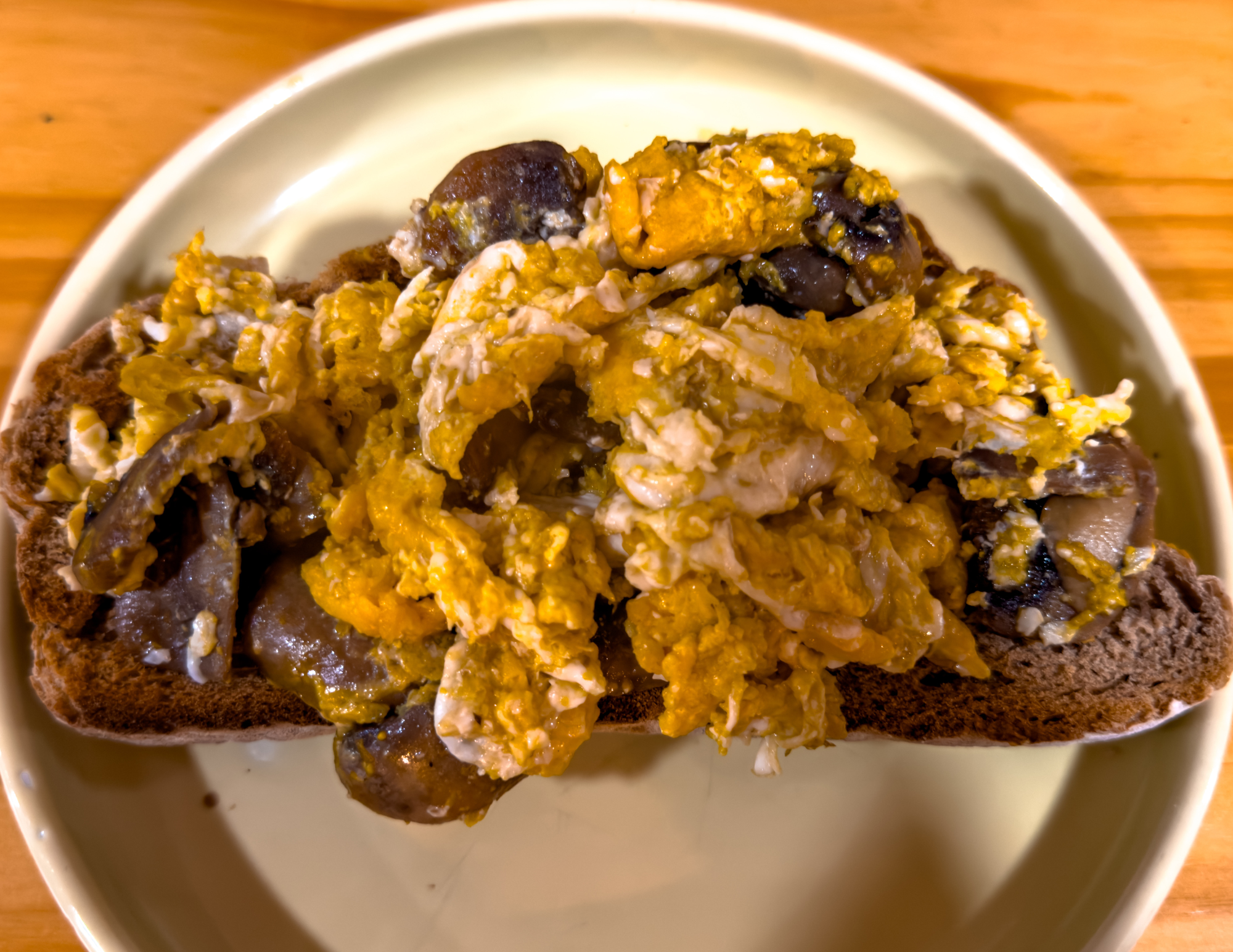
That is one thing I have learned from full-time travel. You do not have to eat the most traditional meal every single time to experience a place well. Sometimes you need coffee, eggs, toast, something sweet, or a casual cafe where you can sit for a while.
The key is balance. Try the local dishes, but also let yourself eat in a way that fits the day you are actually having.
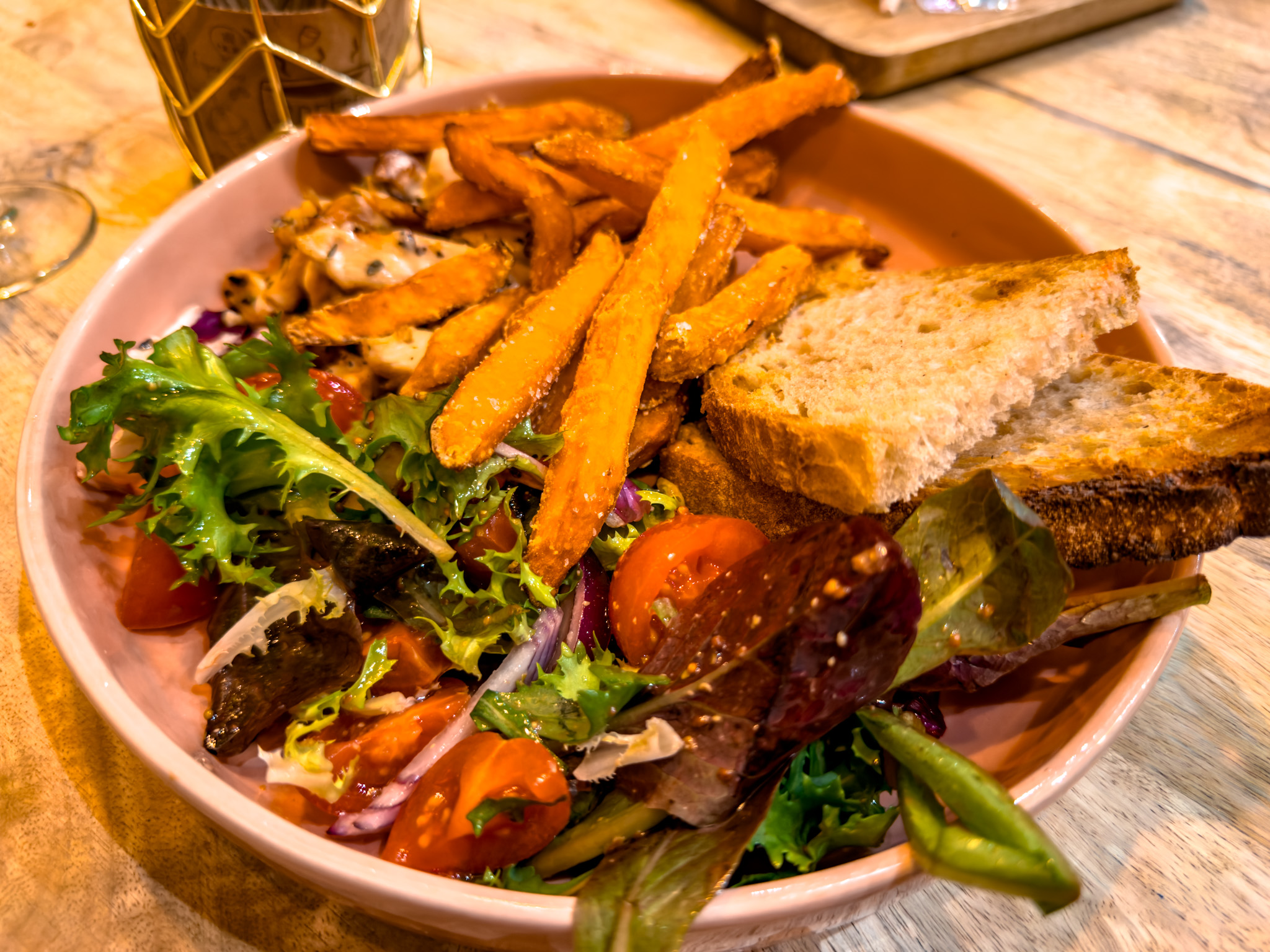
Tapas and Casual Plates
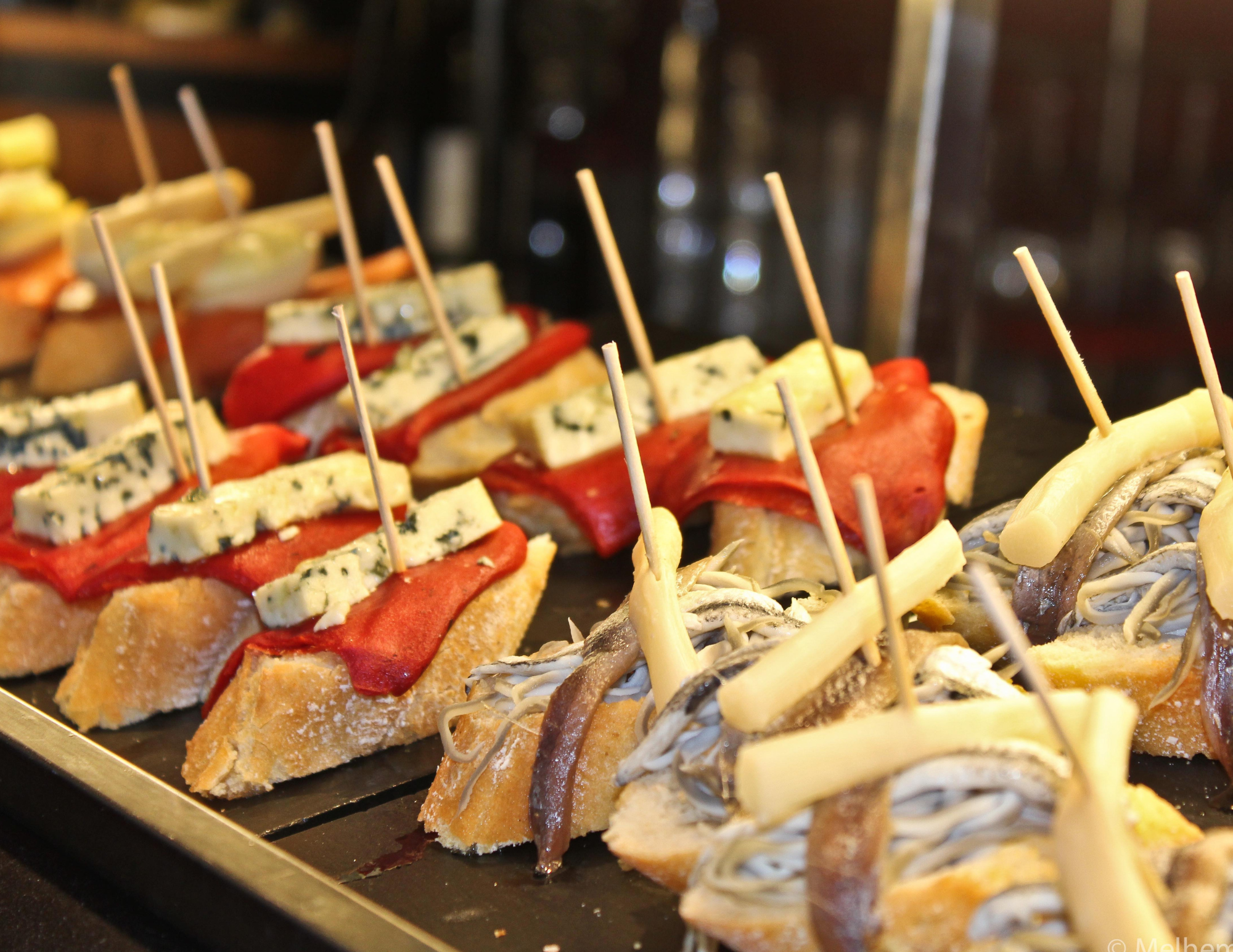
Santiago is a good city for casual plates and tapas-style eating, especially in the Old Town. If you are not ready for a full sit-down dinner, you can stop somewhere for a few small dishes, wine, vermouth, or a simple shared meal.
This works well because the city is so walkable. You may not want to commit to a big restaurant after hours of exploring. You might just want to sit, order a drink, try one or two things, and keep moving.
This is also a nice way to try more foods without making every dish a full meal. Pulpo, empanada, tortilla, cheese, seafood, and simple plates can all become part of a casual food day.
If you are only in Santiago for one day, tapas-style eating can help you sample more without feeling overly full or stuck in long meals.
.png)
Dinner in Santiago de Compostela
Dinner in Santiago can be as simple or as slow as you want. If you are staying overnight, I would use dinner as a way to transition into your nighttime walk through the Old Town.
Choose a place in or near the historic center, order something Galician, have wine or vermouth if that fits your mood, and do not rush. After dinner, walk back toward the Cathedral area. Seeing the Cathedral lit up at night is one of the best parts of staying in Santiago, and food fits perfectly into that evening rhythm.
This is also when the Old Town feels different. The streets glow, restaurants feel warmer, and the day-trip energy fades a little. A simple dinner followed by a nighttime walk can be more memorable than trying to squeeze in another attraction.
If you want to add a small nighttime stop, read my Shadow of the Pilgrim Santiago de Compostela guide.
.png)
Food Near the Cathedral
There are plenty of places to eat near the Cathedral, but this is also where you should be a little more thoughtful. The closer you are to major tourist landmarks, the more likely you are to find places that rely on location more than quality.
That does not mean you should avoid eating near the Cathedral. It just means you should walk a few streets, compare menus, and choose somewhere that feels right rather than sitting at the first place directly in front of you.
Look for Galician dishes, regional wines, seafood, soups, or menus that feel connected to the area. If the menu looks like it is trying to serve every possible tourist craving from everywhere in the world, keep walking unless that is exactly what you want in that moment.
Sometimes the best move is to step slightly away from the busiest square. You can still stay in the Old Town without eating in the most obvious spot.
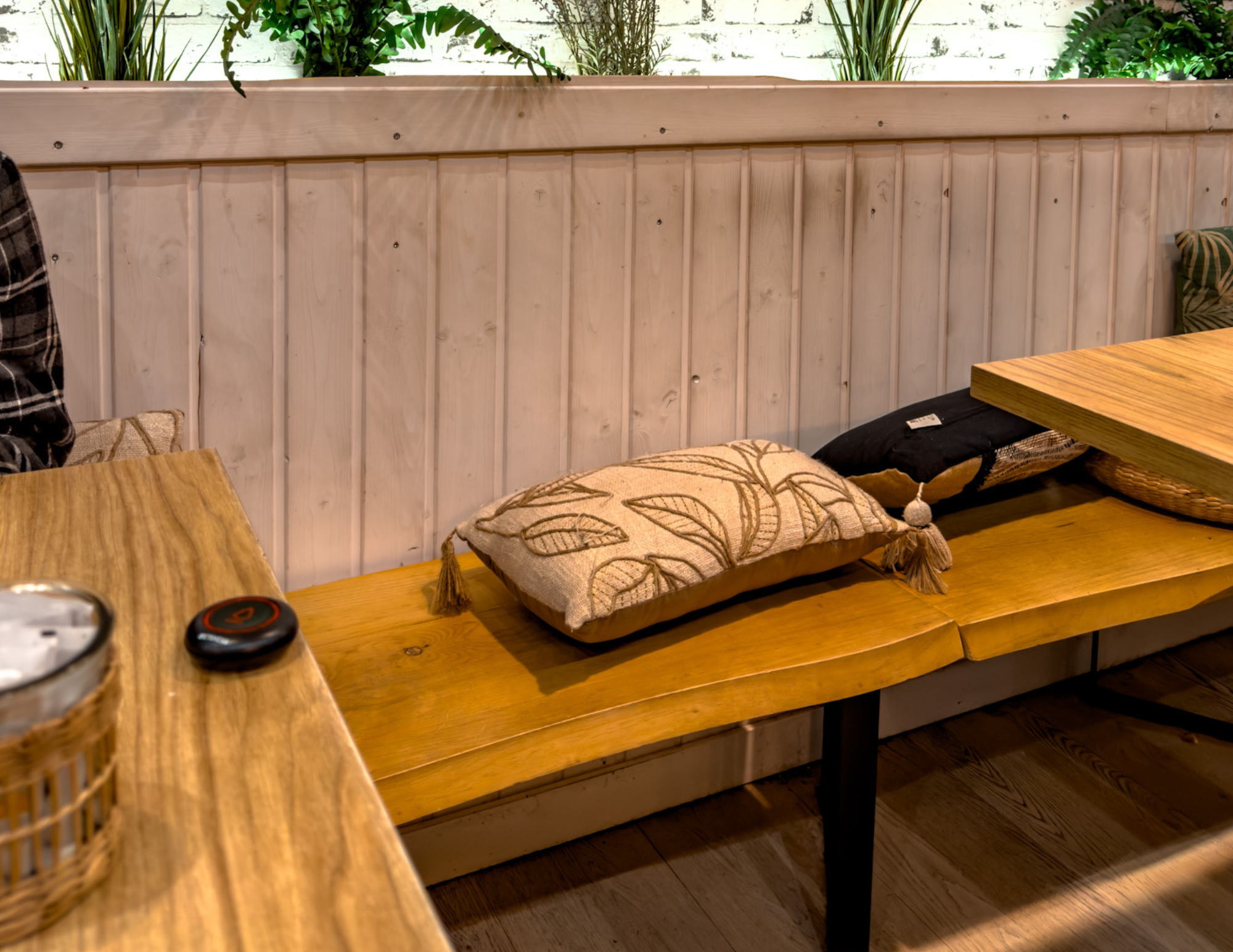
How To Choose a Restaurant in Santiago Old Town
Choosing a restaurant in Santiago Old Town does not need to be complicated, but a little awareness helps.
Walk around before deciding. Check a few menus. Look for Galician dishes instead of only generic tourist food. Notice if people are actually eating and enjoying their meals. See whether the place feels too empty at a normal dining time or too aggressively focused on pulling people in.
I also like to trust the mood of the day. If you want a slow dinner, pick somewhere cozy. If you only want a snack and a drink, choose a casual tapas spot. If you want brunch, find a cafe that fits that. If you are tired, do not force yourself to walk twenty more minutes for the “perfect” place.
Santiago is full of restaurants in the Old Town, and part of the experience is letting yourself choose based on where you are, what you are craving, and how much energy you have.
That is real travel too.
-1.png)
What To Eat With One Day in Santiago
If you only have one day in Santiago, I would keep the food plan simple.
Start with coffee or breakfast near the Old Town. For lunch, choose a Galician meal with something like caldo gallego, pulpo, empanada, seafood, or tortilla. In the afternoon, stop for Tarta de Santiago with coffee or visit Mercado de Abastos if you want a market experience. In the evening, have vermouth, Albariño, tapas, or a slow dinner before walking back toward the Cathedral.
You do not need to eat everything. Pick a few regional things and leave space to enjoy the city.
A good one-day food experience could be: breakfast or brunch, Galician lunch, Tarta de Santiago, vermouth, dinner or tapas.
That is enough to make food part of the day without turning the entire itinerary into a meal schedule.
For the full route, read my One day in Santiago de Compostela itinerary.
.png)
What To Eat With Two Days in Santiago
With two days in Santiago, you can slow the food experience down.
On the first day, focus on the Old Town, the Cathedral area, one Galician meal, and an evening drink or dinner. On the second day, add Mercado de Abastos, try a different dish, have Tarta de Santiago with coffee, and choose a slower dinner somewhere that feels less rushed.
Two days also gives you more room to mix traditional food with casual cafes or brunch. You can have one meal that is more regional, one that is easy and modern, and one that is more about sitting with wine or vermouth after a day of walking.
That balance matters. You do not have to eat like a food critic to enjoy Santiago. You just need to give the food enough attention that it becomes part of how you remember the city.
What To Eat If You Do Not Like Seafood
Even though Galicia is known for seafood, you can still eat well in Santiago if seafood is not your thing.
Look for caldo gallego, tortilla, empanada with meat or vegetables, local cheeses, grilled meats, soups, salads, bread, desserts, brunch options, and cafe meals. Many restaurants have enough variety that you do not have to force seafood if you do not enjoy it.
This is especially helpful if you are traveling with family or someone picky. Santiago’s Old Town has enough food options that people can usually find something that works.
That said, if you are open to trying seafood at least once, Galicia is a good place to do it. But travel food should still be enjoyable, not forced.
.png)
Is Food in Santiago Expensive?
Food in Santiago can be very manageable depending on where and how you eat. Like most historic cities, prices will vary based on location, season, and how close you are to the main tourist areas.
If you eat directly near the busiest Cathedral streets for every meal, you may pay more than you would slightly farther away. If you mix casual spots, market stops, cafes, tapas, and one proper sit-down meal, you can keep food costs more balanced.
I would not describe Santiago as a city where you need to spend a lot to eat well. The best approach is to choose a few meals that matter and keep the rest simple.
A bowl of soup, a shared plate of pulpo, a slice of empanada, a glass of wine, a cafe stop, or a casual lunch can all be part of a good food day without turning it into a luxury trip.
.png)
My Honest Food Advice for Santiago de Compostela
My honest food advice for Santiago is to not overthink it.
Yes, know the dishes. Yes, try Galician food. Yes, walk around before choosing a place in the busiest tourist areas. But do not convince yourself that your trip will be ruined if you do not eat at the most famous restaurant or remember every single name.
Some of my food experiences while traveling come from random stops that fit the moment. That is how Santiago felt to me. The city has so many restaurants and cafes in the Old Town that sometimes the best thing to do is walk, look, choose, and sit.
Order something regional. Try the wine. Have vermouth. Eat the cake. Warm up with caldo gallego. Try pulpo if you like seafood. Have brunch if that is what your body wants that morning. Then keep walking.
Food in Santiago should support the trip, not stress you out.
Common Food Mistakes To Avoid in Santiago
The first mistake is only eating the most generic tourist food near the Cathedral. You are in Galicia, so give yourself a chance to try Galician dishes.
The second mistake is assuming you need a named restaurant list to eat well. Santiago’s Old Town has plenty of places where you can walk by, compare menus, and choose based on the moment.
The third mistake is skipping local drinks. Albariño and vermouth both fit the city well and can make a simple meal feel more regional.
The fourth mistake is not visiting Mercado de Abastos if you care about food culture. Even a quick walk through the market gives you a better sense of Galicia.
The fifth mistake is trying to eat everything in one day. Pick a few dishes and enjoy them instead of turning the day into a food checklist.
Final Thoughts on What To Eat in Santiago de Compostela
Santiago de Compostela is a city where food works best when it is woven into the day.
You visit the Cathedral, walk through the Old Town, watch pilgrims arrive, stop for caldo gallego, wander past restaurants on Rúa do Franco, drink Albariño or vermouth, try pulpo or empanada, maybe visit Mercado de Abastos, and end the night with dinner before walking back toward the Cathedral lights.
That is the kind of food experience that fits Santiago.
You do not need every restaurant name memorized. You do not need a reservation for every meal. You do not need to make the food scene feel more complicated than it is. The Old Town has so many places to stop for tapas, dinner, wine, brunch, coffee, or something sweet that you can let the city guide you a little.
Just know what to look for.
Try Galician dishes. Eat in the Old Town. Walk a few streets before choosing. Make room for Tarta de Santiago. Drink something local if that fits your style. And let the meals become part of how you remember the city.
For the full city overview, read my Santiago de Compostela travel guide. For the best way to organize your day, read my One day in Santiago de Compostela itinerary. And if you want to understand the historic center around the restaurants and food streets, read my Santiago de Compostela Old Town guide.

Cavetta is the creator of LifeWithVetta.com and has been traveling the world full time since 2020. She has visited more than 60 countries while worldschooling her son and documenting what it really takes to live abroad. Her guides focus on travel, moving abroad, digital nomad life, and designing a life beyond the traditional path.
