
Santiago de Compostela is one of those cities that carries more weight than you expect when you first arrive. I knew it was famous because of the Camino. I knew the Cathedral was the big reason so many people travel there. I knew pilgrims had been walking into this city for centuries. But being there in person felt different from just knowing the facts.
There is something about walking through the Old Town and seeing people arrive with backpacks, walking sticks, tired legs, and emotional faces that makes the city feel alive in a way that is hard to explain. Santiago is historic, religious, beautiful, and deeply symbolic, but it is also a very real Galician city with cozy restaurants, old stone streets, local markets, parks, museums, and the kind of slow wandering that makes you want to keep turning down one more street.
.png)
I visited Santiago de Compostela as part of a northern Spain route after spending time in Vigo, and it gave me a completely different side of Galicia. Vigo felt coastal, local, and a little underrated in that everyday city way. Santiago felt more historic and emotional, almost like the whole city had been built around arrival. If you are planning a Galicia trip, read my Vigo travel guide too because the two cities pair really well together and show you two very different versions of the region.
This Santiago de Compostela travel guide is for first-time visitors who want to understand what to do, what is worth seeing, how much time to spend, where to walk, what to eat, and whether Santiago is worth visiting if you are not walking the Camino.
And yes, I think it is.
Is Santiago de Compostela Worth Visiting?
Santiago de Compostela is absolutely worth visiting, even if you are not walking the Camino. That is one of the biggest things I want people to understand about this city. The pilgrimage gives Santiago its soul, but the city is not only for pilgrims.
You can come here for the Cathedral, the Old Town, the food, the plazas, the museums, the parks, the architecture, the atmosphere, or simply because you are moving through Galicia and want to see one of northern Spain’s most important historic cities. Santiago is compact enough to enjoy in one full day, but layered enough that two days would not feel wasted.
What makes Santiago special is not just one attraction. It is the way everything connects. The Cathedral is not sitting off by itself as a tourist stop. It is woven into the city. Streets pull you toward it. Plazas open up around it. Pilgrims arrive in front of it. Music echoes near it. Restaurants, museums, churches, and old stone lanes all seem to orbit around it.
If you are the kind of traveler who only wants big-city energy, Santiago might feel quiet. But if you like walkable historic centers, meaningful places, local food, old streets, and cities that feel like they have a story, Santiago is very much worth adding to a northern Spain itinerary.
How Many Days Do You Need in Santiago de Compostela?
You can see the main highlights of Santiago de Compostela in one full day, especially if you stay near the Old Town and focus on the Cathedral area, the historic streets, a good meal, and one or two extra stops like Alameda Park or the Museum of Pilgrimage.
That said, I think two days is a better pace if you want to enjoy the city without rushing. One day lets you see Santiago. Two days lets you feel it.
With two days, you can visit the Cathedral more intentionally, walk through the Old Town at different times of day, sit in Praza do Obradoiro and watch pilgrims arrive, try more Galician food, visit a museum, go to Mercado de Abastos, walk to Alameda Park, and see the city at night when the Cathedral area feels completely different.
If you are arriving after walking the Camino, you may want even more time. Not because Santiago is huge, but because after that kind of physical and emotional journey, I can imagine needing space to rest, process, eat slowly, and simply exist in the city for a bit.
For a shorter visit, read my One day in Santiago de Compostela itinerary. That guide will give you the best walkable route if you only have one strong sightseeing day.
Where Is Santiago de Compostela?
Santiago de Compostela is in Galicia, the northwest region of Spain. This is the part of Spain that feels greener, rainier, cooler, and more Atlantic than the Spain many people picture when they think of beaches, tapas bars, and hot southern cities.
Galicia has its own strong identity, language, food culture, and landscape. That is part of what makes Santiago interesting. You are not just visiting another pretty Spanish city. You are visiting a place that feels deeply Galician.
Santiago works well as part of a northern Spain route. You can pair it with Vigo, A Coruña, Ourense, Lugo, Burgos, Bilbao, or even connect it with Porto if you are traveling through Portugal and northern Spain like I was. If you are building a wider route, read my Vigo travel guide and my Porto Travel Guide: What to See, Eat, and Experience in Portugal’s Most Atmospheric City Guide
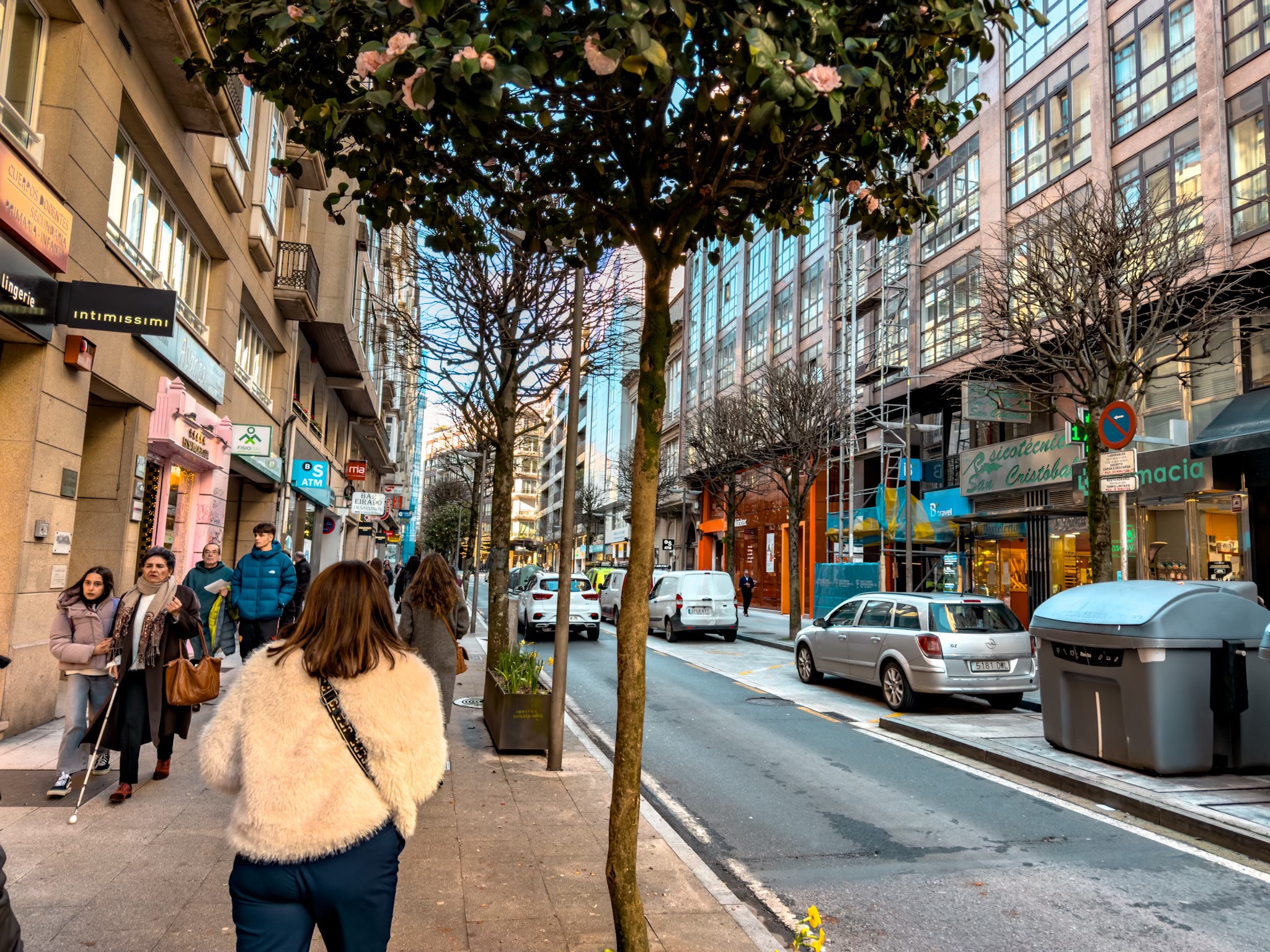
How To Get to Santiago de Compostela
Santiago de Compostela is well connected by train, bus, and airport, which makes it easier to add to a Galicia or northern Spain trip than some people might expect.
If you are coming from Vigo, the train is one of the easiest options. Vigo and Santiago are close enough that this can work as a simple transfer or even a long day trip depending on your travel style. I would rather stay overnight if you can, because Santiago at night is part of the experience, but it is not a complicated city to reach from elsewhere in Galicia.
If you are coming from Porto, you can connect through northern Portugal and Galicia, usually with a combination of train or bus routes depending on timing. If you are doing a longer Iberian trip, Santiago can fit naturally after Porto and Vigo before continuing deeper into northern Spain.
If you are flying in, Santiago also has its own airport, which can make it a direct starting point for a Galicia trip or a Camino-related visit.
.png)
Where To Stay in Santiago de Compostela
For a first visit, I would stay as close to the Old Town as your budget allows. Santiago is very walkable, and the best part of being there is being able to step outside and wander without needing to think too hard about transportation.
If you are near the Cathedral, Praza do Obradoiro, Rúa do Franco, or the edge of the historic center, you can easily walk to the main sights, restaurants, cafes, plazas, museums, and parks. That matters because Santiago is not really a city where you need to bounce between far-apart attractions. The magic is in being close enough to walk slowly and let the city unfold.
Pilgrims may care more about hostels, albergues, laundry, rest, and practical post-Camino needs. Regular visitors may prefer a hotel or apartment near the Old Town for comfort and convenience. Either way, location matters more than having a luxury stay.
For most first-time travelers, I would choose central and simple over farther out and fancy.
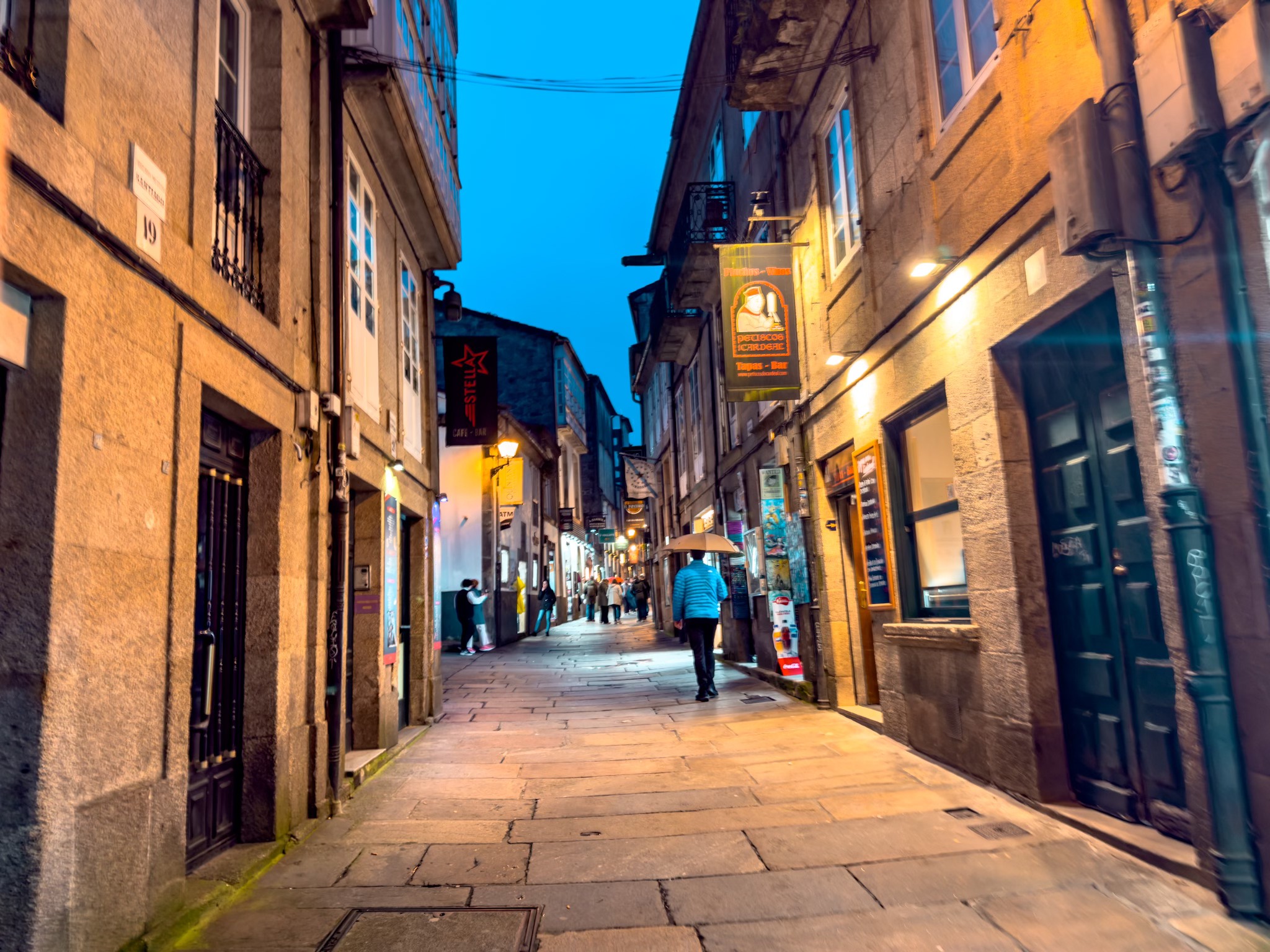
Best Things To Do in Santiago de Compostela
Santiago is not a city where you need a packed checklist to enjoy yourself. The best things to do are a mix of major historic sights, slow walks, food stops, and moments where you simply pause and take in where you are.
Here are the places and experiences I think make the most sense for a first visit.
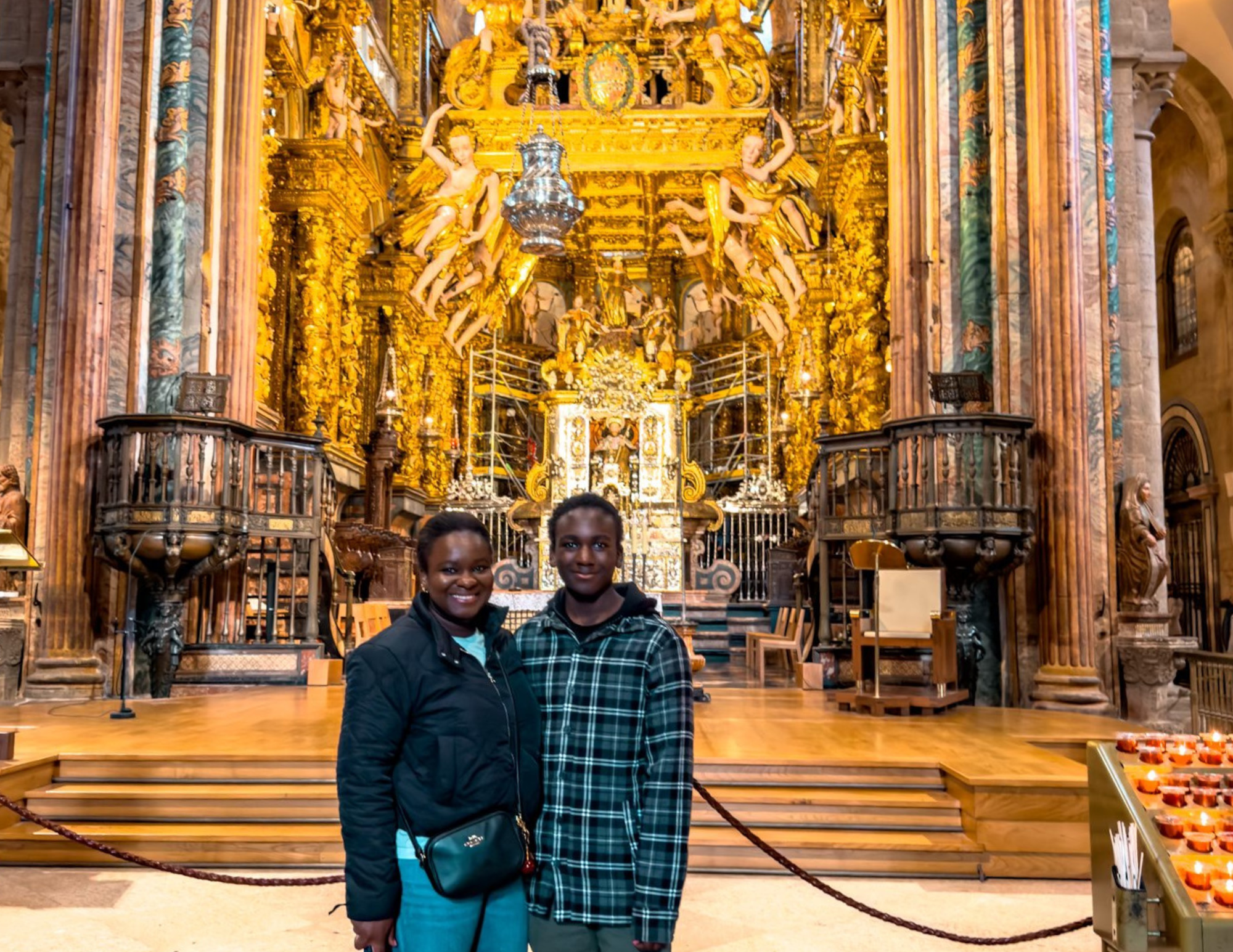
Visit the Cathedral of Santiago de Compostela
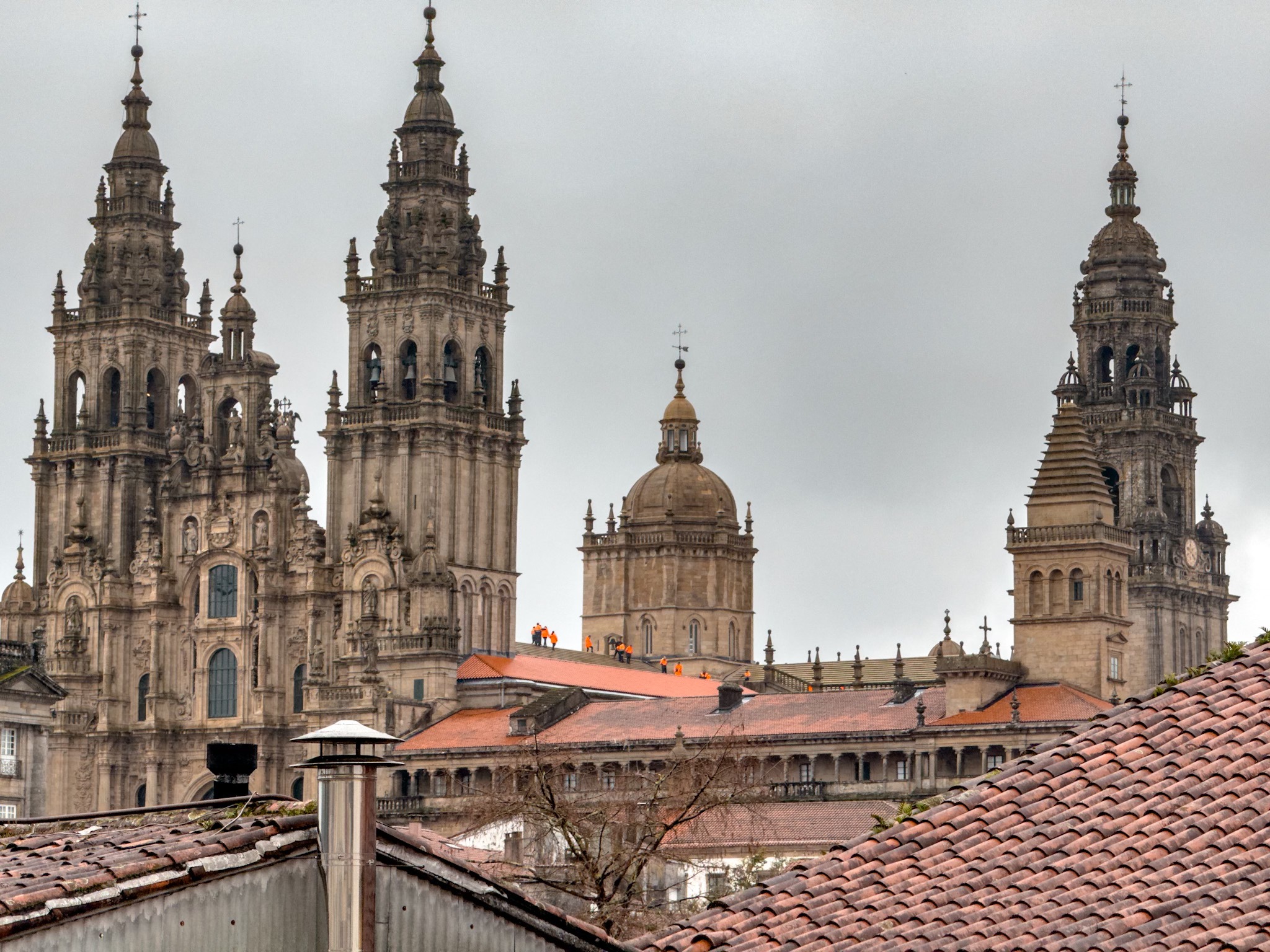
The Cathedral is the center of Santiago in every possible way. It is the landmark people come to see, the spiritual endpoint of the Camino, and the building that gives the city so much of its emotional pull.
Even if you are not religious, the Cathedral is worth visiting because it helps you understand Santiago. People have walked across countries to arrive here. They enter the square exhausted, relieved, emotional, proud, and sometimes completely overwhelmed. Seeing that in person changes the way the city feels.
The Cathedral itself is beautiful from the outside, especially from Praza do Obradoiro, where the grand western façade rises above the square. But do not only look at it from one angle. Walk around the Cathedral and see the different plazas surrounding it. Each side feels a little different, and that is part of why the building feels so woven into the city instead of separate from it.
-1.png)
Inside, the basilica is generally separate from the paid museum and ticketed areas. If you want a deeper visit, look into the Cathedral Museum, the Pórtico da Gloria, the rooftops, or other guided experiences. These ticketed spaces can have specific entry times and rules, so this is one of the few parts of Santiago where planning ahead helps.
If you are deciding what is worth paying for, read my Santiago de Compostela Cathedral guide. I break down the Cathedral, museum, Pórtico da Gloria, rooftop visits, and what makes sense for a first-timer.
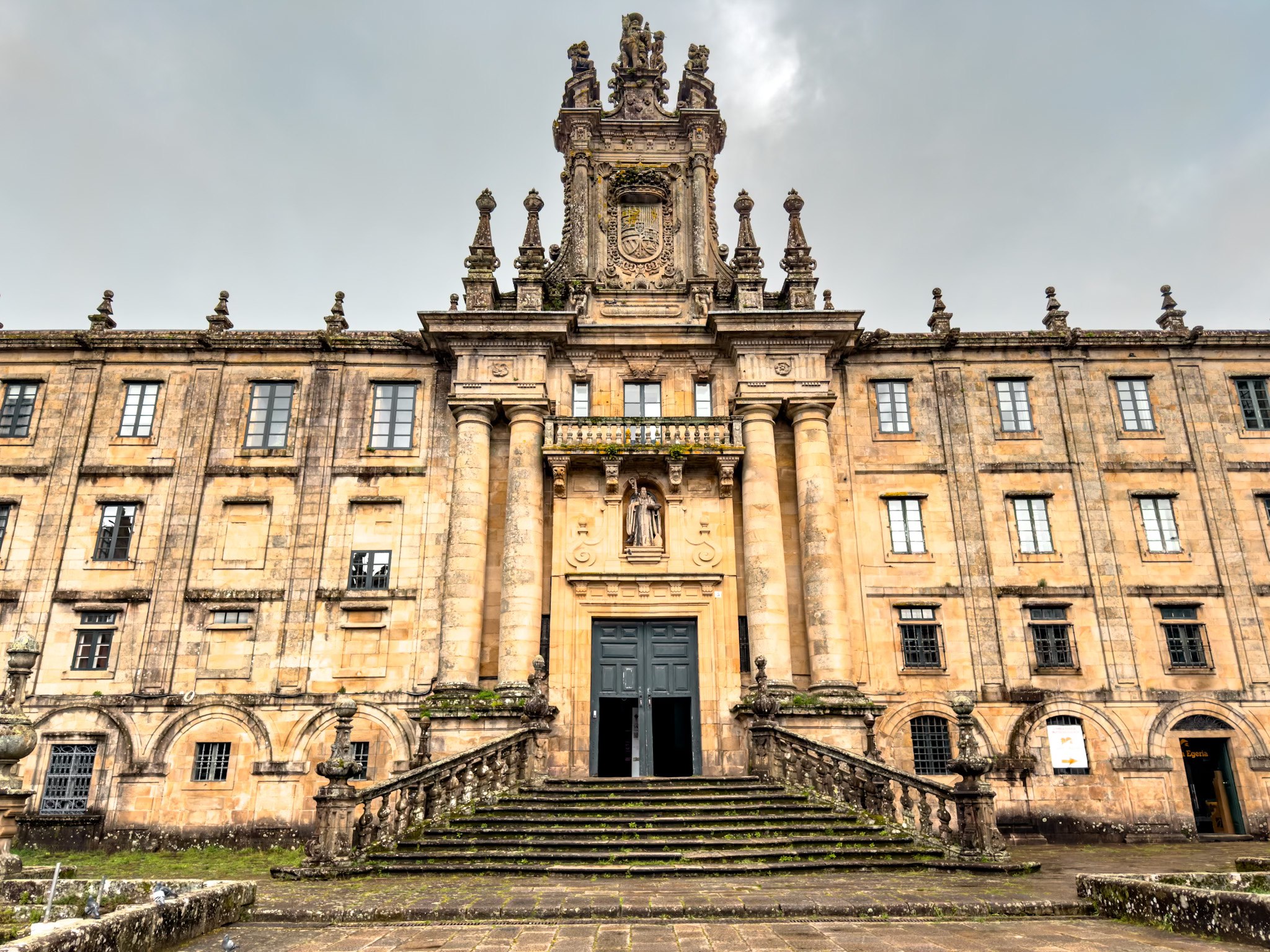
Spend Time in Praza do Obradoiro
Praza do Obradoiro is the main square in front of the Cathedral and one of the places you should not rush through. This is where Santiago feels most symbolic.
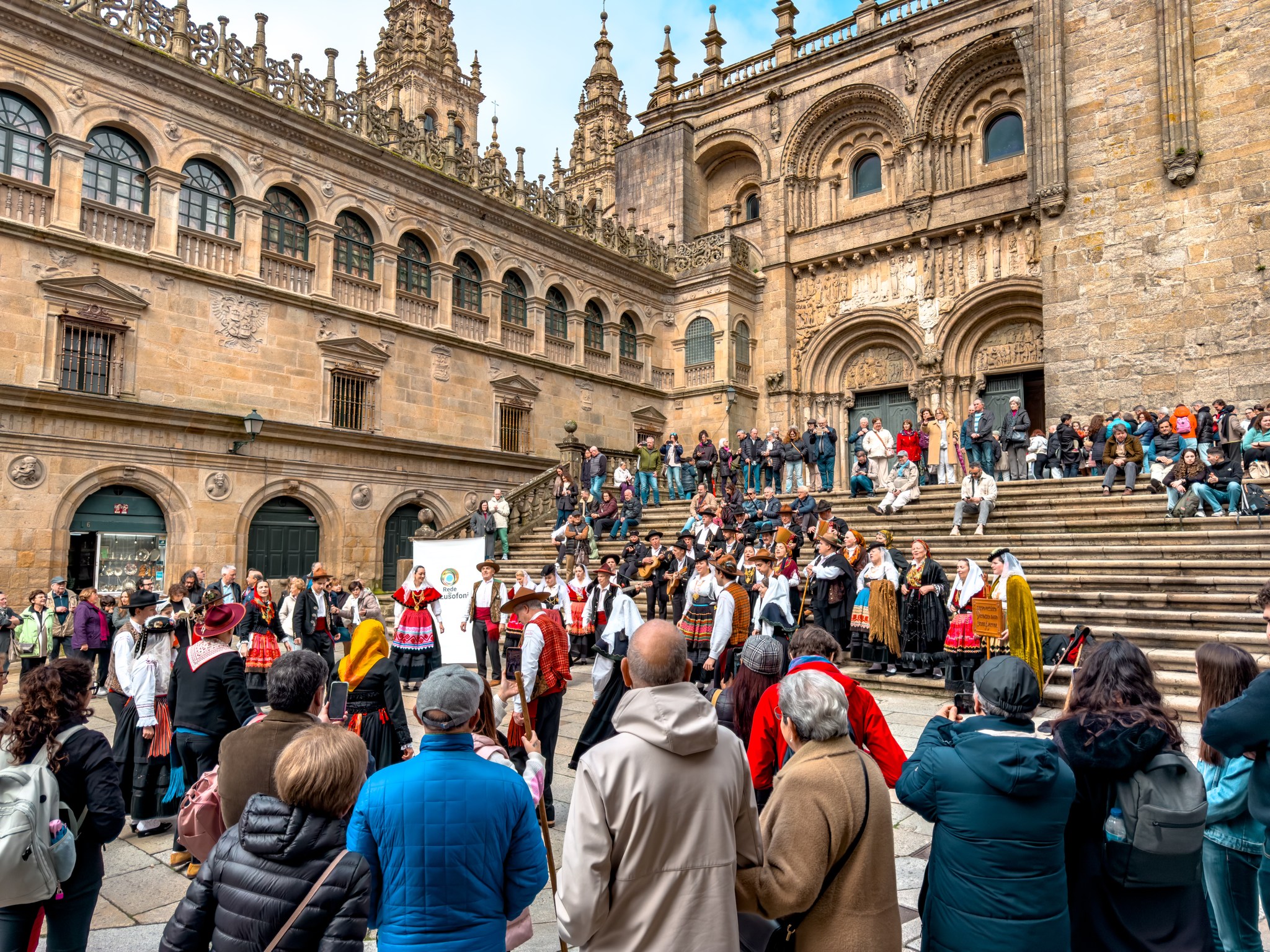
You will see people standing with backpacks, taking photos, hugging, lying down on the stone, staring at the Cathedral, or just sitting quietly after finishing their walk. Even if you did not walk the Camino, you can feel the weight of arrival here.
This is also one of the best places to understand why Santiago is different from other historic cities. In many places, the main square is just where tourists gather. In Santiago, the square feels like a finish line. There is joy, relief, exhaustion, and reflection all happening in the same space.
Go during the day, but also come back at night if you can. The Cathedral lit up after dark is beautiful, and the square has a softer feeling once the crowds thin out.
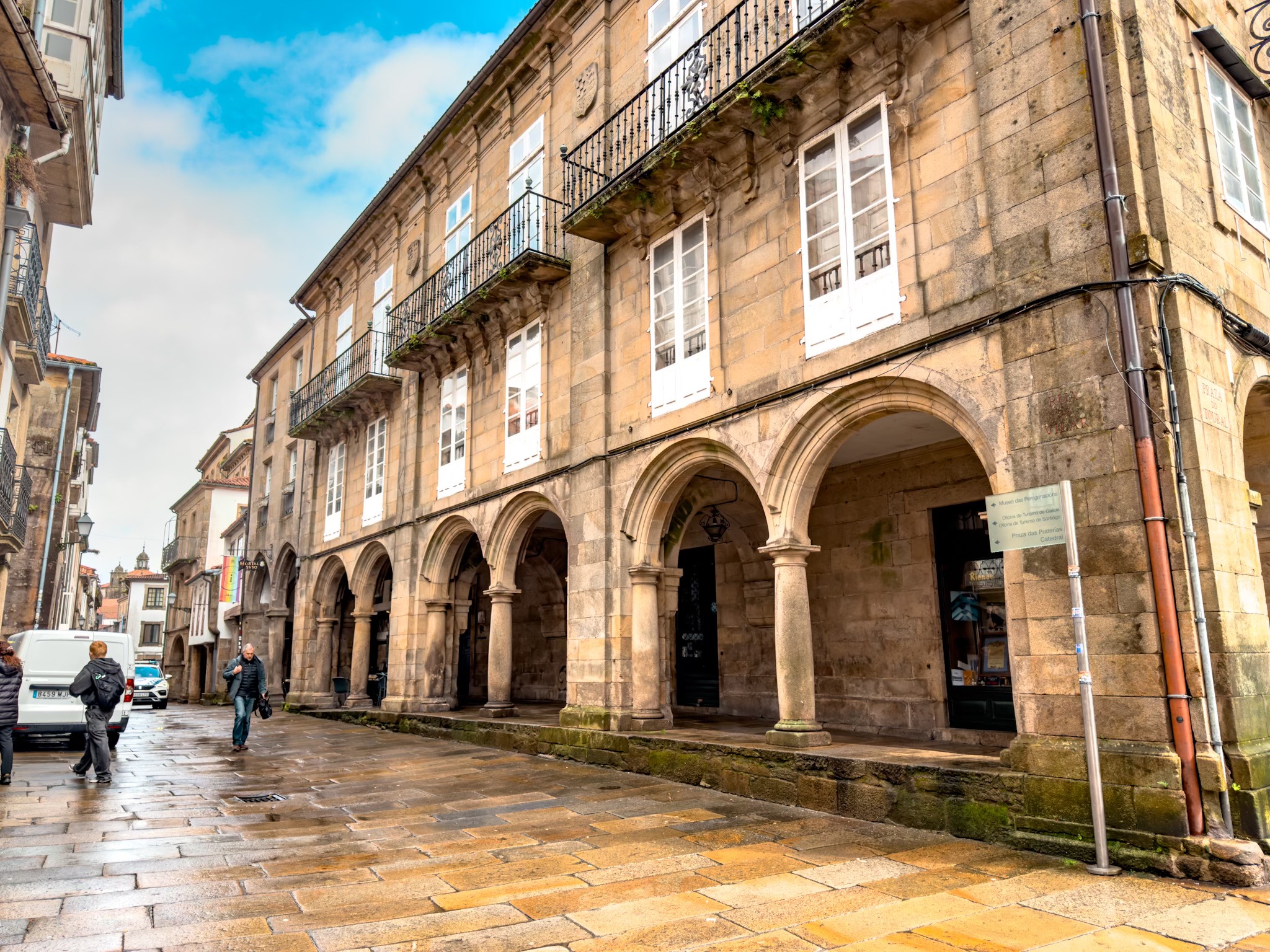
Walk Through Santiago’s Old Town
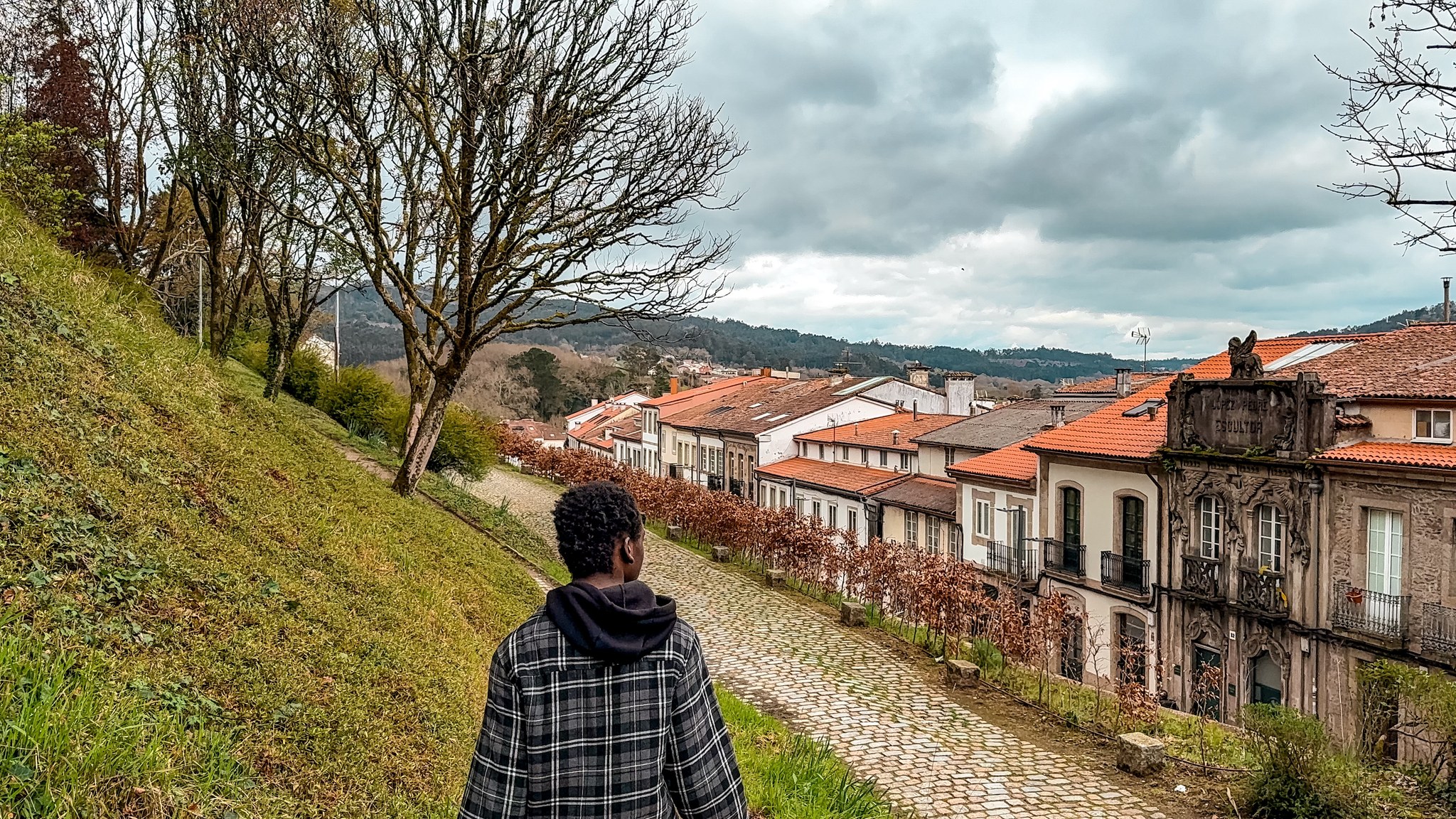
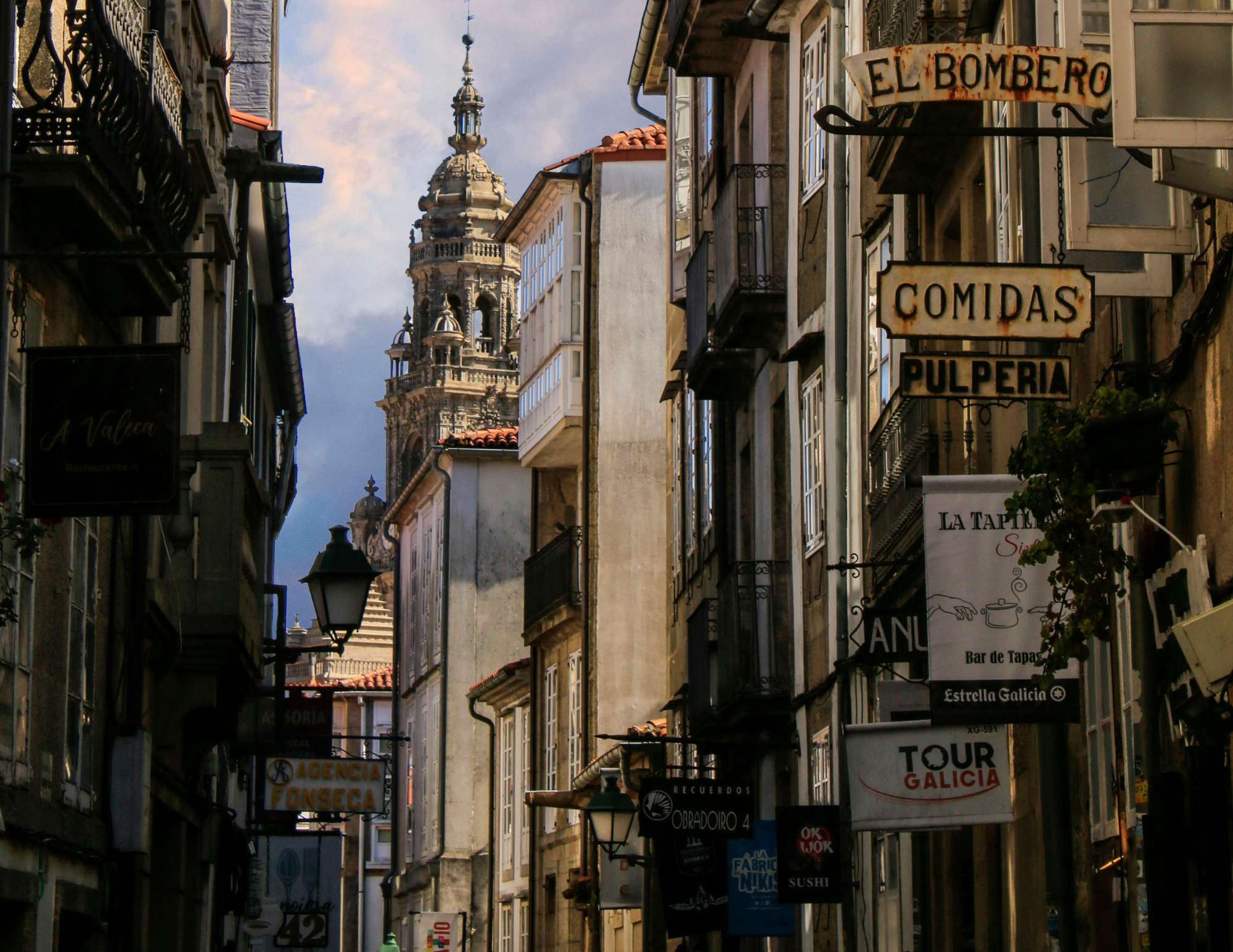
Santiago’s Old Town is one of the biggest reasons the city is worth visiting beyond the Cathedral. This is not a place where you only walk from attraction to attraction. The streets themselves are part of the experience.
The historic center is full of stone lanes, arcades, churches, plazas, shops, cafes, and little corners that make you slow down. It has that old European city feeling, but with a Galician mood that feels cooler, quieter, and more atmospheric than the southern Spain many people know first.
Some streets feel lively and full of restaurants. Others are calm and almost moody, especially if the weather is gray or rainy. I actually think Santiago wears cloudy weather well. The stone, the old buildings, and the pilgrimage atmosphere all seem to fit that kind of sky.
Make time to wander without a perfect plan. Yes, see the Cathedral. Yes, visit the main squares. But also let yourself turn down side streets just because they look interesting.
For a deeper walk through the historic center, read my Santiago de Compostela Old Town guide.
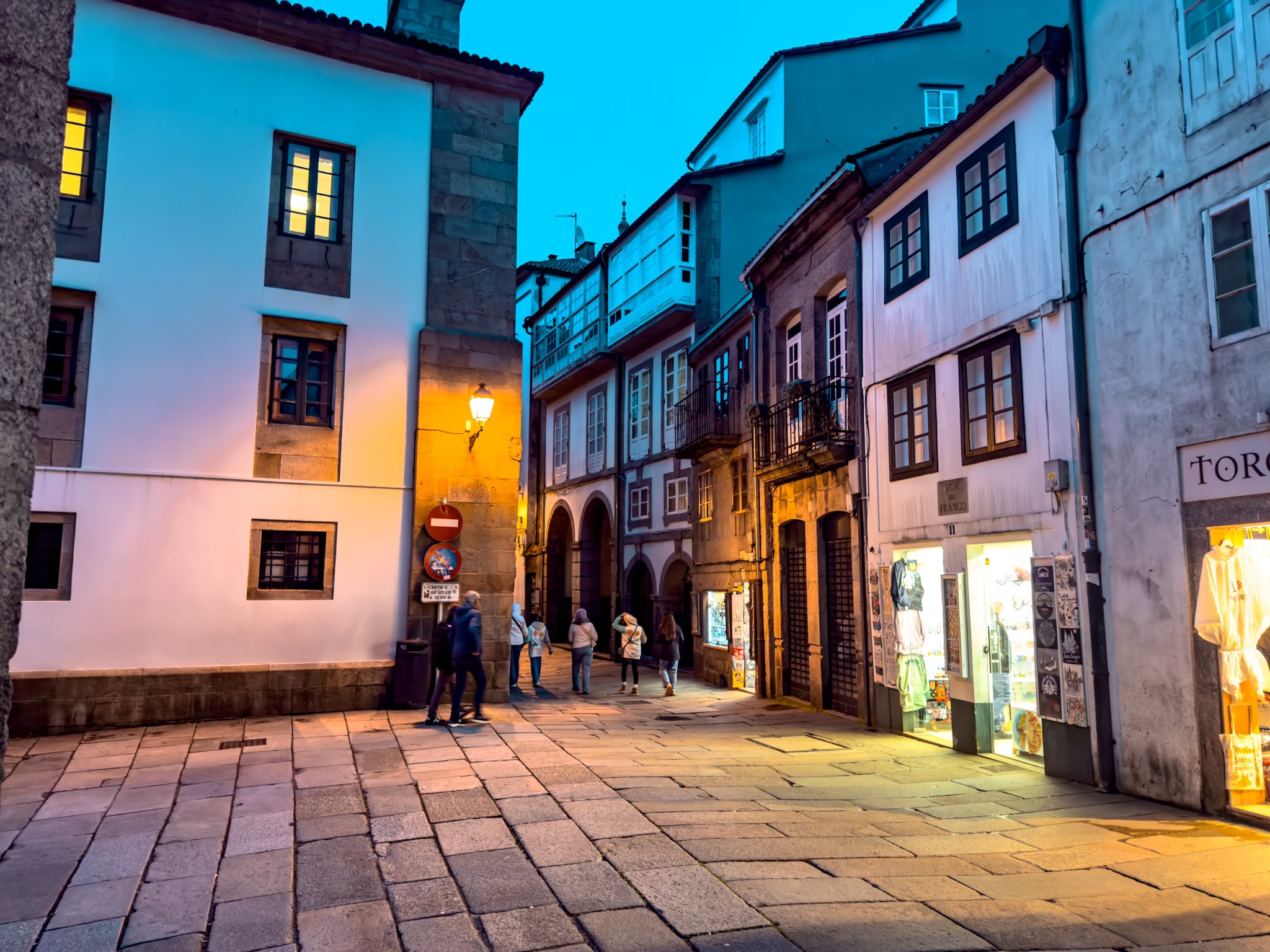
Walk Down Rúa do Franco
Rúa do Franco is one of the most famous streets in the Old Town, especially for food, restaurants, bars, and the flow of people moving through the center. It is close to the Cathedral, so most visitors end up around here at some point.
This is the kind of street where you can look at menus, stop for a drink, grab a meal, or simply use it as a connector while exploring the Old Town. It is touristy in parts, but that does not mean you should skip it. Some streets are popular for a reason, and in Santiago, Rúa do Franco is part of the rhythm of the historic center.
I would not make every meal here without looking around, but I would absolutely walk it, especially if it is your first time in Santiago.
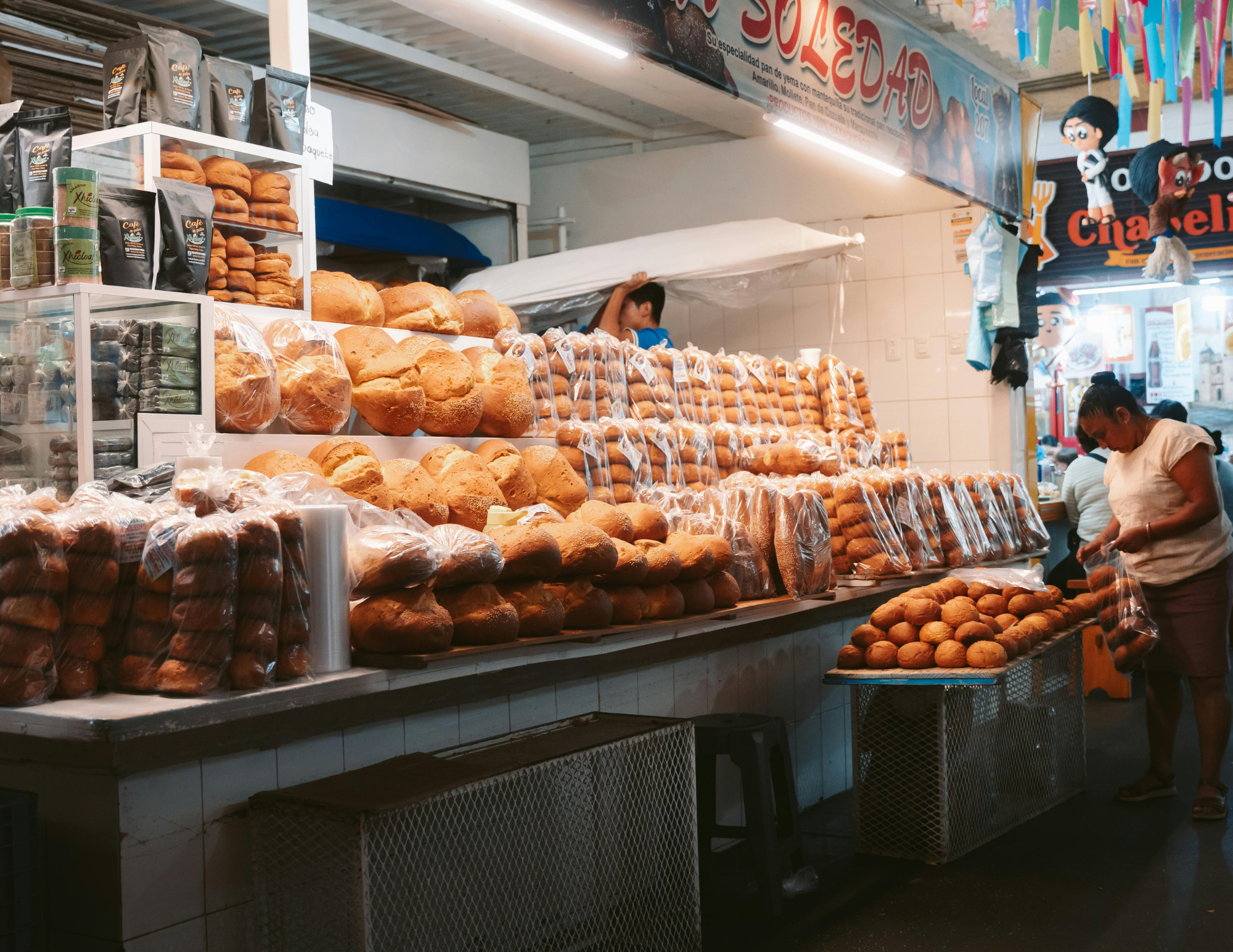
Visit Mercado de Abastos
Mercado de Abastos is Santiago’s main food market and a great stop if you want to see more of the city’s local food culture. This is where Santiago starts feeling less like only a pilgrimage destination and more like a Galician city with everyday life, seafood, produce, cheeses, meats, flowers, and local ingredients.
Markets are always one of my favorite ways to understand a place because they show you what people eat, what the region grows, what comes from nearby waters, and what daily life looks like beyond the monuments.
In Santiago, Mercado de Abastos is especially worth visiting if you care about food. Galicia is known for seafood, pulpo, empanada, hearty soups, local wines, and simple ingredients that do not need much to be good. Even if you do not buy anything, walking through the market helps you understand the food side of the city.
If you are planning a slower day, this is a good morning stop before lunch or before wandering back toward the Cathedral area.
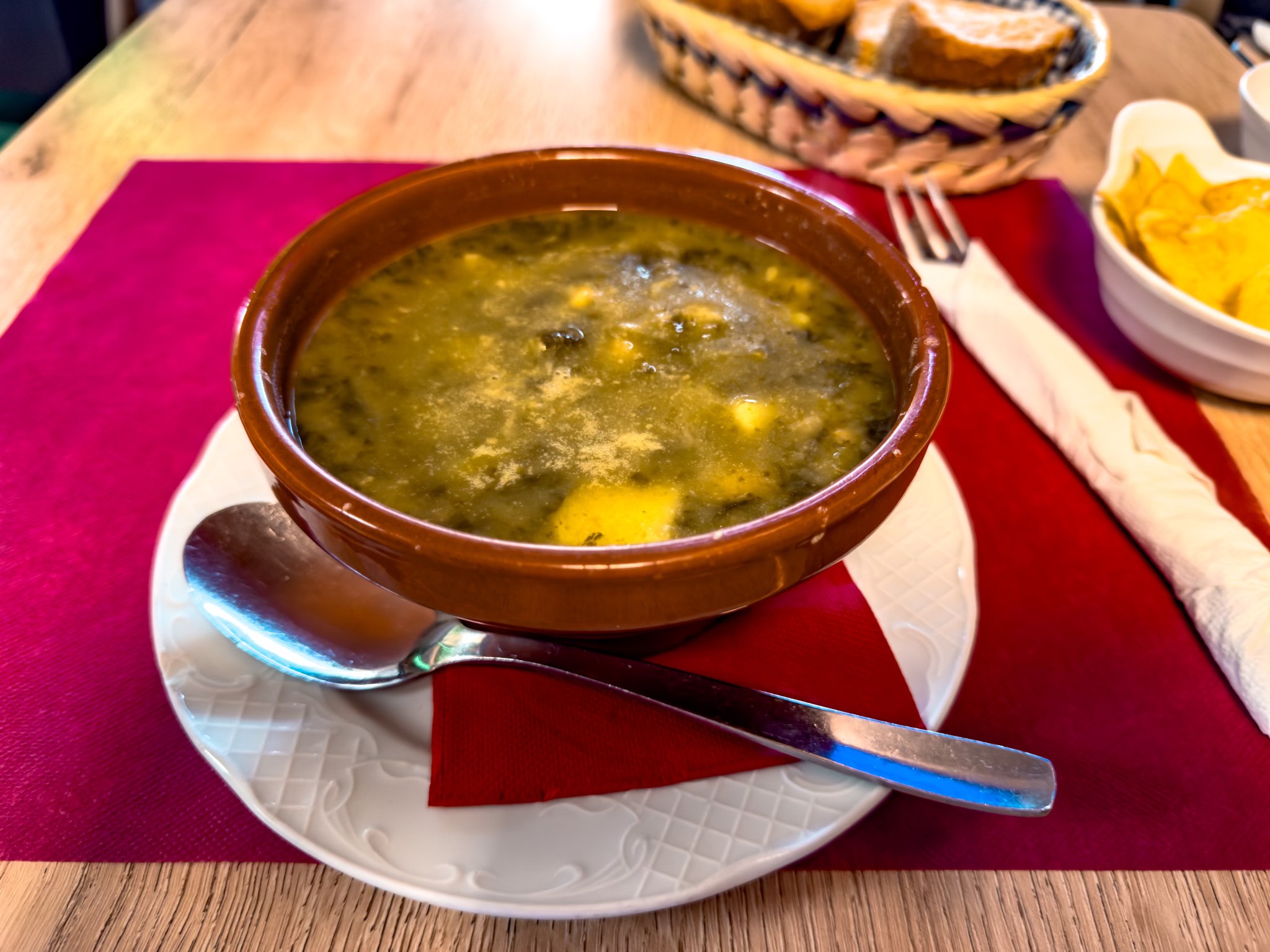
Eat Galician Food
One of the best parts of visiting Santiago is eating Galician food. This is not the part of Spain where I would only think about tapas in the usual sense. Galicia has its own food identity, and Santiago is a great place to try it.
Caldo gallego is one of those dishes that makes sense in this region. It is warm, simple, filling, and comforting, especially if the weather is cool or rainy. After traveling through different parts of Spain and Portugal, I loved how Galician food felt hearty without being fussy.
You should also look for pulpo, empanada gallega, seafood, tortilla, local cheeses, and desserts if you have room. For drinks, Albariño is one of the wines most associated with Galicia, and vermouth is also easy to work into a slow afternoon or evening.
My approach in Santiago would be to mix casual and sit-down meals. Have one proper Galician meal, one easy cafe or brunch stop, and one simple drink-and-small-plates moment where you are not rushing. The city fits that style of eating.
I have a full What to eat in Santiago de Compostela Guide with what to try, how to think about Galician food, and the kinds of meals that make sense for a first visit.
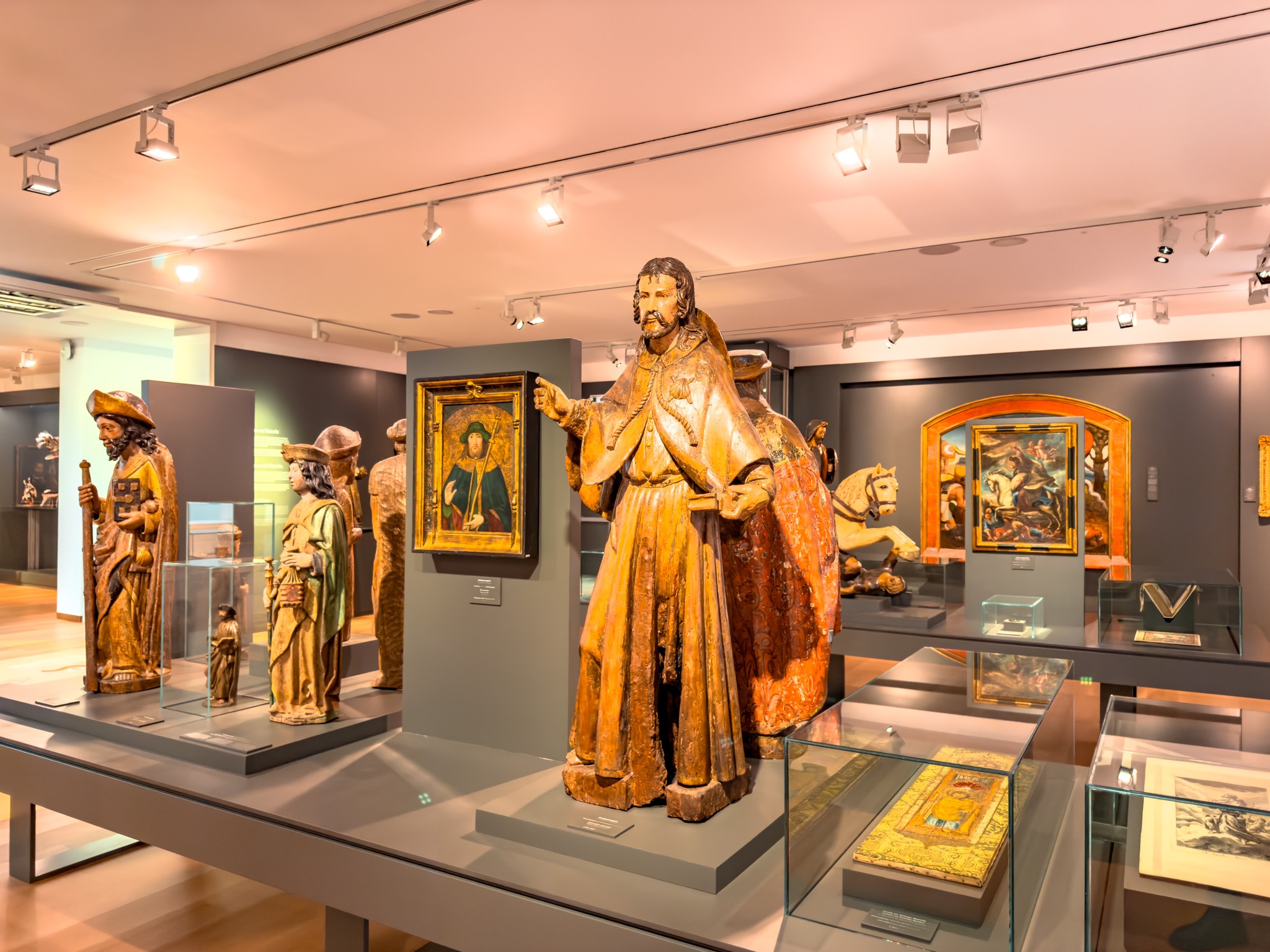
Visit the Museum of Pilgrimage
The Museum of Pilgrimage is one of the most relevant museums to visit in Santiago because it helps explain the thing that makes the city so important. You can walk around Santiago and feel the Camino energy, but a museum like this gives more context to what pilgrimage has meant over time.
I think this is especially useful if you did not walk the Camino yourself. It gives you a deeper understanding of why people come here, what the journey represents, and how Santiago became more than just another beautiful historic city.
This is the kind of stop I would pair with the Cathedral. See the place people walk toward, then learn more about the movement, symbols, history, and devotion behind it.
If you are interested in the Camino but not necessarily planning to walk it, this museum is still worth considering.
-1.png)
See the Pórtico da Gloria
The Pórtico da Gloria is one of the most important artistic and historic parts of the Cathedral, and it is something to look into if you want more than a basic Cathedral visit. It is a masterpiece of medieval sculpture and one of those details that serious Cathedral visitors often care about.
This is not something I would treat casually if it matters to you. Access is usually managed separately from just walking into the Cathedral, and timed entry can matter. If the Pórtico is high on your list, plan it ahead instead of assuming you can figure it out when you arrive.
For some travelers, this may be one of the most meaningful parts of the Cathedral visit. For others, simply seeing the Cathedral, crypt, and main spaces may feel like enough. It depends on how much you enjoy religious art, architecture, and detailed historic sites.
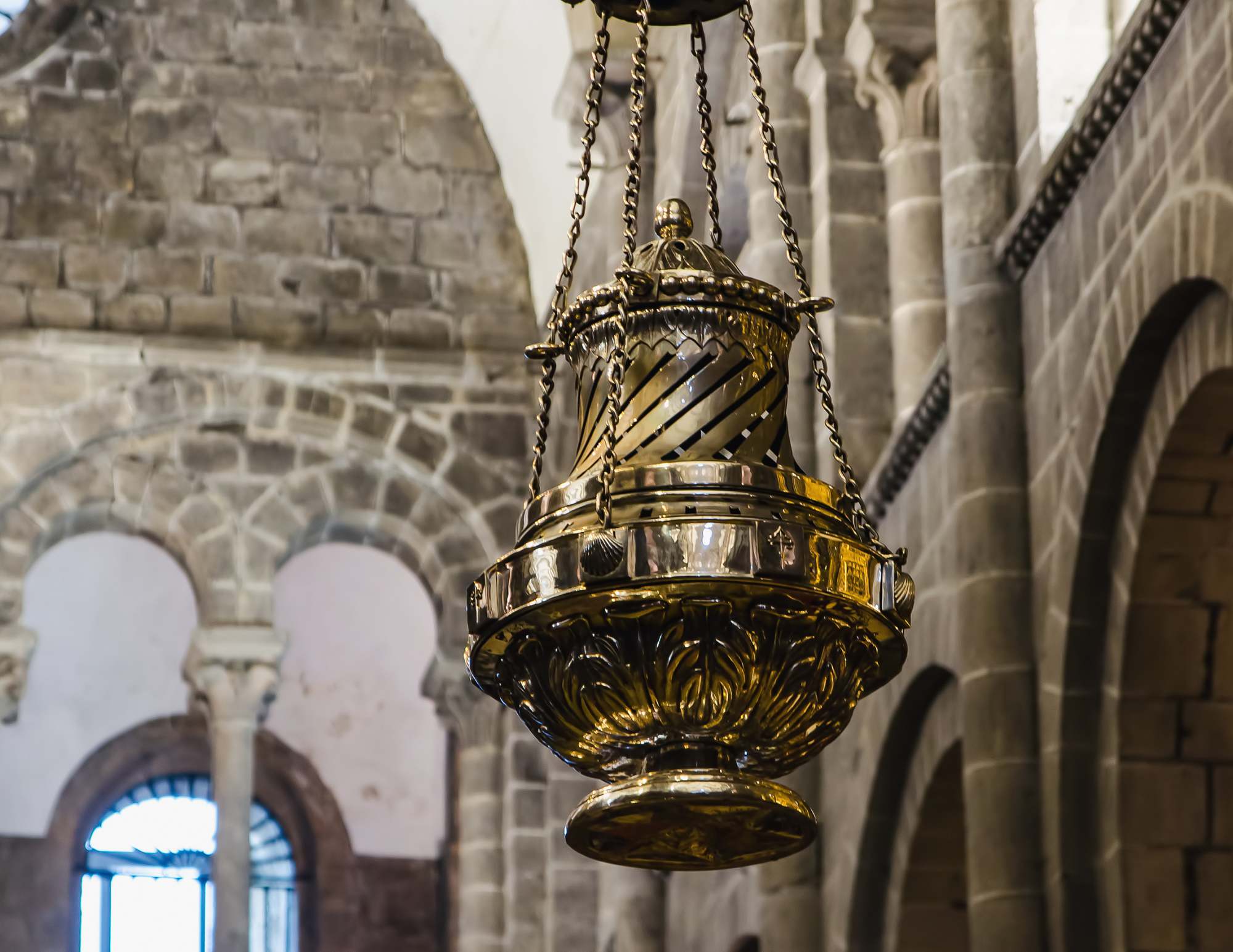
Look for the Botafumeiro
The Botafumeiro is one of the famous symbols of the Santiago Cathedral experience. It is the giant incense burner associated with special services and ceremonies, and many visitors hope to see it swing through the Cathedral.
The important thing to know is that you should not assume it happens at every Mass. If seeing the Botafumeiro is important to you, check the schedule around your dates and understand that it is tied to specific occasions, services, or arrangements.
Even if you do not see it in motion, knowing about it adds another layer to the Cathedral. Santiago is full of these details where the more you understand, the more the city opens up.
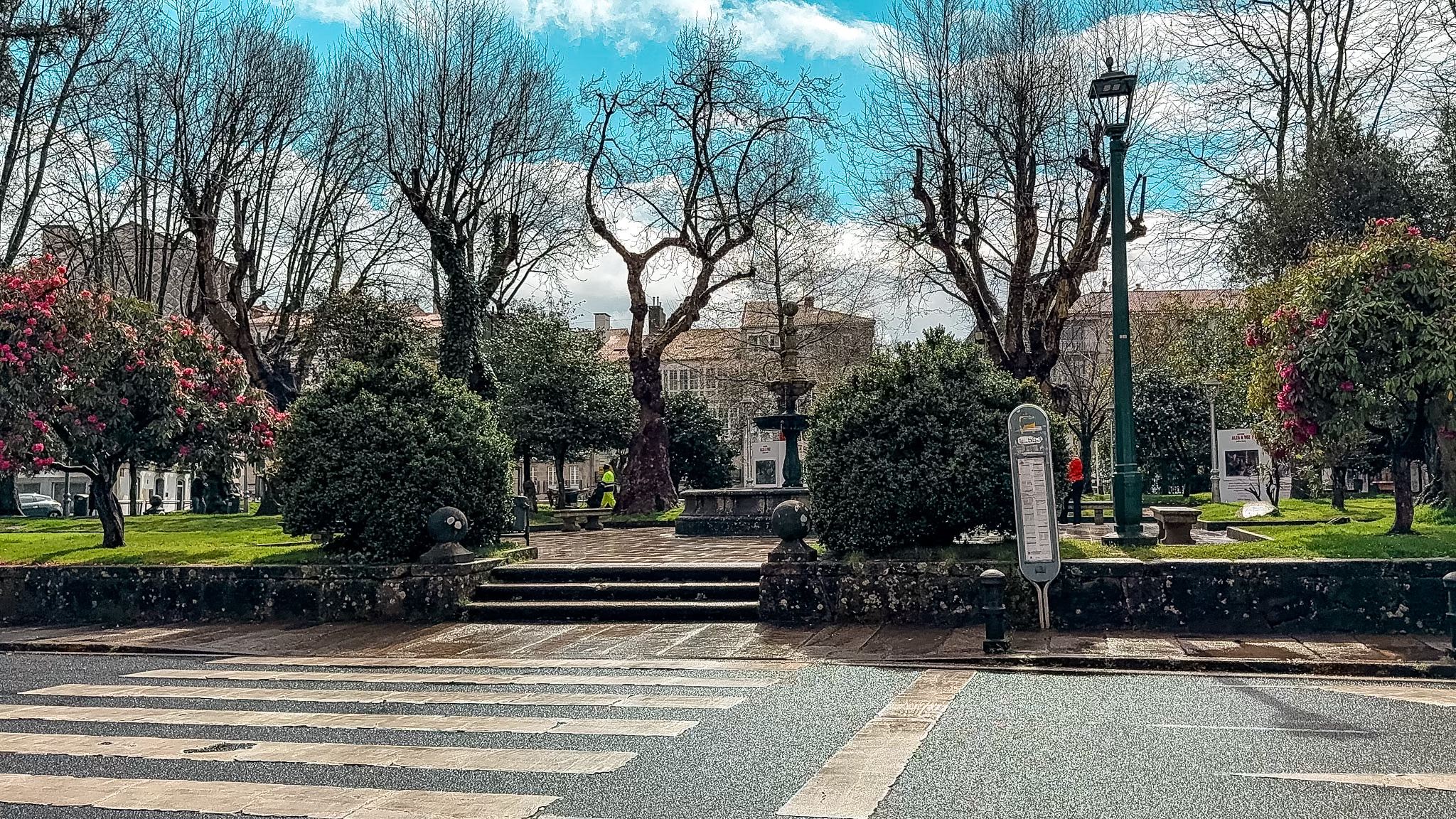
Walk to Alameda Park
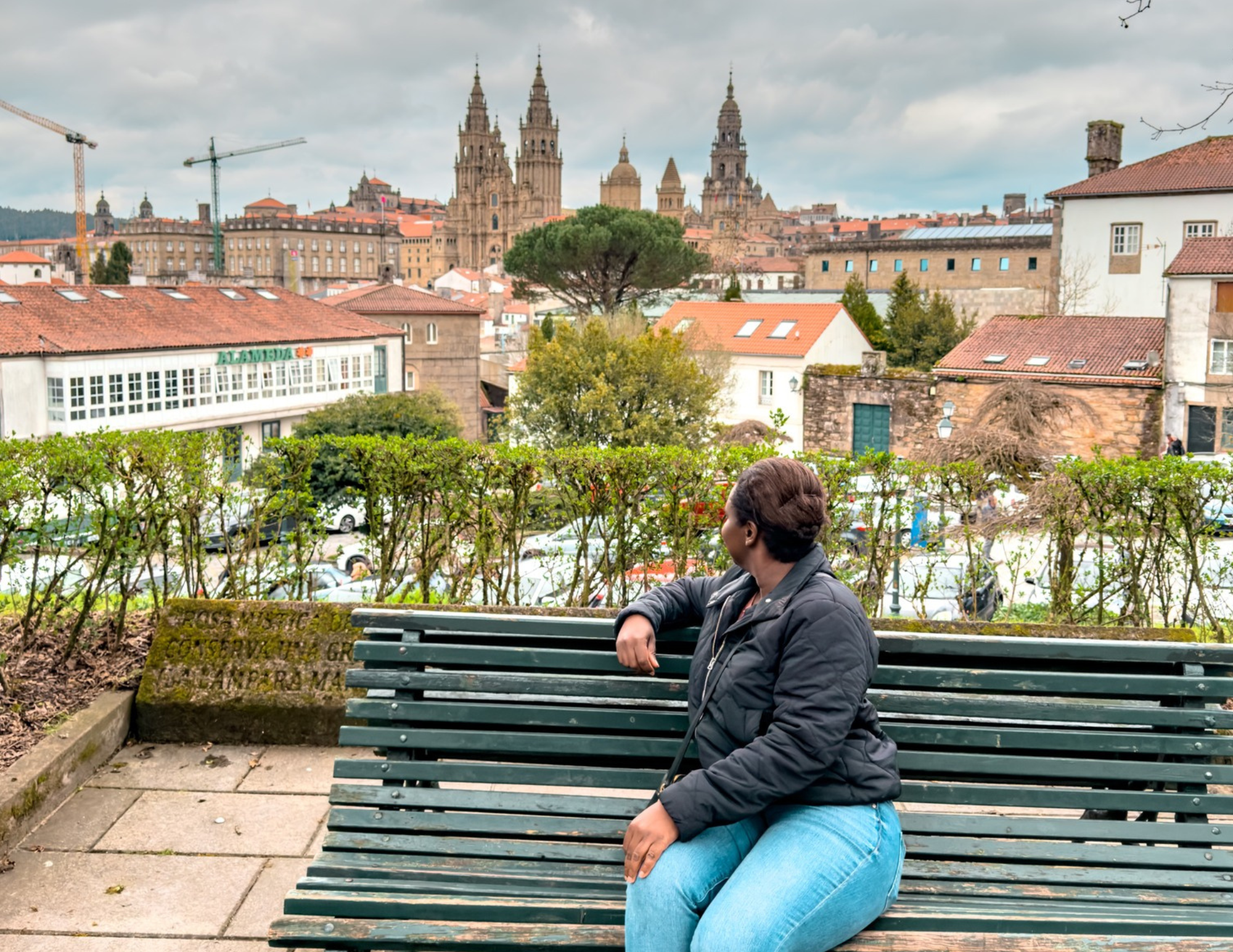
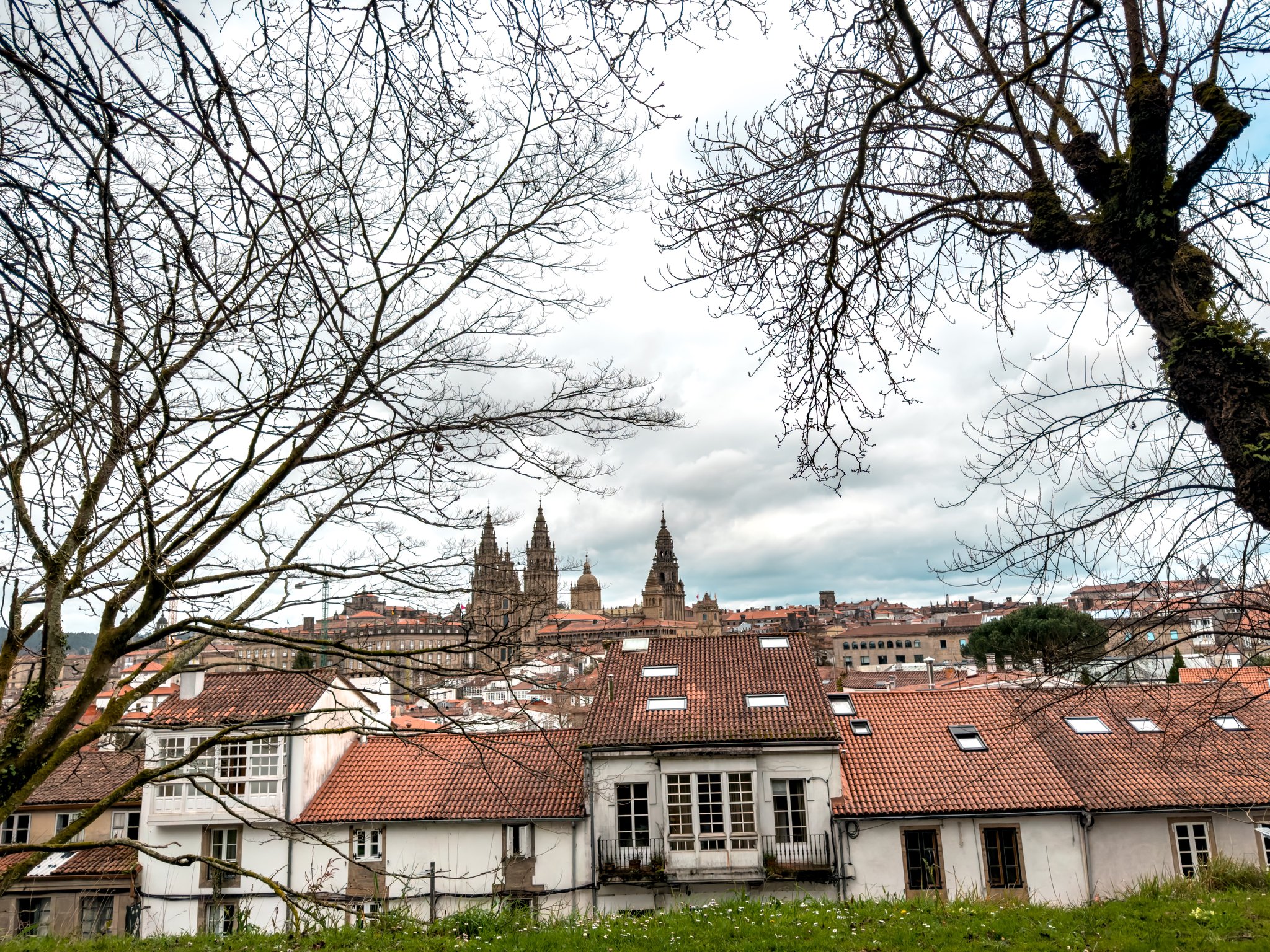
Alameda Park is one of the best places to go when you want a break from the dense streets of the Old Town. It gives you space, greenery, walking paths, and some of the best views back toward the Cathedral.
I always appreciate cities that give you a place to exhale, and Alameda Park does that for Santiago. After spending time in the historic center, it feels good to step into a more open area and see the city from a different angle.
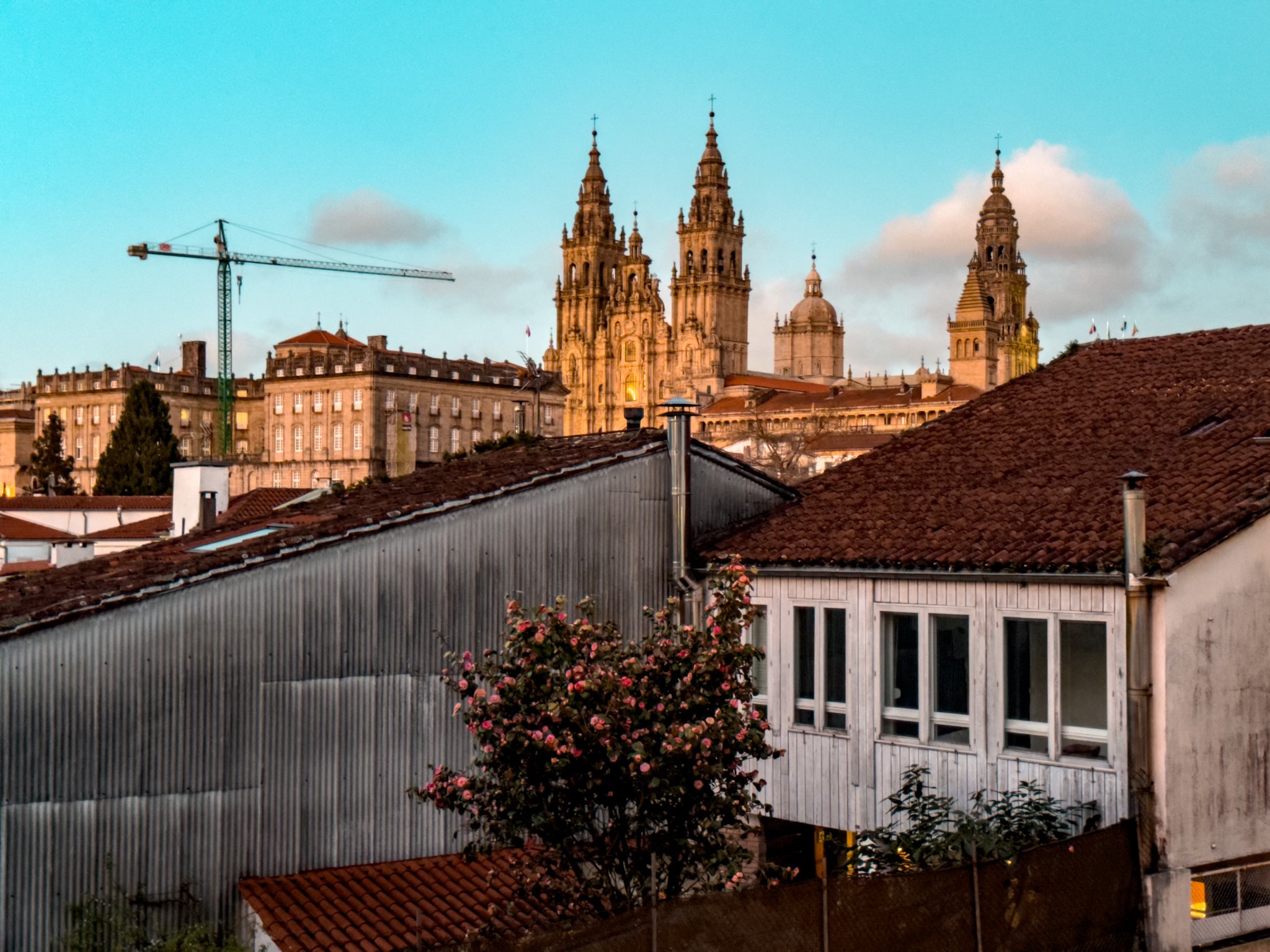
This is also a great place for photos because you can capture the Cathedral rising above the rooftops instead of only standing directly in front of it. If you are visiting around golden hour, even better.
For a slower Santiago day, I would pair the Old Town and Cathedral with Alameda Park instead of trying to force in too many extra sights.
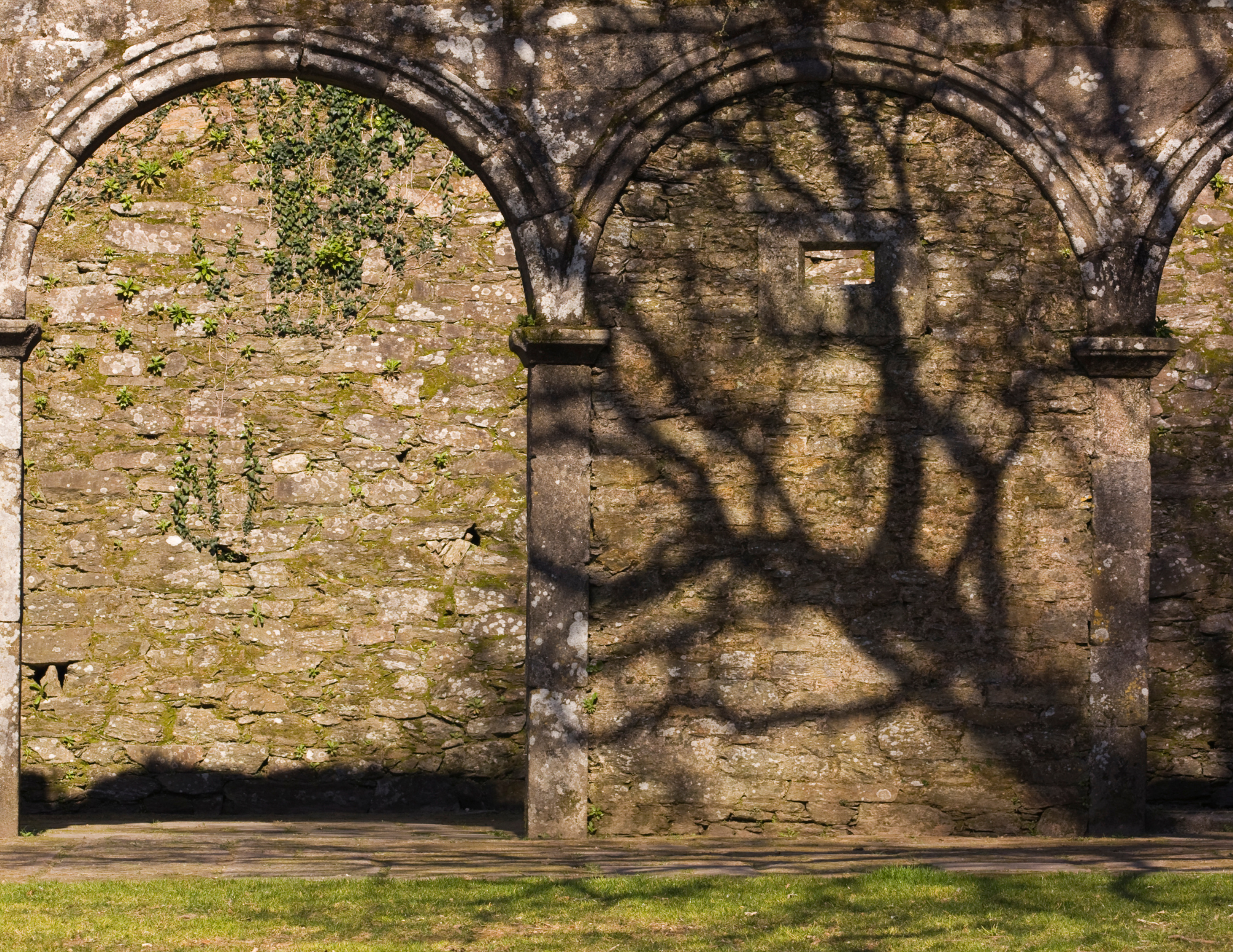
Visit San Domingos de Bonaval Park
San Domingos de Bonaval Park is another green space worth considering, especially if you want something quieter and a little different from Alameda. It is near the historic center but has a more tucked-away feeling.
This is the kind of place that helps balance the city. Santiago can be busy around the Cathedral and main streets, but parks like this remind you that there are calmer pockets too. It is a good stop if you like peaceful walks, local-feeling spaces, or breaks between museums and meals.
It also pairs well with the Museo do Pobo Galego if you want to add more cultural context to your visit.
Visit Museo do Pobo Galego
Museo do Pobo Galego is a good option if you want to understand more about Galicia itself, not just Santiago or the Camino. That matters because Santiago is not floating on its own. It belongs to a region with its own traditions, language, music, food, landscape, and identity.
If you enjoy cultural museums, this is a smart addition. It gives the city more depth and helps you connect Santiago to the wider Galician story.
I would not force this into a rushed one-day itinerary unless you are really interested, but if you have two days in Santiago, it makes sense.
See San Martiño Pinario
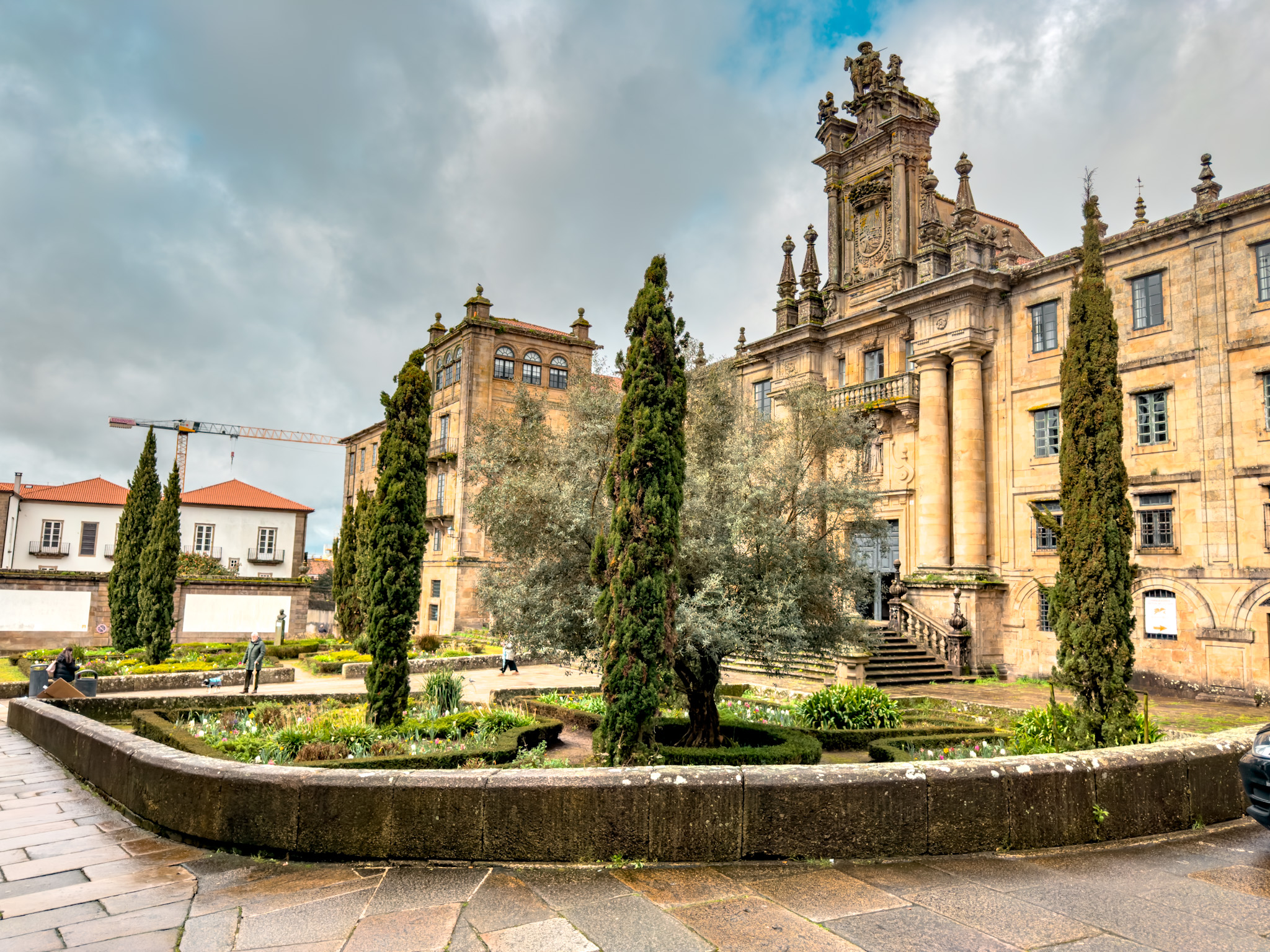
San Martiño Pinario is one of those places that shows how much religious and architectural history sits around the Cathedral area. It is close to the main historic center, so it is easy to work into a walk without making your day complicated.
Santiago has a lot of religious buildings, but this one stands out because of its scale and presence. Even if you do not spend a long time there, it is worth noticing as part of the city’s historic landscape.
This is also why I think Santiago rewards slow walking. You can start with the Cathedral and then realize how many layers are sitting right around it.
Enjoy Santiago at Night
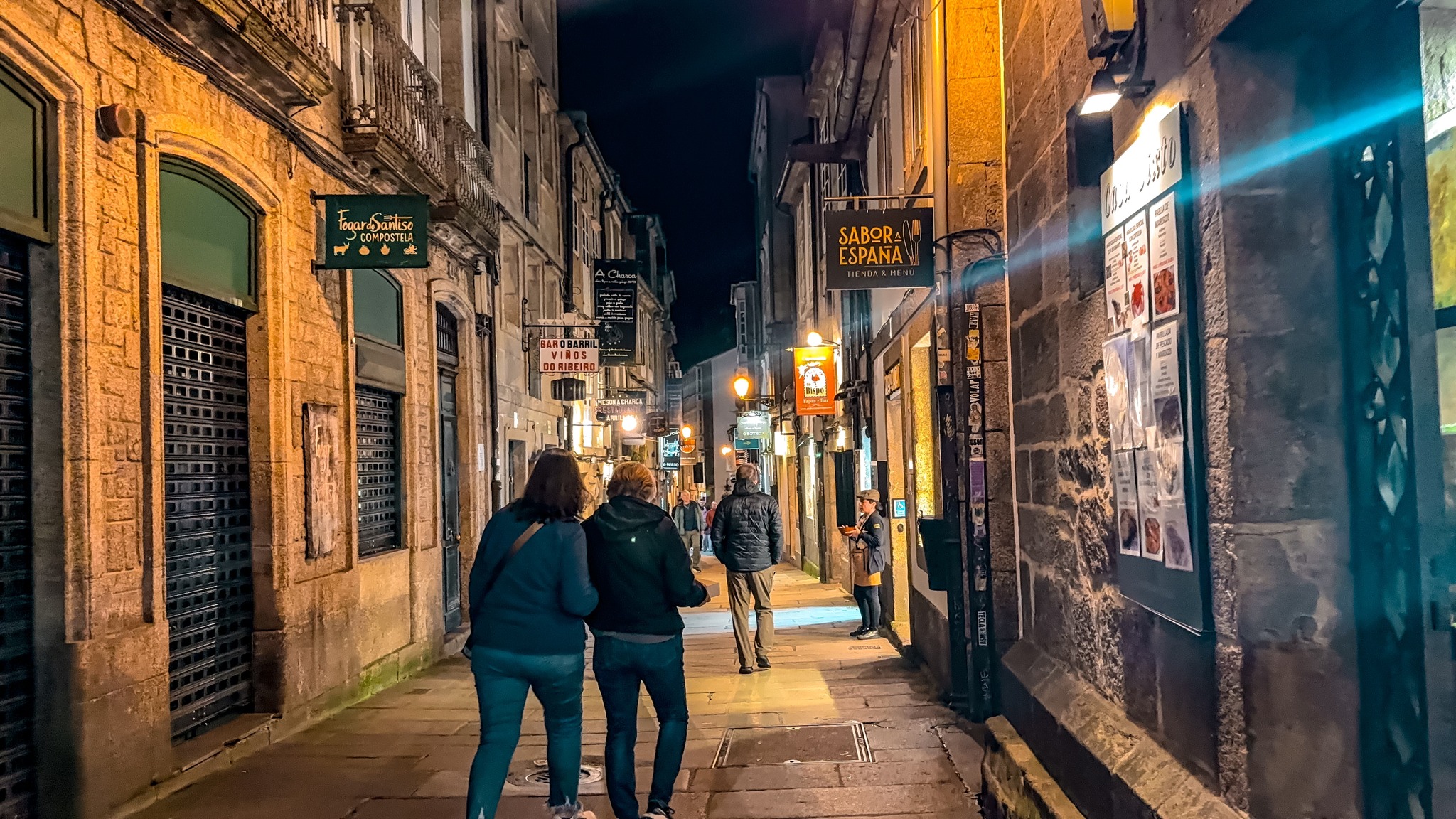
Do not only see Santiago during the day. The city changes at night, especially around the Cathedral and Old Town.
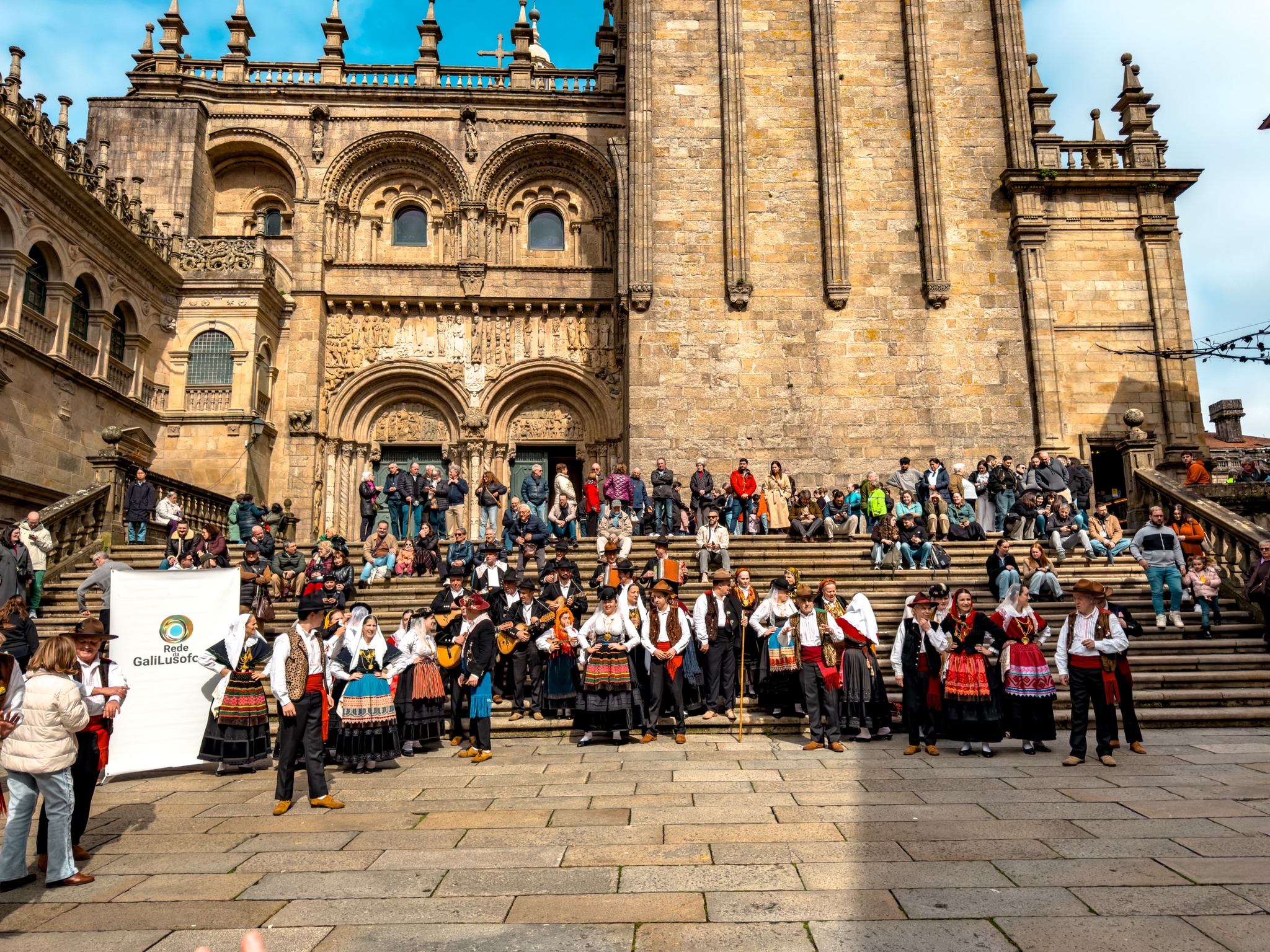
Praza do Obradoiro feels different when the light softens, the Cathedral is illuminated, and people gather in a quieter way. Some nights you may find music, people sitting around the square, or that slow evening atmosphere that makes European historic centers feel so special.
This is also when small details stand out more. The stone streets, glowing windows, quiet corners, and shadows around the Cathedral area create a completely different mood than daytime sightseeing.
If you are staying overnight, take an evening walk after dinner. You do not need a big plan. Just go back toward the Cathedral and let the city be itself.
.png)
Find the Shadow of the Pilgrim
The Shadow of the Pilgrim is one of those small Santiago details that makes the city feel more mysterious. It is usually seen at night near the Cathedral area, where the lighting creates the shape of a pilgrim-like shadow on the wall.
This is not a major attraction in the same way as the Cathedral or a museum, but it is exactly the kind of thing I love adding to a city walk. It gives you a reason to go back out at night and pay attention to the atmosphere, not just the big landmarks.
I created a separate Shadow of the Pilgrim Santiago de Compostela guide because it is a nice hidden-gem style post and an easy thing to add to an evening itinerary.
Watch Pilgrims Arrive
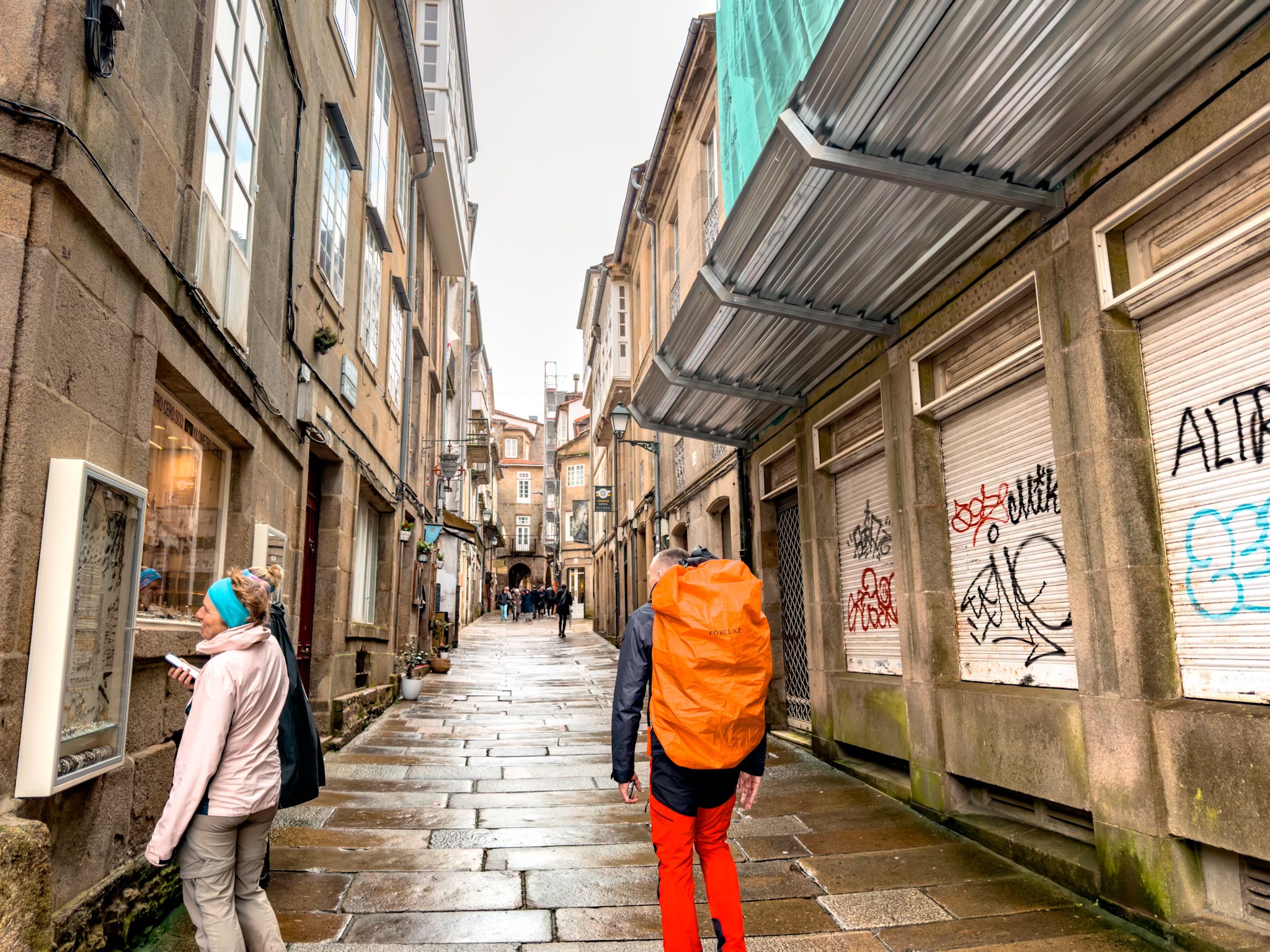
Even if you are not walking the Camino, one of the most meaningful things to do in Santiago is simply watch pilgrims arrive.
This is not about treating people like an attraction. It is about understanding the emotional center of the city. People have walked for days, weeks, or longer. Some arrive with friends. Some arrive alone. Some cry. Some laugh. Some collapse onto the square. Some just stand there looking at the Cathedral like they cannot believe they finally made it.
That atmosphere is a huge part of Santiago. Without it, the city would still be beautiful. With it, the city feels alive.
It also made me think about travel differently. Some cities are about what you see. Santiago is also about what people have carried with them to get there.
Is Santiago Only for Camino Pilgrims?
No, Santiago is not only for Camino pilgrims. The Camino is central to the city, but it is not the only reason to visit.
You can come here as a regular traveler and still appreciate the history, food, architecture, museums, and atmosphere. You do not have to walk hundreds of miles to be moved by the city. You just need to arrive with enough curiosity to understand why it matters.
That said, I do think knowing even a little about the Camino makes Santiago better. Without that context, you might see a pretty Cathedral and a historic center. With the context, you understand why the square feels emotional, why the scallop shell appears everywhere, why pilgrims carry credentials, why the Cathedral matters, and why arrival is such a big theme here.
Best Area to Explore on a First Visit
For a first visit, focus on the Old Town and the area around the Cathedral. This is where most of Santiago’s first-time highlights are concentrated.
A simple first-time route could include:
Start near the Cathedral and Praza do Obradoiro, walk around the surrounding Cathedral squares, wander through the Old Town, stop around Rúa do Franco, visit Mercado de Abastos, eat a Galician meal, visit the Museum of Pilgrimage or another museum if you have time, walk to Alameda Park for views, then return to the Cathedral area at night.
That gives you the best mix of history, food, atmosphere, and slow wandering without making the day feel overloaded.

What To Eat in Santiago de Compostela
Santiago is a great city for Galician food, and you should make food part of the trip instead of treating it like an afterthought.
Here are a few things to look for:
Caldo gallego
A warm Galician soup often made with greens, potatoes, and sometimes beans or pork. It feels especially right on a cool or rainy day.
Pulpo
Octopus is one of Galicia’s most famous dishes, often served simply with olive oil, paprika, and potatoes.
Empanada gallega
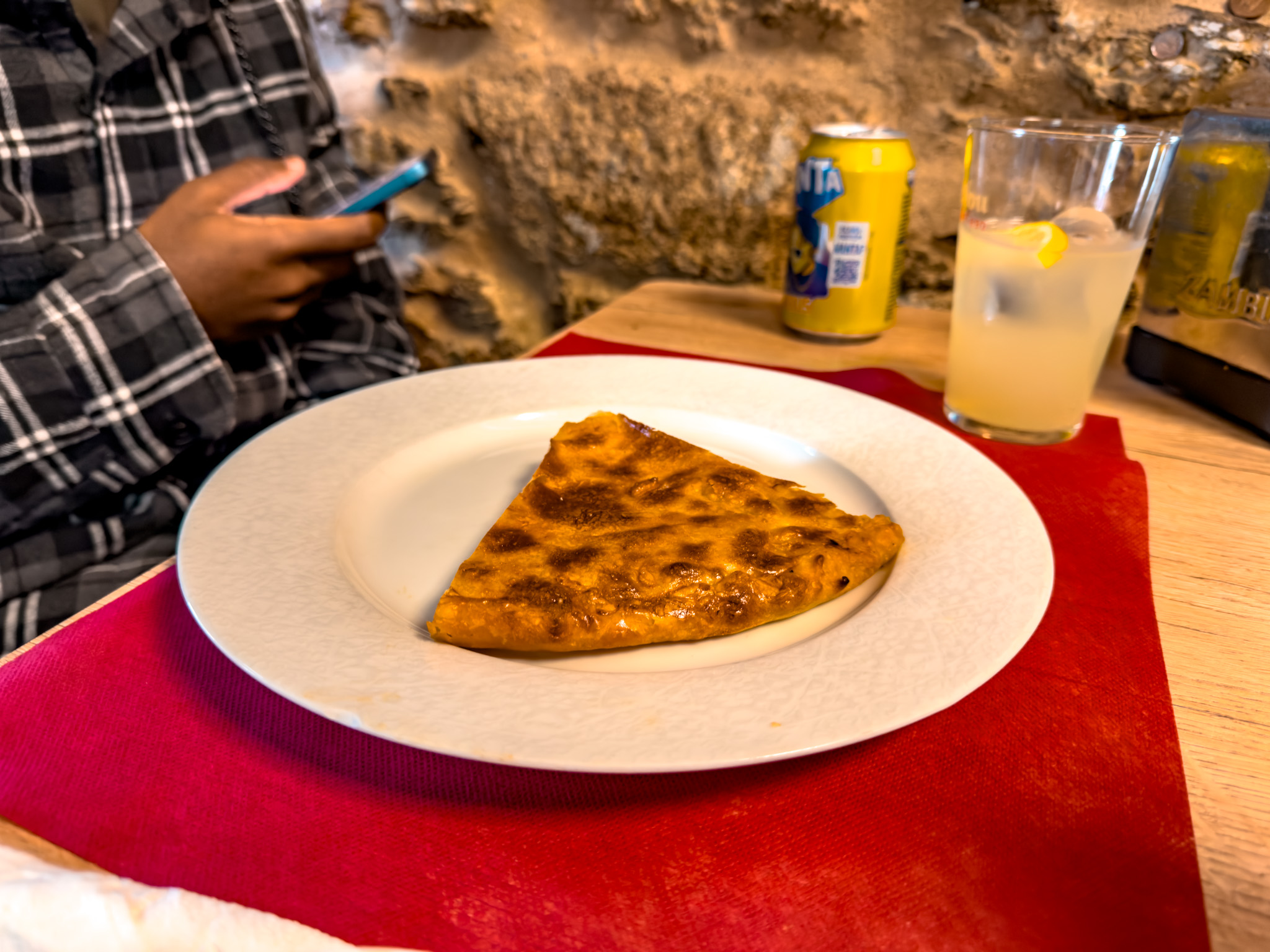
Galician empanada is different from the small handheld empanadas people may know from other countries. It is often more like a savory pie or flat pastry filled with tuna, meat, seafood, or vegetables.
Seafood
Galicia is known for seafood, so Santiago is a good place to try dishes connected to the Atlantic even though the city itself is inland.
Albariño
This white wine is strongly associated with Galicia and pairs well with seafood and lighter dishes.
Vermouth
A vermouth stop before dinner fits perfectly with the slower rhythm of the city.
I would not overcomplicate it. Pick one place for a proper Galician meal, one market or casual food stop, and one relaxed drink. Santiago is not a city where every meal needs to be fancy to be memorable.
.png)
Is Santiago de Compostela Expensive?
Santiago did not feel like one of Spain’s most expensive cities, but prices can vary depending on where you stay, when you visit, and how close you eat to the Cathedral.
Because the historic center is popular with pilgrims and tourists, some central restaurants and hotels can be pricier than what you might find farther out. But compared with major European capitals, Santiago can still feel manageable, especially if you balance sit-down meals with cafes, casual restaurants, markets, and simple local spots.
The biggest cost choices will usually be accommodation and whether you pay for Cathedral tours or museums. Walking the Old Town, sitting in plazas, watching pilgrims arrive, visiting parks, and enjoying the city atmosphere can all be done without spending much.
.png)
Is Santiago de Compostela Walkable?
Yes, Santiago de Compostela is very walkable, especially for a first-time visit focused on the Old Town. You do not need a car to enjoy the main historic areas.
The streets can be uneven, and there are some slopes, so comfortable shoes matter. This is not the place for cute shoes that hurt after twenty minutes. The city is made for walking, wandering, and standing in plazas, so dress for that.
If you are staying central, most of your day can happen on foot. That is one of the reasons Santiago works so well as a short city break or route stop.
-1.png)
Best Time to Visit Santiago de Compostela
Santiago can be visited year-round, but the experience changes depending on weather, crowds, and pilgrimage seasons.
Spring and fall are good times if you want milder weather and a more balanced atmosphere. Summer can bring more visitors, more pilgrims, and higher demand for accommodation. Winter will be quieter, cooler, and rainier, but that mood can actually fit the city if you do not mind gray skies.
Galicia is known for rain, so pack with that in mind. A light rain jacket or umbrella can make your visit much easier. Santiago’s stone streets and historic buildings look beautiful in moody weather, but you still want to be comfortable while walking around.
-1.png)
Safety in Santiago de Compostela
Santiago felt comfortable to walk around, including in the historic center and around the main tourist areas. As always, I would still use normal city awareness, especially in busy plazas, restaurants, markets, and crowded streets.
Keep an eye on your belongings, do not leave your phone sitting on a table, and be aware in tourist-heavy areas. But overall, Santiago did not feel stressful or chaotic to me. It felt like a city where walking was part of the experience.
For solo travelers, I would still choose central accommodation so you are not walking far late at night, especially if it is your first visit.
.png)
Santiago de Compostela With Kids or Teens
Santiago can work well with kids or teens if your family enjoys walkable cities, food stops, parks, and history. This is not a theme-park style destination with constant entertainment, but it is easy to explore at a relaxed pace.
For teens, I think the Cathedral, Old Town, food, market, parks, and the Camino atmosphere can be interesting if you give the city context. Instead of presenting it as “another old church city,” explain that people walk across countries to end here. That makes it feel more meaningful.
The city is compact enough that you can build in breaks, which matters when traveling as a family. Alameda Park, casual meals, and slower wandering can keep the day from feeling like a forced history lesson.
.png)
How Santiago Fits Into a Northern Spain Trip
Santiago fits really well into a northern Spain route, especially if you are already visiting Galicia. I came from Vigo, and that combination made a lot of sense because the two cities gave me different sides of the region.
Vigo felt more coastal and local. Santiago felt more historic and symbolic. Then continuing on to places like Burgos and Bilbao adds even more contrast, from medieval architecture to Basque city energy.
If you are planning a bigger route, Santiago does not need to be the only destination. It can be one of the strongest stops in a northern Spain itinerary, especially if you like slower travel, food, historic centers, and cities that feel different from the usual Spain itinerary.
.png)
A Simple First-Time Santiago de Compostela Itinerary
If you only have one day in Santiago, I would keep it simple and walkable.
Start your morning in the Old Town with coffee or breakfast, then make your way toward the Cathedral. Spend time in Praza do Obradoiro, walk around the different Cathedral squares, and visit the inside of the Cathedral if you can.
From there, wander through the Old Town and down Rúa do Franco. Stop for a Galician lunch, or head toward Mercado de Abastos if you want more of a local food-market feel.
In the afternoon, visit the Museum of Pilgrimage, Museo do Pobo Galego, or another cultural stop depending on your interests. Then walk to Alameda Park for views back toward the Cathedral.
In the evening, have dinner, try vermouth or local wine, and return to the Cathedral area after dark. Look for the Shadow of the Pilgrim if you want a small nighttime detail to end the day.
That is enough to feel like you saw Santiago without turning the city into a checklist.
Things I Would Not Skip in Santiago de Compostela
If you only have limited time, these are the things I would prioritize:
The Cathedral area, because it is the heart of the city.
Praza do Obradoiro, because watching pilgrims arrive gives Santiago its emotional weight.
The Old Town, because the streets are part of the experience.
A Galician meal, because food is one of the best ways to understand the region.
Alameda Park, because the Cathedral views from there are beautiful and it gives you a calmer break from the center.
Santiago at night, because the city feels different after dark.
If you have extra time, add Mercado de Abastos, the Museum of Pilgrimage, Museo do Pobo Galego, San Domingos de Bonaval Park, or a Cathedral ticketed visit.
.png)
What I Would Do Differently Next Time
If I went back to Santiago, I would give myself a little more slow time. Not because I felt like I missed a huge list of attractions, but because Santiago is the kind of city that benefits from lingering.
I would spend more time sitting in the squares, go deeper into the Cathedral ticketed areas if timing worked, eat more Galician food, and build in a slower market morning. I would also pay more attention to the evening atmosphere because Santiago at night has a completely different feeling from daytime sightseeing.
Some cities make you feel like you need to do more. Santiago made me feel like I needed to notice more.
-1.png)
Final Thoughts: Why Santiago de Compostela Is Worth Visiting
Santiago de Compostela is worth visiting because it has something many pretty cities do not have. It has meaning.
The Cathedral is stunning, the Old Town is beautiful, the food is comforting, and the city is easy to explore on foot. But what stayed with me most was the feeling of arrival. Watching pilgrims reach the square, seeing people pause in front of the Cathedral, walking through stone streets that have held centuries of footsteps, and eating Galician food in a city that feels both historic and lived-in made Santiago feel different from anywhere else I visited in northern Spain.
You do not have to walk the Camino to appreciate Santiago. You do not have to be religious. You do not have to understand every piece of history before you arrive.
But you should come with enough time to walk slowly, look around, eat well, and let the city speak for itself.
If you are building a Galicia or northern Spain trip, Santiago pairs beautifully with Vigo. Start with my Vigo travel guide to see how these cities fit together.
Santiago is not just a stop at the end of a pilgrimage. It is a city worth arriving in, even if your journey there looks completely different.

Cavetta is the creator of LifeWithVetta.com and has been traveling the world full time since 2020. She has visited more than 60 countries while worldschooling her son and documenting what it really takes to live abroad. Her guides focus on travel, moving abroad, digital nomad life, and designing a life beyond the traditional path.
