

Planning a Europe trip sounds romantic until you actually sit down to do it.
Suddenly, you are staring at flights, trains, hotels, airport transfers, Schengen rules, attraction tickets, museum days, restaurant lists, neighborhood options, luggage limits, and ten different cities that all look like they belong on the itinerary. Europe is beautiful, but it can also trick you into thinking everything is closer and easier than it feels in real life.
A two-hour train ride can still turn into a half-day movement day once you pack, check out, get to the station, wait, travel, arrive, find your hotel, check in, and get yourself fed. A cheap flight can stop looking cheap once you add luggage, airport transportation, seat fees, and the time it takes to get from the city center to the airport. A city that looks like a quick stop on the map may deserve more time than you planned.
That is why AI can be so useful for Europe travel planning.
Not because AI can magically plan the perfect trip for you, but because it can help you organize the chaos. You can use it to compare routes, decide how many cities make sense, group sightseeing by neighborhood, estimate travel days, build a budget, find better accommodation areas, and check whether your itinerary is actually enjoyable or just technically possible.
There is a big difference.
A Europe trip should not feel like you are racing through train stations just to say you went somewhere. The best routes leave enough space to enjoy the cities you chose, eat well, wander slowly, take the pretty walk, sit in the square, recover from travel days, and change plans when needed.
If you are new to using AI for travel, start with my full guide on how to use AI to plan a trip. That post explains the bigger process, including how to prompt AI, how to fact-check the answers, and how to use travel tools once you are on the ground. This Europe guide goes deeper into the specific things that make Europe travel different: train routes, budget airlines, Schengen timing, city pacing, neighborhood choices, eSIMs, flight alerts, and multi-country planning.
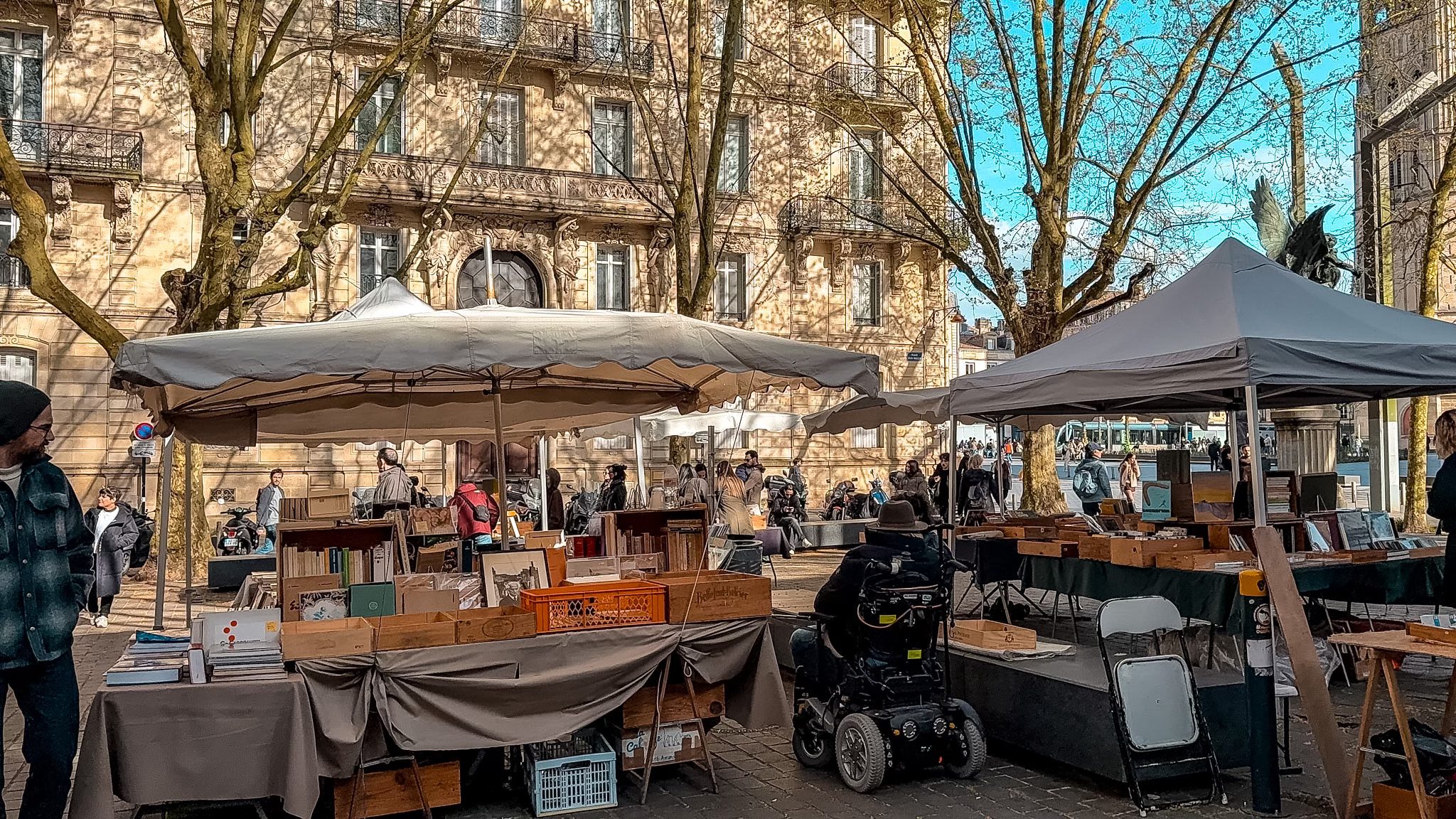
Why Europe Is One of the Best Trips to Plan With AI
Europe has so many route possibilities that it can become overwhelming fast.
You can fly into Lisbon and work your way through Portugal and Spain. You can start in Paris and build a France route by train. You can do Italy with Rome, Florence, Venice, and maybe a smaller city in between. You can combine Amsterdam, Brussels, Paris, and London. You can slow down in one region instead of bouncing across the continent. You can use non-Schengen countries to stretch your time if you are staying longer.
The options are endless, and that is exactly why people overplan.
AI can help you sort the ideas before you start booking. Instead of opening a million tabs and guessing, you can ask AI to compare routes based on time, cost, transit, energy level, season, and your travel style.
A good Europe itinerary needs more than pretty city names. It needs flow.
You want to know which cities connect well by train. You want to know when flying makes sense and when it does not. You want to know if a city deserves three nights instead of one. You want to know if your route has too many hotel switches. You want to know if you are wasting time backtracking.
AI is good at helping you see the structure.
Your job is to bring the real-world judgment. AI can suggest a route, but you still need to check train schedules, flight prices, hotel costs, ticket rules, current attraction hours, and whether the route fits the kind of trip you actually want to take.

Start With the Type of Europe Trip You Want
Before asking AI for a Europe itinerary, decide what kind of trip you are planning.
A first-time Europe trip is different from a slow travel route. A family trip is different from a solo backpacking trip. A digital nomad month in Europe is different from a 10-day vacation. A Schengen shuffle route is different from a short city break.
AI needs to know the difference.
Use this prompt first:
Europe Trip Style Prompt:
Help me figure out the best type of Europe trip for my travel style. I am traveling for [number of days or weeks]. I am interested in [food/history/museums/beaches/cities/nature/small towns/nightlife/cafes/family travel/digital nomad life]. My budget is [budget level]. I prefer [slow travel/balanced travel/packed days]. I am flying from [departure city or country]. Suggest 3 different Europe trip styles that could work for me and explain the pros and cons of each.
This is a better starting point than asking for a full itinerary right away.
You may discover that a slow Portugal and Spain route fits you better than trying to see six countries. You may realize that Italy needs more time than you thought. You may decide that one big city with two day trips sounds better than packing and unpacking every other day.
For people who are planning a longer stay in Europe, it also helps to think through your Schengen days early. If you are American, the general rule for the Schengen Area is 90 days within any 180-day period. That can shape your route if you are staying longer than a normal vacation.
For more on that, read how the Schengen shuffle works before you start building a long Europe route.

Use AI to Pick the Best Europe Route
After you know the type of trip you want, ask AI to compare route options.
This is where Europe planning gets real. A route can look beautiful online but make no sense once you consider transit time, luggage, hotel switches, and how much energy you actually have.
Use this prompt:
Europe Route Planning Prompt:
Help me plan a realistic Europe route for [number of days]. I am considering [list cities or countries]. I prefer [train travel/budget flights/a mix of both]. My travel pace is [slow/balanced/fast], and I do not want to switch hotels too often. Compare the best route options, explain which cities connect well, show where I may be trying to do too much, and suggest a smoother version if needed.
Then ask:
Be honest. Is this route enjoyable or just possible?
That follow-up question matters.
A lot of Europe routes are possible. That does not mean they are enjoyable. You can technically visit Paris, Amsterdam, Berlin, Prague, Vienna, Venice, Florence, Rome, and Barcelona in one trip, but that does not mean you should.
If the trip is short, fewer cities usually makes the trip feel better. If the trip is longer, you can move more, but you still need rest days and realistic travel days.
For a 10-day Europe trip, I would usually think in terms of 2 or 3 bases. For two weeks, maybe 3 or 4 bases depending on distance. For a month, you have more room, but I would still avoid moving every two nights unless you truly enjoy that style of travel.
AI can help you test those versions before you spend money.
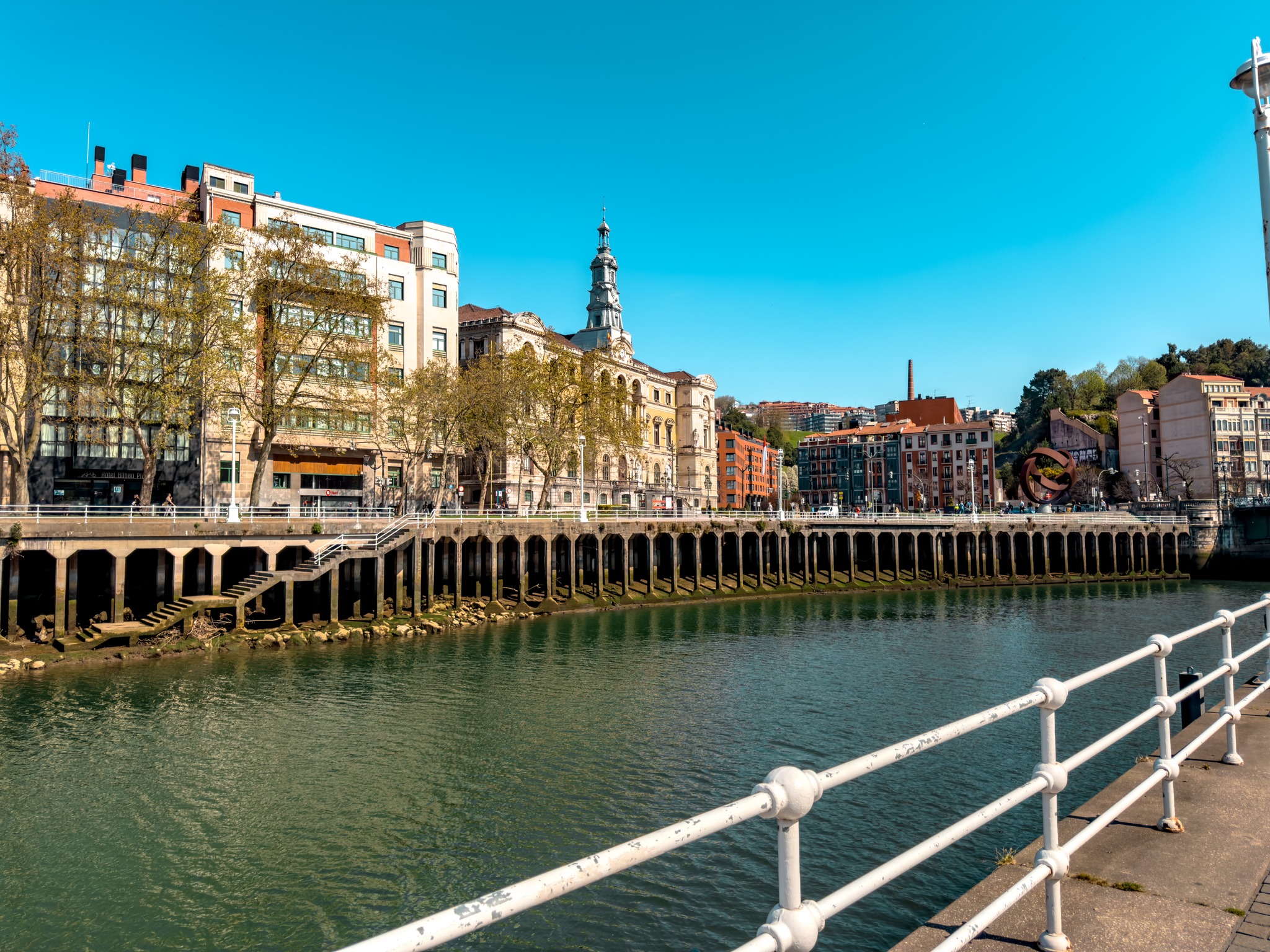
Use AI to Compare Trains, Buses and Flights
Europe makes transportation look easy, but the best choice depends on the route.
Trains can be comfortable and scenic, especially when stations are central. Buses can be cheaper, especially for shorter regional routes. Flights can make sense for longer distances, but budget airlines can become annoying when you add baggage rules, airport transfers, and strict check-in policies.
Ask AI to compare the real experience, not just the travel time.
Europe Transportation Prompt:
Compare the best way to travel from [city] to [city]. I want to understand the pros and cons of taking the train, bus, or flight. Include estimated travel time, station or airport convenience, luggage considerations, cost range, comfort, and which option makes the most sense for my travel style.
This helps you avoid choosing the option that only looks faster.
A one-hour flight is not really one hour once you include getting to the airport, arriving early, security, boarding, baggage, landing, and getting back into the city. On the other hand, a train that looks convenient may be expensive or require a transfer. A bus may be cheaper but less comfortable if the route is long.
AI can help you compare, but always check current prices and schedules before booking.
For flight deals, Going can be useful before you lock in your Europe plan. Instead of picking exact dates and then hoping the price works, you can watch for flight alerts and let a good deal help shape the trip. This is especially helpful if you are flexible on destination or timing. A cheap flight to Lisbon, Paris, Madrid, Amsterdam, or Rome can become the starting point for your whole route.
If you are planning a Europe trip from the U.S., I would check Going early in the process, then use AI to build a route around the best flight deal that actually fits your travel style.

Use AI to Plan Around Flight Deals
Sometimes the smartest Europe trip starts with the flight deal.
You may have your heart set on one city, but if flights to another European hub are hundreds of dollars cheaper, it may be worth shifting the route. Europe is well-connected, so flying into one city and out of another can open up better options.
Use this prompt after you find a deal:
Flight Deal Route Prompt:
I found a flight deal into [arrival city] and out of [departure city], with [number of days] in Europe. Help me build a realistic route around these flights. I want to visit [interests or possible cities], keep transportation manageable, avoid too many hotel switches, and stay within a [budget level] budget. Suggest the best route, how many nights to spend in each place, and which cities I should skip if the trip is too rushed.
This works especially well with Going because a deal alert can give you the starting point, then AI can help you turn that deal into a real itinerary.
For example, if you find a cheap flight to Paris, AI can help you compare whether it makes more sense to stay in France, add Belgium or the Netherlands, take a train to London, or slow down and do Paris with day trips. If you find a deal to Lisbon, AI can help you decide between Lisbon and Porto, adding Sintra, moving into Spain, or building a slower Portugal route.
A cheap flight is only a good deal if the rest of the trip still makes sense.
That is the part people forget. If you save money on the flight but spend too much recovering from a bad route, the deal may not feel like a win. Use the flight deal as the doorway, then build the itinerary with real pacing.

Use AI to Build a Realistic Europe Itinerary
Once you know your route, ask AI to build the actual itinerary.
For Europe, I like asking for a day-by-day plan that includes neighborhoods, transit, food breaks, and slower backup options. That keeps the itinerary from becoming a list of landmarks with no real flow.
Europe Itinerary Prompt:
Build a realistic [number]-day Europe itinerary for this route: [list cities]. I want a [slow/balanced/packed] pace with enough time for meals, walking, transportation, and rest. Group sights by neighborhood, include travel days between cities, suggest how many nights to stay in each place, and tell me what I should book ahead.
After AI gives you the first draft, improve it with follow-up prompts:
Which day is too packed?
Where am I backtracking?
Which city needs more time?
Which city can be removed without hurting the trip?
Add one slower morning after each travel day.
Give me a rainy-day backup plan for each city.
Add affordable lunch ideas near the main sightseeing areas.
Tell me which attractions should be booked in advance.
The first version is rarely the best version. Keep refining until the trip looks like something you would actually enjoy.
For Europe, travel days deserve their own space. I would avoid planning major sightseeing on arrival days unless the arrival is early and easy. A simple dinner, a neighborhood walk, or a grocery run can be enough after moving between cities.
If you want more general prompt help, read best AI prompts for travel planning for copy-and-paste prompts you can use across different trip styles.

Use AI to Choose Where to Stay in Each City
Where you stay in Europe can change the whole trip.
A cheaper hotel far from the center may look good until you spend too much time commuting. A central hotel may cost more but save your energy. A beautiful apartment may be inconvenient if it is far from transit or up several flights of stairs with luggage.
AI can help narrow down the best neighborhoods before you start comparing hotels.
Europe Hotel Area Prompt:
Help me choose the best neighborhoods to stay in [city] for my Europe trip. I am staying for [number of nights]. My priorities are [walkability/public transit/food/budget/quiet streets/family-friendly areas/nightlife/local feel/easy train station access]. Compare the best areas, explain who each one is best for, and tell me which areas may not fit my travel style.
After AI gives you the neighborhood breakdown, use Booking.com to compare actual stays. Look at the map, recent reviews, cancellation policy, elevator access, air conditioning, heating, kitchen access, laundry, and how close the stay is to transit.
Europe has a lot of older buildings, and that can affect your stay more than you expect. Elevators are not always guaranteed. Air conditioning may not be standard in every city. A “short walk” can feel different with luggage on cobblestones. In some places, the prettiest old neighborhoods are also the least convenient for dragging a suitcase.
For longer trips, apartment-style stays with laundry or kitchen access can help you save money and feel more settled. For short city breaks, a well-located hotel may be worth the extra cost.
My guides on where to stay in Bangkok, where to stay in Porto, and where to stay in Lisbon are good examples of how neighborhood choice can shape the entire trip.
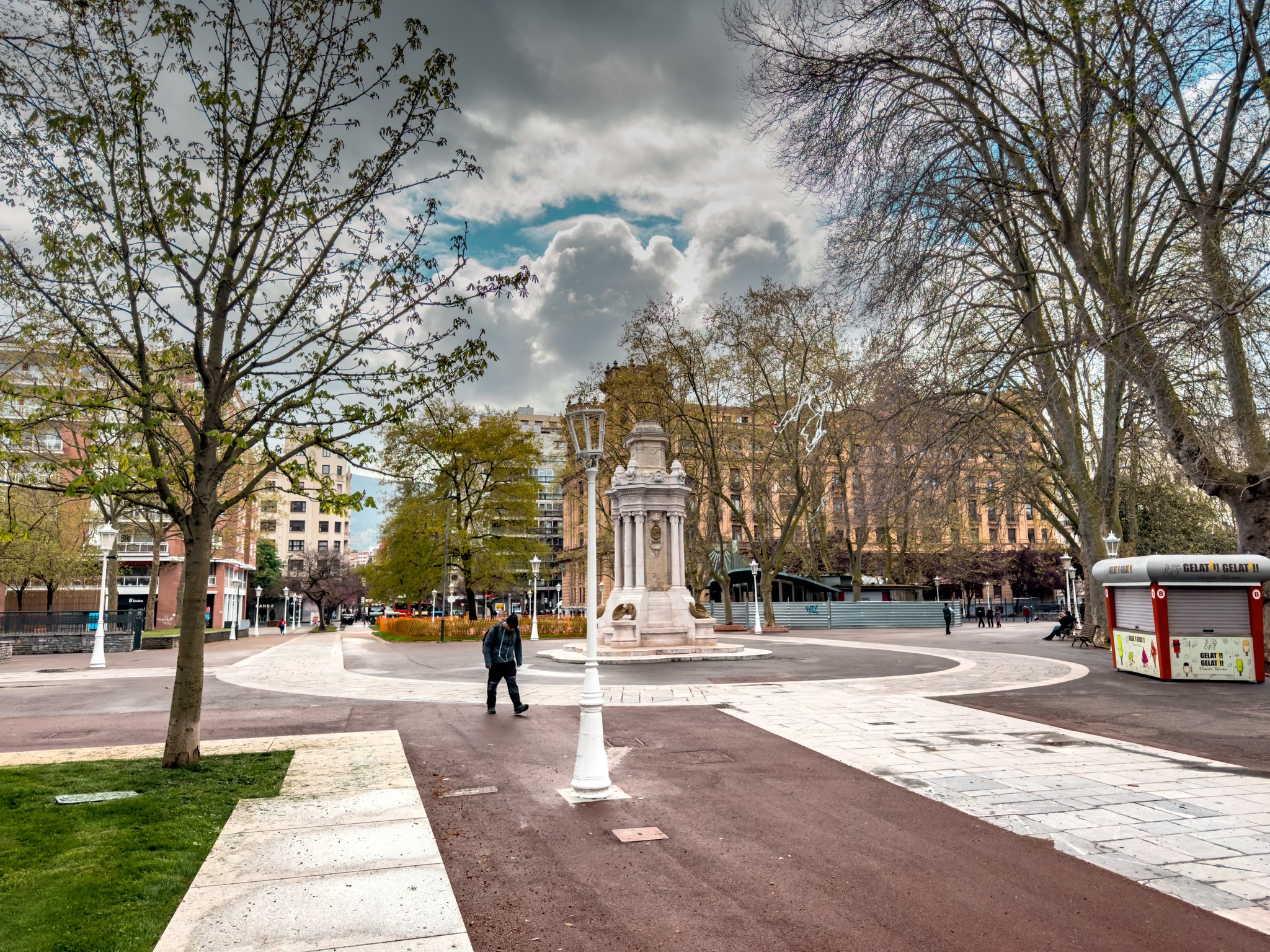
Use AI to Plan Europe on a Budget
Europe can be expensive, but it does not have to be expensive in the same way everywhere.
Paris, Amsterdam, London, and Switzerland can hit your budget hard. Portugal, parts of Spain, Albania, parts of the Balkans, and some Central and Eastern European destinations may give you more room to breathe. Even within one country, your costs can change a lot depending on the city, neighborhood, season, and how you eat.
Ask AI to help you make budget choices before booking.
Europe Budget Prompt:
Help me plan a Europe trip for [number of days] with a budget of [amount]. I am interested in [countries or cities]. Suggest a route that balances cost, transportation, food, and accommodation. Include lower-cost city options, where it is worth spending more, where I can save money, and which destinations may be too expensive for this budget.
You can also ask:
Compare a budget version, mid-range version, and more comfortable version of this Europe route.
That comparison helps you see the trade-offs.
Maybe the budget version uses more buses, simple apartments, grocery store meals, and free walking routes. The mid-range version may include better locations, a few paid attractions, and some train travel. The more comfortable version may use central hotels, fewer travel days, and a few guided experiences.
AI can help you see the difference before you choose.
For money management, Wise can be helpful if you are moving between currencies, paying for things abroad, or handling international transfers. Europe may use the euro in many countries, but not all of them. If your route includes places like the UK, Switzerland, Denmark, Sweden, Norway, Albania, or other non-euro countries, thinking about currency ahead of time can save stress.

Use AI to Plan Food Without Falling Into Tourist Traps
Food can make a Europe trip feel so much deeper.
You do not need fancy meals every day. Sometimes the best food moments are bakeries, markets, grocery store lunches, casual local restaurants, food halls, wine bars, pastry shops, and simple meals in the neighborhood where you are staying.
AI can help you learn what to look for before you arrive.
Europe Food Prompt:
Help me plan food experiences for [city or country] that go beyond tourist restaurants. I want regional dishes, casual local spots, bakeries, markets, affordable lunch options, wine or coffee culture, and food neighborhoods worth exploring. Give me search terms I can use on Google Maps and explain what dishes or items I should try.
This prompt is better than asking for restaurant names only.
Restaurant details change. Places close. Reviews shift. Your location matters. Search terms help you find current options nearby.
You can also ask:
What dishes should I try in this region?
What are good casual lunch options in this city?
What should I order at a bakery, market, or neighborhood restaurant?
Which food experiences are worth booking as a tour?
Food tours can be a great way to understand a city early in the trip. GetYourGuide is helpful for comparing walking food tours, market tours, cooking classes, wine tastings, and regional food experiences. I like this most when a tour adds context, not when it simply walks you from one obvious tourist stop to another.
If food is a major part of your trip, read best Thai food to eat in Thailand, Lisbon food guide, and Porto food guide for more examples of how I build food into real travel days.

Use AI to Decide Which Tours Are Worth Booking
Not every Europe activity needs a tour.
Some cities are easy to explore independently. Some museums are fine with an audio guide. Some neighborhoods are best enjoyed by walking with no strict plan. But certain experiences are better with a guide, especially when history, access, transportation, or local context makes a difference.
Use AI before you start booking.
Europe Tours Prompt:
Help me decide which tours or paid activities are worth booking for my trip to [city or region]. I am interested in [history/food/wine/day trips/museums/architecture/nature]. Tell me what is better with a guide, what I can do independently, what should be booked ahead, and what may not be worth the cost for my travel style.
This can save you money because you do not need to book everything.
For example, a guided food tour may be worth it in a city where you want to understand regional dishes. A day trip may be worth booking if transportation is complicated. A skip-the-line ticket may be worth it during high season. A basic walking route may be easy to do on your own.
Once AI helps you decide what kind of experience makes sense, GetYourGuide can help you compare actual options, reviews, availability, and prices.
For major cities, I would focus on tours that solve a real problem: long lines, hard logistics, deeper context, transportation, or access to something you would not understand as well on your own.

Use AI to Plan Around Schengen Rules
For a short Europe vacation, Schengen rules may not shape the trip much.
For long-term travelers, digital nomads, full-time travelers, and anyone trying to stay in Europe longer, they matter a lot.
The basic idea for many non-EU travelers, including Americans, is that you can spend up to 90 days in the Schengen Area within a rolling 180-day period. That does not mean three months in every country. It means 90 days total across the Schengen countries during that window.
AI can help you organize the questions, but do not rely on it as the final authority for visa or entry rules.
Use this prompt:
Schengen Planning Prompt:
Help me organize a Europe route around Schengen timing. I am a citizen of [country] and want to travel for [number of months]. Do not give final legal advice. Help me understand which questions I need to verify, how to track Schengen days, which countries are in or out of Schengen, and how to build a route that includes time outside the Schengen Area if needed.
For long-term Europe travel, you can also ask:
Suggest a Europe route that uses Schengen and non-Schengen countries to avoid overstaying. Include possible countries, timing, and what I need to verify before booking.
This is useful for brainstorming, but you still need to verify everything through official sources before relying on the plan.
If you are planning a longer Europe stay, my guide on how the Schengen shuffle works goes deeper into how to think about time, borders, and route planning without accidentally burning through your days too fast.

Use AI for Digital Nomad Europe Planning
Working remotely in Europe is very different from taking a vacation.
You need Wi-Fi, mobile data, a good neighborhood, a comfortable place to work, grocery stores, quiet time, and a route that does not leave you constantly exhausted. Moving every few days while trying to work can sound fun until you are on your third train of the week with deadlines waiting for you.
Use AI to build a realistic remote work route.
Europe Digital Nomad Prompt:
Help me plan a Europe route for remote work. I want to stay in [cities or countries] for [number of weeks or months]. I need reliable Wi-Fi, affordable stays, good public transportation, cafes or coworking spaces, grocery stores, walkable neighborhoods, and enough time in each place to work without feeling rushed. Suggest a route, how long to stay in each city, and what I should check before booking accommodation.
For remote work, I would usually stay longer in fewer places.
A week in one city is often better than two nights in three cities if you need to work. You need time to settle, find grocery stores, learn the transit, test the Wi-Fi, and build some kind of rhythm.
Airalo can be useful as a backup connection, especially if you are between countries or the accommodation Wi-Fi is weak. A portable charger, universal adapter, tech organizer, and noise-canceling earbuds also become more than nice extras. They are part of your work setup.
Head over to Airalo and use the code NEWTOAIRALO15 to offer New Customers a 15% discount.
For long-term travelers and digital nomads, SafetyWing can be helpful for travel medical coverage while moving between countries.
For a deeper planning guide, read my how to use AI to plan a digital nomad stay abroad Guide.

Use AI to Plan Family Travel in Europe
Europe can be amazing for families, but the itinerary needs realistic pacing.
A packed museum day, long lunch wait, multiple transit changes, and too many steps can wear everyone down. Even with teenagers or older kids, you still need food breaks, downtime, and days that do not feel like a race.
Use this prompt:
Europe Family Travel Prompt:
Help me plan a family-friendly Europe trip for [number of days]. We are interested in [cities or countries]. I want a realistic pace with easy transportation, food breaks, parks or open spaces, family-friendly neighborhoods, and backup options for tired days or bad weather. Suggest a route that works well for families and tell me which parts may be too rushed.
You can also ask:
Create a lower-energy version of this Europe itinerary.
That one prompt can save the trip.
You do not have to cancel the whole plan when everyone is tired. You just need a lighter version. Maybe that means one museum instead of three. Maybe it means a park, a market, and an early dinner. Maybe it means skipping the day trip and enjoying the neighborhood around your hotel.
Family travel also makes practical gear more important. A portable charger, packable day bag, water bottle, luggage tracker, and travel document organizer can make movement days easier. Europe involves a lot of walking, stairs, trains, cobblestones, and hotel changes, so the simple items matter.
For more on pacing trips with kids and teens, read my using AI to plan a family trip Guide.

Use AI to Pack Better for Europe
Europe packing depends heavily on season, route, and travel style.
A spring trip to Paris and Amsterdam is not the same as a summer trip through Greece and Italy. A winter Christmas market trip is not the same as a month of slow travel in Portugal and Spain. A carry-on-only route with trains requires different choices than a trip where you stay in one city for two weeks.
Use AI to create a packing list that actually matches your trip.
Europe Packing Prompt:
Create a practical packing list for a Europe trip to [countries or cities] in [month or season]. I will be traveling for [number of days or weeks] and using [trains/buses/flights/a mix]. I am packing [carry-on only/checked bag]. Include clothing, shoes, tech, toiletries, documents, weather items, and anything specific to this route. Also tell me what not to pack.
Ask for what not to pack. That part helps.
People overpack for Europe all the time, then regret it when they have to drag a heavy suitcase over cobblestones, up stairs, into trains, or through metro stations with no elevator.
Some items are worth packing because they make the trip smoother:
A portable charger keeps your phone alive for maps, tickets, photos, translation, and AI searches.
A universal adapter with USB-C ports helps you charge everything without carrying too many blocks.
A tech organizer keeps cords, chargers, earbuds, adapters, memory cards, and SIM tools in one place.
A luggage scale helps you avoid budget airline baggage surprises.
A packable day bag gives you something light for sightseeing days.
A luggage tracker adds peace of mind if you check a bag or move through multiple cities.
A travel document organizer keeps passports, backup cards, tickets, and important papers together on travel days.

Use AI to Build a Europe Travel Day Checklist
Travel days in Europe need more attention than people give them.
A sightseeing day is one thing. A movement day is another. You may be checking out, walking to transit, carrying luggage, finding the train platform, dealing with delays, arriving in a new city, getting to your hotel, waiting for check-in, and trying to figure out food before everyone gets cranky.
Plan those days separately.
Europe Travel Day Prompt:
Help me plan a low-stress travel day from [city] to [city]. I am traveling by [train/bus/flight]. My departure time is [time] and arrival time is [time]. Include when to leave my accommodation, how to handle luggage, food options, what to download or save, arrival transportation, and what to do if there is a delay.
This prompt helps you catch the small details that make travel days smoother.
Before a Europe travel day, I like having tickets downloaded, the hotel address saved, mobile data ready, a portable charger charged, passport accessible if crossing borders, backup payment sorted, and a rough food plan.
For international trips, an Airalo eSIM can help you stay connected as you move between places. That means maps, hotel messages, rideshare apps, train updates, translation, and last-minute changes are easier to manage.
A good travel day is not about doing more. It is about making the move with less stress.
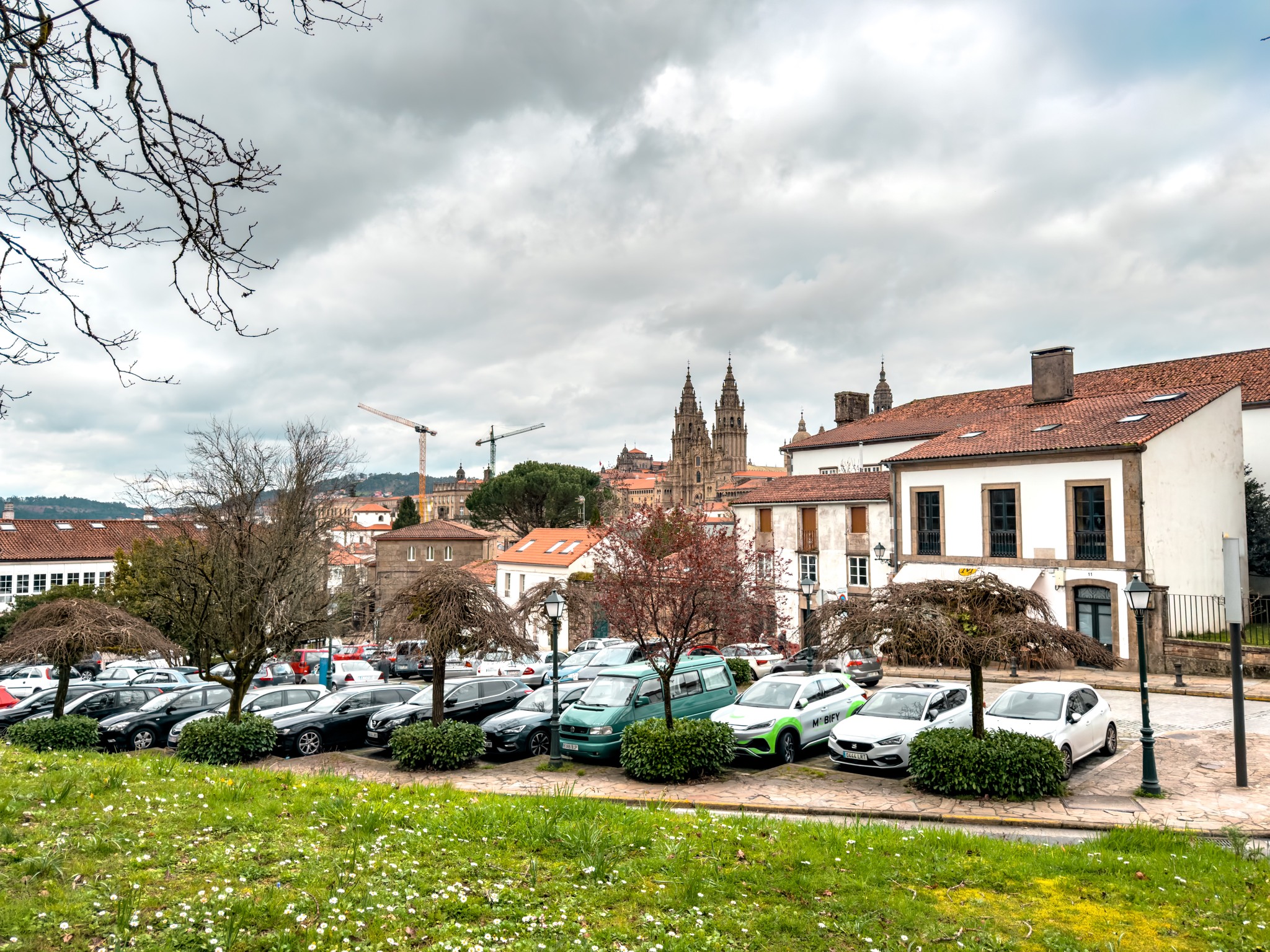
Use AI to Build Backup Plans for Europe
Europe weather can change a trip quickly.
Rain in Paris, extreme heat in Rome, cold wind in Amsterdam, bad air quality, transportation strikes, museum closures, or a day when you are simply tired can all affect the original plan.
Instead of forcing it, ask AI for backup versions.
Europe Backup Plan Prompt:
Create backup plans for my trip to [city]. I need options for rainy days, tired days, hot weather, cold weather, museum closures, and days when I want to spend less money. Keep each backup plan realistic, easy to follow, and grouped by neighborhood.
You can also ask:
Turn day 3 of my itinerary into a low-energy day with good food, one main activity, and minimal transit.
That kind of backup can make the trip feel more flexible.
I always think it is better to have options than pressure. You do not need to follow every plan perfectly. You need enough structure to move through the trip without feeling lost.

How to Use AI After You Arrive in Europe
AI is not only useful before the trip.
It can help once you are already there, especially if you have mobile data and can use it outside your hotel room.
You can ask:
I am near [landmark or neighborhood] and have 2 hours. Suggest something nearby that is low-cost and worth doing.
It is raining in [city]. Adjust my afternoon plan with indoor options and easy transit.
I am tired and do not want a packed day. Give me a slower version of today.
Find me a casual food option near [area] that is good for a quick lunch.
I have already seen the main attractions. Suggest something less obvious but still worth my time.
For this to work well, you need data. Hotel Wi-Fi is fine when you are inside, but travel problems usually happen when you are outside. Maps, translation, tickets, train updates, AI searches, rideshare, and messaging all depend on your phone.
Airalo is useful here because you can set up an eSIM before or during the trip and have mobile data ready when you land. For a Europe route, look at whether a country-specific, regional, or global eSIM makes the most sense for your itinerary.

A Simple AI Europe Trip Planning Workflow
If I were using AI to plan a Europe trip from scratch, I would do it in this order.
First, I would ask AI to compare trip styles and route ideas.
Then I would check Going for flight deals before locking in dates or arrival cities.
After that, I would use AI to build a route around the best flight option that actually fits the trip.
Then I would ask AI to compare transportation between cities.
Once the route made sense, I would ask for a day-by-day itinerary with realistic pacing.
Then I would ask AI to critique the itinerary and tell me what feels too rushed.
After that, I would use Booking.com to compare stays in the best neighborhoods.
Then I would check GetYourGuide for any tours, day trips, food experiences, or skip-the-line tickets that actually add value.
Before leaving, I would set up mobile data with Airalo, consider travel insurance with SafetyWing, make sure my Wise account or backup money plan was ready, and pack the simple tech items that make travel days easier.
AI can help organize the trip, but the real goal is not to create a perfect spreadsheet.
The goal is to make the actual experience smoother.

Final Thoughts: Use AI to Make Europe Easier, Not More Complicated
Europe is one of the best places to use AI for travel planning because there are so many possible routes, transportation options, budgets, and trip styles.
But the goal is not to cram in every city.
The goal is to build a trip that works in real life.
Use AI to compare routes before you book. Ask it to be honest about pacing. Make it group your sightseeing by neighborhood. Let it help you find better food, smarter hotel areas, and more realistic travel days. Use it to create backup plans for rain, tired days, and last-minute changes.
Then check the details yourself.
Look at current flight prices. Compare hotels. Check train schedules. Read recent reviews. Verify ticket rules. Watch your Schengen days if you are staying longer. Make sure your phone, data, money, insurance, and travel gear are ready before you land.
That is how AI becomes useful.
Not as a replacement for real travel planning, but as a tool that helps you plan with more clarity and less overwhelm.
Europe is already full of movement, beauty, history, food, transit, and choices. A better plan helps you enjoy more of it without feeling like the trip is running you instead of the other way around.

Cavetta is the creator of LifeWithVetta.com and has been traveling the world full time since 2020. She has visited more than 60 countries while worldschooling her son and documenting what it really takes to live abroad. Her guides focus on travel, moving abroad, digital nomad life, and designing a life beyond the traditional path.
