
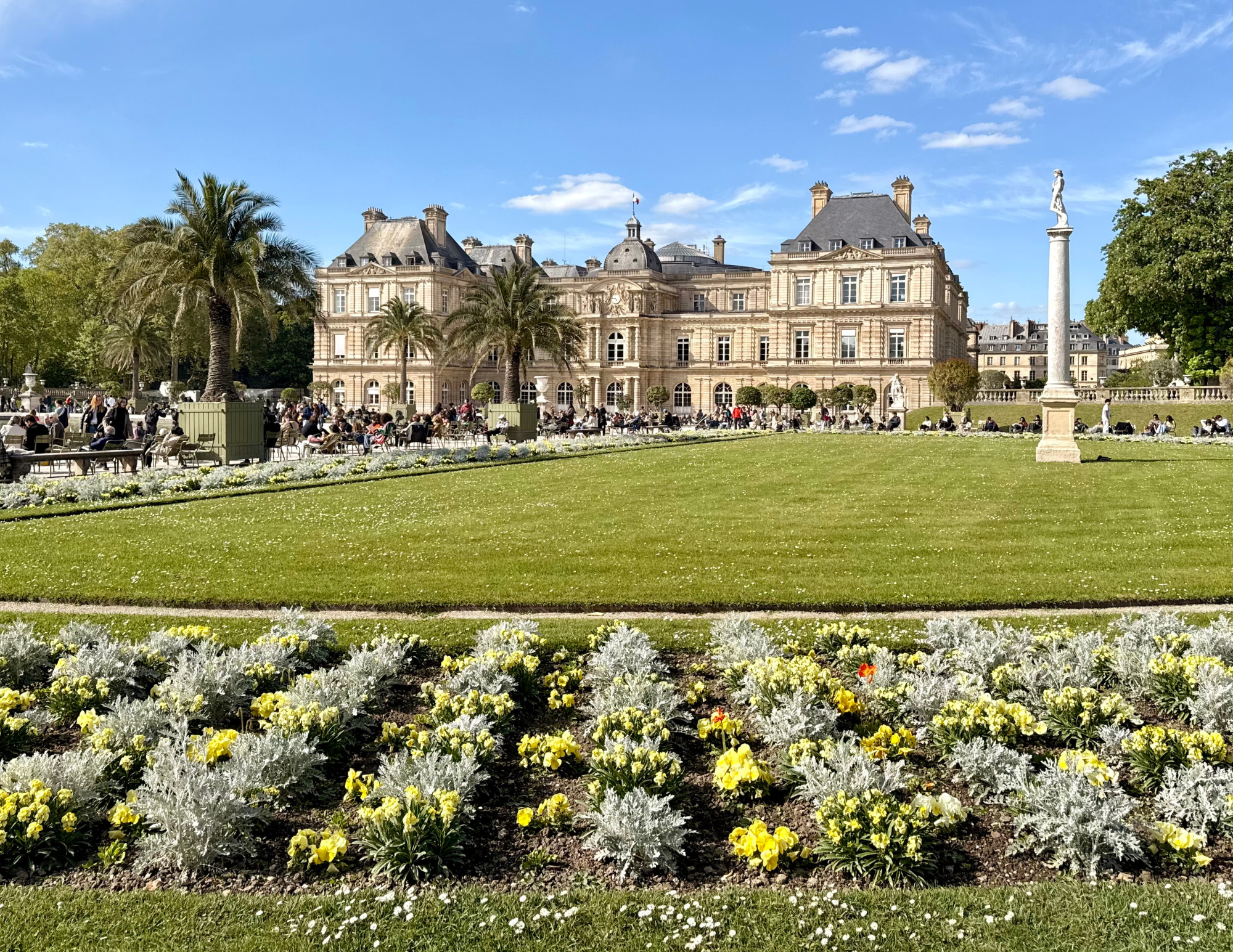
Planning a Europe trip can feel exciting and overwhelming at the same time.
There are so many countries, cities, routes, trains, cheap flights, hotels, museums, food spots, day trips, and dream itineraries that it is easy to start adding everything. Paris. London. Amsterdam. Brussels. Rome. Barcelona. Lisbon. Prague. Berlin. Vienna. Greece. Switzerland. You start with one idea, and suddenly the trip becomes a whole map full of maybes.
Europe is beautiful, but it is also one of those places where planning well can save you a lot of money, time, and stress.

A cheap flight is not always cheap once you add bags, airport transportation, seat selection, and inconvenient arrival times. A hotel that looks affordable may not be a good deal if it is far from the city center or public transportation. A city pass may save money if you are visiting several museums, but it may be a waste if you only plan to see one or two. A train may cost more than a bus, but it may save you an entire day of energy. A restaurant in the main tourist square may be convenient, but it may also be the least memorable meal of the trip.
The small decisions matter.
I have traveled through Europe in different ways, from shorter trips to longer stays, from city-hopping to slow travel, from big tourist stops to everyday grocery runs. The more I travel, the more I realize that planning a Europe trip is not just about choosing pretty cities. It is about building a route that actually works.
You need to think about how many days you have, how often you want to move, what countries pair well together, how you will travel between cities, how much luggage you want to carry, what season you are visiting, where you will stay, how you will eat, and how you will keep your phone connected once you land.
If you are still building the bigger structure of your trip, read my how to use AI to plan a Europe trip guide and my best AI prompts for travel planning guide. Those can help you organize the route. This guide is more about the real Europe travel planning tips that save money, make the trip smoother, and help you avoid the mistakes that make Europe feel harder than it needs to be.

Who This Europe Travel Planning Guide Is For
This guide is for first-time Europe travelers, people planning a multi-country Europe trip, families trying to keep costs realistic, travelers who want to visit Europe on a budget without making the trip feel cheap, and anyone who feels overwhelmed by all the possible routes.
It is also helpful if you already have a few dream cities in mind but need help figuring out whether they actually make sense together.
A Europe trip can look very different depending on your travel style. Someone planning two weeks between Paris, London, and Amsterdam will need a different strategy than someone spending a month slowly moving through Portugal and Spain. A family trip will not feel the same as a solo backpacking trip. A first-time vacation will not feel the same as long-term travel or a Schengen shuffle.
The goal is not to copy one perfect itinerary.
The goal is to build a trip that matches your time, money, energy, and travel style.
You may want a fast-paced trip that hits several major cities. You may want a slower trip where you actually unpack, shop at the grocery store, learn the neighborhood, and take day trips from one base. You may want iconic landmarks, food, museums, beaches, Christmas markets, train rides, or a little bit of everything.
Europe gives you options, but that is exactly why the planning can feel like too much.
This guide is here to help you narrow the options, make smarter choices, and plan a Europe trip that feels exciting without becoming stressful.
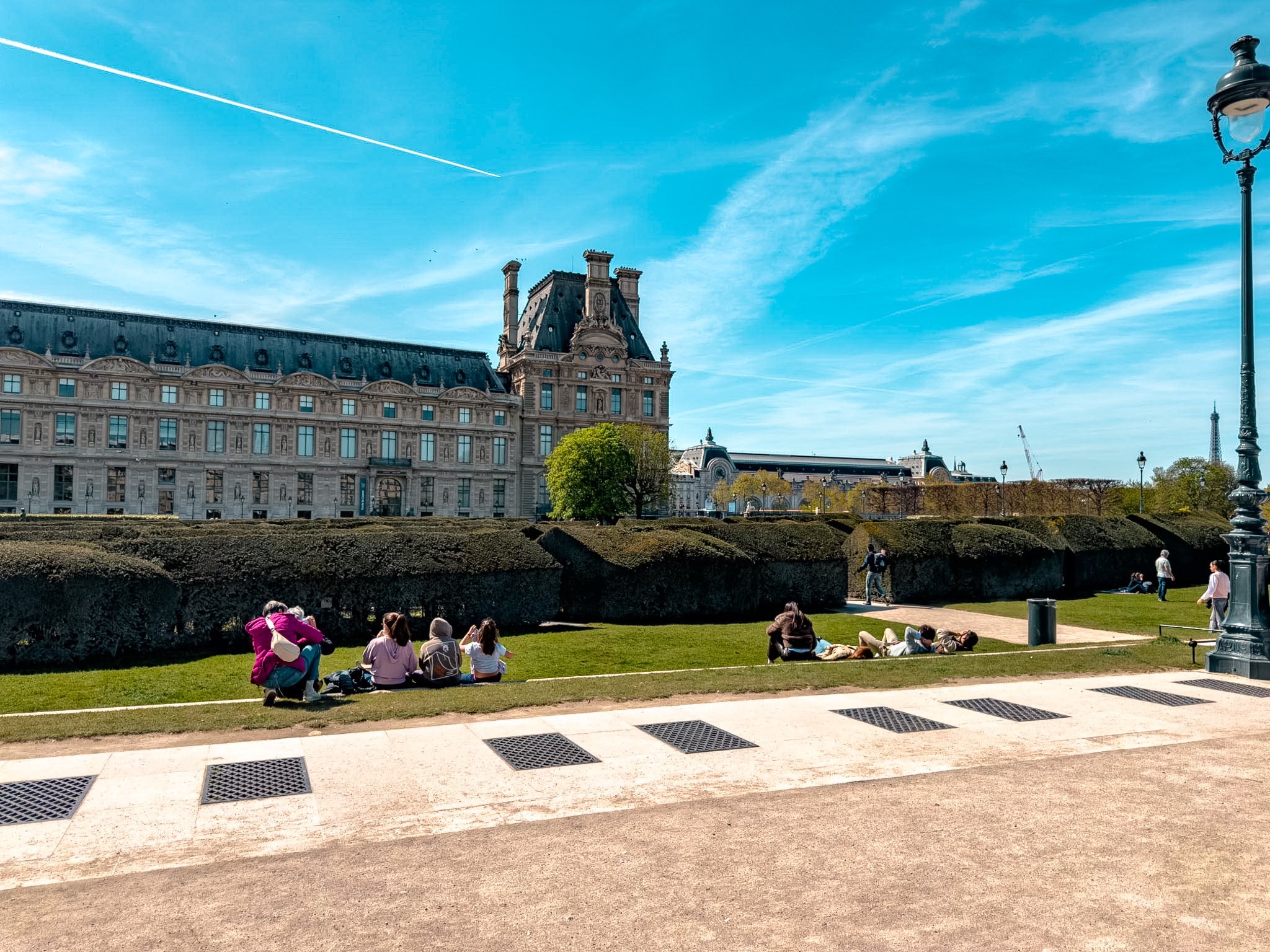
Start With the Route, Not Just the Cities
The biggest mistake people make when planning Europe is choosing cities before thinking about the route.
It is easy to say, “I want to see Paris, Rome, Barcelona, Amsterdam, and London.” Those are all great cities, but they do not automatically make one smooth trip. Europe may look small on a map, but travel days still take energy. You have to pack, check out, get to the train station or airport, travel, arrive, find your hotel, check in, eat, and get yourself settled.
A two-hour train ride can still take half a day once you add all the pieces around it.
Before you start booking, ask yourself:
How many days do I actually have?
How many times do I want to change hotels?
Do these cities connect well by train, bus, or flight?
Am I choosing places because they flow together or because they are famous?
Do I want a fast trip or a trip I can actually enjoy?
Am I giving myself time to rest after travel days?
For a first Europe trip, I would rather see fewer places well than rush through too many cities just to say I went. If you only have 10 to 14 days, think in terms of two or three bases, maybe four if the connections are easy and you are comfortable moving quickly.
A better route feels like it has a flow.
It should not feel like you are constantly starting over.
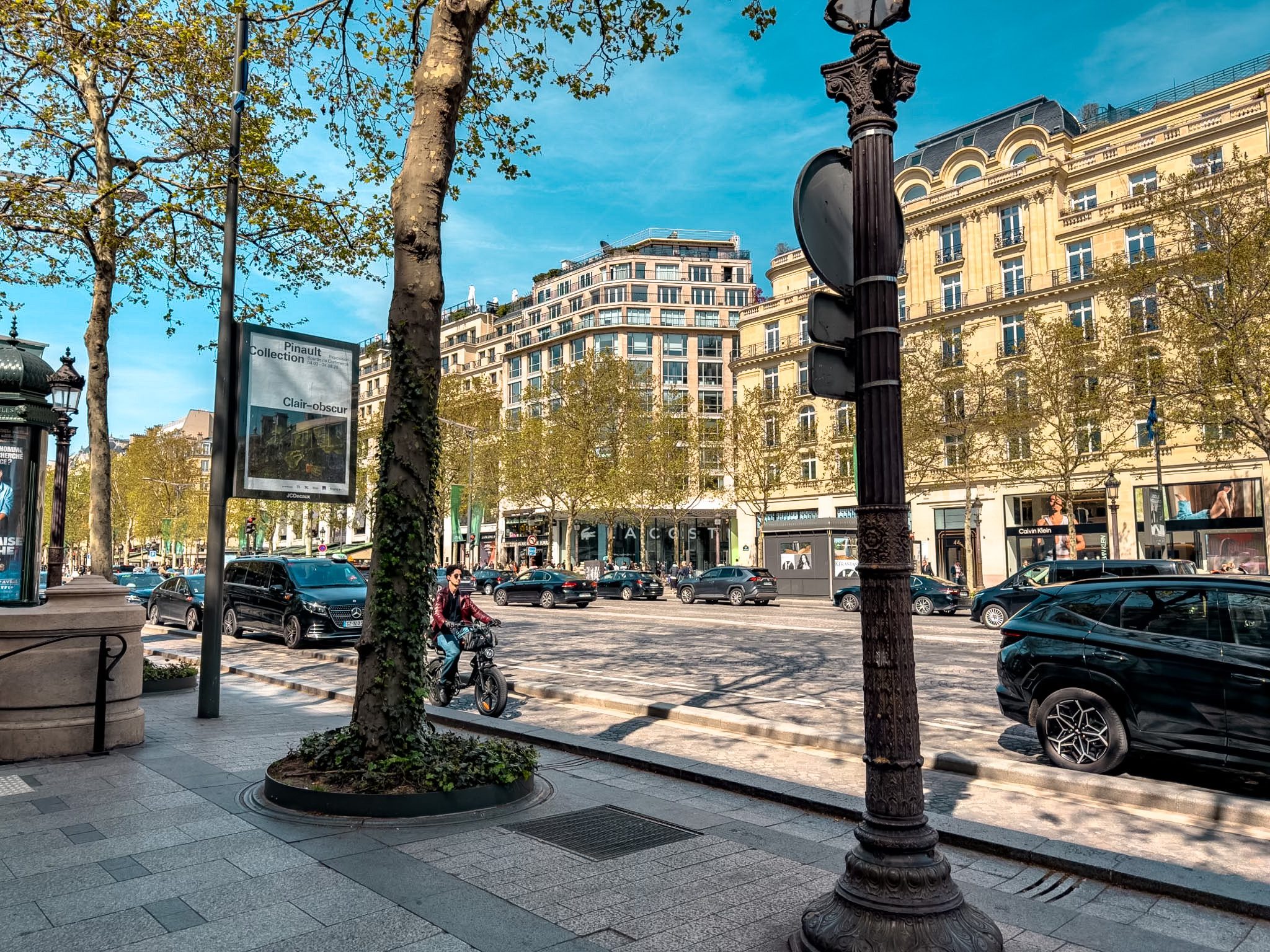
How Many Countries Should You Visit in Europe in Two Weeks?
For most travelers, two to three countries is enough for a two-week Europe trip, especially if it is your first time. You can technically visit more, but every country change usually means a travel day, new transportation, a new hotel, a new language or system, and a new rhythm.
That can be exciting, but it can also turn the trip into constant movement.
A good two-week Europe itinerary usually has a mix of major cities and breathing room. For example, Paris and London can fill two weeks easily. Paris, Brussels, and Amsterdam can work because the train route is smooth. Rome, Florence, and Venice work because you are staying within one country and moving in a logical line.
But trying to do Paris, Rome, Barcelona, Amsterdam, and Prague in two weeks may look exciting on paper and feel exhausting in real life.
A simple rule is this: if you are changing cities every two nights, your trip will probably feel rushed.
Three to five nights in a major city gives you time to see the highlights, wander a little, eat without rushing, and recover from travel days. Smaller cities can work with one or two nights, but only if they fit naturally into the route.
There is nothing wrong with wanting to see a lot. I get it. Europe has so many places that feel like once-in-a-lifetime stops. But the more I travel, the more I think the best trips are not always the ones where you technically saw the most places.
They are the ones where you actually had time to enjoy where you were.
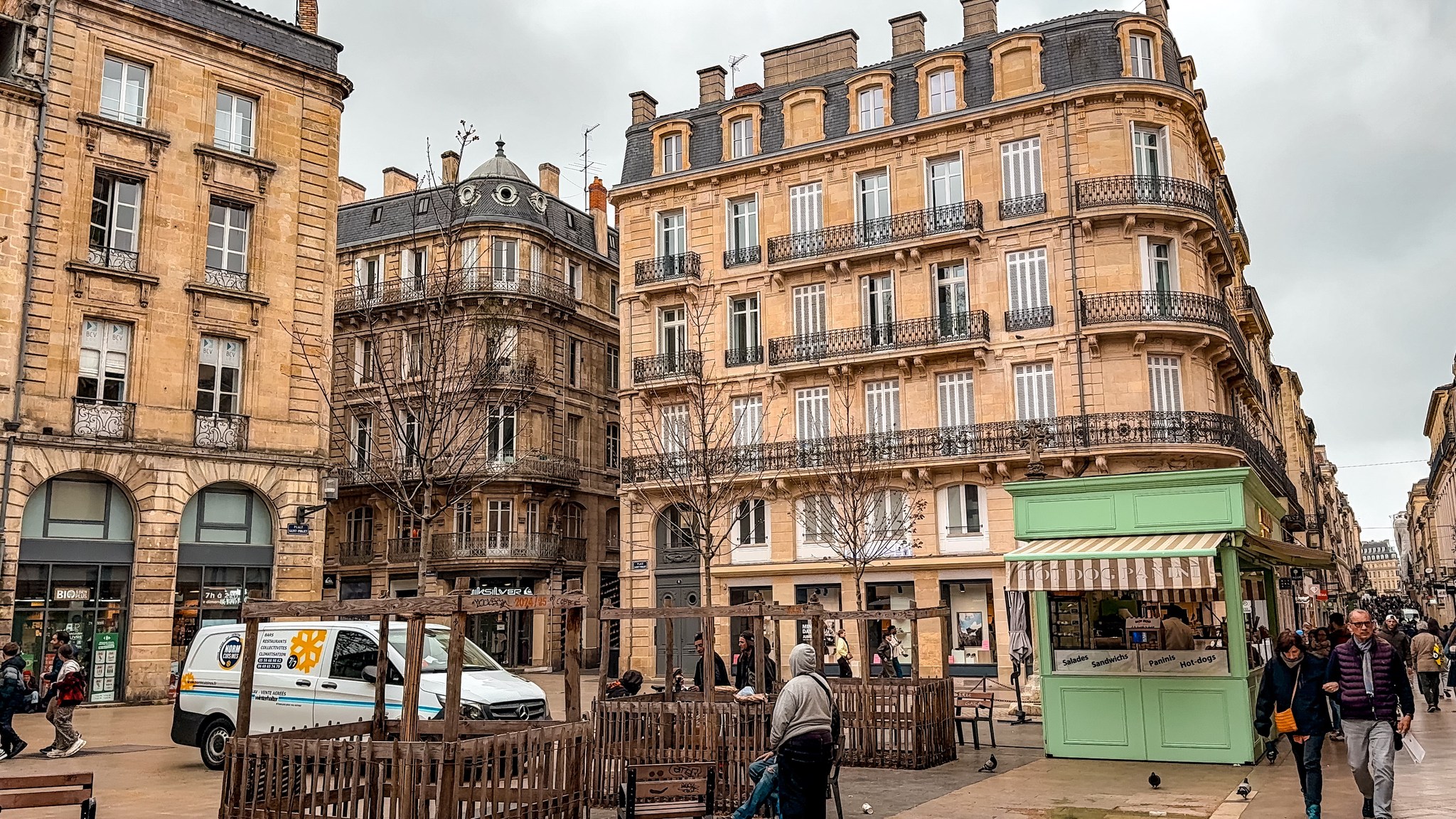
A Simple Pacing Rule for First-Time Europe Travelers
For a first Europe trip, I would use this pacing rule:
Big cities: 4 to 6 nights
Medium cities: 2 to 4 nights
Small towns: 1 to 3 nights
Travel days: keep them light
Day trips: add them only when your base has enough time
Paris, London, Rome, Madrid, Barcelona, Amsterdam, and Lisbon can easily use several days. These are not cities where I would want to arrive one evening, run around for one full day, and leave the next morning unless I had no other choice.
Medium-sized cities like Porto, Brussels, Bruges, Florence, Seville, Valencia, Bordeaux, Cologne, or Vienna can vary depending on your interests. Some travelers may only want two nights. Others could easily spend four or five.
Smaller towns and day trip destinations can be wonderful, but they should not be treated like quick checkmarks if getting there eats up too much time.
The more often you move, the more tired you may feel. The fewer times you change hotels, the more relaxed the trip usually becomes.
This is especially important if you are traveling with kids, teenagers, older parents, or anyone who does not want to pack and repack every other day.
A Europe itinerary should not only look good on a map.
It should feel good when you are actually living it.

Best Europe Routes for a 2-Week Trip
If you have two weeks in Europe, you have enough time to see more than one country, but not enough time to see all of Europe. This is where people get in trouble. Two weeks sounds like a lot until you start subtracting arrival day, departure day, travel days, jet lag, and the time it takes to actually enjoy each city.
Here are a few Europe routes that can make sense.

Paris and London
Paris and London are one of the easiest big-city pairings because you can take the Eurostar between them. This route works well if you want two major cities with museums, food, neighborhoods, parks, shopping, history, and iconic landmarks without trying to squeeze in too many countries.
You could spend 5 or 6 nights in Paris, take the train to London, and spend 5 or 6 nights there. If you have extra time, you can add a day trip from either city instead of adding another hotel switch.
This route is great for first-time Europe travelers because both cities have a lot to do, and the train connection keeps the route simple.
It also works well if you want a trip that feels big and iconic without dealing with too many moving parts. You get the Eiffel Tower, the Louvre, Paris neighborhoods, London museums, royal landmarks, parks, markets, theater, and food scenes in one trip.
The biggest thing with this route is price. Paris and London are not the cheapest cities in Europe, so this is where grocery meals, lunch deals, free museums, public transportation, and smart hotel choices matter.
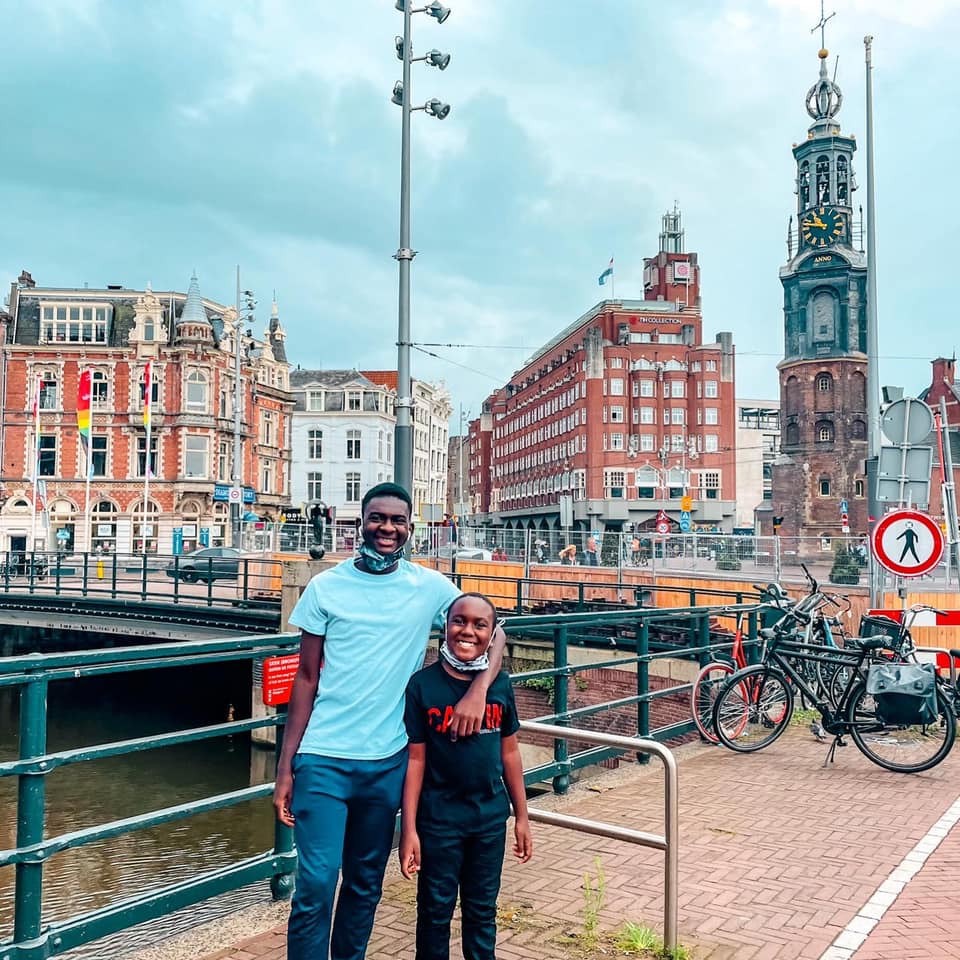
Paris, Brussels and Amsterdam
Paris, Brussels, and Amsterdam can pair well because the train connections are manageable and the cities give you different experiences. Paris gives you the big museum, cafe, landmark, and neighborhood feel. Brussels can be a shorter stop with food, architecture, and easy access to Belgium’s train network. Amsterdam gives you canals, museums, bikes, day trips, and a different pace.
This route can work in 10 to 14 days if you do not overpack the schedule.
You could do Paris for 4 or 5 nights, Brussels for 2 or 3 nights, and Amsterdam for 4 or 5 nights. If you want to slow it down, skip Brussels as an overnight and do Paris plus Amsterdam with a Belgian stop only if it truly fits.
This can also be a good route if you want to see several countries without flying within Europe. The train connections are part of what makes the route make sense.
The mistake would be adding too much on top of it. If you already have Paris, Brussels, and Amsterdam, you do not need to also force in London, Berlin, and Rome unless you have more time.

Amsterdam, Brussels, Bruges and Germany
The Netherlands, Belgium, and western Germany can work well together if you want a route with shorter distances and strong train options. Amsterdam pairs naturally with Brussels or Bruges, and then you can continue toward Cologne or another German city depending on your interests.
This route works well if you like historic centers, canals, museums, beer, chocolate, architecture, markets, and train travel. It can also be a good alternative if you have already done Paris or want a route that feels a little less obvious than the usual first-timer itinerary.
You could spend several nights in Amsterdam, continue into Belgium, and then end in western Germany. Bruges can be a short overnight stay or a day trip depending on your pacing. Cologne can work as a German stop if you want cathedral views, a walkable old town area, riverfront time, and good rail connections.
This route is nice because the distances do not feel as extreme as trying to jump across the whole continent.
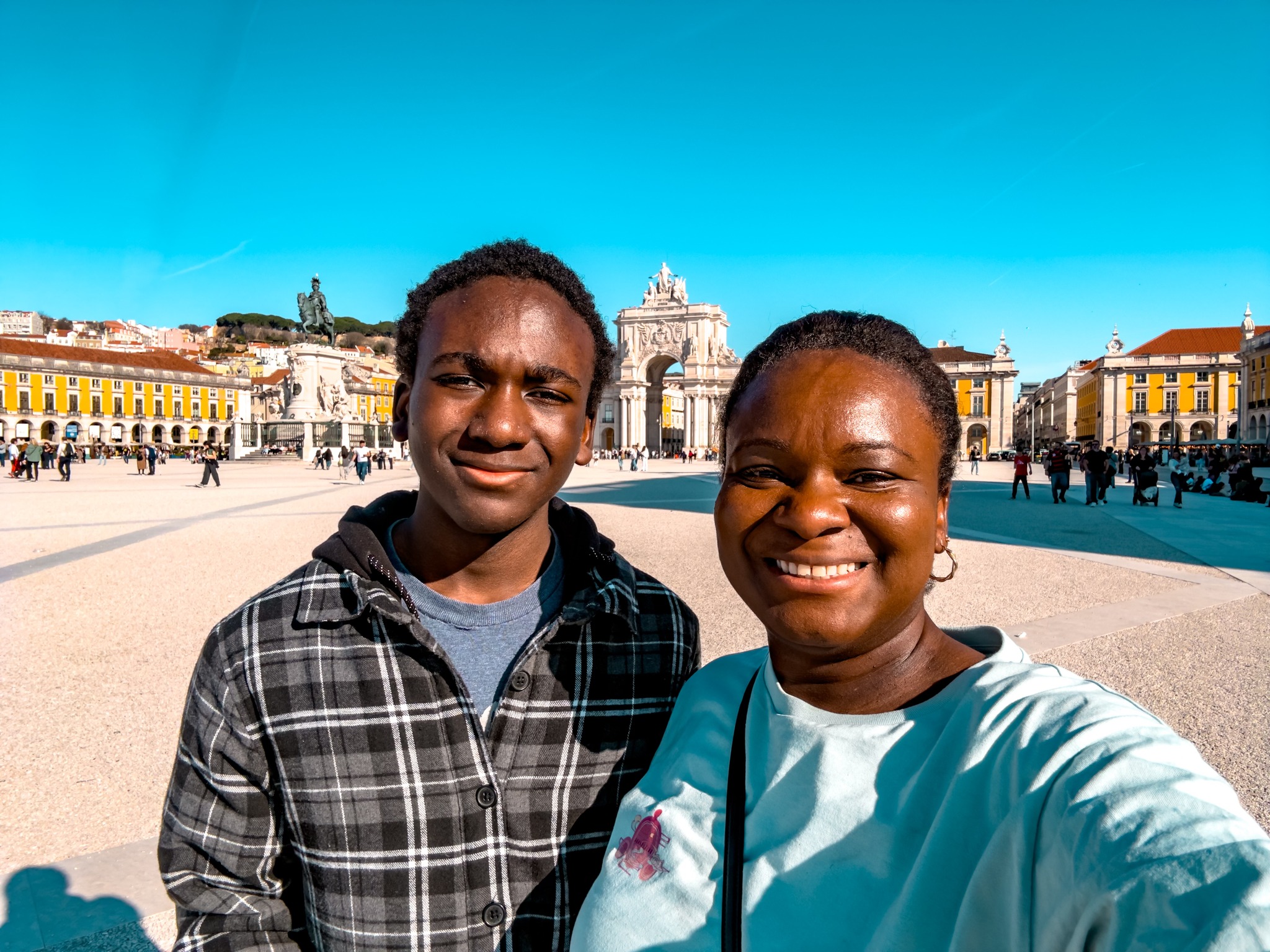
Lisbon, Porto and Madrid
Portugal and Spain can make a beautiful route, especially if you want food, historic neighborhoods, viewpoints, wine, tiled streets, markets, and a mix of slower city days with bigger European energy.
You could do Lisbon, Porto, and Madrid over two weeks. Lisbon and Porto connect well within Portugal, and then you can continue into Spain by flight, bus, train combinations, or route planning depending on current schedules and prices. This is the kind of route where you should compare transportation before committing because not every connection is as simple as it looks on the map.
Portugal and Spain are also good if you want Europe to feel a little more affordable than some of the most expensive western and northern routes. You can still spend a lot if you choose luxury stays and tourist-heavy restaurants, but there are also plenty of ways to eat well, walk a lot, use public transportation, and build a beautiful trip without making every day expensive.
If you are building a Portugal and Spain trip, read my Lisbon travel guide, Porto travel guide, and how to get from Lisbon to Sintra guide to start shaping the route.
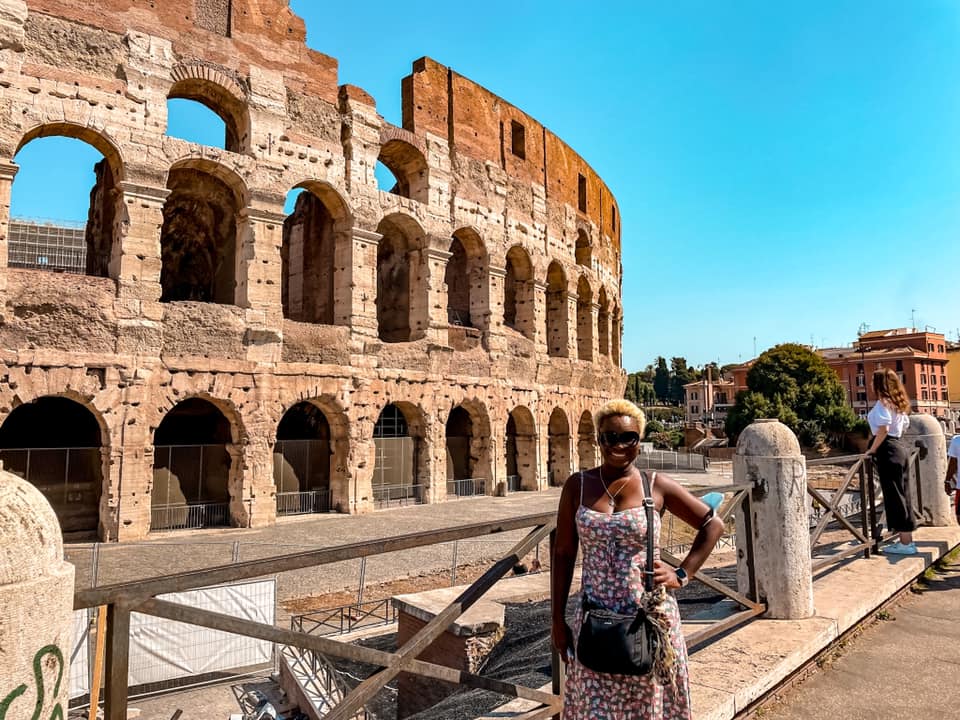
Rome, Florence and Venice
Italy is one of those countries where you do not need to add another country just to make the trip feel full.
Rome, Florence, and Venice can easily fill two weeks. Rome gives you ancient history, neighborhoods, food, churches, and big landmarks. Florence gives you art, architecture, and access to Tuscany. Venice gives you canals, wandering, and a completely different atmosphere.
This route is popular for a reason, but the pacing matters. Do not try to see all of Italy in one trip. Rome, Florence, and Venice already give you a lot.
You could also adjust this route depending on your travel style. If you care more about food and slower neighborhoods, spend more time in Rome and Florence. If you want romance and atmosphere, give Venice enough time to experience it beyond the busiest daytime hours. If you want countryside, add a Tuscany day trip instead of trying to squeeze in another major city.
Italy rewards slowing down.

Barcelona, Madrid and Seville
Spain also works well as a single-country trip.
Barcelona, Madrid, and Seville give you three very different experiences without needing to add another country. You get architecture, food, museums, plazas, neighborhoods, tapas, and a strong sense of regional variety.
Spain can also be a good value compared with some of the more expensive Western European routes, especially if you plan your meals well and use trains wisely.
This is a good route for travelers who want a mix of big city energy and cultural variety. Barcelona gives you Gaudí architecture, beaches, neighborhoods, and food. Madrid gives you museums, plazas, nightlife, and access to nearby day trips. Seville gives you Andalusian beauty, history, tapas, and a slower southern feel.
You can make the trip even better by not rushing each stop. Spain deserves more than a quick pass-through.
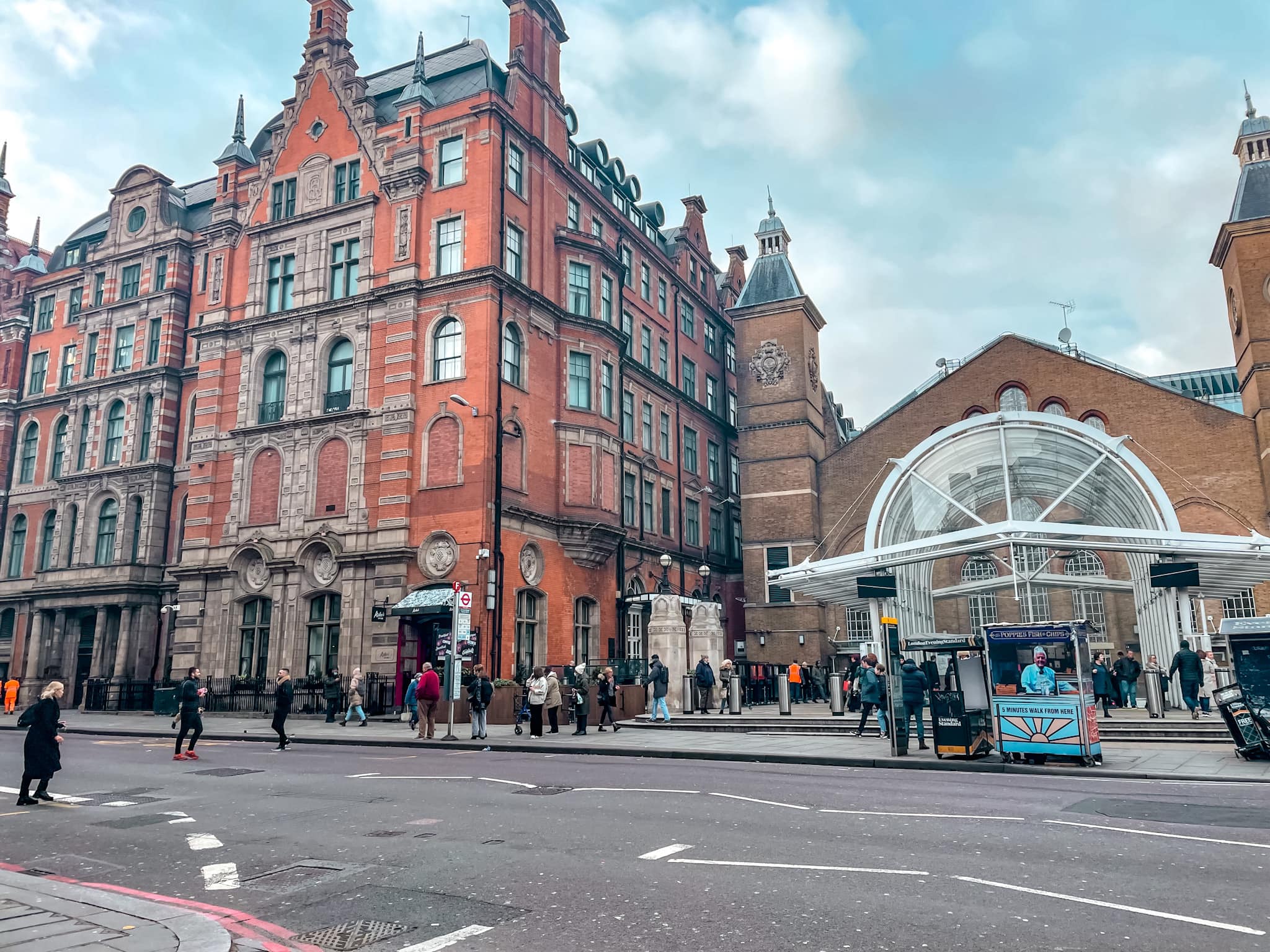
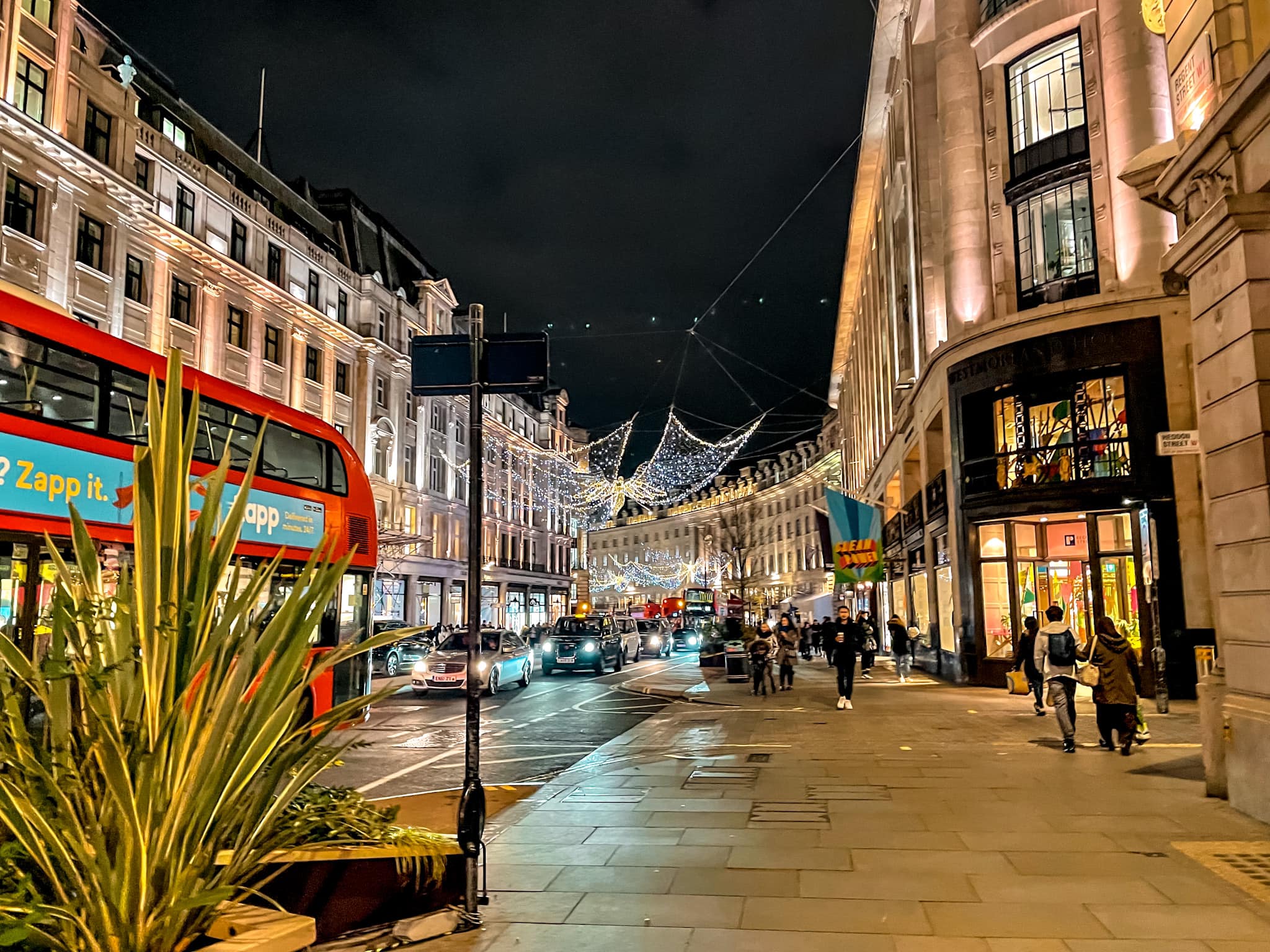
London, Paris and Amsterdam
If you want three major cities and you are okay with a faster route, London, Paris, and Amsterdam can work. You can take the train between London and Paris, then continue by train toward Amsterdam.
This is not the cheapest route, and it can be a lot of big-city energy, but it works well for travelers who want iconic stops and do not mind moving.
With two weeks, I would keep the route tight: 4 nights London, 5 nights Paris, 4 nights Amsterdam, with travel days built in.
This route is better for travelers who want major landmarks, world-class museums, neighborhoods, markets, and easy transportation between capitals. It is not the route I would choose if you want a quiet or low-cost trip, but it is a strong first-time Europe route if you plan the budget carefully.
One Region Instead of Many Countries
Sometimes the best Europe route is not a multi-country route at all.
You could spend two weeks in Portugal. You could do northern Spain. You could focus on southern France. You could do Italy properly. You could spend time in Greece. You could build a slower route through one country and have a much better trip than someone who is rushing through five countries in the same amount of time.
Do not let the idea of “seeing Europe” make you forget that each country deserves time.
A one-country Europe trip can still feel full. You can experience different cities, day trips, regional food, landscapes, neighborhoods, and cultural differences without having to cross multiple borders.
For some travelers, this is actually the better trip. Less time in transit. Fewer hotel changes. More room for spontaneous moments. More time to understand where you are.
Best European Countries for a More Affordable Trip
If you are trying to make a Europe trip more affordable, destination choice matters. Some countries are simply easier on the budget than others.
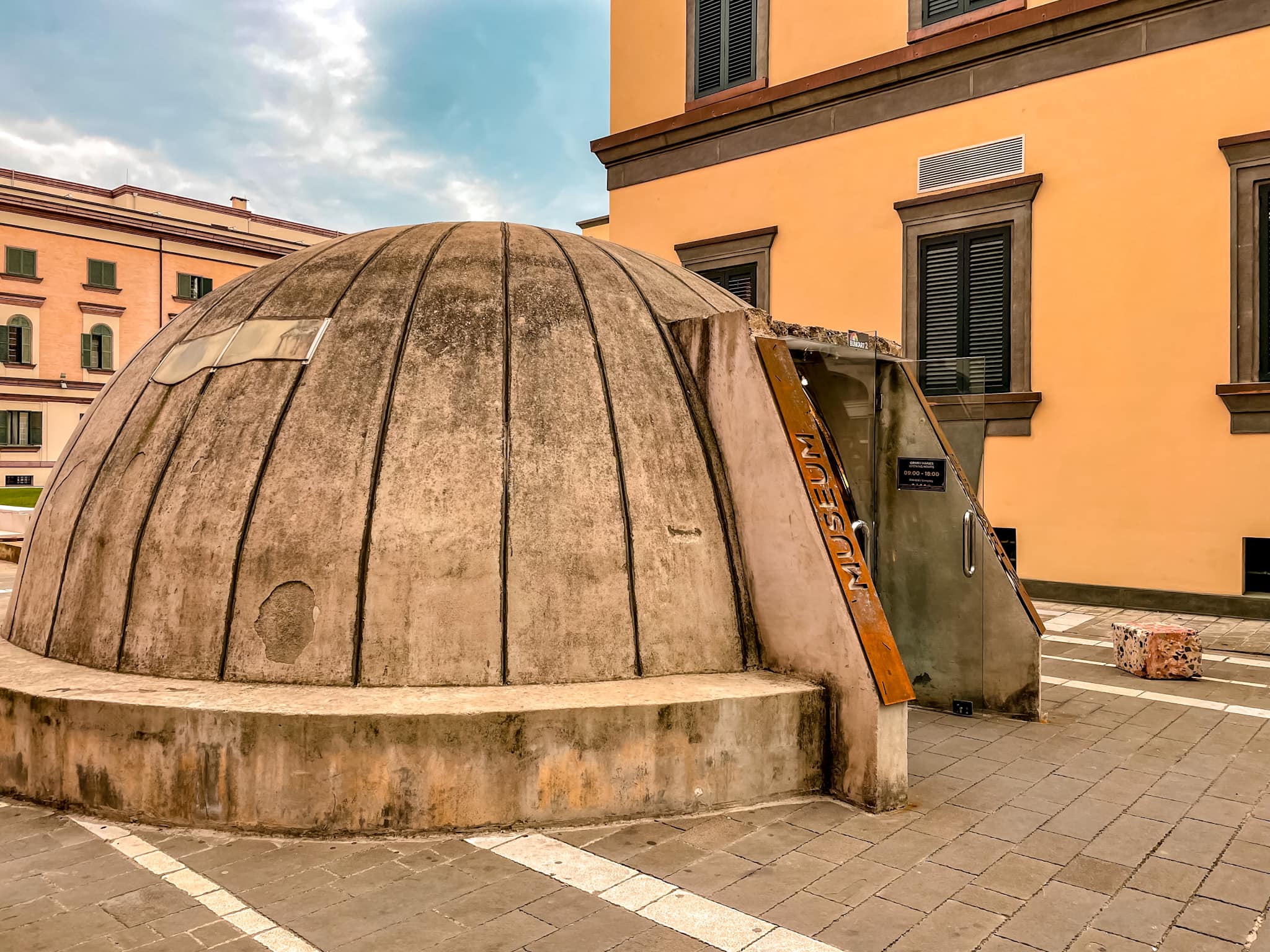
Portugal and Spain can offer strong value compared with places like Switzerland, Norway, Iceland, or parts of France and the United Kingdom. Central and Eastern European destinations can also be more affordable, depending on the city and season. Albania, Poland, Hungary, Czechia, Romania, Bulgaria, and parts of the Balkans can stretch your budget further than some of the most popular Western European routes.
That does not mean you have to skip expensive cities.
It just means you should balance them.
You could spend a few days in Paris and then continue to a more affordable region. You could visit London but stay longer in Portugal or Spain afterward. You could choose one expensive dream city and pair it with lower-cost destinations instead of making the whole trip expensive.
This is another reason route planning matters. A smart route can make Europe feel much more affordable without making the trip feel bare bones.
You do not have to make every decision based on price, but you should know what kind of budget you are walking into before you book the whole trip.

Use Flight Deals to Shape the Trip
Flights can be one of the biggest Europe trip expenses, especially if you are flying from the U.S.
If your dates and destination are flexible, check flight deals before locking yourself into one exact city. A good fare to Lisbon, Paris, Madrid, London, Amsterdam, Rome, Dublin, or another European hub can become the starting point for the entire route.
Going is useful for this because it sends flight deal alerts based on your departure airports and preferences. It was formerly known as Scott’s Cheap Flights and focuses on alerting travelers to cheap flights, mistake fares, and fare drops.
I like the idea of letting a strong flight deal open the door.
Maybe you planned to start in Paris, but flights to Madrid are hundreds less. Maybe Lisbon is the cheapest gateway. Maybe flying into London and out of Paris works better than booking a round trip. Maybe an open-jaw ticket saves you from backtracking.
Before booking, look at the full cost.
A cheap flight is not a deal if the arrival airport is far away, the baggage rules are terrible, the layover is brutal, or the city is too expensive for the rest of your plan. But when the fare, route, and timing all line up, a good flight deal can save serious money.
After you find a deal, use AI to test the route. Read my how to use AI to plan a Europe trip guide if you want help turning a flight deal into a realistic itinerary.

Consider Open-Jaw Flights Instead of Round Trips
One of the easiest ways to make a Europe route better is to avoid unnecessary backtracking.
Instead of flying into and out of the same city, compare open-jaw flights. That means flying into one city and home from another.
For example:
Fly into London and home from Paris.
Fly into Paris and home from Amsterdam.
Fly into Lisbon and home from Madrid.
Fly into Rome and home from Venice.
Fly into Barcelona and home from Madrid.
This can save time and money because you do not have to return to your starting point just to catch a flight home.
Sometimes round-trip flights are cheaper. Sometimes open-jaw flights are worth it even if they cost a little more because you save a travel day, a hotel night, and the cost of getting back to your first city.
Compare both before booking.
Open-jaw flights are especially helpful when your route naturally moves in one direction. If you are starting in London, taking the train to Paris, then continuing to Amsterdam, it may not make sense to go all the way back to London just to fly home.
When comparing prices, do not just look at the flight cost. Add the cost of backtracking, extra transportation, extra meals, and the time you lose.
Sometimes the “more expensive” flight is actually the better value.

Use Credit Card Points Strategically
Credit card points can make a Europe trip more affordable if you use them carefully.
I personally like the Chase Sapphire Preferred because it is a practical travel card for people who want points without jumping straight into a super high annual fee card. Chase lists the Sapphire Preferred with a $95 annual fee, no foreign transaction fees, 5X points on travel purchased through Chase Travel, 3X on dining, 2X on other travel purchases, and up to a $50 annual Chase Travel hotel credit for hotel stays purchased through Chase Travel.
For Europe travel, the no foreign transaction fees part matters because you do not want your card charging extra every time you buy food, train tickets, groceries, museum tickets, or hotel stays abroad.
Points can help with:
Flights
Hotels
Positioning flights
Airport hotels
Rental cars if needed
Travel booked through a card portal
Statement credits depending on the card
Transfer partners depending on your strategy
The biggest thing is not waiting until the last minute. Points are more useful when you plan ahead, compare cash prices against points prices, and do not waste points on bad redemptions just because they are available.
Also, do not spend money you would not normally spend just to earn points. Points are only helpful if you pay the card off and avoid interest. Travel rewards are not worth carrying debt.
If you already use Chase, look at whether booking through Chase Travel, transferring points, or paying cash makes the most sense for each part of the trip. Sometimes points are great for flights. Sometimes cash is better and you should save points for a stronger redemption later. This is my go to card for travel since 2020.
How Much Should You Budget for a Europe Trip?
Europe does not have one simple price point.
A trip to Switzerland, London, Paris, or the Amalfi Coast will not cost the same as a trip through Portugal, Spain, Albania, Poland, or parts of the Balkans. Your budget depends on the season, destination, accommodation style, how often you move, whether you eat out every day, and how early you book transportation.
For a realistic Europe budget, think in categories instead of one random daily number. You need to budget for flights, accommodation, local transportation, intercity trains or buses, food, attractions, travel insurance, mobile data, baggage fees, airport transfers, city taxes, and a buffer for things you forgot.
The easiest places to overspend are hotels, food, transportation between cities, and last-minute attraction tickets. The easiest places to save are grocery breakfasts, lunch menus, public transportation, free museums, walking routes, slower travel, and choosing countries that fit your budget instead of forcing the most expensive destinations into one trip.
A Europe trip does not have to be luxury to feel special, but it does need a realistic budget.
If you plan every euro too tightly, the trip can start to feel stressful instead of freeing.
When I am thinking through a Europe budget, I like to separate the trip into fixed costs and daily costs.
Fixed costs are things like flights, hotels, long-distance trains, major tours, and travel insurance. These are the bigger expenses you usually know before you leave.
Daily costs are things like food, coffee, public transportation, snacks, museum tickets, bathrooms in some places, grocery runs, and little extras that pop up once you are there.
Both matter.
A cheap hotel can still lead to an expensive trip if it is far from everything and you spend more on taxis. A cheap flight can become expensive after baggage and airport transfers. A cheap city can become expensive if you eat every meal in tourist areas.
The goal is not to make every choice the cheapest choice.
The goal is to know where your money is going.

Travel During Shoulder Season
One of the best ways to save money in Europe is to avoid peak summer if you can.
Shoulder season can be a sweet spot. That usually means spring and fall, though the best months depend on the destination. April, May, September, and October can often bring better prices, fewer crowds, and more comfortable weather than July and August.
Summer in Europe can be expensive, crowded, and hot. Hotels cost more. Flights cost more. Popular attractions book out. Restaurants are busier. Some cities feel packed from morning to night.
That does not mean you should never visit Europe in summer. Sometimes summer is when you can go. But if your schedule is flexible, shoulder season can make the trip feel easier and cheaper.
Winter can also be a good option for certain cities, especially if you care more about museums, food, Christmas markets, cozy cafes, and lower prices than warm weather. Just remember that some smaller towns, islands, beach destinations, and seasonal attractions may have limited hours outside peak season.
Plan around the kind of Europe trip you actually want.
If you want beaches, islands, long sunny evenings, and peak summer energy, then summer may be worth the higher cost. If you want museums, walking, food, historic neighborhoods, and lower prices, shoulder season may be better. If you want Christmas markets, cozy cafes, winter lights, and fewer crowds in major museums, winter can work beautifully in the right destinations.
The season can change the entire trip.
Do not only ask, “Where should I go in Europe?”
Ask, “What will this place feel like during the month I am going?”

What Should You Book in Advance for Europe?
Not everything in Europe needs to be booked months ahead, but some things should not be left until the last minute.
Flights, popular hotels, high-speed trains, major attractions, and timed-entry tickets can get more expensive or sell out, especially during peak season.
In general, book these earlier:
Flights to and from Europe
First and last night accommodation
High-speed trains on popular routes
Major attractions with timed entry
Special tours or food tours you really want
Disney parks or theme parks
Popular museums during peak travel months
Accommodation in smaller towns with limited inventory
Any stay during festivals, holidays, or major events
Leave some space for flexibility, but do not confuse flexibility with having no plan. Europe is easier when the important pieces are handled and the smaller parts can stay open.
I like having the bones of the trip settled before arrival. That means I know where I am sleeping, how I am getting between major cities, and which attractions truly need advance booking. Then I leave room for slower mornings, weather changes, random food stops, parks, neighborhood walks, and days when I do not feel like doing as much.
The more popular the destination, the more this matters.
Paris, Rome, London, Barcelona, Amsterdam, and major Italy routes are not places where I would assume everything will be easy last minute, especially in spring, summer, holidays, or school break periods.

Pack Light, Especially If You Are Taking Budget Airlines
Europe is not the place where I want to drag huge luggage if I can avoid it.
You may deal with stairs, cobblestones, small elevators, train platforms, metro stations, buses, budget airline baggage rules, and hotel rooms that do not have much extra space. If your route includes several cities, heavy luggage gets old fast.
Budget airlines can look cheap until you add everything.
Bags. Seat selection. Priority boarding. Airport transfers. Sometimes even the carry-on rules are stricter than people expect. In 2026, Lufthansa Group introduced a lower European fare that limits the free baggage allowance to a small personal item, with larger carry-ons costing extra, which reflects how carefully travelers need to read fare rules before booking.
Before booking any budget flight in Europe, check:
Personal item size
Carry-on size
Checked bag cost
Weight limits
Airport location
Check-in rules
Boarding pass rules
Seat selection fees
Change fees
Arrival time
Transportation from the airport
A cheap fare is only cheap if it still works after the fees.
A luggage scale is one of the simplest travel items to pack if you are flying budget airlines. It can save you from guessing at the airport. A packable day bag is also helpful for sightseeing days, and a tech organizer keeps cords, chargers, adapters, and earbuds together when you are moving between cities.
A portable charger is another must for Europe travel days because your phone will be handling maps, train tickets, hotel messages, photos, translation, and last-minute searches all day.
Packing light also makes public transportation easier. If you can take the metro, tram, or bus from the airport or train station instead of needing a taxi every time, you can save a lot over the course of the trip.
This is one of those choices that affects more than luggage.
It affects your budget, your energy, and how easy the trip feels.
Understand Train Travel in Europe
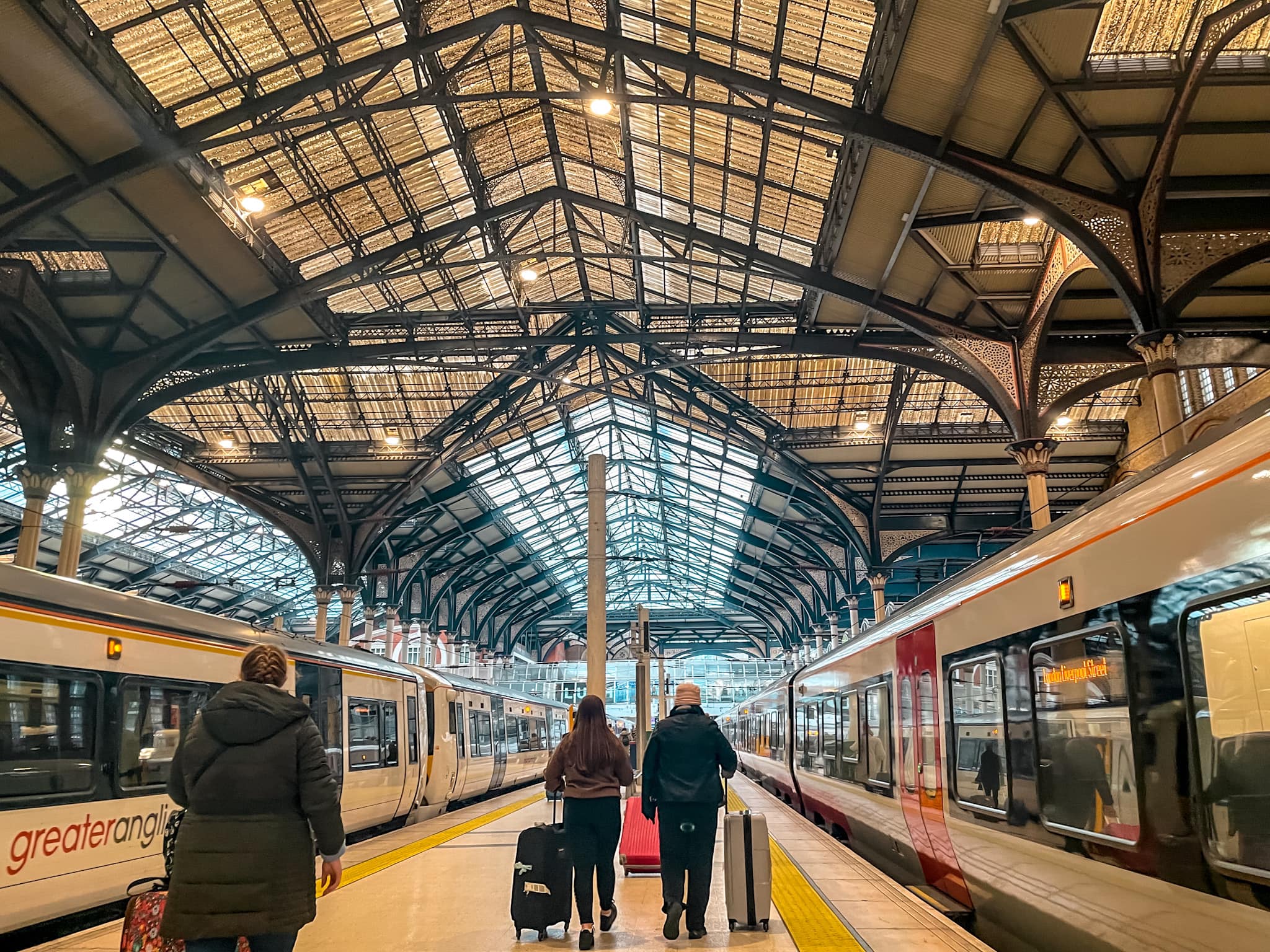
Train travel is one of the best parts of traveling through Europe, but it still needs planning.
Trains can be comfortable, scenic, and easier than flying, especially when stations are in or near the city center. You do not always have to deal with airports, security, baggage lines, or long transfers. For shorter and medium-distance routes, trains can be the smoothest choice.
But trains are not always cheap.
Some routes are affordable if booked early. Others get expensive. Some high-speed trains require seat reservations. Some countries are easier to navigate than others. Some cross-border routes can be less direct than expected. The European Commission has even proposed new rules to make multi-leg international train booking easier, which says a lot about how fragmented cross-border rail booking can still be.
Before committing to a train route, check:
Travel time
Number of transfers
Station location
Ticket price
Seat reservation rules
Luggage space
Refund or change policy
Whether the train is direct
Whether flying or bus makes more sense
If you plan to take several trains, compare individual tickets with a rail pass. Eurail is one of the major rail pass options for non-European residents and can be useful for certain multi-country train-heavy trips, but it is not automatically cheaper for every route.
Do the math.
Sometimes booking individual train tickets early is cheaper. Sometimes a rail pass gives flexibility. Sometimes a bus or flight makes more sense. Europe gives you options, and the best one depends on the route.

Use Buses When They Make Sense
Do not overlook buses in Europe.
Trains get more attention, but buses can be a great money-saving option, especially for shorter routes, regional trips, or destinations where the train is expensive or inconvenient.
I have used buses between countries and cities in Europe, and sometimes they are the better value. They may take longer, but they can save money and connect places that are not as easy by train.
Buses can work well when:
The route is short
The train is expensive
The bus station is convenient
You are not in a rush
You want to save money
The bus is direct and the train requires transfers
The tradeoff is comfort and time. A 2-hour bus can be fine. A 9-hour bus may be a different story. Look at the full travel day, not just the ticket price.
For budget travelers, buses can stretch the trip. For families or travelers with limited time, trains or flights may be worth the extra cost.
Buses can also be useful for routes that do not look obvious at first. Some regional connections, smaller cities, and cross-border trips are easier or cheaper by bus than by train. That does not mean the bus is always better, but it is worth checking before you assume the train is the only smart option.

Know When Flying Within Europe Makes Sense
Flying within Europe can be useful, especially when distances are long or train routes are awkward.
For example, flying may make sense between Portugal and Italy, Spain and Greece, or northern Europe and southern Europe if the train route is too long or expensive. But short flights are not always worth it once you add the full airport process.
Before booking an intra-Europe flight, compare:
Flight time
Airport distance from the city
Transportation cost to and from the airport
Baggage fees
Security and boarding time
Arrival time
Total door-to-door travel time
Train or bus alternatives
A one-hour flight can easily become a six-hour travel experience.
Flying can still be the right choice, but compare the whole journey.
If you are using a budget airline, read every rule. Do not assume your carry-on is included. Do not assume the airport is close. Do not assume the cheapest fare is the best fare.
This is especially true in Europe because some budget airlines use airports that are farther from the city than you may expect. That cheap ticket can look very different once you add the cost and time of getting to and from the airport.
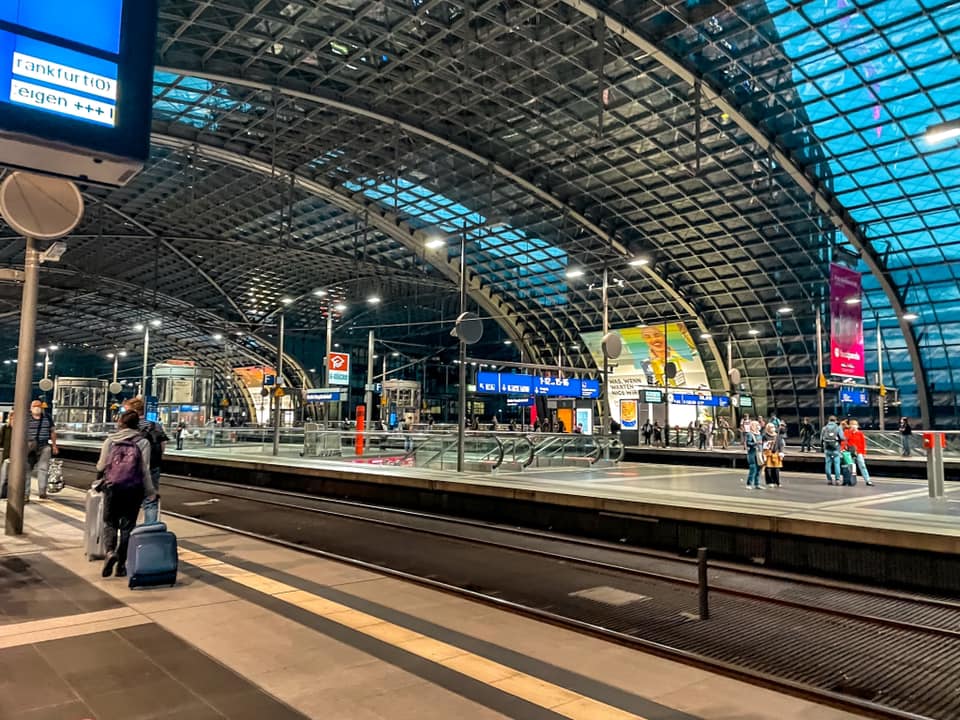
Train vs Bus vs Flight in Europe
The best way to travel around Europe depends on the route.
Trains are usually best for city-center to city-center travel, especially when the route is direct and under five or six hours. They can be more comfortable than flying and often save you from airport stress.
Buses are usually best when you are trying to save money, the route is short, or the train is too expensive. They may take longer, but they can be a smart budget option.
Flights are usually best when the distance is long, the train route is awkward, or you are crossing from one region of Europe to another. They can save time, but only if the airport location, baggage fees, and transfer costs still make sense.
The mistake is assuming one option is always best.
In Europe, the best transportation choice changes by route.
For example, Paris to London by train can make more sense than flying because the Eurostar connects city centers. Lisbon to Madrid may require more comparison because the best option can depend on schedules, fares, and how much time you have. Spain to Greece may make more sense by flight because the overland route can be too long for a short trip.
Always compare the full door-to-door journey.
Not just the ticket price.
Not just the travel time listed on one booking page.
The real question is: how much time, energy, and money will this move cost me from hotel door to hotel door?
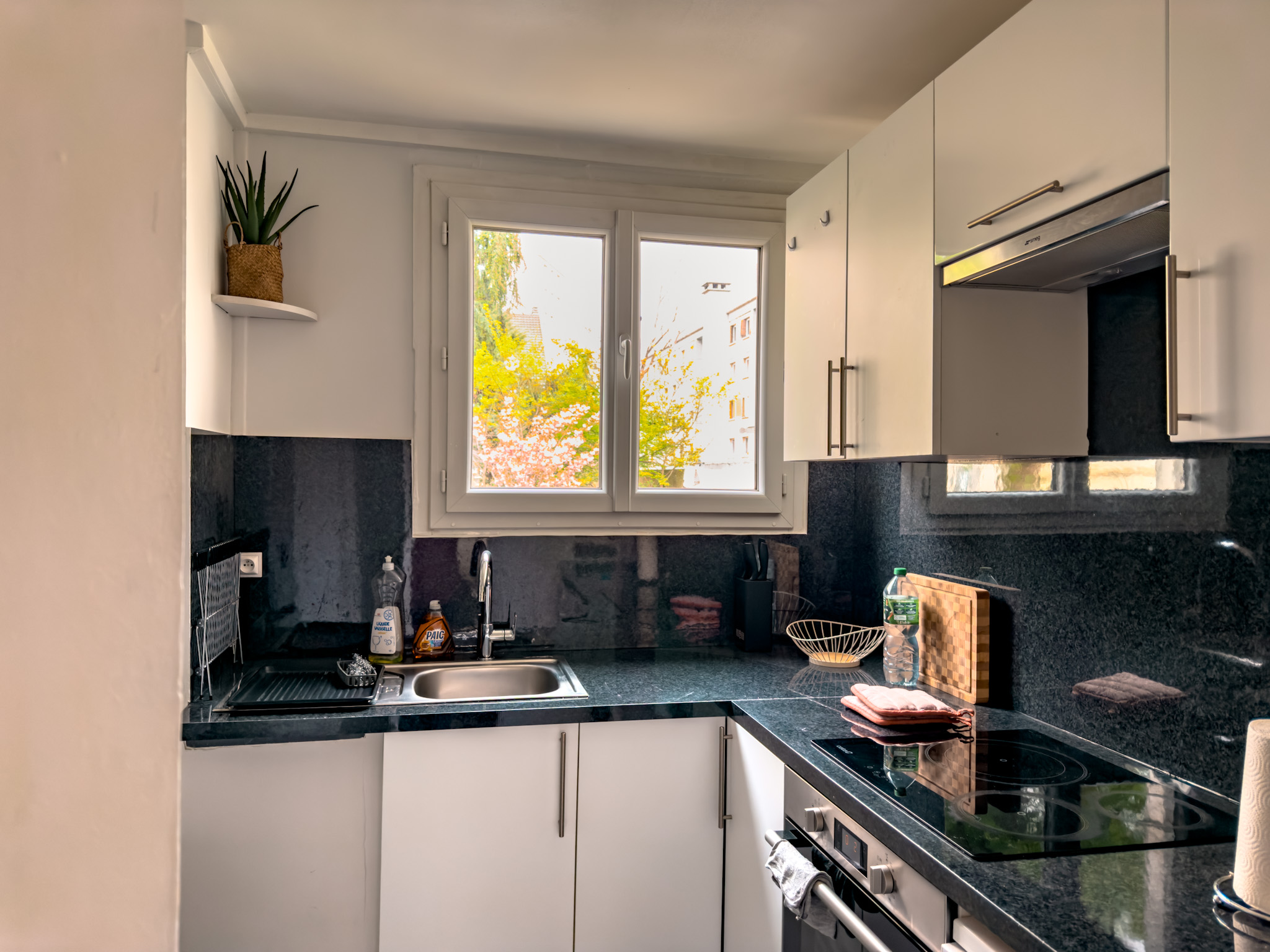
Stay Somewhere With a Kitchen if You Want to Save Money
Food is one of the easiest places to overspend in Europe.
I love eating out, but I do not need every meal to be a restaurant meal. If you are staying for more than a few days, having a kitchen or kitchenette can save money and make the trip feel more comfortable.
A kitchen helps with:
Breakfast
Coffee
Snacks
Simple dinners
Leftovers
Food for kids
Dietary needs
Longer stays
Slow travel
Budget control
European supermarkets are one of my favorite travel hacks. You can often find coffee, pastries, fruit, yogurt, salads, sandwiches, hot meals, cold meals, bakery items, snacks, wine, and ready-to-eat options for much less than a restaurant meal.
Even if you do not cook full meals, having a fridge can help. Breakfast at your stay, lunch out, and a simple grocery dinner can save a lot over a week or two.
When searching Booking.com, look for apartments, aparthotels, or hotel rooms with kitchenettes if saving money on food is a priority. Read reviews to make sure the kitchen is actually usable, not just a microwave and one spoon.
Read my how to use AI to choose where to stay guide if you want help comparing neighborhoods and accommodation styles before booking.

Eat Your Main Meal at Lunch
Lunch can be one of the best ways to save money in Europe.
In many countries, restaurants offer lunch specials or set menus that are cheaper than dinner. In Spain, you may see menu del día. In France, you may see plat du jour or formule options. In other countries, you may find lunch menus with a starter, main dish, drink, dessert, or coffee for less than you would spend at dinner.
This is one of my favorite savings tips because you still get to eat well.
Instead of spending a lot on dinner every night, make lunch your main meal and keep dinner simpler. You can do a grocery dinner, casual takeaway, bakery stop, market meal, or something light near your stay.
Look for local lunch deals away from the main tourist squares. The best value is usually not right beside the biggest landmark.
A good Europe food plan could look like this:
Breakfast from the supermarket or bakery
Lunch as the main sit-down meal
Afternoon coffee or snack
Simple dinner from a market, grocery store, casual spot, or leftovers
This keeps the trip enjoyable without making food costs spiral.
It also helps you enjoy restaurants without feeling like every single day has to be a big dinner bill. I would rather have a good lunch menu, a coffee or pastry later, and a simple dinner than spend the whole trip feeling like food is eating up the entire budget.
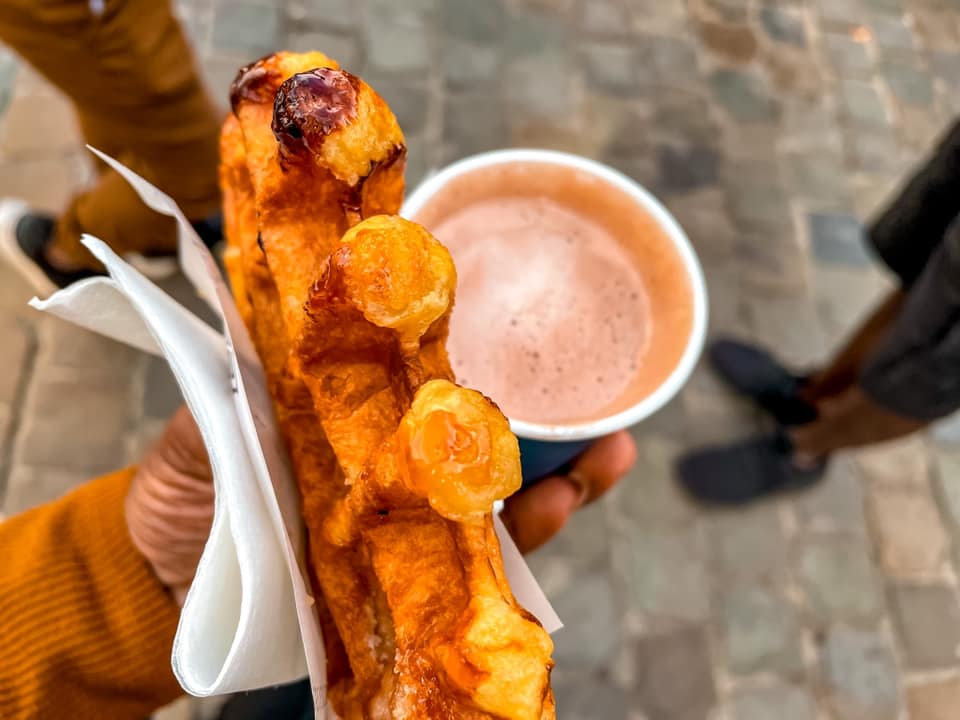
Avoid Tourist Trap Restaurants
Europe has amazing food, but tourist traps are everywhere.
The easiest places to get an overpriced, forgettable meal are usually right beside the major attractions, on the main square, or on streets where every restaurant has giant picture menus in five languages and someone standing outside trying to pull you in.
That does not mean every restaurant near a landmark is bad, but you should be careful.
A few signs to watch for:
Huge photo menus
Someone aggressively trying to seat you
Menus in too many languages
No local customers
Food from too many unrelated cuisines
Prices that seem high for basic dishes
Location directly beside a major attraction
Reviews mentioning tourist trap or overpriced
Walk a few streets away when you can. Use Google Maps, recent reviews, food blogs, and your own eyes. Look for regional dishes, lunch specials, markets, bakeries, casual local places, and restaurants where the menu feels connected to the destination.
Food tours can also be helpful early in a trip if you want to understand what to order and where to eat. GetYourGuide can be useful for comparing food tours, market tours, wine tastings, cooking classes, and walking tours when you want a guided introduction instead of guessing.
Read my Lisbon food guide, Porto food guide, and what to eat in Santiago de Compostela guide for examples of how food can shape a trip without every meal needing to be expensive.

Drink Tap Water When It Is Safe
Buying bottled water every day adds up, especially in summer or on long sightseeing days.
In many parts of Europe, tap water is safe to drink, but always check the local guidance for your destination. When tap water is safe, carrying a reusable water bottle can save money and reduce waste.
Some cities also have public fountains where you can refill your bottle. Rome is famous for this, but other European cities have refill options too.
A reusable bottle is simple, but it earns its space quickly if you are walking a lot. It is especially helpful in summer, with kids, on train days, or anytime you are trying to keep daily costs down.
If tap water is not recommended in a specific destination, buy larger bottles from the supermarket instead of constantly buying small bottles near tourist attractions.

Use Supermarkets for Breakfast, Snacks and Easy Meals
European supermarkets can save your budget.
They are not just for cooking full meals. They are great for breakfast, coffee, snacks, picnic lunches, simple dinners, drinks, and grabbing something quick before a train or bus.
Depending on the country and store, you may find:
Coffee
Pastries
Fresh bread
Cheese
Fruit
Yogurt
Salads
Sandwiches
Hot meals
Cold meals
Sushi
Ready-made pasta
Rotisserie chicken
Snacks
Wine or beer where sold
Desserts
Water
Chocolate
Local treats
This is especially helpful when you are staying in a city for several days. You do not need to eat every meal out to enjoy Europe. Sometimes a supermarket lunch in a park, by the river, or back at your apartment is perfect.
It is also a good family travel tip because kids and teenagers get hungry at inconvenient times. Having snacks and drinks on hand can save money and moods.
Supermarkets are also a good way to see everyday life in a place. You notice what people buy, what local snacks are popular, what the bakery section looks like, and how much basic food actually costs outside the tourist zones.
A grocery stop may not sound exciting when you are planning a dream trip, but it can make the trip easier once you are there.
Walk and Use Public Transportation
One of the best things about many European cities is that you can walk a lot.
Walking saves money, but it also helps you experience the city better. You notice side streets, bakeries, parks, squares, local shops, markets, and little moments you would miss in a taxi.
Of course, you do not need to walk everywhere. Public transportation in many European cities is excellent and much cheaper than relying on taxis. Metro systems, trams, buses, regional trains, and ferries can help you move around for less.
Before buying single tickets all day, check whether the city offers:
Daily transit passes
Multi-day passes
Contactless payment
Transit cards
Family tickets
Airport transport passes
Regional passes
Weekly passes for longer stays
Some cities make public transportation very easy. Others require a little more planning. Download the local transit app before you arrive and save your hotel location in Google Maps.
Taxis and rideshares have their place, especially late at night, with luggage, during bad weather, or when traveling with family. But if you use them constantly, your budget will feel it.
Also remember that a good location can save money on transportation. Sometimes paying a little more to stay in a walkable area near transit is cheaper than booking a cheaper stay far away and spending more time and money getting around every day.
Location is part of the budget.
Check City Cards and Museum Passes Carefully
City cards can be a good deal, but only if you will actually use them.
Many European cities offer museum passes, attraction passes, public transportation cards, or multi-attraction city cards. Some include public transport. Some include only museums. Some include discounts, not free entry. Some are worth it if you are doing a lot in a short time. Others are not worth it if you travel slowly.
Before buying a city card, compare:
Cost of the pass
Attractions included
Whether public transport is included
Reservation requirements
How many places you realistically plan to visit
Whether the pass lets you skip ticket lines
Whether the included attractions are actually on your itinerary
How many days the pass lasts
Whether museums are closed on certain days
Do the math before buying.
If a pass costs €70 and you only plan to visit two museums, it may not save money. If you plan to visit five major attractions in two days, it might.
Also check whether reservations are still required even with a pass. In some cities, a pass gets you access, but you still need to reserve a time slot for popular attractions.
A pass can also make people feel like they have to rush to “get their money’s worth.” That may work for some travelers, but I do not always want to turn a city into a checklist.
Buy the pass if it supports your actual itinerary, not because it sounds like something a tourist is supposed to buy.

Look for Free Museum Days
Free museum days can be a great way to save money in Europe.
Many museums and cultural sites across Europe offer free entry on certain days, at certain times, for certain ages, or for specific groups. The first Sunday of the month is a common free-entry day in some destinations, but this varies by country, city, museum, and season.
Always check the official museum website before building your plan around free entry.
Free days can also mean bigger crowds. If a museum is one of your top priorities, paying for a regular ticket on a quieter day may be worth it. But if you are flexible, free museum days can help stretch your budget.
Also look for:
Free museums
Free church entry
Free viewpoints
Free walking routes
Free parks and gardens
Free cultural centers
Free museum evenings
Student discounts
Youth discounts
Family discounts
Reduced admission days
In cities like Paris, London, Madrid, Lisbon, Porto, and many others, you can build full travel days around free or low-cost experiences.
Read my free things to do in Bangkok guide, free things to do in Paris guide, and destination-specific city guides for more examples of how free experiences can still feel rich and meaningful.
Pay Attention to Tipping Customs
Tipping in Europe is not the same as tipping in the United States.
In many European countries, service workers are paid differently, and tipping is often more modest. You may round up the bill, leave a few coins, or add a small amount for good service. In some places, service may already be included. In others, tipping is appreciated but not expected at the same level Americans are used to.
Before you travel, check the tipping customs for your destination.
Do not assume you need to tip 20% everywhere. That can make the trip more expensive than it needs to be and may not match local norms.
A simple approach in many places is to round up for casual meals, leave a little extra for good service, and check whether a service charge is already included.
This is also one of those small things that helps you travel with more confidence. When you know the local norm, you are less likely to feel awkward at the end of every meal.
Avoid ATM Fees and Bad Currency Exchange
Money mistakes can quietly drain your Europe budget.
Airport currency exchange booths are usually not the best deal. Dynamic currency conversion is another thing to watch for. That is when a card machine asks if you want to pay in your home currency instead of the local currency. In most cases, choose the local currency so your own bank or card network handles the conversion instead of the merchant’s marked-up rate.
Before your trip, check:
Foreign transaction fees
ATM withdrawal fees
International ATM partners
Daily withdrawal limits
Card acceptance
Backup cards
Cash needs
Bank app access abroad
Two-factor authentication
Emergency money options
Use a travel debit card or bank account that reduces ATM fees if possible. Charles Schwab is popular with many U.S. travelers because of ATM fee rebates, but use whatever setup works for you.
Wise can also be helpful if you are managing different currencies, sending money internationally, or traveling long term.
Carry more than one card. Do not rely on one account. Cards can get blocked, ATMs can fail, and some places may prefer cash.
Also, do not wait until you are already abroad to figure out how your bank handles international access. Make sure your cards work, your banking apps are updated, your phone number or authentication method works abroad, and you have a backup way to access money if one card fails.
That may not be the fun part of planning Europe, but it matters.
Use a No Foreign Transaction Fee Card
A no foreign transaction fee card can save money on everyday purchases.
If you use a card with foreign transaction fees, you may pay extra every time you buy a coffee, train ticket, meal, museum ticket, or hotel stay abroad. That adds up quickly.
The Chase Sapphire Preferred is one option because card members pay no foreign transaction fees on purchases made outside the United States.
This is one reason I like having a travel credit card for international trips.
Just make sure you pay it off. The points and travel benefits are not worth it if you are carrying interest.
A good travel card can help with foreign transaction fees, points, travel protections, and smoother payments, but it is not magic. It only works in your favor if you use it responsibly.
Stay Connected With an eSIM
Mobile data makes Europe travel easier.
You need your phone for maps, train tickets, hotel messages, translation, restaurant searches, ride share apps, banking, and last-minute changes. If you are moving between countries, having data ready when you land or cross a border can make travel days much smoother.
Airalo sells eSIMs for travelers, including local, regional, and global options, and its marketplace covers 200+ countries and regions.
For Europe, compare whether a country-specific eSIM or a regional Europe eSIM makes more sense. If you are only visiting France, one country plan may be enough. If you are visiting France, Belgium, the Netherlands, and Germany, a regional plan may be easier.
Before buying an eSIM, check:
Phone compatibility
Whether your phone is unlocked
Countries included
Data amount
Validity period
Hotspot rules
Activation timing
Top-up options
Whether it is data-only
A portable charger pairs well with an eSIM because mobile data, GPS, photos, translation, and train apps can drain your battery quickly.
Read my how to stay connected while traveling internationally guide before choosing your phone setup.
Having data when you land is one of those things that can immediately make the trip feel less stressful. You can check directions, message your stay, pull up transit options, translate signs, and figure out where you are without hunting for airport Wi-Fi.
Book Stays That Match Your Trip Style
Europe has every kind of stay: hotels, hostels, apartments, aparthotels, guesthouses, boutique stays, budget rooms, and longer-stay rentals.
The right stay depends on the trip.
For a short city break, location may matter most. For a longer trip, kitchen and laundry may matter more. For families, space and easy transportation can make the stay much better. For digital nomads, Wi-Fi and workspace are non-negotiable. For budget travelers, a slightly cheaper area can work if transit is easy.
Before booking, check:
Location on the map
Transit access
Recent reviews
Elevator access
Air conditioning or heating
Kitchen or fridge
Laundry
Wi-Fi
Noise complaints
Room size
Cancellation policy
City taxes
Check-in instructions
Distance from airport or train station
Booking.com is useful because you can compare real stays, prices, reviews, and maps after you know which neighborhoods make sense.
For Europe especially, do not ignore elevators, air conditioning, and stairs. Older buildings can be charming, but not every stay is easy with luggage. In summer, air conditioning may matter more than you think. In winter, heating matters too.
Read my how to use AI to choose where to stay guide before booking a city you do not know well.

Plan Your Travel Days Like Real Days
Do not overload travel days.
If you are moving from one city to another, count that as part of the day. Even if the ride is short, travel takes energy. Packing, checking out, transportation, waiting, arriving, checking in, and finding food all take time.
A travel day can still include a simple walk, dinner, or one light activity, but I would be careful about booking major tours or expensive tickets on arrival days.
Before each travel day, have:
Tickets downloaded
Hotel address saved
Mobile data ready
Portable charger charged
Passport accessible
Snacks or food plan
Transportation to the station or airport checked
Arrival transportation checked
Check-in instructions saved
Backup payment ready
This is especially important if you are traveling with family or moving between countries.
A good travel day feels boring in the best way. You know where you are going, you have what you need, and you are not trying to figure everything out while tired.
I also like to know my food plan on travel days. It does not have to be fancy. It can be a sandwich from the supermarket, pastries from a bakery, snacks in my bag, or a restaurant near the hotel after arrival. But hungry, tired, and confused is not the travel day combination I want.
Give Yourself Rest Days
Europe can be overstimulating in the best and worst ways.
Museums, churches, trains, crowds, restaurants, stairs, walking, heat, markets, tours, and constant movement can wear you down. If you are doing a longer trip, plan rest time before you need it.
A rest day does not mean wasting the trip.
It can mean sleeping in, doing laundry, grocery shopping, walking a neighborhood, sitting in a park, getting coffee, editing photos, or eating a simple meal near your stay.
If your route is longer than a week, build in lighter days. If you are moving every few days, you will need even more space.
Travel is not more meaningful because you are exhausted.
Some of my best travel memories are not from packed itinerary days. They are from slow walks, random grocery runs, sitting by the water, finding a cafe, or letting the day unfold without forcing it.
Europe has plenty of big-ticket experiences, but the slower moments matter too.

Common Europe Travel Planning Mistakes to Avoid
A lot of Europe travel mistakes happen before the trip even starts.
People choose too many cities, underestimate travel days, book cheap flights without checking baggage rules, stay too far from public transportation, forget about museum closure days, or assume every city card saves money.
Some of the biggest mistakes are:
Trying to visit too many countries in one trip
Booking cities that do not connect well
Forgetting that travel days take energy
Only comparing ticket prices instead of full door-to-door cost
Choosing cheap hotels far from everything
Not checking baggage rules on budget airlines
Waiting too long to book high-speed trains
Assuming all attractions can be visited without timed tickets
Eating every meal in tourist-heavy areas
Forgetting rest days
Not checking local holidays or museum closure days
Not having mobile data ready when you land
Europe can be very easy to travel through, but it rewards planning.
The goal is not to schedule every minute. The goal is to remove the avoidable stress.
Another mistake is copying someone else’s itinerary without asking whether it fits your own travel style. Some people love waking up early, hitting three museums, walking 25,000 steps, and catching a train the next morning. Some people need a slower pace. Some people are traveling with teenagers, parents, or family members who do not want that kind of speed.
There is no perfect Europe trip for everyone.
There is only the Europe trip that works for you.

Do Not Forget Schengen Rules If You Are Staying Longer
If you are planning a longer Europe trip, make sure you understand the Schengen Area rules.
Many popular European countries are part of Schengen, and for U.S. travelers, the common rule is 90 days within a 180-day period for short stays.
This matters if you are planning a long trip, country-hopping, working remotely, or trying to spend several months in Europe. You cannot simply reset your time by moving from France to Spain or Portugal to Italy if those countries are all part of Schengen.
If your trip is only one or two weeks, this probably will not affect you. But if you are planning long-term travel, a sabbatical, digital nomad route, or move-abroad test run, you need to track your days carefully and understand which countries are inside or outside Schengen.
This is one of those things people often do not think about until they are already deep into planning.
Europe can feel like one big open map when you are scrolling through destinations, but visa and entry rules still matter. If you want to stay longer, look at the rules before you fall in love with a route that does not legally work.
For longer travel, you may need to mix Schengen and non-Schengen countries, look at long-stay visas, or build a route that gives you more breathing room.
Use AI to Check If Your Europe Itinerary Is Too Packed
AI can be helpful for Europe route planning because it can spot problems before you book.
Use a prompt like:
Europe Itinerary Check Prompt:
Review this Europe itinerary and tell me if it is too rushed. Point out where I am backtracking, where travel days may take more energy than expected, which cities need more time, and what I should cut to make the trip more enjoyable.
You can also ask:
Which parts of this trip are technically possible but not enjoyable?
That is a powerful question.
A lot of Europe itineraries are possible. That does not mean they are good.
Read my how to use AI to plan a Europe trip guide and my best AI prompts for travel planning guide if you want more prompt ideas.
AI can also help compare routes, estimate travel day stress, build a packing list, suggest day trips, organize your hotel research, and create a realistic daily flow. But you still need to use your own judgment.
AI can help you plan smarter, but you are the one who knows your energy, your budget, your family, and your travel style.
Think About Travel Insurance
Travel insurance is one of those things you hope you never need, but it can matter.
For Europe trips, think about medical coverage, trip delays, cancellations, lost luggage, missed connections, and whether your activities are covered. If you are traveling longer term, moving between countries, or working remotely, insurance becomes even more important.
SafetyWing is one option many long-term travelers and digital nomads consider because it is built around international travel and people moving between countries. Before choosing any policy, read the details carefully and make sure it fits your destination, trip length, health needs, activities, and personal situation.
Use AI to create a checklist, but read the actual policy yourself.
Travel insurance is not the exciting part of planning, but neither is getting sick abroad, losing luggage, missing a connection, or dealing with an emergency without knowing what support you have.
It is one of those boring decisions that can protect the whole trip.

Europe Travel Essentials I Would Set Up Before Leaving
Before a Europe trip, I would make sure the basics are handled before arrival. That means mobile data, a no foreign transaction fee card, a backup card, travel insurance, downloaded maps, booked first-night accommodation, a portable charger, and a realistic transportation plan from the airport or train station.
A few things I would think about before leaving:
An eSIM or international phone plan so you have data when you land
A no foreign transaction fee card like Chase Sapphire Preferred
A debit card that works well for international ATM withdrawals. I recommend Charles Schwab
Travel insurance through a provider like SafetyWing if it fits your trip
A portable charger for long sightseeing and travel days
A universal adapter for charging devices
A lightweight day bag for walking around cities
Comfortable shoes because Europe is a walking-heavy destination
Copies of important documents saved offline
Booking and transportation confirmations downloaded
This does not need to be complicated, but having these things ready can make the first few days of the trip much smoother.
The more you can handle before you land, the less you have to figure out while jet-lagged, tired, hungry, or standing in an airport trying to connect to Wi-Fi.
Budget for the Boring Costs
Europe budgets often fail because people only count the fun stuff.
They plan for flights, hotels, and attractions, but forget the boring costs that happen every day.
Budget for:
Airport transportation
Train station transfers
Baggage fees
City taxes
Public transportation
Snacks
Coffee
Water
Laundry
Mobile data
Bathrooms in some places
Tips or rounding up
Luggage storage
Adapters
Museum lockers
Reservation fees
Tourist taxes
SIM or eSIM
Travel insurance
ATM fees
Currency conversion
Unexpected taxis
None of these things may seem huge on their own, but together they can change your daily budget.
Always add a buffer.
Europe is easier when you are not trying to make every euro stretch to the breaking point.
Even if you are traveling on a budget, you still need room for the real cost of moving through a place. That might mean paying for luggage storage because your hotel check-in is later. It might mean taking a taxi because it is raining and you have bags. It might mean buying a last-minute train ticket because your original plan changed.
A buffer gives you breathing room.

Final Thoughts: A Better Europe Trip Starts With Smarter Planning
Europe is one of the most rewarding places to travel, but it is also one of the easiest places to overplan.
You do not need to see every country in one trip. You do not need to change cities every two days. You do not need to eat every meal in a restaurant. You do not need to buy every pass, book every tour, or follow every itinerary you see online.
You need a route that makes sense.
Start with the amount of time you really have. Choose countries and cities that connect well. Compare trains, buses, and flights by the full travel day, not just the ticket price. Pack light, especially if you are using budget airlines. Use flight deals when they help, but do not let a cheap fare create a bad route. Stay in areas that support your itinerary. Eat your main meal at lunch. Use supermarkets. Walk and take public transportation. Check city passes before buying. Look for free museum days. Use a no foreign transaction fee card. Set up mobile data before you land.
Small choices can save money, but they can also make the trip feel better.
That is the real goal.
Not just a cheaper Europe trip.
A smoother one.

Cavetta is the creator of LifeWithVetta.com and has been traveling the world full time since 2020. She has visited more than 60 countries while worldschooling her son and documenting what it really takes to live abroad. Her guides focus on travel, moving abroad, digital nomad life, and designing a life beyond the traditional path.
